Creating a beautiful outdoor living space doesn’t have to drain your bank account. With some creativity and smart planning, you can design a stunning paver patio that enhances your home’s value and provides a perfect spot for relaxation and entertainment. These budget-friendly paver patio ideas combine affordability with style, proving that you don’t need to spend a fortune to transform your backyard into an outdoor oasis.
This Website contains affiliate links. That means I may earn a small commission if you purchase through my links, at no extra cost to you.
Planning Your Budget-Friendly Paver Patio
Before diving into specific paver patio ideas, it’s important to establish a solid plan that will help you maximize your budget while achieving the outdoor space of your dreams.
Measure Your Space
Start by measuring the area where you want to install your paver patio. Knowing the exact dimensions will help you calculate material costs and avoid purchasing excess supplies. For irregularly shaped areas, divide the space into rectangles and triangles to get accurate measurements.
Set a Realistic Budget
Determine how much you can comfortably spend on your patio project. A basic DIY paver patio can cost between $3-$6 per square foot for materials, while professional installation typically ranges from $10-$17 per square foot. Setting a clear budget helps you make informed decisions about materials and design.
Choose Affordable Materials
Concrete pavers are generally the most budget-friendly option, costing significantly less than natural stone. Reclaimed or second-hand materials can also dramatically reduce costs. Check local classified ads, construction salvage yards, or even online marketplaces for affordable paver options.
DIY vs. Professional Installation
Installing a paver patio yourself can save 50-60% on labor costs. However, assess your skill level honestly. Some projects may require professional expertise, especially for complex designs or sloped terrain. For straightforward patio designs, DIY installation with the right tools is definitely achievable.
Related Posts:






Classic and Timeless Paver Patio Ideas
These traditional paver designs have stood the test of time for good reason—they’re simple to implement and create a clean, elegant look that complements any home style.
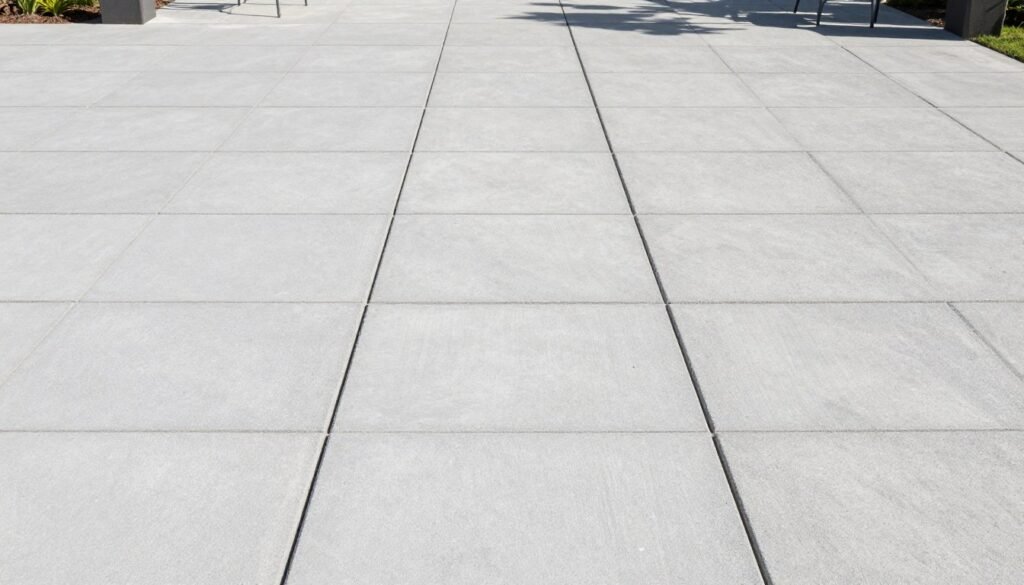
Simple Grid Pattern
A basic grid pattern using square or rectangular concrete pavers creates a clean, timeless look that’s easy to install. This straightforward design minimizes cutting and waste, making it perfect for DIY beginners. For added visual interest without additional cost, consider alternating two complementary colors of the same paver style.
To create this look, you’ll need a level base of compacted gravel and sand. Quality base materials are essential for preventing shifting and extending the life of your patio, even on a budget project.
Running Bond Pattern
Similar to a brick wall pattern, the running bond layout staggers rectangular pavers for a classic, structured appearance. This design is slightly more interesting than a grid pattern but remains simple enough for DIY installation. It works particularly well for creating pathways or connecting different areas of your yard.
For this pattern, rectangular concrete pavers are your most economical option. Consider using a simple plastic paver edging to maintain the pattern’s clean lines while keeping costs down.
Budget-Friendly Paver Materials
The materials you choose will have the biggest impact on your patio budget. These affordable options deliver great results without the premium price tag.
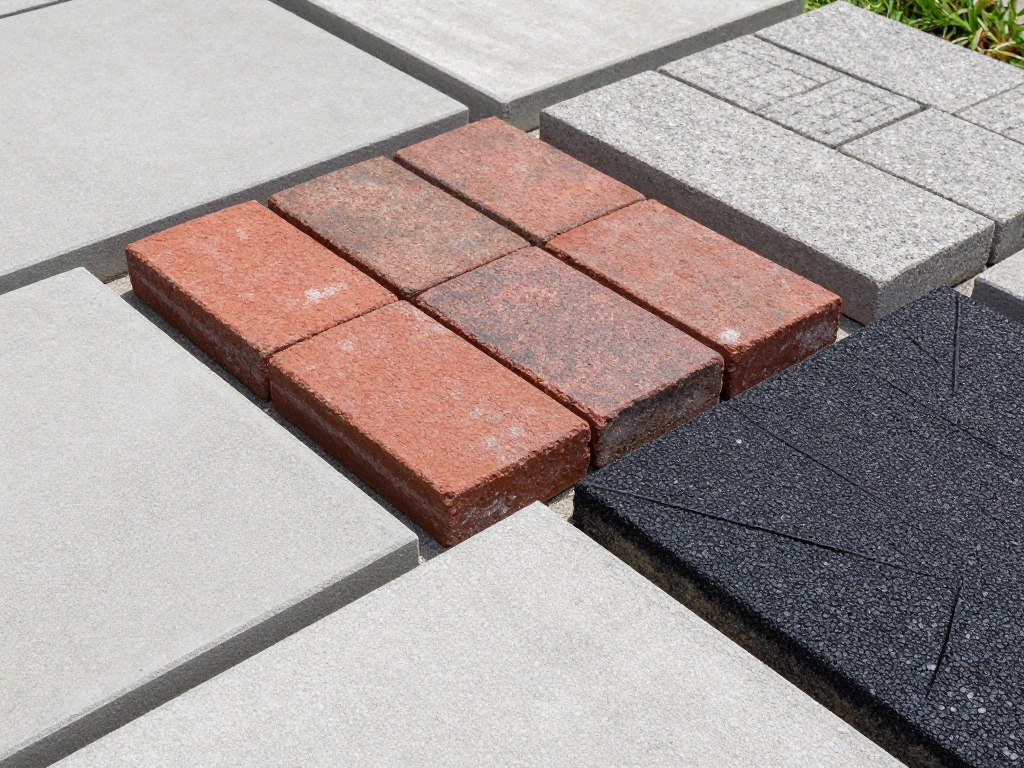
Concrete Pavers
Concrete pavers are the most economical option, typically costing $2-4 per square foot for materials. They come in various shapes, sizes, and colors, making them versatile for any design. While not as luxurious as natural stone, modern manufacturing techniques have improved their appearance significantly.
For the best value, look for simple, uniform concrete pavers rather than specialty shapes or textures. Basic gray pavers can be stained or sealed later to enhance their appearance if desired.
Reclaimed Brick
Salvaged brick offers vintage charm at a fraction of the cost of new materials. Check demolition sites, salvage yards, or online marketplaces for these budget-friendly gems. A quick cleaning with a power washer will have them looking ready for installation.
The irregular nature of reclaimed materials means you’ll need to be flexible with your design, but the character they add is worth the extra planning. Complement your reclaimed brick patio with vintage-inspired outdoor accessories to enhance the rustic appeal.
Rubber Pavers
Made from recycled tires, rubber pavers are an eco-friendly and budget-conscious option. They’re lightweight, durable, and provide excellent slip resistance. While they don’t have the same aesthetic appeal as stone or brick, they’re perfect for family-friendly spaces or areas that need cushioning.
These affordable rubber pavers are also incredibly easy to install, making them ideal for quick weekend projects. Their interlocking design often eliminates the need for adhesives or special tools.
Gravel and Stepping Stone Combination
For an extremely budget-friendly option, combine inexpensive gravel with strategically placed stepping stones. This approach uses minimal materials while still creating a defined outdoor space. The contrast between the pavers and gravel adds visual interest without additional cost.
Choose pea gravel for comfort underfoot, and install a quality weed barrier beneath to minimize maintenance. This combination works particularly well for casual, rustic-style outdoor spaces.
Creative Paver Patterns and Designs
Elevate your budget patio with these design ideas that create visual impact without increasing material costs.
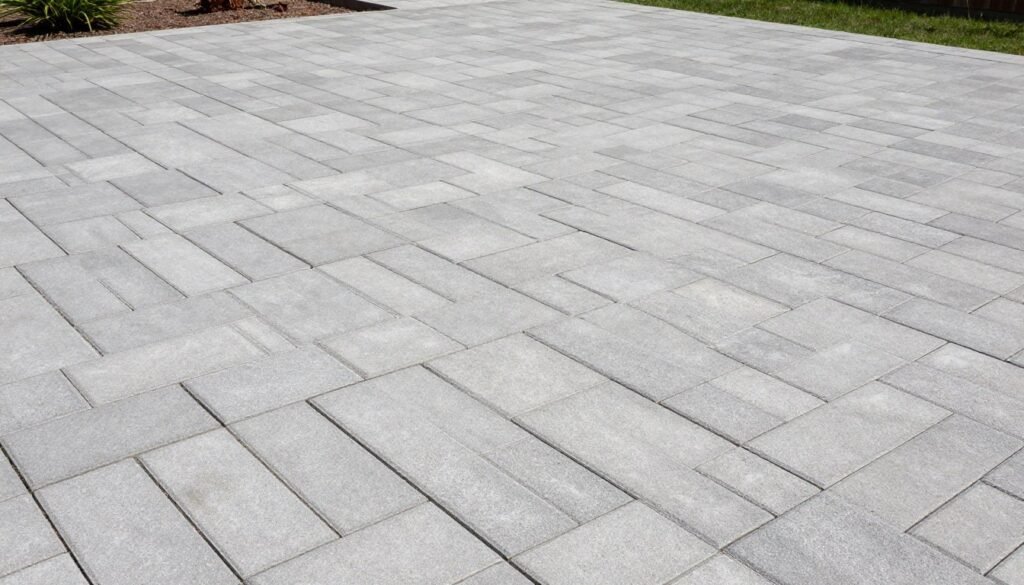
Herringbone Pattern
The herringbone pattern creates sophisticated visual interest using standard rectangular pavers. While it requires more cutting than simpler patterns, the elegant result is worth the extra effort. This zigzag arrangement adds movement and texture to your patio without requiring expensive materials.
To minimize waste when cutting pavers, plan your layout carefully using graph paper. A quality diamond blade for your circular saw will make clean cuts and save time during installation.
Mixed Material Approach
Combine different affordable materials for a custom look that appears more expensive than it actually is. For example, frame concrete pavers with a border of brick, or create insets of decorative gravel within a basic paver pattern. This approach allows you to use less expensive materials for the majority of the patio while adding small accents of premium materials.
When mixing materials, maintain a cohesive color palette to ensure the design looks intentional rather than haphazard. Outdoor rugs can also help tie different elements together visually.
Paver and Grass Combination
Create a checkerboard effect by alternating pavers with squares of grass or low-growing ground cover. This eco-friendly approach reduces material costs while adding natural texture and color to your patio. It also improves drainage and reduces runoff.
For best results, use a clean edging tool to create sharp lines between pavers and planted areas. Choose drought-resistant ground covers to minimize maintenance in these spaces.
DIY Paver Patio Installation Basics
Installing your own paver patio is one of the most effective ways to save money. Here’s a simplified overview of the process to help you get started.

Essential Tools and Materials
You’ll need several basic tools to complete your DIY paver patio project successfully. Most can be rented rather than purchased to keep costs down.
Quality base preparation tools are worth investing in (or renting), as a properly prepared base is crucial for a long-lasting patio.
Step-by-Step Process
While detailed instructions will vary based on your specific site conditions, here’s a general overview of the paver installation process:
For more detailed guidance, consider referring to step-by-step paver installation guides that provide in-depth instructions for each stage of the process.
Small Space Paver Patio Ideas
Limited space doesn’t mean limited possibilities. These ideas help you maximize impact in compact areas while keeping costs down.

Circular Patio Design
A small circular patio creates a cozy, defined space that feels intentional rather than cramped. This design works particularly well for bistro-style seating areas or fire pit surrounds. While circular cuts require more effort, the distinctive look is worth the extra time.
To simplify installation, consider pre-designed circular paver kits that include the correctly shaped pieces. Alternatively, use square pavers and create the circular effect with the surrounding landscape elements.
Paver Pod Concept
Instead of paving an entire area, create “paver pods” – small, distinct paved areas for specific purposes. For example, one pod might hold a grill, another a bistro set, and a third a fire pit. Connect these pods with gravel or stepping stone paths to create a cohesive outdoor space that uses fewer materials.
This approach allows you to invest in quality materials for high-impact areas while saving on the overall square footage of pavers needed. Add string lights between pods to visually connect the spaces and create ambiance.
Vertical Elements
Maximize the impact of a small paver patio by incorporating vertical elements that draw the eye upward. Simple additions like a trellis, tall planters, or a pergola create the illusion of a larger space without expanding the paved area.
Look for vertical gardening solutions that allow you to grow upward rather than outward, preserving valuable patio space while adding greenery and visual interest.
Budget-Friendly Finishing Touches
The right accessories and decorative elements can elevate your budget paver patio from basic to beautiful without significant additional expense.
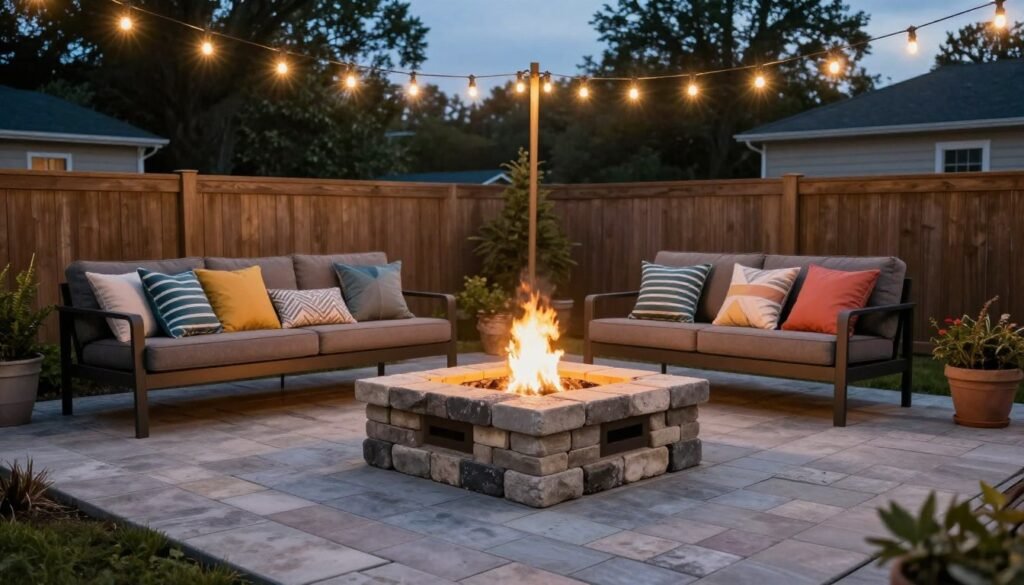
Lighting Solutions
Good lighting extends the usability of your patio into the evening hours while creating ambiance. Solar-powered options eliminate the need for electrical work, saving both money and hassle.
Affordable solar string lights provide immediate atmosphere and can transform even the simplest patio into an inviting evening retreat.
DIY Fire Features
A fire pit creates a natural gathering point and extends your outdoor season into cooler months. Build a simple fire pit using the same pavers as your patio for a cohesive look that costs far less than pre-made options.
For the most budget-friendly approach, create a fire pit ring using basic retaining wall blocks arranged in a circle. Add a metal fire ring inside for safety and durability. Always check local regulations regarding open fires before installation.
Container Gardens
Potted plants add color, texture, and life to your paver patio without the expense of built-in planters. Use a mix of container sizes and heights to create visual interest and define different areas of your patio.
Save money by starting with smaller plants that will grow over time, and consider self-watering containers that reduce maintenance and help plants thrive. Repurposed items like galvanized tubs or wooden crates can serve as unique, budget-friendly planters.
Outdoor Textiles
Soft elements like cushions, throws, and outdoor rugs add comfort and color to your patio at minimal cost. These accessories can be changed seasonally or as your taste evolves, allowing your outdoor space to remain fresh without major renovations.
Look for weather-resistant fabrics designed specifically for outdoor use to ensure longevity. During end-of-season sales, you can often find quality outdoor textiles at significantly reduced prices.
Creating Your Dream Patio on a Budget
A beautiful paver patio doesn’t require a hefty investment—just thoughtful planning, creative design choices, and a willingness to put in some sweat equity. By choosing affordable materials, embracing DIY installation, and adding personal touches, you can create an outdoor space that enhances your home and lifestyle without straining your finances.
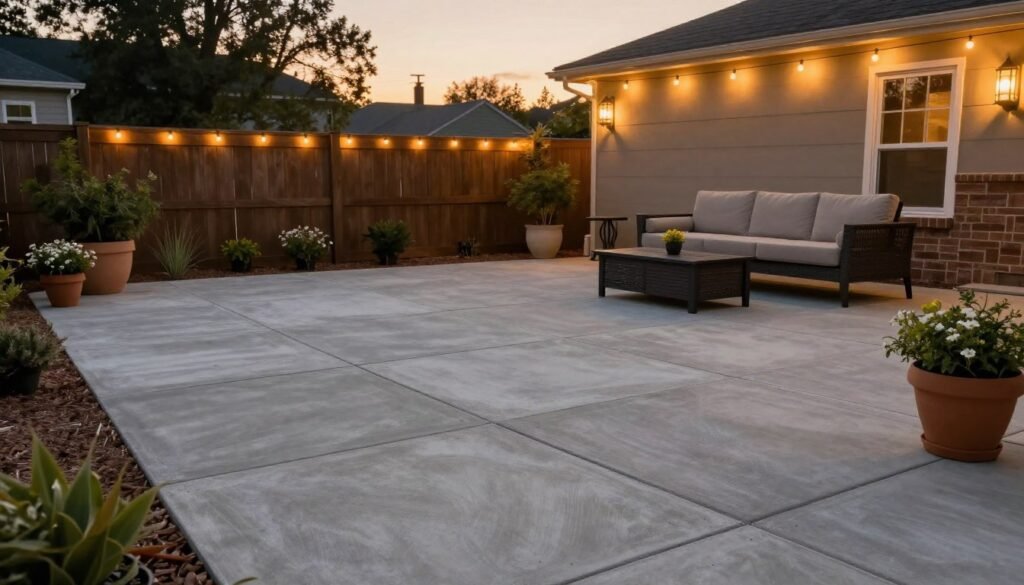
Remember that a patio is an investment in your home and quality of life. Even with budget constraints, focus on proper installation techniques and durable materials that will stand the test of time. With these paver patio ideas on a budget, you can create an outdoor retreat that looks expensive but leaves your savings intact.
Start small if needed—you can always expand your patio in phases as your budget allows. The most important thing is creating a functional, beautiful outdoor space that you’ll enjoy for years to come. Happy building!