Creating a beautiful landscape doesn’t have to drain your wallet. With some creativity and strategic planning, you can transform your outdoor space into a stunning retreat without spending a fortune. These cheap landscaping ideas combine practicality with aesthetic appeal, perfect for DIY enthusiasts looking to enhance their yard’s beauty while keeping costs down. From simple weekend projects to clever garden hacks, these budget-friendly solutions will help you create Pinterest-worthy outdoor spaces that look anything but cheap.
This Website contains affiliate links. That means I may earn a small commission if you purchase through my links, at no extra cost to you.
Affordable Hardscaping Ideas
Hardscaping elements add structure and visual interest to your landscape. These budget-friendly options create impact without the hefty price tag.
1. Create Inviting Pathways with Affordable Materials
Pathways not only guide visitors through your garden but also prevent wear on your lawn. Using budget-friendly materials like gravel, mulch, or stepping stones can create charming walkways that enhance your landscape’s visual appeal while serving a practical purpose.
For a rustic look, consider pea gravel which costs around $1 per square foot. You can search for pea gravel on Amazon or check your local garden center. Stepping stones placed strategically through garden beds create an enchanting journey through your yard and can be found for as little as $1-$5 each at discount home improvement stores.
2. Define Spaces with Inexpensive Edging
Garden edging creates clean lines between different areas of your yard while preventing grass from invading flower beds. Budget-friendly edging options include repurposed bricks, plastic edging, or even logs from fallen trees.
Plastic landscape edging typically costs between $10-$20 for a 20-foot roll and can be installed in an afternoon. For a more natural look, collect stones from your property to create a rustic border that costs nothing but time. Metal edging creates a sleek, modern look and while slightly more expensive upfront (around $2-$3 per foot), it lasts for years with minimal maintenance.
Related Posts:






3. Build a DIY Fire Pit
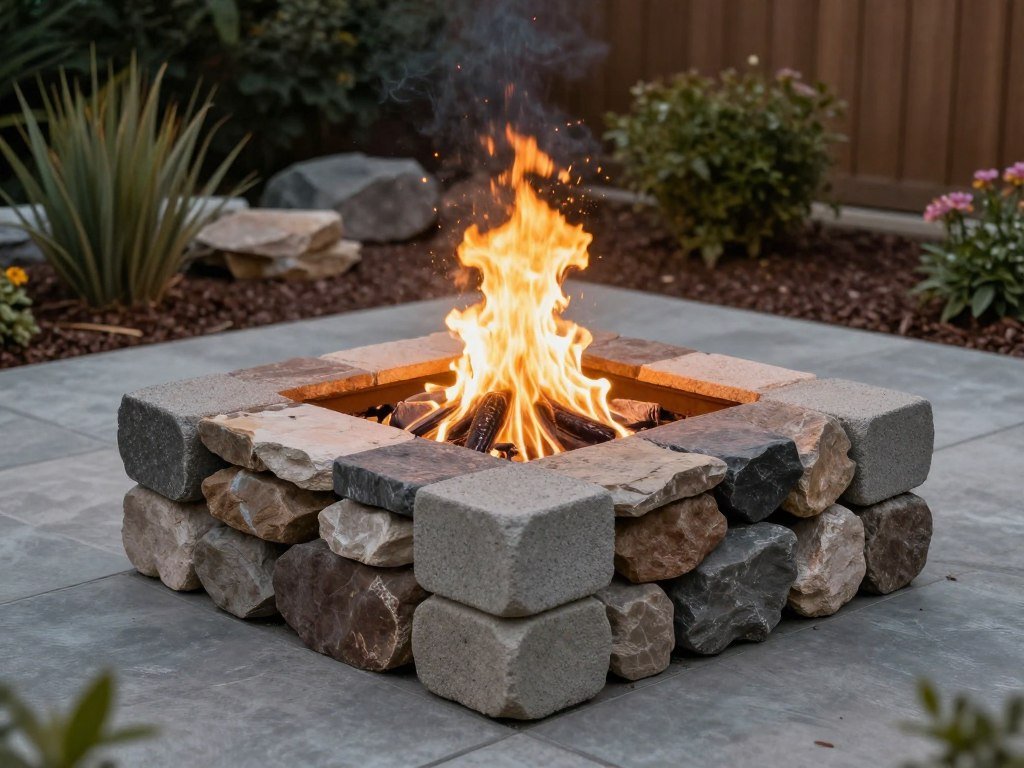
A fire pit creates an instant gathering spot in your yard and can be surprisingly affordable to build yourself. Using concrete blocks or repurposed stones, you can create a simple fire pit for less than $100 that provides years of enjoyment.
For the simplest version, arrange stones in a circle on level ground with a diameter of about 3-4 feet. Add a layer of gravel at the bottom for drainage. If you prefer a more finished look, search for fire pit kits on Amazon that include all necessary materials and instructions.
Thrifty Planting Strategies
Smart plant choices and placement can create a lush landscape without emptying your wallet. These strategies focus on plants that give you the most visual impact for your money.
4. Invest in Perennials for Long-Term Savings
While perennials may cost more initially than annuals, they return year after year, making them an excellent investment for budget-conscious gardeners. Focus on hardy varieties that thrive in your climate with minimal care.
Popular budget-friendly perennials include Black-Eyed Susans, Daylilies, Hostas, Coneflowers, and Sedum. These plants typically cost between $5-$15 each but will multiply over time, allowing you to divide and replant them to fill more space. For the best deals, shop end-of-season sales at local nurseries or organize plant swaps with neighbors.
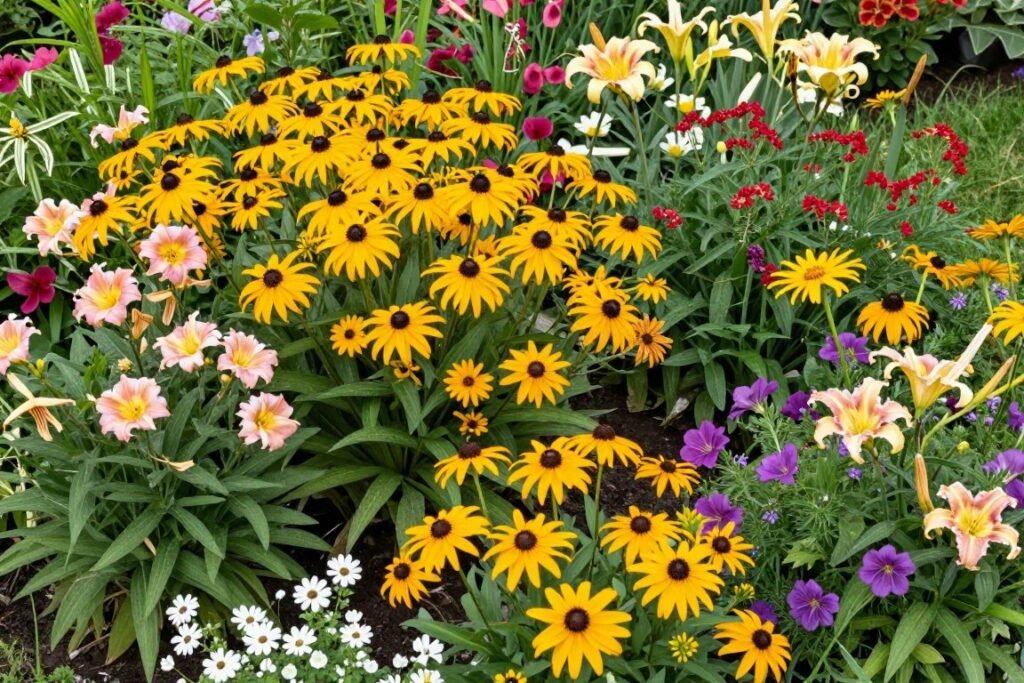
5. Embrace Native Plants for Low-Maintenance Beauty
Native plants are adapted to your local climate and soil conditions, requiring less water, fertilizer, and maintenance than exotic varieties. This makes them both environmentally friendly and budget-friendly choices for your landscape.
Visit local native plant sales or conservation districts for affordable native plant options. These plants not only save you money on maintenance but also support local wildlife and pollinators. Many native wildflowers can be started from seed for just a few dollars per packet, providing dozens of plants for the price of one nursery-grown specimen.
6. Start from Seeds Instead of Seedlings
Starting plants from seeds rather than buying established plants can save you significant money. A single seed packet costs $2-$4 but can yield dozens of plants, compared to $5-$10 for each individual plant at a nursery.
Easy plants to grow from seed include zinnias, cosmos, sunflowers, marigolds, and many vegetables. Search for seed variety packs on Amazon to get a diverse collection of plants for a fraction of the cost of buying them individually.
7. Use Groundcovers to Reduce Lawn Areas
Replacing portions of your lawn with low-growing groundcovers can reduce mowing and watering needs while adding visual interest. Options like creeping thyme, clover, or sedum create carpets of color and texture for less maintenance than traditional grass.
Clover seed costs about $0.50 per square foot and creates a drought-resistant, low-maintenance ground cover that stays green with minimal watering. Other options like creeping thyme add fragrance when walked upon and require almost no maintenance once established.
DIY Decor and Lighting on a Dime
The right decorative elements and lighting can transform your landscape from ordinary to extraordinary without a large investment.

8. Illuminate Your Landscape with Solar Lighting
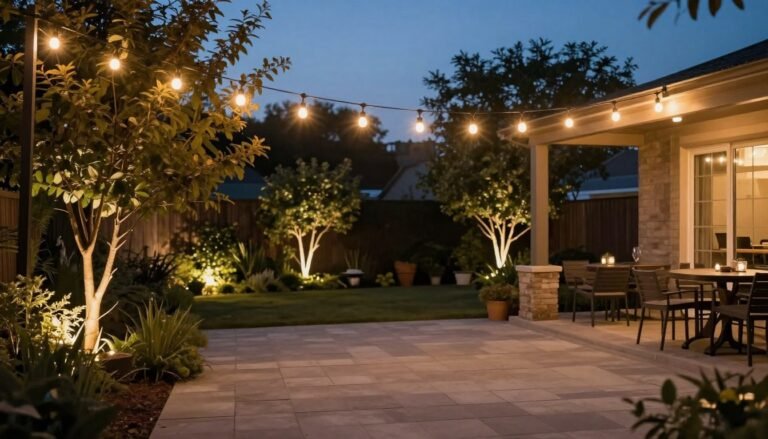
Solar-powered landscape lighting adds ambiance and safety to your outdoor space without increasing your electricity bill. These lights charge during the day and automatically illuminate your garden at night.
Basic solar path lights can be found for as little as $2-$5 each when purchased in sets. Search for solar garden lights on Amazon to find options ranging from practical path lighting to decorative string lights that create a magical atmosphere in the evening hours.
9. Create Focal Points with Repurposed Items
Every landscape benefits from focal points that draw the eye and create visual interest. Instead of purchasing expensive garden art, look for opportunities to repurpose items you already have.
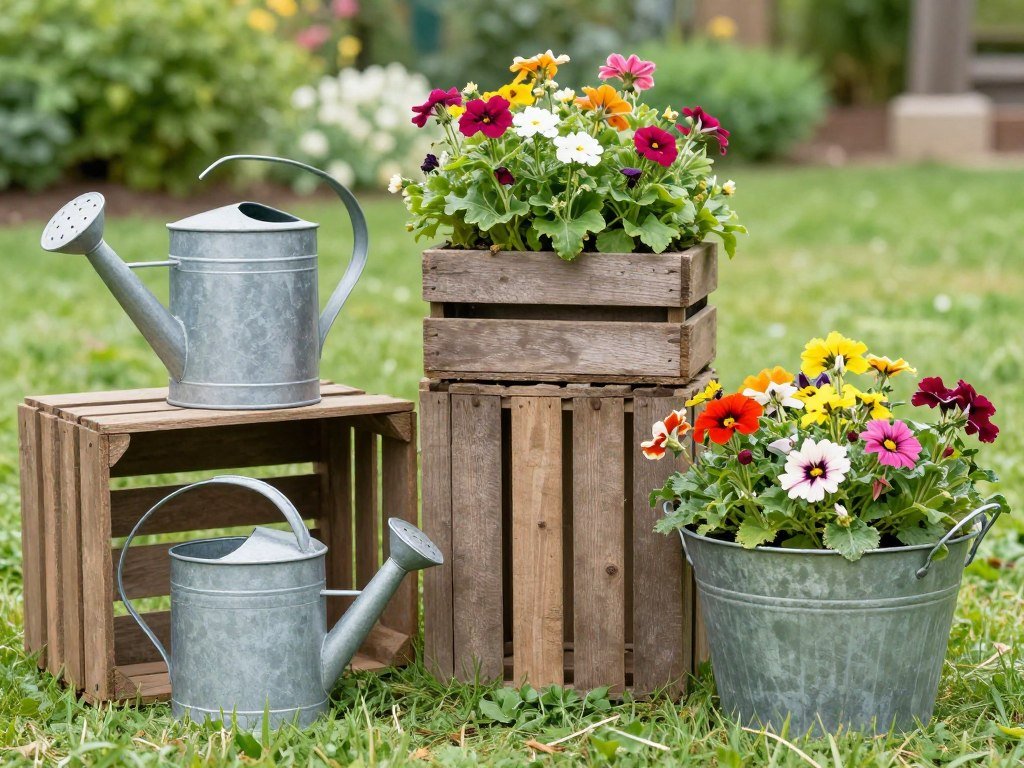
An old wooden ladder can become a plant stand, a chipped birdbath can be transformed into a succulent garden, or a collection of vintage watering cans can create a charming display. The key is to cluster similar items together for impact and integrate them thoughtfully into your landscape design.
10. Add Color with Inexpensive Container Gardens
Container gardens allow you to add bursts of color exactly where needed, and you don’t need expensive pots to create impact. Repurpose buckets, wooden crates, or even old dresser drawers as unique planters.
For a cohesive look, consider painting mismatched containers in complementary colors. Place containers strategically to draw attention to entryways or to brighten dull corners of your yard. Group containers of varying heights for visual interest and maximum impact.
Upcycled and Repurposed Projects
One person’s trash is another’s landscape treasure. These ideas transform everyday items into garden features that add character without cost.
11. Transform Old Furniture into Garden Features
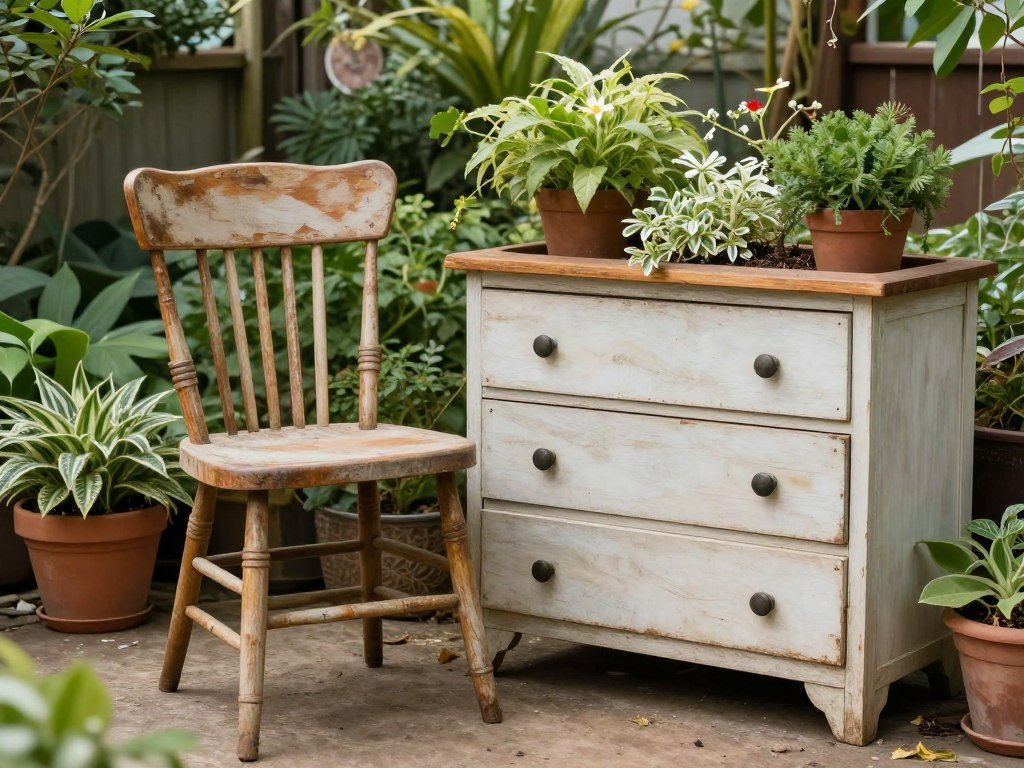
Before discarding old furniture, consider its potential in your landscape. An old wooden chair can become a charming plant stand, a metal headboard can serve as a trellis, or a dresser with missing drawers can be transformed into a unique planter.
For outdoor use, seal wooden items with exterior paint or polyurethane to protect them from the elements. Metal pieces can be spray painted with rust-resistant paint in colors that complement your landscape theme.
12. Create Vertical Gardens from Recycled Materials
Vertical gardens maximize growing space and create visual impact, especially in small yards. Using recycled materials makes this project both eco-friendly and budget-friendly.
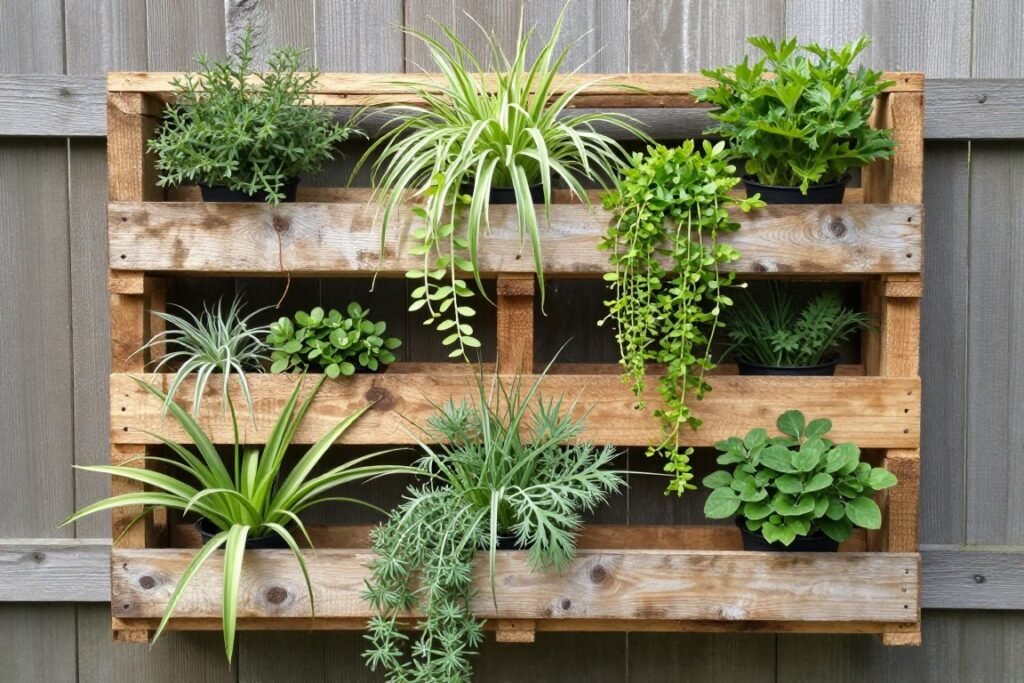
A wooden pallet can be transformed into a vertical planter with just a few supplies. Attach small pots to a fence or wall grid for an instant living wall. Even an old shoe organizer can become a vertical herb garden when hung in a sunny spot. Search for vertical garden supplies on Amazon if you need specific components like pocket planters or mounting hardware.
13. Build Raised Beds from Reclaimed Materials
Raised garden beds improve drainage, prevent soil compaction, and make gardening more accessible. Using reclaimed materials keeps costs minimal while giving materials a second life.
Untreated wooden pallets can be disassembled and rebuilt into raised beds. Concrete blocks, which cost about $1-$2 each, can be stacked to create beds without any tools required. Even fallen tree branches can be used to create natural-looking raised bed borders that gradually decompose and enrich the soil.
Budget-Friendly Water Features
Water features add a sensory dimension to your landscape through sound and movement. These DIY options create the luxury feel without the luxury price tag.
14. Craft a Simple Container Fountain
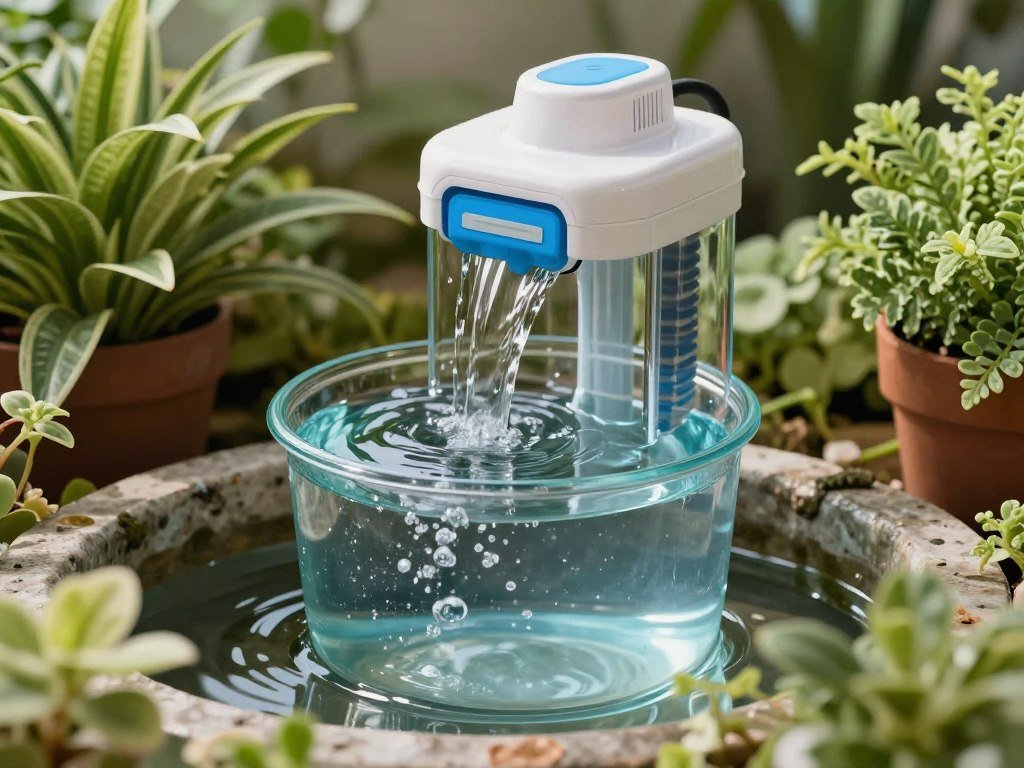
A container fountain creates the soothing sound of flowing water without the expense of a built-in feature. All you need are waterproof containers of different sizes, a small submersible pump, and some decorative stones.
Ceramic pots, galvanized tubs, or even repurposed items like old washtubs make excellent containers for DIY fountains. A small submersible pump can be purchased for $15-$25 and will circulate water through your creation. Search for small fountain pumps on Amazon to find options that work with your container size.
15. Install a Simple Bird Bath
Bird baths attract wildlife to your garden and serve as decorative focal points. A simple bird bath can be created from repurposed items like a large plant saucer atop a sturdy base.
Look for ceramic plant saucers at garden centers (often $5-$15) or repurpose shallow bowls from thrift stores. Mount them on upturned pots, stacked stones, or even a section of log for a natural look. Place your bird bath where you can enjoy watching the visitors it attracts.
Low-Cost Maintenance Strategies
Keeping your landscape looking its best doesn’t have to be expensive. These strategies reduce ongoing costs while maintaining beauty.
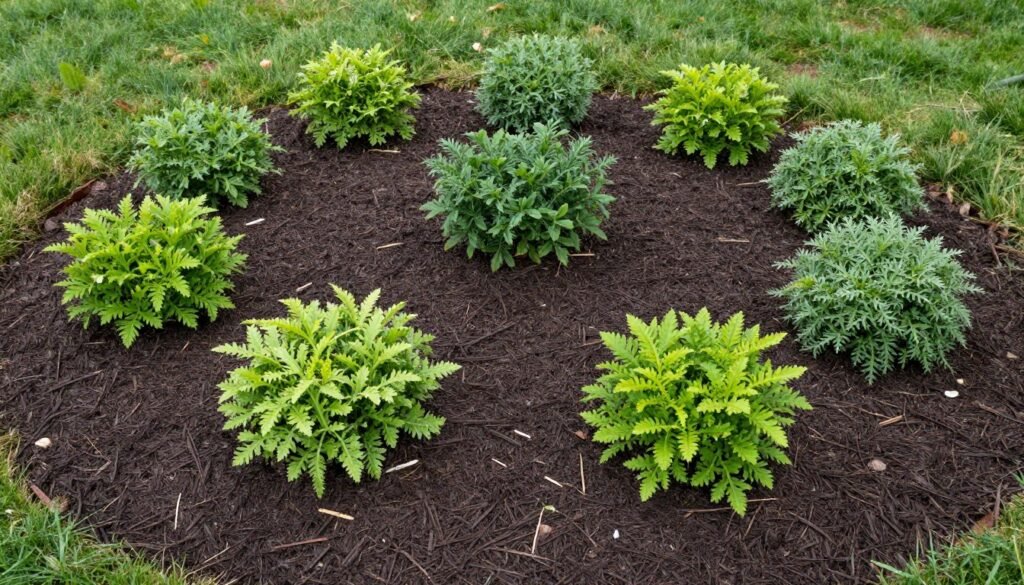
16. Use Mulch Strategically
Mulch is a landscaper’s secret weapon for both aesthetics and maintenance. It suppresses weeds, retains moisture, moderates soil temperature, and gives gardens a finished look.
Look for free mulch sources in your community – many municipal composting programs or tree services offer free wood chips. Apply a 2-3 inch layer around plants, keeping it pulled away from stems and trunks. Organic mulches like wood chips or shredded leaves gradually break down and improve soil quality over time.
17. Implement Water-Wise Landscaping
Water-wise landscaping reduces water bills while creating a resilient garden. Group plants with similar water needs together, and focus on drought-tolerant species that thrive with minimal irrigation.
Consider installing a simple drip irrigation system, which delivers water directly to plant roots with minimal waste. Basic drip irrigation kits start around $30 and can significantly reduce water usage compared to sprinklers. Search for drip irrigation kits on Amazon to find options suited to your garden size.
Seasonal Budget Landscaping Tips
Different seasons offer unique opportunities for budget-friendly landscaping. These ideas help you maximize impact throughout the year.
18. Shop End-of-Season Sales
One of the best strategies for budget landscaping is timing your purchases. End-of-season sales at nurseries and garden centers often feature discounts of 50-75% on plants that still have years of beauty to offer.
Late summer and fall are excellent times to purchase perennials, trees, and shrubs at steep discounts. While they may not look their best in the container, these plants will establish roots over winter and flourish the following spring. Just be sure to keep them well-watered until the ground freezes.
19. Create Winter Interest with Structural Elements
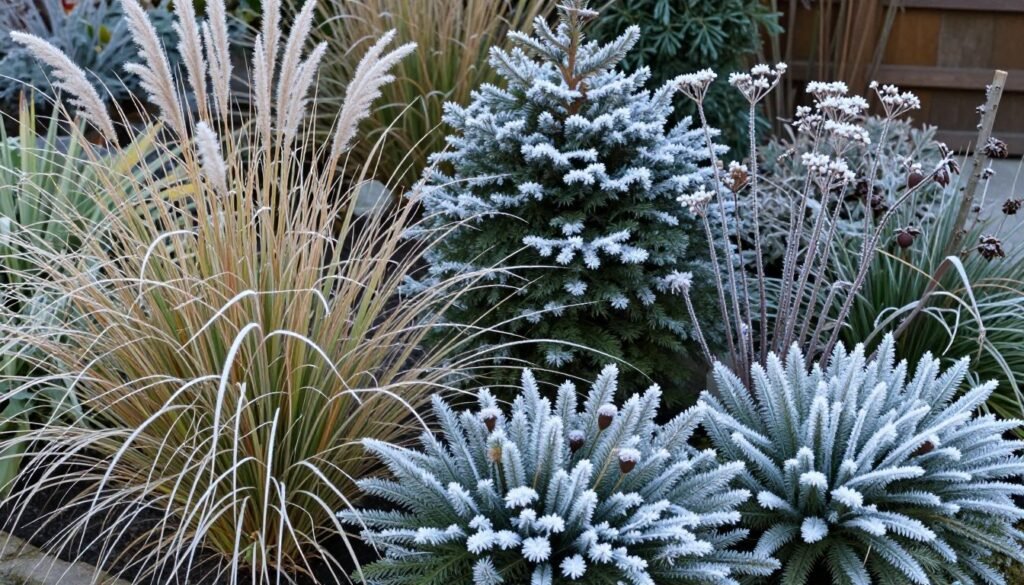
Winter landscapes don’t have to be barren. Incorporating structural elements like ornamental grasses, evergreens, and plants with interesting seed heads provides visual interest even in dormant seasons.
Leave ornamental grasses standing through winter for movement and texture. Select a few evergreen shrubs as anchor plants in your landscape design. Incorporate plants like coneflowers and sedum that have attractive seed heads that persist through winter and provide food for birds.
Creating Stunning Rock Gardens on a Budget
Rock gardens offer drought-tolerant, low-maintenance beauty that improves with age. These tips help you create an impressive rock garden without spending a fortune.
20. Design a Budget-Friendly Rock Garden
Rock gardens combine stones of various sizes with drought-tolerant plants to create a naturalistic landscape that requires minimal maintenance and watering.
Source rocks locally to minimize costs – check construction sites, farms, or even your own property for suitable specimens. Arrange larger rocks first, partially burying them for a natural look, then add smaller stones and drought-tolerant plants like sedums, hens and chicks, and small ornamental grasses.
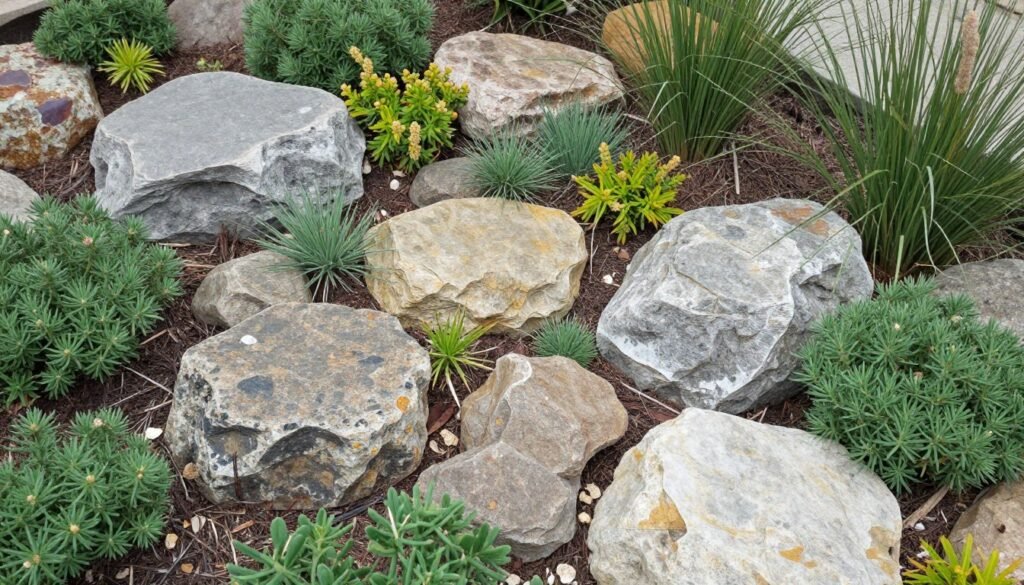
For added interest, incorporate a dry creek bed using river rocks to create the illusion of water flow. This not only adds visual appeal but can also help direct rainwater runoff. Search for river rocks on Amazon if you need smaller decorative stones to complete your design.
Space-Saving Vertical Garden Solutions
Vertical gardens maximize growing space in small areas while creating dramatic visual impact. These budget-friendly approaches help you grow up instead of out.
Create Living Walls with Pocket Planters
Pocket planters attached to walls or fences transform vertical spaces into lush gardens. These can be purchased inexpensively or made from recycled materials like canvas shoe organizers or modified plastic bottles.
For a simple DIY version, attach small pots to a wooden pallet that’s been reinforced with landscape fabric. Plant with cascading herbs, flowers, or strawberries for both beauty and function. Position your vertical garden where it receives appropriate light for the plants you’ve chosen.
Bringing Your Budget-Friendly Landscape to Life
Creating a beautiful landscape on a budget is absolutely achievable with planning, creativity, and strategic implementation. Start with one or two of these cheap landscaping ideas that resonate most with your style and space, then gradually add more elements as time and budget allow.
Remember that the most successful landscapes evolve over time. By focusing on good design principles, choosing the right plants for your conditions, and incorporating creative DIY elements, you can create an outdoor space that looks anything but cheap. Your Pinterest-worthy yard is within reach, regardless of your budget constraints.
Ready to Transform Your Yard?
Start with these budget-friendly landscaping ideas and watch your outdoor space transform. Remember, beautiful landscaping doesn’t have to break the bank—it just requires creativity, planning, and a willingness to get your hands dirty!