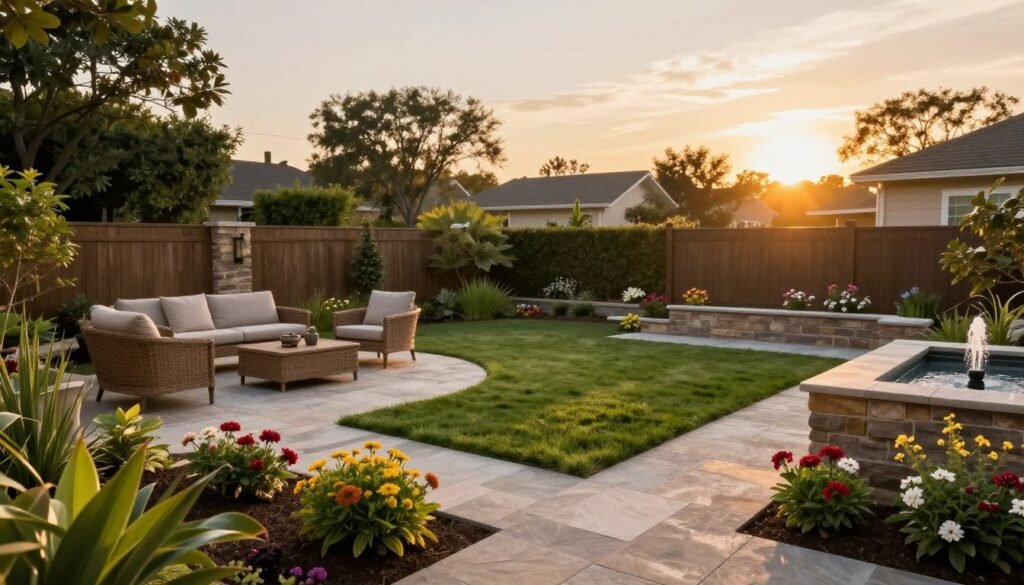
A large backyard is a canvas of endless possibilities. Whether you’ve recently moved into a home with sprawling outdoor space or you’re looking to revitalize your existing yard, the right landscaping approach can transform an overwhelming expanse into a functional, beautiful extension of your home. From creating distinct zones for different activities to incorporating stunning focal points that draw the eye, this guide will walk you through creative ways to make the most of your large backyard landscaping project.
This Website contains affiliate links. That means I may earn a small commission if you purchase through my links, at no extra cost to you.
Planning Your Large Backyard Landscape: First Steps
Before diving into specific landscaping ideas, take time to assess your space and establish a clear vision. Large backyards benefit tremendously from thoughtful planning that considers both aesthetic appeal and practical functionality.
Evaluate Your Space and Needs
Begin by asking yourself how you want to use your backyard. Do you need space for children to play? Are you looking to entertain large groups? Do you dream of a serene garden retreat? Understanding your priorities will guide your design decisions and help you allocate your space effectively.
Create a Master Plan
With a large backyard, creating a comprehensive master plan is essential. This doesn’t mean you need to implement everything at once, but having a cohesive vision will ensure that each phase of your landscaping project contributes to a harmonious whole. Consider factors like:
Sun exposure throughout the day
Natural drainage patterns
Existing trees and features worth preserving
Views you want to highlight or screen
Traffic patterns and access points
Maintenance requirements and your available time
Having the right tools makes planning and maintaining your landscape much easier. Quality measuring tools, garden planning software, and basic landscaping equipment are worth the investment for a large-scale project.
Find essential landscaping planning tools to help you map out your perfect backyard design.
One of the most effective strategies for large backyard landscaping is dividing the space into distinct functional zones. This approach not only makes the area more manageable but also creates a sense of discovery as people move through your yard.
Outdoor Living Room
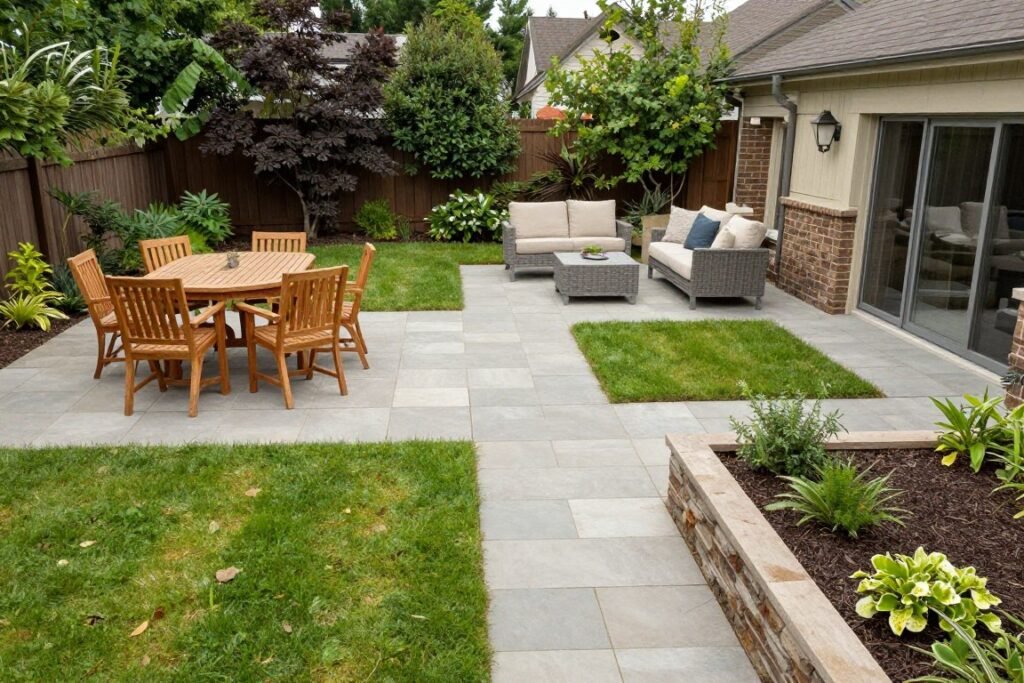
Create a comfortable seating area that functions as an extension of your indoor living space. Position this zone close to the house for convenience, ideally on a patio or deck that provides a stable, level surface for furniture.
Comfortable, weather-resistant furniture is essential for creating an inviting outdoor living space that will stand up to the elements. Look for pieces made from materials like teak, aluminum, or all-weather wicker.
Dining and Entertainment Area
Designate a space specifically for outdoor dining and entertaining. This might include a dining table and chairs, a built-in or portable grill, and perhaps even an outdoor kitchen for serious entertainers. Consider proximity to your indoor kitchen for convenience when serving food.
Active Recreation Space
Large backyards offer the luxury of space for active recreation. This might be an open lawn for games, a sports court, or a play area for children. These active zones are best positioned away from quiet seating areas and delicate gardens.
Garden Retreat
Create a peaceful garden sanctuary in a quieter corner of your yard. This might include a small patio with a bench or chair, surrounded by lush plantings that provide privacy and a sense of enclosure.
Connecting Your Zones
Pathways are essential for guiding movement between different zones and creating a sense of flow throughout your landscape. Materials like flagstone, gravel, or pavers can define these transitions while adding texture and visual interest.
Find durable outdoor furniture sets that will transform your backyard into a comfortable living space.
Large backyards need strong focal points to draw the eye and create visual interest across the expansive space. These elements become anchors in your design, giving purpose and structure to the landscape.
Fire Features
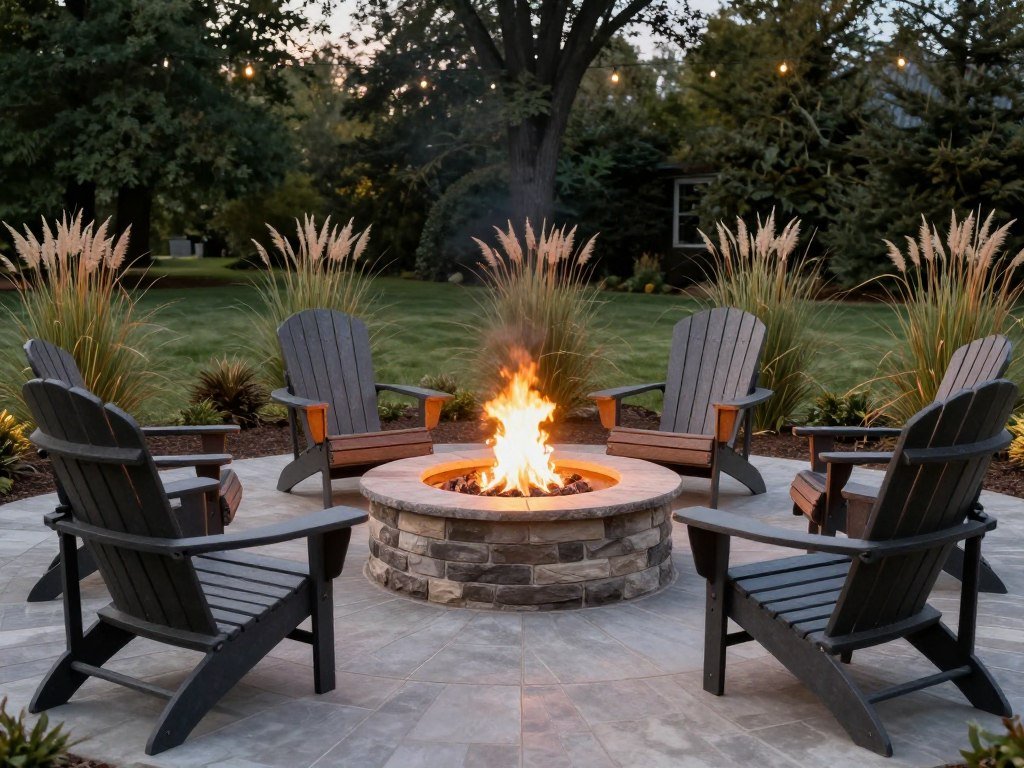
A fire pit or outdoor fireplace creates an instant gathering spot and extends the usability of your outdoor space into cooler evenings. Options range from simple portable fire bowls to elaborate built-in fireplaces that serve as architectural features.
Water Features
The sight and sound of water adds a sensory dimension to your landscape. Consider options like a fountain, pond, or even a swimming pool if your budget allows. Water features can range from naturalistic to formal in style, depending on your overall design aesthetic.
Specimen Trees
A single spectacular tree can serve as a living focal point in your landscape. Look for varieties with interesting form, foliage, flowers, or bark. Japanese maples, weeping cherries, or mature oak trees can become the centerpiece around which other elements are arranged.
Garden Structures
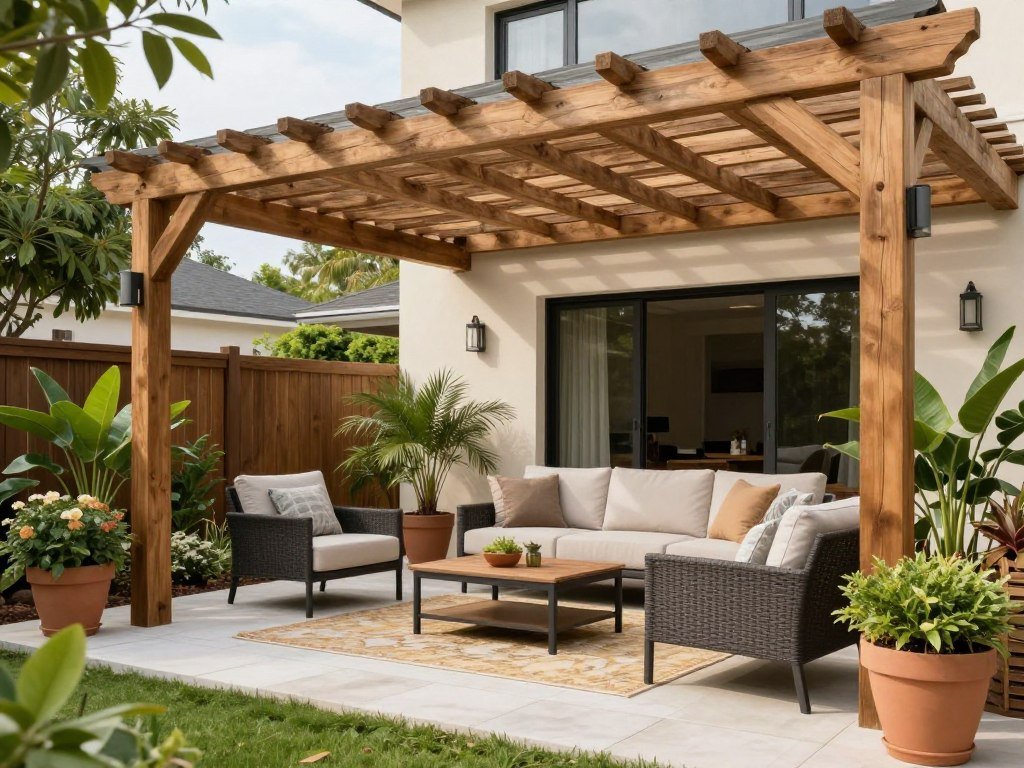
Elements like pergolas, arbors, gazebos, or pavilions add architectural interest while creating defined spaces for seating or dining. These structures can be enhanced with climbing plants for added beauty and shade.
Find the perfect fire pit to create a stunning focal point and gathering space in your backyard.
Hardscaping provides the backbone of your landscape design, creating structure and defining spaces throughout your large backyard. These permanent elements establish the framework around which your softscaping (plants) will grow and evolve.
Patios and Decks
Create level surfaces for outdoor living and dining areas using materials that complement your home’s architecture. Options include concrete, pavers, natural stone, wood, or composite decking. In a large yard, consider multiple patio areas positioned to capture different views or sun exposures.
Retaining Walls and Terraces
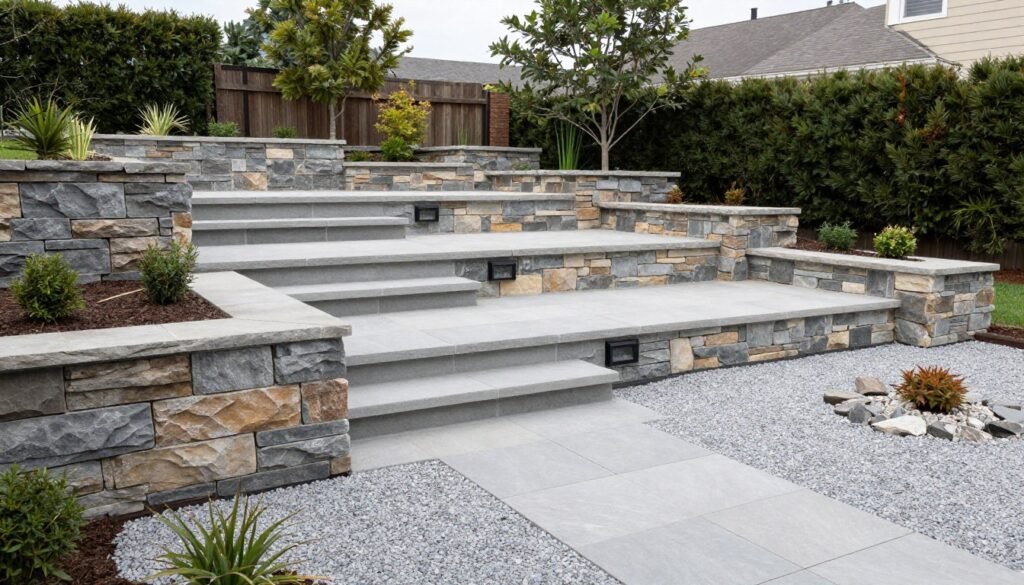
If your property has slopes, retaining walls can create usable flat areas while adding visual interest. These structures can be built from stone, concrete blocks, or timber, and can incorporate built-in seating or planters for added functionality.
Pathways and Steps
Well-designed pathways guide movement through your landscape and connect different zones. Materials should be chosen for both aesthetics and practicality, considering factors like slip resistance and maintenance requirements.
Borders and Edging
Clean edges between different landscape elements create a polished, intentional look. Options include stone, brick, concrete, metal, or plastic edging to separate lawns from planting beds or define the edges of pathways.
Find quality landscape edging materials to create clean, defined borders in your backyard design.
Plants bring life, color, and texture to your landscape, but approaching planting in a large backyard requires strategic thinking to avoid a scattered or overwhelming effect.
Create Planting Beds at Scale
In a large landscape, small, scattered planting beds can look disjointed. Instead, create generous, sweeping beds with bold curves or clean lines that match the scale of your space. These larger planting areas will have more visual impact and are often easier to maintain than multiple small beds.
Use Trees for Structure
Trees provide the architectural framework of your landscape, creating height, shade, and seasonal interest. In a large yard, you have the luxury of incorporating both specimen trees as focal points and groupings of trees to create woodland areas or privacy screens.
Layer Your Plantings
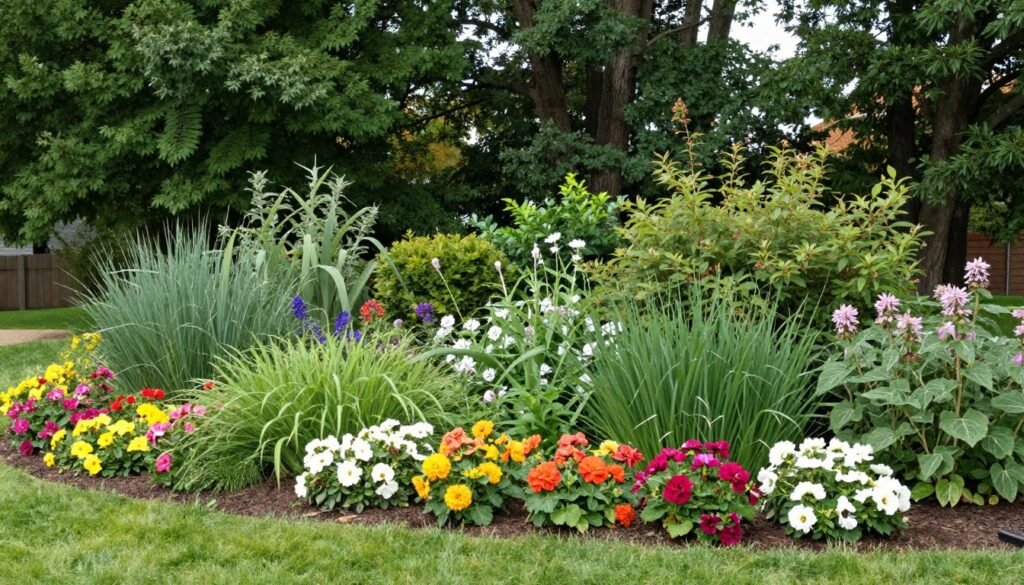
Create depth and interest by layering plants of different heights:
Tall trees and large shrubs for the background
Medium shrubs and tall perennials for the middle layer
Low-growing perennials, groundcovers, and ornamental grasses for the foreground
Repeat Plants for Cohesion
Repetition of key plants throughout your landscape creates visual rhythm and ties different areas together. This doesn’t mean creating monotonous rows, but rather thoughtfully echoing certain plants or plant combinations across your yard.
Consider Maintenance Needs
A large backyard can quickly become overwhelming if filled with high-maintenance plants. Focus on hardy, adaptable species that thrive in your climate with minimal intervention. Group plants with similar water and sun requirements together for efficient care.
Find low-maintenance perennial plants that will thrive in your climate zone with minimal care.
Beyond Grass: Lawn Alternatives for Large Backyards
While a lush lawn has its place in many landscapes, maintaining a large expanse of turf can be time-consuming and resource-intensive. Consider these alternatives that can reduce maintenance while adding interest to your landscape.
Meadow Gardens
Transform portions of your lawn into naturalistic meadows with native grasses and wildflowers. These low-maintenance areas support pollinators and wildlife while requiring less water and no mowing once established.
Groundcover Plants
Low-growing groundcovers can replace grass in areas where foot traffic is minimal. Options like creeping thyme, sedum, or clover create living carpets that may flower seasonally and require little maintenance.
Gravel and Mulch Areas
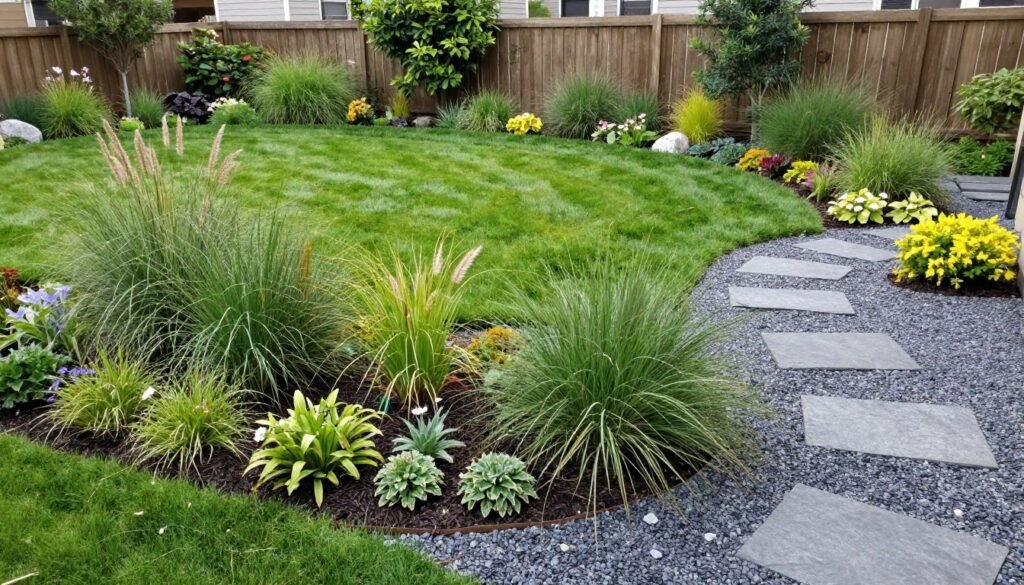
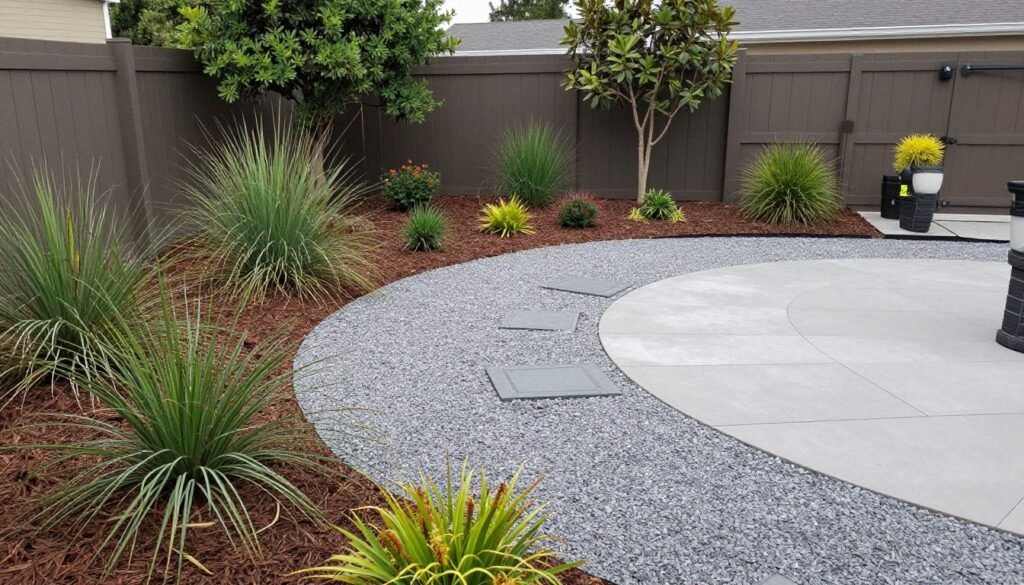
Inorganic materials like decorative gravel or wood mulch can define spaces and reduce the total area of lawn to maintain. These materials work well for pathways, seating areas, or around trees and shrubs.
Ornamental Grasses
Large sweeps of ornamental grasses create dramatic movement and texture in the landscape. Many varieties require only annual cutting back and minimal watering once established.
Find beautiful ornamental grasses that add movement and texture to your landscape with minimal maintenance.
The concept of outdoor rooms takes zoning to the next level, creating distinct spaces that feel like extensions of your home. This approach is particularly effective in large backyards where it helps to break up the expanse into more intimate, usable areas.
Define Boundaries
Create a sense of enclosure using vertical elements like trellises, pergolas, hedges, or decorative screens. These boundaries don’t need to be solid walls—even suggestions of separation can effectively define a space.
Add a “Ceiling”
Overhead elements like pergolas, shade sails, or the canopy of a large tree create a sense of intimacy and protection. These features also provide welcome shade during hot summer days.
Install Flooring
Different flooring materials help to visually separate your outdoor rooms. Options include decking, pavers, flagstone, gravel, or even outdoor rugs placed over a patio surface.
Furnish Thoughtfully
Select furniture that suits the purpose of each outdoor room, whether it’s dining, lounging, or quiet contemplation. Weather-resistant pieces with comfortable cushions invite people to linger.
Add Finishing Touches
Complete your outdoor rooms with accessories like outdoor pillows, lanterns, container plants, and artwork designed for outdoor use. These details make the space feel intentional and welcoming.
Find beautiful outdoor rugs that define your space and add comfort underfoot.
Thoughtful lighting extends the usability of your outdoor space into the evening hours while highlighting the beauty of your landscape design. In a large backyard, strategic lighting is essential for both navigation and ambiance.
Layer Your Lighting
Just as with interior design, outdoor lighting works best when layered:
Task lighting for functional areas like cooking and dining
Ambient lighting to create overall illumination
Accent lighting to highlight special features
Illuminate Pathways
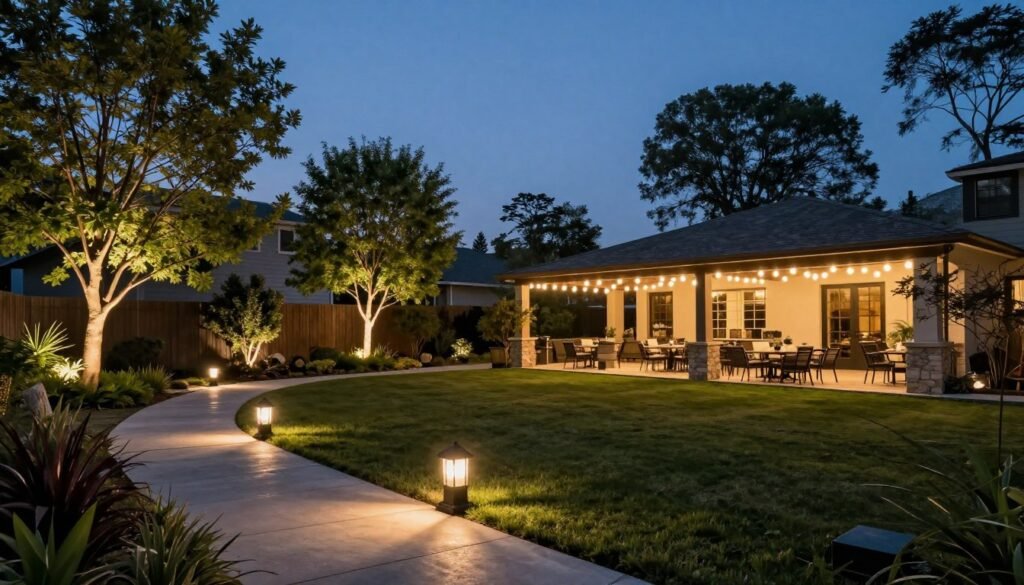
Path lights ensure safe navigation through your landscape after dark. Space them at regular intervals along walkways and steps, being careful not to create a “runway” effect by placing them too close together.
Highlight Key Features
Use uplighting to showcase specimen trees, architectural elements, or garden sculptures. This technique creates dramatic shadows and brings dimension to your nighttime landscape.
Create Ambiance
String lights, lanterns, or candles add a magical quality to outdoor living and dining areas. These softer light sources create a warm, inviting atmosphere for evening gatherings.
Consider Security
Strategic lighting around the perimeter of your property and near entry points enhances security while also illuminating the beauty of your landscape from different vantage points.
Find solar-powered landscape lighting that’s easy to install and environmentally friendly.
Water features add a sensory dimension to your landscape that few other elements can match. The sight and sound of water creates a focal point while masking unwanted noise and attracting wildlife.
Ponds and Waterfalls
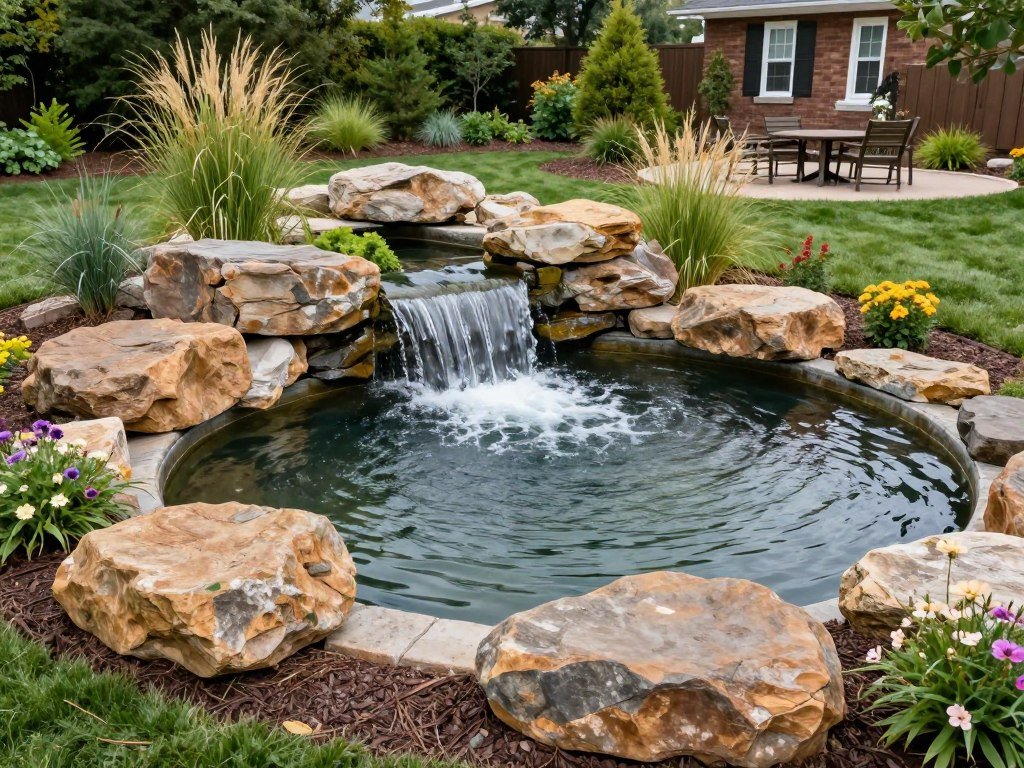
Natural-looking ponds with cascading waterfalls create a dramatic focal point in a large landscape. These features can be designed to support aquatic plants and fish, adding another dimension of interest to your yard.
Fountains
Fountains range from simple bubbling urns to elaborate multi-tiered structures. The sound of splashing water creates a peaceful atmosphere and helps mask traffic or neighborhood noise.
Streams and Rills
A meandering stream or formal rill (narrow water channel) can connect different areas of your landscape while adding movement and sound. These linear water features guide the eye and invite exploration.
Reflecting Pools
Still water creates a mirror-like surface that reflects the sky, surrounding plants, and architecture. A formal reflecting pool brings a sense of serenity and doubles the visual impact of your landscape elements.
Find fountain kits that make adding a water feature to your landscape simple and affordable.
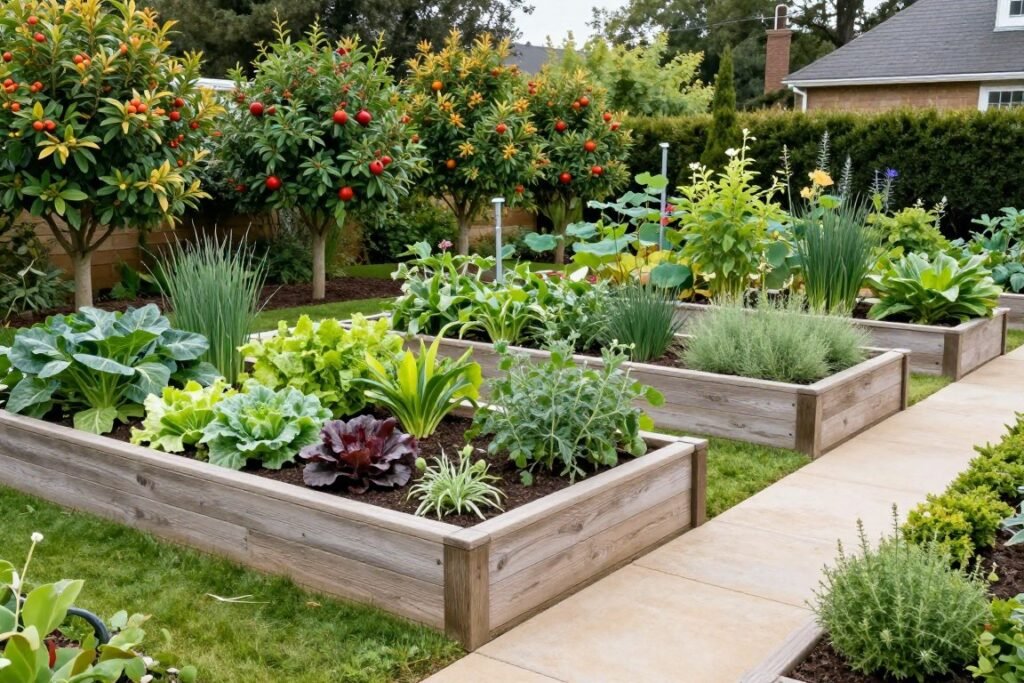
A large backyard offers ample space to grow your own food while creating a beautiful, productive landscape. Edible landscaping integrates fruit trees, vegetables, herbs, and berries into your overall design in an aesthetically pleasing way.
Kitchen Gardens
Create a dedicated vegetable garden in a sunny spot with good soil and convenient access to water. Raised beds offer better drainage and soil control while adding structure to your landscape. Consider incorporating decorative elements like arbors, trellises, or ornamental fencing to enhance the visual appeal.
Fruit Trees and Berries
Fruit trees can serve as both ornamental and productive elements in your landscape. Consider dwarf varieties for easier harvesting, or espalier fruit trees against a sunny wall or fence. Berry bushes like blueberries and raspberries can be incorporated into mixed borders, offering seasonal flowers, fruit, and fall color.
Herbs and Edible Flowers
Herbs not only provide culinary ingredients but also offer fragrance, flowers, and texture in the landscape. Create a dedicated herb garden near your kitchen, or integrate herbs throughout your planting beds. Many herbs, like rosemary, thyme, and lavender, are drought-tolerant and attract beneficial insects.
Edible Hedges and Borders
Consider using edible plants for functional landscape elements. Blueberry bushes make excellent informal hedges, while strawberries can serve as attractive groundcovers in sunny spots.
Find quality raised garden bed kits to create an attractive and productive vegetable garden.
Even with a large backyard, privacy from neighbors or street views is often desirable. Strategic screening can create intimate spaces while adding beauty to your landscape.
Living Screens
Plants offer natural, evolving privacy that improves with time. Consider these options:
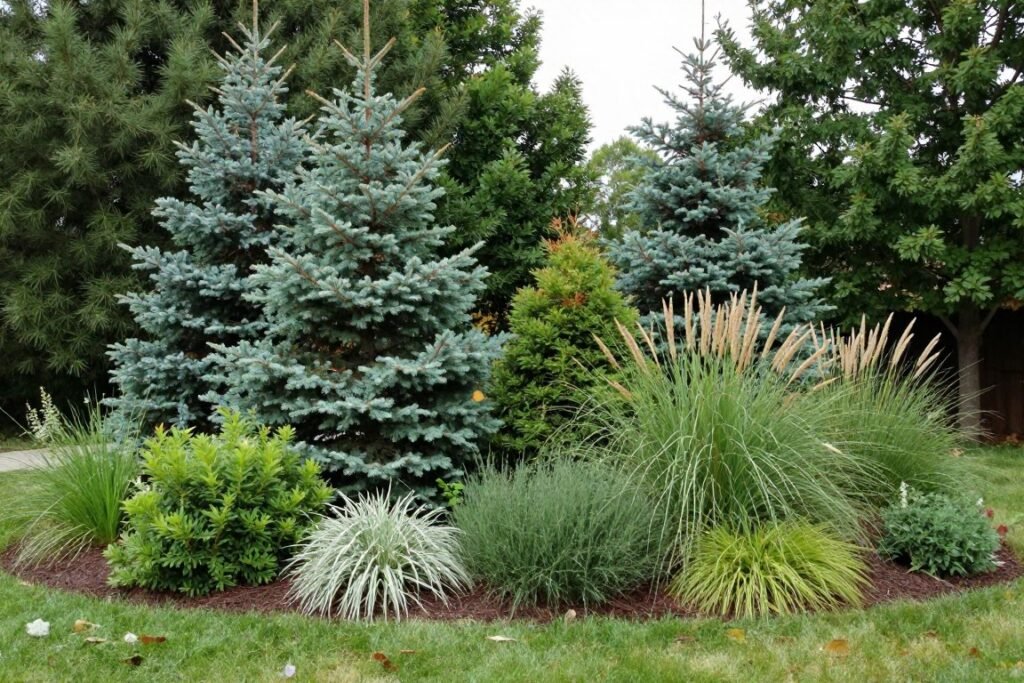
Evergreen trees and shrubs for year-round screening
Fast-growing deciduous trees for seasonal privacy
Tall ornamental grasses for soft, movement-filled barriers
Mixed hedges combining different species for biodiversity and visual interest
Structural Elements
Hardscape features can provide immediate privacy while serving as architectural elements in your landscape:
Decorative privacy screens with interesting patterns
Pergolas or arbors covered with vines
Stone or brick walls that complement your home’s architecture
Wooden fencing in styles from rustic to contemporary
Strategic Placement
Rather than surrounding your entire property, consider placing privacy elements only where needed—perhaps screening a patio from a neighbor’s view or blocking the sight line from the street to a pool area.
Find fast-growing privacy trees and shrubs to create natural screening in your landscape.
A beautiful landscape shouldn’t require endless hours of maintenance. These strategies will help you create a stunning backyard that doesn’t demand constant attention.
Choose the Right Plants
Select plants that thrive in your local conditions with minimal intervention:
Native species adapted to your region’s climate and soil
Drought-tolerant plants that require less watering once established
Disease-resistant varieties that won’t need constant treatment
Perennials that return year after year without replanting
Implement Smart Hardscaping
Hardscape elements require less ongoing maintenance than planted areas:
Patios and decks reduce the total area of lawn to mow
Gravel or mulched pathways eliminate the need for edging and mowing
Quality materials that weather well and don’t need frequent replacement
Install Efficient Irrigation
Automated watering systems save time and ensure plants receive consistent moisture:
Drip irrigation that delivers water directly to plant roots
Smart controllers that adjust watering based on weather conditions
Rainwater harvesting systems that reduce reliance on municipal water
Group Plants Strategically
Organize your landscape according to maintenance needs:
Group plants with similar water requirements together
Place higher-maintenance plants near the house where they’re easily accessed
Use lower-maintenance options in distant parts of your yard
Find smart irrigation controllers that save water and reduce maintenance time.
Transforming a large backyard into a beautiful, functional landscape is a journey that unfolds over time. Begin with a solid plan that divides your space into manageable zones, each with its own purpose and character. Incorporate strong focal points that draw the eye and create interest throughout your yard. Balance hardscape elements that provide structure with plantings that bring life, color, and seasonal change.
Remember that you don’t need to implement everything at once. A phased approach allows you to spread the work and cost over time while ensuring that each addition contributes to your overall vision. Start with the areas you’ll use most frequently, typically those closest to your home, and gradually expand outward.
With thoughtful planning and design, your large backyard can become a personal paradise that reflects your style, meets your needs, and provides beauty and enjoyment for years to come. Whether you’re creating spaces for entertaining, play, relaxation, or growing food, the possibilities are limited only by your imagination.
Ready to start your large backyard transformation? Find inspiration and all the supplies you need to bring your vision to life.
Creating an aesthetic room that reflects your personality while staying on-trend has become increasingly popular, especially on platforms like Pinterest and…
Open concept kitchen dining living room designs have revolutionized modern homes, creating spaces that feel expansive, bright, and connected. By removing…