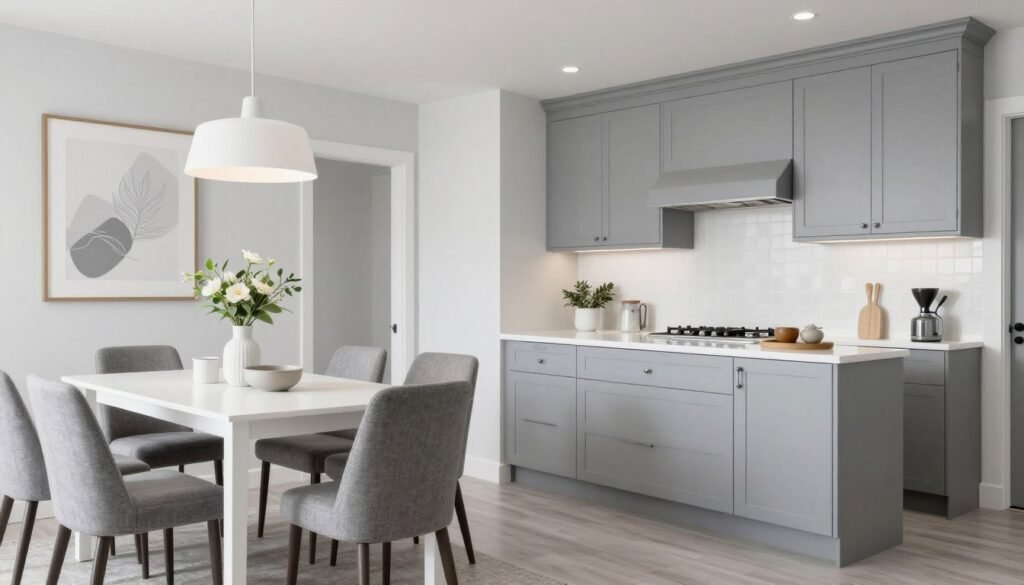
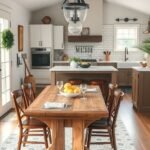
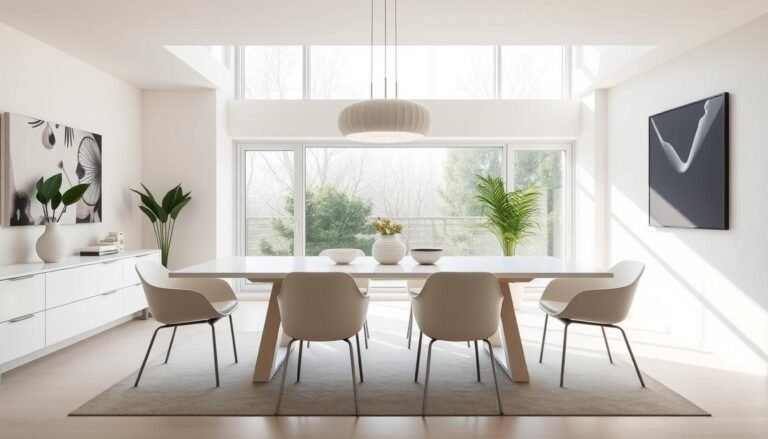
The kitchen and dining room are the heart of any home—spaces where families gather, meals are shared, and memories are made. Whether you’re planning a complete renovation or simply looking to refresh your existing space, finding the right design inspiration is key to creating a functional and beautiful area that reflects your personal style. From open-concept layouts to cozy breakfast nooks, we’ve gathered 25 stunning kitchen and dining room ideas to help you reimagine these essential spaces in your home.
This Website contains affiliate links. That means I may earn a small commission if you purchase through my links, at no extra cost to you.
Open-Concept Kitchen and Dining Room Ideas
Open-concept designs continue to dominate modern home layouts, creating a seamless flow between cooking and dining areas. These spacious arrangements not only make entertaining easier but also allow for more natural light and conversation between spaces.
An open-concept layout creates a seamless flow between cooking and dining spaces
Seamless Transitions with Kitchen Islands
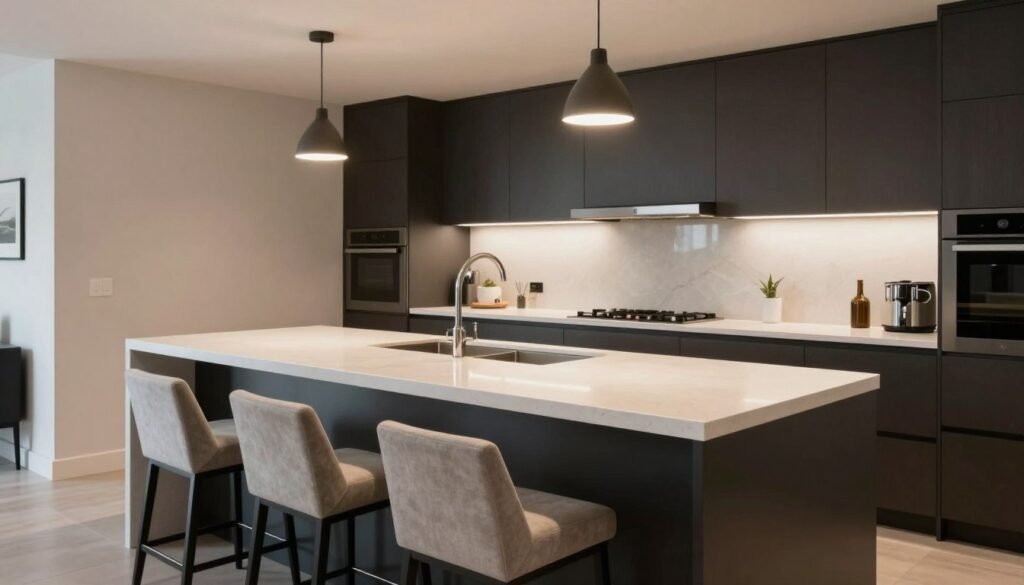
Kitchen islands serve as perfect transitional elements between cooking and dining areas in open floor plans. A well-designed island can provide additional prep space, casual seating, and a natural divider without interrupting the room’s flow. Consider an island with a waterfall countertop for a contemporary look, or add pendant lighting above to create a focal point.
A spacious kitchen island creates a natural transition to the dining area
Unified Color Schemes
When designing an open kitchen and dining room, a cohesive color palette helps create visual harmony. Consider carrying the same cabinetry color into built-in dining room storage, or echo your kitchen backsplash colors in your dining room decor. Neutral tones like whites, grays, and natural wood finishes work well as a base, with accent colors providing visual interest throughout both spaces.
A consistent color palette creates visual flow between kitchen and dining spaces
Kitchen and Dining Room Ideas for Small Spaces
Limited square footage doesn’t mean you have to sacrifice style or functionality. With thoughtful design choices, even compact kitchen and dining areas can feel spacious and inviting.
Banquette Seating for Compact Dining
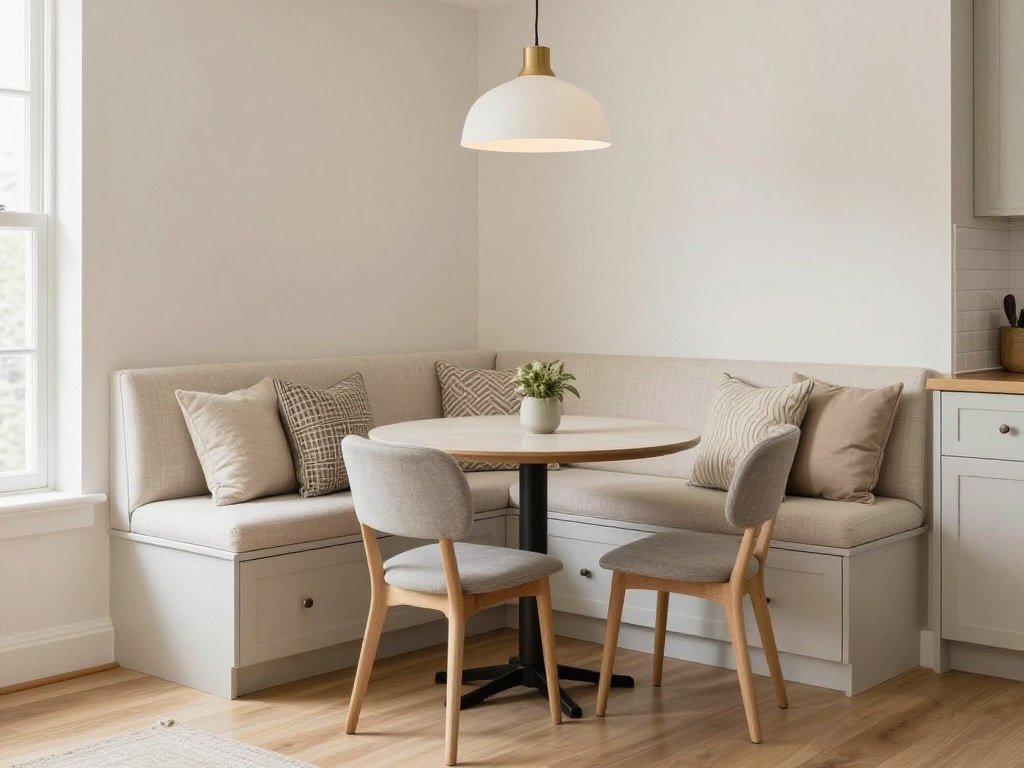
Banquette seating is a space-saving solution that works beautifully in smaller kitchens. Built-in benches can be tucked against walls or into corners, maximizing seating while minimizing the footprint. Add storage drawers beneath the bench for linens or seasonal items, and complete the look with a small round table and a few chairs for a cozy dining nook.
Built-in banquette seating maximizes dining space in a compact kitchen
Convertible and Extendable Furniture
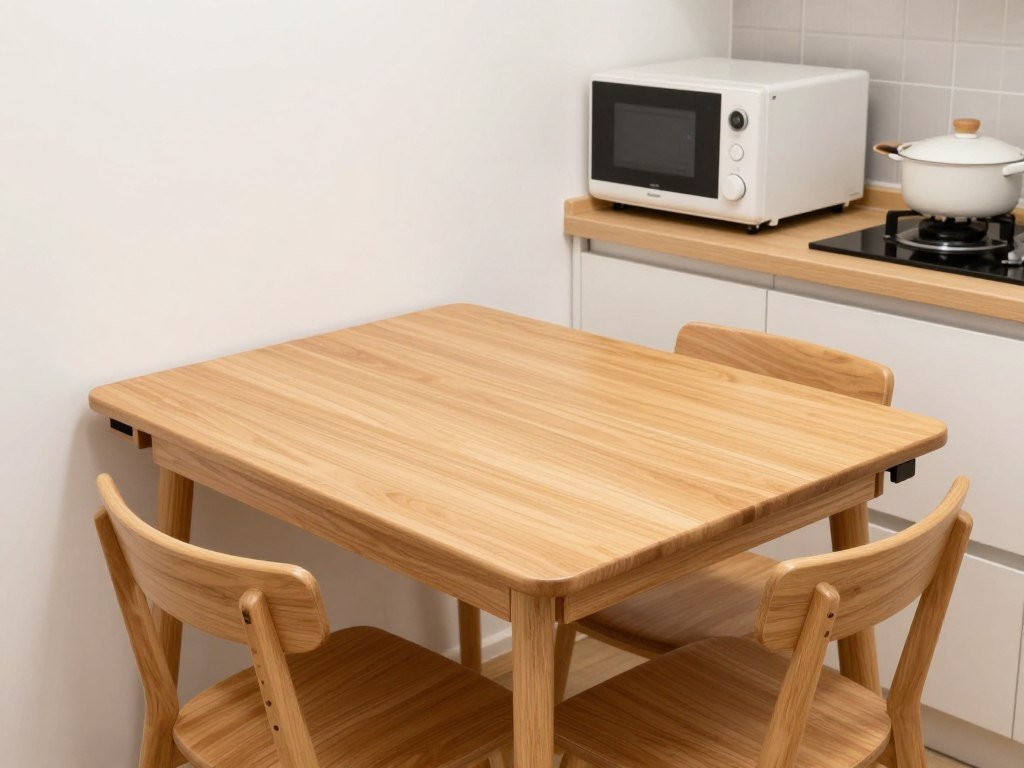
For truly versatile small spaces, consider furniture that can adapt to different needs. Drop-leaf tables can be expanded when guests arrive and folded down when not in use. Wall-mounted tables can be folded away completely, while nesting tables provide flexible options for dining and working. Look for extendable dining tables that can accommodate both everyday meals and special occasions.
A drop-leaf table provides flexible dining options in limited space
Charming Breakfast Nook Ideas
Breakfast nooks create intimate dining spaces perfect for morning coffee, casual meals, or cozy conversations. These dedicated areas bring warmth and character to kitchens of any size.
Window-Side Breakfast Nooks
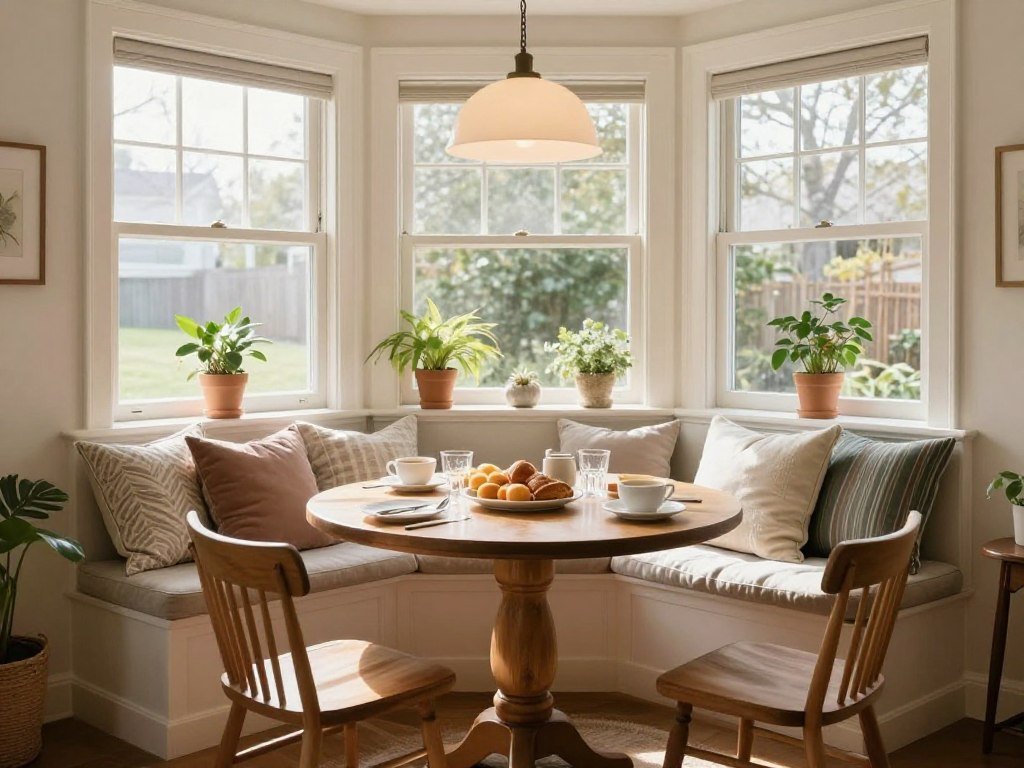
Position your breakfast nook near windows to take advantage of natural light and views. A built-in bench beneath a window creates an inviting spot for morning meals while maximizing the connection to the outdoors. Add comfortable cushions and pillows to enhance comfort, and consider installing a pendant light above the table for evening ambiance.
A window-side breakfast nook creates a sunny spot for morning meals
Corner Breakfast Nooks
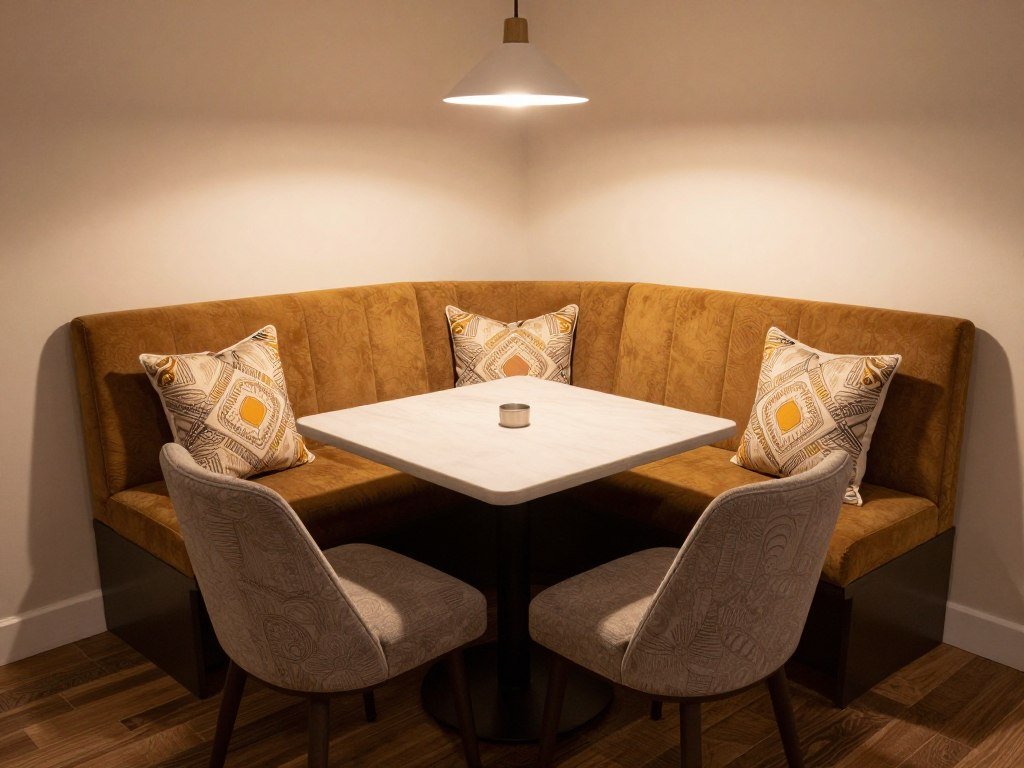
Corners often become underutilized spaces in kitchens, making them perfect candidates for cozy breakfast nooks. L-shaped banquettes fit snugly into corners, creating efficient seating that doesn’t protrude into walkways. Add a small table and a couple of chairs to complete the arrangement. For added functionality, incorporate storage into the bench design for table linens or seasonal items.
A corner breakfast nook maximizes an often underutilized kitchen space
Selecting the Perfect Dining Table
The dining table serves as both a functional necessity and a design focal point in your kitchen or dining room. Choosing the right style, size, and material can dramatically impact the overall look and functionality of your space.
Round Tables for Intimate Gatherings
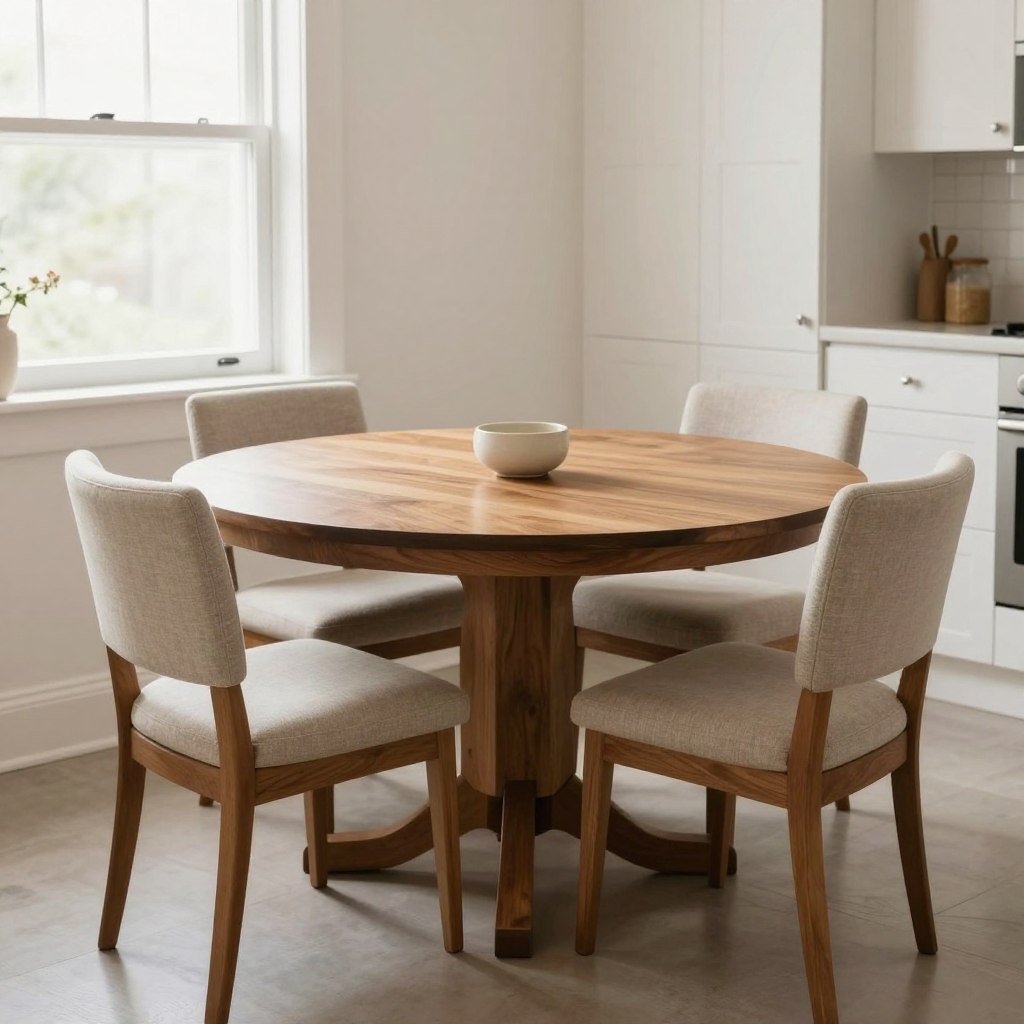
Round dining tables create an intimate atmosphere that encourages conversation, as everyone can see and interact with each other easily. They work particularly well in square rooms or smaller spaces, as their absence of corners allows for better traffic flow. For versatility, consider a round table with an extension leaf that can accommodate extra guests when needed.
A round dining table creates an intimate setting that encourages conversation
Rectangular Tables for Larger Gatherings
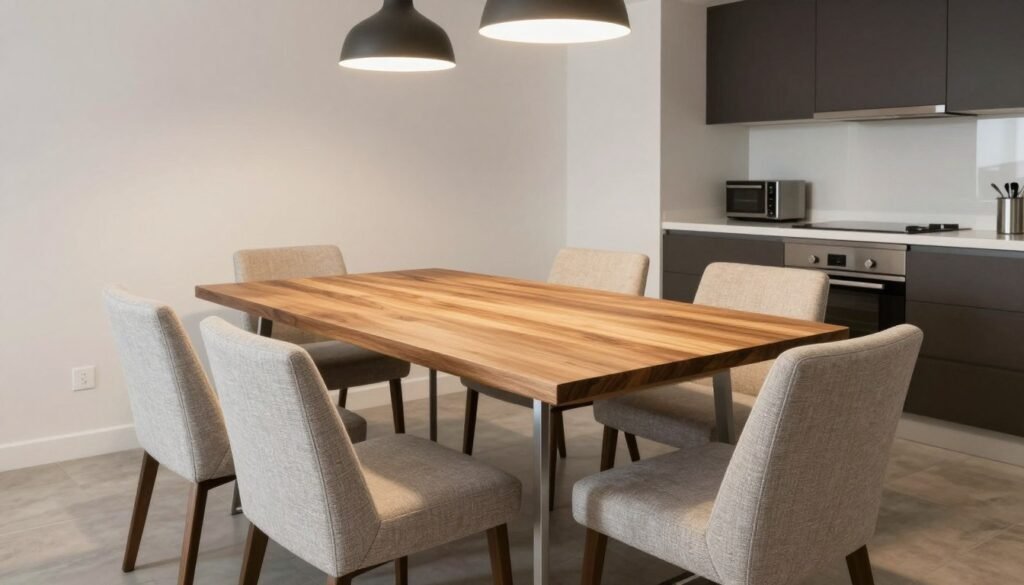
Rectangular tables are the traditional choice for dining rooms, offering ample surface area and seating capacity. They work well in rectangular spaces and can accommodate more people than round tables of similar square footage. For a contemporary look, consider a table with a sleek design and mixed materials, such as a wood top with metal legs.
A rectangular dining table provides ample space for family meals and entertaining
Material Considerations
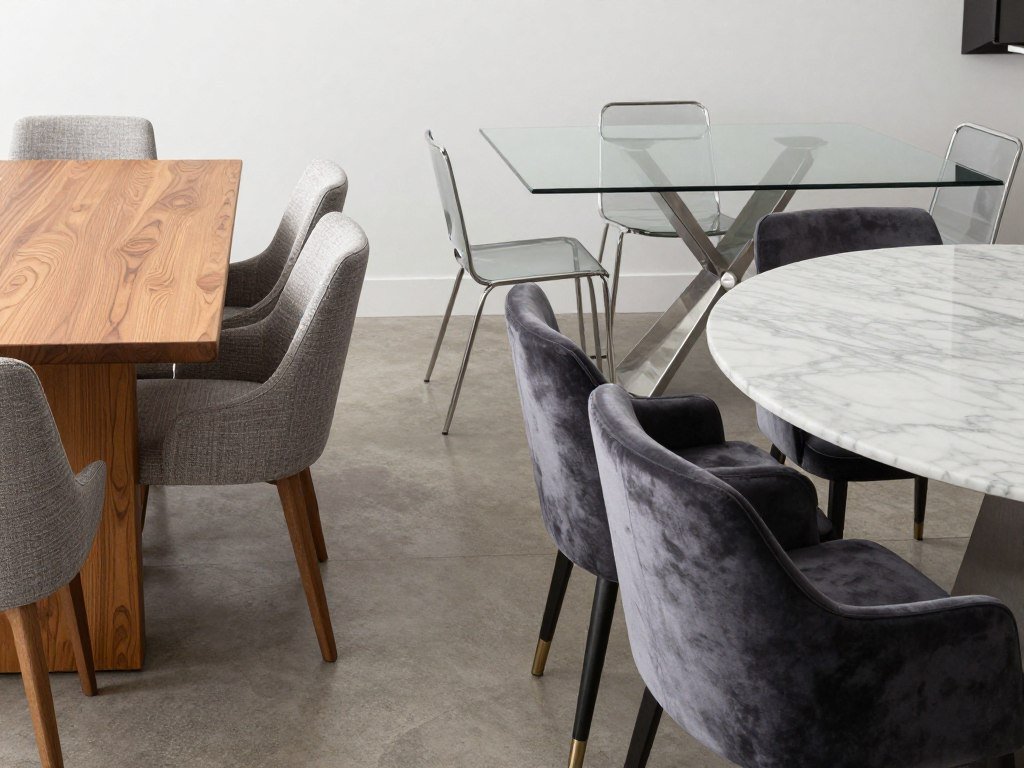
The material of your dining table affects both aesthetics and durability. Solid wood tables offer timeless appeal and can be refinished if damaged, while glass tops create a sense of openness and reflect light. For busy households, consider materials that resist stains and scratches, such as engineered wood with quality veneers or tables with durable finishes. Don’t forget to coordinate your table material with your dining chairs for a cohesive look.
Different table materials create distinct looks and offer varying levels of durability
Kitchen Islands with Dining Functionality
Kitchen islands that incorporate dining space offer versatility and efficiency, creating multi-functional areas that serve both cooking and eating needs. These designs are particularly valuable in homes where space is at a premium.
Extended Countertop Islands
Extending your island countertop beyond the base cabinetry creates an overhang perfect for casual dining. This design works well with counter-height stools and provides a convenient spot for quick meals, homework sessions, or coffee with friends. For comfort, ensure there’s adequate knee clearance (about 15 inches) and appropriate overhang (12-15 inches) to accommodate seated guests.
An extended island countertop creates a convenient spot for casual meals
Two-Tier Islands
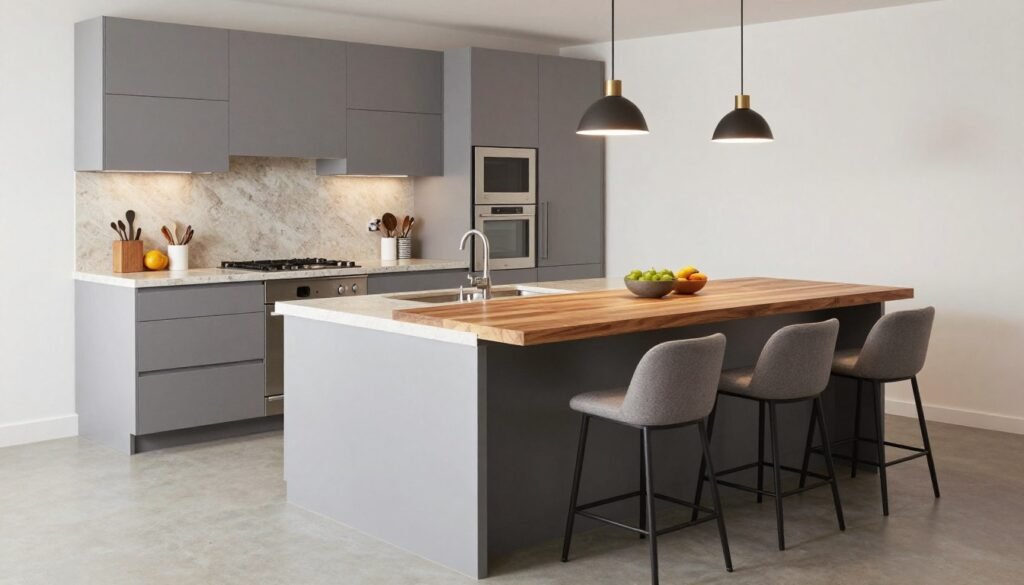
Two-tier islands feature different counter heights—typically a lower section for food prep and a raised bar-height section for dining. This design creates visual separation between cooking and eating zones while allowing for interaction between both areas. The raised dining ledge also helps conceal kitchen mess from the dining side, making it ideal for open-concept spaces where you entertain frequently.
A two-tier island creates distinct zones for cooking and dining while maintaining connection
Stylish Dining Chair Ideas
Dining chairs contribute significantly to both the comfort and style of your eating area. The right seating can elevate your dining space while providing comfortable seating for everyday meals and special occasions.
Mixed Seating Arrangements
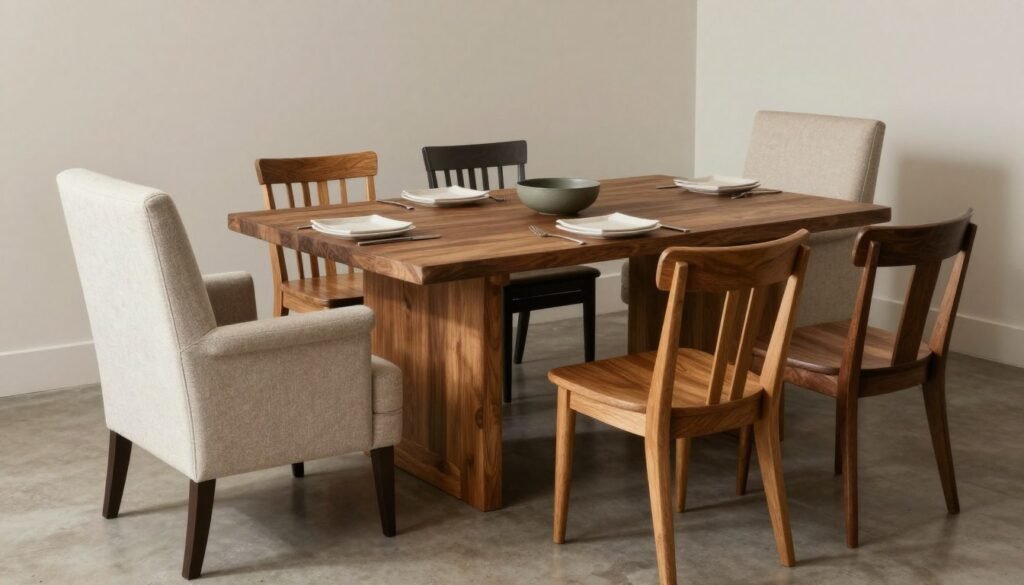
For a collected, eclectic look, consider mixing different chair styles around your dining table. You might pair upholstered host chairs at the ends with simpler side chairs, or combine vintage finds with modern pieces. The key to successful mixing is maintaining some element of cohesion—whether through consistent color, similar materials, or complementary shapes. This approach adds visual interest while allowing you to incorporate different chair styles you love.
Mixed seating creates visual interest while maintaining cohesion through color and scale
Bench and Chair Combinations
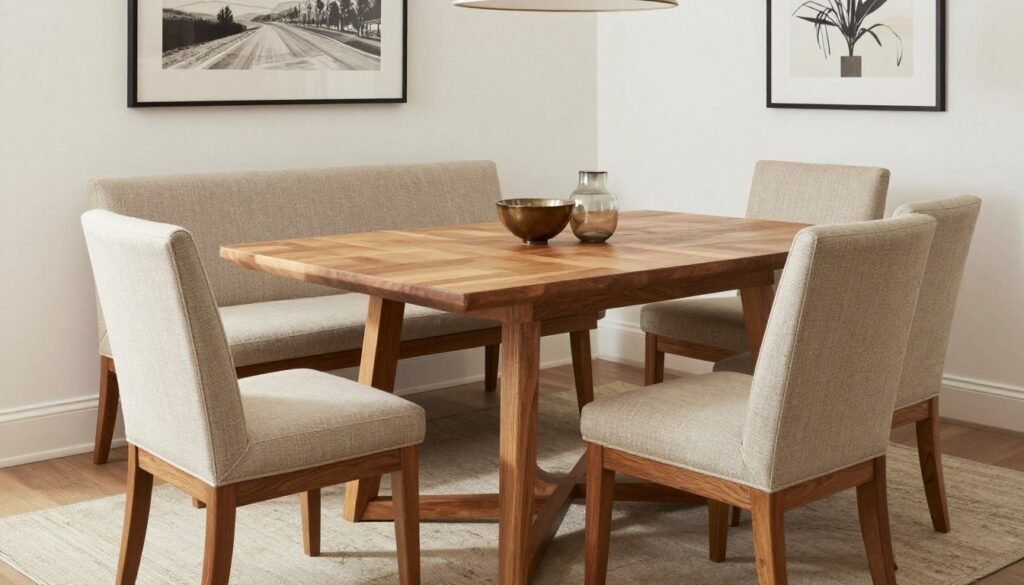
Pairing a bench on one side of your table with traditional chairs on the other side offers both style and practicality. This arrangement provides flexible seating that can accommodate more people when needed, particularly for families with children. Choose a bench with a backrest for additional comfort, or opt for a simple backless design that can be tucked completely under the table when not in use.
A bench and chair combination offers flexible seating and visual contrast
Lighting Solutions for Kitchen and Dining Areas
Proper lighting enhances both the functionality and atmosphere of your kitchen and dining spaces. A well-designed lighting plan incorporates multiple layers to address different needs and activities.
Statement Dining Pendants
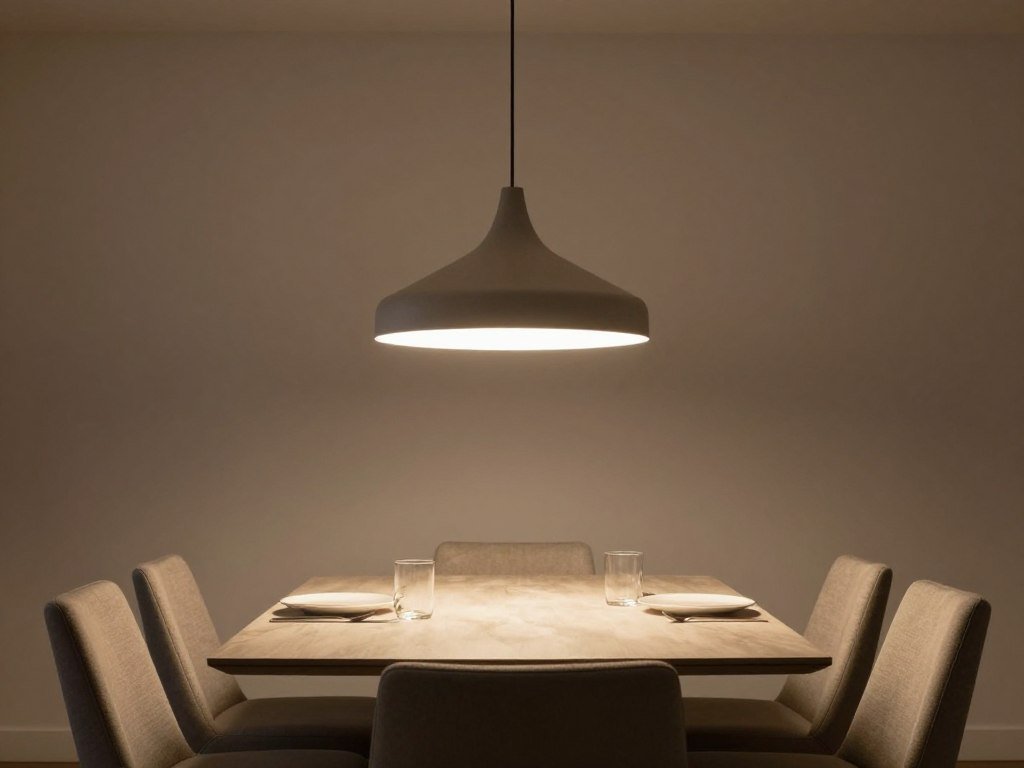
A pendant light or chandelier centered above your dining table serves as both a functional light source and a striking design element. The fixture should be proportional to your table—generally about one-half to two-thirds the width of the table—and hung 30-36 inches above the surface for optimal illumination without obstructing views. Consider statement pendant lights that reflect your design aesthetic, whether modern, traditional, or eclectic.
A statement pendant light creates a focal point above the dining table
Layered Kitchen Lighting
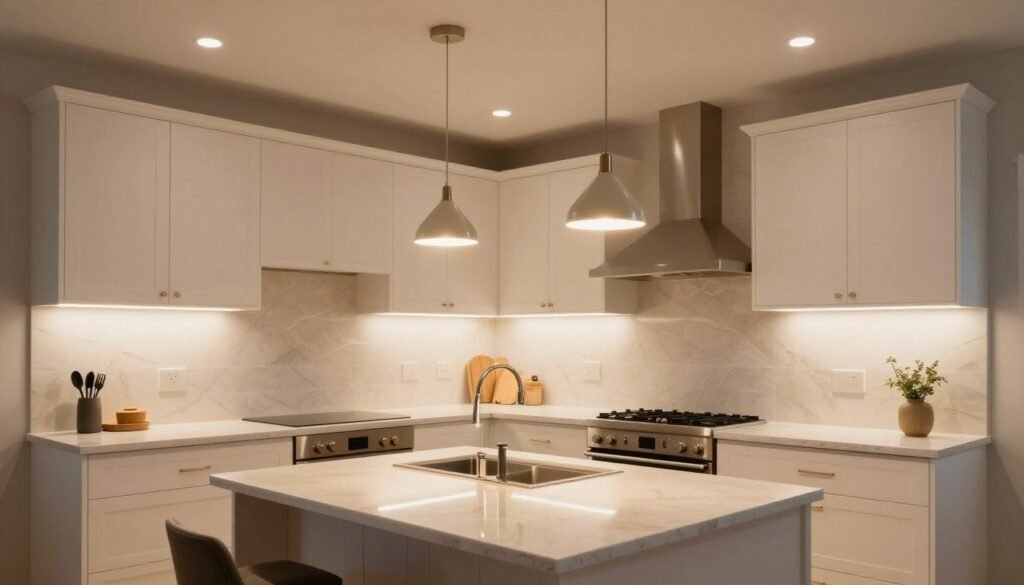
Effective kitchen lighting combines ambient, task, and accent layers to create a well-lit, versatile space. Recessed ceiling fixtures provide overall illumination, while under-cabinet lights illuminate work surfaces directly. Consider adding pendant lights above islands or dining areas to create focal points and define these zones within the larger space.
Layered lighting creates a functional and atmospheric kitchen environment
Innovative Storage Solutions
Thoughtful storage solutions keep kitchen and dining spaces organized and functional while contributing to the overall design aesthetic.
Built-In Dining Room Storage
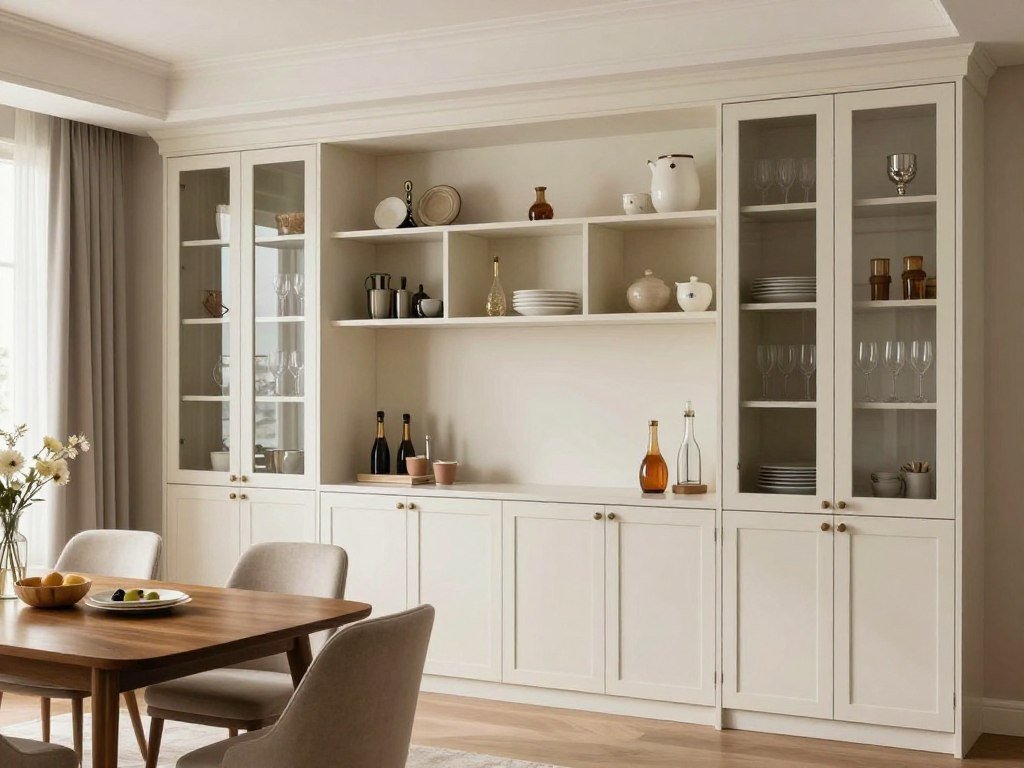
Built-in cabinetry or shelving in dining areas provides dedicated space for dishes, glassware, and serving pieces. Consider a combination of closed cabinets for items used less frequently and open shelving to display decorative pieces. A built-in buffet or sideboard can serve as both storage and a serving surface for family-style meals or buffet entertaining. Look for dining room storage furniture that complements your kitchen cabinetry for a cohesive look.
Built-in dining room cabinetry provides dedicated storage for tableware and serving pieces
Multi-Functional Kitchen Islands
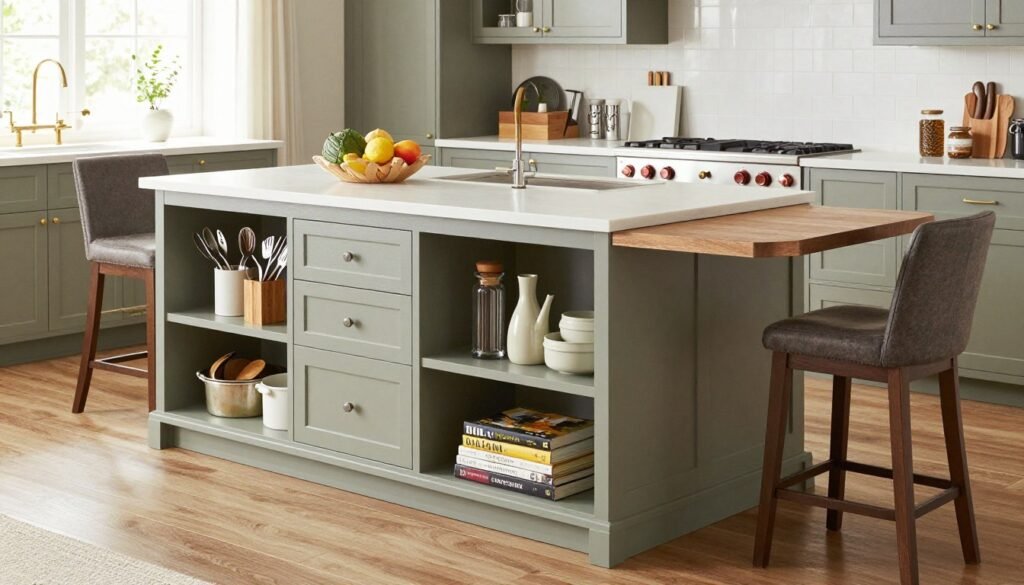
Kitchen islands can incorporate numerous storage features while serving as prep and dining spaces. Consider islands with drawers for utensils and cooking tools, open shelving for cookbooks, and cabinets for pots and pans. For dining-focused islands, incorporate wine racks, glass storage, or display shelves for decorative items. The right combination of island storage solutions can significantly enhance your kitchen’s functionality.
A multi-functional island combines storage, prep space, and dining functionality
Inspiring Color Schemes
The color palette you choose for your kitchen and dining areas sets the tone for the entire space, influencing both mood and perceived spaciousness.
Neutral Foundations with Accent Colors
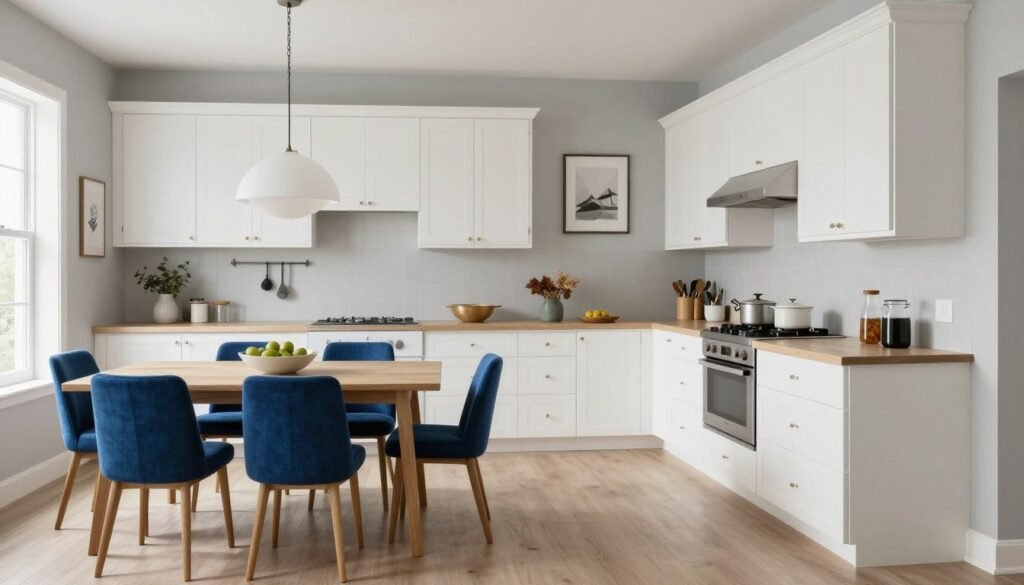
A neutral base palette of whites, grays, or beiges creates a timeless foundation that can be easily updated with changing color trends. Add personality through accent colors in easily changeable elements like chair cushions, table linens, or decorative accessories. This approach allows you to refresh your space seasonally or as your preferences evolve, without major renovations.
A neutral foundation with blue accents creates a fresh, timeless aesthetic
Two-Tone Kitchen Cabinetry
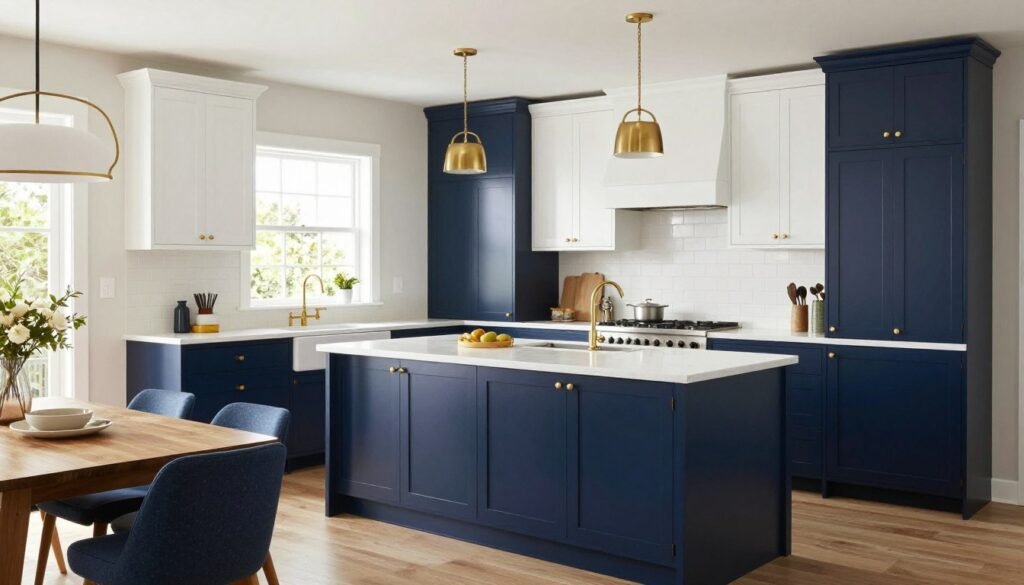
Two-tone cabinetry adds visual interest and dimension to kitchens while creating a natural connection to dining areas. Consider darker base cabinets with lighter upper cabinets to ground the space while maintaining brightness, or use a distinctive color for an island to create a focal point. This approach can be particularly effective in open-concept spaces, where the secondary cabinet color can be echoed in dining room furniture or accessories.
Two-tone cabinetry adds dimension and creates a natural connection to dining areas
Cohesive Flooring Options
Flooring creates a foundation for your kitchen and dining spaces, with material choices affecting both aesthetics and practicality.
Continuous Flooring for Open Concepts
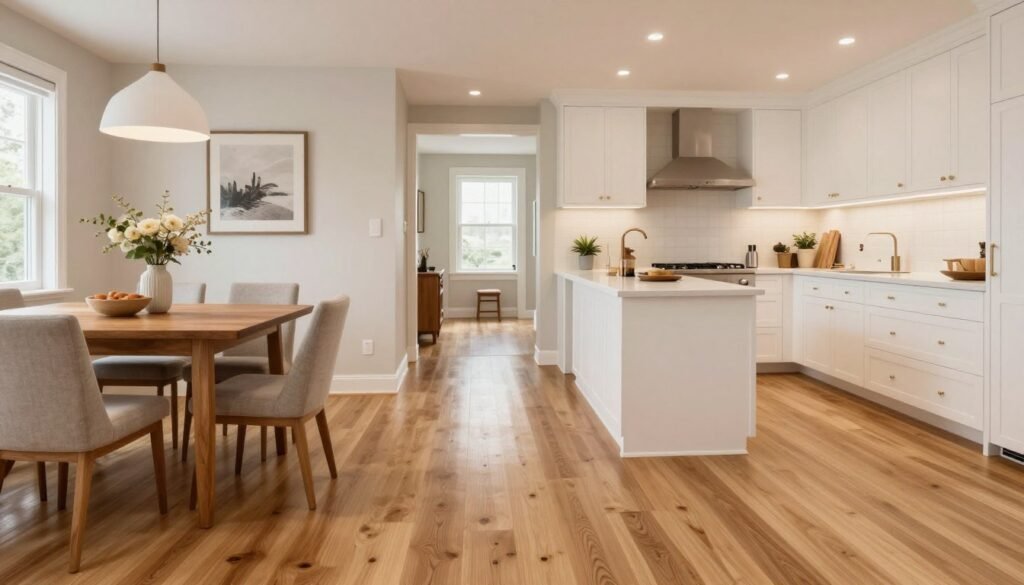
In open-concept layouts, using the same flooring throughout kitchen and dining areas creates visual continuity and makes the space feel larger. Hardwood or engineered wood floors offer warmth and timeless appeal, while large-format tiles provide durability in high-traffic areas. For the best of both worlds, consider wood-look porcelain tiles that combine the appearance of hardwood with the durability and water resistance of ceramic.
Continuous hardwood flooring creates visual flow in an open-concept layout
Defined Zones with Complementary Flooring
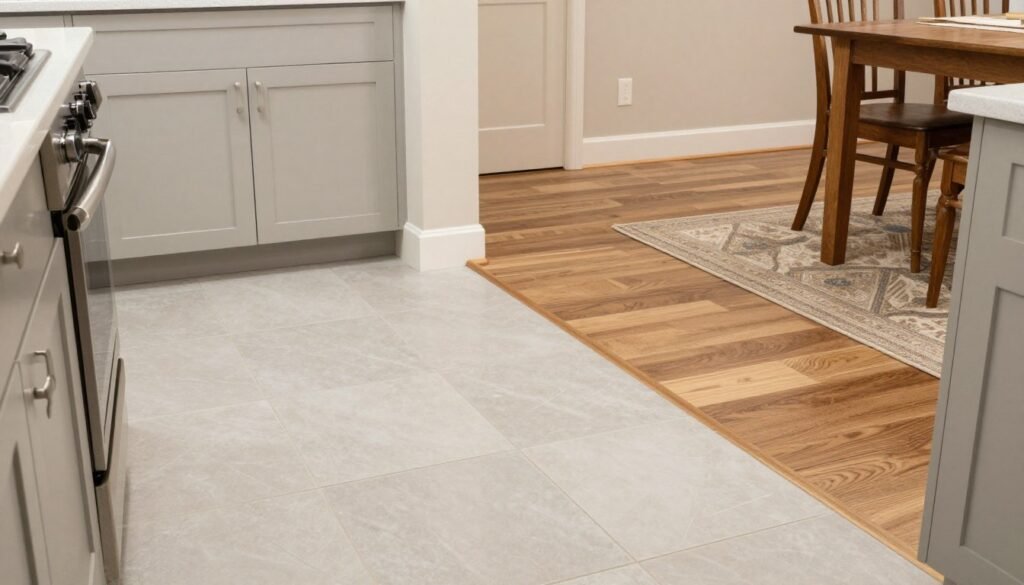
For a more defined separation between kitchen and dining areas, consider using complementary but distinct flooring materials. This approach works well when you want to visually separate functional zones while maintaining design harmony. For example, you might pair durable tile in the kitchen with hardwood in the dining area, using similar color tones to create a cohesive look. Area rugs can further define dining spaces while adding texture and color.
Complementary flooring materials help define separate functional zones
Popular Style Themes
Embracing a defined style theme helps create a cohesive and intentional look across your kitchen and dining spaces.
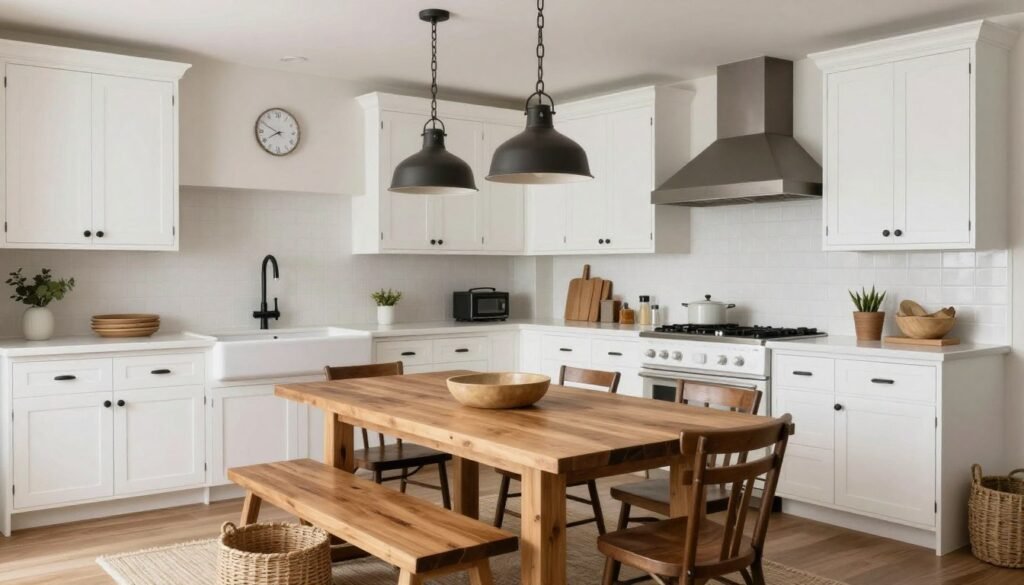
Modern Farmhouse
The modern farmhouse aesthetic combines rustic elements with clean, contemporary lines for a warm yet updated look. In kitchens, this might include shaker cabinets, apron-front sinks, and industrial-inspired lighting, while dining areas feature wooden tables with simple lines and mixed seating. Incorporate modern farmhouse accents like black hardware, vintage-inspired accessories, and textural elements for an authentic feel.
Modern farmhouse style balances rustic elements with clean, contemporary lines
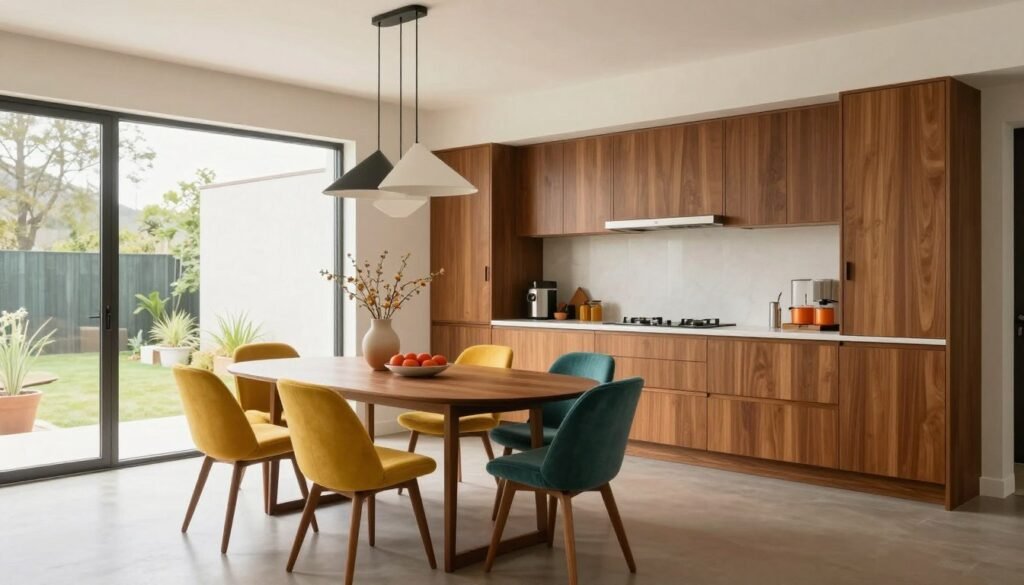
Mid-Century Modern
Mid-century modern design emphasizes clean lines, organic forms, and a connection to nature. In kitchen and dining spaces, this translates to warm wood tones, tapered furniture legs, and bold geometric patterns. Consider walnut cabinetry or furniture, pendant lights with distinctive shapes, and dining chairs with iconic mid-century silhouettes. Complete the look with authentic mid-century dining furniture or quality reproductions of classic designs.
Mid-century modern design features clean lines, organic forms, and warm wood tones
Creating Your Perfect Kitchen and Dining Space
Designing your ideal kitchen and dining room is a personal journey that should reflect your lifestyle, aesthetic preferences, and practical needs. Whether you’re drawn to open-concept layouts that facilitate conversation and connection, or prefer more defined spaces with distinct functions, the key is creating areas that work for how you live and entertain.
Consider how you use these spaces daily—do you need casual seating for quick breakfasts, a formal dining area for special occasions, or versatile zones that can adapt to different needs? Think about the atmosphere you want to create through color, lighting, and material choices. And remember that the most successful kitchen and dining spaces balance beauty with functionality, creating rooms that are as practical as they are pleasing to the eye.
With thoughtful planning and design, your kitchen and dining areas can become the true heart of your home—spaces where delicious meals are prepared, meaningful conversations unfold, and lasting memories are created around the table.
Ready to Transform Your Kitchen and Dining Spaces?
Explore quality furniture, lighting, and accessories to bring these inspiring ideas to life in your home.