There’s something magical about gathering around a crackling fire under the open sky. Outdoor fireplace designs have evolved from simple fire pits to sophisticated architectural features that serve as stunning focal points for any outdoor living space. Whether you’re looking to create a cozy conversation area, extend your outdoor entertaining season, or simply add a touch of luxury to your backyard, the right outdoor fireplace can dramatically transform your outdoor experience.
This Website contains affiliate links. That means I may earn a small commission if you purchase through my links, at no extra cost to you.
In this comprehensive guide, we’ll explore various outdoor fireplace designs, from traditional stone masterpieces to sleek modern options, helping you find the perfect match for your style, space, and budget. We’ll cover everything from materials and fuel types to placement considerations and styling tips, ensuring you have all the information you need to create your dream outdoor retreat.
Types of Outdoor Fireplace Designs
Outdoor fireplaces come in a variety of styles and configurations, each offering unique benefits and aesthetic appeal. Understanding the different types will help you narrow down the options that best suit your needs and preferences.
Different outdoor fireplace designs can completely transform your backyard space
Wood-Burning Outdoor Fireplaces
Wood-burning fireplaces offer that authentic crackling sound and unmistakable aroma that many homeowners love. These traditional outdoor fireplace designs create a rustic, cozy atmosphere that’s perfect for gathering with friends and family.
Advantages
Authentic ambiance with crackling sounds and wood scent
Higher heat output compared to other options
No need for gas lines or electrical connections
Lower initial installation costs for some designs
Creates a traditional, rustic atmosphere
Disadvantages
Requires regular cleaning and ash removal
Need to store firewood and keep it dry
More maintenance than gas or electric options
Smoke can be an issue depending on wind direction
May be restricted in some areas due to fire regulations
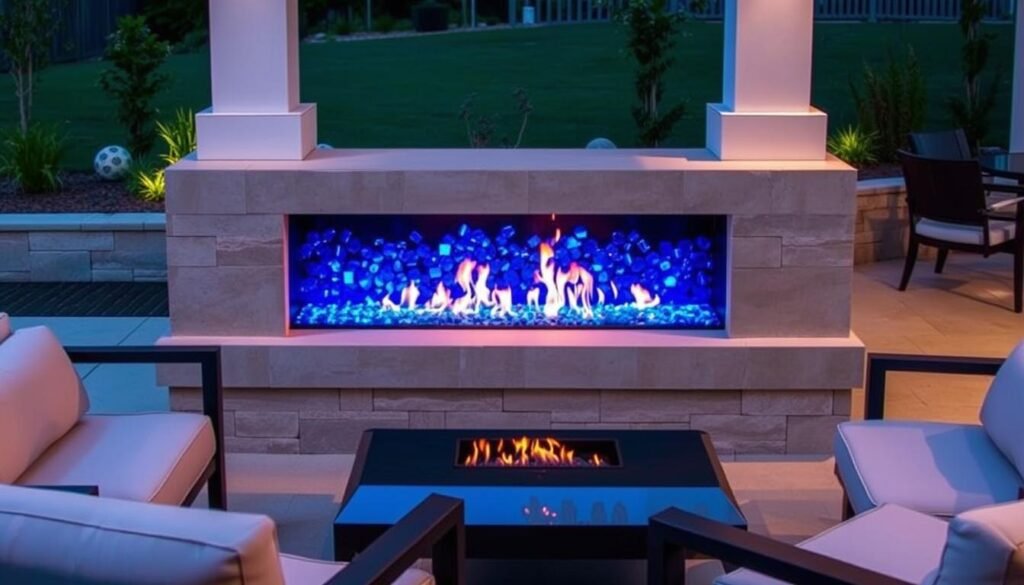
Gas fireplaces offer convenience and clean operation, making them increasingly popular for modern outdoor spaces. With the flip of a switch or push of a button, you can instantly enjoy a warm, inviting flame without the hassle of building and maintaining a wood fire.
Advantages
Instant on/off operation with no startup time
Clean burning with no smoke, ash, or embers
Consistent heat output that’s easily adjustable
Lower maintenance requirements
Available in various modern and traditional designs
Disadvantages
Requires gas line installation or propane tank
Higher initial installation costs
Lacks the authentic crackling and aroma of wood
May have lower heat output than wood-burning options
Professional installation typically required
Modern gas fireplaces offer clean lines and convenient operation
Upgrade to a Convenient Gas Fireplace
Browse a selection of gas outdoor fireplaces that combine style with hassle-free operation.
Ethanol fireplaces are a relatively new addition to the outdoor fireplace market, offering an eco-friendly alternative that’s easy to install and operate. These fireplaces burn bioethanol fuel, producing a clean flame without smoke or ash.
Advantages
No chimney, venting, or gas lines required
Portable options available for flexibility
Clean-burning with no smoke or ash
Easy installation with minimal setup
Modern, sleek designs available
Disadvantages
Lower heat output than wood or gas options
Fuel can be more expensive over time
Limited burn time before refueling needed
Fewer design options compared to traditional fireplaces
May not be suitable as a primary heat source
Fire Pits vs. Outdoor Fireplaces
While both fire pits and outdoor fireplaces create gathering spaces centered around fire, they differ significantly in design, function, and impact on your outdoor space. Understanding these differences can help you choose the right option for your needs.
Feature
Outdoor Fireplace
Fire Pit
Structure
Vertical structure with chimney
Open, horizontal design
Viewing
One or two sides
360-degree viewing
Smoke Control
Better smoke direction through chimney
Smoke can blow in any direction
Space Required
More vertical space, less horizontal
More horizontal space for seating around
Cost
Generally higher
Generally lower
Visual Impact
Major architectural focal point
More casual gathering spot
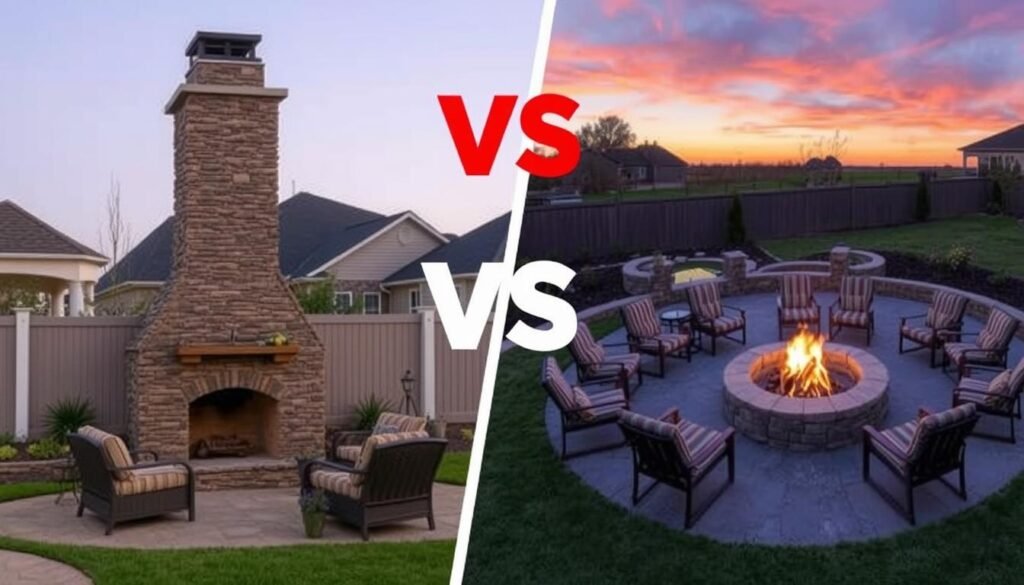
Outdoor fireplaces create a directional focal point, while fire pits allow for gathering all around
Popular Outdoor Fireplace Design Styles
The style of your outdoor fireplace should complement your home’s architecture and your personal aesthetic preferences. Here are some of the most popular design styles to consider for your outdoor space.
Traditional Stone Outdoor Fireplaces
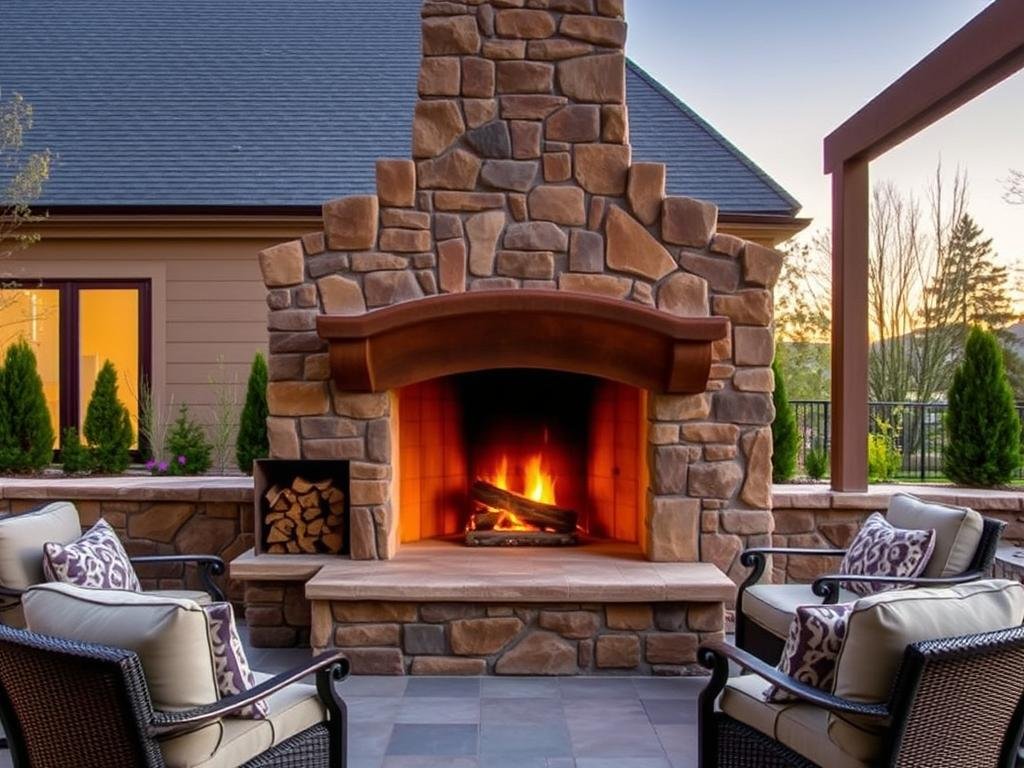
Stone outdoor fireplaces exude timeless elegance and durability. Natural stone materials like limestone, granite, or fieldstone create a rustic, organic look that blends beautifully with natural surroundings. These substantial structures often become the centerpiece of an outdoor living area.
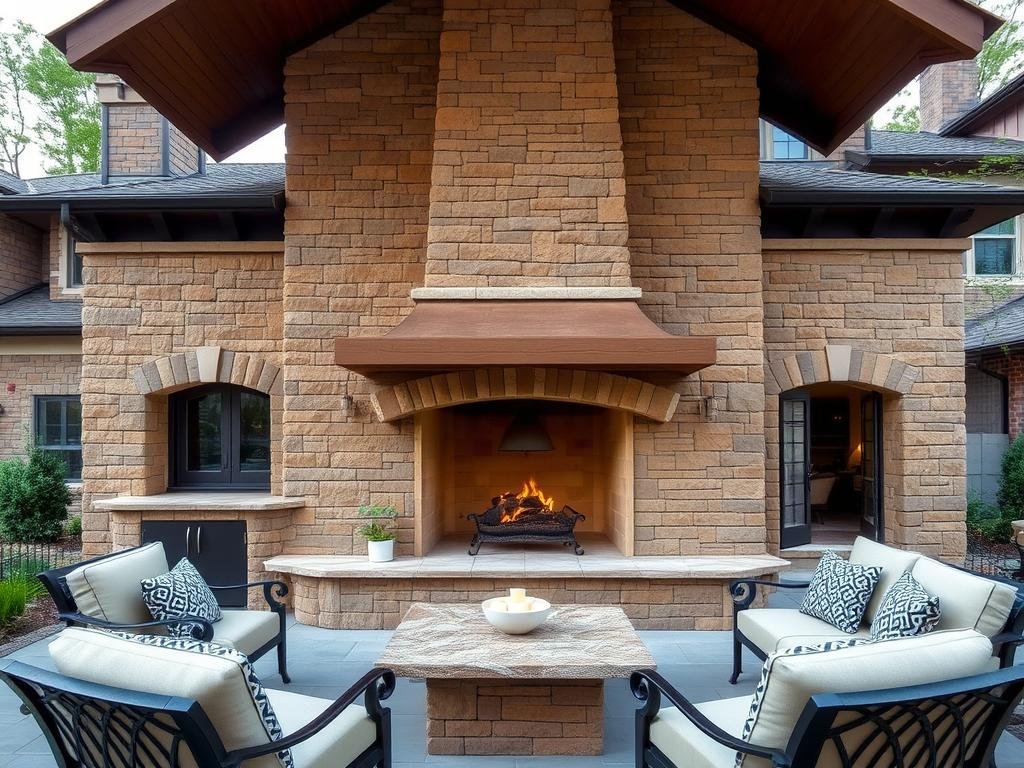
Traditional stone fireplaces create a timeless, rustic appeal
Modern and Contemporary Designs
Modern outdoor fireplace designs feature clean lines, minimalist aesthetics, and often incorporate materials like concrete, metal, and glass. These sleek fireplaces complement contemporary architecture and create a sophisticated outdoor atmosphere.
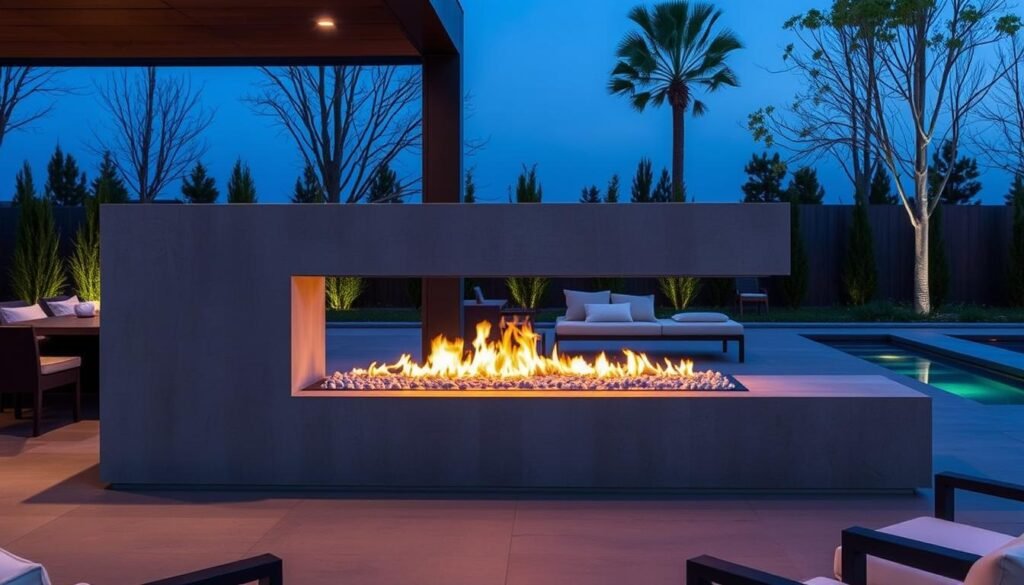
Contemporary fireplace designs feature clean lines and minimalist aesthetics
Rustic and Farmhouse Styles
Rustic outdoor fireplace designs embrace natural materials and weathered finishes. These fireplaces often feature reclaimed wood mantels, distressed brick, or rough-hewn stone for a cozy, lived-in feel that’s perfect for country or farmhouse-style homes.
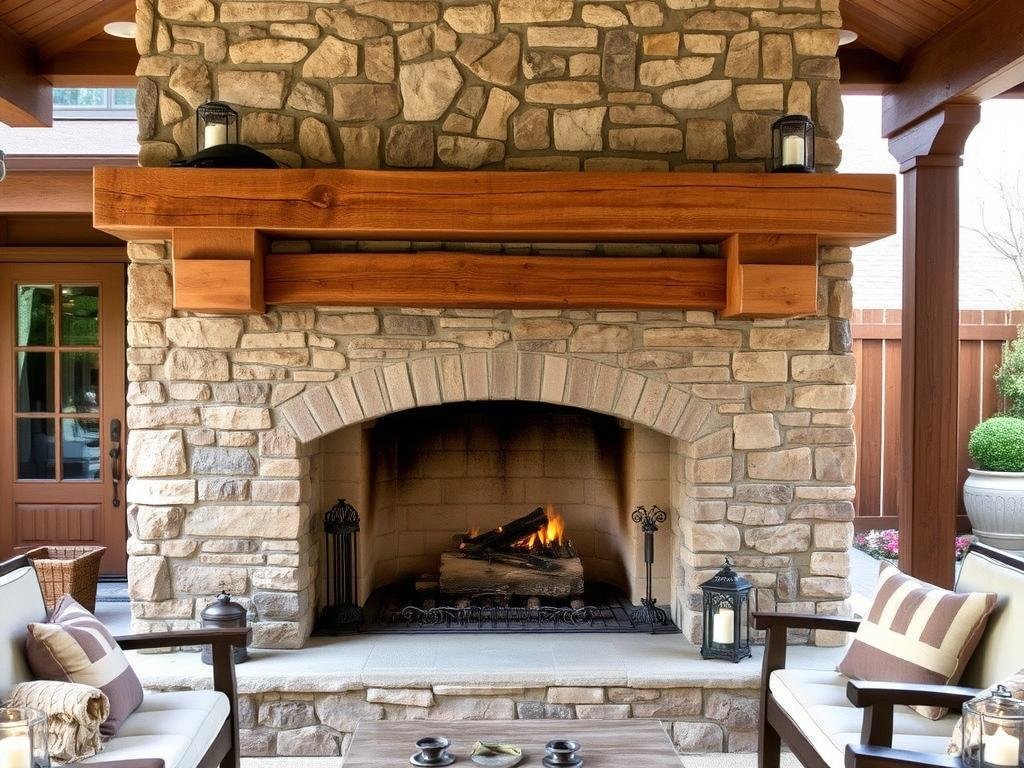
Rustic fireplaces combine natural materials for a warm, inviting feel
Mediterranean and Tuscan-Inspired
Mediterranean-inspired outdoor fireplaces feature warm earth tones, curved arches, and often incorporate elements like decorative tiles or wrought iron details. These designs create a romantic, old-world atmosphere reminiscent of Italian or Spanish villas.
Find Inspiration for Your Outdoor Fireplace
Browse a wide selection of outdoor fireplace designs to find the perfect style for your home.
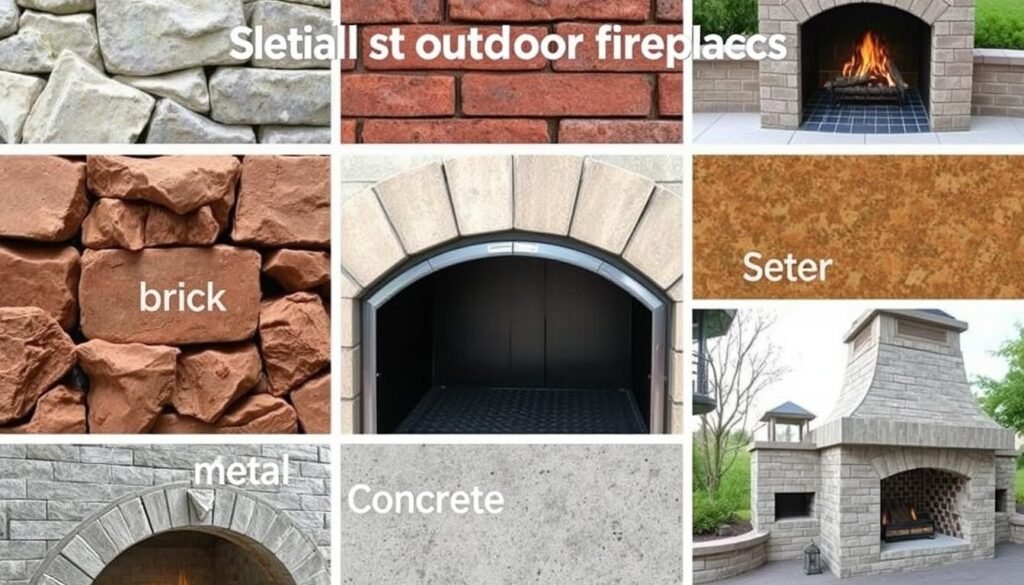
The materials you choose for your outdoor fireplace will impact its appearance, durability, and maintenance requirements. Here’s a guide to the most common materials used in outdoor fireplace designs.
Stone and Masonry
Natural stone creates a timeless, durable outdoor fireplace that can withstand the elements for decades. Options include limestone, fieldstone, granite, and manufactured stone veneer. Stone fireplaces require professional installation but offer exceptional longevity and visual impact.
Brick
Brick outdoor fireplaces offer classic appeal and excellent heat retention. Available in various colors and textures, brick can be arranged in different patterns to create unique designs. Brick is relatively affordable compared to natural stone while still providing durability and traditional charm.
Metal
Metal outdoor fireplaces, typically made from steel or cast iron, offer modern aesthetics and are often more affordable than masonry options. They can be freestanding or built-in and come in various designs from sleek contemporary to industrial. Metal fireplaces heat up quickly but may not retain heat as long as masonry.
Concrete
Concrete outdoor fireplaces offer versatility in design and can be molded into virtually any shape. They can be stained or textured to mimic other materials or left with a smooth, contemporary finish. Concrete is durable and relatively affordable but requires proper reinforcement and installation.
Different materials create distinct looks and atmospheres for outdoor fireplaces
Installation and Safety Considerations
Proper installation is crucial for both the safety and functionality of your outdoor fireplace. Here are important factors to consider before beginning your project.
Location and Placement
The placement of your outdoor fireplace should balance aesthetics with safety and functionality. Consider these factors when determining the ideal location:
Maintain a safe distance (typically 10-20 feet) from your home and other structures
Check wind patterns to minimize smoke blowing toward seating areas or into your home
Consider the view from both your outdoor space and from inside your home
Ensure the fireplace is positioned on a stable, level surface
Verify adequate clearance for the chimney if applicable
Position the fireplace to create a natural gathering area
Building Codes and Permits
Before installing an outdoor fireplace, research local building codes and obtain necessary permits. Regulations vary by location but typically address:
Minimum distance requirements from structures and property lines
Chimney height requirements
Fire safety measures
Restrictions on fuel types (some areas restrict wood burning)
Structural requirements for foundations and supports
Safety Tip: Always check with your local building department and homeowners association before beginning construction on an outdoor fireplace. Failure to comply with local regulations could result in fines or having to remove or modify your fireplace.
DIY vs. Professional Installation
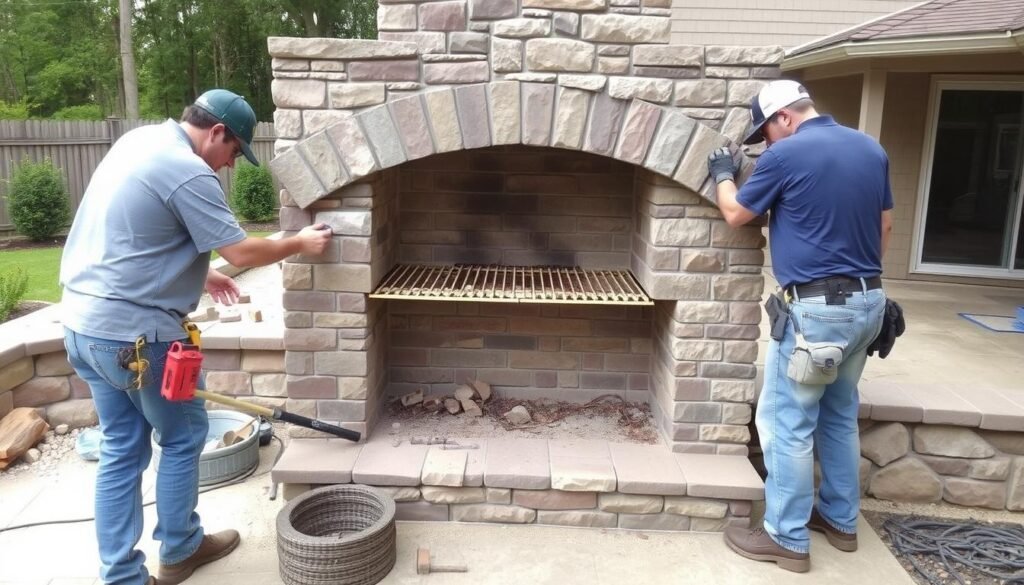
While some prefabricated outdoor fireplaces can be installed by experienced DIYers, custom masonry fireplaces typically require professional installation. Consider these factors when deciding between DIY and professional installation:
DIY Installation
Suitable for some prefabricated units
Can save on labor costs
Requires construction knowledge and skills
Time-intensive project
May void warranties if not done correctly
Professional Installation
Ensures proper construction and safety
Typically includes permits and code compliance
Access to high-quality materials
Faster completion time
Often includes warranties on workmanship
Professional installation ensures your outdoor fireplace is built safely and to code
Ready to Start Your Outdoor Fireplace Project?
Find all the materials and tools you need for your DIY outdoor fireplace project.
Once your outdoor fireplace is installed, the right styling and decor will help create a cohesive, inviting space that maximizes enjoyment. Here are some ideas to enhance your outdoor fireplace area.
Seating Arrangements
The seating around your outdoor fireplace should be comfortable, functional, and arranged to encourage conversation while enjoying the warmth and ambiance of the fire.
Arrange seating in a semicircle facing the fireplace for optimal viewing and warmth
Include a mix of seating types (sofas, chairs, benches) for versatility
Consider built-in seating for a cohesive look with masonry fireplaces
Ensure adequate space between seating and the fireplace for safety
Add side tables for drinks and snacks
Include outdoor throw pillows and blankets for added comfort and style
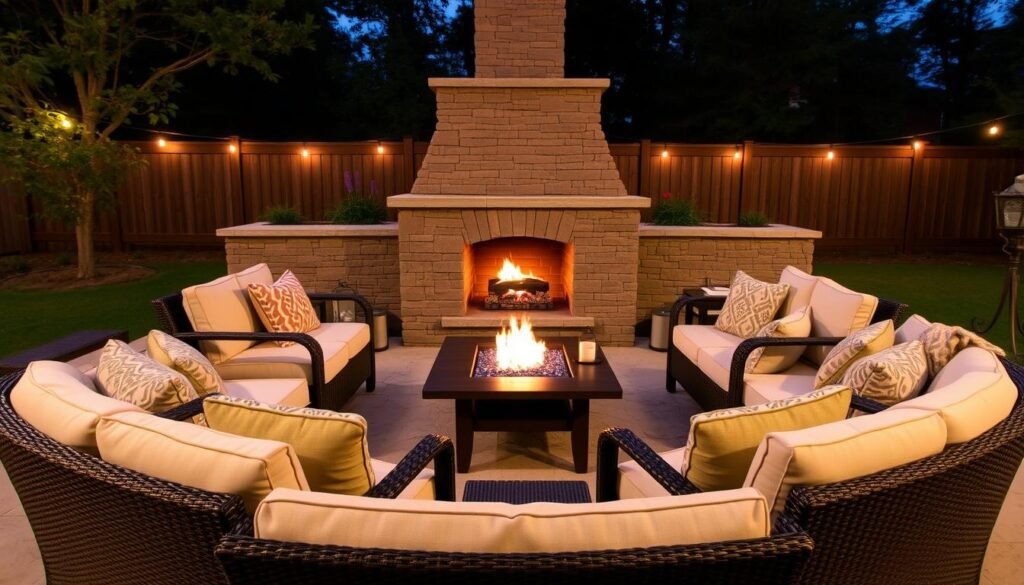
Create a comfortable conversation area around your outdoor fireplace
Lighting
While your fireplace provides beautiful ambient light, additional lighting enhances functionality and atmosphere in your outdoor space.
Install low-voltage landscape lighting to illuminate pathways
Add string lights overhead for a magical atmosphere
Place lanterns or candles on tables for additional ambient light
Consider sconces on nearby walls or pillars
Use spotlights to highlight architectural features of your fireplace
Accessorizing Your Outdoor Fireplace
The right accessories can enhance both the functionality and aesthetic appeal of your outdoor fireplace.
Add a mantel for displaying decorative items or holding drinks
Install a TV above the fireplace for entertainment (ensure it’s rated for outdoor use)
Include a built-in wood storage area for wood-burning fireplaces
Add decorative screens for wood-burning fireplaces
Consider built-in side tables or counters for additional functionality
Incorporate planters with appropriate plants to soften the structure
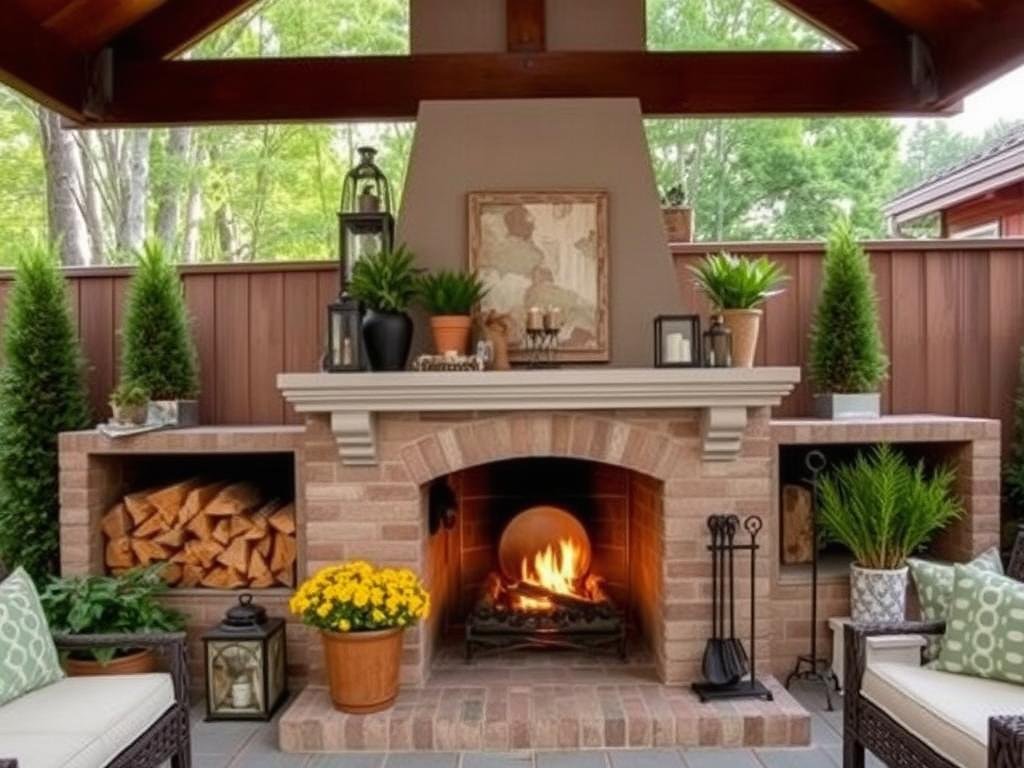
Thoughtful accessories enhance both the beauty and functionality of your outdoor fireplace
Complete Your Outdoor Fireplace Setting
Find comfortable outdoor furniture and accessories to create the perfect gathering space around your fireplace.
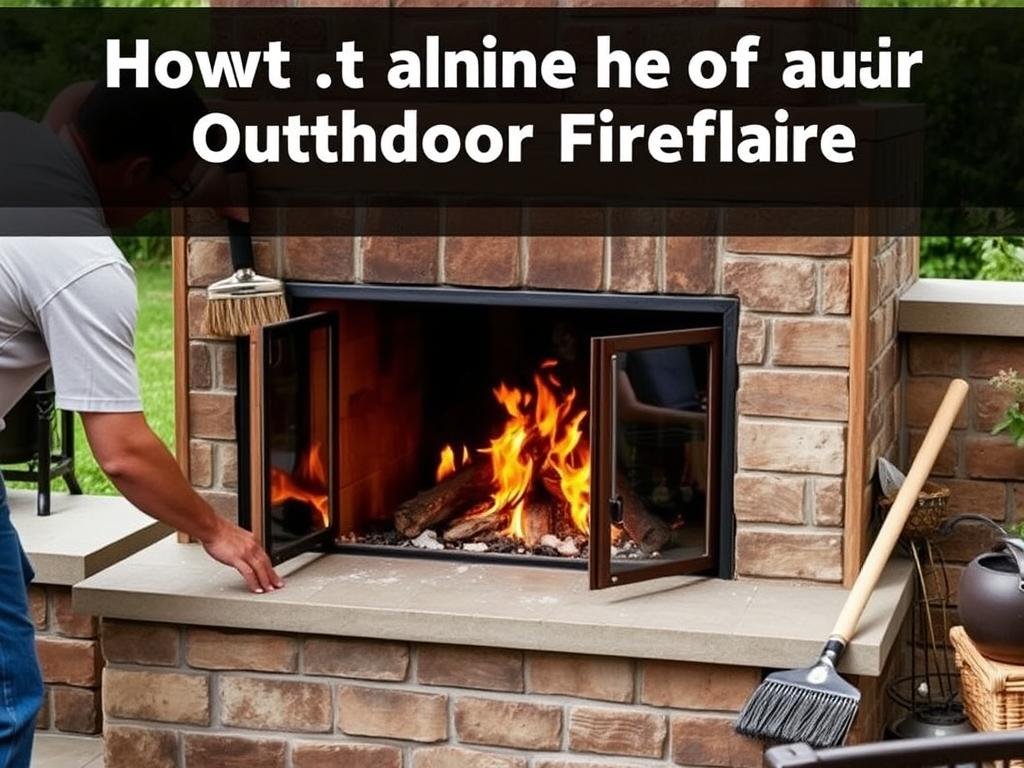
Proper maintenance ensures your outdoor fireplace remains safe, functional, and beautiful for years to come. Maintenance requirements vary based on the type of fireplace and materials used.
Wood-Burning Fireplace Maintenance
Wood-burning fireplaces require the most regular maintenance to keep them clean and functioning properly:
Remove ash and debris after each use once completely cooled
Inspect the chimney annually for creosote buildup and have it professionally cleaned
Check for cracks or damage to the firebox and chimney
Ensure the damper operates properly
Cover the fireplace when not in use for extended periods
Store firewood properly to keep it dry and away from the home
Gas Fireplace Maintenance
Gas fireplaces require less frequent maintenance but still need regular attention:
Have gas connections inspected annually by a professional
Clean the glass doors or screens regularly
Check burners for debris and clean as needed
Inspect gas logs for proper positioning
Test ignition systems before seasonal use
Cover when not in use for extended periods
Seasonal Care
Seasonal maintenance helps protect your outdoor fireplace from weather-related damage:
Spring/Summer Care
Clean thoroughly after winter use
Check for winter damage to masonry
Apply sealant to stone or brick if needed
Clean surrounding area of debris
Touch up any paint or finishes
Fall/Winter Preparation
Stock up on firewood or fuel
Have chimney professionally inspected
Check for animal nests or blockages
Test gas connections before first use
Ensure proper drainage around the structure
Regular maintenance keeps your outdoor fireplace safe and extends its lifespan
Cost Considerations for Outdoor Fireplaces
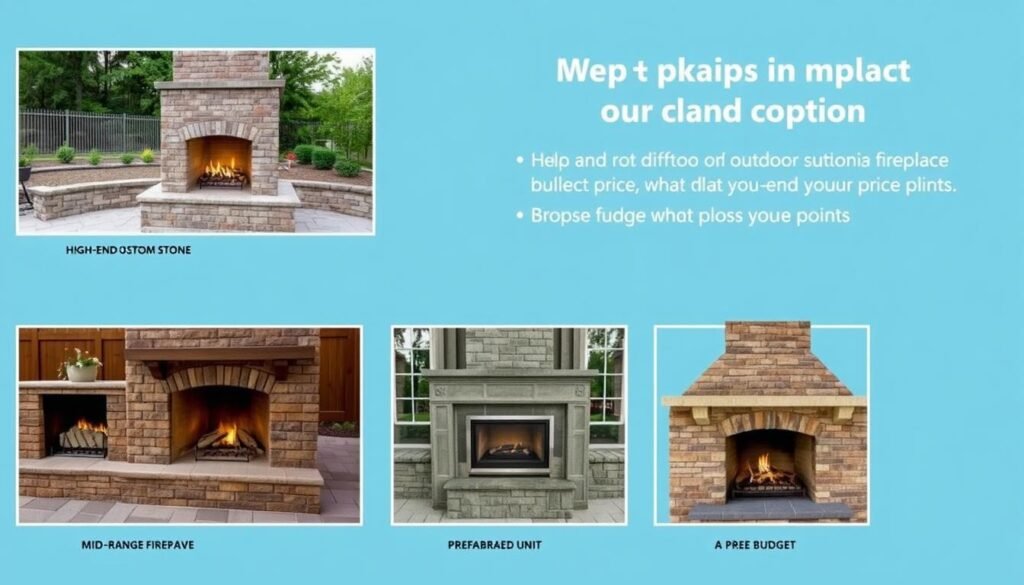
The cost of an outdoor fireplace can vary significantly based on design, materials, size, and whether you choose DIY installation or professional construction. Understanding the price ranges can help you budget appropriately for your project.
Price Ranges by Type
Fireplace Type
Average Cost Range
Factors Affecting Cost
Prefabricated Kit
$1,200 – $8,500
Size, material quality, brand, features
Custom Masonry
$6,000 – $21,000+
Size, materials, complexity, location
Modular Outdoor Fireplace
$2,500 – $10,000
Size, materials, features, brand
Gas Fireplace
$3,000 – $12,000
Size, gas line installation, features
Ethanol Fireplace
$1,000 – $5,000
Size, design, brand, features
Additional Cost Factors
Beyond the fireplace itself, consider these additional costs when budgeting for your project:
Site preparation and foundation work
Permits and inspections
Gas line installation for gas fireplaces
Electrical work if needed
Surrounding hardscaping (patio, seating walls)
Furniture and accessories
Ongoing fuel costs (wood, gas, ethanol)
Budget Tip: If you love the look of a custom stone fireplace but have budget constraints, consider a prefabricated fireplace with a stone veneer. This option provides a similar aesthetic at a lower cost and with simpler installation.
Outdoor fireplaces are available at various price points to suit different budgets
Frequently Asked Questions About Outdoor Fireplaces
Do outdoor fireplaces add value to my home?
Yes, well-designed outdoor fireplaces typically add value to your home. According to the National Association of REALTORS®, homeowners can expect to recover about 80% of the investment in an outdoor fireplace when selling their home. Beyond financial return, outdoor fireplaces also add significant enjoyment value, with homeowners reporting a joy score of 9.7 out of 10 after adding an outdoor fire feature.
How far should an outdoor fireplace be from my house?
Most building codes require outdoor fireplaces to be at least 10 to 15 feet away from structures, including your home, sheds, and property lines. However, regulations vary by location, so it’s essential to check your local building codes. For wood-burning fireplaces, a distance of 20 feet from structures is often recommended for additional safety.
Can I use my outdoor fireplace year-round?
Yes, most outdoor fireplaces can be used year-round, though usage patterns may change with the seasons. In colder months, the fireplace provides warmth that extends your outdoor living season. In warmer months, you might use it primarily in the evening for ambiance rather than heat. Proper maintenance between seasons ensures your fireplace remains in good condition throughout the year.
What’s the difference between a wood-burning and gas outdoor fireplace?
Wood-burning fireplaces provide an authentic experience with crackling sounds and wood aroma but require more maintenance and cleanup. Gas fireplaces offer convenience with instant on/off operation and no ash or embers to clean up, but lack some of the sensory experience of wood fires. Gas options also typically cost more initially but may be less expensive to operate long-term depending on local fuel prices.
Do I need a permit to build an outdoor fireplace?
In most locations, yes, you will need a permit to build an outdoor fireplace, especially for permanent structures. Permit requirements vary by location, so check with your local building department before starting your project. Some areas may also have restrictions on wood-burning fireplaces or specific requirements for gas line installations.
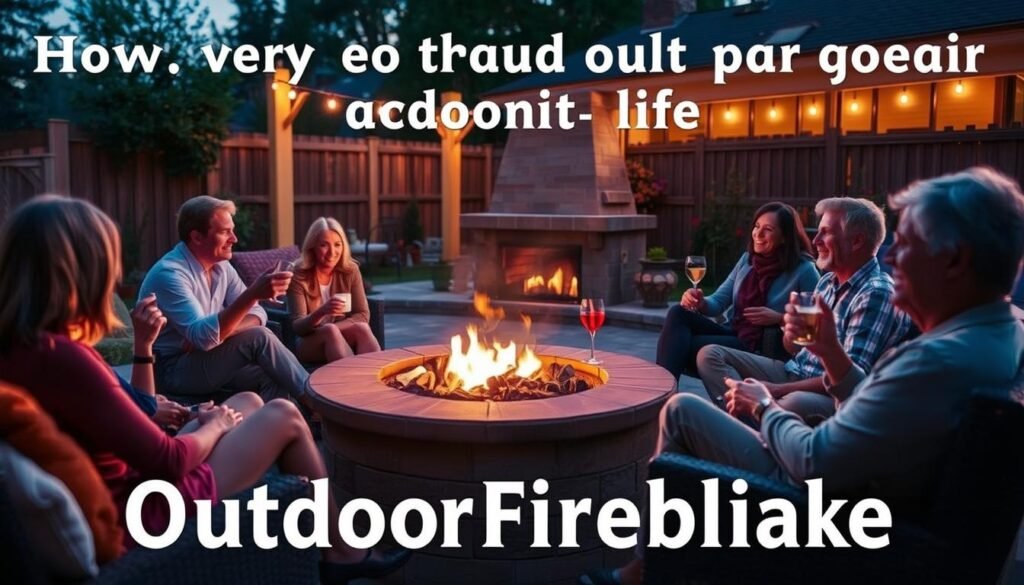
An outdoor fireplace creates memorable gathering spaces for family and friends
Transform Your Outdoor Space with the Perfect Fireplace
An outdoor fireplace is more than just a heating element—it’s a focal point that transforms your backyard into a welcoming retreat for relaxation and entertainment. Whether you prefer the rustic charm of a traditional stone fireplace, the convenience of a gas model, or the sleek lines of a contemporary design, there’s an outdoor fireplace that perfectly matches your style, space, and budget.
By carefully considering the type, design, materials, and placement of your outdoor fireplace, you can create a stunning outdoor living area that extends your enjoyment of your home beyond its walls. From cozy family gatherings to sophisticated entertaining, an outdoor fireplace adds warmth, ambiance, and value to your property year-round.
Ready to Create Your Dream Outdoor Space?
Explore a wide range of outdoor fireplace designs and find everything you need to get started on your project.
Wall mirrors are more than just functional pieces—they’re transformative elements that can completely reinvent your space. These versatile decor items reflect…