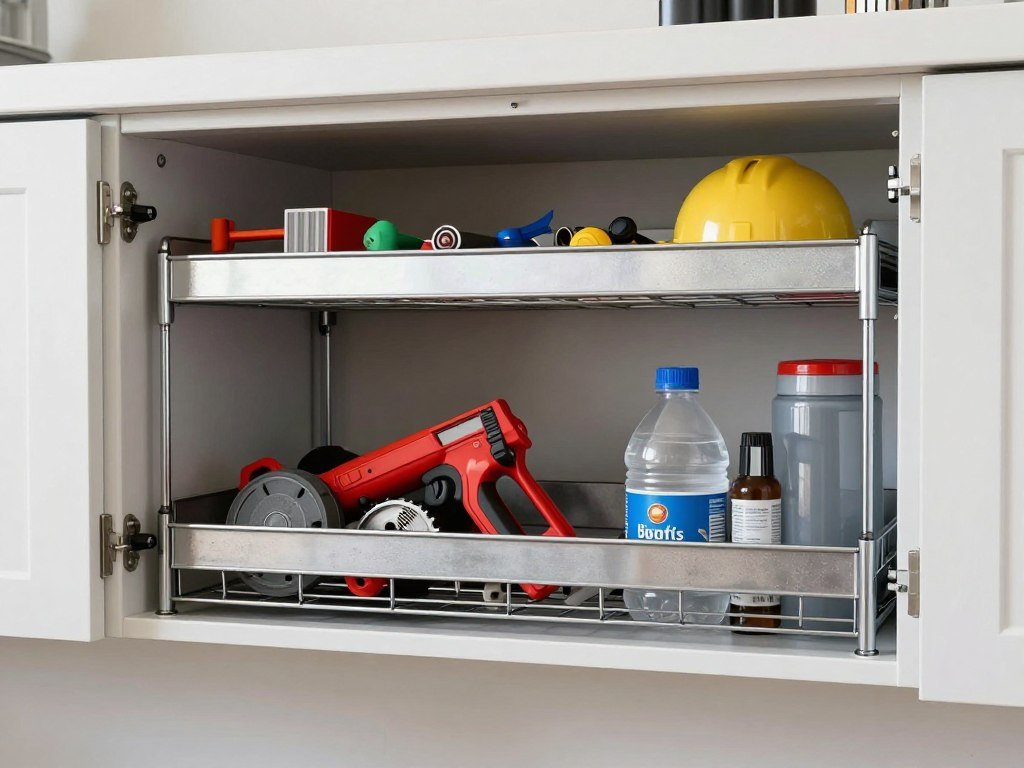
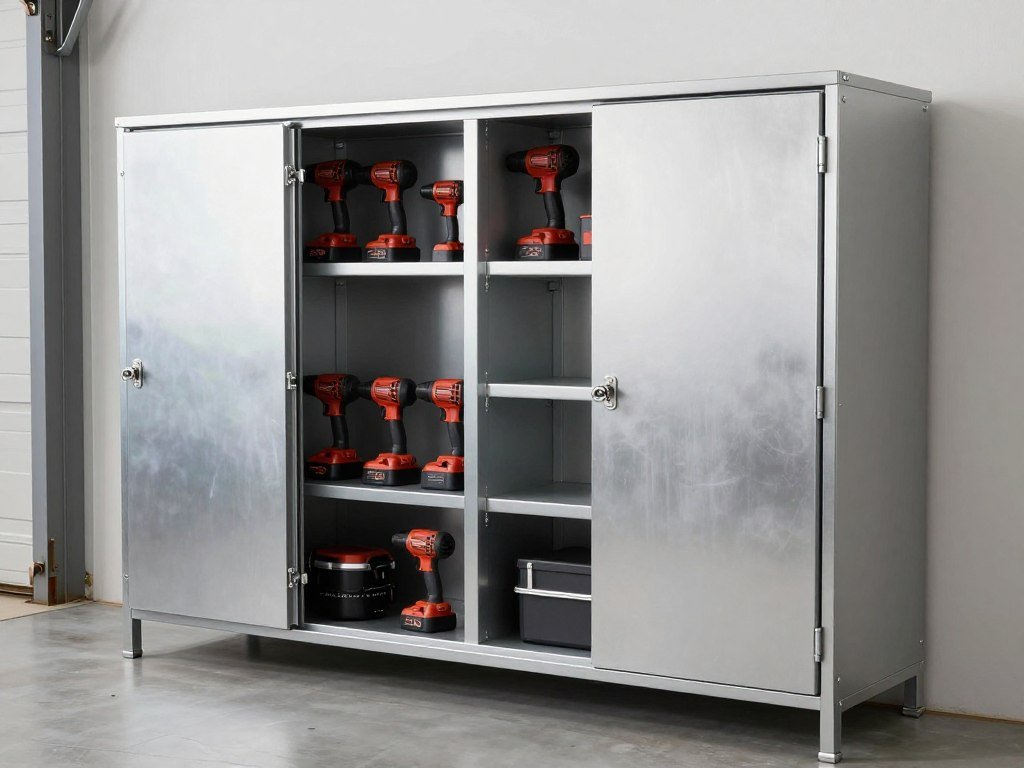
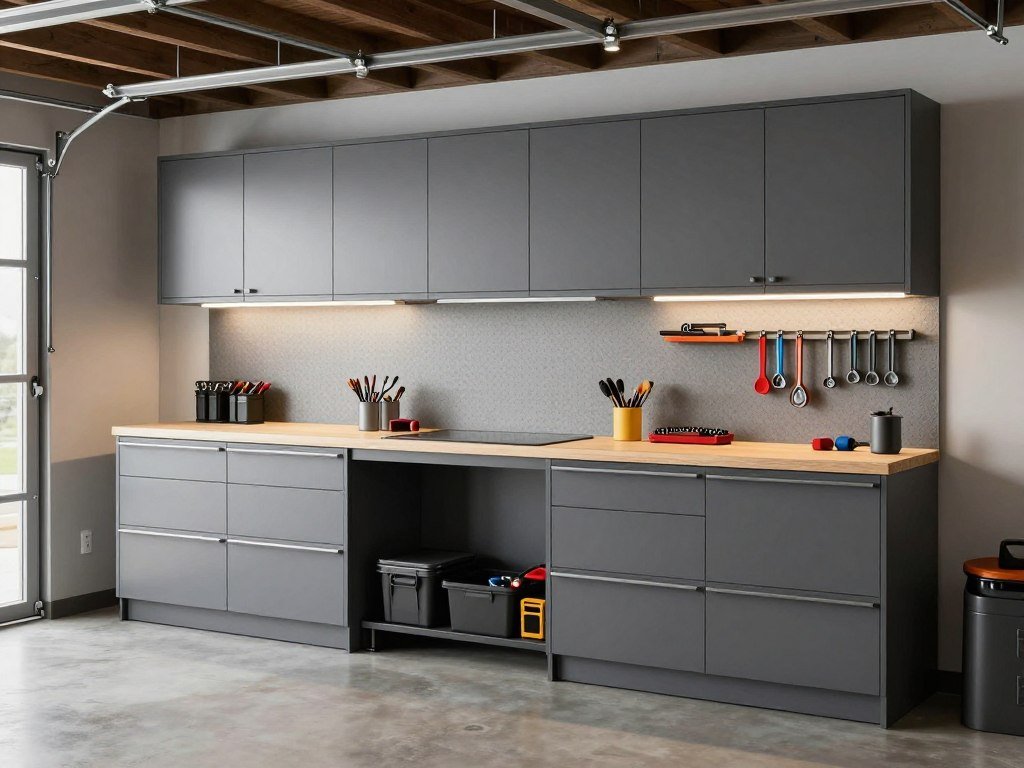
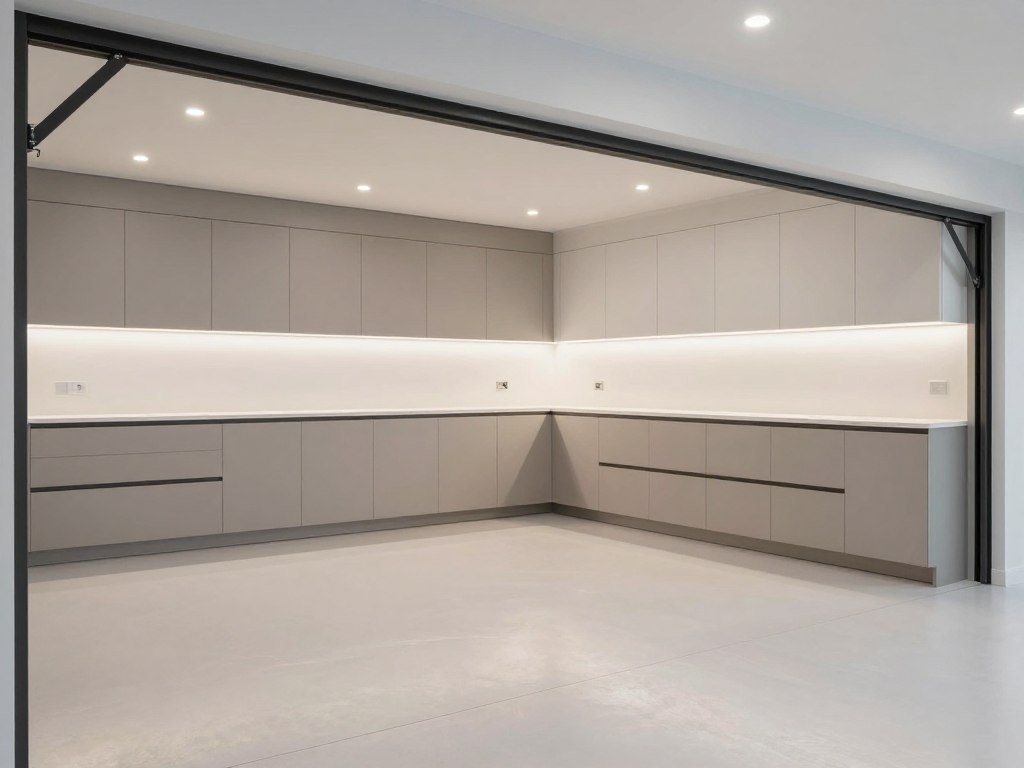
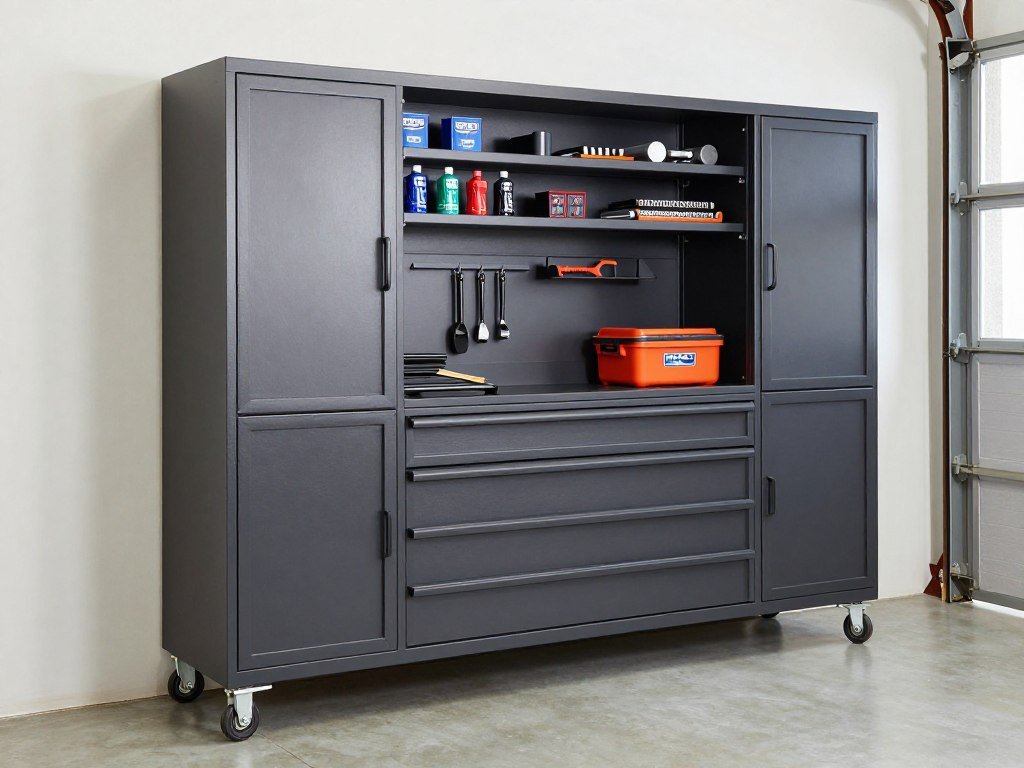
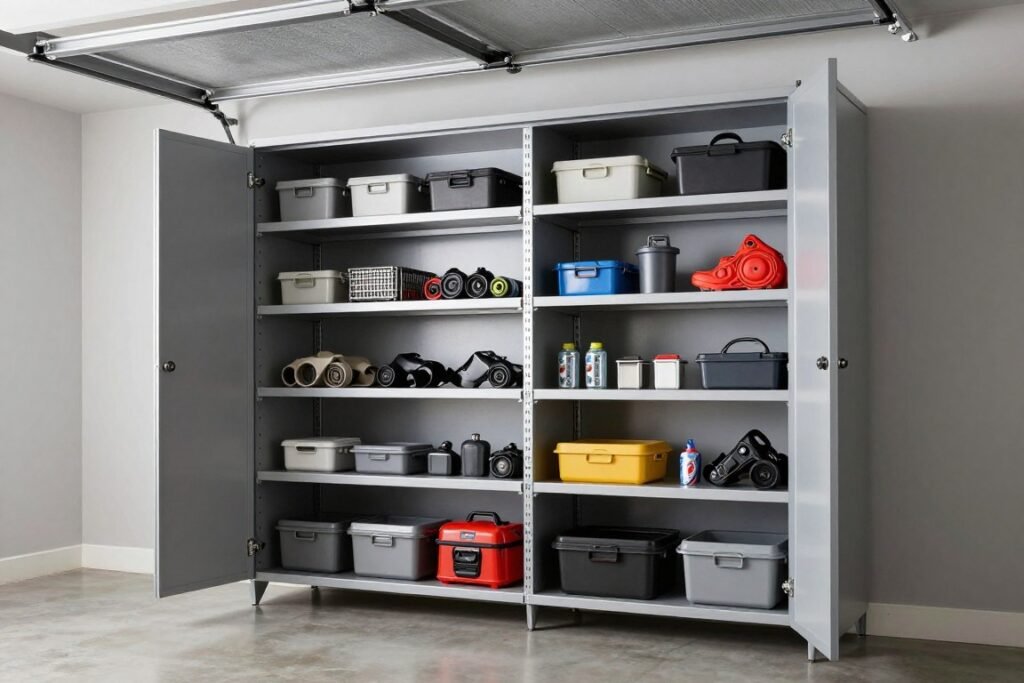
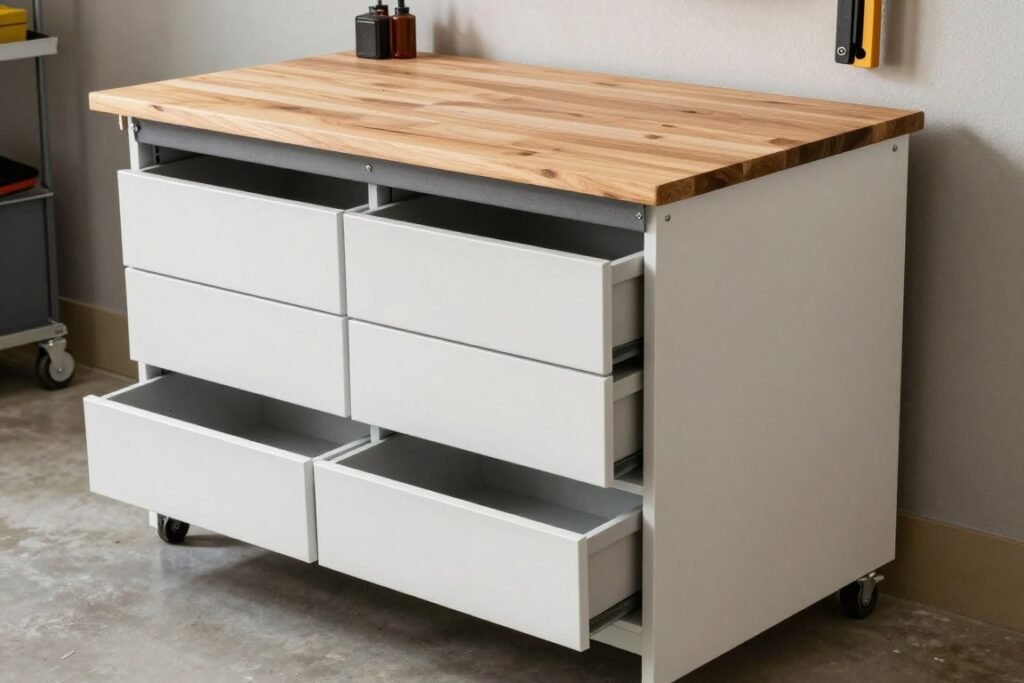
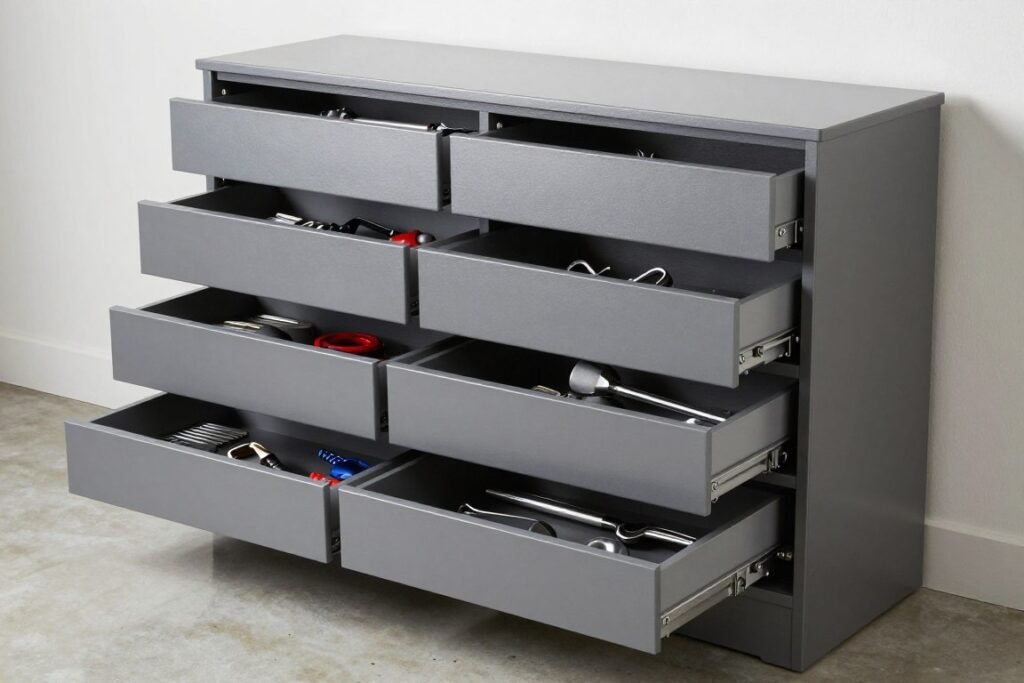
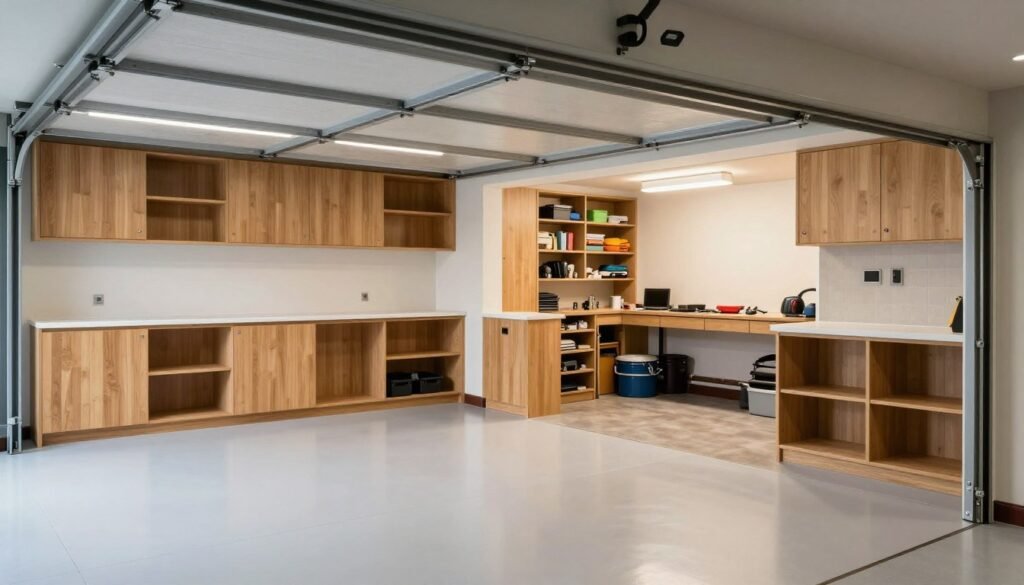
A well-organized garage isn’t just about neatness—it’s about creating a functional space where everything has its place. Garage cabinets are the cornerstone of effective garage organization, providing dedicated storage that keeps tools, equipment, and seasonal items protected and accessible. Whether you’re a DIY enthusiast with a growing tool collection, a homeowner seeking to maximize limited space, or simply tired of navigating through clutter, the right cabinet system can revolutionize your garage experience.
This Website contains affiliate links. That means I may earn a small commission if you purchase through my links, at no extra cost to you.
Why Invest in Quality Garage Cabinets?
Before diving into the various types and styles of garage cabinets, let’s explore the transformative benefits they bring to your space:
Maximize Storage Efficiency
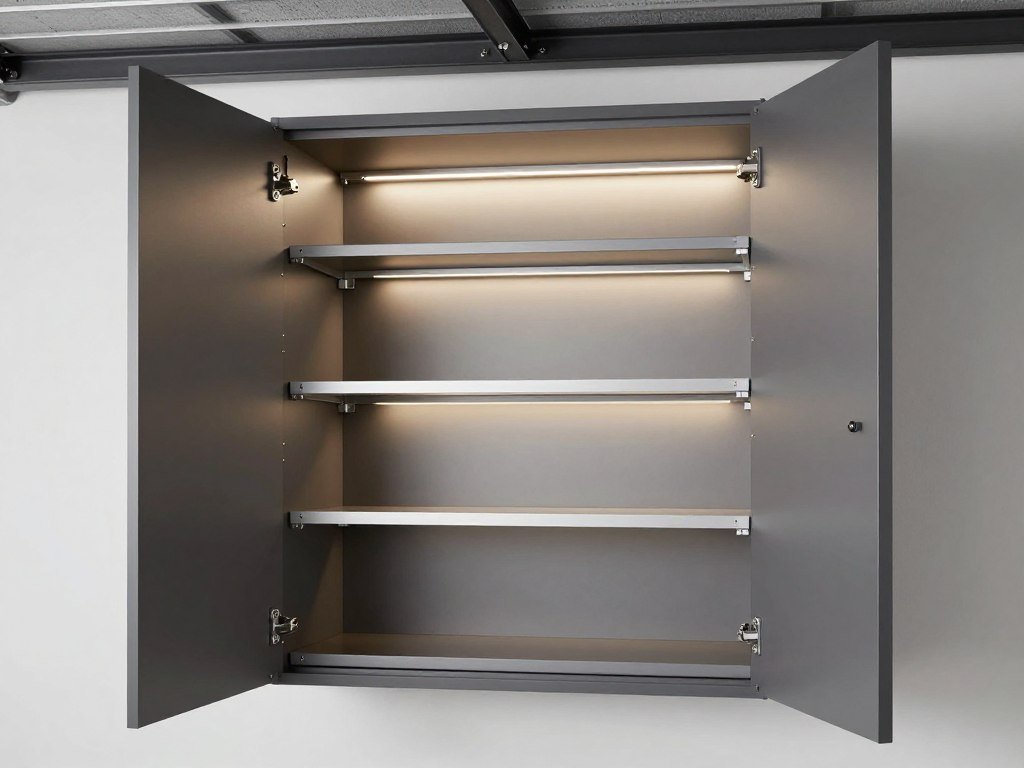
Garage cabinets utilize vertical space efficiently, allowing you to store more items in the same square footage. With adjustable shelving and specialized compartments, you can customize the interior to accommodate items of various sizes.
Protect Valuable Tools and Equipment
Quality cabinets shield your possessions from dust, moisture, and pests. For valuable tools and equipment, this protection extends their lifespan and maintains their performance. Lockable options add security for expensive items.
A well-designed cabinet system transforms your garage into a functional workshop or hobby space. With tools and materials organized and accessible, projects become more efficient and enjoyable.
Enhance Property Value
Well-organized storage solutions are increasingly important to homebuyers. A garage equipped with quality cabinets can be a significant selling point and potentially increase your property’s market value.
Ready to Transform Your Garage?
Explore a wide selection of garage cabinet options to find the perfect storage solution for your needs.
Types of Garage Cabinets: Finding Your Perfect Match
Garage cabinets come in various materials, configurations, and mounting styles. Understanding the differences will help you select the option that best suits your specific needs and garage environment.
By Material: Durability Meets Design
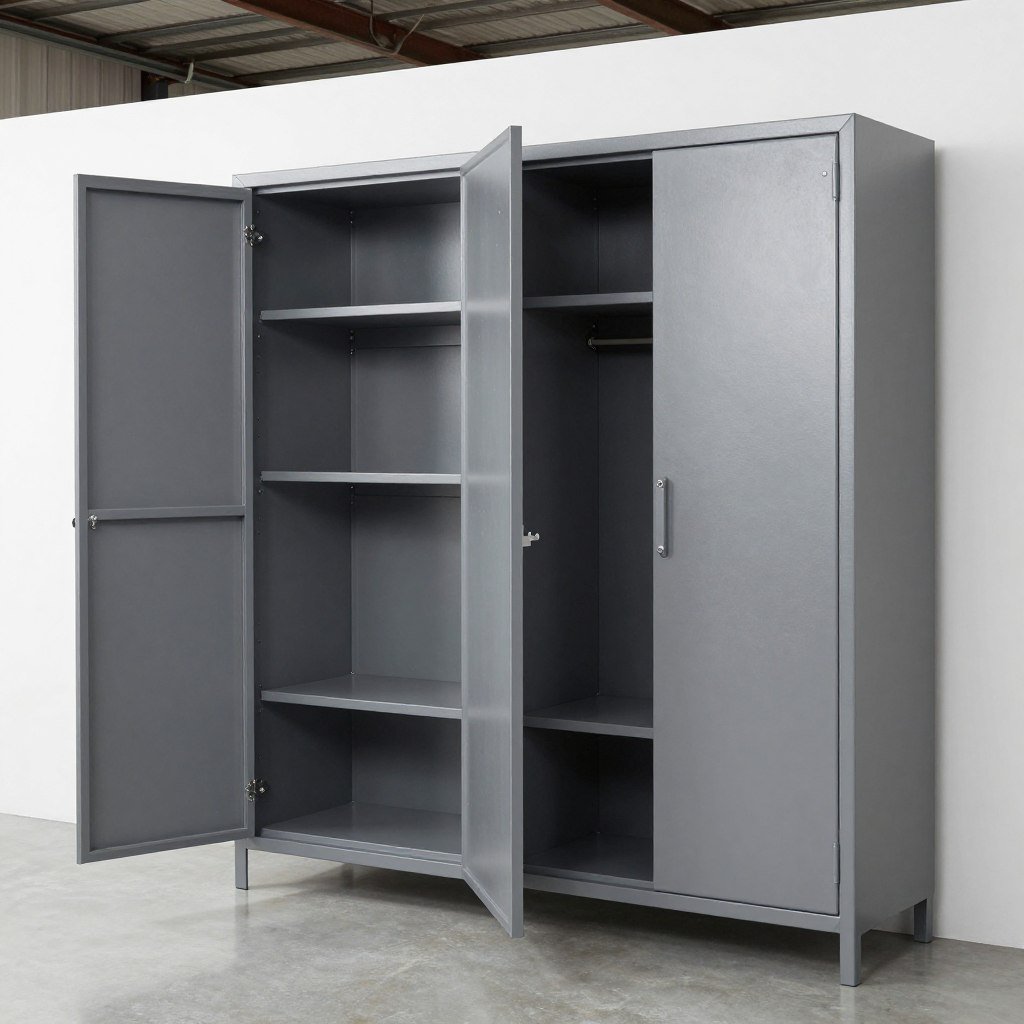
Metal Cabinets
Pros: Exceptional durability, high weight capacity, resistance to moisture and pests, fire-resistant properties, and long-term reliability.
Best for: Heavy tools, automotive equipment, and garages in humid climates. These cabinets withstand demanding environments and support substantial weight.
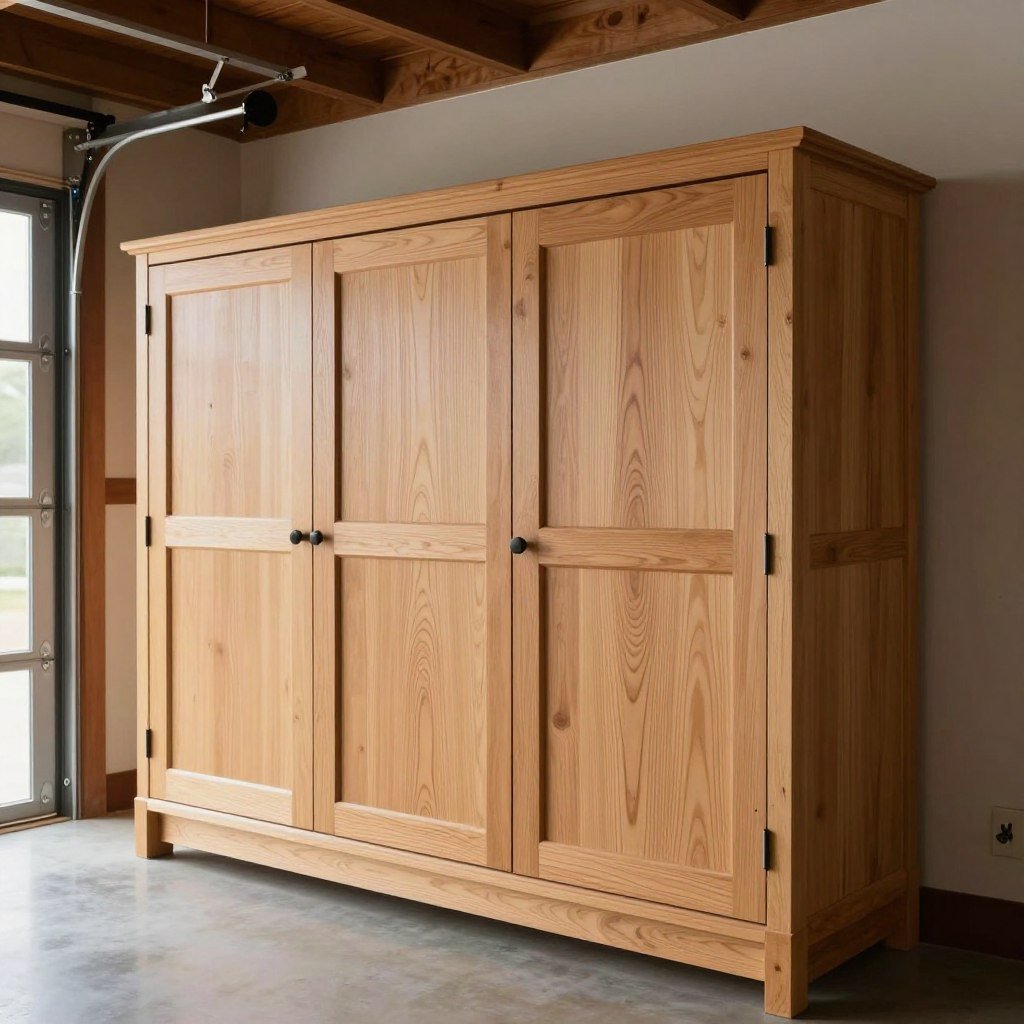
Wood Cabinets
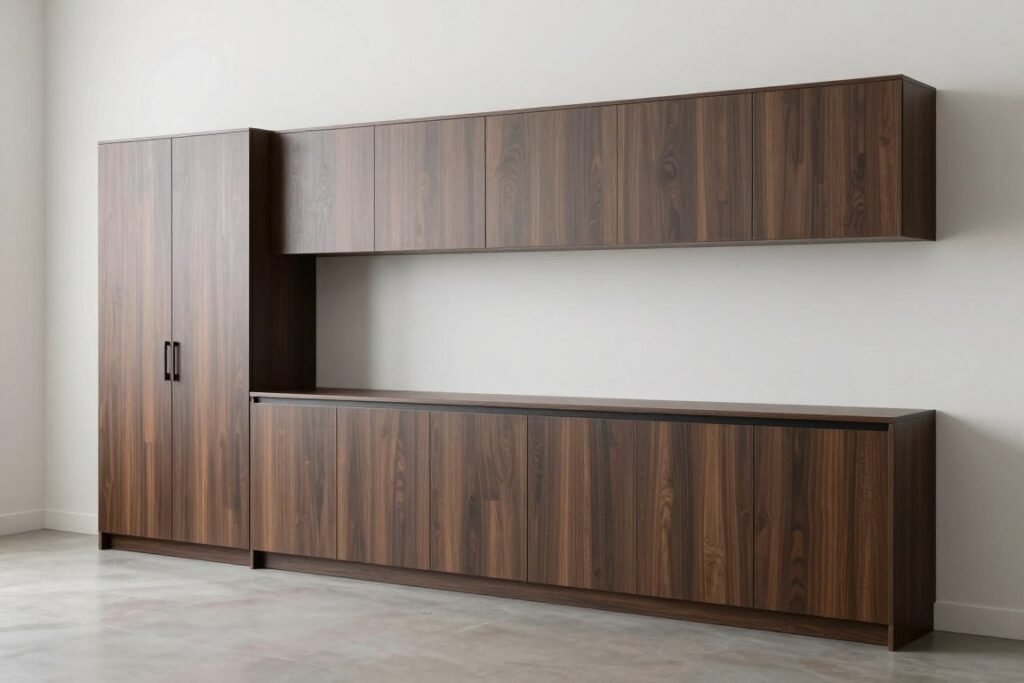
Pros: Aesthetic appeal, customization options, natural warmth, and the ability to match home interiors for a cohesive look.
Best for: Climate-controlled garages, spaces that double as workshops, and homeowners who prioritize appearance alongside functionality.
Plastic/Resin Cabinets
Pros: Lightweight, affordable, easy to clean, resistant to rust and corrosion, and simple DIY assembly without specialized tools.
Best for: Budget-conscious homeowners, lighter storage needs, and environments where moisture resistance is important but heavy-duty capacity isn’t required.
By Mounting Style: Optimizing Your Space
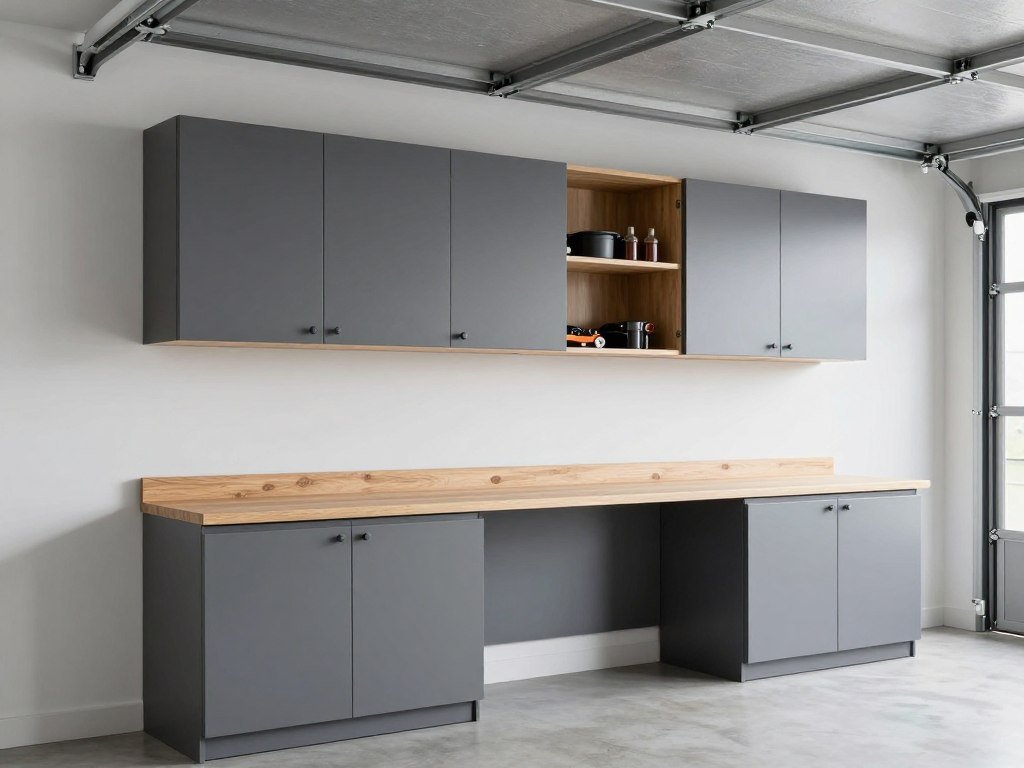
Wall-Mounted Cabinets
Wall-mounted cabinets free up valuable floor space, making them ideal for smaller garages or areas where you need room for vehicles and foot traffic. They keep items at eye level for easy access and protect contents from potential floor flooding.
These cabinets typically range from 12-16 inches deep and come in various widths and heights to accommodate different wall spaces and storage needs.
Freestanding Cabinets
Freestanding units offer maximum storage capacity and flexibility. These cabinets can be placed anywhere in your garage and often feature adjustable feet for uneven floors. Many models come with casters for mobility, allowing you to reconfigure your space as needed.
With depths typically ranging from 18-24 inches, these cabinets provide ample storage for larger items and can support heavier loads than wall-mounted alternatives.
Beyond basic materials and mounting styles, garage cabinets come in specialized configurations designed for specific storage needs.
Tall Storage Cabinets
Reaching heights of 72-84 inches, these cabinets maximize vertical space and provide ample storage for items of all sizes. With multiple adjustable shelves, they offer versatile organization for everything from small tools to bulky equipment.
Base Cabinets with Workbench
These multifunctional units combine storage with a durable work surface. Typically 34-36 inches high (standard counter height), they provide convenient access to frequently used tools while offering a stable platform for projects.
Drawer Cabinets
Specialized for tool organization, drawer cabinets feature multiple pull-out drawers of varying depths. Full-extension slides provide complete access to contents, while dividers and liners keep tools organized and protected.
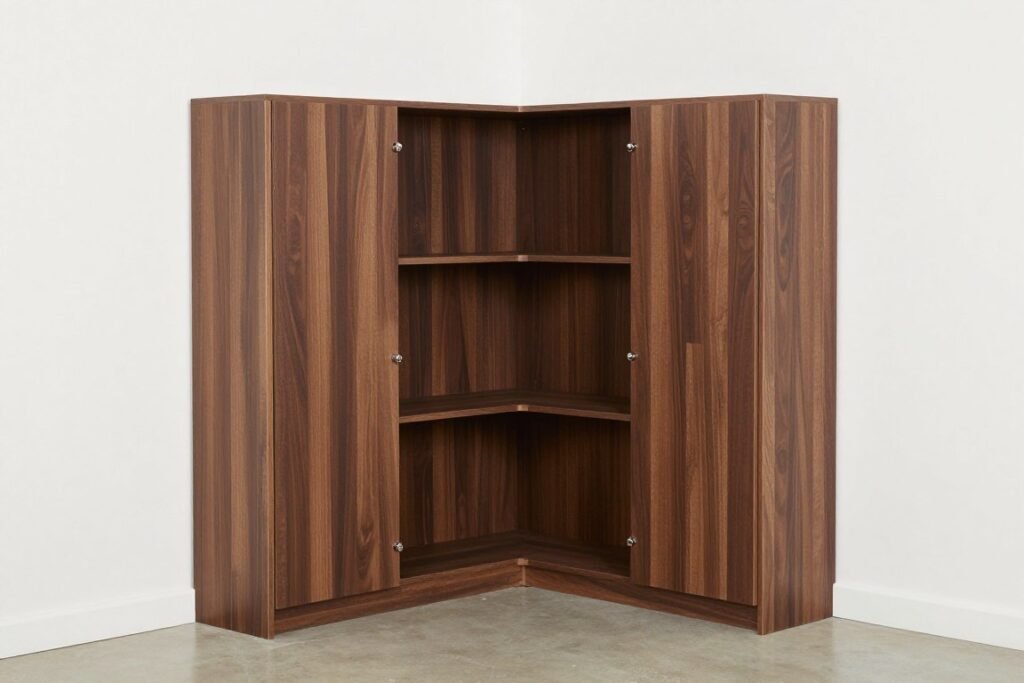
Corner Cabinets
Designed to utilize often-wasted corner spaces, these L-shaped cabinets maximize storage in awkward areas. They’re ideal for creating continuous storage along multiple walls and making the most of every square inch.
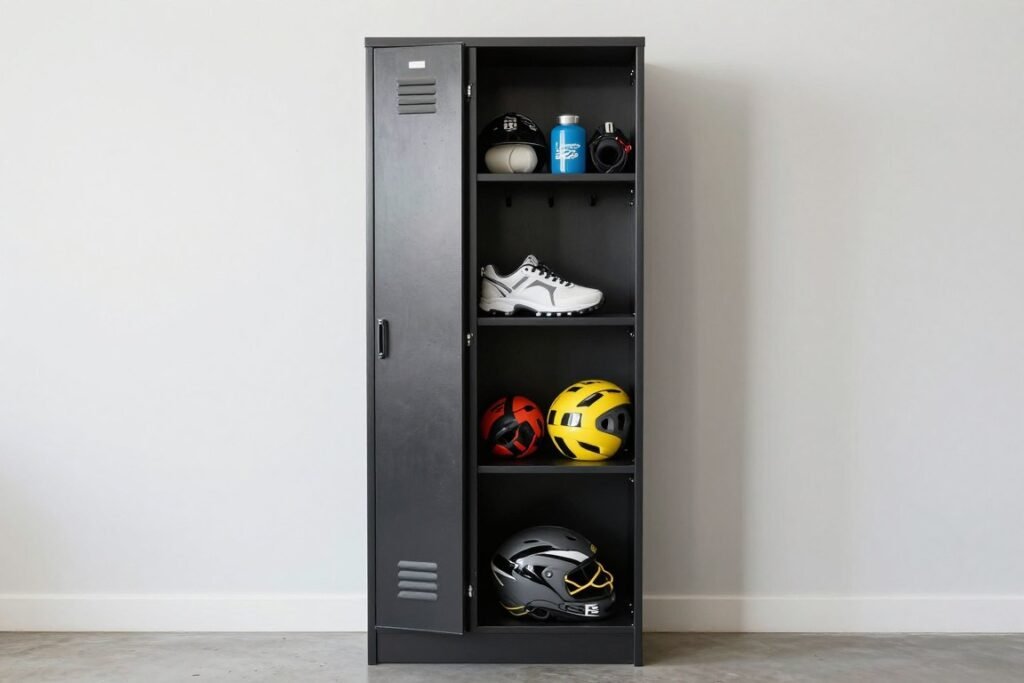
Locker Cabinets
Tall, narrow cabinets with a single door, locker cabinets are perfect for storing long-handled tools, sports equipment, and outdoor gear. Interior hooks and shelves provide versatile organization options for items of various sizes.
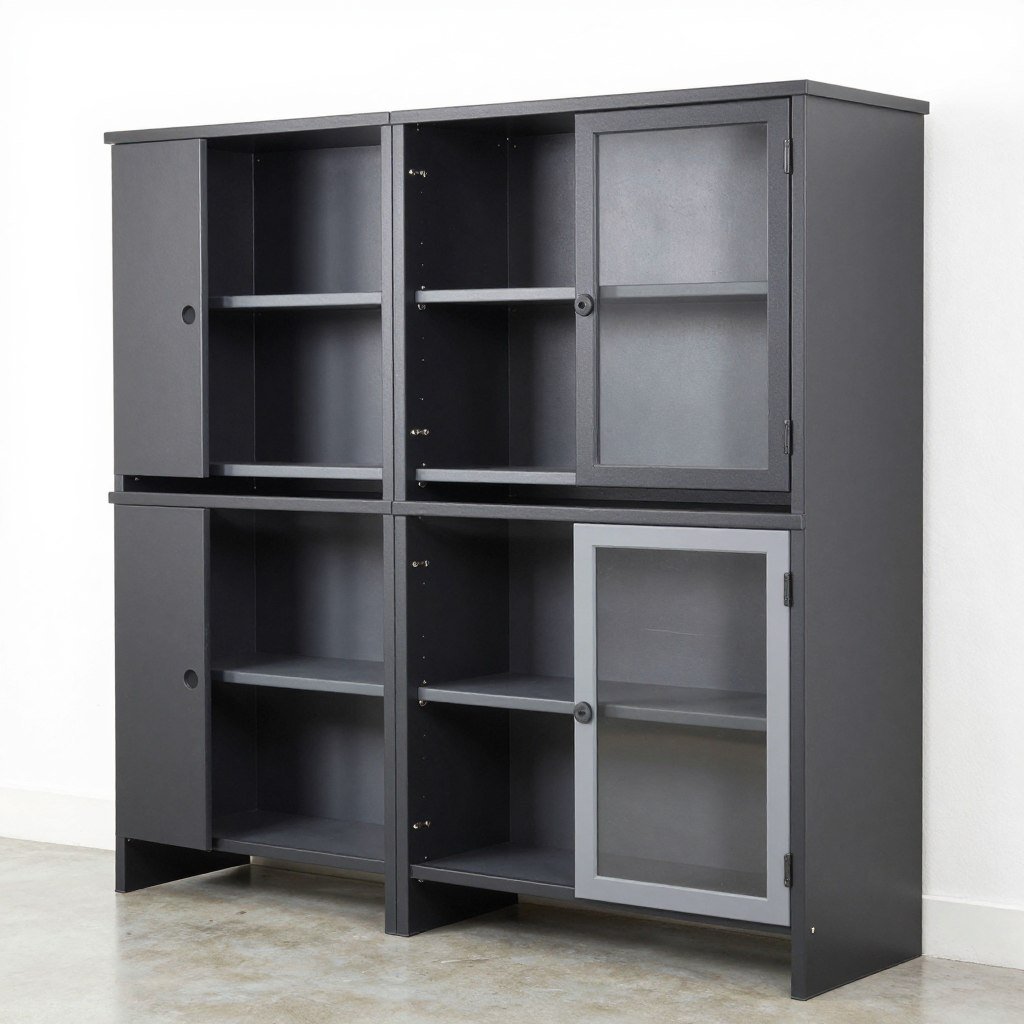
Modular Systems
Offering ultimate flexibility, modular systems allow you to combine various cabinet types into a cohesive storage solution. Start with basic units and expand over time, creating a customized system that evolves with your needs.
Find Your Perfect Storage Solution
Explore a comprehensive selection of garage cabinets to match your specific storage needs and space requirements.
Key Features to Consider When Choosing Garage Cabinets
The right cabinet system balances quality construction with features that enhance functionality. Here are the critical elements to evaluate before making your purchase:
Construction Quality
Material Thickness: For metal cabinets, look for 18-24 gauge steel (lower numbers indicate thicker steel). Thicker materials provide better durability and weight capacity.
Reinforced Shelving: Quality shelves should have reinforcement to prevent sagging under load. Check weight capacity specifications for each shelf.
Door Construction: Doors should close smoothly and align properly. Double-wall construction offers superior strength and durability.
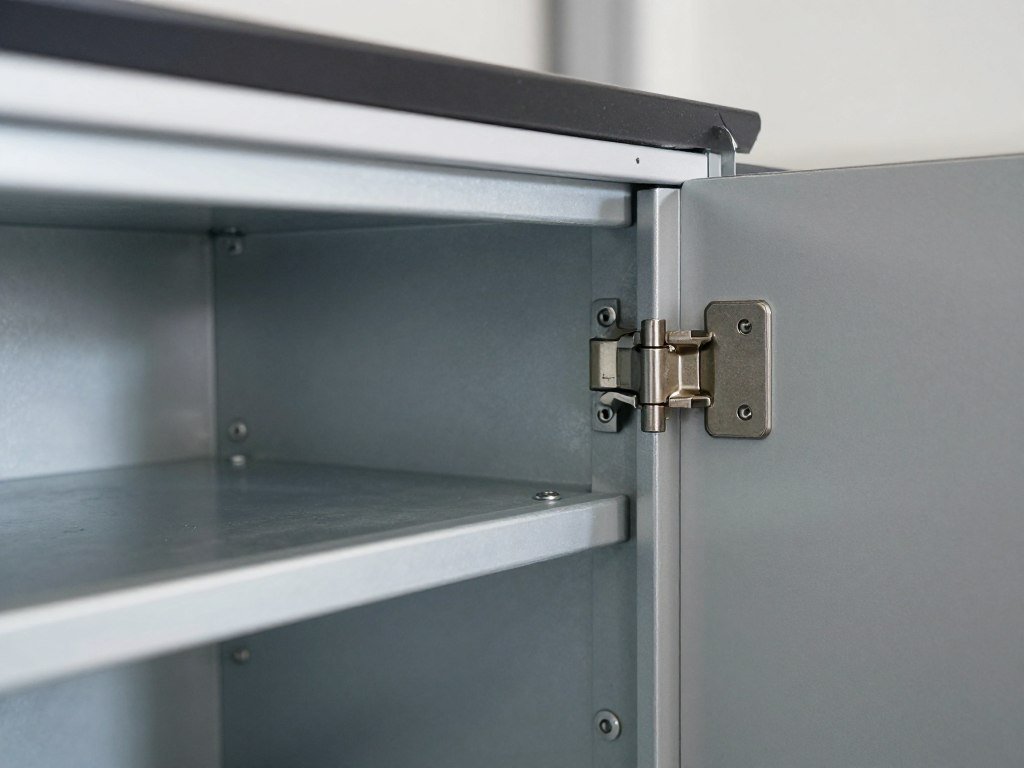
Hardware Quality: Examine hinges, handles, and drawer slides. Full-extension ball-bearing slides provide smooth operation and complete access to drawer contents.
Functional Features
Adjustable Shelving: Look for cabinets with multiple shelf adjustment points (ideally 1-2 inch increments) to accommodate items of various heights.
Locking Mechanisms: For valuable tools or hazardous materials, consider cabinets with secure locks. Some systems offer keyed-alike options for convenience.
Leveling Feet: Adjustable feet are essential for uneven garage floors, ensuring stable installation and proper door alignment.
Ventilation: For storing items that require airflow or chemicals that emit fumes, look for cabinets with built-in ventilation features.
Integrated Lighting: Some premium cabinets include LED lighting systems that illuminate the interior when doors are opened.
Aesthetic Considerations
While functionality is paramount, the appearance of your garage cabinets contributes to the overall look and feel of your space.
Finish Options
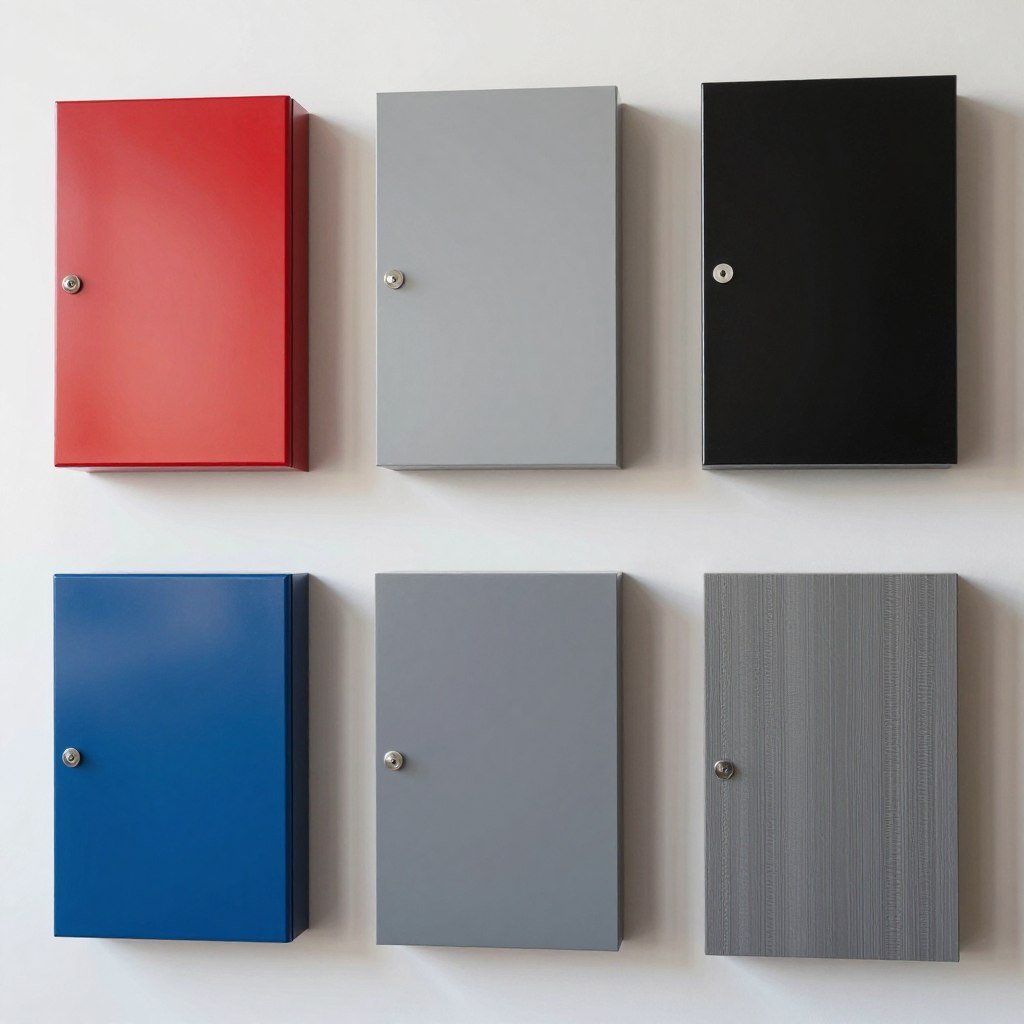
Modern garage cabinets come in a wide range of finishes, from classic whites and grays to bold reds and blues. Powder-coated finishes offer superior durability and resistance to chipping, scratching, and fading compared to traditional paint.
Door Styles
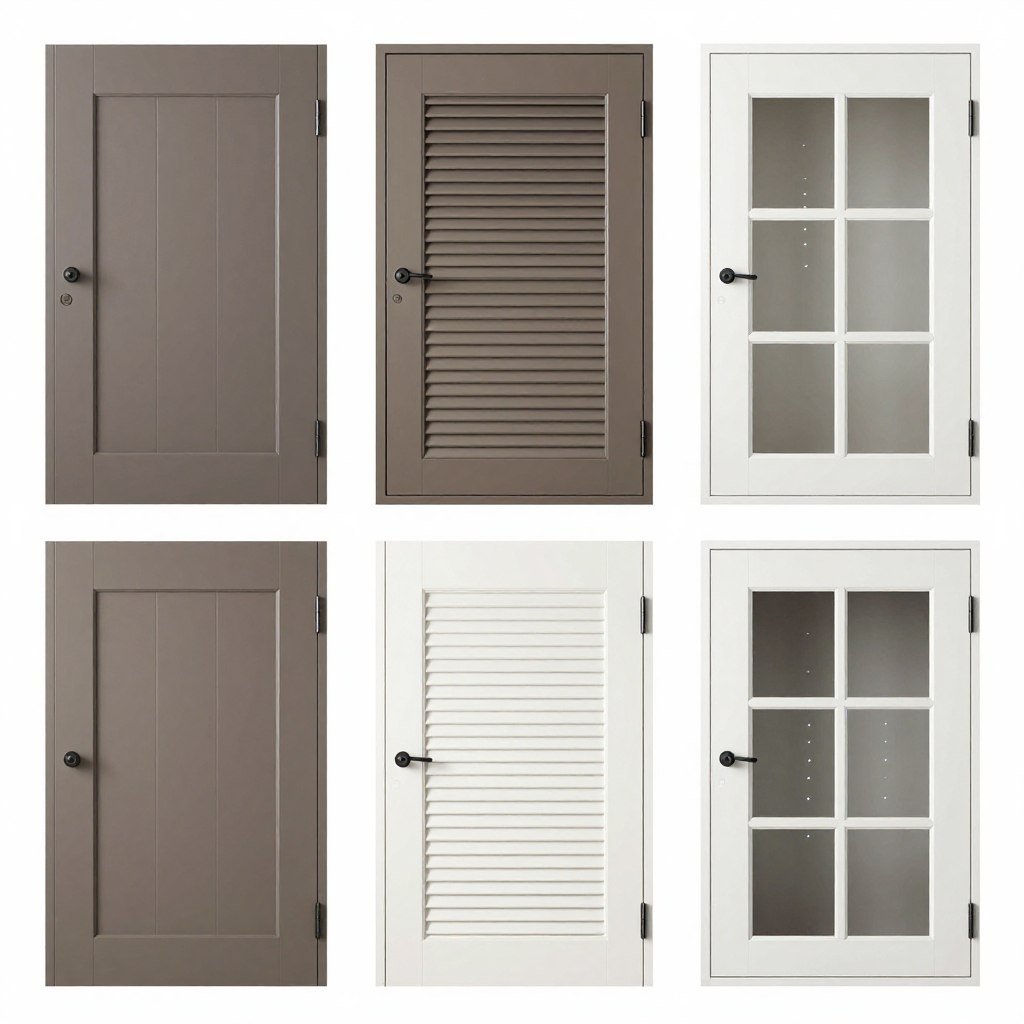
From simple flat panels to more decorative raised or recessed designs, door styles impact both aesthetics and functionality. Some manufacturers offer customizable options to match your home’s interior design elements.
Hardware Selection
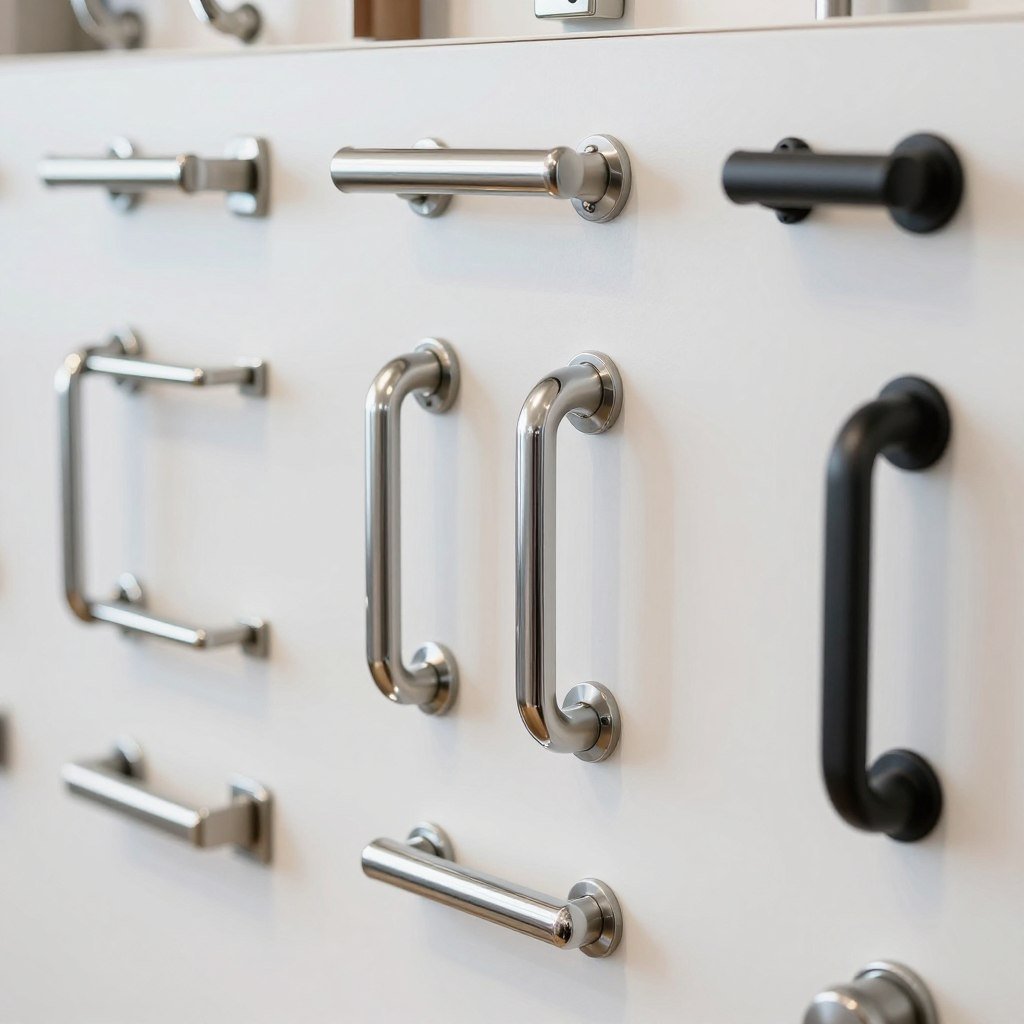
Handles, knobs, and pulls are available in numerous styles and finishes. These seemingly small details can significantly impact the overall look of your cabinet system and provide an opportunity for personalization.
Ready to Upgrade Your Garage Storage?
Find high-quality garage cabinets with the features that matter most for your specific needs.
Installation Considerations: Setting Up for Success
Proper installation ensures your garage cabinet system performs as expected and remains safe and stable for years to come.
DIY vs. Professional Installation
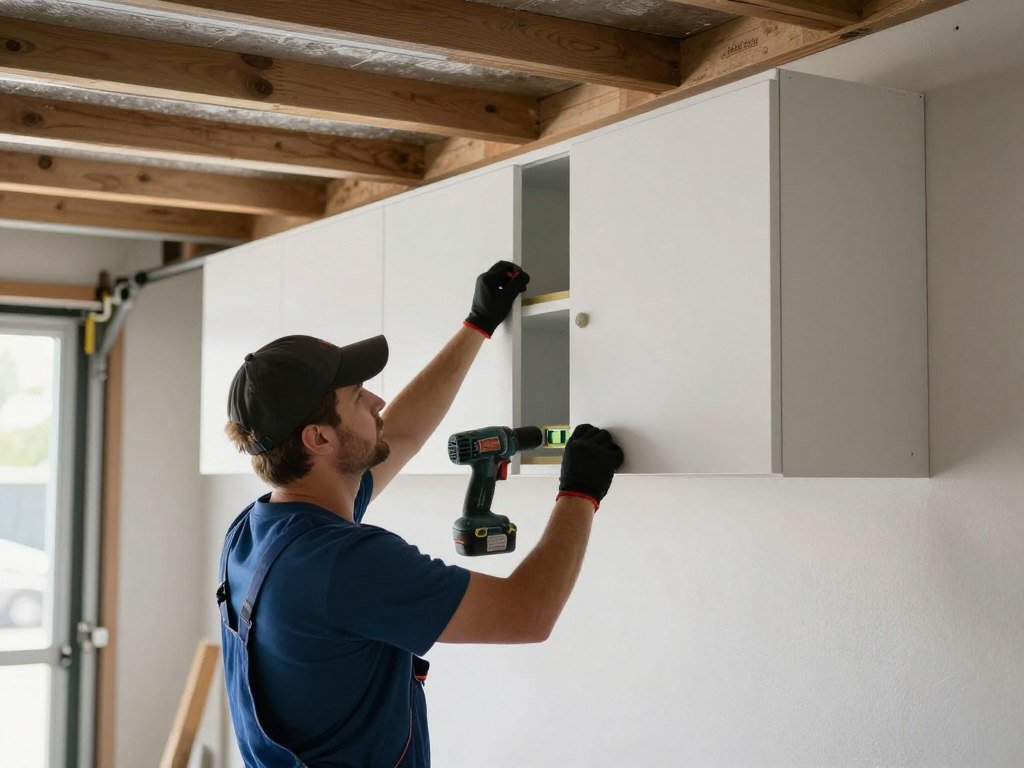
Many garage cabinet systems are designed for DIY installation, with pre-drilled holes and included hardware. However, wall-mounted cabinets require secure attachment to wall studs, and freestanding units may need anchoring for safety.
Consider professional installation for complex systems, especially if they include custom countertops or integrated features. Professionals ensure proper alignment, secure mounting, and can address any structural challenges in your garage.
Space Planning and Layout
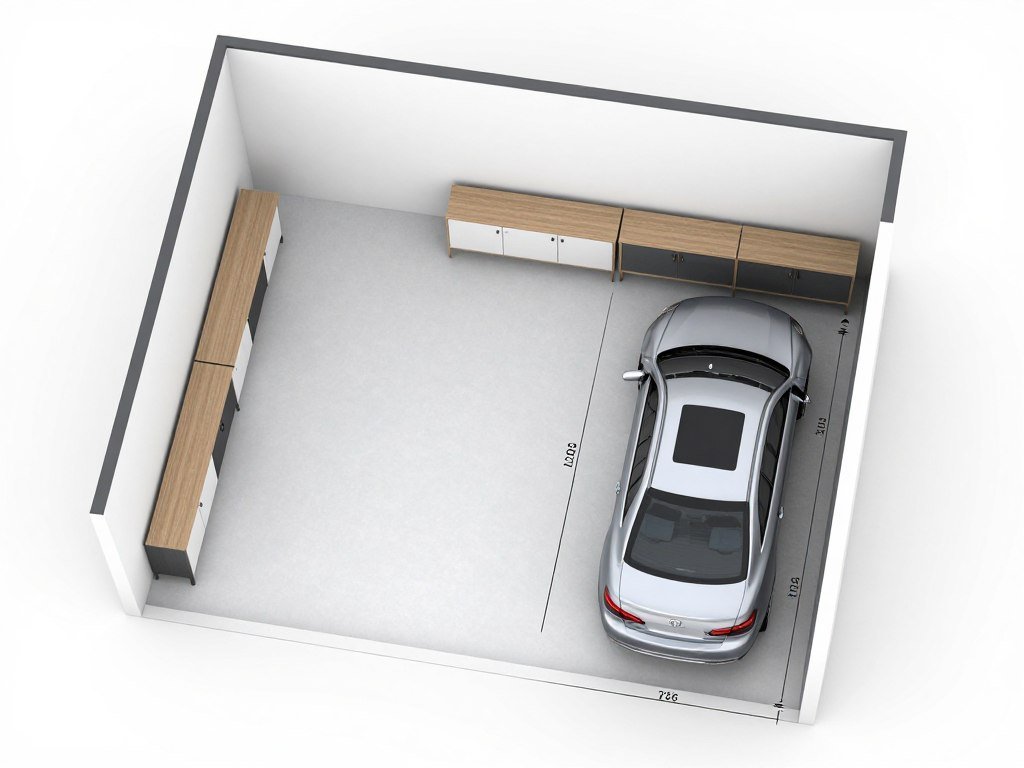
Before purchasing, measure your garage carefully and create a detailed plan. Consider clearance for vehicles, door swing space, and traffic patterns. Many manufacturers offer design services or online planning tools to help visualize your layout.
Leave adequate space between cabinet sections for accessibility, and ensure wall-mounted units are positioned at comfortable heights. Standard base cabinet height is 34-36 inches, while wall cabinets typically start 18 inches above countertops.
Essential Installation Tips
Locate Wall Studs: For wall-mounted cabinets, use a stud finder to locate and mark wall studs. Cabinets must be securely attached to studs, not just drywall, to support their weight and contents.
Check for Level: Use a quality level throughout the installation process. Uneven cabinets can cause doors to misalign and may create structural issues over time.
Consider Floor Conditions: Garage floors often slope for drainage. Use adjustable leveling feet on freestanding cabinets to compensate for uneven surfaces.
Plan for Utilities: Note the location of electrical outlets, switches, and plumbing before finalizing your layout. Ensure cabinets won’t block access to essential utilities.
Assemble on a Clean Surface: If assembling cabinets yourself, work on a clean, flat surface to prevent scratches and ensure proper alignment of components.
Follow Weight Guidelines: Respect the manufacturer’s weight capacity recommendations for both shelves and the overall cabinet. Overloading can cause failure and potential injury.
Use Appropriate Hardware: For wall mounting, use the correct screws and anchors for your wall type. Most cabinets include hardware, but verify it’s appropriate for your specific situation.
Consider Future Expansion: If you might add more cabinets later, plan your initial layout with expansion in mind to ensure a cohesive look when you add components.
Maximizing Your Garage Cabinet System: Organization Strategies
Installing cabinets is just the first step—organizing them effectively ensures you’ll maintain an efficient, functional garage space for years to come.
Zone Your Space
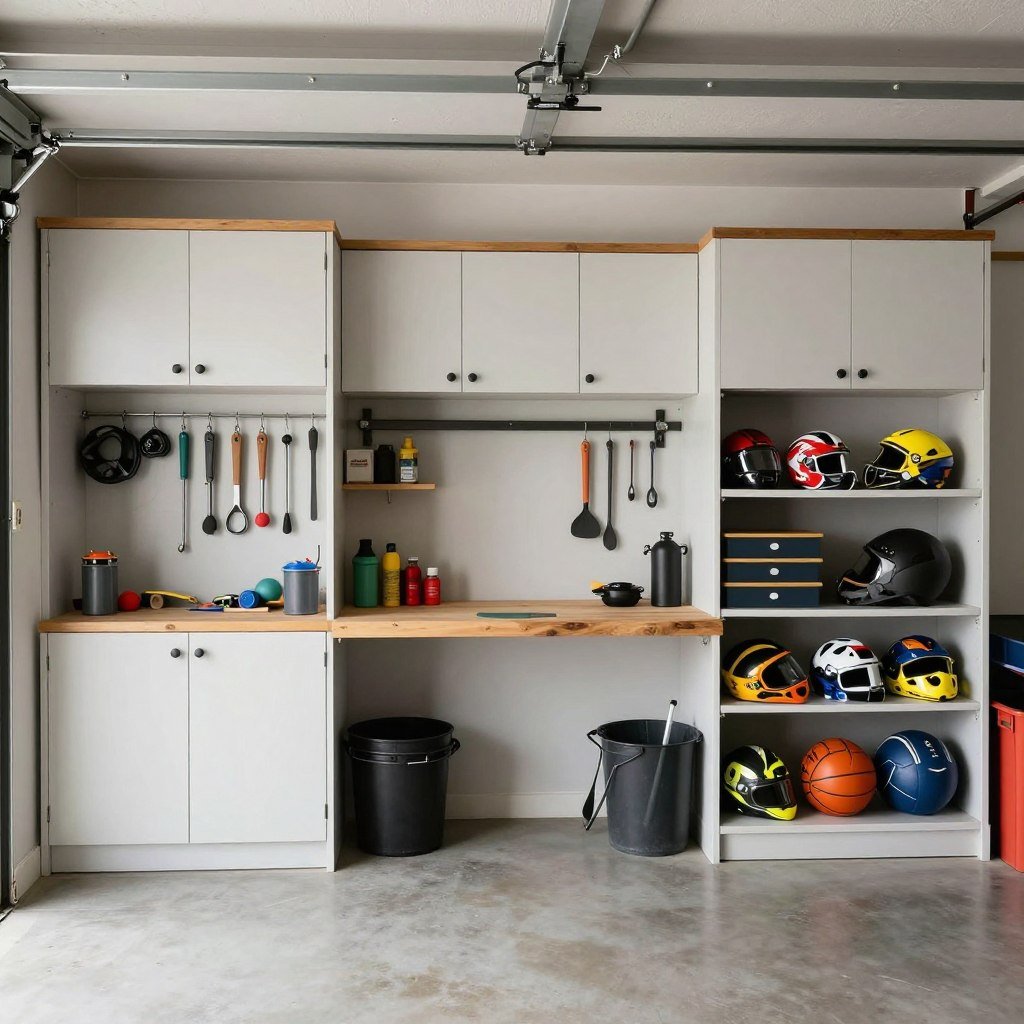
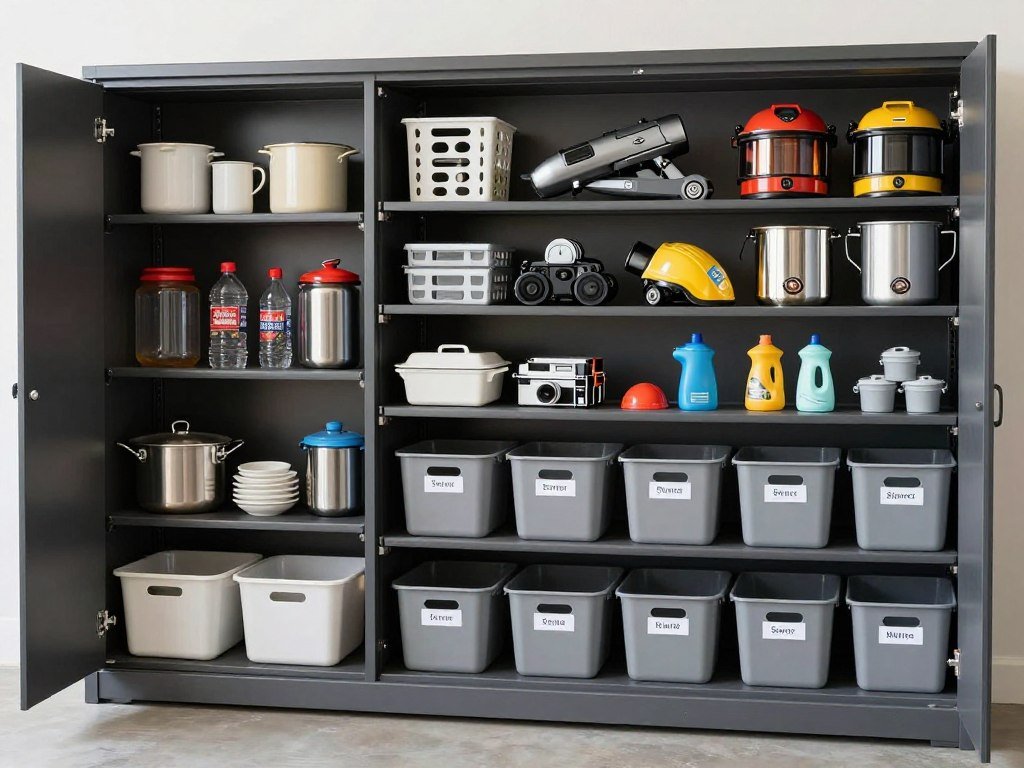
Divide your garage into functional zones based on activities and frequency of use. Create dedicated areas for automotive supplies, gardening tools, sports equipment, and workshop items. This approach makes finding and returning items intuitive.
Use Interior Organizers
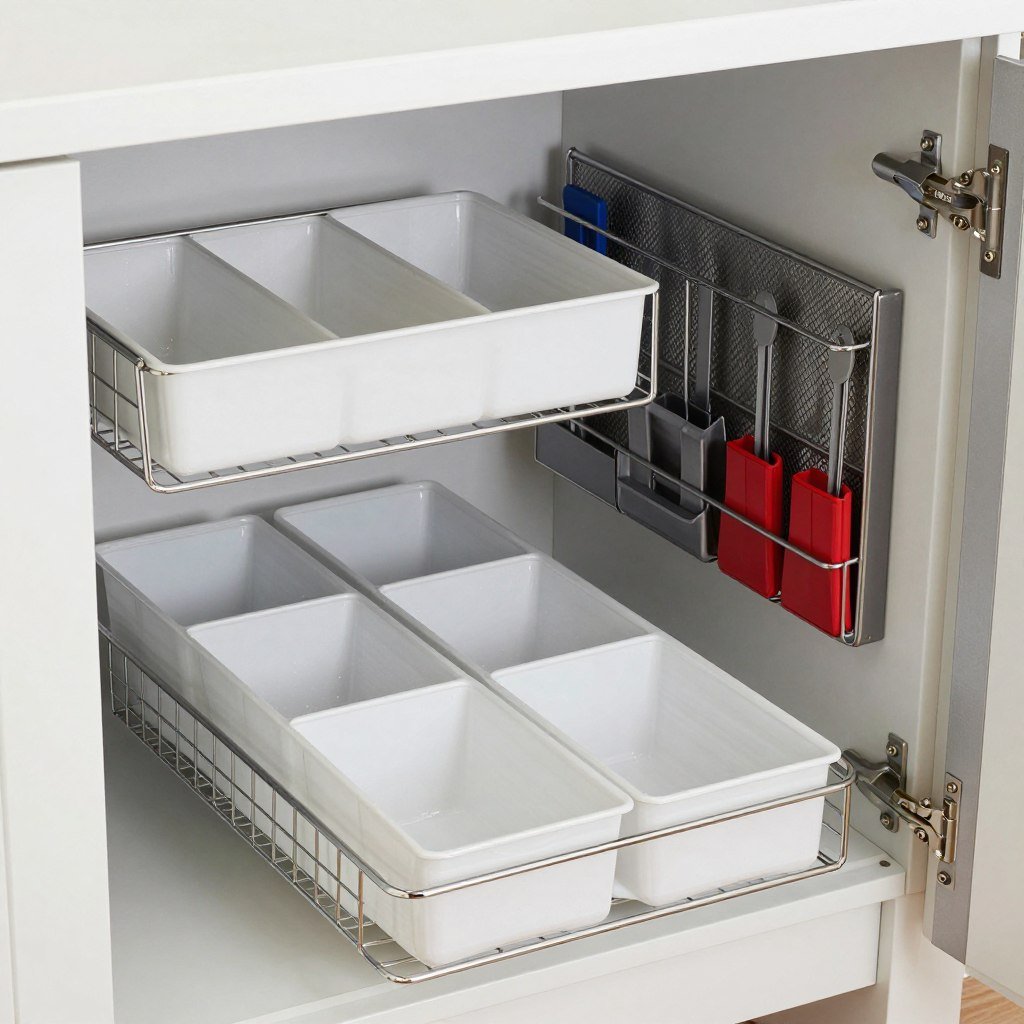
Maximize cabinet efficiency with drawer dividers, shelf bins, and specialized organizers. These additions prevent small items from becoming lost and help maintain organization systems over time. Consider clear containers for visibility of contents.
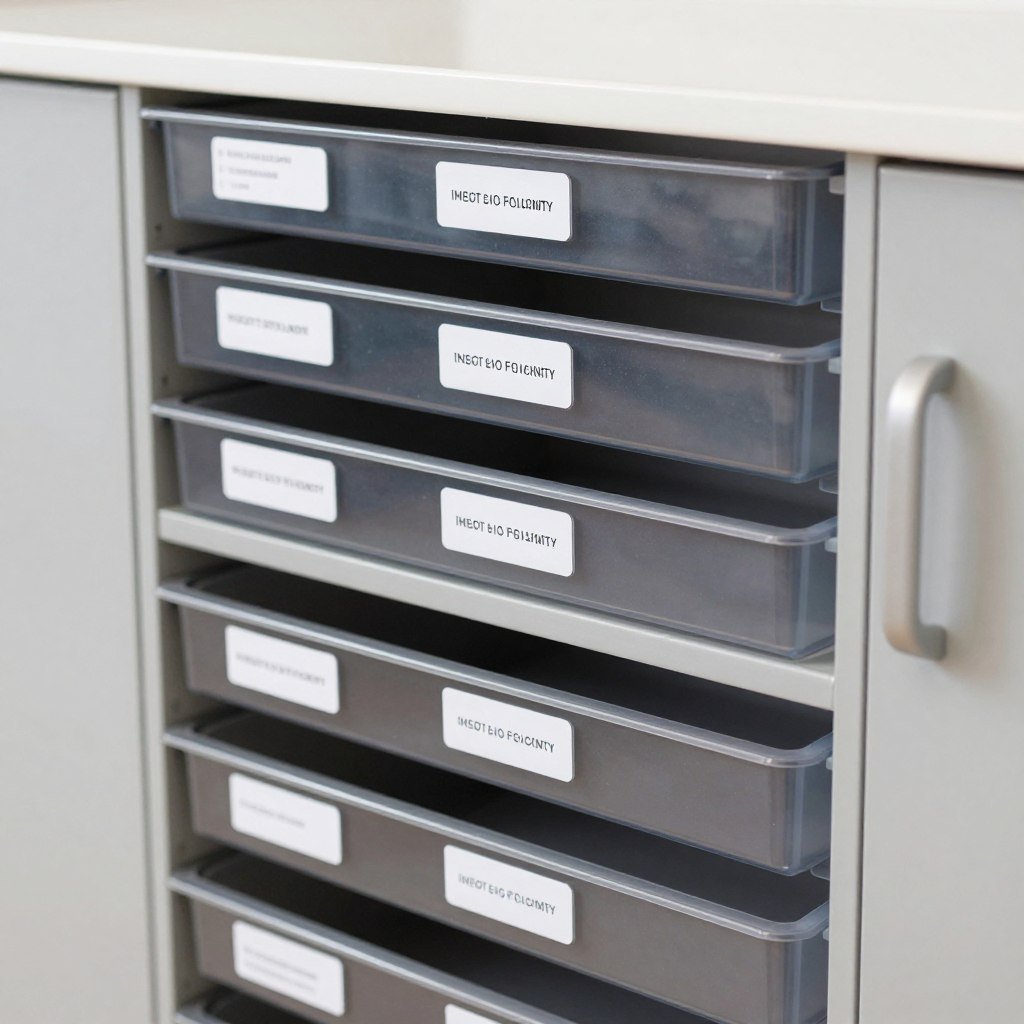
Label Everything
Clear labeling eliminates guesswork and helps maintain organization. Use consistent label styles for a professional look, and consider categorization systems that make sense for your household. This is especially helpful for shared spaces.
Smart Storage Principles
Store by Frequency: Place frequently used items at eye level in easily accessible cabinets. Reserve high shelves for seasonal or rarely used items.
Group Similar Items: Keep related tools and supplies together to streamline projects and maintenance tasks.
Consider Safety: Store hazardous materials in locked cabinets away from children’s reach. Keep fire extinguishers visible and accessible.
Rotate Seasonal Items: Develop a system for rotating seasonal equipment and decorations, bringing current-season items to more accessible locations.
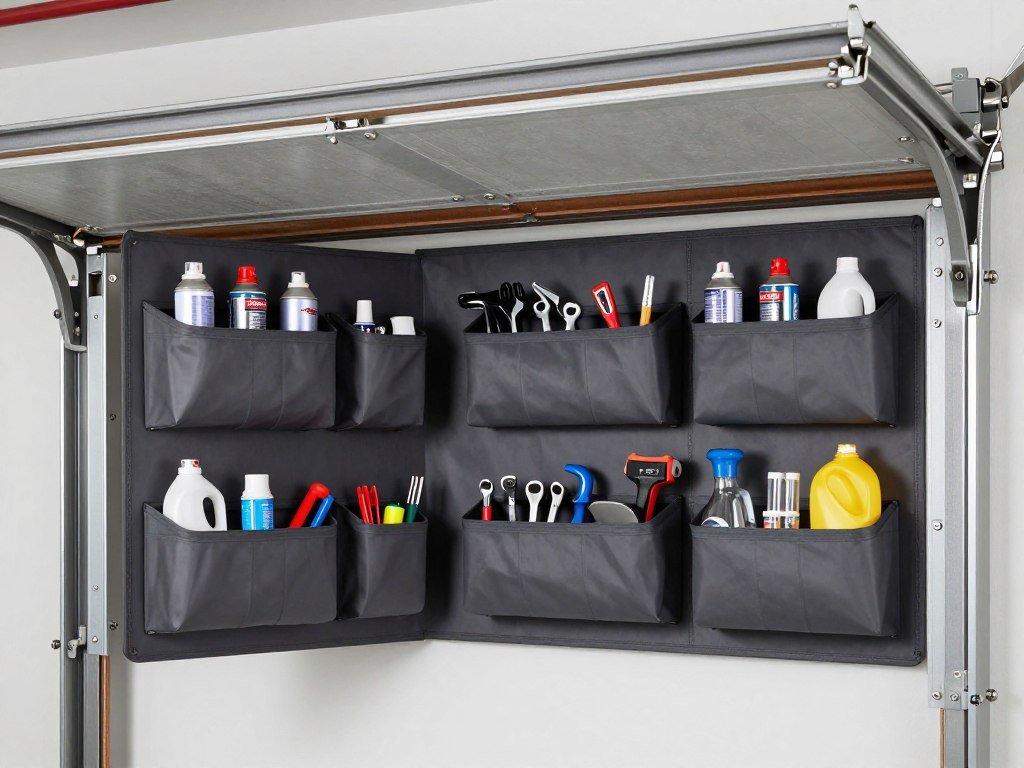
Utilize Door Space: Mount additional organizers on cabinet doors for small items like spray cans, brushes, or frequently used hand tools.
Create Visibility: Use clear containers or photo labels to quickly identify contents without opening every drawer or cabinet.
Implement a Return System: Establish a “home” for each item and develop habits for returning tools to their designated spots after use.
Schedule Maintenance: Plan regular organization maintenance sessions to prevent clutter from accumulating and to reassess your storage needs.
Enhance Your Cabinet Organization
Find specialized organizers and accessories to maximize the efficiency of your garage cabinet system.
Quality garage cabinets represent a significant investment in your home. Proper maintenance ensures they’ll continue to perform and look great for years to come.
Cleaning and Care
Regular Dusting: Wipe down cabinet exteriors monthly to prevent dust buildup, which can be abrasive over time.
Appropriate Cleaners: Use cleaners recommended for your cabinet material. Avoid harsh chemicals on powder-coated or painted surfaces.
Hardware Maintenance: Periodically check and tighten screws and bolts. Apply silicone lubricant to drawer slides and hinges annually for smooth operation.
Spill Response: Clean spills immediately, especially on wood cabinets, to prevent staining or warping.
Structural Maintenance
Weight Distribution: Distribute weight evenly on shelves and avoid exceeding manufacturer weight limits.
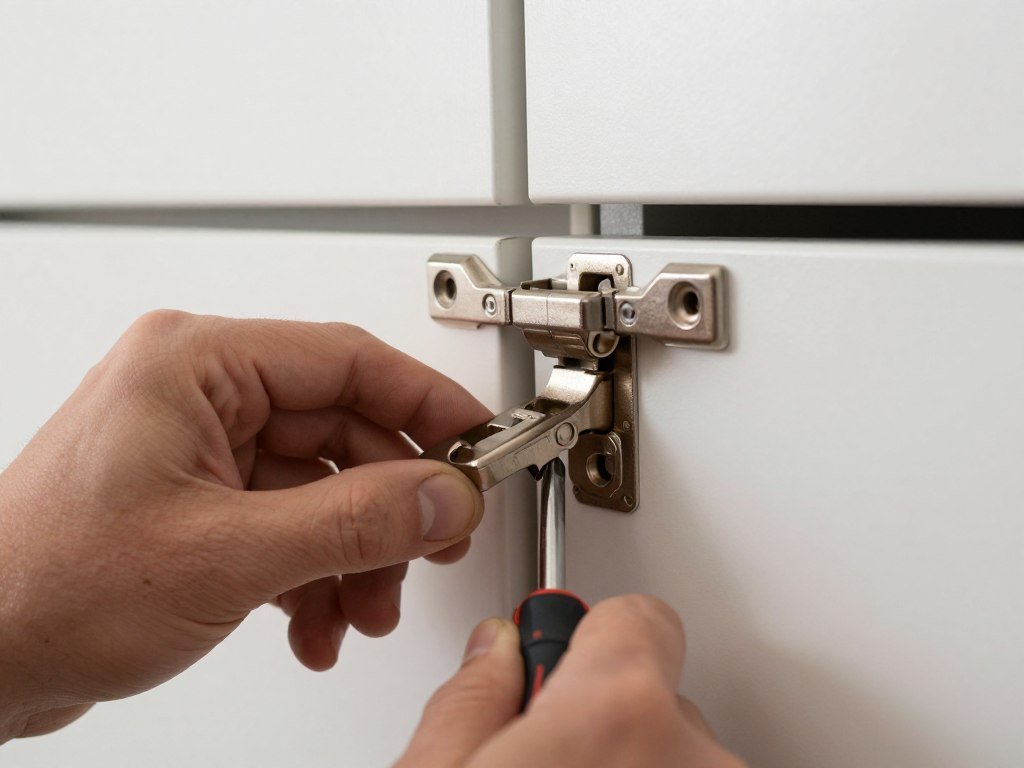
Door Alignment: Check door alignment periodically and adjust hinges if doors begin to sag or misalign.
Wall Mounting Security: For wall-mounted units, verify that mounting hardware remains secure, especially after storing heavy items.
Floor Protection: Use floor protectors under cabinet legs to prevent scratching and to distribute weight more evenly.
Extending Cabinet Lifespan
Climate control can significantly impact cabinet longevity, especially for wood and particleboard units. Consider a dehumidifier in humid climates to prevent warping and mold growth. In extremely cold regions, ensure cabinets aren’t exposed to freeze-thaw cycles that can stress materials and finishes.
For cabinets storing chemicals or automotive fluids, use containment trays to prevent damage from leaks and spills. This simple precaution can prevent costly damage to both cabinets and garage floors.
Transform Your Garage with the Perfect Cabinet System
Garage cabinets represent more than just storage—they’re an investment in organization, efficiency, and the functionality of your home. By selecting the right cabinet system for your specific needs, you create a foundation for a well-organized garage that enhances your daily life and potentially adds value to your property.
Whether you’re a DIY enthusiast needing workshop storage, a busy family managing sports equipment and seasonal items, or a homeowner simply seeking to reclaim your garage from clutter, the perfect cabinet solution exists. Consider your space, budget, and organizational needs carefully, and invest in quality components that will serve you well for years to come.
Start Your Garage Transformation Today
Explore a wide range of garage cabinet options and find the perfect storage solution for your space.