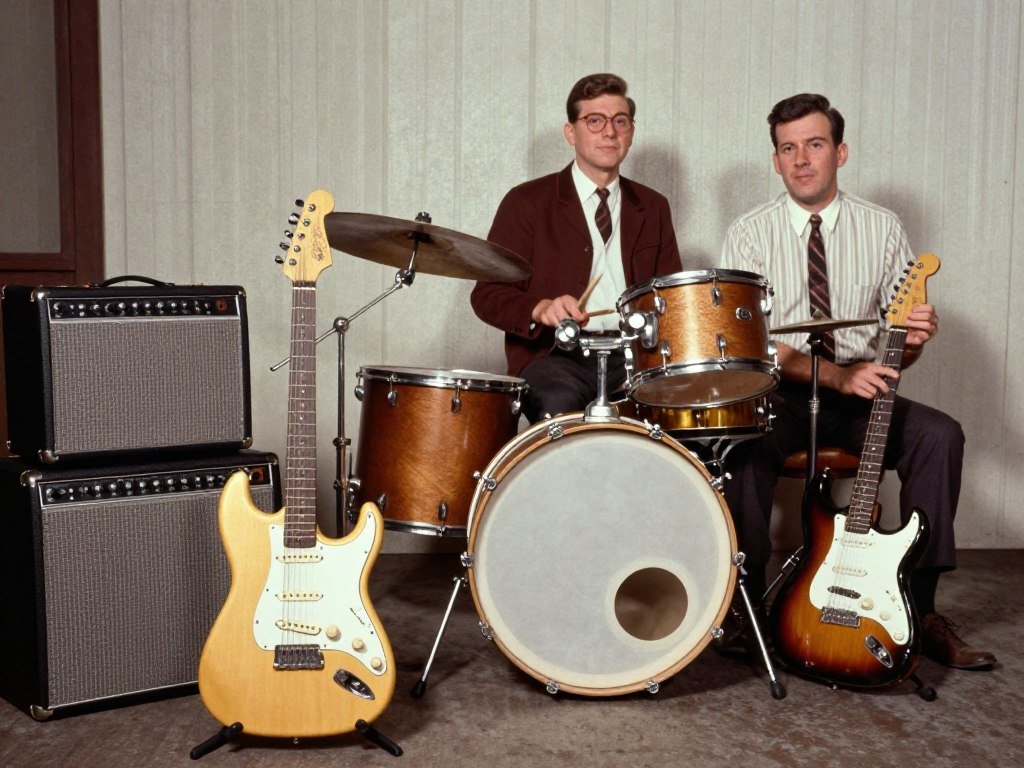
The raw energy of a garage band has been the starting point for countless musical legends. From humble beginnings in suburban garages to sold-out stadiums, the garage band tradition represents the purest form of musical expression and creativity. Whether you’re a budding musician dreaming of stardom or simply looking to express yourself through music with friends, this comprehensive guide will walk you through everything you need to know about forming, equipping, and developing your own garage band.
This Website contains affiliate links. That means I may earn a small commission if you purchase through my links, at no extra cost to you.
What Is a Garage Band?
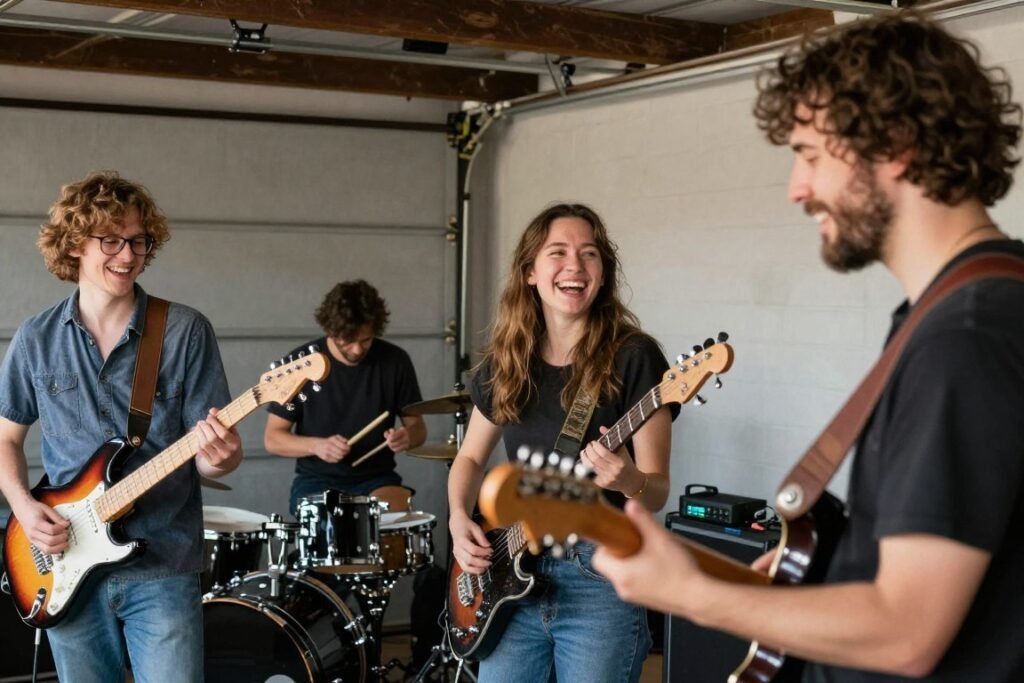
A garage band is typically a group of amateur musicians who rehearse in a garage or similar informal space. The term originated in the 1960s when suburban homes with garages provided convenient practice spaces for young musicians. Garage bands are characterized by their raw, unpolished sound, DIY ethos, and passionate approach to music-making.
Unlike professional bands with formal training and expensive equipment, garage bands often start with basic instruments and limited technical knowledge. This limitation often leads to creative solutions and the development of unique sounds that have influenced countless musical genres from rock and punk to indie and alternative.
The garage band approach to music has been responsible for some of the most authentic and groundbreaking movements in music history, emphasizing passion and creativity over technical perfection.
The Rich History of Garage Bands
The garage band phenomenon began in earnest during the mid-1960s, following the British Invasion led by The Beatles. Inspired by these new sounds, American teenagers formed their own bands, practicing in garages and basements across the country.
The 1960s saw the first wave of garage rock with bands like The Kingsmen, The Sonics, and The Seeds creating raw, energetic music with minimal production. Their approach emphasized emotion and energy over technical proficiency, creating a template that would influence generations of musicians.
In the 1970s, the garage band ethos evolved into the punk movement, with bands like The Ramones embracing the DIY approach. The 1980s and 1990s saw garage rock influence alternative and grunge music, while the 2000s experienced a garage rock revival with bands like The White Stripes and The Strokes.
Today, the garage band tradition continues, with modern technology making it easier than ever for amateur musicians to record and share their music while maintaining the raw, authentic spirit that defines the garage band sound.
How to Form Your Own Garage Band
Finding the Right Bandmates
The foundation of any successful garage band is the chemistry between its members. Start by reaching out to friends who share your musical interests or use social media and local community boards to find potential bandmates. Consider not just musical ability but also commitment level, musical taste, and personality compatibility.
When assembling your band, think about the standard roles: vocalist, guitarist, bassist, and drummer form the core of most garage bands. Additional members like keyboardists or additional guitarists can expand your sound as the band develops.
Establishing Band Goals and Expectations
Before diving into rehearsals, have an honest conversation about what everyone wants from the band. Are you playing for fun, or do you have ambitions to perform and record? How frequently can everyone commit to rehearsals? Setting clear expectations early helps prevent conflicts later.
Create a basic band agreement covering practice schedules, equipment responsibilities, and how decisions will be made. This doesn’t need to be formal, but having shared understanding prevents misunderstandings.
Choosing a Band Name and Style
Your band name and musical style are crucial elements of your identity. Brainstorm names that reflect your musical influences and aesthetic, checking that they’re not already in use by established acts. As for musical style, start by covering songs you all enjoy before developing your original material.
Essential Equipment for Your Garage Band
Basic Instruments
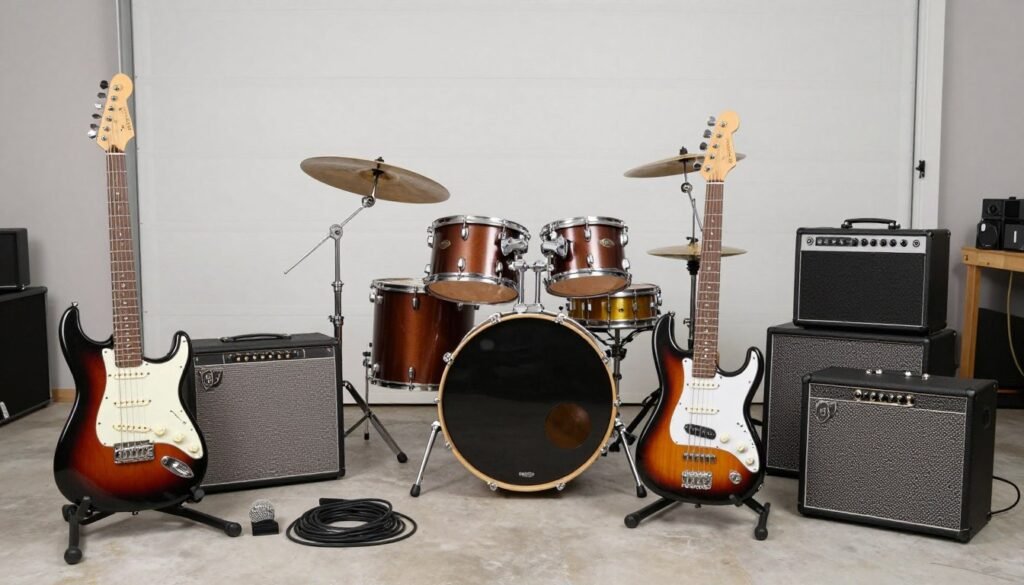
Every garage band needs a core set of instruments to create a full sound. Electric guitars are the backbone of most garage bands, with versatile models allowing for various styles from clean rhythm to distorted leads. For beginners, affordable models from brands like Squier and Epiphone offer good value while you develop your skills.
Looking for your first electric guitar? Find beginner-friendly options that won’t break the bank.
A bass guitar provides the crucial low-end foundation that connects rhythm and harmony. Four-string basses are standard for beginners, with brands like Ibanez and Yamaha offering reliable entry-level options.
For drums, a basic five-piece kit (snare, bass drum, two toms, and floor tom) with cymbals is sufficient for most garage bands. If space or noise is a concern, electronic drum kits provide a more neighbor-friendly alternative.
Need a drum kit that won’t upset the neighbors? Electronic drum sets offer volume control while maintaining feel.
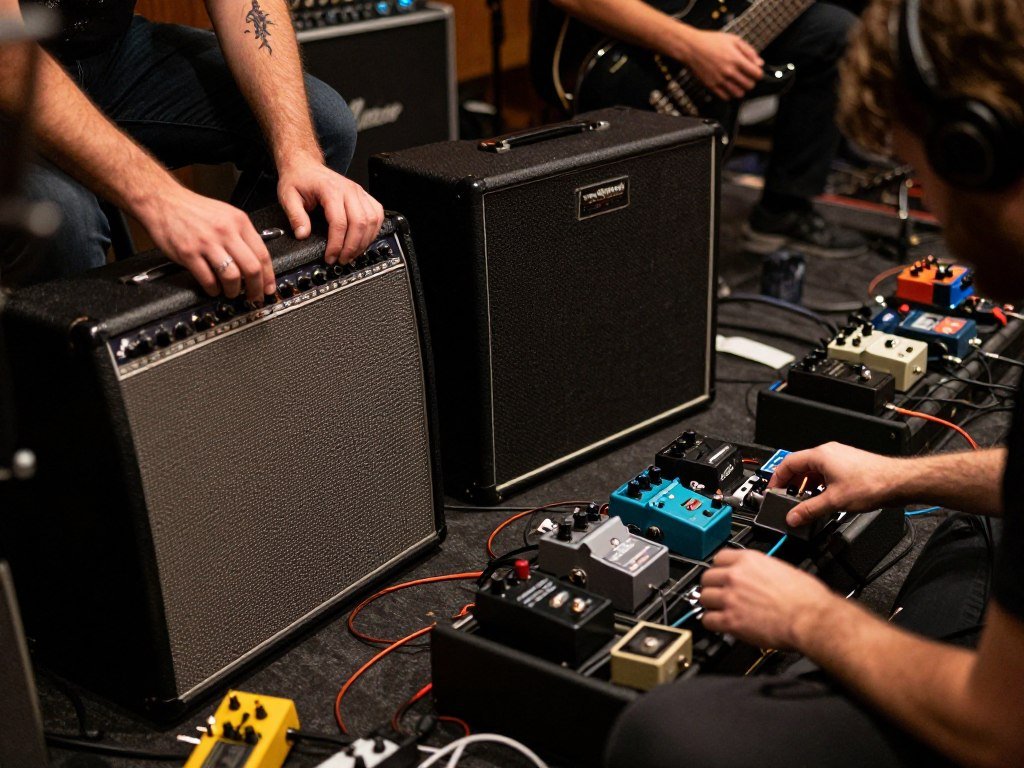
Guitar and bass amplifiers are essential for electric instruments. For practice spaces, 15-50 watt amps usually provide sufficient volume without overwhelming the room. Combo amps (where the speaker and amplifier are combined) are most practical for garage settings.
A basic PA (Public Address) system allows vocals to be heard over the instruments. At minimum, you’ll need a small mixer, a power amplifier, speakers, and microphones. For garage practice, compact all-in-one PA systems can be sufficient and easier to set up.
A compact PA system can make the difference between muddy and clear vocals during practice.
Don’t underestimate the importance of quality cables and accessories. Instrument cables, microphone cables, guitar picks, drum sticks, and spare strings are all essential. Investing in durable cables prevents frustrating cutouts during practice or performance.
Other useful accessories include guitar tuners, metronomes for keeping time, music stands for sheet music or lyrics, and instrument stands to protect your gear when not in use.
Setting Up Your Garage Band Practice Space
Sound Treatment Basics
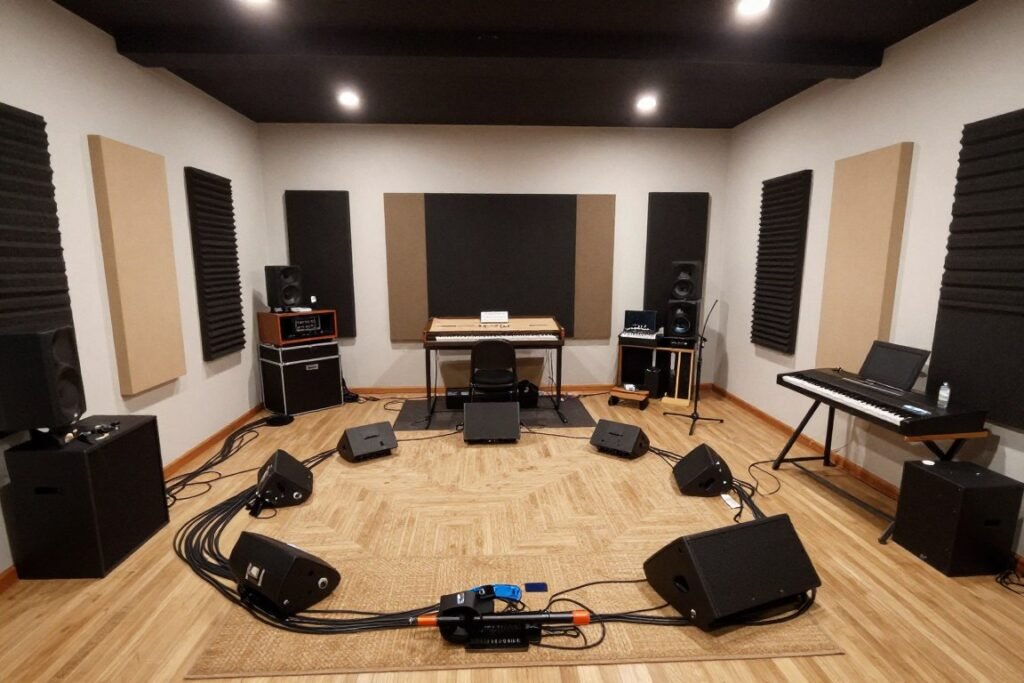
Garages typically have hard surfaces that create echo and poor acoustics. Simple sound treatment can dramatically improve your practice environment. Start with rugs or carpets on the floor to reduce reflections and absorb some sound. Hanging moving blankets, acoustic foam panels, or even thick curtains on walls can further improve acoustics.
Acoustic treatment doesn’t have to be expensive. Basic foam panels can dramatically improve your sound.
For bass traps in corners (which help control low-frequency sound), you can start with DIY solutions using mineral wool insulation before investing in commercial products.
Equipment Arrangement
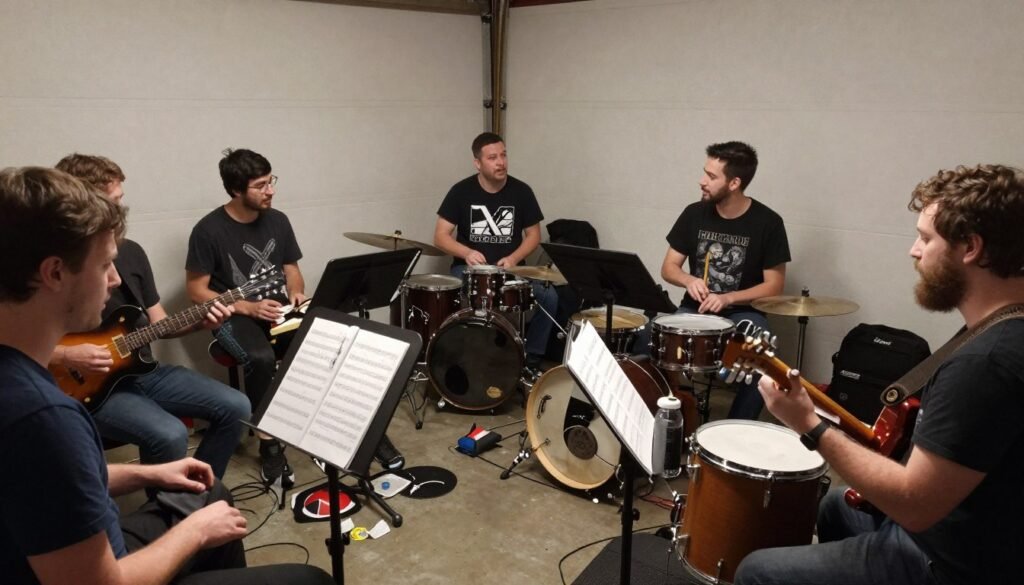
Arrange your equipment so band members can see and hear each other clearly. A circular or semi-circular setup often works best for communication. Position amplifiers so they’re audible to the whole band but not blasting directly at anyone.
The drum kit typically forms the anchor of the setup, with other instruments positioned around it. Ensure there’s enough space for movement and that all players have access to power outlets.
Power and Safety Considerations
Garage band setups often require significant electrical power. Avoid overloading circuits by distributing equipment across multiple circuits when possible. Use surge protectors to safeguard your gear, and consider having a dedicated circuit installed if you’re serious about your practice space.
Keep cables organized and taped down to prevent tripping hazards. Ensure proper ventilation, especially during summer months when garages can become extremely hot. Finally, secure your equipment when not in use, as garages can be vulnerable to theft.
Your First Garage Band Rehearsals
Structuring Effective Practice Sessions
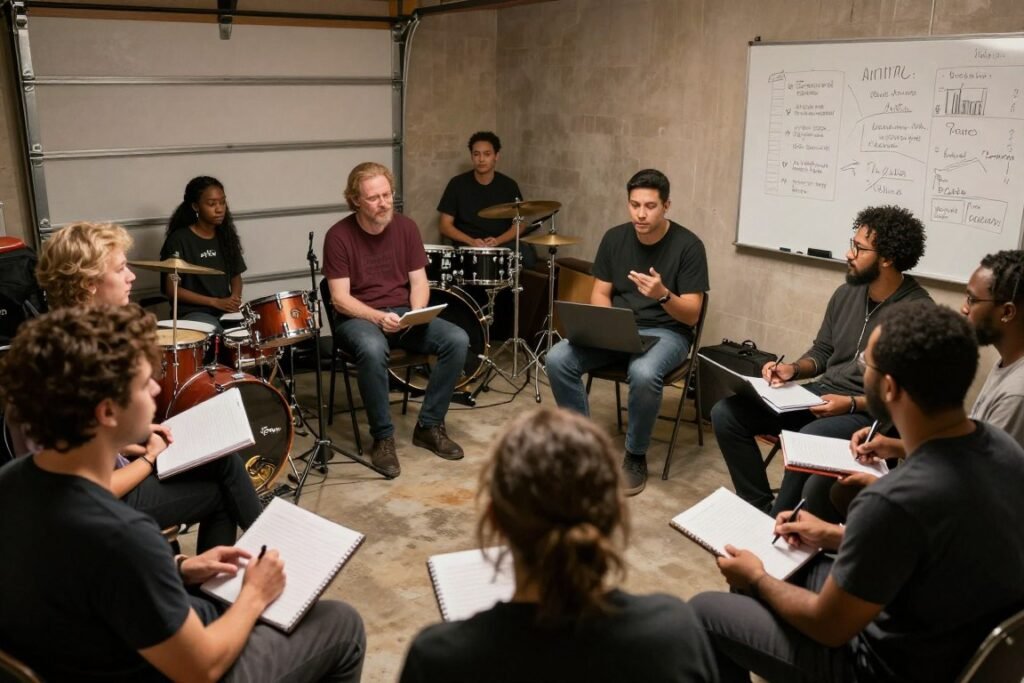
Productive rehearsals require structure. Start with a brief warm-up to get everyone in sync, then move on to focused practice of specific songs or techniques. Set clear goals for each session, whether it’s learning a new cover song or refining an original composition.
Time management is crucial – a typical 2-3 hour practice session might include 30 minutes of warm-up, 1-2 hours of focused work on material, and 30 minutes for creative jamming or discussing band business.
Communication and Feedback
Establish a positive environment where constructive feedback is welcomed. Learn to communicate in musical terms (tempo, dynamics, structure) to make feedback more specific and useful. Record practice sessions when possible – listening back provides objective insights into what’s working and what needs improvement.
Remember that every band member brings a unique perspective. Create space for everyone to contribute ideas while maintaining enough direction to keep rehearsals productive.
Common First Rehearsal Challenges
First rehearsals rarely go perfectly. Volume balancing is a common issue – start quieter than you think necessary and gradually find the right balance where everyone can hear each other. Timing problems are also normal; using a metronome during practice helps develop a solid collective sense of rhythm.
Don’t be discouraged if songs don’t immediately come together. Breaking difficult sections into smaller parts and practicing them slowly before bringing them up to speed is more effective than repeatedly playing through problems.
Recording Your Garage Band
Basic Recording Equipment
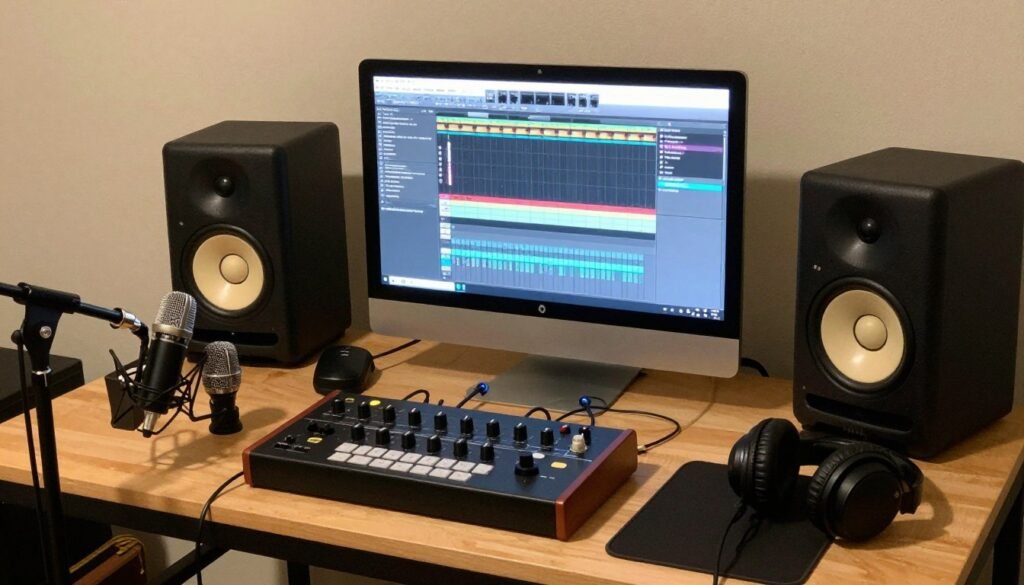
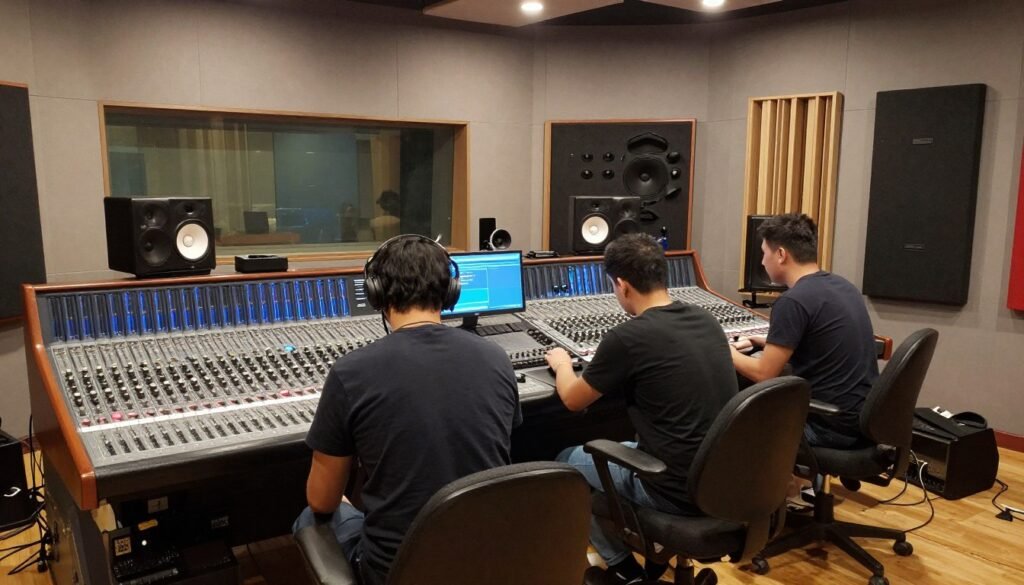
Modern technology has made recording more accessible than ever. At minimum, you’ll need a computer, an audio interface to connect instruments and microphones, recording software (DAW), headphones, and appropriate microphones.
A quality audio interface is the foundation of any home recording setup.
For garage band recordings, dynamic microphones like the Shure SM57 and SM58 are versatile workhorses that can handle loud volumes. Condenser microphones offer more detail for vocals and acoustic instruments but require quieter environments.
Simple Recording Techniques
Start with basic recording approaches before attempting complex multi-tracking. Live recording (capturing the whole band at once) preserves the energy of your performance but offers less control during mixing. Multi-tracking (recording each instrument separately) provides more flexibility but can lose some spontaneity.
For drum recording, even a simple setup with 3-4 microphones can capture a balanced sound. Place one microphone in front of the kick drum, one above the snare, and one or two overhead microphones to capture cymbals and the overall kit sound.
A good drum microphone kit can transform your recordings with proper placement.
When mixing your recordings, focus on the fundamentals: balance the volume of each instrument, use panning to create stereo width, apply EQ to prevent instruments from masking each other, and add reverb sparingly for depth.
Don’t aim for perfection with your first recordings. The raw, authentic quality of garage band recordings is part of their charm. Document your band’s development through regular recording sessions, using each one as a learning experience.
Developing Your Garage Band’s Unique Sound
Finding Your Musical Identity
Every memorable garage band develops a distinctive sound. Start by exploring your collective influences, but don’t be afraid to experiment beyond them. Your unique combination of instruments, playing styles, and songwriting approaches will naturally create something original.
Equipment choices significantly impact your sound. Experiment with different guitar tones, drum tunings, and effects to discover combinations that feel distinctive. Document settings that work well so you can recreate them consistently.
Guitar effects pedals can transform your sound and help develop your band’s signature style.
Collaborative songwriting strengthens your band’s identity. Start with jam sessions where ideas can emerge organically, recording these sessions to capture spontaneous moments worth developing. Establish a process for refining these raw ideas into structured songs.
Some bands work best when one or two members bring in nearly complete songs for the group to arrange, while others prefer building songs from the ground up collectively. Experiment to find what works for your group’s dynamic.
Balancing Covers and Original Material
Most garage bands begin by playing cover songs, which helps develop technical skills and band cohesion. Choose covers that inspire you but try to make them your own rather than creating exact replicas.
As you develop confidence, gradually introduce original material into your repertoire. For live performances, strategically place familiar covers alongside your originals to keep audiences engaged while showcasing your unique material.
Taking Your Garage Band to the Stage
Finding Your First Gigs
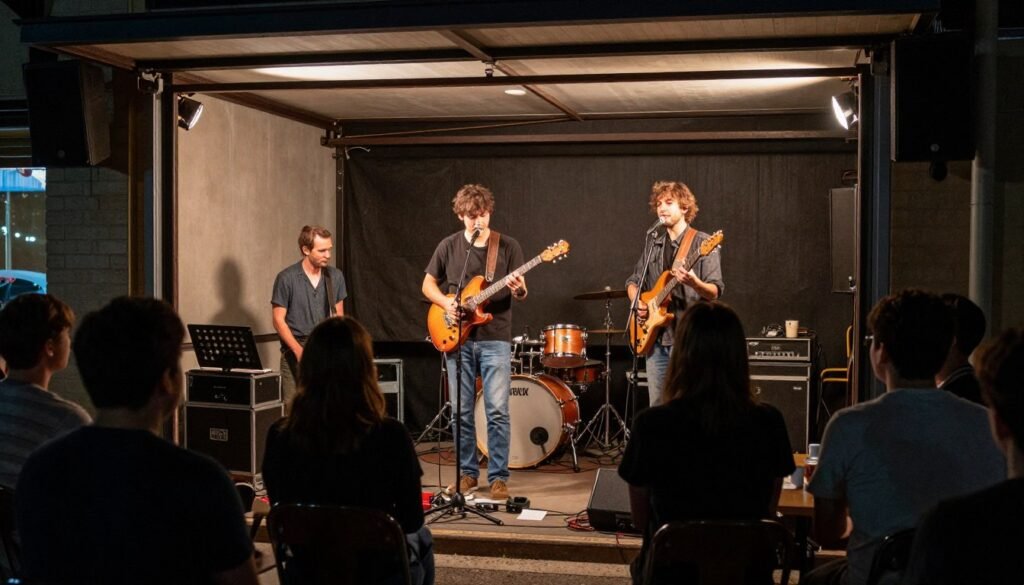
Local venues like coffee shops, bars, community centers, and house parties are ideal starting points for live performances. Contact these venues directly with a professional email including a brief band description and links to your music if available.
Open mic nights provide low-pressure opportunities to perform a few songs and connect with the local music community. Battle of the bands competitions offer exposure and sometimes prizes that can help fund equipment or recording projects.
Preparing for Live Performance
Create a setlist that flows well, considering energy levels throughout the performance. Start with a strong, well-rehearsed song to build confidence, and save another strong number for the end. Rehearse transitions between songs to maintain momentum.
Prepare your equipment for live settings with spare cables, strings, drumsticks, and batteries for effects pedals. Develop a checklist of essential gear to prevent leaving important items behind.
A dedicated gig bag keeps your performance essentials organized and ready to go.
Engaging performances require more than just playing the notes. Practice basic stage movement during rehearsals so it feels natural during shows. Make eye contact with audience members and acknowledge their presence between songs.
Develop simple, authentic stage banter to connect with audiences. Introduce band members, share brief stories behind songs, and express gratitude to the venue and audience. Record performances when possible to review and improve your stage presence.
Promoting Your Garage Band
Building an Online Presence
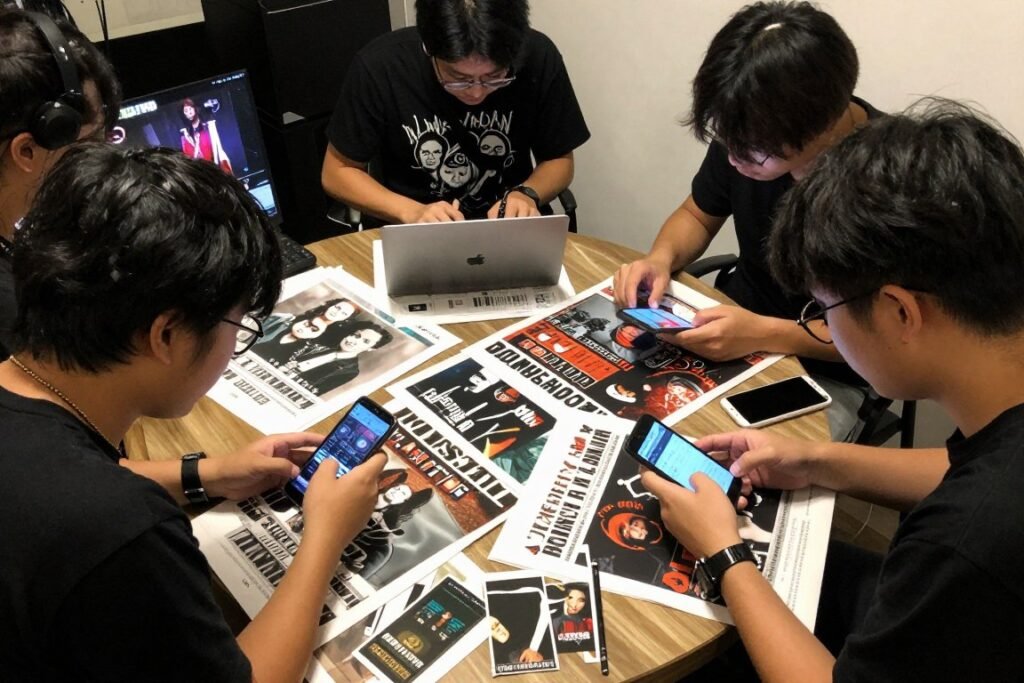
Create social media profiles on platforms where music fans gather, particularly Instagram, TikTok, and Facebook. Post consistently with a mix of content: rehearsal clips, recording updates, show announcements, and behind-the-scenes moments that showcase your band’s personality.
A simple website serves as your band’s digital home base, containing your bio, music, upcoming shows, contact information, and press materials. Free platforms like WordPress or Wix offer musician-friendly templates to get started quickly.
Creating Visual Identity
Develop a consistent visual style across all platforms with a recognizable logo, color scheme, and typography. This visual consistency helps fans instantly recognize your content and builds brand awareness.
Invest in quality band photos that capture your personality and musical style. These will be used across your website, social media, posters, and press materials. Even smartphone photos can work well with good lighting and composition.
Create professional-looking band merchandise with custom designs to build your brand.
Support other local bands by attending their shows, sharing their content, and offering to cross-promote. These relationships can lead to shared gigs, collaborative projects, and a stronger community presence.
Connect with local music journalists, bloggers, podcast hosts, and radio stations who cover your genre. A thoughtful, personalized approach when reaching out is more effective than generic mass emails.
Growing Beyond the Garage
Recording a Professional EP or Album
When you’re ready to move beyond home recordings, research local recording studios that fit your budget and aesthetic. Many offer affordable day rates for independent bands. Before booking, listen to other projects they’ve recorded to ensure their sound aligns with your vision.
Prepare thoroughly before studio time: rehearse material until it’s second nature, create detailed demos, and develop a clear production plan. This preparation maximizes expensive studio time and leads to better results.
Distribution and Streaming
Digital distribution services like DistroKid, CD Baby, and TuneCore make it easy to get your music on major streaming platforms like Spotify, Apple Music, and Amazon Music. These services typically charge an annual fee but allow you to keep 100% of your streaming royalties.
For physical products, short runs of CDs or vinyl can be sold at shows and to dedicated fans. These physical items often sell better when packaged with merchandise or exclusive content not available digitally.
Create professional-looking physical releases with custom packaging and printing.
As your band develops, consider working with a booking agent who can secure better gigs and help arrange small tours. Start by building relationships with agents who work with bands at a similar level to yours.
Explore grant opportunities for independent musicians, which can fund recording projects, tours, or music videos. Many cities, states, and arts organizations offer financial support specifically for emerging artists.
Common Garage Band Challenges and Solutions
Managing Interpersonal Dynamics
Creative differences and personality conflicts are inevitable in any band. Establish clear communication channels and regular check-ins about both musical direction and interpersonal dynamics. Address small issues before they become major problems.
When conflicts arise, focus discussions on specific behaviors or musical choices rather than personal attacks. Sometimes bringing in a neutral third party – another musician friend or even a professional band coach – can help navigate difficult conversations.
Balancing Band Commitments
As band members juggle work, school, and personal relationships, scheduling conflicts will occur. Use shared calendars to track availability and plan rehearsals and performances well in advance. Be realistic about the time commitment each member can make.
Develop protocols for when a member can’t make a rehearsal or performance. Recording rehearsals helps absent members catch up, and having a substitute musician list for emergencies ensures shows can proceed when necessary.
Financial Considerations
Create a band fund for shared expenses like rehearsal space, recording costs, and equipment. Track all band income and expenses transparently, with clear agreements about how money is collected and spent.
Discuss how performance fees and merchandise sales will be divided. Some bands split everything equally, while others factor in who contributed what to songwriting or who fronted money for equipment or recording.
Garage Band Success Stories
The history of popular music is filled with bands that started in garages before achieving widespread success. The Beatles began practicing in a small Liverpool home before changing music forever. Nirvana formed in Aberdeen, Washington, rehearsing in garages and basements before spearheading the grunge movement.
The Ramones developed their influential punk sound in a Queens basement. The White Stripes began as a Detroit garage duo before bringing garage rock back to mainstream attention in the early 2000s. Metallica formed when drummer Lars Ulrich placed a newspaper ad seeking bandmates, leading to rehearsals in a rented garage.
These success stories share common elements: dedication to regular practice, developing a distinctive sound, building a local following before expanding, and persisting through early challenges. While the music industry has changed dramatically, the path from garage to greater recognition still begins with these fundamental steps.
Embrace the Garage Band Journey
The garage band experience is about much more than just making music – it’s about creative expression, building lasting friendships, developing discipline, and experiencing the unique joy of collaborative creation. Whether your band eventually fills stadiums or remains a beloved weekend hobby, the skills and memories you develop will last a lifetime.
Remember that every legendary band started somewhere, often in settings just like your garage. Embrace the learning process, celebrate small victories, and focus on creating music that feels authentic to you and your bandmates. The raw energy and honesty that define the garage band tradition remain powerful forces in music precisely because they capture the pure joy of musical creation.
Now it’s your turn to plug in, turn up, and add your voice to the rich tradition of garage bands that have shaped music history. The journey begins with a single chord – what will you create?