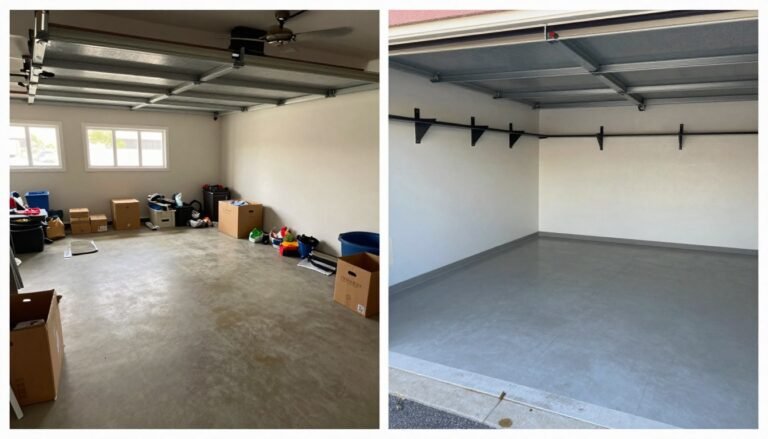
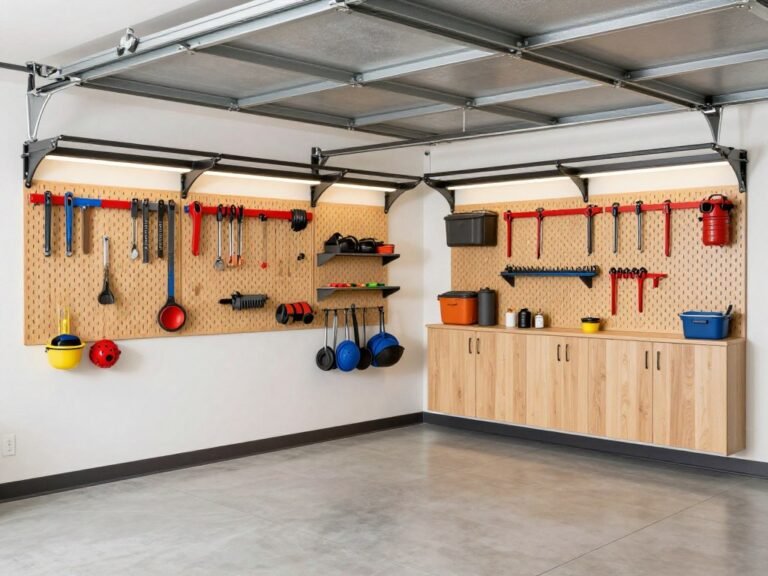
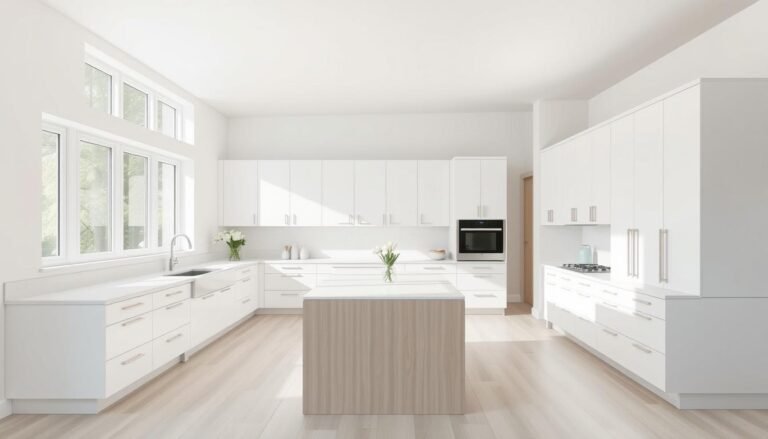
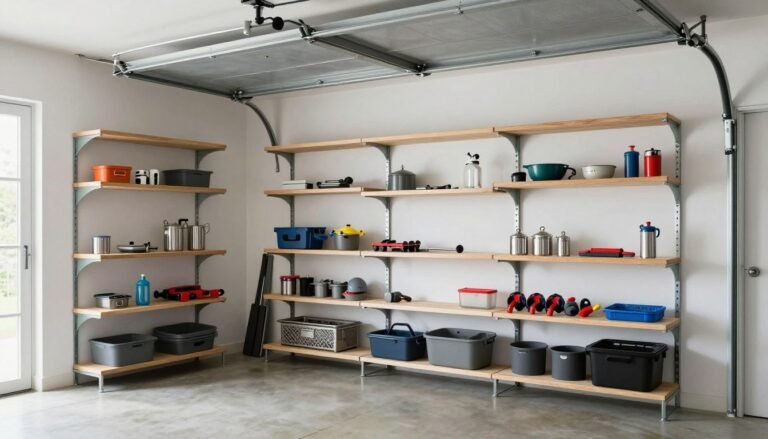
That underutilized garage might be the most valuable untapped square footage in your home. Beyond just housing vehicles and collecting dust, your garage has the potential to become a stunning, functional living space that adds both value and enjoyment to your property. Whether you’re craving a dedicated home office, a cozy guest suite, or a creative studio, the possibilities are nearly endless. This guide explores inspiring garage conversion ideas that can help you reimagine this often-overlooked space and transform it into something truly special that meets your unique needs.
This Website contains affiliate links. That means I may earn a small commission if you purchase through my links, at no extra cost to you.
Why Your Garage is Worth More Than You Think
Many homeowners don’t realize the hidden potential sitting right in their garage. This ready-made structure already has a foundation, walls, and a roof—the essential building blocks for creating additional living space without the complexity of a brand new addition. With some thoughtful planning and creative design, your garage can become one of the most valuable and functional areas of your home.
Converting your garage offers several compelling benefits. First, it’s typically more cost-effective than building an addition from scratch. You’re working with existing structure, which saves significantly on construction costs. Second, it allows you to maximize your property’s footprint without encroaching on your yard space. Finally, a well-executed garage conversion can substantially increase your home’s value and appeal to future buyers.
Benefits of Garage Conversions
- Adds valuable living space without major construction
- More affordable than building a new addition
- Can increase property value by 10-15%
- Utilizes existing structure and foundation
- Creates purpose-built space for your specific needs
- Potential for rental income with ADU conversions
Common Concerns Addressed
- Proper insulation makes the space comfortable year-round
- Modern design can completely erase the “garage feel”
- Permits are manageable with proper planning
- Alternative storage solutions can replace lost garage space
- Many conversions can be completed in 4-8 weeks
- Quality conversions typically recoup 80% of costs in home value
Essential Planning Steps Before You Start
Before diving into your garage conversion project, proper planning is crucial for success. Taking the time to address these foundational elements will help ensure your project runs smoothly and results in a space you’ll love for years to come.
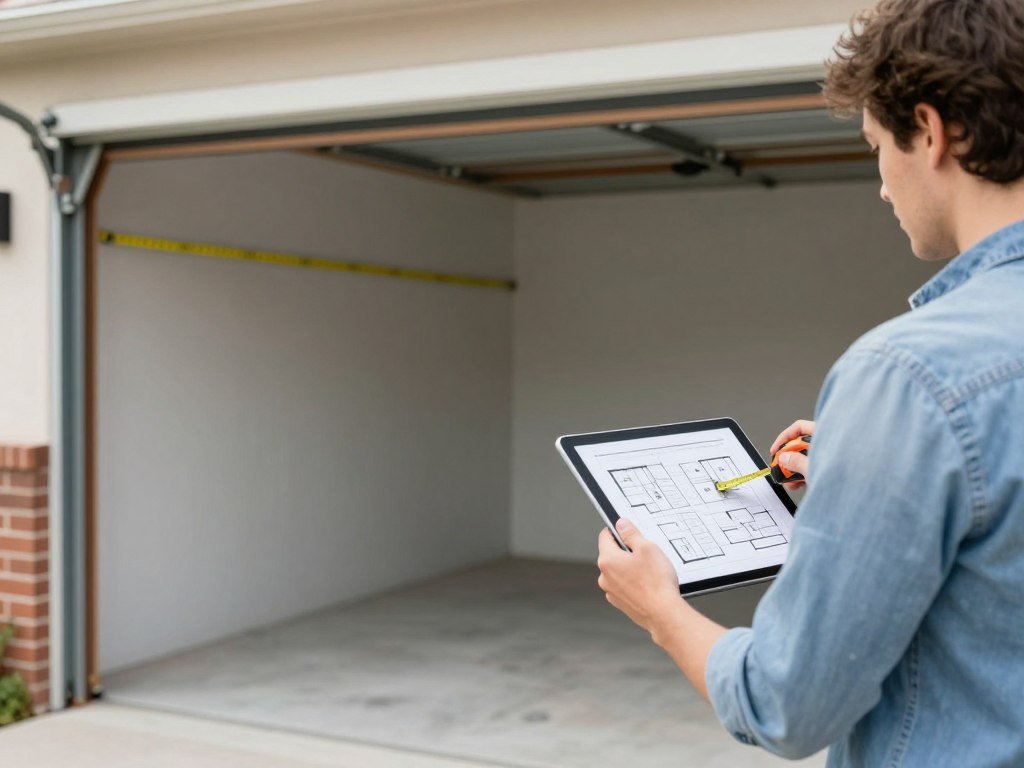
Check Local Building Codes and Permits
Every municipality has specific requirements for converting a garage into living space. These regulations ensure safety and compliance with local building standards. Contact your local building department to understand what permits you’ll need and any specific requirements for your area. Common considerations include egress (emergency exits), ceiling height minimums, electrical requirements, and whether you’re allowed to remove the garage door completely.
Related Posts:





Assess Your Garage Structure
Not all garages are created equal. Before planning your conversion, have a professional assess your garage’s structural integrity. Check the foundation for cracks or unevenness, examine the walls and roof for any damage, and determine if the ceiling height meets local code requirements for living spaces (typically 7-8 feet minimum). This assessment will help you understand what structural modifications might be necessary.
You’ll also want to evaluate the existing concrete floor. Garage floors are typically sloped for drainage and may need to be leveled before installing finished flooring. Consider installing a proper subfloor with insulation to make the space more comfortable and energy-efficient.
Plan for Utilities and Climate Control
Converting a garage into comfortable living space requires addressing utilities and climate control. Most garages have minimal electrical wiring and no plumbing, so you’ll likely need to upgrade these systems. Consider how you’ll heat and cool the space—options include extending your home’s existing HVAC system, installing a ductless mini-split system, or using portable heating and cooling units.
If your conversion includes a bathroom or kitchenette, you’ll need to plan for plumbing connections. This may involve breaking through the concrete floor to install pipes, which adds complexity and cost to your project. Having a clear plan for utilities before you begin will help avoid costly surprises later.
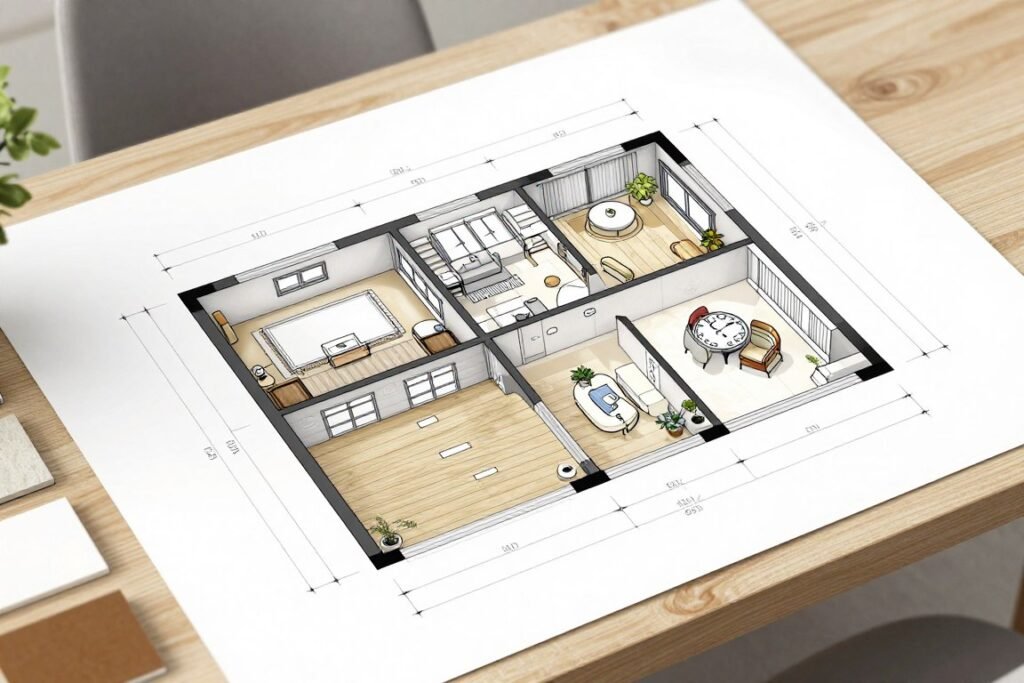
Create a Realistic Budget
Understanding the costs involved in your garage conversion is essential for proper planning. The price can vary widely depending on the complexity of your project, the finishes you choose, and whether you’re doing any of the work yourself. On average, garage conversions can cost between $6,000 for basic conversions to $50,000+ for high-end transformations with plumbing and custom features.
Be sure to include a contingency fund of 10-15% for unexpected expenses that inevitably arise during renovation projects. Creating a detailed budget breakdown by category (demolition, framing, electrical, plumbing, flooring, etc.) will help you track expenses and make informed decisions throughout the process.
Quality materials like proper insulation, durable flooring, and energy-efficient windows are worth the investment. You can find great options for insulation materials at Amazon’s insulation section, which offers various types to suit different budgets and climate needs.
Home Office Conversion: Create Your Productive Workspace
With remote work becoming increasingly common, converting your garage into a dedicated home office creates a professional space that separates your work life from your home life. This popular conversion option offers the perfect solution for those who need a quiet, focused environment without distractions.

Design Considerations for Your Office Space
When designing your garage office, prioritize natural light by adding windows or replacing the garage door with glass panels or French doors. Good lighting reduces eye strain and creates a more pleasant working environment. Consider the placement of your desk to minimize glare on your computer screen while maximizing views and natural light.
Create distinct zones within your office for different activities: a primary workspace with your desk and computer, a reference area with bookshelves or filing cabinets, and perhaps a small meeting space if you regularly host clients or colleagues. This zoning helps organize the space functionally while making it feel more like a professional office.
Essential Elements
- Ergonomic desk and chair setup
- Adequate electrical outlets for equipment
- High-speed internet connection
- Proper lighting (natural and artificial)
- Storage solutions for files and supplies
- Climate control for year-round comfort
Productivity Boosters
- Sound insulation for quiet focus
- Dedicated meeting area if needed
- Inspiring decor and personal touches
- Plants to improve air quality and mood
- Separate entrance for client visits
- Built-in technology solutions
Invest in quality furniture that supports proper ergonomics—your back will thank you after long workdays. Look for adjustable desks and supportive chairs that promote good posture. Browse ergonomic office chairs and adjustable height desks to find options that fit your space and budget.
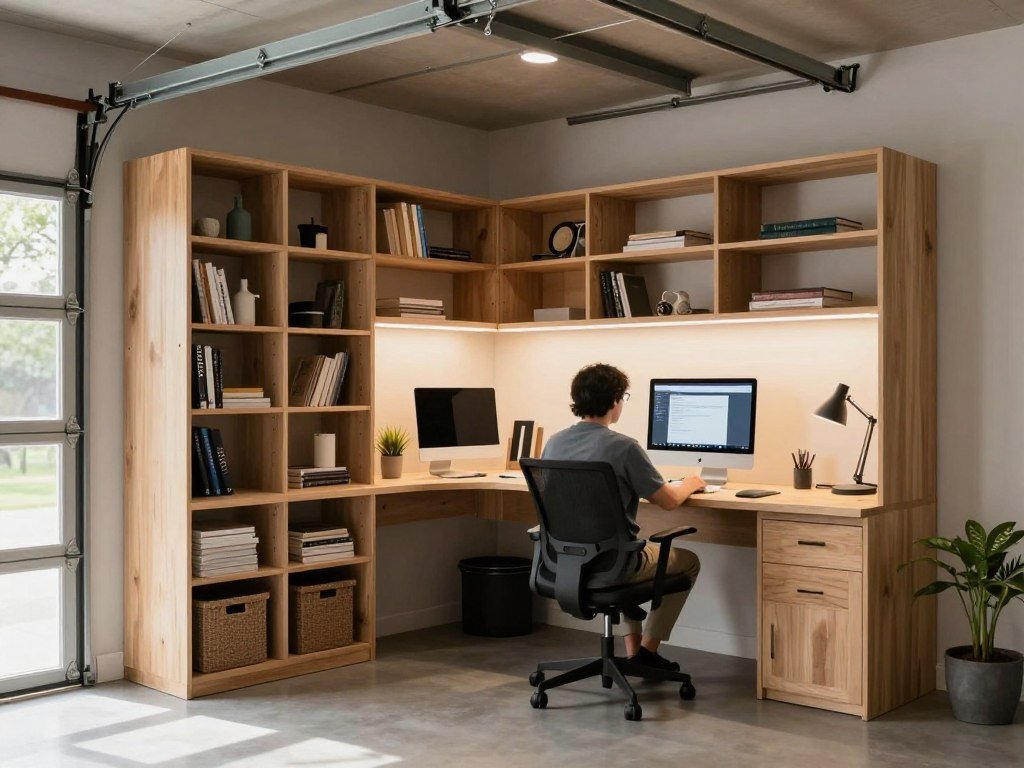
Storage and Organization Solutions
Effective storage is crucial for maintaining a productive office environment. Consider built-in shelving and cabinets that maximize vertical space while keeping the floor area open. Wall-mounted shelves, floating desks, and multi-functional furniture help maintain a spacious feel even in smaller garages.
Cable management systems keep technology wires organized and out of sight, creating a cleaner, more professional appearance. Explore cable management solutions to keep your workspace tidy and functional.
Technology and Connectivity
A productive home office requires reliable technology infrastructure. Plan for sufficient electrical outlets, including dedicated circuits for equipment with higher power needs. Consider the placement of outlets, data ports, and charging stations during the planning phase to avoid unsightly cords later.
Ensure strong Wi-Fi coverage extends to your garage office, which may require a mesh network or Wi-Fi extender depending on your home’s layout. For video conferencing, plan for good lighting and a professional background. Check out Wi-Fi mesh systems to ensure consistent connectivity throughout your workspace.
Guest Suite Conversion: Create a Welcoming Retreat
Transform your garage into a comfortable guest suite that provides privacy and amenities for visitors while adding significant value to your home. This conversion is perfect for families who regularly host out-of-town guests or those looking to create potential rental income through platforms like Airbnb.

Creating a Comfortable Sleeping Area
The centerpiece of any guest suite is the sleeping area. Depending on your garage size, you might accommodate a queen or king bed with nightstands, or consider space-saving alternatives like a wall bed (Murphy bed) or sleeper sofa for smaller conversions. These options allow the space to serve multiple purposes when guests aren’t visiting.
Invest in quality mattresses and bedding to ensure your guests enjoy a good night’s sleep. Consider blackout curtains or blinds for windows to allow guests to sleep comfortably at any hour. Browse wall bed options and blackout curtains to find solutions that work for your space.
Adding a Bathroom
A private bathroom significantly enhances the functionality and appeal of a guest suite. While adding plumbing increases the project’s complexity and cost, it’s often worth the investment. For smaller spaces, consider a three-quarter bathroom with a shower, toilet, and sink rather than a full bath with a tub.
Proper ventilation is essential in bathroom spaces to prevent moisture issues. Install an exhaust fan vented to the outside and consider a window if possible. Choose moisture-resistant materials like porcelain tile for flooring and shower surrounds. Explore bathroom ventilation options to ensure your new bathroom remains fresh and mold-free.
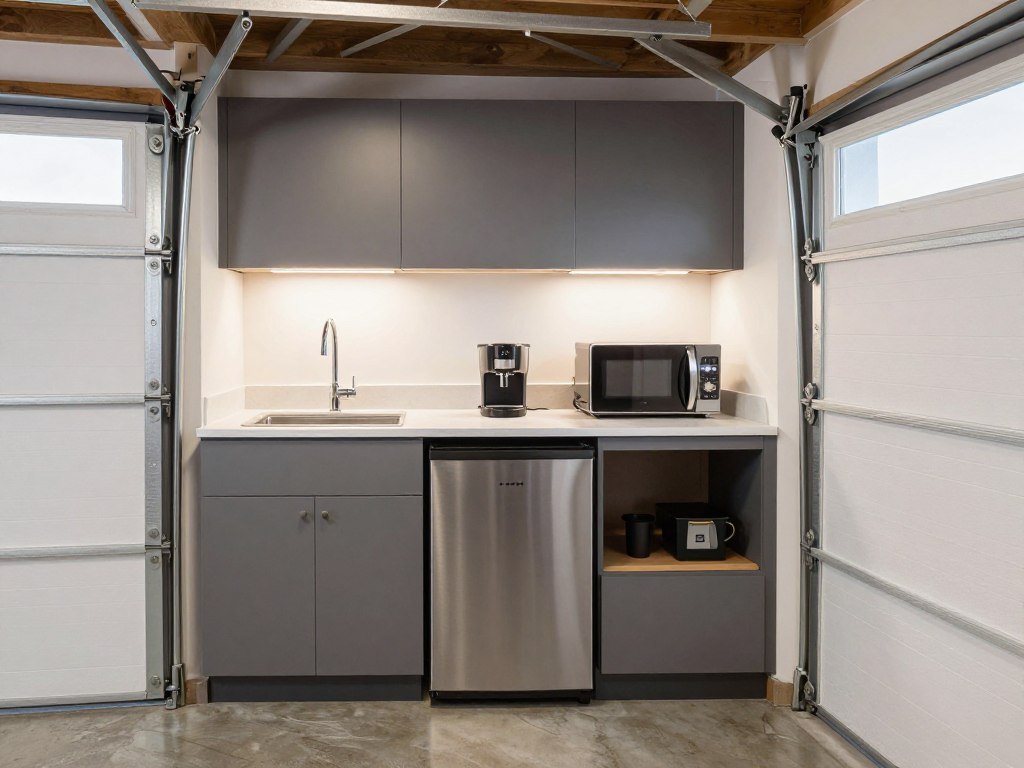
Kitchenette Considerations
Adding a small kitchenette makes your guest suite even more functional, especially for longer stays. A basic kitchenette might include a mini-refrigerator, microwave, coffee maker, and small sink. For more elaborate setups, consider adding a two-burner cooktop or convection toaster oven.
Efficient storage is key in small kitchenette spaces. Consider open shelving for frequently used items and cabinets for everything else. A small dining area with a bistro table and chairs provides a place for guests to enjoy meals. Check out compact kitchen appliances designed for small spaces.
Privacy and Access
One of the main advantages of a garage conversion guest suite is the potential for a private entrance. This allows guests to come and go without disturbing the main household, which is particularly valuable for rental situations. Consider installing a keypad lock for convenient, secure access.
Sound insulation is important for privacy, especially if the garage shares walls with your main living space. Install acoustic insulation in shared walls and consider solid-core doors to minimize sound transfer. Browse acoustic insulation options to create a peaceful, private environment.
Benefits of a Guest Suite Conversion
- Creates private, comfortable space for visitors
- Adds significant value to your property
- Potential for rental income
- Provides independent living space for family members
- Separate entrance offers privacy and convenience
Challenges to Consider
- Higher cost due to plumbing requirements
- More complex permitting process
- May require professional contractors
- Potential for increased property taxes
- Loss of garage parking and storage
Home Gym Conversion: Your Personal Fitness Space
Skip the gym membership and create your own dedicated fitness space by converting your garage into a home gym. This practical conversion gives you 24/7 access to workout equipment in a private setting, making it easier to maintain a consistent exercise routine without the hassle of commuting to a commercial gym.
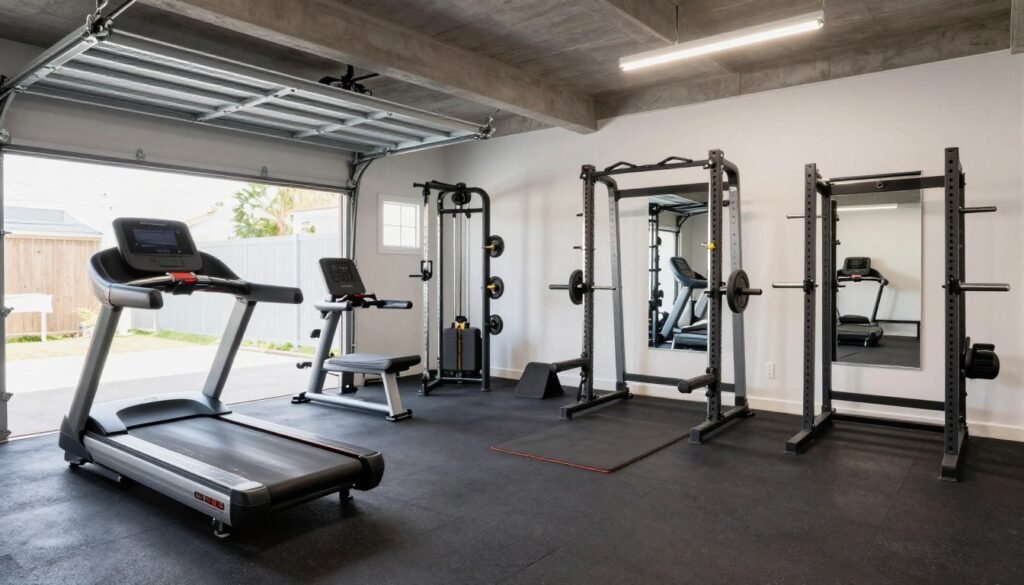
Flooring Solutions for Exercise
Proper flooring is crucial for a home gym conversion. Concrete garage floors are too hard for comfortable workouts and can damage equipment over time. Consider installing rubber gym flooring, which provides cushioning, sound absorption, and protection for both your body and equipment.
Interlocking rubber tiles are a popular, DIY-friendly option that can be installed directly over a clean, level concrete floor. For areas where you’ll be doing heavy weightlifting, consider thicker rubber mats to provide additional protection. Explore rubber gym flooring options to find the right solution for your workout needs.
Equipment Layout and Organization
Plan your gym layout based on the types of workouts you enjoy. Create zones for different activities: a cardio area for treadmills or stationary bikes, a strength training section with weights and resistance equipment, and perhaps a stretching or yoga space with mats.
Wall-mounted storage solutions keep smaller equipment organized and floor space clear. Consider installing pegboards for resistance bands and jump ropes, wall-mounted racks for dumbbells, and shelving for other accessories. Browse home gym storage solutions to maximize your workout space.

Ventilation and Climate Control
Proper air circulation is essential in a home gym where you’ll be working up a sweat. Consider installing ceiling fans, window air conditioning units, or a mini-split system to maintain comfortable temperatures year-round. Good ventilation also helps prevent moisture buildup and odors.
If your budget allows, adding windows or replacing the garage door with a glass option provides natural light and fresh air. For climate control, insulating walls, ceilings, and floors is crucial for maintaining comfortable temperatures efficiently. Check out mini-split air conditioning systems for efficient climate control in your workout space.
Mirrors and Lighting
Large wall mirrors serve both functional and aesthetic purposes in a home gym. They allow you to check your form during exercises, make the space feel larger, and reflect light to brighten the room. Consider installing mirrors on at least one full wall of your gym.
Bright, even lighting is important for safety and motivation. Recessed ceiling lights provide good overall illumination without taking up space. If possible, incorporate natural light through windows or skylights to create a more energizing environment. Browse gym wall mirrors and bright LED lighting options to complete your home gym.
Technology and Entertainment
Make your workouts more enjoyable with entertainment options like a wall-mounted TV for following along with fitness videos or watching shows while on cardio equipment. A good sound system or Bluetooth speaker helps keep you motivated with your favorite workout playlist.
Consider installing a few strategically placed outlets for charging fitness trackers, phones, or powering equipment. Wi-Fi coverage is important if you use fitness apps or streaming services during workouts. Explore durable Bluetooth speakers designed to withstand a gym environment.
Creative Studio Conversion: Unleash Your Artistic Potential
For artists, crafters, photographers, or musicians, converting your garage into a dedicated creative studio provides the perfect space to pursue your passion without limitations. A well-designed studio offers the room, lighting, and organization needed to take your creative endeavors to the next level.

Optimizing Natural Light
Natural light is invaluable for most creative pursuits, especially visual arts. Consider replacing the garage door with a wall of windows or glass doors to maximize daylight. North-facing light is ideal for artists as it provides consistent, indirect illumination without harsh shadows or glare.
If adding windows isn’t feasible, consider installing skylights to bring in overhead natural light. Supplement with full-spectrum lighting that mimics daylight for evening work sessions. Look for full-spectrum lighting options designed specifically for creative work.
Work Surfaces and Storage
Different creative pursuits require different work setups. For painters, consider sturdy easels and a large work table for preparing canvases and mixing colors. Photographers might need a shooting area with backdrop systems and editing desk. Musicians require space for instruments and possibly sound treatment panels.
Regardless of your creative focus, ample storage is essential for supplies and equipment. Consider a combination of open shelving for frequently used items and closed cabinets for less attractive supplies. Vertical storage maximizes floor space for creating. Browse studio storage solutions designed for creative spaces.

Flooring Considerations
The ideal flooring for a creative studio depends on your specific discipline. For visual artists who work with paints or other messy media, consider durable, easy-to-clean options like sealed concrete, vinyl, or linoleum. Photographers might prefer hardwood or laminate for a more polished look.
Musicians should consider acoustic properties—carpeting can help with sound absorption but may be impractical for some instruments. Whatever flooring you choose, ensure it can withstand the rigors of your creative process. Check out durable flooring options suitable for creative work.
Specialized Needs by Creative Discipline
Visual Arts Studio
- North-facing windows for ideal light
- Sink with proper drainage for cleanup
- Ventilation for working with solvents
- Adjustable easels and work surfaces
- Storage for canvases and supplies
- Durable, stain-resistant flooring
Photography Studio
- Controlled lighting environment
- Backdrop mounting system
- Equipment storage and charging station
- Editing desk with proper monitor setup
- Client seating area if applicable
- Blackout capability for light control
Music Studio
- Acoustic treatment for sound quality
- Soundproofing for noise control
- Instrument storage solutions
- Recording equipment setup
- Comfortable seating for long sessions
- Proper electrical for equipment
Depending on your creative focus, you may need specialized equipment and setups. For musicians, acoustic treatment panels help control sound reflections and improve recording quality. Find acoustic treatment solutions to optimize your music studio’s sound.
Visual artists might need specialized storage for canvases, papers, and materials, while photographers require space for backdrop systems and lighting equipment. Consider your specific workflow when designing your creative space to ensure it supports your process effectively.
Family Room Conversion: Create a Cozy Gathering Space
Transform your garage into a welcoming family room or entertainment space where everyone can relax, socialize, and enjoy quality time together. This versatile conversion adds valuable living space for everyday use and special occasions alike.
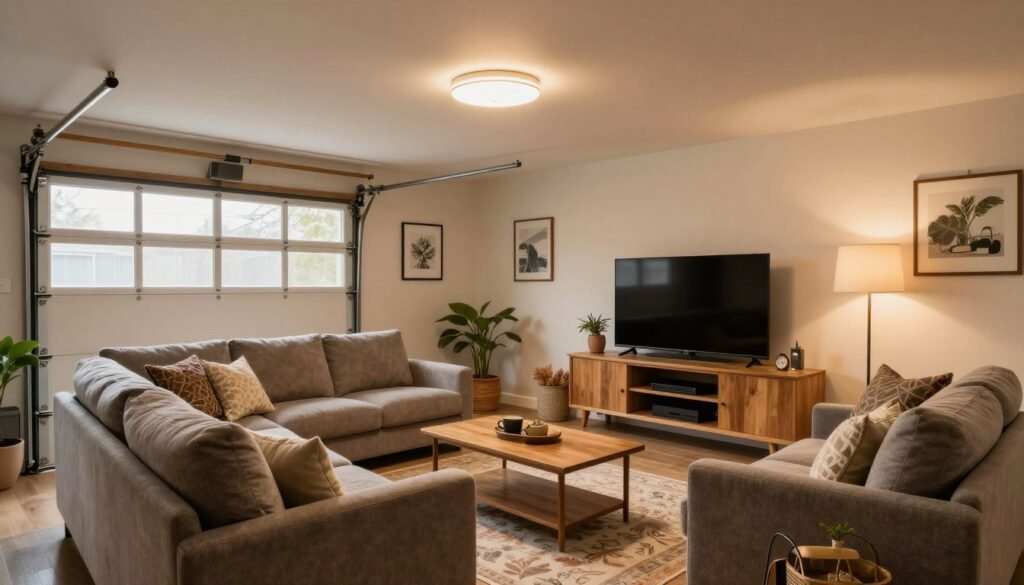
Creating a Comfortable Seating Arrangement
The heart of any family room is comfortable seating that accommodates everyone. Consider a sectional sofa that can be configured to fit your space, complemented by accent chairs or ottomans that can be moved as needed. Arrange furniture to facilitate conversation while allowing good views of the TV or entertainment center.
If space allows, create distinct zones within the room—perhaps a main seating area for watching TV, a small table for games or puzzles, and maybe a reading nook with a comfortable chair and good lighting. Explore sectional sofas with storage to maximize functionality in your new family space.
Entertainment Setup
A family room often centers around entertainment options. Plan for a wall-mounted TV with proper electrical and cable/internet connections. Consider a sound system or soundbar for enhanced audio when watching movies or listening to music.
Built-in entertainment centers provide storage for media, gaming consoles, and accessories while creating a polished, integrated look. If you enjoy gaming, ensure there’s adequate seating with good sightlines to the screen and sufficient electrical outlets for charging controllers. Check out entertainment centers with integrated features like electric fireplaces for added coziness.
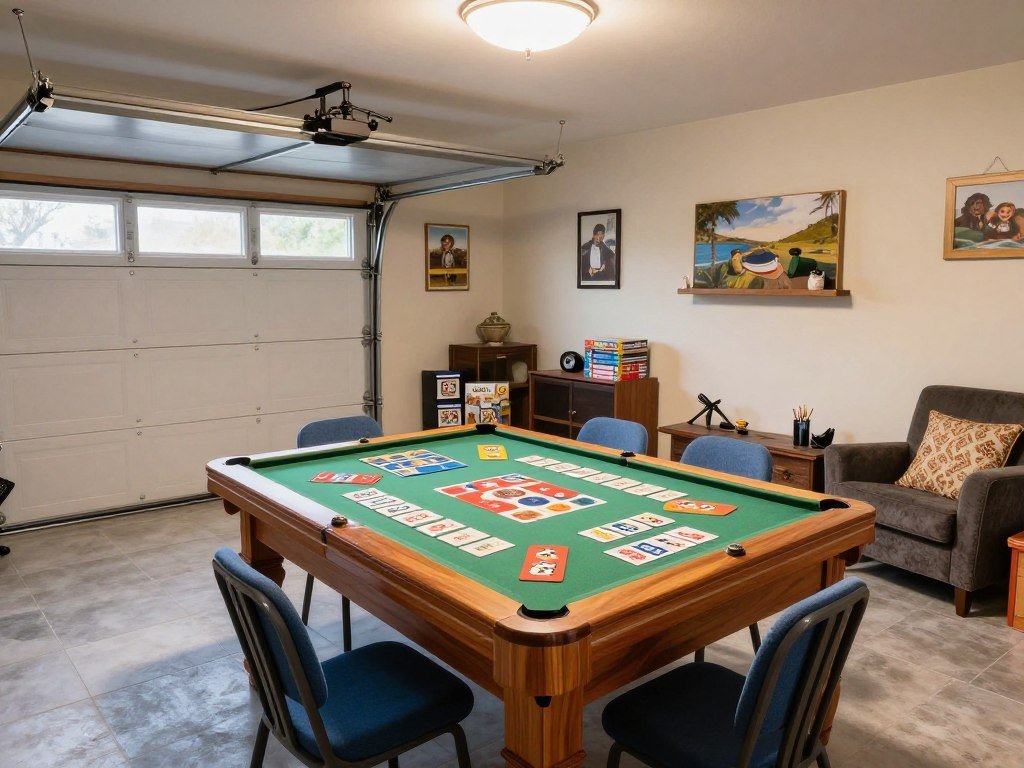
Warming Up the Space
Garages can feel cold and industrial, so focus on elements that create warmth and coziness. Start with proper insulation in walls, ceiling, and floor to maintain comfortable temperatures year-round. Add soft textiles like area rugs, throw pillows, and curtains to absorb sound and add visual warmth.
Consider adding a fireplace as a focal point—electric versions are relatively easy to install and provide both warmth and ambiance without requiring venting. Warm lighting at multiple levels (overhead, table lamps, and accent lighting) creates a cozy atmosphere, especially in the evening. Browse electric fireplace options to add instant warmth and character to your family room.
Storage Solutions
Family rooms tend to accumulate items like games, blankets, media, and toys. Incorporate smart storage solutions to keep the space organized and functional. Built-in cabinets and shelving provide a custom look while maximizing storage capacity.
Multi-functional furniture like storage ottomans, coffee tables with drawers, or entertainment centers with closed storage helps contain clutter. If children use the space, include accessible storage for toys and games that makes cleanup easy. Look for storage ottomans and other dual-purpose furniture to maximize your family room’s functionality.
How can I make my garage conversion feel like it was always part of the house?
To create a seamless integration, match flooring, wall treatments, and trim styles to adjacent rooms in your home. Ensure ceiling heights are consistent with the rest of your house if possible. Add architectural elements like crown molding, baseboards, and window casings that match your home’s style. Finally, extend your home’s heating and cooling system to the converted space for consistent climate control throughout.
What’s the most cost-effective garage conversion?
A home office or family room conversion is typically most cost-effective because these spaces don’t require plumbing. Focus on insulation, drywall, flooring, and electrical updates while keeping the existing structure intact. DIY-friendly projects like painting and installing pre-fabricated storage can reduce costs further. For maximum value, choose versatile designs that could serve multiple purposes for future homeowners.
Will converting my garage increase my property taxes?
In most areas, yes. Converting a garage to living space typically increases your home’s assessed value, which can raise property taxes. The specific impact varies by location and the extent of your conversion. Check with your local tax assessor’s office before starting your project to understand the potential tax implications and factor this ongoing cost into your decision-making process.
Accessory Dwelling Unit (ADU): Create Rental Income
Converting your garage into an Accessory Dwelling Unit (ADU) or rental apartment creates a separate living space that can generate income or provide housing for family members. This conversion requires more extensive work but offers significant financial and practical benefits.

Understanding ADU Requirements
ADUs are subject to specific zoning and building requirements that vary by location. These typically include minimum size requirements, parking considerations, utility connections, and fire safety measures. Some areas have recently relaxed ADU regulations to address housing shortages, making this conversion more accessible.
Before planning an ADU conversion, check with your local planning department to understand current regulations. You’ll need permits for this type of conversion, and the process is typically more involved than for simpler garage conversions. Some jurisdictions may require the ADU to match the architectural style of the main house or have specific requirements for the entrance location.
Efficient Space Planning
ADUs require fitting multiple functions into a limited footprint. Efficient space planning is essential to create a comfortable, functional living environment. Consider an open-concept layout that combines living, dining, and kitchen areas to maximize the sense of space.
Multi-functional furniture helps maximize utility without crowding the space. Consider wall beds that convert to seating during the day, expandable dining tables, and furniture with built-in storage. Browse multi-functional furniture for small spaces to maximize your ADU’s functionality.
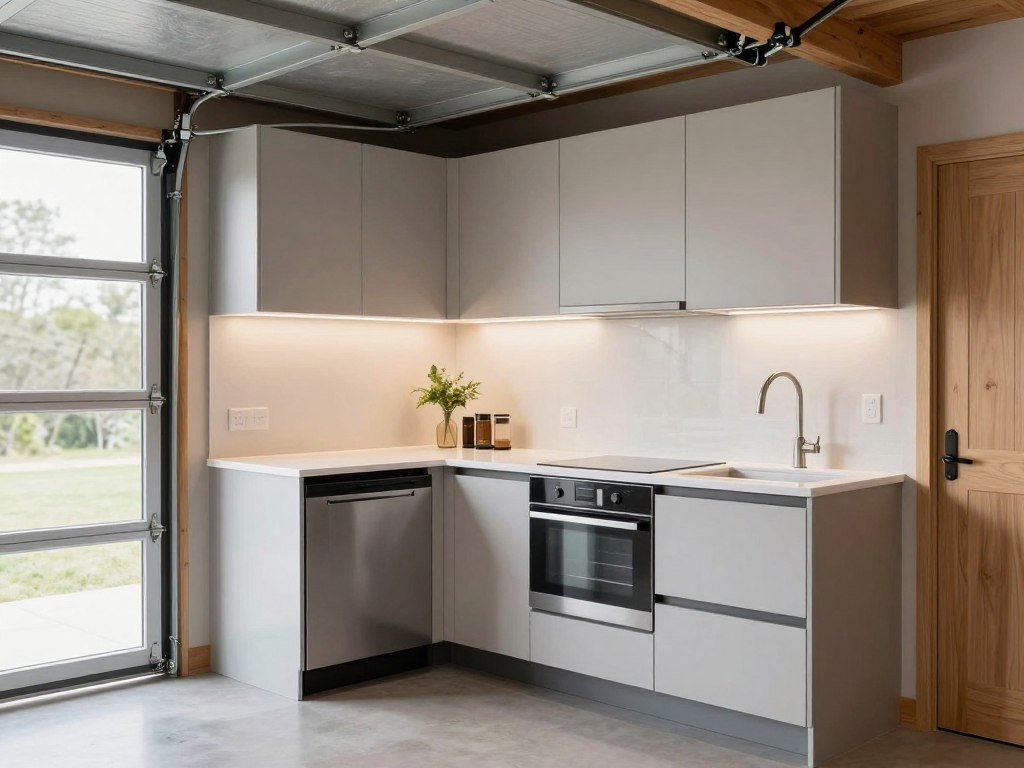
Kitchen and Bathroom Essentials
A functional kitchen is essential for any ADU. Consider a galley-style layout or L-shaped design to maximize efficiency in a small footprint. Apartment-sized appliances offer full functionality while saving space. Include adequate counter space for food preparation and clever storage solutions to maximize utility.
For the bathroom, a shower stall is more space-efficient than a tub, though some jurisdictions may require a tub for the unit to qualify as a full dwelling. Consider a vanity with storage rather than a pedestal sink to maximize storage in this small but essential space. Look for compact appliances designed specifically for small kitchens.
Separate Utilities and Entrances
For a true ADU, separate utility connections are often required or at least advisable. This may include separate electrical service, water heater, and HVAC system. While this adds to the initial cost, it allows for independent utility billing and operation.
A private entrance is essential for rental units, providing privacy for both the tenant and the main household. Consider how this entrance relates to parking and street access. For security, install good lighting around the entrance and consider a video doorbell or security system. Browse video doorbell options to enhance security for your rental unit.
Rental Considerations
If you plan to rent your ADU, consider features that appeal to potential tenants and maximize rental income. These might include in-unit laundry facilities (or at least hookups), good internet connectivity, and efficient storage solutions.
Be aware of landlord-tenant laws in your area, which may affect how you can advertise, select tenants, and manage the property. Consider consulting with a property management professional or real estate attorney to ensure compliance with all regulations. Research suggests that well-designed ADUs can generate significant rental income while increasing overall property value.
Playroom Conversion: Create a Kid-Friendly Space
Transform your garage into a dedicated playroom where children can play, learn, and create without limitations. This family-friendly conversion contains toy clutter while providing a safe, stimulating environment for children of all ages.

Safety First
When creating a playroom, safety is the top priority. Ensure all electrical outlets have childproof covers and secure any heavy furniture to walls to prevent tipping. Choose non-toxic, washable paint for walls and avoid sharp corners on furniture when possible.
Flooring should be soft enough to cushion falls but durable enough to withstand heavy use. Consider foam interlocking tiles, low-pile carpet, or vinyl flooring with area rugs. Ensure good lighting throughout the space and install smoke and carbon monoxide detectors. Browse childproofing safety products to create a secure environment.
Creating Activity Zones
Organize the playroom into distinct activity zones to encourage different types of play and development. Consider including areas for reading, arts and crafts, building/construction, imaginative play, and active play if space allows.
A reading nook might include a small bookshelf, comfortable seating, and good lighting. An art area could feature a washable table, supply storage, and perhaps an easel. For building and construction, provide open floor space with storage for blocks, LEGO, and other building toys. Check out children’s activity tables that can serve multiple purposes.
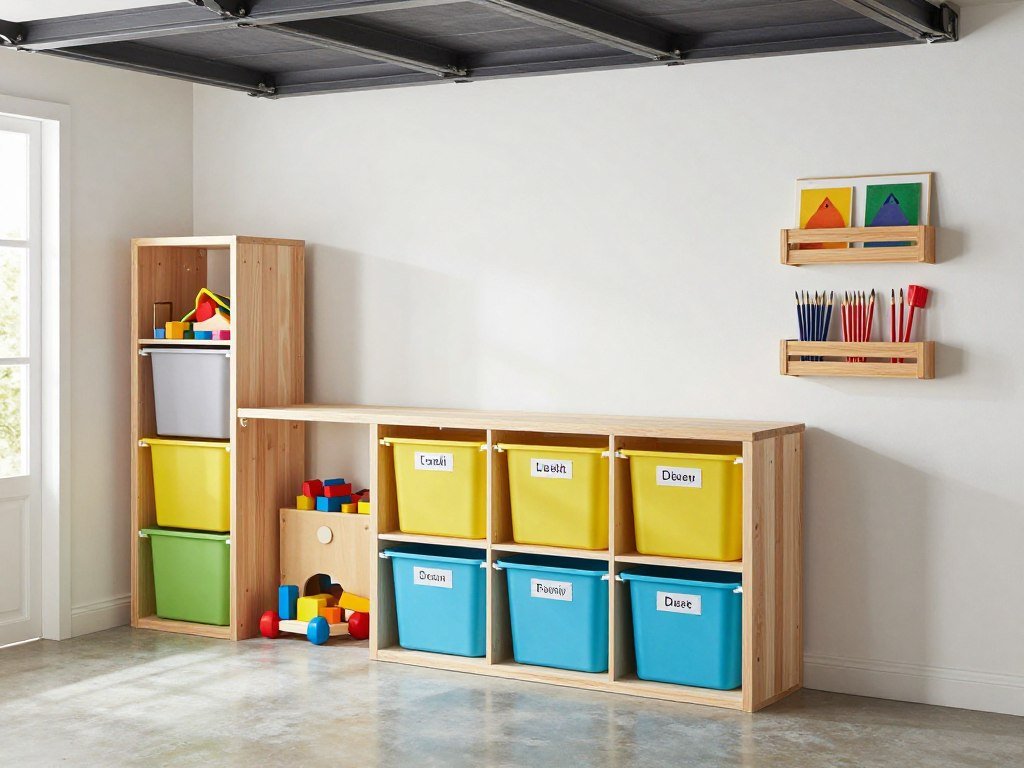
Smart Storage Solutions
Effective storage is essential for maintaining order in a playroom. Choose open shelving at child height for frequently used toys so children can access and put away items independently. Use labeled bins and baskets to organize smaller items by category.
Consider furniture that doubles as storage, such as benches with hinged tops or ottomans with interior storage. Rotating toys by storing some away and bringing them out periodically helps maintain interest and reduces clutter. Explore toy storage systems designed specifically for playrooms.
Growth and Adaptability
Children’s needs change quickly as they grow, so design a playroom that can evolve over time. Choose furniture that can be adjusted in height or repurposed as children mature. Neutral base elements with colorful, changeable accessories allow for easy updates without major renovations.
Consider how the space might transition as children age—perhaps eventually becoming a homework area, teen hangout, or hobby room. Investing in quality, adaptable pieces ensures the space remains useful throughout childhood and beyond. Look for adjustable furniture that grows with your children.
Important Considerations for Any Garage Conversion
Regardless of which conversion type you choose, certain considerations apply to all garage transformation projects. Addressing these elements ensures your converted space is comfortable, functional, and adds value to your home.

Insulation and Climate Control
Proper insulation is crucial for any garage conversion. Most garages have minimal or no insulation, making them uncomfortable in extreme temperatures. Insulate walls, ceilings, and if possible, floors to create a comfortable environment and improve energy efficiency.
For climate control, consider extending your home’s existing HVAC system or installing a separate solution like a ductless mini-split system. Ceiling fans help with air circulation and can make the space feel more comfortable year-round. Explore insulation options and climate control systems suitable for converted spaces.
Electrical Upgrades
Most garages have limited electrical service that won’t be sufficient for a living space. Work with a licensed electrician to assess your needs and upgrade accordingly. Consider the number and placement of outlets, lighting requirements, and whether you need dedicated circuits for specific equipment.
Plan electrical work early in the conversion process, before walls are finished. Include USB outlets for charging devices and ensure adequate lighting throughout the space. Browse lighting options that provide both function and ambiance for your converted space.
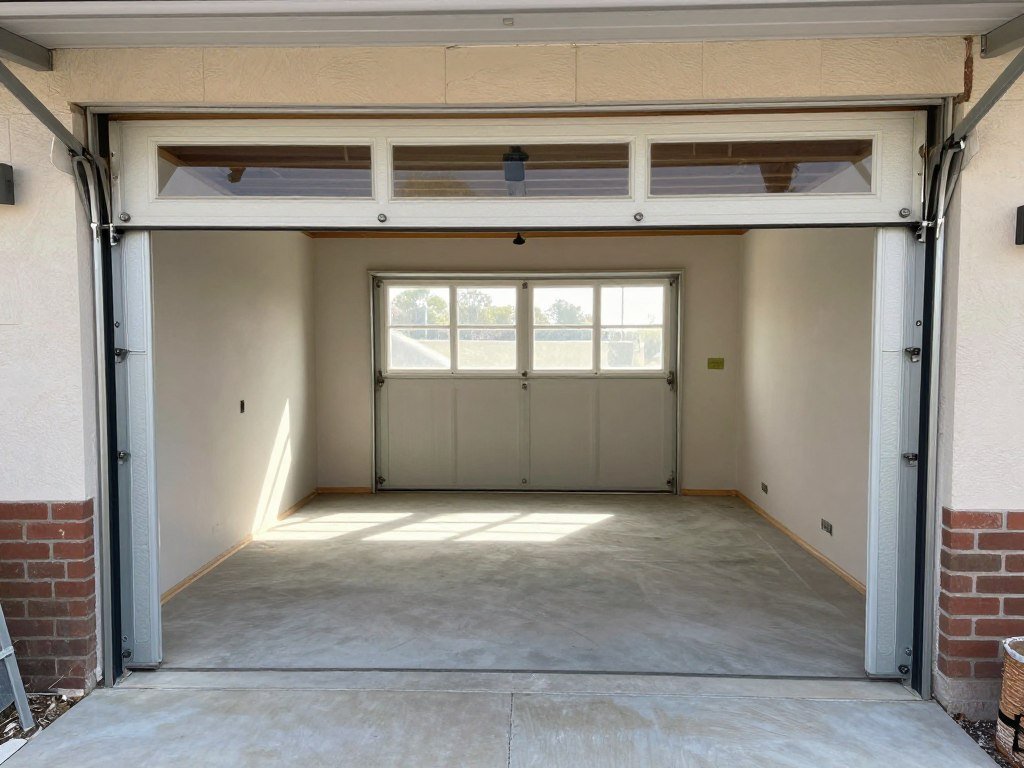
Garage Door Solutions
Deciding what to do with the existing garage door is a key consideration. Options include:
- Removing it completely and framing in a traditional wall, possibly with windows or French doors
- Replacing it with a glass garage door that provides natural light and can be opened in nice weather
- Insulating and sealing the existing door if you want to maintain the option of converting back to a garage later
Your choice affects both the appearance and functionality of the space. Consider factors like natural light, privacy, and whether you might want to restore the garage function in the future. Look into French door options or garage door insulation kits depending on your approach.
Flooring Transitions
Garage floors are typically concrete slabs that are often sloped for drainage and may be several inches lower than the main house floor. Address this transition thoughtfully to create a seamless flow between spaces.
Options include building up the garage floor to match the house level, creating a gradual ramp or step, or using different flooring materials to define the transition. Regardless of approach, ensure the concrete is properly sealed against moisture before installing finished flooring. Explore floor leveling solutions to create a smooth, even surface.
Storage Alternatives
Converting your garage means losing storage space that many households rely on. Plan alternative storage solutions before you begin your conversion to avoid cluttering your new living space.
Consider adding a shed or detached storage building, utilizing attic space more efficiently, or incorporating clever storage into your conversion design. Built-in cabinets along one wall of your converted space can provide significant storage without sacrificing too much living area. Browse outdoor storage solutions to replace lost garage storage.
Bringing Your Garage Conversion to Life
Converting your garage into a functional living space is a significant project that requires careful planning, but the rewards are substantial. Whether you create a productive home office, a welcoming guest suite, an inspiring creative studio, or any other space that meets your family’s needs, you’re making a smart investment in your home’s functionality and value.

Remember to work with qualified professionals for aspects like electrical, plumbing, and structural modifications to ensure safety and code compliance. Take time to research local regulations and obtain necessary permits before beginning work. While DIY approaches can save money on certain aspects of the conversion, some elements are best left to professionals.
As you plan your garage conversion, focus on creating a space that truly enhances your lifestyle while adding long-term value to your home. With thoughtful design and quality execution, your converted garage can become one of the most loved and used spaces in your home—a true transformation from an underutilized storage area to a functional dream space that serves your family’s unique needs.
Ready to get started? Browse garage conversion essentials to begin gathering the materials and inspiration for your transformation project. Your dream space is closer than you think!