Working from a small space doesn’t mean you have to sacrifice productivity or style. Whether you live in a studio apartment, a tiny bedroom, or just have a compact corner to spare, the right desk can transform any area into a functional workspace. Finding desk ideas for small spaces requires creativity and smart planning.
This Website contains affiliate links. That means I may earn a small commission if you purchase through my links, at no extra cost to you.
Many people struggle with limited floor space. They worry their home office will feel cramped or cluttered. The good news is that modern furniture design offers countless solutions specifically created for compact living. From wall-mounted desks that fold away to corner units that maximize every inch, there’s a perfect option for your space.
This guide explores practical and stylish desk solutions that work beautifully in small spaces. You’ll discover innovative designs, space-saving strategies, and organization tips that help you create a workspace you’ll love. Each idea focuses on maximizing functionality without overwhelming your room.
Why Choosing the Right Desk Matters in Small Spaces
The desk you choose impacts more than just your work. It affects how your entire room feels and functions. A bulky desk in a small bedroom can make the whole space feel cramped. But a carefully selected compact desk opens up the room while still providing everything you need.
Small space desks need to work harder than regular furniture. They must provide adequate work surface while taking up minimal floor space. They should offer storage without adding visual clutter. The best options blend seamlessly with your room’s design, sometimes disappearing completely when not in use.
Your workspace affects your productivity too. Research shows that cluttered, poorly organized spaces decrease focus and increase stress. A well-designed small desk area can actually boost your efficiency. Natural light, proper storage, and ergonomic positioning all contribute to better work performance.
Related Posts:

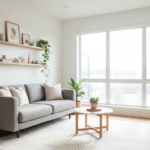




Think about how you’ll actually use your workspace. Do you need room for multiple monitors? Will you be writing by hand or working primarily on a laptop? Understanding your specific needs helps you select features that matter most. A graphic designer needs different desk solutions than a writer or student.
Corner Desk Ideas That Maximize Unused Space
Corners often become wasted space in small rooms. A corner desk transforms this neglected area into a productive workstation. These desks fit snugly into the corner, using vertical space efficiently while keeping the center of your room open.
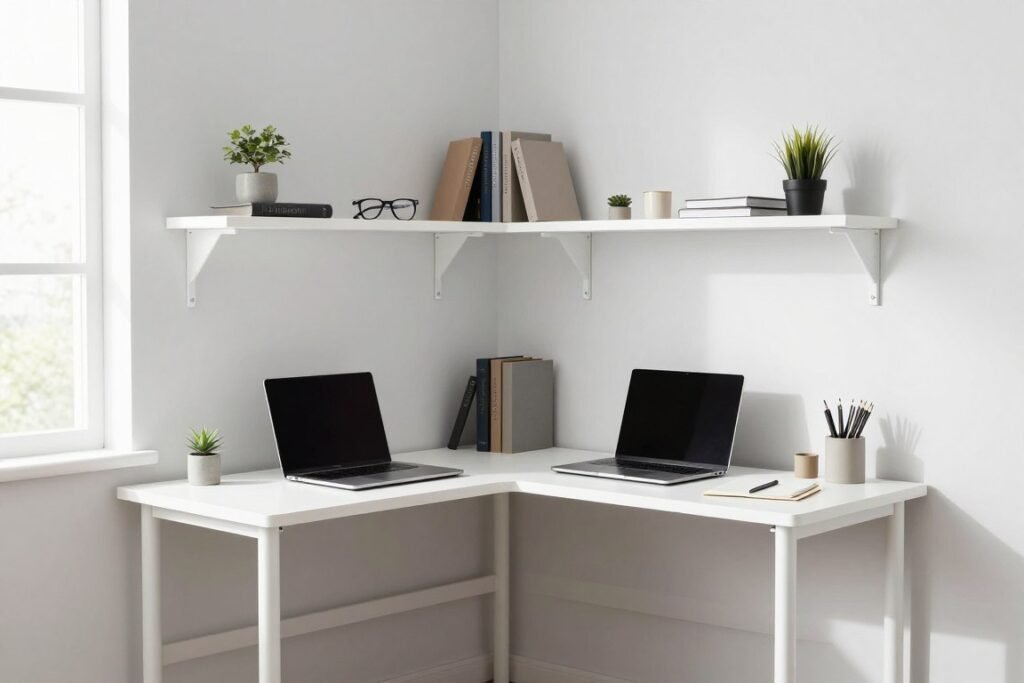
L-shaped corner desks provide generous work surface without extending far into the room. The two connected surfaces give you separate zones for different tasks. You might use one side for your computer and the other for paperwork or creative projects. This layout works especially well in small home office setups.
Triangular corner desks offer a more compact option. These fit tightly into the corner angle, perfect for truly tiny spaces. While they provide less surface area than L-shaped designs, they excel at making the most of awkward corners. Many include built-in shelving that climbs the wall, adding storage without consuming floor space.
Floating Corner Desks
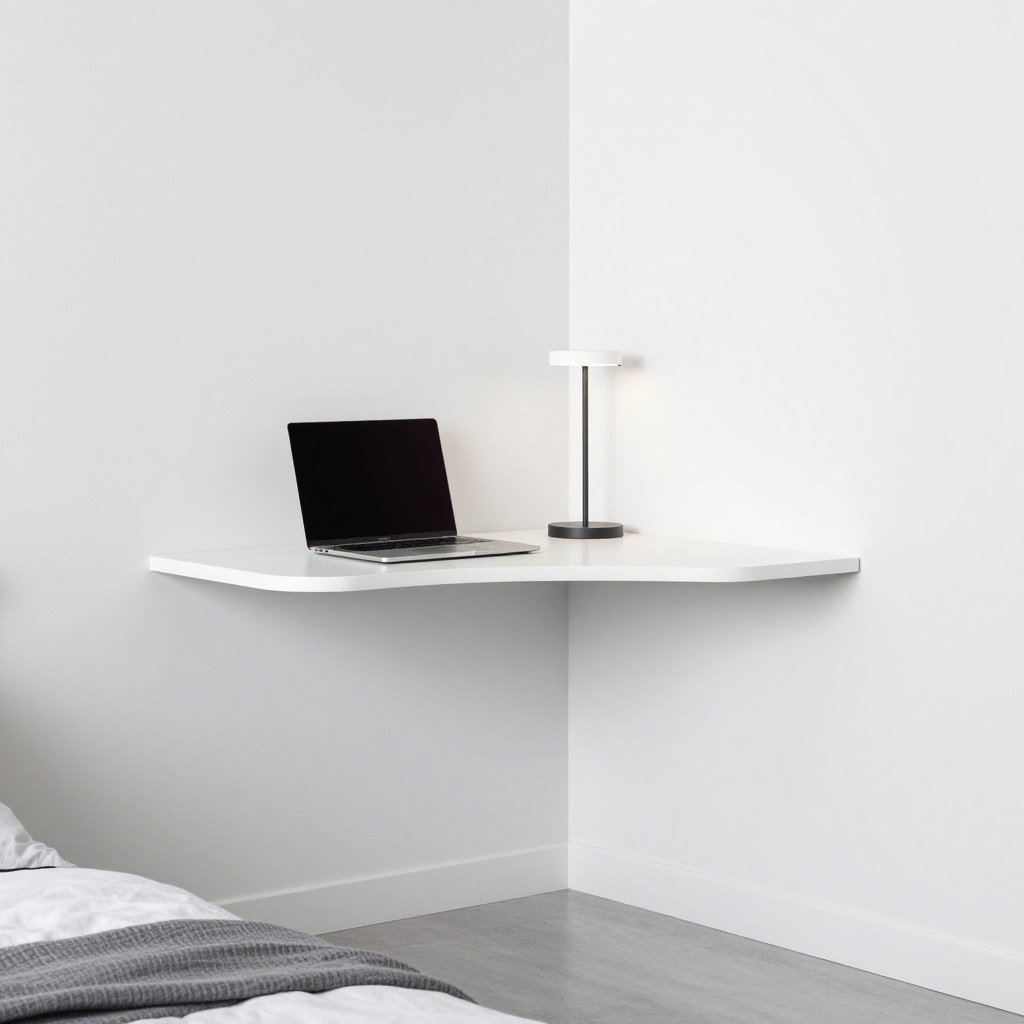
Wall-mounted corner desks appear to float, creating an airy feel. These attach directly to both walls, eliminating the need for legs that take up valuable floor space. The open area underneath makes the room feel larger and easier to clean.
Corner Workstation with Storage
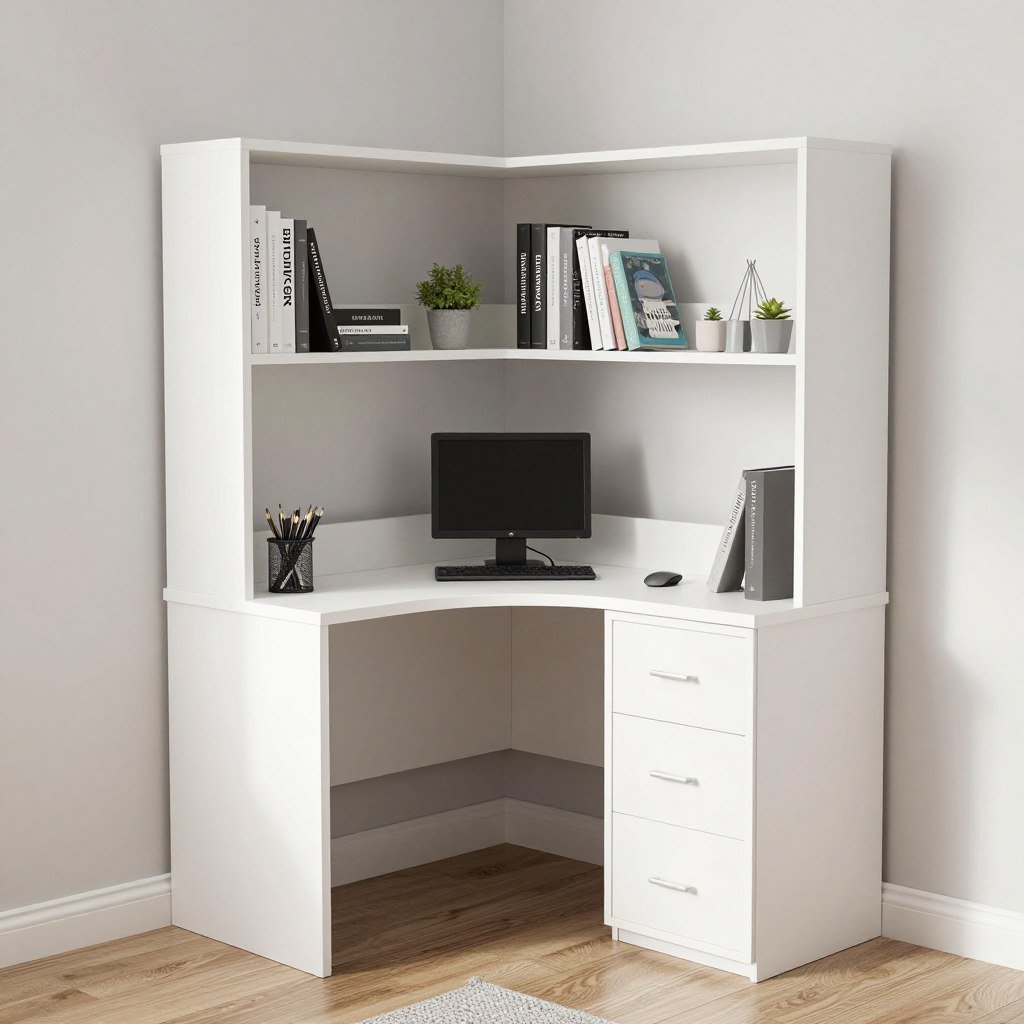
Some corner desks integrate drawers and shelving into their design. These all-in-one solutions eliminate the need for separate storage furniture. Look for units with hutches or overhead shelving that utilize vertical space effectively.
Wall-Mounted and Floating Desk Solutions
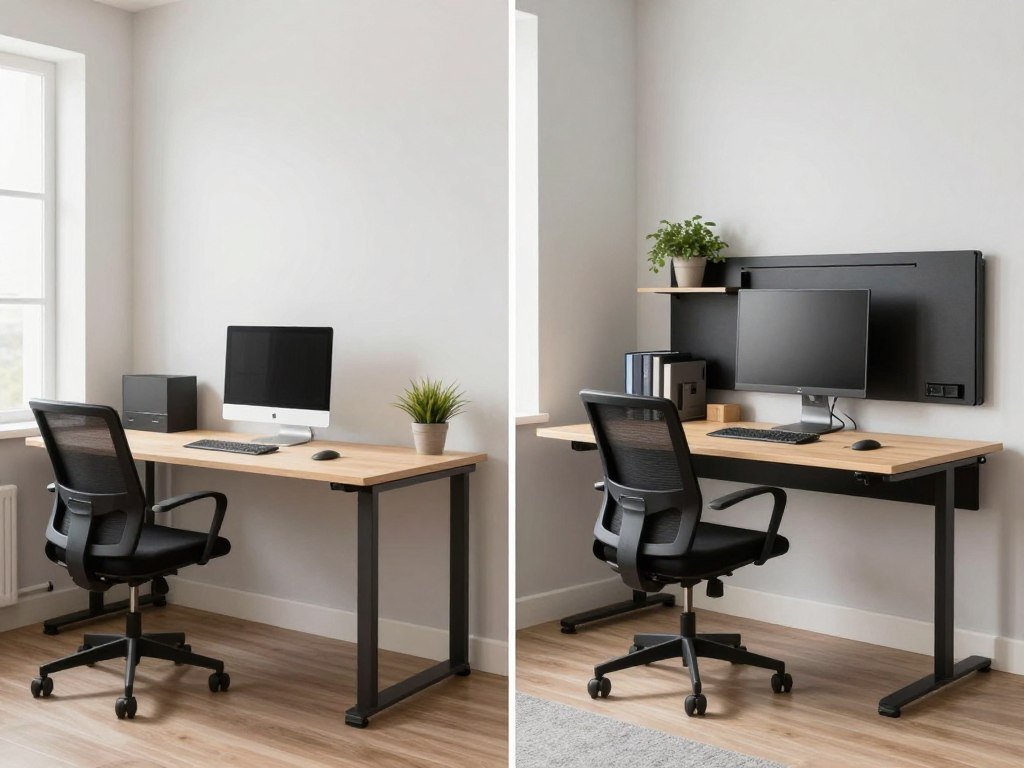
Wall-mounted desks represent the ultimate space-saving solution. These compact desks attach directly to your wall, freeing up all the floor space below. When you finish working, some models fold up completely, transforming your workspace into a blank wall.
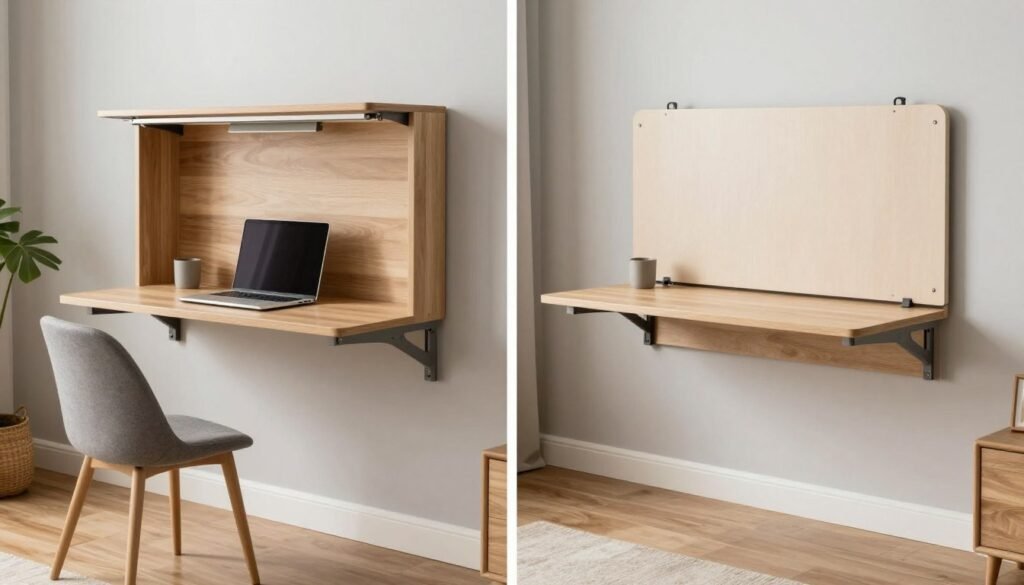
The floating desk creates visual lightness that makes small spaces feel larger. Without legs touching the floor, the room appears more open and spacious. This psychological effect shouldn’t be underestimated. Your workspace won’t feel like it’s crowding the room.
Drop-Leaf Wall Desks
Drop-leaf designs fold down when needed and tuck away when not in use. These work brilliantly in multipurpose rooms where space serves different functions throughout the day. Your bedroom wall becomes a desk during work hours and returns to a bedroom in the evening.
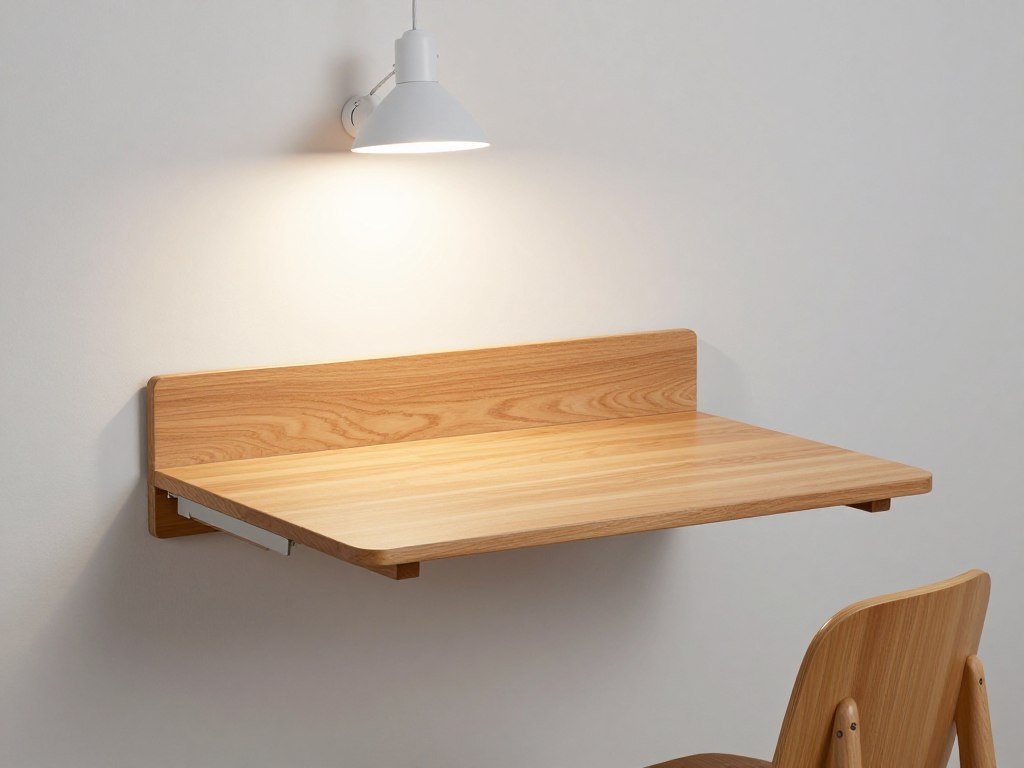
Installation requires secure mounting into wall studs. These desks need to support the weight of your computer equipment and withstand daily use. Many include integrated cable management to keep cords organized even when the desk folds up. Some designs incorporate small shelves or bulletin boards into the panel that shows when folded.
Floating Shelf Desks
Extra-deep floating shelves function beautifully as minimalist desks. These offer a sleek, contemporary look that works in modern spaces. The simple design keeps visual clutter to a minimum while providing essential work surface.
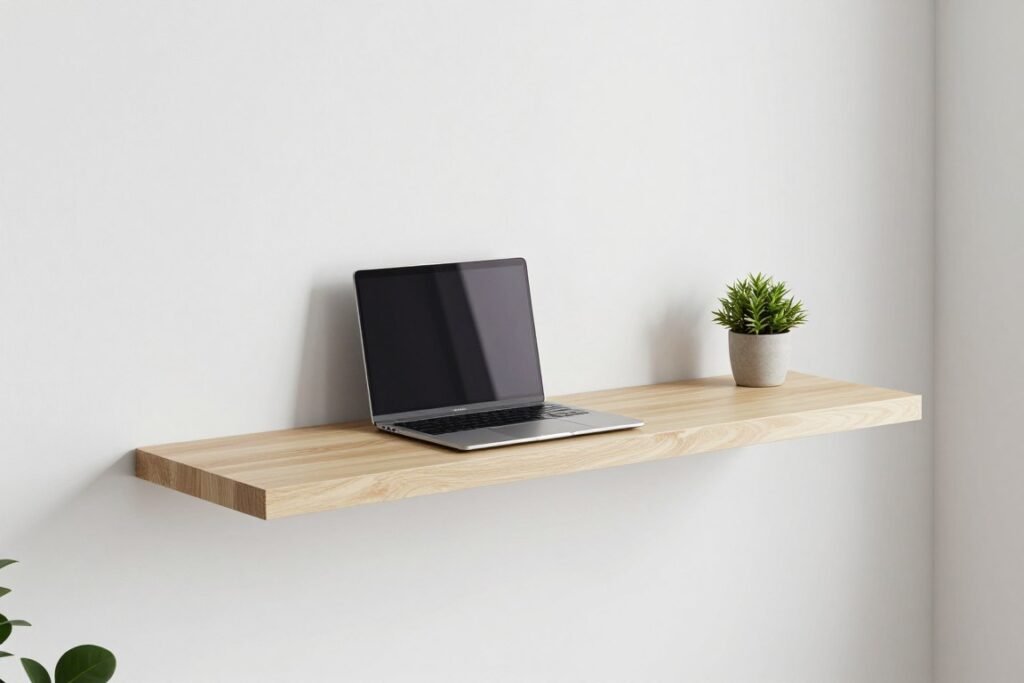
Choose a shelf depth of at least eighteen inches for comfortable laptop work. Twenty-four inches provides more room for spreading out documents or using a keyboard with a monitor. Consider adding a second floating shelf above for storage, creating a compact but complete workstation.
Find Your Perfect Wall-Mounted Desk
Explore hundreds of space-saving wall-mounted and floating desk options designed specifically for small spaces. Transform any wall into a functional workspace.
Folding and Portable Desk Ideas
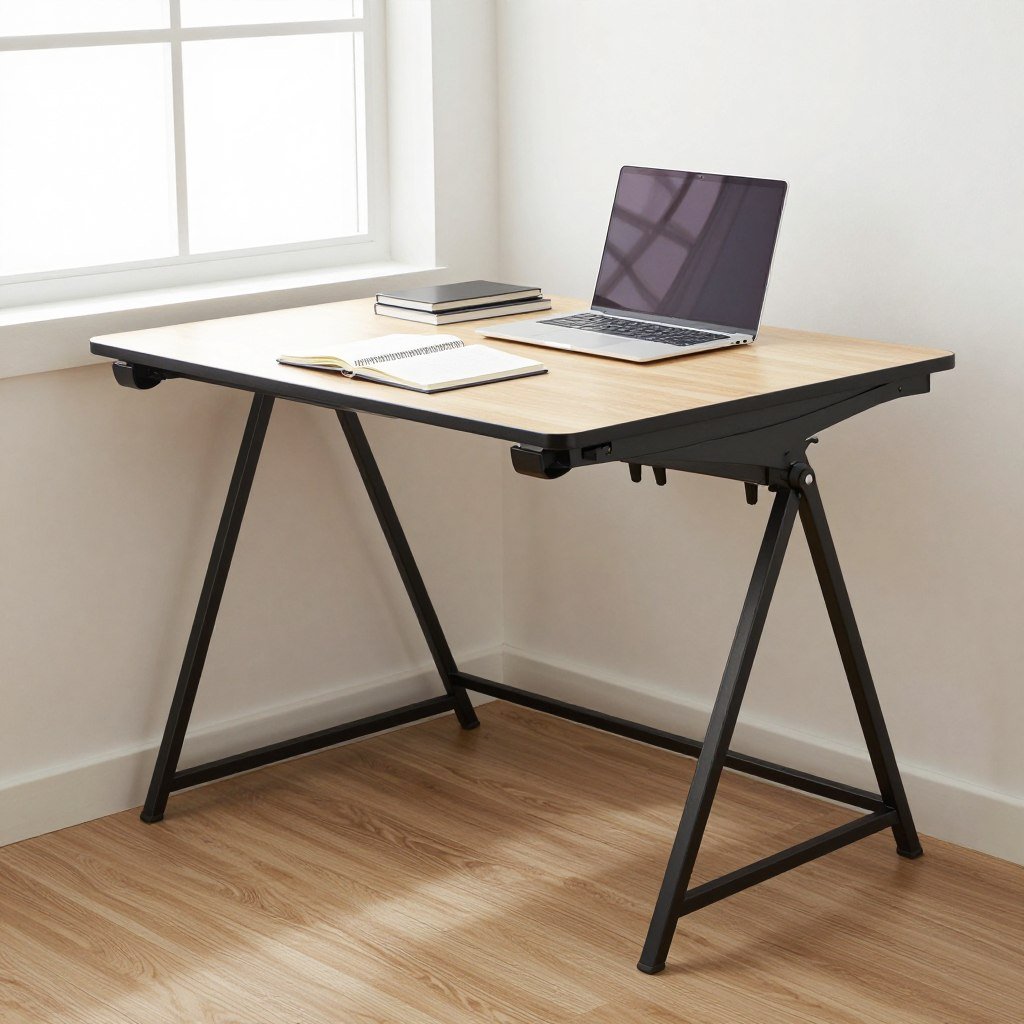
Folding desks provide maximum flexibility for small spaces. These versatile pieces set up quickly when you need them and fold away for storage when you don’t. Perfect for people who don’t need a permanent workspace or those with extremely limited space.
Traditional Folding Tables as Desks
Simple folding tables offer an affordable desk solution. Modern designs look much more sophisticated than old card tables. Look for options with finished surfaces and sturdy construction. Some feature adjustable heights, letting you switch between sitting and standing throughout the day.
Store folding desks in closets, under beds, or behind doors when not needed. This approach works especially well in studio apartments where every square foot counts. You maintain a clean, uncluttered living area while still having access to a proper workspace when required.
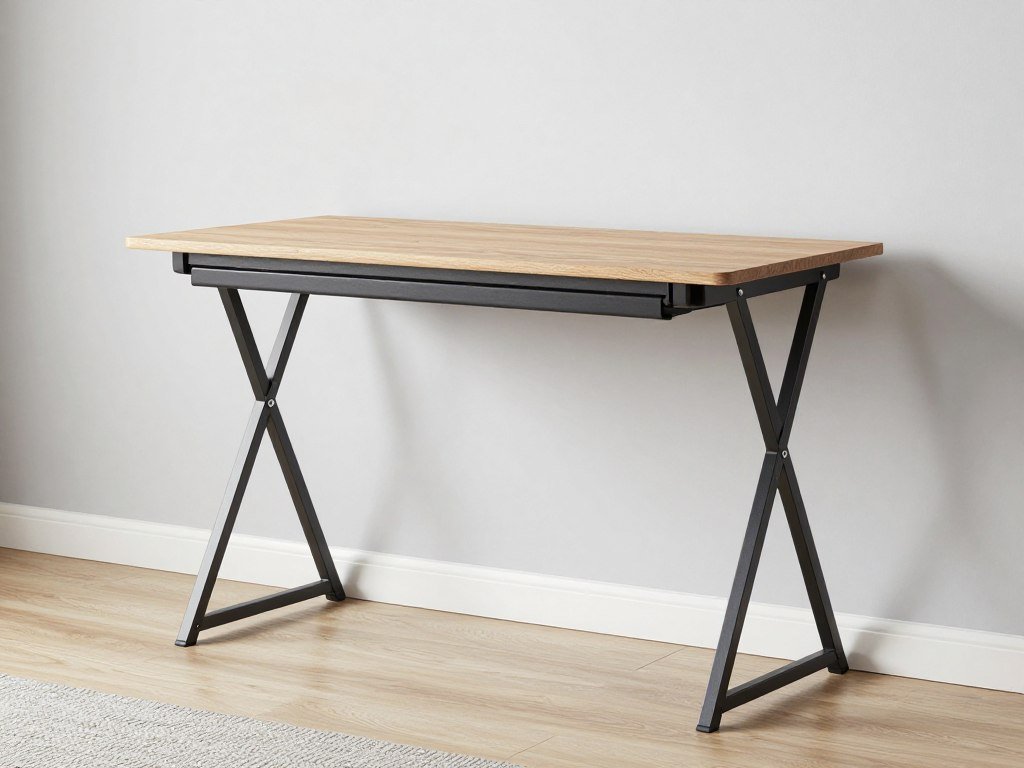
Laptop Desks and Bed Trays
Portable laptop desks bring your workspace to you. These lightweight tables work on beds, sofas, or floors. Many include adjustable angles and heights for ergonomic comfort. Built-in cup holders and storage slots keep essentials within reach.
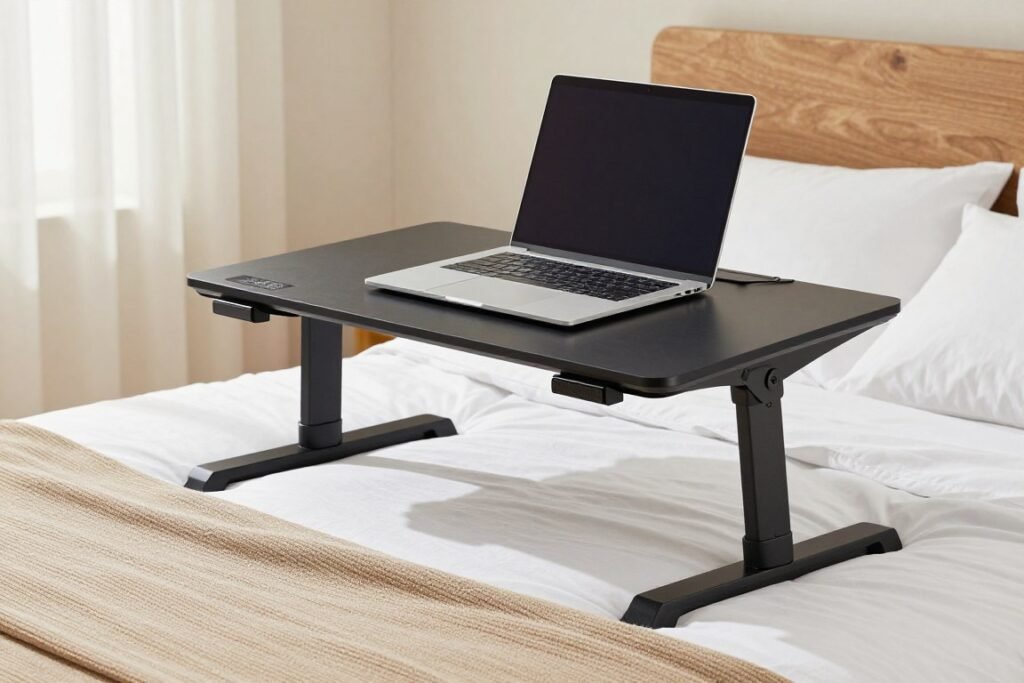
Quality matters with portable desks. Cheaper versions may wobble or feel unstable. Invest in models with solid construction and secure locking mechanisms. The best options feel as stable as permanent furniture while maintaining portability.
Murphy Desks and Secretary Desk Solutions
Murphy desks bring the classic hideaway bed concept to workspace furniture. These ingenious designs conceal a complete desk inside what looks like a cabinet or wall unit. When you finish working, everything closes up neatly, hiding clutter from view.
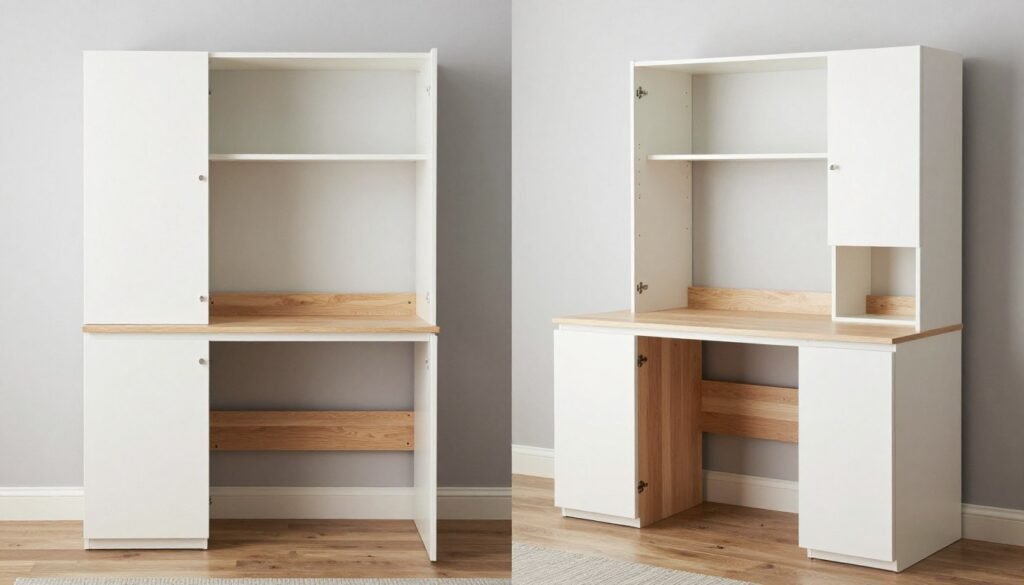
These desks often include built-in organization features. Interior shelving, bulletin boards, and supply storage keep everything you need contained in one unit. Some incorporate charging stations and cable management systems. When closed, they look like attractive furniture pieces rather than office equipment.
Modern Secretary Desks
Secretary desks update a classic furniture style for contemporary small spaces. The traditional design features a fold-down writing surface that reveals storage compartments. Modern versions streamline this concept with clean lines and updated materials.
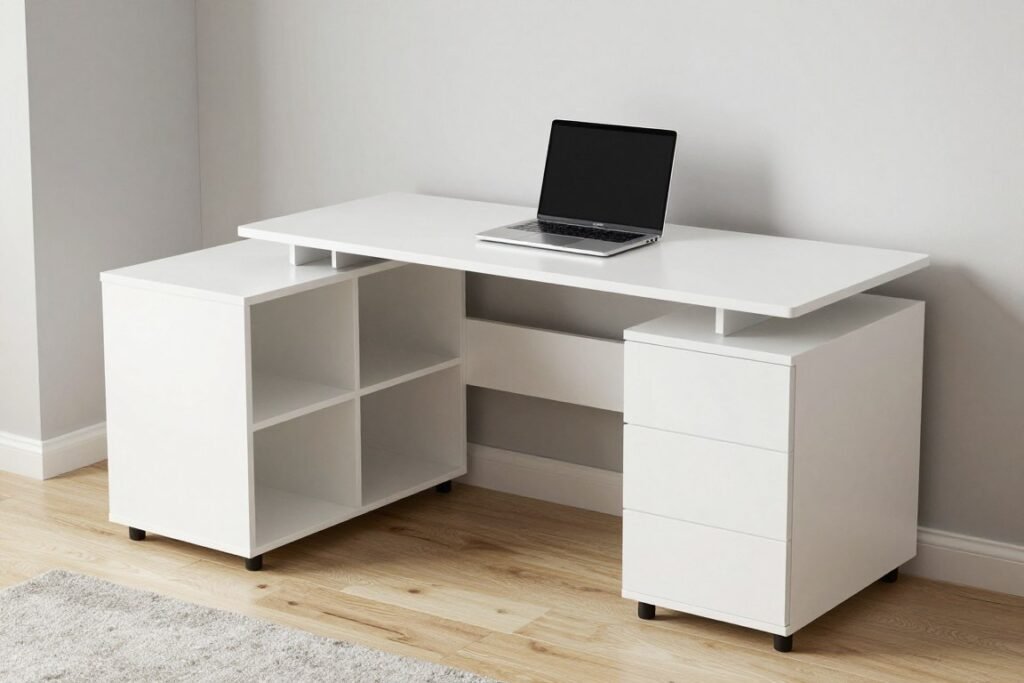
These compact pieces typically measure less than three feet wide. They fit beautifully in entryways, living rooms, or bedrooms without dominating the space. The enclosed storage keeps paperwork and supplies organized but out of sight. This containment helps maintain a tidy appearance in multipurpose rooms.
Wall-Mounted Murphy Desk Units
Wall-mounted versions offer even greater space savings. These install directly on the wall like a cabinet. The fold-down work surface provides a substantial workspace when open. Quality units include secure mounting hardware and sturdy hinges that handle daily use.
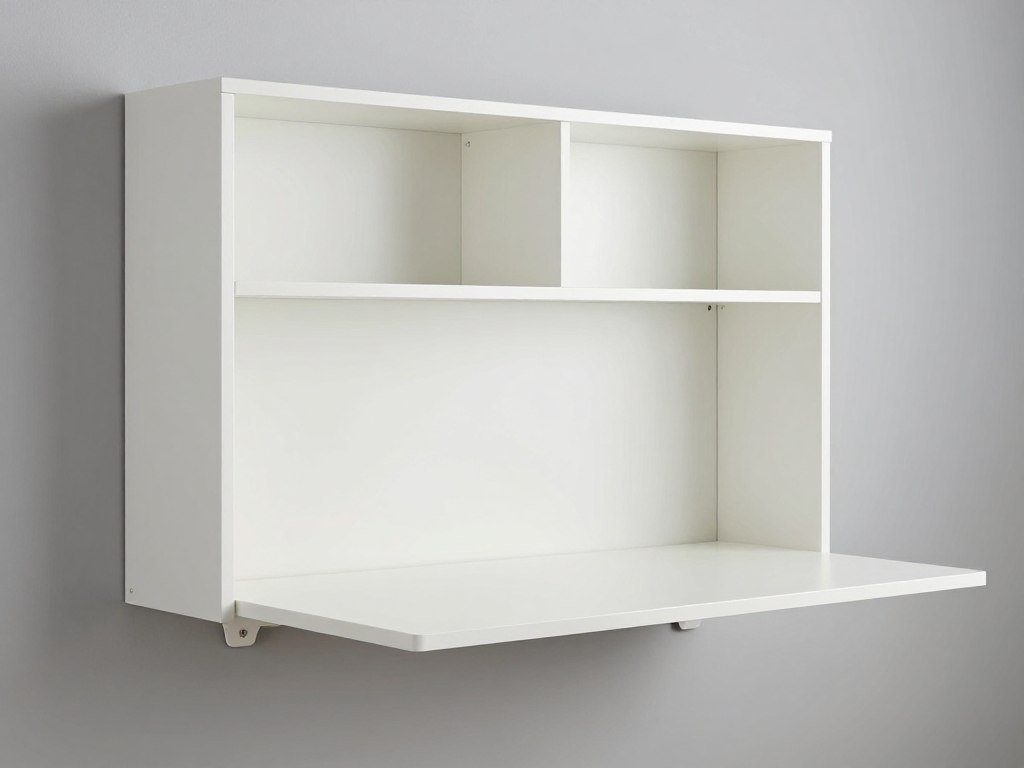
Consider the depth when folded. Some murphy desks protrude several inches from the wall even when closed. Measure your available space carefully to ensure the unit won’t create a hallway obstacle or interfere with door swings.
Discover Space-Saving Murphy Desks
Browse innovative murphy desk designs that hide away when not in use. Perfect for creating a workspace that completely disappears, maintaining your room’s aesthetic.
Compact Computer Desk Designs
Small computer desks focus on providing just enough surface for your technology without wasted space. These streamlined designs recognize that many people work primarily on laptops or tablets. They deliver essential features in minimal footprints.
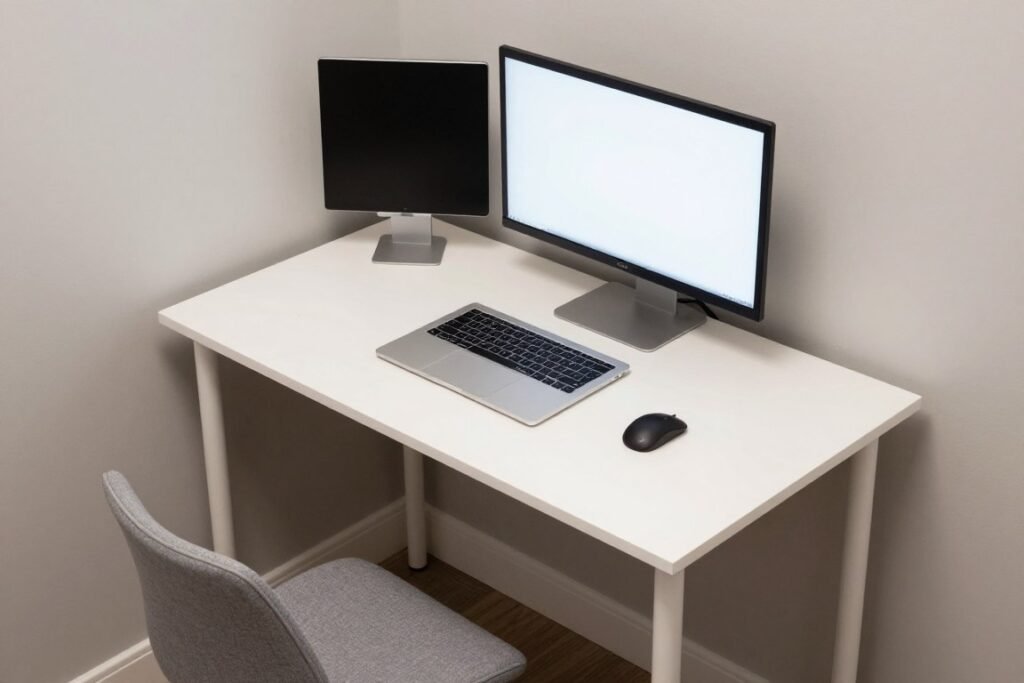
Look for desks measuring between thirty and forty inches wide. This size accommodates a laptop or small monitor setup without overwhelming the room. Depths of eighteen to twenty-four inches provide adequate workspace while maintaining a small profile.
Tower-Style Computer Desks
Vertical computer desks build upward rather than outward. These tall, narrow units include multiple tiers for monitors, keyboards, and storage. The tower design minimizes floor space while providing surprising functionality.
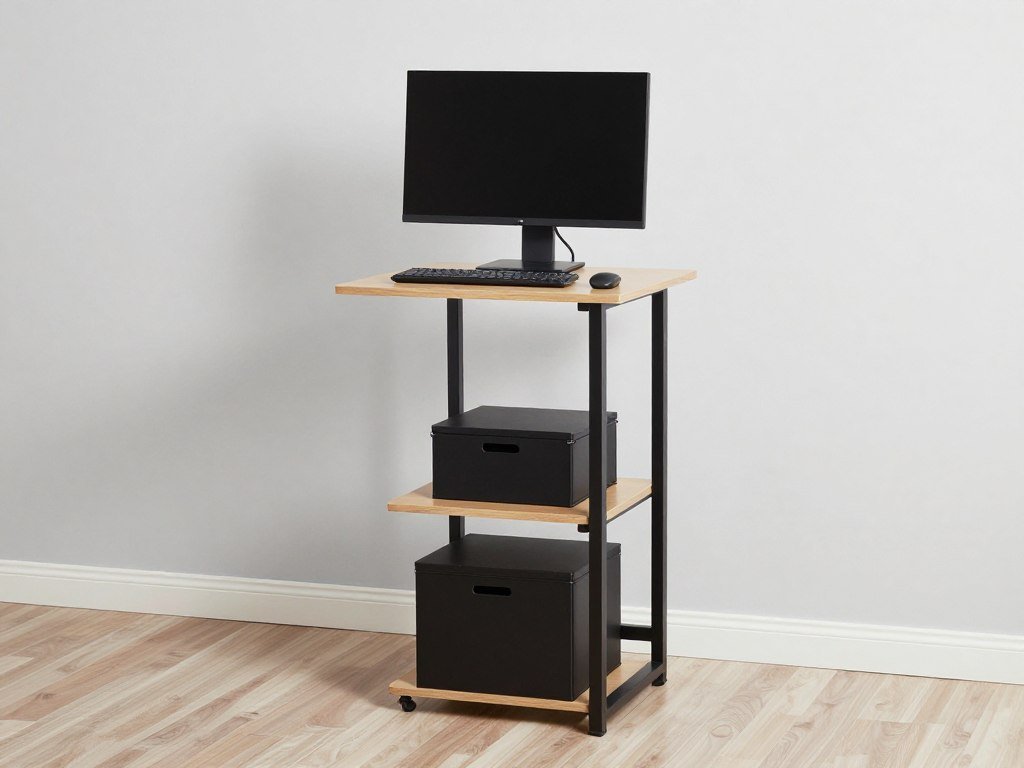
These work especially well in narrow spaces like closets or alcoves. The vertical orientation fits into spots where traditional desks won’t. Some designs include wheels, making them portable despite their height. Rolling tower desks can move into a closet or corner when not needed.
Minimalist Writing Desks as Computer Stations
Simple writing desks adapt perfectly for laptop work. These feature clean designs without drawers or storage, focusing solely on providing work surface. The minimal aesthetic helps small spaces feel less cluttered.
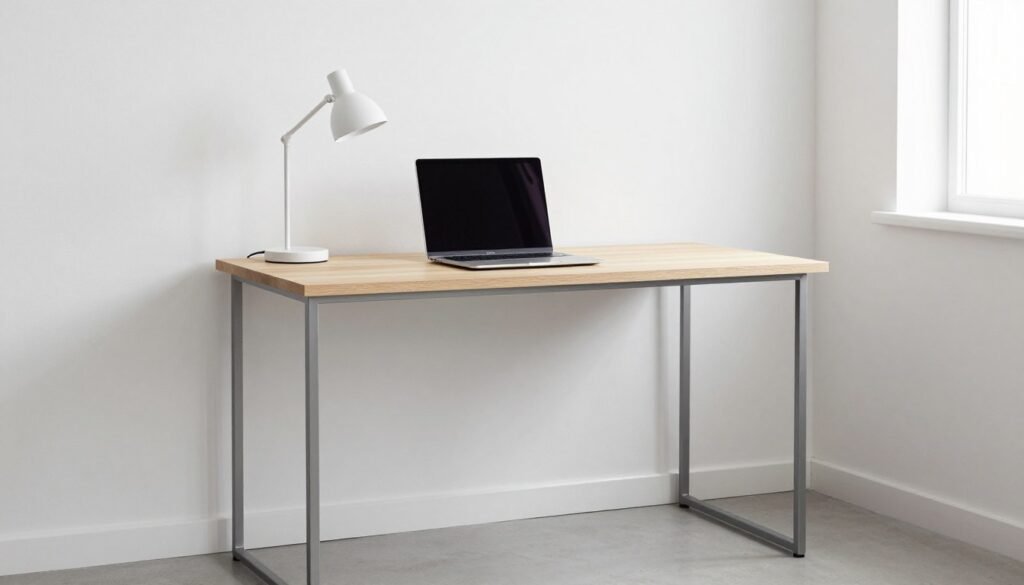
Choose materials that match your room’s style. Glass desks create an almost invisible workspace that maintains visual openness. Wood desks add warmth and character. Metal frame desks provide industrial style with lightweight construction.
Desk Ideas for Small Bedrooms
Placing a desk in a small bedroom requires careful planning. The workspace needs to feel separate from your sleeping area while sharing the same room. Strategic positioning and smart furniture choices create distinct zones without physical barriers.
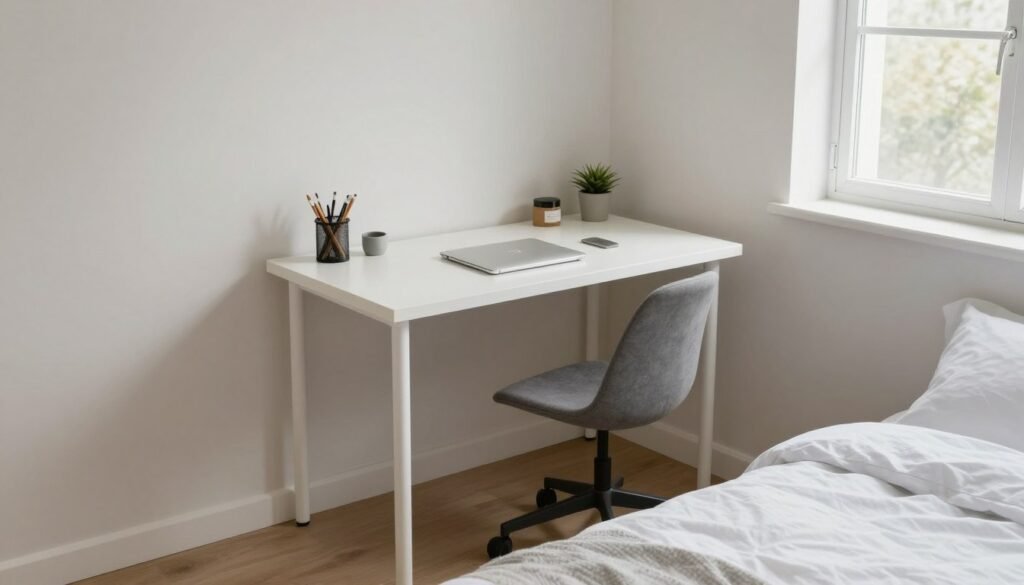
Window Desk Installations
Positioning a desk under a window maximizes natural light while creating a pleasant work environment. The view provides visual breaks that reduce eye strain. Window desks work especially well when they span the width of the window, creating a built-in look.
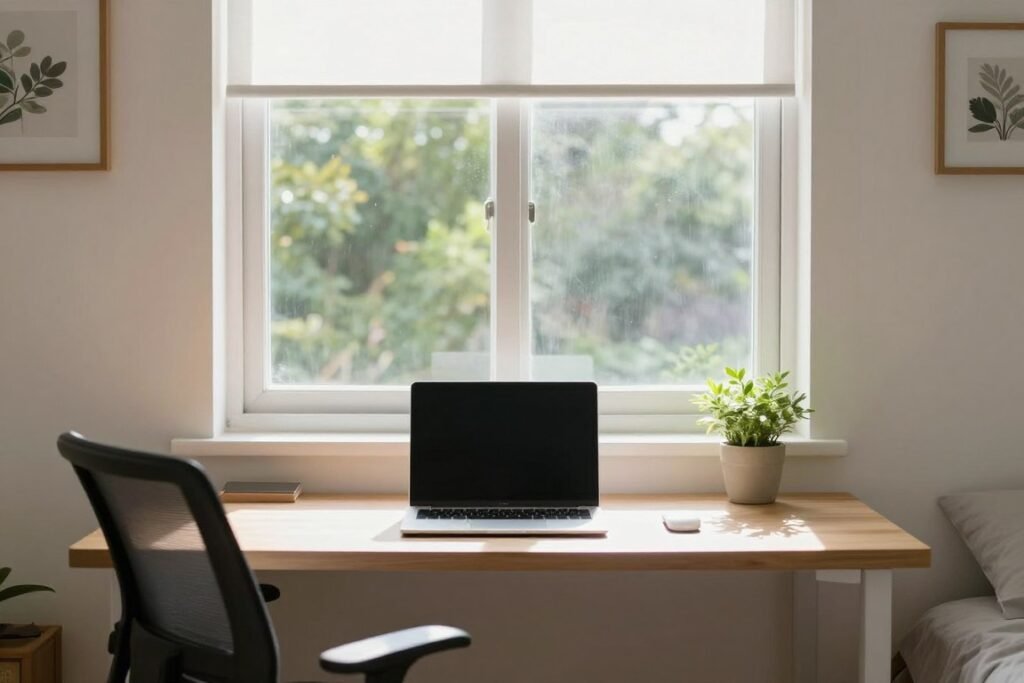
Consider mounting a floating shelf at window sill height to create a seamless desk. This approach uses existing architecture as part of your workspace design. Add a comfortable chair and small storage solutions nearby to complete the setup.
Bedside Desk Combinations
Some innovative furniture pieces combine nightstand and desk functions. These dual-purpose designs serve as bedside tables at night and workspaces during the day. The compact footprint makes them ideal for truly tiny bedrooms.
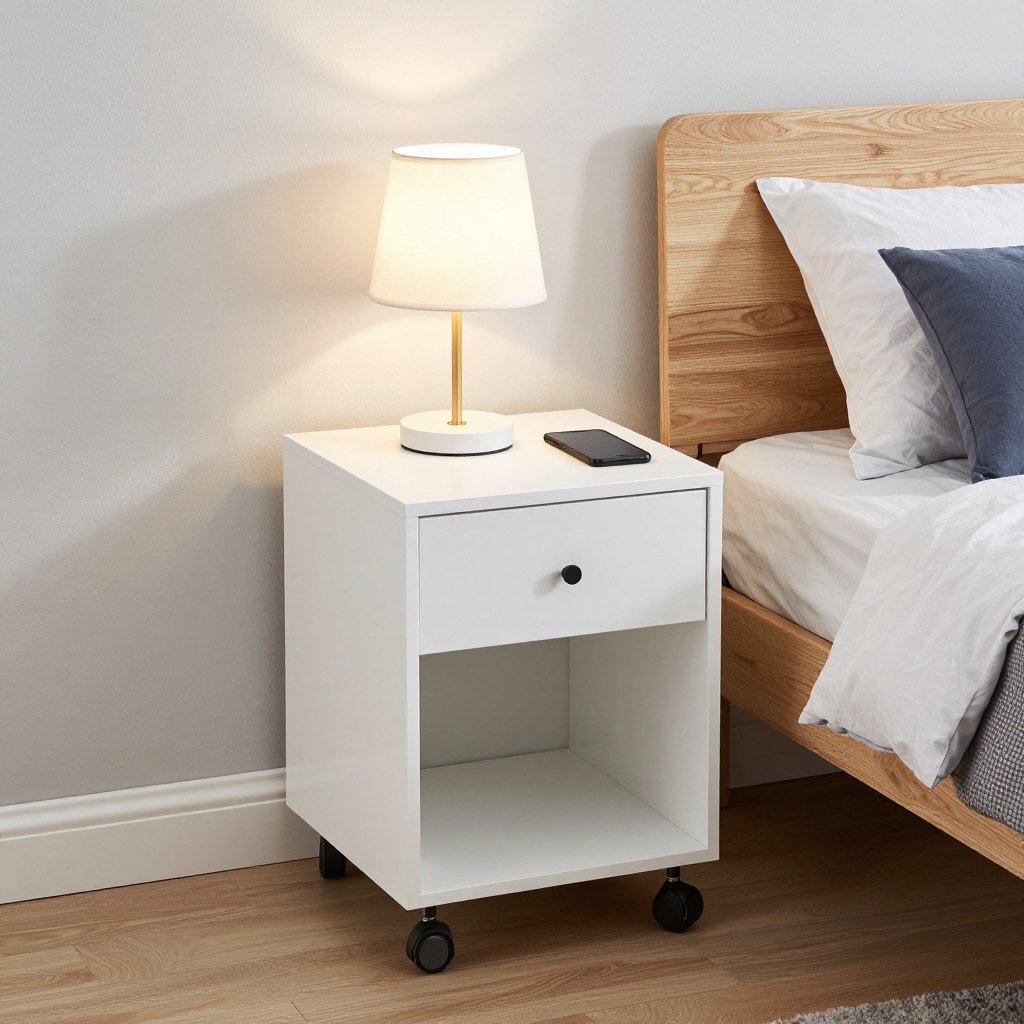
Look for options with adjustable heights or pull-out surfaces. These features enhance usability for both functions. Ensure adequate storage for both bedroom essentials and office supplies without overcrowding the piece.
Closet Office Conversions
Converting a closet into a compact office creates a dedicated workspace that closes off completely. Remove closet doors or install bifold doors that tuck away. Add a desk surface, shelving, and lighting to transform the space.
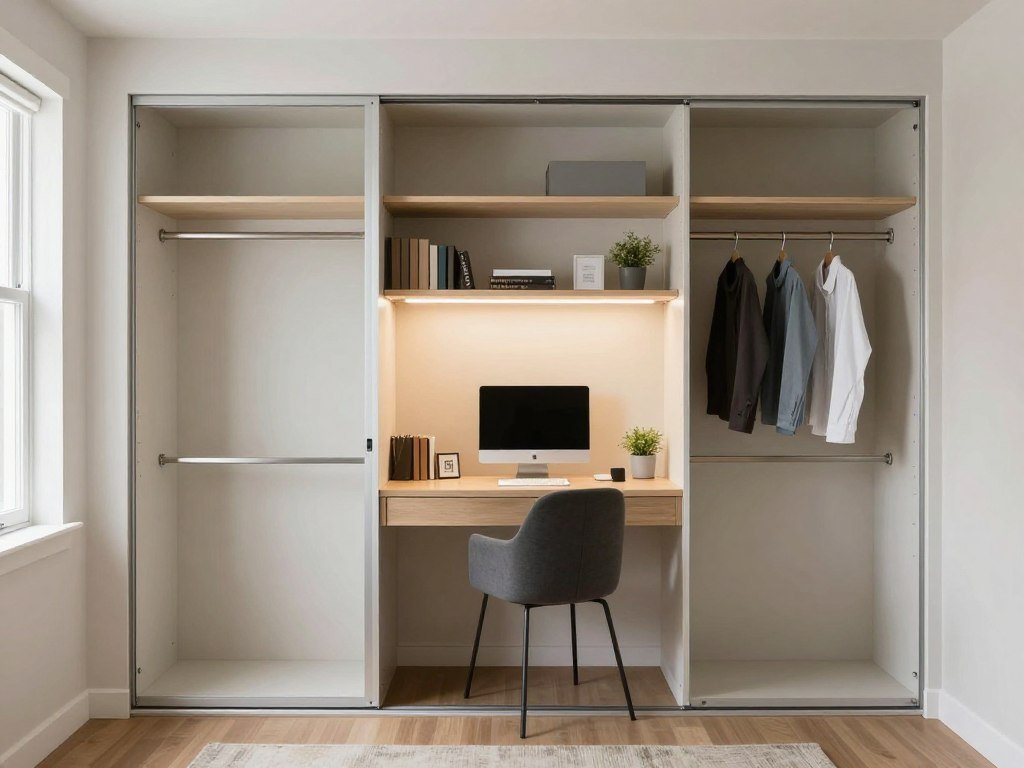
This solution works wonderfully for maintaining work-life boundaries. When the workday ends, close the doors and your office disappears. The bedroom returns to being purely a relaxation space. Consider adding LED strip lighting and a small fan for comfort during work hours.
Perfect Desks for Small Bedrooms
Find desks designed specifically for bedroom use. Compact sizes, quiet colors, and space-efficient designs that blend seamlessly with bedroom furniture.
Integrating Desk Space in Living Rooms
Creating workspace in your living room requires furniture that doesn’t scream “office.” The desk should complement your living room furniture while providing functional workspace. Choosing pieces that match your existing style maintains visual harmony.
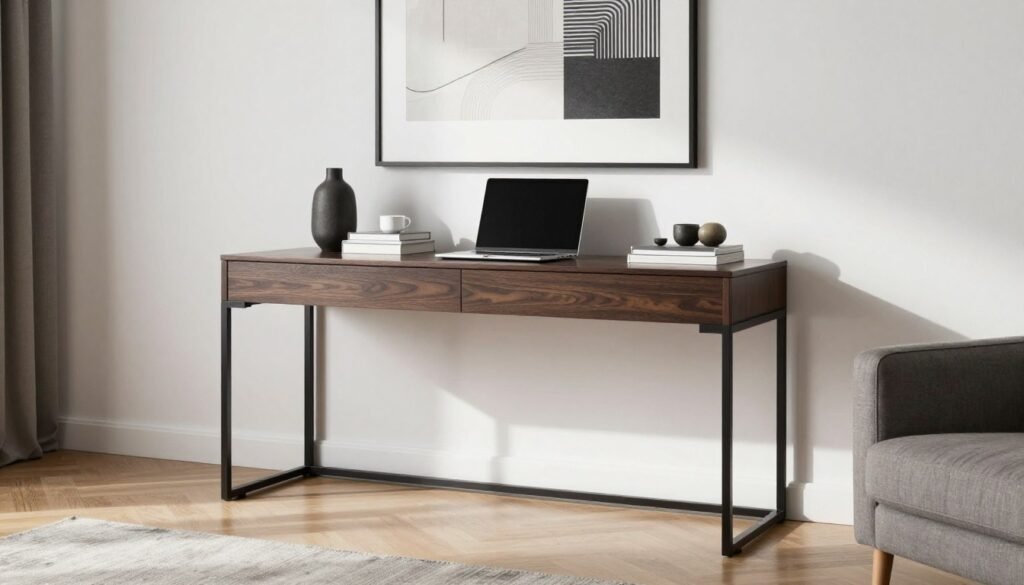
Console Tables as Desks
Narrow console tables make excellent living room desks. These slim pieces typically measure twelve to eighteen inches deep, perfect for laptop work without protruding into the room. Style them with decorative objects that disguise their office function.
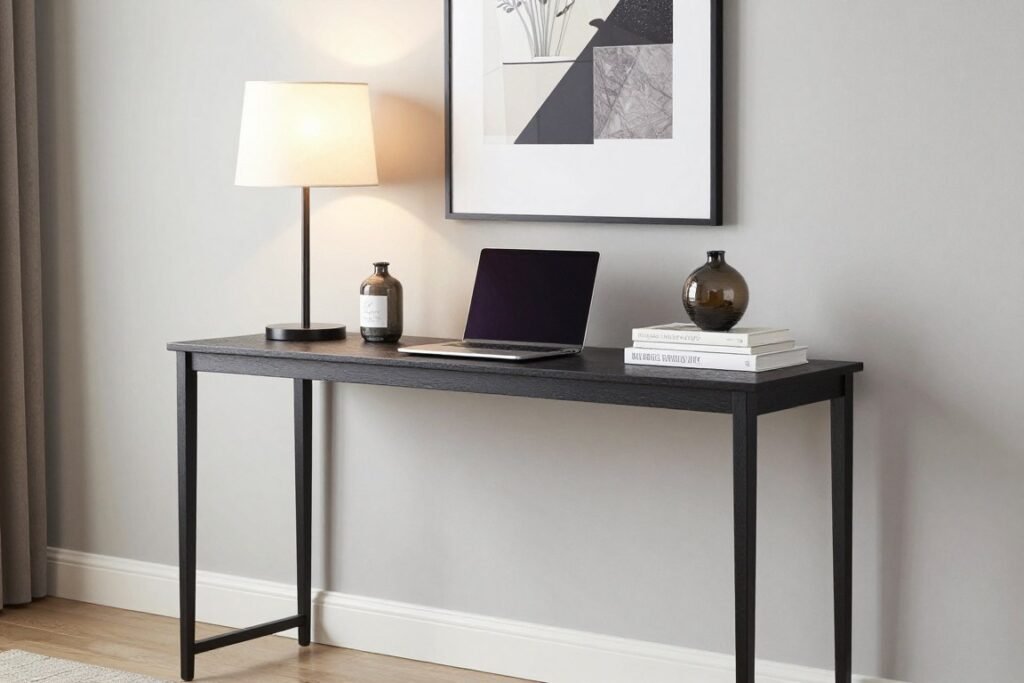
Position console desks behind sofas to define space in open layouts. This placement creates a subtle division between living and working zones. The sofa back hides workspace clutter from the main seating area. Add a slim chair that tucks completely under the desk when not in use.
Desk-Bookshelf Combinations
Combining a desk with a bookshelf creates a living room-appropriate workspace. The bookshelf component displays decorative items and books, making the whole unit feel like living room furniture. The integrated desk provides workspace without looking purely functional.
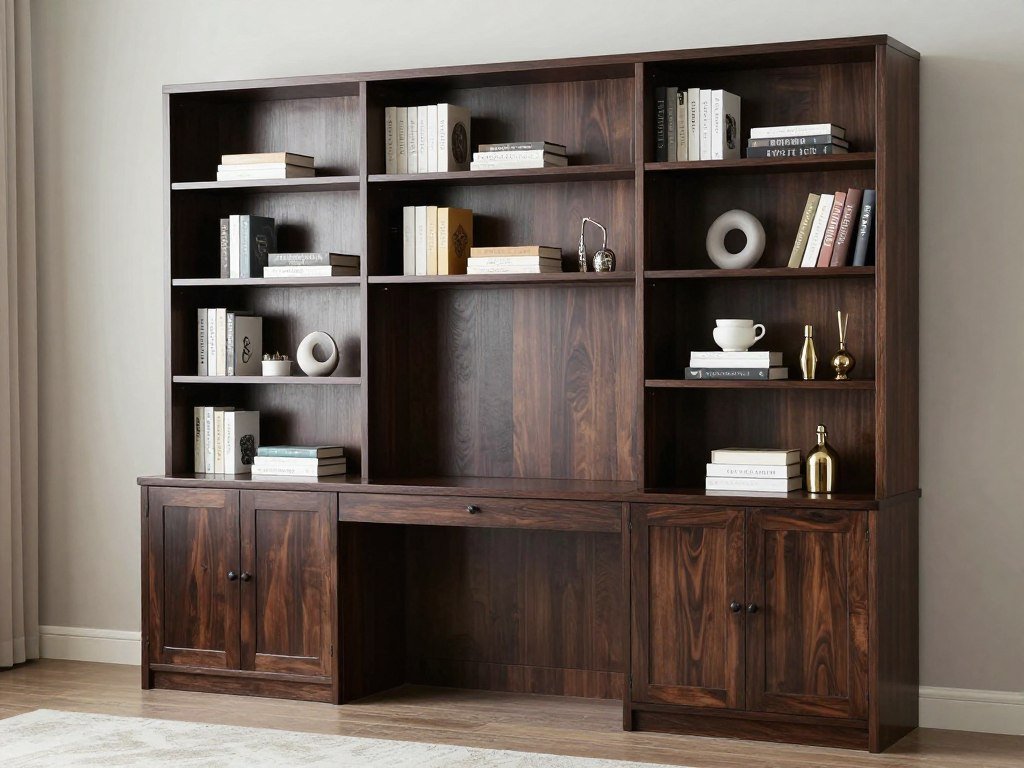
These pieces often feature ladder-style designs that lean against the wall. The angled orientation creates visual interest while maintaining stability. Shelving above and beside the desk provides both storage and display space. Choose finishes that match your existing furniture for cohesive design.
Standing and Adjustable Desk Options for Small Spaces
Standing desks promote better health and posture during work hours. Compact versions bring these benefits to small spaces without requiring large footprints. Adjustable options let you alternate between sitting and standing throughout the day.
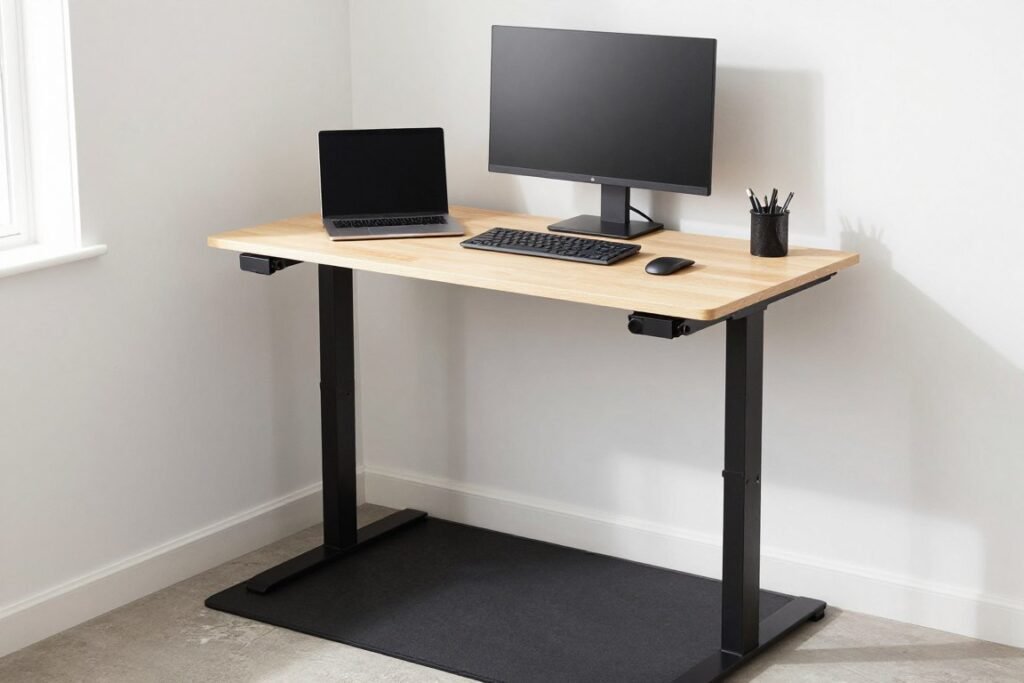
Desktop Standing Desk Converters
Converters transform any surface into a standing desk. These portable units sit on top of existing desks or tables. They raise your monitor and keyboard to standing height without requiring a dedicated standing desk.
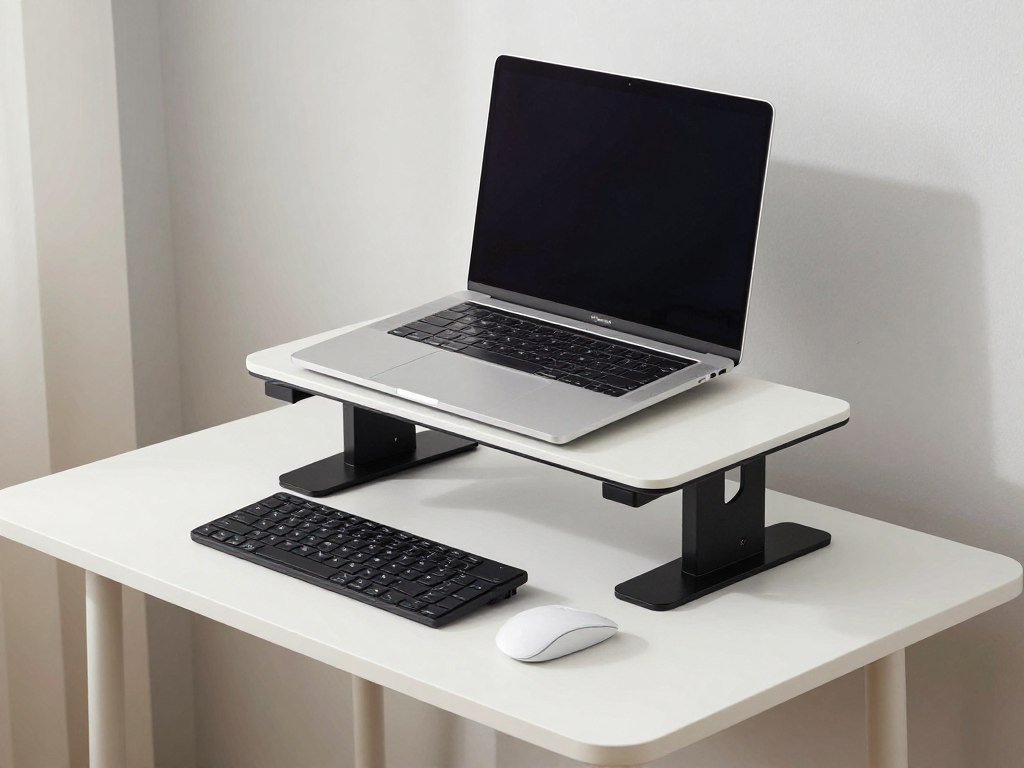
Choose models with smooth adjustment mechanisms. You should be able to raise and lower the surface easily throughout the day. Some converters include separate keyboard trays that adjust independently from the monitor platform. This feature ensures proper ergonomic positioning for both sitting and standing.
Wall-Mounted Adjustable Desks
Wall-mounted standing desks offer the smallest possible footprint. These attach directly to the wall and adjust vertically with gas springs or electric motors. When raised to standing height, they create an open floor beneath. Lowered, they function as regular sitting desks.
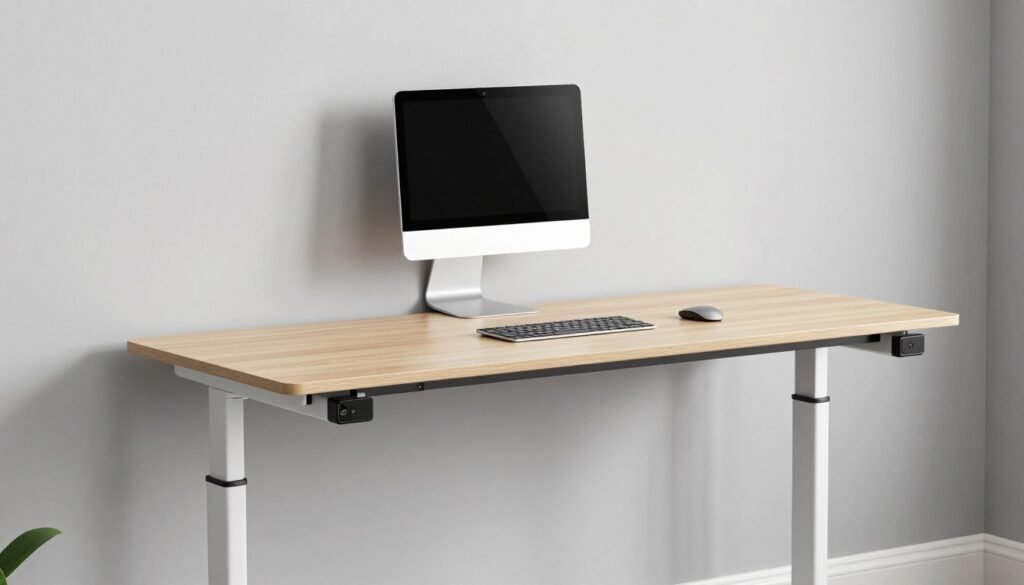
Installation requires solid wall mounting into studs. The weight of your equipment plus the desk mechanism needs secure support. Many include cable management systems that move with the desk, keeping cords organized during height changes.
Explore Standing Desk Solutions
Discover compact standing and adjustable desks designed for small spaces. Improve your posture and health without sacrificing square footage.
Storage Solutions That Maximize Desk Functionality
Small desks need smart storage to remain functional. Without adequate organization, compact work surfaces quickly become cluttered and unusable. Strategic storage solutions keep supplies accessible while maintaining a clean workspace.
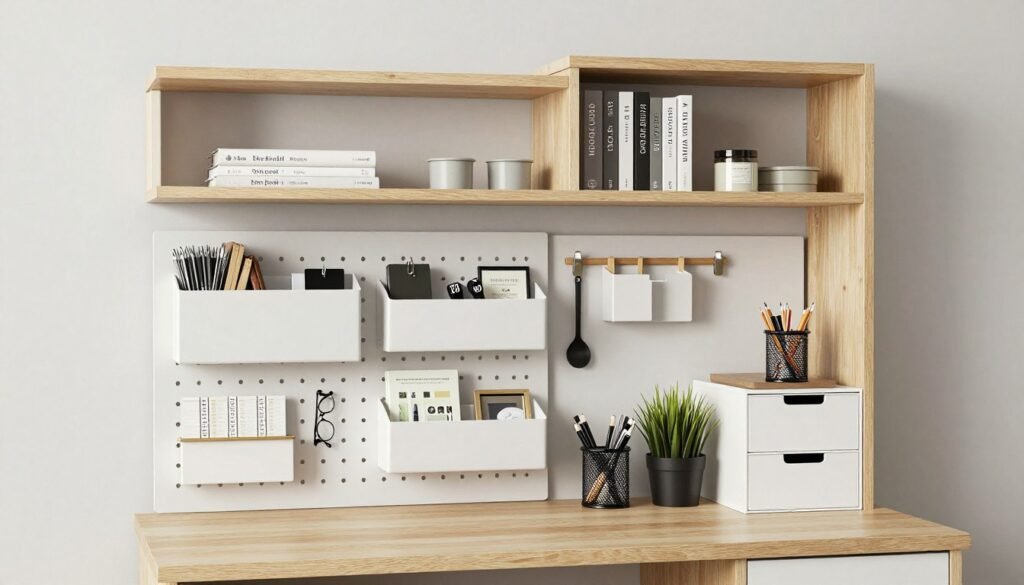
Vertical Storage Systems
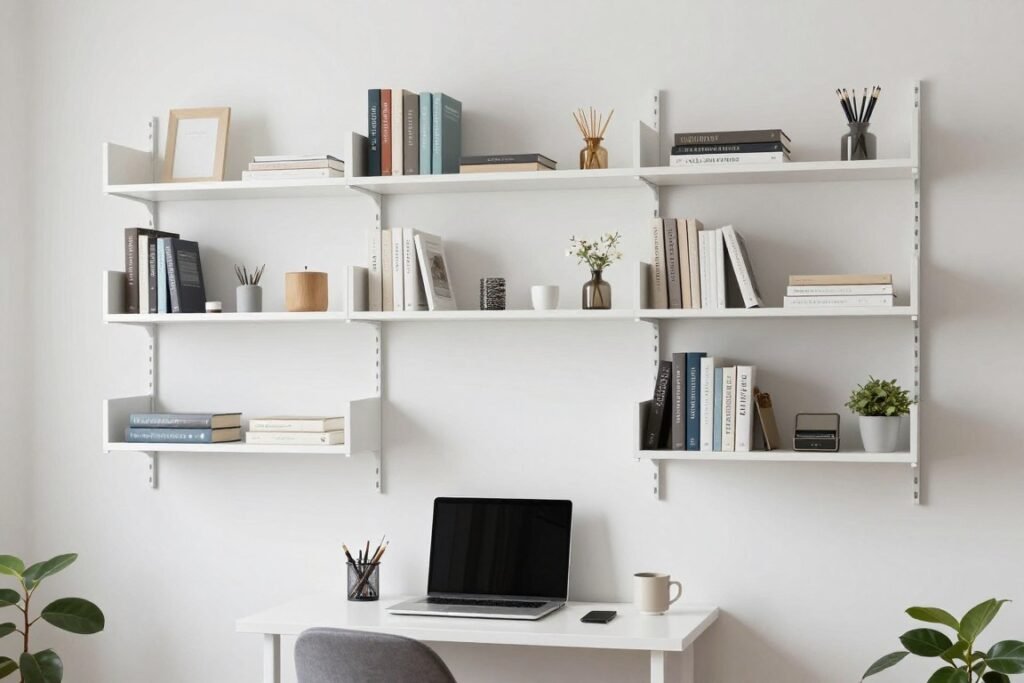
When floor space is limited, build storage upward. Floating shelves above your desk provide storage without consuming valuable work surface or floor area. Install several narrow shelves rather than one deep shelf to maximize accessibility and visual appeal.
Pegboard systems create customizable storage that adapts to your needs. Mount a pegboard above or beside your desk to hang frequently used items. Hooks, baskets, and shelves attach anywhere on the board, letting you rearrange as your needs change. Paint the pegboard to match your walls for a cohesive look.
Under-Desk Storage Options
The space beneath your desk offers valuable storage potential. Rolling file cabinets fit under most desks while providing multiple drawers for supplies and documents. Choose models that match your desk height to create a unified look.
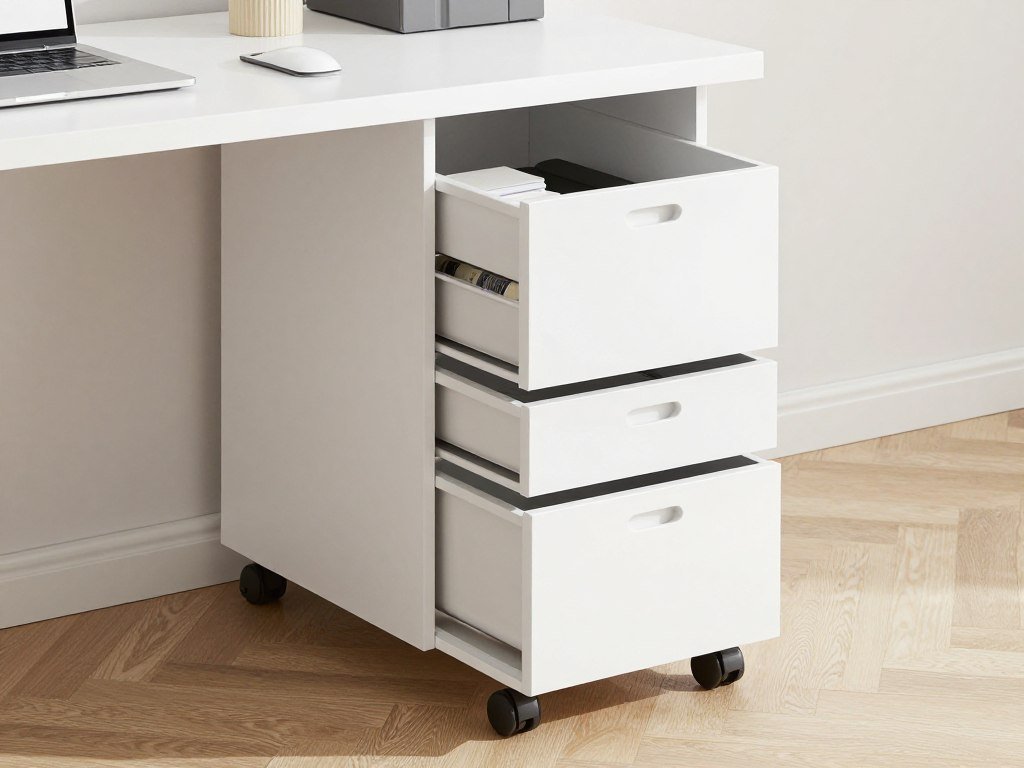
Hanging organizers attach to the underside of desk surfaces. These fabric or wire systems hold papers, supplies, and electronics out of sight but within easy reach. This approach works especially well with desks that lack built-in drawers.
Desktop Organization Essentials
Keep your limited work surface organized with desktop accessories. Desk organizers corral pens, paper clips, and other small items in one contained spot. Letter trays stack vertically to sort papers without spreading across your workspace.
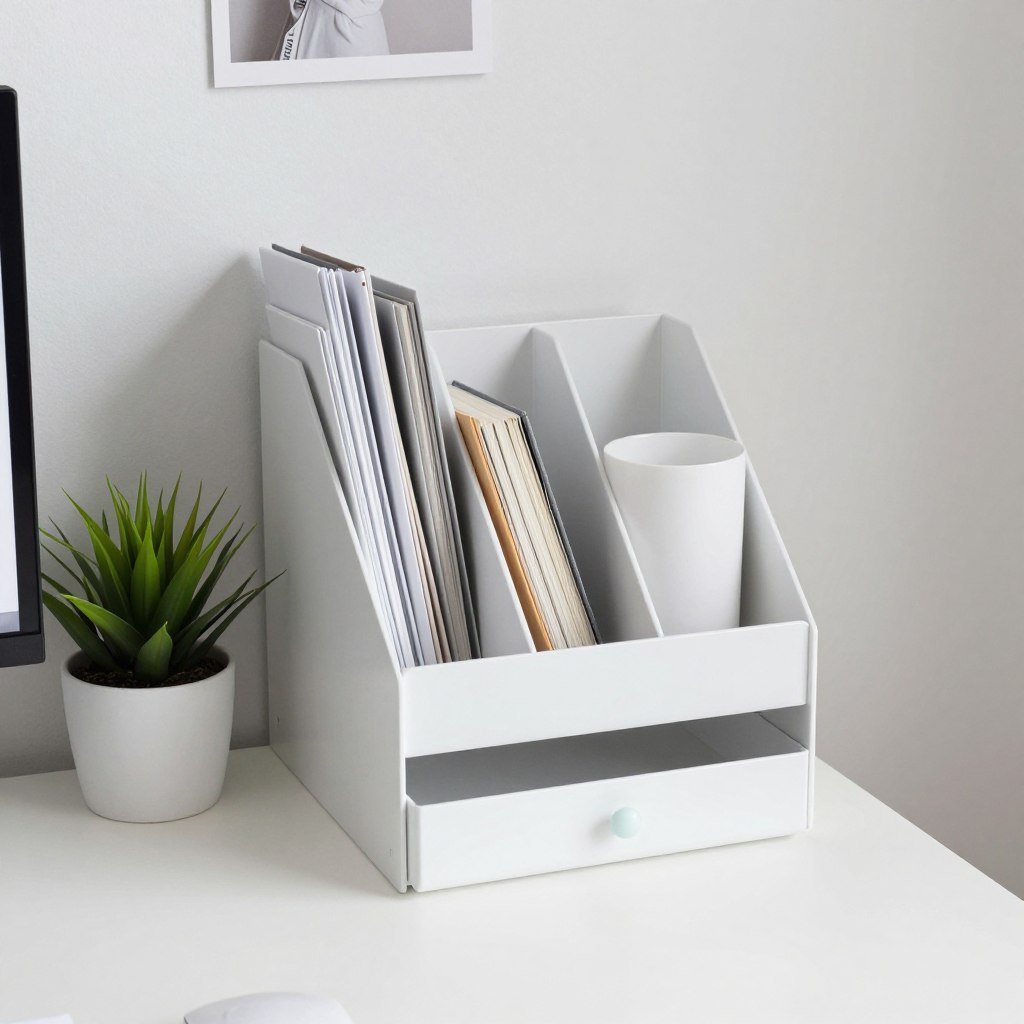
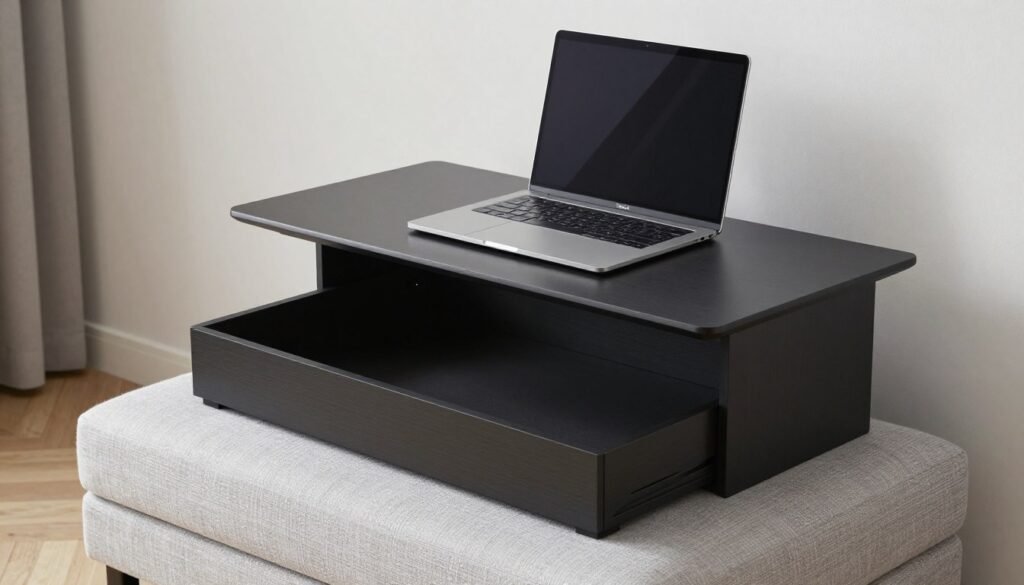
Monitor stands with built-in storage serve double duty. These raise your screen to proper eye level while creating storage space underneath for keyboards, notebooks, or supplies. Choose options with drawers for concealed storage or open shelves for easy access.
Multi-Functional Furniture for Maximum Efficiency
Furniture that serves multiple purposes maximizes value in small spaces. Instead of separate pieces for different functions, multi-functional furniture combines features in single units. This approach reduces clutter while maintaining full functionality.
Dining Tables as Desks
Small dining tables double effectively as workspaces in studio apartments. During the day, they function as desks. In the evening, they transform back to dining surfaces. Choose tables with clean designs that work for both purposes.
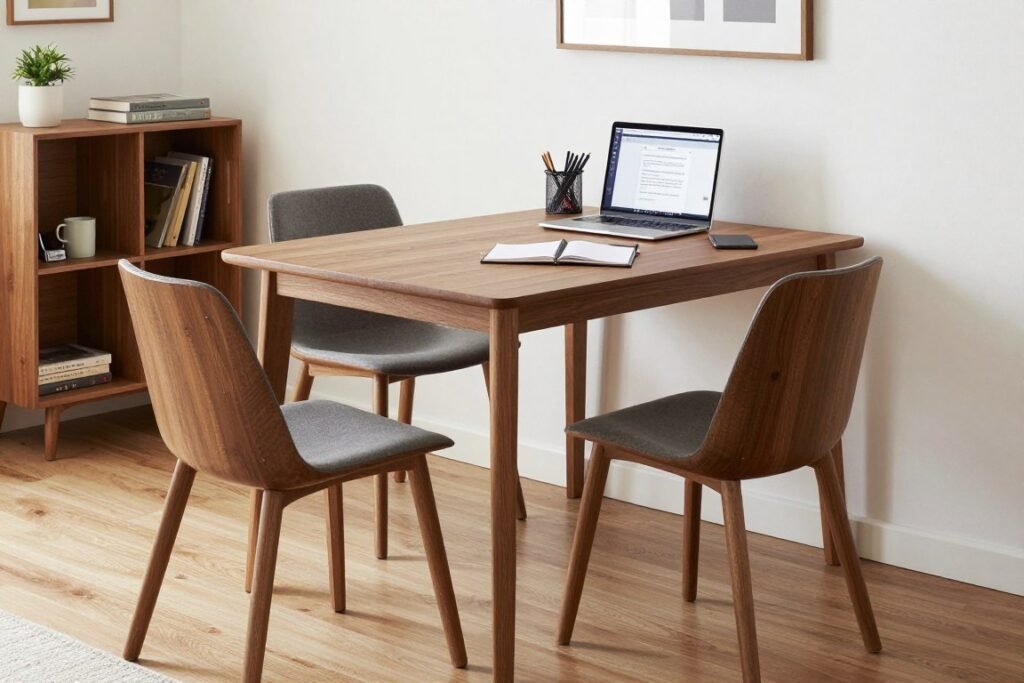
Look for tables with drawers or shelves for storing office supplies. These features help transition the space between functions. Keep a decorative basket nearby to quickly clear work items when switching to dining mode. The ability to completely clear the surface maintains the room’s versatility.
Bench Desks with Storage
Storage benches adapt beautifully as desks while providing seating and concealed storage. The lift-top design hides supplies, papers, and electronics inside. The bench surface provides workspace when needed.
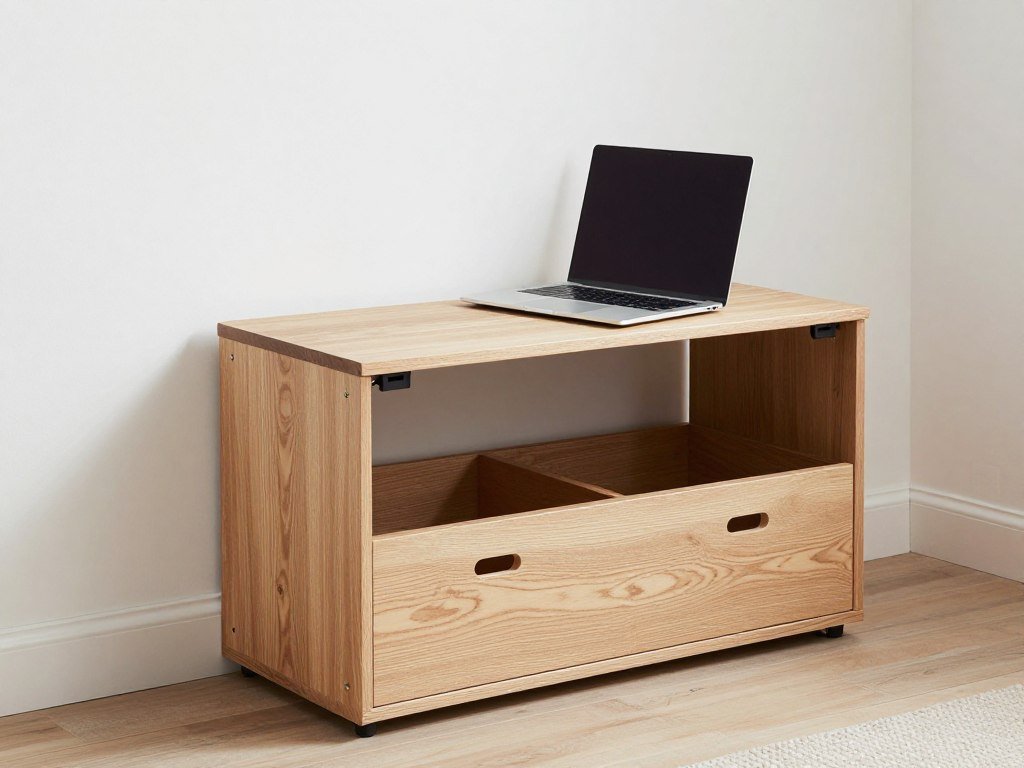
Position storage benches under windows to create window-seat style workspaces. Add cushions for comfortable seating during breaks. The storage capacity keeps your space tidy while the compact design fits into areas traditional desks cannot.
DIY and Custom Desk Ideas
Creating custom desk solutions lets you perfectly fit your specific space and needs. DIY projects often cost less than buying new furniture while allowing complete control over size, style, and features. Even simple projects can yield professional-looking results.
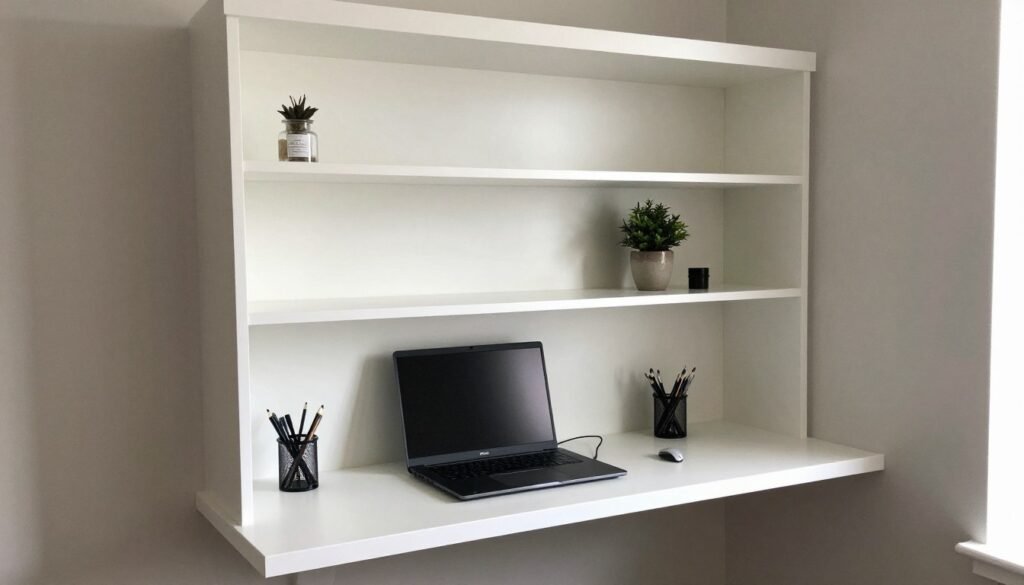
Butcher Block and Bracket Desks
Mount a butcher block countertop on wall brackets to create a sturdy, attractive desk. This simple approach provides a substantial work surface without legs that consume floor space. The natural wood adds warmth and character to any room.
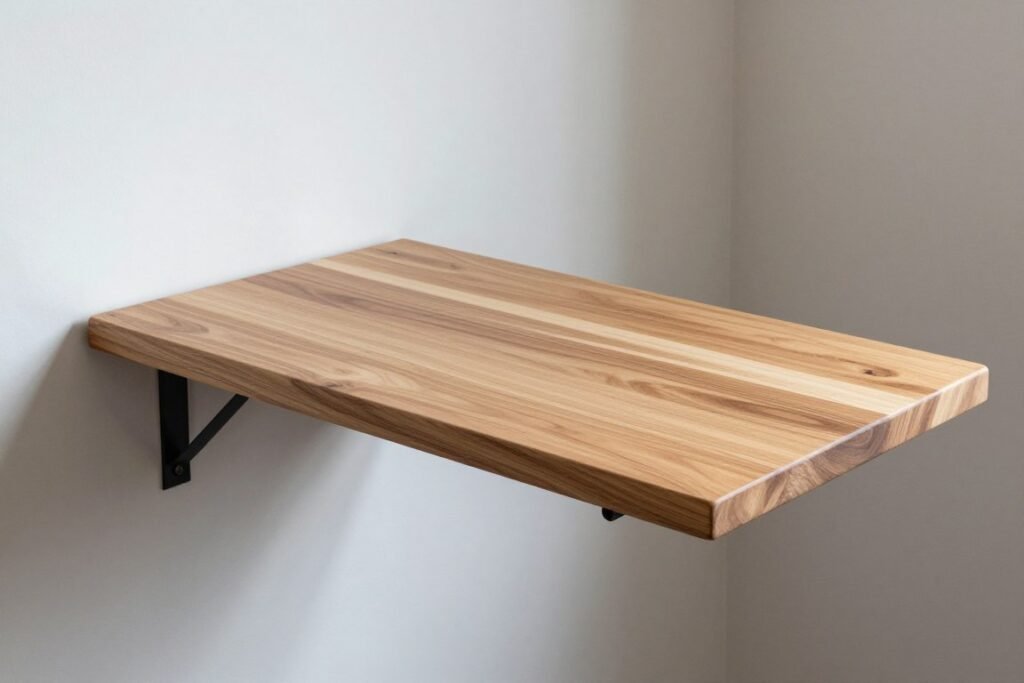
Cut the countertop to your exact needed dimensions. Standard depths range from eighteen to thirty inches, depending on your space and requirements. Apply several coats of polyurethane to protect the surface from spills and daily wear. Use heavy-duty brackets rated for the weight of your equipment plus the countertop itself.
Repurposed Furniture Desks
Old furniture pieces transform into unique desks with minimal modification. Dressers become desks by removing the top drawers and adding a chair. Antique sewing tables repurpose beautifully as compact workstations with built-in storage.
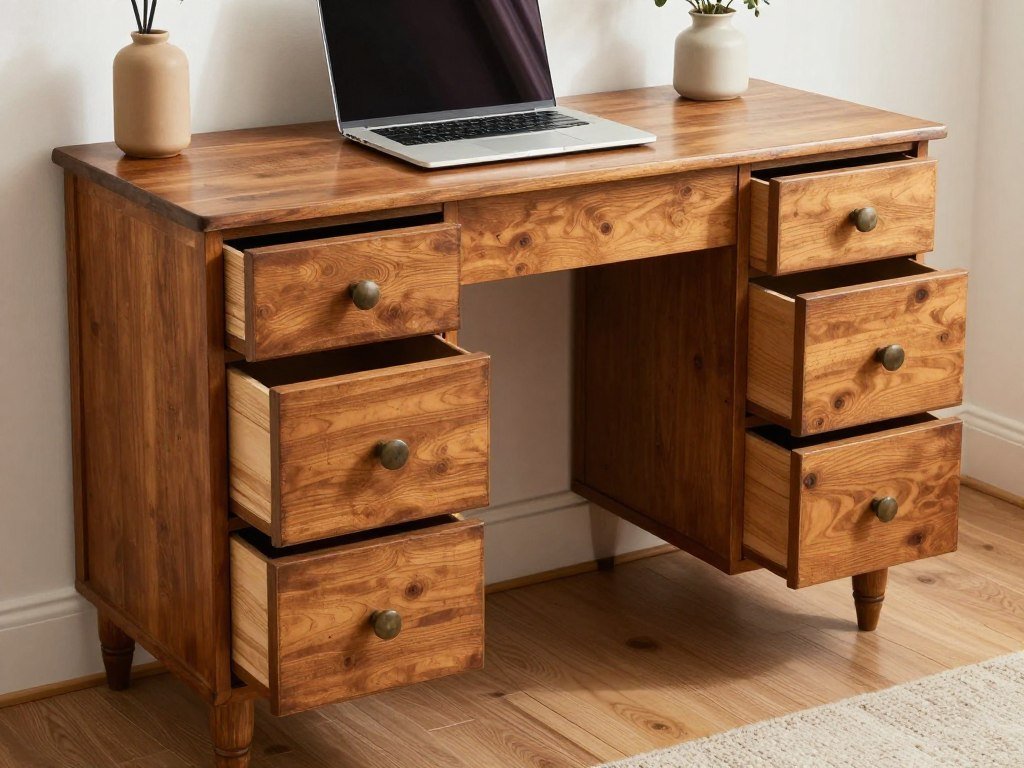
Look for pieces at thrift stores, estate sales, or family attics. Solid wood furniture handles modification better than particle board. Sand and repaint pieces to match your current decor. The unique character of repurposed furniture adds personality that mass-produced desks lack.
Pipe and Wood Industrial Desks
Build custom desks using plumbing pipes and wood planks for industrial style. The pipe legs and frame create sturdy support while maintaining an open, airy feel. This design works especially well in modern or industrial-styled spaces.
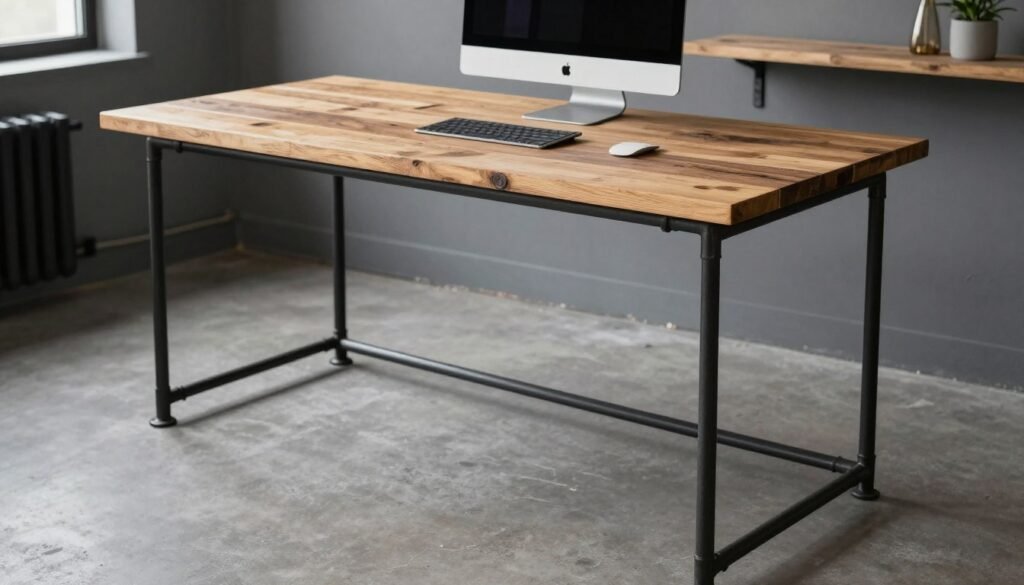
Purchase pre-cut pipes and fittings from hardware stores. Many stores cut pipes to specified lengths, eliminating the need for special tools. Assemble the frame using flanges to attach pipes to the wood surface. Stain or paint the wood to your preference before assembly.
Lighting and Ergonomic Considerations
Proper lighting and ergonomic setup matter as much as the desk itself. Poor lighting causes eye strain and headaches. Incorrect ergonomics leads to neck pain, back problems, and reduced productivity. Small spaces require creative solutions for both issues.
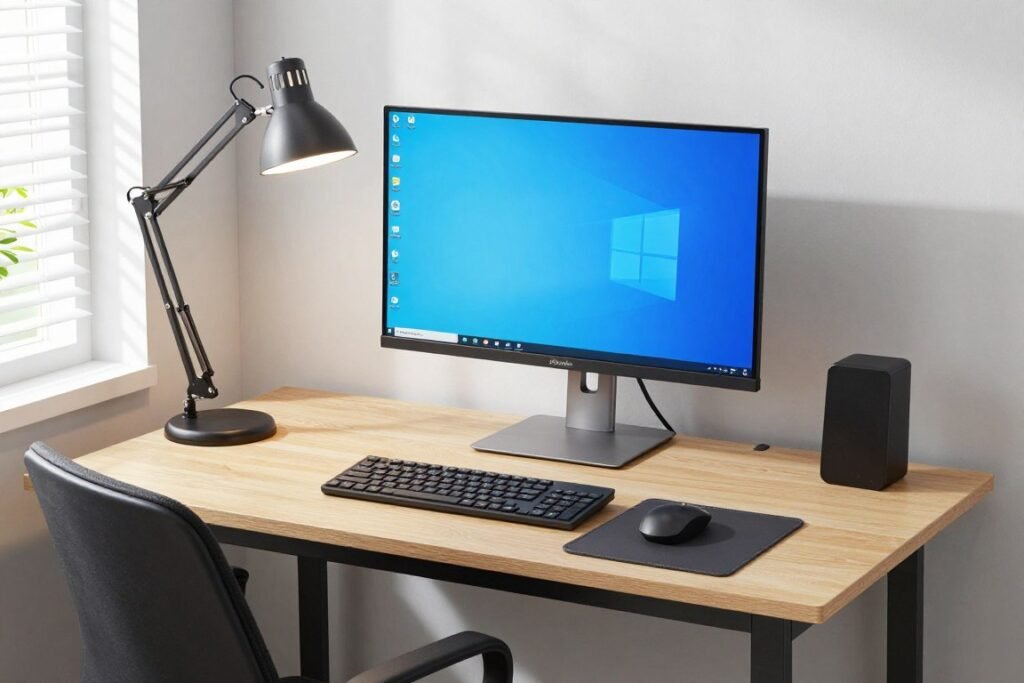
Task Lighting Solutions
Desk lamps provide focused light exactly where you need it. Choose adjustable models that let you direct light onto your work surface without creating screen glare. LED lamps offer bright, energy-efficient lighting in compact designs.
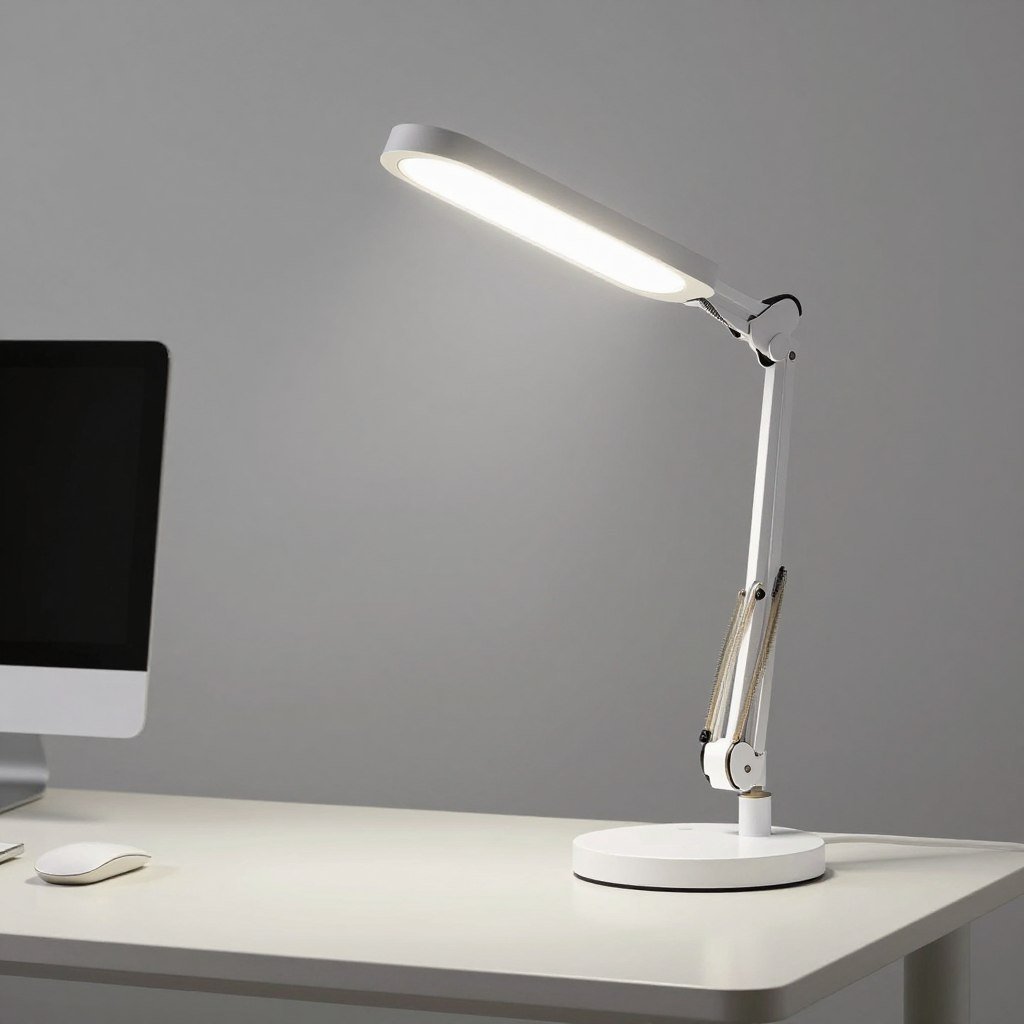
Clip-on lamps save valuable desk surface space. These attach to desk edges or shelves, providing light without consuming your limited work area. Position lamps to avoid shadows falling across your keyboard or writing area. For right-handed people, light should come from the left to prevent hand shadows.
Natural Light Optimization
Position desks near windows whenever possible to maximize natural light. Daylight reduces eye strain and improves mood and productivity. Place your desk perpendicular to windows rather than facing them directly to minimize screen glare.
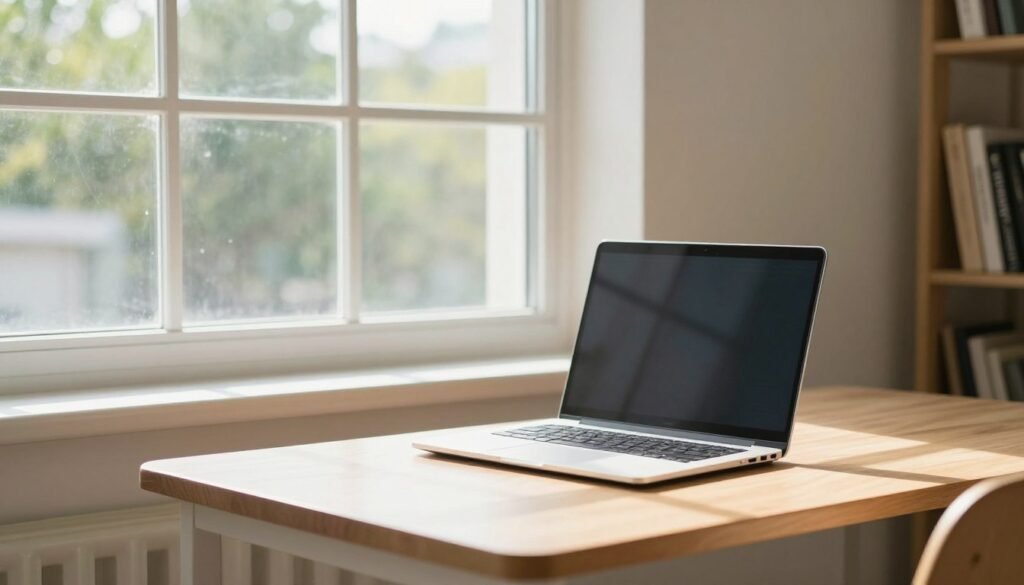
Use sheer curtains or blinds to control harsh afternoon sun. These window treatments diffuse bright light while still allowing illumination into the space. Adjustable blinds give you precise control over light levels throughout the day.
Ergonomic Setup in Small Spaces
Maintain proper ergonomics even in compact workspaces. Your monitor should sit at arm’s length with the top of the screen at or slightly below eye level. Keyboards and mice should allow your elbows to rest at ninety-degree angles.
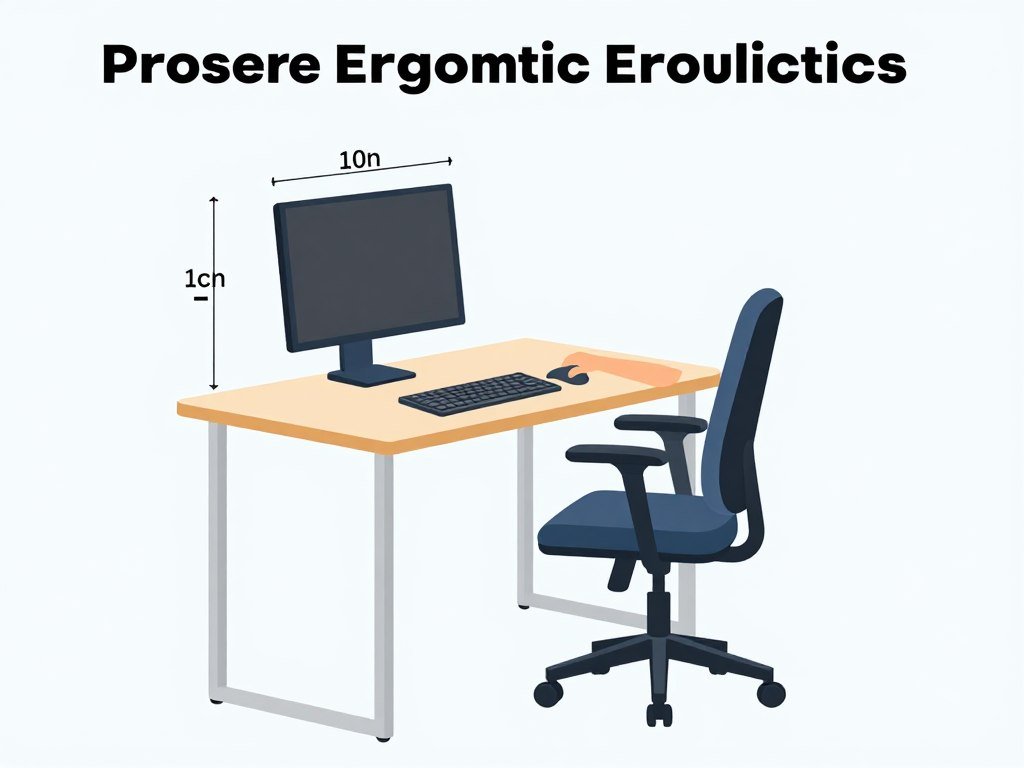
Invest in an ergonomic chair even if your desk is small. Your chair impacts your comfort more than almost any other workspace element. Look for compact chairs with adjustable heights and lumbar support. Some models fold or stack for easy storage when not in use.
Design Tips for Small Space Desk Areas
Thoughtful design makes small workspace areas feel intentional rather than cramped. Color choices, furniture style, and decorative elements all impact how your workspace integrates with the rest of your room. Strategic design decisions create cohesive, attractive spaces.
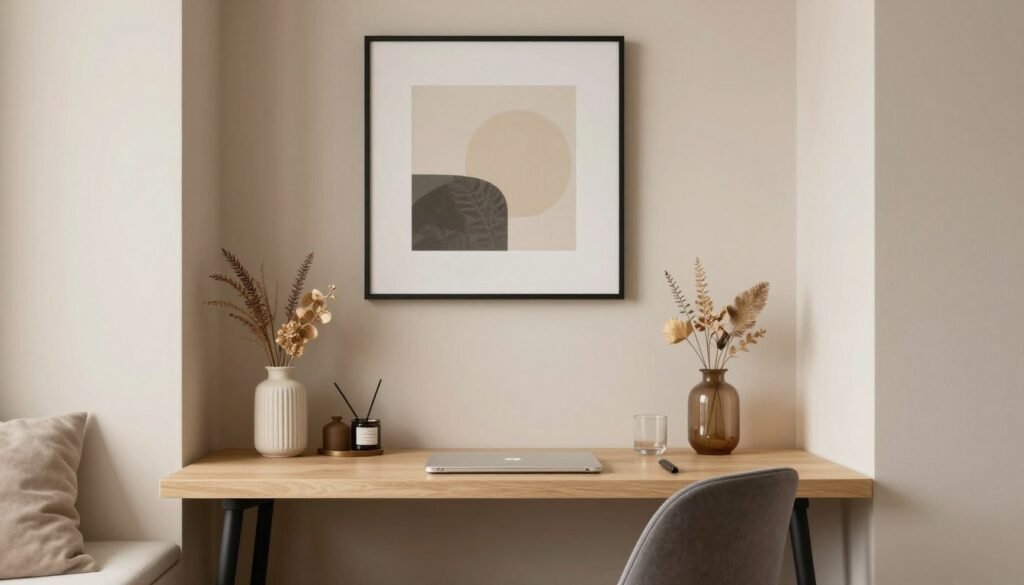
Color Strategy
Light colors make small spaces feel larger and more open. White or light-colored desks blend into walls, creating visual continuity. This approach prevents the desk from dominating the room visually despite its functional importance.
Glass desks create an almost invisible workspace. The transparent surface allows light to pass through, maintaining an open feeling. Glass works especially well in very small rooms where even a light-colored desk might feel too substantial. Pair glass desks with minimal accessories to maintain the light, airy effect.
Cohesive Material Choices
Match your desk material to existing furniture for a unified look. Wood desks should coordinate with other wood pieces in tone and finish. Metal frame desks work well in rooms with other metal accents like light fixtures or shelf brackets.
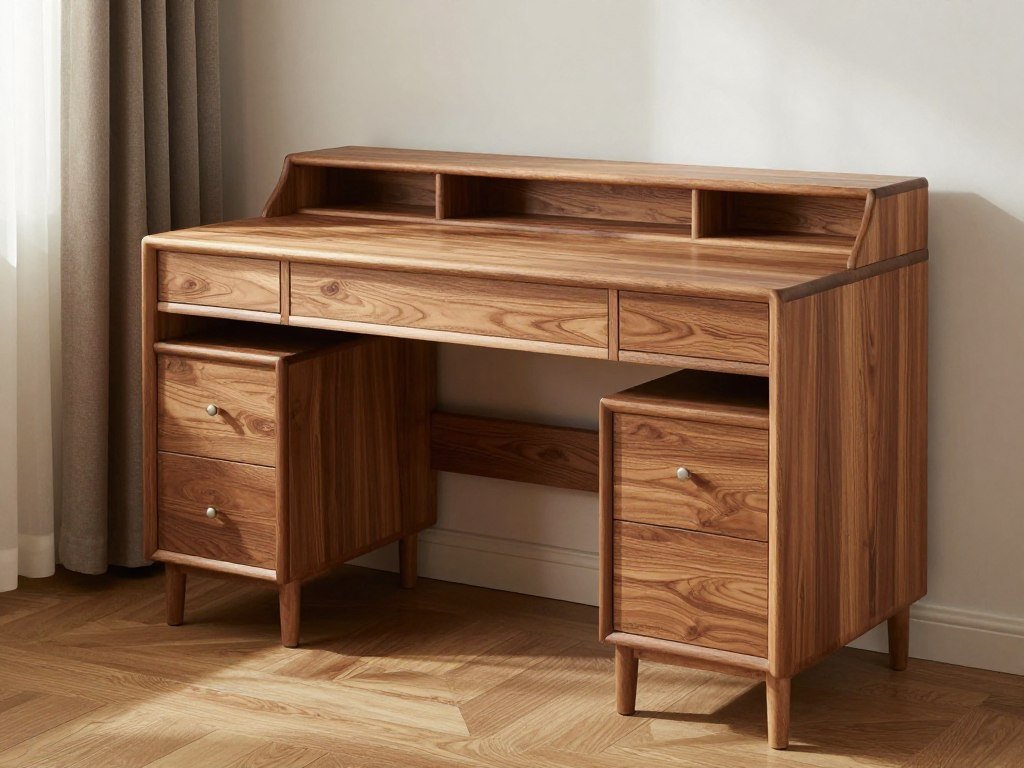
Mixing materials can work when done intentionally. A wood top on metal legs combines warmth and industrial style. This approach works especially well in eclectic or contemporary spaces. Keep the color palette consistent even when varying materials.
Decorative Integration
Style your desk area like any other room feature. Add a small plant, attractive storage boxes, or framed photos that double as decor. These personal touches make the workspace feel integrated rather than like an afterthought squeezed into available space.
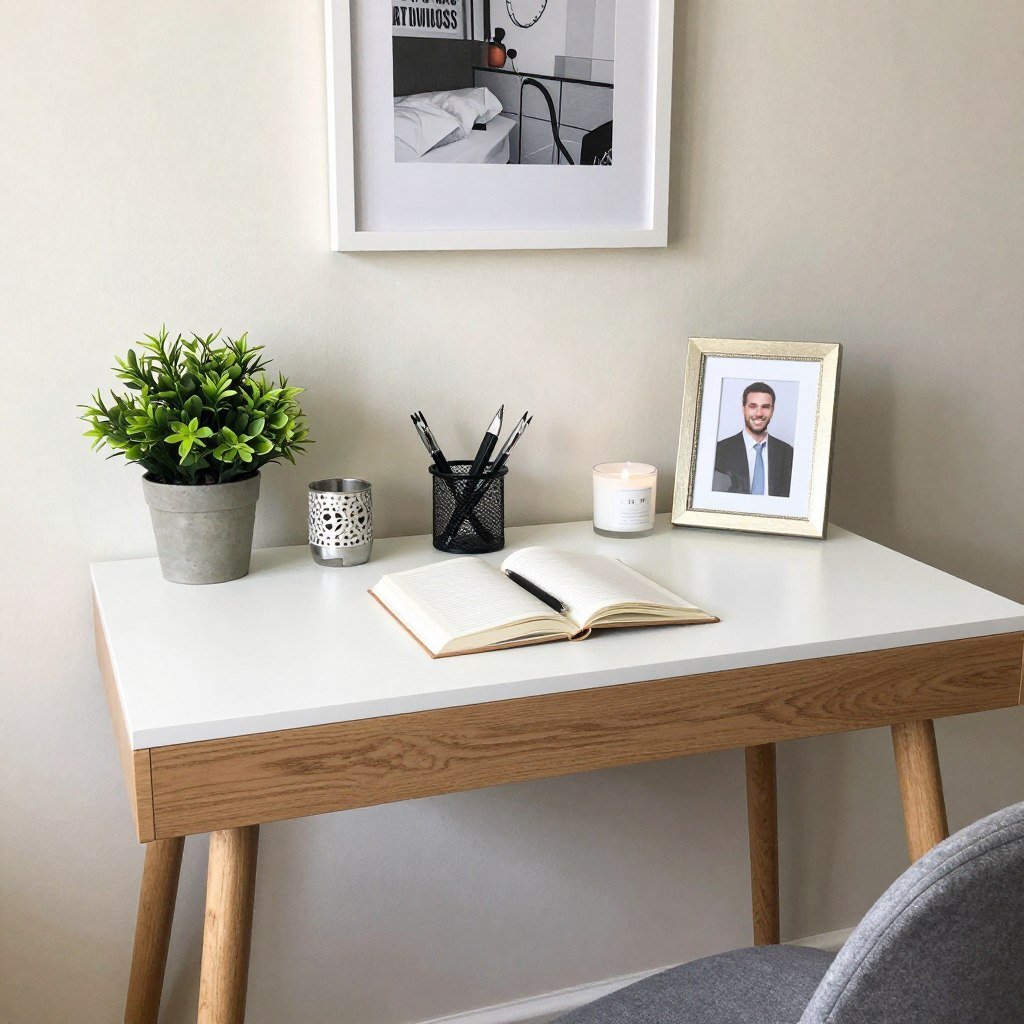
Hang artwork above your desk to create a focal point. This designates the area as an intentional workspace rather than leftover space. Choose pieces that inspire you or complement your room’s overall aesthetic. Gallery walls work beautifully above desks, adding visual interest without requiring floor space.
Technology and Cable Management
Managing technology and cables in small desk areas prevents visual clutter and maintains functionality. Tangled cords create messy appearances and make cleaning difficult. Smart cable management solutions keep everything organized and accessible.
Cable Management Tools
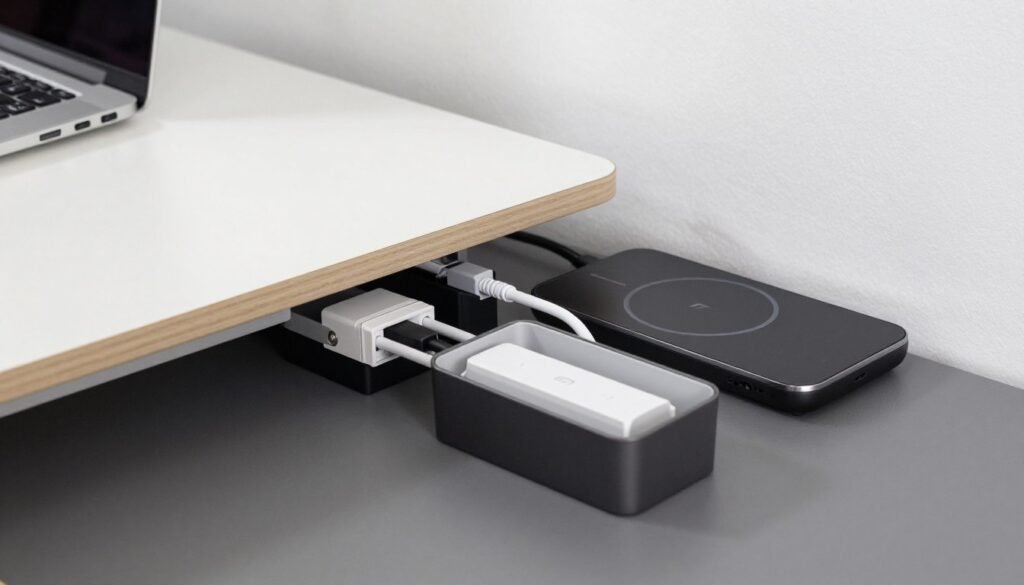
Cable clips attach to desk edges to route cords neatly. These small accessories guide cables exactly where you need them without letting them dangle or tangle. Adhesive-backed clips stick to desk undersides, hiding cables from view while keeping them accessible.
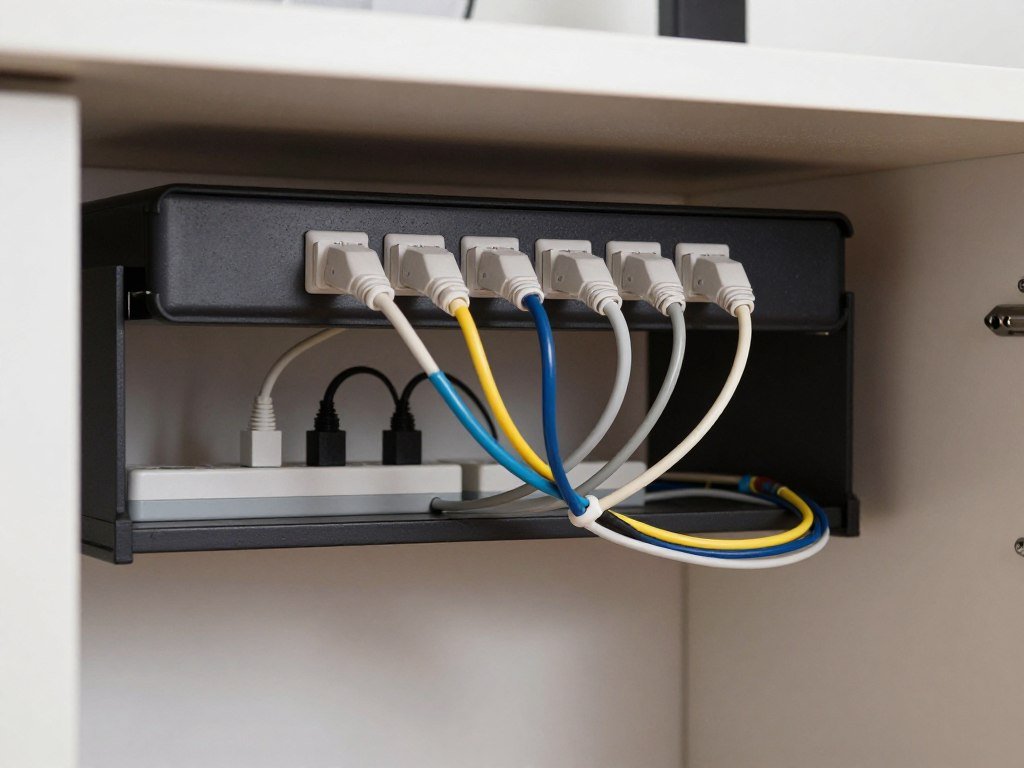
Cable sleeves bundle multiple cords together into one neat tube. These fabric or plastic sleeves zip or snap closed around cable groups, transforming messy cord collections into single, manageable lines. They work especially well for permanent setups where cables don’t need frequent changes.
Wireless Solutions
Reduce cable clutter by choosing wireless peripherals when possible. Wireless keyboards and mice eliminate two cables immediately. Bluetooth headphones remove another cord from your workspace. Fewer cables mean less visual clutter and easier desk cleaning.
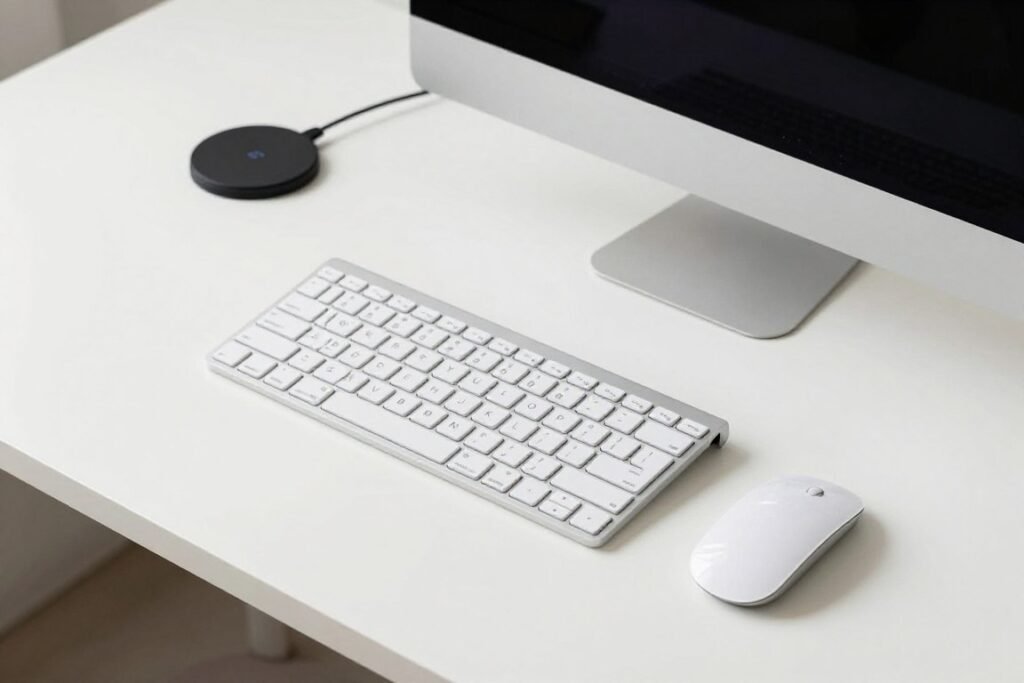
Wireless charging pads eliminate phone charging cables during the day. Simply place your phone on the pad to charge without plugging in cables. This approach keeps your desk surface clean while ensuring your devices stay powered.
Power Strip Placement
Mount power strips under or behind desks to keep outlets accessible but hidden. This placement lets you plug in devices without cords snaking across your work surface. Look for power strips with USB ports to reduce the number of charging adapters you need.
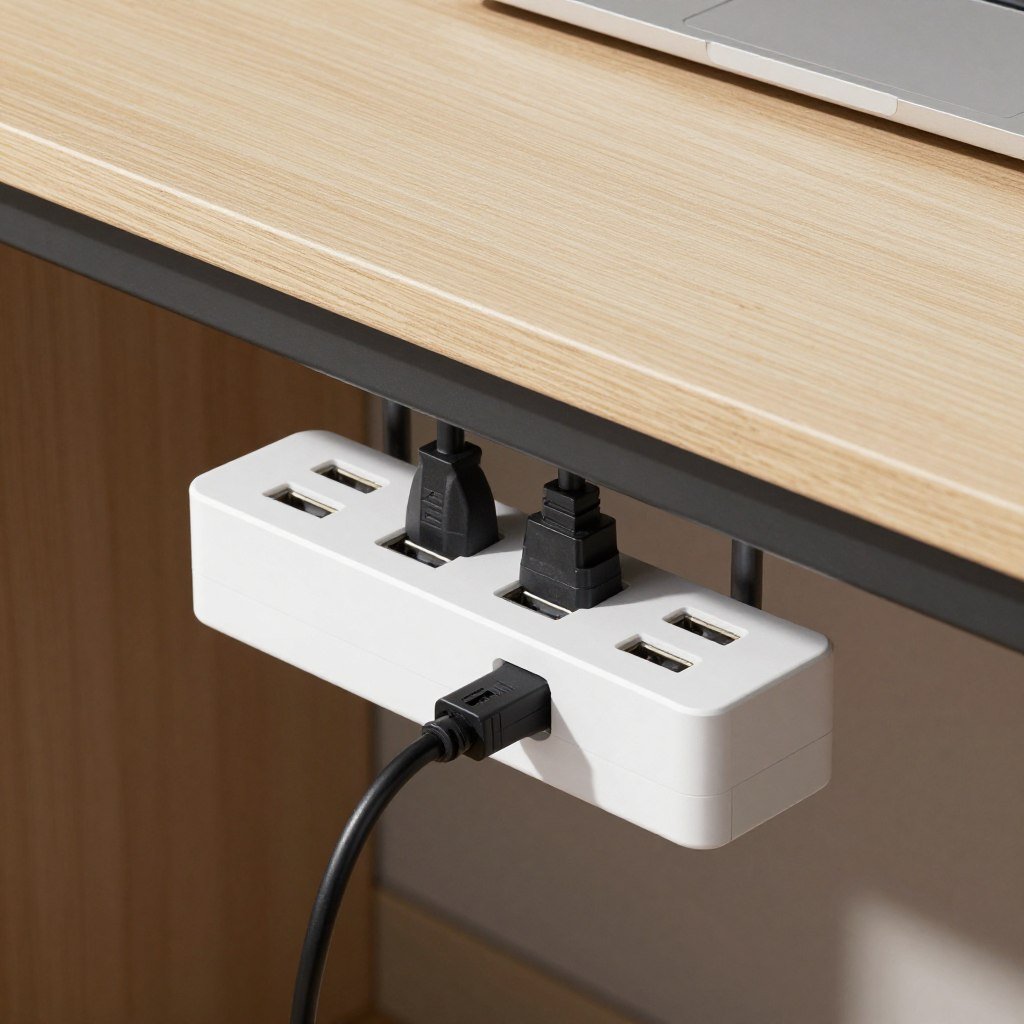
Surge protectors with mounting brackets attach securely to desk legs or undersides. The mounting keeps them stationary while allowing easy access when you need to plug something in. Choose models with widely spaced outlets to accommodate larger adapters.
Organize Your Workspace Technology
Find cable management solutions and wireless accessories that keep your small desk area clean and functional. Browse tools designed specifically for compact workspaces.
Budget-Friendly Desk Solutions
Creating an effective workspace doesn’t require spending hundreds of dollars. Many affordable options provide excellent functionality for small spaces. Smart shopping and creative thinking stretch your budget while still achieving professional results.
Affordable Ready-Made Options
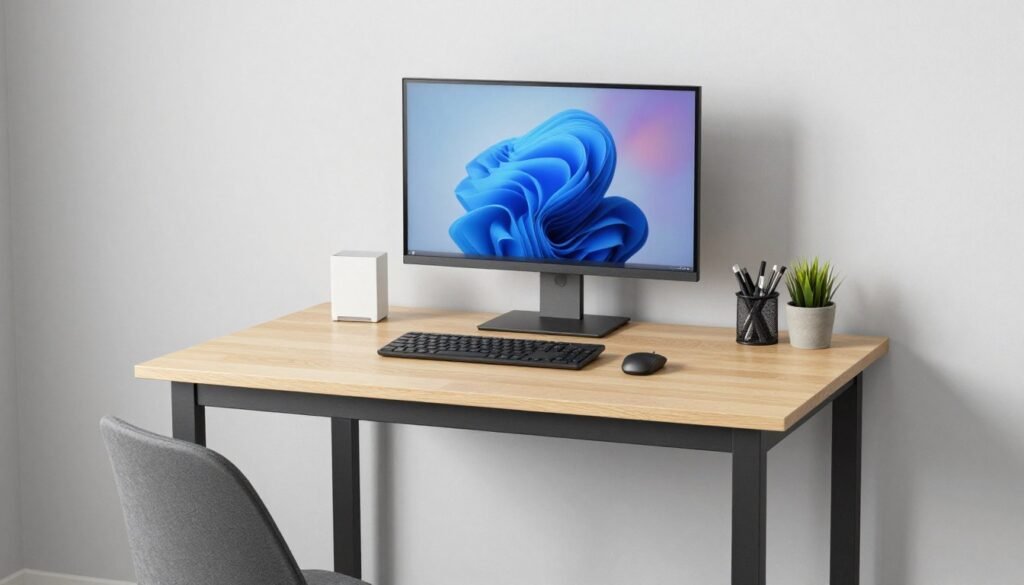
Simple folding tables start under fifty dollars and work perfectly as basic desks. Add a tablecloth or contact paper to improve appearance if needed. Pair with an affordable chair and basic storage solutions for a complete budget workspace.
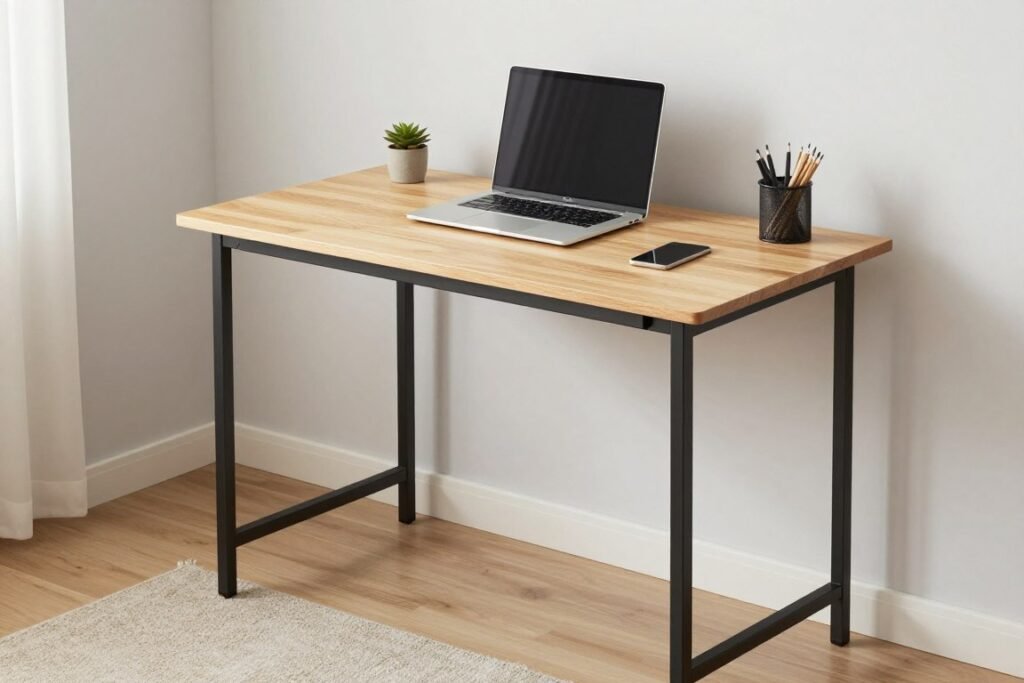
Look for sales at office supply stores during back-to-school season. Many retailers discount desks and desk accessories significantly in late summer. Black Friday and January also bring furniture sales with substantial savings opportunities.
Secondhand Shopping
Thrift stores, garage sales, and online marketplaces offer quality used desks at fraction of original prices. Solid wood pieces often sell cheaply simply because they need updating. A coat of paint transforms dated furniture into custom-looking pieces for minimal cost.
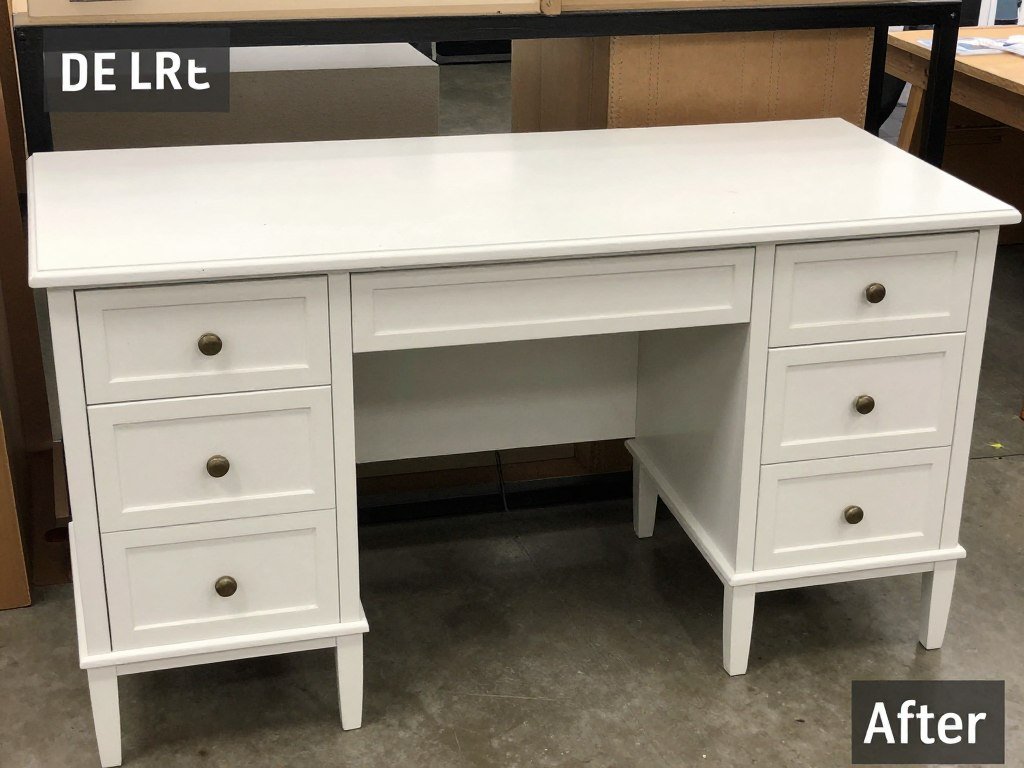
Inspect used furniture carefully before purchasing. Check for stability, drawer function, and surface damage. Minor issues like scratches or outdated hardware fix easily. Avoid pieces with structural problems like wobbly legs or warped surfaces.
DIY Budget Solutions
Build simple desks using affordable materials from hardware stores. Two sawhorses and a hollow-core door create a large workspace for under seventy-five dollars. Paint or stain the door to match your decor before placing it on the sawhorses.
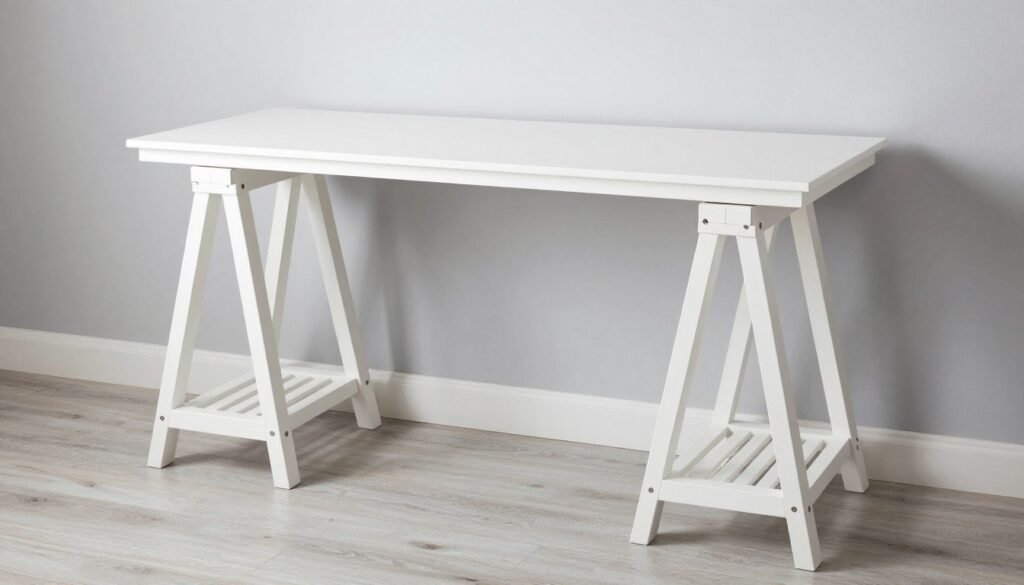
Cinder blocks and wood planks create industrial-style shelving desks. Stack blocks to desired height and lay planks across them for work surface and storage shelves. This modular approach adapts easily to different spaces and needs. Paint the blocks for a more finished appearance.
Maximizing Productivity in Small Workspaces
A well-organized small workspace can boost productivity as much as larger offices. The key lies in thoughtful organization and maintaining disciplined work habits. Small spaces actually offer advantages like fewer distractions and forced minimalism.
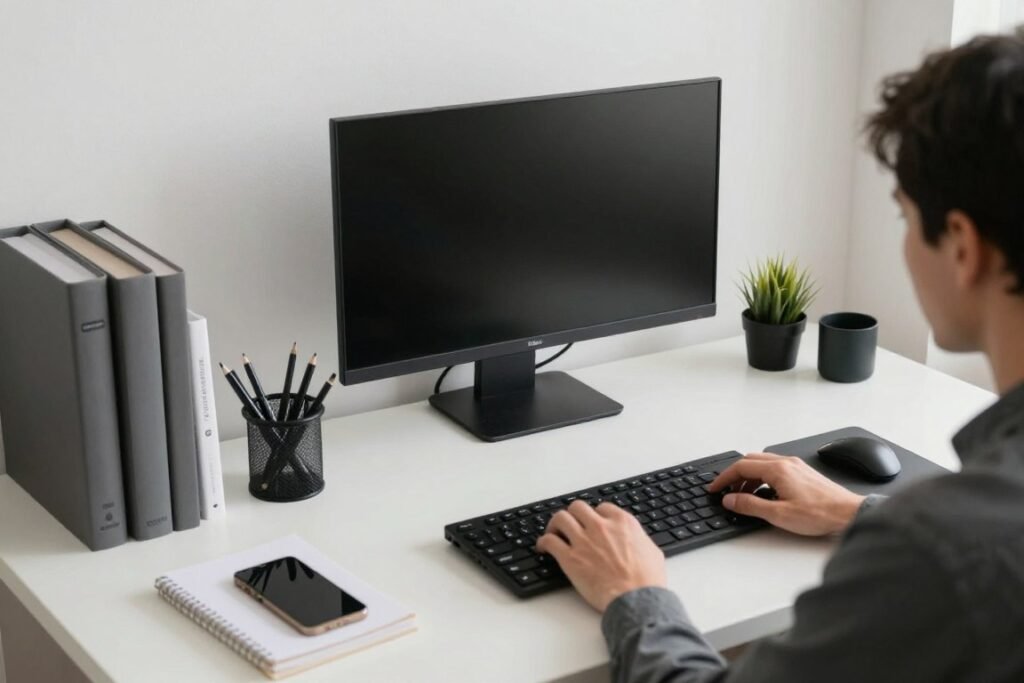
Daily Clearing Routine
End each workday by completely clearing your desk surface. This ritual creates a fresh start each morning and maintains the multipurpose functionality of small spaces. Store everything in designated spots so setup takes minimal time the next day.
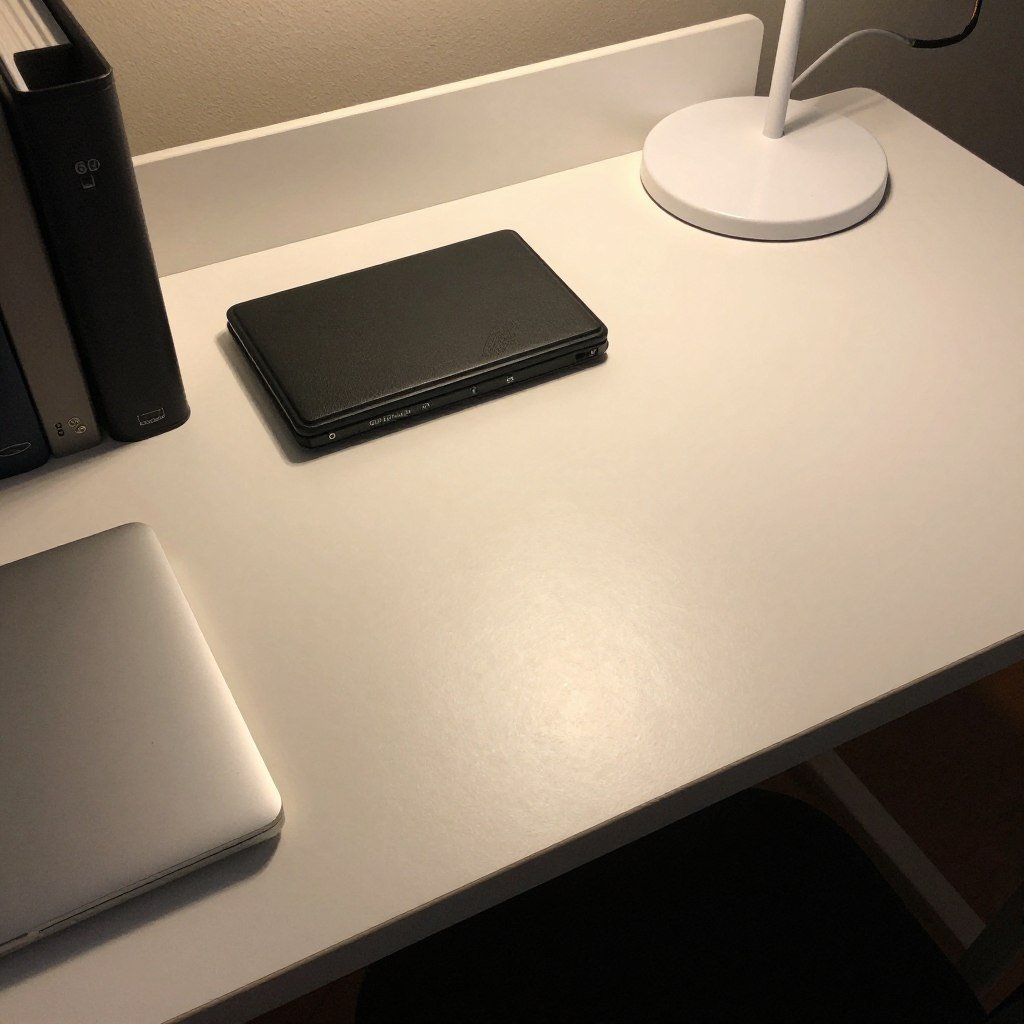
Keep a small basket or bin for quickly collecting loose items during clearing. This container becomes your temporary holding space for things you need to file or put away properly. The quick clear takes just minutes but maintains order in your small space.
Digital Organization
Reduce physical storage needs by digitizing documents whenever possible. Scan papers and receipts, then file them digitally instead of in physical folders. This practice keeps your small workspace from becoming overwhelmed with paper clutter.
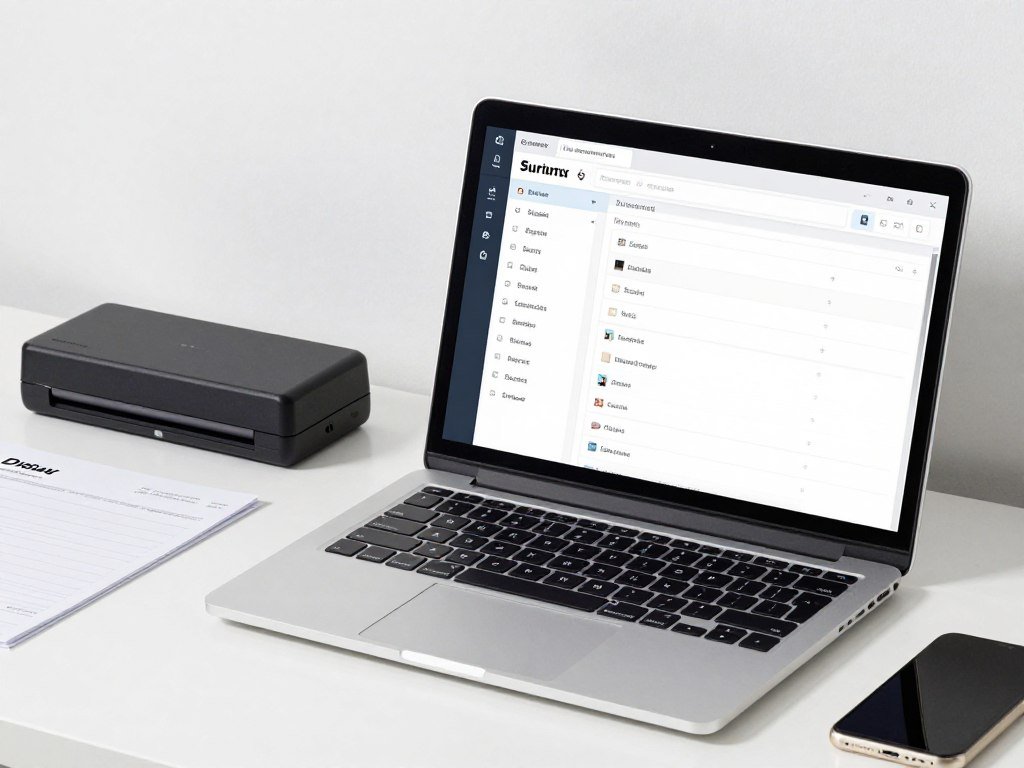
Use cloud storage to access files from any device. This eliminates the need for external hard drives or USB storage cluttering your desk. Cloud services also provide automatic backup, protecting your important documents.
Time Management Tools
Small workspaces benefit from visible time management tools. A simple wall clock keeps you aware of time without requiring desk space. Timer apps help structure work sessions using techniques like the Pomodoro method.

Create visual reminders for important tasks without cluttering your space. A small desktop whiteboard provides space for daily priorities. Erase and update it each morning to stay focused on current goals. The contained size prevents overwhelming task lists while maintaining focus.
Adapting Your Workspace Through Seasons
Small workspace needs change with seasons and temperature variations. Summer heat, winter darkness, and seasonal activities all impact how you use and organize your desk area. Smart seasonal adjustments maintain comfort and productivity year-round.
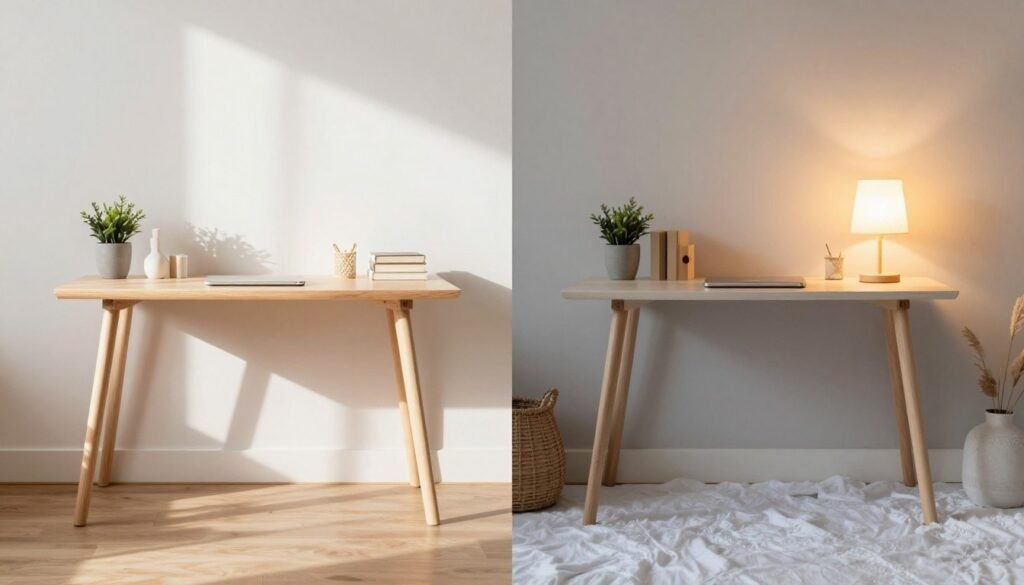
Summer Workspace Adjustments
Position desks away from direct afternoon sun during summer months. Excessive heat from windows reduces comfort and can damage electronics. Use light-filtering curtains to reduce heat gain while maintaining natural light benefits.
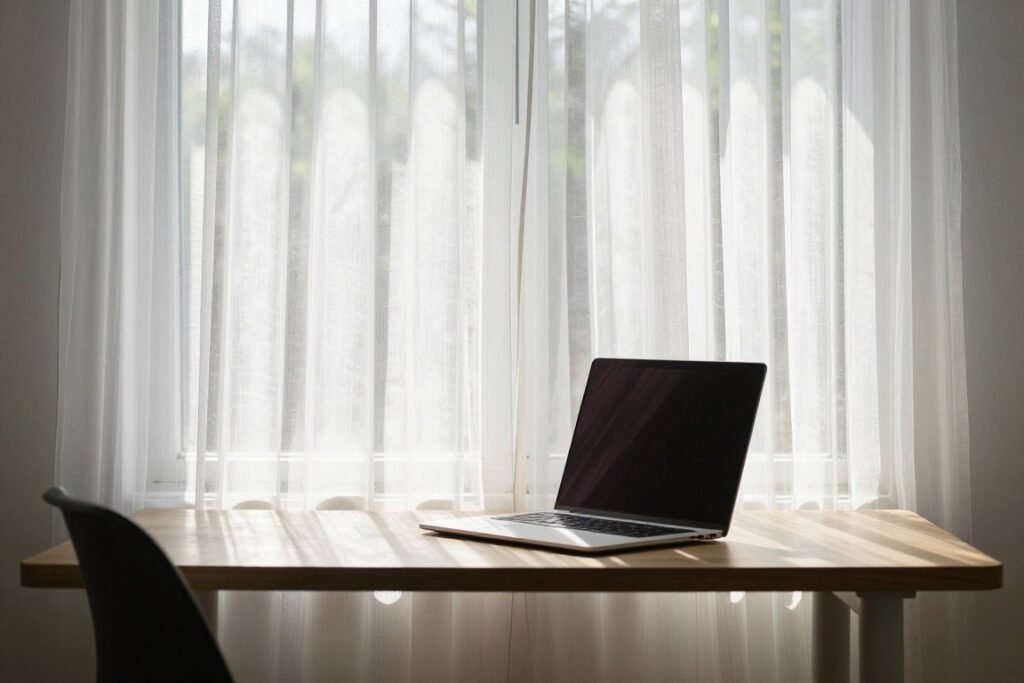
Add a small desk fan to maintain air circulation in warm weather. Compact USB-powered fans take minimal space while providing cooling breeze. Position fans to circulate air without blowing papers around your workspace.
Winter Workspace Comfort
Increase artificial lighting during darker winter months. The reduced daylight hours mean you’ll rely more on desk lamps and overhead lighting. Add a second light source if your primary lamp doesn’t provide adequate illumination during evening work sessions.
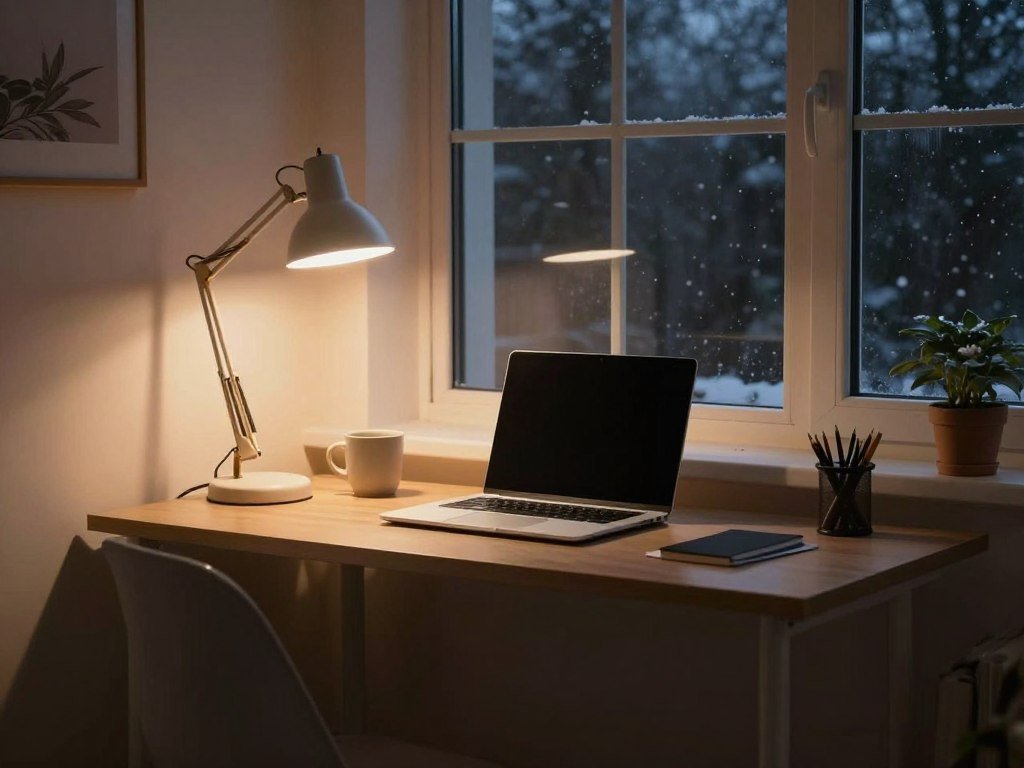
Keep a small space heater nearby if your workspace feels chilly. Personal heaters warm your immediate area without heating the entire room. This targeted approach saves energy while maintaining comfort in cold weather.
Common Mistakes to Avoid
Certain mistakes make small workspaces less functional than they should be. Learning from these common errors helps you create a better setup from the start. Avoiding these pitfalls saves time, money, and frustration.
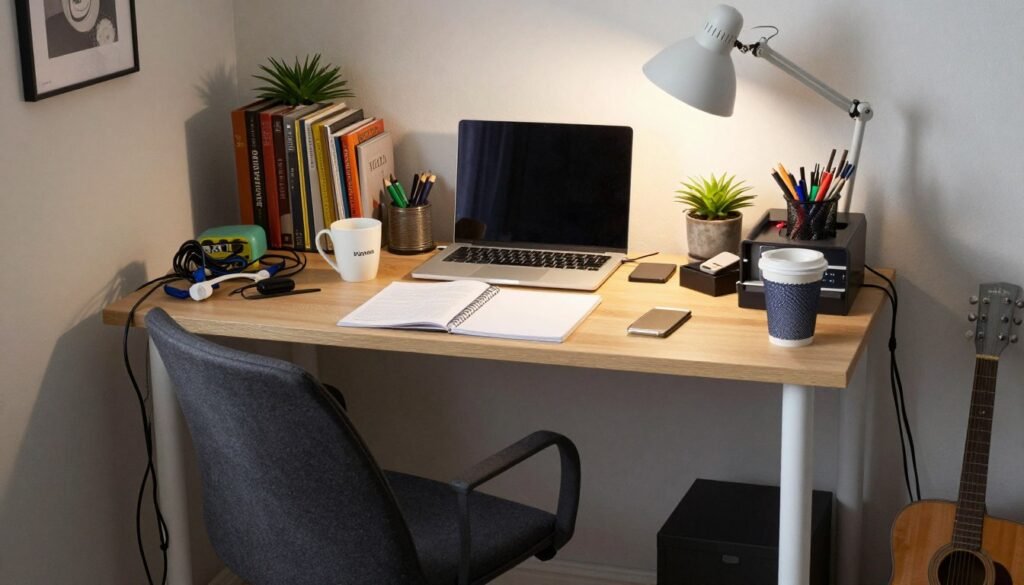
Oversizing Furniture
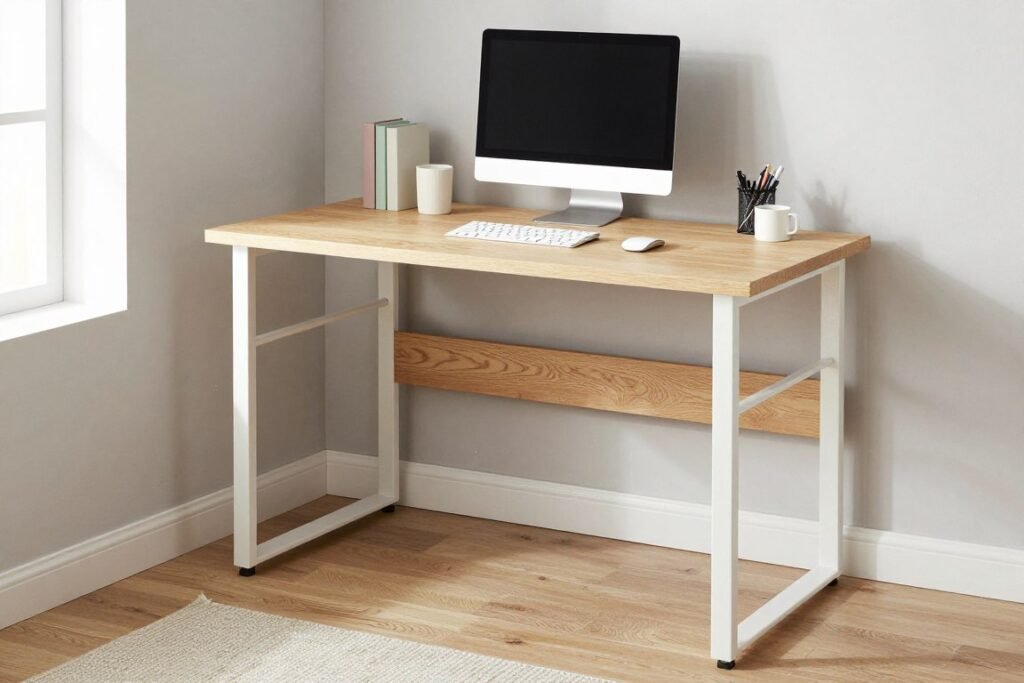
Choosing a desk that’s too large for your space creates more problems than it solves. An oversized desk dominates the room and makes movement difficult. Measure your available space carefully and select furniture that fits comfortably with clearance on all sides.
Allow at least thirty inches of clearance behind your chair for comfortable movement. This space lets you pull the chair out and sit down without bumping into other furniture or walls. In very tight spaces, consider armless chairs that require less clearance.
Ignoring Lighting Needs
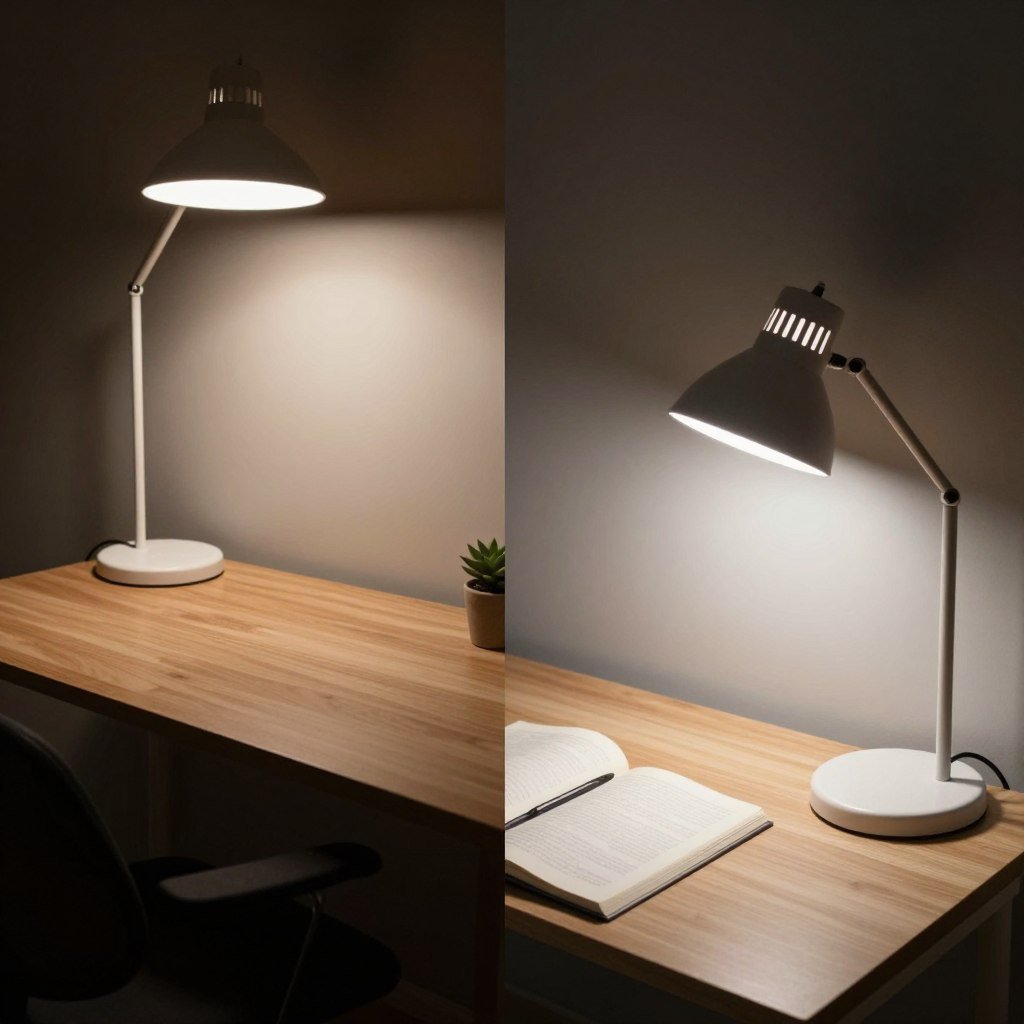
Poor lighting causes eye strain, headaches, and reduced productivity. Don’t rely solely on overhead lights for workspace illumination. Add dedicated task lighting that focuses on your work surface. Position lights to eliminate shadows and reduce screen glare.
Neglecting Storage
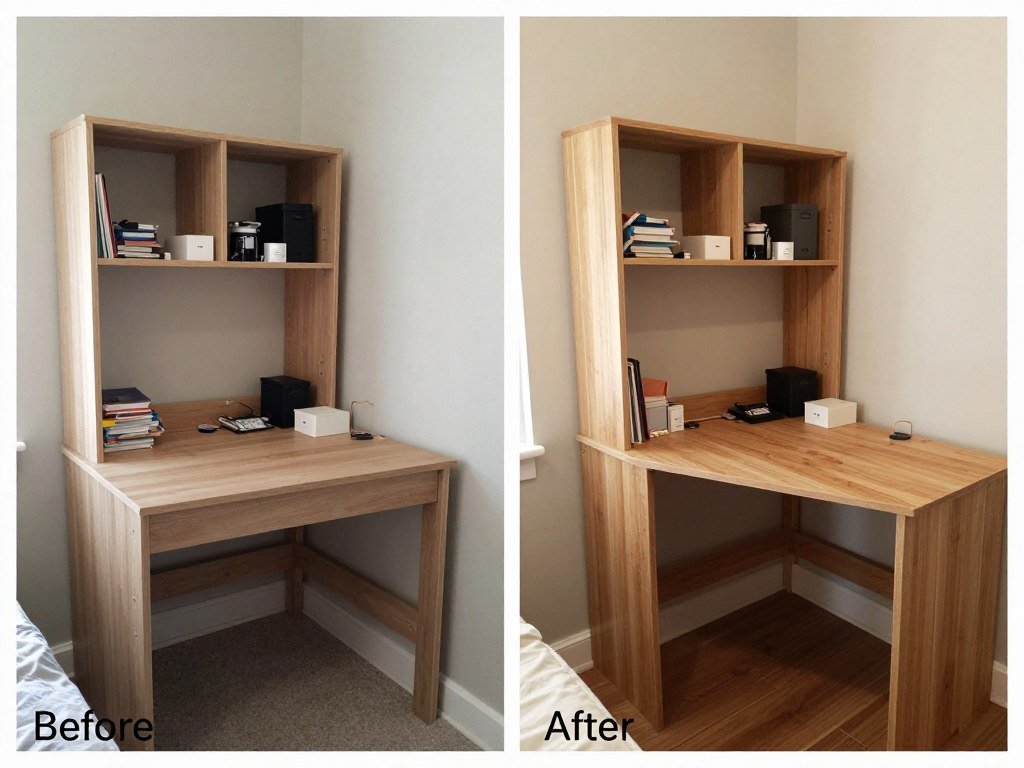
Insufficient storage leads to desktop clutter that makes small desks unusable. Plan storage solutions before setting up your workspace. Include vertical storage, under-desk options, and desktop organizers to keep everything accessible but organized.
Address cable management from the beginning rather than as an afterthought. Installing cable clips and organizers during setup prevents tangled cord messes later. This proactive approach maintains the clean appearance that makes small spaces work.
Final Tips for Small Space Desk Success
Creating an effective workspace in limited square footage requires thoughtful planning and smart choices. The strategies covered in this guide provide multiple pathways to achieving functional, attractive desk areas regardless of space constraints. Success comes from matching solutions to your specific needs and space.
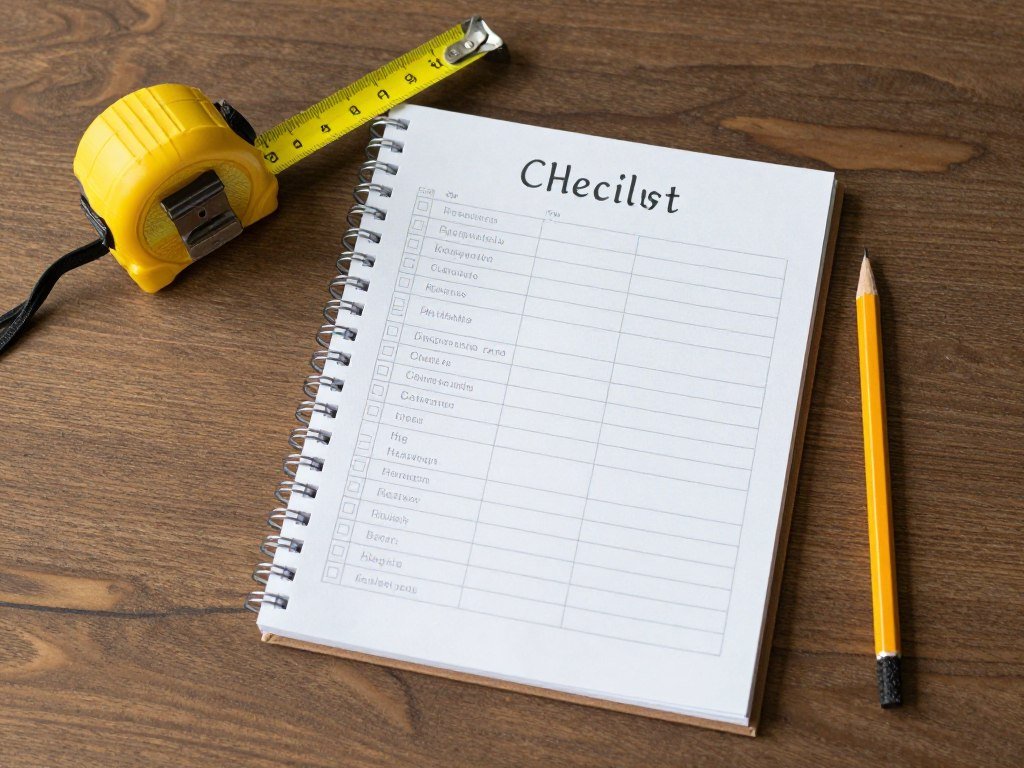
Start by accurately measuring your available space. Write down dimensions and note any obstacles like radiators, outlets, or windows. These measurements guide furniture selection and prevent purchasing items that won’t fit. Measure doorways too if you’re buying furniture that needs assembly inside the room.
Prioritize functionality over aesthetics initially. A beautiful desk that doesn’t meet your work needs won’t serve you well. Identify your essential requirements first, then look for options that fulfill those needs in attractive packages. Form should follow function, especially in small spaces.
Essential Checklist
- Accurate space measurements including height, width, and depth
- List of required desk features and storage needs
- Lighting assessment and task lighting plan
- Cable management strategy before setup
- Chair selection with proper ergonomic support
- Vertical storage solutions to maximize space
- Daily organization routine to maintain order
- Seasonal adjustment plan for year-round comfort
Don’t rush the process. Take time to research options and read reviews before purchasing. A well-chosen desk serves you for years, making the extra research time worthwhile. Consider how your needs might change. A flexible solution that adapts grows with you better than a specialized piece.
Remember that small spaces offer unique advantages. The compact area forces you to stay organized and minimize clutter. Your workspace remains focused and purpose-driven. Many people find they’re actually more productive in smaller, well-organized spaces than in larger rooms that allow accumulation of unnecessary items.

Finally, personalize your space to make it truly yours. Add elements that inspire and motivate you. A small plant, favorite photo, or meaningful artwork makes your workspace feel welcoming. These personal touches transform a functional area into a space you enjoy spending time in. When you love your workspace, productivity follows naturally.
Start Building Your Perfect Small Space Workspace
Ready to transform your compact area into a productive workspace? Explore thousands of desk options, storage solutions, and accessories designed specifically for small spaces. Find everything you need to create your ideal work area.
Creating Your Ideal Small Space Workspace
Transforming limited space into a functional workspace is entirely achievable with the right approach. The desk ideas for small spaces covered in this guide demonstrate that size constraints don’t mean sacrificing productivity or style. From corner desks that maximize unused angles to wall-mounted solutions that disappear when not needed, options exist for every situation.
The key to success lies in understanding your specific needs and matching them to appropriate solutions. Consider how you work, what tools you require, and how your workspace will integrate with the rest of your room. Thoughtful planning creates spaces that feel intentional rather than squeezed in as afterthoughts.
Remember that organization and maintenance matter as much as the initial setup. Small spaces require ongoing discipline to remain functional. Daily clearing routines, smart storage solutions, and regular reassessment keep your workspace working for you rather than against you.
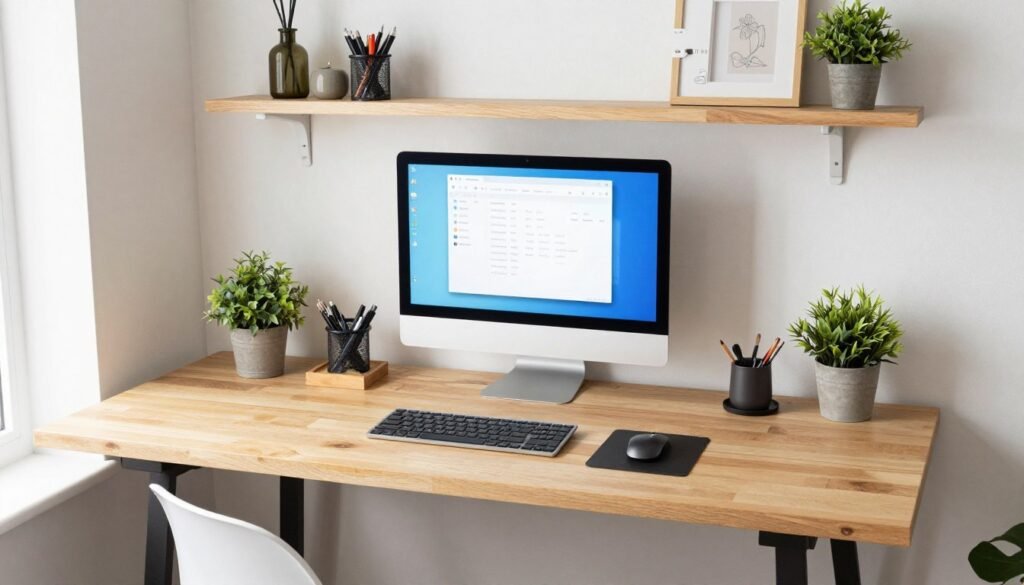
Your perfect desk solution exists regardless of your space limitations. Whether you choose a compact corner unit, a fold-down wall desk, or a creative DIY solution, the right setup transforms your work experience. Take measurements, assess your needs, and select options that bring both function and joy to your daily work routine.
Start small if needed. You don’t have to implement everything at once. Begin with the desk itself, then add storage and organization over time. This gradual approach lets you discover what works best for your specific situation. Your small space workspace will evolve into exactly what you need it to be.