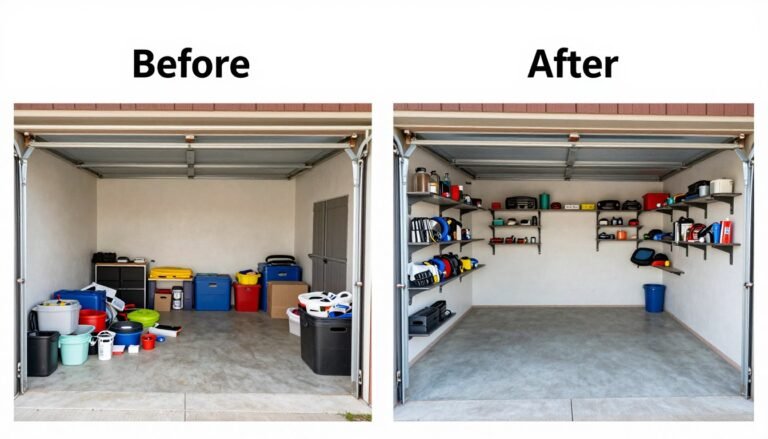
Your garage holds incredible potential. Right now, it might be a dumping ground for everything that doesn’t fit inside your home. Boxes pile up in corners. Tools disappear when you need them most. Your car sits in the driveway because there’s no room inside.
This Website contains affiliate links. That means I may earn a small commission if you purchase through my links, at no extra cost to you.
This doesn’t have to be your reality. With the right garage storage solutions, you can reclaim that valuable space. You’ll find your tools instantly. Your sports equipment will have a proper home. You might even park your car inside again.
The garage storage ideas in this guide work for any space size or budget. Some solutions take minutes to install. Others require a weekend project. All of them deliver real results that last.
Wall Storage Systems That Maximize Vertical Space
Your garage walls represent untapped storage potential. Most garages waste this vertical space entirely. Wall storage systems change everything by lifting items off the floor and keeping them organized at eye level.

Pegboard Storage for Tool Organization
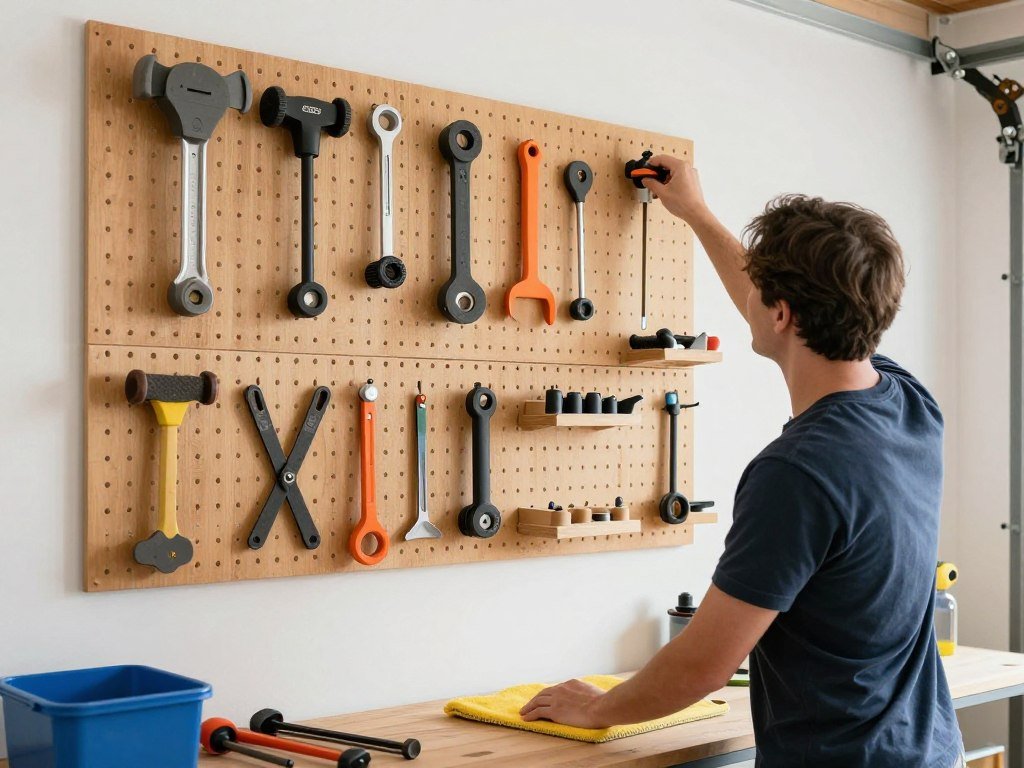
Pegboard systems offer the ultimate flexibility for tool storage. You can rearrange hooks and holders whenever your needs change. The open design lets you see every tool at a glance.
Install pegboard panels directly to wall studs for maximum strength. Paint the board white or a light color to improve visibility. Outline each tool with a marker so you know exactly where everything belongs.
Related Posts:






Small items like screwdrivers and wrenches fit perfectly on pegboard hooks. Larger tools need specialized holders. Bins and baskets attached to the board keep screws and nails sorted.
Slatwall Panels for Heavy-Duty Storage
Slatwall panels handle heavier loads than pegboard. These grooved panels accept a wide range of hooks and brackets. The horizontal channels create a strong mounting system.

Metal slatwall holds more weight than plastic versions. Install panels at least four feet high to maximize storage area. Leave space at the bottom for floor-based storage units.
Slatwall accessories include specialized holders for specific items. Bike hooks attach at the perfect angle. Power tool holders keep drills and saws secure. Garden tool racks organize rakes and shovels.
French Cleat Systems for Custom Solutions
French cleat systems give you complete customization freedom. Two interlocking pieces create a strong mounting system. One piece mounts to the wall while the other attaches to your storage item.
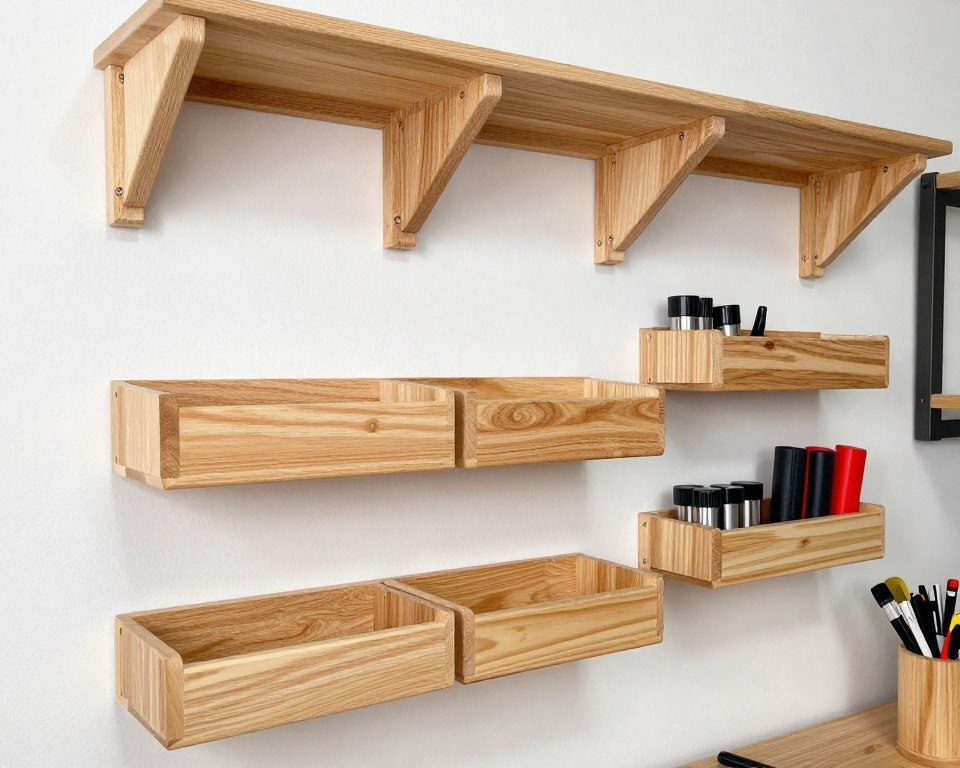
Build your own french cleat storage for specific items. Cut lumber at a forty-five degree angle to create the cleats. Attach one strip to wall studs and the other to your storage boxes or holders.
This system works great for items you need to remove frequently. Tool boxes lift off easily for projects. Seasonal items swap in and out without tools. Heavy items stay secure on the wall.
Overhead Garage Storage Solutions
Ceiling space in your garage sits empty while floor space overflows. Overhead storage systems use this wasted area for items you don’t need daily. This frees up valuable wall and floor space for frequently used items.

Ceiling-Mounted Storage Racks
Ceiling racks create a storage platform above your car. These heavy-duty frames bolt directly to ceiling joists. Most systems hold several hundred pounds safely.
Measure your garage ceiling height before buying overhead racks. You need enough clearance for your car plus the rack height. Most garage doors require at least twelve inches of clearance.
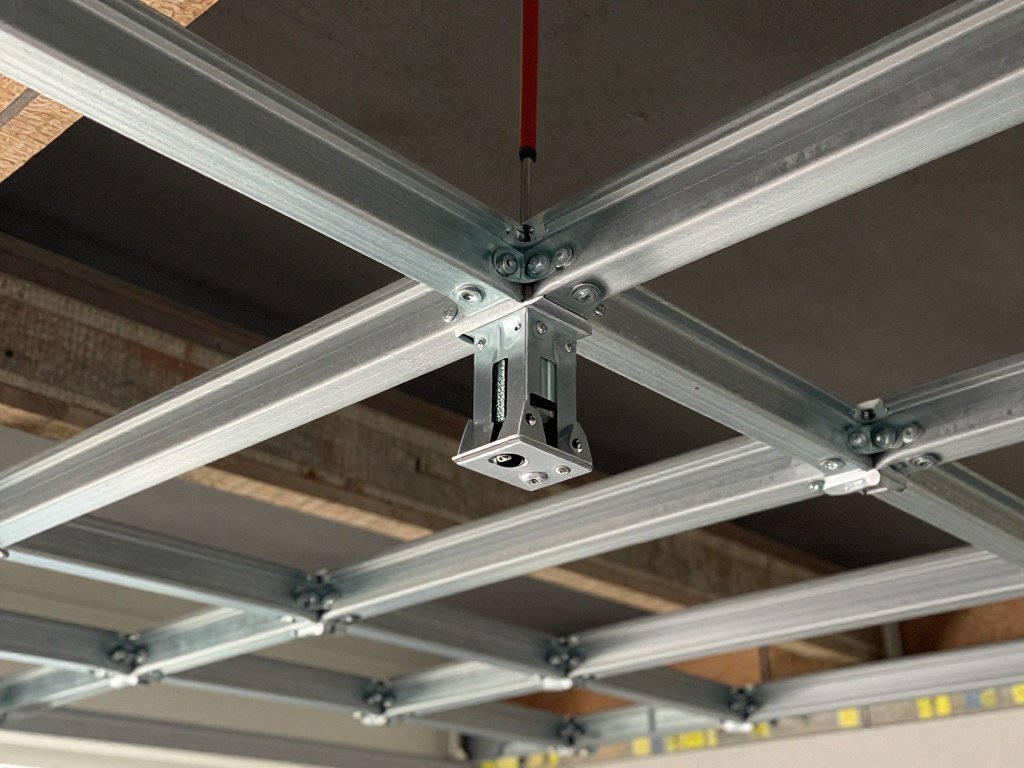
Install racks near the garage door for seasonal items. Place them toward the back for less frequently accessed storage. Use clear bins so you can see contents without climbing a ladder.
Pulley Systems for Bikes and Equipment
Pulley systems lift heavy items to the ceiling with minimal effort. Bikes, kayaks, and ladders store overhead and out of the way. The rope and pulley system makes raising and lowering easy.
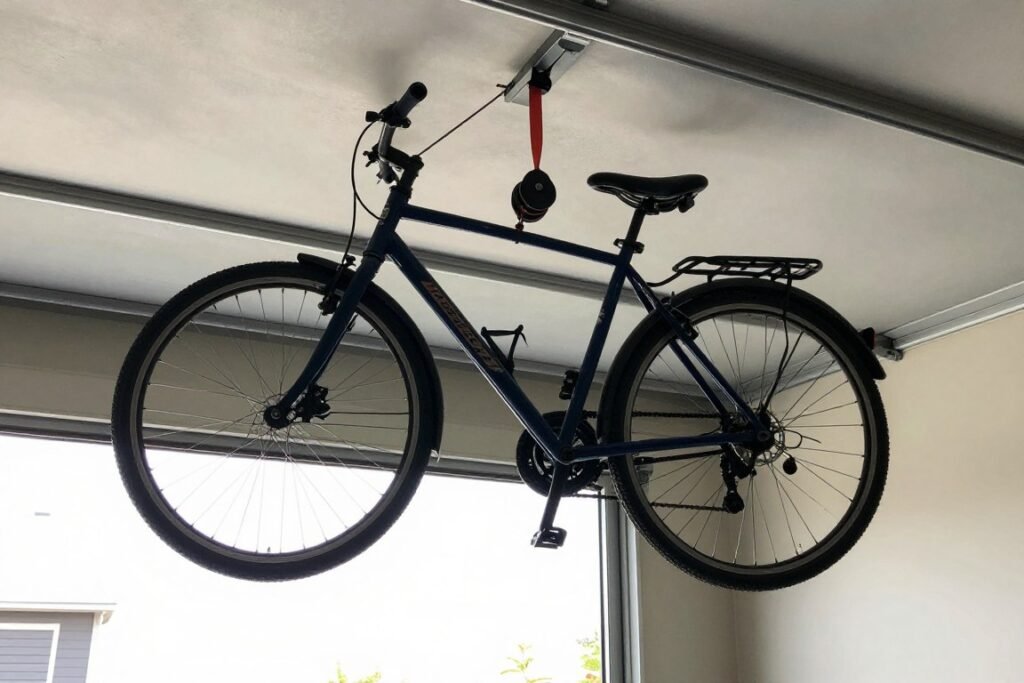
Ceiling-mounted bike hoists work for one or two bikes. The pulley mechanism includes a locking system to prevent accidental drops. Padding protects your bike frame from scratches.
Position pulley systems away from your parking space. Test the lowered position before installing permanently. Make sure you can easily reach the rope to operate the system.
Overhead Platform Storage
Platform storage creates a permanent shelf near your ceiling. These systems support more weight than hanging racks. Metal platforms distribute weight across multiple ceiling joists.
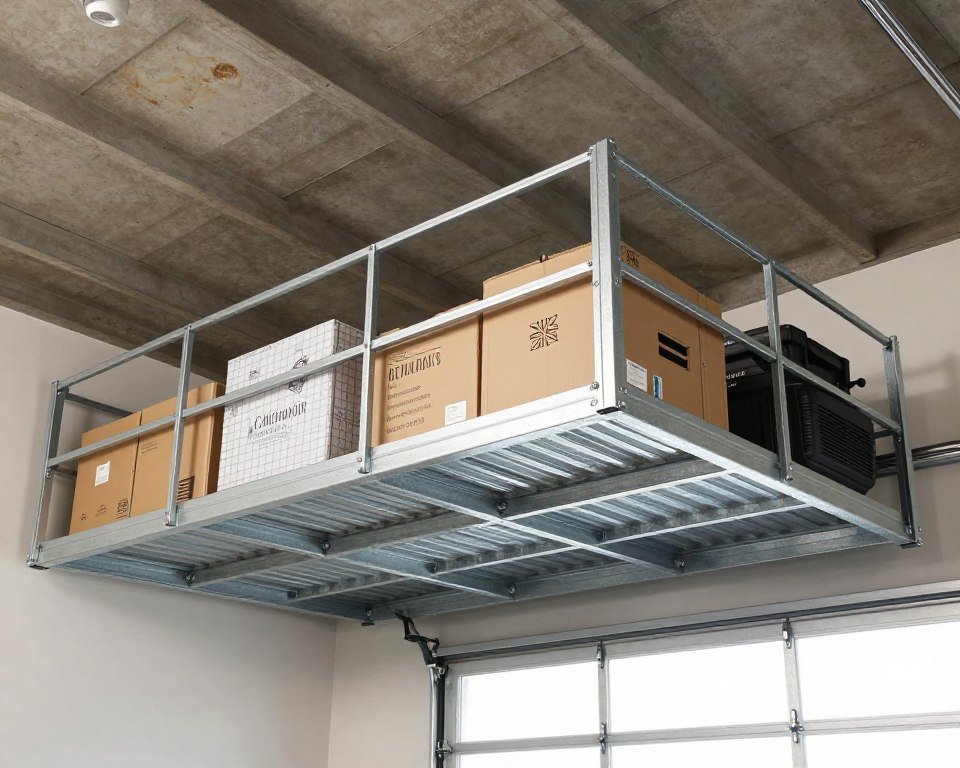
Build custom platforms from pressure-treated lumber for budget savings. Attach ledger boards to wall studs and support beams to ceiling joists. Add plywood decking to create the storage surface.
Garage Shelving Unit Options for Every Need
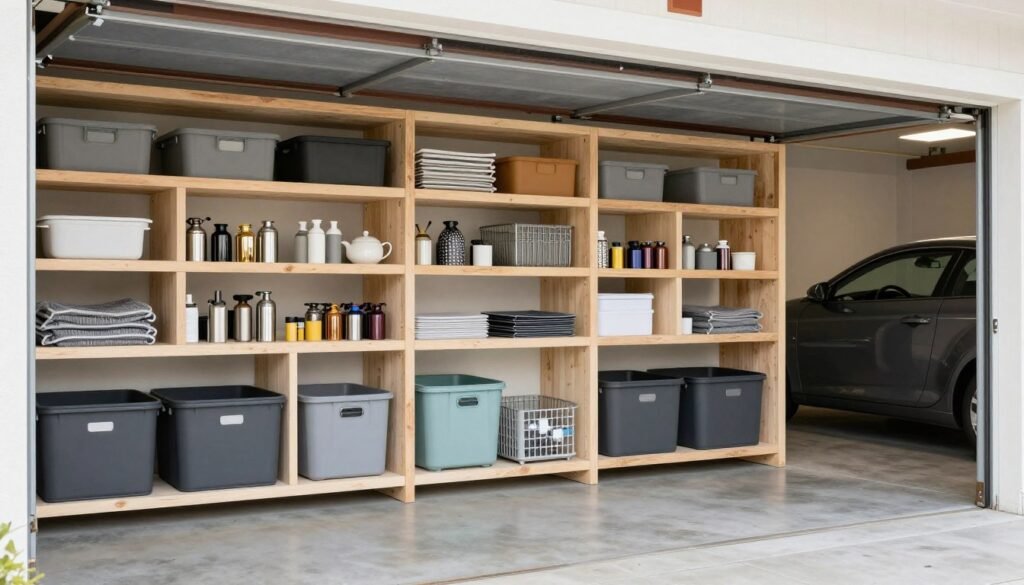
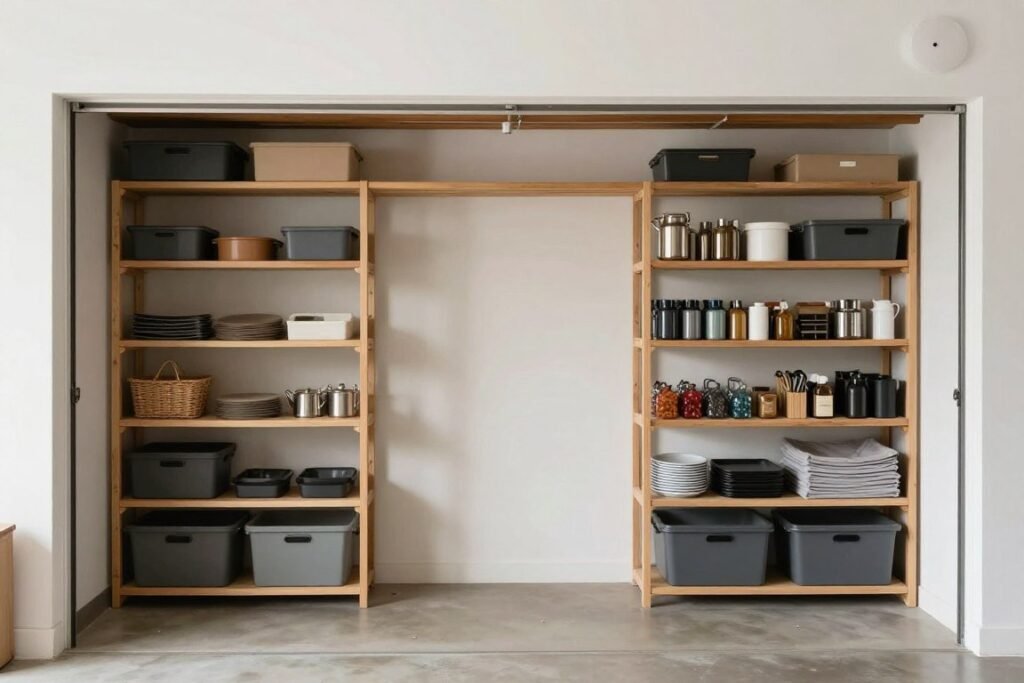
Freestanding shelves provide flexible storage that adjusts as your needs change. Unlike wall-mounted systems, you can move shelving units around your garage. The right shelving unit keeps items organized and accessible.

Heavy-Duty Metal Shelving
Metal shelving units handle serious weight loads. Steel or aluminum construction supports hundreds of pounds per shelf. These units resist rust and last for decades.
Look for shelves with adjustable heights to accommodate different sized items. Wire shelving prevents dust buildup and improves air circulation. Solid shelves work better for smaller items that might fall through wire gaps.
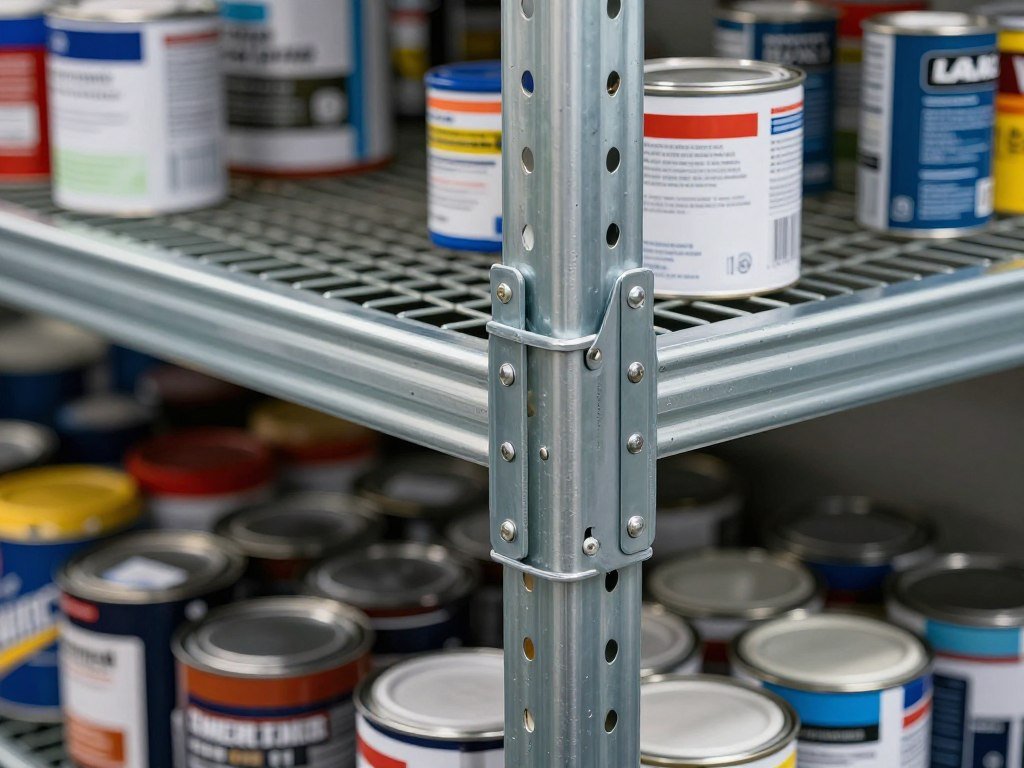
Place your heaviest items on lower shelves for stability. Keep frequently used items at waist height for easy access. Store seasonal items on top shelves where they won’t be in the way.
Wall-Mounted Shelving Systems
Wall-mounted shelves save floor space while providing sturdy storage. These systems attach directly to wall studs for maximum strength. Floating shelves create a clean, modern look.
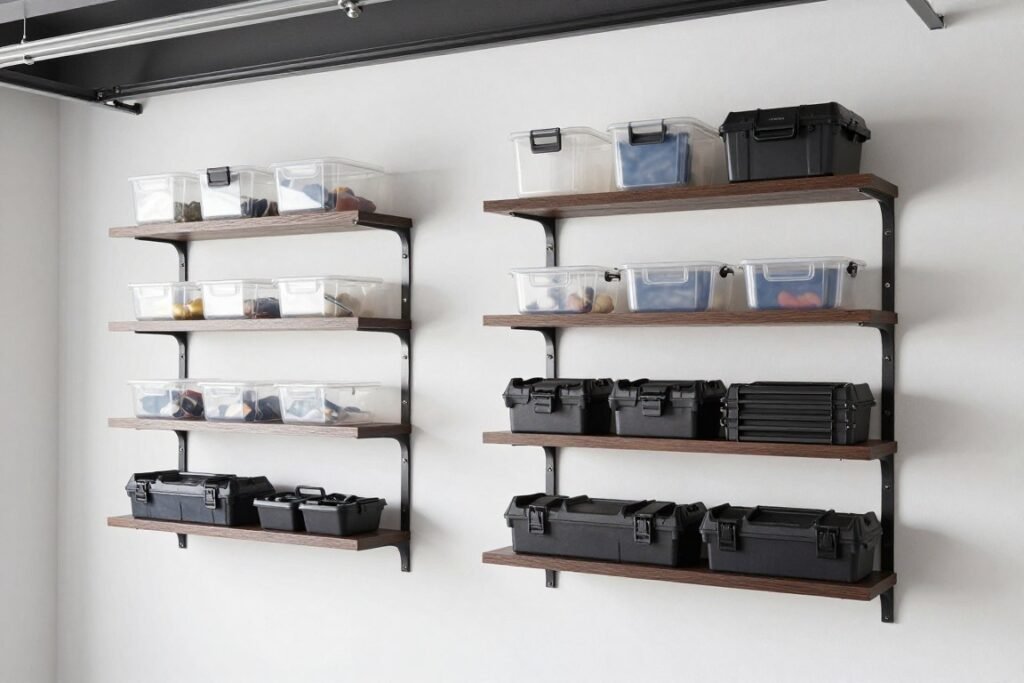
Install wall shelves at different heights to create storage zones. Lower shelves hold items you grab daily. Higher shelves store things you need occasionally. Leave space between shelves for tall items.
Bracket strength determines weight capacity for wall-mounted shelves. Use heavy-duty brackets rated for your expected load. Distribute weight evenly across the shelf length.
Corner Shelving Units
Corner shelving units utilize often-wasted garage space. These specialized units fit perfectly into corners. Triangular or L-shaped designs maximize corner storage capacity.
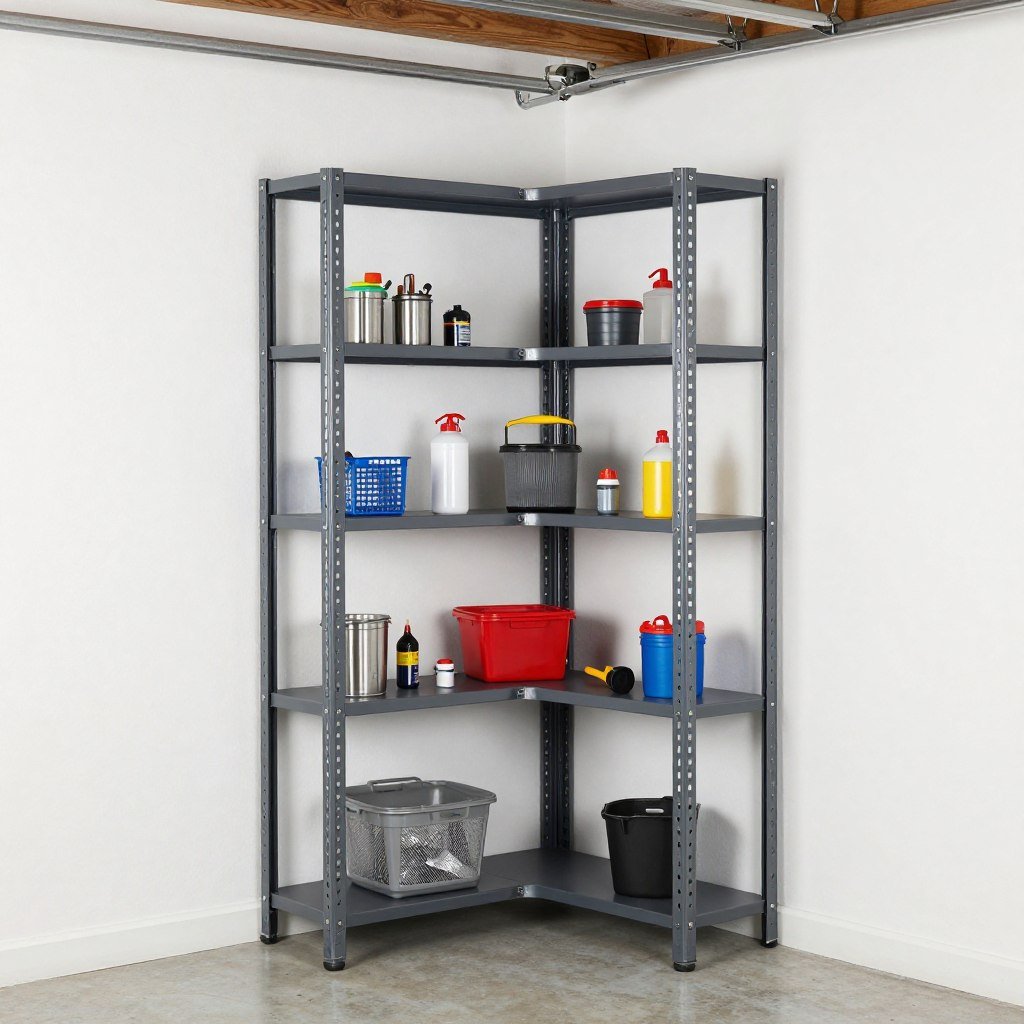
Tall corner units work great for vertical storage. Lower corner shelves hold larger items like paint cans. The angled design lets you reach items easily from either side.
Sports Equipment Organization Systems
Sports equipment takes up massive amounts of garage space when stored poorly. Balls roll everywhere. Bats and rackets lean against walls and fall over. Proper sports equipment storage keeps gear organized and protected.
Ball Storage Racks and Bins
Ball racks keep sports balls contained and organized. Wire racks let you see every ball at once. Stacking systems save floor space while holding multiple balls.

Wall-mounted ball holders work for frequently used equipment. Bins with lids protect balls from dust and damage. Label bins by sport type for quick identification.
Create a ball corral using bungee cords stretched across a corner. This simple DIY solution costs almost nothing. Balls stay contained but remain easy to grab.
Bat and Stick Organizers
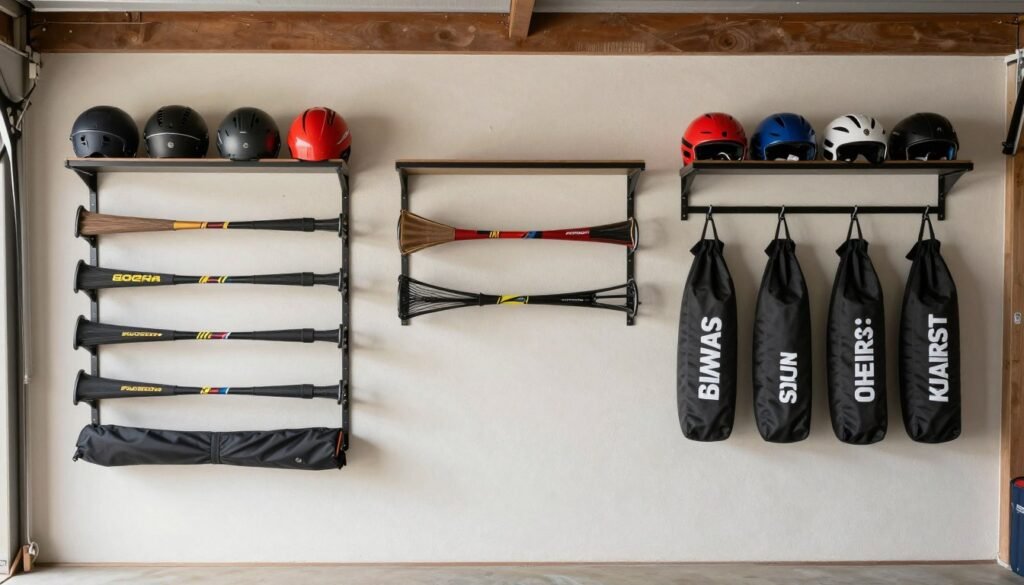
Baseball bats, hockey sticks, and golf clubs need vertical storage. Dedicated organizers keep these items upright and untangled. Wall-mounted racks save floor space.

PVC pipe sections create custom bat holders. Cut pipes to length and mount them horizontally to the wall. Insert bats handle-down for stable storage.
Freestanding stick holders work if you can’t mount to walls. These weighted bases keep equipment upright. Choose models with divided sections to prevent tangling.
Helmet and Protective Gear Storage
Helmets and pads need proper storage to maintain their protective properties. Mesh bags allow air circulation to prevent odor buildup. Dedicated shelves keep gear organized by family member.
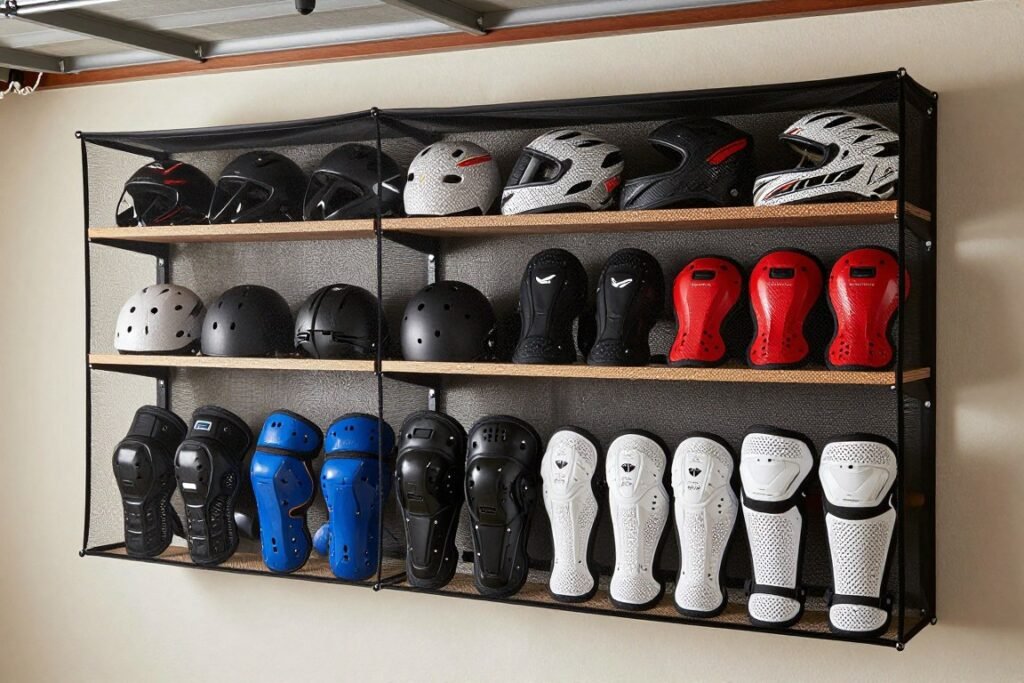
Install hooks at appropriate heights for each family member. Kids can reach their own equipment easily. Higher hooks store adult-sized gear. Label each hook with names or sport types.
Bike Rack and Bike Storage Solutions
Bikes consume premium floor space in most garages. A single bike takes up several square feet. Multiple bikes create an obstacle course. Smart bike storage lifts bikes off the floor and protects them from damage.
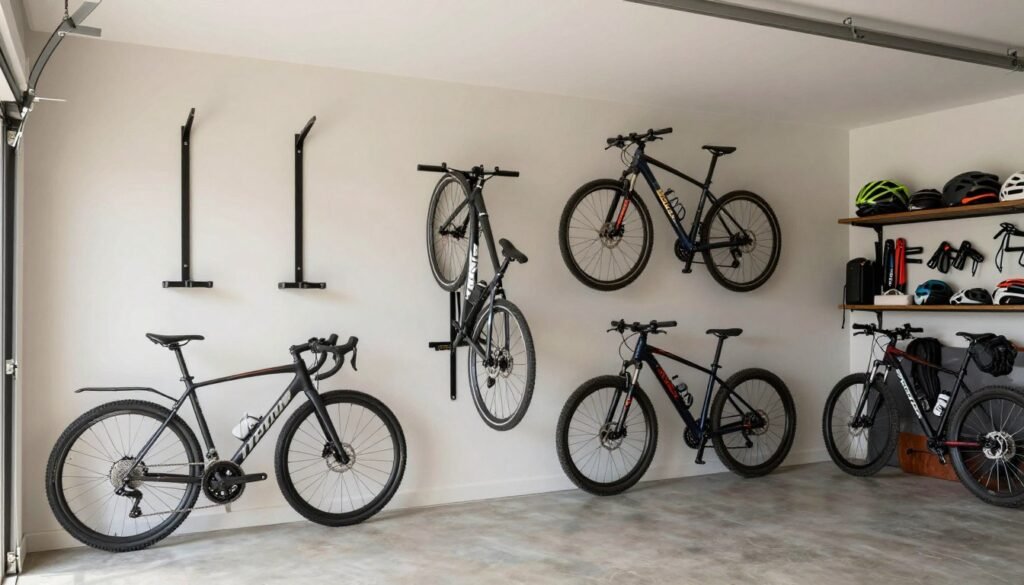
Wall-Mounted Bike Hooks
Wall hooks provide the simplest bike storage solution. Heavy-duty hooks attach to wall studs and support bike weight safely. Bikes hang vertically or horizontally depending on hook style.

Horizontal hooks let bikes hang parallel to the wall. This works great for garages with long walls. Vertical hooks rotate bikes perpendicular to the wall. These save more floor space but need deeper wall clearance.
Rubber-coated hooks protect bike frames from scratches. Space hooks at least two feet apart for adult bikes. Kids bikes need less spacing. Position hooks high enough to clear car mirrors if you park inside.
Freestanding Bike Racks
Freestanding bike racks don’t require wall mounting. These portable systems work for renters or concrete walls. Move racks around as your storage needs change.
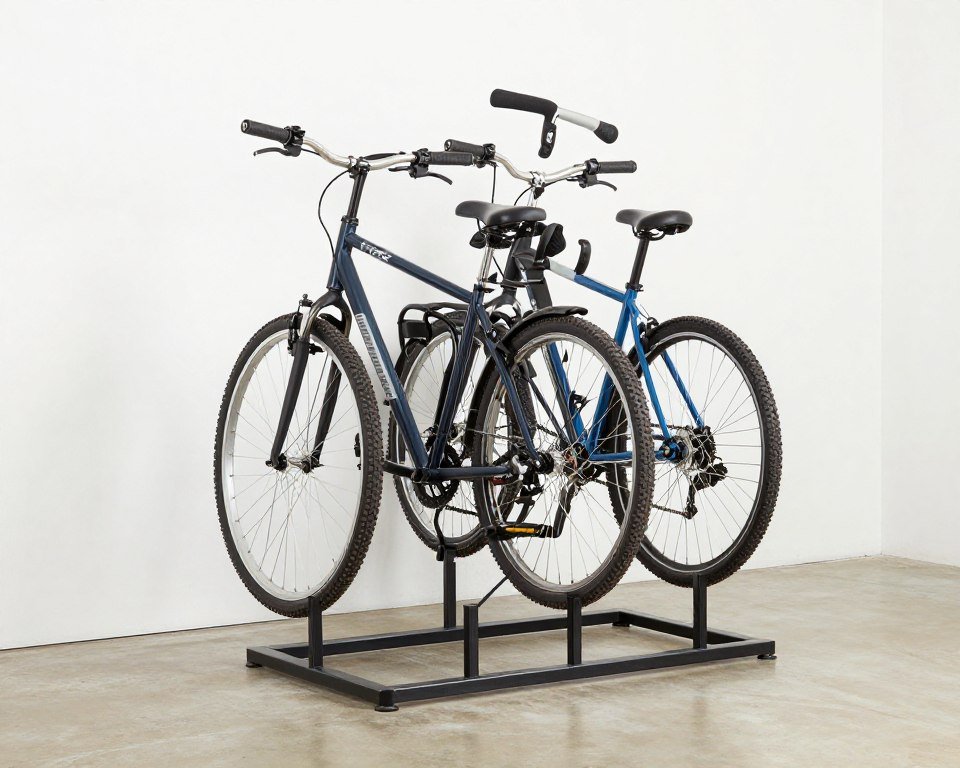
Gravity-style racks hold bikes upright using their own weight. Bikes lean against padded arms that prevent tipping. These racks accommodate multiple bikes in a small footprint.
Wheel-mount racks secure bikes by their wheels. Front or rear wheel slots into the rack base. This style keeps bikes extremely stable. Look for racks with adjustable spacing for different bike sizes.
Ceiling Bike Storage
Ceiling bike storage maximizes garage space efficiency. Bikes lift overhead and completely clear floor area. Pulley systems make raising and lowering bikes effortless.

Hoist systems include hooks that attach to the bike frame. Rope threading through pulleys lifts the bike. A locking cleat secures the rope when the bike reaches ceiling height.
Test ceiling height with the bike lowered before permanent installation. Make sure you can comfortably reach the bike to attach and remove it. Install hoists over areas where you won’t park vehicles.
Tool Storage and Organization Ideas
Lost tools waste time and money. You buy duplicates of tools already buried in your garage. Proper tool storage puts every tool in its place. You’ll find what you need instantly and protect your tool investment.
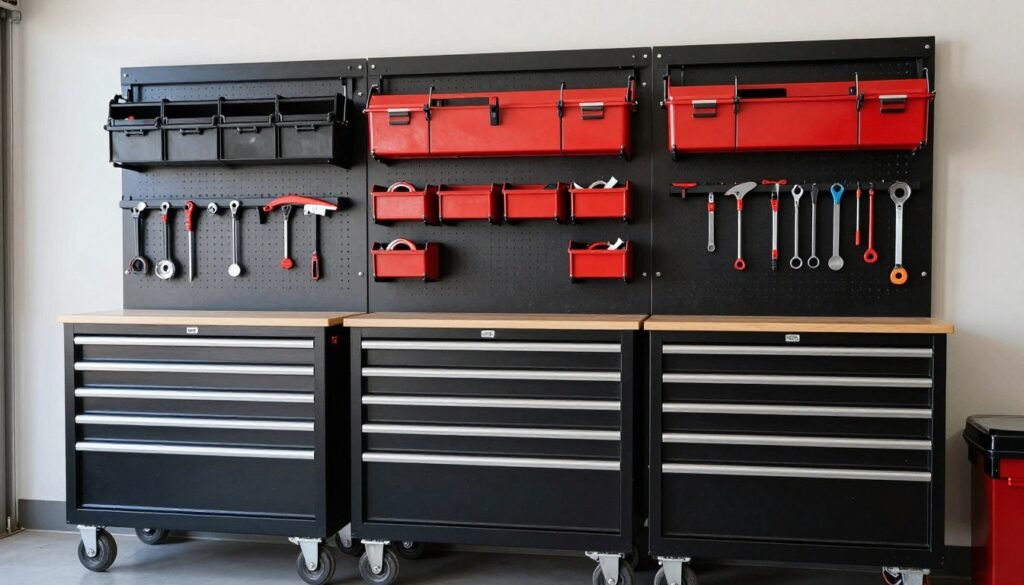
Tool Chests and Rolling Cabinets
Tool chests provide secure, organized storage for hand tools. Multiple drawers separate tools by type or size. Locking mechanisms protect valuable tools from theft.

Rolling cabinets move tools where you need them. Work on projects anywhere in your garage or driveway. Lock wheels when working to prevent movement. Choose cabinets with drawer dividers for better organization.
Ball-bearing drawer slides make opening heavy drawers smooth. Soft-close mechanisms prevent slamming. Invest in quality slides because they get constant use.
Magnetic Tool Holders
Magnetic strips keep metal tools visible and accessible. Attach strips to walls or the sides of tool chests. Tools snap into place magnetically and release with a simple pull.

Multiple short strips work better than one long strip. Position strips at comfortable working height. Group similar tools together on each strip. Label strips if you have many tools.
Magnetic bowls catch small parts during projects. These stick to metal surfaces near your work area. Screws, nuts, and bolts stay contained and won’t roll away.
Power Tool Storage Solutions
Power tools need protective storage that keeps them accessible. Custom shelves with cutouts hold each tool securely. Wall-mounted brackets work for frequently used tools.
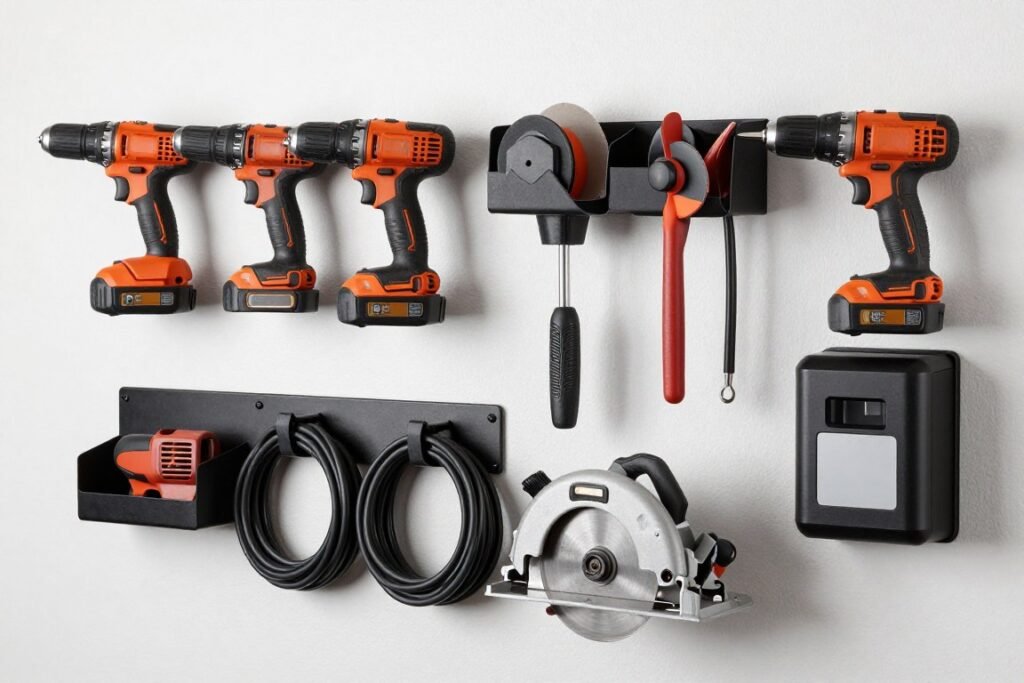
Cord management prevents tangling and damage. Velcro straps or cord wraps keep cords neat. Some tool holders include built-in cord hooks. Store power tool batteries on a charging station within easy reach.
Storage Bins and Containers for Smaller Items
Small items create the biggest organizational challenges in garages. Nails, screws, bolts, and fasteners mix together in jumbled drawers. Finding the right size washer takes ten minutes. Smart container systems solve these problems permanently.
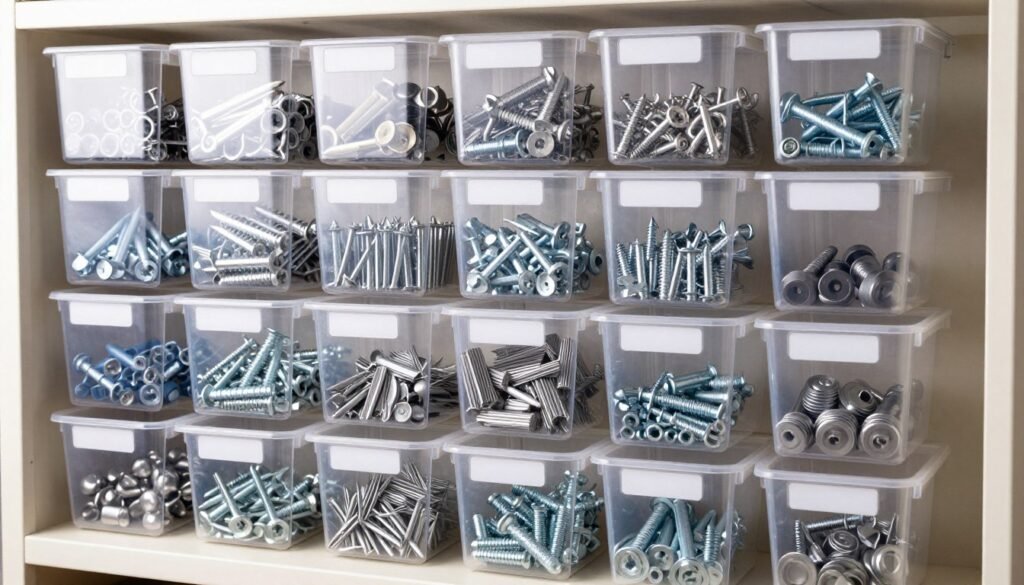
Clear Storage Bins with Labels
Clear plastic bins let you see contents without opening lids. This saves time when searching for specific items. Stackable bins maximize vertical storage efficiency.
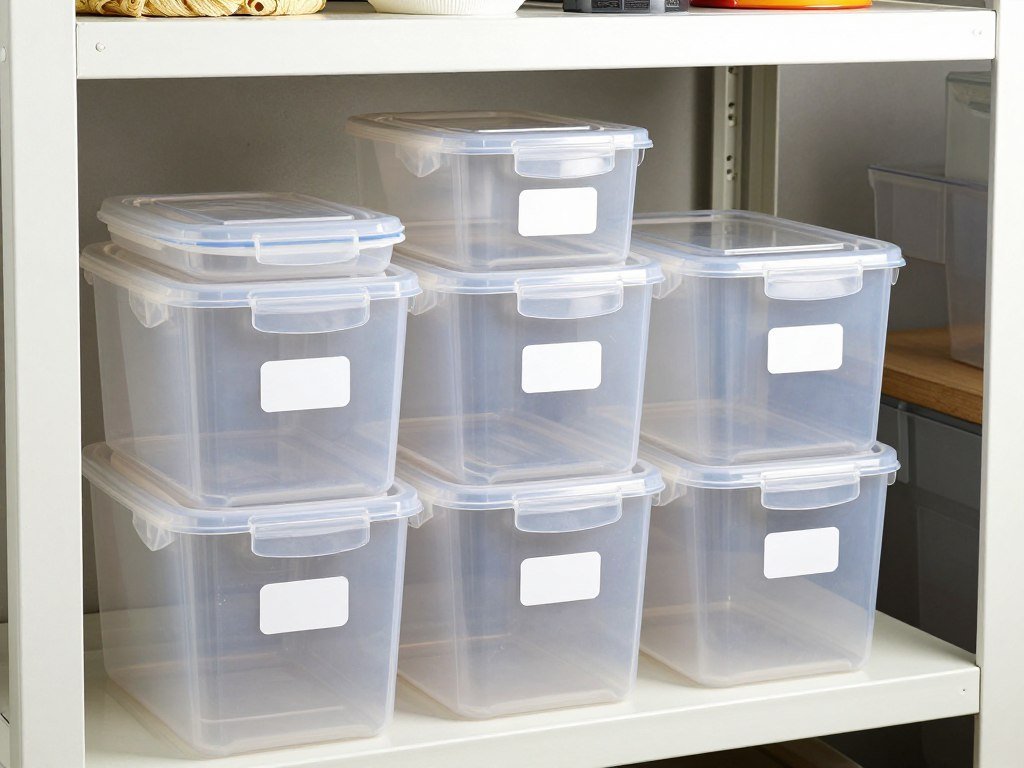
Label every bin clearly with large text. Include both category and specific contents. Use a label maker for professional results. Color-code labels by room or project type for faster identification.
Store heavier items in smaller bins to prevent strain when lifting. Reserve large bins for lightweight bulky items. Keep frequently accessed bins at waist height. Seasonal items go on higher shelves.
Parts Organizer Systems
Parts organizers feature multiple small compartments in one unit. Removable dividers let you customize compartment sizes. These work perfectly for screws, nails, washers, and other fasteners.

Wall-mounted organizers save bench space. Portable organizers travel to project locations. Drawer-style units stack vertically for compact storage. Choose organizers with secure latches to prevent spills.
Organize fasteners by size and type for fastest access. Group related items together. Keep most-used sizes in the most accessible compartments. Refill compartments from bulk purchases to save money.
Jar and Container Mounting
Mason jars attached to overhead shelves create visible storage for small items. Mount jar lids to the underside of shelves. Fill jars and screw them into mounted lids from below.

This system works great above workbenches. Jars hang overhead but stay out of your way. Contents remain visible and accessible. The setup costs very little with recycled jars.
Workbench Storage and Organization
A functional workbench transforms your garage into a real workshop. The right workbench provides workspace for projects and storage for tools. Smart organization around your bench maximizes efficiency.
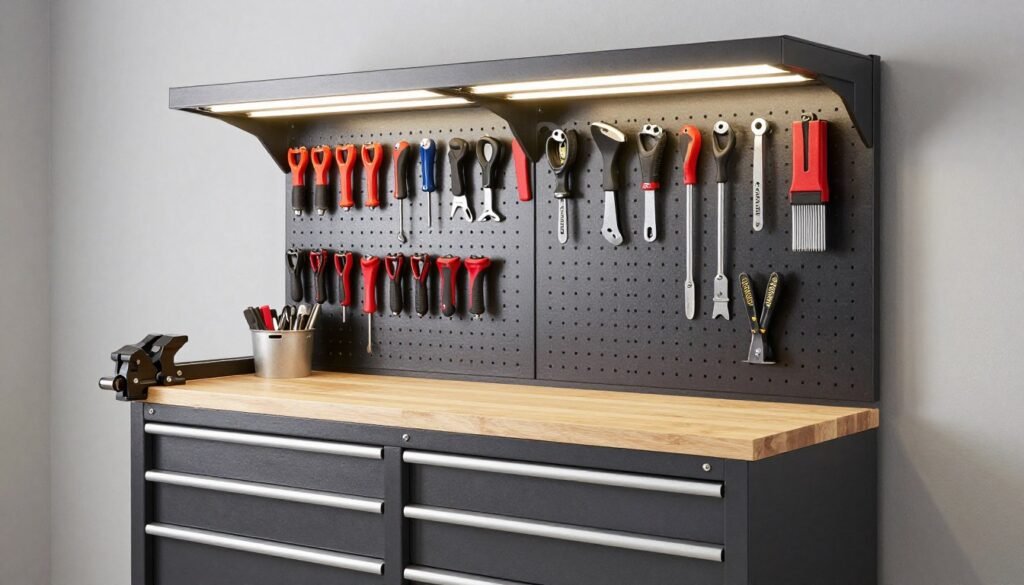
Workbench with Built-in Storage
Workbenches with integrated storage keep tools within arm’s reach. Drawers below the work surface hold frequently used items. Cabinets provide space for larger equipment and supplies.

Choose a work surface that matches your projects. Hardwood tops handle heavy pounding. Stainless steel resists chemicals and cleans easily. Pegboard backing creates vertical tool storage directly above your work area.
Install power outlets in or near your workbench. This eliminates extension cords across your workspace. Add task lighting overhead to illuminate projects clearly. Consider adding a vise for secure material holding.
Tool Board Organization
A dedicated tool board above your workbench keeps essential tools visible. Outline each tool’s position so everything returns to the right spot. This visual system makes missing tools obvious immediately.
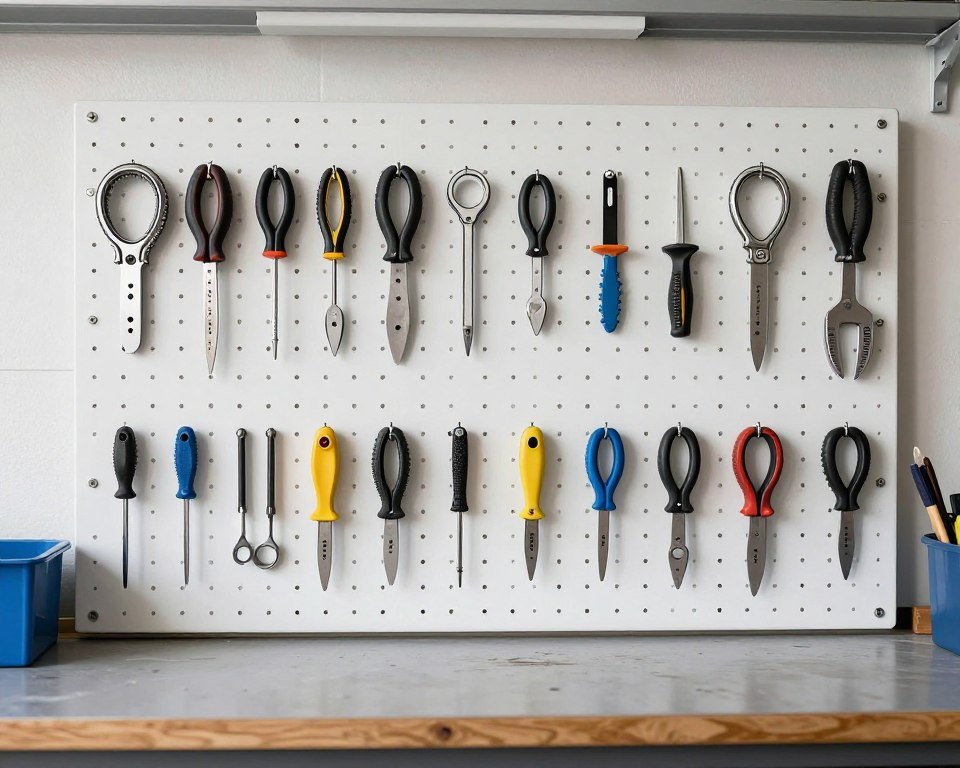
Paint tool silhouettes using the actual tools as templates. This creates a shadow board effect. Red or yellow paint makes empty spots highly visible. Replace tools after each use to maintain organization.
Group tools by function on your board. Keep measuring tools together. Cluster cutting tools in one area. This logical arrangement speeds up project work.
Mobile Work Stations
Rolling work stations provide flexible workspace. Move stations next to your project location. Lock wheels during work for stability. Fold-down surfaces expand workspace when needed.
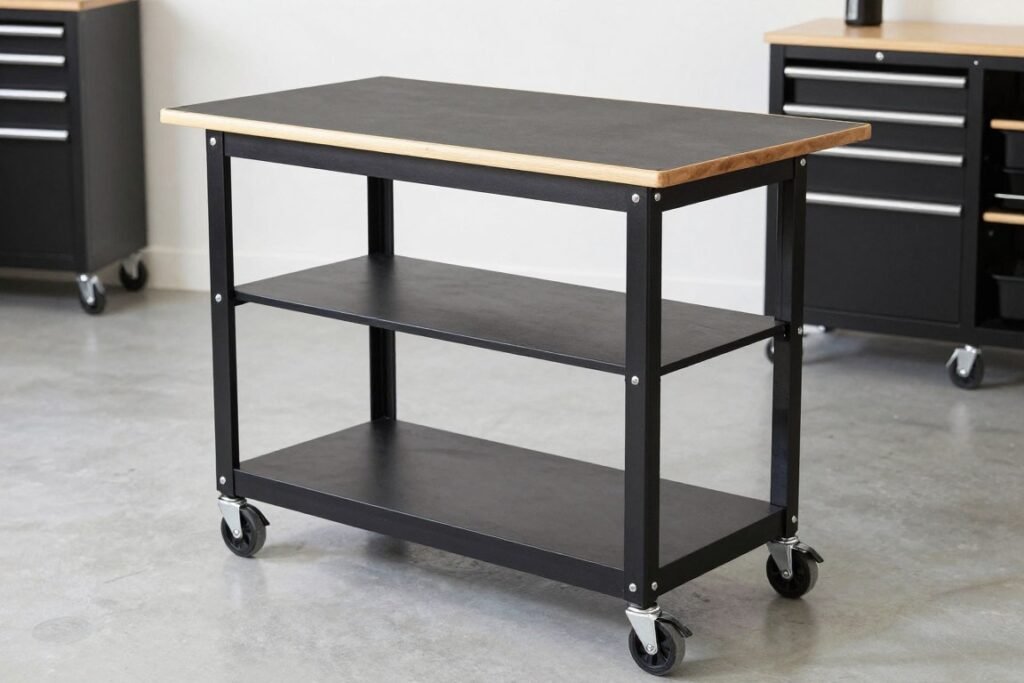
Mobile stations work great in smaller garages. Push the station against a wall when not in use. Roll it out for projects. Some models include built-in tool storage and power strips.
Seasonal Item Organization
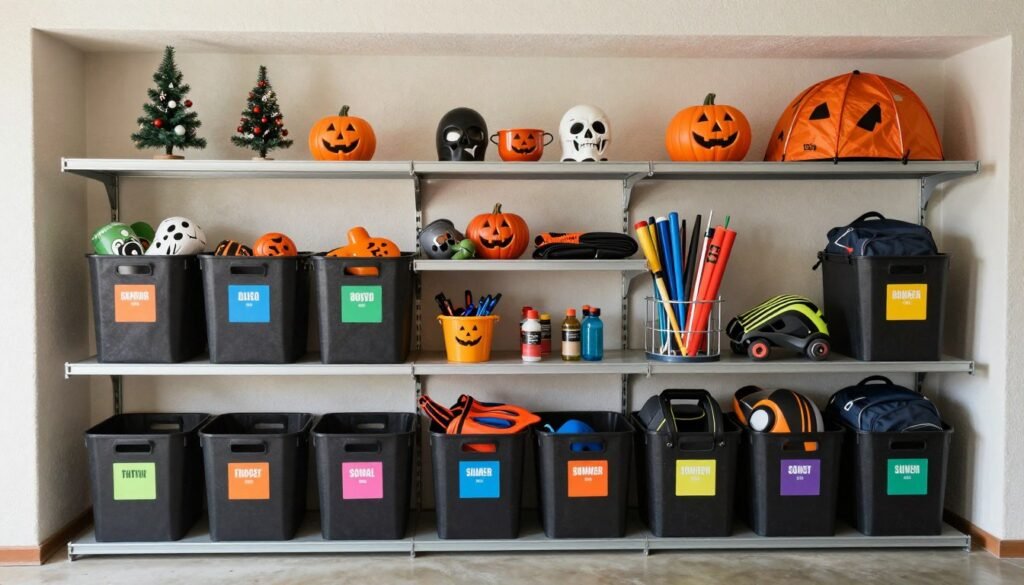
Seasonal decorations and equipment crowd garages for months at a time. Holiday decorations sit unused eleven months per year. Summer gear takes up space all winter. Strategic seasonal storage keeps these items organized and protected.
Holiday Decoration Storage
Holiday decorations need careful storage to prevent damage. Ornament organizers protect fragile items. Wreath boxes prevent crushing. Light storage reels eliminate tangling.
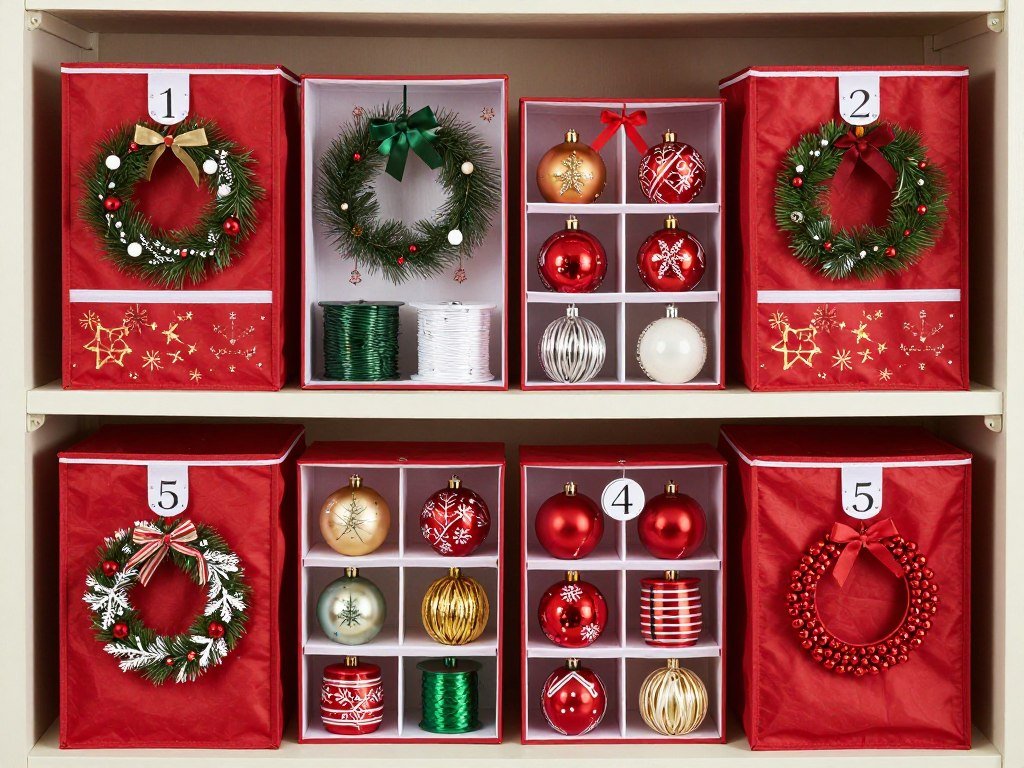
Label boxes by holiday and room where items are used. This speeds up decorating and takedown. Store current season decorations in accessible locations. Move off-season items to overhead storage racks.
Climate-controlled storage protects delicate decorations. If your garage experiences temperature extremes, store valuable decorations inside your home. Plastic bins protect better than cardboard boxes in garages.
Sports and Recreation Equipment
Seasonal sports equipment needs rotation throughout the year. Ski equipment stores away in summer. Beach toys move to accessible storage before summer vacation. Create a rotation system that swaps items seasonally.
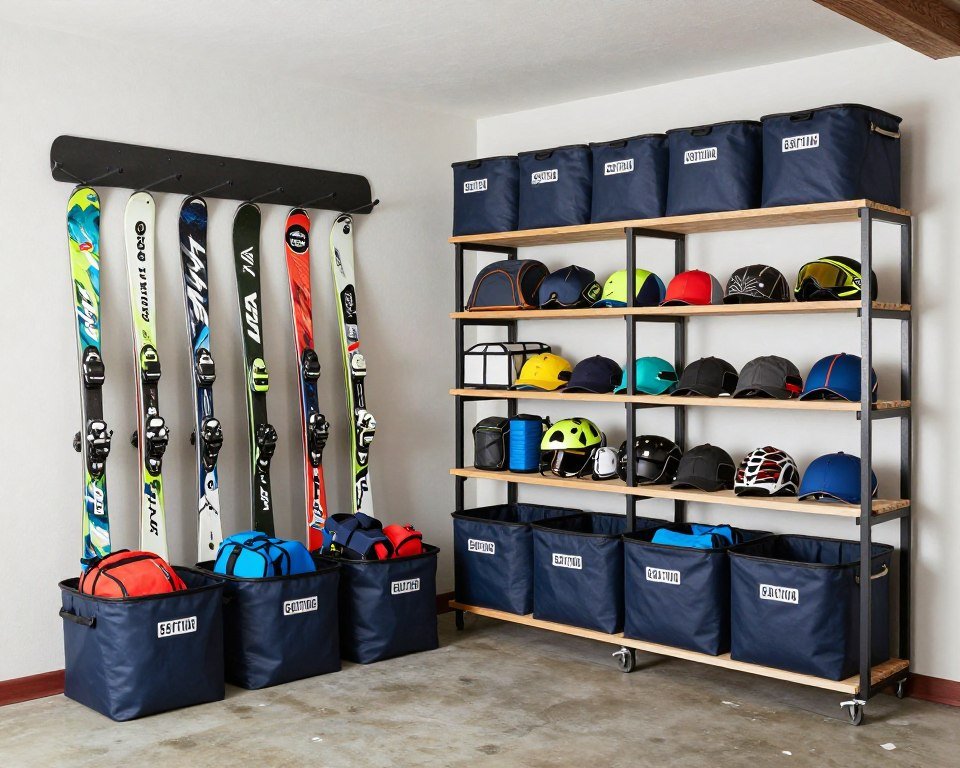
Dedicate specific shelves or zones to each season. Winter gear goes on higher shelves in summer. Summer items move up in winter. This rotation keeps current season items always accessible.
Clean and maintain equipment before storing. Dry everything thoroughly to prevent mold and mildew. Apply protective treatments to leather and metal items. This preparation extends equipment life significantly.
Camping and Outdoor Gear
Camping gear includes numerous small items that easily get lost. Keep complete camping kits together in dedicated bins. This prevents searching for parts across multiple storage locations.

Store tents and sleeping bags loosely to maintain loft. Compression damages insulation over time. Hang sleeping bags or store them in large mesh bags. Keep tents clean and completely dry before storage.
Garden Tool and Supply Storage
Garden tools left leaning against walls fall over constantly. Bags of soil and mulch pile up messily. Proper garden storage protects tools from rust and keeps supplies organized and accessible.

Long-Handle Tool Racks
Rakes, shovels, and hoes need secure vertical storage. Wall-mounted racks hold long handles upright. This prevents tools from falling and creating hazards.
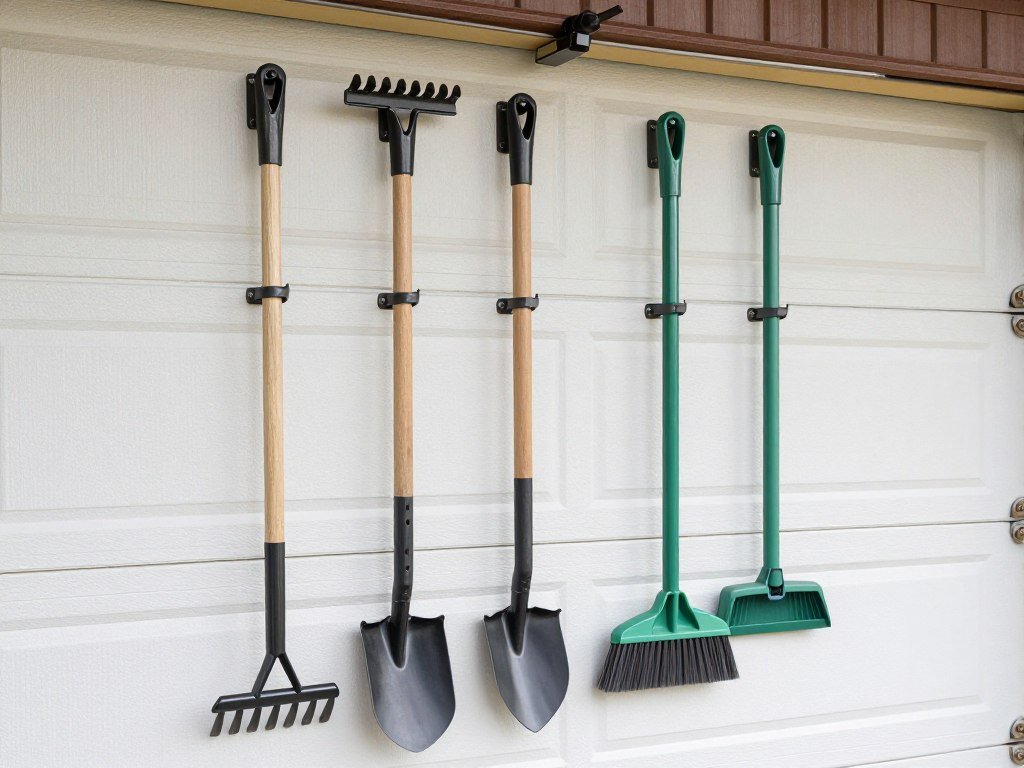
Spring-loaded clips grip tool handles securely. Gravity-style racks use angled holders that prevent tools from sliding out. Choose racks with rubber padding to protect tool handles from damage.
Position tool racks near your garage door for easy access. Mount racks at a height where you can easily insert and remove tools. Leave enough space between positions to prevent handles from touching.
Potting Bench with Storage
A potting bench provides workspace for plant projects. Shelves below hold pots, soil, and supplies. A raised work surface saves your back during repotting tasks.
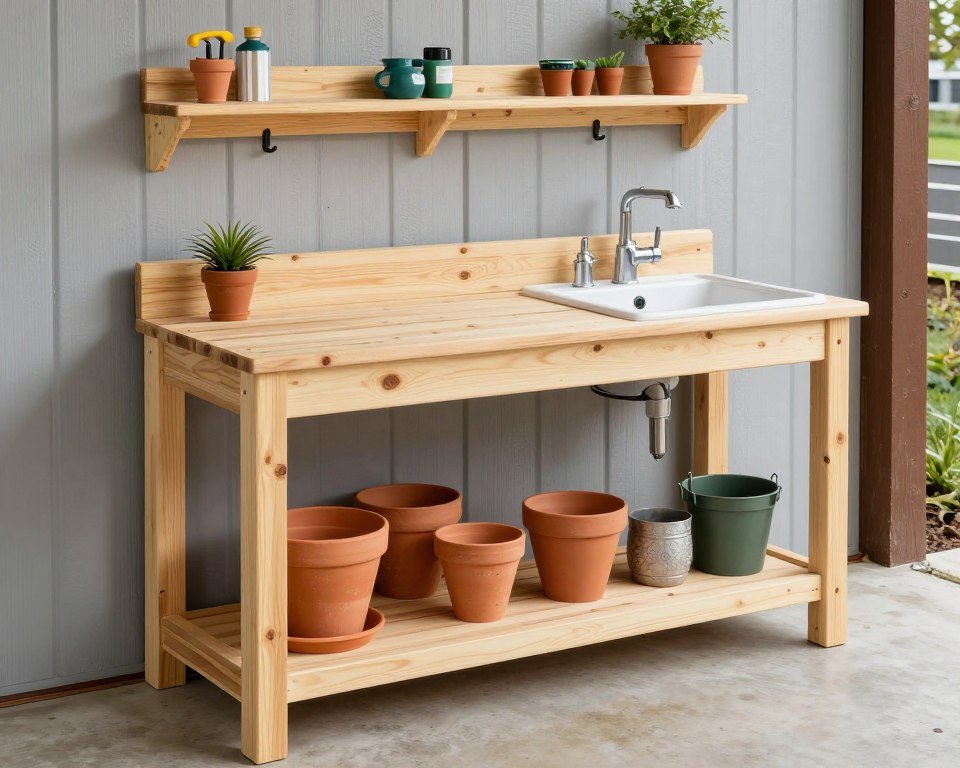
Include a sink or water access if possible for easy cleanup. Wire mesh shelves allow soil to fall through for easy cleaning. Hooks above the bench hold small hand tools within reach.
Store fertilizers and chemicals on high shelves away from children and pets. Keep these items in their original containers with clear labels. Group products by type for easy selection.
Hose and Watering Can Storage
Garden hoses tangle into impossible knots without proper storage. Wall-mounted hose reels keep hoses neat and ready to use. Watering cans hang on hooks nearby for convenient access.
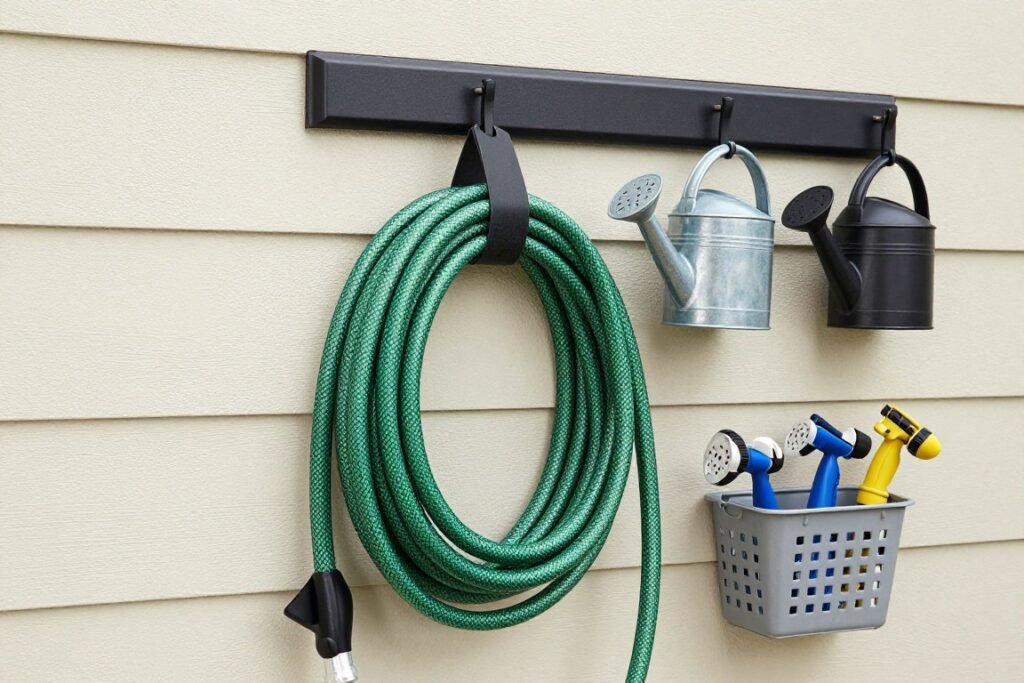
Automatic rewind reels make hose storage effortless. Manual reels work fine and cost less. Mount reels at comfortable height for winding and unwinding. Position reels near outdoor water connections.
Automotive Supply Organization
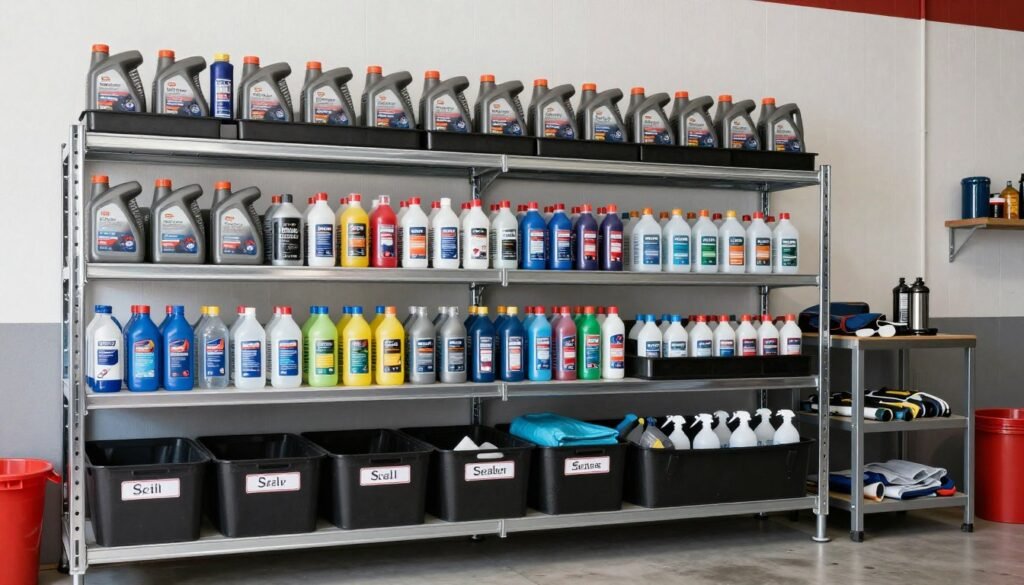
Car care products, fluids, and tools accumulate quickly in garages. Oil bottles leak and stain shelves. Cleaning supplies get mixed with paint cans. Dedicated automotive storage keeps supplies organized and prevents accidents.
Fluid Storage and Containment
Store automotive fluids in containment trays to catch drips and spills. Keep different fluid types separated. Label shelves clearly to prevent mixing products. Store fluids away from heat sources and direct sunlight.

Original containers work best for fluid storage. Transfer only if original containers are damaged. Always label any transferred fluids immediately. Keep material safety data sheets accessible for reference.
Dispose of used oil and fluids properly. Store used fluids in sealed containers until you can take them to recycling centers. Never pour automotive fluids down drains or into ground.
Car Care Product Organization
Organize car wash supplies, waxes, and polishes together. Use caddies or bins to group related products. This creates a mobile detailing kit you can carry to your vehicle.
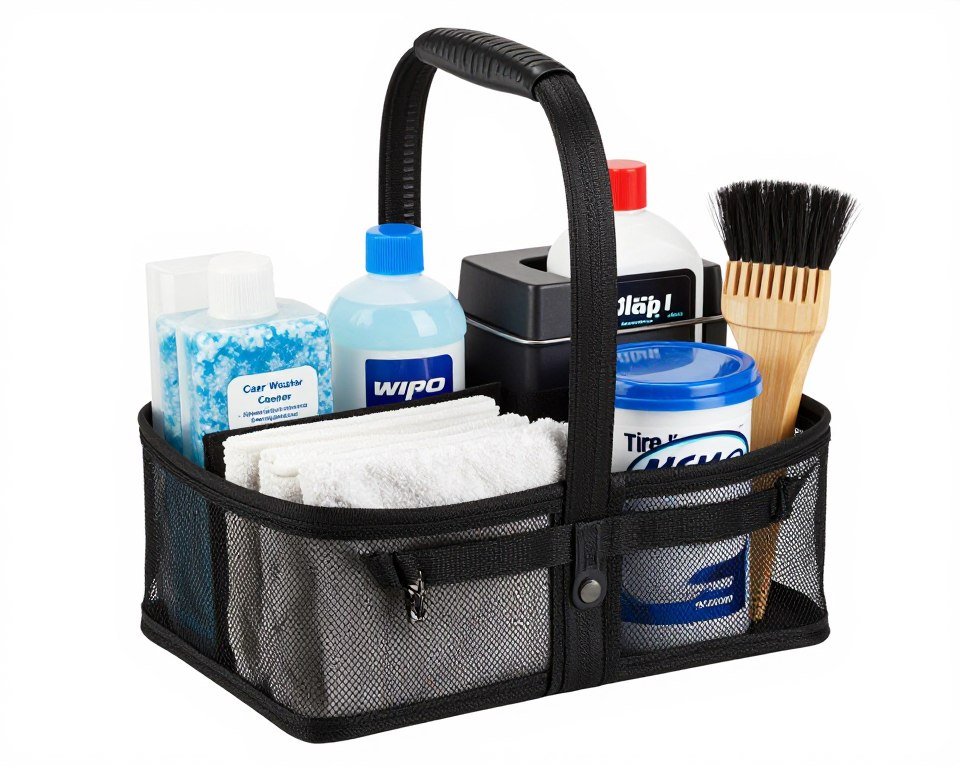
Keep microfiber towels clean and separate from shop rags. Dirty towels scratch paint finishes. Store clean towels in sealed bags or bins. Wash detailing towels separately from regular laundry.
Tire Storage Solutions
Extra tires take up significant floor space. Tire racks stack tires vertically to save space. Wall-mounted brackets hold tires securely off the floor.

Clean tires before storing to prevent dirt buildup. Store tires in a cool, dry location away from direct sunlight. Cover tires or store in tire bags to prevent rubber degradation. Stack tires no more than four high to prevent deformation.
Paint Cans and Chemical Storage
Paint cans rust and leak when stored improperly. Chemical products pose safety hazards if not secured correctly. Smart paint and chemical storage protects your garage and keeps products usable.
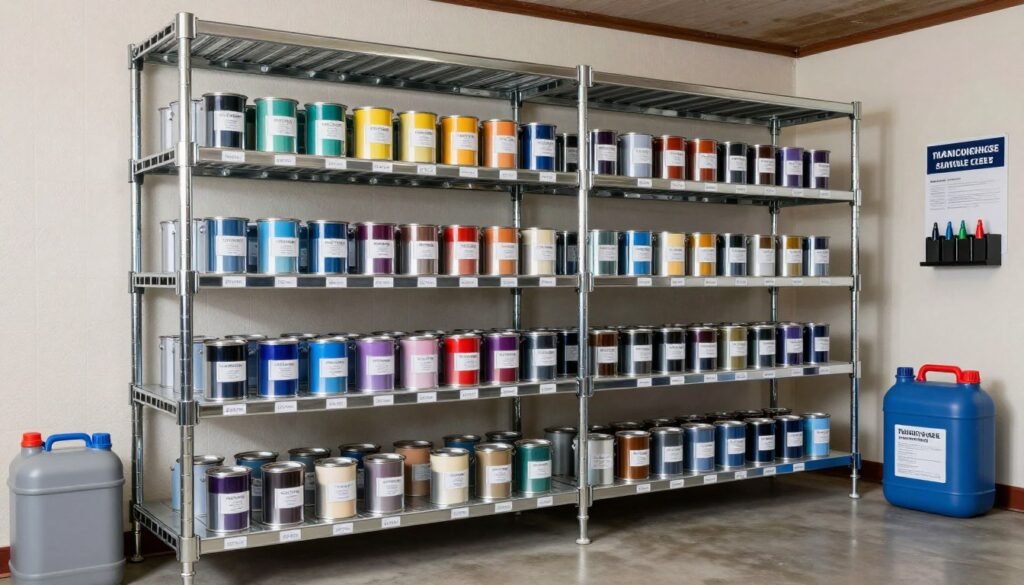
Paint Can Organization Systems
Store paint cans right-side up to prevent lid seal damage. Group paints by room or color family. Label each can with the room and date of purchase. This information helps with future touch-ups.

Transfer paint color samples to the can lids using a brush. You can identify colors at a glance without opening cans. Take photos of each room’s paint can for quick reference when shopping for touch-up paint.
Dispose of dried-out or old paint properly. Most municipalities have hazardous waste collection days. Latex paint can dry out and go in regular trash. Oil-based paints need special disposal.
Spray Paint Organization
Spray paint cans roll everywhere without proper storage. Drawer organizers keep cans upright and visible. Lazy susans make finding the right color simple with a quick spin.

Store spray paint in climate-controlled areas if possible. Extreme temperatures affect spray mechanisms. Keep cans away from heat sources to prevent pressure buildup. Test old cans before use on important projects.
Chemical and Cleaner Storage Safety
Lock away chemicals if children or pets access your garage. Use dedicated cabinets with ventilation. Store chemicals in original containers with intact labels. Never mix different cleaning supplies together.

Keep incompatible chemicals separated. Store acids away from bases. Read all safety labels before storage. Maintain good ventilation in storage areas to prevent fume buildup.
Extension Cords and Utility Item Storage
Extension cords tangle into knots in drawers and boxes. Utility items scatter across multiple storage locations. Organized cord and utility storage prevents frustration and extends equipment life.

Extension Cord Organization
Coil extension cords properly to prevent kinks. Use the over-under method to avoid twists. Secure coiled cords with velcro straps. This keeps cords neat and ready to use.

Label each cord with its length and amperage rating. This helps you grab the right cord for each job. Color-code outdoor-rated cords differently from indoor cords. Store outdoor cords near the garage door for easy access.
Wall-mounted cord reels work great for frequently used cords. Wind and unwind cords quickly without tangling. Some reels include automatic retraction. Mount reels at comfortable working height.
Cleaning Supplies Organization
Garage cleaning supplies need separate storage from household cleaners. Group supplies by task type. Keep car wash supplies together. Store general garage cleaners in another section.
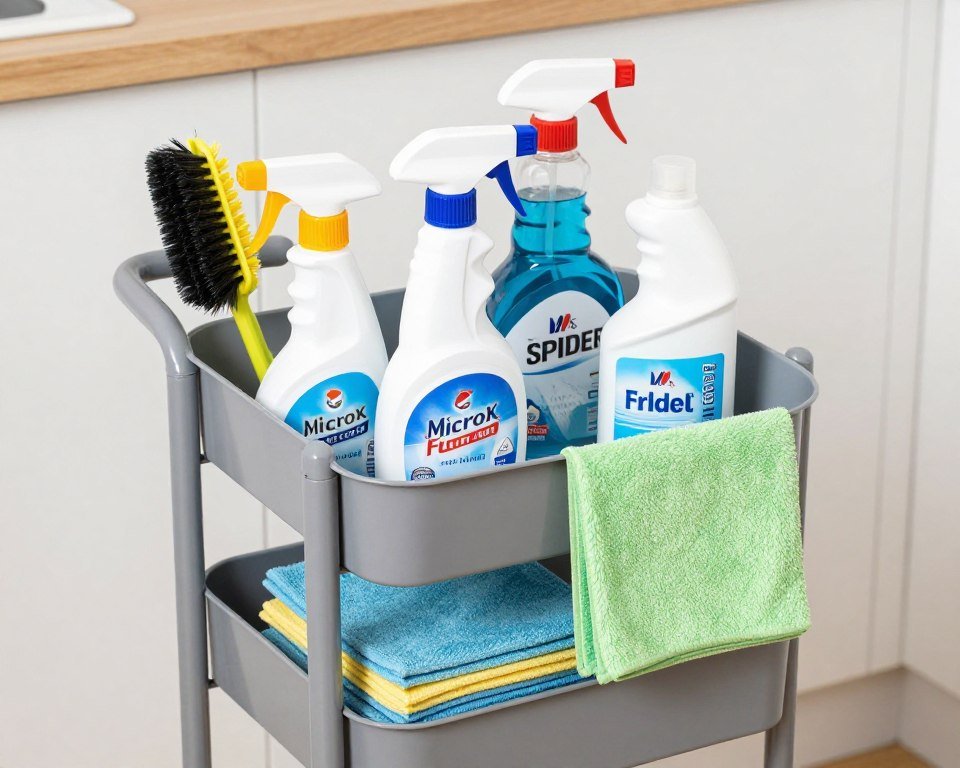
Use caddies to create mobile cleaning kits. Carry supplies to the job location easily. Return everything to the caddy after use. This keeps supplies together and prevents lost items.
Store cleaning cloths and rags separately from clean towels. Use different colored rags for different tasks. Red rags for automotive work. Blue rags for general cleaning. This prevents cross-contamination.
Light Bulb and Battery Storage
Keep spare light bulbs organized by type and wattage. Small compartmented organizers work perfectly. Label each section clearly. Store bulbs in their original packaging when possible for protection.
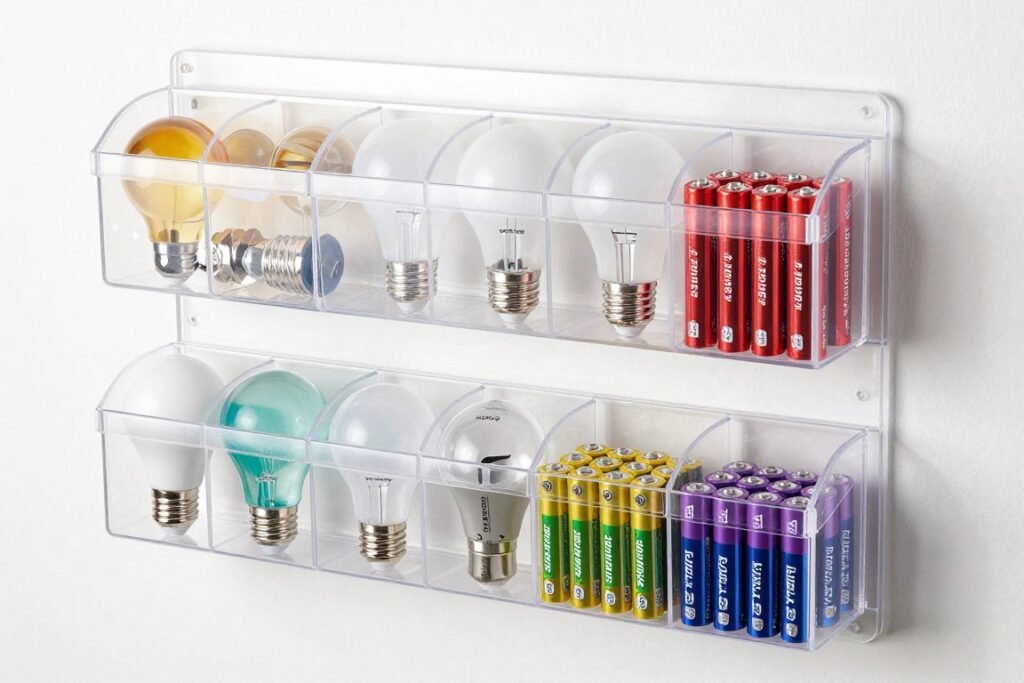
Battery storage requires specific conditions. Keep batteries in a cool, dry location. Store batteries in original packaging or dedicated battery organizers. Remove batteries from devices not used regularly. Check expiration dates and dispose of old batteries properly.
Recycling and Waste Management
Garages often become collection points for recyclables and waste. Multiple bins help sort materials properly. A dedicated recycling station streamlines your waste management process.
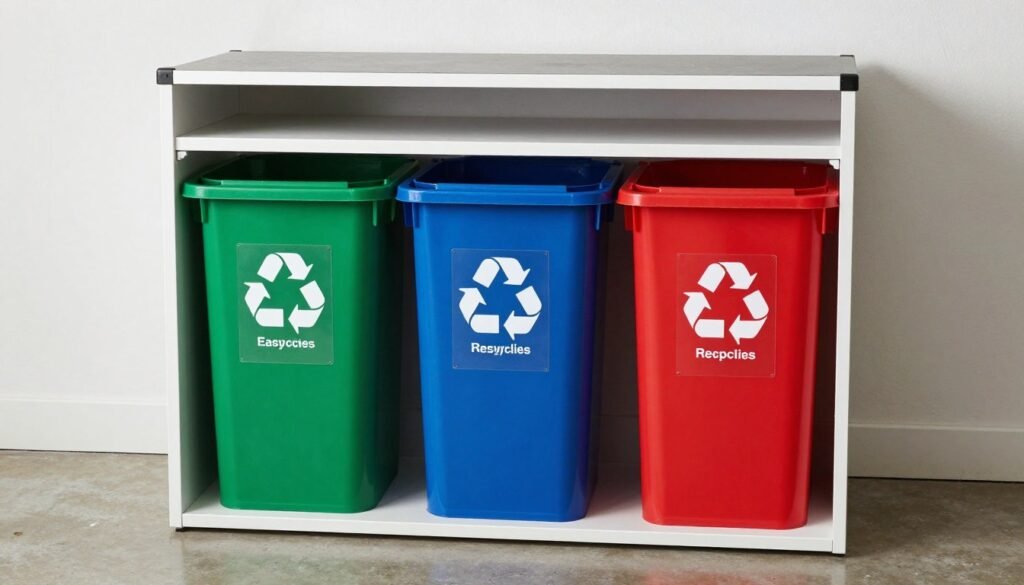
Multi-Bin Sorting Systems
Set up separate bins for trash, recycling, and special waste. Color-code bins for quick identification. Blue for recycling, green for compost, black for trash. Label each bin clearly with accepted items.
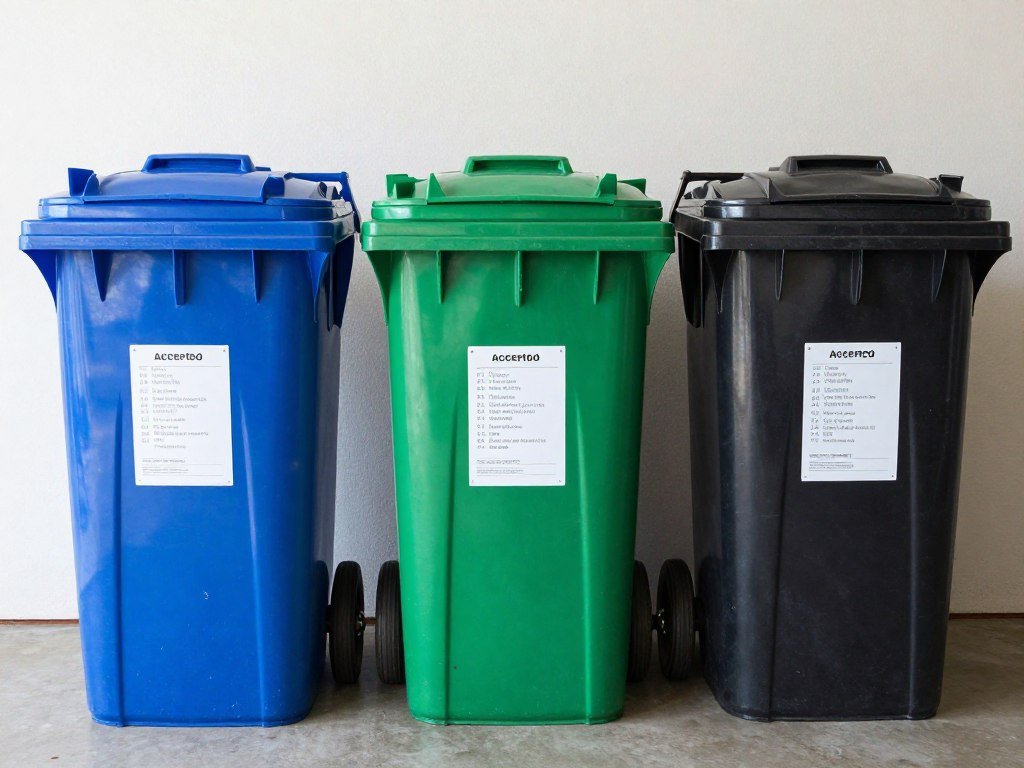
Position recycling bins near your garage entrance from the house. This encourages proper sorting from the start. Make recycling as convenient as throwing things away. Empty bins regularly before they overflow.
Create a collection point for items that need special disposal. Electronics, batteries, light bulbs, and paint require special handling. Keep these items separate until you can take them to proper recycling facilities.
Cardboard and Paper Storage
Flatten cardboard boxes before recycling. Stacked flat boxes take up minimal space. Use large bins or create a designated area for flattened cardboard. Break down boxes immediately after unpacking items.

Keep a box cutter near your cardboard storage area. This makes breaking down boxes quick and easy. Bundle cardboard with twine for curbside pickup. Check local recycling rules for size requirements.
DIY Garage Storage Ideas on a Budget
Professional storage systems cost hundreds or thousands of dollars. DIY solutions achieve similar results for a fraction of the price. Basic tools and materials create custom storage that fits your exact needs.
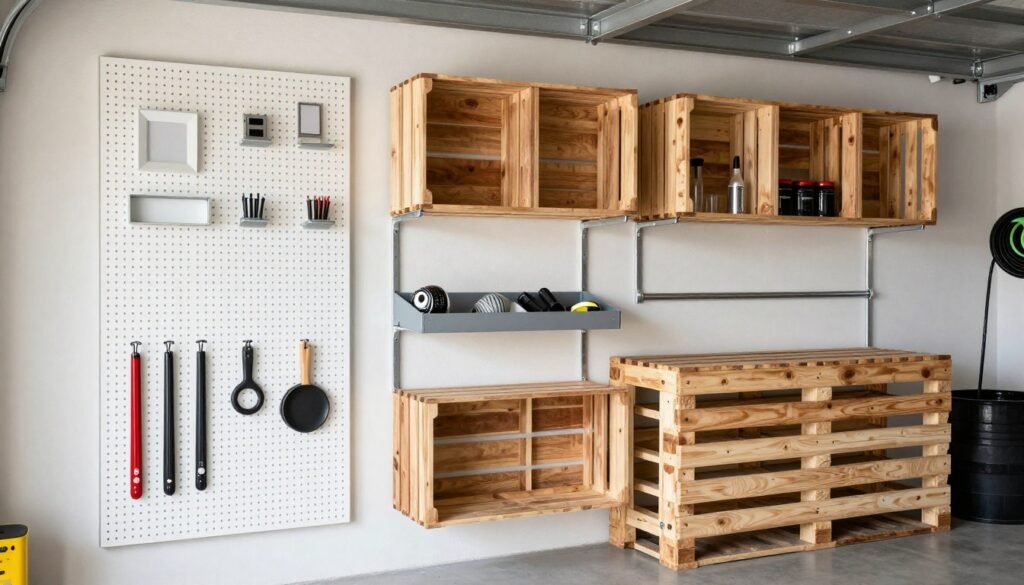
Pallet Wood Storage Projects
Free pallets transform into functional storage units. Sand rough surfaces smooth. Apply wood stain or paint for a finished look. Mount pallets horizontally to walls for instant shelving.

Vertical pallet gardens work great for small item storage. Attach small containers or bins to pallet slats. Hang the pallet on your wall. Fill containers with frequently used items.
Build rolling storage carts from pallets and caster wheels. These mobile units move around your garage easily. Add handles for easier pushing and pulling. Paint or stain pallets to match your garage decor.
PVC Pipe Organizers
PVC pipe costs very little and creates versatile storage solutions. Cut pipes to length with a hand saw. Mount pipes to walls or build freestanding organizers.
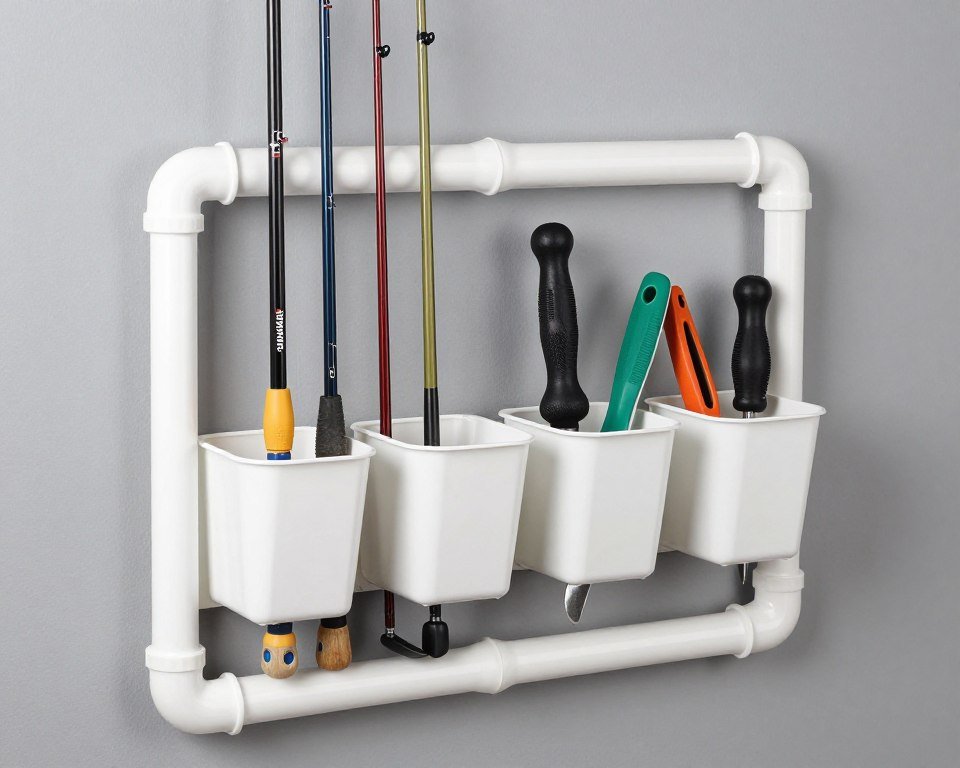
Create drill bit holders by drilling holes in PVC caps. Glue caps to a board and mount to your wall. Insert drill bits point-down into the holes. This keeps bits organized and protected.
Build sports equipment holders from sections of large PVC pipe. Cut pipes at angles and mount to walls. These holders work perfectly for bats, hockey sticks, and fishing rods. Spray paint PVC to match your garage colors.
Pegboard DIY Installation
Install pegboard yourself for significant savings over pre-made systems. Buy full sheets of pegboard at hardware stores. Cut boards to fit your wall space using a circular saw.
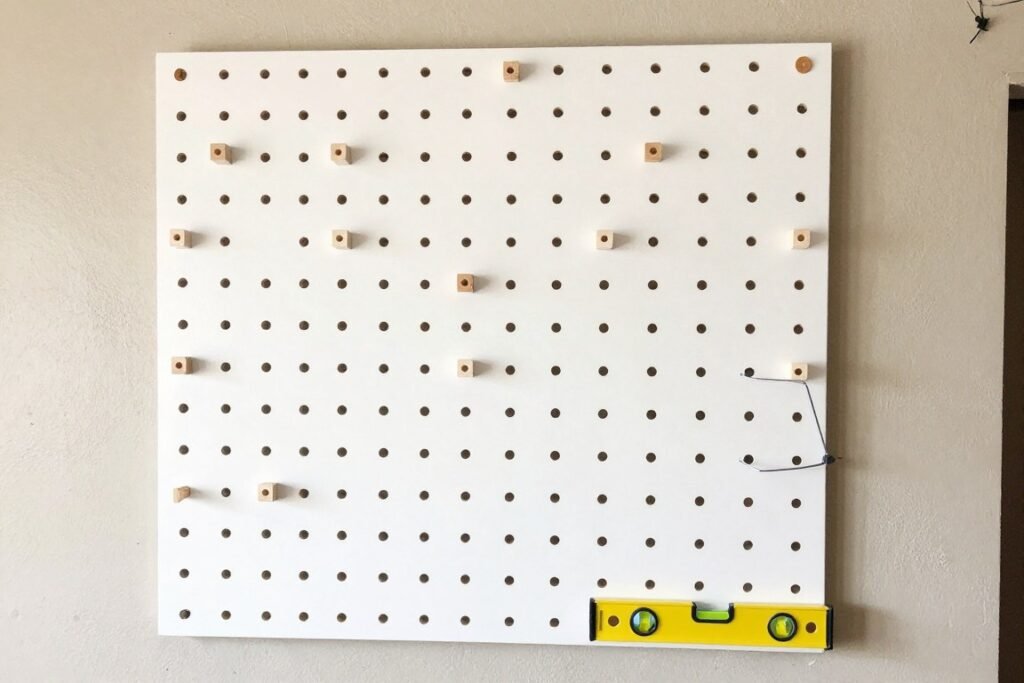
Install spacers behind pegboard to allow hook insertion. One-inch furring strips work perfectly. Locate wall studs and attach spacers securely. Mount pegboard to spacers with screws.
Paint pegboard before installation for a custom look. Light colors improve visibility of tools. Add tool outlines using paint or markers. This creates a professional shadow board appearance.
Maximizing Floor Space in Your Garage
Floor space is your garage’s most valuable real estate. Every square foot on the floor reduces parking and working area. Strategic planning keeps floors clear and functional.
Vertical Storage Principles
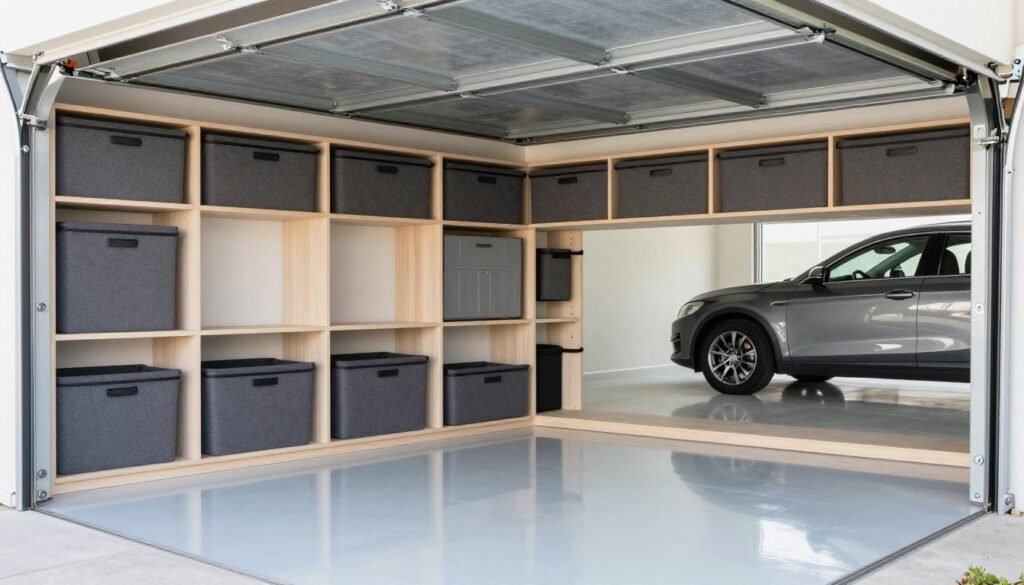
Think vertical first when planning storage. Walls reach eight feet high in most garages. Use this height advantage fully. Install storage up to the ceiling for maximum capacity.

Leave the bottom two feet of wall space open when possible. This creates space for floor-based storage that slides underneath. Rolling carts and low bins utilize this space efficiently.
Group frequently used items at mid-height levels. Place seasonal or rarely used items on top shelves. Keep heavy items on lower shelves for safety and easier access.
Fold-Down Work Surfaces
Fold-down tables provide workspace when needed and fold away when finished. These space-saving surfaces mount to walls. Heavy-duty hinges and support brackets hold substantial weight.

Build a simple fold-down bench using a solid wood panel. Attach piano hinges to the wall. Add fold-down leg supports or brackets. Secure the bench in the up position with hook-and-eye latches.
Position fold-down surfaces at comfortable working height. Standard workbench height is thirty-six inches. Adjust based on your height and typical projects. Include a lip on fold-down surfaces to prevent items from rolling off.
Zone-Based Organization
Divide your garage into functional zones. Create a workspace area for projects. Designate a storage zone for seasonal items. Reserve a section for automotive supplies. This organization system keeps related items together.
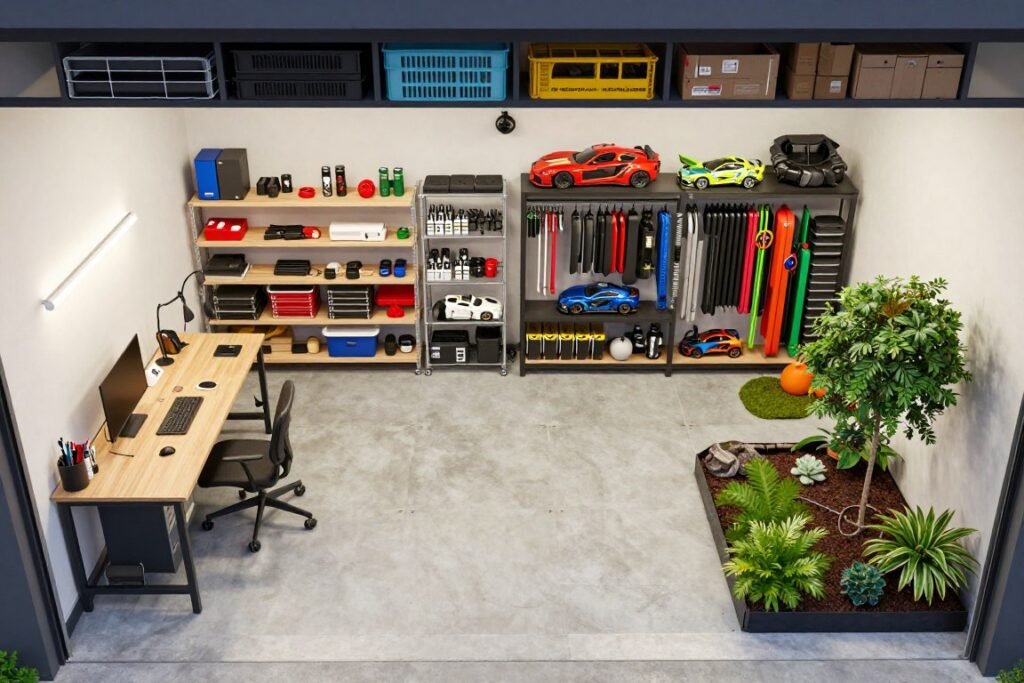
Mark zones on the floor with paint or tape if helpful. This visual reminder reinforces organization habits. Keep items in their designated zones. Return tools and equipment after each use.
Complete Garage Organization Makeover Guide
A total garage organization requires planning and commitment. The transformation takes time but delivers lasting results. Follow a systematic approach for best outcomes.

Planning Your Garage Storage Layout
Measure your garage dimensions accurately. Note door locations, windows, and electrical outlets. Sketch a basic floor plan on graph paper. This planning prevents expensive mistakes.
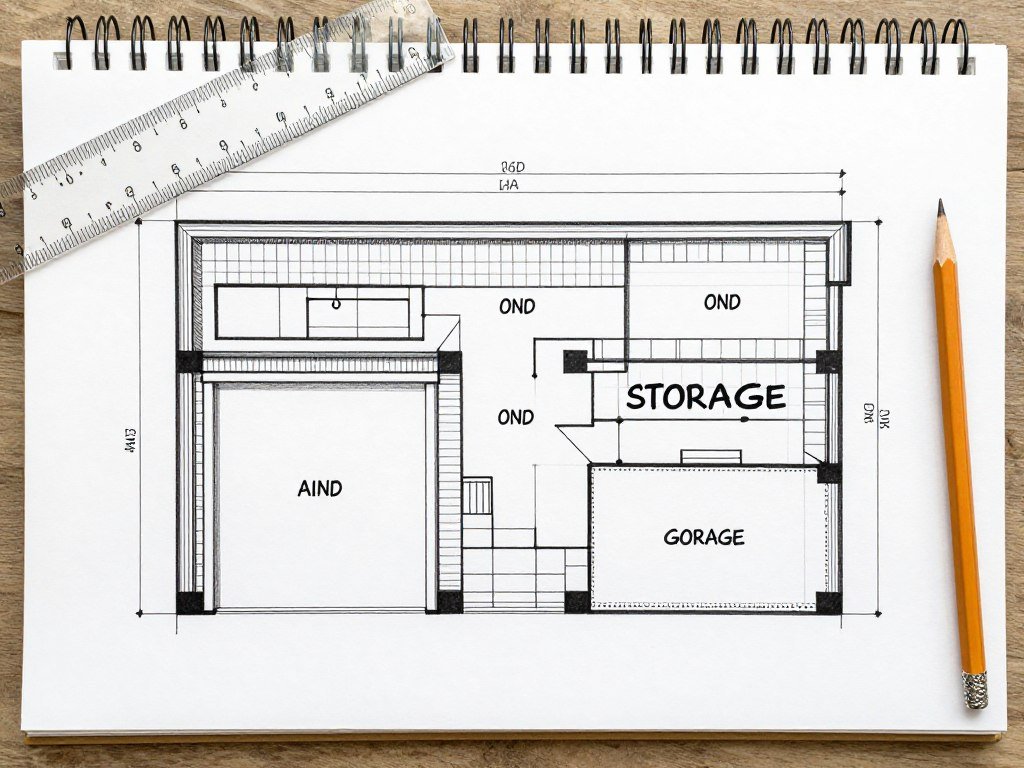
List all items you need to store. Group items by category and frequency of use. This inventory reveals your storage needs. Calculate required shelf space, hooks, and bins.
Consider traffic flow patterns in your layout. Leave clear paths to frequently accessed items. Ensure car doors can open fully without hitting storage. Plan workspace near electrical outlets and lighting.
Decluttering Before Organizing
Empty your entire garage before installing new storage. This seems overwhelming but produces best results. Sort every item into keep, donate, sell, or trash categories.

Apply the one-year rule for storage decisions. If you haven’t used something in a year, consider removing it. Broken items that you won’t repair should go. Duplicate tools rarely get used.
Donate usable items to charity for tax deductions. Sell valuable items through garage sales or online marketplaces. Dispose of hazardous materials properly through special collection programs.
Installation Sequencing
Install storage systems in logical order. Start with permanent wall-mounted systems first. Add overhead storage next. Install freestanding units last since they can move if needed.
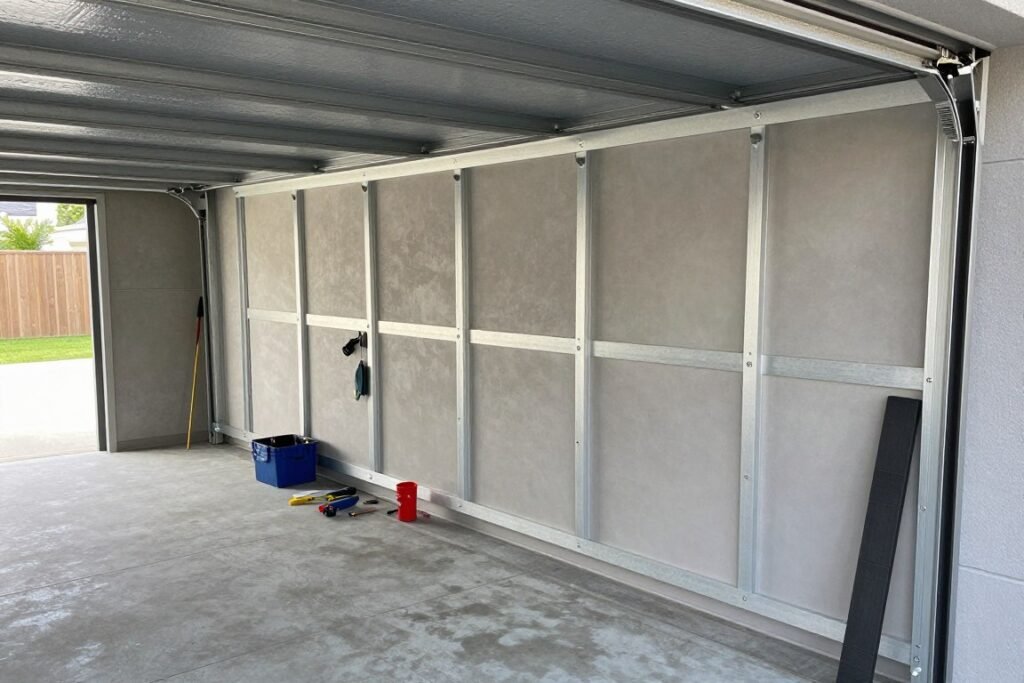
Allow time for proper installation. Rushing leads to mistakes and unsafe mounting. Locate studs accurately before mounting heavy systems. Use appropriate hardware rated for expected loads.
Complete one section fully before starting another. This maintains motivation by showing visible progress. Test each system with actual items before moving to the next section.
Ready to Transform Your Garage?
Start your garage organization project today with quality storage solutions. From shelving systems to specialty organizers, find everything you need to create an organized, functional garage space.
Maintaining Your Organized Garage Space
Organization only works if you maintain it consistently. Develop habits that preserve your system. Regular maintenance prevents chaos from returning.
Daily Organization Habits
Return items to designated spots immediately after use. This one habit maintains organization effortlessly. Teach family members the same practice. Make it a household rule.
Spend five minutes at the end of each project cleaning up. Put tools away properly. Sweep work areas. Return items to storage. This prevents accumulation of mess.
Label everything clearly so family members know where items belong. Use large, easy-to-read labels. Include pictures on labels for young children. Clear labeling removes confusion about proper storage locations.
Seasonal Garage Maintenance
Schedule seasonal garage organization reviews. Spring and fall work well for these check-ins. Remove items you no longer use. Reorganize zones as needs change.

Rotate seasonal items during these reviews. Move winter equipment to higher storage in spring. Bring summer items down to accessible locations. This rotation keeps current items readily available.
Inspect storage systems for damage or wear. Tighten loose hardware. Replace broken hooks or damaged bins. Address problems immediately before they worsen. Clean shelves and bins during seasonal reviews.
Preventing Clutter Return
Implement a one-in-one-out rule for new items. When you buy a new tool, remove an old one. This prevents storage space from overflowing again. Apply this rule to sports equipment, decorations, and supplies.
Create a donation box in your garage. When you find items you don’t use, add them immediately. Empty the box monthly. This continuous purging prevents accumulation.
Resist impulse purchases of more storage containers. Buy storage solutions only when needed for specific items. Empty bins encourage filling them with unnecessary items.
Transform Your Garage Starting Today
Your garage can become the organized, functional space you need. The fifty storage ideas in this guide work for any garage size and budget. Choose solutions that match your specific items and available space.

Start with one section rather than attempting everything at once. Small wins build momentum for larger projects. Wall storage systems deliver immediate visual impact. Floor clearing happens quickly when items move to walls and ceilings.
Remember that organization is a process, not a one-time event. Your needs change over time. Storage systems should adapt with you. Flexibility in your approach creates sustainable organization.
The investment in garage organization pays returns every day. You’ll find tools instantly. Your car fits inside again. Projects become easier with proper workspace. Seasonal items stay protected and accessible.
Take action today. Choose one garage storage idea from this guide. Purchase necessary supplies or materials. Install your first storage system this weekend. Each improvement moves you closer to your ideal organized garage space.