Your board game collection brings joy to family game nights. But storing those boxes can turn into a puzzle itself. Games pile up in closets. Boxes get crushed under weight. Small pieces disappear when rubber bands break.
This Website contains affiliate links. That means I may earn a small commission if you purchase through my links, at no extra cost to you.
The right storage solution protects your investment. It makes finding games much easier. You can organize by size, category, or how often you play. Good storage saves space in your living room or game closet.
This guide shares practical ideas for every collection size. Whether you own five games or fifty, these solutions work. You’ll discover ways to store games that look great and function well.
Why Proper Board Game Storage Matters

Board games cost money. Poor storage damages boxes and components. Understanding why organization matters helps you choose the right solution.
Protecting Your Game Investment
Game boxes deteriorate without proper support. Stacking too many boxes crushes bottom games. The weight warps sides and damages corners. Original boxes lose value when bent or torn.
Related Posts:





Dust accumulates on exposed games. Moisture damages cardboard in basements or garages. Proper storage shields your collection from these elements. Your games stay in better condition longer.
Finding Games Quickly
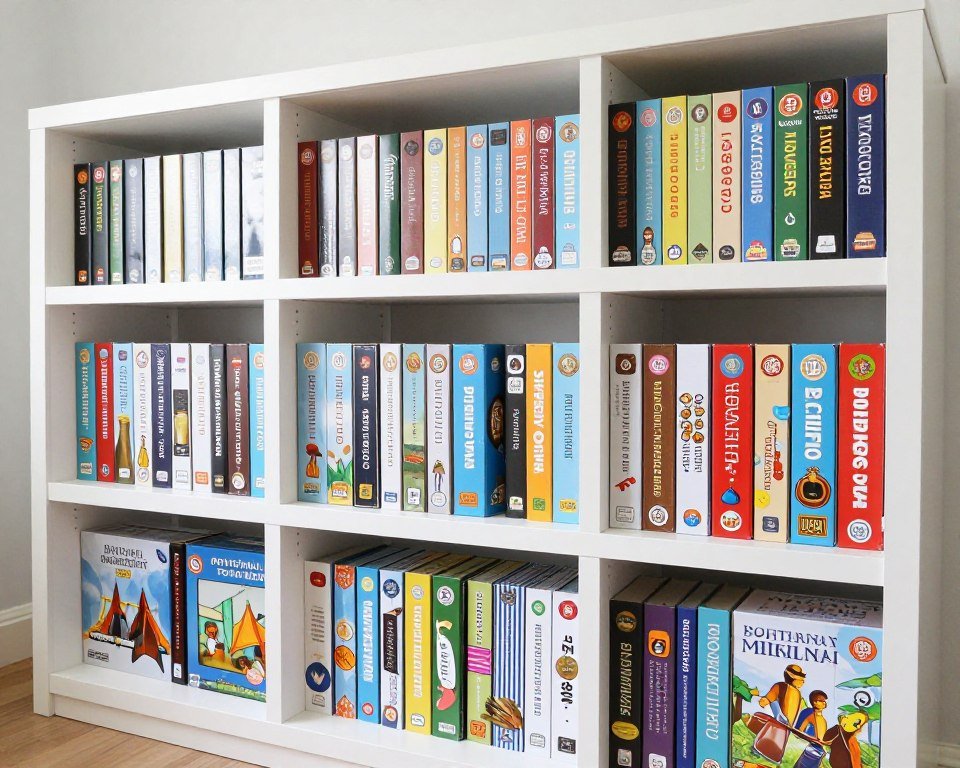
Digging through piles wastes time. Family members want to play now, not search for twenty minutes. An organized system lets you spot any game instantly.
Categories help group similar games together. Size-based organization maximizes shelf space. Visual systems work best because you see every game at once.
Quick Tip: Store games you play most often at eye level. Place occasional games higher or lower. This simple trick makes game nights much easier to start.
Maximizing Your Space
Board game boxes come in various sizes. Some tower tall while others sit flat. Random stacking creates wasted space between boxes.
Smart storage uses vertical space efficiently. Adjustable shelves accommodate different box heights. The right units make small rooms feel less cluttered.

Cube Storage Systems for Board Game Collections
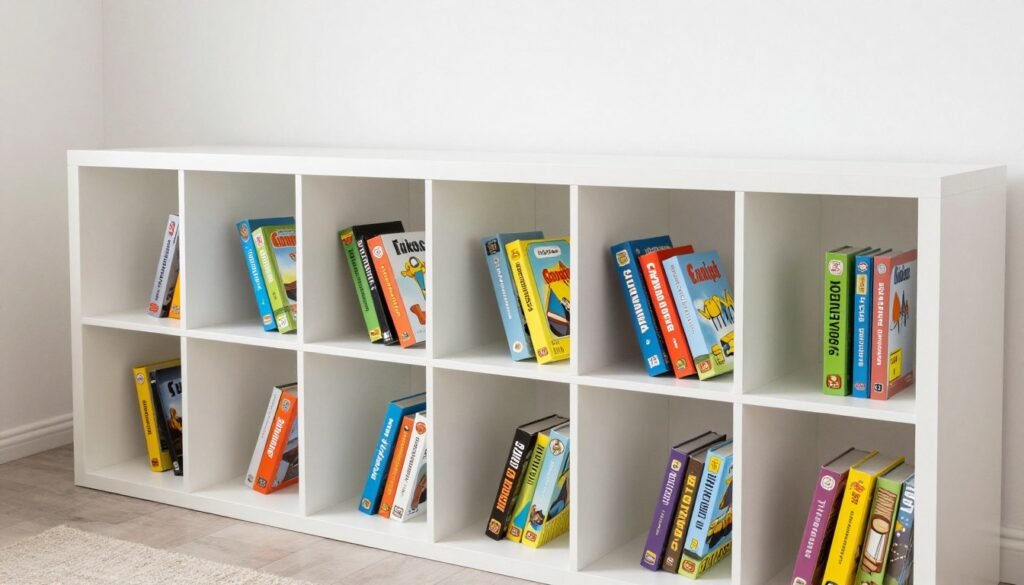
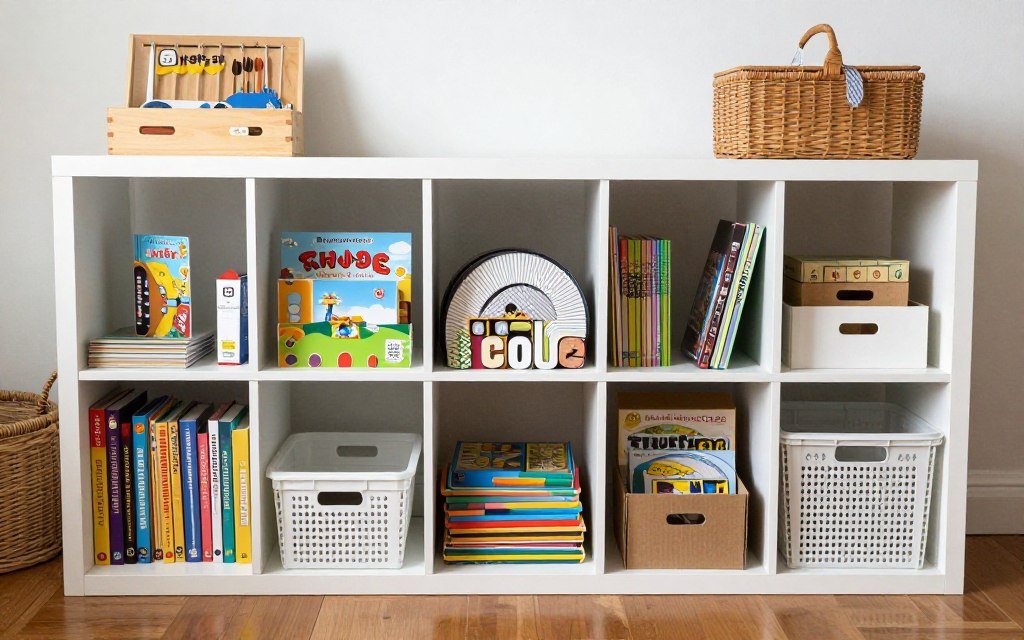
Cube units offer the most versatile game storage. These modular shelves adapt to any collection size. You can start small and expand as your games multiply.
Choosing the Right Cube Size
Standard cube openings measure about 13 inches square. This size fits most board game boxes perfectly. Large game boxes might need bigger cubes or horizontal placement.
Count your games before buying shelves. Estimate two to three standard boxes per cube. Oversized games like Ticket to Ride need their own cube. Plan for future growth too.

Arranging Games in Cube Units
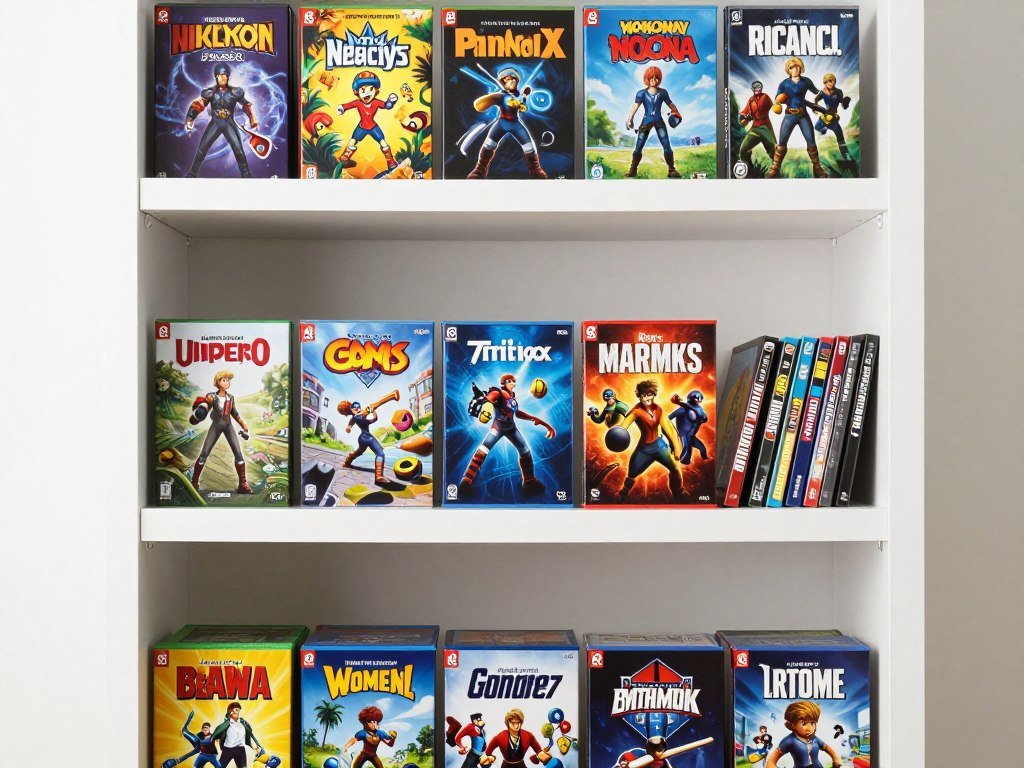
Stand boxes vertically like books on shelves. This method prevents crushing and displays game spines. You see titles at a glance without moving boxes.
Group games by category within cubes. Put all strategy games together. Keep party games in separate cubes. Family games get their own section. This organization system helps everyone find games independently.
Benefits of Cube Storage
- Modular design grows with collection
- Fits standard game box sizes
- Easy to reorganize categories
- Works in any room style
- Protects boxes from crushing
Cube Storage Tips
- Anchor tall units to walls
- Use fabric bins for small games
- Label cubes for quick finding
- Place heavy games in bottom cubes
- Leave some empty cubes for growth
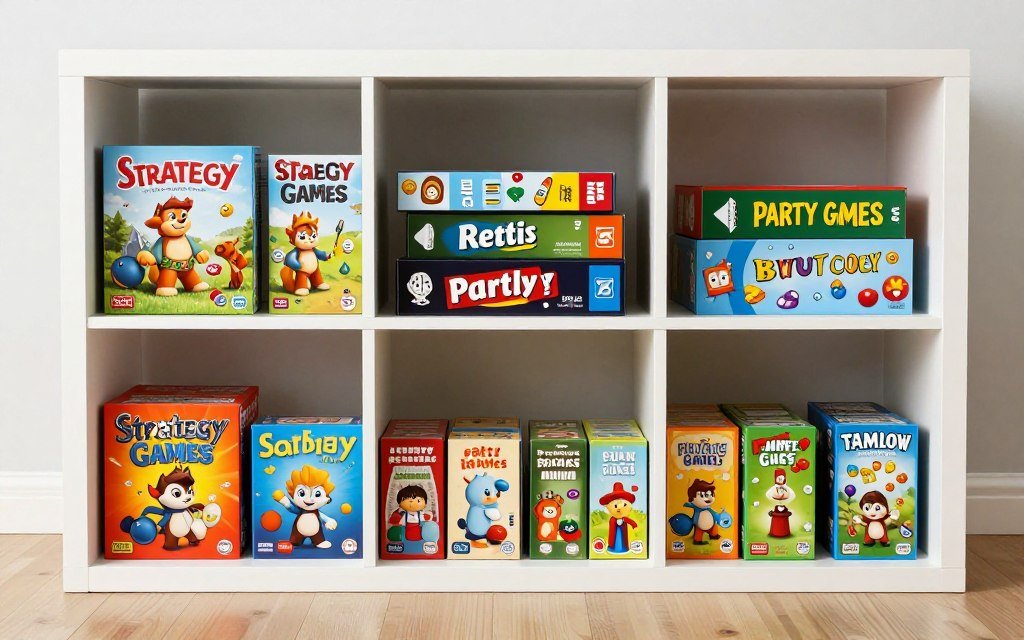
Find Your Perfect Cube Storage System
Discover cube storage units designed for board game collections. Browse options that fit your space and style.
Shelving Solutions for Every Game Collection
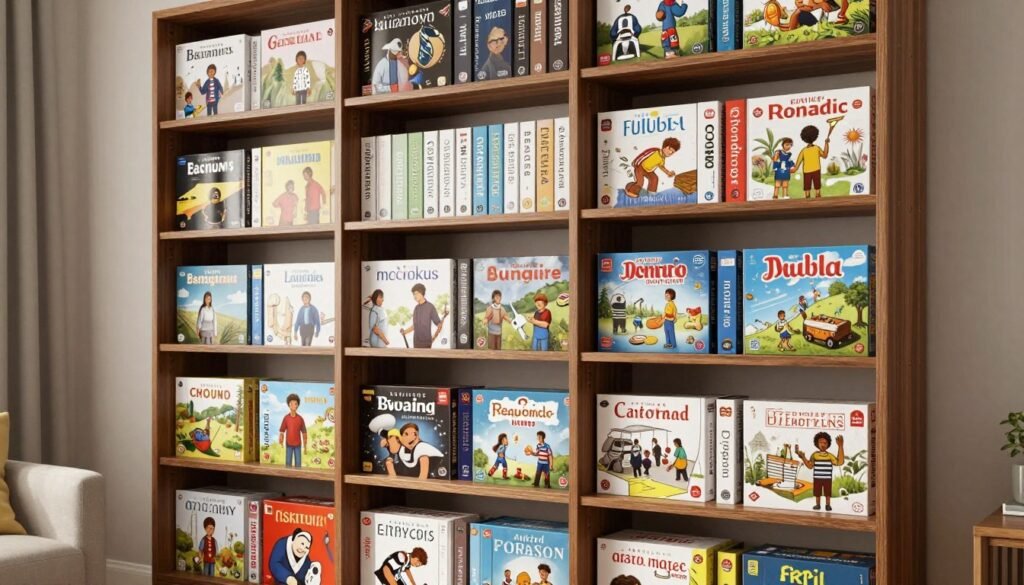
Traditional shelves work beautifully for board game storage. The key lies in choosing adjustable units. Fixed shelves waste space with awkward gaps.
Bookcase-Style Storage
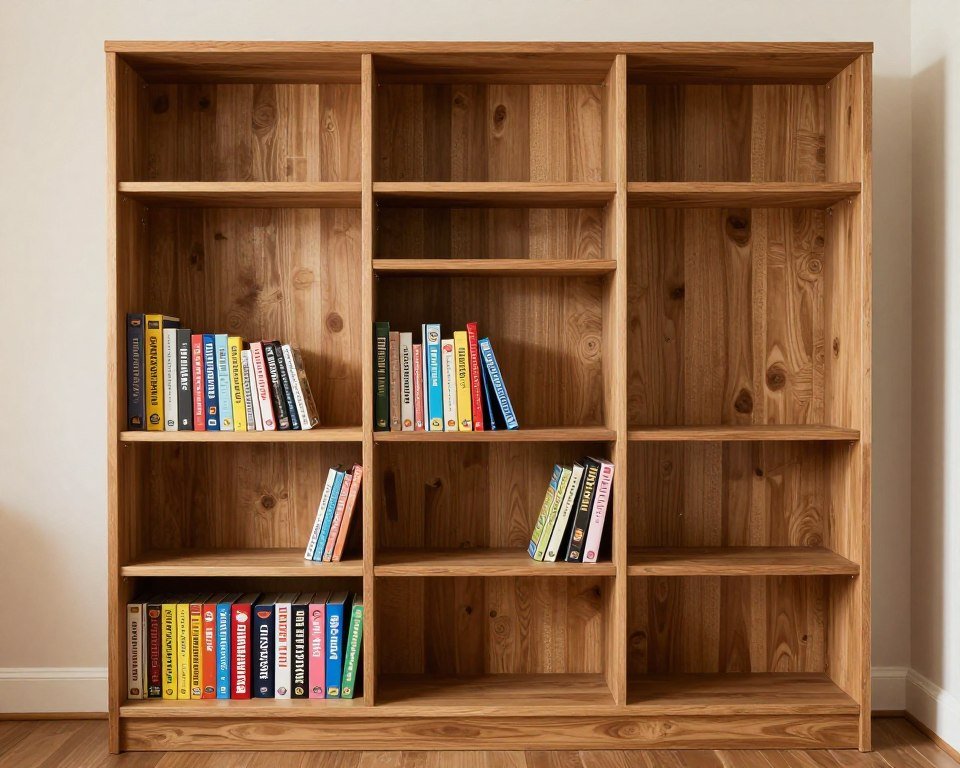
Standard bookcases adapt well to game storage. Look for units with adjustable shelf brackets. You can customize spacing for different box heights.
Wide shelves hold more games per level. Depth matters too – most game boxes measure 10 to 12 inches deep. Shallow shelves won’t accommodate larger boxes. Deeper units provide stability for heavy games.
Industrial Shelving Units
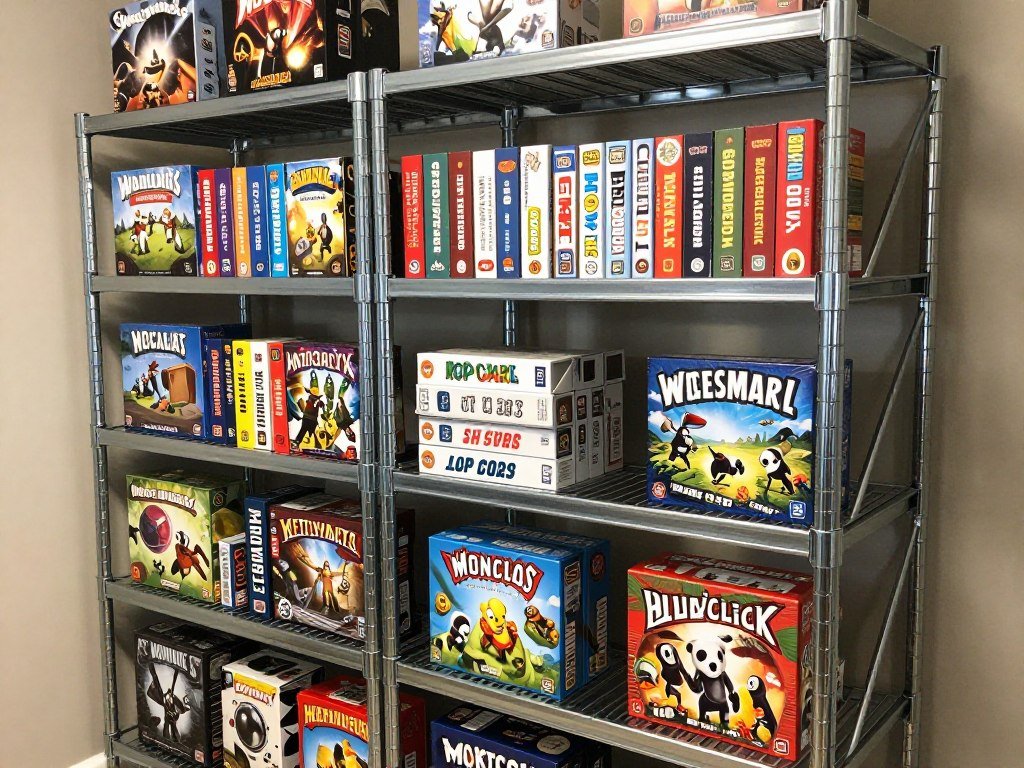
Metal shelving offers serious capacity. These units support substantial weight without sagging. Wire shelves let you see game sides from multiple angles.
Basements and game rooms benefit from industrial style. The sturdy construction handles large game collections. You can fit entire game closet contents on one unit.
Wall-Mounted Shelf Systems
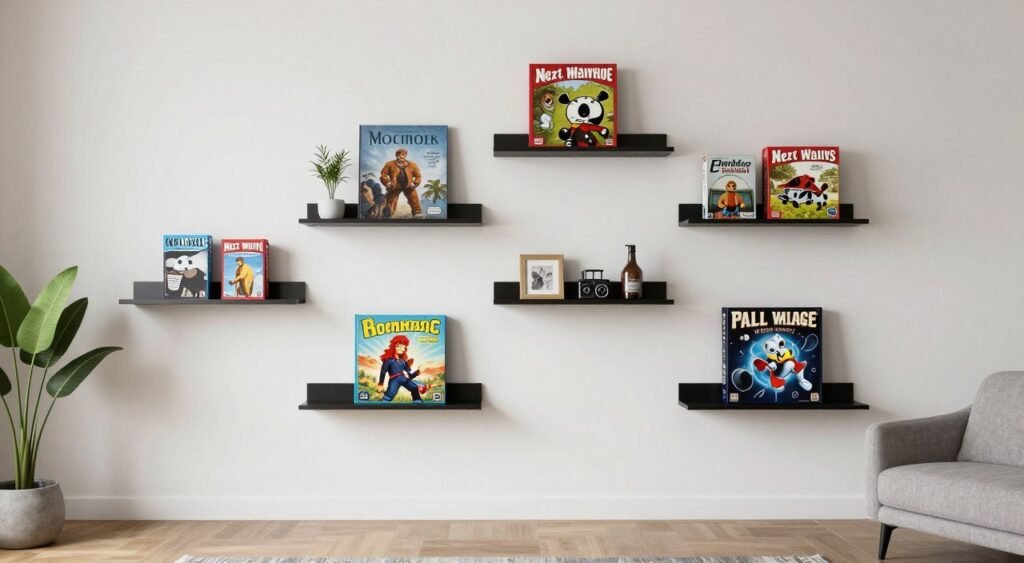
Floating shelves save floor space in small rooms. Mount shelves at varying heights to create visual interest. This approach works great in living room displays.
Install shelves with proper anchors for weight. Board games add up quickly – even a few boxes create substantial load. Test weight capacity before loading shelves completely.
Open Bookshelf Units
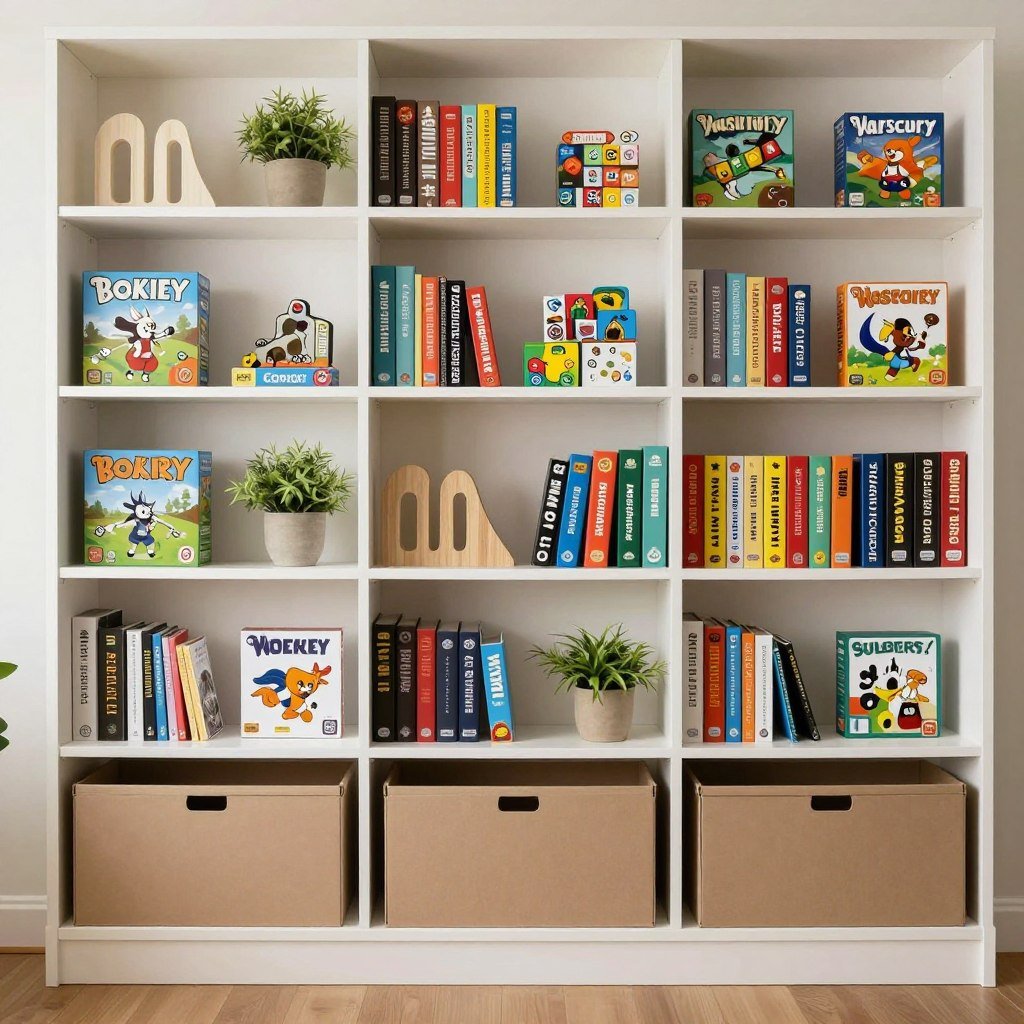
Traditional bookcases provide accessible storage for daily-use games. Adjustable shelves accommodate boxes of all sizes. Perfect for living room or den placement where games become part of decor.
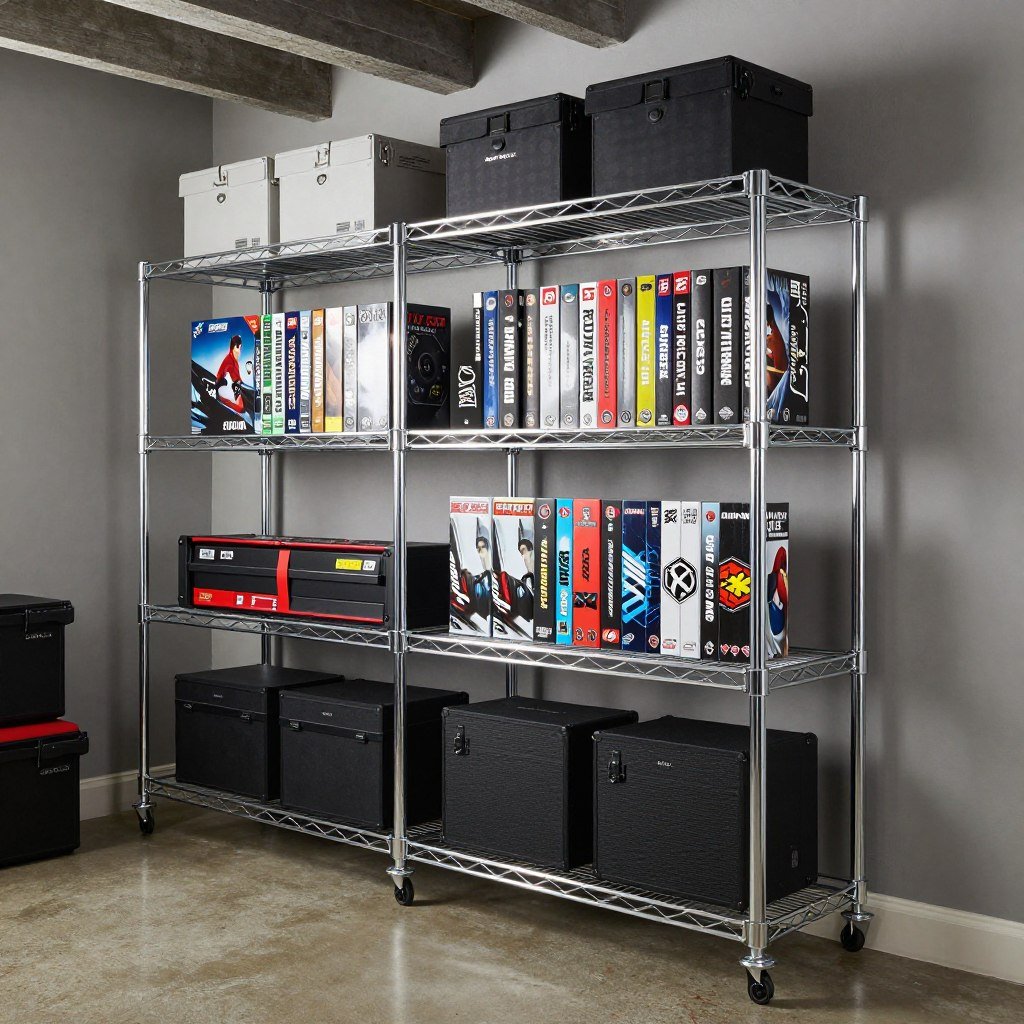
Wire Rack Systems
Industrial wire shelving handles heavy loads while maintaining visibility. Ideal for serious collectors with extensive game libraries. Strong construction supports weight that would bow wooden shelves.
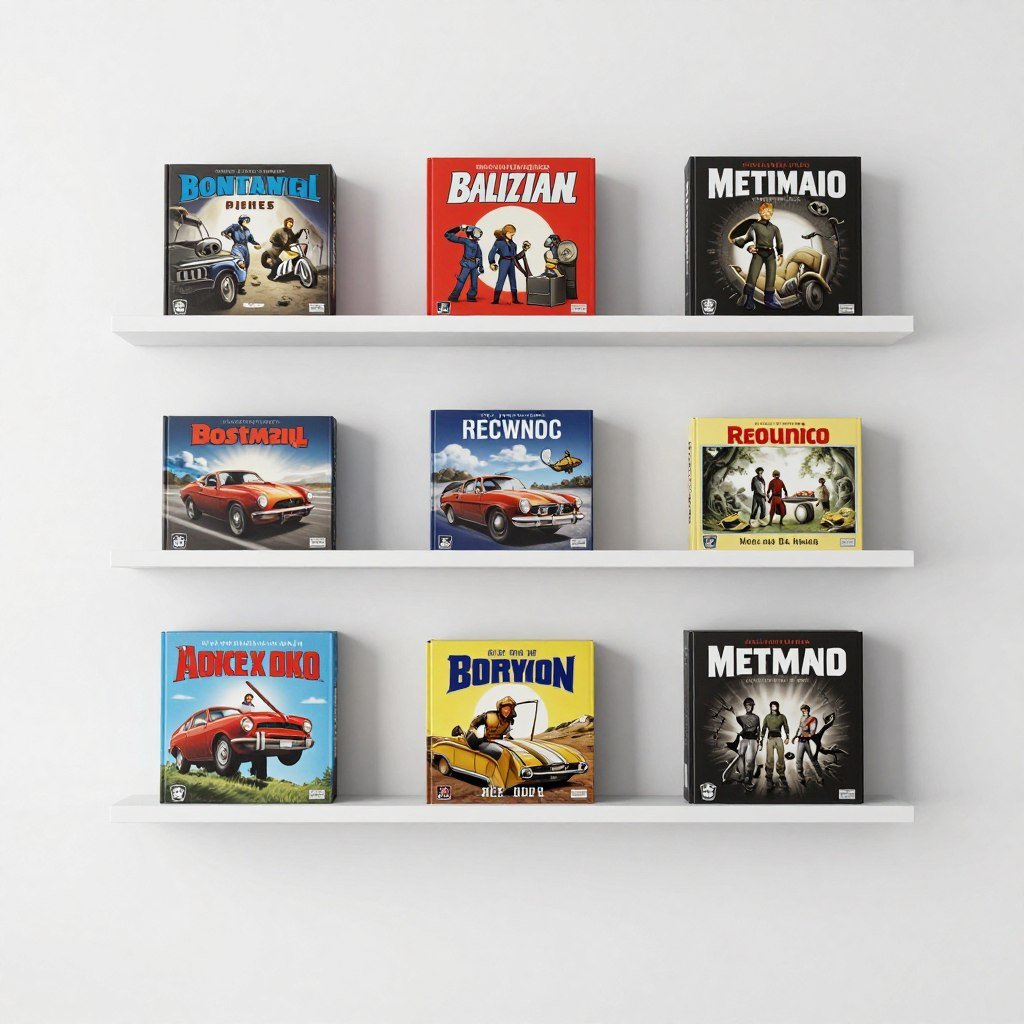
Floating Shelf Sets
Wall-mounted shelves maximize vertical space without furniture footprint. Great for apartments or small rooms where floor space matters. Creates gallery-wall effect with favorite game boxes.
Organizing Games on Shelves
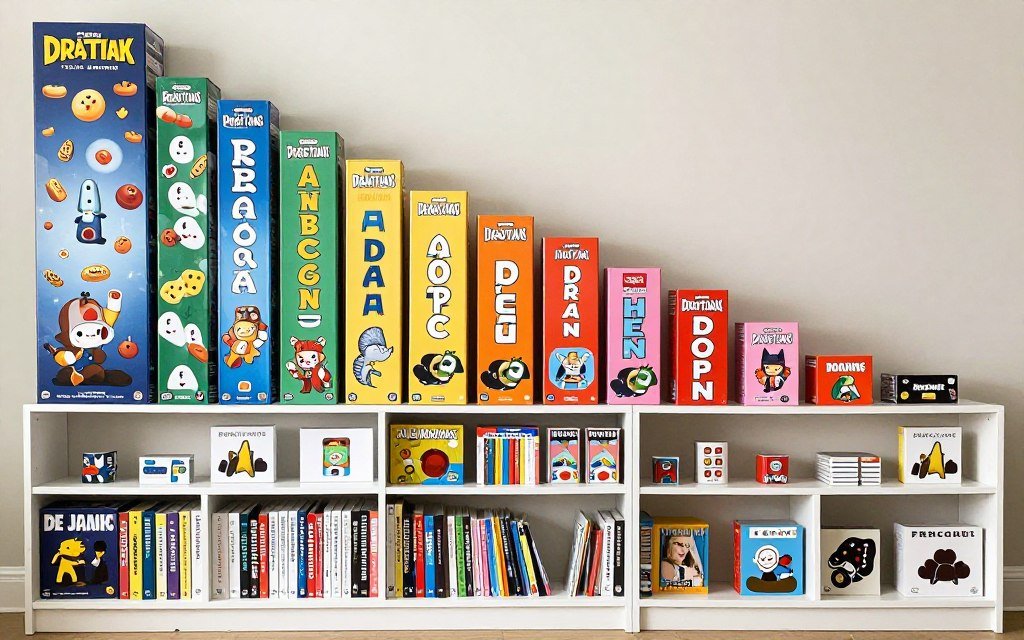
Alphabetical order works for some collectors. Others prefer organizing by game type or player count. Choose a system that matches how your family picks games.
Size-based arrangement looks cleanest. Tall boxes go together on higher shelves. Medium boxes fill middle sections. Small box games fit in shorter spaces. This method creates visual harmony.
Game Closet Organization Strategies
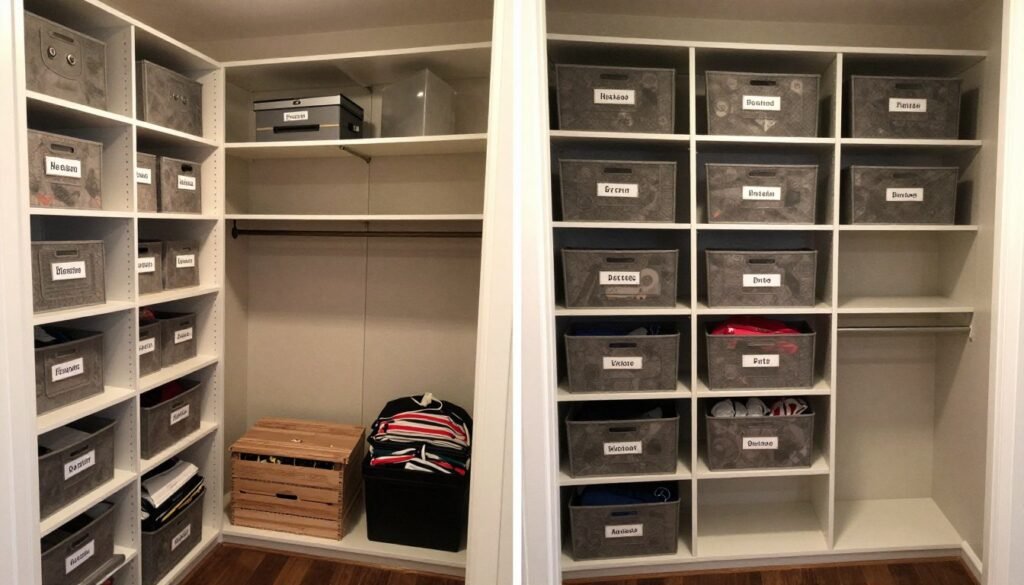
Dedicated game closets keep collections contained. Even small closets store dozens of games with smart organization. The trick involves using every inch of vertical space.
Maximizing Closet Space
Measure closet dimensions before buying storage units. Standard closet depth works perfectly for board game boxes. Width determines how many shelves fit side by side.
Install shelving from floor to ceiling. Don’t waste upper closet space. Place games you play less often on top shelves. Keep favorites at arm’s reach in middle sections.

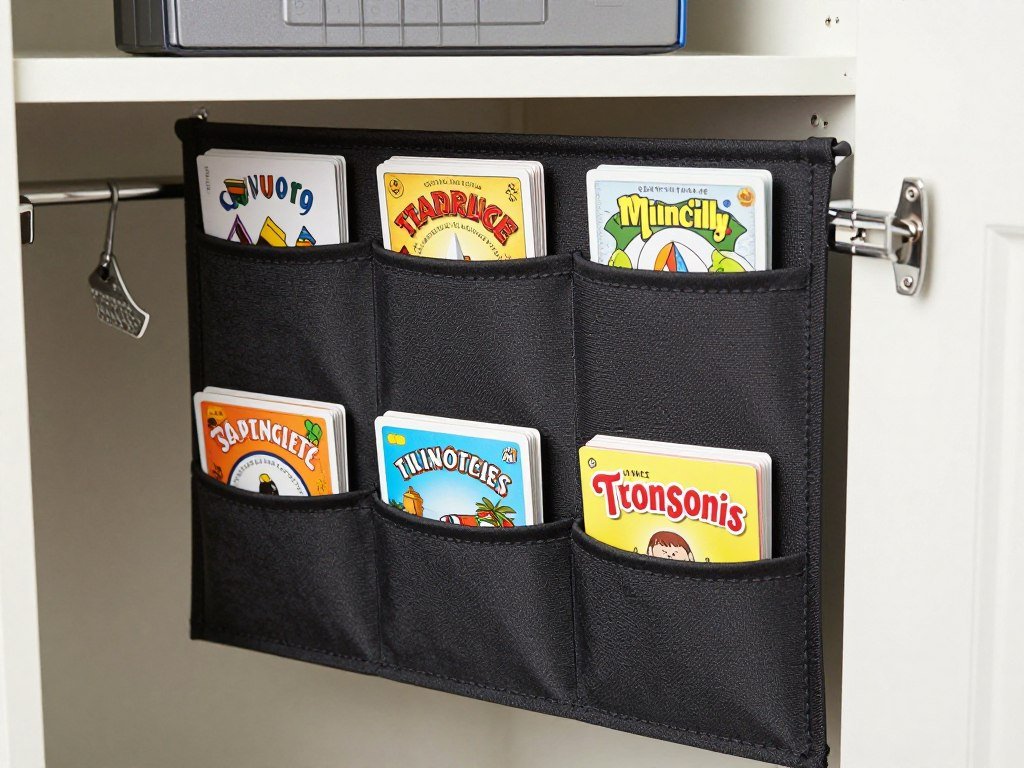
Using Closet Doors
Closet doors offer bonus storage opportunity. Over-door organizers hold small box games. Pocket organizers store game pieces, score pads, or dice.
Hooks on door backs hold bags of game components. This trick works well for games you’ve removed from boxes. Just ensure door clearance before adding organizers.
Bins and Baskets in Closets
Plastic bins contain games missing original boxes. Label each bin clearly with contents. Stack bins on closet floors or lower shelves.
Fabric baskets soften the closet look. Use them for game accessories like timers, extra dice, or card sleeves. Baskets with handles slide in and out of shelves easily.
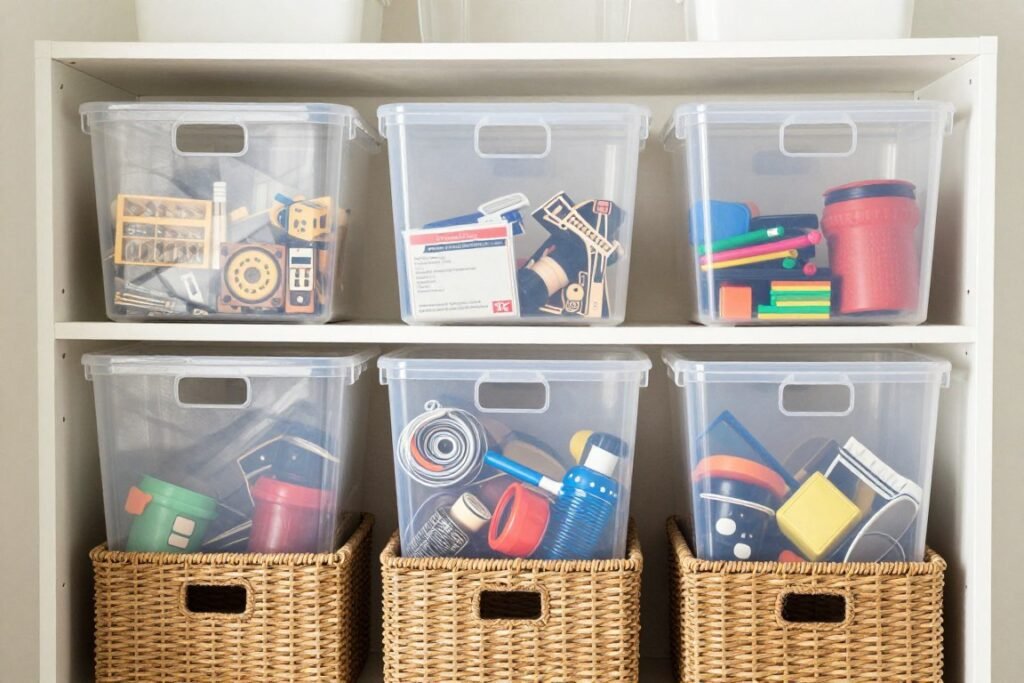
Space-Saving Tip: Remove games from original boxes and store components in smaller containers. This works great for games with lots of air space in boxes. Always keep rule books with components and photograph box art for reference.
Storage Bins and Containers for Board Games

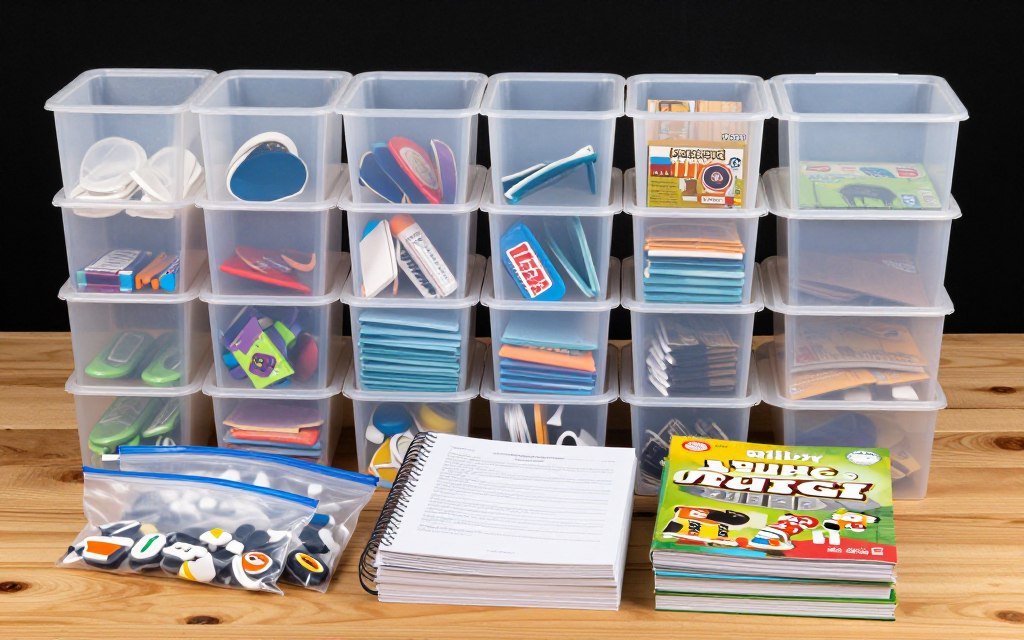
Bins and containers supplement shelf storage. They protect games from dust and moisture. The right containers keep components organized inside game boxes too.
Clear Plastic Bins
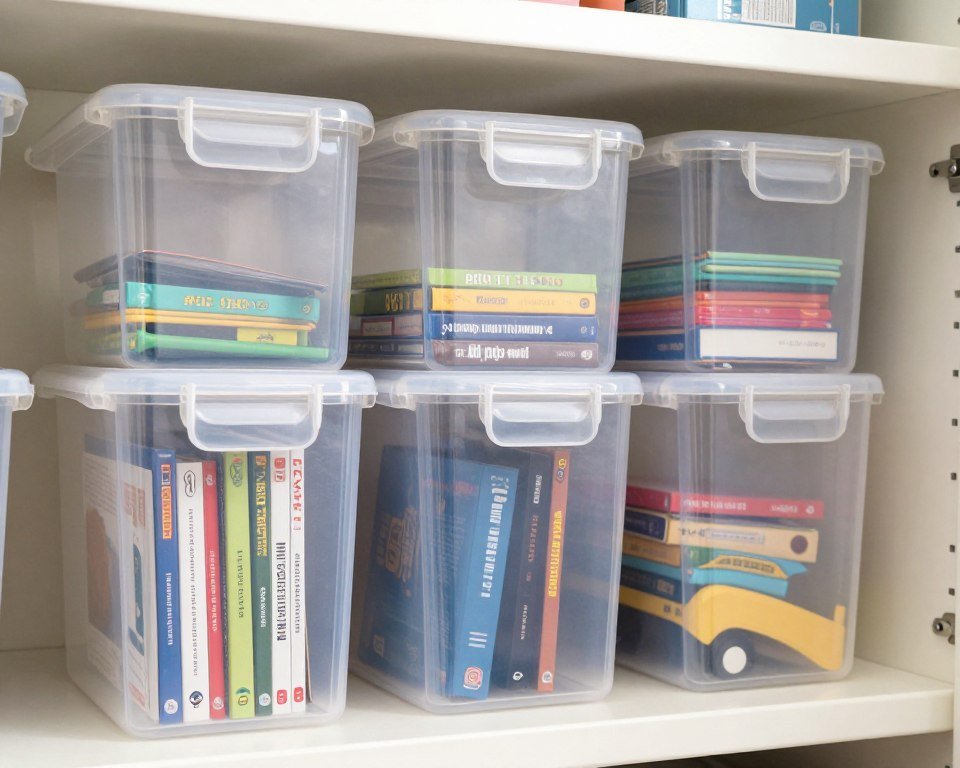
See-through containers let you identify contents instantly. No more opening multiple bins to find one game. Clear plastic also shows when games need organizing.
Choose bins with secure lids for stacking. Measure your shelf space before purchasing. Bins should slide in and out without catching on shelf edges.
Fabric Storage Boxes
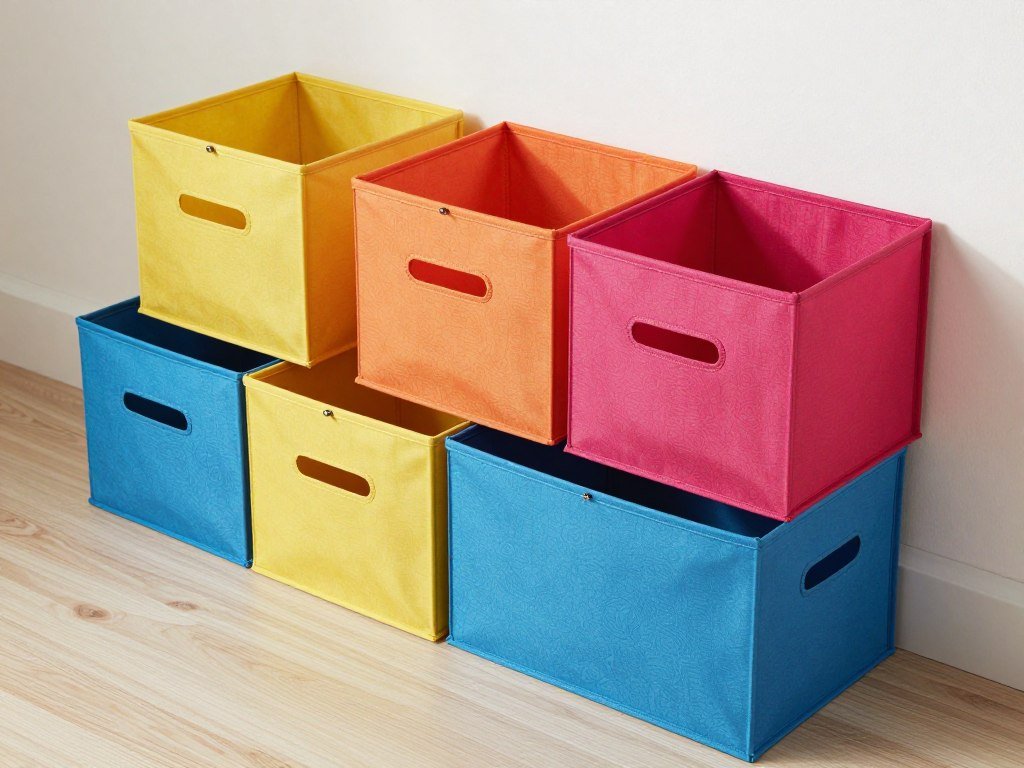
Soft-sided boxes fit cube storage units perfectly. They come in many colors to match your room decor. Handles make pulling boxes from high shelves much easier.
Collapsible fabric bins store flat when empty. This flexibility helps as your collection changes. They protect game boxes from scratches better than hard containers.
Organizing Game Components
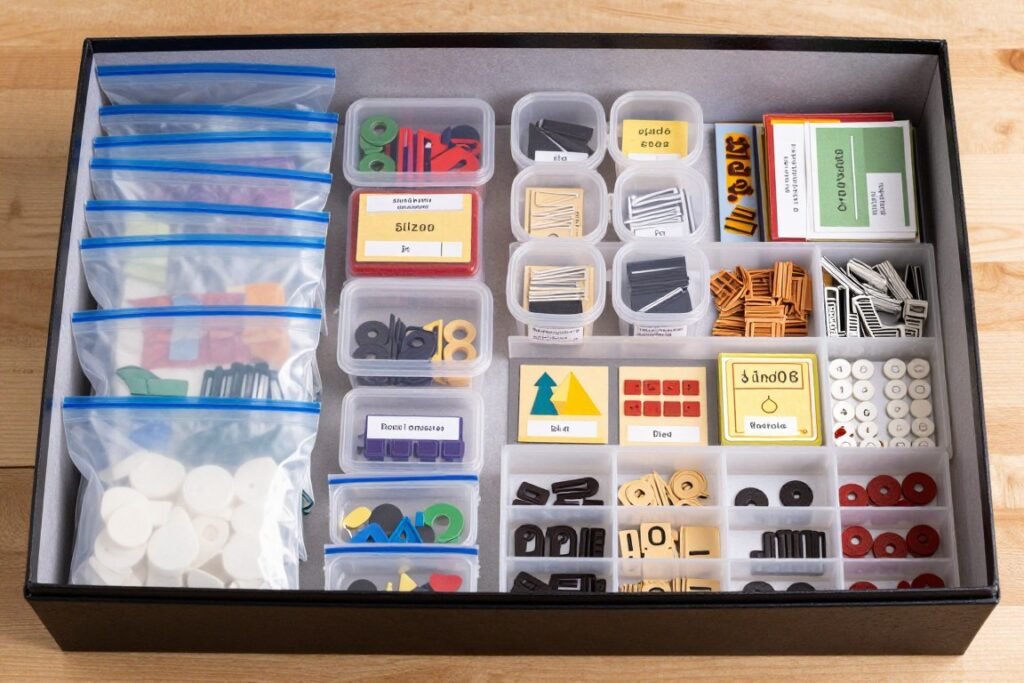
Small pieces get lost in original game boxes. Ziplock bags keep cards, tokens, and dice separate. Label each bag with component type and game name.
Plastic tackle boxes work great for games with many small parts. Each compartment holds different components. The whole box fits back in the original game box.
Best Container Types
- Clear bins for visibility
- Stackable boxes save space
- Labeled containers find games fast
- Fabric boxes fit cube units
- Handled bins reach high shelves
Component Organization
- Ziplock bags for small pieces
- Tackle boxes for many parts
- Rubber bands hold card decks
- Small containers for tokens
- Label every single item clearly

Get Quality Storage Containers
Protect your board game collection with durable bins and organizers designed for game storage.
Protecting Game Components and Boxes

Prevention beats repair for board game care. Simple protective measures extend game life significantly. Your collection stays playable for years with basic protection.
Card Sleeves and Protection
Card games suffer most from handling wear. Oils from hands damage cards over time. Sleeves create a protective barrier while maintaining playability.
Measure your cards before buying sleeves. Standard sizes fit most games, but some need special dimensions. Quality sleeves feel smooth and don’t stick together.

Rubber Bands for Box Security
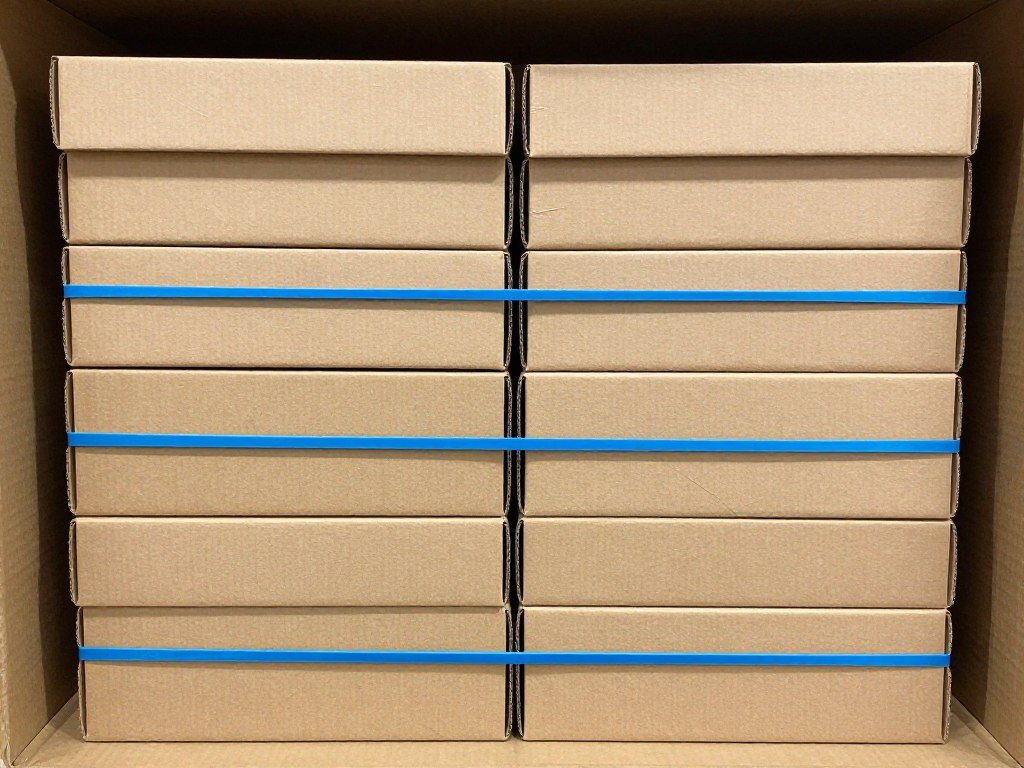
Large rubber bands prevent boxes from opening during storage. This simple trick contains pieces if boxes tip over. Bands also hold damaged boxes together.
Use wide bands that don’t cut into cardboard. Wrap bands around the long way and short way. Replace bands regularly as they lose elasticity over time.
Box Repair and Reinforcement
Worn corners don’t mean throwing games away. Clear packing tape reinforces weak spots. Apply tape to inside corners for invisible repairs.
Split box sides need support. Cut cardboard strips and tape them inside as braces. This technique rescues games with sentimental value.

Protection Priority: Sleeve cards for games you play most often. Focus protection budget on favorites rather than every single game. Expensive or collectible games deserve full protection immediately.
Creative Board Game Storage Ideas

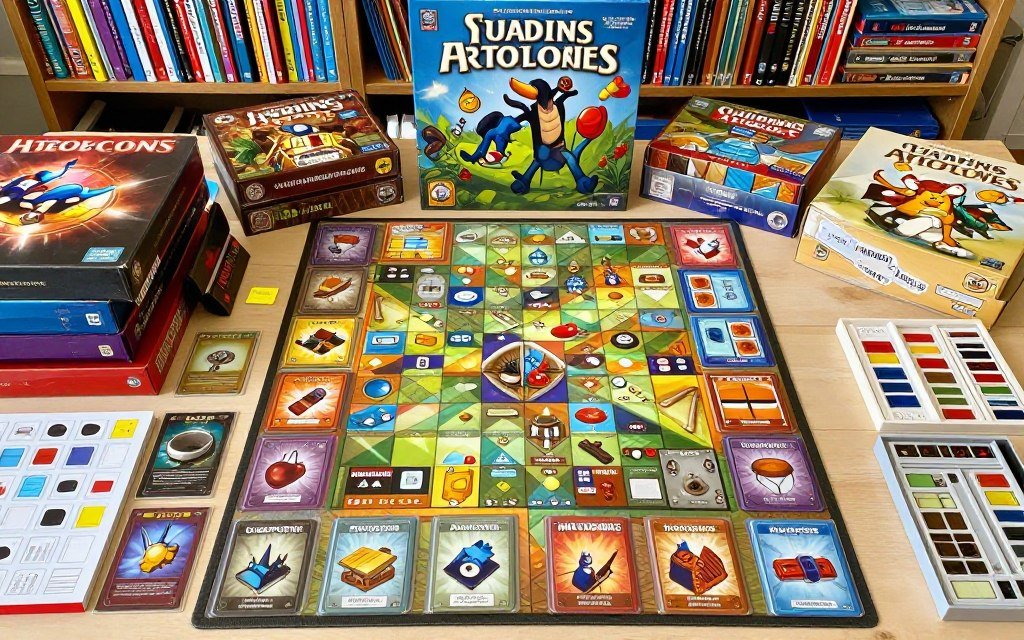
Think beyond standard shelves for unique solutions. Creative storage matches your personal style while organizing games. Some ideas cost less than traditional furniture too.
Furniture with Hidden Storage
Coffee tables with storage compartments hide games in plain sight. Lift-top tables reveal game storage underneath the surface. This dual purpose furniture works perfectly in living room spaces.
Storage ottomans hold games while providing extra seating. Choose square ottomans that stack easily. Measure ottoman depth to ensure games fit before purchasing.

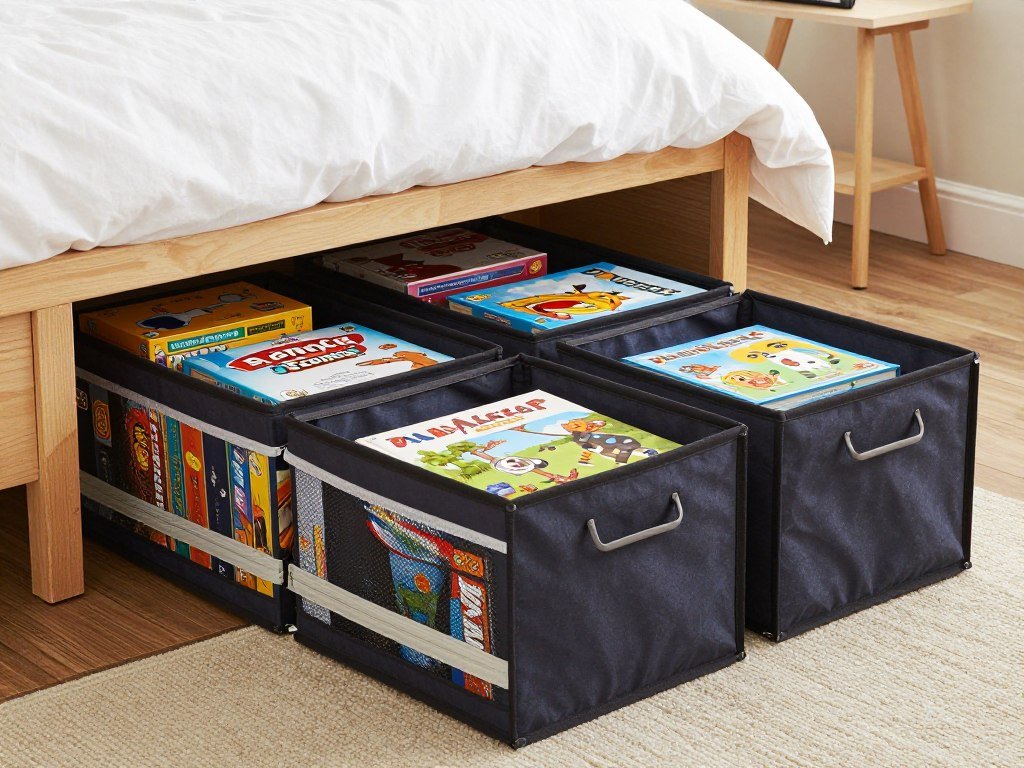
Under-Bed Storage Solutions
Rolling bins slide under beds using wasted space. Flat games fit perfectly in shallow under-bed containers. Label bin ends so you know contents without pulling out.
Bed risers create more under-bed clearance. Extra height accommodates standard game boxes instead of just flat games. This solution works great in kids’ rooms.
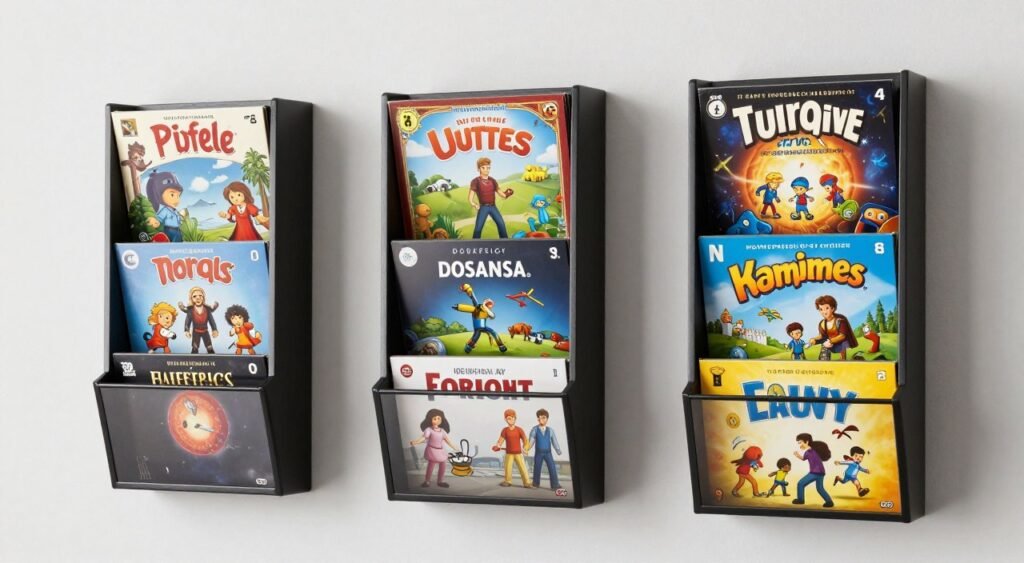
Vertical Magazine Racks
Wall-mounted magazine racks hold game boxes vertically. This unconventional approach saves floor space. Mount multiple racks at different heights for visual interest.
Desktop file organizers work similarly for small box games. Stand them on shelves to create dividers between game categories. The angled display shows game titles clearly.
Display and Storage Combined
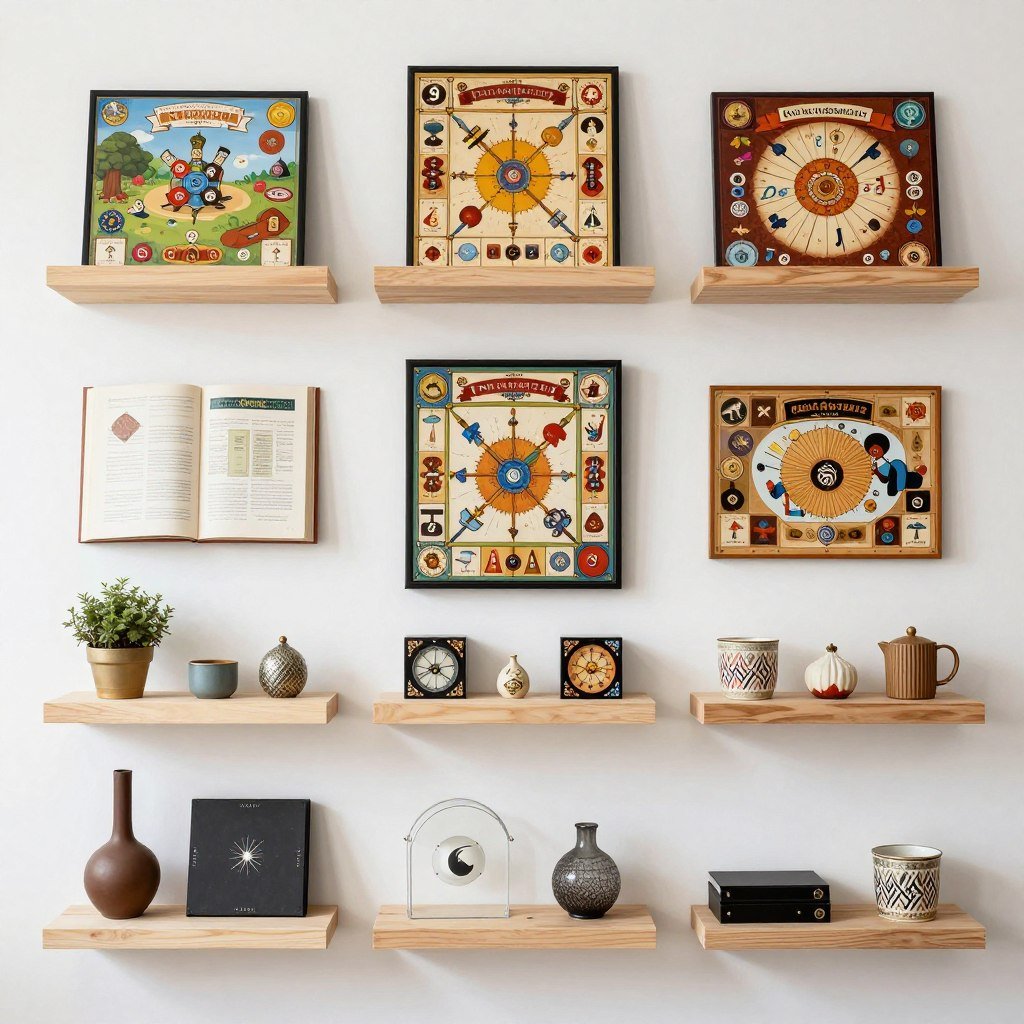
Shadow boxes showcase favorite game pieces as art. Frame game boards or vintage box art. This transforms games into room decor while keeping them accessible.
Open shelving styled with games creates gallery wall effect. Mix games with decorative objects for visual balance. Rotate displayed games seasonally to refresh the look.

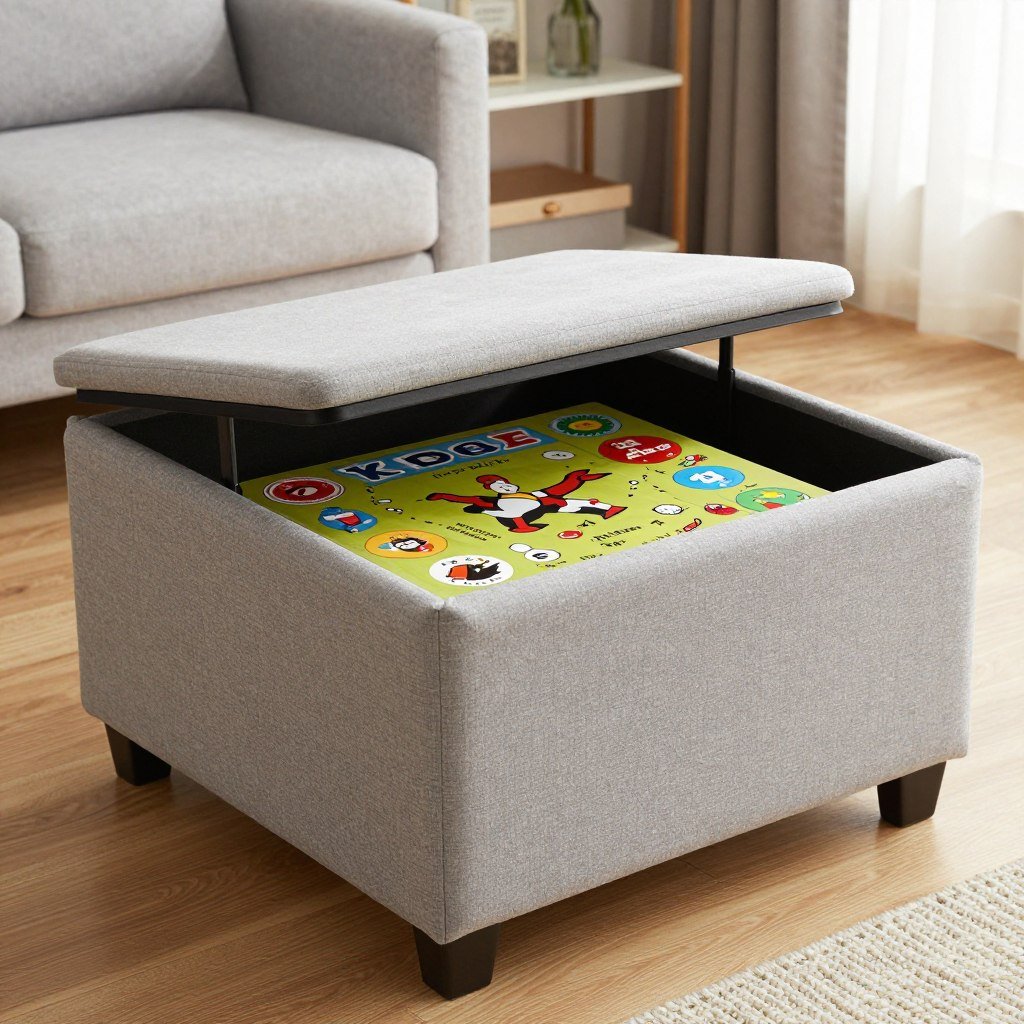
Multi-Purpose Furniture
Storage ottomans and coffee tables hide your collection while serving daily functions. These pieces blend game storage seamlessly into living spaces without sacrificing style or square footage.
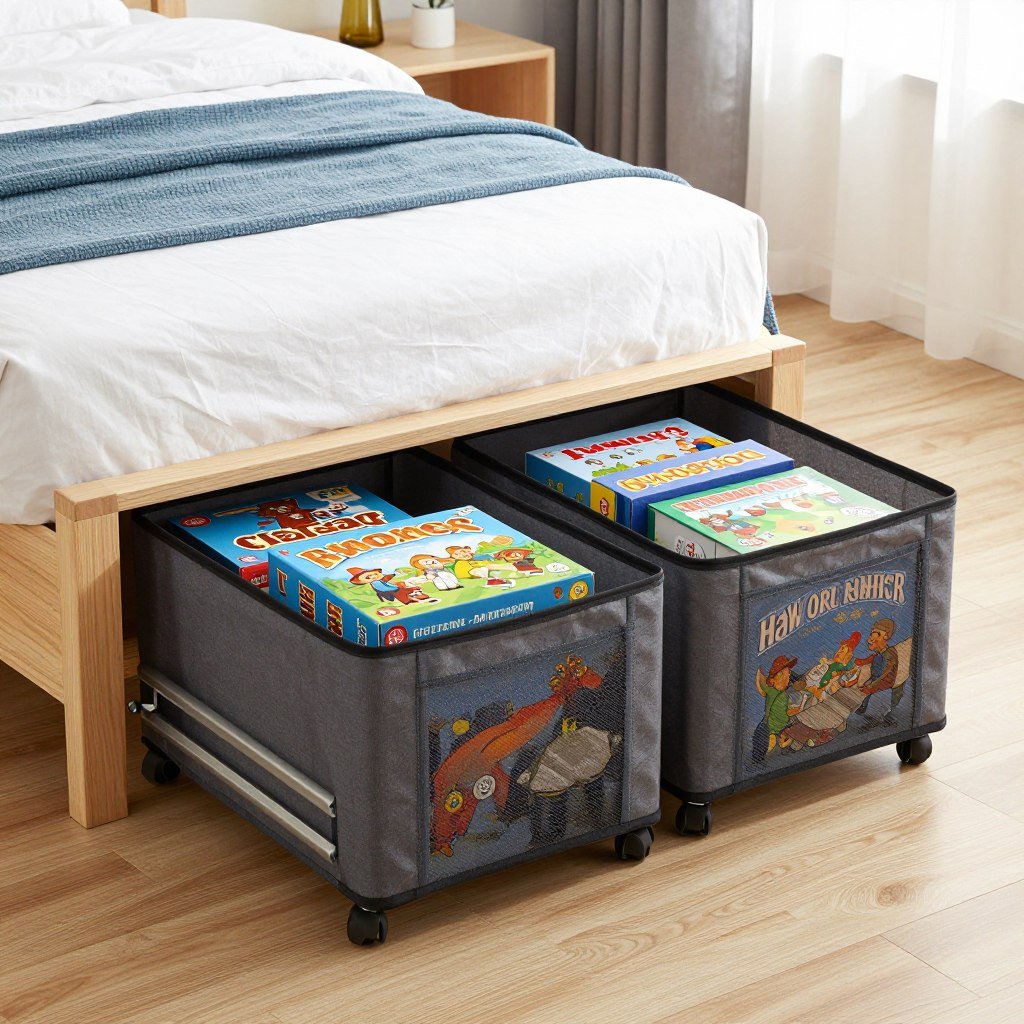
Under-Bed Solutions
Rolling bins utilize forgotten space beneath beds for game storage. Perfect for children’s rooms or apartments where every square foot counts. Keeps games accessible yet out of sight.
Decorative Display Storage
Showcase your collection as intentional decor while maintaining functionality. Shadow boxes, styled shelving, and gallery walls turn games into conversation pieces that stay ready for play.
Organizing Games by Category and Frequency

Organization systems help everyone find games independently. The method you choose depends on how your family uses the collection. Consider who picks games most often.
Category-Based Organization
Group similar games together by type. Strategy games form one section. Party games stay in another area. Family-friendly games get their own space.
This system helps match games to occasions. Planning a party? Go straight to party game section. Family game night? Check the family area. Kids find age-appropriate games easily.

Frequency-Based Storage
Store games you play weekly at eye level. Place monthly games slightly higher or lower. Rarely played games go on top shelves or in back rows.
This practical approach reduces effort for game night. You naturally reach for accessible games more often. The system reinforces itself over time.
Player Count and Duration
Organize games by how many people can play. Two-player games section helps couples choose. Large group games cluster together for parties.
Game length matters for organization too. Quick games under 30 minutes group separately from epic four-hour sessions. Time-based organization helps busy families plan appropriately.

Organization Methods
- By game type and category
- By frequency of play
- By player count requirements
- By game duration length
- By age appropriateness level
- By complexity and difficulty
Labeling Tips
- Use clear readable fonts
- Include multiple organization details
- Color code different categories
- Place labels at eye level
- Update labels as collection grows
- Make labels visible from distance
Board Game Storage for Small Spaces
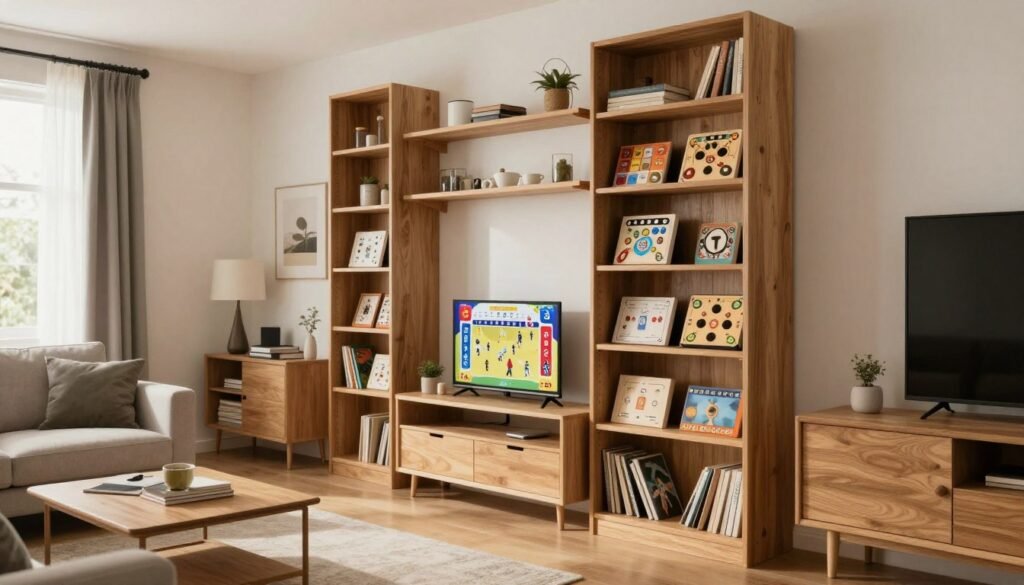
Limited space doesn’t mean sacrificing your game collection. Vertical thinking and multi-purpose furniture solve storage challenges. Small apartments can house impressive game libraries.
Wall-Mounted Solutions
Walls offer untapped storage potential. Floating shelves hold games without taking floor space. Mount shelves in unused areas like above doorways or windows.
Corner shelves utilize awkward spaces perfectly. Triangular units fit where standard furniture won’t. Stack corner shelves vertically for surprising capacity in tight spots.

Behind-Door Storage
Every door offers storage opportunity. Over-door organizers hold flat games and card games. Clear pocket organizers let you see games without removing them.
Bedroom doors work well for this storage type. Closet doors can hold organizers inside and out. Even bathroom doors might accommodate a small game collection.

Furniture That Multitasks
Every piece of furniture should serve multiple purposes in small spaces. Storage benches provide seating plus game storage. Hollow ottomans hide games while offering footrest function.
TV stands with enclosed cabinets conceal game collections. Choose units with adjustable shelves inside. The cabinet doors hide clutter while keeping games accessible.

Small Space Strategy: Edit your collection regularly. Keep games you actually play and trade or sell others. A curated collection of favorites beats a cluttered room full of games gathering dust.

Dedicated Game Room Storage Setup
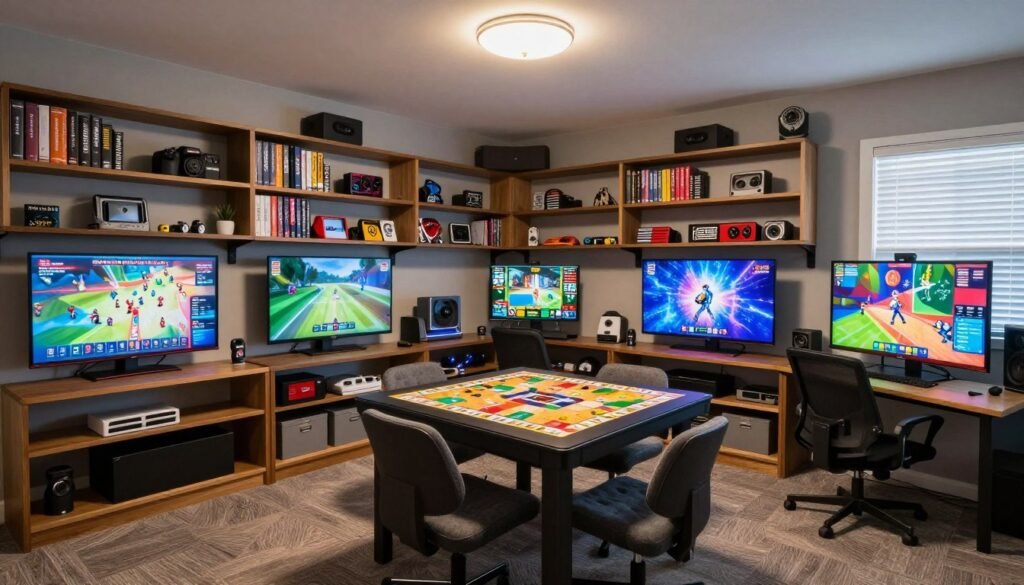
Dedicated game rooms deserve thoughtful planning. These spaces celebrate your hobby while providing ultimate organization. Every element serves gameplay and storage needs.
Planning Your Game Room Layout
Start with the gaming table as your focal point. Arrange storage around the perimeter for easy access during play. Leave enough walking space between table and shelves.
Consider traffic flow when placing storage units. High-traffic areas need wider clearance. Position most-played games near the table for quick setup.
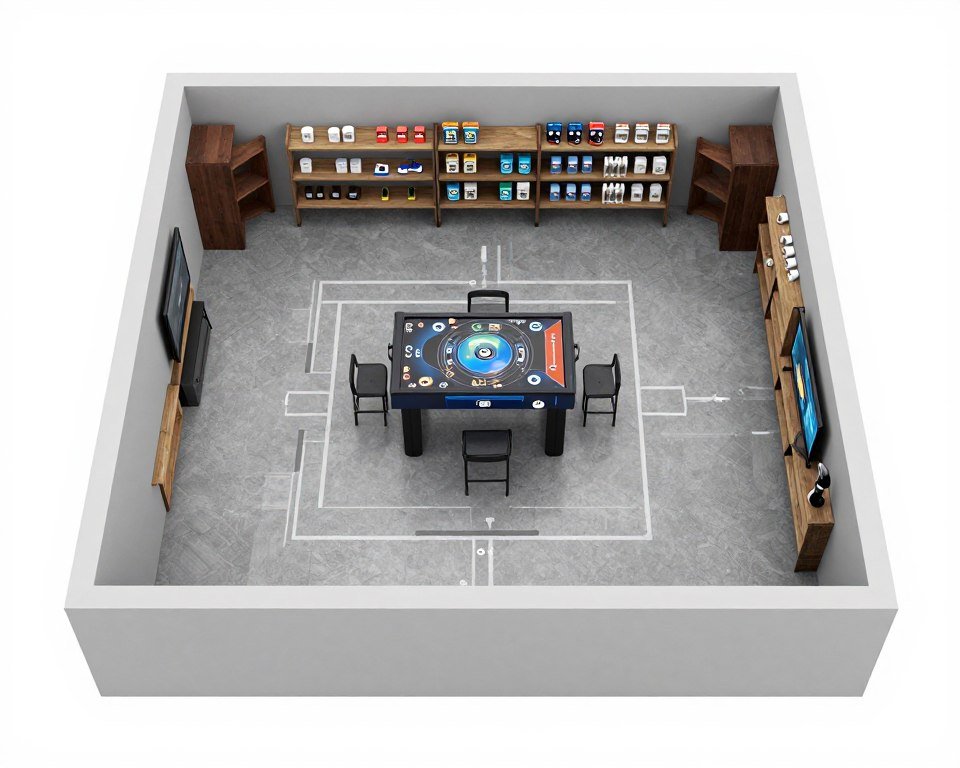
Wall-to-Wall Shelving
Maximize storage with floor-to-ceiling shelving on multiple walls. Built-in units create impressive display capacity. Custom shelving adapts perfectly to your room dimensions.
Mix open and closed storage for visual variety. Display favorite games on open shelves. Store overflow or less attractive boxes behind cabinet doors. Glass doors show contents while protecting from dust.
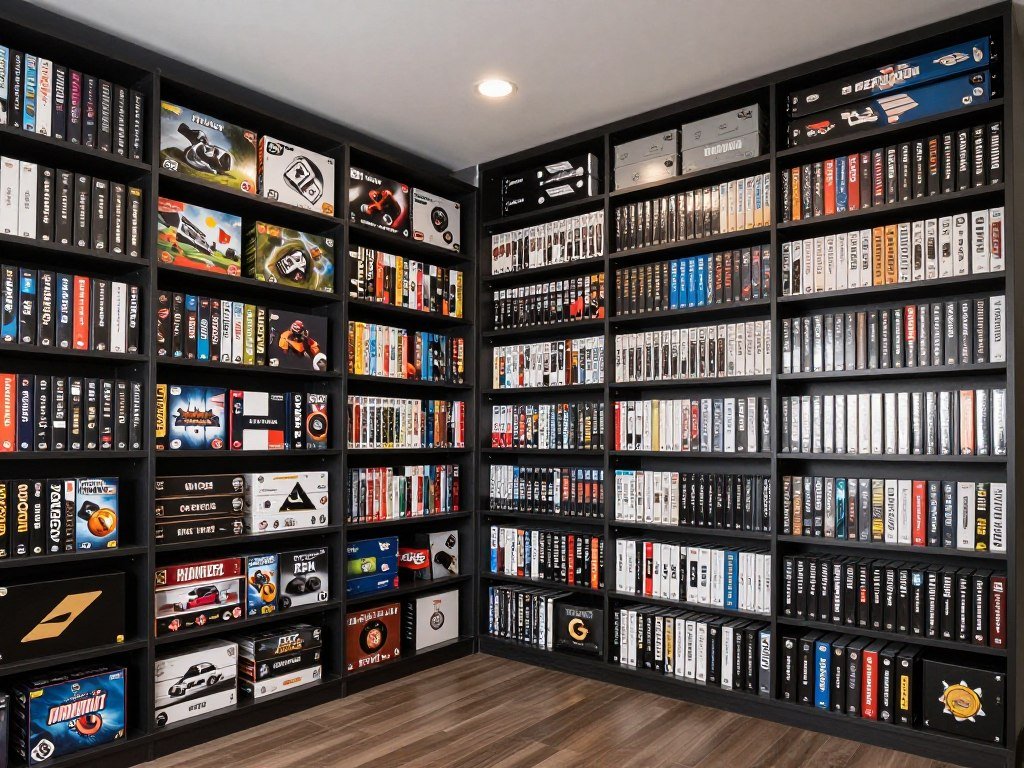
Sorting and Display Areas
Designate space for organizing game components before and after play. A side table holds pieces during setup. Bins collect components as you clean up.
Display areas showcase new acquisitions or current favorites. Rotate featured games monthly. This system reminds you to play games that might otherwise get forgotten.
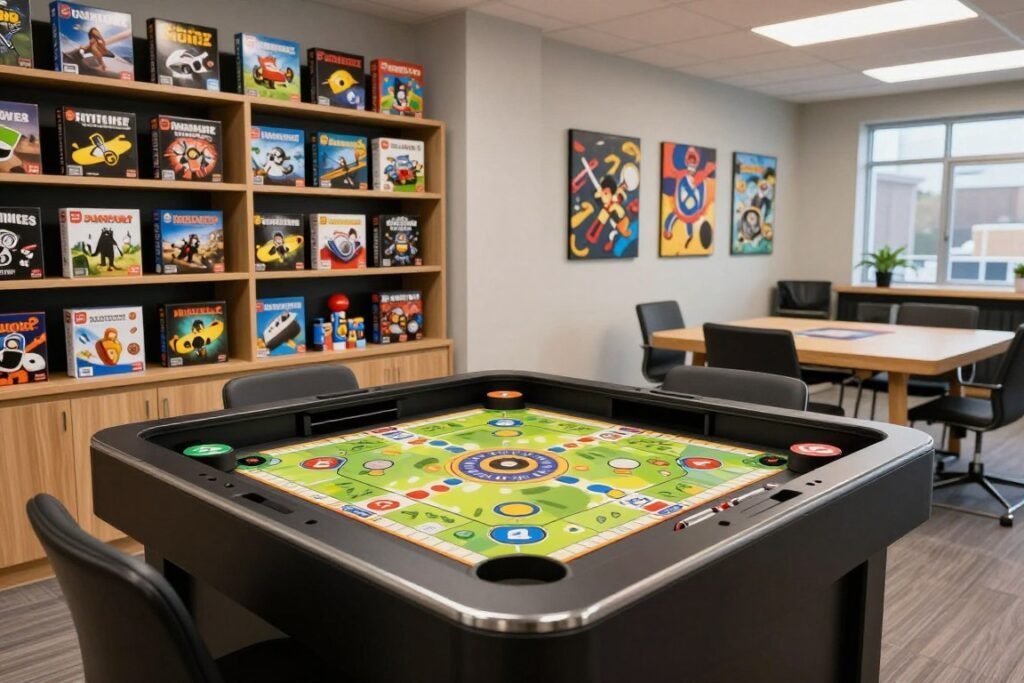
Game Room Essential: Install good lighting throughout the room. Reading cards and small text requires bright illumination. Adjustable lighting lets you set the mood for different game types and video recordings.

Maintaining Your Board Game Organization System
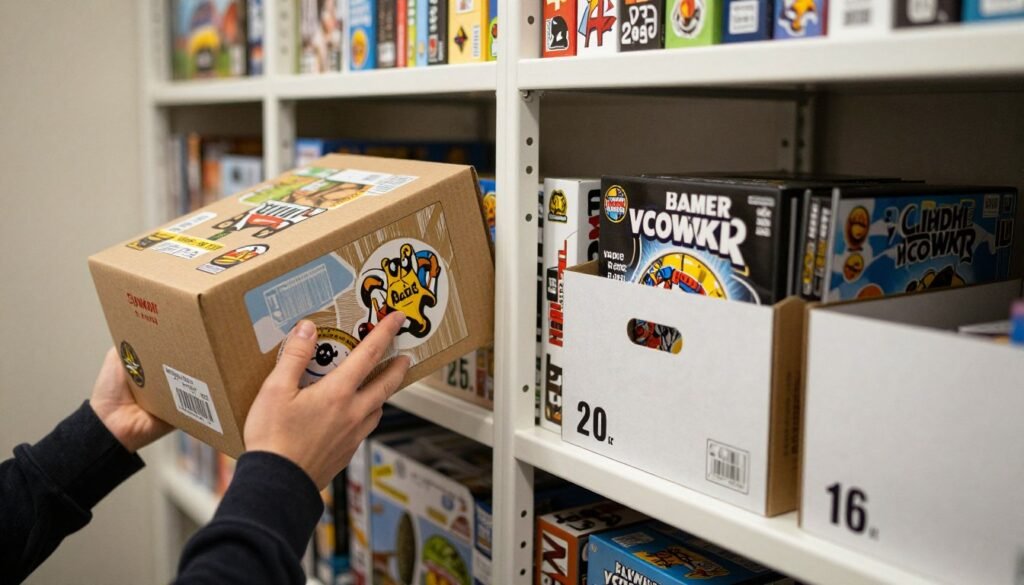
Organization requires ongoing maintenance. Collections grow and change over time. Regular attention keeps your system functioning smoothly for the long term.
Regular Collection Audits
Review your collection quarterly. Identify games nobody plays anymore. Consider selling or donating games that don’t spark joy. This creates space for new additions.
Check box conditions during audits. Address damage immediately before it worsens. Tighten rubber bands that have loosened. Replace worn component bags.
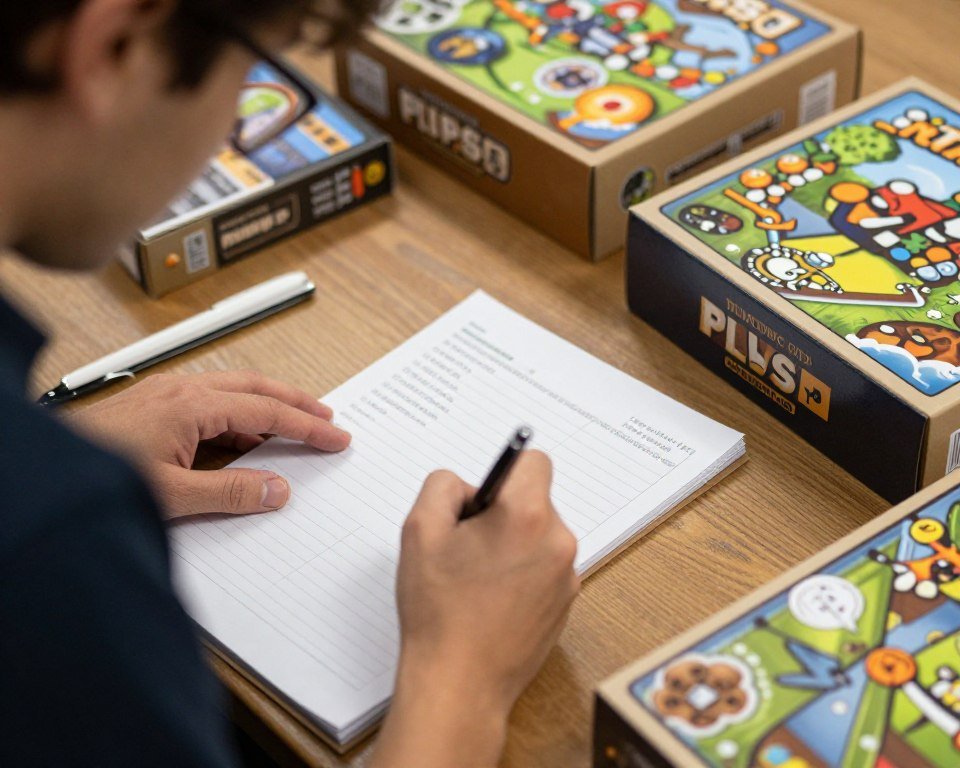
Teaching Others Your System
Everyone in your household should understand the organization method. Show family members where each game type belongs. Explain the logic behind your system.
Create simple rules for game return. Games go back immediately after play. Components stay in proper containers. Boxes return to correct shelf locations. Consistent habits maintain organization effortlessly.

Adapting as Collection Grows
Plan for expansion when buying storage units. Leave empty shelf space for future games. Modular systems grow with your collection naturally.
Reorganize categories as needed. A growing strategy game collection might need its own unit. Party games could move to make room. Flexibility keeps your system working long-term.

Monthly Maintenance Tasks
- Return misplaced games to correct spots
- Check rubber bands for wear
- Dust shelves and game boxes
- Reorganize after new purchases
- Verify all components present
Quarterly Review Tasks
- Audit entire collection condition
- Identify games for trading or selling
- Deep clean storage areas thoroughly
- Update organization categories if needed
- Plan storage expansion as necessary
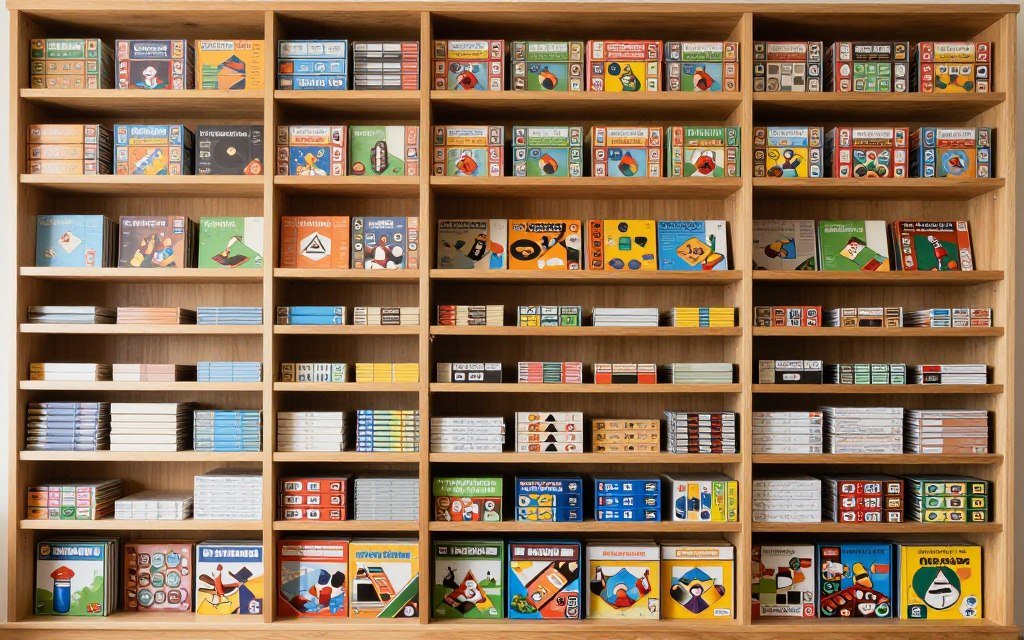
Budget-Friendly Board Game Storage Options

Effective storage doesn’t require huge investment. Affordable options organize collections beautifully. Creativity stretches budgets further than expensive systems.
Repurposing Existing Furniture
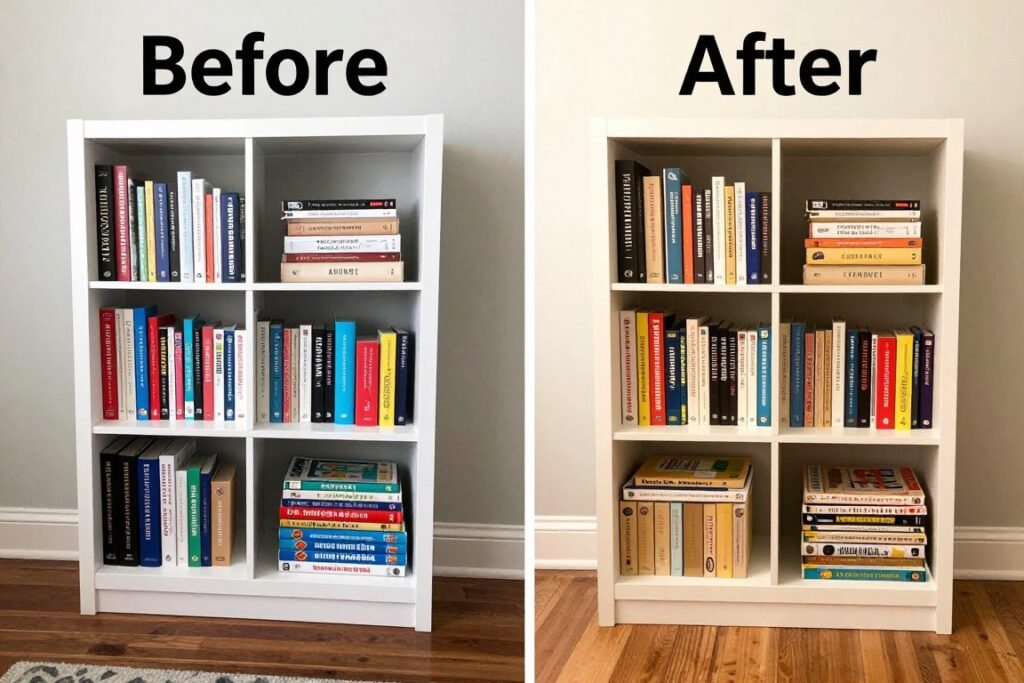
Look around your home before buying new storage. Existing bookcases might need just rearranging. Dressers with removed drawers become open shelving units.
Old entertainment centers work perfectly for games. Remove doors if you want open access. The built-in shelves often fit game boxes ideally. A fresh coat of paint updates the look.
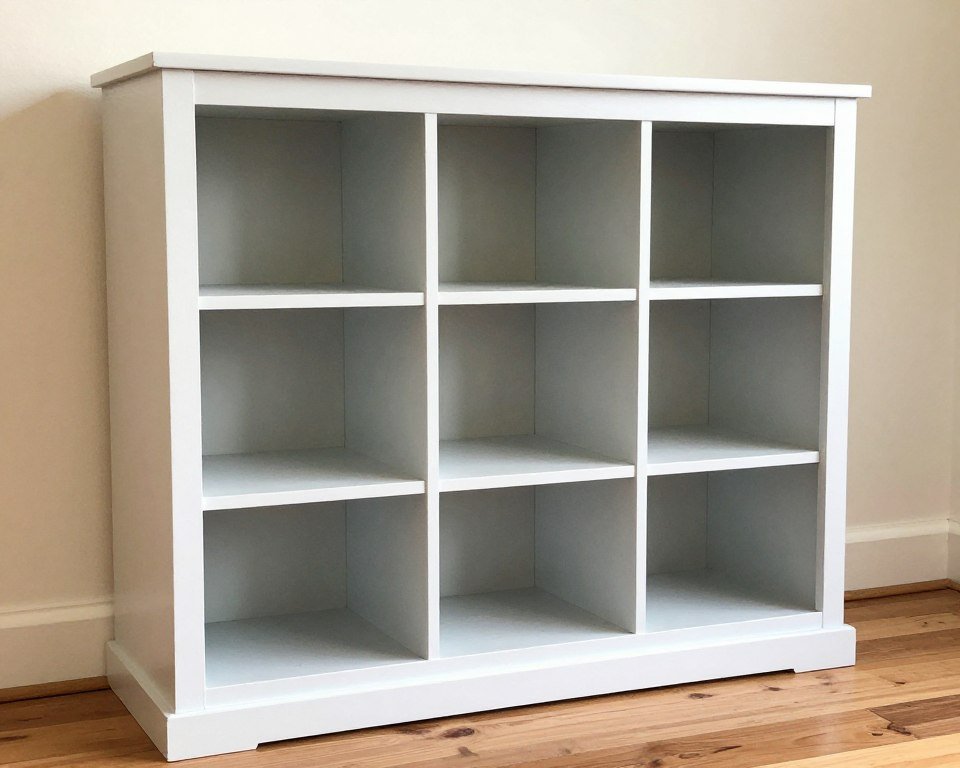
DIY Storage Solutions
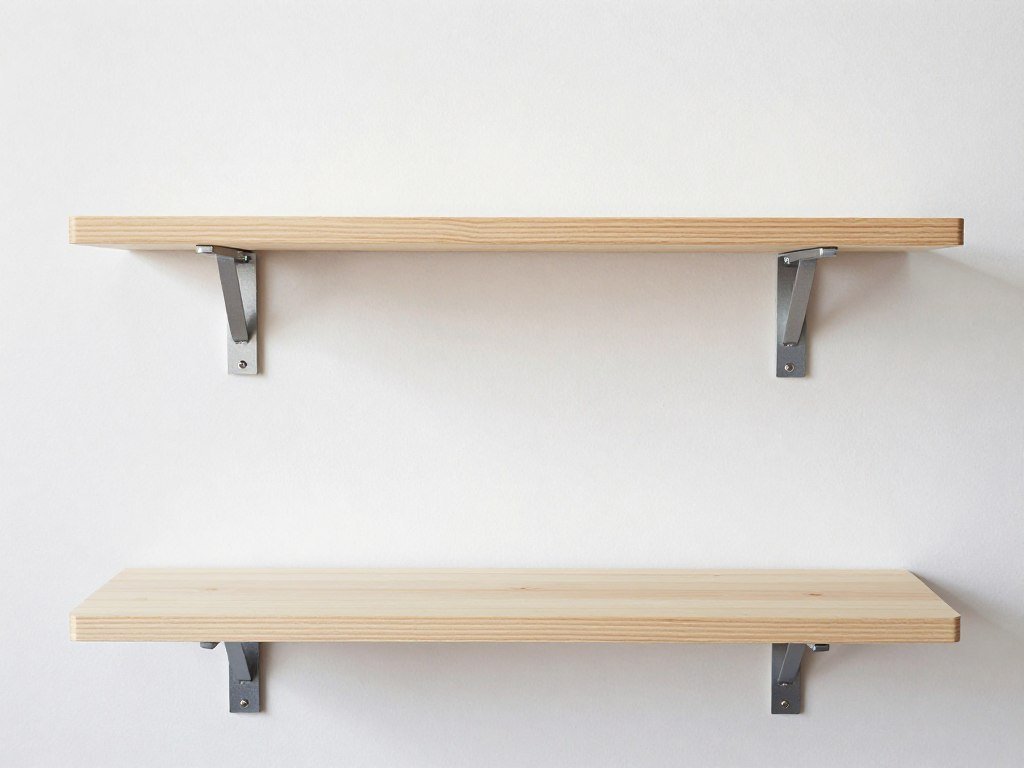
Build simple shelves from boards and brackets. Hardware stores cut lumber to size. This customization ensures perfect fit for your space and games.
Milk crates stack to create modular storage. Zip-tie them together for stability. Paint crates to match your decor. This ultra-budget solution works surprisingly well.
Thrift Store Finds
Second-hand stores offer storage furniture at fraction of retail cost. Look for solid wood pieces that just need refinishing. Sturdy construction matters more than current appearance.
Watch for cube storage units and bookcases specifically. These adapt easily to game storage. Clean and paint thrift finds to look custom and intentional.
Budget Tip: Buy storage units during back-to-school sales or after holidays. Retailers discount organizational furniture heavily during these times. One quality piece on sale beats several cheap items at full price.
Complete Your Storage Setup
Find everything you need to organize your board game collection efficiently, from shelving to protective supplies.
Creating Your Perfect Board Game Storage System

Your board game collection deserves thoughtful storage. The right system protects your investment while making games accessible. Organization transforms chaotic piles into curated libraries.
Start with one area of your collection. Choose a storage method that fits your space and budget. Implement the system completely before expanding to other areas.
Remember that organization evolves with your collection. What works today might need adjustment as you add games. Flexible systems adapt to change without complete overhauls.
The best storage solution is the one you’ll actually maintain. Pick methods that match your lifestyle and habits. Simple systems work better than complicated ones you won’t follow.

Invest in your collection’s future today. Proper storage means these games bring joy for years to come. Your family will appreciate the organized accessibility every game night.