Wall mirrors are more than just functional pieces—they’re transformative elements that can completely reinvent your space. These versatile decor items reflect light, create the illusion of depth, and serve as stunning focal points in any room. Whether you’re looking to brighten a dark corner, make a small space feel more expansive, or simply add a touch of elegance to your home, the perfect wall mirror can accomplish it all with remarkable ease. Join us as we explore the world of wall mirrors and discover how these magical design elements can elevate your home’s aesthetic while serving practical purposes in your daily life.
This Website contains affiliate links. That means I may earn a small commission if you purchase through my links, at no extra cost to you.
Exploring Different Types of Wall Mirrors
The world of wall mirrors offers endless possibilities to enhance your home’s aesthetic. Each style creates a distinct visual impact and serves different functional purposes. Let’s explore the most popular types that can transform your space.
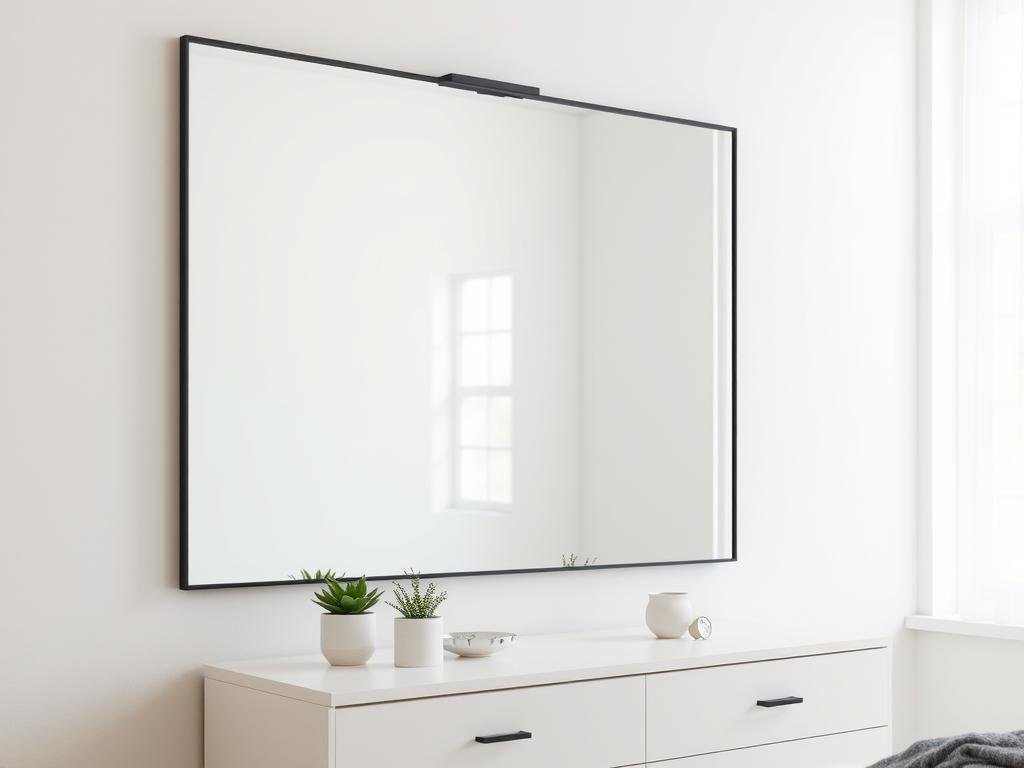
Modern Minimalist Mirrors
Clean lines and simple frames define modern minimalist mirrors. These sleek designs feature thin metal frames in black, gold, or silver finishes, or sometimes no frame at all. Their understated elegance makes them perfect for contemporary spaces where they add sophistication without overwhelming the room’s design. A frameless rectangular mirror or one with a slim brass frame can serve as a subtle yet impactful addition to a modern living room or bedroom.
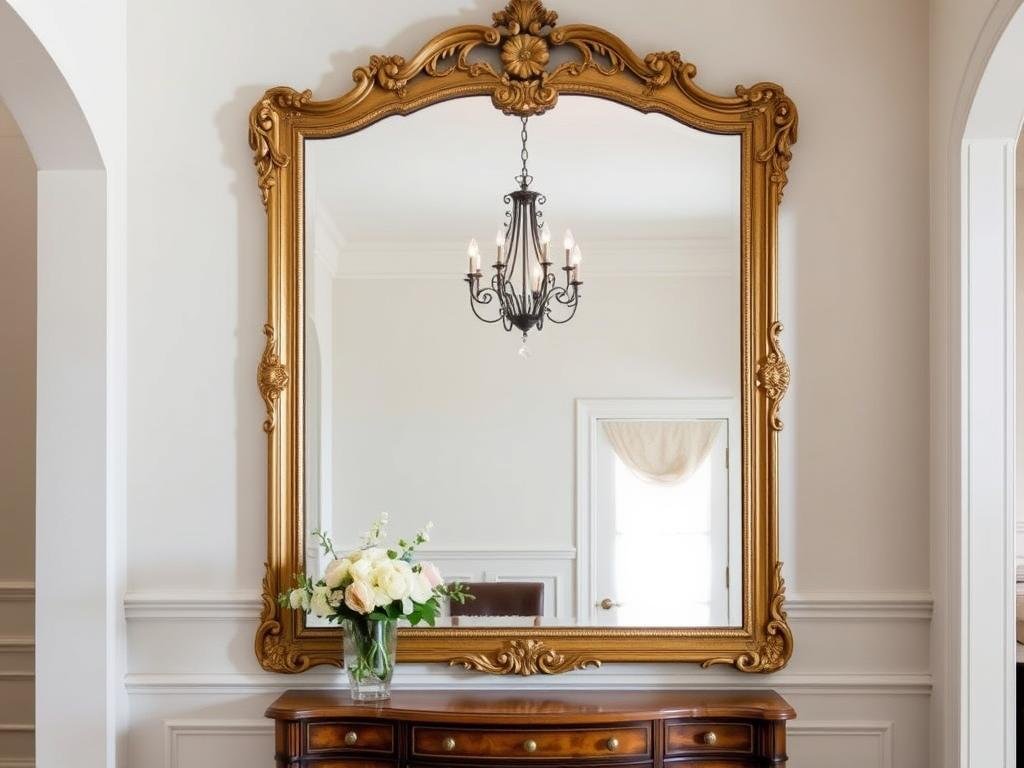
Vintage and Antique-Inspired Mirrors
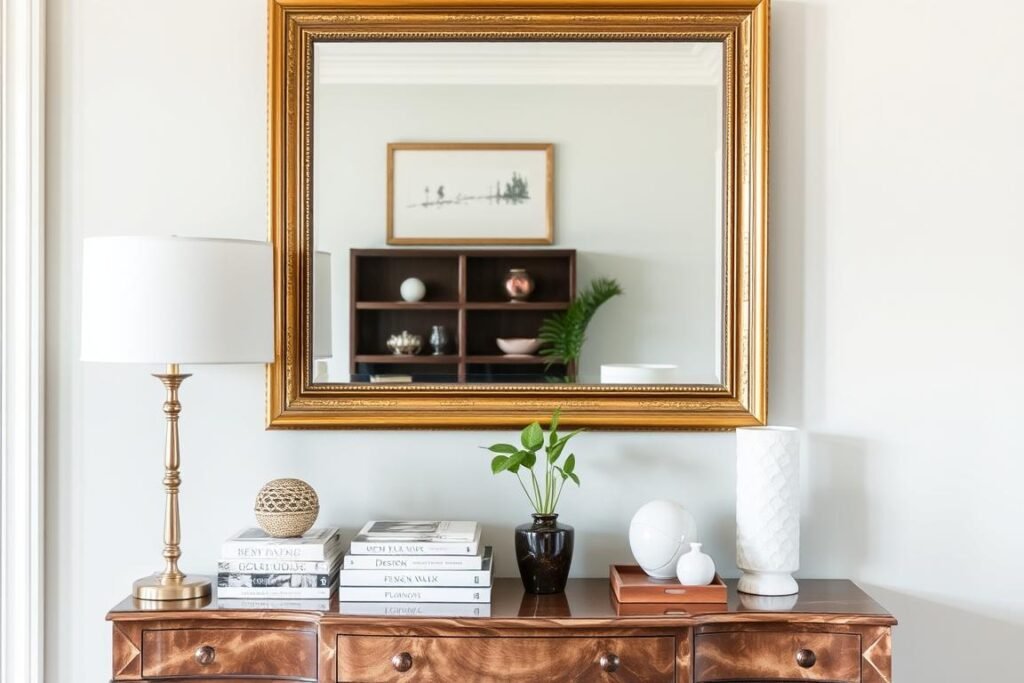
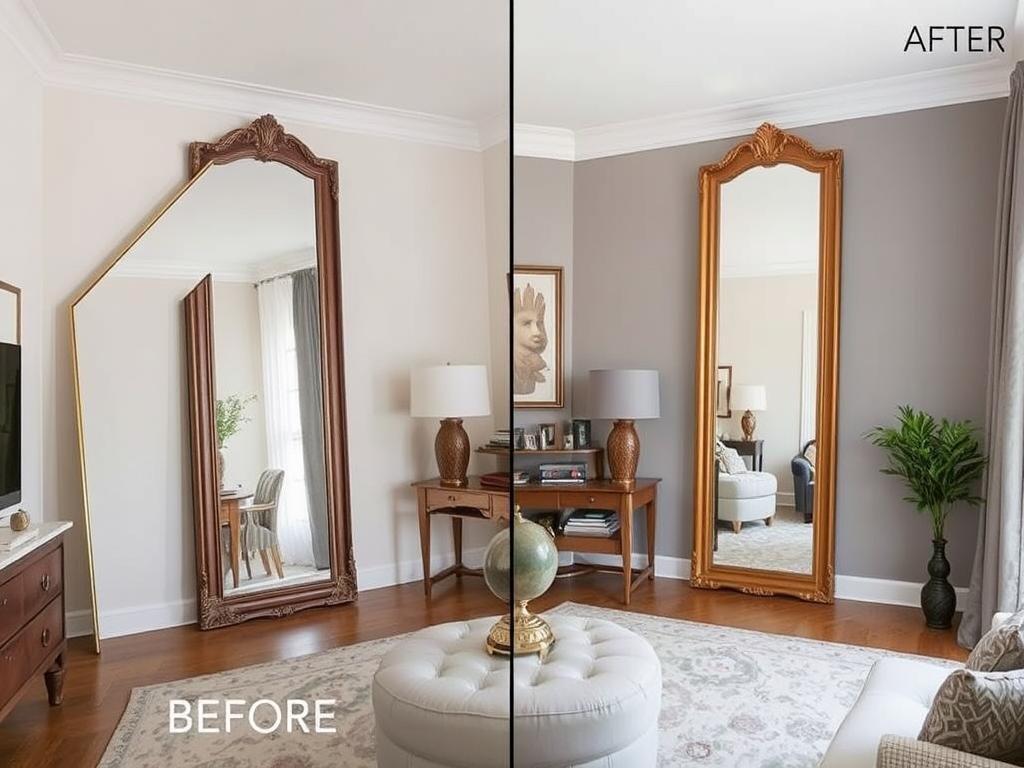
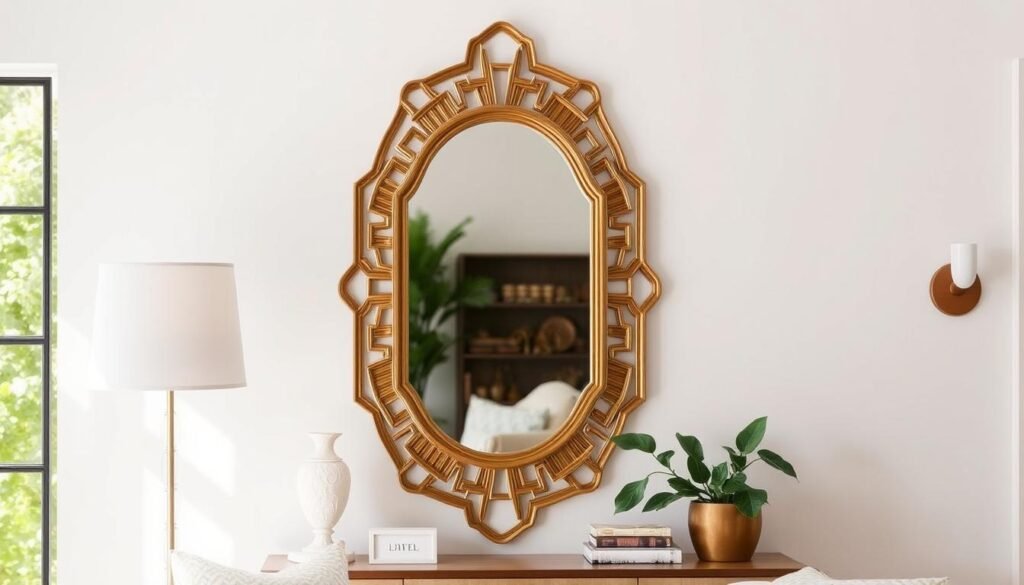
For those who appreciate timeless charm, vintage and antique-inspired mirrors add character and history to any space. These mirrors often feature ornate gold frames with intricate detailing, weathered finishes, or distressed edges that create a sense of nostalgia. An antique-inspired mirror with a gilded frame can become a statement piece in an entryway or add old-world elegance to a traditional living room.
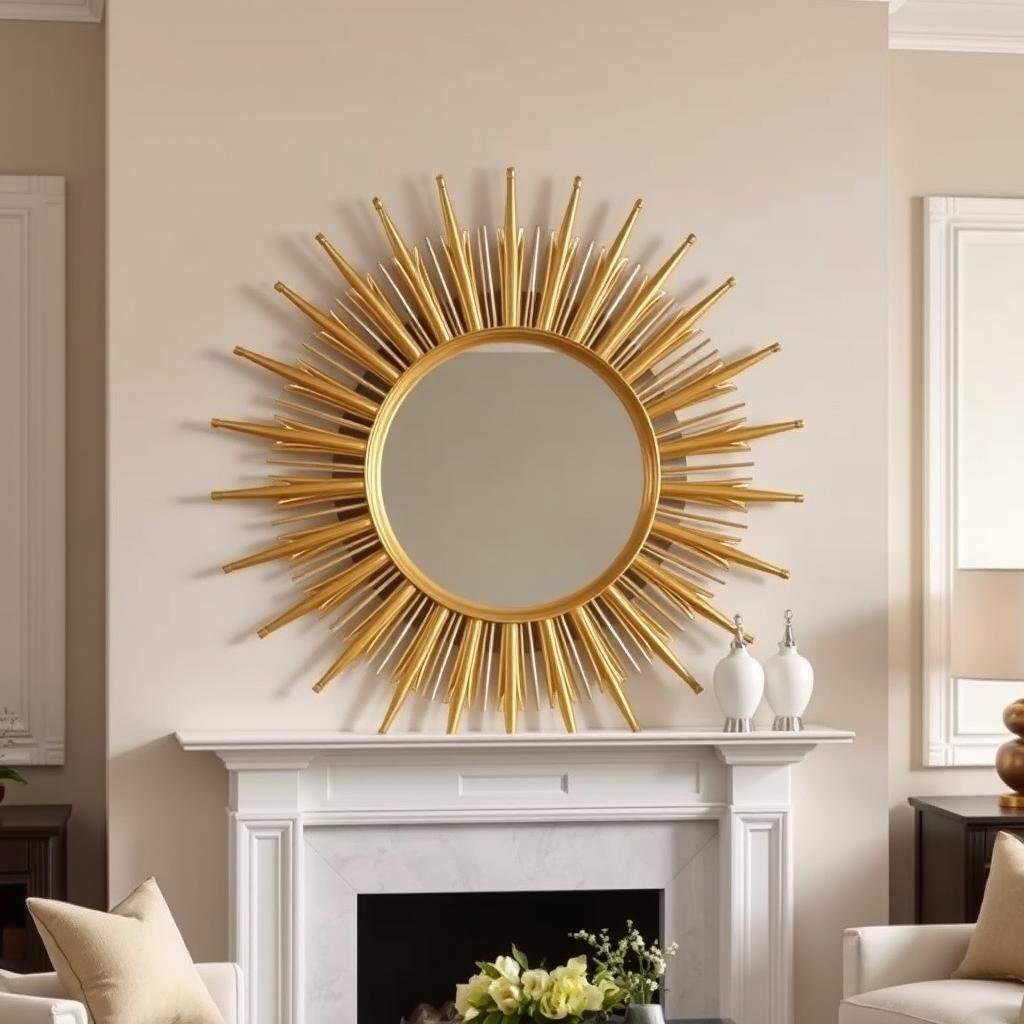
Sunburst and Starburst Mirrors
Dramatic and eye-catching, sunburst mirrors feature radiating elements that extend from a central mirror, creating a sun-like appearance. These statement pieces instantly draw attention and add artistic flair to any wall. Available in various finishes from gold to silver to mixed metals, sunburst mirrors work beautifully as focal points above mantels, sofas, or in dining rooms where they create a sense of dynamic energy.
Round and Oval Mirrors
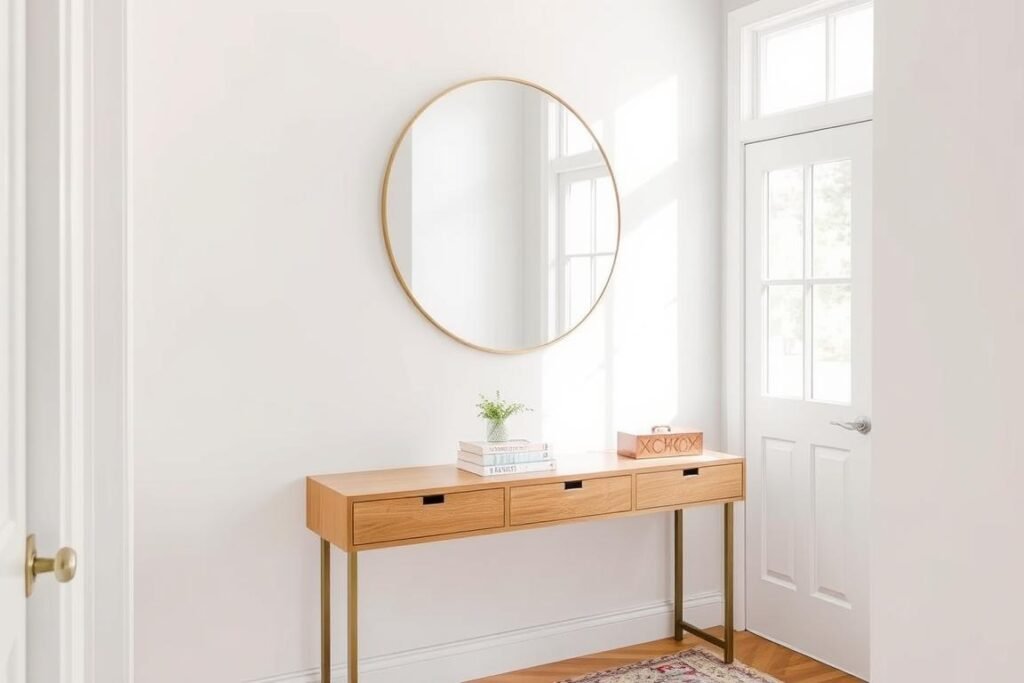
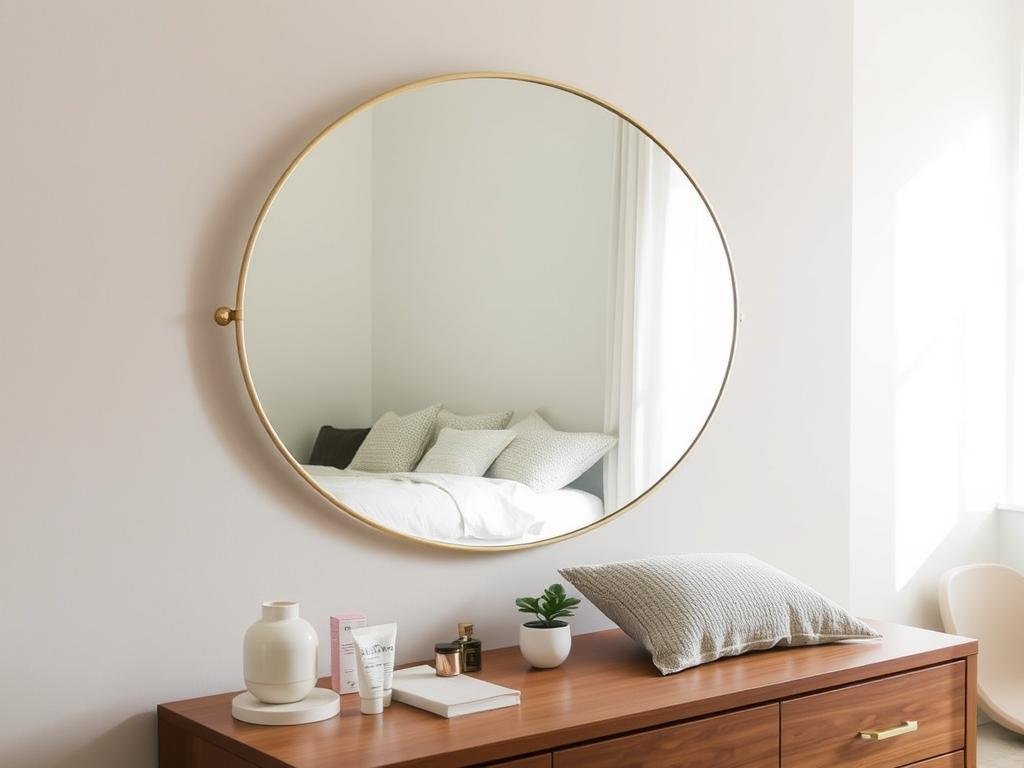
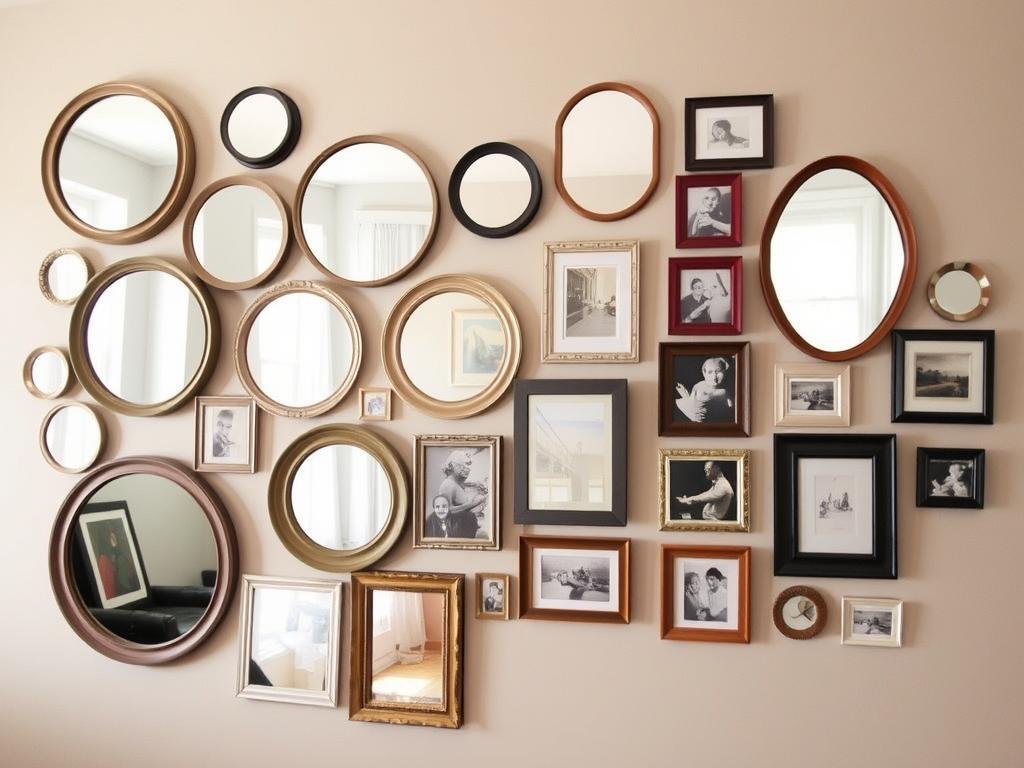
Soft and inviting, round and oval mirrors bring gentle curves to spaces often dominated by straight lines and angles. Their shape creates a sense of flow and movement that feels both classic and contemporary. A large round mirror can make a stunning statement above a console table or fireplace, while a cluster of smaller circular mirrors can create an artistic gallery wall. Oval mirrors, with their elongated shape, work beautifully in narrow spaces like hallways or between windows.
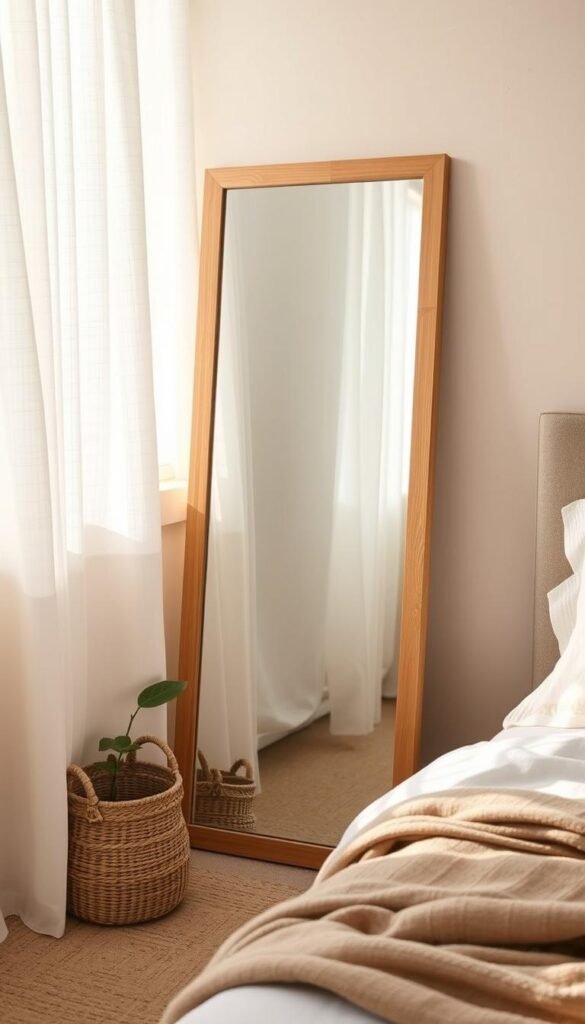
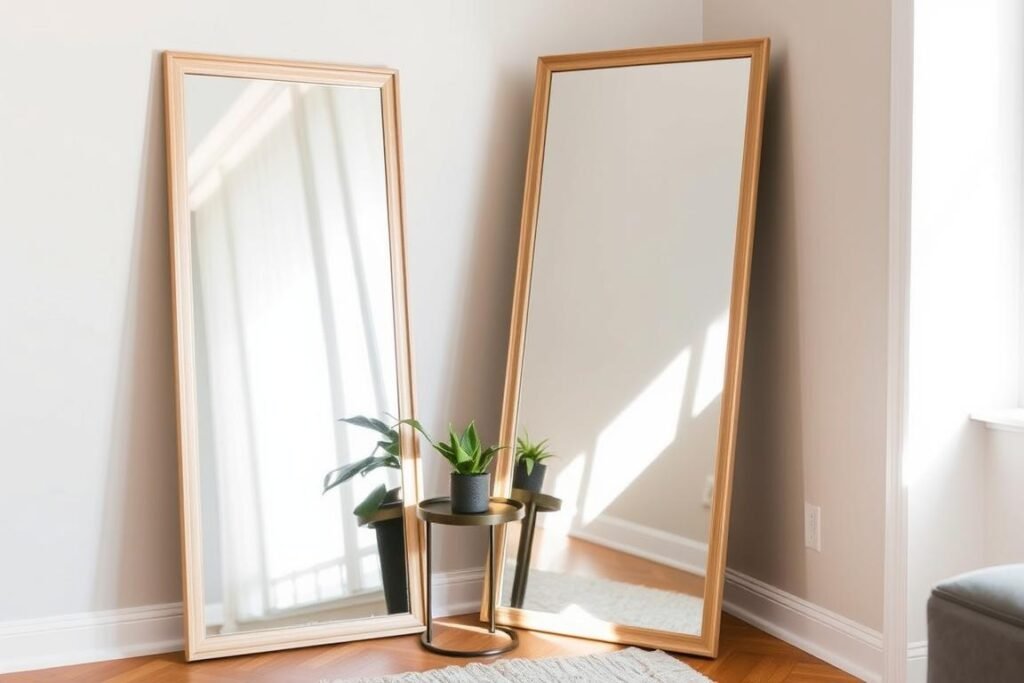
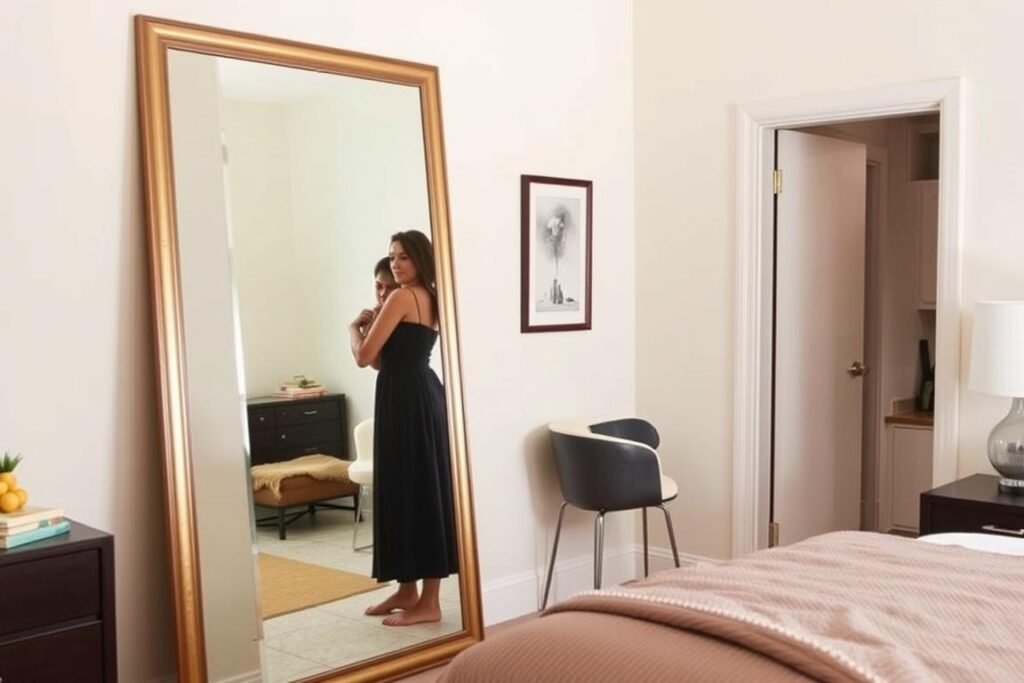
Practical and impactful, full-length wall mirrors serve both functional and aesthetic purposes. These tall mirrors allow you to check your entire outfit while also making rooms appear taller and more spacious. A leaning floor mirror with a wooden frame adds casual elegance to a bedroom corner, while a mounted full-length mirror with a sleek frame can enhance a dressing area or walk-in closet.
Decorative and Sculptural Mirrors
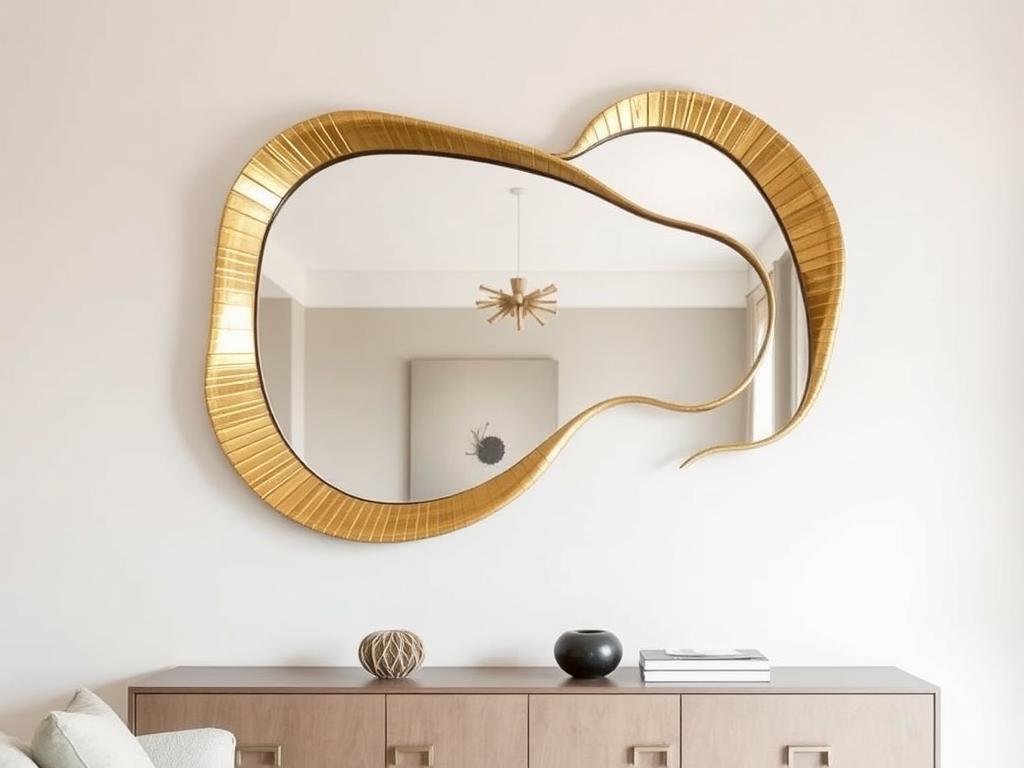
For those seeking something truly unique, decorative and sculptural mirrors function as both reflective surfaces and art pieces. These creative designs might feature unusual shapes, textured frames, or integrated elements like shelving. A mirror with an asymmetrical organic shape or one with a frame made from natural materials like driftwood can become a conversation piece that expresses your personal style while still serving its practical purpose.
Creative Wall Mirror Placement Ideas
Where you position your wall mirror can dramatically impact both its functionality and its effect on your space. Strategic placement can transform rooms, highlight architectural features, and solve common design challenges. Here are some inspired ideas for incorporating mirrors throughout your home.
Entryway Excellence
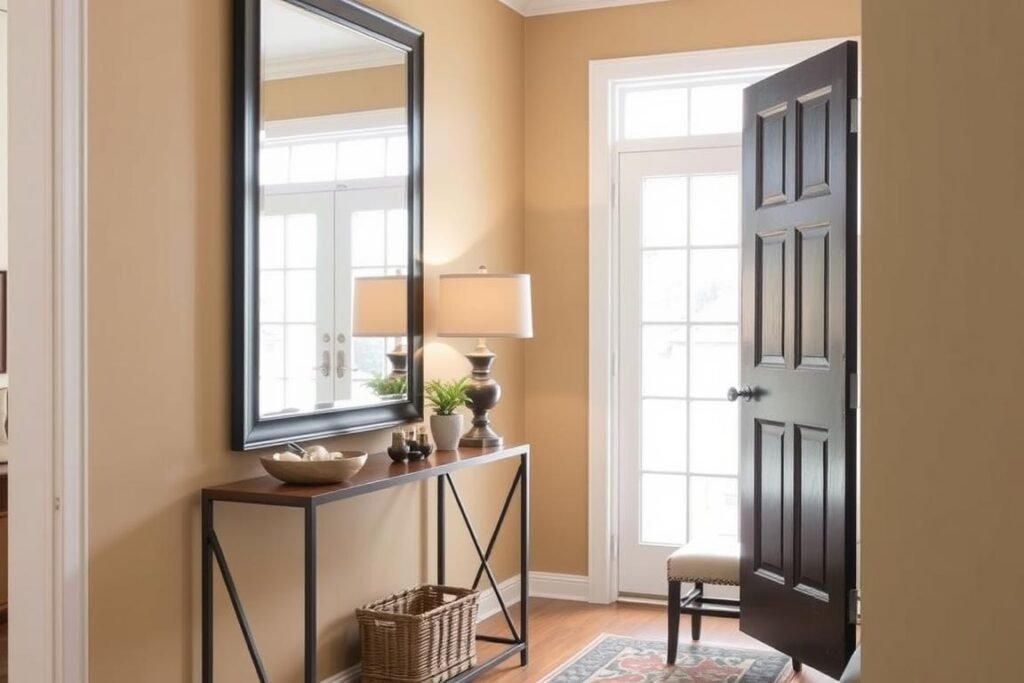
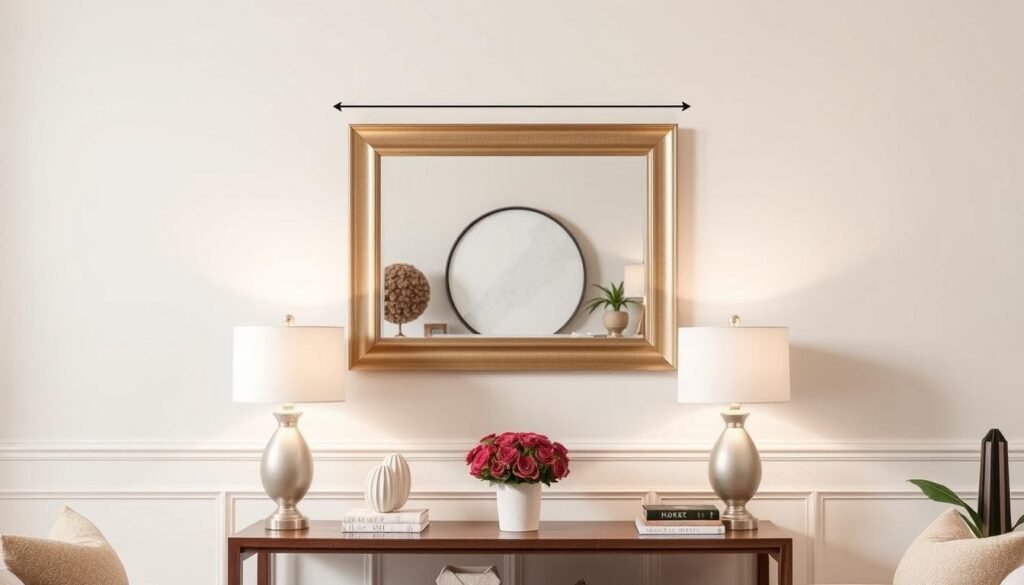
The entryway creates the first impression of your home, making it the perfect location for a statement mirror. A well-placed mirror here serves multiple purposes: it offers a last-minute appearance check before heading out, reflects light to brighten what’s often a darker space, and visually expands a typically narrow area. Try mounting a substantial round or rectangular mirror above a console table, complemented by a lamp that will cast a warm glow to be reflected in the evening hours.
Living Room Reflections
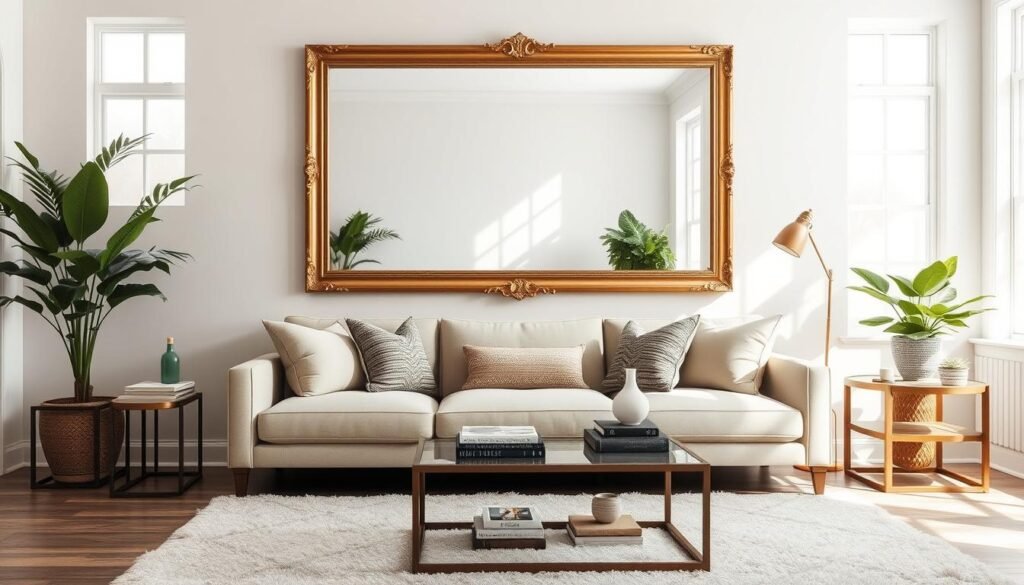
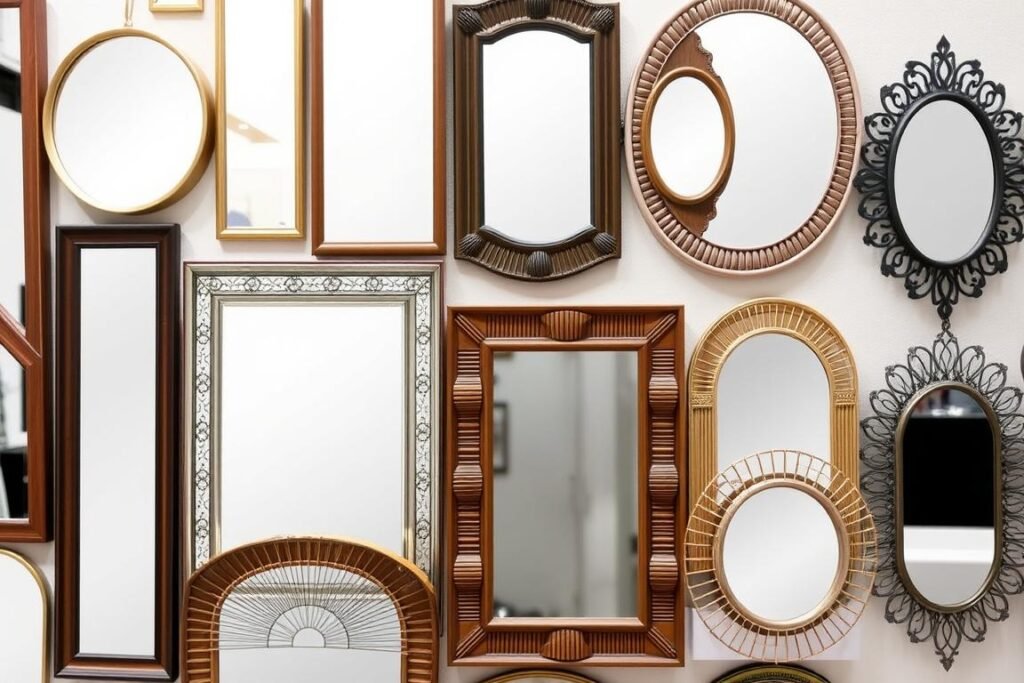
In living rooms, mirrors can serve as focal points while enhancing the room’s light and sense of space. Position a large mirror above a sofa or fireplace to create a striking visual anchor. For a more dramatic effect, consider a floor-to-ceiling mirror that can make the ceiling appear higher and the room more expansive. Alternatively, create a gallery wall that mixes mirrors of different shapes and sizes with artwork for an eclectic, collected look that adds personality and dimension.
Dining Room Drama
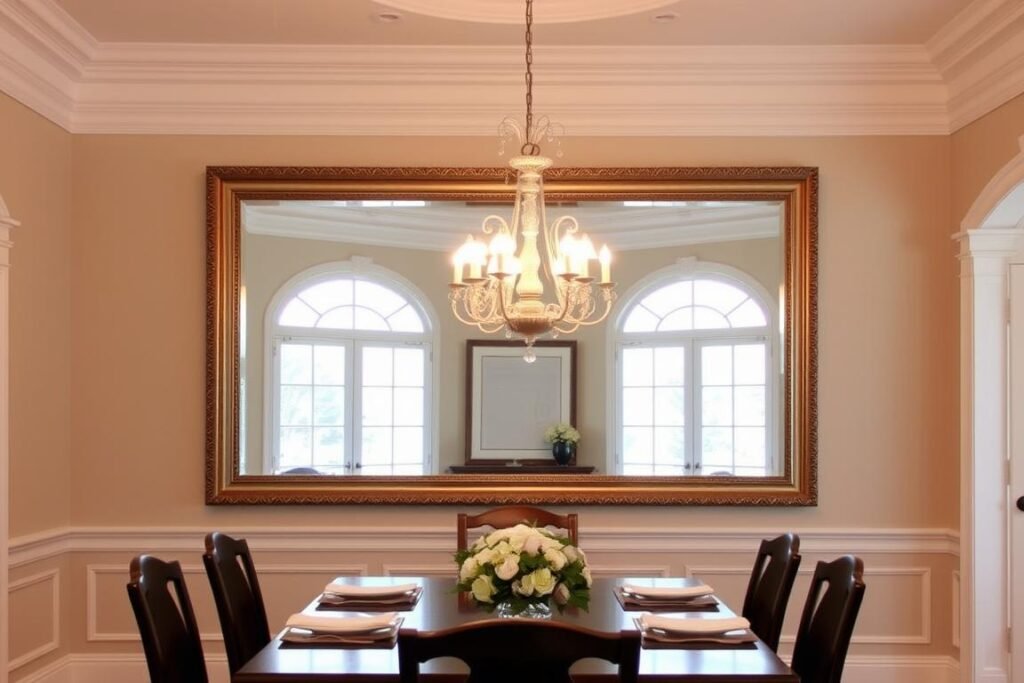
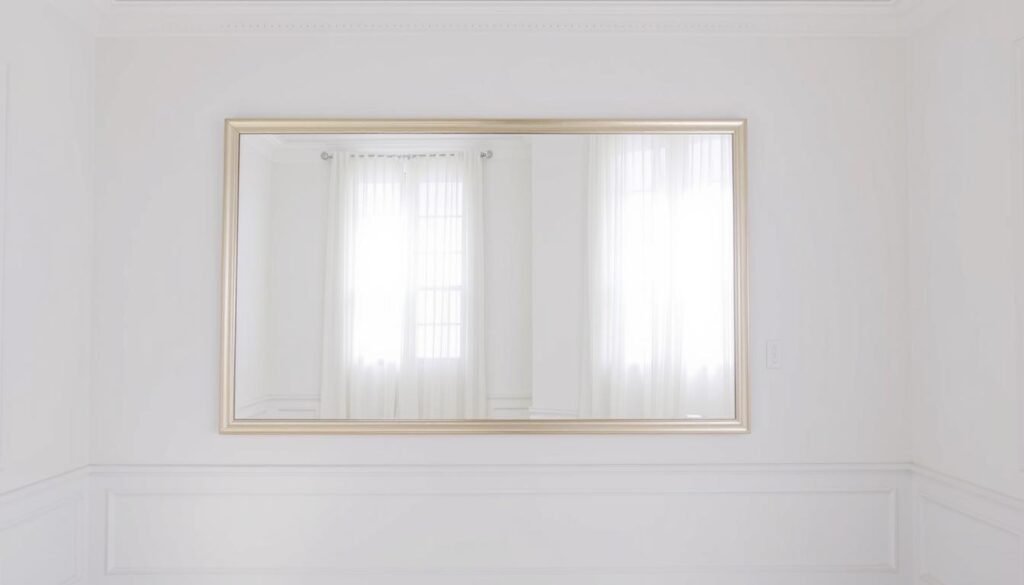
Mirrors in dining rooms create ambiance and enhance the experience of gathering around the table. A mirror positioned to reflect a chandelier or pendant light above the dining table will multiply the light’s effect, creating a magical atmosphere for evening meals. Consider a horizontal mirror along one wall to reflect window light from the opposite side, or place a mirror across from your most attractive dining room features to visually double their impact.
Bedroom Reflections
In bedrooms, mirrors serve both practical and aesthetic purposes. A full-length mirror is essential for dressing, while decorative mirrors can enhance the room’s style. Position a mirror where it will reflect natural light from windows to brighten the space. A mirror above a dresser or vanity creates a functional grooming station, while a collection of smaller mirrors can form an artistic arrangement above a headboard. Just be mindful of placement—avoid positioning mirrors where they’ll reflect directly into your eyes while in bed.
Hallway Expansion
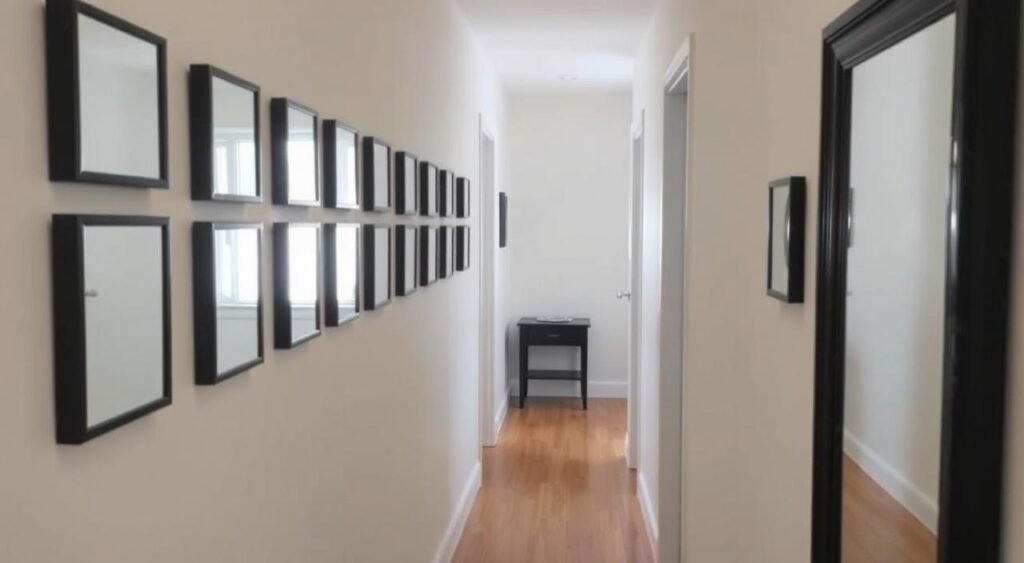
Hallways often present design challenges due to their narrow dimensions and limited natural light. Mirrors can transform these transitional spaces by creating the illusion of width and brightness. A series of identical mirrors spaced evenly along one wall creates rhythm and expands the perceived width. Alternatively, a single large mirror on the end wall of a hallway can make it appear twice as long, while mirrors positioned to reflect light from adjacent rooms will brighten the entire passage.
Bathroom Brilliance
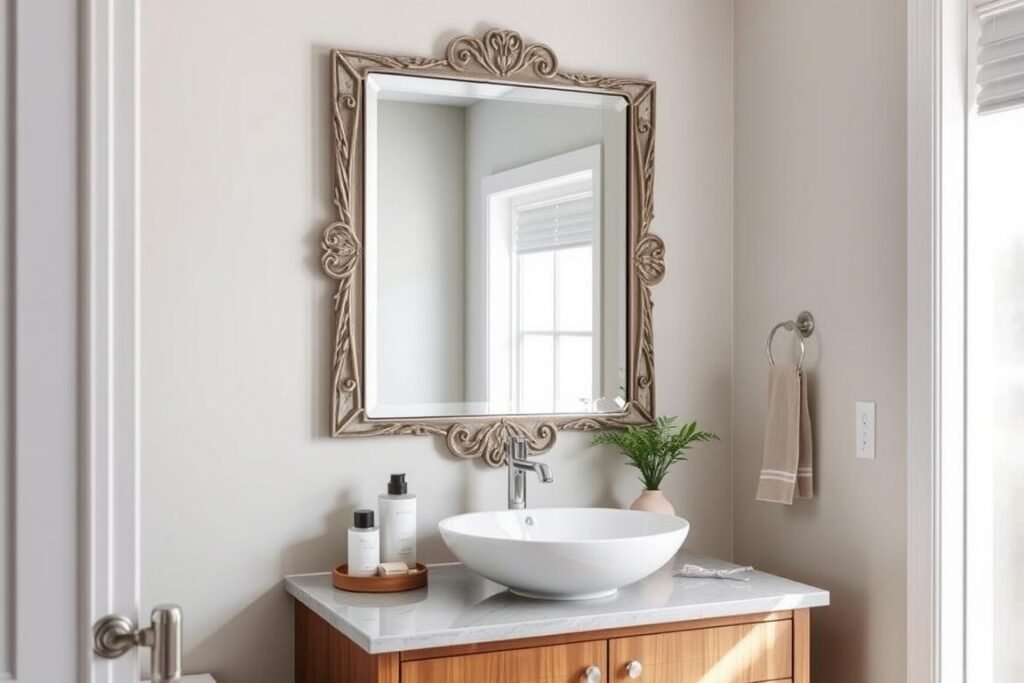
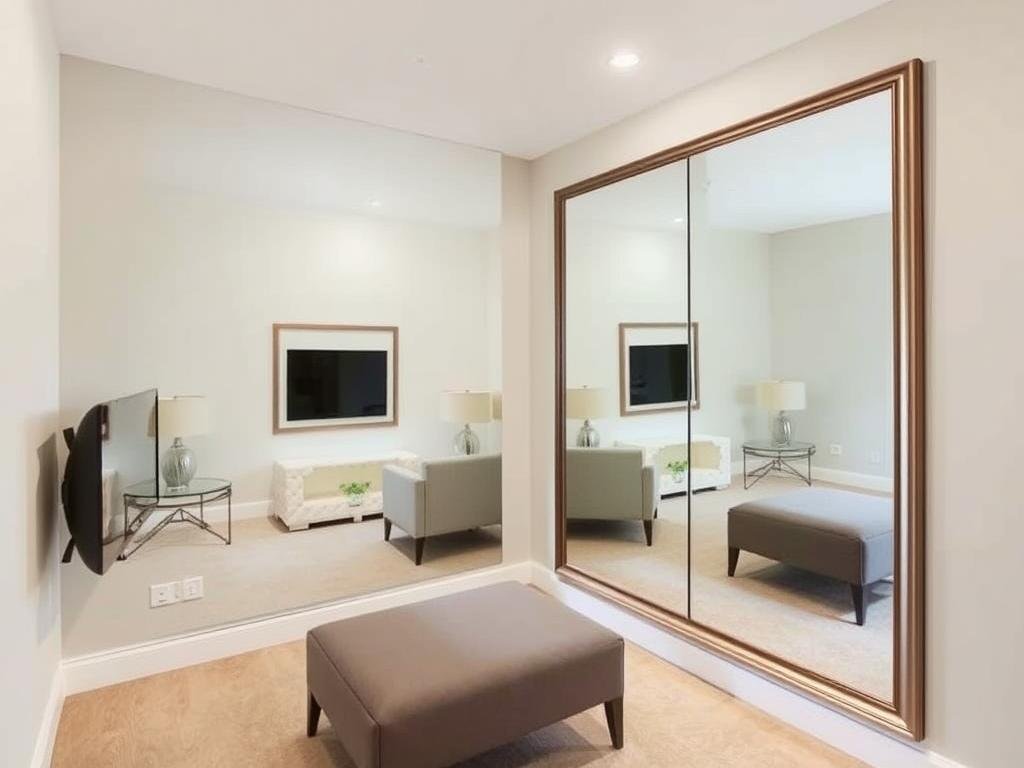
Beyond the standard vanity mirror, bathrooms offer numerous opportunities for creative mirror placement. A full wall of mirror can make even the smallest bathroom feel spacious, while a decorative mirror in an unexpected place—like above a freestanding tub—adds personality. For a luxury spa feel, consider placing mirrors where they’ll reflect attractive bathroom features like designer fixtures or plants. Just ensure any mirror intended for a bathroom is suitable for high-moisture environments.
Expert Styling Tips for Wall Mirrors
Once you’ve selected the perfect mirror and determined its ideal placement, the next step is styling it to maximize its impact. These expert tips will help you integrate your wall mirror seamlessly into your overall design scheme while enhancing its reflective magic.
Creating Balance with Size and Scale
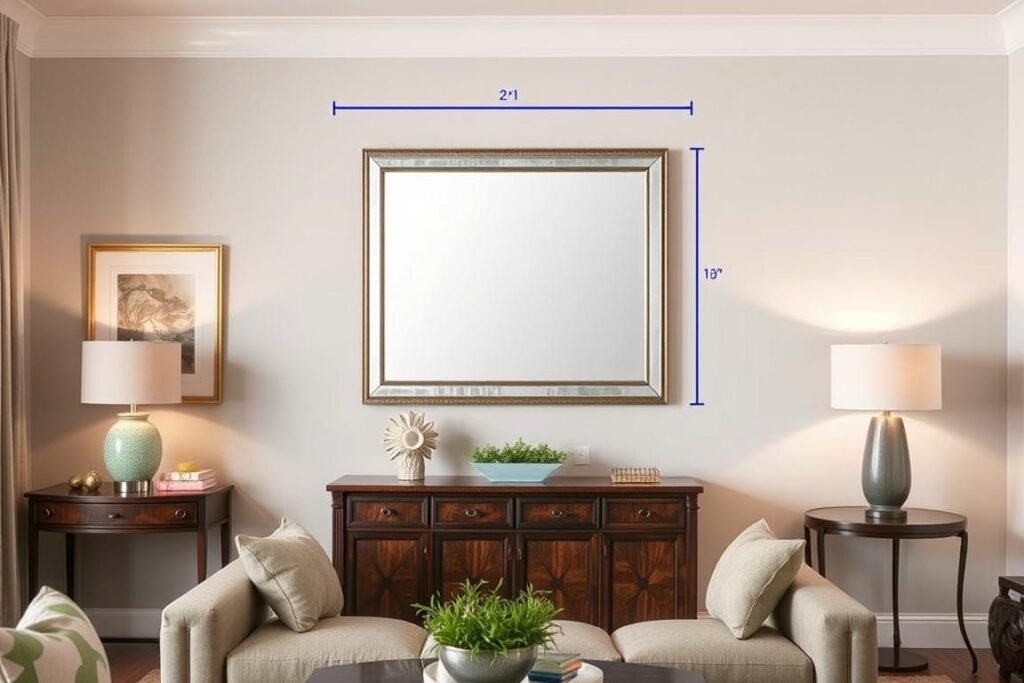
The size of your mirror should be proportionate to the wall space and surrounding furniture. A mirror that’s too small can look lost on a large wall, while one that’s too large might overwhelm the space. As a general rule, a mirror placed above furniture should be approximately two-thirds the width of the furniture below it. For a dramatic statement, consider an oversized mirror that nearly fills the wall, creating a bold focal point that expands the room’s perceived dimensions.
Pairing Mirrors with Lighting
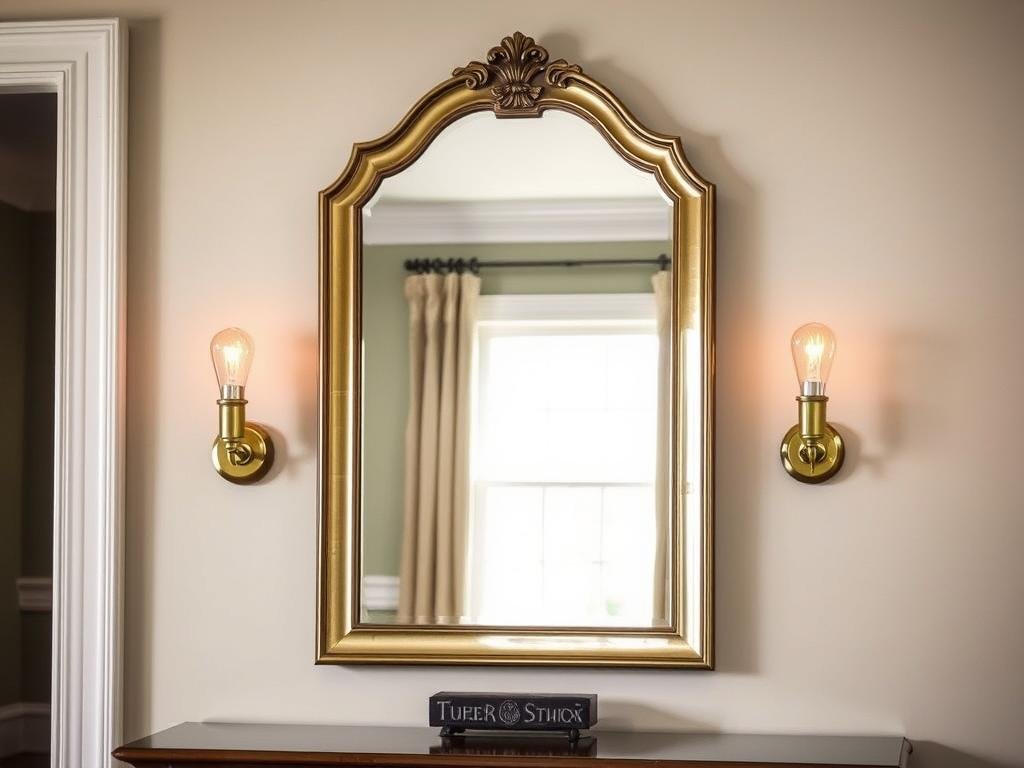
The relationship between mirrors and light sources can dramatically enhance your space. Position mirrors to reflect natural light from windows, effectively doubling the sunlight in your room. For evening ambiance, place mirrors where they’ll capture and multiply the glow from lamps, sconces, or candles. Wall sconces mounted on either side of a mirror create a luxurious effect while providing ideal lighting for tasks like applying makeup or checking your appearance.
Styling Around Your Mirror
The decor surrounding your mirror can enhance its impact and integrate it into your overall design. For a balanced look, consider flanking a mirror with matching wall sconces, artwork, or plants. A mirror above a console table or dresser creates an opportunity for a beautifully styled vignette—arrange decorative objects of varying heights, a table lamp, and perhaps fresh flowers to create an attractive scene that will be doubled in the reflection.
Creating Mirror Galleries
For a truly distinctive look, consider creating a gallery wall that incorporates mirrors among artwork and photographs. This approach adds reflective elements while showcasing your personal style. When designing a mirror gallery, vary the shapes and sizes while maintaining some cohesive element—such as similar frame finishes or complementary colors. Lay out your arrangement on the floor first to perfect the composition before hanging, and consider how the mirrors will reflect light and surrounding decor.
Layering and Leaning
For a more casual, collected look, consider leaning rather than hanging your mirror. A large floor mirror leaned against the wall creates a relaxed vibe while making a significant visual impact. You can also layer smaller mirrors on mantels or deep shelves, overlapping them slightly with artwork or photographs for a dimensional, curated effect. This approach allows for easy rearrangement and creates a more dynamic, less formal presentation.
Practical Benefits of Wall Mirrors
Beyond their decorative appeal, wall mirrors offer numerous functional advantages that can transform how you experience your living space. Understanding these practical benefits can help you maximize the impact of mirrors in your home.
Amplifying Natural Light
One of the most significant benefits of wall mirrors is their ability to enhance natural light. When positioned to reflect window light, mirrors effectively double the amount of sunlight entering a room. This light-multiplying effect is especially valuable in spaces with limited windows or northern exposure. For maximum impact, place a large mirror directly across from a window or in a position where it will capture and distribute light throughout the room. Even on cloudy days, this reflection significantly brightens your space, reducing the need for artificial lighting.
Creating the Illusion of Space
Mirrors possess the remarkable ability to visually expand your space, making them invaluable in smaller rooms or areas with low ceilings. A strategically placed mirror creates the illusion of depth by seeming to extend the room beyond its actual dimensions. In narrow hallways, mirrors along one wall make the passage appear wider. In rooms with low ceilings, vertical mirrors draw the eye upward, creating a sense of height. Even in larger spaces, mirrors can enhance architectural features and create intriguing visual perspectives that make the area feel more expansive and dynamic.
Enhancing Room Functionality
Different types of mirrors serve specific practical purposes throughout your home. Full-length mirrors in bedrooms or dressing areas allow you to check your entire outfit before heading out. Vanity mirrors in bathrooms provide essential visibility for grooming tasks. Mirrors in entryways offer a last-minute appearance check while also reflecting light into what’s often a darker area of the home. Even decorative mirrors serve the practical function of allowing you to monitor a room behind you or check your appearance quickly while moving through your home.
Correcting Architectural Challenges
Mirrors can cleverly address architectural irregularities or design challenges in your home. An asymmetrical room can appear more balanced with strategically placed mirrors that create visual equilibrium. Dark corners come alive when mirrors reflect light into them. Awkward recesses or niches can be transformed into design features by installing mirrors that create depth and interest. Even structural elements that can’t be removed, like support columns or oddly placed doors, can be visually minimized when mirrors are used to redirect attention and create more pleasing sight lines.
How to Choose the Perfect Wall Mirror
With countless options available, selecting the ideal wall mirror for your space can feel overwhelming. This practical guide will help you navigate the key considerations to find a mirror that perfectly balances form and function for your specific needs.
Determining the Right Size
The size of your mirror should be proportionate to your wall space and the surrounding elements. For mirrors hung above furniture, a good rule of thumb is to choose a mirror that’s approximately two-thirds the width of the furniture below it. When selecting a full-length mirror, ensure it’s tall enough to show your entire figure—typically at least 48 inches in height. For maximum impact in making a room feel larger, consider oversized mirrors that create a dramatic effect. Always measure your available wall space carefully before purchasing, and use painter’s tape to mark the dimensions on your wall to visualize how the mirror will look.
Choosing the Perfect Shape
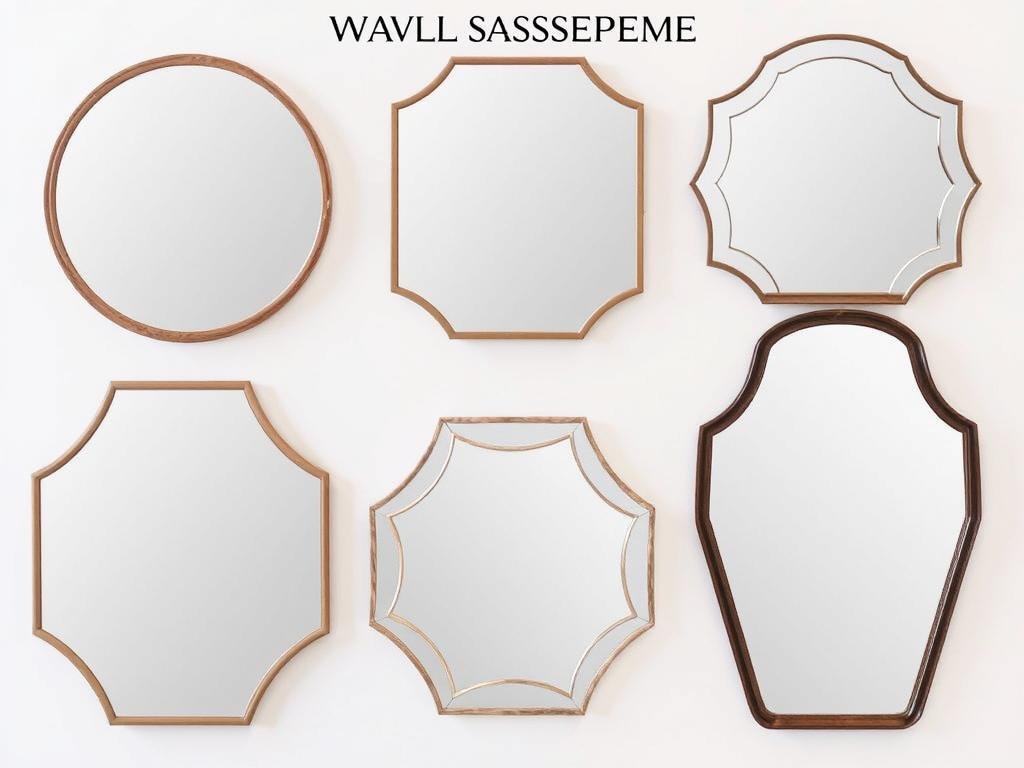
The shape of your mirror should complement your room’s existing lines and overall aesthetic. Rectangular and square mirrors offer classic versatility and maximize reflective surface. Round and oval mirrors add softness to spaces dominated by straight lines and angular furniture. Unusual shapes like hexagons, arches, or organic forms create visual interest and can serve as artistic focal points. Consider your room’s existing geometry—if you have many rectangular elements like windows and doorways, a round mirror can provide pleasing contrast, while a rectangular mirror might better echo architectural features you wish to emphasize.
Selecting Frame Styles and Materials
Your mirror’s frame significantly impacts its overall look and how it integrates with your decor. For contemporary spaces, consider sleek metal frames in gold, silver, or matte black, or frameless designs with polished edges. Traditional rooms benefit from wooden frames with rich finishes or ornate detailing. For eclectic or bohemian spaces, explore frames made from natural materials like rattan, bamboo, or driftwood. The frame material should also consider practical concerns—in high-humidity areas like bathrooms, choose moisture-resistant materials like metal or treated wood to prevent warping or damage over time.
Considering Glass Quality and Special Features
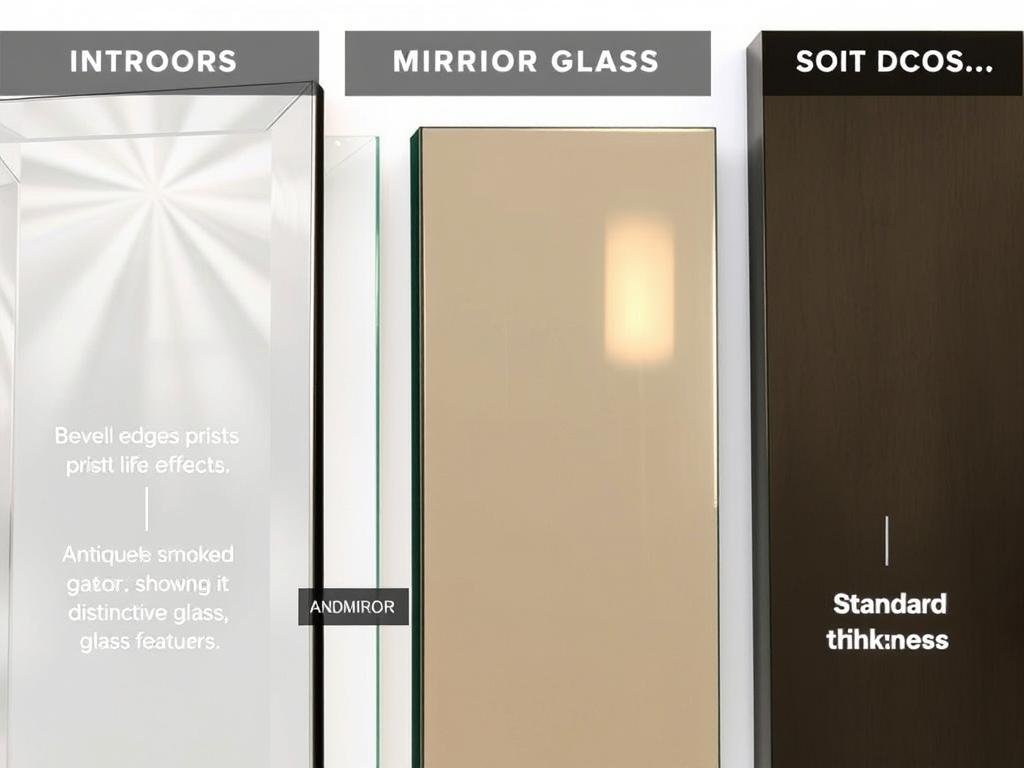
Not all mirror glass is created equal, and quality can significantly impact both appearance and longevity. Look for mirrors with clear, distortion-free glass that provides an accurate reflection. Higher-quality mirrors typically have thicker glass (at least 3-5mm) that resists warping over time. Some mirrors offer special features worth considering: beveled edges add elegant detail and depth; antiqued or smoked glass creates vintage appeal; magnifying sections enhance functionality in grooming areas; and tilt mechanisms allow angle adjustment for practical use. While these features may increase the price, they can add significant value in both aesthetics and functionality.
Balancing Budget and Quality
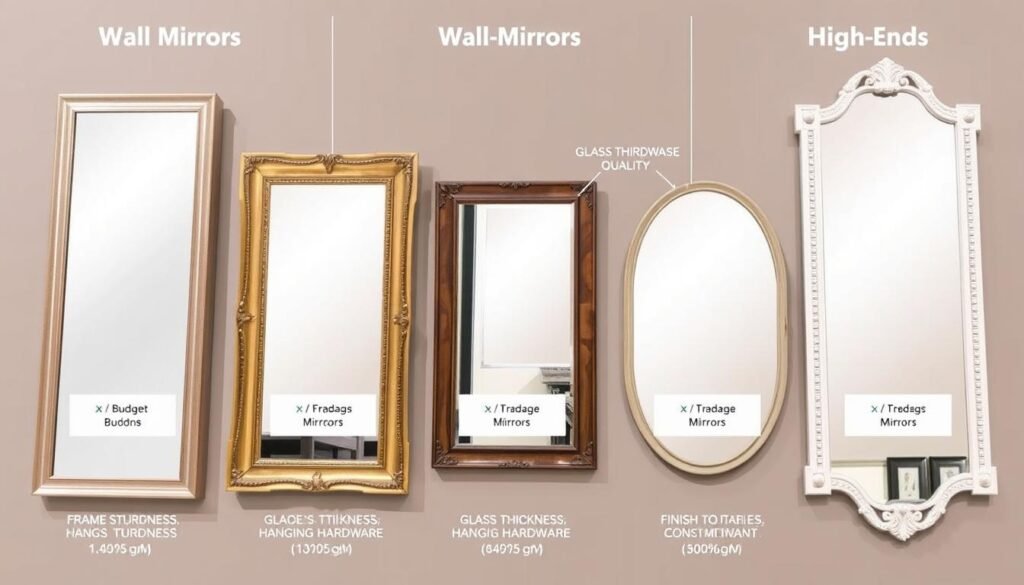
Wall mirrors are available across a wide price spectrum, from budget-friendly options to high-end investment pieces. When establishing your budget, consider the mirror’s prominence in your space and how long you plan to keep it. For statement pieces in main living areas, investing in higher quality often pays off in longevity and visual impact. For less visible areas or temporary solutions, more affordable options can be perfectly suitable. Look for quality indicators regardless of price: solid construction, secure hanging hardware, and glass that’s free from distortion. Remember that simple designs often offer better value, as ornate details typically increase cost without necessarily improving quality.
Reflecting Your Personal Style: Final Thoughts
Wall mirrors represent one of the most versatile and impactful elements you can add to your home. They transcend mere functionality to become transformative design tools that enhance light, create visual space, and express your personal aesthetic. Whether you choose a dramatic sunburst mirror that serves as a conversation piece, a sleek minimalist design that quietly amplifies your space, or a vintage-inspired treasure that adds character and history, the perfect mirror reflects not just your image but your unique style sensibility.
As you select and place mirrors throughout your home, remember that these reflective surfaces offer endless possibilities for creativity. Experiment with unexpected placements, creative groupings, and thoughtful styling to maximize their impact. Consider how each mirror interacts with light sources, architectural features, and surrounding decor to create a cohesive, harmonious environment that feels both expansive and intimate.
Most importantly, choose mirrors that bring you joy when you look at them—and in them. After all, these are pieces you’ll interact with daily, catching glimpses of yourself as you move through your home. The right mirror doesn’t just enhance your space; it enhances how you see yourself within that space, creating moments of reflection in every sense of the word.
Find Your Perfect Wall Mirror
Ready to transform your space with the perfect wall mirror? Explore a wide selection of styles, shapes, and sizes to find the mirror that will enhance your home’s light, space, and style. From modern minimalist designs to ornate statement pieces, discover options for every room and aesthetic.
The right vanity lighting can completely transform your bathroom or dressing area from ordinary to extraordinary. Beyond just illuminating your space,…
There’s something undeniably captivating about a white bathroom vanity. It stands as the centerpiece of countless Pinterest-worthy bathrooms, creating an atmosphere…