A kitchen remodel is more than just a home improvement project—it’s an opportunity to transform the heart of your home into a space that reflects your style, enhances functionality, and increases your property’s value. Whether you’re dreaming of a complete renovation or looking to make strategic updates, this comprehensive guide will walk you through everything you need to know to create a kitchen that’s both beautiful and practical.
This Website contains affiliate links. That means I may earn a small commission if you purchase through my links, at no extra cost to you.
From current design trends and budgeting strategies to step-by-step planning advice and must-have features, we’ve gathered expert insights to help you navigate your kitchen remodel with confidence. Let’s begin the journey to your dream kitchen!
Why Remodel Your Kitchen? The Benefits Beyond Beauty
A thoughtful kitchen remodel can completely transform your space while adding significant value to your home
Investing in a kitchen remodel delivers benefits that extend far beyond aesthetics. Understanding these advantages can help you make informed decisions throughout your renovation journey:
Increased Home Value
A well-executed kitchen remodel typically returns 70-80% of its cost in added home value. Modern kitchens are a top priority for homebuyers, making this renovation one of the smartest investments you can make in your property.
Thoughtful layout changes, added storage solutions, and upgraded appliances can dramatically improve your kitchen’s efficiency and make daily tasks more enjoyable. The right remodel eliminates frustrating workflow issues.
Energy Efficiency
Modern appliances, LED lighting, and energy-efficient windows can significantly reduce your utility bills. These sustainable choices are not only good for your wallet but also for the environment.
Beyond these practical benefits, a kitchen remodel creates a space that better reflects your personal style and meets your family’s unique needs. It can transform a dated, inefficient room into a welcoming gathering place that becomes the true heart of your home.
2024 Kitchen Design Trends: Styles That Inspire
Today’s kitchen design trends balance timeless appeal with contemporary innovations. Understanding current styles can help you create a space that feels fresh yet won’t quickly become outdated. Here are the most popular kitchen design trends inspiring homeowners:
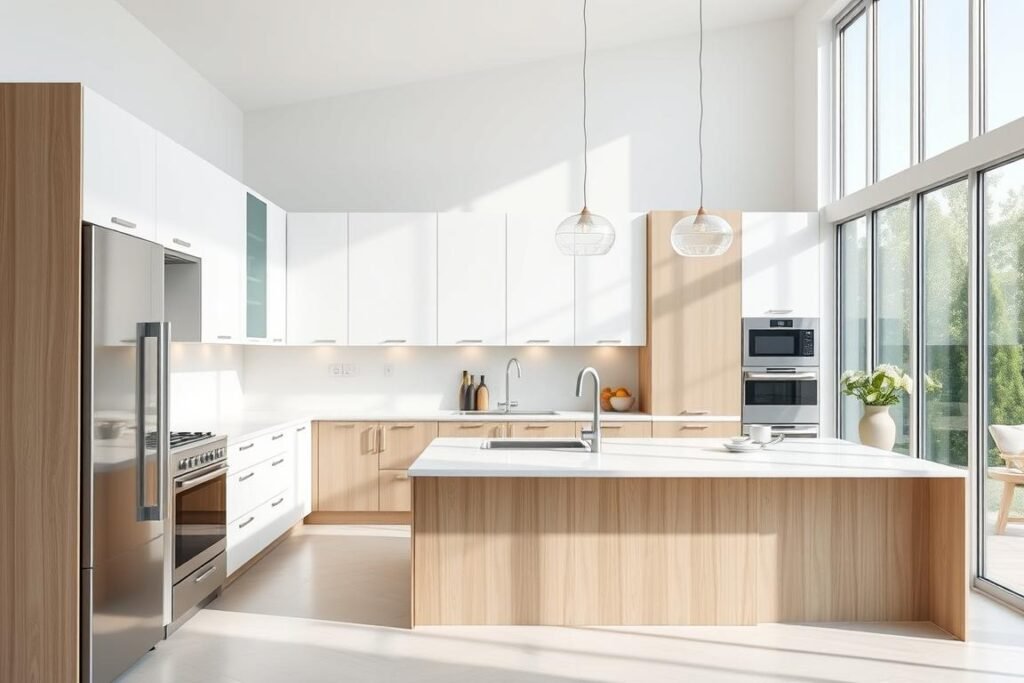
Modern kitchens feature clean lines, minimalist hardware, and integrated technology
Modern Minimalist
Clean lines, handle-less cabinets, and uncluttered spaces define this popular style. Modern kitchens often feature neutral color palettes with strategic pops of color, integrated appliances, and smart technology. The focus is on creating a sleek, efficient space that feels open and airy.
Farmhouse Charm
The farmhouse aesthetic continues to evolve, combining rustic elements with contemporary touches. Apron-front sinks, shaker cabinets, open shelving, and natural materials like wood and stone create a warm, inviting atmosphere that feels both timeless and on-trend.
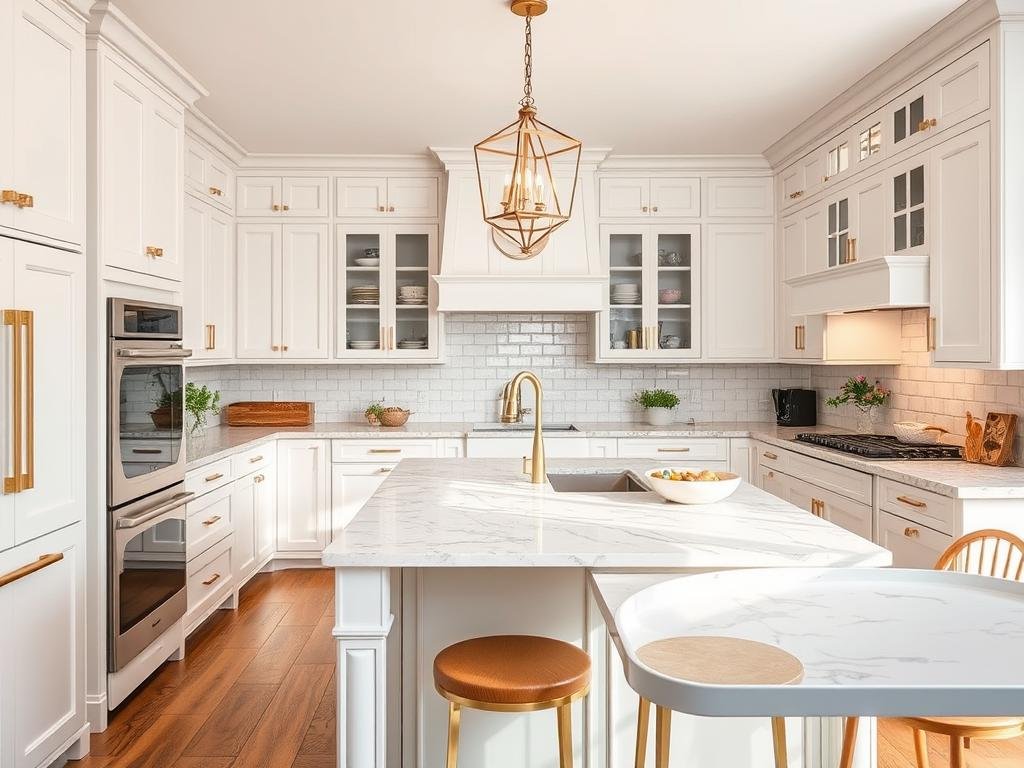
Transitional kitchens blend traditional elements with contemporary features for timeless appeal
Transitional Balance
Transitional kitchens strike a perfect balance between traditional and contemporary design elements. This versatile style typically features classic cabinet profiles with modern hardware, natural stone countertops, and a mix of textures. The result is a kitchen that feels current yet timeless.
Industrial Edge
Industrial-inspired kitchens embrace raw materials like concrete, metal, and exposed brick. Open shelving, matte black fixtures, and statement lighting fixtures create a bold, urban aesthetic that works particularly well in loft spaces and modern homes.
Ready to bring these trends to life?
Find inspiration with stylish kitchen fixtures that can transform your space.
The Kitchen Remodel Process: From Vision to Reality
A successful kitchen renovation follows a clear, structured process. Understanding these stages will help you plan effectively and avoid common pitfalls:
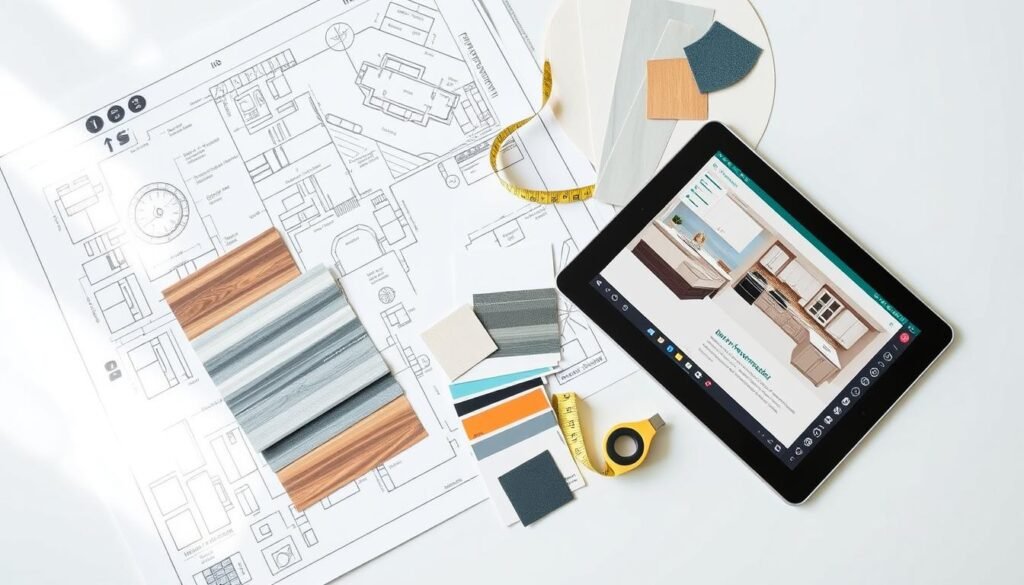
Thorough planning is the foundation of a successful kitchen remodel
1. Assessment & Inspiration (2-4 Weeks)
Begin by evaluating your current kitchen’s strengths and weaknesses. What works? What doesn’t? Collect inspiration from Pinterest, home magazines, and showrooms. Create a detailed wish list that prioritizes your needs versus wants. This is also the time to determine your preliminary budget range.
2. Design & Planning (4-8 Weeks)
Work with a designer or use kitchen design software to create a layout that optimizes workflow and storage. Select materials, fixtures, and appliances that align with your style and budget. Finalize your project scope, timeline, and budget, including a 15-20% contingency for unexpected costs.
Collaborating with professionals ensures your vision is both beautiful and practical
3. Contractor Selection (2-4 Weeks)
Research and interview multiple contractors, checking references and reviewing past projects. Request detailed bids that specify materials, labor costs, and timeline. Ensure your contractor is licensed, insured, and experienced with kitchen renovations. A good contractor relationship is crucial to your project’s success.
4. Permits & Preparation (2-6 Weeks)
Your contractor will obtain necessary permits, which can take time depending on your location. Meanwhile, prepare your home by clearing the kitchen, setting up a temporary cooking area, and protecting adjacent spaces from dust and debris.
5. Demolition & Construction (6-12 Weeks)
The renovation begins with demolition, followed by structural changes, plumbing, electrical work, and HVAC updates. Next comes drywall, flooring, cabinet installation, countertops, backsplash, and finally, appliances and fixtures. Regular communication with your contractor is essential during this phase.
6. Final Touches & Inspection (1-2 Weeks)
The final stage includes painting, hardware installation, and cleaning. A thorough inspection should identify any issues that need addressing before final payment. Once complete, it’s time to move back in and enjoy your transformed kitchen!
Planning your kitchen layout?
Find the perfect measuring and planning tools to ensure accuracy.
Smart Budgeting: Maximizing Value in Your Kitchen Remodel
A kitchen remodel can range from $10,000 for minor updates to $50,000+ for a complete renovation. Creating a realistic budget—and sticking to it—is essential for a successful project.
Understanding typical cost breakdowns helps you allocate your budget effectively
Typical Cost Breakdown
Kitchen Element
Percentage of Budget
Budget-Friendly Options
Mid-Range Options
Luxury Options
Cabinets
30-35%
Refinish existing, stock cabinets
Semi-custom cabinets
Custom cabinets, specialty finishes
Appliances
15-20%
Standard models, keep some existing
Mid-tier brands, energy efficient
Professional-grade, smart appliances
Countertops
10-15%
Laminate, butcher block
Quartz, granite
Marble, exotic granite, concrete
Installation/Labor
20-25%
DIY where possible, hire for specialized
General contractor
Design-build firm, specialized craftsmen
Flooring
5-7%
Vinyl, laminate
Porcelain tile, engineered wood
Hardwood, natural stone
Money-Saving Strategies
Keep the same layout to avoid costly plumbing and electrical changes
Refinish rather than replace cabinets when possible
Mix high-end and budget materials strategically (splurge on countertops, save on backsplash)
Consider open shelving instead of upper cabinets in some areas
Shop floor models, scratch-and-dent appliances, or during major sales events
Tackle suitable DIY projects like painting, hardware installation, or backsplash tiling
Phase your remodel if necessary, completing it in stages as budget allows
Pro Tip: Always set aside 15-20% of your total budget for unexpected expenses. Even the best-planned renovations encounter surprises, especially in older homes where plumbing, electrical, or structural issues may be discovered during demolition.
Ready to start your budget-friendly remodel?
Find affordable yet stylish kitchen hardware to update your space.
Key Considerations: Creating a Functional, Beautiful Kitchen
Beyond aesthetics, a successful kitchen remodel must address practical considerations that impact daily use. Here are the critical elements to consider:
Optimizing Layout
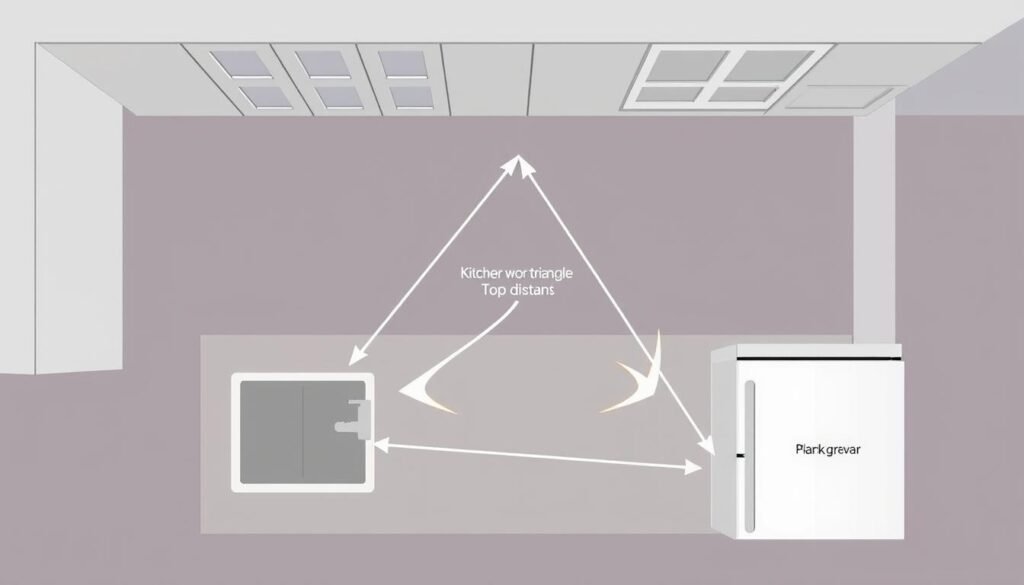
The work triangle concept optimizes movement between the sink, stove, and refrigerator
The kitchen work triangle—connecting the sink, refrigerator, and stove—remains a fundamental design principle. Each leg of the triangle should measure between 4 and 9 feet, creating an efficient workspace without traffic crossings. Consider these popular layouts:
L-Shaped Kitchen
Efficient for small to medium spaces, this layout places cabinets and appliances along two perpendicular walls, creating an open feel while maintaining the work triangle.
U-Shaped Kitchen
Ideal for larger spaces, this layout maximizes storage and counter space with cabinets and appliances on three walls, creating an efficient work area.
Island Kitchen
Adding an island to L-shaped or galley layouts provides additional workspace, storage, and often seating, creating a social hub within the kitchen.
Smart Storage Solutions
Thoughtful storage solutions maximize space and improve kitchen functionality
Effective storage is crucial for maintaining an organized, functional kitchen. Consider these innovative solutions:
Pull-out pantry shelves that bring items at the back within easy reach
Deep drawers with organizers for pots, pans, and lids
Vertical dividers for baking sheets and cutting boards
Corner cabinet solutions like lazy Susans or pull-out systems
Toe-kick drawers that utilize otherwise wasted space
Specialized storage for spices, utensils, and small appliances
Layered Lighting Strategy
Effective kitchen lighting combines three essential types:
Ambient Lighting
Recessed ceiling fixtures, flush mounts, or pendant lights provide overall illumination. Install on dimmers for flexibility.
Task Lighting
Under-cabinet lights illuminate work surfaces, while pendant lights over islands or sinks focus light where needed most.
Accent Lighting
In-cabinet or toe-kick lighting adds dimension and highlights design features while providing subtle nighttime illumination.
Enhance your kitchen’s functionality
Discover storage solutions that maximize your kitchen’s potential.
DIY vs. Professional Installation: Making the Right Choice
Deciding which aspects of your kitchen remodel to tackle yourself and which to leave to professionals can significantly impact your budget, timeline, and results.
Professional installation ensures precision and often comes with warranties
DIY Advantages
Significant cost savings on labor
Flexible timeline working at your own pace
Personal satisfaction and learning experience
Complete control over every detail
DIY Challenges
Requires specialized skills and tools
Mistakes can be costly to fix
Time-consuming, especially for beginners
May void warranties or violate building codes
What to DIY vs. Hire Professionals
Project Component
DIY-Friendly?
Skill Level Required
Tools Needed
Considerations
Painting
Yes
Beginner
Basic painting supplies
Proper prep is key for professional results
Cabinet Hardware
Yes
Beginner
Drill, hardware template
Template ensures consistent placement
Backsplash
Yes
Intermediate
Tile cutter, trowel, level
Start with simple patterns and materials
Cabinet Installation
Partial
Advanced
Level, stud finder, drill
Precision is crucial; errors are visible
Plumbing
No
Professional
Specialized plumbing tools
Leaks can cause extensive damage
Electrical Work
No
Professional
Specialized electrical tools
Safety hazards; permits required
“Know your limits. The most cost-effective approach is often a hybrid: DIY the simpler tasks and hire professionals for specialized work that affects safety, requires permits, or impacts structural integrity.”
— Experienced Kitchen Remodeler
Taking on DIY projects?
Get the right tools for your kitchen renovation tasks.
Certain kitchen features consistently deliver the best combination of functionality, aesthetic appeal, and return on investment. Consider incorporating these elements into your remodel:
Quality countertops and fixtures create both visual impact and practical benefits
Quality Countertops
Countertops create significant visual impact while providing essential work surfaces. Quartz offers exceptional durability and low maintenance with countless design options. Granite provides natural beauty with proper sealing, while butcher block adds warmth and can be refinished when needed.
Efficient Appliances
Energy-efficient appliances reduce utility costs while providing modern features. Consider these upgrades:
Induction cooktops for faster, more precise cooking with less energy use
French-door refrigerators with improved organization and energy efficiency
Dishwashers with multiple wash zones and quick-cycle options
Microwave drawers that free up counter and upper cabinet space
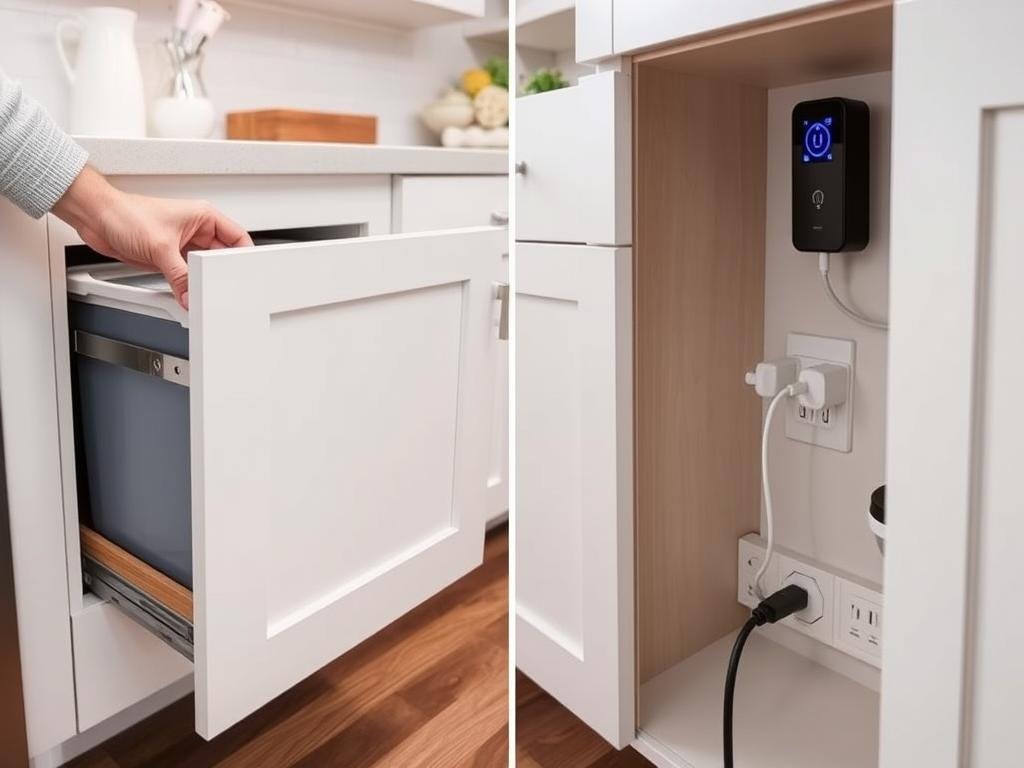
Thoughtful details like soft-close drawers and integrated charging stations enhance daily use
Smart Storage Features
Elevate your kitchen’s functionality with these storage innovations:
Soft-close drawers and cabinet doors for quiet operation
Pull-out trash and recycling systems hidden within cabinetry
Drawer dividers and organizers customized to your items
Appliance garage or dedicated storage for frequently used small appliances
Thoughtful Extras
These additional features can significantly enhance your kitchen experience:
Under-cabinet lighting for improved task illumination
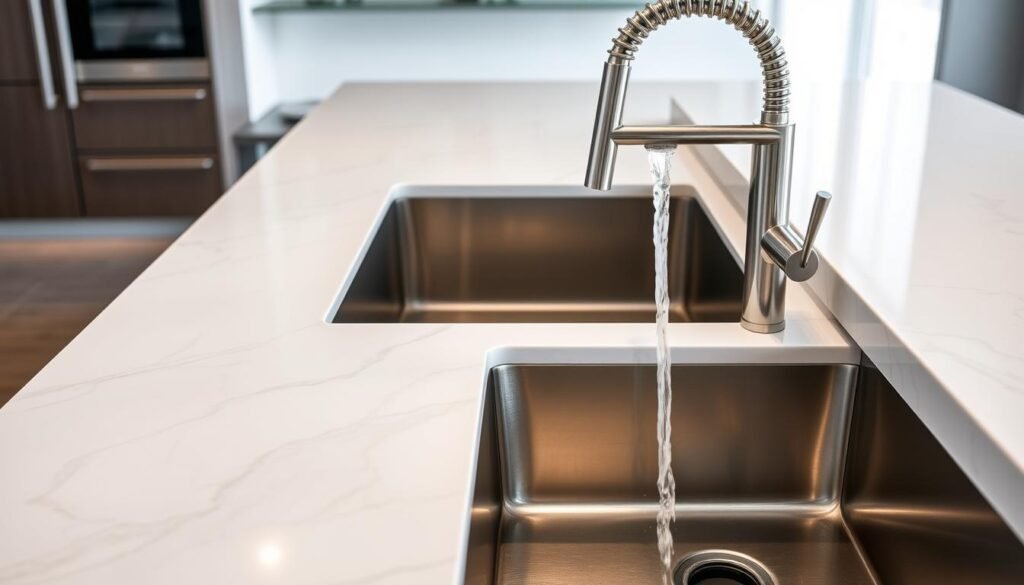
Touchless or smart faucets for convenience and cleanliness
Dedicated charging station for devices with hidden cords
Pot filler faucet near the cooktop for convenience
Water filtration system for better-tasting water and reduced plastic waste
Upgrade your kitchen essentials
Find the perfect faucet to complement your new kitchen design.
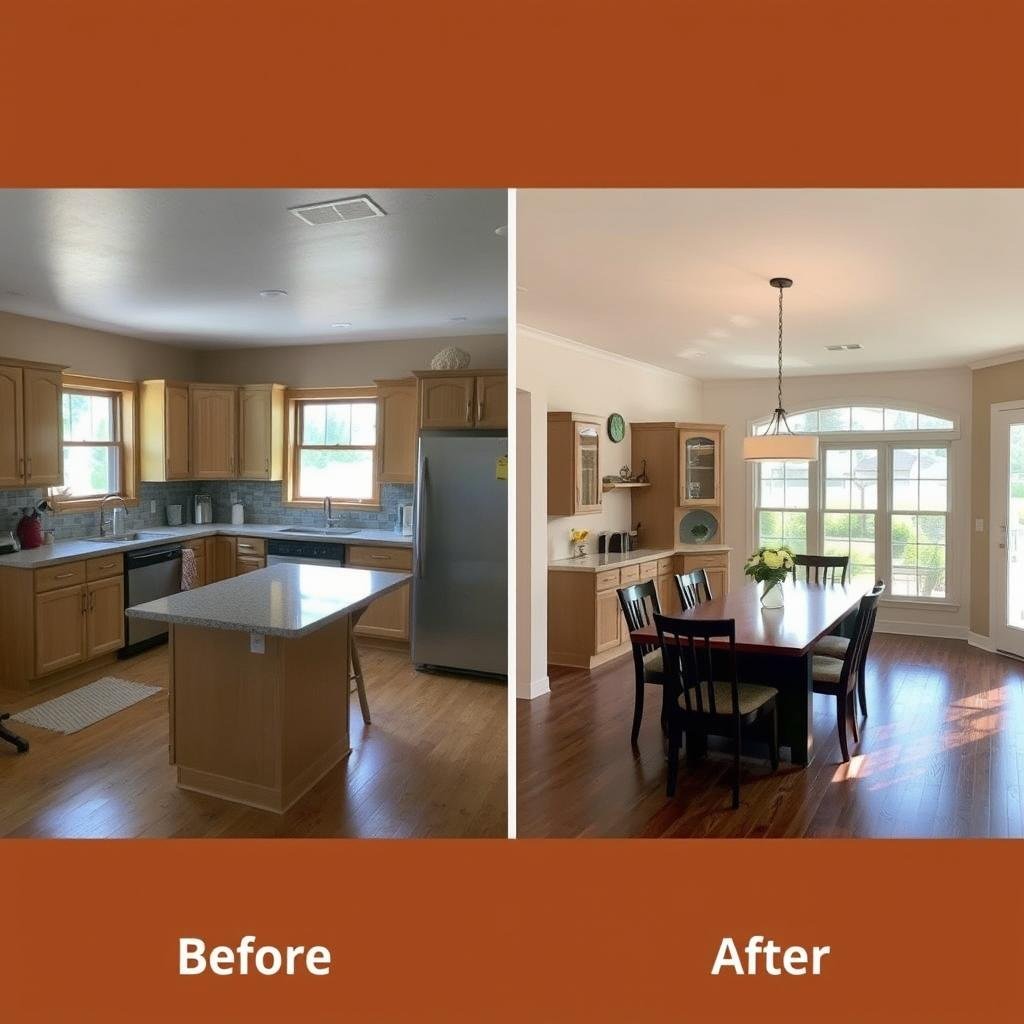
Nothing motivates a kitchen remodel like seeing dramatic transformations. These before-and-after examples showcase the incredible potential of thoughtful renovation:
Small Space Transformation
This galley kitchen maintained its original footprint but was completely transformed through smart design choices. White cabinetry, reflective surfaces, and strategic lighting created a sense of spaciousness. Vertical storage solutions maximized every inch, while a cohesive color scheme tied everything together beautifully.
Style Transformation
This kitchen’s dramatic style evolution from traditional to farmhouse demonstrates how surface changes can create an entirely new aesthetic. Cabinet refacing, updated hardware, new countertops, and a farmhouse sink completely transformed the space without changing the layout, proving you don’t always need to start from scratch.
Layout Transformation
Removing a wall between this kitchen and dining area created an open-concept space that dramatically improved flow and natural light. The addition of an island provided extra seating and preparation space, while new finishes throughout created a cohesive look that connected the kitchen to adjacent living areas.
Transformation Tip: Document your own kitchen transformation with before, during, and after photos. These not only provide personal satisfaction but can be valuable for insurance purposes and future home selling.
Maintaining Your Newly Remodeled Kitchen
Protect your investment and keep your new kitchen looking beautiful with these maintenance tips:
Regular maintenance keeps your kitchen looking beautiful for years to come
Daily Care
Wipe countertops promptly after use with appropriate cleaners for your surface type
Clean spills immediately, especially on wood surfaces and around sink areas
Use cutting boards to protect countertops from scratches and stains
Wipe cabinet exteriors with a soft, damp cloth to remove grease and dust
Monthly Maintenance
Clean cabinet interiors and organize contents to prevent clutter
Check under-sink areas for leaks or moisture issues
Clean range hood filters to maintain proper ventilation
Tighten any loose cabinet hardware or drawer pulls
Deep clean appliances according to manufacturer recommendations
Seasonal Tasks
Reseal natural stone countertops as recommended (typically every 6-12 months)
Check and clean garbage disposal and drains to prevent clogs
Inspect grout and caulk for damage, reapplying as needed
Clean light fixtures and replace any burnt-out bulbs
Touch up any paint chips or scratches on walls or cabinets
Keep your kitchen looking its best
Find the right cleaning products for your new surfaces.
A kitchen remodel is a journey that transforms not just a room but often your entire home experience. While the process requires careful planning, budgeting, and patience, the results can bring years of enjoyment and significant value to your property.
Remember that successful kitchen renovations balance beauty with functionality, trendy elements with timeless design, and personal preferences with universal appeal. By thoughtfully considering each aspect covered in this guide—from layout and storage to lighting and materials—you’ll create a kitchen that truly works for your lifestyle.
Whether you’re planning a complete renovation or a series of strategic updates, the perfect time to start is now. Begin collecting inspiration, researching options, and envisioning the possibilities. Your dream kitchen is within reach!
Ready to start your kitchen transformation?
Find everything you need to begin your remodeling journey.
A well-organized vanity isn’t just visually pleasing—it transforms your entire beauty routine. When makeup brushes stand neatly in their holders, skincare…