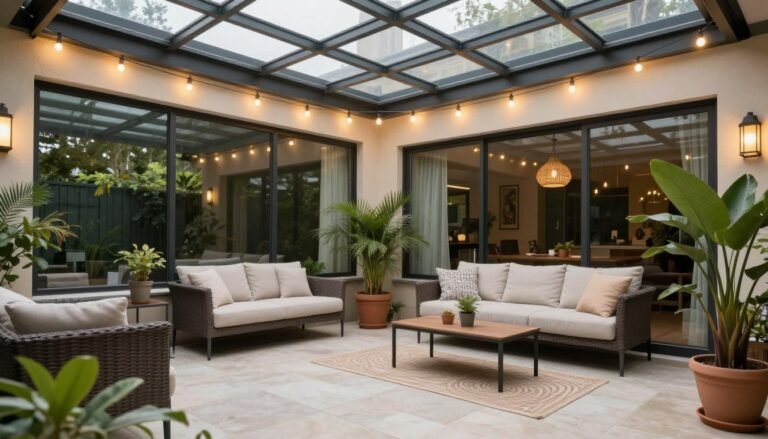
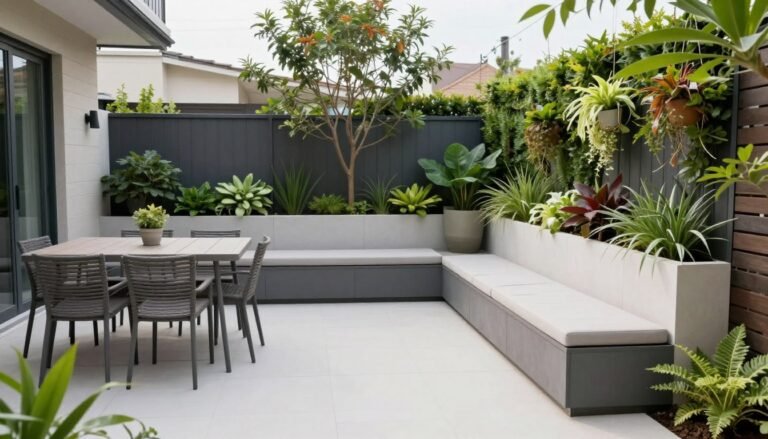
Imagine stepping into your backyard and feeling completely secluded from the outside world—a private oasis where you can relax without worrying about prying eyes. An outdoor privacy screen can transform any patio, deck, or garden into a personal retreat. Whether you’re looking to block an unsightly view, create a windbreak, or simply enjoy some solitude, the right privacy screen can enhance both the functionality and beauty of your outdoor space. In this comprehensive guide, we’ll explore various types of outdoor privacy screens, essential buying factors, and our top picks to help you create the Pinterest-worthy private paradise you’ve been dreaming of.
This Website contains affiliate links. That means I may earn a small commission if you purchase through my links, at no extra cost to you.
Types of Outdoor Privacy Screens: Finding Your Perfect Match
Privacy screens come in numerous styles, materials, and designs. Understanding the different types will help you choose the one that best suits your needs, space, and aesthetic preferences.
Freestanding Lattice Panels
Freestanding lattice panels offer flexibility and portability. These screens can be moved around your yard as needed and come in various materials like wood, vinyl, and metal. They’re perfect for renters or those who want to change their outdoor layout seasonally.
Roll-Up Bamboo or Reed Screens
Natural and eco-friendly, bamboo or reed roll-up screens provide a tropical feel to any outdoor space. They’re lightweight, easy to install, and can be rolled up during winter months for storage. These screens work well for pergolas, gazebos, or as a quick privacy solution for balconies.
Decorative Metal Screens
For a modern, artistic touch, decorative metal screens offer durability and style. These screens feature intricate laser-cut designs that cast beautiful shadows while providing privacy. They’re weather-resistant and require minimal maintenance, making them ideal for long-term outdoor use.
Fabric Curtains and Canopies
Outdoor curtains and canopies add a soft, elegant touch to your space. They can be drawn closed for complete privacy or tied back when not needed. Weather-resistant fabrics like polyester or Sunbrella offer protection against sun, rain, and wind while adding a cozy, cabana-like feel.
Related Posts:




Living Plant Screens
For a natural approach, living plant screens using tall grasses, hedges, or climbing vines on trellises create a green barrier that improves with time. These screens not only provide privacy but also enhance air quality and create a cooler microclimate in your outdoor space.
Key Factors to Consider Before Buying an Outdoor Privacy Screen
Purpose & Privacy Level
Determine whether you need full privacy, partial screening, sun protection, or wind blocking. Different screens offer varying levels of coverage and functionality.
Material & Durability
Consider your local climate when choosing materials. Wood offers natural beauty but requires maintenance, metal provides durability, bamboo is lightweight, and synthetic materials offer weather resistance.
Size & Coverage Area
Measure your space carefully to ensure proper coverage. Consider both height and width requirements, and remember that multiple panels can be combined for larger areas.
Stability & Mounting Options
Determine whether you need a freestanding screen or one that attaches to existing structures. Freestanding screens offer flexibility but may require additional anchoring in windy areas.
Style & Aesthetic
Choose a design that complements your existing outdoor décor and home architecture. Privacy screens can be a statement piece or blend seamlessly with your landscape.
Weather Resistance
Select materials that can withstand your local weather conditions. UV-resistant fabrics, treated woods, and powder-coated metals offer better longevity in outdoor settings.
Budget Considerations
Privacy screens range from budget-friendly DIY options to high-end custom designs. Set a realistic budget that accounts for both initial costs and long-term maintenance.
Installation Requirements
Some screens require professional installation, while others are DIY-friendly. Consider your comfort level with tools and the complexity of the installation process.
Maintenance Needs
Different materials require varying levels of upkeep. Consider how much time you’re willing to invest in maintaining your privacy screen over the years.
Top Outdoor Privacy Screen Picks for Your Pinterest-Worthy Space
After researching dozens of options and analyzing customer feedback, we’ve curated our top recommendations for outdoor privacy screens. Each pick addresses different needs, styles, and budgets to help you find your perfect match.
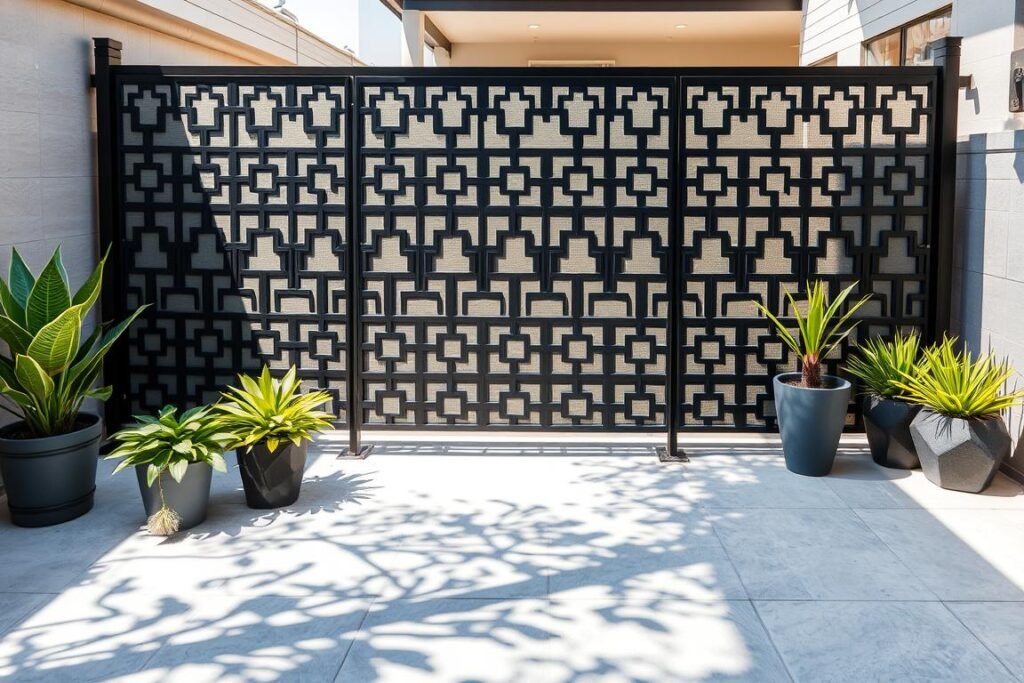
Best Modern Metal Screen: Geometric Laser-Cut Panel
These striking metal privacy screens combine functionality with modern art, featuring precision laser-cut geometric patterns that cast beautiful shadows throughout the day. Made from powder-coated aluminum or steel, they resist rust and weathering while providing a contemporary aesthetic for design-conscious homeowners.
Pros
- Weather-resistant and durable
- Creates artistic shadow patterns
- Requires minimal maintenance
- Modern, architectural appearance
- Available in multiple finishes
Cons
- Higher price point
- Heavier than other options
- May require professional installation
- Limited flexibility once installed
Best For: Modern homes, contemporary outdoor spaces, design enthusiasts who want a statement piece that doubles as a privacy solution.
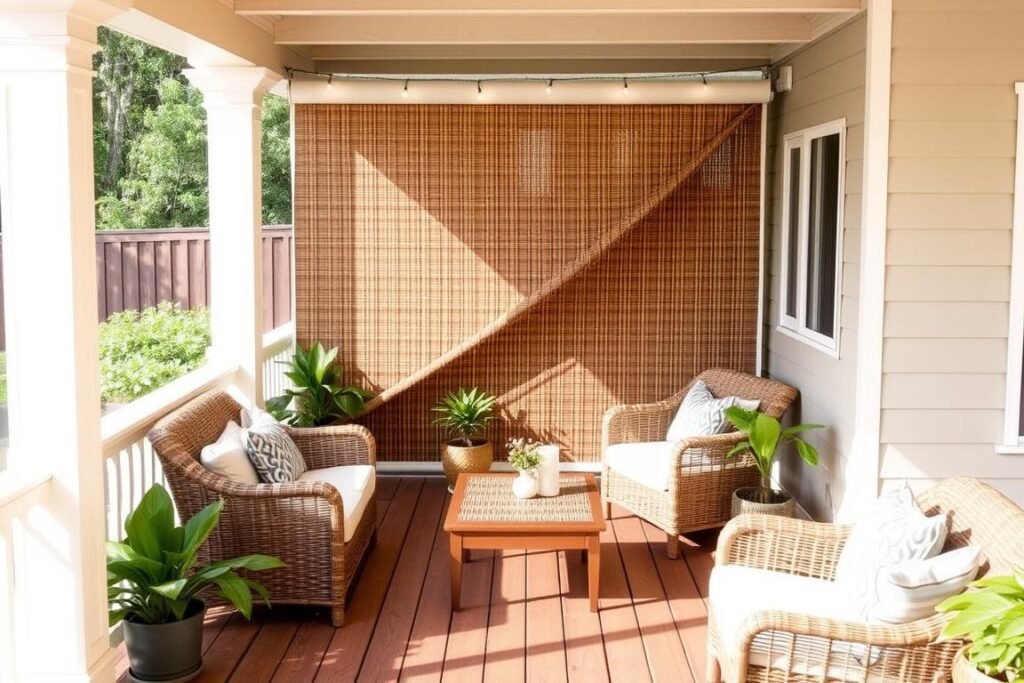
Classic Bamboo Roll-Up Screen
Natural bamboo roll-up screens offer an eco-friendly privacy solution with a tropical vibe. These versatile screens can be easily mounted on pergolas, gazebos, porches, or balconies, and can be rolled up when not in use. The natural material filters light beautifully while blocking unwanted views.
Pros
- Eco-friendly, sustainable material
- Lightweight and easy to install
- Can be rolled up for storage
- Creates a natural, tropical aesthetic
- Affordable price point
Cons
- Less durable in harsh weather
- Requires occasional treatment to prevent mold
- May fade over time in direct sunlight
- Provides less security than solid panels
Best For: Bohemian or tropical-themed outdoor spaces, renters who need non-permanent solutions, and those seeking an affordable natural option.
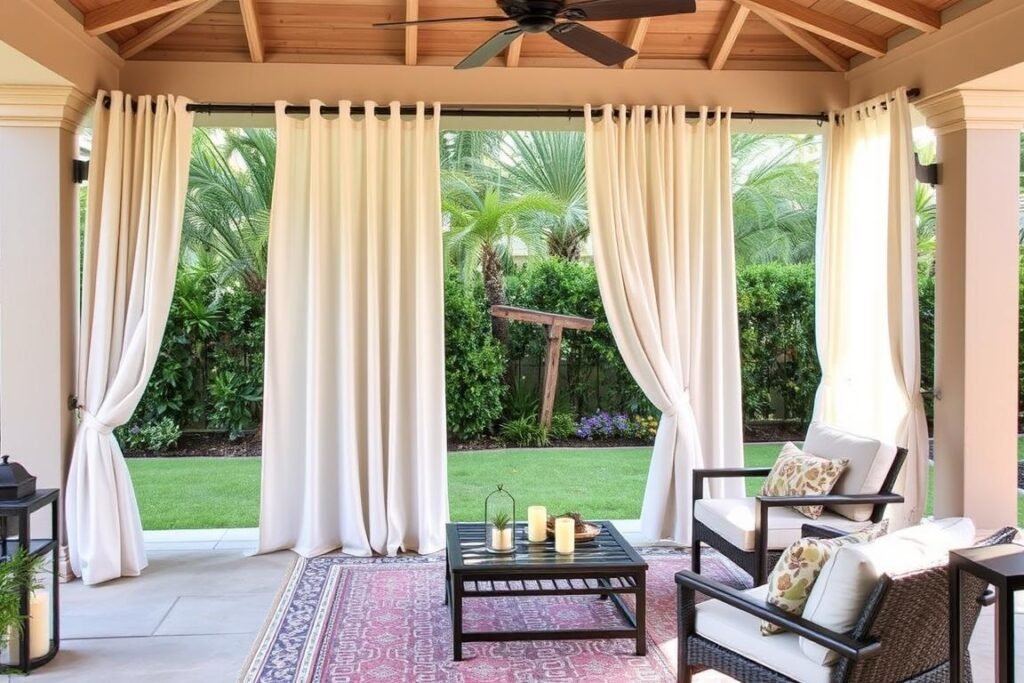
Versatile Polyester Canopy Curtains
Transform your patio or deck into a private cabana with weather-resistant polyester curtains. These versatile screens can be tied back or fully extended depending on your privacy needs. Available in various colors and patterns, they add a soft, elegant touch to any outdoor space while providing protection from sun, wind, and prying eyes.
Pros
- Adjustable privacy levels
- Easy to install on existing structures
- Available in numerous colors and patterns
- Adds a soft, elegant aesthetic
- Can be easily removed for cleaning
Cons
- Requires existing structure for mounting
- May need to be taken down during storms
- Requires occasional cleaning
- Less effective as a security barrier
Best For: Covered patios, pergolas, gazebos, and those who want adjustable privacy with a resort-like feel.
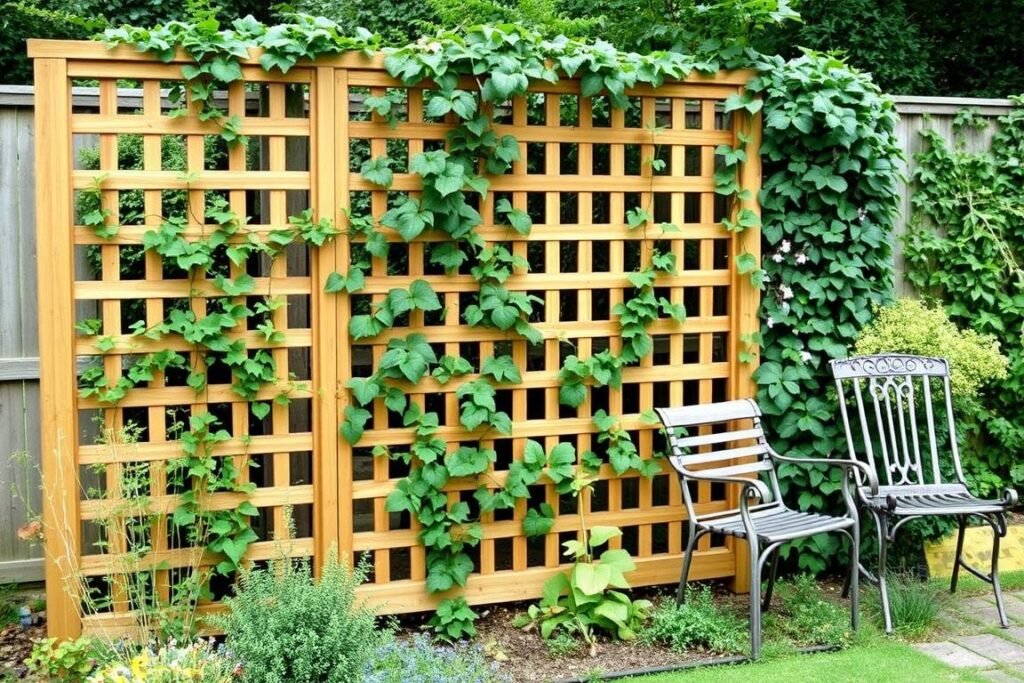
Natural Wood Lattice Panel
Classic wooden lattice panels offer timeless appeal and excellent versatility. These screens can stand alone or serve as a foundation for climbing plants, creating a living privacy wall. Available in various wood types and lattice patterns, they can be customized to match your home’s architectural style.
Pros
- Natural, warm aesthetic
- Can support climbing plants
- Available in various wood types and patterns
- Can be painted or stained to match décor
- Provides filtered light and airflow
Cons
- Requires regular maintenance (sealing/staining)
- May warp or rot without proper treatment
- Heavier than synthetic alternatives
- Provides partial rather than complete privacy
Best For: Traditional homes, garden settings, and those who want to combine plants with structural elements for natural privacy.
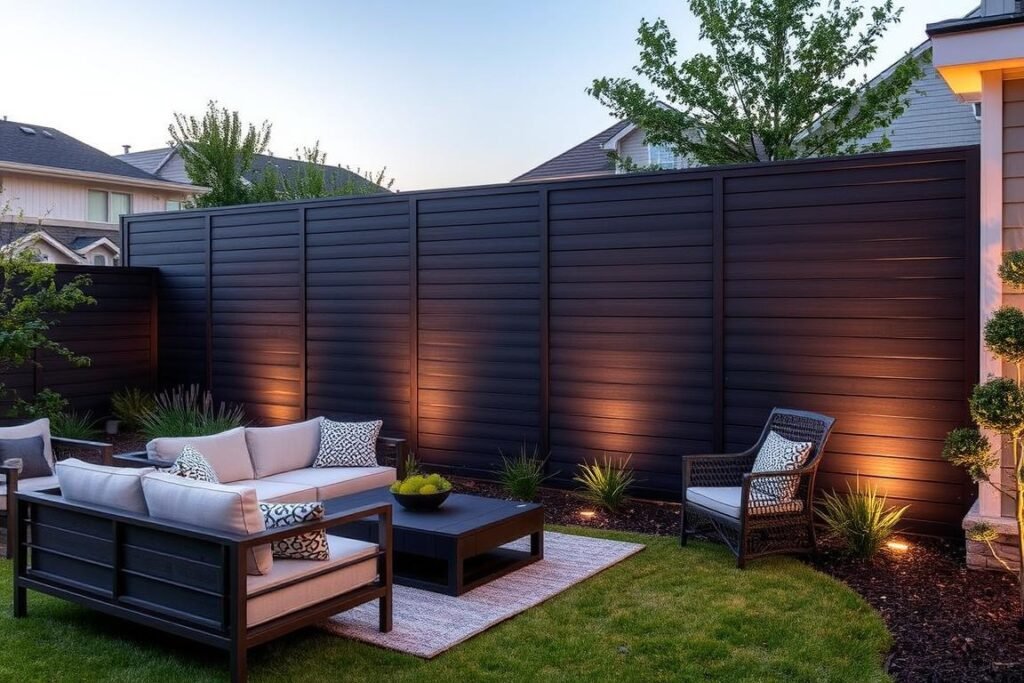
Durable Composite Privacy Panel
For those seeking maximum durability with minimal maintenance, composite privacy panels offer the perfect solution. Made from a blend of recycled plastic and wood fibers, these screens resist warping, rotting, and fading while maintaining the look of natural wood. Available in various styles from traditional to contemporary.
Pros
- Extremely weather-resistant
- Minimal maintenance required
- Won’t warp, rot, or splinter
- Eco-friendly (often made with recycled materials)
- Long-lasting investment
Cons
- Higher initial cost
- Heavier than wood
- Limited color options compared to painted wood
- Can get hot in direct sunlight
Best For: Homeowners seeking long-term, low-maintenance privacy solutions in all weather conditions.
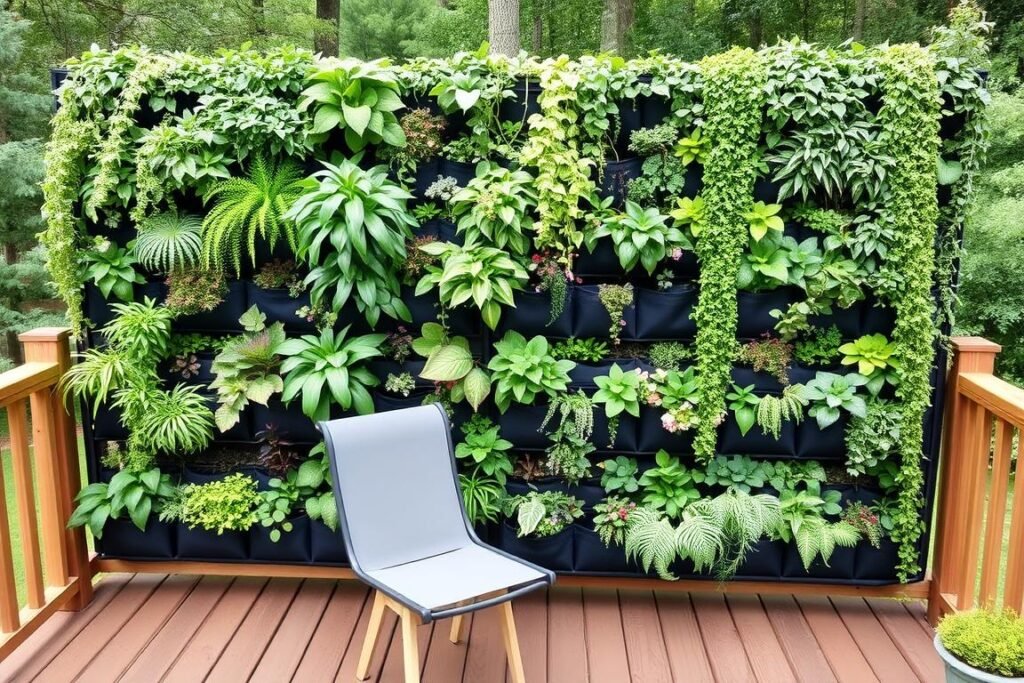
Living Wall Planter System
Create a lush, living privacy screen with vertical garden planters. These innovative systems allow you to grow a variety of plants in a compact space, creating a natural barrier that improves air quality while providing privacy. Perfect for small spaces where traditional screens might feel too imposing.
Pros
- Creates a natural, living barrier
- Improves air quality and adds oxygen
- Evolves and changes with the seasons
- Can grow herbs or ornamental plants
- Unique, conversation-starting feature
Cons
- Requires regular watering and plant care
- Takes time to fill in completely
- May need seasonal replanting
- Heavier when fully planted and watered
Best For: Plant enthusiasts, small spaces, and those seeking a natural privacy solution that doubles as a garden.
Styling Tips for Pinterest-Worthy Privacy Screens
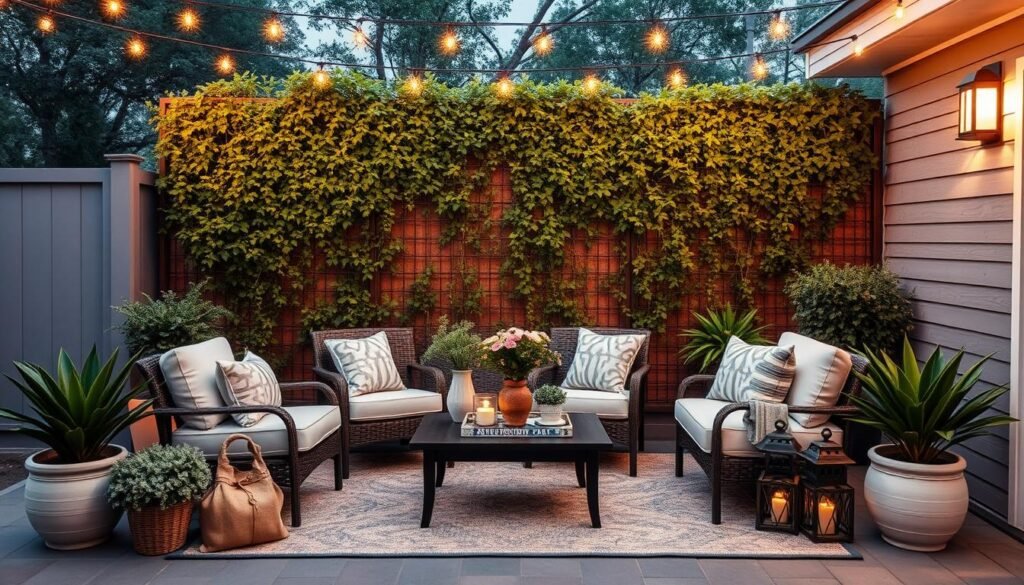
Add Climbing Plants
Enhance wooden or metal screens by adding climbing plants like jasmine, clematis, or ivy. These plants not only increase privacy but also add fragrance, color, and a natural element to your outdoor space.
Incorporate Lighting
String lights, solar lanterns, or LED strip lights can transform your privacy screen into a magical backdrop at night. Lighting also extends the usability of your outdoor space into the evening hours.
Hang Outdoor Art
Weather-resistant art pieces, macramé hangings, or metal sculptures can add personality to solid privacy screens. Choose pieces that complement your overall outdoor design theme.
Coordinate with Furniture
Select outdoor furniture that complements your privacy screen in style and color. For example, pair bamboo screens with natural rattan furniture or metal screens with modern lounge pieces.
Add Potted Plants
Place large planters with tall plants at the base of your privacy screen to create layers of privacy and add visual interest. Varying heights and textures create a designed look.
Create an Outdoor Room
Use privacy screens to define “rooms” within your outdoor space. Create a dining area, lounge space, or meditation corner by strategically placing screens to section off areas.
Installation & Maintenance Tips for Outdoor Privacy Screens
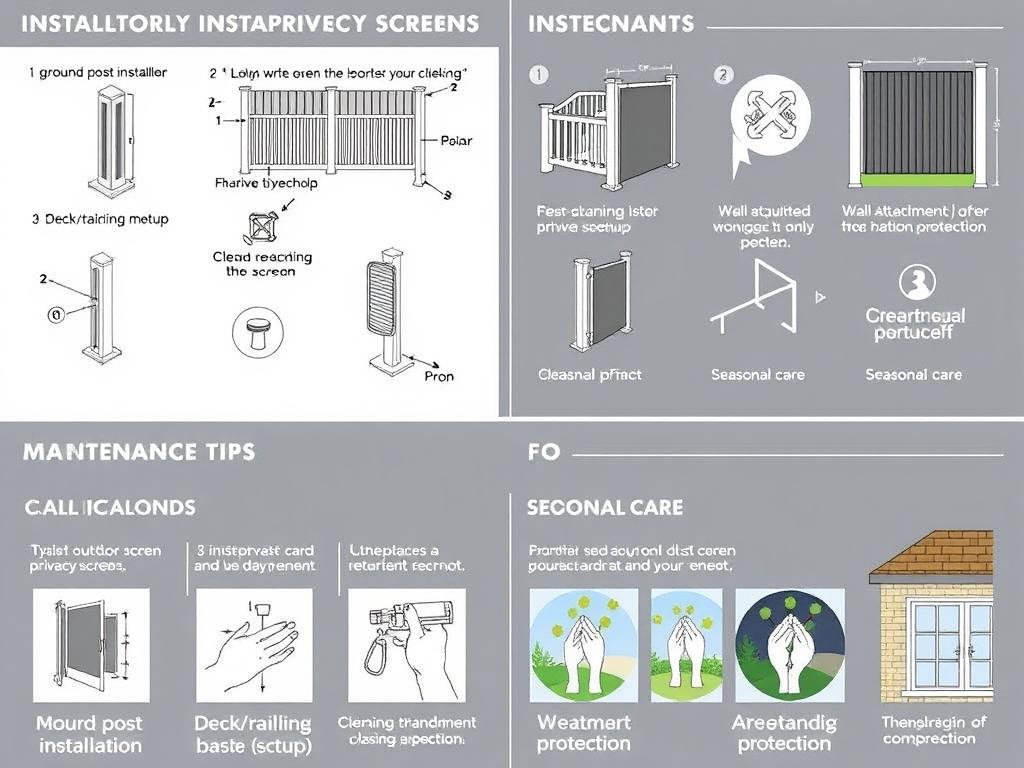
Installation Tips by Screen Type
Freestanding Screens
- Place on level ground to prevent tipping
- Use weighted bases in windy areas
- Consider connecting multiple panels for greater stability
- Ensure adequate clearance for any moving parts
Mounted Screens
- Use appropriate hardware for your mounting surface
- Check for utilities before drilling into walls
- Ensure screens are level during installation
- Consider wind load when mounting to structures
Roll-Up Screens
- Install mounting brackets securely into studs or solid surfaces
- Ensure the screen can roll freely without obstacles
- Test the rolling mechanism before finalizing installation
- Install cleats or ties to secure when rolled down
Curtain Panels
- Use weather-resistant curtain rods and hardware
- Install tie-backs for when privacy isn’t needed
- Ensure proper spacing between curtain rings
- Consider adding weights to bottom hems for windy areas
Seasonal Maintenance Guide
| Material | Spring Care | Summer Maintenance | Fall Preparation | Winter Storage |
| Wood | Clean with mild soap; check for damage; apply fresh sealant if needed | Rinse dust/pollen; check for insect damage | Clean thoroughly; apply protective sealant | Leave in place if treated; cover or store portable screens |
| Metal | Check for rust; touch up paint; tighten hardware | Rinse with water; check for hot spots that may damage plants | Clean thoroughly; apply rust protectant if needed | Can remain outdoors; cover if desired |
| Bamboo/Reed | Brush off debris; check for mold; apply protective oil | Spray with hose; check ties and hardware | Clean and dry thoroughly; apply protective treatment | Roll up and store in dry location |
| Fabric | Wash according to instructions; check for tears | Brush off debris; spot clean as needed | Clean thoroughly; check for UV damage | Remove, clean, and store in dry location |
| Composite | Rinse with hose; check hardware | Wipe down with mild soap as needed | Clean thoroughly; check structural integrity | Can remain outdoors year-round |
Frequently Asked Questions About Outdoor Privacy Screens
What is the most durable material for outdoor privacy screens?
For maximum durability, composite materials and powder-coated metals typically last the longest in outdoor conditions. Composite screens resist rotting, warping, and fading, while quality metal screens resist rust and structural damage. Both require minimal maintenance and can withstand harsh weather conditions for many years.
How tall should my privacy screen be?
The ideal height depends on your specific privacy needs and local regulations. Generally, a 6-foot (1.8m) screen provides privacy for seated areas, while 7-8 foot (2.1-2.4m) screens offer privacy for standing areas. Consider your sightlines from both inside and outside the property, and check local zoning laws which may limit fence or screen heights.
Can I install a privacy screen on my apartment balcony?
Yes, but with considerations. First, check your lease agreement and building regulations, as many apartments have restrictions on balcony modifications. For rental-friendly options, consider tension rod curtains, bamboo roll-up screens that attach with zip ties, or freestanding screens that don’t require permanent installation. Potted plants with trellises also make excellent non-permanent privacy solutions.
What’s the best privacy screen for windy areas?
In windy locations, choose screens that either allow some air to pass through or have extremely sturdy mounting systems. Metal screens with cutout patterns, slatted wood designs, or mesh fabric screens reduce wind resistance while still providing privacy. Whatever style you choose, ensure it’s properly anchored with ground posts, concrete footings, or heavy bases designed for wind exposure.
How do I create privacy on a budget?
Budget-friendly privacy options include: bamboo roll-up screens, fabric curtains hung on inexpensive curtain wire, repurposed wooden pallets, fast-growing annual vines on simple trellises, or DIY screens made from lattice panels. You can also create privacy with strategically placed large planters containing tall grasses or bamboo, which provide immediate screening while being portable and relatively affordable.
Pinterest-Ready Sharing Tips
Sample Pin Descriptions
Pin Title Suggestion: “26 Stunning Outdoor Privacy Screen Ideas to Transform Your Backyard”
Pin Description 1: “Create your own private outdoor oasis with these gorgeous privacy screen ideas! From bamboo to metal designs, find the perfect solution for your patio or deck. #outdoorprivacy #privacyscreen #patioideas #backyarddesign”
Pin Description 2: “Looking for ways to block nosy neighbors? These outdoor privacy screen ideas add style while creating your own secluded retreat! Perfect for small spaces too! #privacyscreens #outdoorliving #patiodesign #backyardprivacy”
Pin Description 3: “Transform your outdoor space with these Pinterest-worthy privacy screen ideas! Create a cozy, secluded spot for relaxing or entertaining. #outdoorprivacyscreen #gardendesign #patioprivacy #backyardmakeover”
Pin Description 4: “DIY and ready-made privacy screen solutions for your deck, patio or balcony! Create your perfect outdoor room with these stylish ideas. #outdoorrooms #privacyideas #deckdesign #patioscreen”
Creating Your Perfect Private Outdoor Retreat
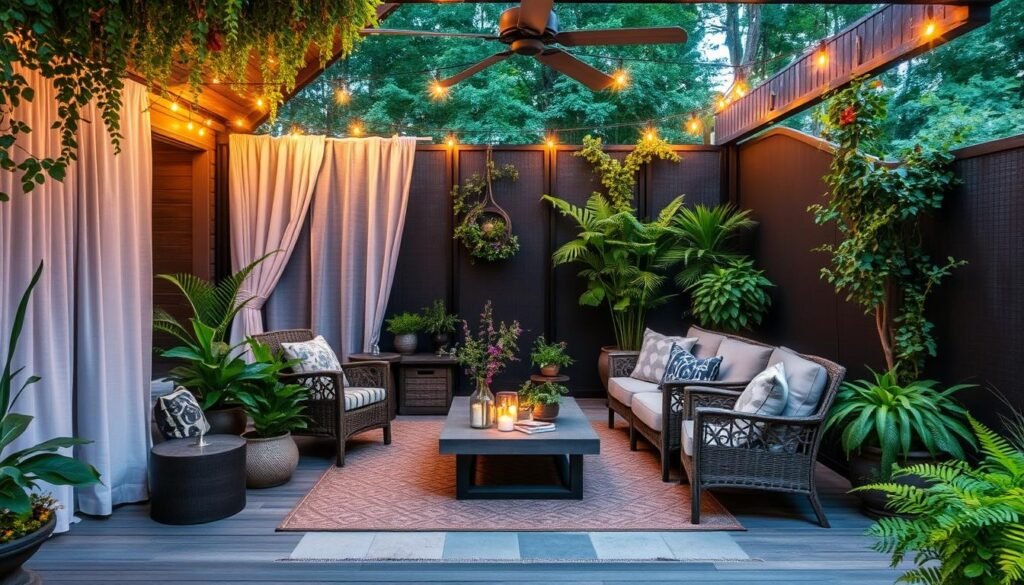
The perfect outdoor privacy screen does more than just block unwanted views—it transforms your outdoor space into a personal sanctuary where you can truly relax and be yourself. Whether you prefer the natural warmth of wood, the modern appeal of metal, the tropical feel of bamboo, or the soft elegance of outdoor curtains, there’s a privacy solution that matches your style and meets your needs.
When selecting your ideal privacy screen, remember to consider your specific requirements for privacy level, durability, maintenance, and aesthetic appeal. Take measurements of your space, check local regulations, and think about how your screen will interact with existing landscaping and structures.
With the right privacy screen in place, your outdoor space can become an extension of your home—a private retreat where you can entertain friends, enjoy quiet moments alone, or simply escape the hustle and bustle of daily life. The privacy solutions we’ve explored offer not just functional benefits but also opportunities to express your personal style and enhance the beauty of your outdoor environment.
Ready to transform your outdoor space? Use our guide to find the perfect privacy screen solution, and don’t forget to share your beautiful creation on Pinterest to inspire others on their journey to create their own private paradise!