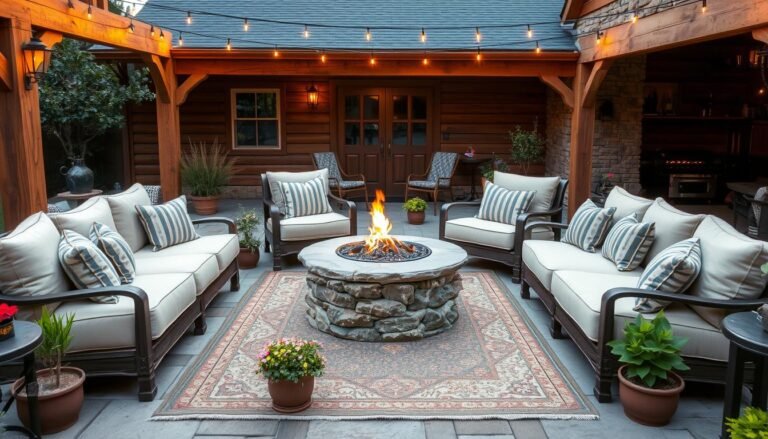
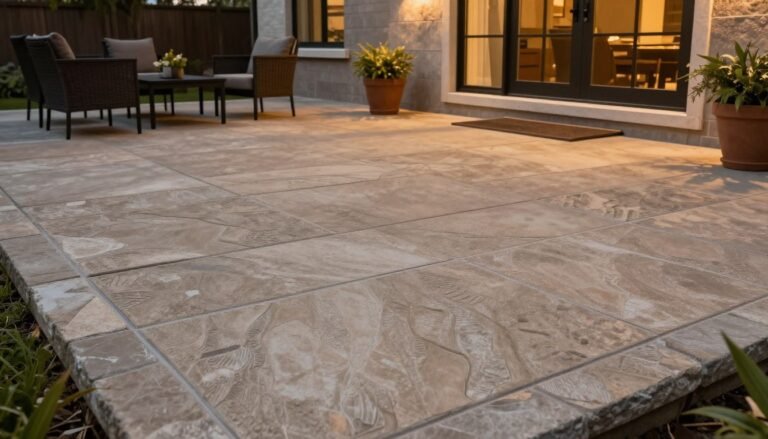
Your patio is more than just a concrete slab or collection of pavers—it’s the foundation of your outdoor living experience. The way you landscape around your patio can transform it from a simple sitting area into a breathtaking retreat that seamlessly connects with the rest of your yard. Whether you’re looking to create privacy, add vibrant color, or establish distinct zones for different activities, thoughtful landscaping around your patio can dramatically enhance both the beauty and functionality of your outdoor space.
This Website contains affiliate links. That means I may earn a small commission if you purchase through my links, at no extra cost to you.
Defining Your Patio Zones Through Landscaping
One of the most effective ways to maximize your patio’s potential is by creating distinct zones for different activities. Thoughtful landscaping can help define these areas naturally while maintaining a cohesive overall design.
Creating a Dining Zone
For outdoor dining areas, consider framing the space with container gardens filled with herbs that not only look beautiful but can be harvested for your meals. Rosemary, basil, and thyme thrive in sunny patio locations and add wonderful fragrance to your dining experience. Potted citrus trees can also create a sophisticated boundary while providing shade and a Mediterranean ambiance.
Designing a Relaxation Area
Lounge areas benefit from softer, more lush landscaping. Consider surrounding seating areas with ornamental grasses that sway gently in the breeze, creating a sense of movement and tranquility. Ferns and hostas work beautifully in shaded patio corners, adding texture without overwhelming the space.
Enhance Your Patio Zones
Looking for versatile planters to define your patio zones? Durable, weather-resistant containers in various sizes can help create beautiful boundaries.
Privacy is often a top priority for patio spaces, especially in neighborhoods with homes in close proximity. The good news is that you can create seclusion without sacrificing style using strategic landscaping techniques.
Fast-Growing Privacy Plants
When you need privacy quickly, consider fast-growing options like arborvitae, which can grow up to 3 feet per year and provide year-round screening. Bamboo offers an exotic look and grows incredibly quickly, though it’s important to choose clumping varieties rather than running types that can become invasive. For a more informal look, mixed hedges combining evergreen and flowering shrubs create interest while maintaining privacy.
Layered Privacy Approaches
The most natural-looking privacy solutions incorporate multiple layers at different heights. Start with a row of taller evergreens or a lattice with climbing vines as your backdrop. In front, add medium-height shrubs like hydrangeas or viburnums, which offer seasonal flowers and interesting foliage. Complete the look with lower-growing perennials that add color and texture at ground level.
What are the best plants for patio privacy in small spaces?
For small spaces, consider columnar plants that grow upward rather than outward. Slender varieties of arborvitae, Italian cypress, or sky pencil holly provide excellent screening without taking up much ground space. Alternatively, install trellises with fast-growing vines like clematis or jasmine for vertical privacy that occupies minimal square footage.
Adding Color and Texture Around Your Patio
A thoughtfully designed patio landscape should engage all the senses, with color and texture playing starring roles in creating visual interest throughout the seasons.
Year-Round Color Planning
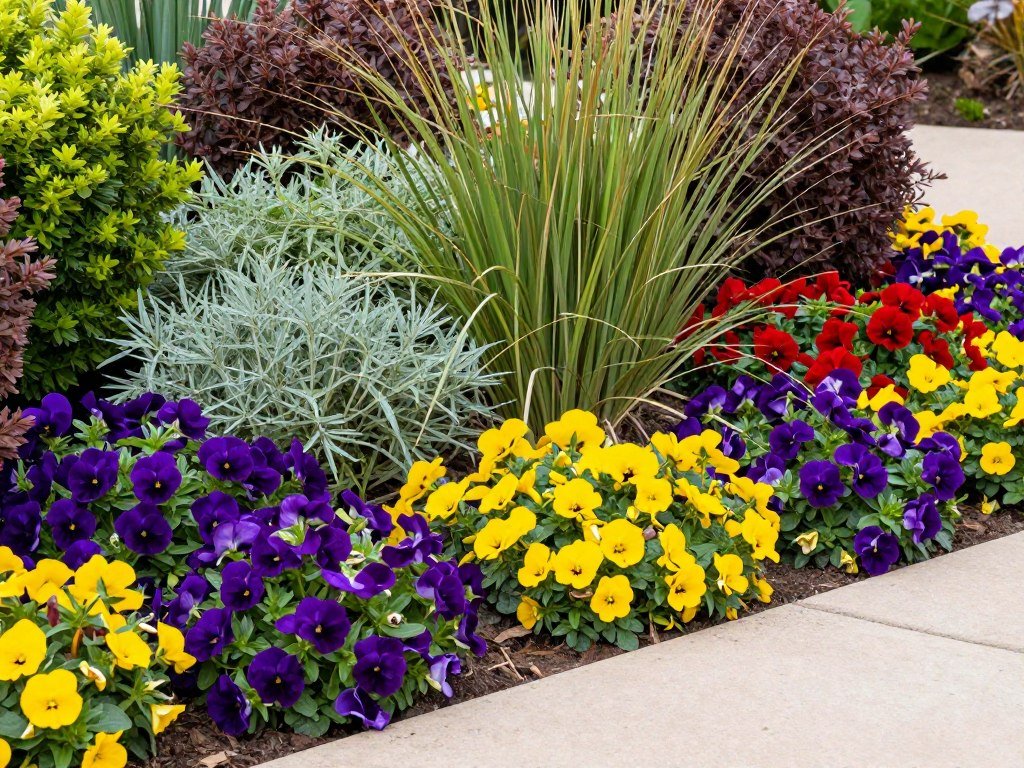
The secret to a consistently beautiful patio landscape is planning for continuous color. Start with a backbone of evergreens that provide structure all year. Then layer in early spring bloomers like tulips and daffodils, summer perennials such as coneflowers and black-eyed Susans, and fall standouts like asters and ornamental grasses. Even winter can offer visual interest with plants featuring colorful berries, interesting bark, or structural seed heads.
Textural Contrasts
Texture is often overlooked but is equally important in creating a dynamic landscape. Combine plants with different leaf sizes and shapes—pair the fine texture of ornamental grasses with the bold leaves of hostas or the spiky form of yucca. These contrasts create visual energy and make even a simple planting scheme feel sophisticated and intentional.
Add Instant Color to Your Patio
Looking for low-maintenance perennials that provide long-lasting color around your patio? Explore these hardy options that return year after year.
Hardscaping elements provide structure and functionality to your patio landscape while creating visual interest even in the dormant seasons. The key is finding the right balance between hard and soft elements.
Pathways and Transitions
Creating thoughtful transitions between your patio and the surrounding landscape helps integrate these spaces seamlessly. Consider stepping stone paths that lead from the patio into garden areas, using materials that complement your patio pavers or decking. For a cohesive look, echo the colors or textures of your patio in your pathway materials.
Decorative Borders and Edging
Defining the boundaries between your patio and planted areas not only creates a clean, finished look but also makes maintenance easier by preventing lawn grass from encroaching on gardens. Options range from simple steel edging to more decorative stone borders or low-growing plants like creeping thyme that form living edges.
Raised Beds and Planters
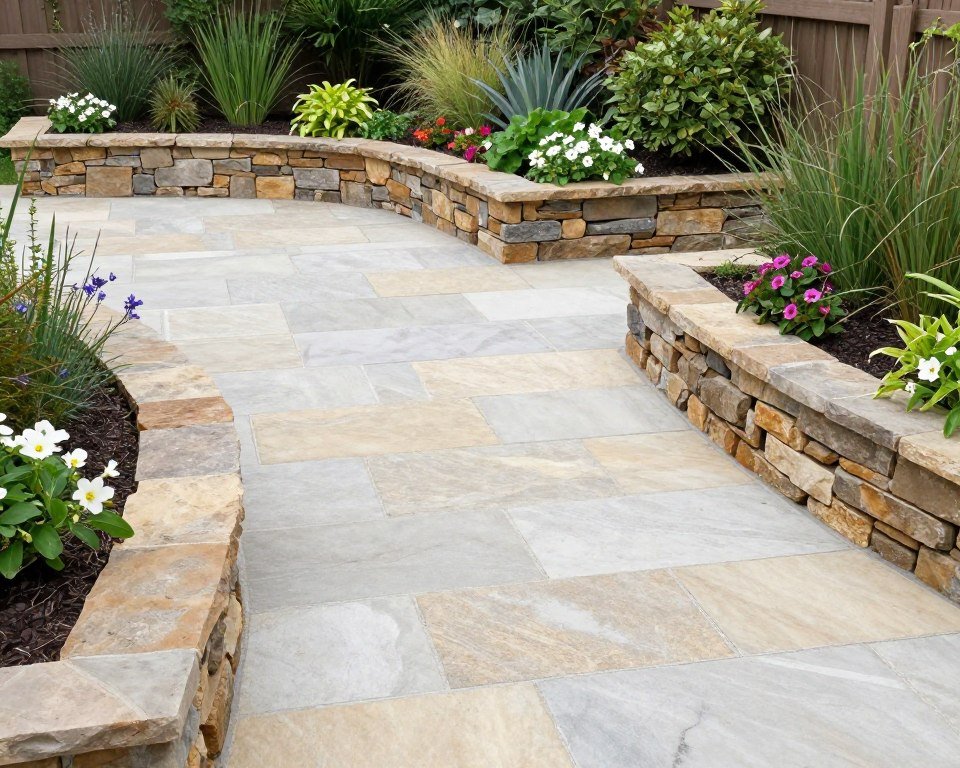
Incorporating raised beds around your patio adds dimension and helps define spaces. They’re particularly effective for growing herbs and vegetables within easy reach of outdoor dining areas. Built-in planters can double as seating walls, offering both beauty and functionality in one hardscaping element.
Lighting Your Patio Landscape
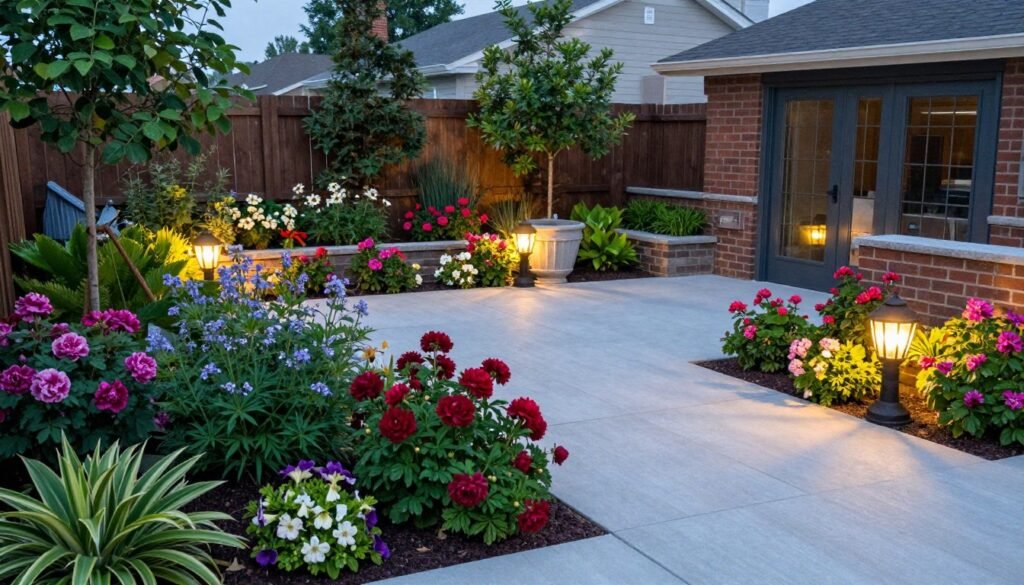
Thoughtful lighting extends the usability of your patio into the evening hours while highlighting your beautiful landscaping after dark. A well-designed lighting plan combines functionality with aesthetic appeal.
Path and Safety Lighting
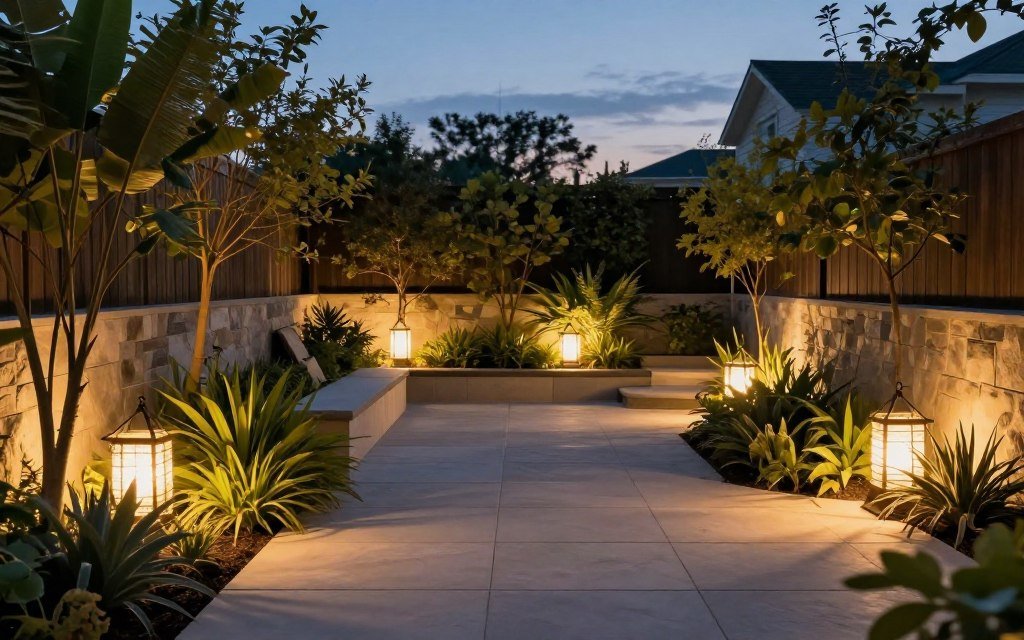
Illuminating walkways and steps is essential for safety but can also add charm to your landscape. Low-voltage path lights cast gentle pools of light to guide movement without creating harsh glare. Solar options have improved dramatically in recent years, offering an eco-friendly alternative that’s simple to install.
Accent Lighting for Plants
Uplighting trees and architectural plants creates dramatic shadows and highlights interesting branch structures. Downlighting, installed in trees or on structures, mimics moonlight for a natural, romantic effect. For specimen plants or garden art, spotlights can create focal points that draw the eye.
Illuminate Your Patio Landscape
Solar pathway lights offer an easy, energy-efficient way to light your patio landscape without complex wiring. Find durable, weather-resistant options here:
Creating a beautiful patio landscape doesn’t have to mean committing to hours of weekly maintenance. With smart planning and plant selection, you can design a space that looks great with minimal upkeep.
Native Plant Selection
Native plants have evolved to thrive in your local conditions, making them naturally adapted to your climate, rainfall patterns, and soil. This translates to less watering, fertilizing, and pest management. Research plants native to your region that offer the aesthetic qualities you’re looking for, whether that’s seasonal flowers, interesting foliage, or architectural form.
Mulching and Ground Covers
Mulch is a landscaper’s secret weapon for reducing maintenance. A 2-3 inch layer suppresses weeds, retains moisture, and moderates soil temperature. For areas where traditional mulch isn’t ideal, consider living ground covers like creeping thyme, sedum, or ajuga that crowd out weeds while adding texture and seasonal interest.
Efficient Irrigation
Drip irrigation delivers water directly to plant roots, reducing waste from evaporation and preventing many fungal issues that come from wet foliage. For container gardens around your patio, self-watering planters or simple drip systems with timers can dramatically reduce the time spent on daily watering chores.
What are the best low-maintenance plants for patio landscaping?
Some excellent low-maintenance options include ornamental grasses like feather reed grass and blue fescue, shrubs such as spirea and ninebark, and perennials like coneflower, black-eyed Susan, and sedum. Succulents also work beautifully in well-draining soil and sunny locations. For shaded areas, consider hostas, heuchera, and ferns, which thrive with minimal care once established.
Creating Year-Round Interest
A truly successful patio landscape maintains its appeal through all four seasons, offering different points of interest as the year progresses. Planning for year-round beauty ensures your outdoor space remains inviting even when you’re viewing it from inside.
Spring Planning
Early-blooming bulbs like crocus, daffodils, and tulips announce spring’s arrival and can be planted in layers for successive blooms. Flowering shrubs like azaleas, rhododendrons, and forsythia create dramatic color displays. Consider planting these where they’ll be visible from both the patio and interior windows.
Summer Abundance
Summer is peak season for most gardens, with endless options for color and texture. Include a mix of early, mid, and late-summer bloomers to maintain continuous interest. Don’t forget to incorporate plants with interesting foliage that looks good even when not in flower, such as Japanese maples, heuchera, or variegated hostas.
Fall Color Transitions
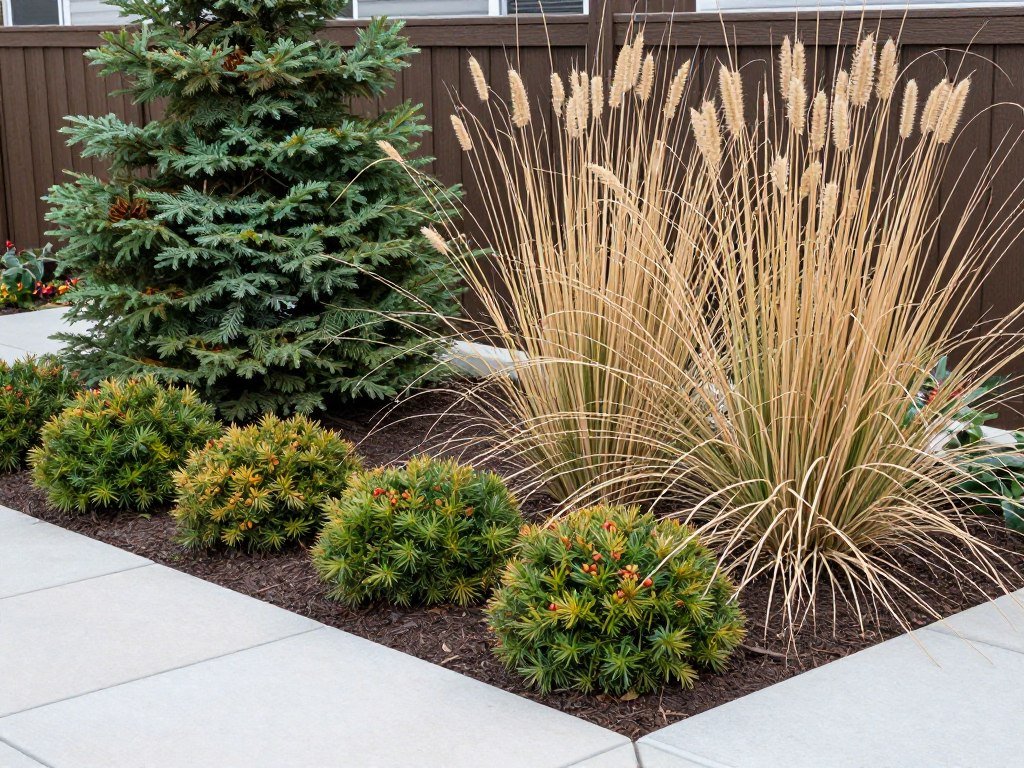
Select plants that offer spectacular fall displays, whether through foliage color, interesting seedheads, or late-season flowers. Ornamental grasses reach their peak in fall, with golden plumes that catch the light beautifully. Trees and shrubs with brilliant autumn foliage, like burning bush or oakleaf hydrangea, become focal points as the season changes.
Winter Structure
The often-overlooked winter landscape can be surprisingly beautiful with the right elements. Evergreens provide reliable structure, while deciduous plants with interesting branching patterns create sculptural silhouettes. Plants with colorful bark, like red-twig dogwood, or those that hold berries through winter add welcome color to the subdued palette.
Container Gardening Around Patios
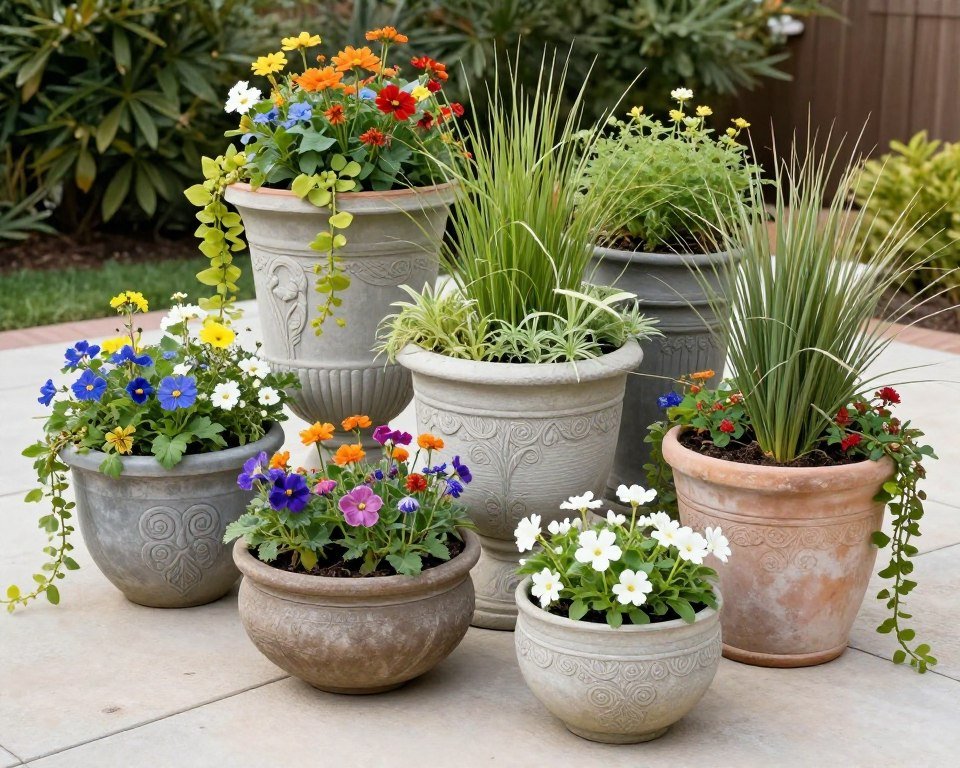
Container gardens offer flexibility and instant impact for patio landscapes. They’re perfect for renters, those with limited space, or anyone who wants the ability to easily change their garden design seasonally.
Container Selection and Placement
Choose containers that complement your patio style and provide adequate room for plant roots. For a cohesive look, select pots with a unifying element—similar materials, complementary colors, or consistent shapes. Vary the heights by using plant stands or selecting containers of different sizes to create visual interest and layers.
Plant Combinations for Containers
The classic container formula includes “thrillers” (tall, attention-grabbing plants), “fillers” (mounding plants that add volume), and “spillers” (trailing plants that soften edges). This combination ensures containers look full and balanced from all angles. Consider how your containers will look from both standing and seated positions on your patio.
Create Beautiful Container Gardens
Self-watering planters reduce maintenance and keep your container gardens looking fresh even during hot weather. Find durable options in various styles:
Water features add a sensory dimension to patio landscapes that plants alone cannot provide. The sound of moving water creates a peaceful atmosphere while helping to mask unwanted noise from traffic or neighbors.
Small-Space Water Solutions
Even the smallest patio can accommodate a water feature. Tabletop fountains require minimal space while still providing the soothing sound of flowing water. Wall fountains take advantage of vertical space and can serve as artistic focal points. Self-contained water bowls with simple bubblers offer easy installation without complex plumbing.
Integrating Water with Plantings
Surrounding water features with appropriate plants creates a more natural, cohesive look. Moisture-loving plants like Japanese iris, astilbe, and certain ferns thrive near water and help the feature blend with the broader landscape. For a more formal look, frame your water feature with structured plantings like boxwood or clean-lined containers.
Creating Wildlife-Friendly Patio Landscapes
Designing your patio landscape with wildlife in mind adds another dimension of enjoyment as birds, butterflies, and beneficial insects bring movement and life to your outdoor space.
Pollinator-Friendly Plantings
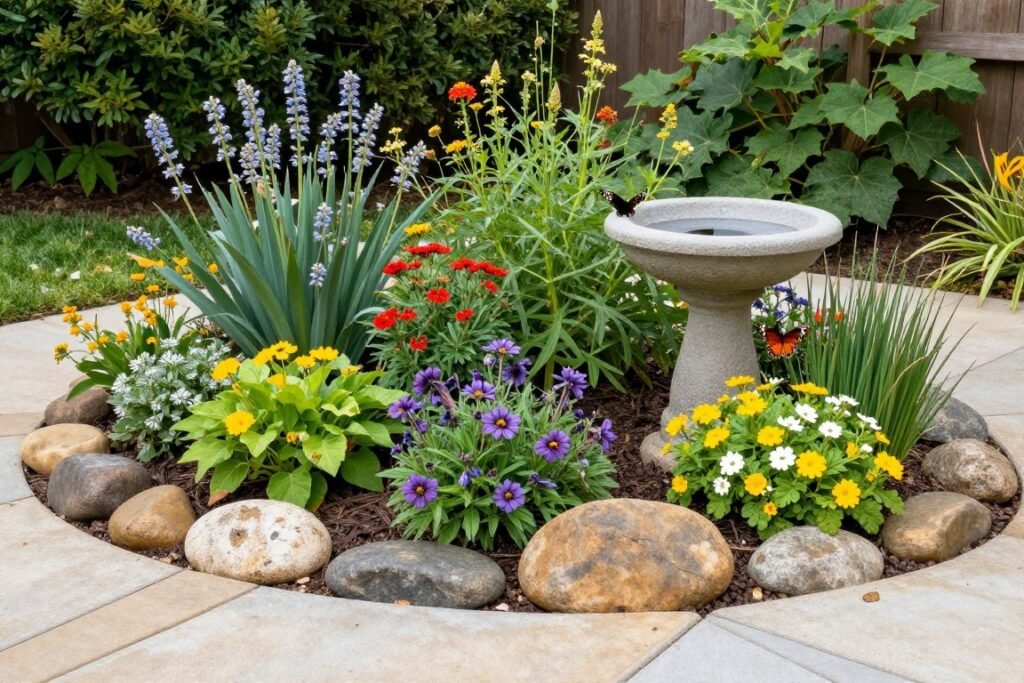
Incorporating plants that support pollinators not only helps these essential creatures but also ensures your garden is filled with activity. Native flowering plants typically offer the most ecological value. Include options with different bloom times to provide continuous nectar sources from spring through fall.
Bird-Attracting Elements
Birds bring color, song, and natural pest control to your garden. Beyond feeders, incorporate plants that produce seeds or berries birds enjoy. Dense shrubs offer nesting sites and protection from predators. A simple birdbath provides essential water, especially during hot summer months.
Attract Butterflies and Hummingbirds
Create a pollinator paradise around your patio with native wildflower seeds specifically selected to attract butterflies and hummingbirds:
Vertical elements add dimension to patio landscapes while maximizing limited space. Looking upward expands the perceived size of your outdoor area and creates opportunities for unique design features.
Trellises and Climbing Plants
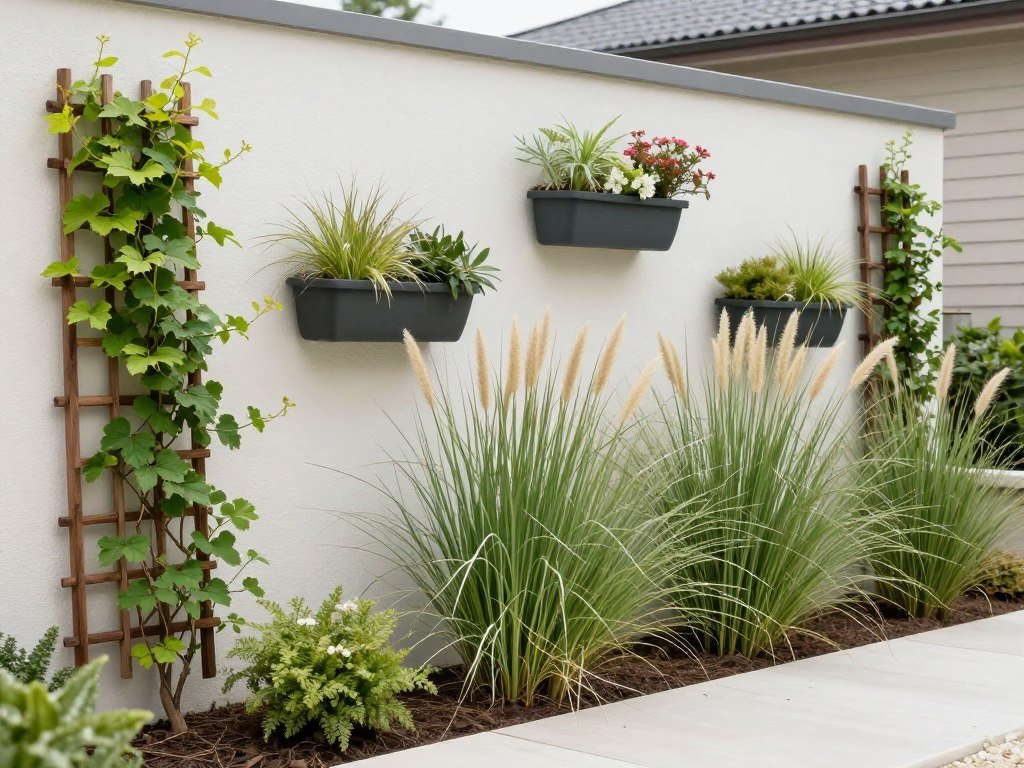
Trellises, arbors, and pergolas provide support for climbing plants while adding architectural interest to your patio landscape. Fast-growing options like clematis, jasmine, or morning glory quickly transform these structures into living walls or ceilings. For edible options, consider grape vines, kiwi, or climbing vegetables like cucumbers or beans.
Living Walls and Vertical Gardens
Vertical gardening systems allow you to grow plants on walls or fences, turning unused vertical surfaces into lush, living tapestries. Options range from simple pocket planters to sophisticated modular systems with built-in irrigation. These work particularly well for herbs, succulents, and small flowering plants.
Bringing It All Together: Creating Your Perfect Patio Landscape
Creating a beautiful landscape around your patio is a journey that evolves over time. Start with a thoughtful plan that addresses your primary needs—whether that’s privacy, entertaining space, or low maintenance—and build from there. Remember that the most successful outdoor spaces reflect the personalities of the people who use them while respecting the natural conditions of the site.
Begin with larger structural elements like trees, privacy screens, and hardscaping, then fill in with shrubs and perennials. Container gardens offer flexibility to experiment with different plants and arrangements as your preferences evolve. Most importantly, create a space that invites you to step outside and enjoy the beauty of nature, whether that’s for morning coffee, family meals, or quiet evening relaxation.
With these landscaping ideas around your patio, you can transform an ordinary outdoor space into an extraordinary retreat that enhances your home and provides years of enjoyment. Save this guide for future reference as you embark on your patio landscaping journey!
Ready to Transform Your Patio Landscape?
Get started with quality garden tools that make landscaping projects easier and more enjoyable: