A well-designed front yard creates an inviting first impression of your home, even when space is limited. Small front yards present unique opportunities to create charming, low-maintenance landscapes that pack a visual punch. Whether you’re working with a narrow strip between your home and the sidewalk or a modest lot that needs definition, these small front yard landscaping ideas will help you transform your space into a stunning showcase that reflects your personal style while maximizing every square inch.
This Website contains affiliate links. That means I may earn a small commission if you purchase through my links, at no extra cost to you.
Essential Design Principles for Small Front Yards
Before diving into specific landscaping ideas, understanding key design principles will help you make the most of your limited space. These fundamentals create the foundation for a successful small front yard transformation.
Focus on Scale and Proportion
In small front yards, scale is everything. Oversized elements can overwhelm the space, while too many tiny features can create visual clutter. Choose plants and hardscaping elements that complement your home’s architecture and the yard’s dimensions. Dwarf varieties of trees and shrubs offer the same visual appeal as their larger counterparts without dominating the landscape.
Create Clear Focal Points
Limit your focal points to avoid a chaotic appearance. As landscape design experts suggest, choose one to three key elements to draw attention, such as an ornamental tree, a decorative container garden, or an architectural feature like a small fountain. Give these elements room to shine by providing adequate space around them.
Establish Functional Zones
Even in limited space, consider how different areas will function. You might designate a small seating area, a transitional pathway to your front door, and planting beds. Clear zoning helps create a sense of order and purpose in compact spaces.
Related Posts:





Essential Tools for Small Yard Design
Ready to plan your small front yard landscape? The right measuring and layout tools make all the difference in creating a properly scaled design.
4 Creative Approaches to Small Front Yard Landscaping
Different design styles can dramatically change how your small front yard feels and functions. Consider these popular approaches based on your aesthetic preferences, maintenance capacity, and local climate.
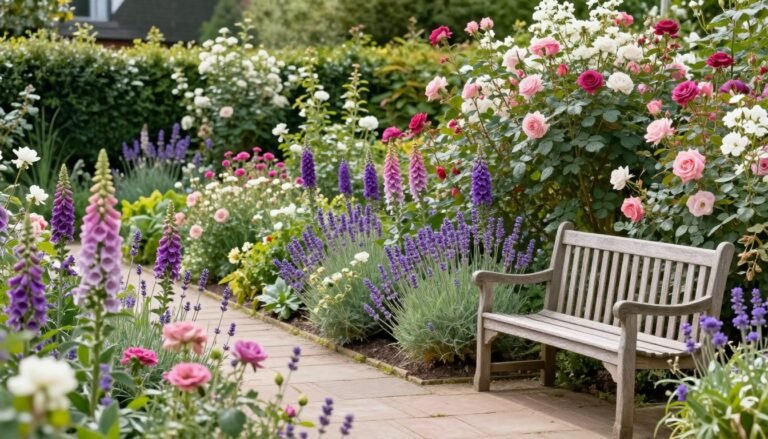
1. Cottage Garden Charm
Cottage gardens create a sense of abundance even in small spaces. This style features a mix of flowering perennials, herbs, and compact shrubs in a seemingly casual arrangement. The key is to embrace a controlled wildness with plants that spill over pathways and grow in layers.

For a successful cottage garden in a small front yard, choose plants that offer multiple seasons of interest and aren’t too aggressive. Incorporate structural elements like a small arbor or decorative fence to frame the exuberant plantings and provide winter interest.
2. Modern Minimalist Design
Clean lines, limited plant palette, and architectural elements define the modern minimalist approach. This style works exceptionally well in small front yards, where simplicity creates a sense of spaciousness. Focus on strong geometric shapes, repeating patterns, and careful restraint.
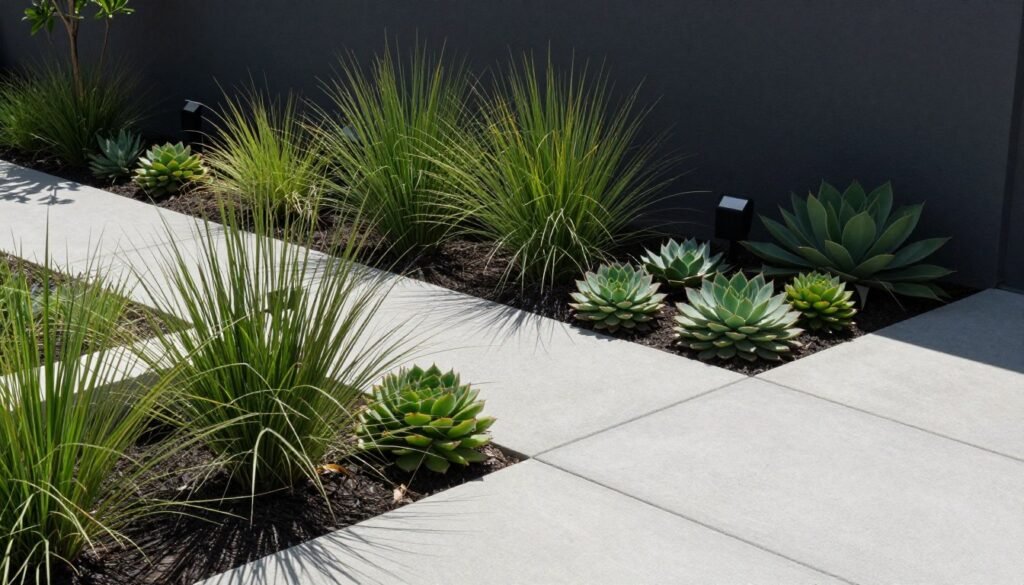
For a modern small front yard, select plants with distinctive shapes and textures rather than showy flowers. Ornamental grasses, sculptural succulents, and plants with interesting foliage work beautifully. Incorporate hardscaping elements like concrete pavers or gravel areas to define spaces.
3. Drought-Tolerant Xeriscaping
Xeriscaping offers a sustainable, low-maintenance approach perfect for small front yards in dry climates. This water-wise landscaping style uses native and adapted plants that thrive with minimal irrigation once established.
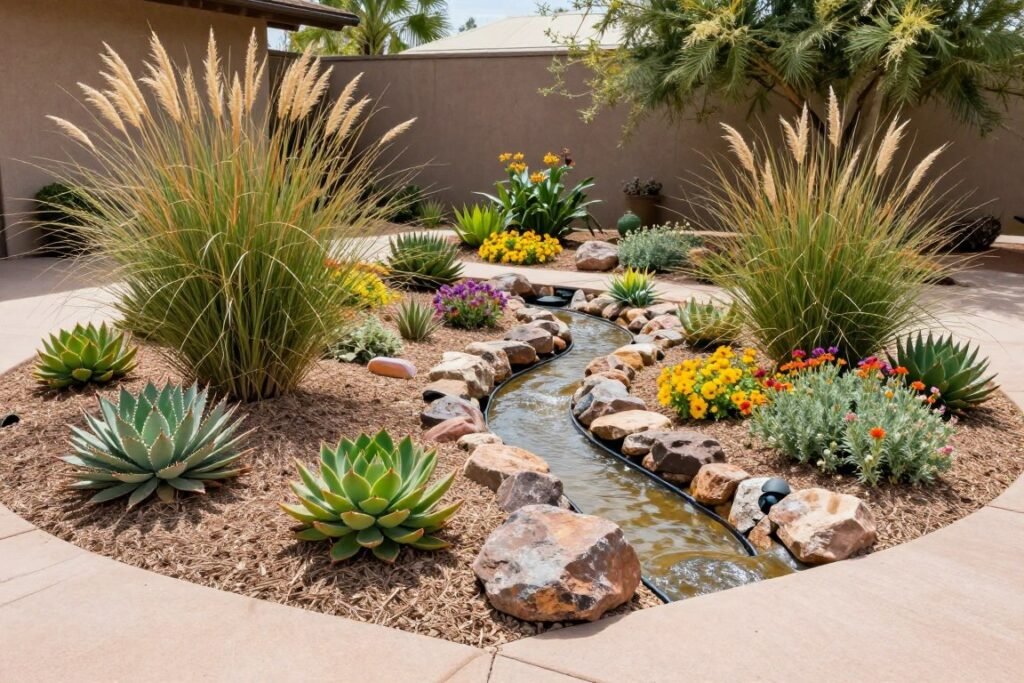
Create visual interest in a xeriscape front yard by incorporating different textures and forms. Use decorative gravel or rock mulch to reduce water needs and add contrast. Consider a dry creek bed as both a decorative element and functional drainage solution.
Drought-Resistant Planting Made Easy
Looking for the perfect drought-tolerant plants for your small front yard? Explore these low-water options that maintain beauty while conserving resources.
4. Low-Maintenance Evergreen Foundation
For homeowners seeking year-round structure with minimal upkeep, an evergreen foundation planting approach works beautifully in small front yards. This style emphasizes reliable shrubs and ground covers that maintain their appearance throughout the seasons.
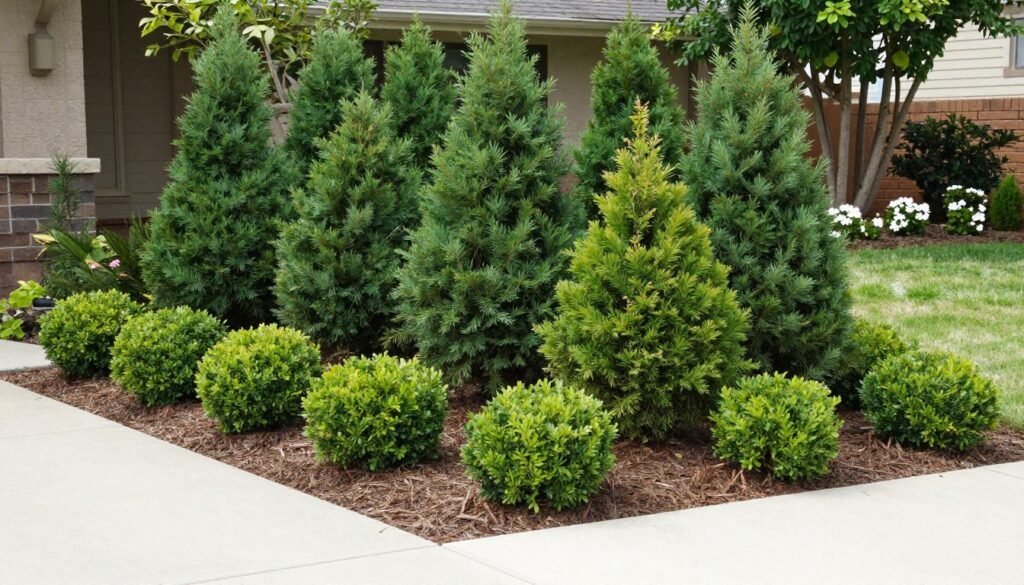
Select a variety of evergreen shrubs with different textures and heights to create visual interest. Incorporate a few seasonal bloomers for periodic color, and use quality mulch to reduce weeding and water needs. This approach creates a polished look that requires only occasional pruning and cleanup.
Essential Elements for Small Front Yard Landscapes
Regardless of your chosen design style, certain landscape elements help define and enhance small front yards. These components create structure, improve functionality, and add visual interest to limited spaces.
Pathways with Purpose
A well-designed pathway does more than connect the sidewalk to your front door—it creates a sense of journey and helps organize the space. In small front yards, consider curved paths to create an illusion of greater space or offset stepping stones for a more casual feel.
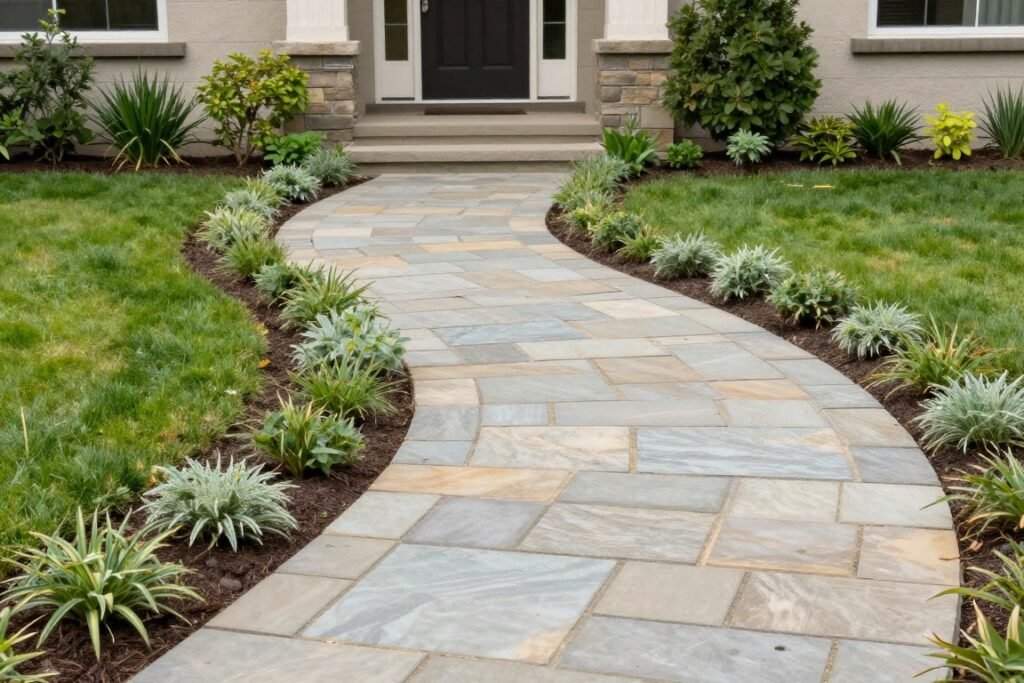
Materials matter in small spaces. Consider permeable options like brick pavers set in sand, flagstone with creeping ground covers between, or decomposed granite for an informal look. These choices allow water infiltration while adding texture and character.
Defined Borders and Edging
Clear borders help organize small front yards and create a polished appearance. Edging separates planting beds from lawn areas, contains mulch, and provides definition to the landscape design.
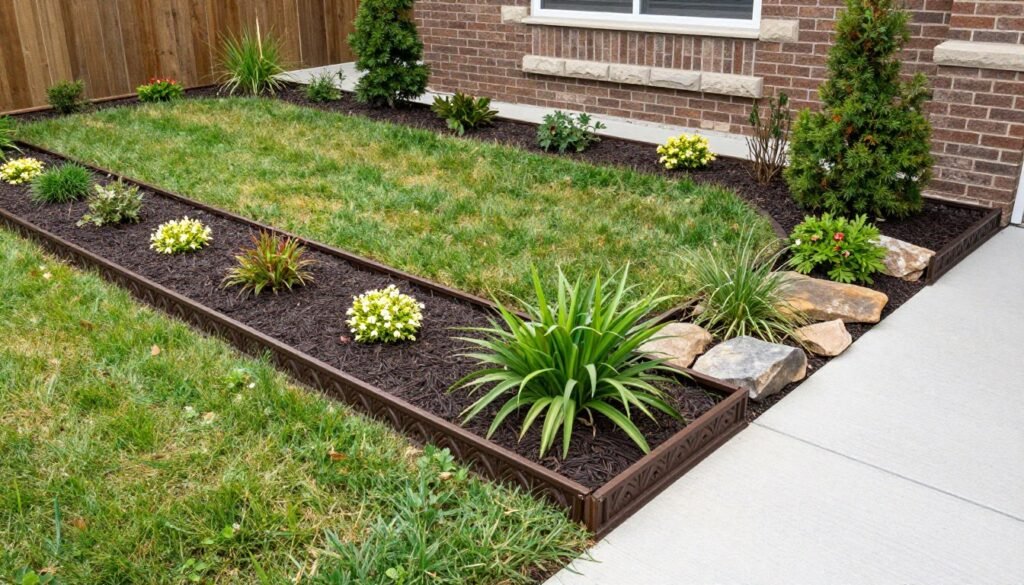
Choose edging materials that complement your home’s architecture and landscape style. Options range from classic brick and natural stone to modern metal edging or molded concrete. For a budget-friendly approach, consider plastic edging that mimics more expensive materials.
Create Perfect Garden Edges
Looking for durable, attractive garden edging for your small front yard? Explore these options to create clean lines and defined spaces.
Container Gardens for Flexibility
Containers offer incredible versatility in small front yards. They add height, color, and seasonal interest while allowing you to change the display throughout the year. Strategic placement of containers can highlight entry points, frame views, or add privacy.
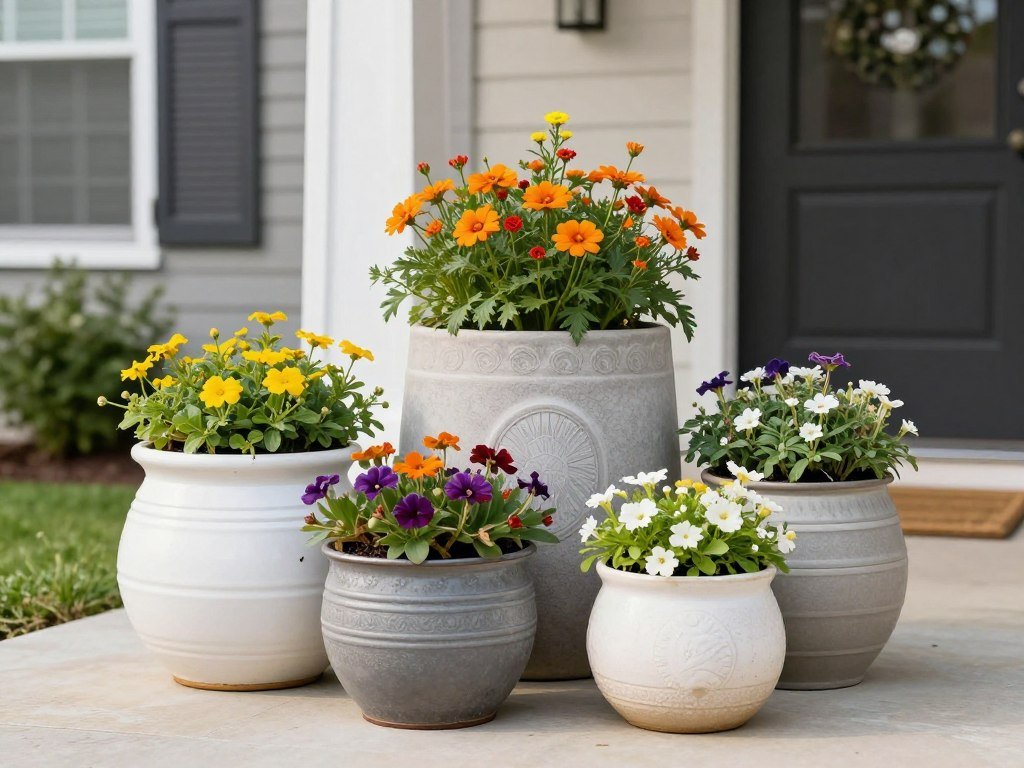
For a cohesive look, choose containers that share a common element—similar materials, complementary colors, or consistent style. Vary the heights and sizes to create visual interest. Consider the weight and durability of containers, especially in regions with harsh winters.
Vertical Elements and Structures
Vertical features maximize limited square footage by drawing the eye upward. Trellises, arbors, wall-mounted planters, and tall ornamental grasses all add dimension to small front yards without consuming much ground space.

Consider how vertical elements can serve multiple functions. A trellis can support flowering vines while creating privacy, and an arbor can frame your entry while providing a structure for climbing roses or clematis. Even tall container plantings can create vertical interest in a small space.
Strategic Lighting
Well-planned lighting extends the enjoyment and functionality of your small front yard into the evening hours. It also enhances safety, security, and curb appeal after dark. In limited spaces, a little lighting goes a long way.
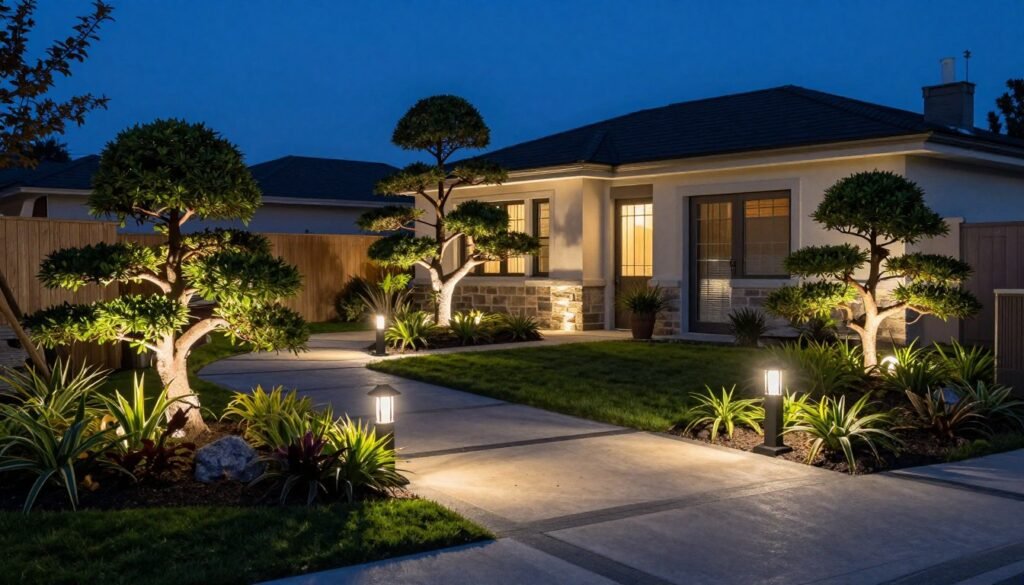
Focus on lighting key elements rather than flooding the entire yard. Illuminate pathways for safety, highlight specimen plants or architectural features, and consider how lighting can create depth in the landscape. Solar options offer energy efficiency and easy installation without wiring.
Illuminate Your Landscape
The right outdoor lighting transforms your small front yard after dark. Explore these energy-efficient options to highlight your landscape’s best features.
Lawn Alternatives
Traditional lawns often don’t make sense in small front yards. They require regular maintenance and offer limited visual interest. Consider alternatives that provide more ecological benefits and distinctive character.
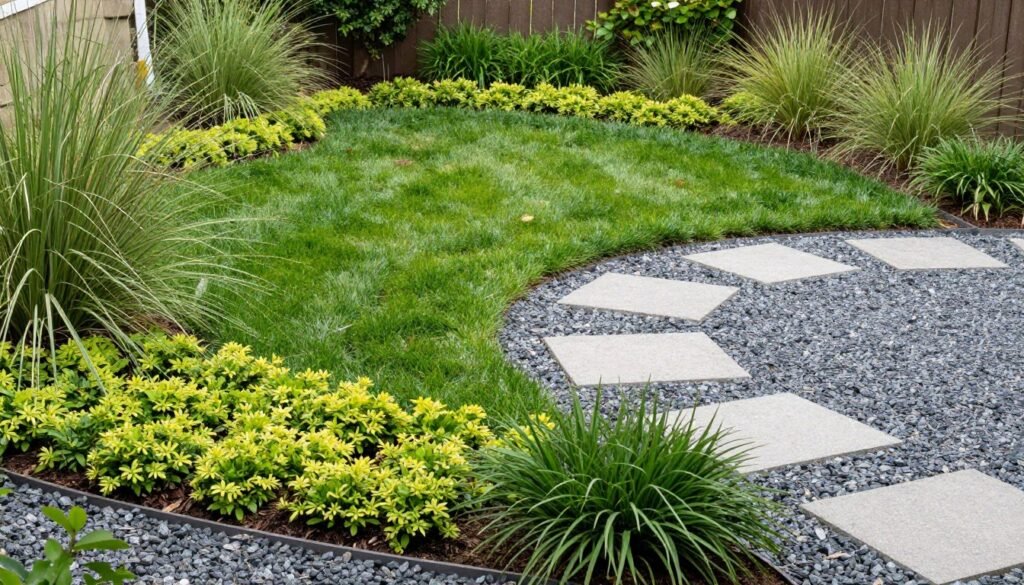
Ground covers like creeping thyme, sedum, or dwarf mondo grass offer green texture with less maintenance than traditional turf. Consider ornamental grasses for movement and seasonal interest, or hardscaping elements like decorative gravel with strategically placed stepping stones.
Smart Plant Selection for Small Front Yards
Choosing the right plants is crucial for small front yard success. The best selections offer multiple seasons of interest, appropriate scale, and manageable growth habits that won’t quickly overwhelm limited space.
Right-Sized Trees
Even the smallest front yard can accommodate a tree if you select the right variety. Dwarf and semi-dwarf cultivars provide shade, seasonal interest, and vertical structure without overwhelming the space.
Best Small Trees for Front Yards
- Japanese Maple (Acer palmatum) – Elegant form with colorful foliage
- Dwarf Crape Myrtle – Summer blooms and interesting bark
- Dwarf Magnolia – Fragrant flowers and glossy leaves
- Serviceberry – Spring flowers, summer berries, fall color
- Dwarf Conifers – Year-round structure and color
- Redbud – Spring flowers and heart-shaped leaves
Placement Tips
- Consider mature size and root spread
- Position at least 10′ from foundations
- Use as a focal point or anchor
- Frame the house rather than obscure it
- Consider seasonal sun patterns
- Account for utility lines above and below
Find Your Perfect Small-Space Tree
Looking for the ideal tree for your small front yard? Explore these dwarf and semi-dwarf varieties that provide beauty without overwhelming limited space.
Shrubs with Multiple Seasons of Interest
Shrubs provide structure and substance in small front yards. Choose varieties that offer more than one season of interest—spring flowers, summer berries, fall color, or winter form—to maximize their impact in limited space.
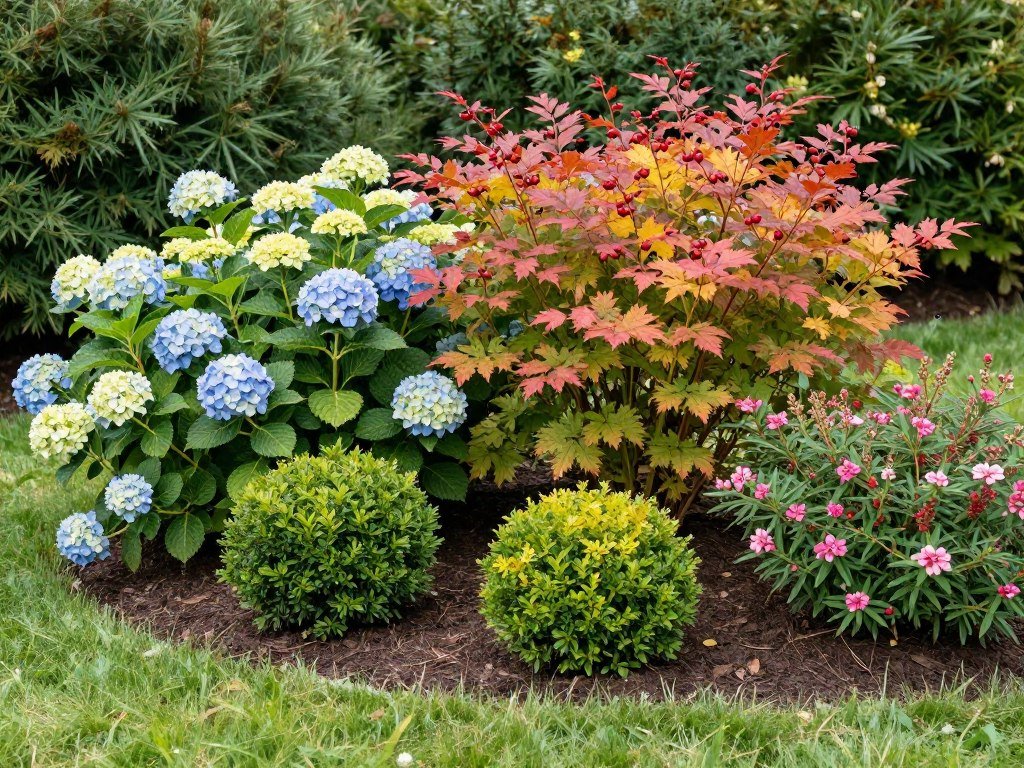
Consider dwarf varieties of popular shrubs, which offer the same ornamental features in a more compact form. Varieties like ‘Little Henry’ sweetspire, dwarf butterfly bush, compact hydrangeas, and small boxwoods provide structure without overwhelming small spaces.
Perennials for Continuous Color
Perennials return year after year, providing reliable color and texture with less maintenance than annuals. In small front yards, choose varieties that offer long bloom periods or attractive foliage beyond their flowering season.
Spring Bloomers
- Bleeding Heart
- Columbine
- Coral Bells
- Creeping Phlox
Summer Performers
- Coneflower
- Coreopsis
- Salvia
- Black-eyed Susan
Fall Interest
- Sedum ‘Autumn Joy’
- Asters
- Japanese Anemone
- Ornamental Grasses
Plan your perennial selections to provide continuous color throughout the growing season. Incorporate plants with interesting foliage, like heuchera or Japanese forest grass, to maintain visual interest even when nothing is blooming.
Ground Covers and Low-Growing Plants
Ground covers serve multiple functions in small front yards—they suppress weeds, reduce erosion, provide habitat for beneficial insects, and add texture at the lowest layer of the landscape. Many also offer seasonal flowers or colorful foliage.

Choose ground covers based on your site conditions—sun or shade, moist or dry soil. Options like creeping thyme, sedum, ajuga, sweet woodruff, and dwarf mondo grass offer different textures and colors to create interest at ground level.
Practical Tips for Small Front Yard Success
Beyond design and plant selection, these practical considerations will help ensure your small front yard landscape thrives with minimal maintenance.
Efficient Irrigation Solutions
Small front yards benefit from targeted irrigation that delivers water exactly where it’s needed. Drip irrigation and soaker hoses minimize waste while keeping plants healthy.
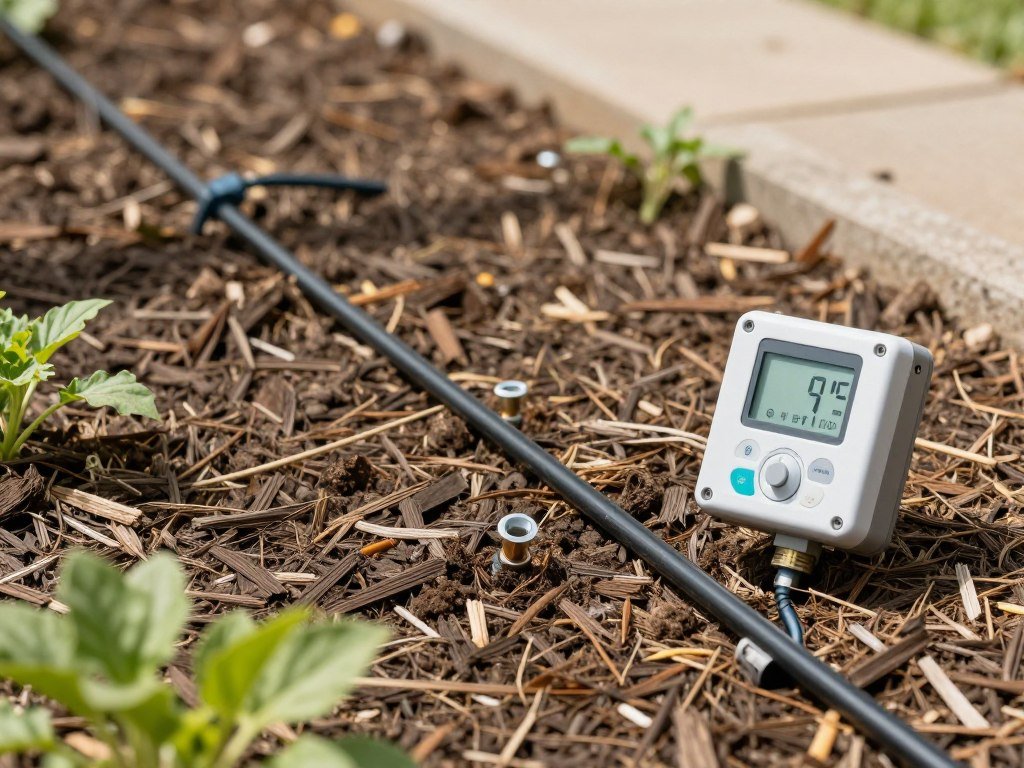
Consider smart irrigation controllers that adjust watering based on weather conditions and soil moisture. These systems save water and time while ensuring plants receive appropriate hydration. Group plants with similar water needs together to maximize irrigation efficiency.
Water Smarter, Not Harder
Efficient irrigation is essential for a thriving small front yard. Explore these water-saving solutions that deliver moisture exactly where plants need it.
Mulching for Weed Suppression
Quality mulch is a small front yard’s best friend. It suppresses weeds, retains soil moisture, moderates soil temperature, and adds a finished look to planting beds. In limited spaces, mulch creates a clean backdrop that helps plants stand out.
Organic Mulch Options
- Shredded hardwood – Natural look, decomposes slowly
- Pine straw – Lightweight, ideal for acid-loving plants
- Composted leaves – Improves soil as it breaks down
- Cocoa hulls – Rich color and chocolate scent
Inorganic Mulch Options
- Decorative stone – Permanent, various colors available
- Rubber mulch – Made from recycled tires, long-lasting
- Landscape fabric – Used beneath other mulches
- Crushed shells – Coastal aesthetic, alkaline properties
Apply mulch to a depth of 2-3 inches, keeping it pulled back slightly from plant stems and tree trunks. Refresh organic mulches annually or as needed to maintain their appearance and weed-suppressing benefits.
Seasonal Maintenance Calendar
Even low-maintenance landscapes require some care throughout the year. Creating a seasonal maintenance calendar helps you stay on top of essential tasks without feeling overwhelmed.
| Season | Essential Tasks | Optional Enhancements |
| Spring | Prune winter damage, apply pre-emergent weed control, refresh mulch, divide overcrowded perennials | Add seasonal color with container plantings, edge beds, apply slow-release fertilizer |
| Summer | Monitor irrigation, spot-treat weeds, deadhead spent flowers, trim excessive growth | Add summer annuals, refresh container plantings, apply supplemental water during drought |
| Fall | Remove fallen leaves, plant spring bulbs, cut back perennials, protect tender plants | Add fall container displays, plant trees and shrubs, apply compost to beds |
| Winter | Prune dormant trees and shrubs, check winter protection, plan next season’s changes | Add winter interest with evergreen containers, install landscape lighting, create wildlife habitat |
Adjust your maintenance schedule based on your specific climate and plant selections. In small front yards, staying on top of maintenance tasks is easier and prevents problems from becoming overwhelming.
Transform Your Small Front Yard into a Stunning Landscape
A limited front yard doesn’t mean limited possibilities. By applying thoughtful design principles, selecting appropriate plants, and implementing practical solutions, you can create a small front yard landscape that makes a big impact. Remember that successful small spaces rely on quality over quantity—choose elements that provide multiple benefits, maintain appropriate scale, and reflect your personal style.
Whether you prefer the lush abundance of a cottage garden, the clean lines of modern minimalism, the sustainability of xeriscaping, or the reliability of evergreen structure, your small front yard can become a showcase that enhances your home’s curb appeal and creates a welcoming entrance for family and friends.
Ready to Transform Your Small Front Yard?
Get started with quality tools and supplies that make landscaping easier and more enjoyable. Your perfect small front yard is just a project away!