Your home’s exterior is the first impression visitors receive, and thoughtful landscaping around your house can transform an ordinary property into a stunning showcase. Whether you’re looking to boost curb appeal, create functional outdoor spaces, or simply enhance your home’s natural beauty, the right landscaping approach can make all the difference. In this comprehensive guide, we’ll explore creative ideas, practical tips, and inspiring designs to help you create beautiful, cohesive landscaping that complements your home’s architecture and reflects your personal style.
This Website contains affiliate links. That means I may earn a small commission if you purchase through my links, at no extra cost to you.
Foundation Plantings: Softening Your Home’s Edges
Foundation plantings are the cornerstone of landscaping around your house, creating a visual transition between your home’s structure and the surrounding landscape. These plantings help soften hard architectural lines, anchor your home to its setting, and create a welcoming atmosphere.
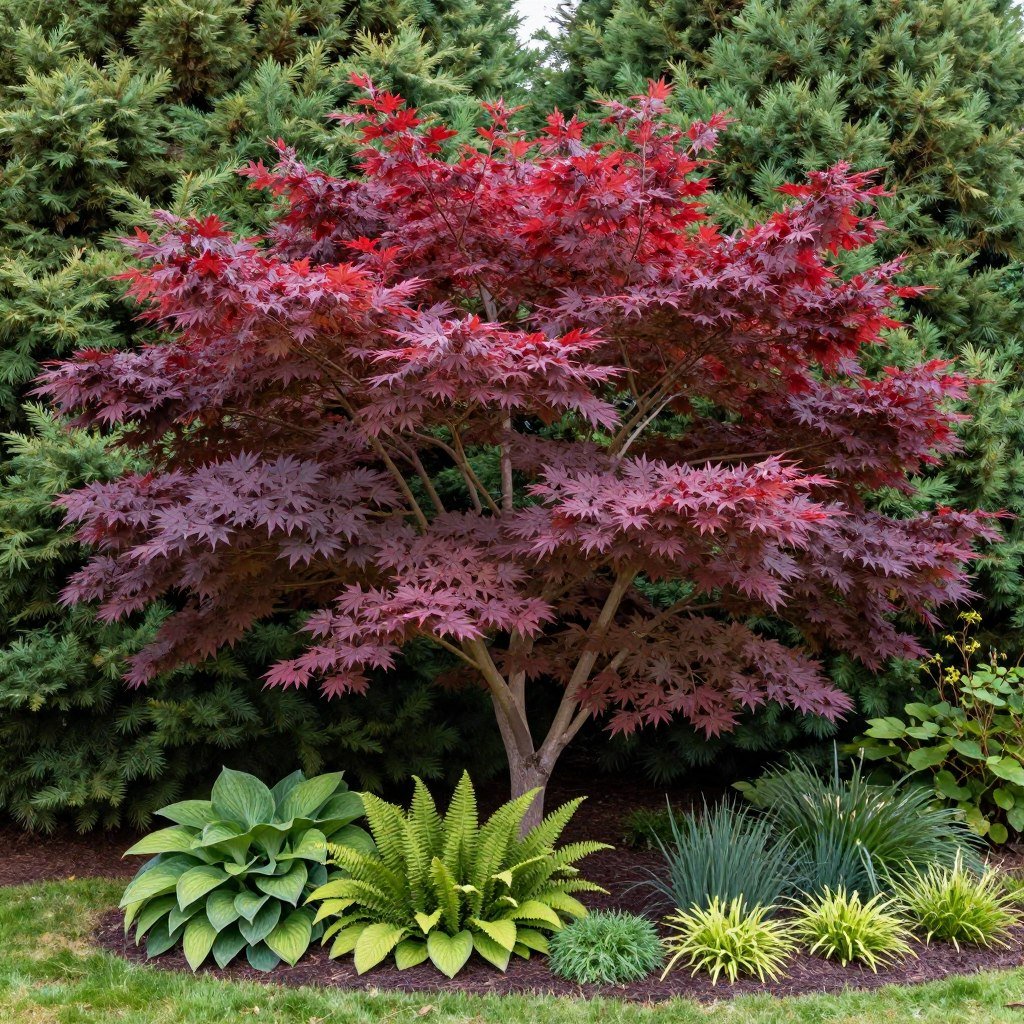
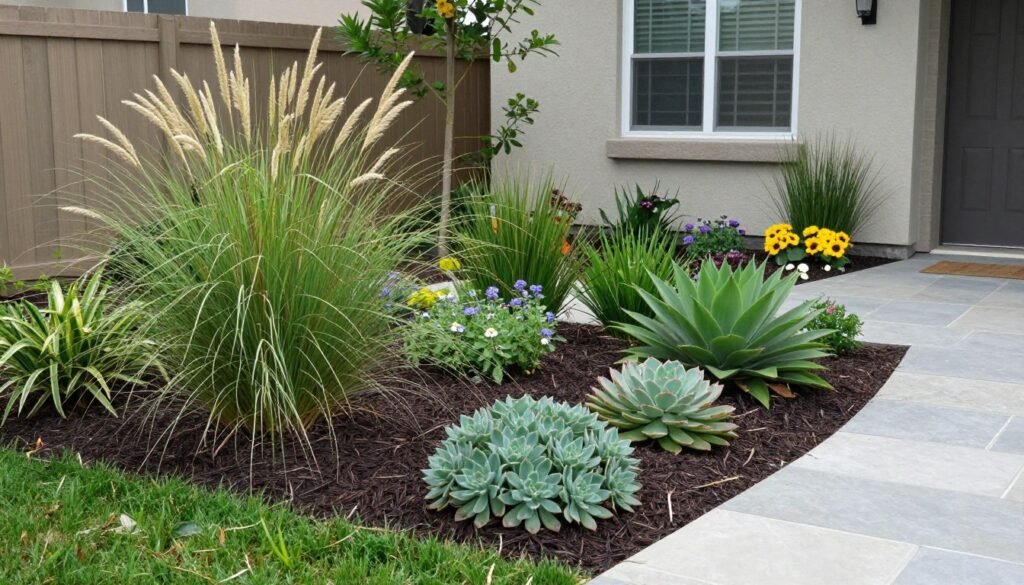
Layered foundation plantings create depth and visual interest while softening the transition between house and landscape
Creating Layered Foundation Plantings
The most effective foundation plantings incorporate multiple layers of plants with varying heights, textures, and seasonal interest. Consider this three-tier approach:
Back layer: Taller shrubs and small ornamental trees positioned against the house (3-4 feet from the foundation to prevent moisture issues)
Middle layer: Medium-height flowering shrubs and perennials that provide seasonal color and interest
Front layer: Low-growing ground covers, ornamental grasses, or flowering plants that create a finished edge
Plant Selection for Foundation Areas
When choosing plants for foundation areas, consider your home’s architecture, sun exposure, and regional climate. For traditional homes, symmetrical arrangements of evergreen shrubs like boxwood, holly, or yew create a classic look. Contemporary homes often benefit from more architectural plants with strong forms, such as ornamental grasses, succulents, or plants with distinctive foliage.
Essential Tools for Foundation Planting
Creating beautiful foundation plantings starts with the right tools. Quality garden tools make planting easier and ensure your plants get the best start possible.
Your front yard creates the first impression of your home and sets the tone for your entire property. Thoughtful landscaping in this area can dramatically enhance curb appeal and create a welcoming entrance for guests and passersby alike.
Creating a Welcoming Entrance Path
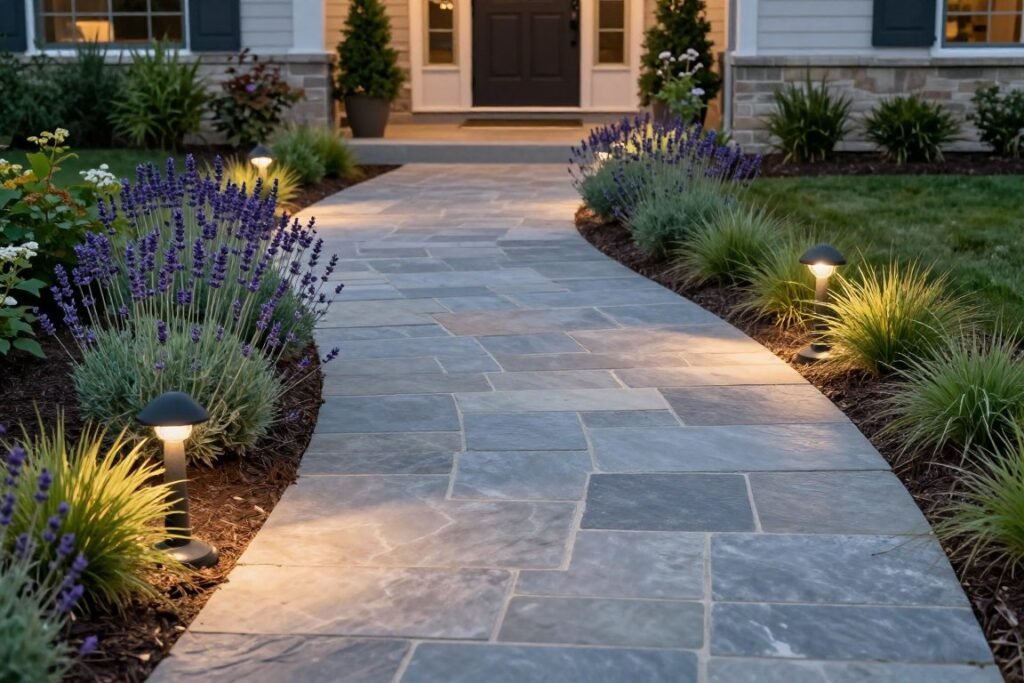
A well-designed entrance path not only guides visitors to your door but also enhances your home’s architectural features. Consider these elements for a striking entrance:
Path materials: Natural stone, brick pavers, or decorative concrete that complements your home’s exterior
Width: At least 4 feet wide for comfortable passage
Design: Gentle curves create visual interest, while straight paths suit formal or contemporary homes
Border plantings: Low-growing plants that won’t encroach on the walkway
Front Yard Focal Points
Every front yard benefits from a focal point that draws the eye and creates visual interest. Depending on your yard’s size and style, consider these options:
A specimen tree with distinctive form or seasonal color
A decorative boulder or rock arrangement
A water feature like a small fountain
A decorative garden arbor or trellis
Landscape Lighting for Safety and Drama
Strategic lighting enhances your home’s architecture and landscape features while providing safety and security. Consider these lighting techniques:
Path lighting: Low fixtures that illuminate walkways without glare
Uplighting: Fixtures placed at ground level to highlight trees, architectural features, or garden focal points
Downlighting: Fixtures mounted in trees or on the house to cast gentle light downward
Solar options: Energy-efficient lights that require no wiring
Illuminate Your Landscape
The right landscape lighting can transform your home’s exterior after dark, highlighting architectural features and creating a warm, welcoming atmosphere.
Side yards are often overlooked spaces that can be transformed from neglected passages into beautiful and functional areas. With thoughtful planning, these narrow spaces can become charming garden paths, utility areas, or even intimate retreats.
Side Yard Pathway Ideas
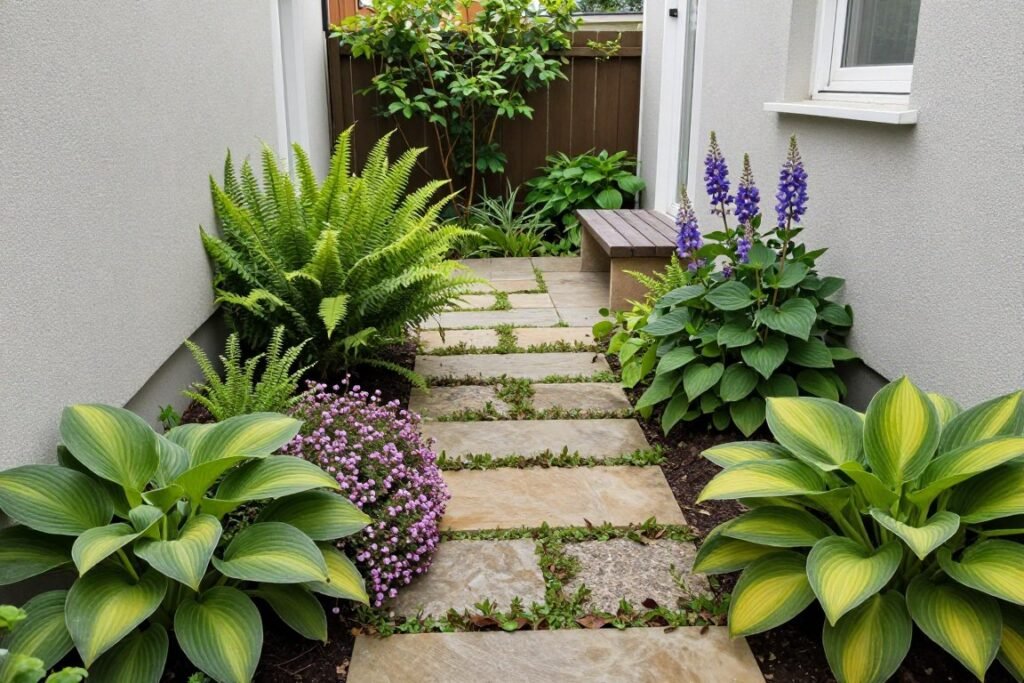
A well-designed pathway can turn a utilitarian side yard into a delightful garden experience:
Stepping stones: Create a casual path with flagstones or concrete pavers
Gravel paths: Provide good drainage and a pleasing crunch underfoot
Brick walkways: Offer a classic, timeless look that complements many home styles
Ground covers: Plant low-growing thyme, creeping jenny, or moss between stepping stones
Plants for Narrow Side Yards
Side yards often present challenging growing conditions, including shade from neighboring structures and limited space. These plants thrive in such environments:
Shade-Tolerant Plants
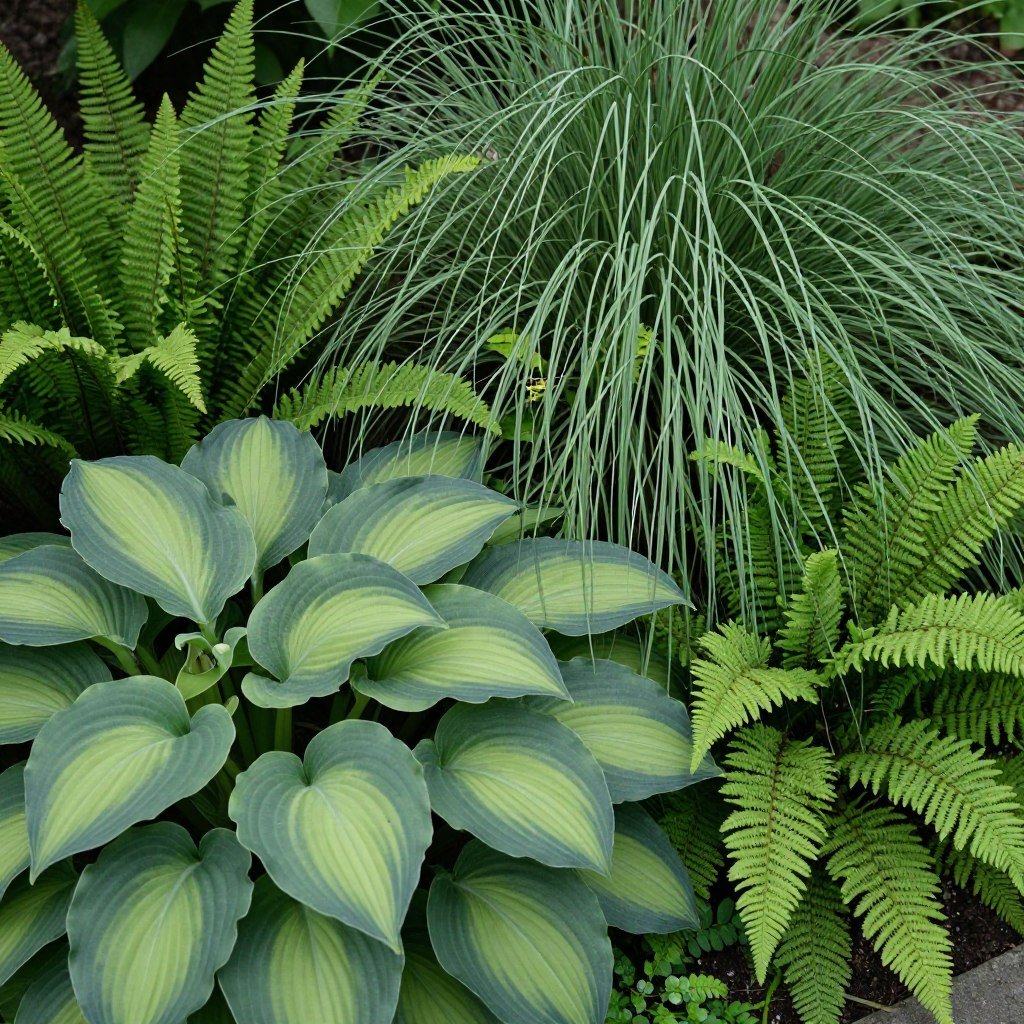
Hostas (various varieties for different sizes)
Japanese forest grass (Hakonechloa macra)
Ferns (lady fern, autumn fern, Japanese painted fern)
Astilbe for seasonal color
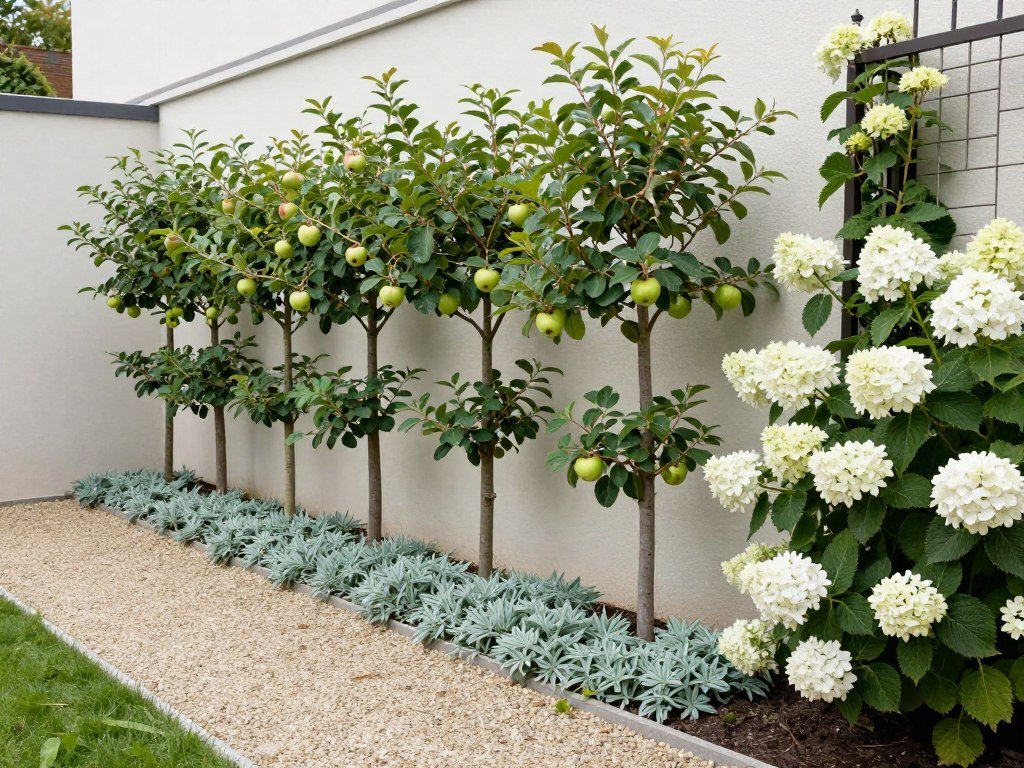
Narrow-Growing Plants
Columnar yews or arborvitae
Fastigiate (narrow) varieties of holly
Climbing vines on trellises (clematis, climbing hydrangea)
Espalier fruit trees trained flat against walls
Maximize Your Side Yard
Transform narrow spaces with vertical gardening solutions that make the most of limited ground area while adding beauty and function.
Creating Functional Zones in Your Backyard Landscape
A well-designed backyard divides the space into distinct zones that serve different purposes while maintaining a cohesive overall design. This approach maximizes functionality and creates visual interest throughout your outdoor living areas.
Defining Outdoor Rooms
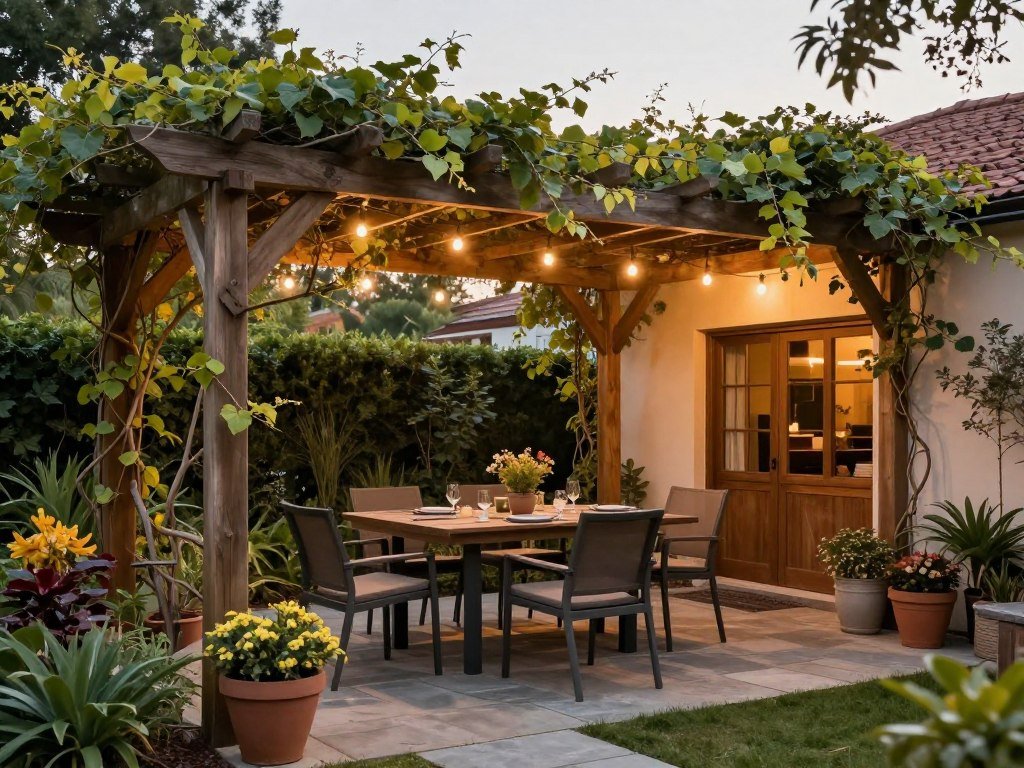
Create distinct “outdoor rooms” using these design elements:
Flooring changes: Transition from patio pavers to decking to gravel or lawn
Vertical elements: Use pergolas, arbors, or tall plantings to define spaces
Furniture groupings: Arrange seating to create conversation areas
Partial walls: Low stone walls or raised planters can separate areas while maintaining flow
Popular Backyard Zones to Consider
Dining Area
Create a dedicated space for outdoor meals with a table, chairs, and shade structure. Position near the kitchen for convenience.
Lounge/Fire Pit Area
A relaxed seating area with comfortable furniture arranged around a fire pit or outdoor fireplace creates a natural gathering spot.
Garden Retreat
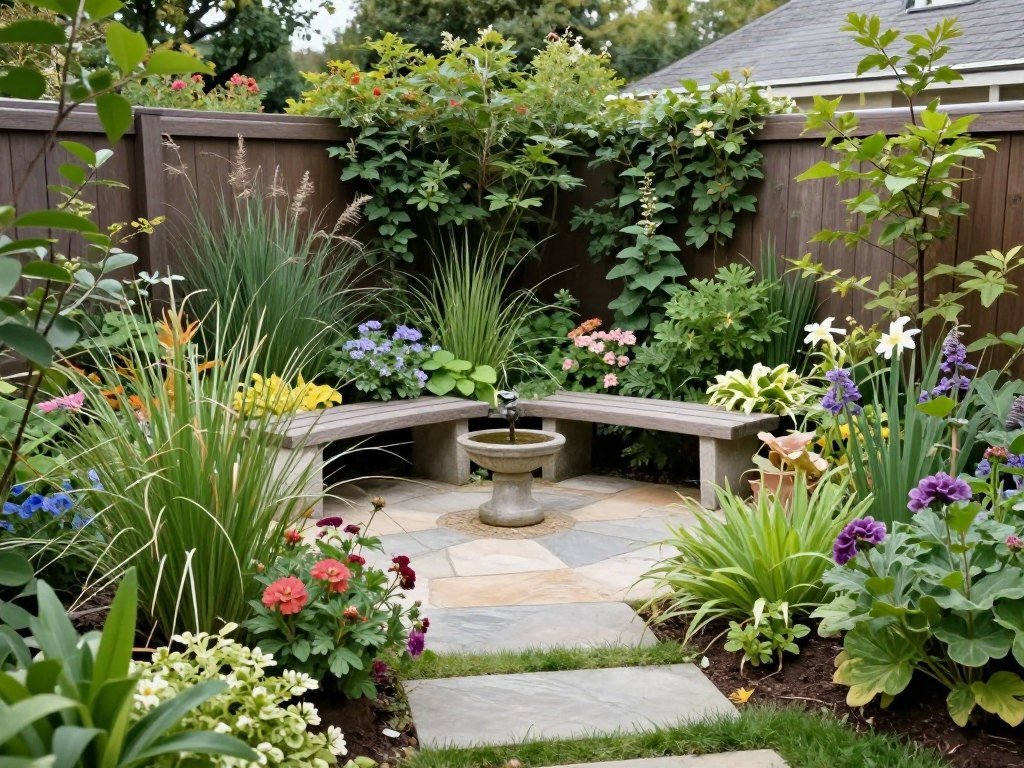
Create a quiet corner with a bench or small seating area surrounded by lush plantings for reading or relaxation.
Connecting Zones with Pathways
Well-designed pathways guide visitors through your landscape while connecting different zones. Consider these pathway materials based on your landscape style:
Formal Landscapes
Brick in herringbone or basket weave patterns
Cut stone with tight, consistent joints
Concrete pavers in geometric patterns
Natural/Informal Landscapes
Irregular flagstone with ground cover between stones
Gravel or decomposed granite
Wood chips or bark for woodland settings
Create Your Outdoor Oasis
Transform your backyard into a multi-functional retreat with comfortable outdoor furniture that invites relaxation and entertainment.
Selecting the Right Plants for Landscaping Around Your House
Choosing appropriate plants is crucial for creating a landscape that thrives in your specific conditions while meeting your aesthetic goals. Consider these factors when selecting plants for different areas around your home.
Understanding Your Growing Conditions
Before selecting plants, assess these key factors that will determine which species will thrive in your landscape:
Hardiness zone: Determine your USDA plant hardiness zone to ensure plants can survive your winter temperatures
Sun exposure: Map the sun patterns around your house (full sun, partial sun, shade)
Soil type: Test your soil to determine if it’s clay, loam, or sandy, and check the pH level
Moisture conditions: Identify areas that tend to be dry or retain water
Plants for Different Light Conditions
Full Sun Plants (6+ hours direct sun)
Lavender
Coneflower (Echinacea)
Black-eyed Susan (Rudbeckia)
Ornamental grasses
Russian sage
Partial Sun Plants (3-6 hours direct sun)
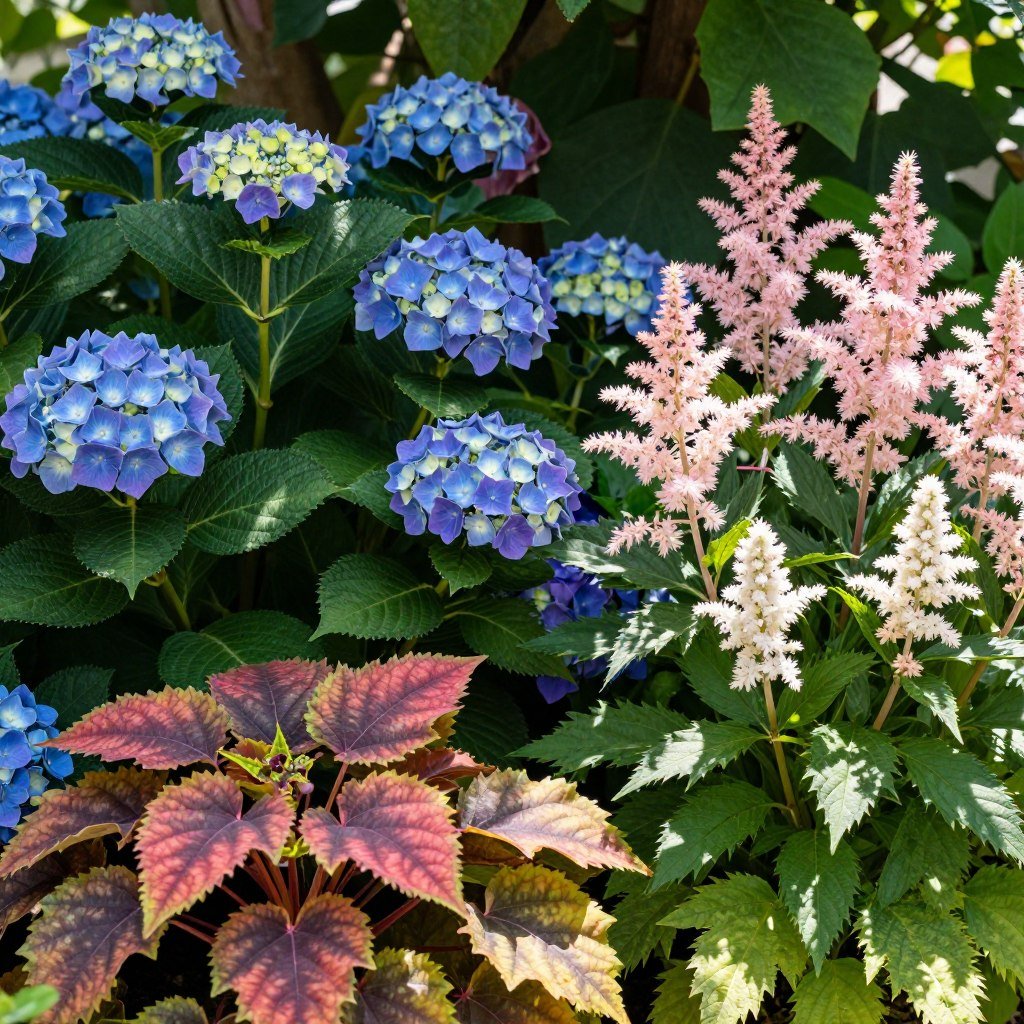
Hydrangea
Coral bells (Heuchera)
Astilbe
Columbine
Bleeding heart
Shade Plants (Less than 3 hours sun)
Hostas
Ferns
Japanese forest grass
Heuchera
Tiarella
Creating Year-Round Interest
A well-designed landscape provides visual interest in all seasons. Include plants from each of these categories:
Spring Interest
Flowering bulbs (tulips, daffodils)
Flowering trees (dogwood, redbud)
Spring-blooming shrubs (azalea, forsythia)
Summer Interest
Perennial flowers (daylilies, coneflowers)
Flowering shrubs (hydrangea, rose)
Ornamental grasses
Fall Interest
Trees with fall color (maple, sweetgum)
Late-blooming perennials (asters, sedum)
Shrubs with berries (beautyberry, winterberry)
Winter Interest
Evergreen trees and shrubs
Plants with interesting bark (river birch, paperbark maple)
Ornamental grasses left standing
Start Your Garden Right
Quality plants are the foundation of a beautiful landscape. Find the perfect varieties for your specific growing conditions.
Incorporating Hardscape Elements Around Your House
Hardscape elements provide structure, function, and visual interest in your landscape. These permanent features create the framework for your plantings while solving practical problems like erosion, drainage, and level changes.
Retaining Walls and Terraces
Retaining walls solve grade changes while creating visual interest and expanded planting opportunities:
Natural stone: Creates a timeless, organic look that blends with the landscape
Concrete blocks: Offer consistent appearance and easier installation
Timber: Provides a rustic, natural look at a lower cost
Gabion walls: Wire cages filled with stone create a contemporary look
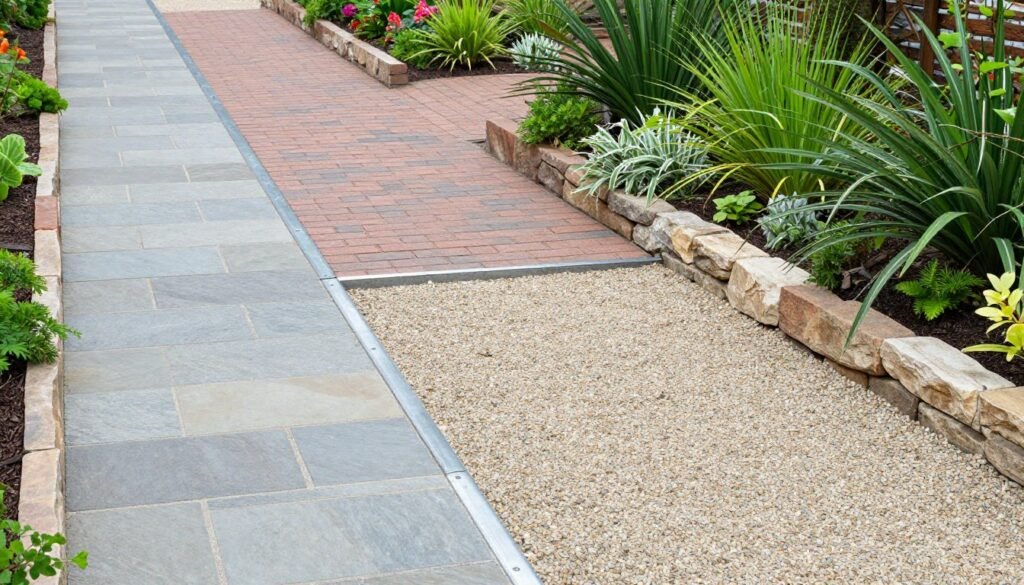
Pathways and Edging
Well-designed pathways direct traffic flow while adding visual appeal. Consider these materials based on your landscape style:
Pathway Materials
Flagstone or slate
Brick pavers
Concrete pavers
Gravel or decomposed granite
Mulch for informal woodland paths
Edging Options
Steel edging for clean, modern lines
Natural stone for traditional gardens
Brick for classic appeal
Concrete edging for durability
Low-growing plants as living edges
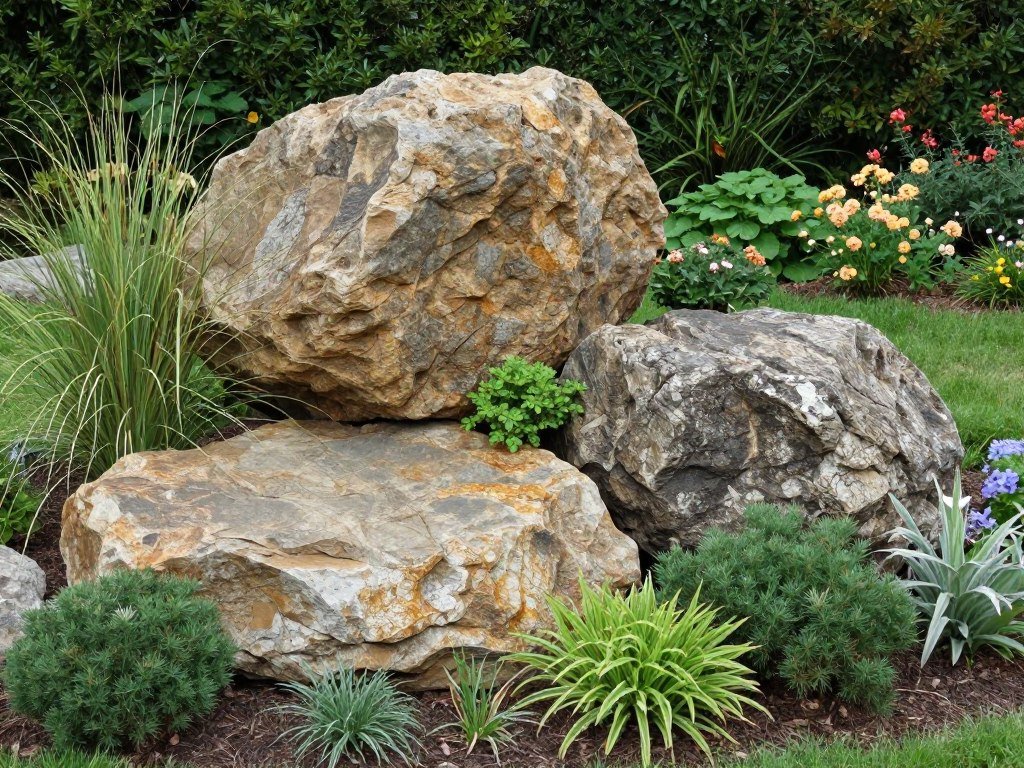
Decorative Rocks and Boulders
Strategic placement of rocks and boulders creates focal points, adds year-round structure, and complements plantings:
Specimen boulders: Large, distinctive rocks placed as focal points
Rock groupings: Clusters of 3-5 rocks of varying sizes create natural-looking arrangements
River rock: Smooth stones used as ground cover or in dry creek beds
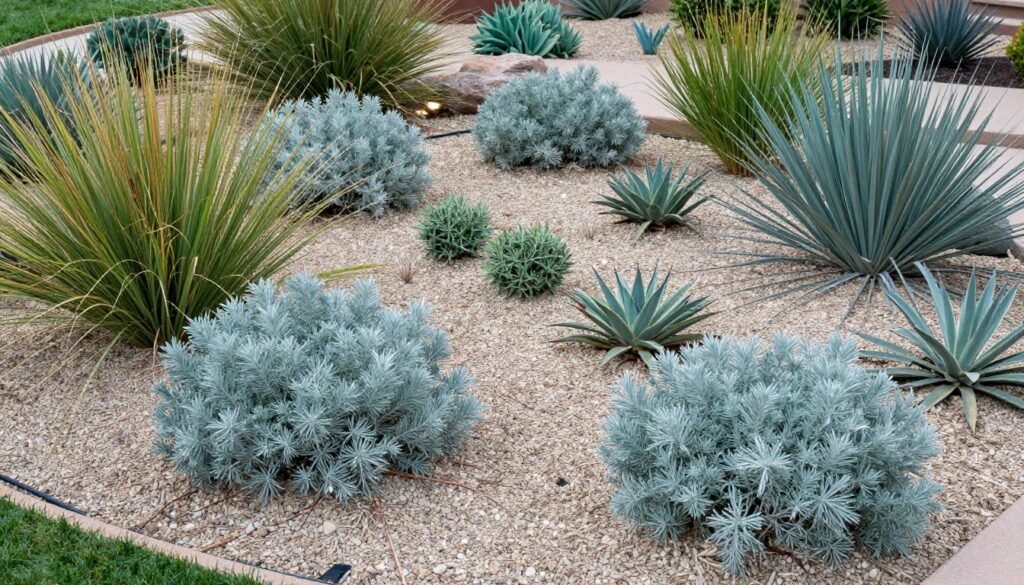
Gravel: Fine crushed stone for pathways or as mulch in drought-tolerant gardens
Define Your Landscape
Quality landscape edging creates clean lines and prevents grass from invading your garden beds while enhancing your overall design.
Low-Maintenance Landscaping Ideas for Busy Homeowners
Beautiful landscaping doesn’t have to require endless hours of maintenance. With smart design choices and appropriate plant selection, you can create an attractive landscape that looks great with minimal upkeep.
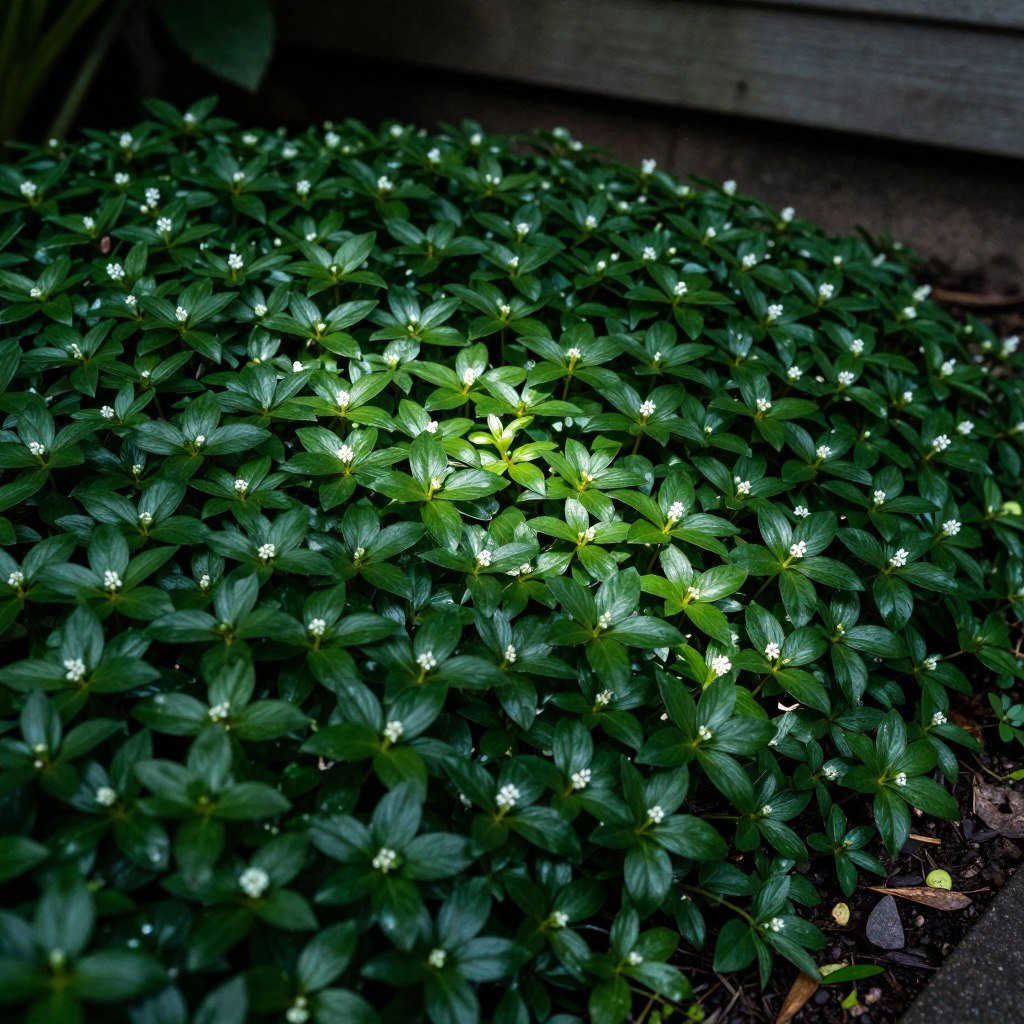
Ground Cover Options
Ground covers reduce maintenance by suppressing weeds, eliminating hard-to-mow areas, and adding visual interest:
Sun-Loving Ground Covers
Sedum (stonecrop)
Creeping thyme
Ornamental strawberry
Creeping juniper
Shade-Tolerant Ground Covers
Pachysandra
Vinca minor (periwinkle)
Sweet woodruff
Ajuga (bugleweed)
Ornamental Grasses
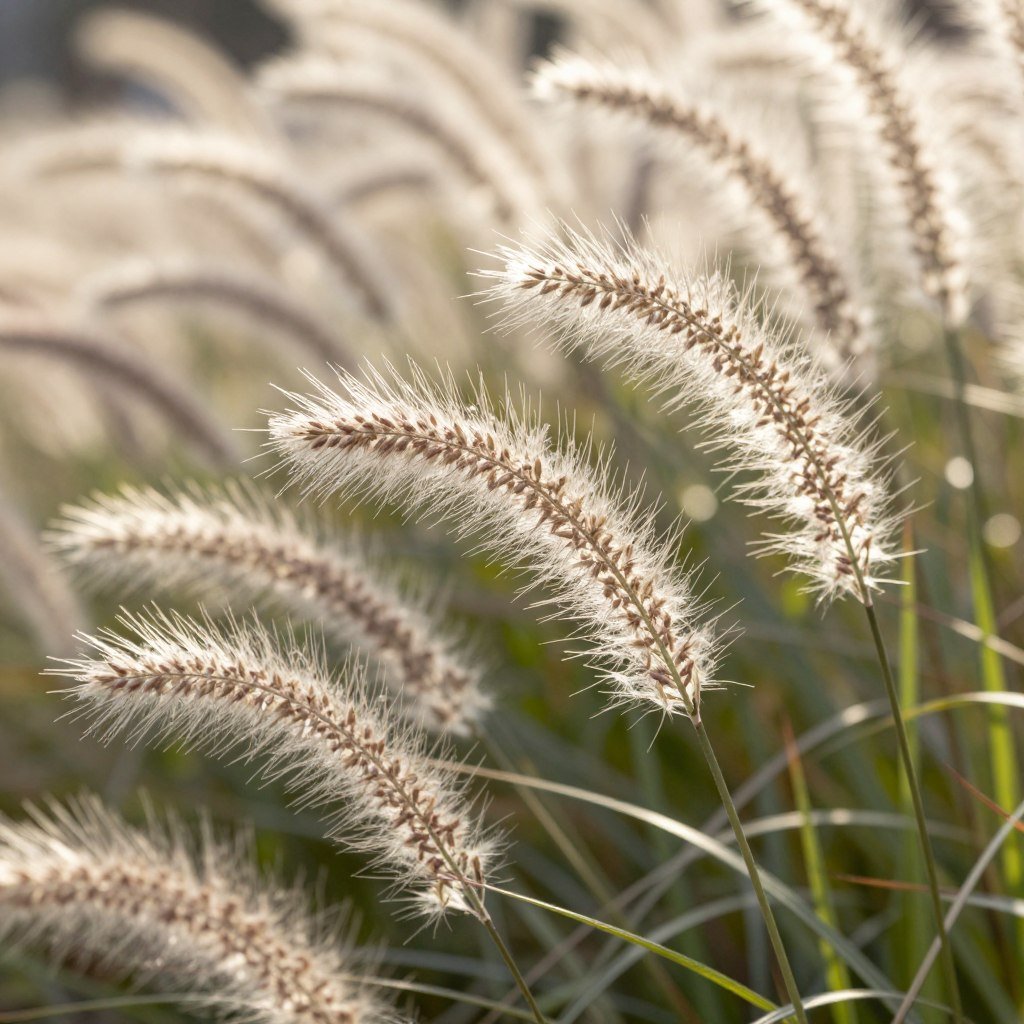
Fountain grass
Blue fescue
Japanese forest grass
Switchgrass
Mulching for Weed Suppression
Proper mulching reduces weeding, conserves moisture, and improves soil health:
Organic mulches: Wood chips, bark, pine straw, or compost (2-3 inches deep)
Inorganic mulches: River rock, gravel, or crushed stone (2-3 inches deep)
Mulch maintenance: Refresh organic mulches annually as they decompose
Mulch placement: Keep mulch 2-3 inches away from plant stems and tree trunks
Drought-Tolerant Landscaping
Xeriscaping principles help create attractive, water-efficient landscapes:
Plant selection: Choose native and adapted plants that thrive with minimal supplemental water
Hydrozoning: Group plants with similar water needs together
Soil improvement: Amend soil with compost to improve water retention
Efficient irrigation: Use drip irrigation or soaker hoses to deliver water directly to plant roots
Reduced lawn areas: Replace water-hungry grass with drought-tolerant ground covers or hardscape
Simplify Your Landscape Maintenance
The right tools make landscape maintenance quicker and easier, letting you enjoy your outdoor space with less work.
Creating Your Perfect Landscape: Putting It All Together
Landscaping around your house is both an art and a science. By understanding the principles of design, selecting appropriate plants for your conditions, and incorporating functional hardscape elements, you can create a beautiful landscape that enhances your home and reflects your personal style.
Final Tips for Success
Start small: Begin with one area and expand your landscape over time
Plan for growth: Consider the mature size of plants when placing them
Create a maintenance schedule: Regular, small tasks prevent overwhelming work later
Observe and adapt: Be willing to relocate plants that aren’t thriving or meeting your design goals
Enjoy the process: Landscaping is an ongoing journey that evolves with your home and lifestyle
Whether you’re starting from scratch or refreshing an existing landscape, the principles and ideas in this guide will help you create beautiful, functional outdoor spaces that enhance your home and provide enjoyment for years to come. Remember that the best landscapes evolve over time, so don’t be afraid to experiment, learn, and adapt as you develop your personal landscape style.
Ready to Transform Your Landscape?
Start with quality tools and supplies that make your landscaping projects easier and more successful.
A well-organized garage workshop is the foundation of productive DIY projects. Whether you’re a weekend woodworker or a serious craftsperson, transforming…