Cottage landscaping captures the essence of a bygone era—a time when gardens were personal, relaxed, and bursting with character. These charming spaces blend flowers, herbs, and decorative elements to create a sense of lived-in beauty that welcomes visitors and provides a peaceful retreat. Whether you have a sprawling yard or a modest space, cottage landscaping principles can transform your outdoor area into a romantic haven that feels both timeless and uniquely yours.
This Website contains affiliate links. That means I may earn a small commission if you purchase through my links, at no extra cost to you.
What Makes Cottage Landscaping So Appealing?
Cottage gardens originated as practical spaces where working-class families grew vegetables, herbs, and flowers for both beauty and utility. Today’s cottage landscaping preserves that informal charm while adapting to modern sensibilities. Unlike rigid formal gardens, cottage landscapes embrace a certain beautiful chaos—plants spill over pathways, flowers bloom in colorful profusion, and personal touches add whimsy at every turn.
A classic cottage landscape combines abundant plantings with natural pathways and restful seating areas
The appeal lies in the garden’s seemingly effortless beauty. Cottage landscaping forgives imperfection and celebrates natural growth patterns. It’s a style that improves with age as plants mature and spread, creating that coveted lived-in look that feels both established and welcoming.
Essential Design Principles for Cottage Landscaping
Creating a successful cottage landscape relies on understanding a few key principles that guide this garden style. While cottage gardens appear carefree, thoughtful planning helps achieve that perfect balance between charm and chaos.
Embrace Informal Layout and Curves
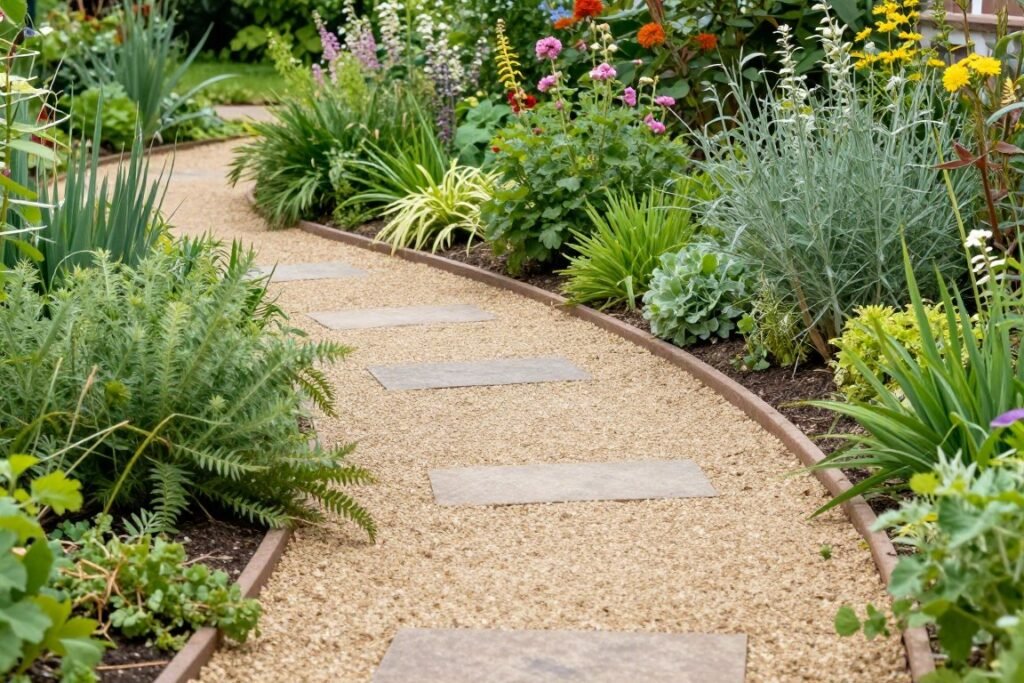
Straight lines and symmetry have no place in cottage landscaping. Instead, embrace gentle curves for pathways and bed edges. Allow plants to spill over boundaries and intermingle. This natural approach creates visual interest and encourages exploration through the garden.
Layer Plants by Height
Successful cottage landscapes create a tapestry effect by layering plants. Place taller specimens at the back of beds, medium-height plants in the middle, and low-growing varieties at the front. This creates depth and ensures all plants receive adequate sunlight while maintaining that characteristic fullness.
Combine plants with different leaf shapes, flower forms, and blooming periods. This ensures visual interest throughout the seasons and creates the rich tapestry effect that defines cottage landscaping. Include plants with varied growth habits—upright, mounding, and trailing—to enhance the layered look.
Essential Garden Planning Tools
Planning your cottage landscape? The right tools make all the difference. Consider a quality garden journal to track plantings and seasonal changes.
The heart of any cottage landscape is its abundant plantings. Traditional cottage gardens feature a mix of perennials, annuals, herbs, and flowering shrubs that create a season-long display. While English cottage gardens have their classic plant palette, American gardeners can adapt the style using plants suited to their local climate.
Flowering Perennials: The Backbone
Perennials form the foundation of cottage landscaping, returning year after year with increasing vigor. Include these cottage garden classics for reliable beauty:
Phlox (Phlox paniculata) – Fragrant summer blooms
Foxglove (Digitalis) – Dramatic vertical spires
Delphinium – Stunning blue, purple, or white spikes
Shrubs provide year-round structure and seasonal bursts of color in cottage landscaping. These varieties offer the informal, romantic look that suits the cottage style:
Hydrangea – Especially mophead and lacecap varieties
Lilac – Fragrant spring blooms with nostalgic appeal
Rose of Sharon (Hibiscus syriacus) – Late summer flowers
Viburnum – Beautiful flowers, berries, and fall color
Boxwood – For subtle evergreen structure (use sparingly)
Self-Sowing Annuals: The Cottage Garden Magic
Part of the cottage garden charm comes from plants that self-seed, creating surprising and delightful combinations each year. Welcome these enthusiastic self-sowers:
Larkspur – Tall spires in blue, pink, and white
Nigella (Love-in-a-mist) – Delicate blue flowers with feathery foliage
California poppy – Drought-tolerant with silky blooms
Forget-me-not – Clouds of tiny blue flowers in spring
Calendula – Bright orange or yellow daisy-like flowers
Hardscaping Elements for Cottage Landscaping
While plants are the stars of cottage landscaping, hardscaping elements provide essential structure and functionality. The right materials and features enhance the garden’s charm while making it more usable and accessible.
Pathways: Inviting Exploration
Pathways in cottage landscapes should feel natural and slightly weathered. Avoid rigid, straight paths in favor of gently curving routes that invite wandering and discovery. Consider these materials:
Flagstone – Natural, irregular pieces with plants growing between
Gravel – Informal and permeable with a pleasant crunching sound
Stepping stones – Placed with enough space for low plants between
Brick – Laid in casual patterns with moss allowed to grow between
Create Charming Garden Pathways
The right stepping stones can transform your garden into a storybook cottage landscape. Find natural-looking options that weather beautifully.
Enclosures create a sense of intimacy in cottage landscaping while providing support for climbing plants. The best options have a handcrafted, timeworn quality:
Picket fence – The classic cottage garden boundary
Rustic wooden gates – Creating a sense of discovery
Wattle fencing – Woven branches for a truly rustic look
Iron fencing – Especially with an aged patina
Seating Areas: Places to Pause
Every cottage landscape needs places to sit and enjoy the garden’s beauty. Position seating where you can appreciate favorite views or fragrant plantings:
Weathered wooden bench – Positioned along a pathway
Small patio – Created with reclaimed brick or flagstone
Bistro set – Tucked into a garden corner
Adirondack chairs – Casual seating for larger spaces
Perfect Garden Seating
A weathered bench creates an instant focal point in your cottage landscape. Find one that will age beautifully with your garden.
Decorative Elements That Enhance Cottage Landscaping
The finishing touches in cottage landscaping come from decorative elements that reflect personal style and enhance the garden’s charm. These accents should appear collected over time rather than purchased as a matching set.
Water Features: Soothing Sounds
Water brings life and movement to cottage landscapes. Choose features with an aged, established appearance:
Bird bath – Simple stone or concrete designs
Small fountain – Especially those resembling natural springs
Miniature pond – With water plants and perhaps goldfish
Garden Art: Personal Expressions
Artistic elements add personality to cottage landscaping. Look for pieces with character and patina:
Weathered obelisks – Supporting climbing plants
Antique garden tools – Displayed as art
Concrete or stone statuary – With an aged finish
Repurposed items – Old wheelbarrows as planters, etc.
Add Vintage Charm
Vintage-inspired garden decor adds instant character to your cottage landscape. Find pieces that look like they’ve been in your garden for generations.
Containers add flexibility and additional planting opportunities in cottage landscaping. Choose pots with character:
Terracotta pots – Especially those with moss and patina
Galvanized buckets – For an informal farmhouse feel
Wooden half-barrels – Substantial enough for small shrubs
Vintage containers – Old watering cans, toolboxes, etc.
Maintaining Year-Round Interest in Cottage Landscaping
A thoughtfully designed cottage landscape offers beauty in every season. Consider how your garden will transition through the year and incorporate elements that shine in different seasons.
Spring: Awakening Beauty
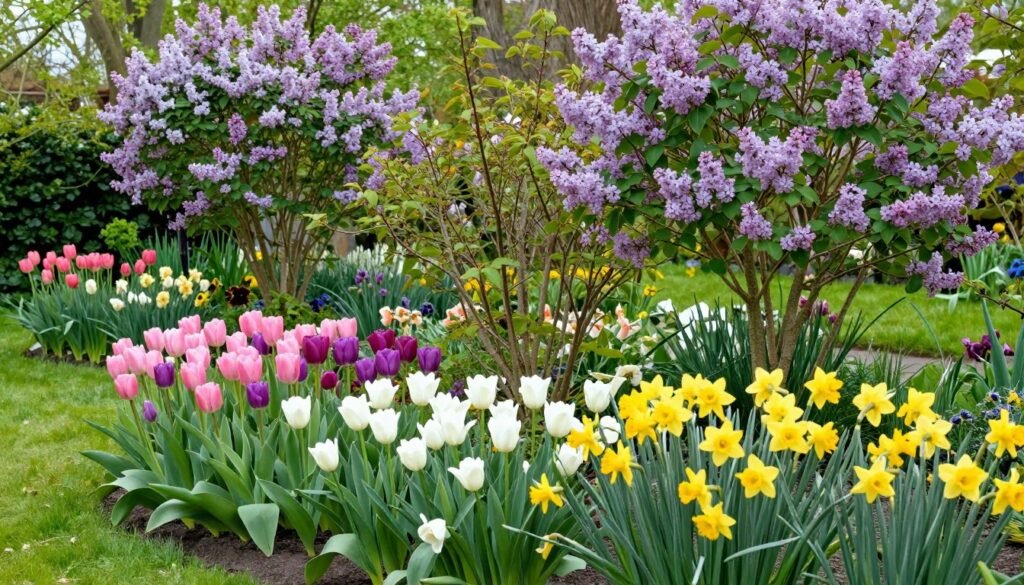
Spring is the cottage garden’s first glory moment. Ensure your landscape includes:
Spring-flowering bulbs – Daffodils, tulips, and grape hyacinths
Flowering shrubs – Lilacs, viburnums, and early roses
Spring perennials – Columbines, bleeding hearts, and primroses
Summer: Peak Abundance
Summer is when cottage landscaping reaches its fullest expression:
Summer perennials – Phlox, coneflowers, and daylilies
Climbing roses – In full bloom on trellises and fences
Herbs – Lavender, sage, and thyme adding fragrance
Self-sowing annuals – Filling gaps with unexpected color
Fall: Rich Transitions
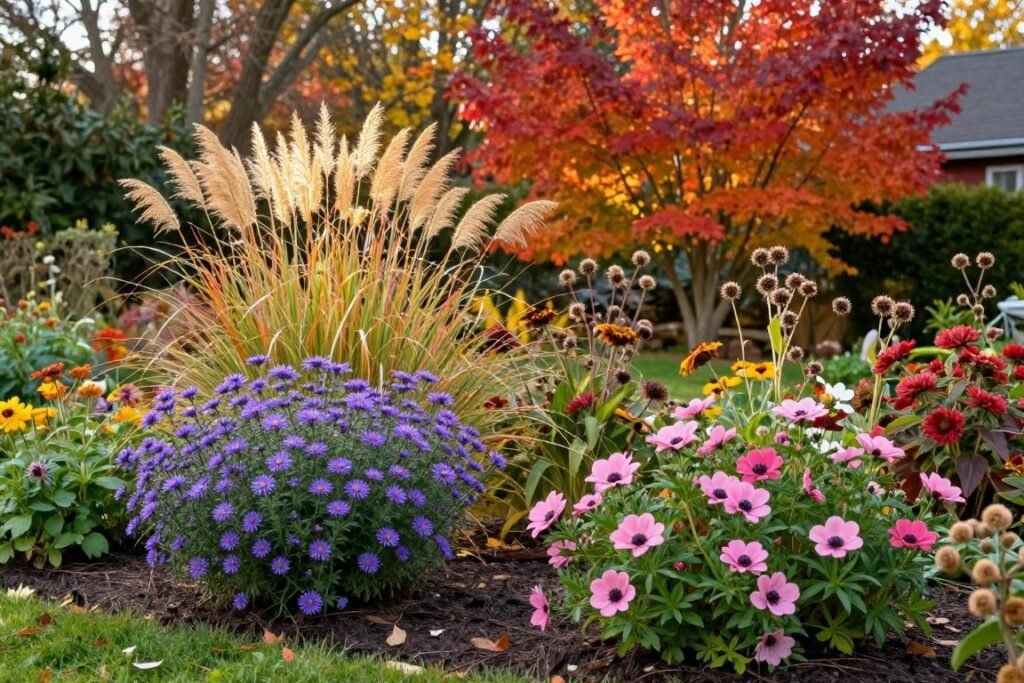
Extend your cottage landscape’s beauty into autumn with:
Late-blooming perennials – Asters, sedums, and Japanese anemones
Ornamental grasses – Adding movement and texture
Shrubs with fall color – Viburnums, fothergilla, and witch hazel
Seedheads – Left standing for visual interest and wildlife
Winter: Structural Beauty
Even in winter, cottage landscaping can maintain interest through:
Evergreen elements – Boxwoods, hollies, and conifers
Structural features – Trellises, obelisks, and garden art
Plants with winter interest – Those with interesting bark or seedheads
The cottage garden aesthetic can be adapted to any climate by embracing regional plants and materials. This creates a more sustainable landscape that truly belongs in its setting.
Dry Climate Adaptations
In arid regions, create water-wise cottage landscaping by:
Using drought-tolerant perennials – Salvias, yarrow, and Russian sage
Incorporating native plants – Those adapted to local rainfall patterns
Adding more hardscaping – Gravel paths and stone features
Grouping plants by water needs – Creating hydrozones
Coastal Adaptations
For seaside cottage landscapes, consider:
Salt-tolerant plants – Rosa rugosa, beach roses, and ornamental grasses
Windbreaks – Low hedges or fences to protect delicate plants
Coastal materials – Weathered wood, shells, and beach stones
Relaxed, windswept aesthetic – Embracing the natural coastal feel
Urban Adaptations
City dwellers can create cottage landscapes by:
Utilizing vertical space – Wall-mounted planters and climbers
Creating container gardens – On patios, balconies, or rooftops
Focusing on scale – Choosing appropriate-sized plants
Adding privacy elements – Trellises with vines or tall perennials
Getting Started With Your Cottage Landscaping Project
Creating your own cottage landscape can feel overwhelming, but breaking it down into manageable steps makes the process enjoyable. Here’s how to begin your cottage gardening journey:
Start Small and Expand
Begin with a single area—perhaps near your front door or a section of your backyard. Master the cottage style in this smaller space before expanding to other areas. This approach allows you to learn what works in your specific conditions.
Prepare Your Soil
Cottage gardens thrive in rich, well-draining soil. Before planting, amend your soil with compost and organic matter. This initial investment pays dividends in plant health and vigor for years to come.
Soil Success
Quality soil amendments are the foundation of a thriving cottage landscape. Find organic options to give your plants the best start.
Begin with a few key perennials and shrubs that provide structure throughout the seasons. These anchor plants form the backbone of your cottage landscape, with other elements filling in around them.
Add Paths and Hardscaping Early
Install paths and hardscaping elements before adding most plants. This prevents damage to established plantings and helps define the garden’s structure from the beginning.
Plant in Phases
Add plants in stages, starting with larger shrubs and perennials, then filling in with smaller perennials and finally annuals. This phased approach makes the project more manageable and allows you to adjust as you go.
Embracing the Cottage Landscaping Journey
Cottage landscaping is more than just a garden style—it’s an approach to outdoor living that celebrates abundance, personal expression, and connection with nature. Unlike more formal garden styles that strive for perfection, cottage gardens improve with age and welcome a certain beautiful imperfection.
As your cottage landscape matures, it will develop its own character, reflecting both your personal style and the natural conditions of your site. The most successful cottage gardens evolve over time, with plants self-seeding, perennials expanding, and the overall composition becoming richer and more complex.
Remember that the true essence of cottage landscaping lies in creating a space that feels welcoming, lived-in, and deeply personal. Whether you’re transforming a small urban yard or a sprawling country property, the cottage garden principles of abundance, informality, and charm can guide you to create a landscape that brings joy in every season.
Start Your Cottage Garden Today
Ready to transform your yard into a charming cottage landscape? Find inspiration and supplies to begin your garden journey.