Creating a beautiful landscape doesn’t require professional help or a massive budget. With some planning, creativity, and elbow grease, you can transform your outdoor space into a stunning retreat that reflects your personal style. Whether you’re looking to revamp your entire yard or just add a few decorative touches, DIY landscaping offers a rewarding way to enhance your home’s curb appeal and create an outdoor oasis you’ll love spending time in.
This Website contains affiliate links. That means I may earn a small commission if you purchase through my links, at no extra cost to you.
In this comprehensive guide, we’ll walk through everything you need to know about DIY landscaping projects – from initial planning to execution and maintenance. We’ll cover budget-friendly ideas, essential tools, and step-by-step techniques that will help you achieve professional-looking results on your own.
Planning Your DIY Landscaping Project
Before grabbing a shovel or buying plants, taking time to plan your landscape will save you countless headaches and ensure better results. A thoughtful approach to DIY landscaping starts with understanding your space and envisioning what you want to achieve.
Assess Your Space and Needs
Start by taking a good look at your yard. Note the sun patterns, drainage issues, and existing features you want to keep. Consider how you use your outdoor space – do you need a play area for kids, a vegetable garden, or a peaceful retreat? Understanding your needs will guide your design decisions.
Create a Scale Drawing
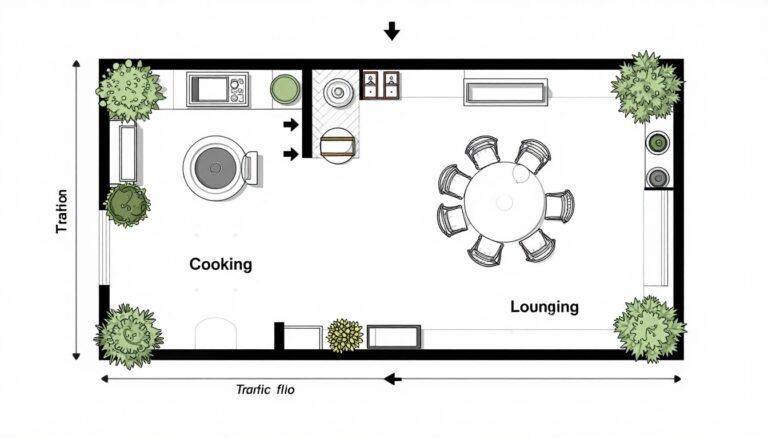
Using graph paper, create a scale drawing of your property. Each square can represent one square foot. Include your home’s footprint, existing trees, utility lines, and other permanent features. This will become your canvas for planning your landscape design.
Having a map of your intended designs with plantings and plots will help you visualize what should go where and bring your vision to fruition. It’s also a handy guide to keep nearby when you’re planting.
Segment your landscape into manageable portions – the yard, flowerbeds, garden, patio, etc. Defined areas create visual interest and make the DIY landscaping process easier to manage. Consider how these areas will flow together and create transitions between spaces.
When creating these defined spaces, establish and maintain clear borders. Edging draws the eye to different locations, keeps things looking tidy, and allows you to add style with your choice of materials.
Ready to Start Planning?
Get the essential planning tools you’ll need for your DIY landscaping project. Quality measuring tape, graph paper, and colored pencils will help you create an accurate and useful landscape plan.
Having the right tools makes DIY landscaping projects much easier and more enjoyable. You don’t need to buy everything at once – start with the basics and add specialized tools as your projects require them.
Digging Tools
Round-point shovel for digging
Garden spade for edging
Garden fork for turning soil
Hand trowel for planting
Cutting & Pruning Tools
Pruning shears for small branches
Loppers for thicker branches
Hedge shears for formal hedges
Pruning saw for larger limbs
Maintenance Tools
Leaf rake for cleanup
Garden hose with adjustable nozzle
Wheelbarrow for moving materials
Garden gloves for protection
Quality tools are worth the investment as they’ll last longer and make your work easier. Look for tools with comfortable grips and durable construction. Proper maintenance, like cleaning and sharpening, will extend their life.
Get Equipped for Success
Find durable, high-quality landscaping tools that will make your DIY projects easier and more efficient.
Creating a beautiful landscape doesn’t have to break the bank. With some creativity and smart planning, you can achieve impressive results without spending a fortune.
Smart Plant Shopping
Look for plants that are big enough at the base that you can split them into two when planting. This works well with perennials like daylilies and hostas. Buy the smallest version available of shrubs and trees – they cost much less and will catch up to their larger counterparts within a couple of years.
Visit local plant swaps or ask friends and neighbors if they have plants they’re dividing. Many gardeners are happy to share excess plants rather than throw them away.
DIY Hardscaping
Create pathways using inexpensive materials like gravel, mulch, or stepping stones. Edge your beds with rocks collected from your property or inexpensive brick pavers. Build raised beds using reclaimed wood or concrete blocks.
Consider repurposing items you already have – an old ladder can become a plant stand, and broken concrete can be used to create a mosaic patio or retaining wall.
“Don’t let the fear of not knowing what to do keep you from creating an outdoor space you can be proud of. Just get out there and go for it! You will learn so much along the way.”
Phased Approach
You don’t have to complete your entire landscape at once. Work in sections, finishing one area before moving to the next. This allows you to spread the cost over time and learn from each phase of your project.
Create Beautiful Borders on a Budget
Find affordable edging materials to define your garden spaces and create a polished look.
Proper planting techniques are crucial for the long-term success of your landscape. Even the most beautiful design will fail if plants aren’t installed correctly.
Choosing the Right Plants
Select plants that are suited to your climate zone and the specific conditions in your yard. Consider sun exposure, soil type, and moisture levels. Group plants with similar needs together to make maintenance easier.
Pro Tip: Make sure that plants you’re planting together will all do well with the same amount of water and sun. This makes maintenance much easier and ensures all your plants will thrive.
Proper Planting Steps
Dig a hole twice as wide as the root ball but only as deep as the root ball height
Gently remove the plant from its container and loosen the roots if they’re circling
Place the plant in the hole so the top of the root ball is level with or slightly above the soil surface
Backfill with the original soil, tamping gently to remove air pockets
Create a slight basin around the plant to hold water
Water thoroughly after planting
Apply 2-3 inches of mulch, keeping it away from the plant stems
Be careful not to plant too deep or you will smother the roots! When all of your plants are planted, cover with 3-4 inches of mulch to inhibit weed growth, help retain moisture, and keep the soil cool.
Get Your Garden Growing
Find quality mulch, soil amendments, and plant food to give your new landscape the best start.
Ready to get your hands dirty? These DIY landscaping projects are perfect for beginners and will make a big impact on your outdoor space.
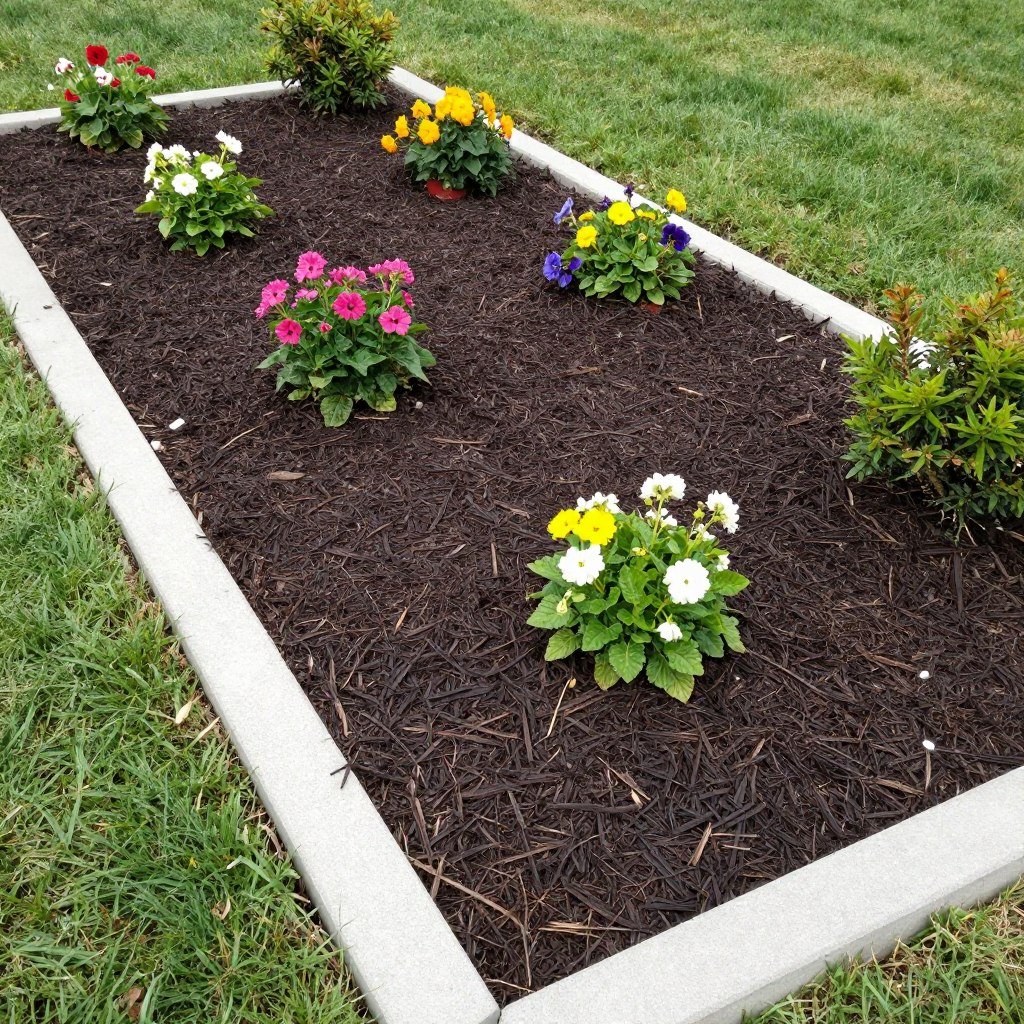
1. Create a Mulched Planting Bed
Transform a patch of lawn into a beautiful planting bed using the newspaper method. Layer 8-10 sheets of newspaper over the grass, wet it down, and cover with 10-12 inches of topsoil and compost. This eliminates the need to dig up the grass and provides perfect drainage for your plants.
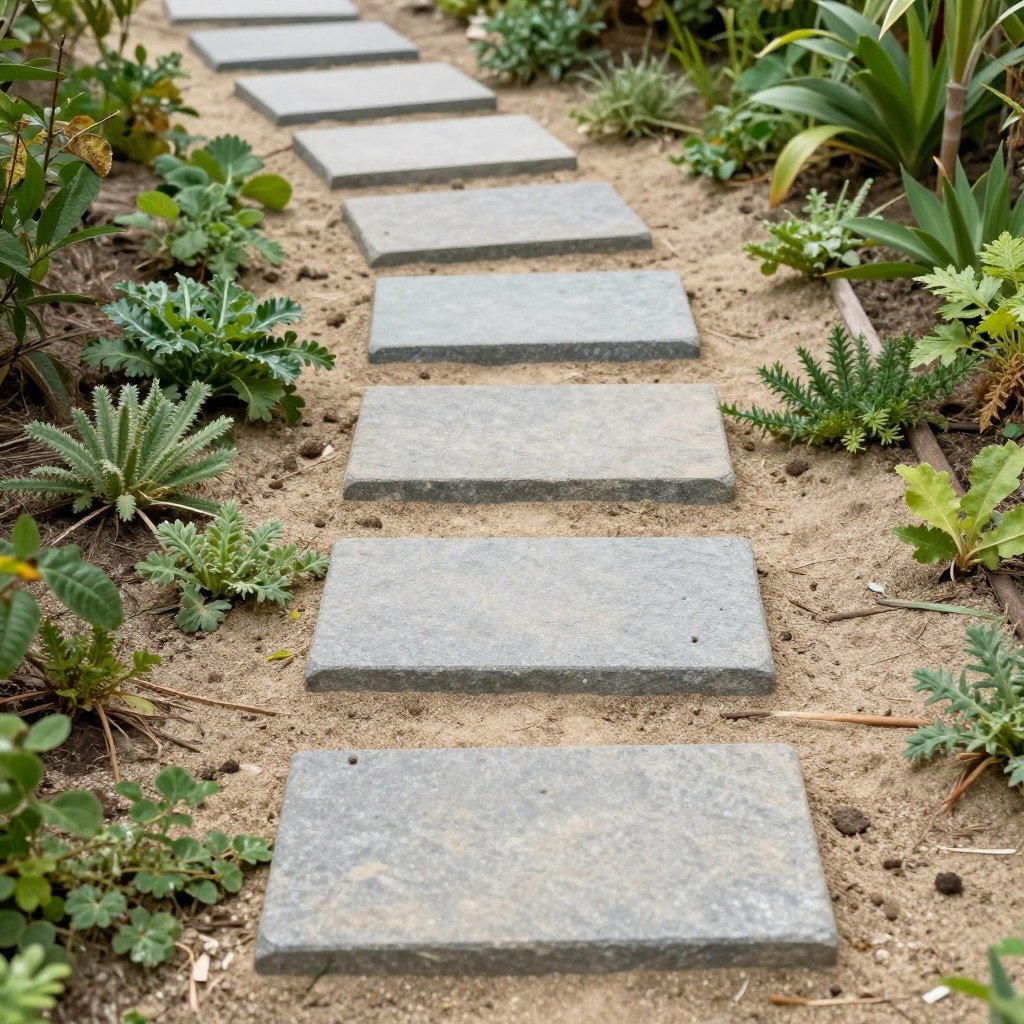
2. Install a Stepping Stone Path
Create a charming pathway using stepping stones. Mark your path with flour or spray paint, dig shallow depressions for each stone, add a layer of sand for drainage, place the stones, and fill the gaps with gravel or plant ground cover between them for a finished look.
3. Build a Simple Fire Pit
A fire pit creates a natural gathering spot. Choose a safe location away from structures and overhanging trees. Dig a shallow depression, add a layer of gravel for drainage, and arrange fire-rated stones or bricks in a circle. Surround with comfortable seating for an instant outdoor room.
4. Create a Rock Garden
Rock gardens are perfect for sloped areas or spots where grass won’t grow. Start with a layer of landscape fabric to prevent weeds, arrange rocks of various sizes in a natural-looking pattern, and add drought-tolerant plants between the rocks. Finish with gravel or small stones to fill gaps.
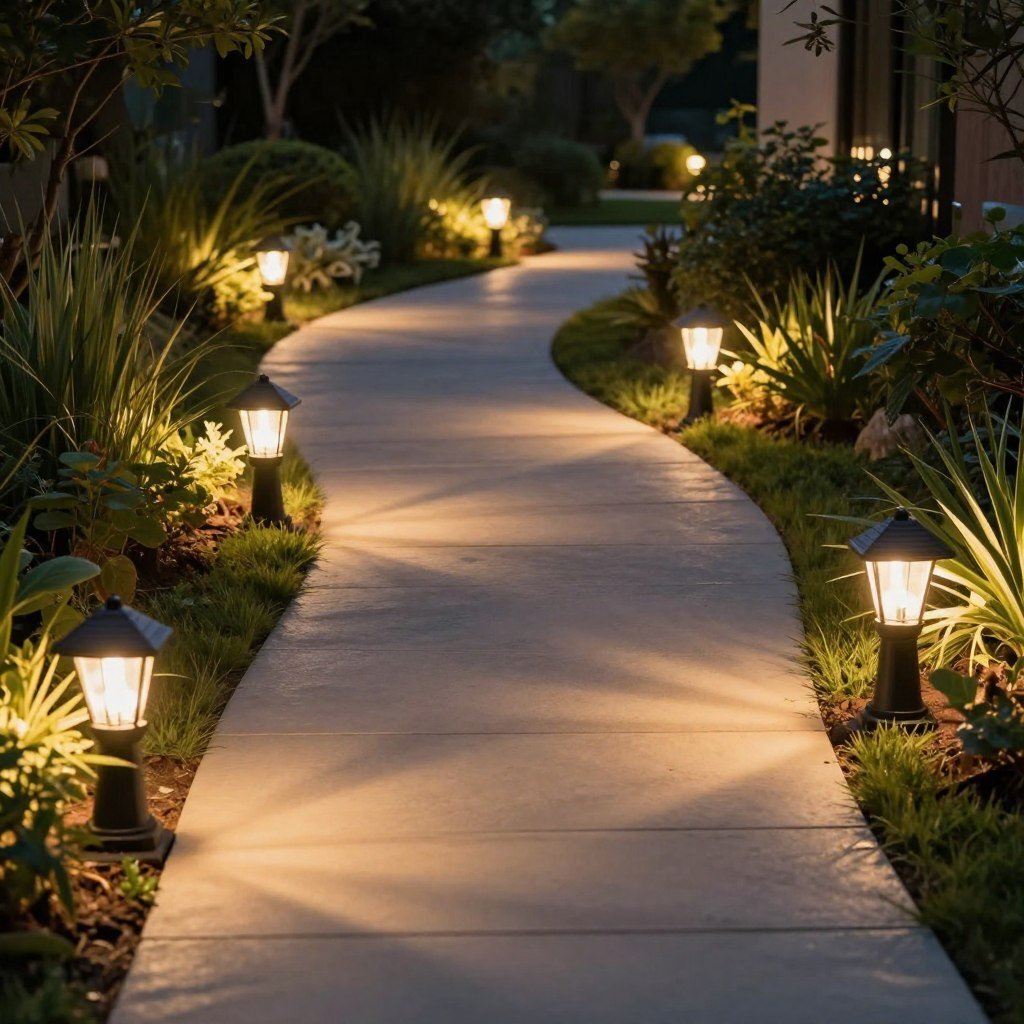
5. Install Landscape Lighting
Solar landscape lights are easy to install and add both safety and ambiance to your yard. Place lights along pathways, near steps, and to highlight special features in your landscape. No wiring is needed – just push the stakes into the ground where they’ll receive adequate sunlight.
Light Up Your Landscape
Discover easy-to-install solar lighting options that will enhance your outdoor space day and night.
Creating a beautiful landscape is just the beginning – proper maintenance keeps it looking its best year after year. Establishing good maintenance routines will protect your investment of time and money.
Seasonal Maintenance Calendar
Season
Tasks
Focus Areas
Spring
Prune, fertilize, mulch, plant annuals
Bed preparation, early weed control
Summer
Water, deadhead flowers, monitor for pests
Consistent watering, pest management
Fall
Clean up leaves, plant bulbs, protect tender plants
Winter preparation, bulb planting
Winter
Prune dormant trees, plan next year’s projects
Structural pruning, design planning
Watering Tips
Proper watering is crucial for plant health. Water deeply but infrequently to encourage deep root growth. Morning watering is best as it reduces evaporation and fungal disease risk. Consider installing a simple drip irrigation system for efficient watering.
Water-Saving Tip: Group plants with similar water needs together in your landscape. This practice, called hydrozoning, allows you to water more efficiently and prevents both over and under-watering.
Weed Management
Regular weeding prevents small problems from becoming big ones. Pull weeds when the soil is moist, being sure to remove the entire root. A 3-4 inch layer of mulch significantly reduces weed growth while conserving soil moisture.
Make Maintenance Easier
Find time-saving tools and supplies that will help you maintain your beautiful landscape with less effort.
DIY landscaping is a rewarding journey that transforms not just your outdoor space, but also provides a sense of accomplishment and connection to your home. Remember that your landscape will evolve over time – plants will grow, your skills will improve, and your vision may change.
Don’t be afraid to experiment and learn as you go. Each project builds your confidence and expertise. Start small, celebrate your successes, and don’t get discouraged by occasional failures – they’re valuable learning experiences.
Whether you’re creating curb appeal, a backyard retreat, or a productive garden, your DIY landscape is an extension of your home and personality. Enjoy the process of creating and nurturing your outdoor space, and take pride in what you accomplish with your own two hands.
Ready to Start Your DIY Landscaping Project?
Find everything you need to begin transforming your outdoor space today.
A well-organized garage transforms your home’s functionality, creating space for vehicles while keeping tools, sports equipment, and seasonal items accessible. The…