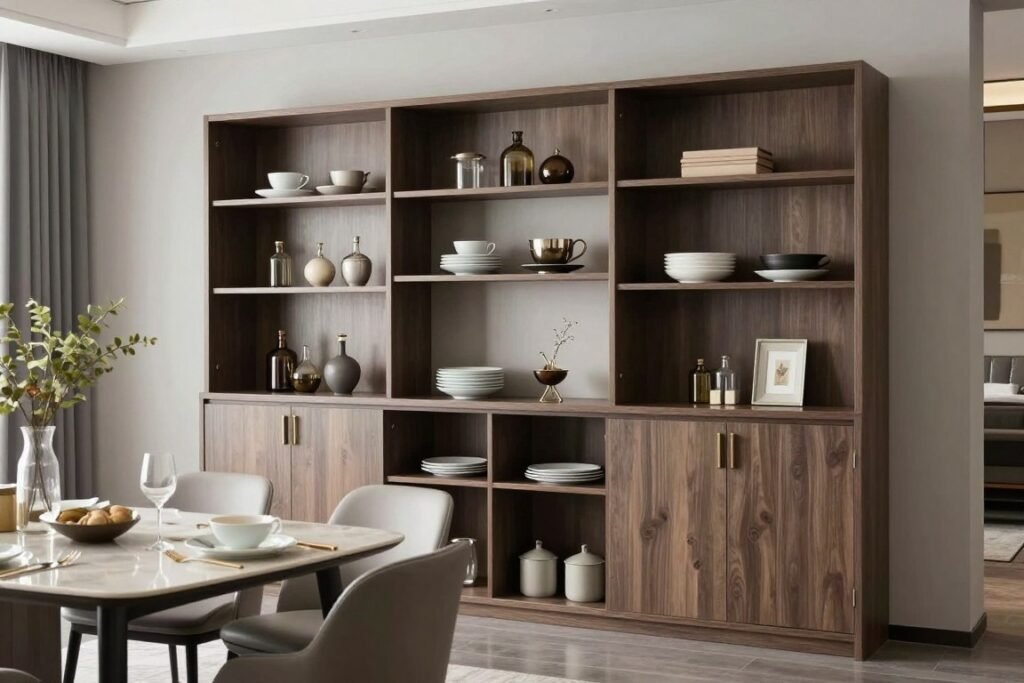
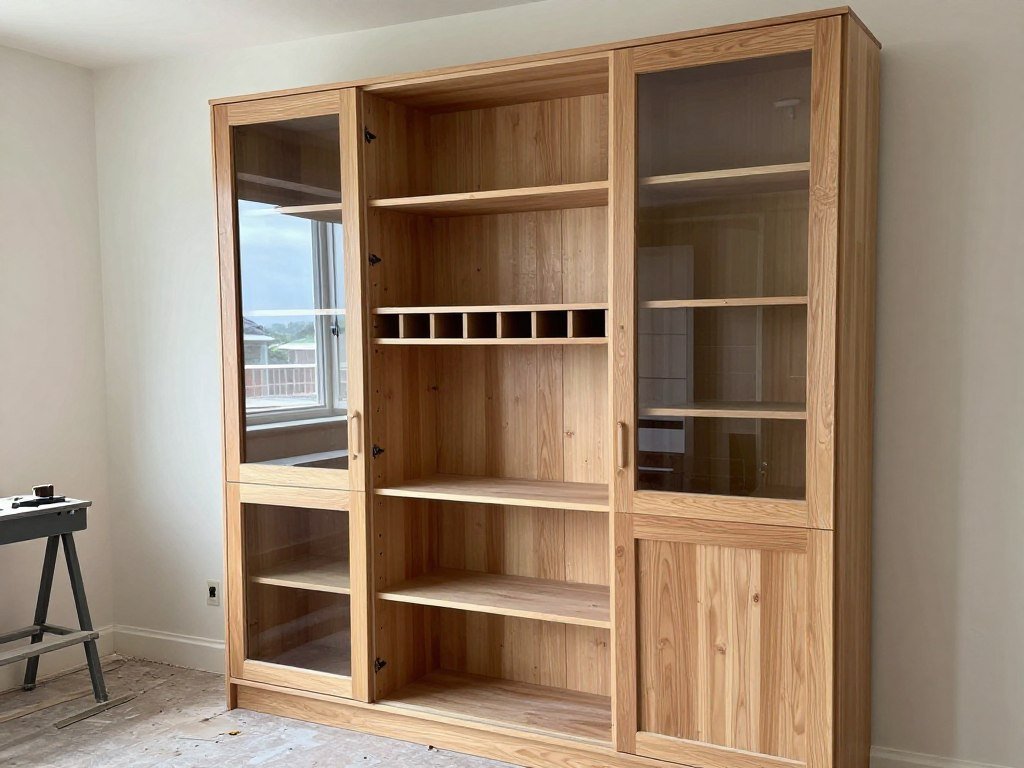
A dining room hutch is more than just a storage piece—it’s a statement furniture item that combines functionality with style. Whether you’re looking to display cherished china, store dining essentials, or create a focal point in your dining space, the right hutch can transform your room. This comprehensive guide explores everything from classic designs to modern interpretations, helping you find the perfect dining room hutch for your home.
This Website contains affiliate links. That means I may earn a small commission if you purchase through my links, at no extra cost to you.
The Rich History and Purpose of Dining Room Hutches
Dating back to the late 17th century, hutches originated as practical furniture pieces in European households. Initially known as “dressers” in England or “vaisselier” in France, these pieces served as workstations for food preparation before evolving into display cabinets for the home’s finest dishware and serving pieces.
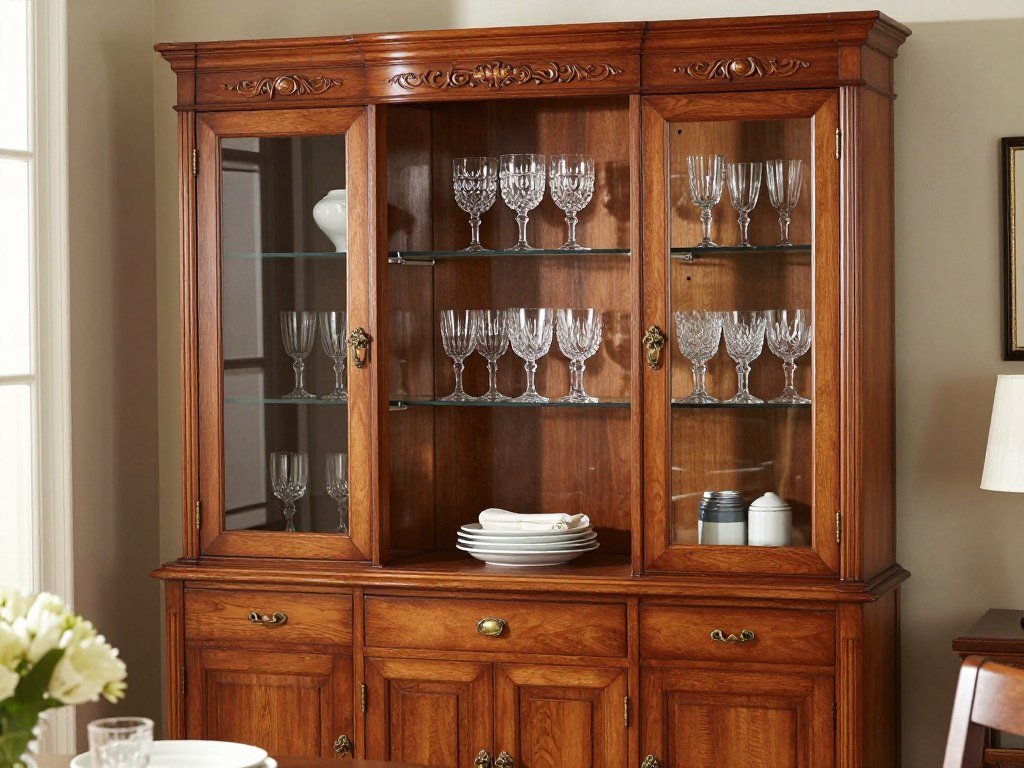
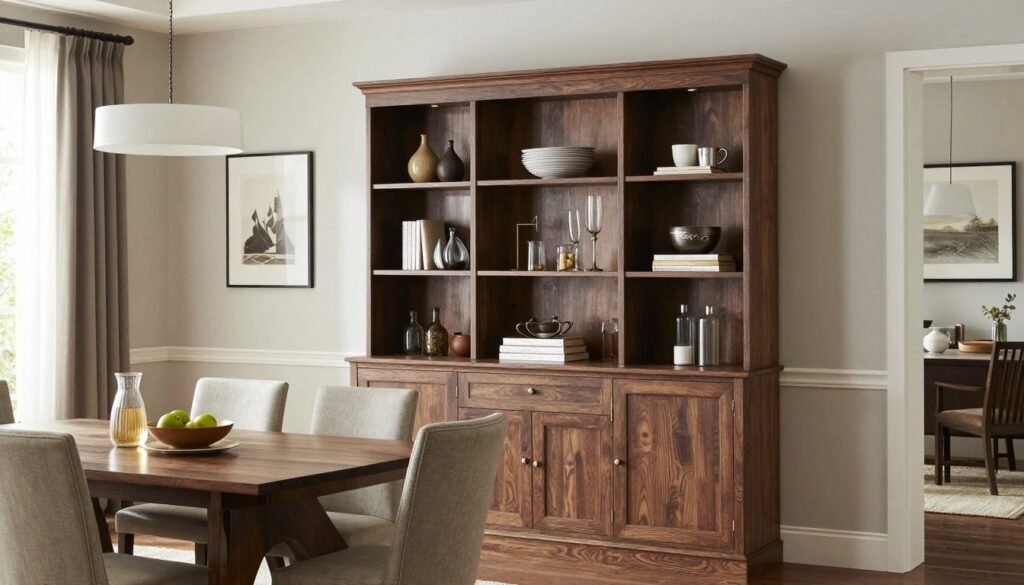
The traditional dining room hutch typically features a two-piece design: a lower cabinet section (buffet or sideboard) providing closed storage, and an upper section with shelving, often behind glass doors. This design brilliantly combines practicality with presentation, allowing families to store everyday items while showcasing their most treasured possessions.
Throughout history, hutches have reflected the prevailing design aesthetics of their era—from ornately carved Victorian pieces to streamlined Mid-Century Modern interpretations. Today’s dining room hutches continue this tradition while adapting to contemporary needs, often incorporating features like wine storage, lighting, and specialized compartments.
The primary purposes of a dining room hutch remain consistent across generations:
Storage for dining essentials like dinnerware, flatware, and linens
Display space for fine china, collectibles, and decorative items
Serving surface for buffet-style meals and entertaining
Visual anchor that defines the dining area’s style and atmosphere
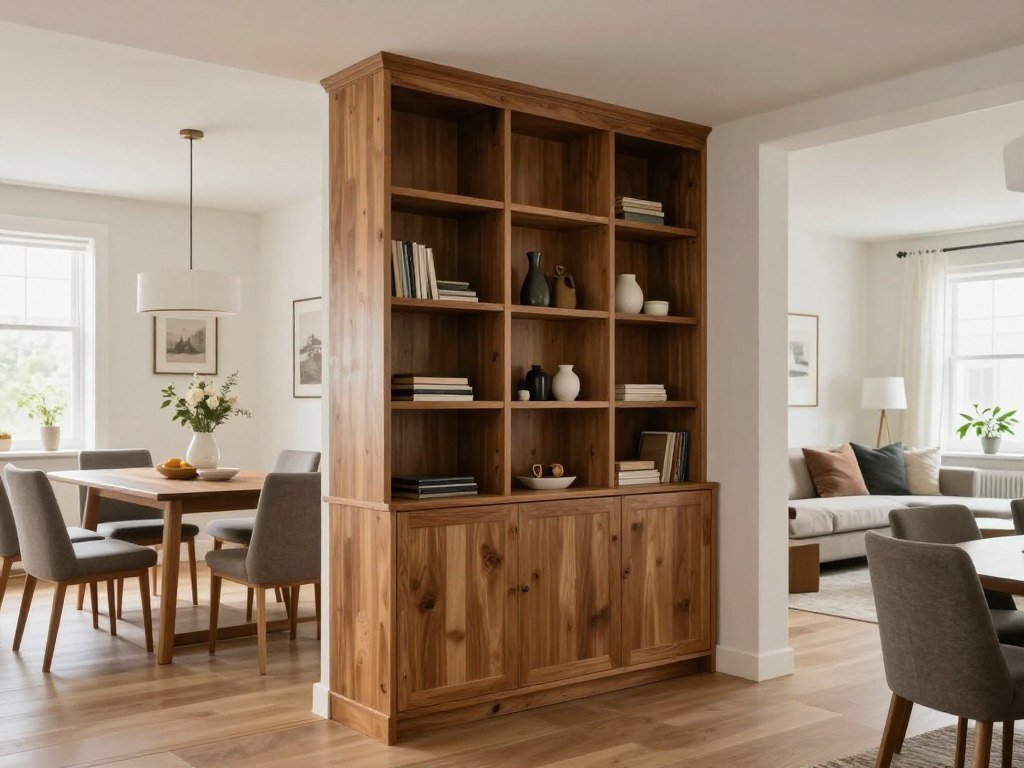
As homes have evolved, so too has the role of the hutch. In today’s open-concept living spaces, a well-chosen hutch can serve as a room divider, creating visual separation between dining and living areas while maintaining an open feel.
The style of your dining room hutch sets the tone for your entire dining space. From rustic farmhouse charm to sleek contemporary designs, there’s a hutch style to complement every interior aesthetic.
Farmhouse Hutches: Rustic Charm and Warmth
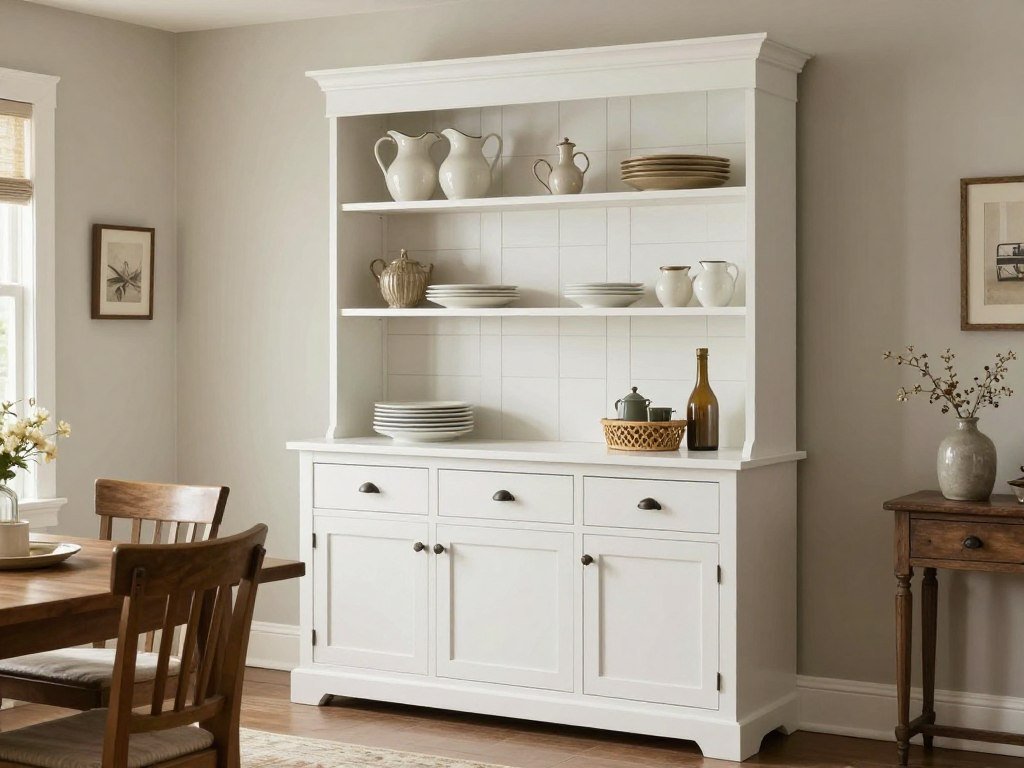
Farmhouse hutches embody rustic charm with their unpretentious design and focus on functionality. Typically featuring painted finishes (often in white or cream), these pieces often incorporate details like beadboard backing, shiplap elements, and simple hardware. The farmhouse style emphasizes a lived-in, comfortable aesthetic that welcomes family gatherings.
Traditional hutches draw inspiration from historical furniture styles, offering timeless elegance and refined craftsmanship. Often crafted from rich hardwoods like cherry, mahogany, or walnut, these pieces feature architectural details that reference classical design elements.
Modern and Contemporary Hutches: Sleek Sophistication
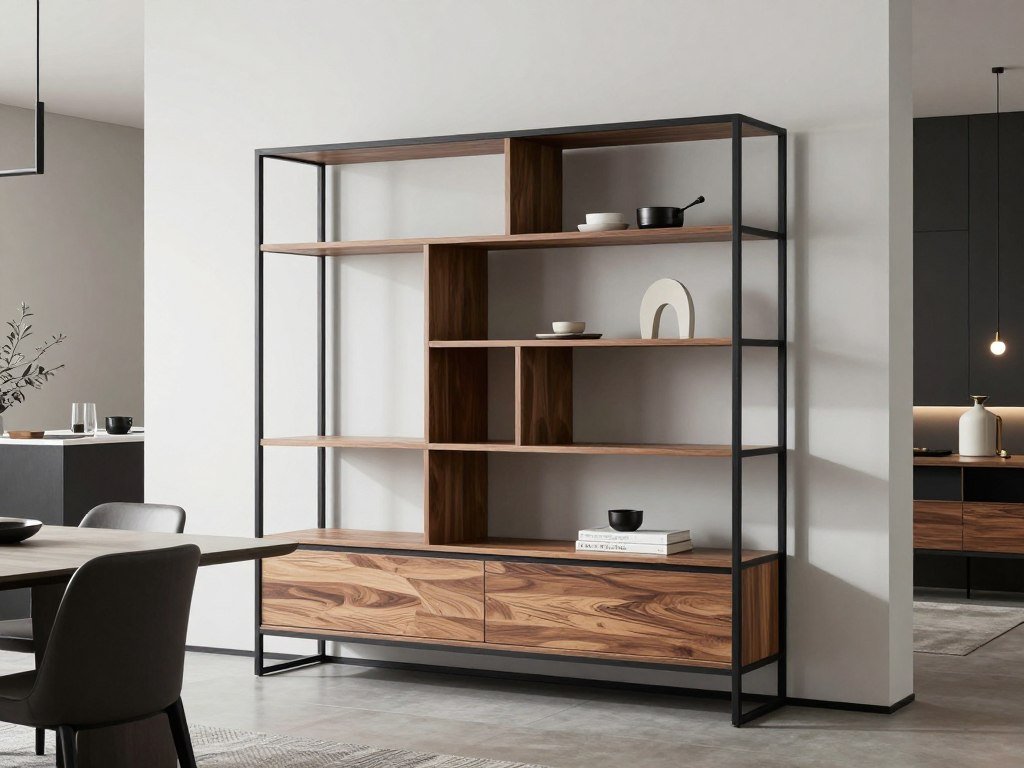
Modern and contemporary hutches embrace clean lines, minimalist aesthetics, and innovative materials. These pieces often feature a mix of materials—glass, metal, engineered woods, and high-gloss finishes—creating visual interest through contrast rather than ornate details.
Look for these contemporary elements:
Geometric forms and asymmetrical designs
Mixed material construction (wood with metal or glass)
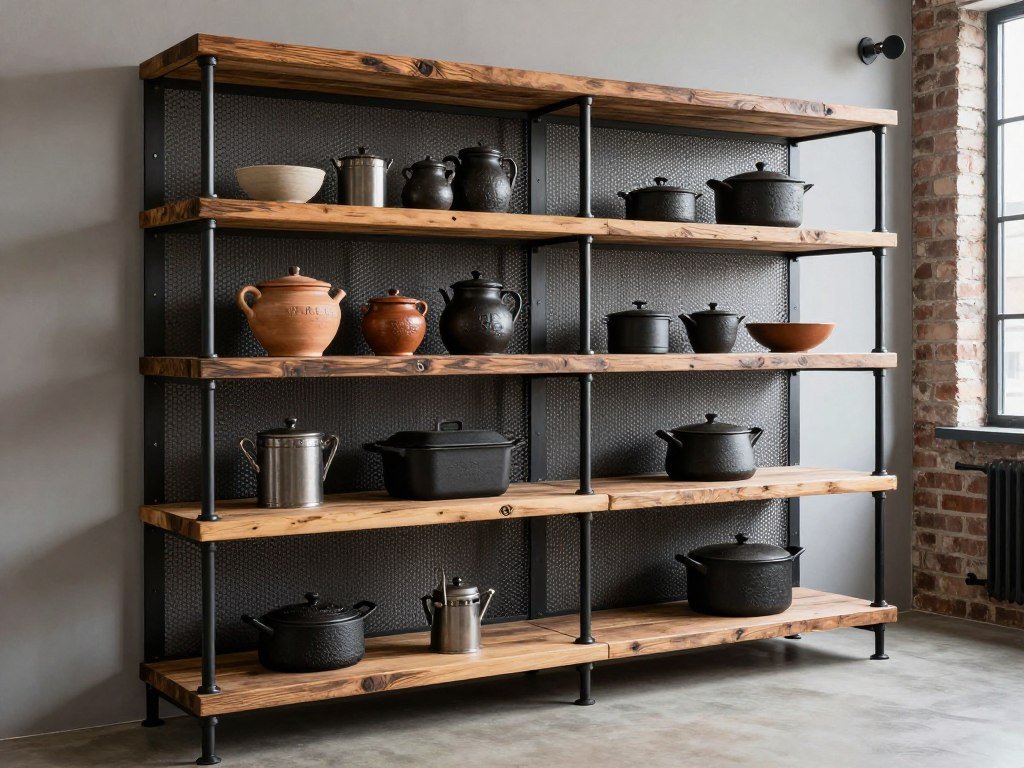
Rustic and industrial hutches celebrate raw materials and utilitarian design. These pieces often incorporate reclaimed wood, distressed finishes, and metal elements that reference warehouse and factory aesthetics. The appeal lies in their authenticity and character-rich surfaces.
Distinctive characteristics include:
Reclaimed or rough-hewn wood with visible grain patterns
Vintage and Antique Hutches: Character and History
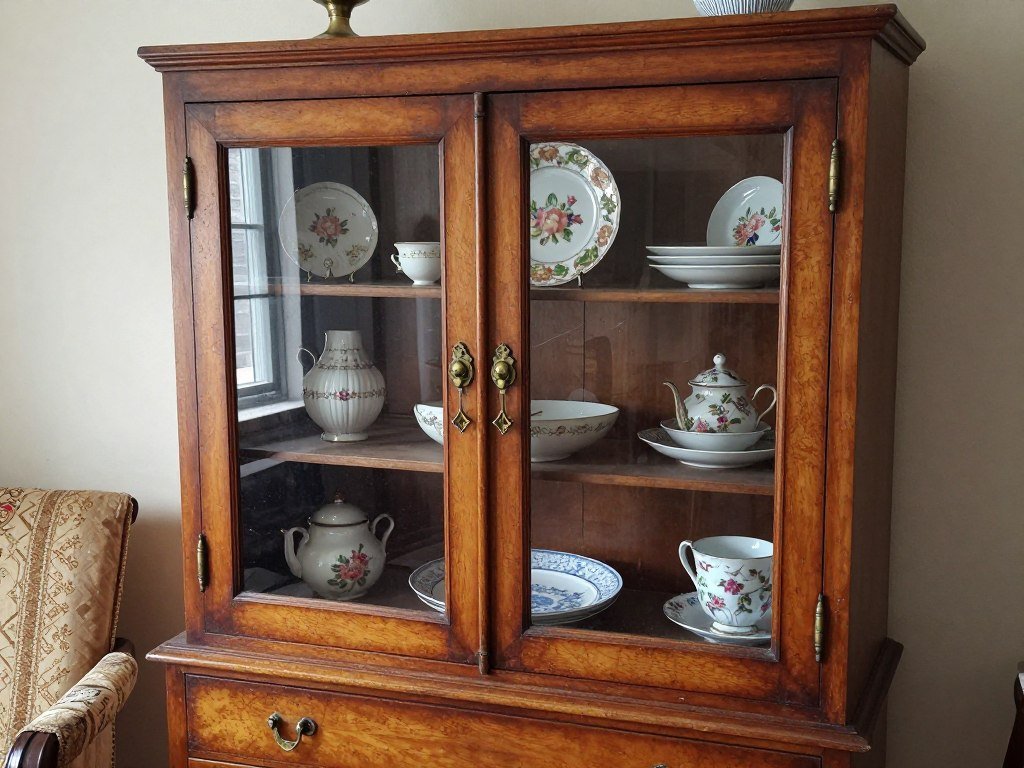
Vintage and antique hutches bring authentic character and historical significance to dining spaces. Whether genuinely old or reproduced with vintage styling, these pieces offer unique details and craftsmanship often missing in mass-produced furniture.
What to look for in vintage pieces:
Natural patina and signs of age that tell a story
Original hardware or period-appropriate replacements
Construction details specific to certain eras
Unique proportions that differ from contemporary pieces
How to Choose the Right Dining Room Hutch for Your Space
Selecting the perfect dining room hutch involves careful consideration of your space, needs, and aesthetic preferences. The right piece should balance form and function while complementing your existing decor.
Size and Proportion Considerations
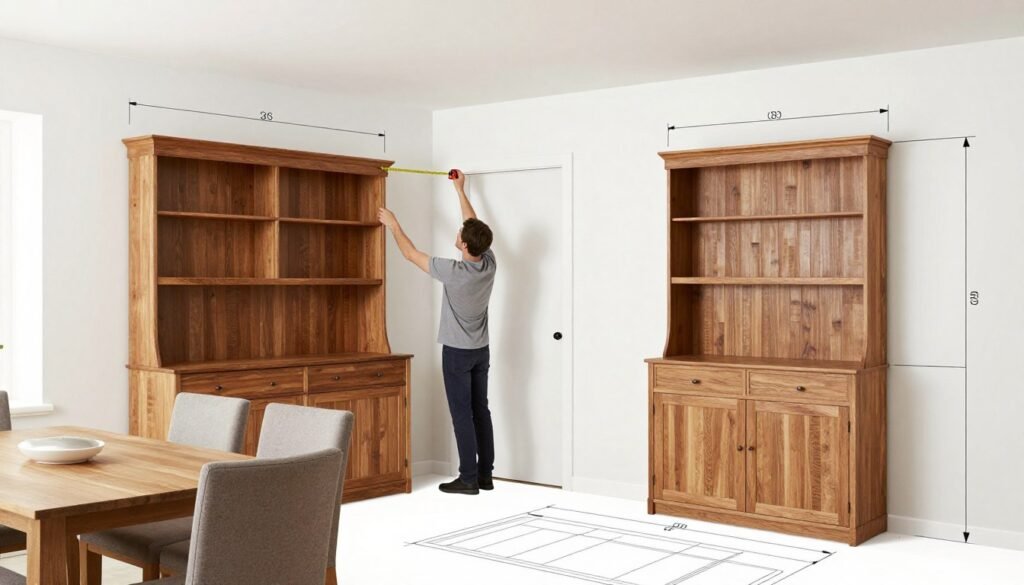
The dimensions of your hutch should harmonize with your room size and other furniture pieces, particularly your dining table.
Height: Consider ceiling height and visual weight. Taller hutches create vertical interest but may overwhelm low-ceiling rooms.
Width: The hutch should be proportional to your dining table—generally not wider than the table when centered on the same wall.
Depth: Allow for adequate clearance around the hutch (minimum 36 inches from table edge) for comfortable movement.
Scale: In smaller spaces, consider hutches with open shelving or glass doors to maintain visual lightness.
Measurement Tip: Before purchasing, outline the hutch’s footprint on your floor using painter’s tape to visualize how it will fit in your space. Don’t forget to account for door clearance and traffic patterns.
Material and Color Selection
The materials and finishes you choose for your hutch significantly impact its visual presence and durability.
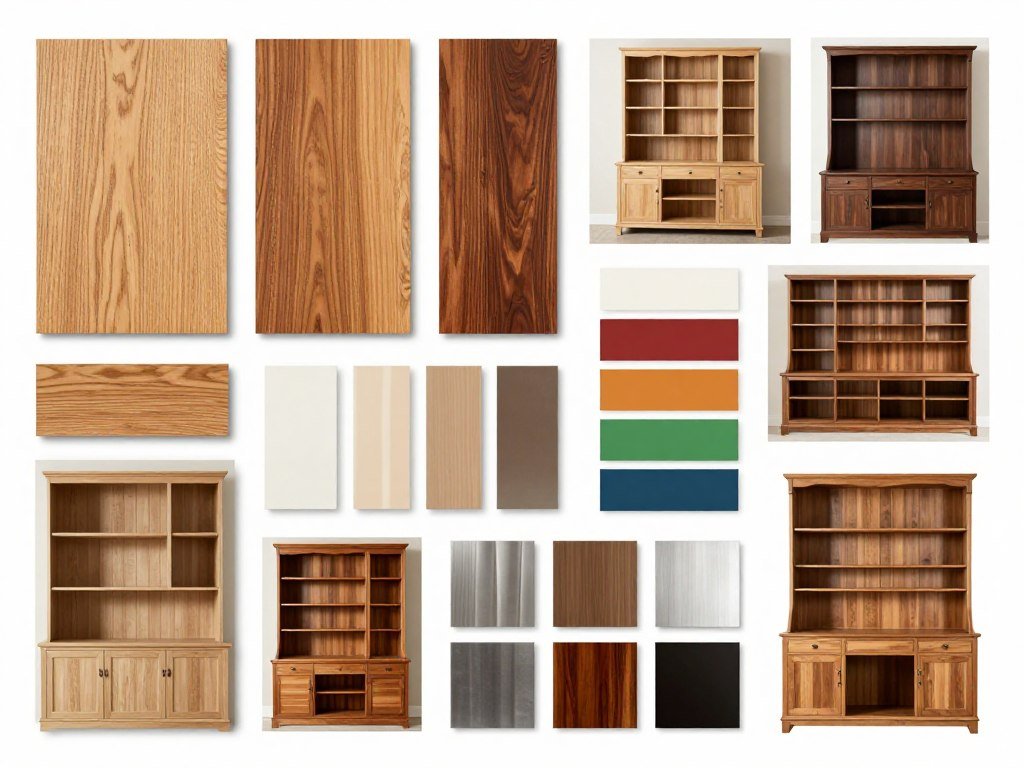
Hardwoods: Oak, maple, cherry, and walnut offer durability and distinctive grain patterns. Each wood accepts stain differently, creating unique character.
Painted Finishes: White, black, gray, and navy are popular choices that can either make the hutch a statement piece or help it blend with existing decor.
Mixed Materials: Consider combinations like wood with glass, metal accents, or stone tops for added visual interest.
Color Coordination: Your hutch doesn’t need to match your dining set exactly, but should complement it through coordinating tones or contrasting in a deliberate way.
Beyond aesthetics, your hutch should meet your practical needs through thoughtful features:
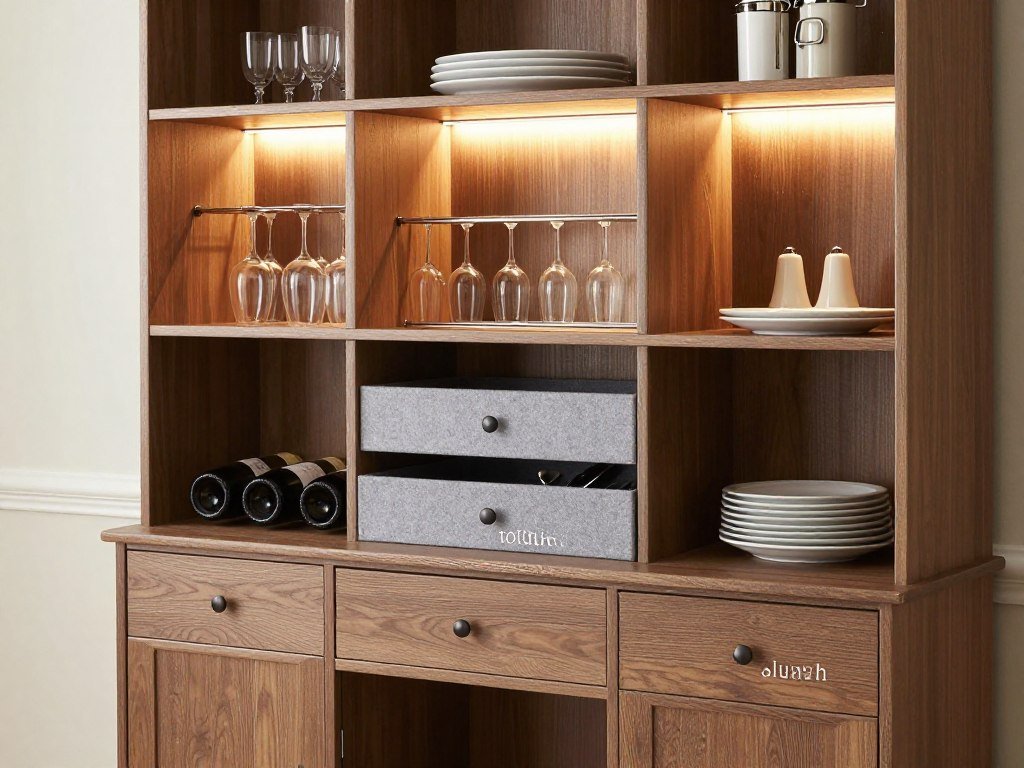
Adjustable Shelving: Allows customization for items of different heights
Built-in Lighting: Illuminates displayed items and creates ambiance
Specialized Storage: Consider options like wine racks, silverware drawers, or plate grooves
Glass Doors: Protect displayed items from dust while keeping them visible
Drawer Configuration: Evaluate quantity and size based on what you’ll store
Open vs. Closed Storage: Balance display opportunities with hidden storage needs
“The most beautiful hutch is one that perfectly balances your need for storage with your desire for display, all while complementing your dining space’s aesthetic.”
Styling Your Dining Room Hutch: Display and Organization Tips
A well-styled hutch becomes a focal point that reflects your personality while maintaining functionality. These styling principles will help you create a display that’s both beautiful and practical.
Creating Balance and Visual Interest
The key to an appealing hutch display lies in thoughtful arrangement and composition:
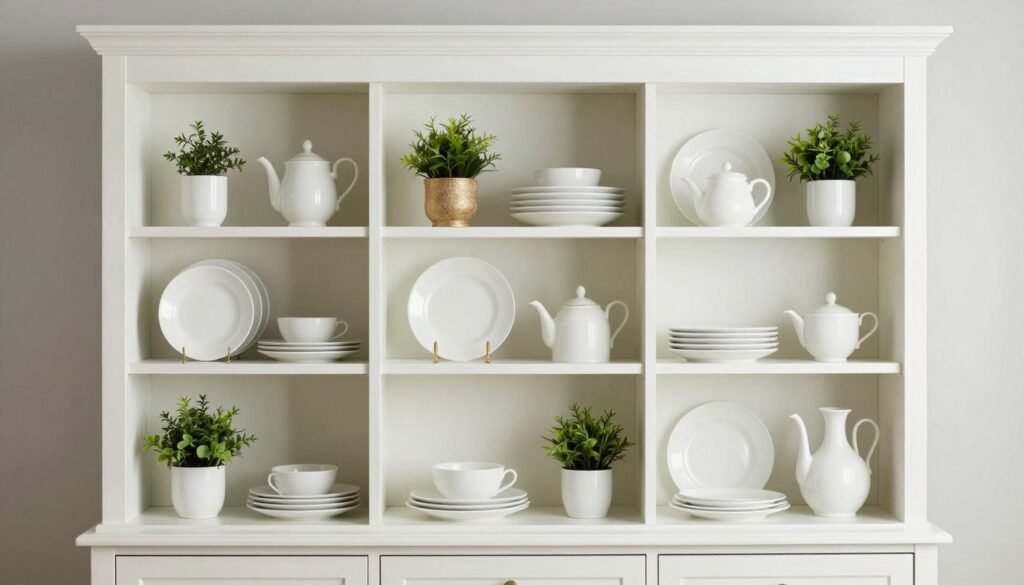
Rule of Odd Numbers: Group items in sets of three or five for natural visual appeal
Varying Heights: Create dynamic arrangements by combining tall, medium, and short items
Color Cohesion: Limit your color palette to 2-3 main colors for a cohesive look
Negative Space: Allow for empty areas to prevent a cluttered appearance
Layering: Position items at different depths to create dimension
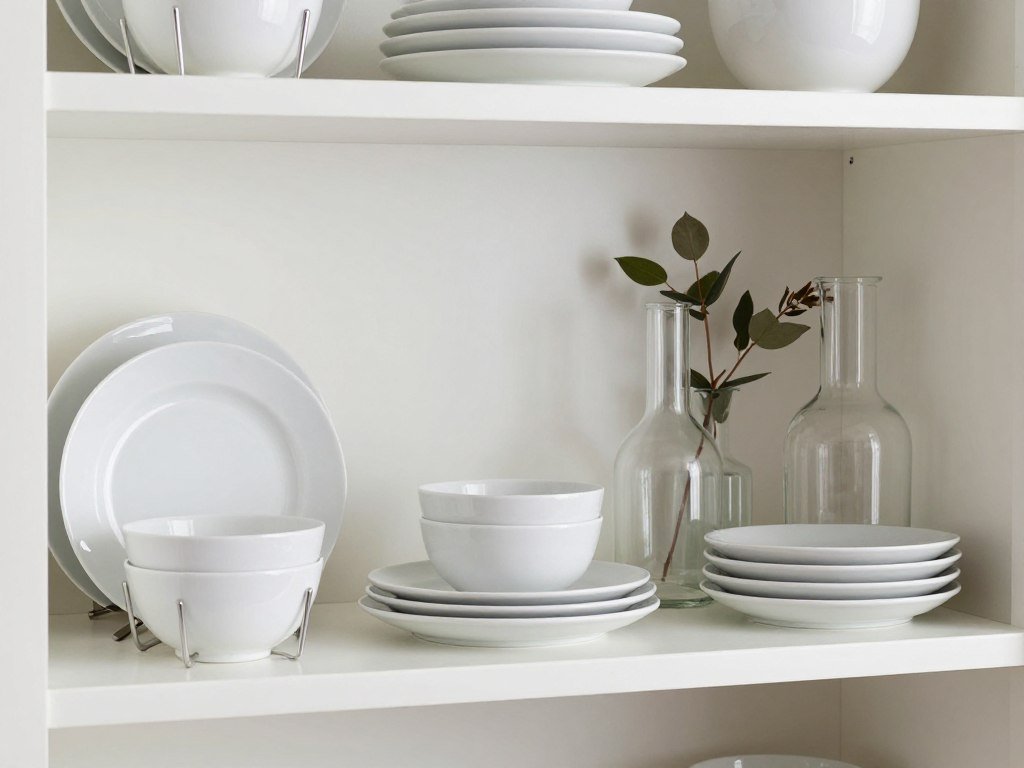
Organizing Dinnerware and Glassware
Functional items can become decorative elements when thoughtfully arranged:
Stacking Strategies: Stack similar plates or bowls, but limit stacks to 4-6 items for stability and aesthetics
Plate Display: Use plate stands to showcase decorative plates vertically
Glass Arrangement: Group stemware by type, alternating upright and inverted positions for interest
Pattern Play: Mix solid and patterned pieces, using solids as anchors and patterns as accents
Accessibility: Keep frequently used items on easily reachable shelves
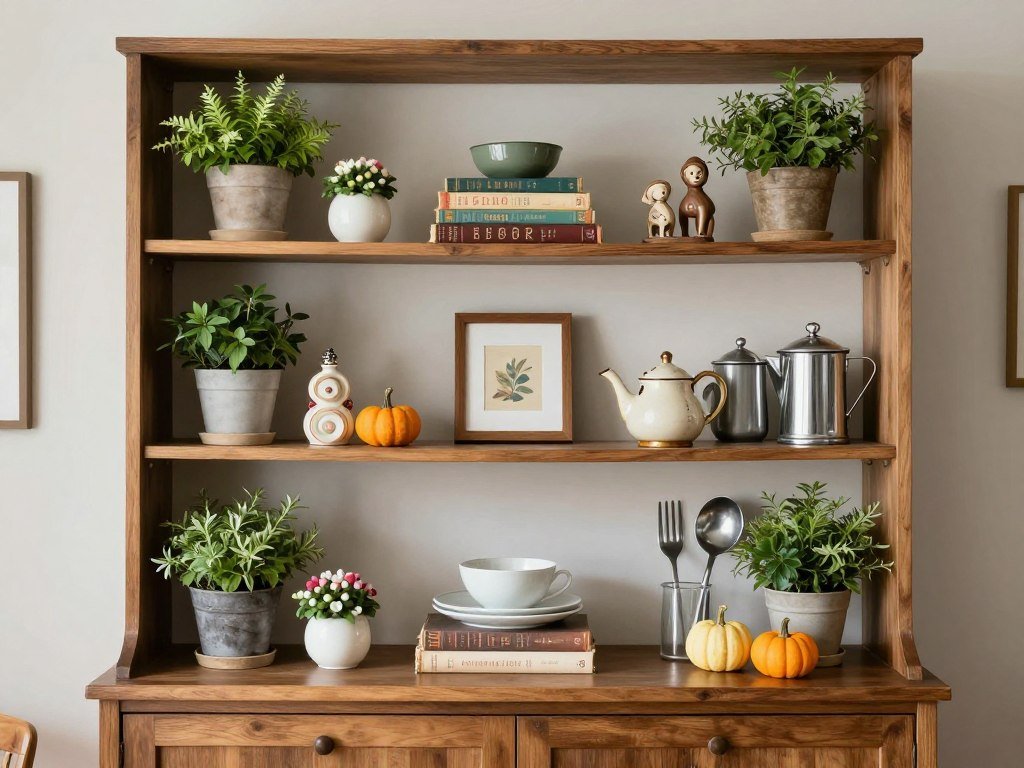
Beyond functional items, decorative elements add personality and seasonal freshness:
Botanical Touches: Small plants, fresh or dried flowers, or herbs in decorative containers
Books and Art: Cookbooks, small framed art, or food-related quotations
Collectibles: Vintage kitchen items, heirloom pieces, or travel souvenirs
Seasonal Elements: Rotate decorative items to reflect seasons or holidays
Lighting Accents: Battery-operated candles or string lights for ambiance
Styling Secret: Create a cohesive look by selecting a theme or color story for your hutch display. This could be based on color (blues and whites), material (ceramics and glass), or style (vintage farmhouse). Allow this theme to evolve seasonally while maintaining core elements.
Beyond Storage: Creative Uses for Your Dining Room Hutch
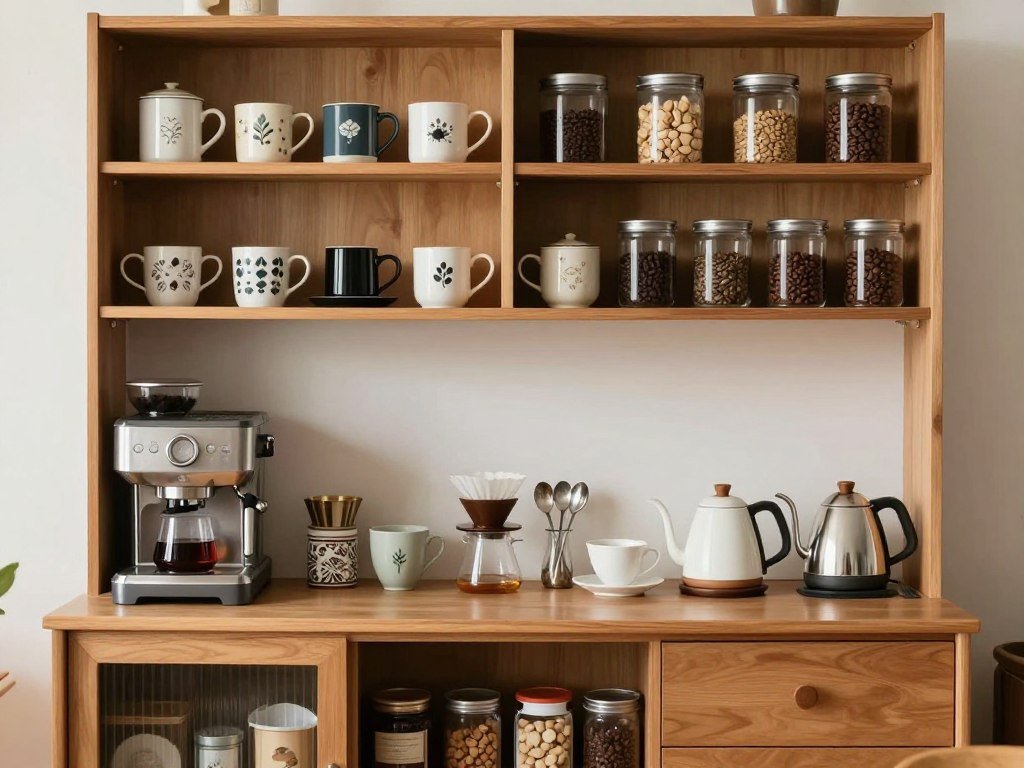
A dining room hutch can serve multiple functions beyond traditional storage and display. With some creativity, this versatile piece can adapt to your lifestyle needs.
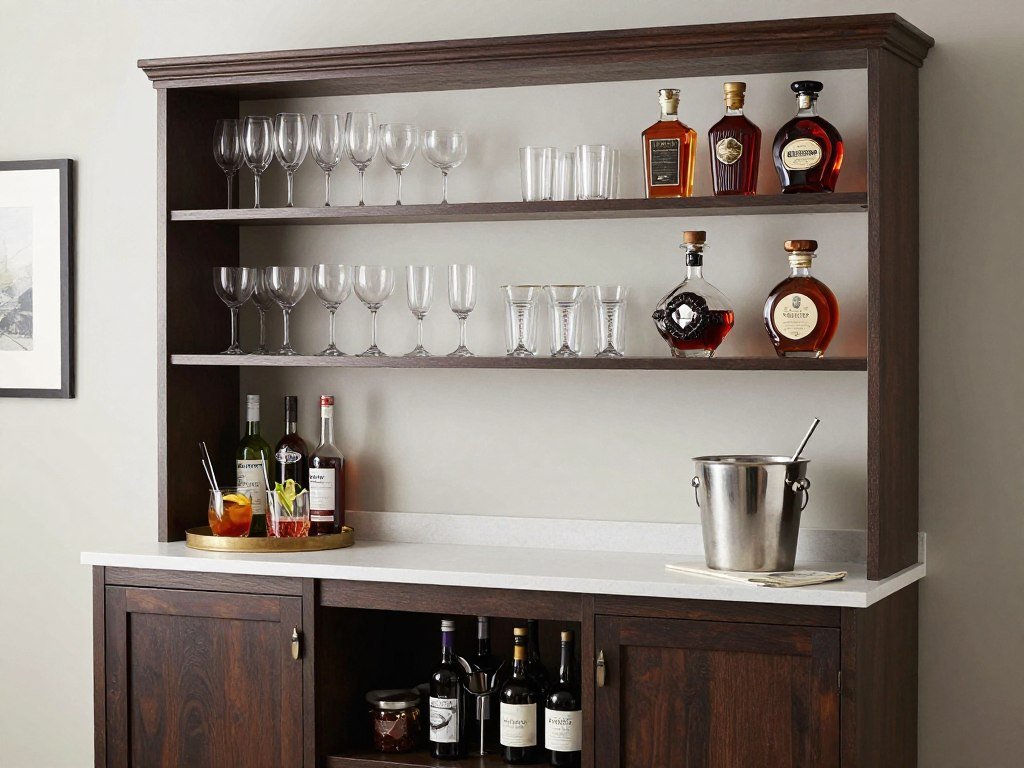
The Hutch as a Home Bar
Transform your hutch into an elegant beverage station for entertaining:
Display barware and cocktail glasses on upper shelves
Store spirits and wine in the lower cabinets
Use the countertop surface for mixing drinks
Incorporate a small wine rack or glass holder
Add a mirrored back panel to enhance light and visual appeal
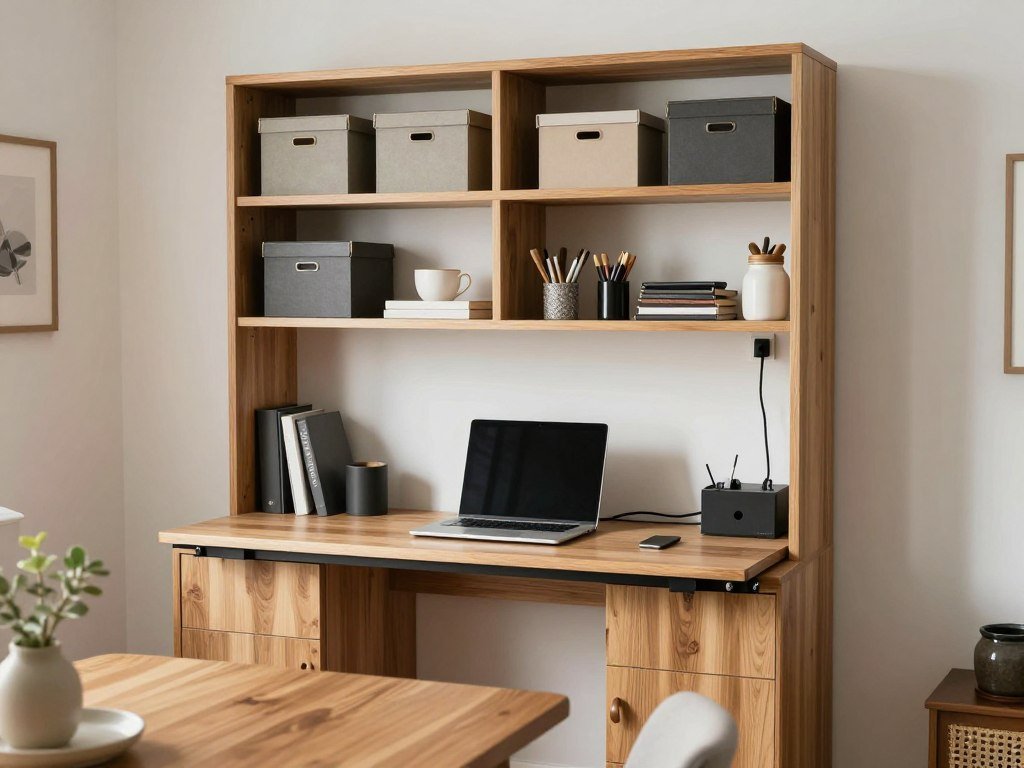
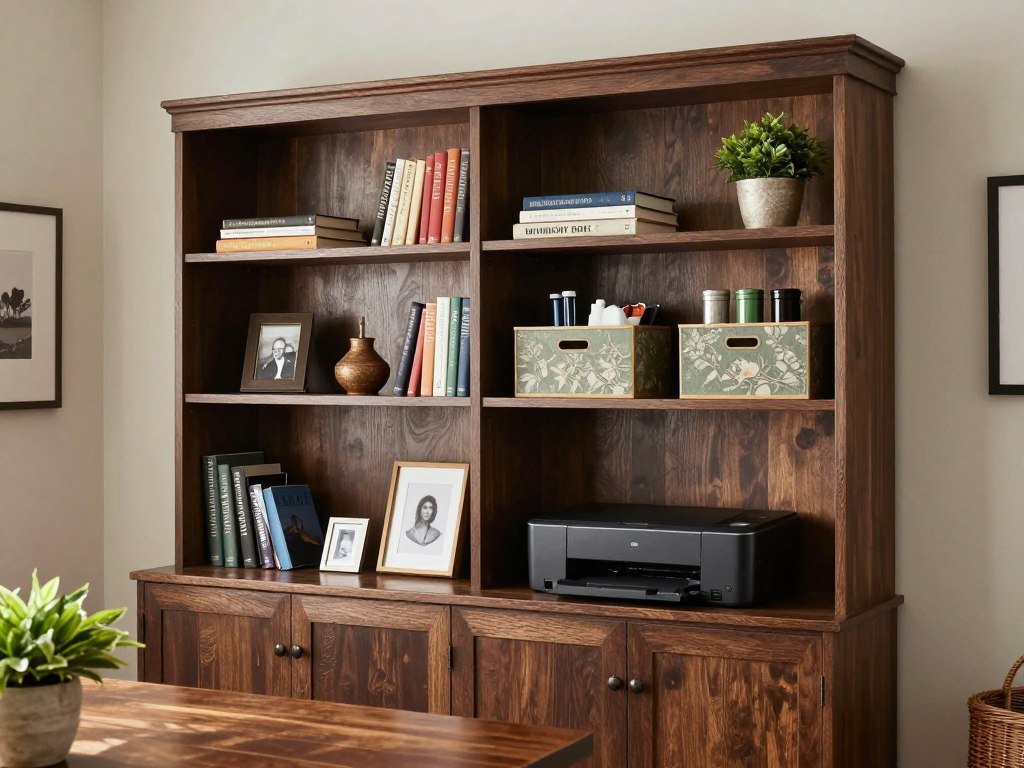
In today’s multi-functional homes, a hutch can serve as a compact workspace:
Convert the buffet surface to a desk area with a comfortable chair
Use decorative boxes and folders to organize paperwork on shelves
Install a corkboard or magnetic panel inside for notes
Incorporate charging stations for electronics
Add task lighting for focused work
Choose attractive containers for office supplies to maintain aesthetic appeal
The key is creating a space that can transition easily between work and dining functions.
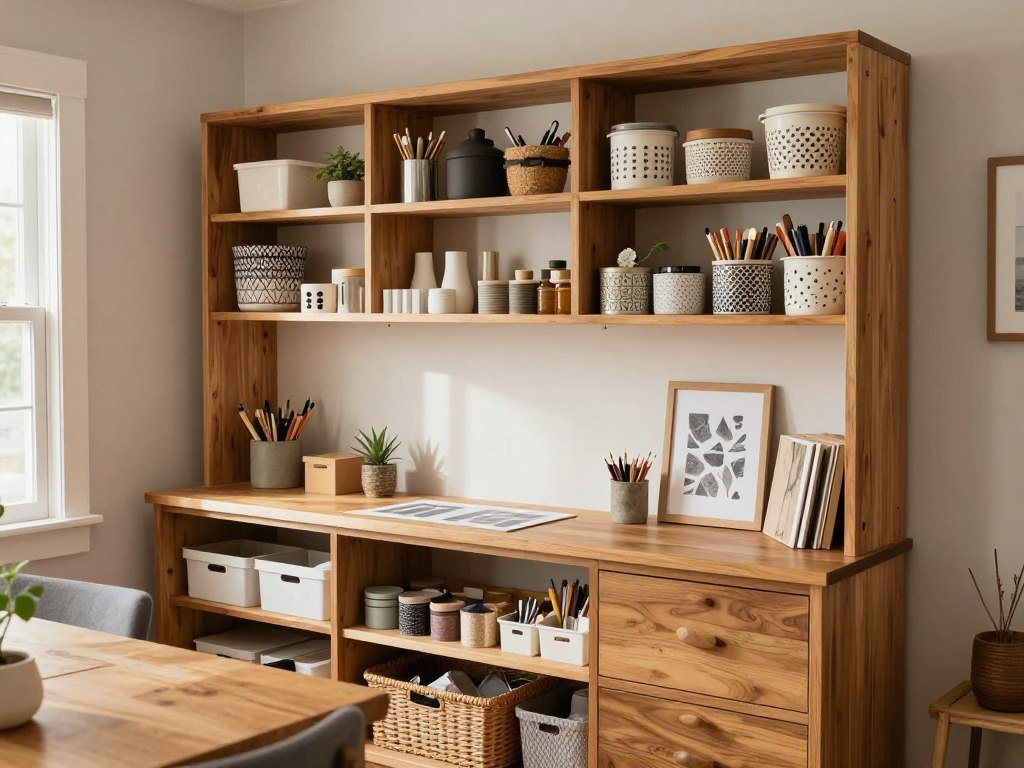
The Hutch as a Hobby or Craft Center
Support your creative pursuits with a dedicated space for supplies and projects:
Organize craft materials in color-coordinated containers on shelves
Use the buffet surface for active projects
Install good lighting for detail work
Add a pegboard or rail system for frequently used tools
Store larger supplies and equipment in the lower cabinets
This approach works particularly well for hobbies that don’t require permanent setup.
“The most successful multi-purpose furniture pieces don’t compromise on either function—they enhance both through thoughtful organization and design.”
— Organizational Expert Marie Kondo
DIY and Upcycling Ideas for Dining Room Hutches
Breathing new life into an existing or second-hand hutch can be both economical and environmentally friendly. These DIY approaches range from simple weekend projects to more involved transformations.
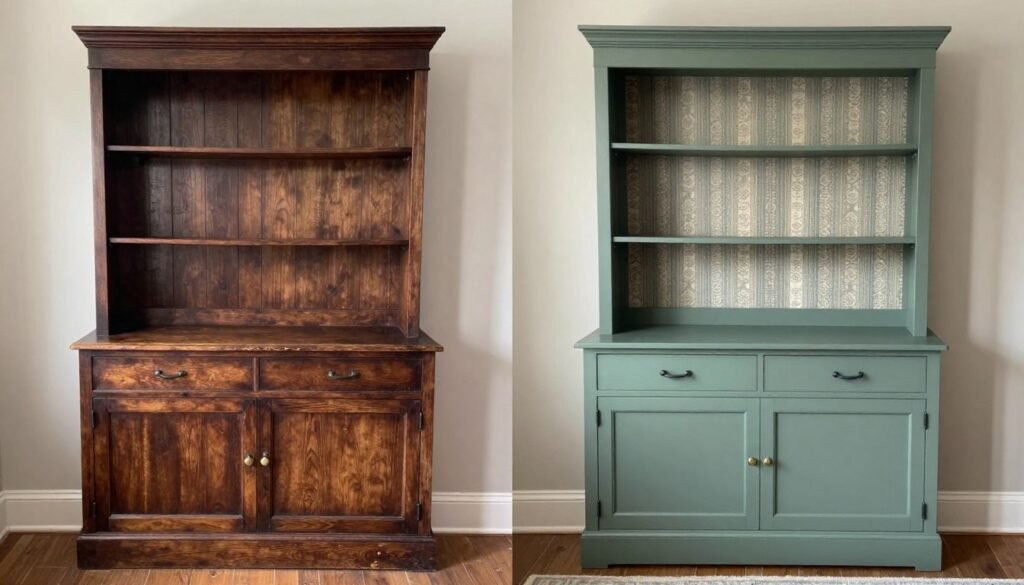
Paint Transformations
One of the most dramatic ways to update a hutch is through paint:
Two-Tone Approach: Paint the upper and lower sections different complementary colors
Color Blocking: Use painter’s tape to create geometric patterns or color blocks
Interior Accent: Paint only the interior back panel in a bold color while keeping the frame neutral
Distressed Finish: Create a farmhouse or vintage look with strategic distressing after painting
Ombré Effect: Gradually transition between shades for a contemporary look
Pro Tip: For best results, always properly prep your hutch before painting. This includes cleaning, sanding, priming, and using the appropriate paint for your surface material. Chalk paint is popular for furniture projects as it often requires minimal prep work.
More ambitious DIY projects can significantly alter a hutch’s functionality and appearance:
Remove doors to create open shelving for a more contemporary look
Replace solid door panels with glass or wire mesh inserts
Add crown molding to the top for architectural presence
Install interior lighting with puck lights or LED strips
Create custom inserts like wine racks or plate grooves
Add a beadboard or shiplap back panel for textural interest
Safety Note: When making structural changes to furniture, always use proper tools and safety equipment. If your hutch is an antique or valuable piece, consult with a furniture restoration specialist before making irreversible modifications.
Creative Repurposing Ideas
Think beyond traditional hutch functions with these innovative repurposing concepts:
Kitchen Island: Remove the top portion of a hutch and add a butcher block surface to create a kitchen island with storage
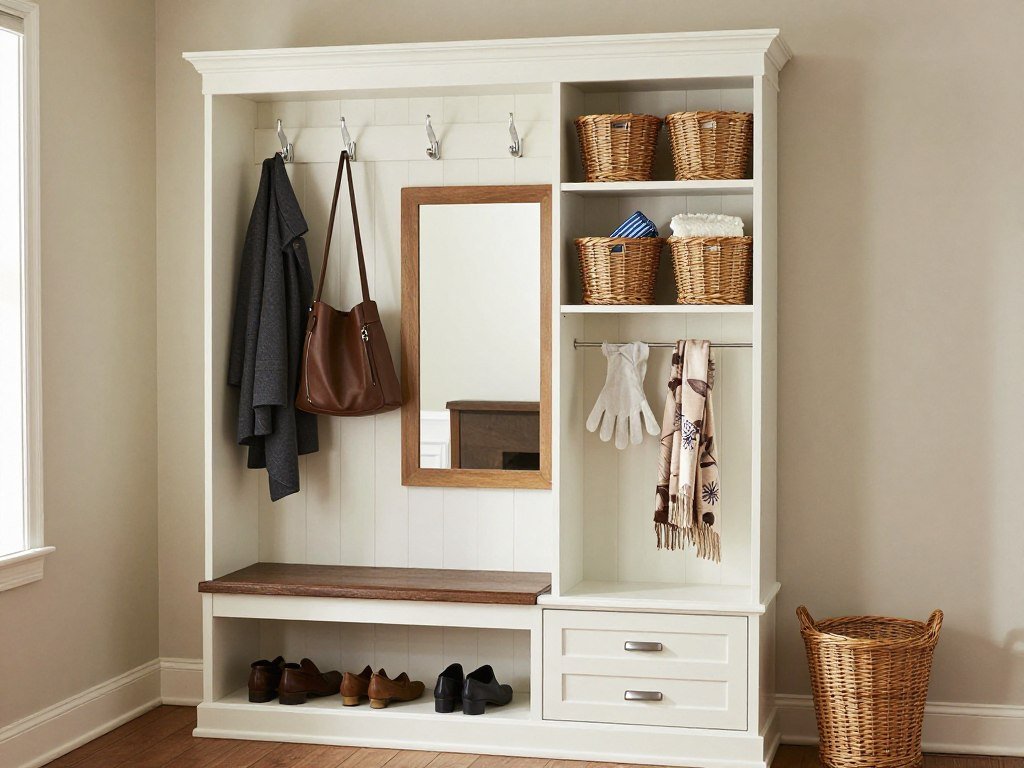
Entryway Organization: Repurpose a hutch in your foyer for mail, keys, shoes, and outerwear
Bathroom Storage: A smaller hutch can provide elegant storage for towels and toiletries
Media Center: Adapt a hutch to house entertainment equipment with modifications for cable management
Greenhouse Cabinet: Add grow lights and glass doors to create a beautiful indoor plant display
Strategic Placement: Where to Position Your Dining Room Hutch
The placement of your hutch significantly impacts both functionality and visual flow in your space. Consider these strategic locations and design principles.
Traditional Dining Room Placement
In dedicated dining rooms, these classic placements maximize both function and aesthetic appeal:
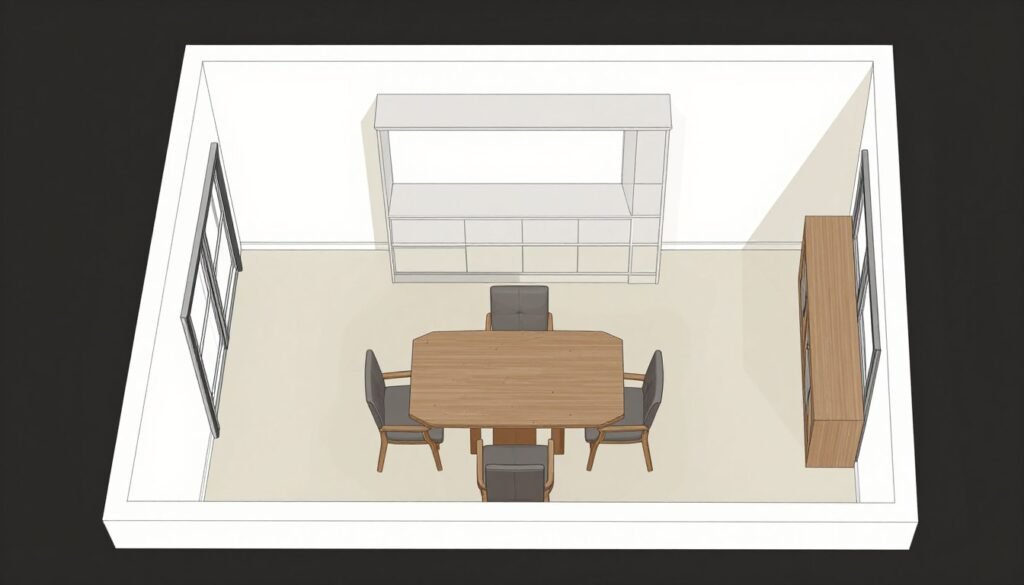
Centered on a Wall: Position the hutch centered on the wall opposite the dining table for balanced formality
Flanking a Window: Place matching hutches or a hutch and sideboard on either side of a window for symmetry
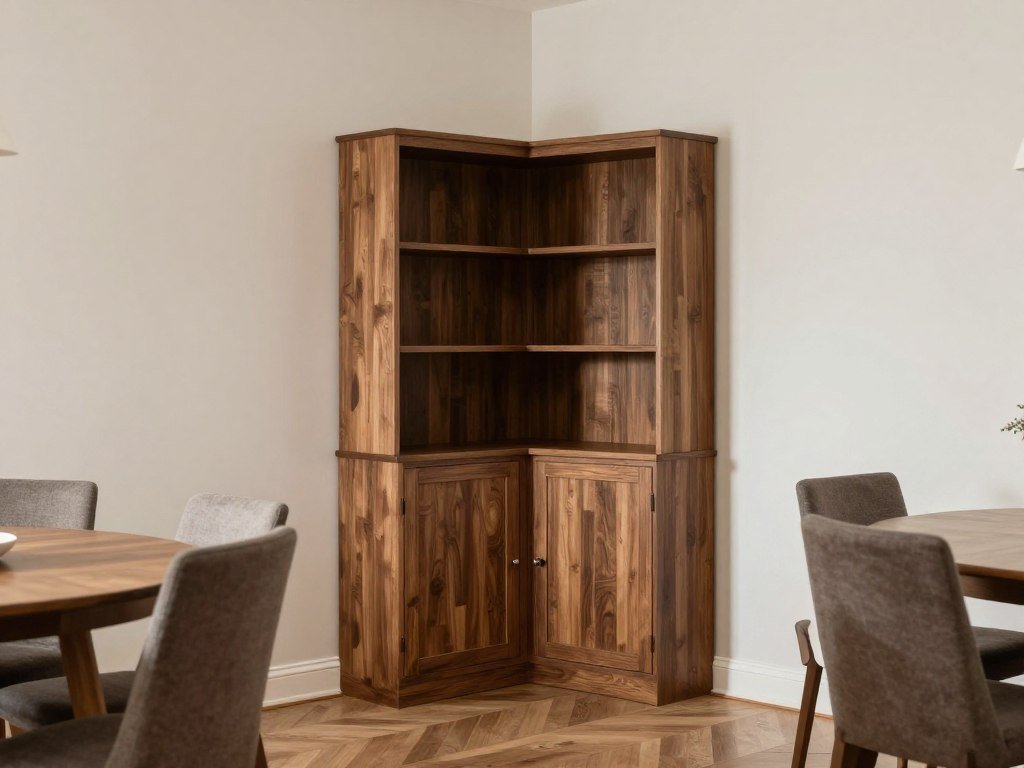
Corner Placement: Utilize corner hutches to maximize space in smaller dining rooms while maintaining storage
Alongside the Table: In long, narrow dining rooms, position the hutch parallel to the dining table for easy access during meals
Open Concept Space Placement
In today’s open floor plans, hutches can serve multiple purposes through strategic positioning:
Room Divider: Use a hutch to create visual separation between dining and living areas while maintaining openness
Defining Zones: Position the hutch to anchor and define your dining space within a larger room
Against Half Walls: Place hutches against half walls or pony walls to reinforce the architectural division
Floating Placement: In very large spaces, consider floating the hutch perpendicular to walls to create intimate dining zones
Beyond the Dining Room: Alternative Placements
Hutches can enhance storage and style throughout your home:
Living Room: Use a hutch to display collectibles and store media or games
Home Office: Incorporate a hutch for books, supplies, and decorative elements
Entryway: Create an impressive entry moment with a statement hutch for keys, mail, and welcoming decor
Kitchen: In spacious kitchens, a hutch can provide additional storage for cookbooks, special occasion dishware, or appliances
Hallway: Narrow hutches can activate otherwise unused hallway wall space
“The most successful furniture placement considers not just where a piece fits physically, but how it supports the room’s function, enhances its aesthetic, and facilitates natural movement through the space.”
— Interior Designer Kelly Wearstler
Design Principles for Optimal Placement
Regardless of where you position your hutch, these design principles will help create a harmonious space:
Traffic Flow: Ensure at least 36 inches of clearance for comfortable movement around the hutch
Visual Weight: Balance your hutch with other substantial pieces in the room
Lighting Considerations: Position hutches where display items can be illuminated by natural or artificial light
Focal Point Relationship: Determine whether your hutch should be a focal point or support another focal element
Wall Relationship: For stability and safety, secure tall hutches to wall studs, particularly in homes with children or in earthquake-prone areas
Finding Your Perfect Dining Room Hutch
The perfect dining room hutch is more than just a furniture piece—it’s an expression of your personal style and a functional element that enhances your home life. Whether you choose a classic design that showcases family heirlooms, a modern interpretation that makes a bold statement, or a DIY transformation that gives new life to a vintage find, your hutch can become a cherished focal point in your home.
Consider how your hutch will serve your specific needs—from displaying treasured collections to providing essential storage, or perhaps functioning as a multi-purpose station for entertaining, working, or pursuing creative hobbies. The versatility of this timeless furniture piece continues to make it relevant in today’s homes, adapting to changing lifestyles while maintaining its core purpose of beautifying and organizing our living spaces.
As you search for or reimagine your dining room hutch, remember that the most successful pieces balance form and function in a way that feels authentic to your home and lifestyle. Whether browsing new options, hunting for vintage treasures, or planning a DIY project, let your personal needs and aesthetic preferences guide you toward a hutch that will serve your home beautifully for years to come.
Ready to Find Your Perfect Dining Room Hutch?
Explore a wide selection of styles, sizes, and finishes to find the ideal hutch for your home.
Frequently Asked Questions About Dining Room Hutches
What’s the difference between a hutch, china cabinet, and buffet?
While these terms are sometimes used interchangeably, there are subtle differences. A hutch typically consists of a lower cabinet section with a display unit on top. A china cabinet is similar but usually has glass doors throughout for display purposes. A buffet or sideboard is just the lower storage portion without the upper display section. Many dining storage pieces combine elements of each, leading to blended terminology.
How tall should a dining room hutch be?
Standard hutches range from 72-84 inches tall, but the right height depends on your ceiling height and room proportions. As a general rule, allow at least 12 inches between the top of the hutch and the ceiling for visual breathing room. In rooms with standard 8-foot ceilings, hutches around 72-78 inches work well. For higher ceilings, taller hutches can help fill the vertical space appropriately.
Does my hutch need to match my dining table?
Not necessarily. While matching sets create a cohesive, traditional look, many contemporary designers prefer “coordinated” rather than “matched” dining furniture. Your hutch should complement your table through shared elements—similar wood tones, complementary styles, or connecting design details. Intentional contrast can also work beautifully, such as pairing a painted hutch with a wood table for visual interest.
How do I secure a tall hutch to prevent tipping?
For safety, especially in homes with children or pets, tall hutches should be secured to the wall. Most new hutches come with anti-tip hardware. If yours doesn’t, purchase furniture anchoring kits that include straps or brackets that attach to wall studs. Always use a stud finder to locate solid attachment points rather than anchoring into drywall alone. This simple precaution prevents dangerous tipping accidents.
What’s the best lighting for a hutch display?
LED puck lights or strip lighting are ideal for hutch displays. They produce minimal heat (important for protecting displayed items), consume little energy, and can often be controlled with dimmers or remote controls. Position lights at the top of each shelf section, directed downward to illuminate items below. Battery-operated options work well for hutches without built-in wiring, while hardwired systems provide a cleaner look for custom pieces.