Finding the perfect small dining table can transform a cramped corner into a charming gathering spot. Whether you’re furnishing a cozy apartment, a tiny breakfast nook, or simply maximizing your space, the right compact dining table brings both functionality and style to your home. This guide explores the best small dining table options, creative space-saving designs, and styling tips to help you create a dining area that feels both intimate and inviting.
This Website contains affiliate links. That means I may earn a small commission if you purchase through my links, at no extra cost to you.
Why Choose a Small Dining Table?
Small dining tables offer numerous advantages beyond just fitting into tight spaces. They create intimate dining experiences, cost less than their larger counterparts, and often provide surprising versatility. Let’s explore why a compact dining table might be the perfect solution for your home.
Space Efficiency
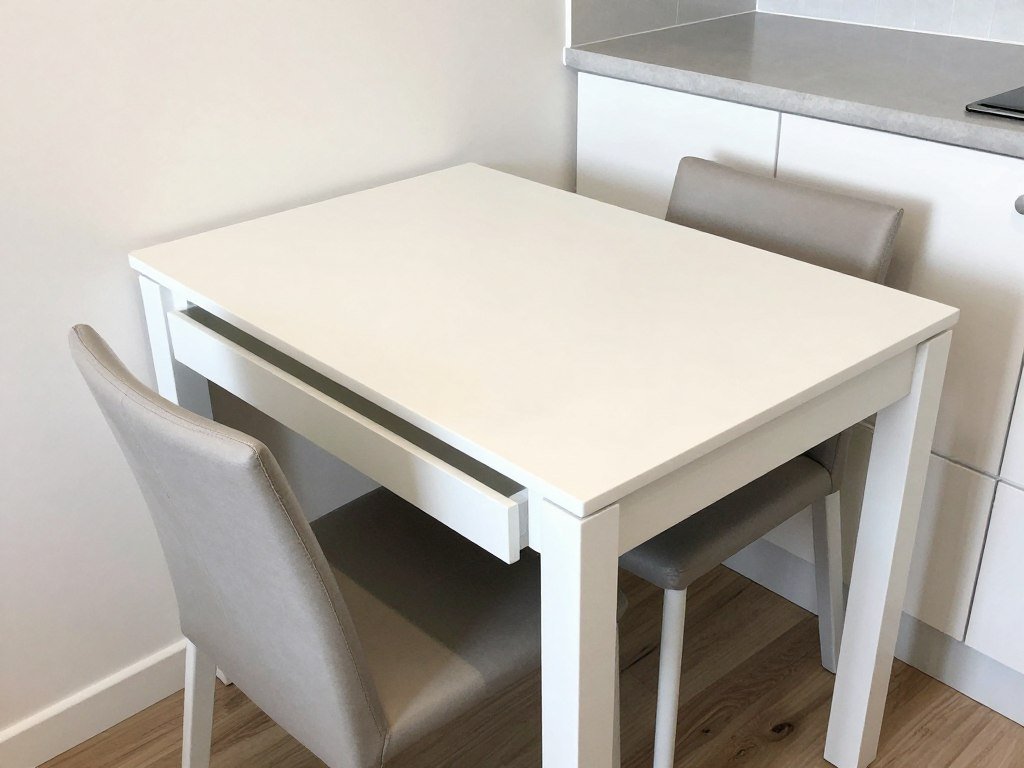
The most obvious benefit of a small dining table is its ability to fit into compact areas. Whether you’re working with a studio apartment or a modest dining nook, a space-saving table ensures you can enjoy proper meals without sacrificing precious floor space. Many designs also incorporate clever storage solutions or expandable features.
Intimate Dining Experience
There’s something wonderfully cozy about gathering around a small table. The reduced distance between diners naturally encourages conversation and connection. For couples, small families, or those who entertain intimately, a compact dining table creates the perfect atmosphere for meaningful mealtime interactions.

Find Your Perfect Small Dining Table
Browse a wide selection of space-saving dining tables in various styles and materials.
Related Posts:





Popular Small Dining Table Styles
From sleek modern designs to rustic farmhouse charm, small dining tables come in countless styles to match your home’s aesthetic. Here are some of the most popular options to consider for your space.
Modern Minimalist

Clean lines, simple silhouettes, and a focus on function define modern minimalist dining tables. These tables often feature sleek materials like glass tops with metal bases or smooth engineered wood surfaces. Their understated design makes them perfect for contemporary spaces where every inch counts.
Rustic Farmhouse
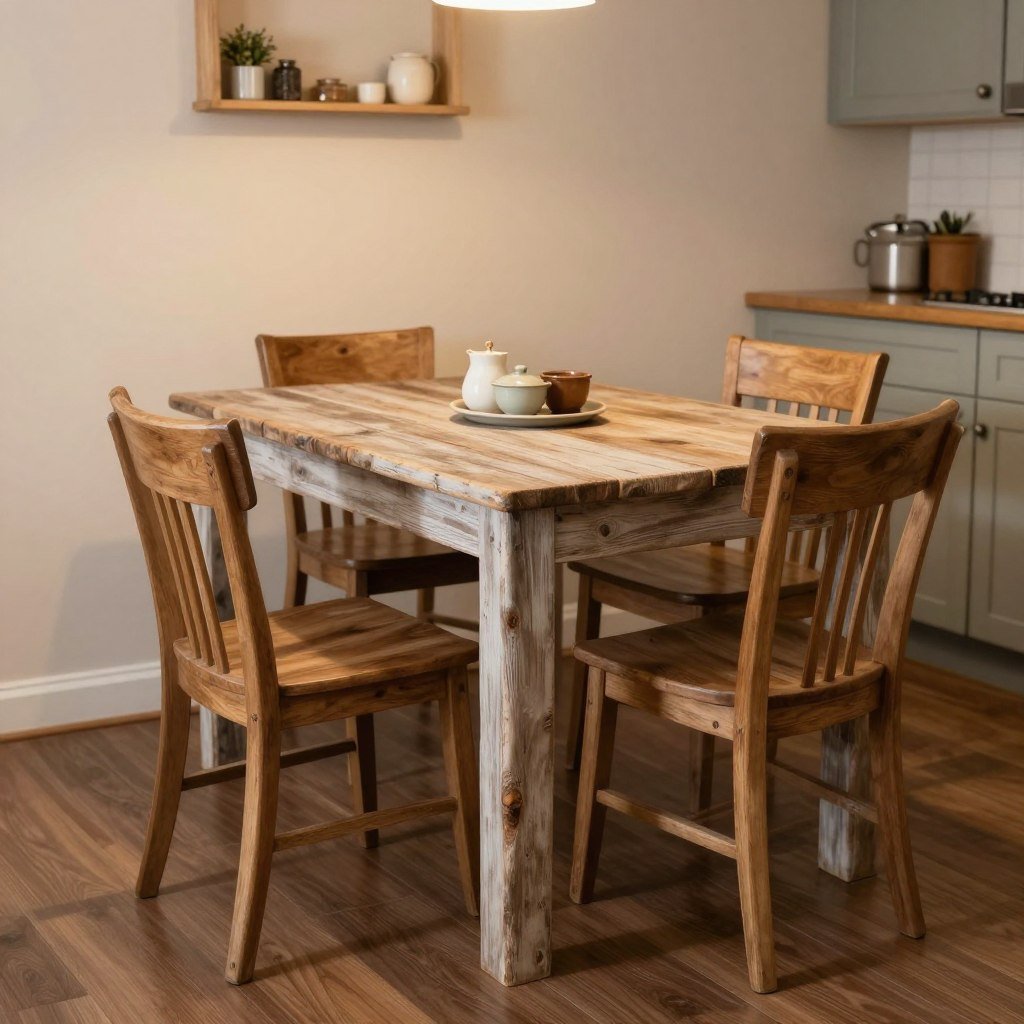
Rustic small dining tables bring warmth and character to compact spaces. Typically crafted from solid wood with natural finishes or distressed details, these tables evoke a sense of timeless comfort. Many feature charming details like turned legs or plank-style tops that add visual interest.
Mid-Century Modern

Inspired by designs from the 1950s and 60s, mid-century modern dining tables feature organic shapes, tapered legs, and warm wood tones. These timeless pieces work beautifully in small spaces, offering both style and functionality with their modest footprints and clean aesthetics.
Industrial

Industrial small dining tables combine raw materials like metal and wood for a rugged yet refined look. These tables often feature exposed hardware, pipe-style legs, or weathered wood tops. Their sturdy construction and no-nonsense aesthetic make them perfect for urban apartments and loft spaces.
Scandinavian

Scandinavian dining tables embody the Nordic principles of simplicity, functionality, and natural beauty. Typically featuring light wood tones, rounded edges, and minimalist designs, these tables create an airy, uncluttered feel that’s perfect for small spaces seeking a serene atmosphere.
Traditional

Traditional small dining tables bring timeless elegance to compact dining areas. Often featuring rich wood finishes, detailed craftsmanship, and classic silhouettes, these tables add a touch of sophistication to any space. Look for pedestal bases or carved details that elevate the design.
Choosing the Right Shape for Your Small Dining Table
The shape of your dining table can dramatically impact how it fits and functions in your space. Each shape offers unique advantages for small dining areas.
Round Tables

Round tables are ideal for small spaces as they eliminate sharp corners that can disrupt traffic flow. Their circular shape creates a sense of intimacy and encourages conversation, making them perfect for small gatherings. A 36-42 inch diameter table can comfortably seat 2-4 people while maintaining a small footprint.
Advantages
- No sharp corners to navigate around
- Creates natural conversation flow
- Works well in square rooms
- Can often squeeze in an extra person when needed
Limitations
- Less efficient for rectangular spaces
- Limited surface area compared to rectangular tables
- Fewer options for expansion
Square Tables
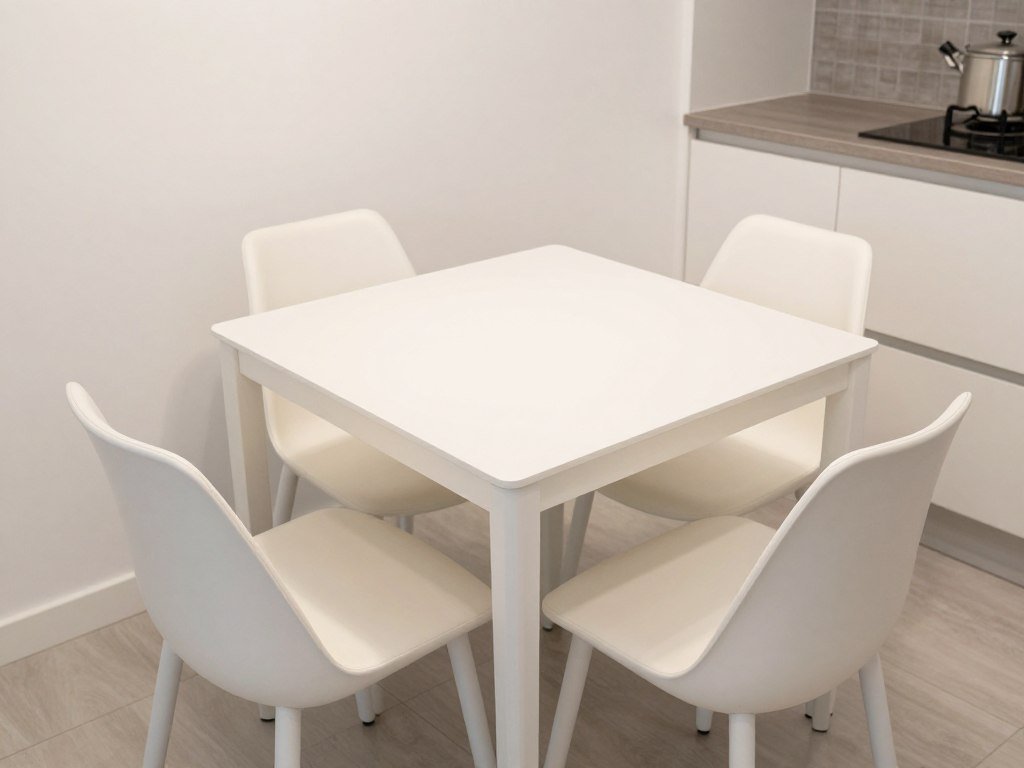
Square tables offer a symmetrical option that works well in square rooms or corners. A 30-36 inch square table provides ample dining space for 2-4 people while maintaining a compact footprint. These tables create an intimate dining experience with everyone positioned an equal distance apart.
Advantages
- Fits neatly into corners and square rooms
- Creates equal seating positions
- Often expandable with leaf inserts
- Maximizes table surface for the footprint
Limitations
- Sharp corners can be hazardous in tight spaces
- Less flexible for odd-numbered groups
- Can feel crowded when fully occupied
Rectangular Tables
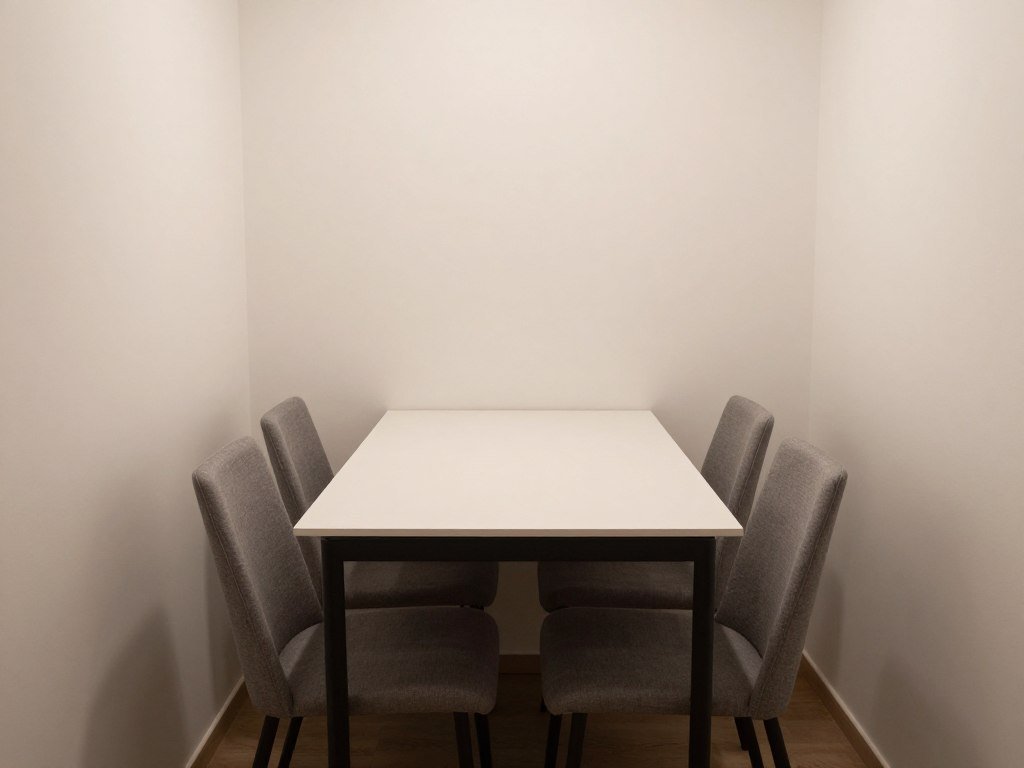
Rectangular tables are the most common shape and offer efficient use of space, especially in narrow rooms. A small rectangular table (30-36 inches wide by 48-60 inches long) can seat 4-6 people while fitting neatly against a wall when not in use. This shape works particularly well in galley kitchens or rectangular dining areas.
Advantages
- Efficient use of space in rectangular rooms
- Can be placed against a wall when not in use
- Accommodates more people than other shapes
- Many expandable options available
Limitations
- Requires more clearance space around it
- End positions can feel distant from each other
- Less intimate than round or square options
Oval Tables
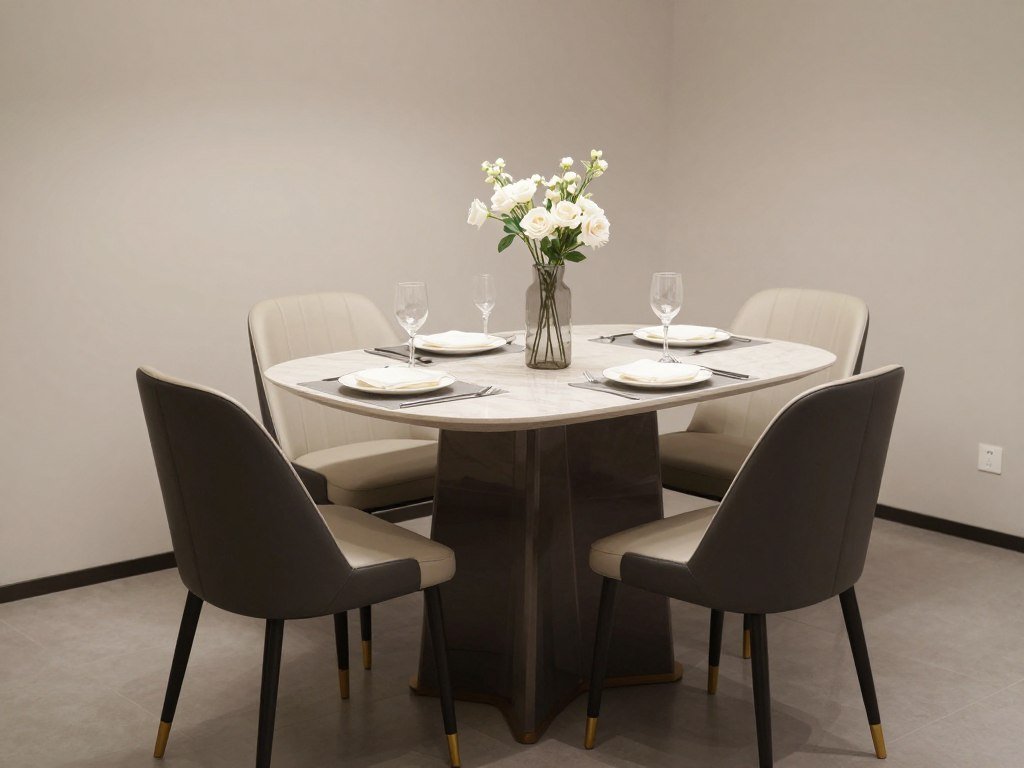
Oval tables combine the benefits of rectangular and round tables. They offer the efficient space usage of rectangular tables but with softened corners that improve flow. A small oval table (30-36 inches wide by 48-60 inches long) provides a slightly more spacious feel than a rectangular table of the same dimensions.
Advantages
- Softer edges improve traffic flow
- More space-efficient than round tables
- Creates an elegant, refined look
- Often expandable with leaf inserts
Limitations
- Can be harder to find in small sizes
- Less efficient use of space than rectangular tables
- May not fit well in square rooms
Material Matters: Choosing the Right Surface
The material of your small dining table significantly impacts both its appearance and durability. Here’s a guide to the most common materials and their benefits for compact dining spaces.
Solid Wood
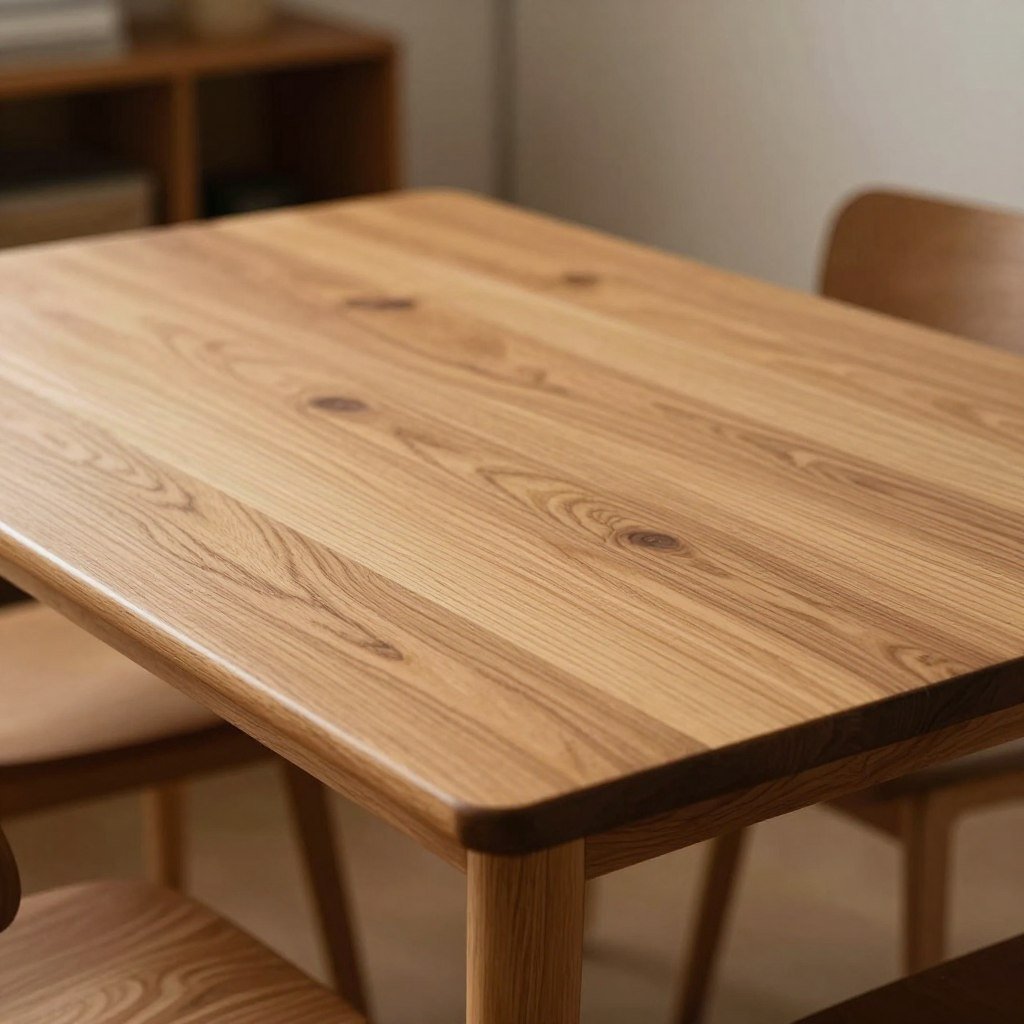
Solid wood tables offer timeless appeal and exceptional durability. Options like oak, maple, walnut, and cherry each bring unique grain patterns and color tones. While more expensive initially, a quality wood table can last generations with proper care. For small spaces, lighter woods like maple or ash can help the room feel more open.
Glass

Glass-topped tables create visual lightness that’s perfect for small spaces. The transparent surface doesn’t visually block the room, making the area feel more spacious. Modern options often pair glass with metal, wood, or stone bases. While requiring more frequent cleaning, glass tables reflect light beautifully and complement any decor style.
Metal
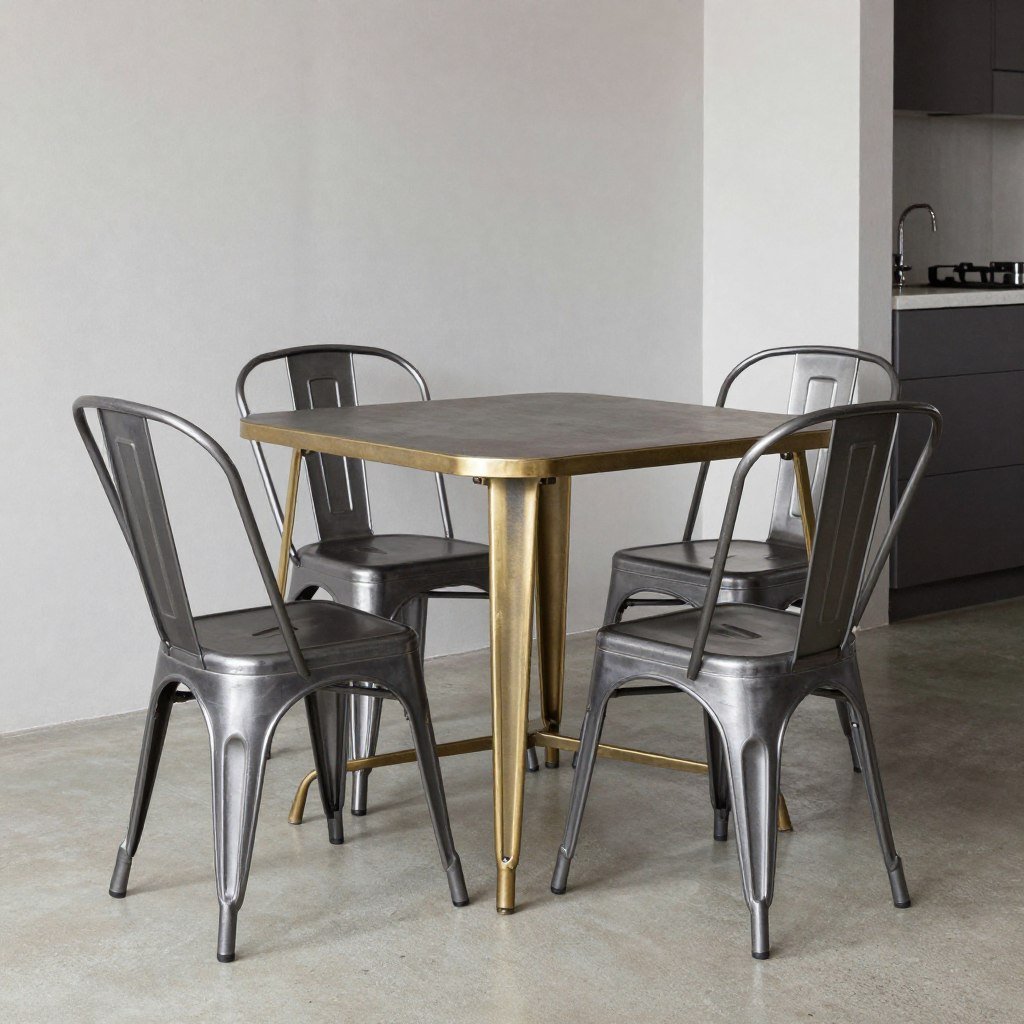
Metal tables or metal-framed tables with wood or glass tops offer sleek, durable options for small dining areas. Materials like steel, iron, or brass create strong, slim profiles that maximize legroom while minimizing visual bulk. Metal tables work particularly well in industrial, modern, or eclectic spaces.
Marble & Stone
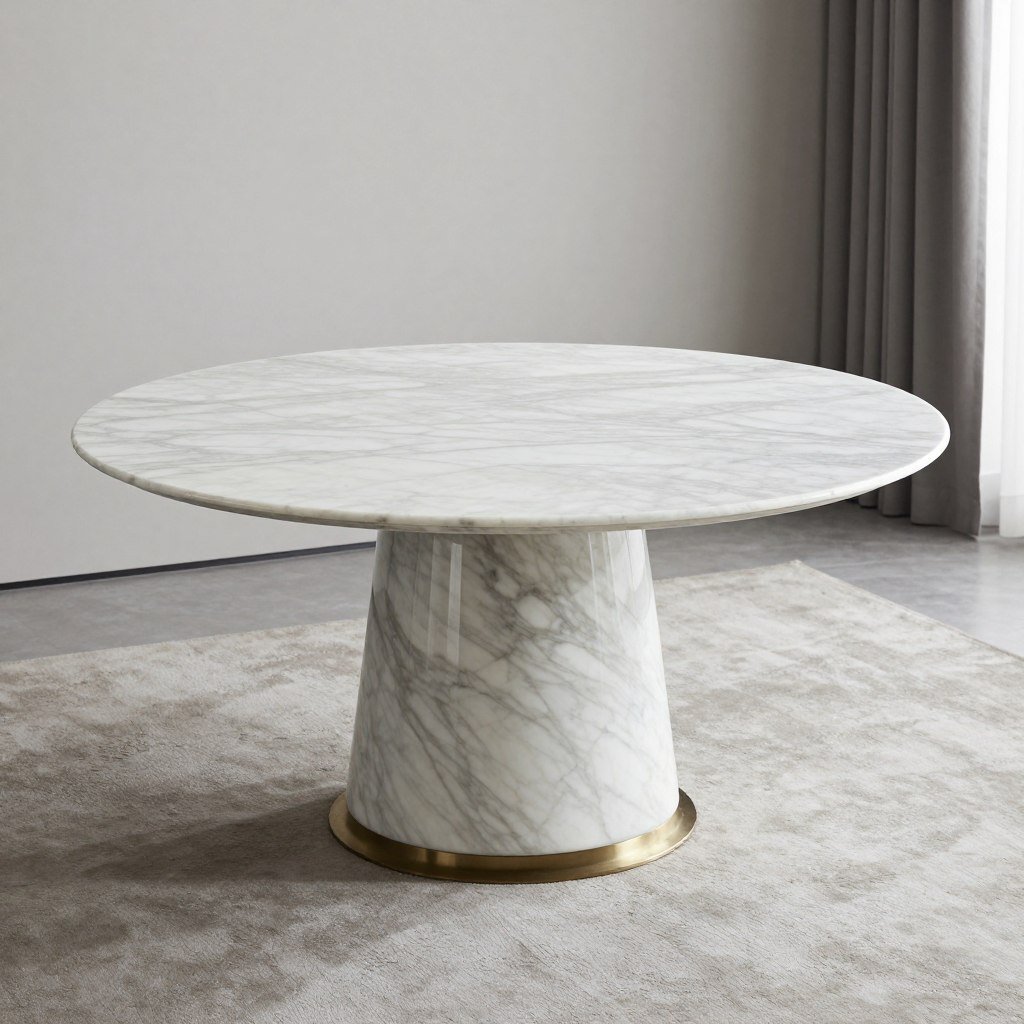
Marble and stone tables bring luxury and sophistication to compact dining areas. Often featuring slimmer tops to reduce weight, these tables make a statement even in small spaces. While more expensive and requiring special care, their natural patterns and cool surfaces create a high-end look that elevates any dining area.
Engineered Wood
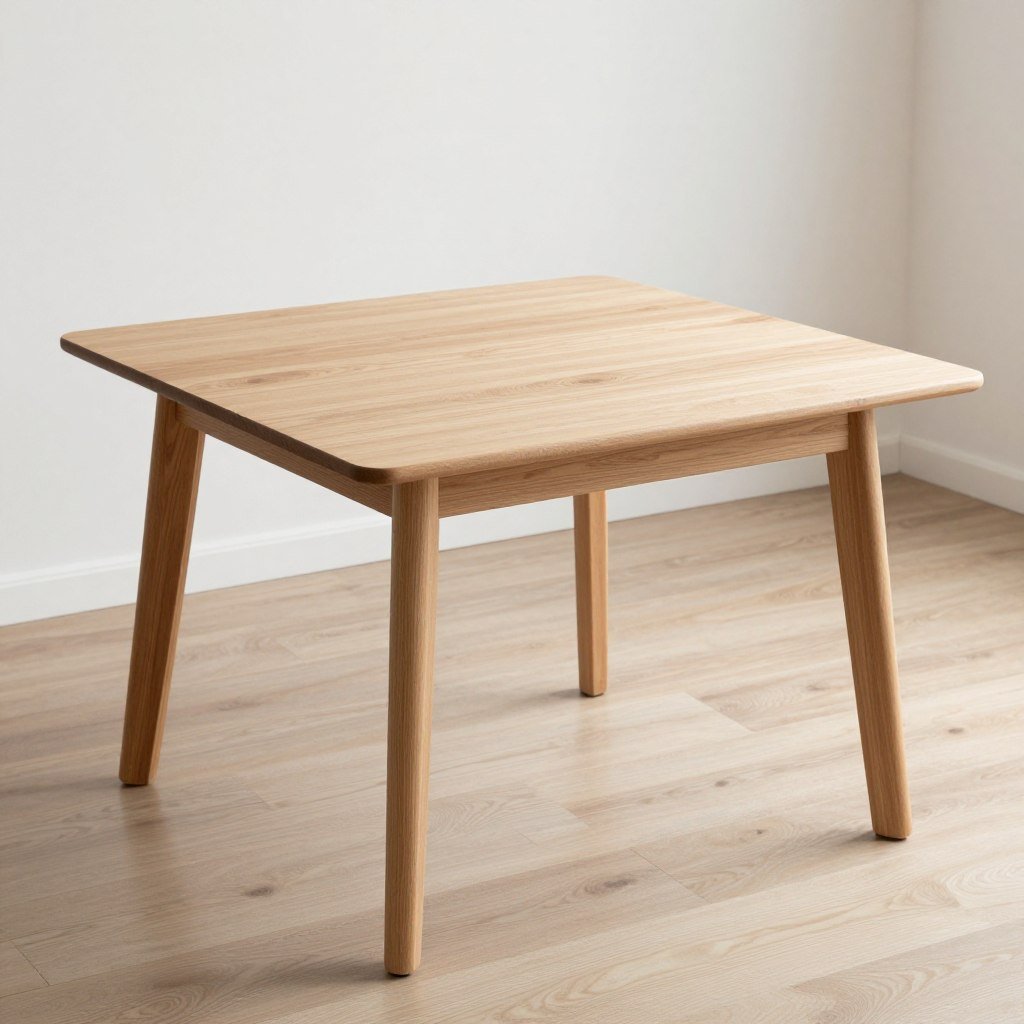
Engineered wood options like MDF, particleboard with veneer, or plywood offer budget-friendly alternatives that work well in small spaces. Modern manufacturing techniques create durable surfaces with consistent finishes. These lightweight tables are easy to move and come in countless styles to match any decor.
Laminate

Laminate tables offer exceptional durability and easy maintenance at affordable prices. Modern laminates convincingly mimic wood, stone, or solid colors while resisting stains, scratches, and moisture. These practical tables are ideal for busy households or rental properties where durability is a priority.
Space-Saving Small Dining Table Solutions
When every inch counts, these clever dining table designs offer flexibility and functionality without sacrificing style or comfort.
Drop-Leaf Tables

Drop-leaf tables feature hinged sections that can be raised or lowered as needed. When not in use, the leaves can be folded down, dramatically reducing the table’s footprint. This makes them ideal for multipurpose spaces or rooms where the dining area needs to adapt to different activities throughout the day.
Extendable Tables

Extendable dining tables feature hidden leaves or pull-out sections that increase the table size when needed. Unlike drop-leaf tables, these extensions are typically stored within the table itself. When guests arrive, simply pull out the extension to accommodate more diners, then return to the compact size for everyday use.
Nesting Tables

Nesting tables include multiple surfaces that can be tucked underneath each other when not in use. When entertaining, pull out the nested tables to create additional dining surfaces. This flexible solution works well in studio apartments or multipurpose rooms where dining needs vary frequently.
Wall-Mounted Tables
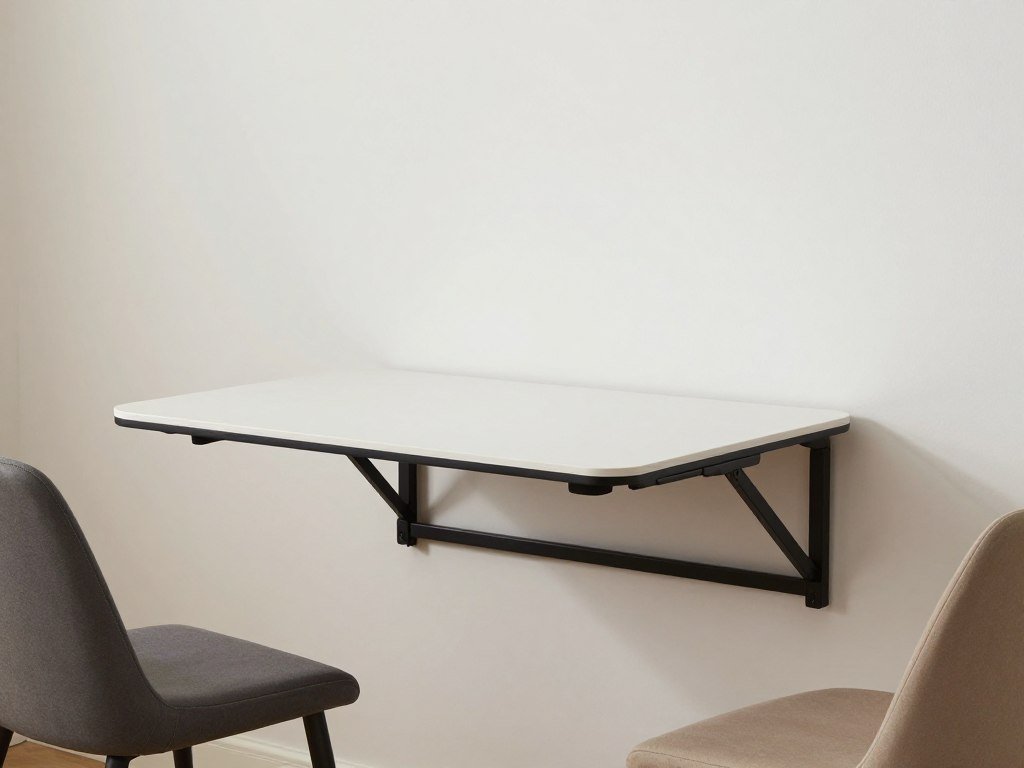
Wall-mounted tables attach directly to the wall and can be folded down when needed. When not in use, they fold flat against the wall, freeing up valuable floor space. These innovative solutions are perfect for micro-apartments, tiny homes, or any space where maximizing floor area is essential.
Console-to-Dining Convertibles

These innovative pieces function as slim console tables against a wall but transform into full-sized dining tables when needed. The conversion typically involves rotating or extending the tabletop and adding support legs. This dual-purpose furniture is ideal for open-concept spaces where rooms serve multiple functions.
Counter-Height Tables
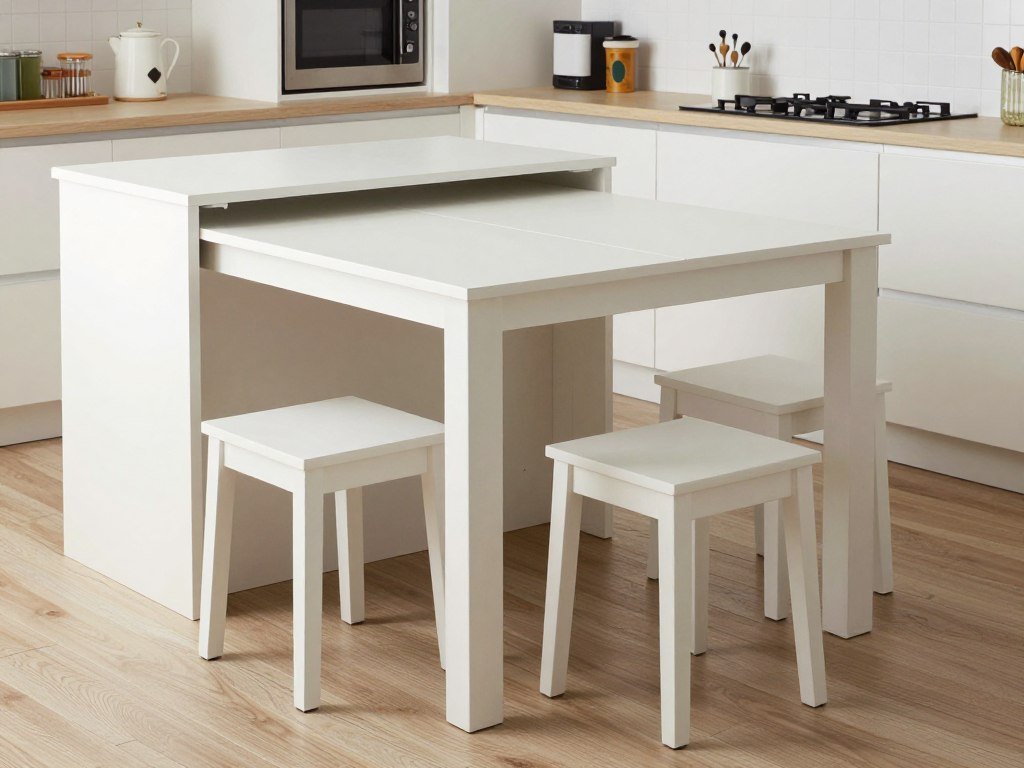
Counter-height tables (typically 34-36 inches tall) offer a space-efficient alternative to standard dining tables. Their elevated height creates a casual, bistro-like atmosphere, and the accompanying stools often tuck completely underneath when not in use. These tables work particularly well in kitchen areas or as dividers in open floor plans.
Styling Your Small Dining Area
A well-styled small dining area feels intentional rather than cramped. These design tips will help you create a dining space that’s both functional and visually appealing, no matter how limited your square footage.
Lighting Matters
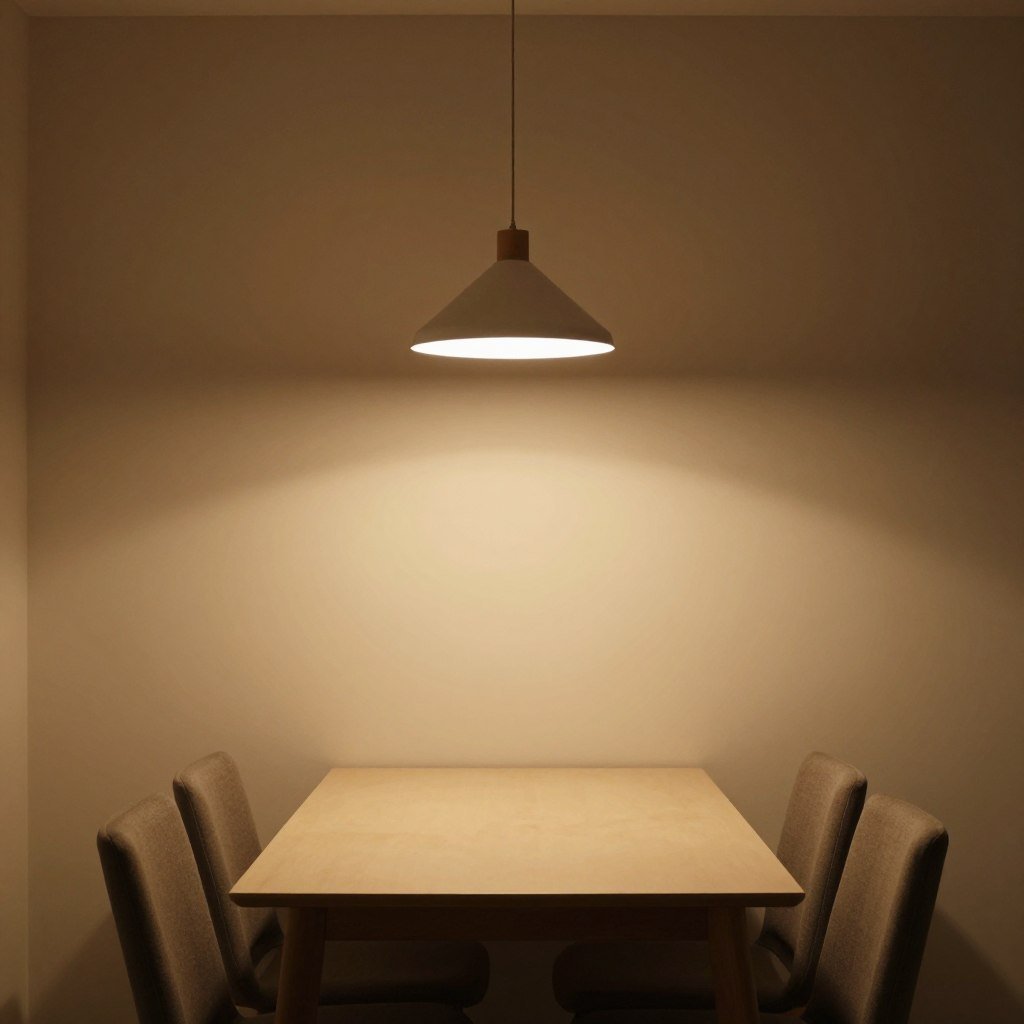
Proper lighting transforms a small dining area. Hang a pendant light or small chandelier 28-34 inches above your table to create a defined dining zone without taking up floor space. For flexibility, consider adjustable-height fixtures or dimmable options that can transition from bright task lighting to intimate dinner ambiance.
Mirror Magic
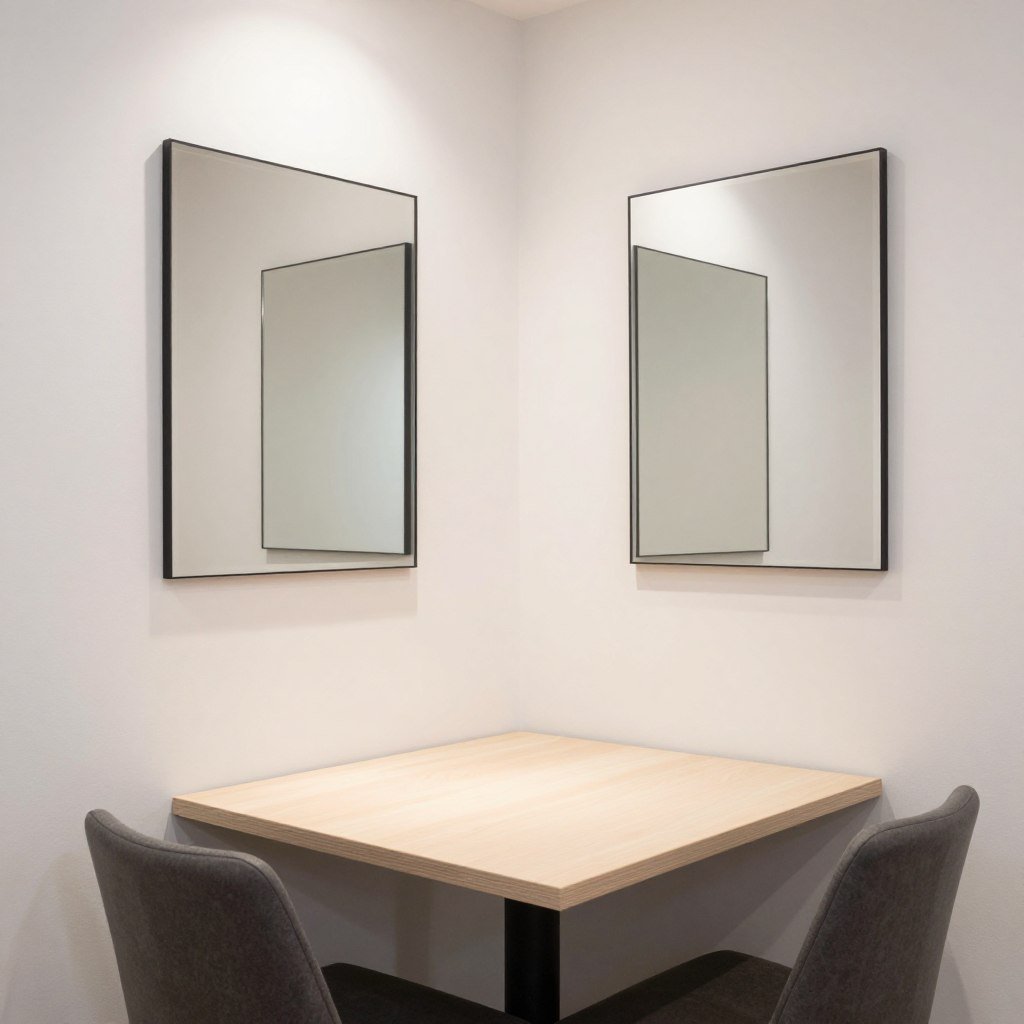
Strategically placed mirrors visually expand tight dining spaces. Position a large mirror on the wall adjacent to your table to reflect light and create the illusion of depth. Mirrored or glass-topped tables also help maintain visual openness, preventing the dining area from feeling crowded or boxed in.
Scale Appropriately
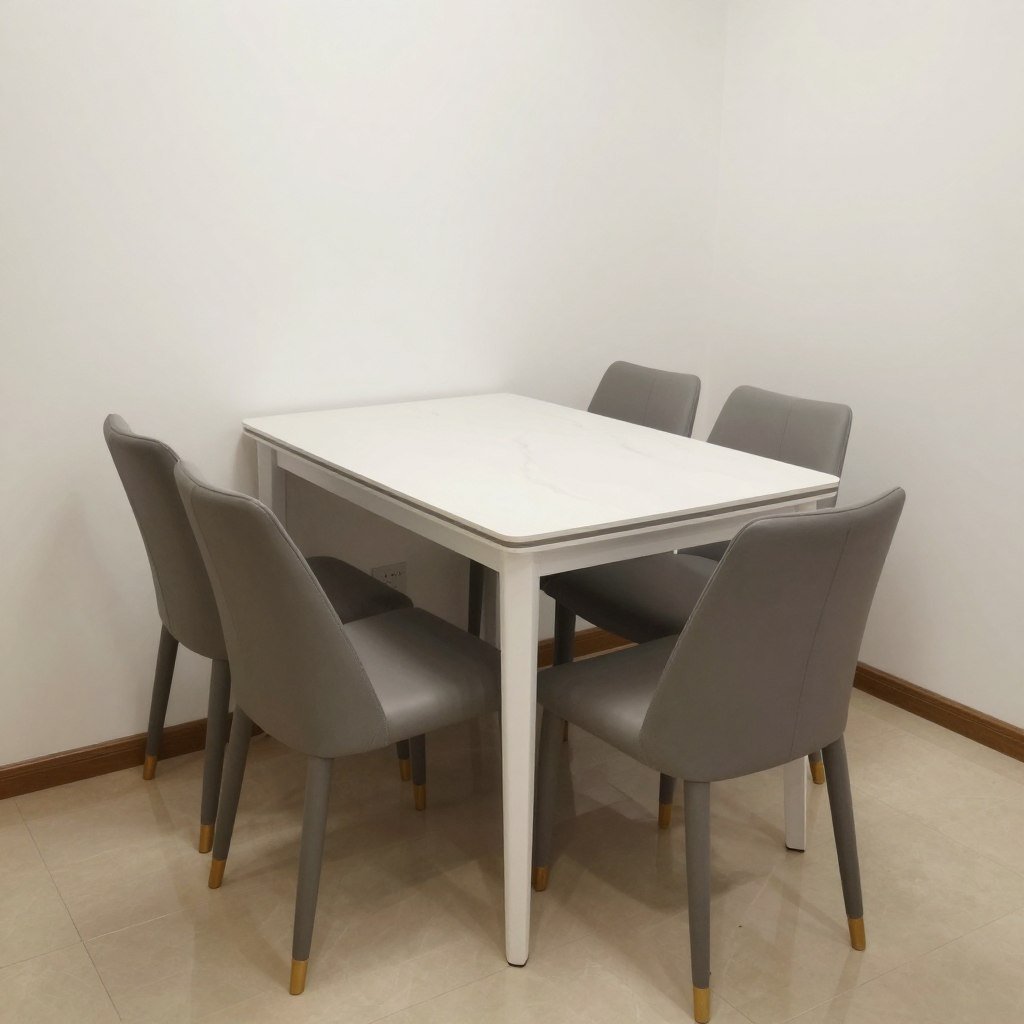
Choose dining chairs and accessories that match the scale of your table. Armless chairs or low-profile seating takes up less visual and physical space. Similarly, avoid oversized centerpieces or bulky tableware that can make the dining surface feel cramped. Opt for streamlined designs that maintain proportion.
Multi-Functional Pieces

Incorporate multi-functional elements to maximize your small dining area. Consider benches with hidden storage, chairs that can be used in other rooms when not needed, or tables with built-in shelving. These versatile pieces add functionality without requiring additional space.
Define the Zone
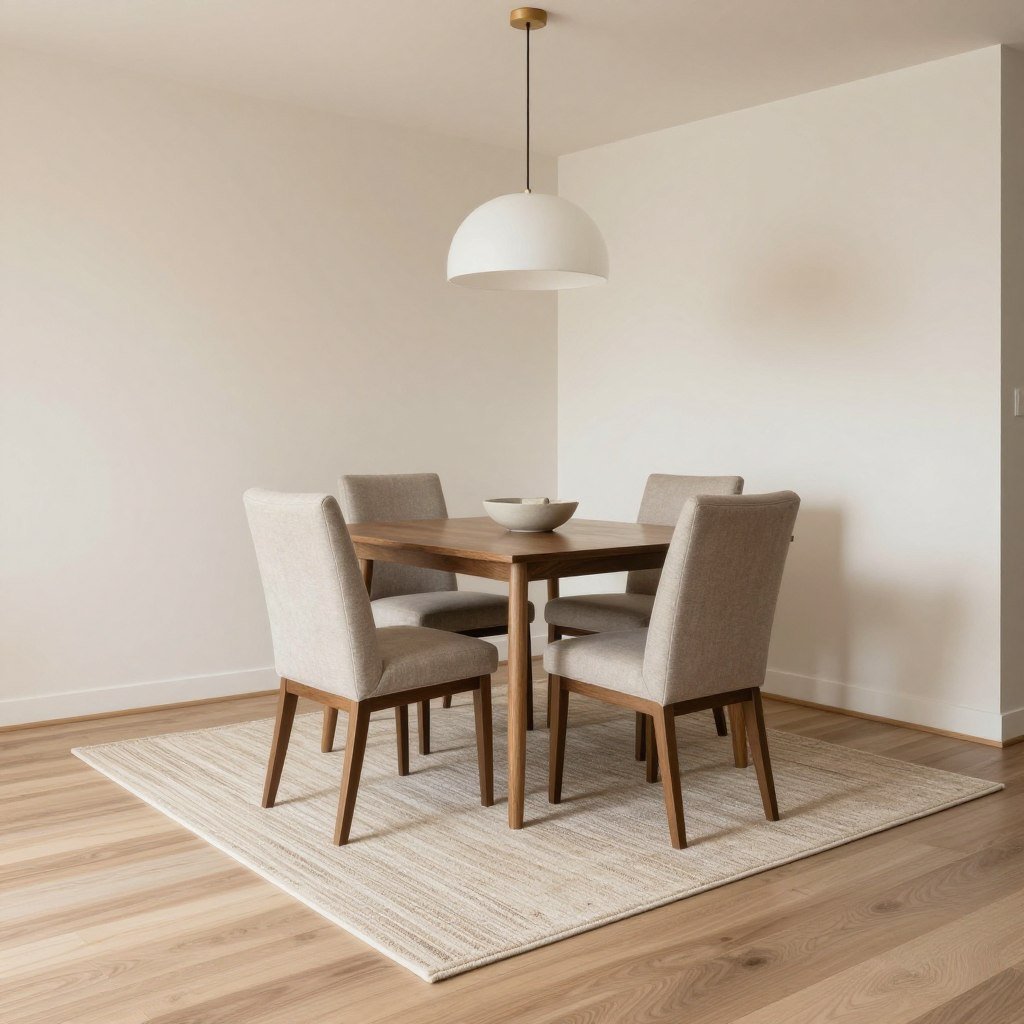
Use visual cues to define your dining area within a larger space. An appropriately sized area rug (extending at least 24 inches beyond the table on all sides) creates a distinct zone. Wall treatments, pendant lighting, or a change in flooring can also help delineate the dining area without physical barriers.
Vertical Thinking
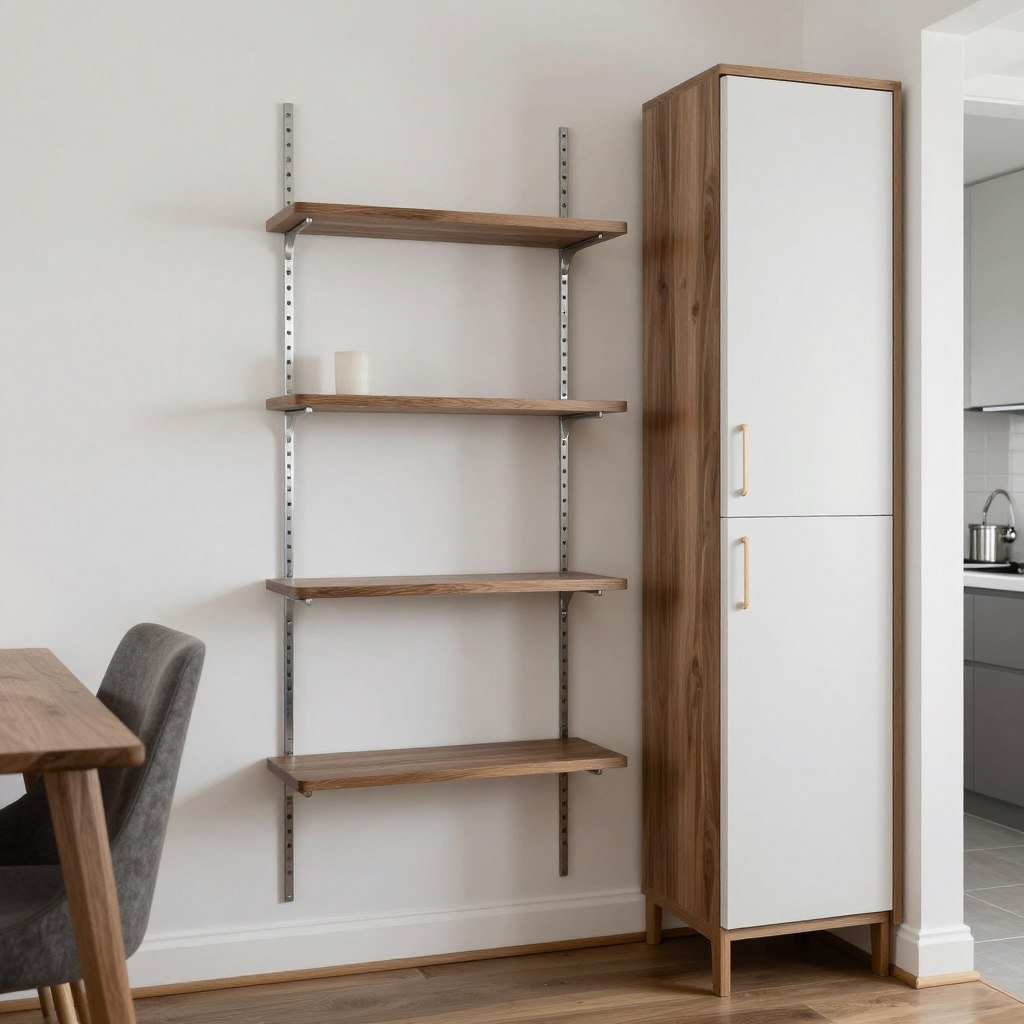
When floor space is limited, think vertically. Install floating shelves above your dining area for storage and display. A tall, narrow hutch or cabinet can provide storage without a large footprint. Wall-mounted plants or artwork draw the eye upward, creating a sense of height that makes the space feel larger.
Create Your Perfect Small Dining Space
Find everything you need to style your compact dining area, from tables and chairs to lighting and decor.
Embracing Small Space Dining
A small dining table doesn’t mean compromising on style or functionality. With the right piece, even the most compact spaces can become charming, inviting areas for meals and gatherings. Whether you opt for a space-saving folding design, a sleek glass-topped model, or a rustic wooden table with character, the perfect small dining table transforms how you experience your home.
Remember that in small spaces, every piece should earn its place through both form and function. Choose a table that reflects your personal style while addressing your specific space constraints and dining needs. With thoughtful selection and creative styling, your small dining area can become one of the most cherished spots in your home—a place where connections are made and memories are created, regardless of square footage.

Find Your Perfect Small Dining Table Today
Browse our curated selection of space-saving dining tables in various styles, materials, and price points.