Antique vanities stand as elegant witnesses to bygone eras when personal grooming was an unhurried ritual rather than a rushed morning routine. These captivating pieces of furniture combine artistic craftsmanship with practical functionality, offering today’s homeowners a chance to incorporate authentic character into contemporary spaces.
This Website contains affiliate links. That means I may earn a small commission if you purchase through my links, at no extra cost to you.
Whether you’re drawn to the intricate carvings of Victorian masterpieces, the geometric boldness of Art Deco designs, or the clean simplicity of Mid-Century creations, antique vanities provide more than just a place to prepare for the day. They create a tangible connection to history through their unique patinas, hand-crafted details, and stories that mass-produced furniture simply cannot replicate.
The Rich Heritage of Antique Vanities Through Time
The concept of dedicated furniture for personal grooming traces back to ancient civilizations, but what we recognize as vanities or dressing tables truly emerged during the late 17th century in Europe. Initially found exclusively in aristocratic homes, these early pieces were relatively modest—often simple tables paired with mirrors and perhaps small compartments for storing essential grooming implements.
By the 18th century, particularly in France, vanities evolved into sophisticated pieces called “coiffeuses” that became essential fixtures in ladies’ boudoirs. Craftsmen created increasingly elaborate designs featuring exotic woods, intricate marquetry, and decorative bronze mounts. These pieces offered specialized compartments designed specifically for the expanding array of beauty tools and cosmetics used by fashionable society.
The Victorian era (1837-1901) witnessed vanities reaching unprecedented levels of ornamentation and functionality. Larger mirrors with tilting mechanisms became standard features, while storage expanded dramatically with numerous drawers and compartments specifically designed for the complex beauty regimens of the period. Marble tops gained popularity both for their aesthetic appeal and practical resistance to cosmetic stains.
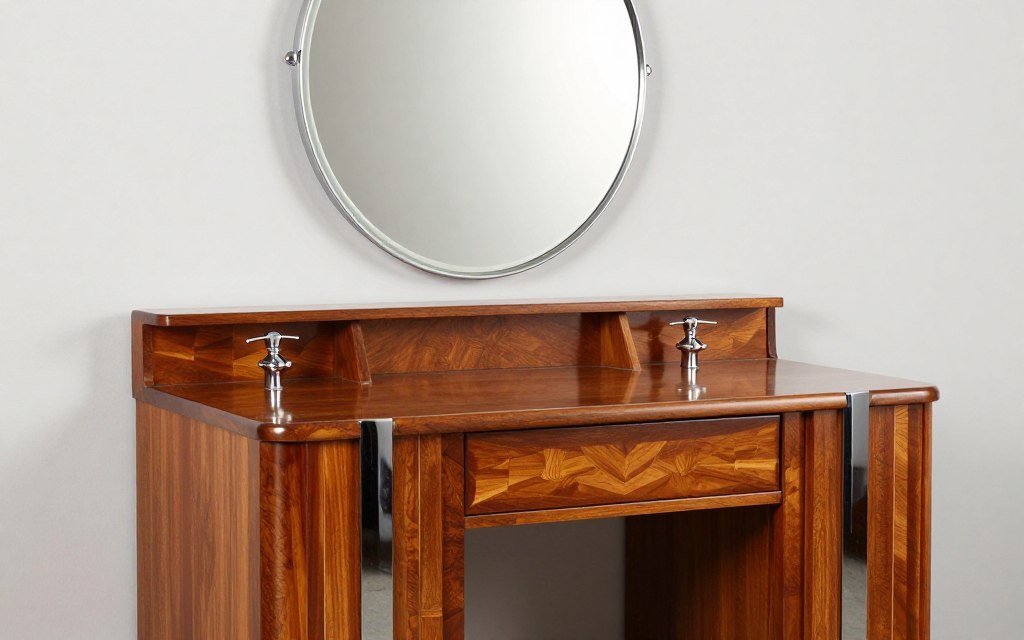
The early 20th century brought dramatic shifts in vanity design. Art Nouveau (1890-1910) introduced organic, flowing lines inspired by natural forms. The subsequent Art Deco period embraced bold geometry, exotic materials, and streamlined forms influenced by the machine age and Hollywood glamour. These striking pieces often featured waterfall edges, dramatic veneers, and geometric mirrors that continue to captivate collectors today.
Related Posts:





Distinctive Styles of Antique Vanities Worth Discovering
Victorian Elegance (1837-1901)
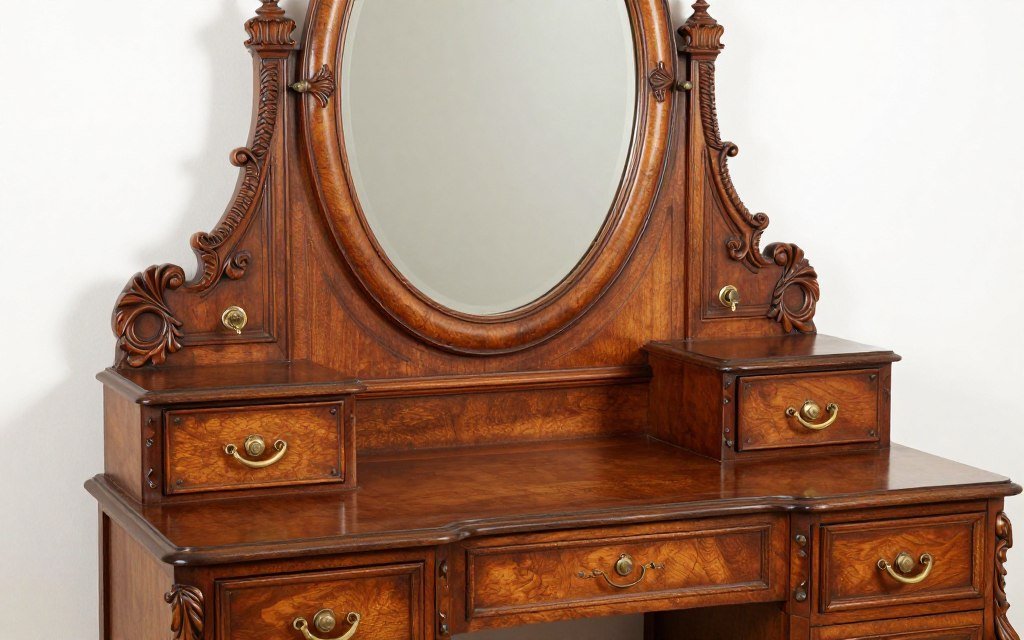
Victorian vanities epitomize the era’s love for opulence and substantial furniture. Typically crafted from rich mahogany, walnut, or rosewood, these impressive pieces feature lavish carvings, serpentine fronts, and substantial proportions. Look for oval or shield-shaped mirrors, marble tops (often white or rose), and an abundance of drawers with original brass pulls. The Victorian period encompassed several sub-styles, from Gothic Revival influences to the later Eastlake movement with its more angular, incised decorations and geometric patterns.
Art Nouveau Fluidity (1890-1910)

Art Nouveau vanities represent a dramatic departure from Victorian heaviness, embracing the movement’s fascination with organic forms and flowing lines. These artistic pieces feature whiplash curves, asymmetrical designs, and motifs drawn directly from nature—flowers, vines, insects, and water elements commonly appear as decorative themes. Woods tend toward lighter tones (oak, maple, or fruitwoods), and the hardware is often considered part of the artistic design rather than merely functional elements. Mirrors typically incorporate sinuous, organic framing that complements the overall aesthetic.
Art Deco Boldness (1920-1940)
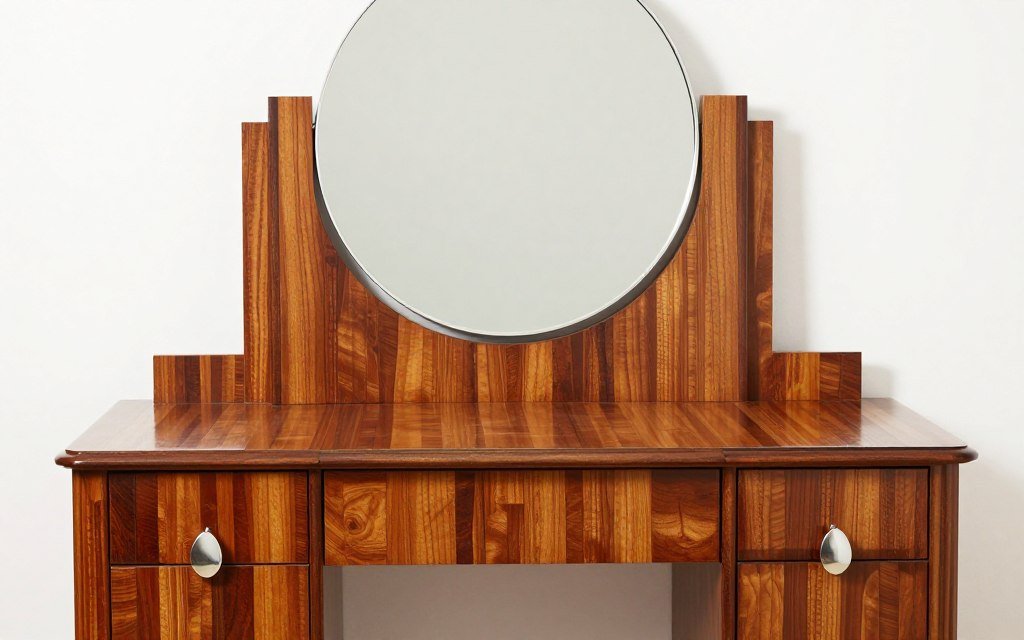
Art Deco vanities reflect the era’s fascination with modernity, speed, and geometric precision. These sophisticated pieces feature strong horizontal lines, symmetrical designs, and the distinctive “waterfall” edge where wood veneer cascades over the front edge like flowing water. Exotic wood veneers (often book-matched for dramatic effect), lacquered finishes, and contrasting inlays define this style. Mirrors are typically round or rectangular with minimal framing, while hardware appears sleek—often chrome, bakelite, or other modern materials that emphasize the machine-age aesthetic that defined the period.
Mid-Century Modern Simplicity (1940-1970)
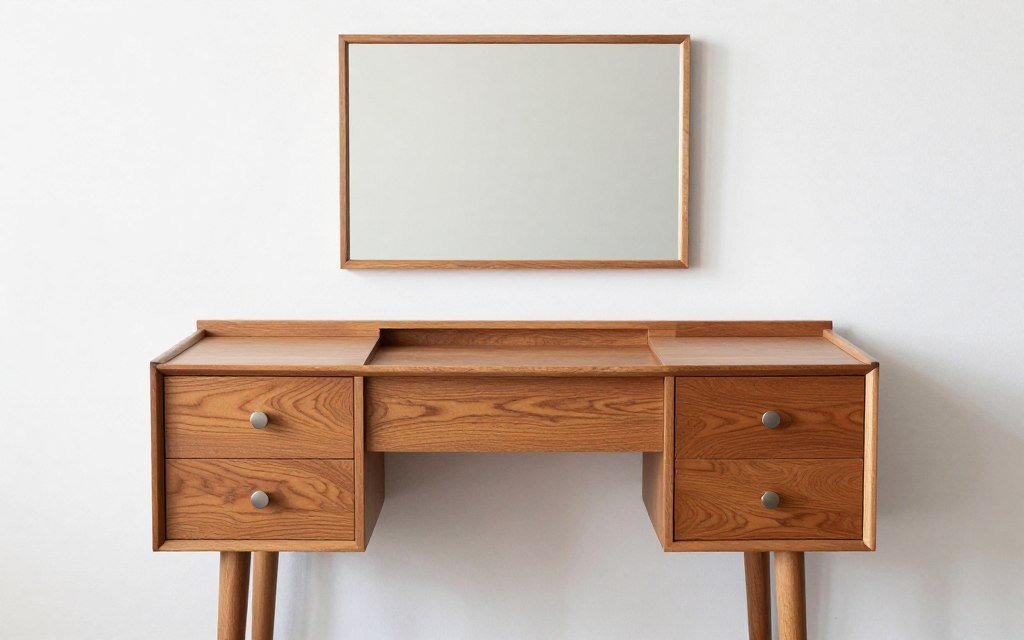
Mid-Century Modern vanities embrace the period’s focus on clean lines, organic forms, and functional design without unnecessary ornamentation. These pieces typically feature warm-toned woods like teak, walnut, or rosewood with an emphasis on showcasing natural grain patterns rather than applied decoration. Distinctive elements include tapered legs (often splayed at an angle), minimal hardware (frequently brass or wood), and an overall horizontal emphasis. Mirrors usually have rectangular or organic shapes mounted on simple frames, creating an airy, uncluttered appearance that remains remarkably compatible with contemporary interiors.
French Provincial Charm (18th-19th century)
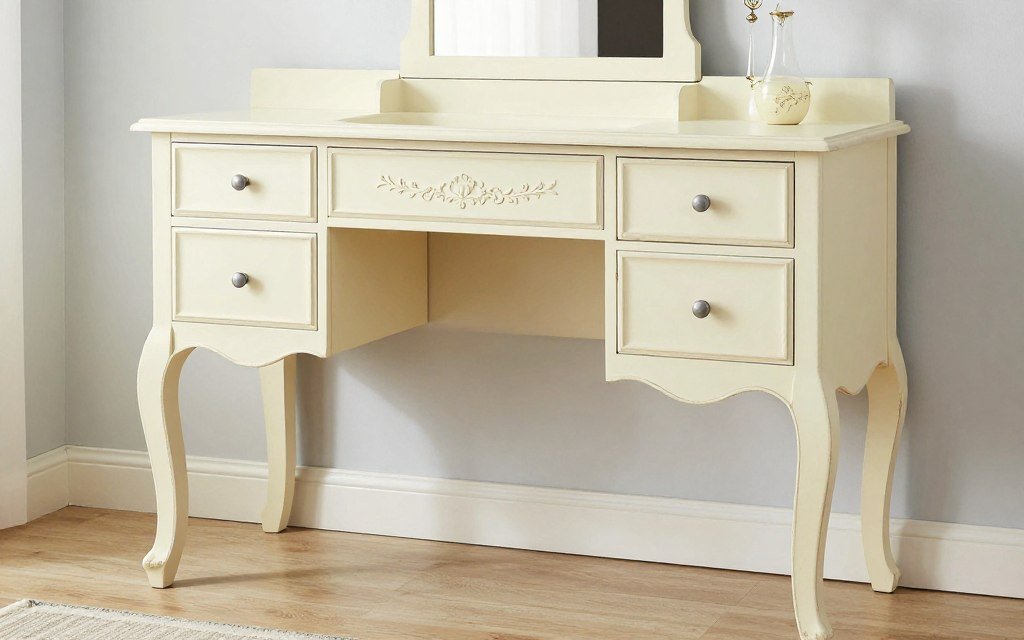
French Provincial vanities blend refined elegance with rustic charm, reflecting regional craftsmen’s interpretations of formal court styles. Often painted in soft whites, creams, or pastels (though sometimes left in natural wood), these charming pieces feature graceful cabriole legs, scalloped aprons, and gentle curves throughout. Decorative elements include carved shells, flowers, and scrollwork, but with a lighter touch than their formal Parisian counterparts. Many examples have been repainted over generations, creating layers of history beneath their current finish. These pieces bring a romantic, timeless quality to both traditional and eclectic interior designs.
Empire Grandeur (Early 19th century)
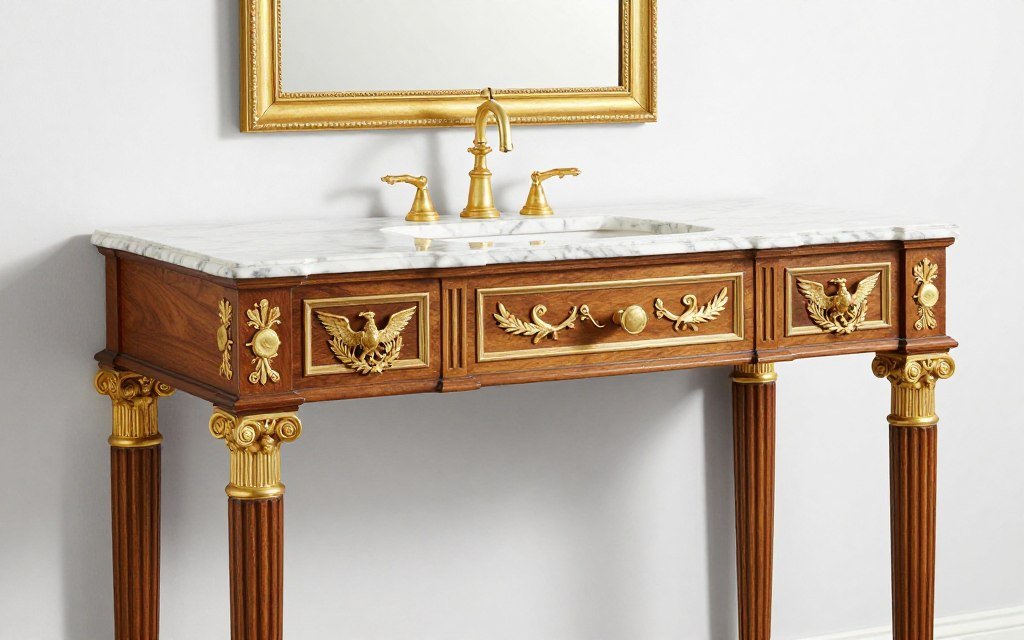
Empire style vanities reflect the Napoleonic era’s fascination with ancient civilizations and military glory. These commanding pieces feature architectural elements—columns, pilasters, and pediments—that give them a monumental quality despite their relatively modest size. Typically crafted from dark mahogany with contrasting gilt bronze (ormolu) mounts, these vanities incorporate classical motifs like laurel wreaths, eagles, sphinxes, and other references to ancient Rome and Egypt. The overall effect conveys masculine authority, making these pieces striking additions to bedrooms that can accommodate their substantial presence and formal character.
Where to Discover Authentic Antique Vanities

Dedicated Antique Dealers
Established antique dealers represent the premium source for finding authenticated, quality pieces with proper provenance documentation. While prices typically reflect their expertise and overhead costs, the confidence that comes with professional authentication often justifies the investment. Reputable dealers thoroughly examine each piece, can identify original versus replaced components, and frequently provide documentation about the era, style, and sometimes even the maker. Building relationships with dealers who specialize in your preferred period can lead to first notifications about new acquisitions before they reach the showroom floor.
Estate Sales and Auctions
Estate sales offer the excitement of discovery and typically more reasonable pricing than retail antique establishments. These events provide the unique opportunity to see pieces in their original settings, sometimes having remained in the same home for generations. For serious collectors, arriving early (often waiting in line before opening) is essential for accessing the best items. Online auction platforms have democratized access to estate sales nationwide, though shipping large furniture requires careful coordination and can significantly increase the final cost. Always research the auction house or estate sale company’s reputation before bidding.
Online Marketplaces
Digital platforms dedicated to antiques and vintage furniture have revolutionized the market for period pieces. Sites like Chairish, 1stDibs, Ruby Lane, and even Etsy’s vintage section offer carefully curated selections with detailed photographs and descriptions. The advantage lies in the vast inventory accessible from your home, sophisticated search filters, and often the ability to negotiate below asking price. However, purchasing without physical inspection requires careful attention to condition descriptions, precise measurements, and return policies. Always check seller ratings and ask detailed questions about any aspects not clearly addressed in the listing.
Vintage Markets and Thrift Stores
For those who enjoy the treasure hunt and possess a discerning eye, flea markets, antique fairs, and thrift stores can yield remarkable finds at a fraction of retail prices. These venues require knowledge to distinguish quality pieces from reproductions and the vision to see potential beneath years of neglect or unfortunate “updates.” Bring a small flashlight to examine drawer construction, a tape measure for dimensions, and a magnet to test for ferrous metals that might indicate newer hardware. Early arrival is essential at these venues, so plan to be there when doors open for the best selection.
Looking to create a vintage-inspired vanity area without the extensive hunt for authentic pieces? Consider searching for vintage style vanity mirrors that capture the essence of period designs while complementing your existing furniture.
Assessing Quality and Authenticity in Antique Vanities
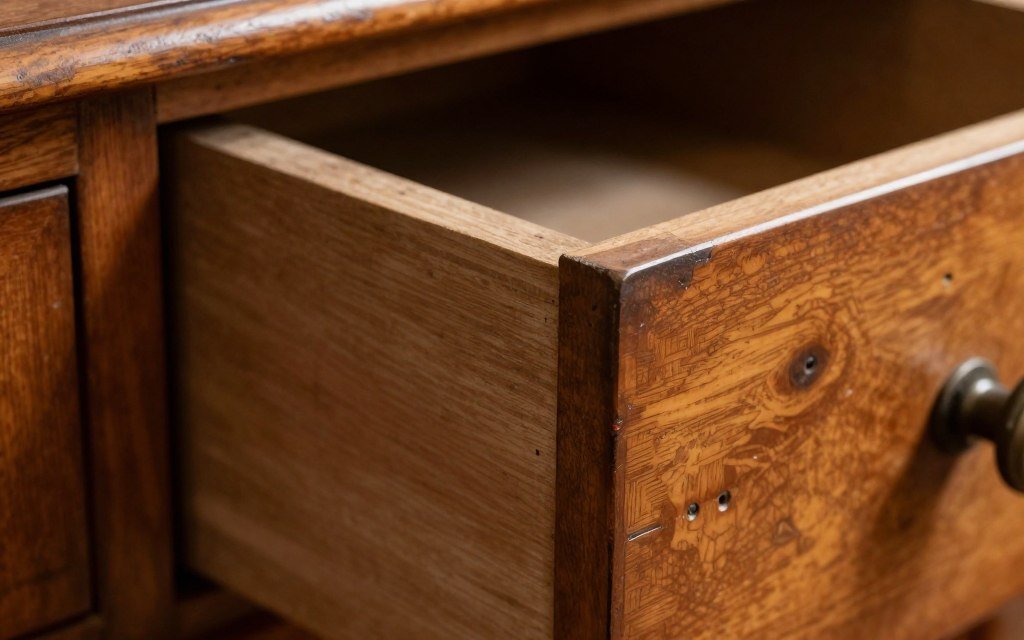
Identifying Genuine Period Construction
- Examine joinery techniques—hand-cut dovetails with slight irregularities indicate pre-1900 construction, while perfectly uniform dovetails suggest machine cutting from later periods or reproductions.
- Inspect the wood itself—authentic antique furniture typically uses solid wood for structural elements, though secondary woods (like pine or poplar) were commonly used for drawer sides and backs to reduce cost.
- Look for evidence of hand planing on interior surfaces—subtle undulations and occasional tool marks reveal hand craftsmanship rather than the perfectly smooth surfaces produced by machine milling.
- Check for construction methods appropriate to the purported period—mortise and tenon joints, wooden pegs, and cut nails in older pieces versus Phillips head screws in newer construction.
- Assess the mirror glass—antique mirrors often display a waviness, subtle distortion, or spotting (known as “foxing”) that indicates age; perfectly flat, clear mirrors may be later replacements.
Differentiating Between Character and Damage
Desirable Signs of Age
- Natural darkening of wood that appears deeper on surfaces exposed to light and handling over decades
- Gentle wear patterns around drawer pulls and edges consistent with normal use over time
- Minor scratches and indentations that contribute to the piece’s unique history and character
- Slight loosening of joints that hasn’t compromised the overall structural integrity
- Original hardware with tarnish, verdigris, or other age-appropriate patination that tells a story
Concerning Condition Issues
- Extensive water damage that has caused wood warping, veneer separation, or structural weakness
- Signs of active wood-boring insect infestation (look for fresh sawdust or new exit holes)
- Major structural failures like broken legs, split panels, or severely compromised joints
- Drawers that bind or don’t close properly due to frame distortion or warping
- Extensive amateur repairs using modern materials like plywood, particle board, or epoxy fillers
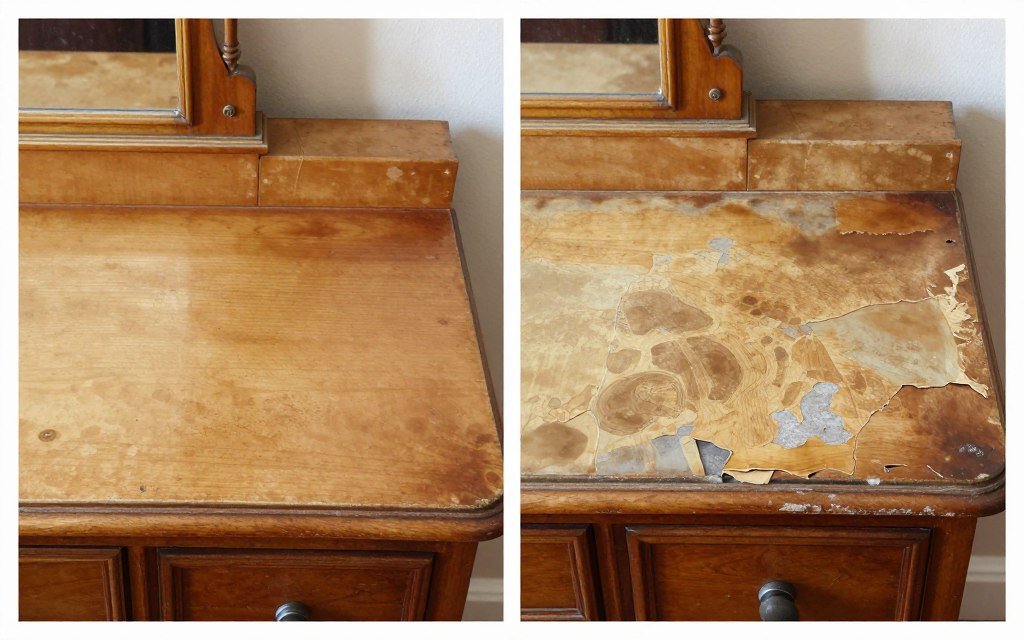
The most compelling antique vanities bear honest evidence of their journey through time. What novice buyers might perceive as flaws—subtle color variations, gentle wear patterns, minor repairs—are actually the authentic signatures of age that distinguish genuine antiques from modern reproductions attempting to mimic the past.
Creative Ways to Incorporate Antique Vanities into Modern Spaces
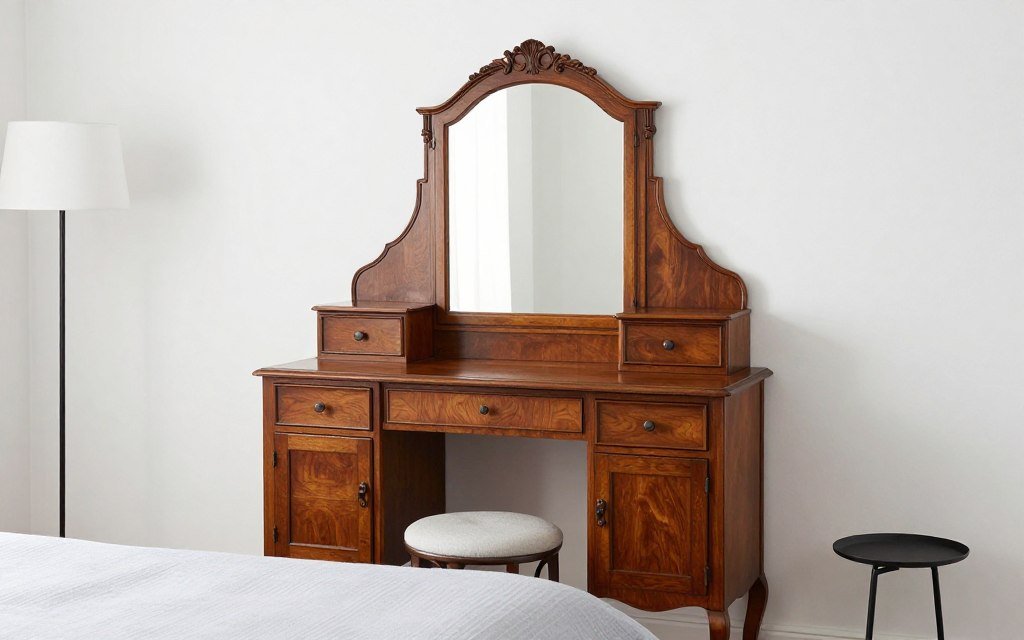
Creating Balanced Bedroom Arrangements
An antique vanity can serve as a captivating focal point in a contemporary bedroom when thoughtfully integrated into the space. The key lies in creating visual balance—allowing the historical piece to shine while ensuring it harmonizes with its surroundings. Consider positioning your vanity against a wall painted in a modern, complementary color that highlights the wood tones. A rich mahogany Victorian piece creates dramatic contrast against cool gray or sage green walls, while a blonde Art Deco vanity pairs beautifully with warm terracotta or deep navy backgrounds.
The seating you choose significantly impacts the overall aesthetic. Rather than hunting for a matching period stool (which can be uncomfortable for extended use), consider unexpected pairings that create intriguing tension between old and new. A transparent ghost chair paired with a Victorian vanity creates fascinating contrast, while a velvet-upholstered modern chair in a bold jewel tone can energize a Mid-Century piece. For those who appreciate vintage aesthetics, consider displaying a curated collection of vintage perfume bottles arranged asymmetrically to avoid a cluttered appearance.
Innovative Repurposing Concepts
Sophisticated Entryway Statement
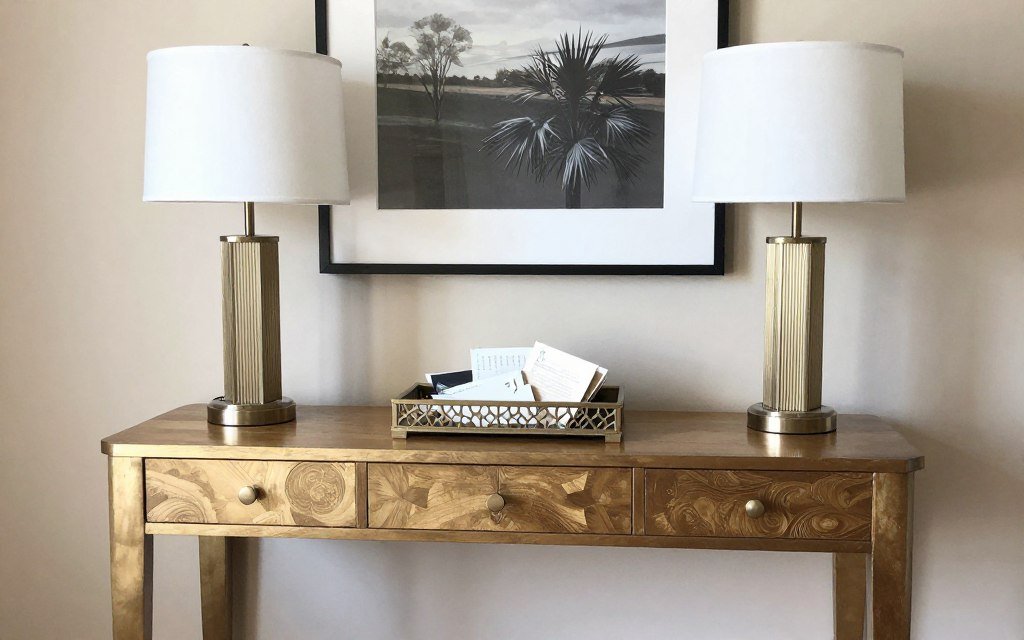
Antique vanities make exceptional entryway pieces, providing both practical storage and an elegant first impression for guests. The mirror reflects light and visually expands smaller foyers, while drawers offer discreet storage for everyday essentials. Style your entry vanity with a pair of modern table lamps for symmetry, a decorative tray for corralling mail and keys, and perhaps a small dish for jewelry removal. For a cohesive look, choose accessories that reference but don’t mimic the vanity’s period—Art Deco-inspired geometric containers complement a 1930s vanity without creating a time-capsule effect.
Character-Rich Home Office
With remote work becoming increasingly common, antique vanities offer charming alternatives to conventional desks, particularly in smaller spaces. Their human-scaled proportions and built-in storage make them naturally suited to home office use. Ensure proper ergonomics by pairing with a comfortable, adjustable-height chair and adding task lighting that complements the vanity’s style. Consider using desk organization accessories that echo the vanity’s aesthetic while accommodating modern necessities like charging stations and document storage.
Bathroom Transformations
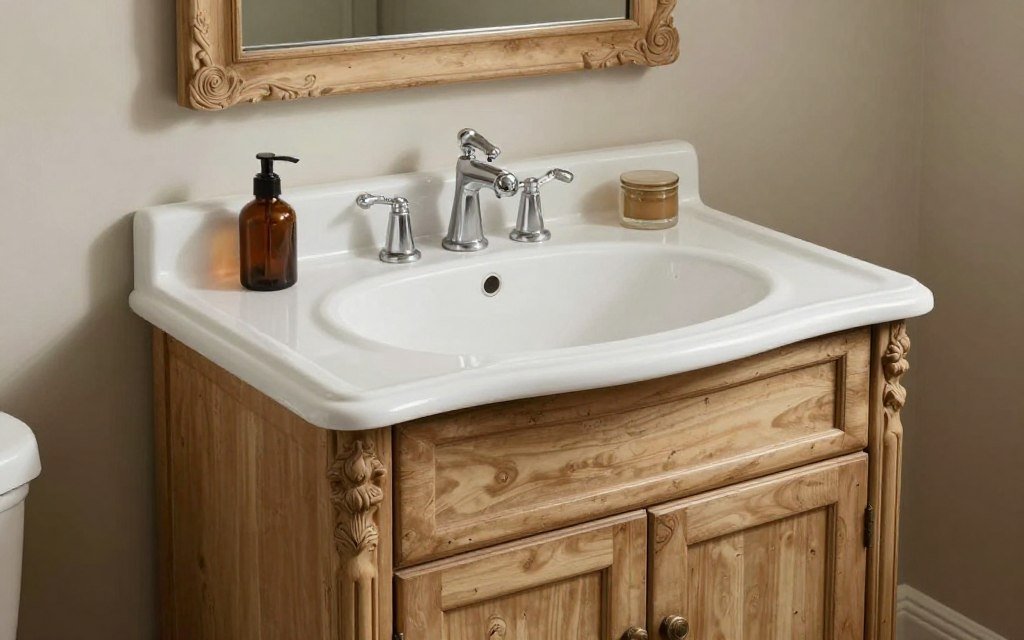
Perhaps the most dramatic repurposing of antique vanities involves their conversion to bathroom sink cabinets—a fitting evolution given their name. This transformation requires professional modification to accommodate plumbing while preserving the piece’s structural integrity and aesthetic appeal. Vessel sinks that sit atop the surface require minimal cutting and allow more of the original piece to remain intact. Consider treating the wood with multiple coats of marine-grade polyurethane to protect against bathroom humidity, and ensure the mirror receives proper sealing as well.
When planning this conversion, consult with both a plumber and a furniture restorer to address technical requirements without compromising the antique’s value. For those interested in this project, researching vessel sink mounting hardware will help you understand the installation process before engaging professionals. The result can be a truly one-of-a-kind bathroom feature that adds character impossible to achieve with mass-produced vanities while honoring the piece’s history.
Preserving and Restoring Antique Vanity Treasures
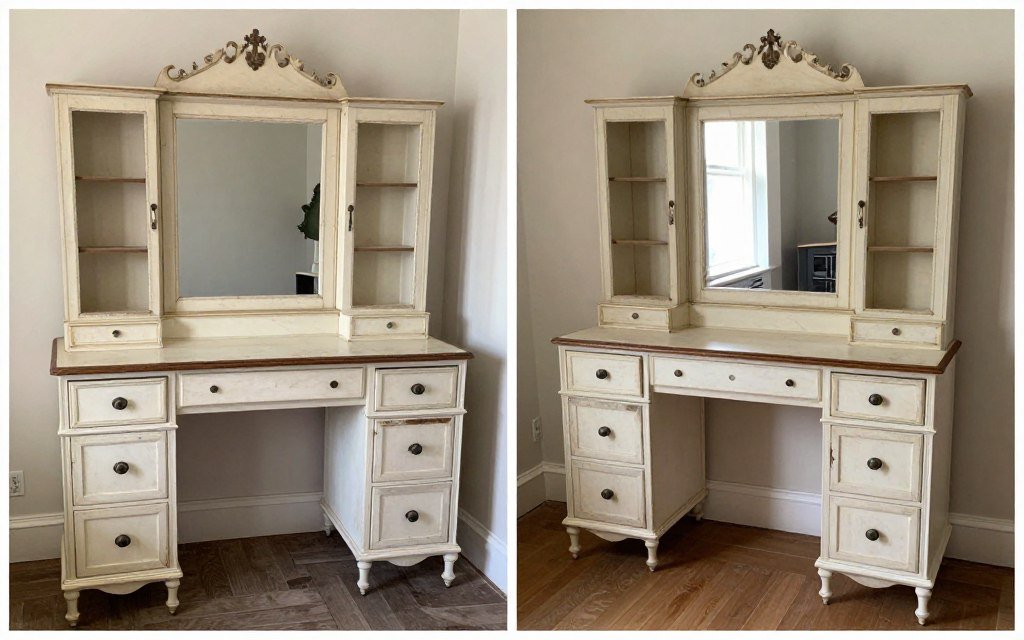
Determining the Right Approach
The decision between simple preservation and more extensive restoration depends on several factors: the piece’s historical significance, its current condition, and your intended use. Museum-quality pieces with important provenance generally warrant minimal intervention—stabilization rather than transformation. Conversely, pieces intended for daily use may require more substantial restoration to ensure functionality while respecting their historical integrity.
Always begin with the least invasive approach. A gentle cleaning with appropriate products can reveal the true condition beneath years of dirt and inappropriate polishes. For initial assessment and cleaning, consider using furniture restoration cleaning products specifically formulated for antiques. These specialized cleaners remove accumulated grime without damaging original finishes—often revealing beauty that makes more drastic interventions unnecessary.
Responsible DIY Restoration Techniques
- Clean surfaces gently using soft cloths slightly dampened with a mixture of mild soap and distilled water, followed immediately by thorough drying with a clean cloth.
- Address loose joints using traditional hide glue, which remains reversible for future restoration and matches historical construction methods.
- Revive dried-out wood with appropriate feeding—boiled linseed oil for open-grained woods like oak and walnut, shellac-based products for fine-grained woods like mahogany.
- Touch up minor finish damage with burnishing techniques using fine steel wool and paste wax rather than stripping and refinishing the entire piece.
- Replace missing hardware with authentic period pieces or high-quality reproductions that match the style and material of originals.
Long-Term Preservation Strategies
- Position antique vanities away from direct sunlight, heating vents, and radiators to prevent wood drying, cracking, and finish fading.
- Maintain consistent humidity levels (ideally 40-60%) to prevent wood expansion and contraction that can damage joints and veneers.
- Apply quality furniture wax (preferably beeswax-based) every 6-12 months to nourish wood and maintain a protective barrier against environmental factors.
- Use felt pads under all objects placed on the vanity surface to prevent scratches and rings from cosmetic containers.
- Clean mirrors using only products specifically designed for antique mirror glass, avoiding ammonia-based cleaners that can damage the delicate silvering.
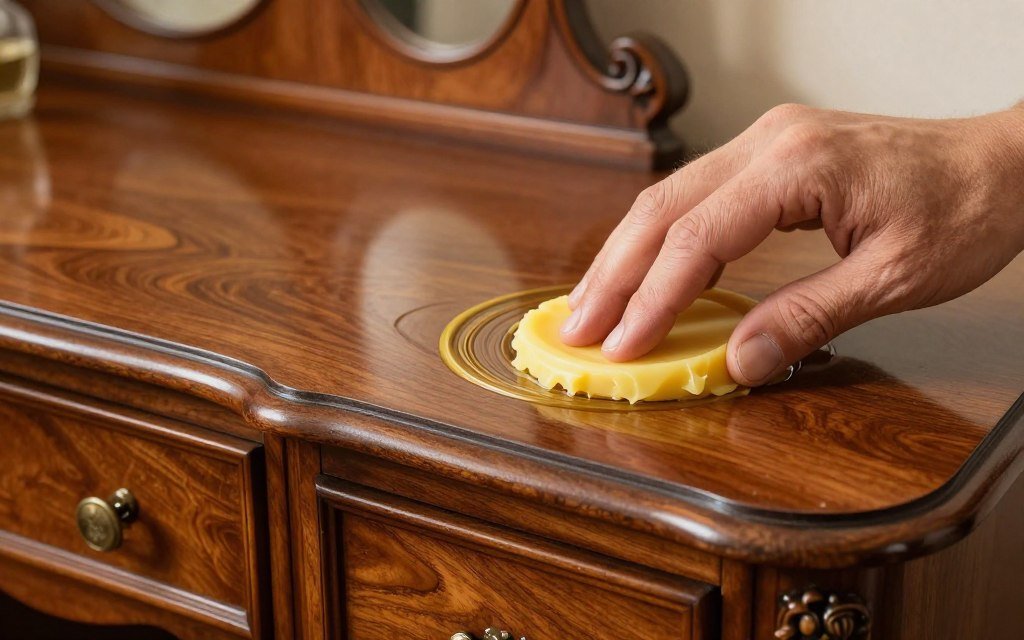
For gentle, effective care of antique wood surfaces, consider using beeswax furniture polish which nourishes wood fibers while enhancing natural patina without building up or damaging original finishes.
Styling Your Antique Vanity with Period-Appropriate Accents
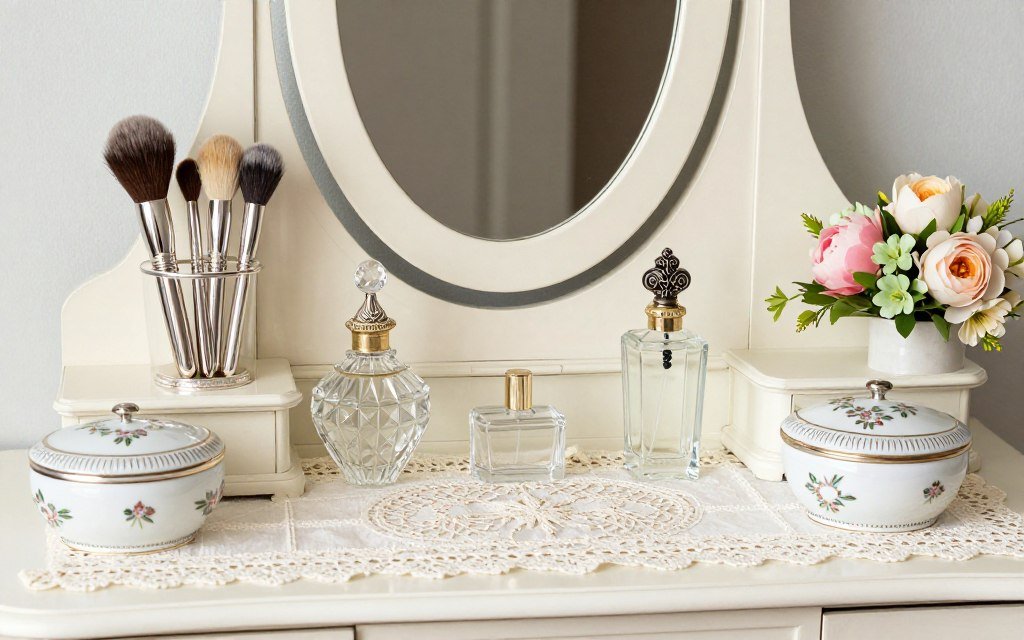
Authentic Decorative Elements
Creating a cohesive look for your antique vanity involves selecting accessories that would have been used during its era of origin. For Victorian pieces, consider collecting silver-backed brush, comb, and mirror sets, cut crystal perfume bottles with decorative stoppers, and porcelain trinket boxes with hand-painted details. Edwardian and Art Nouveau vanities pair beautifully with sterling silver or ivory-colored grooming implements featuring flowing, organic designs and iridescent glass containers that reflect the period’s fascination with luminous surfaces.
Art Deco vanities call for bold geometric accessories—chrome-framed photographs, faceted glass perfume bottles with dramatic stoppers, and Bakelite or celluloid dresser sets in vibrant colors. For those interested in building a collection of period-appropriate items, searching for vintage vanity accessories can yield beautiful pieces that complement your specific vanity style while adding authentic character to your display without overwhelming the piece itself.
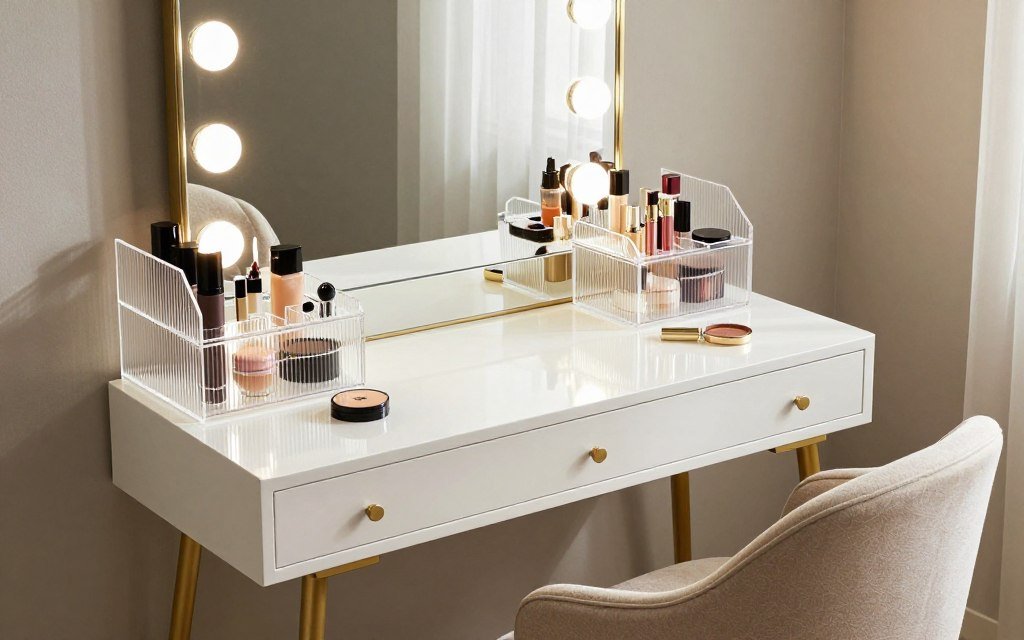
Balancing Historical Character with Modern Function
While honoring your vanity’s heritage, incorporating modern elements ensures it meets contemporary needs. Consider these practical additions that enhance functionality without compromising aesthetic integrity:
- Task lighting that complements the vanity’s style while providing proper illumination for makeup application—consider adjustable wall sconces or clamp lights that don’t require modification of the antique piece
- Clear acrylic organizers that effectively corral modern cosmetics while visually “disappearing” against the historical backdrop
- Protective glass or marble tops cut to size that shield wood surfaces from makeup stains and moisture damage
- Custom-fitted drawer organizers that maximize storage while protecting original wood from cosmetic spills and stains
- Ergonomic seating that supports proper posture during extended use while complementing the vanity’s aesthetic
- Discreet power solutions for beauty appliances, such as hidden power strips or decorative extension cords that blend with the overall design
For practical organization that preserves your antique’s beauty, look for clear cosmetic organizers that provide modern functionality with minimal visual impact. These transparent solutions allow the vanity’s original design to remain the focal point while accommodating contemporary beauty products and tools in an organized, accessible manner.
Antique Vanities as Collectible Investments
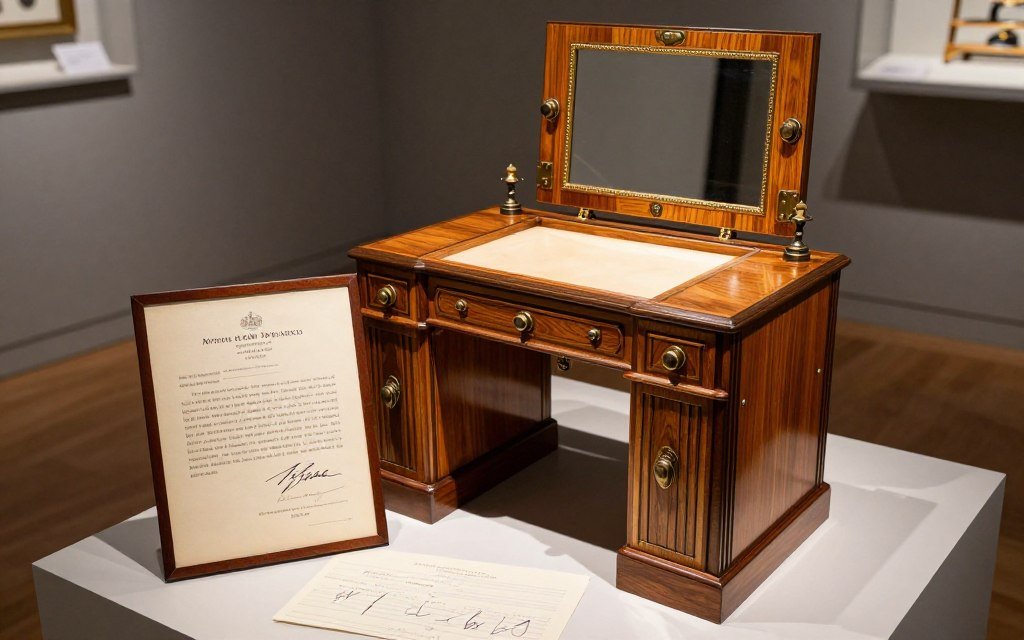
Key Factors Determining Value in the Antique Vanity Market
- Maker and Provenance: Pieces by recognized craftsmen or manufacturers like Chippendale, Sheraton, Belter, or companies such as Wooton, Berkey & Gay, or Kittinger command significant premiums, especially with documented history of ownership.
- Originality: Vanities retaining all original components—finish, hardware, mirror, and matching stool or chair—typically hold substantially greater value than those with replacements or modifications.
- Condition: While perfect condition isn’t expected in antiques, pieces with minimal damage, sympathetic period-appropriate repairs, and original finishes generally command higher prices than heavily restored examples.
- Rarity and Distinctiveness: Unusual forms, rare woods or materials, exceptional craftsmanship, or unique design features significantly enhance value beyond more common examples of the same period.
- Historical Significance: Connections to historical events, notable figures, or important design movements can dramatically increase both monetary and cultural value beyond similar pieces without such provenance.
Understanding Market Trends
The market for antique furniture fluctuates with broader design trends, generational preferences, and economic conditions. Currently, Mid-Century Modern pieces continue to command strong prices, particularly Scandinavian designs and pieces by named designers. Art Deco vanities, especially those with exceptional veneers and original hardware, have seen steady appreciation as their streamlined aesthetic complements contemporary interiors.
Victorian and earlier pieces have experienced more variable market performance, with the most ornate examples sometimes struggling to find buyers in an era favoring cleaner lines. However, exceptional examples from any period maintain their value regardless of prevailing trends. For those considering investment-grade purchases, working with established dealers who provide certificates of authenticity and detailed condition reports offers the greatest protection for significant acquisitions.
The most rewarding antique vanity investments are those that speak to you personally. When you acquire a piece that resonates with your aesthetic sensibilities and lifestyle needs, you’ll derive daily pleasure from it regardless of market fluctuations—making it a sound investment in your quality of life first and foremost.
Embracing the Timeless Appeal of Antique Vanities
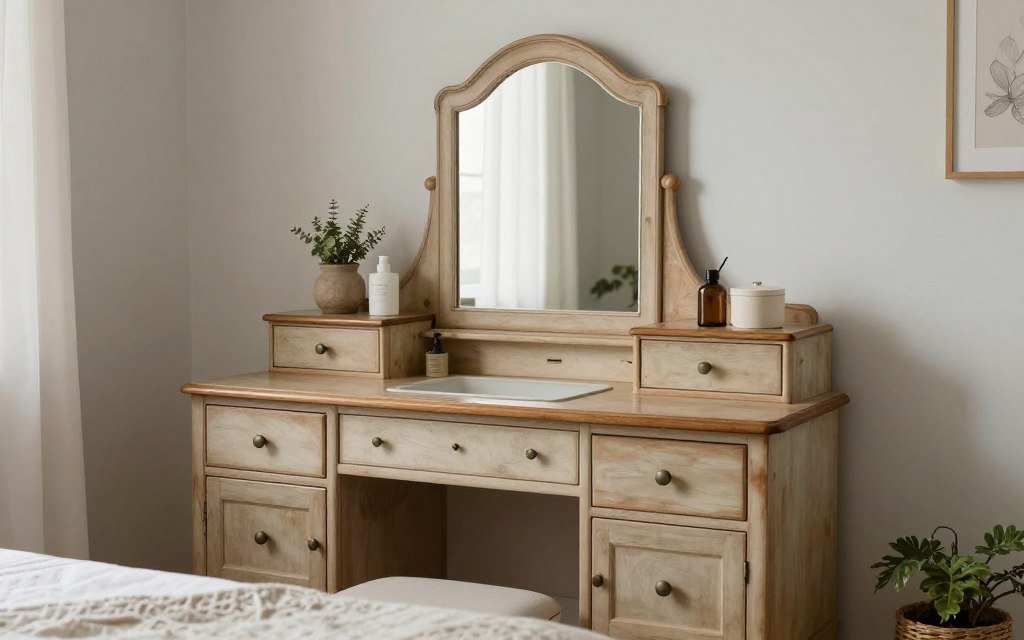
Antique vanities represent far more than functional furniture—they embody the intimate rituals of self-preparation that have remained constant through changing eras. From the elaborate toilette ceremonies of 18th-century aristocrats to the glamorous transformations of 1930s film stars to today’s self-care routines, these pieces have witnessed countless personal moments while serving as artistic expressions of their periods’ aesthetic values and craftsmanship standards.
Whether you’re drawn to the romantic curves of Victorian design, the bold geometry of Art Deco, or the organic simplicity of Mid-Century Modern, an antique vanity brings unparalleled character and history into your space. Unlike mass-produced contemporary furniture, these pieces carry the subtle marks of their makers’ hands and the gentle patina that only time can bestow—creating a depth of character impossible to replicate in new production.
As you embark on your journey to find, restore, or style your perfect antique vanity, remember that the most successful acquisitions balance appreciation for history with practical considerations for modern living. With thoughtful care and creative integration, these treasures from the past will continue to serve and delight for generations to come—perhaps someday becoming cherished heirlooms in your own family’s story.
Ready to create your own vanity vignette? Begin with vintage-inspired vanity lighting that complements your antique piece while providing the proper illumination for today’s beauty routines.