Kitchen countertop clutter is a common frustration for many homeowners. Small appliances like coffee makers, toasters, and blenders are essential for daily use but can quickly overwhelm your workspace. An appliance garage offers an elegant solution to this problem, providing dedicated storage that keeps your appliances accessible yet neatly tucked away when not in use. This comprehensive guide explores everything you need to know about appliance garages, from design options to installation tips, helping you create a more organized and visually appealing kitchen.
This Website contains affiliate links. That means I may earn a small commission if you purchase through my links, at no extra cost to you.
What Is an Appliance Garage?
An appliance garage is a dedicated storage space designed specifically for housing small kitchen appliances. Typically built into cabinetry, these clever storage solutions allow you to keep frequently used items like coffee makers, toasters, and blenders easily accessible while keeping them hidden from view when not in use. This dual functionality helps maintain a clean aesthetic while ensuring your favorite kitchen tools remain within reach.
The concept has evolved significantly since its popularity in the 1980s. Modern appliance garages feature improved designs, better functionality, and more stylish integration with contemporary kitchen aesthetics. They can be incorporated into new kitchen designs or retrofitted into existing spaces, making them a versatile solution for kitchens of all sizes and styles.
Benefits of Installing an Appliance Garage
Aesthetic Improvements
The most immediate benefit of an appliance garage is visual. By concealing bulky appliances, your kitchen instantly appears more streamlined and organized. This creates a cleaner look that many homeowners and designers prefer, especially in open-concept living spaces where the kitchen is visible from other areas.
Space Optimization
While appliance garages do take up some space, they actually help optimize your kitchen’s functionality by keeping frequently used items in designated areas. This prevents the scattered placement of appliances across multiple countertops and creates more usable workspace for food preparation.
Convenience Factor
Having your appliances stored in purpose-built spaces means they’re always ready to use. No more shuffling items between cabinets and countertops or struggling to reach items stored in hard-to-access areas. Everything has its place and remains easily accessible.
Keeping appliances behind doors helps protect them from kitchen dust, grease, and splatter. This not only keeps them cleaner but can potentially extend their lifespan by reducing exposure to environmental factors that might affect their performance over time.
Popular Types of Appliance Garage Designs
Corner Appliance Garage
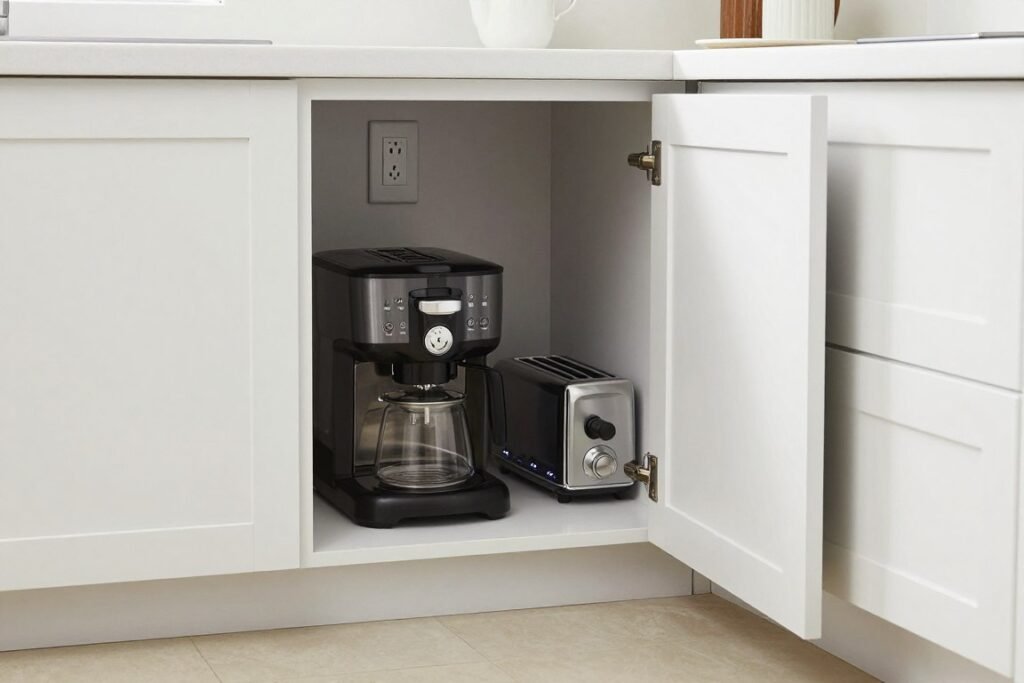
Corner appliance garages make excellent use of what might otherwise be awkward or wasted space. Positioned at the junction of two cabinet runs, these garages can accommodate several small appliances while maintaining a streamlined look. Modern corner designs eliminate the wasted space in the back that older diagonal corner cabinets were known for, providing full access to the entire storage area.
When shopping for corner cabinet hardware, look for specialized hinges that allow full access to the interior space. Quality corner cabinet hinges make a significant difference in functionality and ease of use.
Vertical Appliance Garage
Vertical appliance garages utilize the space between your countertop and upper cabinets. These tall, narrow cabinets are perfect for storing coffee makers, blenders, or toaster ovens. The vertical design makes efficient use of wall space without consuming valuable counter area.
Pull-Out Appliance Garage
For heavier appliances like stand mixers, a pull-out shelf or drawer system offers the perfect solution. These designs feature sturdy hardware that supports the weight of heavier items while allowing you to slide them out for use and tuck them away when finished. This eliminates the need to lift heavy appliances, making your kitchen more accessible and user-friendly.
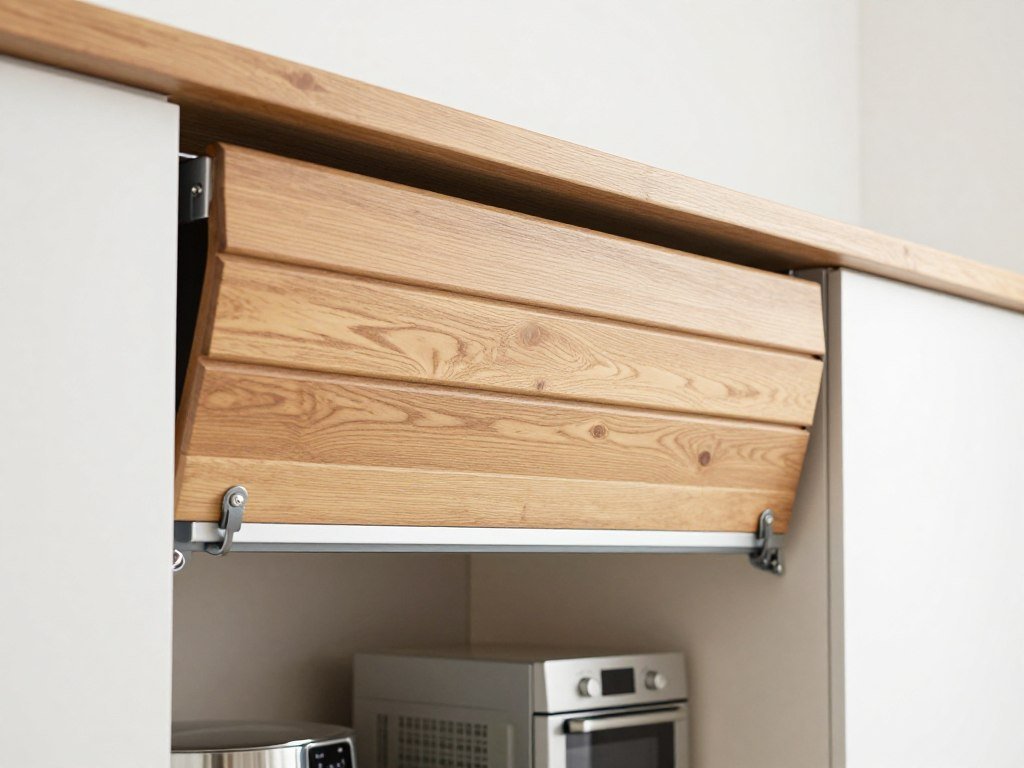
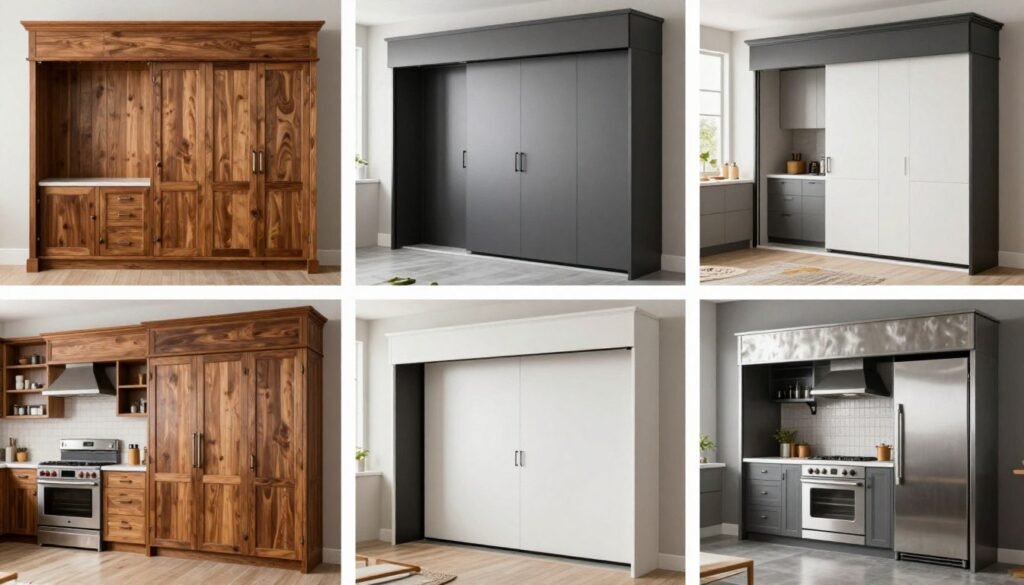
Tambour doors, also known as roll-up doors, consist of narrow slats that glide along a track, rolling up into the cabinet when opened. These space-saving doors don’t require clearance in front of the cabinet, making them ideal for tight spaces. Modern tambour doors come in various materials and finishes, from traditional wood to contemporary metal, offering both functionality and style.
Pocket Doors
Pocket doors slide back into the cabinet frame when opened, providing unobstructed access to your appliances. While they require some additional space inside the cabinet for the doors to retract, they offer a clean look and prevent any door-appliance conflicts. Many homeowners leave pocket doors tucked away for frequently used items like coffee makers, allowing quick access during daily routines.
Flip-Up Doors
Flip-up doors open upward and stay in position, providing easy access to the contents inside. These doors work well for appliance garages positioned at eye level or above, as they don’t require reaching around an open door. Some designs include mechanisms that hold the door open securely until you’re ready to close it.
Bi-Fold Doors
Bi-fold doors fold back on themselves like shutters, requiring minimal clearance when open. This makes them an excellent choice for small kitchens where space is at a premium. They provide full access to the garage interior while maintaining a cohesive look with surrounding cabinetry.
For a seamless look, consider soft-close cabinet hinges that prevent doors from slamming and add a touch of luxury to your kitchen.
Strategic Placement in Your Kitchen
Next to the Refrigerator
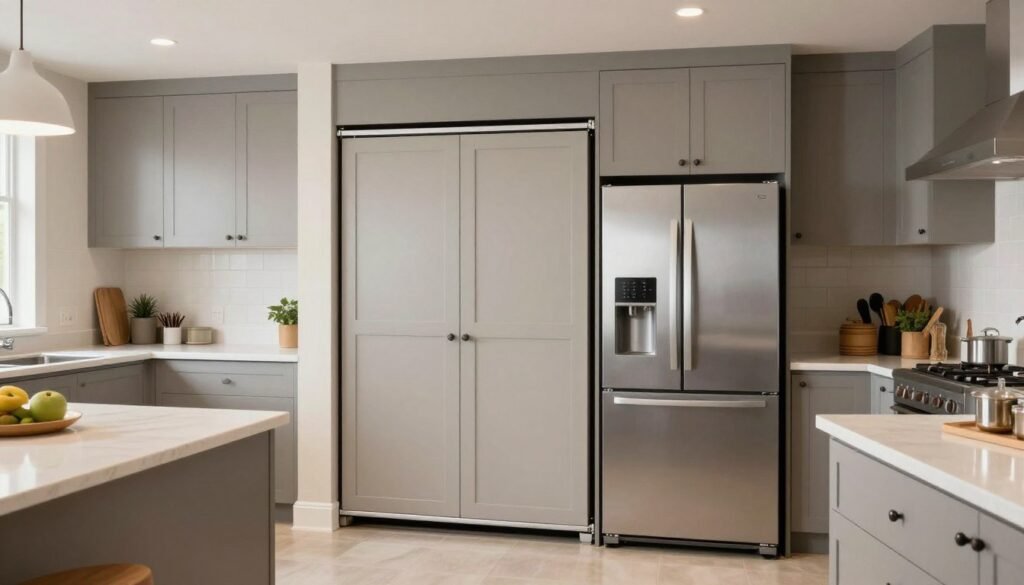
Positioning an appliance garage next to your refrigerator creates a cohesive look while providing a logical workflow. This placement works particularly well for breakfast stations, allowing you to grab ingredients from the fridge and prepare your morning meal in one convenient area.
In Full-Height Cabinets
Incorporating an appliance garage into a full-height cabinet creates a dedicated station for specific tasks. Coffee stations, baking centers, or smoothie bars can be designed with appropriate shelving, outlets, and storage for accessories, creating a specialized workspace for your favorite culinary activities.
In Kitchen Islands
Kitchen islands offer prime real estate for appliance garages, especially for heavier items like stand mixers. Island-based appliance garages can include lift mechanisms that bring appliances to counter height when needed and store them below when not in use, maximizing both functionality and aesthetics.
In Lower Cabinets
Lower cabinet appliance garages work well for less frequently used items or heavier appliances. Pull-out shelves make these spaces more accessible, allowing you to slide out the appliance for use without having to lift it to another location.
Essential Features for Functional Appliance Garages
Built-In Electrical Outlets
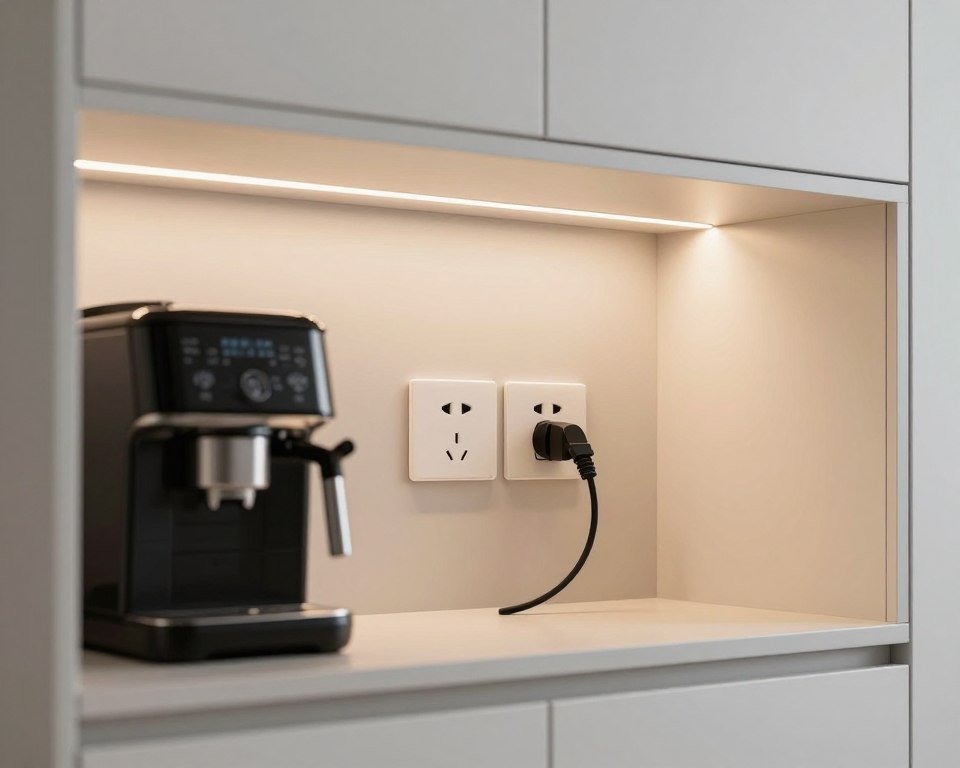
Perhaps the most crucial feature of a well-designed appliance garage is integrated electrical outlets. These allow you to use appliances without removing them from the garage or dealing with messy cords stretching across countertops. For maximum convenience, work with an electrician to install outlets that meet your specific needs and comply with local building codes.
Pull-out trays provide a stable platform for using appliances and make it easier to access items stored in the back of the garage. For heavier appliances, ensure the tray and its hardware are sturdy enough to support the weight, especially if the tray extends over open space rather than being supported by a cabinet base.
Interior Lighting
LED strip lighting inside your appliance garage improves visibility and adds a touch of sophistication. Motion-activated lights that turn on when you open the door are particularly convenient, illuminating controls and settings without requiring an additional step. Battery-operated or rechargeable options make installation simple, even in existing cabinets.
Ventilation Considerations
For appliances that generate heat, proper ventilation is essential. Ensure there’s adequate airflow around heat-producing appliances like toasters or coffee makers. Some designs incorporate subtle ventilation slots or recommend pulling appliances forward onto the countertop during use to prevent heat buildup that could damage cabinetry.
Materials and Finishes
Matching Cabinet Finishes
The most popular approach is to match your appliance garage doors to your existing cabinetry. This creates a seamless, integrated look that maintains the cohesive design of your kitchen. Whether you have painted cabinets, natural wood, or a mix of finishes, coordinating your appliance garage with these elements creates visual harmony.
Metallic Options
Aluminum tambour doors offer a contemporary alternative that works particularly well in modern kitchens. The sleek, industrial appearance of metal adds visual interest while providing durability and ease of cleaning. These doors are especially popular for vertical appliance garages and coffee stations.
Glass-Front Designs
For those who want to display their collection of beautiful appliances, glass-front doors provide protection while keeping items visible. Frosted or textured glass offers a compromise, hinting at what’s inside without revealing every detail. This option works well for curated collections of matching appliances or vintage pieces that deserve to be showcased.
Interior Materials
The interior of your appliance garage should be both functional and durable. Consider stone countertops inside full-height garages for easy cleaning and stability. For smaller garages, easy-to-clean laminate or melamine interiors resist moisture and stains while providing a clean backdrop for your appliances.
Explore non-slip shelf liners to keep appliances securely in place inside your garage.
DIY Appliance Garage Projects
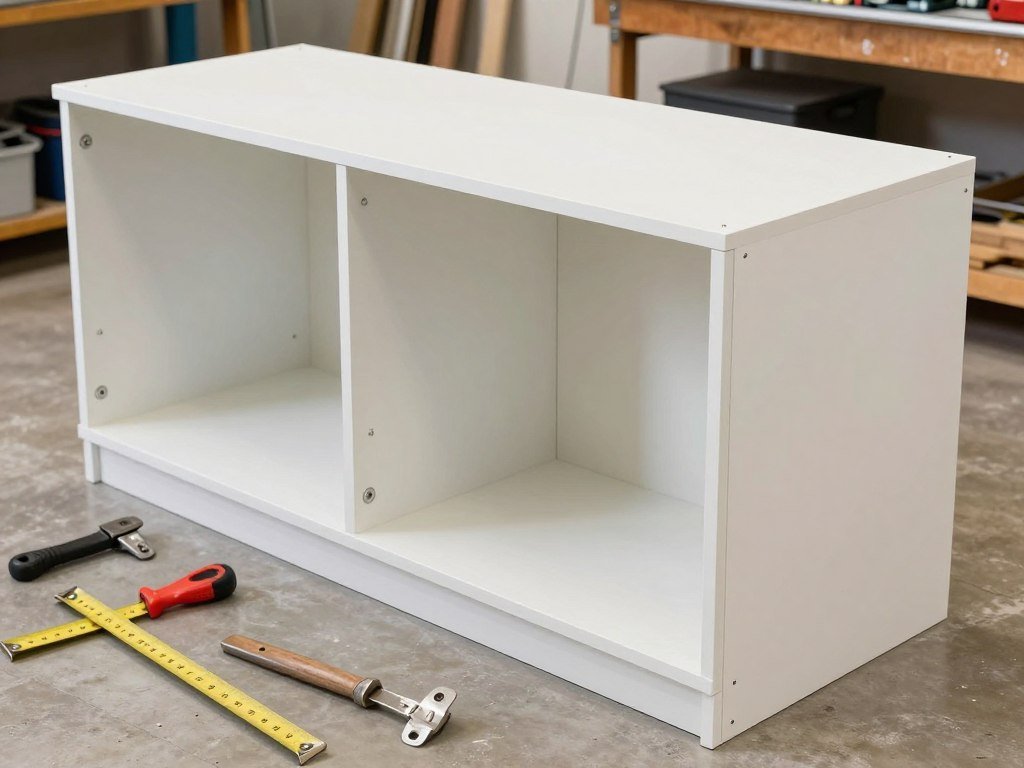
Creating your own appliance garage can be a rewarding weekend project for those with basic woodworking skills. Before starting, assess your abilities honestly and determine whether this is a project you can tackle or if professional help might be needed.
Converting Existing Cabinets
One of the simplest DIY approaches is converting an existing cabinet into an appliance garage. This might involve removing shelves, adding an electrical outlet, and potentially modifying doors. Look for underutilized spaces in upper or lower cabinets, corners, or unusual areas that could be repurposed for appliance storage.
Building a Basic Appliance Garage
For those with intermediate woodworking skills, building a basic appliance garage from scratch is achievable. You’ll need:
Cabinet-grade plywood or MDF for the structure
Door materials (matching your existing cabinetry)
Appropriate hinges for your chosen door style
Drill and basic woodworking tools
Finish materials (paint, stain, or laminate)
Many online tutorials and woodworking plans are available for various styles of appliance garages. Start with a simple design and ensure your measurements account for both the appliances you plan to store and any hardware needed for door operation.
Find quality cabinet-grade materials for your DIY project to ensure durability and a professional finish.
Adding Electrical Components
If you’re including electrical outlets in your DIY appliance garage, consult with a licensed electrician unless you have experience with electrical work. Improper wiring can create safety hazards and may violate local building codes. An electrician can help you plan the most efficient way to add outlets to your appliance garage while ensuring everything meets safety standards.
Specialized Appliance Garage Stations
Coffee Stations
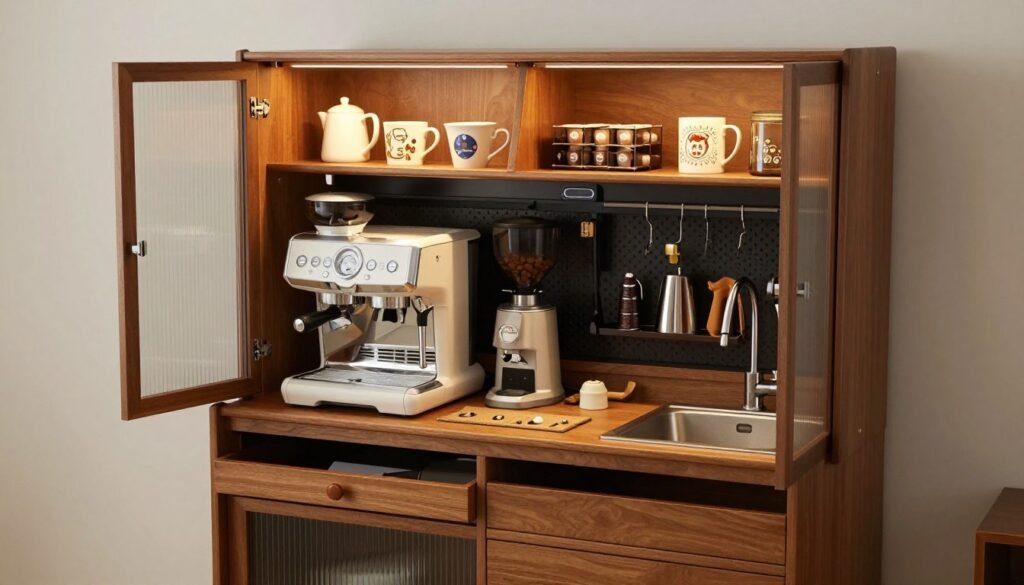
Coffee stations have become one of the most popular specialized appliance garages. These dedicated spaces house coffee makers, grinders, and accessories while keeping everything organized and accessible. The most effective coffee stations include:
Built-in water lines for automatic filling (when possible)
Storage for mugs, beans, and accessories
Multiple outlets for various coffee equipment
Easy-to-clean surfaces for inevitable spills
Create your perfect morning routine with coffee station organizers that keep everything in its place.
Baking Centers
Dedicated baking centers provide storage for stand mixers, food processors, and other baking equipment. These specialized garages often include vertical storage for baking sheets and cutting boards, as well as nearby drawers for utensils and small tools. The best baking centers position heavy appliances on pull-out shelves at a comfortable working height to reduce strain.
Breakfast Stations
Breakfast stations combine toasters, electric kettles, and other morning essentials in one convenient location. Often positioned near the refrigerator, these stations streamline morning routines by keeping everything needed for breakfast preparation in a single, organized space. Adding a small drawer for utensils and a cabinet for breakfast foods creates a complete morning meal center.
Maintaining Your Appliance Garage
Like any kitchen feature, appliance garages require regular maintenance to function properly and look their best. Establishing a simple maintenance routine will extend the life of both the garage itself and the appliances stored inside.
Regular Cleaning
Wipe down interior surfaces regularly to prevent dust buildup and remove any food particles or spills. Pay special attention to areas around heat-producing appliances where grease might accumulate. For tambour doors, clean the tracks periodically to ensure smooth operation, removing any debris that might cause sticking or jamming.
Hardware Maintenance
Check and tighten hinges, slides, and other hardware components every few months. Apply lubricant to moving parts as recommended by the manufacturer to maintain smooth operation. If you notice any signs of wear or damage, address them promptly to prevent further deterioration.
Electrical Safety
Periodically inspect electrical outlets and connections for any signs of wear, damage, or overheating. Ensure appliance cords are in good condition and not pinched or crimped when the garage is closed. If you notice any electrical issues, consult with a qualified electrician immediately.
Keep your appliance garage in top condition with specialized hardware lubricants that ensure smooth operation of all moving parts.
Design Inspiration for Different Kitchen Styles
Traditional Kitchens
In traditional kitchens, appliance garages often feature raised-panel doors that match surrounding cabinetry. Corner installations with decorative moldings maintain the classic aesthetic while providing practical storage. Consider wooden tambour doors for a timeless look that combines function with traditional styling.
Modern and Contemporary Spaces
Modern kitchens benefit from sleek, minimalist appliance garage designs. Handleless doors with push-to-open mechanisms maintain clean lines, while metallic finishes add industrial flair. Vertical appliance garages with aluminum tambour doors create a distinctive contemporary look while maximizing storage efficiency.
Farmhouse and Rustic Kitchens
In farmhouse-style kitchens, appliance garages can incorporate beadboard details, bin pulls, or other rustic elements that complement the overall design. Consider glass-front doors for displaying vintage appliances or open shelving with a sliding barn-style door for a distinctive rustic touch.
Transitional Designs
Transitional kitchens blend traditional and contemporary elements, offering flexibility in appliance garage design. Shaker-style doors with modern hardware create a balanced look, while mixed materials—such as wood cabinets with stone countertops—add visual interest while maintaining functionality.
Working with Professionals
While DIY projects can be rewarding, working with professionals often yields superior results, especially for complex installations or when electrical work is involved. Consider consulting with these specialists when planning your appliance garage:
Kitchen Designers
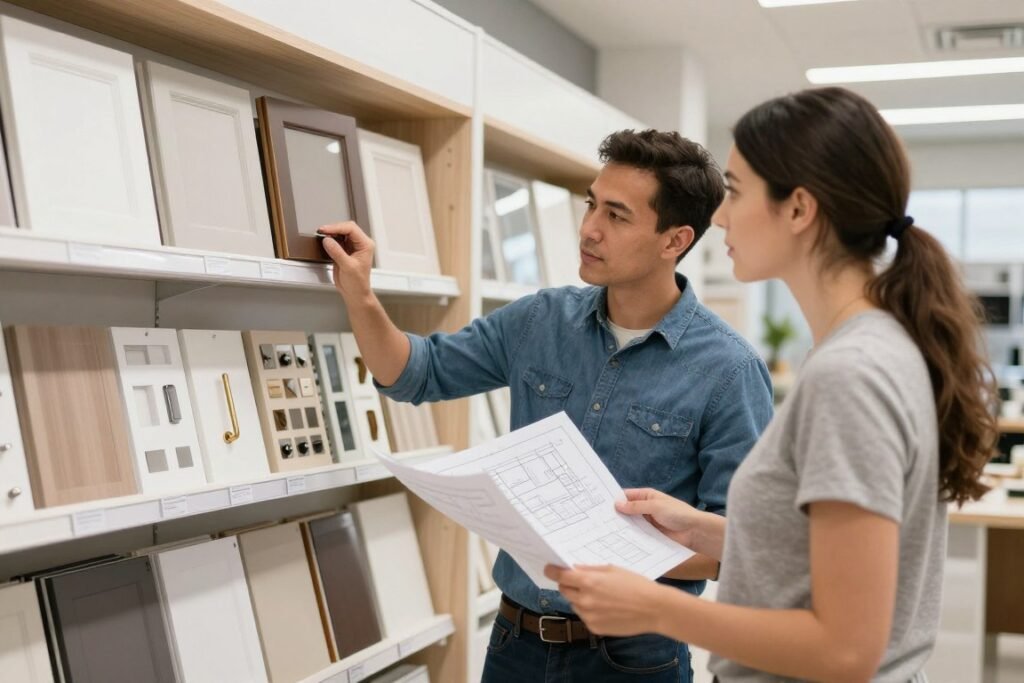
Professional kitchen designers bring expertise in space planning, material selection, and functional layout. They can help you determine the optimal location, size, and style for your appliance garage based on your specific needs and kitchen configuration. Many designers have relationships with quality cabinetmakers and contractors, streamlining the installation process.
Cabinetmakers
Custom cabinetmakers can create appliance garages that perfectly match your existing cabinetry or design something entirely unique. Their expertise ensures precise measurements, quality construction, and proper installation of specialized hardware like tambour door tracks or lift mechanisms.
Electricians
Licensed electricians ensure that electrical components are installed safely and according to local building codes. They can advise on the best placement for outlets, lighting options, and any special considerations for high-power appliances. Professional electrical work provides peace of mind and prevents potential safety hazards.
Transform Your Kitchen with an Appliance Garage
An appliance garage represents more than just additional storage—it’s a thoughtful solution that enhances both the functionality and aesthetics of your kitchen. By keeping frequently used appliances accessible yet concealed, you create a more organized, visually appealing space that’s a pleasure to work in.
Whether you opt for a simple corner installation, a specialized coffee station, or a comprehensive system of multiple garages throughout your kitchen, the key is thoughtful planning that addresses your specific needs and complements your kitchen’s design. Consider how you use your kitchen, which appliances you reach for most often, and how an appliance garage might improve your daily routine.
With the right design, materials, and features, an appliance garage becomes an invaluable addition to your kitchen—one that you’ll appreciate every day as you enjoy both the improved functionality and the satisfaction of a beautifully organized space.
Ready to Organize Your Kitchen?
Explore quality storage solutions to create your perfect appliance garage.