Transforming your backyard into a functional and beautiful outdoor living area begins with a well-thought-out layout design. The right backyard landscaping designs layout serves as the foundation for creating a space that not only looks stunning but also meets your family’s needs and lifestyle. Whether you have a sprawling suburban yard or a compact urban space, understanding the principles of landscape design will help you maximize every square foot while creating a harmonious outdoor retreat that feels like an extension of your home.
This Website contains affiliate links. That means I may earn a small commission if you purchase through my links, at no extra cost to you.
The Essential Planning Phase for Backyard Landscaping
Before diving into specific backyard landscaping designs layout options, it’s crucial to assess your existing space and understand its unique characteristics. This initial planning phase lays the groundwork for a successful landscape transformation.
Assessing Your Space
Start by measuring your backyard’s dimensions and creating a simple sketch. Note the location of existing structures like your home, garage, sheds, and any features you plan to keep. Pay attention to the topography – is your yard flat or sloped? Are there any drainage issues to address? Understanding these elements will help you work with your space rather than against it.
Analyzing Sun and Shade Patterns
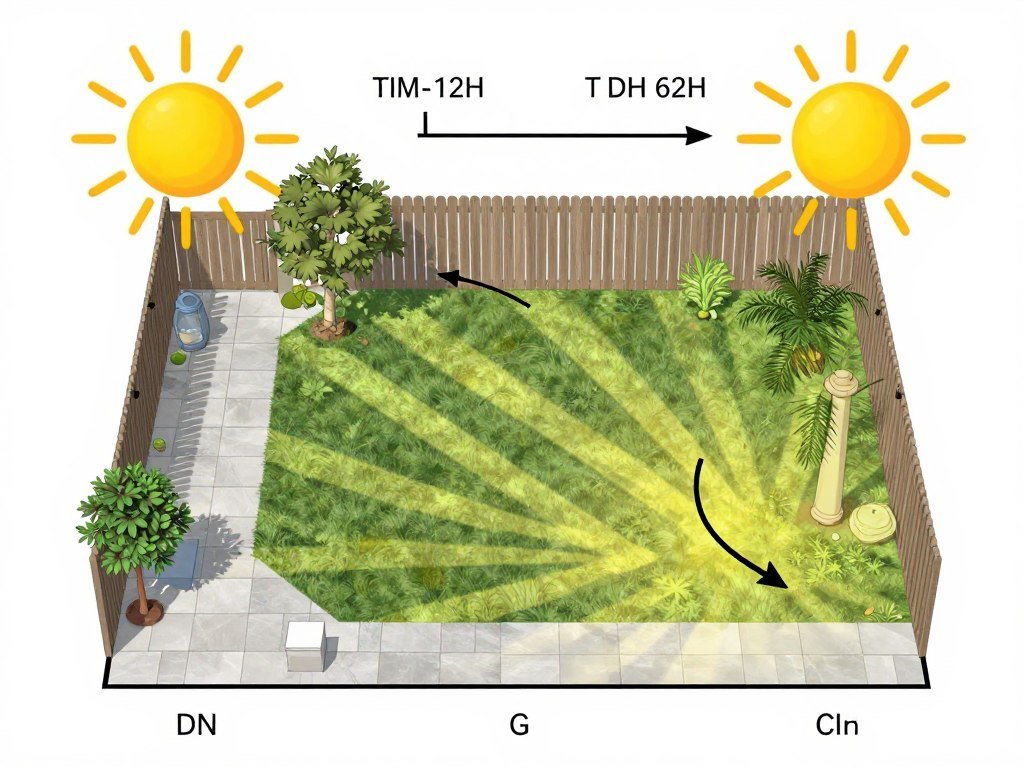
Observe how sunlight moves across your yard throughout the day and across different seasons. Some areas may receive full sun, while others remain shaded. These patterns will significantly impact plant selection and the placement of seating areas, patios, and other features in your backyard landscaping designs layout.
Defining Functional Zones
Consider how you want to use your backyard. Most successful backyard landscaping designs layouts incorporate distinct zones for different activities:
- Dining and entertaining areas
- Relaxation and lounging spaces
- Play areas for children
- Gardening and growing zones
- Storage and utility spaces
- Water features or focal points
Setting a Realistic Budget
Determine how much you’re willing to invest in your backyard transformation. Your budget will influence material choices, the scope of your project, and whether you’ll tackle it all at once or in phases. Remember to allocate funds for both hardscaping (patios, walkways, structures) and softscaping (plants, soil, mulch) elements in your backyard landscaping designs layout.
Related Posts:





Ready to Start Planning?
Get the right tools for measuring and planning your backyard layout. A good tape measure, graph paper, and garden stakes can make the process much easier.
Core Design Principles for Backyard Landscaping Layouts
Understanding fundamental design principles will help you create a backyard landscaping designs layout that’s both aesthetically pleasing and functional. These concepts apply regardless of your yard’s size or your specific style preferences.
Creating Focal Points
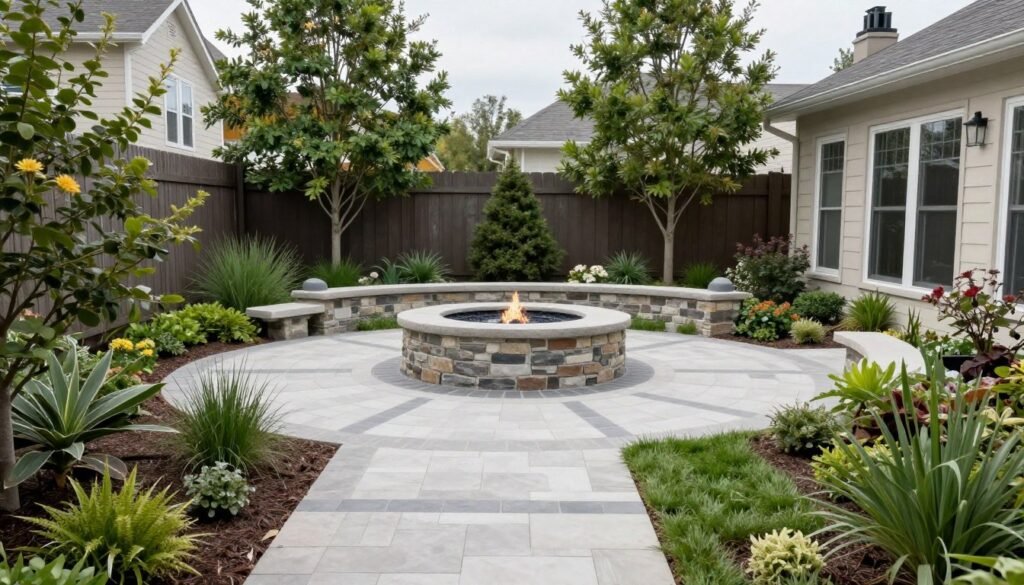
Every well-designed backyard needs at least one focal point that draws the eye and creates visual interest. This could be a specimen tree, a water feature, a fire pit, or an architectural element like a pergola. Focal points give your landscape purpose and direction, serving as anchors in your backyard landscaping designs layout.
Establishing Flow and Circulation
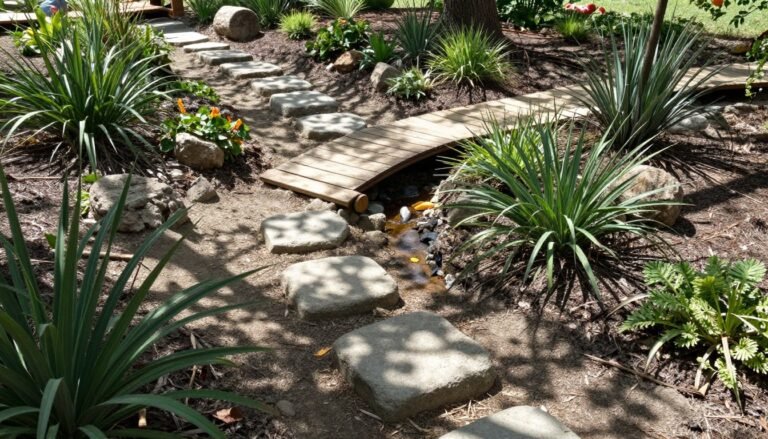
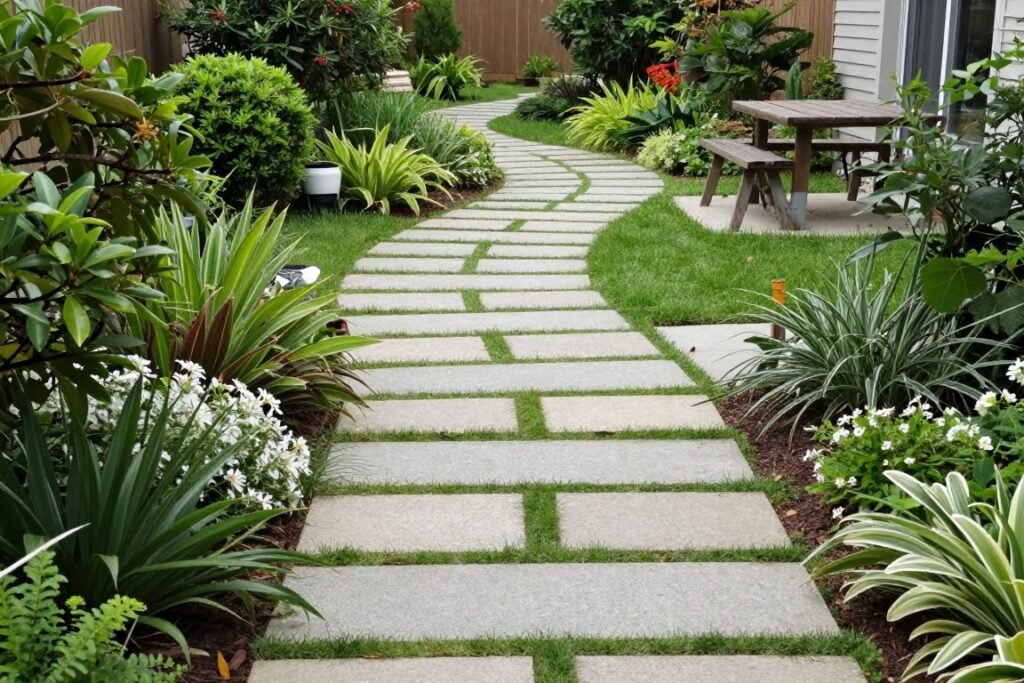
How people move through your space is a critical consideration. Pathways should connect different areas logically and provide easy access to all parts of your yard. Consider the natural traffic patterns and create routes that feel intuitive. Varying materials and widths can help differentiate primary and secondary paths in your backyard landscaping designs layout.
Balancing Proportion and Scale
Elements in your landscape should be proportional to each other and to your home. A tiny patio next to a large house will look out of place, as will oversized features in a small yard. Consider the vertical space as well – trees and structures add height that balances horizontal elements in your backyard landscaping designs layout.
Creating Outdoor “Rooms”
Dividing your backyard into distinct areas or “rooms” makes the space feel larger and more organized. These divisions don’t need to be solid walls – they can be suggested through changes in flooring material, plant groupings, or partial screens like trellises or tall grasses. Each room should have its own character while still connecting to the overall backyard landscaping designs layout.
Define Your Outdoor Rooms
Create distinct zones in your backyard with decorative screens, planters, or outdoor rugs that help delineate different functional areas.
Popular Backyard Landscaping Designs Layout Styles
Different layout styles create distinct atmospheres and experiences in your outdoor space. Explore these popular approaches to find inspiration for your own backyard landscaping designs layout.
Central Entertaining Hub Layout
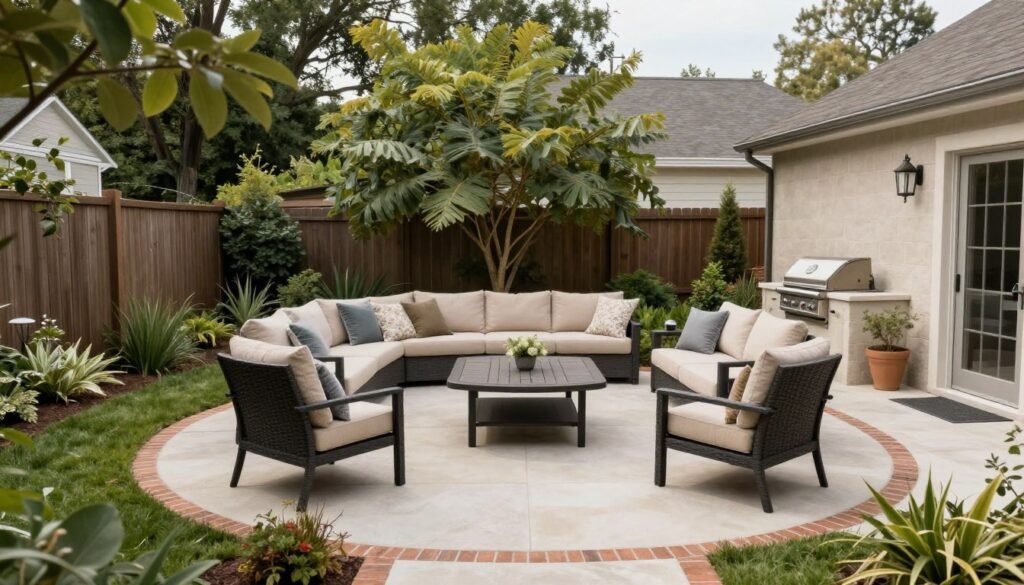
This layout places a large patio or deck at the center of your backyard, creating a gathering space for family and friends. The central hub typically includes comfortable seating, dining furniture, and possibly an outdoor kitchen or grill station. Surrounding plantings frame the space and provide privacy, while pathways lead to secondary areas like gardens or play spaces. This backyard landscaping designs layout works well for those who love to entertain and prioritize outdoor living.
Serene Zen Garden Layout
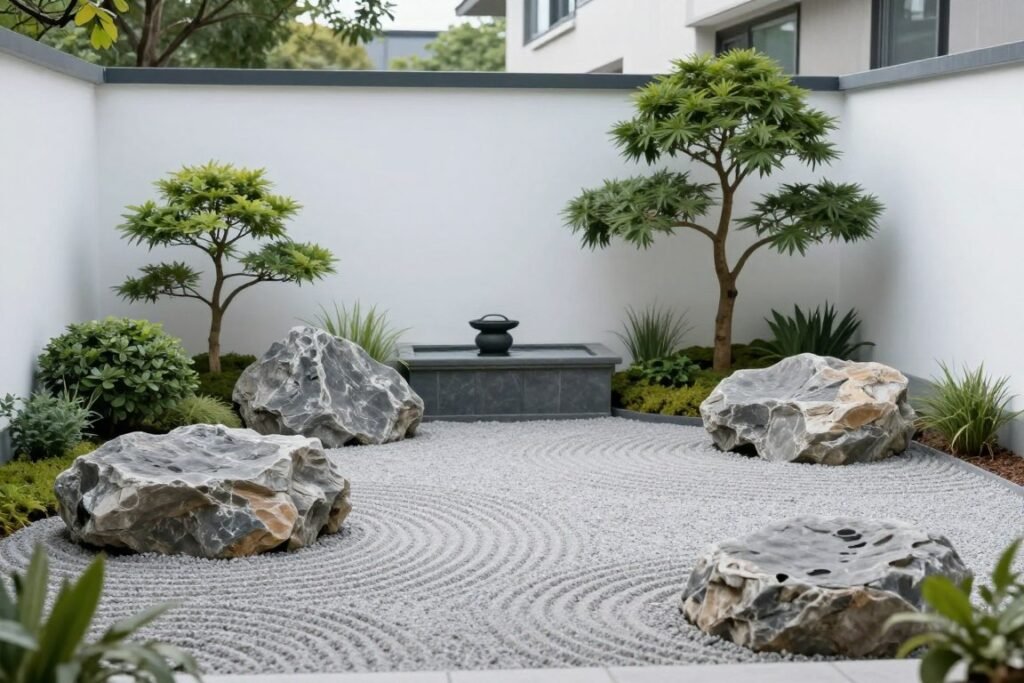
Inspired by Japanese garden traditions, a zen layout emphasizes simplicity, balance, and tranquility. Key elements include carefully placed rocks, raked gravel or sand, minimalist water features, and thoughtfully pruned plants. The backyard landscaping designs layout focuses on creating a contemplative space with clean lines and a restrained palette. This style is perfect for those seeking a low-maintenance yard that provides a peaceful retreat from busy life.
Cozy Cottage Garden Layout
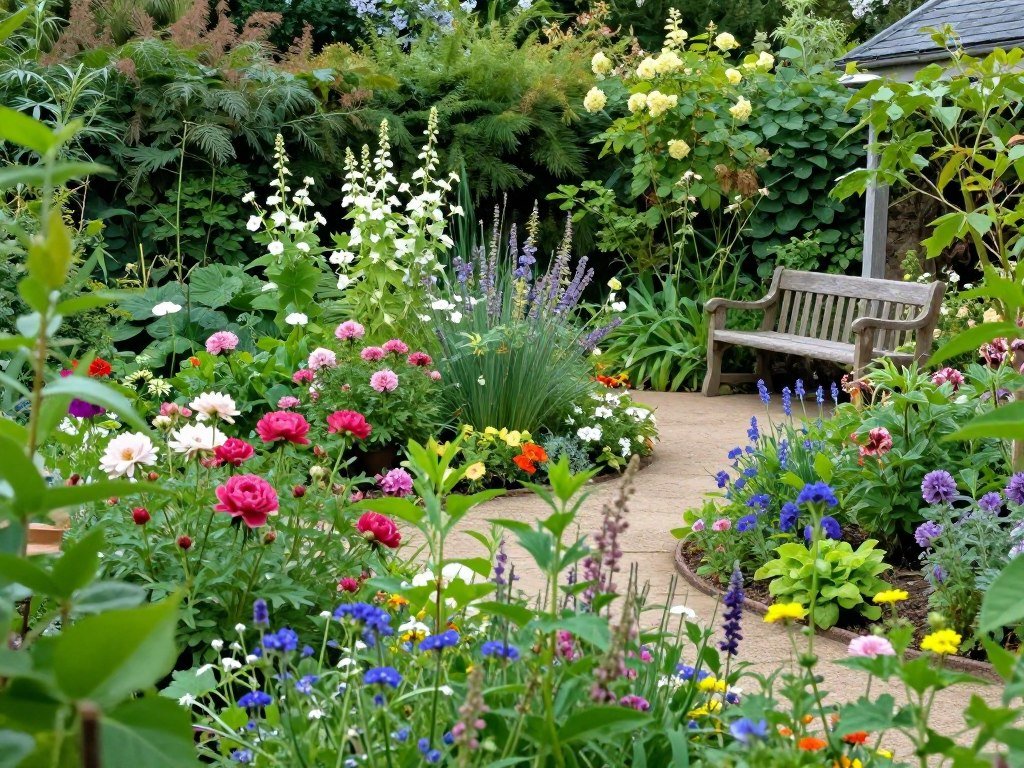
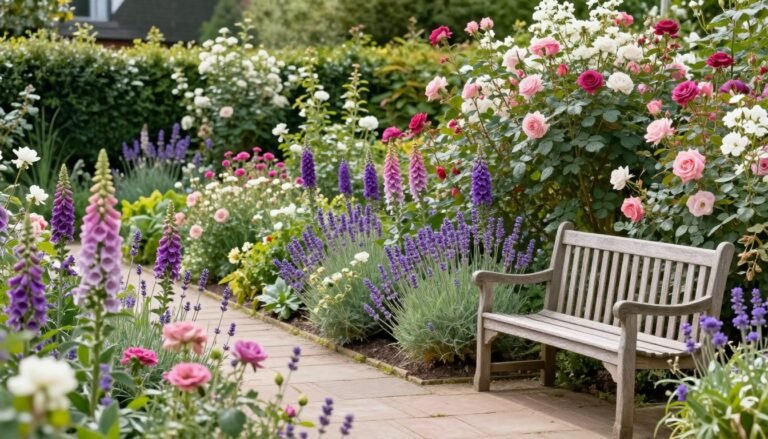
The cottage garden layout embraces abundance and informality. Characterized by winding paths, mixed borders overflowing with flowers, and charming accessories like bird baths or rustic benches, this backyard landscaping designs layout creates a romantic, lived-in feel. Plants are arranged in a seemingly casual way that actually requires careful planning to ensure year-round interest. This style works beautifully for flower enthusiasts and those who prefer a more relaxed approach to gardening.
Create Your Cottage Garden
Start your cottage garden with a variety of perennial flowers that will return year after year, creating that lush, abundant look.
Modern Geometric Layout
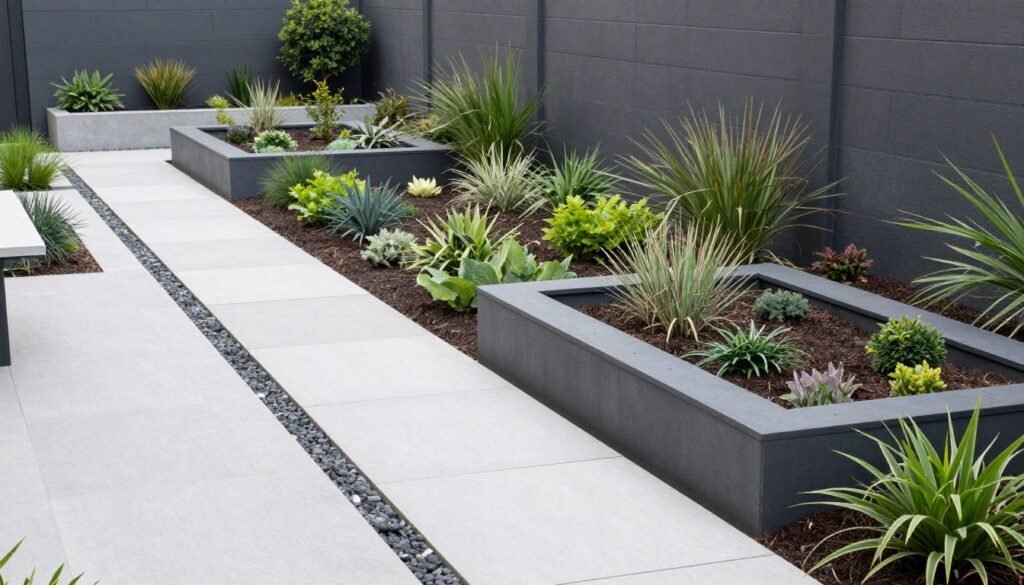
A modern geometric layout features strong lines, bold shapes, and a minimalist approach to planting. Rectangular beds, square patios, and straight pathways create a sense of order and precision. Plants are chosen for their architectural qualities and often arranged in blocks rather than mixed borders. Materials like concrete, metal, and glass complement this contemporary backyard landscaping designs layout, which appeals to those who prefer clean, uncluttered spaces with a strong visual impact.
Family-Friendly Functional Layout
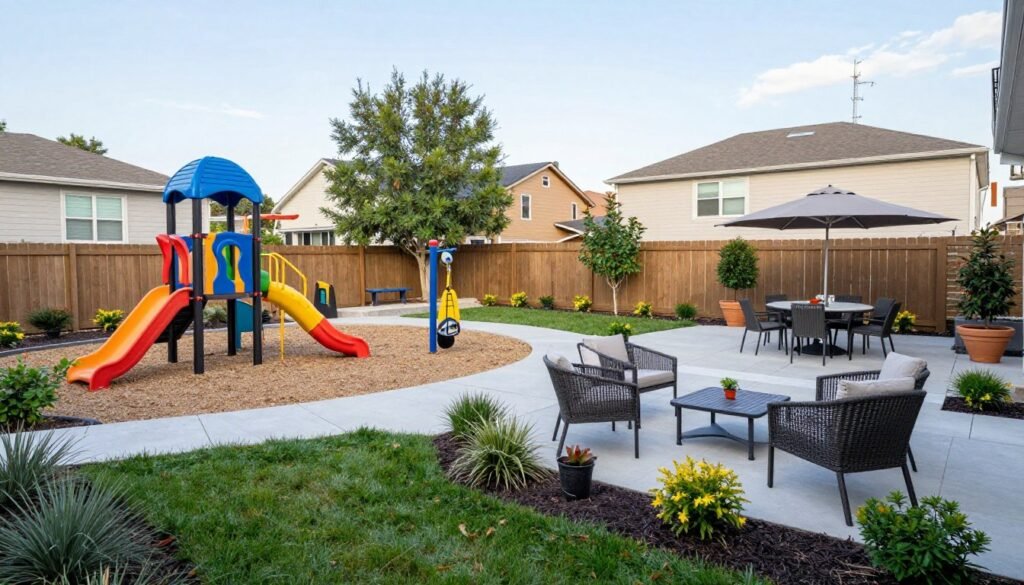
This layout prioritizes versatility and safety for households with children. It typically includes a large, open lawn area for play, durable patio surfaces, and resilient plants that can withstand activity. The backyard landscaping designs layout often incorporates dedicated play zones with equipment, comfortable seating areas for adults to supervise, and flexible spaces that can evolve as children grow. Edible gardens and learning features like bird feeders or butterfly plants add educational value.
Low-Maintenance Oasis Layout
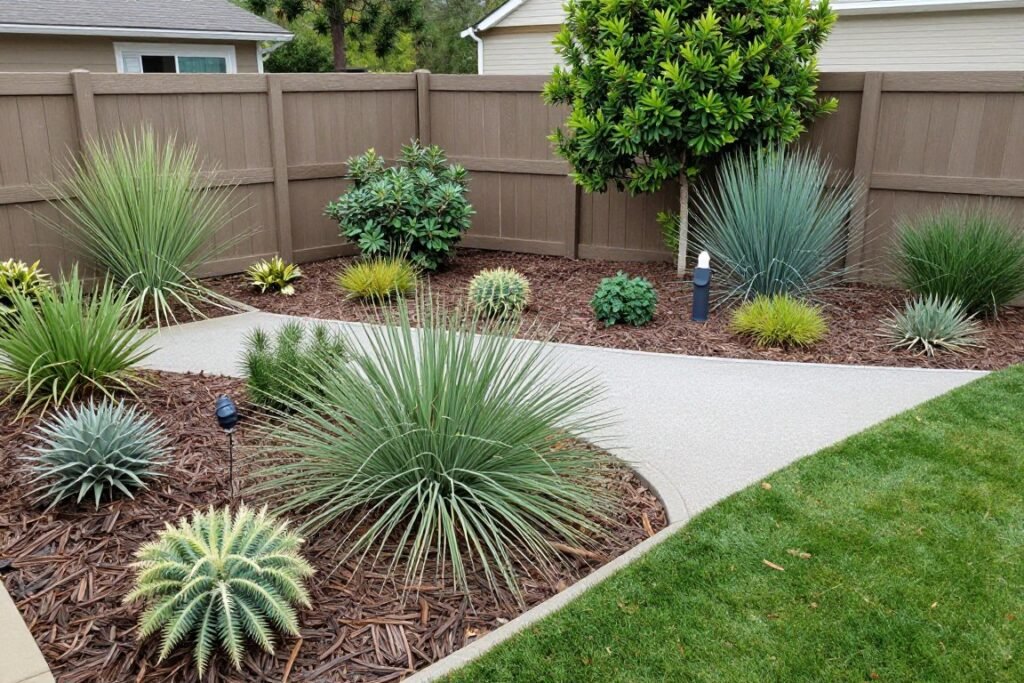
Designed for busy homeowners or those with limited mobility, this backyard landscaping designs layout minimizes upkeep while maximizing enjoyment. Key features include drought-tolerant plants, expanded hardscape areas, automated irrigation systems, and low-care materials like composite decking or artificial turf. The layout often reduces or eliminates traditional lawn in favor of ground covers or decorative gravel. Despite its practical focus, this style can still be visually stunning with the right selection of architectural plants and thoughtful design.
Simplify Your Yard Maintenance
Invest in quality mulch to reduce weeding, conserve moisture, and give your low-maintenance landscape a finished look.
Integrating Hardscape and Softscape Elements
A successful backyard landscaping designs layout balances hardscape elements (non-living features) with softscape elements (plants and living components). The interplay between these two aspects creates depth, interest, and functionality in your outdoor space.
Hardscape Integration
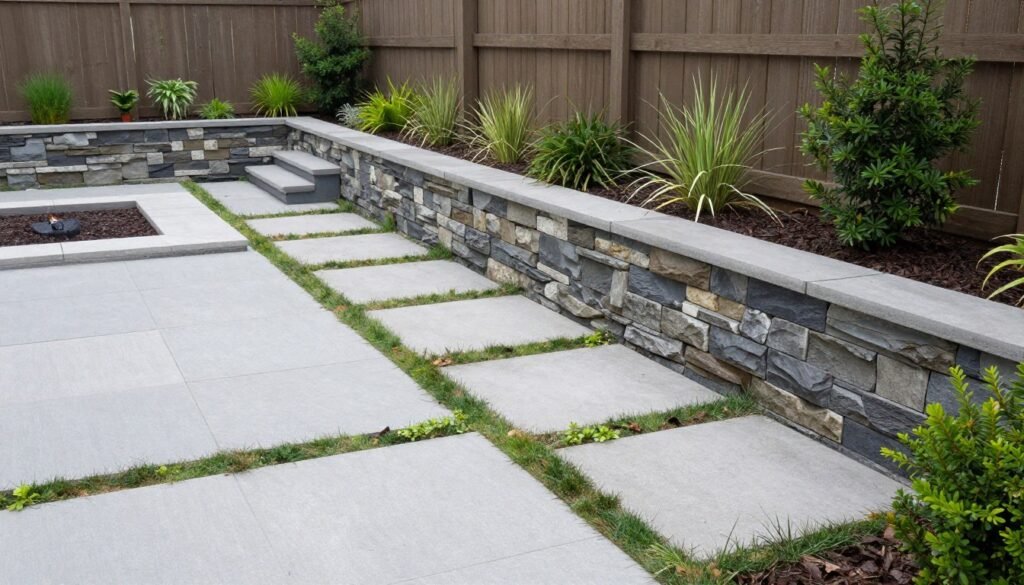
Hardscape elements form the backbone of your backyard landscaping designs layout. These include:
- Patios and Decks: Create level surfaces for furniture and activities, serving as outdoor rooms.
- Walkways and Steps: Guide movement through the space and connect different areas.
- Retaining Walls: Manage elevation changes and create planting opportunities on slopes.
- Structures: Pergolas, arbors, and gazebos add vertical interest and define spaces.
- Water Features: Fountains, ponds, or streams add sensory elements to the landscape.
- Fire Features: Fire pits or outdoor fireplaces create gathering points and extend seasonal use.
When selecting materials for hardscape elements, consider how they relate to your home’s architecture and to each other. Using consistent or complementary materials creates cohesion in your backyard landscaping designs layout.
Light Up Your Hardscape
Enhance your hardscape features with strategic lighting that highlights architectural elements and extends your outdoor enjoyment into the evening.
Softscape Integration
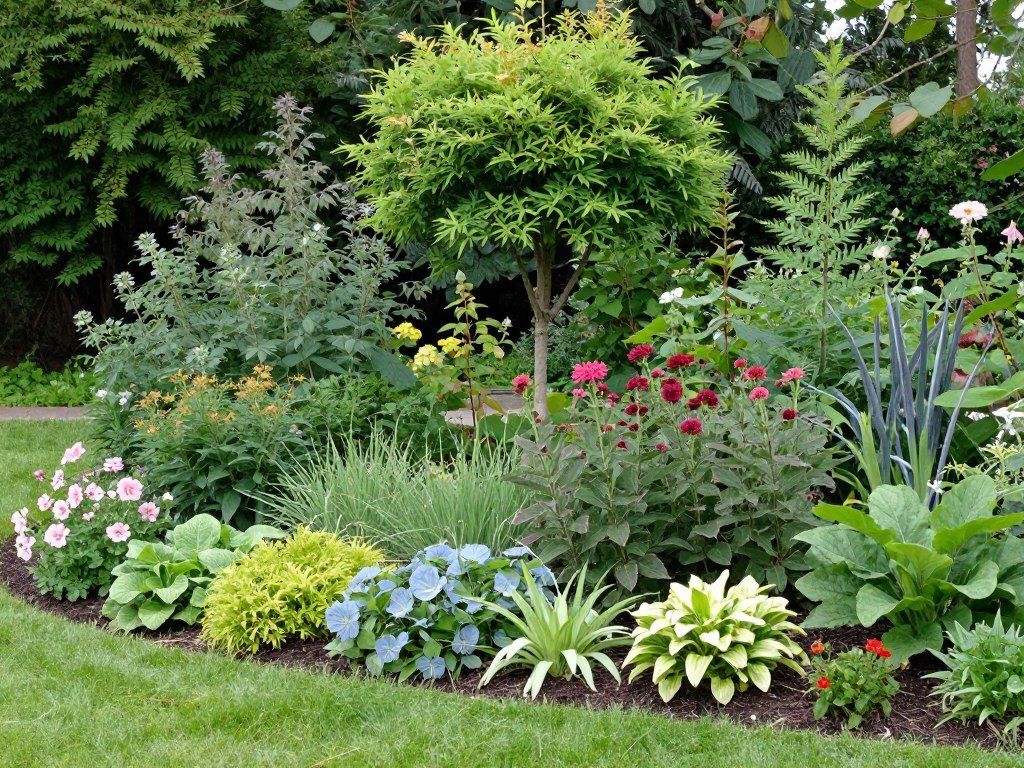
Softscape elements bring your backyard landscaping designs layout to life with color, texture, movement, and seasonal change. Effective plant integration includes:
- Layered Plantings: Arrange plants in tiers with trees as the tallest layer, shrubs in the middle, and perennials, annuals, or ground covers in front.
- Plant Groupings: Place plants in groups rather than individually for greater visual impact and easier maintenance.
- Year-Round Interest: Select plants that provide appeal across seasons through flowers, foliage, berries, or bark.
- Repetition: Use the same plants in different areas to create rhythm and cohesion throughout your backyard landscaping designs layout.
- Native Species: Incorporate plants native to your region for better adaptation and to support local wildlife.
Creating Balance and Harmony
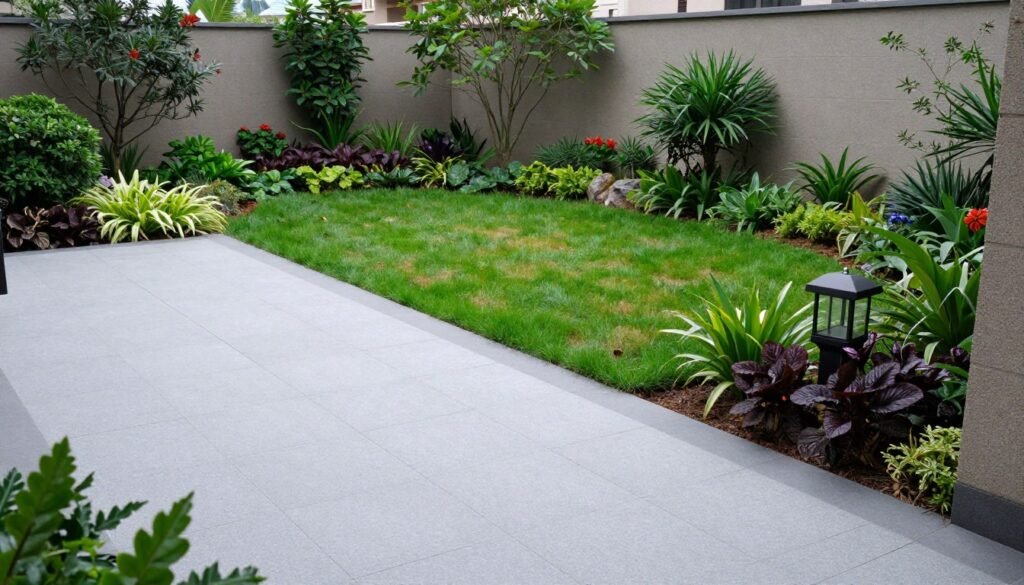
The most successful backyard landscaping designs layouts achieve a pleasing balance between hardscape and softscape elements. Too much hardscape can make a yard feel sterile and unwelcoming, while too many plants without structure can appear chaotic. Aim for a ratio that suits your lifestyle – perhaps more hardscape for entertaining and less maintenance, or more plants if you enjoy gardening and natural surroundings.
Consider how elements interact at different times of year and as plants mature. Leave adequate space for growth and maintenance access in your backyard landscaping designs layout planning.
Visualization Techniques for Backyard Landscaping Designs Layout
Before breaking ground on your backyard transformation, it’s helpful to visualize your design concepts. These techniques can help you refine your backyard landscaping designs layout and avoid costly mistakes.
Sketching Your Plan
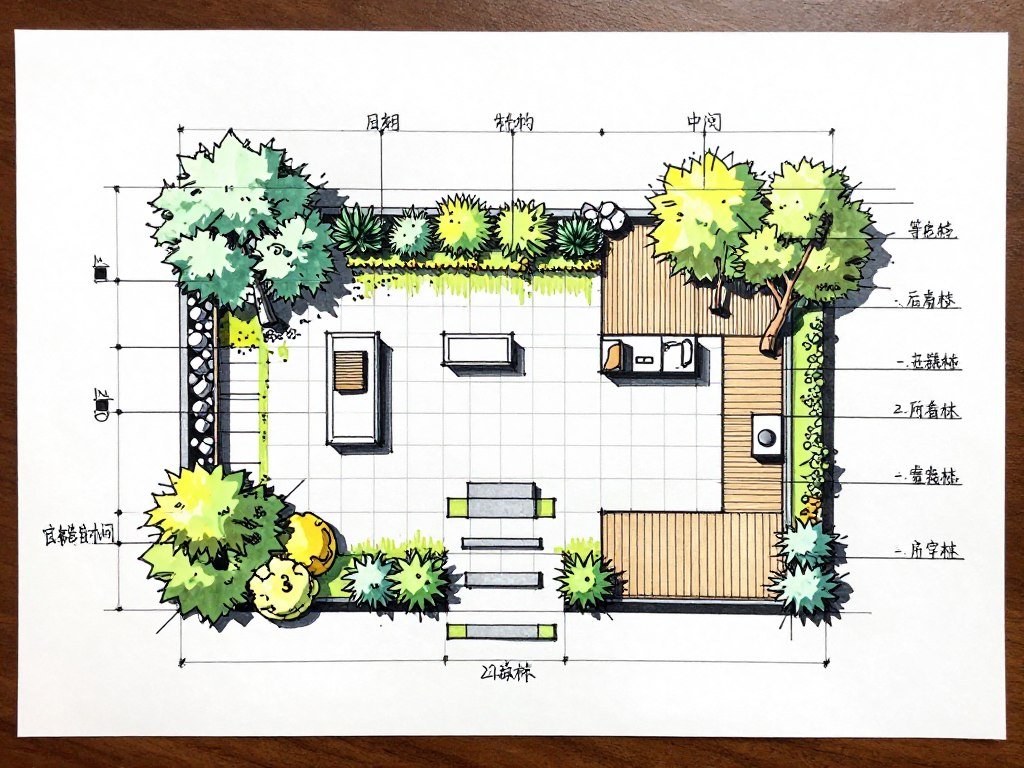
Start with a simple hand-drawn sketch on graph paper. Use a scale (such as 1 square = 1 foot) to maintain proportions. Draw your property boundaries, house footprint, and existing features first, then add your proposed backyard landscaping designs layout elements. Even a rough sketch helps visualize relationships between different areas and identify potential issues.
Using Garden Hoses or Rope to Outline Shapes
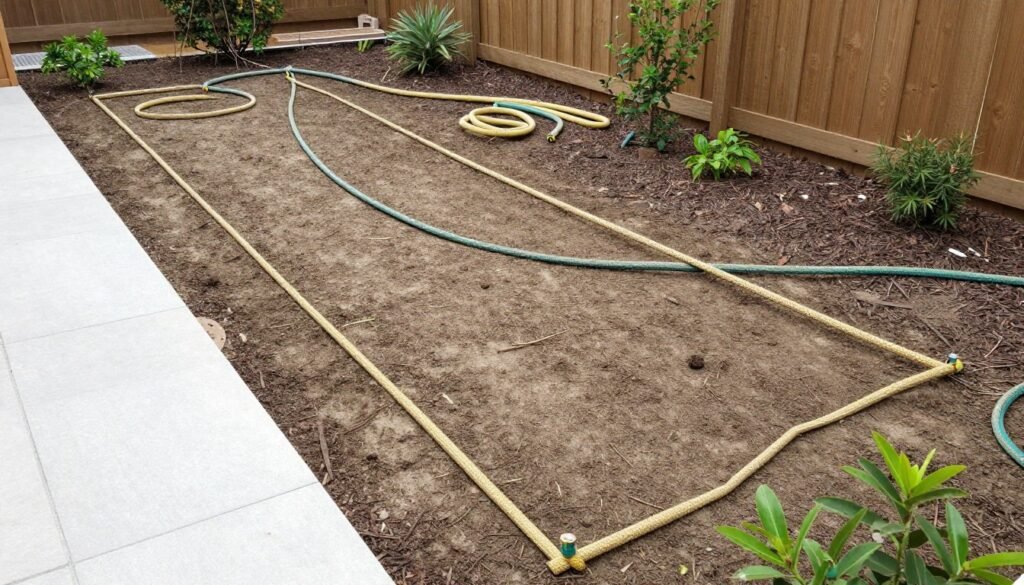
Take your design from paper to your actual yard by using garden hoses, rope, or spray paint to outline the shapes of patios, beds, and pathways. This physical representation gives you a much better sense of scale and spatial relationships than a drawing alone. Walk through the space, sit in proposed seating areas, and adjust the layout until it feels right for your backyard landscaping designs layout.
Digital Design Tools and Apps
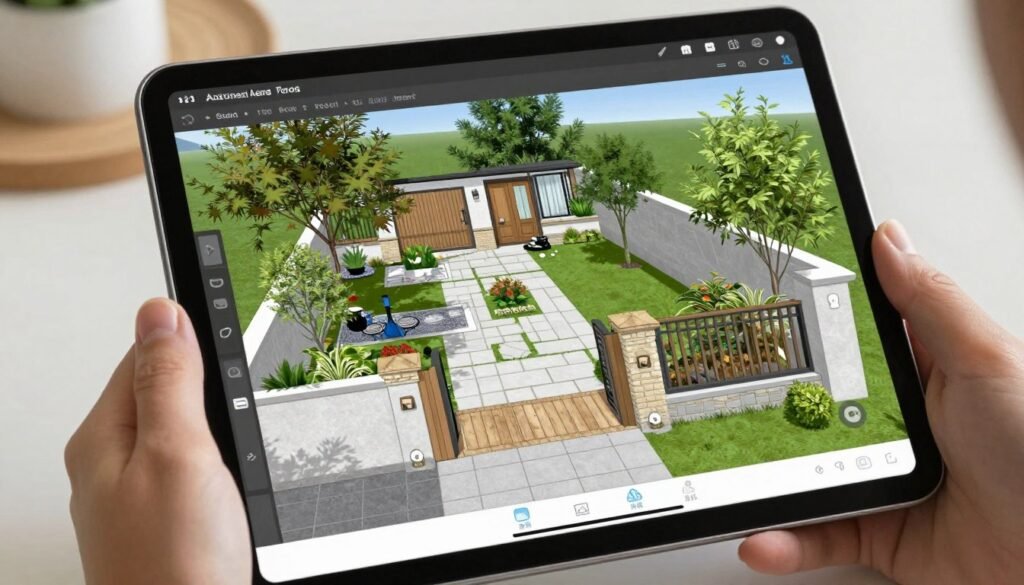
Numerous apps and software programs allow you to create digital versions of your backyard landscaping designs layout. Some offer 3D visualization capabilities that let you “walk through” your design virtually. These tools range from free basic options to professional-grade software, giving you the ability to experiment with different layouts, materials, and plant selections before making any physical changes.
Start Your Design on Paper
Get quality graph paper and drawing supplies to sketch your backyard landscaping designs layout ideas accurately.
Creating Mood Boards
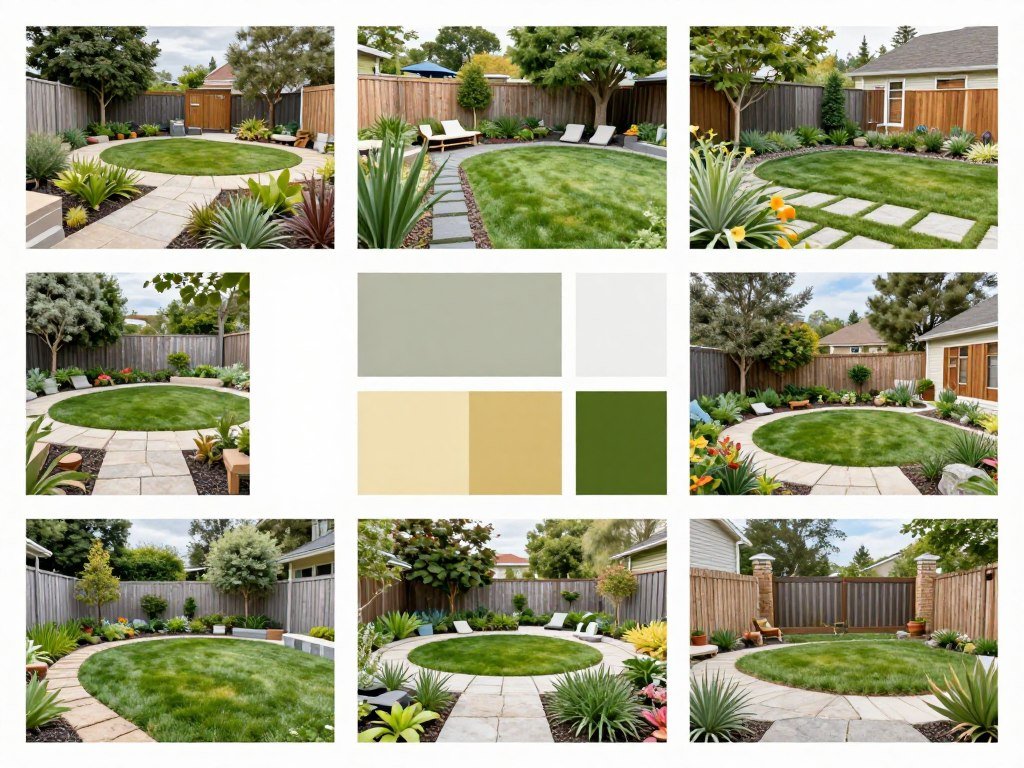
Collect images that inspire you and represent elements you’d like to incorporate in your backyard landscaping designs layout. Arrange these into a physical or digital mood board that captures the feeling and style you’re aiming for. Include pictures of plants, materials, colors, and features that appeal to you. This visual reference helps maintain consistency in your design decisions and can be shared with contractors or designers if you’re working with professionals.
Implementation Roadmap for Your Backyard Landscaping Designs Layout
Once you’ve finalized your design, it’s time to bring your backyard landscaping designs layout to life. Following a structured implementation approach helps manage the project efficiently and avoid common pitfalls.
Phasing Your Project
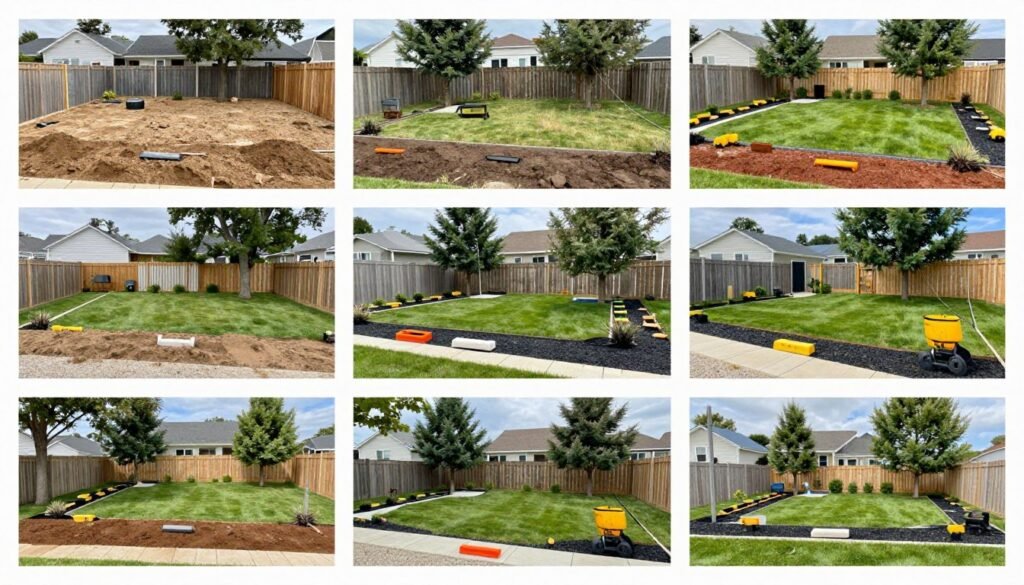
Most backyard transformations benefit from being broken into phases, especially for larger projects or limited budgets. Consider this sequence for your backyard landscaping designs layout implementation:
- Infrastructure First: Address drainage, irrigation, and utility needs before visible elements.
- Hardscape Installation: Complete major construction like patios, retaining walls, and structures.
- Soil Preparation: Amend soil in planting areas to create healthy growing conditions.
- Major Plantings: Install trees and large shrubs that form the backbone of your garden.
- Secondary Plantings: Add perennials, ornamental grasses, and smaller plants.
- Finishing Touches: Complete with mulch, lighting, and decorative elements.
DIY vs. Professional Help
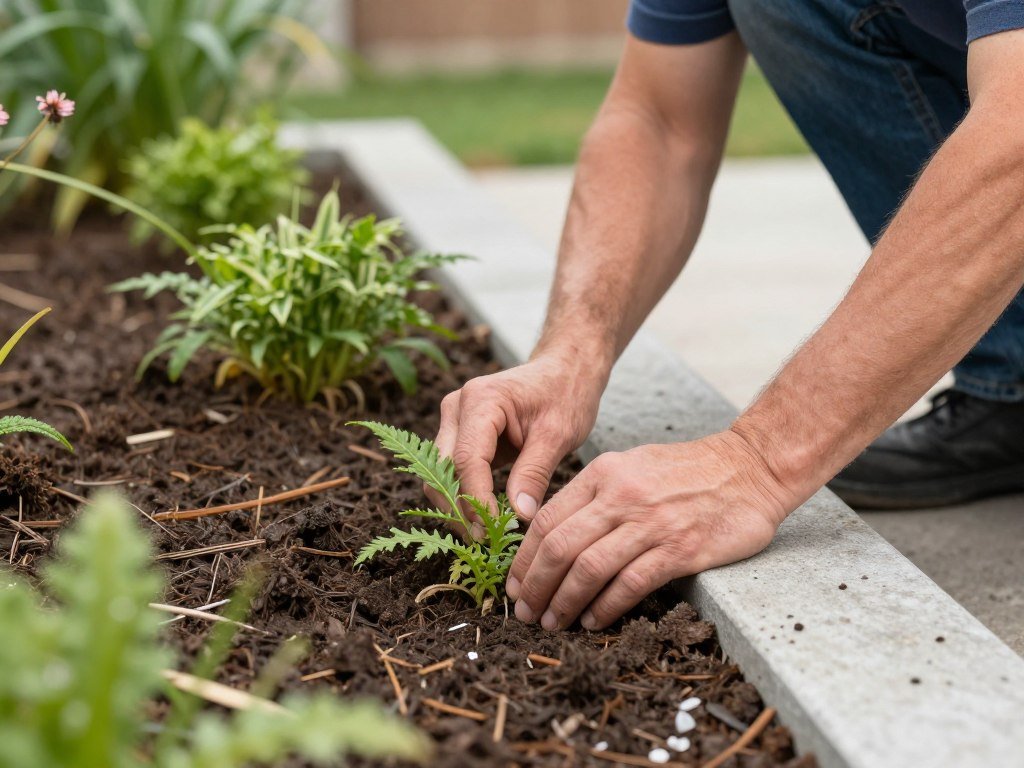
Realistically assess which aspects of your backyard landscaping designs layout you can handle yourself and which require professional expertise. Many homeowners can manage planting, mulching, and simple hardscaping, while tasks like major grading, large retaining walls, or electrical work often need professional installation. Consider hiring consultants for specific phases while doing other work yourself to balance cost and quality in your backyard landscaping designs layout implementation.
Essential DIY Landscaping Tools
Equip yourself with quality tools that will make your DIY landscaping projects easier and more professional-looking.
Seasonal Considerations
Time your implementation to work with nature, not against it. In most regions, fall and spring are ideal for planting, while hardscaping can often be done year-round, weather permitting. Consider how your backyard landscaping designs layout will develop over time and through different seasons. Plan for immediate impact while allowing space for plants to mature and fill in.
Maintenance Planning
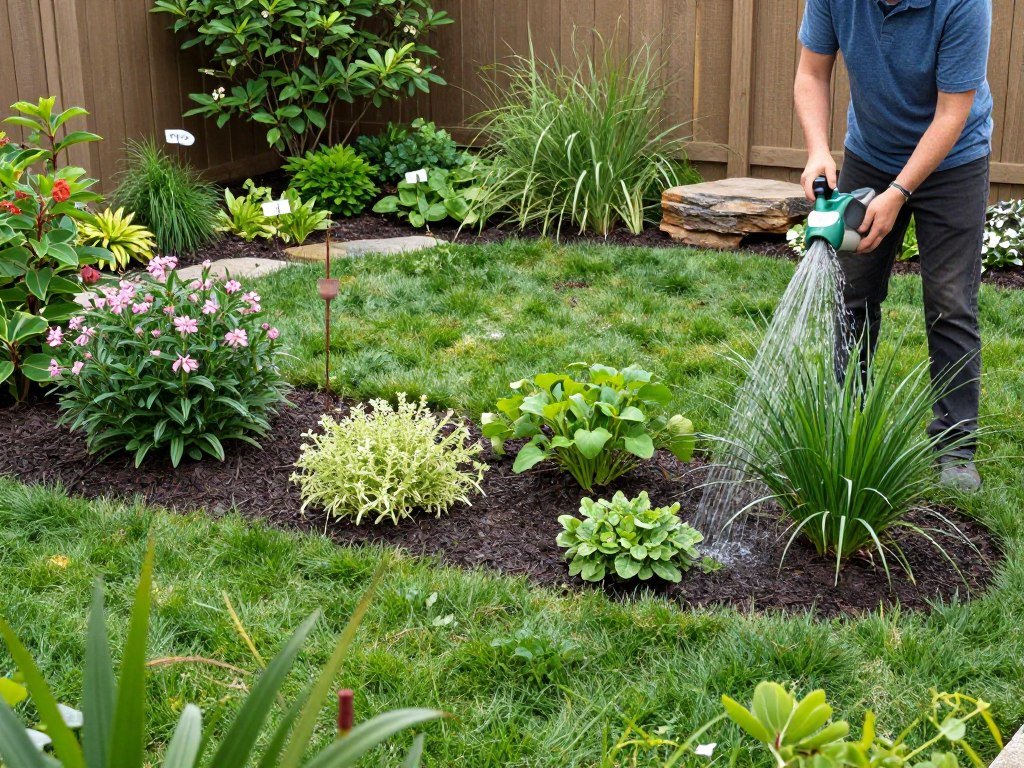
As you implement your backyard landscaping designs layout, develop a maintenance plan to keep it looking its best. Consider seasonal tasks like pruning, fertilizing, mulching, and cleaning. Set up a watering schedule for new plantings and plan for long-term care as your landscape matures. The right maintenance approach will protect your investment and allow your backyard to evolve beautifully over time.
Bringing Your Backyard Landscaping Designs Layout to Life
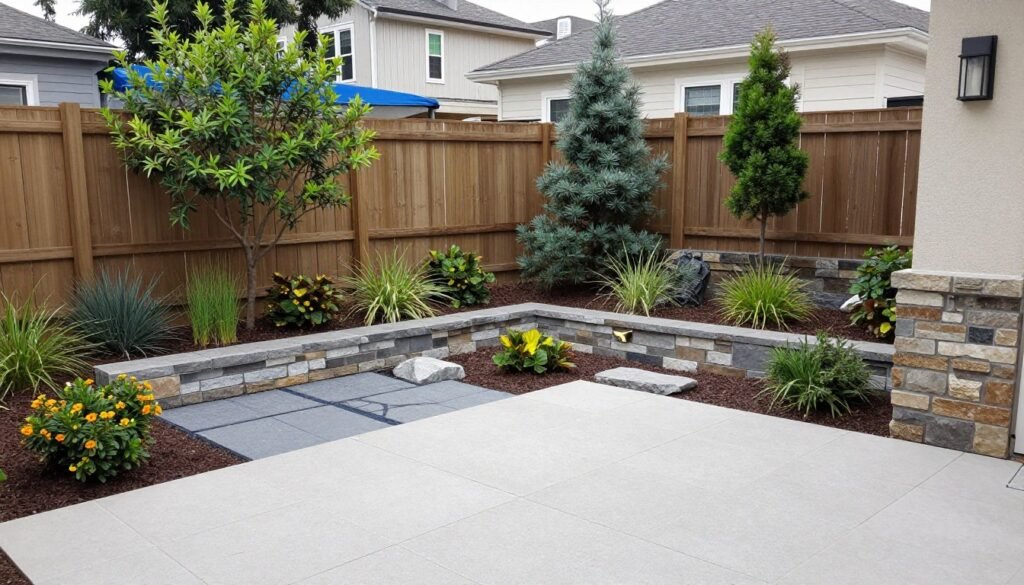
Creating a thoughtful backyard landscaping designs layout is the foundation of a successful outdoor transformation. By taking time to plan properly, understand design principles, and implement methodically, you can create an outdoor space that enhances your lifestyle and adds value to your home.
Remember that landscapes are living, evolving systems. Your backyard will change over time as plants grow and your needs shift. Embrace this evolution and be willing to adapt your backyard landscaping designs layout as necessary. The most successful outdoor spaces grow along with the families who use them, providing beauty, function, and enjoyment for years to come.
Whether you’re creating a serene retreat, an entertaining hub, or a family-friendly play space, the principles outlined in this guide will help you achieve a backyard that feels both personal and polished. Start with a solid plan, implement with care, and soon you’ll be enjoying the outdoor oasis you’ve always dreamed of.
Ready to Transform Your Backyard?
Get started with quality outdoor furniture that will make your new landscape design instantly more enjoyable and functional.