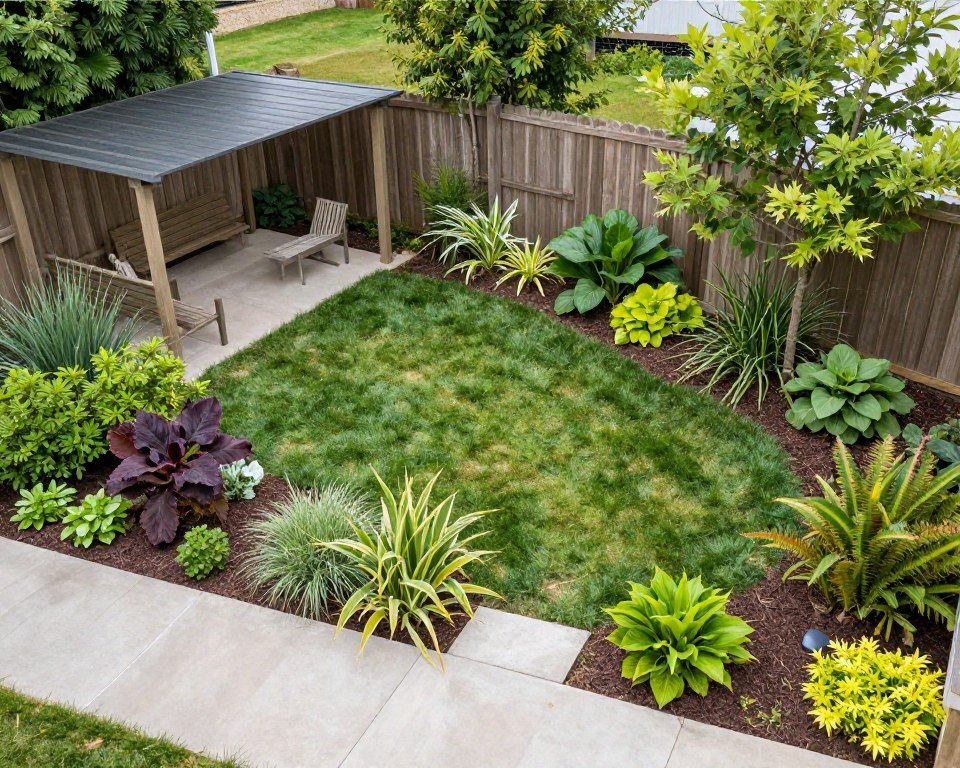
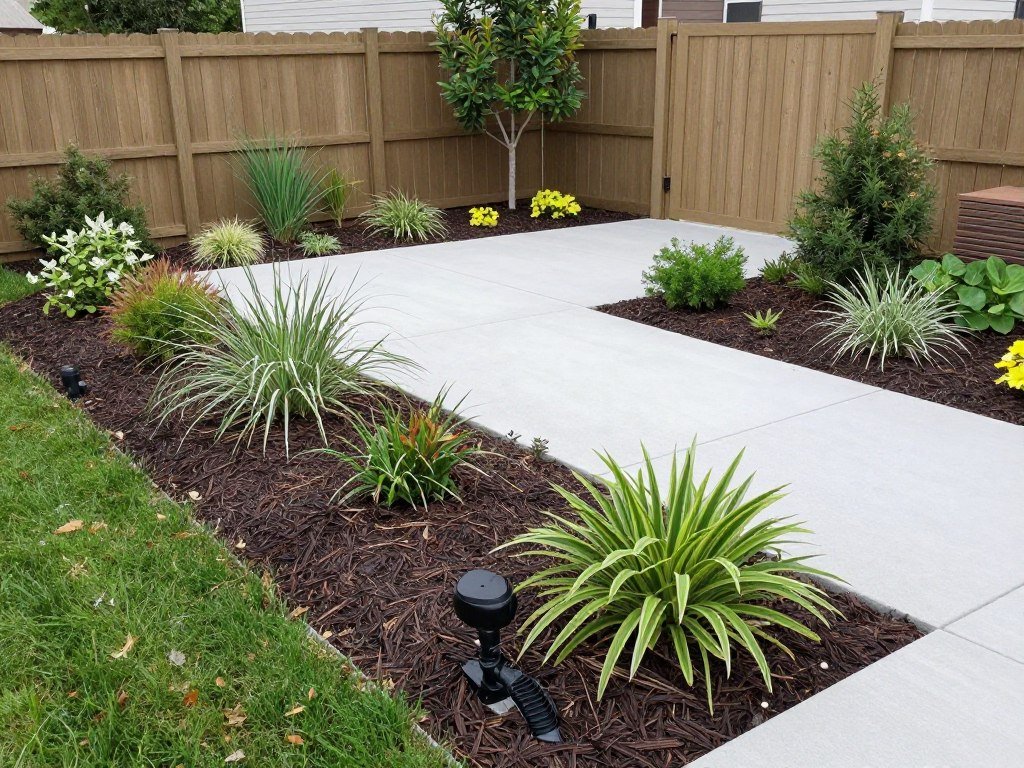
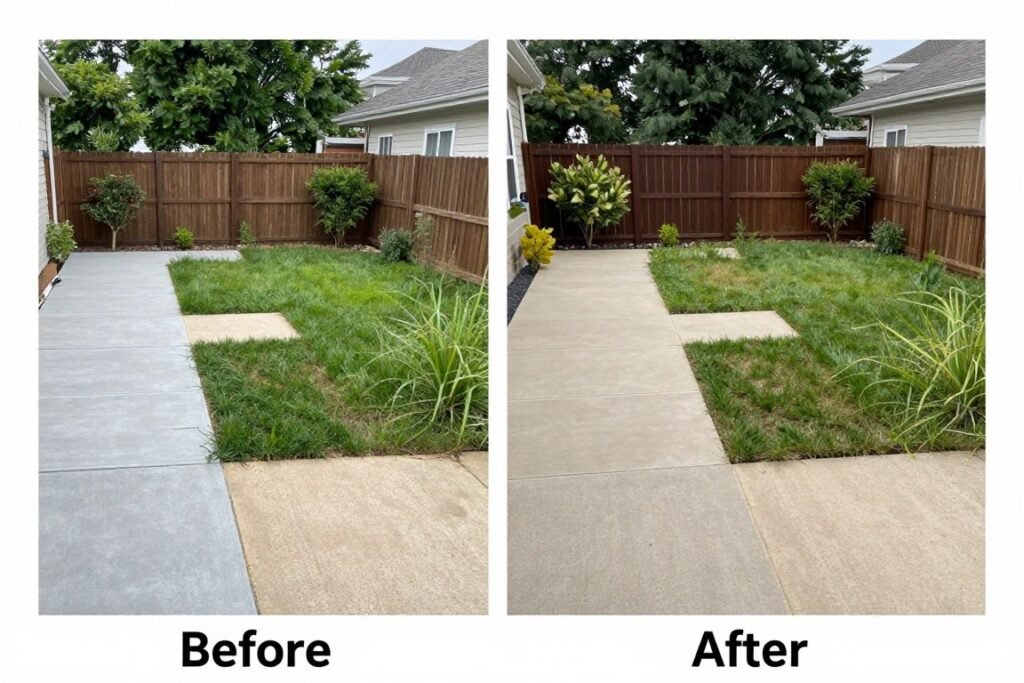
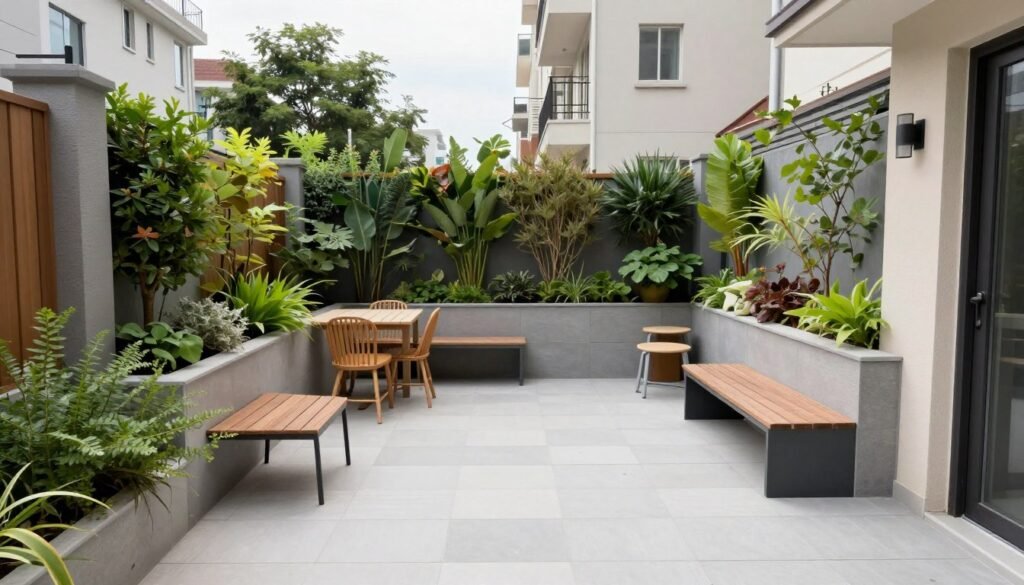
Your backyard is more than just outdoor space—it’s an extension of your home waiting to be transformed into a personal retreat. Whether you have a sprawling suburban yard or a compact urban oasis, thoughtful backyard layout planning can maximize both functionality and beauty. This comprehensive guide will walk you through the essential principles of backyard design, helping you create a space that reflects your lifestyle and enhances your property.
This Website contains affiliate links. That means I may earn a small commission if you purchase through my links, at no extra cost to you.
From understanding spatial relationships to selecting the right elements for your climate and needs, we’ll cover everything you need to know about creating a backyard layout that works for you. Let’s explore how to turn your outdoor dreams into reality with practical tips and inspiring ideas that you can implement regardless of your space constraints or budget.
Understanding Backyard Layout Fundamentals
Before diving into specific design ideas, it’s important to understand the fundamental principles that guide effective backyard layout. These principles will help you make informed decisions regardless of your yard’s size or shape.
Assessing Your Space and Needs
The first step in creating an effective backyard layout is to thoroughly assess both your physical space and how you want to use it. Begin by measuring your yard’s dimensions and noting any fixed features like trees, slopes, or existing structures. Consider how sunlight moves across your space throughout the day and across seasons.
Next, make a list of activities you want to accommodate in your backyard. Do you need space for children to play? Are you an avid gardener? Do you love to entertain? Understanding your priorities will help you allocate space appropriately and create a layout that truly enhances your lifestyle.
One of the most effective strategies for backyard layout is dividing your space into functional zones. This approach helps create order and purpose within your yard while maximizing usability. Common zones include:
Dining and entertaining areas – Typically located close to the house for easy access to the kitchen
Relaxation spaces – Quieter areas designed for reading, conversation, or simply enjoying nature
Play areas – Safe spaces for children or pets to play
Gardening zones – Dedicated areas for growing flowers, vegetables, or herbs
Utility spaces – Areas for storage, composting, or other practical needs
When planning these zones, consider how they’ll interact with each other. For example, you might not want your meditation garden next to a children’s play area, or your dining space downwind from a compost bin.
Planning Traffic Flow
How people move through your backyard is just as important as the zones themselves. Well-designed pathways guide movement and connect different areas while protecting plants and defining spaces. Consider these traffic flow principles:
Main pathways should be at least 3-4 feet wide to allow comfortable passage
Secondary paths can be narrower at 2-3 feet wide
Use materials that complement your overall design while being practical for your climate
Consider lighting along pathways for safety and evening ambiance
Create natural flow between connected spaces while avoiding awkward dead ends
Thoughtful pathway design not only improves functionality but also creates opportunities for discovery and visual interest as people move through your yard.
Popular Backyard Layout Styles
Different layout styles create distinct atmospheres and experiences in your outdoor space. Understanding these styles can help you identify which approach best matches your aesthetic preferences and lifestyle needs.
Formal Backyard Layouts
Formal backyard layouts draw inspiration from classical European gardens with an emphasis on symmetry, geometric patterns, and ordered arrangements. These designs often feature:
Symmetrical layouts with a central axis or focal point
Manicured hedges and precisely trimmed plants
Geometric shapes in hardscaping and planting beds
Classical elements like fountains, statuary, or formal rose gardens
Clearly defined borders and edges
Formal layouts work particularly well with traditional architecture and larger spaces where symmetry can be fully appreciated. They require more maintenance to preserve their structured appearance but create an elegant, timeless atmosphere.
Natural and Organic Layouts
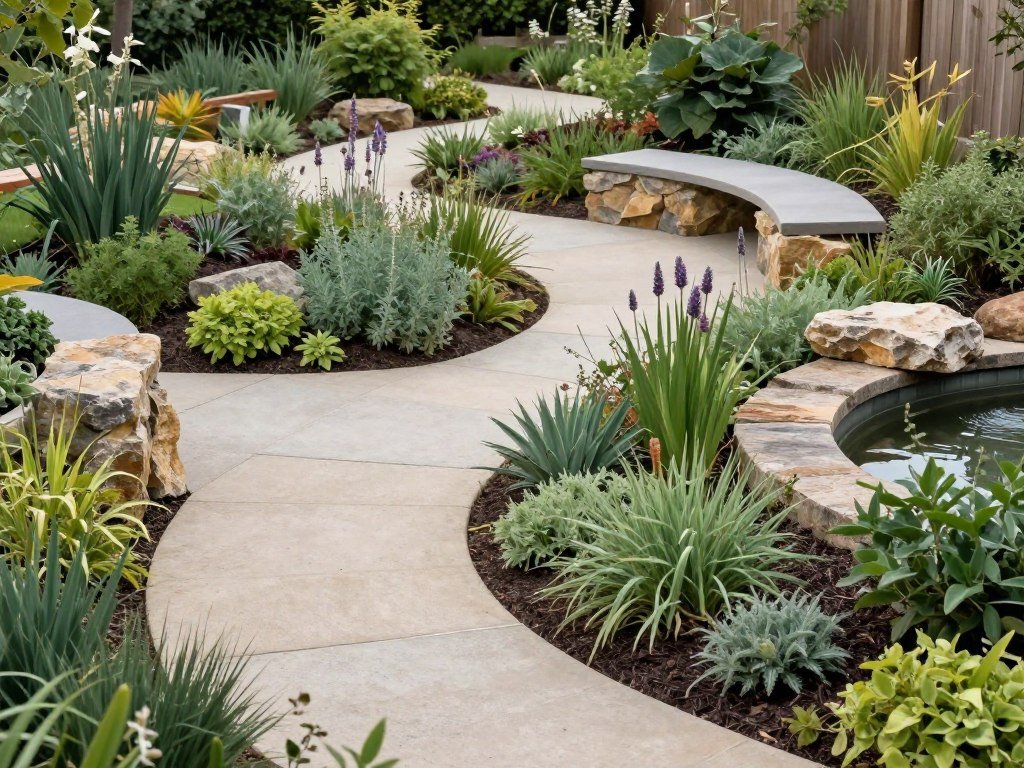
In contrast to formal designs, natural layouts embrace the flowing lines and organic patterns found in nature. These backyard designs typically include:
Curved pathways and irregular-shaped planting beds
Native plants arranged in naturalistic groupings
Varied textures and heights creating visual interest
Natural materials like uncut stone, wood, and gravel
Water features that mimic natural ponds or streams
Natural layouts often require less intensive maintenance while providing habitat for wildlife. They blend seamlessly with the surrounding environment and create a relaxed, informal atmosphere perfect for casual outdoor living.
Modern Minimalist Layouts
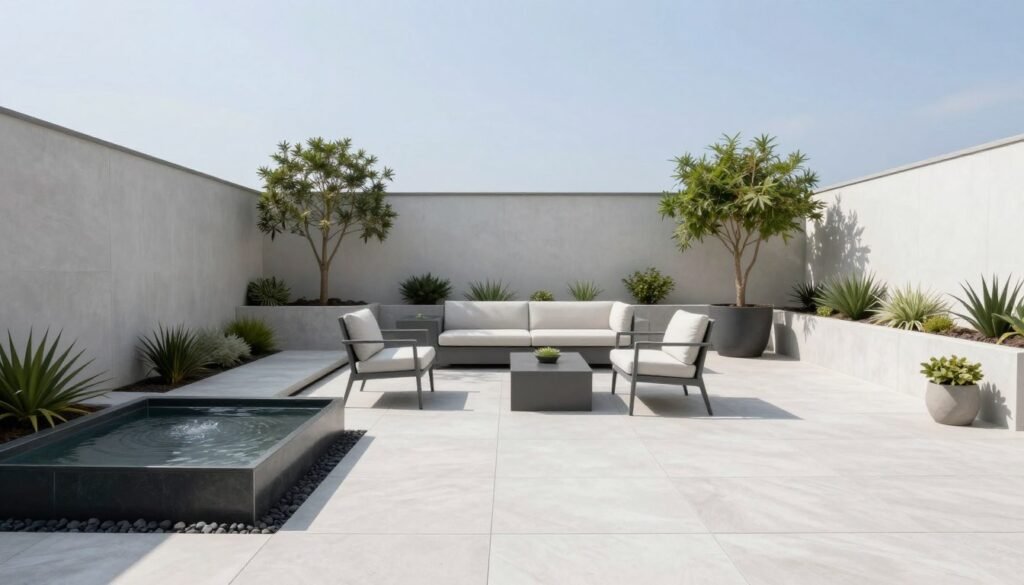
Modern backyard layouts emphasize clean lines, uncluttered spaces, and a “less is more” approach. These contemporary designs typically feature:
Strong geometric forms and architectural elements
Limited color palette with emphasis on texture
Statement furniture pieces with clean profiles
Carefully selected specimen plants rather than abundant variety
Contemporary materials like concrete, steel, and large-format pavers
Modern layouts create sophisticated outdoor spaces that feel like extensions of contemporary homes. They excel in urban environments and smaller yards where their simplicity creates a sense of spaciousness.
Enhance Your Modern Backyard
Looking for sleek outdoor furniture to complete your modern backyard design? Browse contemporary options that combine style and durability.
Family-oriented backyard layouts prioritize versatility and safety while accommodating the needs of different age groups. These practical designs often include:
Designated play areas with appropriate safety surfaces
Open lawn space for active games and sports
Comfortable adult seating with good visibility of play areas
Durable, low-maintenance materials and plants
Flexible spaces that can evolve as family needs change
Multi-functional family layouts create inclusive outdoor spaces where everyone can enjoy activities simultaneously. They balance practical considerations with aesthetic appeal to create backyards that work for daily life while still looking attractive.
Essential Elements for Your Backyard Layout
Regardless of your chosen style, certain key elements form the building blocks of effective backyard design. Understanding how to incorporate these elements will help you create a cohesive and functional outdoor space.
Patios and Decks: Creating Outdoor Living Rooms
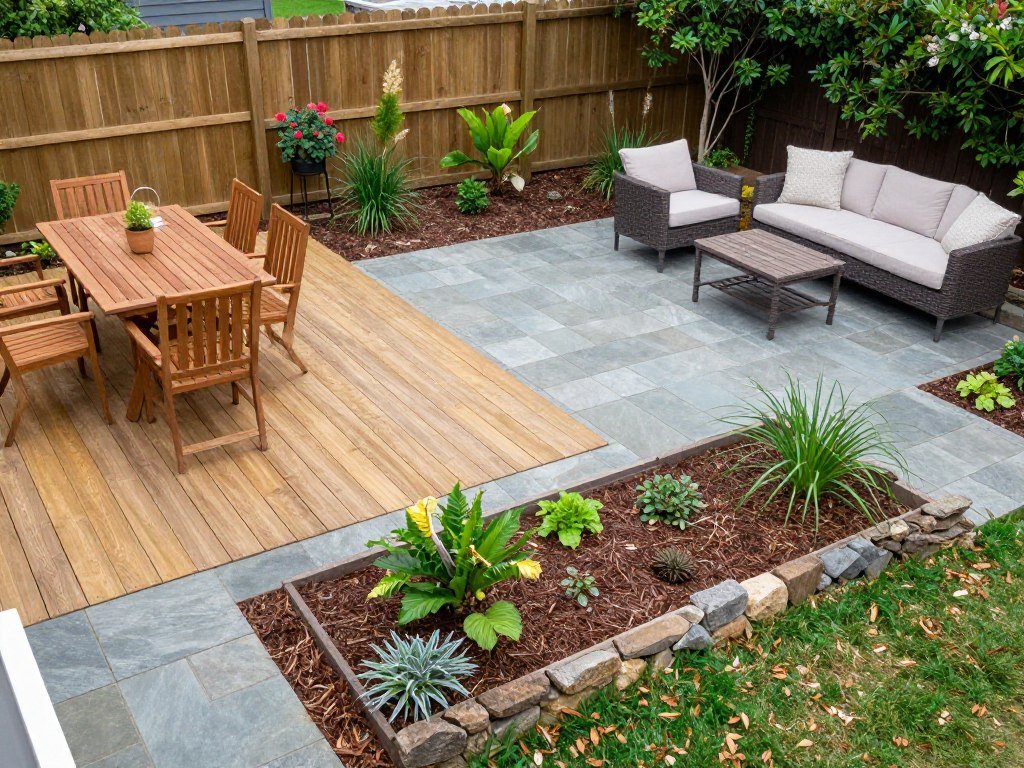
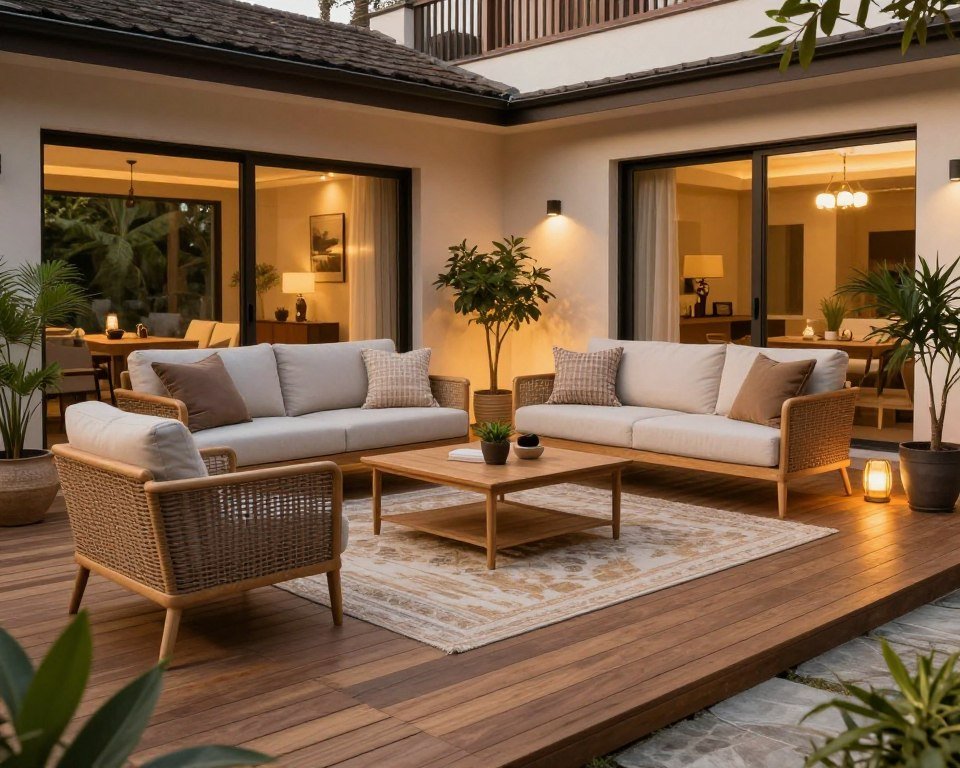
Patios and decks serve as the foundation for outdoor living, providing stable surfaces for furniture and activities. When planning these hardscaped areas:
Size your patio or deck appropriately for your intended use (dining, lounging, etc.)
Consider materials that complement your home’s architecture and withstand your local climate
Plan for proper drainage to prevent water pooling
Include shade options like pergolas, umbrellas, or strategically placed trees
Consider privacy needs and views both from and of your outdoor living space
Well-designed patios and decks blur the line between indoor and outdoor living, creating comfortable spaces that encourage you to spend more time outside.
Create Your Outdoor Living Room
Transform your patio or deck into a comfortable outdoor living room with weather-resistant furniture and accessories.
Every well-designed backyard benefits from focal points that draw the eye and create visual interest. Effective focal points include:
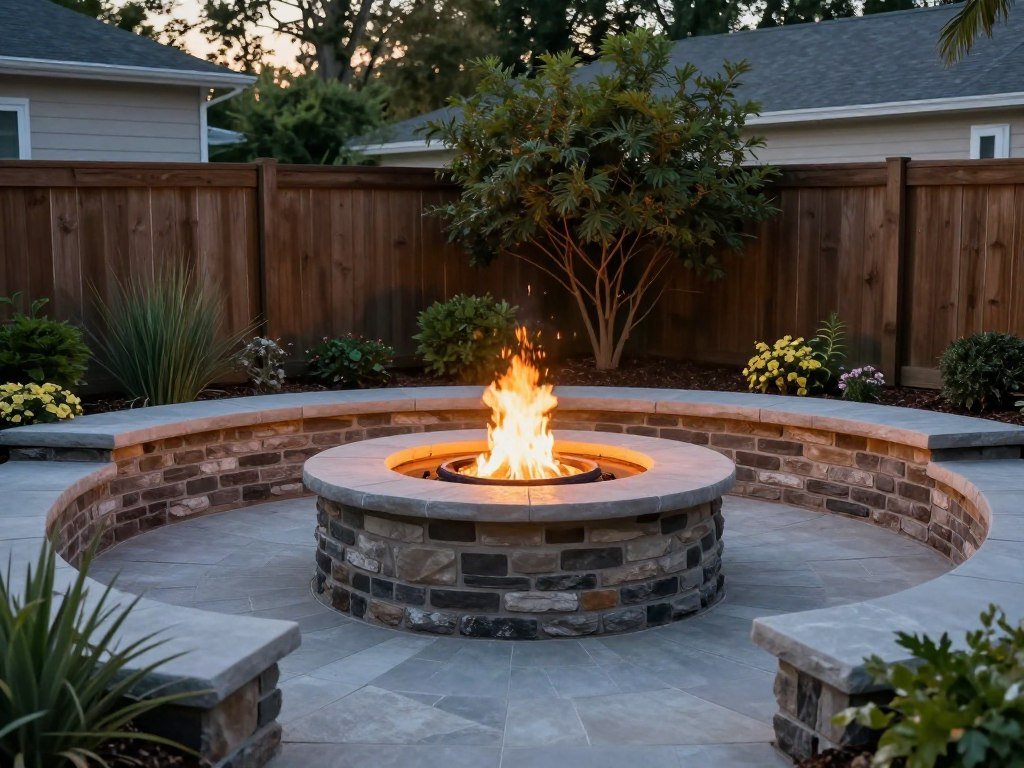
Fire features like fire pits or outdoor fireplaces
Water elements such as fountains, ponds, or small waterfalls
Specimen trees or statement plants with distinctive forms
Outdoor art, sculpture, or decorative structures
Architectural features like pergolas, arbors, or pavilions
Position focal points where they can be appreciated from multiple vantage points, including from inside your home. Use lighting to highlight these features after dark, extending their impact into the evening hours.
Strategic Planting for Structure and Privacy
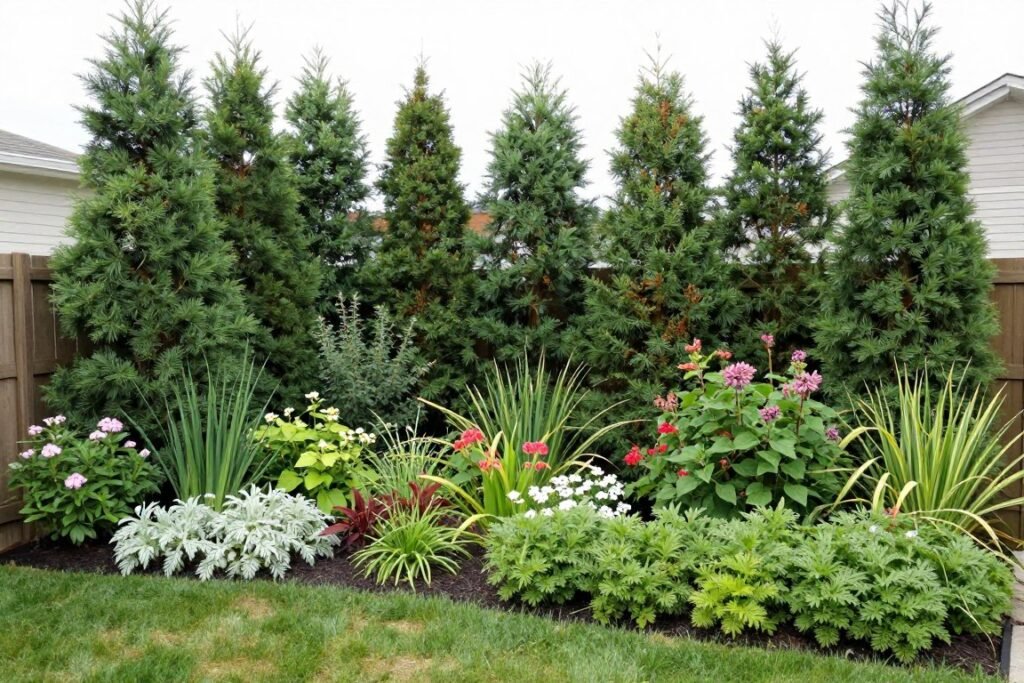
Plants are the living architecture of your backyard, providing structure, privacy, and seasonal interest. When planning your planting strategy:
Use trees and large shrubs to define spaces and create privacy screens
Layer plants of different heights for visual depth and interest
Consider seasonal changes to ensure year-round appeal
Select plants appropriate for your climate and soil conditions
Balance evergreen and deciduous plants for structure and seasonal variety
Thoughtful planting transforms hardscaped areas into true gardens, softening edges and creating the sense of being embraced by nature. Native plants require less maintenance while supporting local wildlife, making them excellent choices for sustainable backyard designs.
Lighting for Ambiance and Function
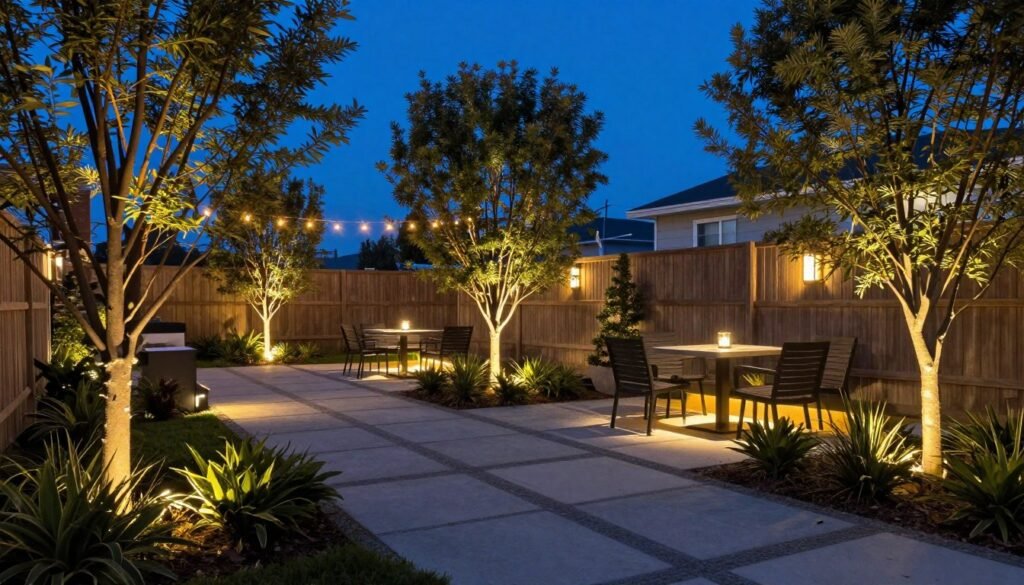
Well-planned lighting extends the usability of your backyard into the evening while creating atmosphere and highlighting design features. A comprehensive lighting plan includes:
Path lighting for safety and navigation
Ambient lighting for general illumination in seating and dining areas
Accent lighting to highlight focal points, trees, or architectural features
Task lighting for outdoor kitchens or activity areas
Decorative lighting like string lights or lanterns for atmosphere
Consider using energy-efficient LED fixtures and solar options where appropriate. Lighting control systems allow you to adjust brightness and turn different zones on or off as needed, creating the perfect ambiance for any occasion.
Illuminate Your Outdoor Space
Create magical evenings in your backyard with the right outdoor lighting solutions that combine beauty and functionality.
Specialized Features for Enhanced Backyard Layouts
Beyond the essential elements, specialized features can take your backyard layout to the next level, adding unique functionality and character to your outdoor space.
Outdoor Kitchens and Dining Areas
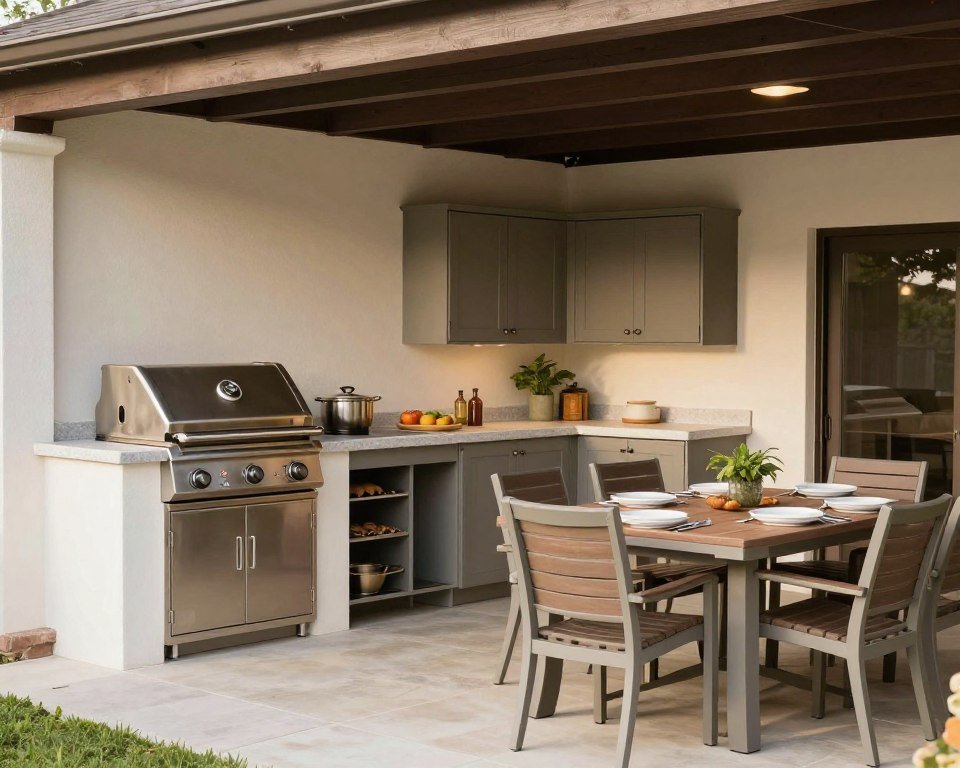
For those who love to entertain, an outdoor kitchen and dedicated dining area can transform your backyard into a hospitality hub. When planning these spaces:
Position outdoor kitchens where smoke won’t disturb seating areas or neighbors
Include countertop space for food preparation and serving
Consider utilities needs including water, electricity, and possibly gas
Choose weather-resistant materials and appliances designed for outdoor use
Provide adequate lighting for evening cooking and dining
Outdoor dining areas should be sized appropriately for your typical gathering size, with flexibility to accommodate larger groups when needed. Shade is essential for comfortable daytime use, whether from trees, umbrellas, or permanent structures.
Water Features: From Simple to Spectacular
Water features add a sensory dimension to your backyard through sound, movement, and reflective qualities. Options range from simple to elaborate:
Container water gardens for small spaces
Wall fountains that take up minimal floor space
Freestanding fountains as sculptural elements
Streams and waterfalls for dynamic movement
Reflecting pools for tranquility and sky reflections
When incorporating water features, consider maintenance requirements, water conservation, and safety (especially important for households with small children). Proper placement can mask urban noise while creating a focal point that attracts birds and beneficial insects.
Fire Features for Extended Seasons
Fire features extend your outdoor season into cooler months while creating natural gathering spots. Popular options include:
Portable fire pits for flexibility and lower investment
Built-in fire pits as permanent landscape features
Outdoor fireplaces for more substantial architectural presence
Fire tables that combine functionality with ambiance
Chimineas for smaller spaces or more contained fires
When planning fire features, check local regulations regarding open flames, maintain safe distances from structures and plants, and consider prevailing winds to prevent smoke issues. Surrounding seating should be comfortable but not so cushy that it catches stray sparks.
Extend Your Outdoor Season
Enjoy your backyard even when temperatures drop with the right fire feature for your space and lifestyle.
Dedicated areas for play and recreation add functionality for families while keeping activities contained. Consider these options based on your interests:
Children’s play zones with age-appropriate equipment
Sport courts for basketball, pickleball, or other activities
Lawn games areas for croquet, bocce, or cornhole
Adult recreation spaces like putting greens or yoga decks
Multi-generational features that appeal to various age groups
Position play areas where they can be supervised from inside the house or outdoor seating areas. Use appropriate safety surfacing under play equipment and consider how these spaces will evolve as family needs change over time.
Practical Considerations for Successful Backyard Layouts
Beyond aesthetics and features, several practical considerations will impact the long-term success of your backyard layout. Addressing these factors during the planning stage will save time, money, and frustration later.
Climate and Microclimate Adaptation
Your local climate and the specific microclimates within your yard significantly impact which design approaches will succeed. Consider:
Sun and shade patterns throughout the day and across seasons
Prevailing winds and how structures might create wind tunnels or sheltered areas
Drainage patterns and areas prone to standing water
Temperature variations in different parts of your yard
Seasonal changes that affect how you use outdoor spaces
Working with your climate rather than against it results in more sustainable, lower-maintenance landscapes. Choose plants suited to your conditions and position features like patios where they’ll be comfortable in your typical weather patterns.
Maintenance Realities
Be honest about how much time and effort you’re willing to invest in maintaining your backyard. Even the most beautiful design will become a burden if it exceeds your maintenance capacity.
Choose materials that weather gracefully with minimal upkeep
Select plants appropriate for your climate to reduce watering and care needs
Consider automation for irrigation and lighting to reduce daily tasks
Plan for easy access to areas requiring regular maintenance
Include appropriate storage for tools and equipment
Low-maintenance doesn’t mean no-maintenance. Every backyard requires some care, but thoughtful design choices can significantly reduce the time and effort required to keep your outdoor space looking its best.
Budget Planning and Phasing
Few homeowners can implement their entire backyard vision at once. Thoughtful budget planning and project phasing help make your dream backyard achievable over time.
Start with a comprehensive master plan to guide all phases
Prioritize infrastructure elements like grading, drainage, and utilities
Implement hardscaping before installing most plants
Consider which elements will make the biggest immediate impact
Plan phases to minimize damage to completed areas during later work
Breaking your project into logical phases allows you to spread costs over time while still working toward a cohesive final result. Each phase should create a finished look that you can enjoy while saving for the next stage of implementation.
Start Your Backyard Transformation
Begin your backyard makeover with quality tools that make landscaping projects easier and more efficient.
Limited space doesn’t mean limited possibilities. Small backyards can be just as functional and beautiful as larger ones when designed thoughtfully.
Vertical Elements and Space Maximization
When ground space is at a premium, look upward to maximize your backyard’s potential:
Vertical gardens and living walls for growing plants without floor space
Trellises and arbors for vines and climbing plants
Wall-mounted planters and hanging baskets
Tall, narrow plantings that provide height without width
Multi-level designs that create visual interest and additional planting areas
Vertical elements not only save space but also draw the eye upward, creating the illusion of a larger area. They can provide privacy, define spaces, and add significant plant material to small yards.
Multi-Functional Features
In small backyards, every element should serve multiple purposes whenever possible:
Seating with built-in storage underneath
Convertible furniture that can be dining or lounging
Planters that double as privacy screens
Steps that function as informal seating
Water features that also provide ambient sound to mask noise
This multi-functional approach ensures you get maximum utility from your limited space while keeping the design clean and uncluttered. Look for opportunities to combine functions in creative ways that enhance rather than compromise each use.
Maximize Your Small Backyard
Discover space-saving furniture and accessories specifically designed for compact outdoor areas.
Several design techniques can make small backyards feel more spacious:
Diagonal lines and patterns that draw the eye across the space
Mirrors strategically placed to reflect light and views
Limited color palette to create visual cohesion
Proportional furniture and features that don’t overwhelm the space
Clear sightlines that allow you to see the full extent of the yard
These visual tricks work with human perception to create a sense of spaciousness even when square footage is limited. Combined with smart space planning, they can transform even the tiniest urban backyard into a functional outdoor retreat.
Bringing Your Backyard Layout to Life
Creating your ideal backyard layout is a journey that combines practical considerations with personal expression. Whether you’re working with a blank slate or reimagining an existing space, the principles and ideas we’ve explored provide a foundation for creating an outdoor environment that enhances your lifestyle.
Remember that the most successful backyard layouts evolve over time. Start with a solid plan, implement it in phases that make sense for your budget and timeline, and be open to adjustments as you discover how you actually use the space. Gardens are living entities that mature and change, and your relationship with your outdoor space will develop alongside the plants and features you introduce.
Most importantly, create a backyard that reflects your personality and meets your specific needs. The most beautiful landscape designs are those that feel authentic to the people who inhabit them. With thoughtful planning and creative implementation, your backyard can become not just an extension of your home, but a personal sanctuary that brings joy for years to come.
Ready to Transform Your Backyard?
Start your backyard layout journey with inspiration and practical ideas you can implement right away.
Creating an aesthetic room that reflects your personality while staying on-trend has become increasingly popular, especially on platforms like Pinterest and…