Your basement laundry room doesn’t have to feel like a forgotten corner of your home. With thoughtful planning and creative design choices, this essential space can become both functional and inviting. Whether you’re working with a small utility room or a spacious basement area, the right ideas can make laundry day something you actually look forward to.
This Website contains affiliate links. That means I may earn a small commission if you purchase through my links, at no extra cost to you.
Many homeowners overlook the potential of their basement laundry space. The challenge often lies in dealing with limited natural light, moisture concerns, and making the most of awkward layouts. But these obstacles become opportunities when you approach them with the right strategies.
Planning Your Basement Laundry Room Layout
The foundation of any successful basement laundry room starts with smart planning. Your layout determines how efficiently you’ll move through laundry tasks and how much storage you can incorporate into the space.
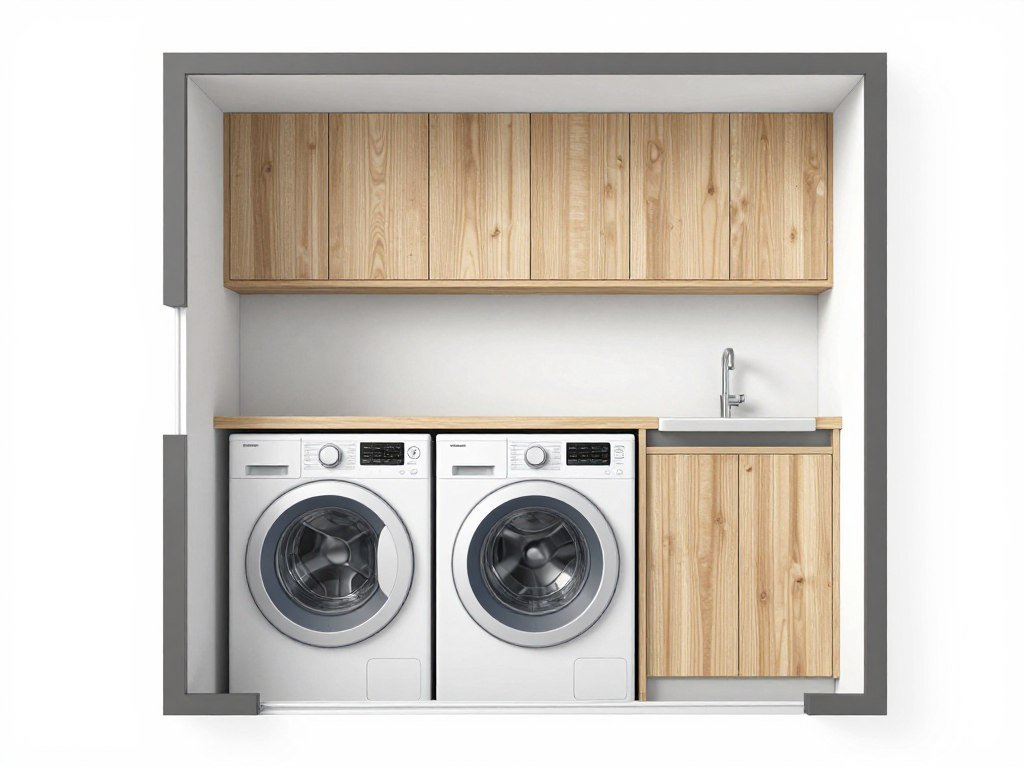
Consider the placement of your washer and dryer first. These appliances need proper ventilation and access to plumbing. Most basement laundry rooms benefit from having the washer dryer units against one wall. This arrangement frees up the remaining space for folding areas and storage.
Essential Zones for Maximum Efficiency
Every functional laundry room needs three key zones. The washing zone houses your appliances and supplies. The folding zone provides counter space for sorting and folding clothes. The storage zone keeps everything organized and accessible.
Create a designated spot for dirty laundry baskets near the entrance. This simple addition prevents clothes from piling up around the house. Add a hanging rod for items that need to air dry. This small feature saves countless trips up and down the stairs.
Related Posts:






Work Triangle Benefits
The laundry work triangle concept places your washer, dryer, and folding area within easy reach of each other. This arrangement minimizes unnecessary movement and makes the entire process more efficient.
Lighting Solutions That Brighten Your Basement Laundry
Proper lighting transforms a dark basement laundry room into a pleasant workspace. Most basements lack natural light, making artificial lighting crucial for both functionality and ambiance.
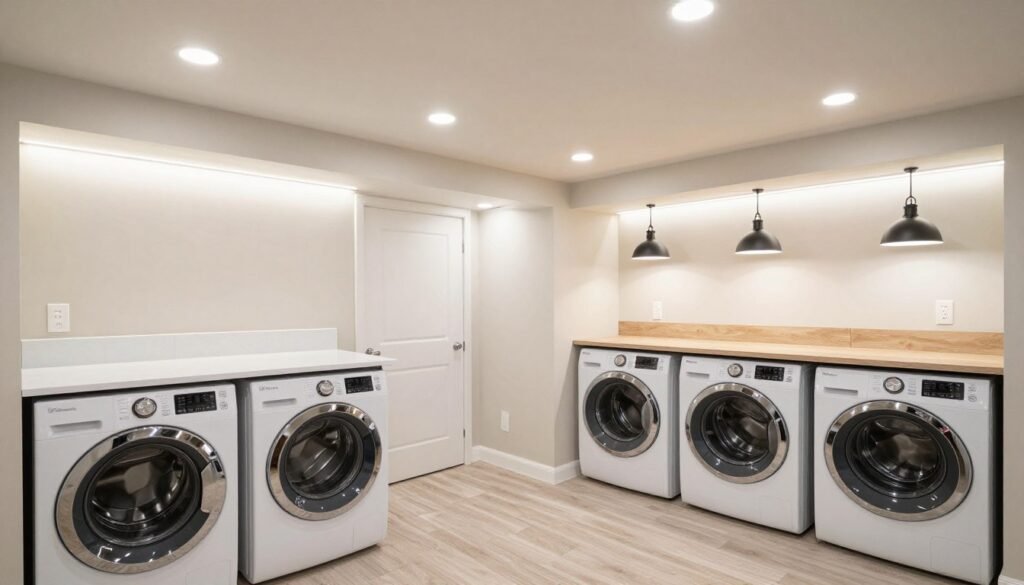
Layer your lighting to create the best effect. Start with bright overhead lights for general illumination. Add task lighting above your folding counter and near the washer dryer. Finish with ambient lighting to make the space feel warm and inviting.
LED Options for Energy Efficiency
LED lights offer the perfect solution for basement laundry rooms. They provide excellent illumination while using minimal electricity. The bright white light helps you spot stains and sort clothes accurately.
Install recessed lighting in the ceiling for even coverage throughout the room. Under-cabinet LED strips illuminate your countertop workspace without creating harsh shadows. These lights make detail work easier and reduce eye strain during long folding sessions.
Ceiling Lighting
Recessed lights or flush-mount fixtures provide overall illumination. Choose fixtures rated for damp locations to handle basement humidity. Aim for 50-75 lumens per square foot for adequate brightness.
Task Lighting
Under-cabinet strips and pendant lights focus illumination where you need it most. These fixtures help you see details clearly when treating stains or folding delicate items. Motion-activated options add convenience.
Ambient Lighting
Wall sconces or decorative fixtures create a welcoming atmosphere in your laundry space. These lights soften the clinical feel of bright overhead lighting and make the room feel more like part of your home.
Storage Solutions That Maximize Every Inch
Smart storage turns a cramped basement laundry room into an organized, efficient space. The key lies in using vertical space and choosing the right storage systems for your needs.
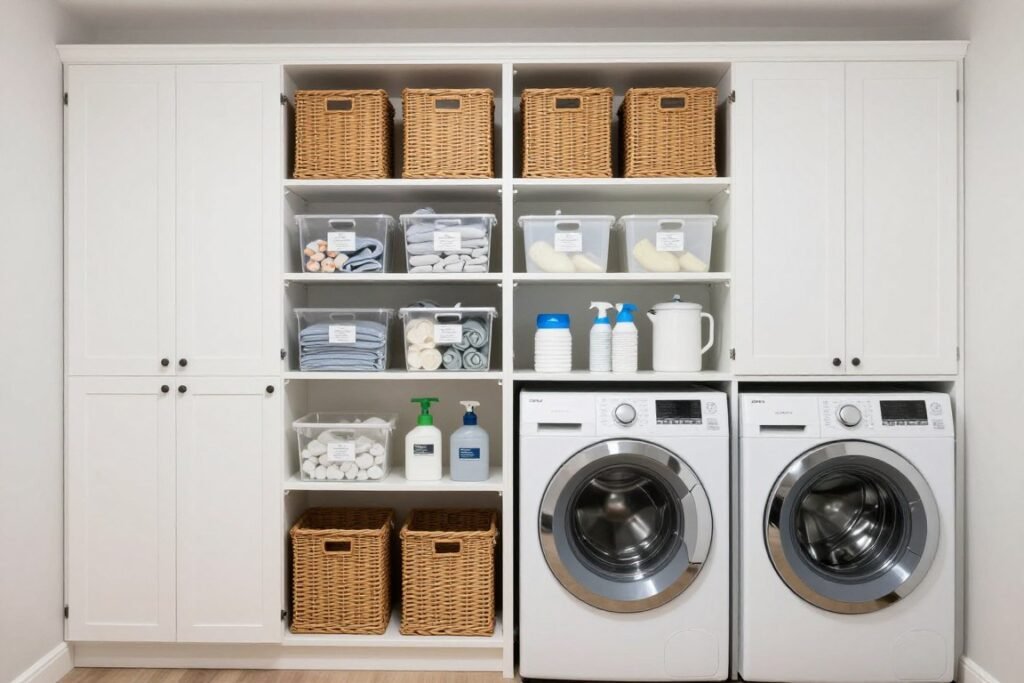
Cabinets provide the most versatile storage option for any laundry room. Upper cabinets keep supplies out of the way while remaining easily accessible. Lower cabinets can house cleaning products, extra supplies, and seasonal items you don’t need every day.
Cabinet Configurations for Different Needs
Floor-to-ceiling cabinets make use of all available wall space in your basement laundry room. This configuration works particularly well in rooms with lower ceilings where tall cabinets don’t feel overwhelming.
Open shelving offers an affordable alternative to closed cabinets. Use decorative baskets and containers to keep items organized while maintaining easy access. This approach works well for frequently used laundry supplies and folded towels.
- Wall-mounted cabinets save floor space and keep supplies at eye level
- Base cabinets with countertops create folding space while hiding storage underneath
- Corner cabinets maximize awkward spaces that might otherwise go unused
- Pull-out drawers make it easy to reach items stored in deep cabinets
Creative Shelving Ideas
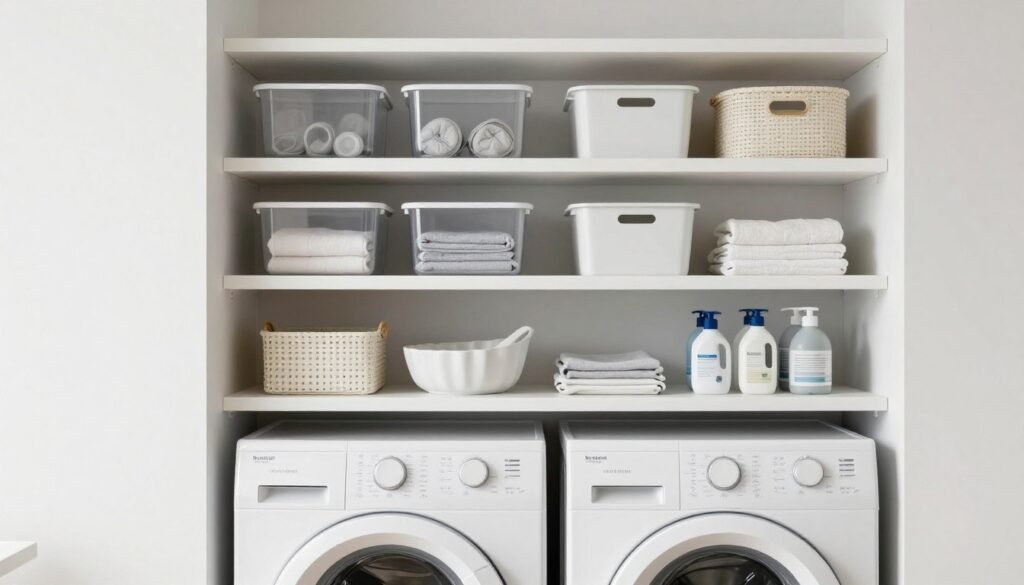
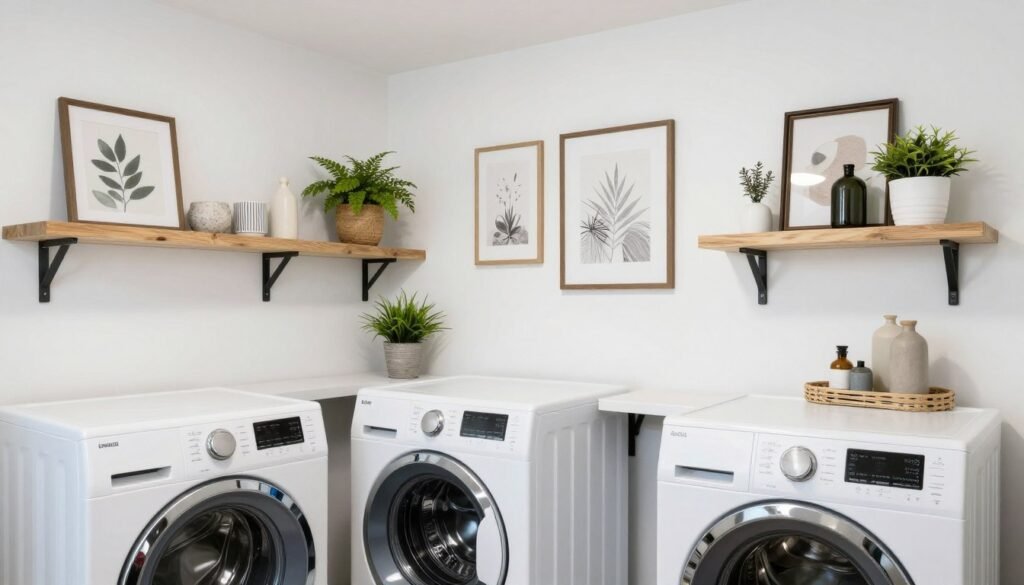
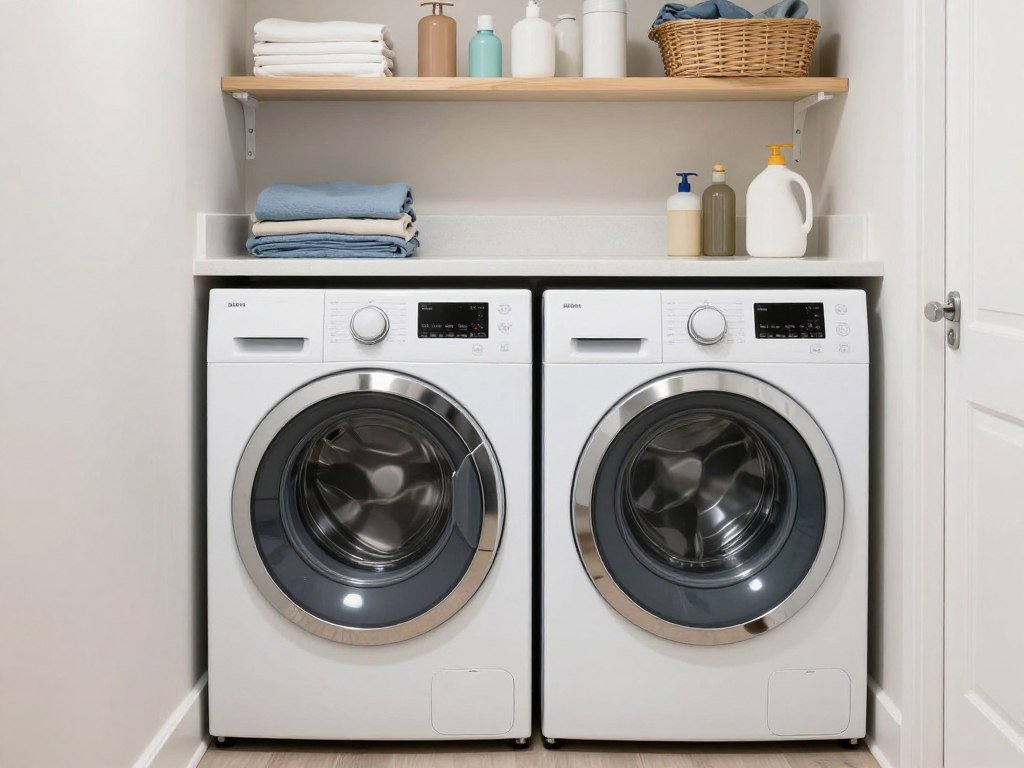
Floating shelves add storage without the bulk of traditional cabinets. Install them above your washer dryer to hold detergent and other essentials within arm’s reach. The open design keeps the room feeling spacious.
Wire shelving systems offer adjustable storage that adapts to your changing needs. These affordable units work perfectly in basement laundry rooms where moisture might affect wood shelving. The open design allows air circulation around stored items.
Creating the Perfect Folding and Counter Space
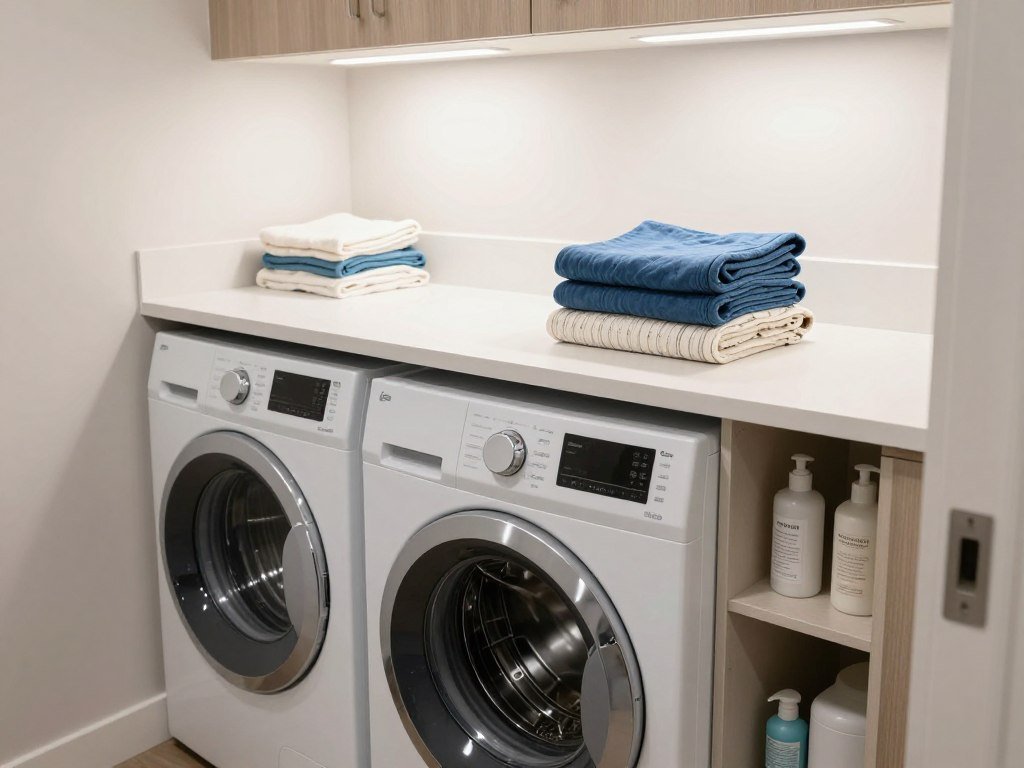
A dedicated folding area makes laundry tasks significantly easier. Counter space gives you room to sort, fold, and organize clothes efficiently. This feature transforms your basement laundry room from purely functional to genuinely pleasant to use.
The ideal countertop sits at 36 inches high, matching standard kitchen counter height. This measurement allows most people to fold comfortably without bending or reaching awkwardly. Make your counter as deep as space allows, with 24 inches being the minimum for practical folding.
Material Choices for Durability
Laminate countertops offer excellent value for basement laundry rooms. Modern laminate resists moisture and stands up to daily use. The smooth surface makes folding clothes effortless and wipes clean easily after treating stains.
Butcher block creates a warm, natural look in your laundry space. Seal the wood properly to protect it from moisture and spills. This material adds character to your basement while providing a sturdy work surface.
Budget-Friendly Options
- Laminate comes in countless colors and patterns to match any style
- Solid surface materials resist stains and never need sealing
- Tile countertops handle moisture perfectly and allow custom designs
Premium Choices
- Quartz combines durability with low maintenance requirements
- Granite adds natural beauty and exceptional heat resistance
- Stainless steel provides commercial-grade durability
Built-In Folding Stations
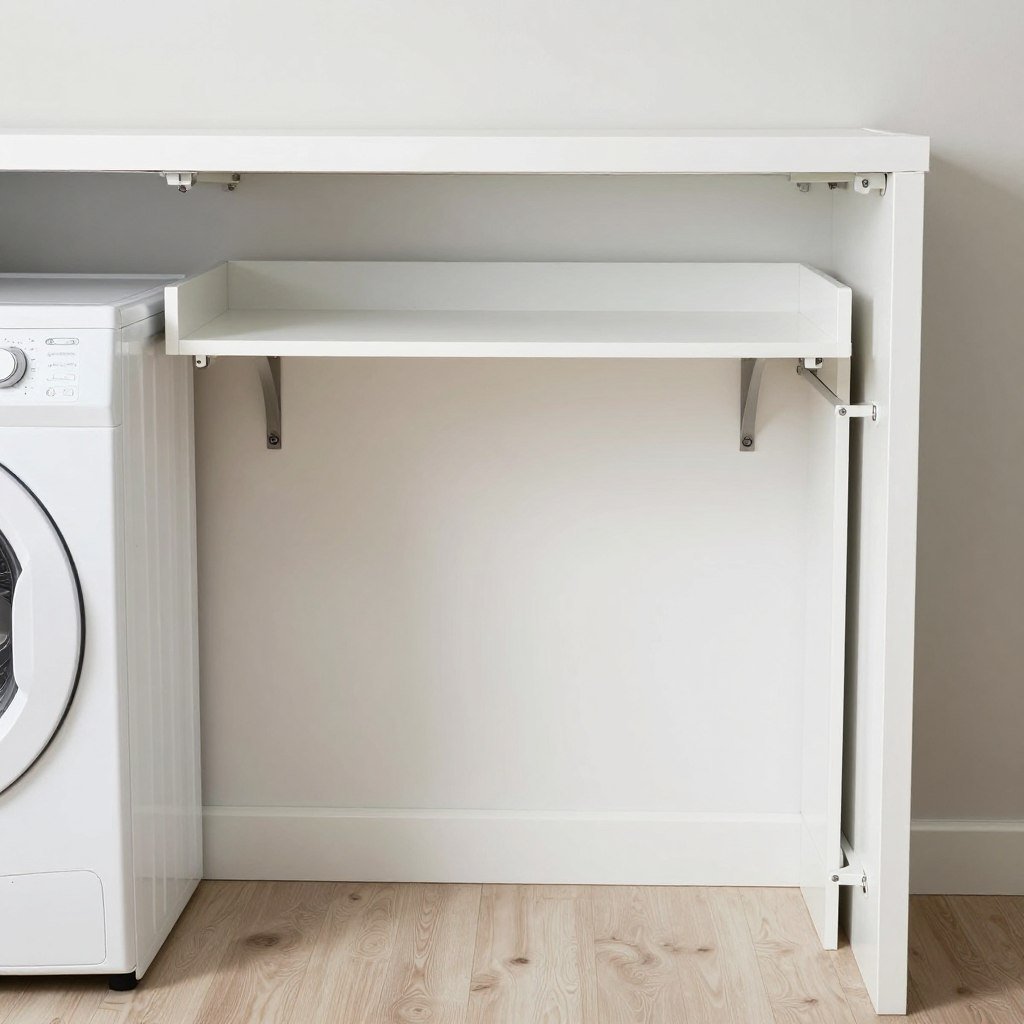
Consider a fold-down counter if space is tight. This clever solution mounts to the wall and folds up when not in use. You get plenty of counter space for folding without permanently losing floor space in your basement laundry room.
Choosing the Right Flooring for Your Basement Laundry
The floor in your basement laundry room takes constant abuse from water, detergent spills, and heavy appliances. Selecting the right flooring material prevents damage and makes cleaning effortless.
Waterproof options should top your list when considering basement flooring. Basements naturally have higher humidity levels, and laundry rooms add even more moisture to the equation. Your floor needs to handle occasional flooding from appliance leaks or overflows.
Top Flooring Materials
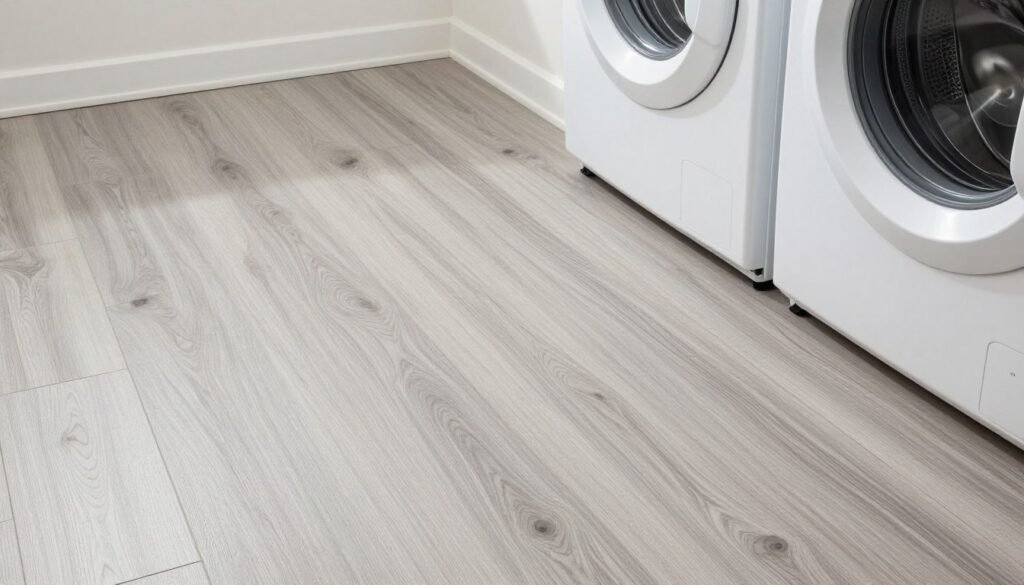
Luxury vinyl plank combines the look of hardwood with complete water resistance. This flooring installs easily over concrete basement floors and provides comfortable cushioning underfoot. The realistic wood grain patterns add warmth to your laundry space.
Ceramic or porcelain tile stands up to anything your laundry room can dish out. These materials never absorb water and clean up with simple mopping. Choose textured tiles to prevent slipping on wet surfaces.
- Vinyl sheet flooring creates a seamless, waterproof surface with no grout lines
- Epoxy coating transforms concrete into an attractive, easy-clean floor
- Rubber tiles provide excellent cushioning and complete water resistance
- Sealed concrete offers an industrial look that’s gaining popularity
Find Your Perfect Flooring Solution
Explore waterproof flooring options specifically designed for basement laundry rooms. From luxury vinyl to ceramic tile, discover materials that combine durability with style.
Adding a Utility Sink to Your Basement Laundry
A sink transforms your basement laundry room from basic to fully functional. This addition handles tasks that washing machines can’t, from pre-soaking stained items to hand-washing delicates.
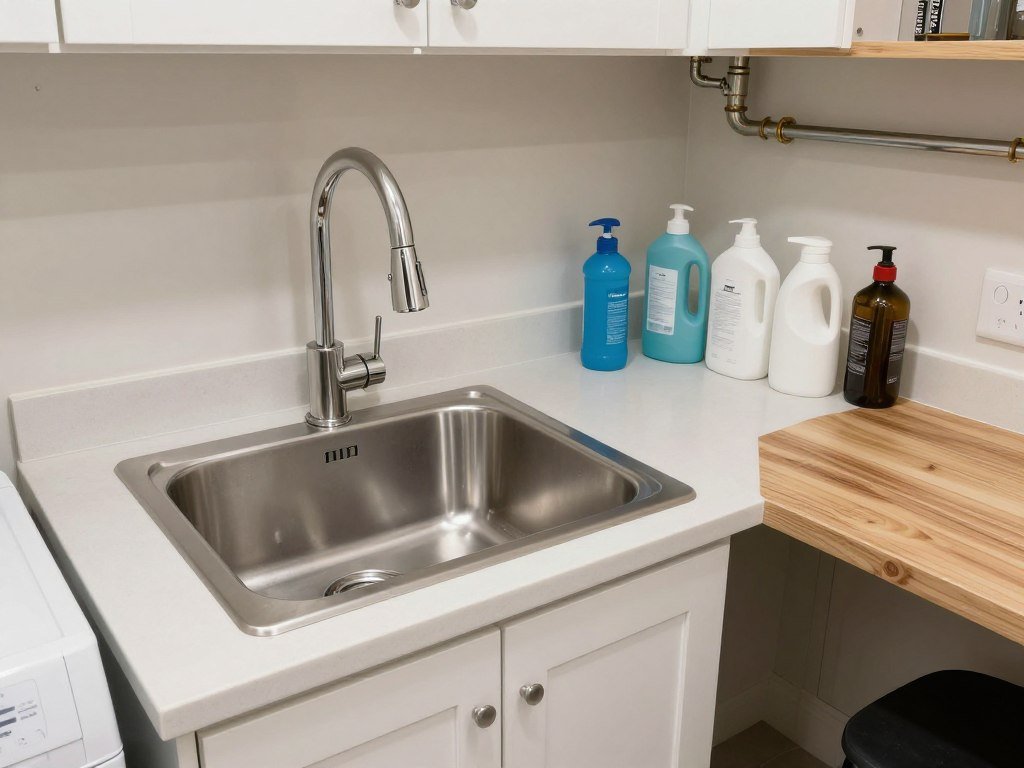
Deep utility sinks work best for laundry applications. The extra depth accommodates large items like comforters and allows you to fill buckets without splashing. Stainless steel sinks resist rust and clean easily after messy projects.
Sink Placement Strategies
Position your sink between the washer dryer and your folding counter if possible. This central location makes it easy to move wet items from the washer to the sink for treatment. You can then fold on the nearby counter once items are dry.
Corner installations save space in smaller basement laundry rooms. A corner sink leaves more wall space free for cabinets and shelving. This arrangement works particularly well in L-shaped laundry room layouts.
Wall Treatments That Brighten Your Basement Laundry
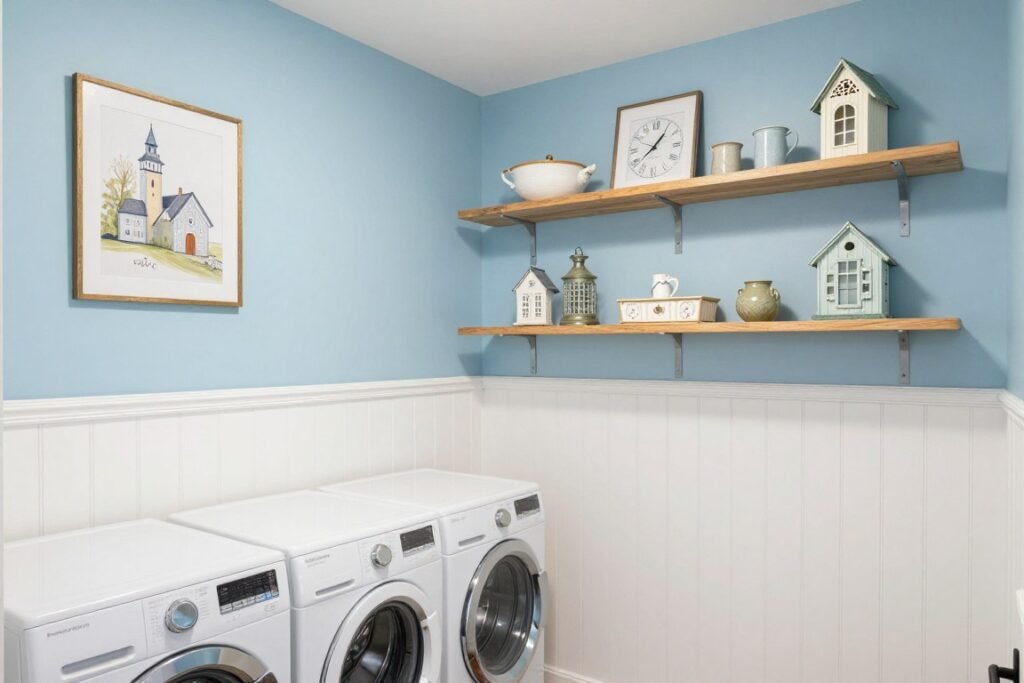
The walls in your basement laundry room set the tone for the entire space. Light colors reflect illumination and make the room feel larger and more inviting. The right wall treatment also protects against moisture damage.
Paint remains the most popular choice for laundry room walls. Semi-gloss or satin finishes resist moisture better than flat paint. These sheens also wipe clean easily when detergent or other products splash on the walls.
Color Strategies
White or light gray walls maximize brightness in basement spaces with limited natural light. These neutral backgrounds also make it easier to spot dirt and stains that need attention. The clean palette creates a fresh, sanitary feeling appropriate for a laundry space.
Accent walls add personality without overwhelming a small room. Consider a bold color or patterned wallpaper on one wall to create visual interest. This approach lets you experiment with color while keeping the space feeling open.
Practical Wall Coverings
Beadboard wainscoting protects walls from scratches and bumps in high-traffic areas. Install it on the lower half of walls where laundry baskets and supplies might cause damage. Paint the beadboard in a durable semi-gloss finish for easy cleaning.
Smart Organization Systems for Laundry Supplies
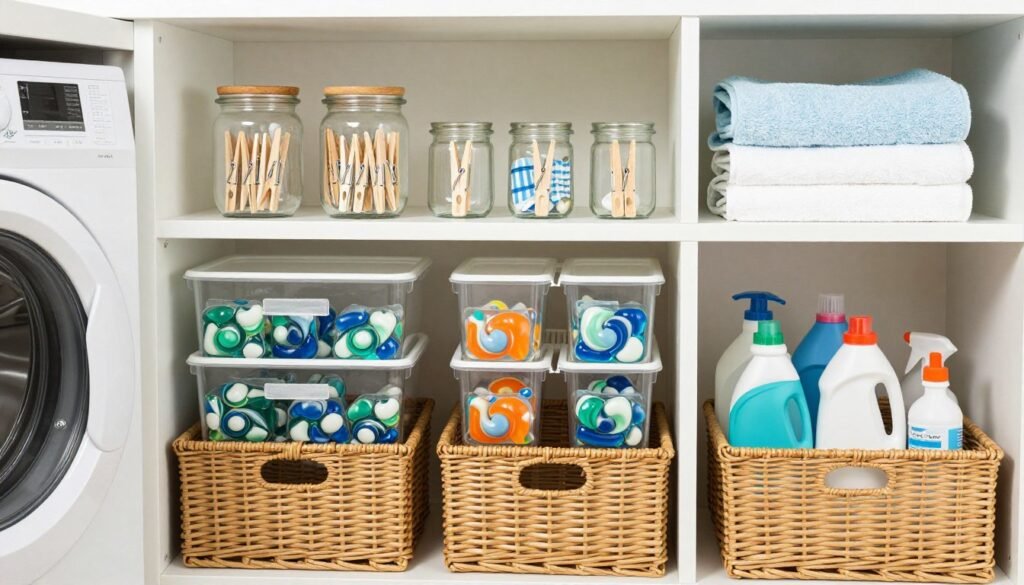
Keeping laundry supplies organized prevents clutter and makes every task easier. A well-organized system ensures you can find what you need quickly without searching through crowded cabinets.
Designated zones for different types of supplies streamline your workflow. Store detergents and fabric softeners near the washer. Keep stain treatment products and pre-wash sprays at your sink. Place folding aids and hangers near your counter space.
Container Solutions
Clear containers let you see when supplies run low at a glance. Transfer detergent, dryer sheets, and other items into matching containers for a cohesive look. Label everything clearly to help family members find and return items to the correct spot.
- Lazy Susans make corner cabinet contents easily accessible
- Over-the-door organizers maximize unused vertical space
- Drawer dividers keep small items like stain sticks organized
- Hanging organizers with pockets store frequently used supplies
Sorting and Hamper Systems
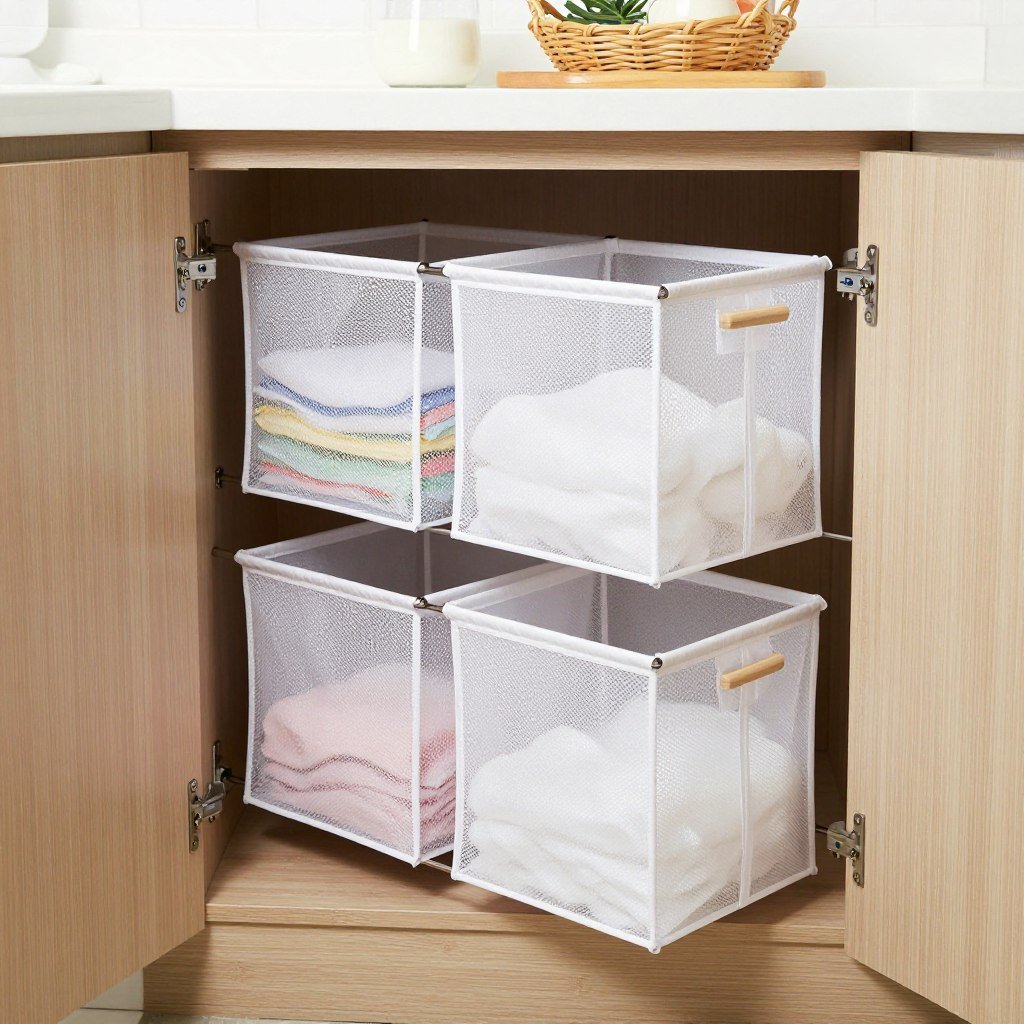
Multiple hampers encourage family members to pre-sort laundry. Use three bins for whites, colors, and delicates. This simple system speeds up laundry day significantly since clothes are already sorted when you’re ready to wash.
Ventilation and Moisture Control Essentials
Proper ventilation protects your basement laundry room from mold and mildew. Basements naturally trap moisture, and adding a laundry room increases humidity levels significantly. Good airflow keeps the space healthy and comfortable.
Your dryer vent requires special attention in basement installations. Make sure it vents directly outside through the shortest possible route. Long, winding vent runs reduce efficiency and create fire hazards. Clean the vent regularly to maintain optimal performance.
Dehumidification Strategies
A dehumidifier removes excess moisture from your basement laundry room air. Run it continuously during humid months to prevent musty odors and protect your belongings. Empty the collection bucket regularly or install a drain line for automatic operation.
Exhaust fans improve air circulation and remove moisture quickly. Install a fan in the ceiling to pull humid air out of the room. Choose a model rated for the square footage of your space for adequate ventilation.
Selecting the Right Washer and Dryer
Your choice of appliances impacts both functionality and space usage in your basement laundry room. Modern washers and dryers offer features that make laundry easier while fitting into compact spaces.
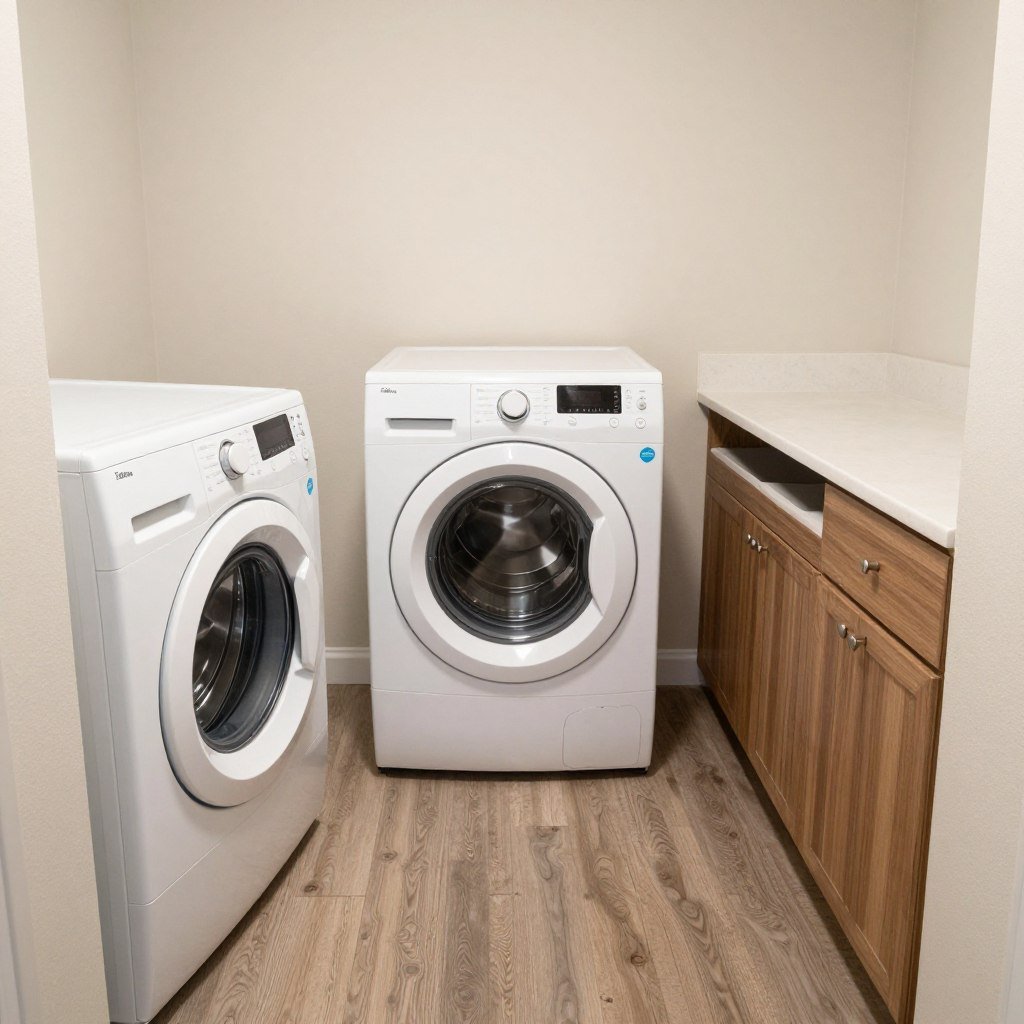
Front-loading washers allow you to place a countertop directly above them for folding. This configuration makes the most of limited space in basement laundry rooms. The machines also use less water and energy than traditional top-loaders.
Size Considerations
Measure your space carefully before shopping for appliances. Standard washers and dryers need at least 27 inches of width each. Add a few inches on each side for proper ventilation and easy access for maintenance.
Stackable units save floor space in narrow basement laundry rooms. These compact appliances place the dryer on top of the washer, freeing up valuable floor area. The vertical arrangement works well in small utility rooms or corners.
Must-Have Features
- Steam cleaning functions tackle tough stains without pre-treating
- Moisture sensors in dryers prevent over-drying and save energy
- Extra-large capacity handles bulky items like comforters
- Delay start timers let you run loads during off-peak electricity hours
- Vibration reduction technology keeps noise levels low in basements
Budget-Friendly Basement Laundry Room Upgrades
Transforming your basement laundry room doesn’t require a complete renovation. Strategic upgrades deliver significant improvements without breaking your budget. Focus on changes that enhance both function and appearance.
Fresh paint provides the biggest impact for the lowest cost. A weekend painting project completely refreshes your laundry space. Choose moisture-resistant paint in light colors to brighten the basement and protect your walls.
DIY Improvement Projects
Installing shelving yourself saves hundreds compared to custom cabinetry. Pre-made shelving units from home improvement stores assemble easily and provide plenty of storage. Arrange them around your washer dryer to maximize every inch of wall space.
Under $100 Upgrades
- New light fixtures brighten the entire room
- Peel-and-stick vinyl tiles refresh old flooring
- Organizational containers eliminate clutter
- Decorative hooks add hanging space
Under $500 Projects
- Countertop installation for folding space
- Wall-mounted drying rack systems
- Luxury vinyl plank flooring
- Storage cabinet additions
Repurpose furniture from other areas of your house for laundry room storage. Old bookshelves, dressers, or kitchen cabinets work perfectly for organizing supplies. A fresh coat of paint helps these pieces match your new design scheme.
Style Ideas for Every Taste
Your basement laundry room can reflect your personal style while remaining highly functional. The right design approach makes the space feel like a natural extension of your home rather than a neglected utility area.
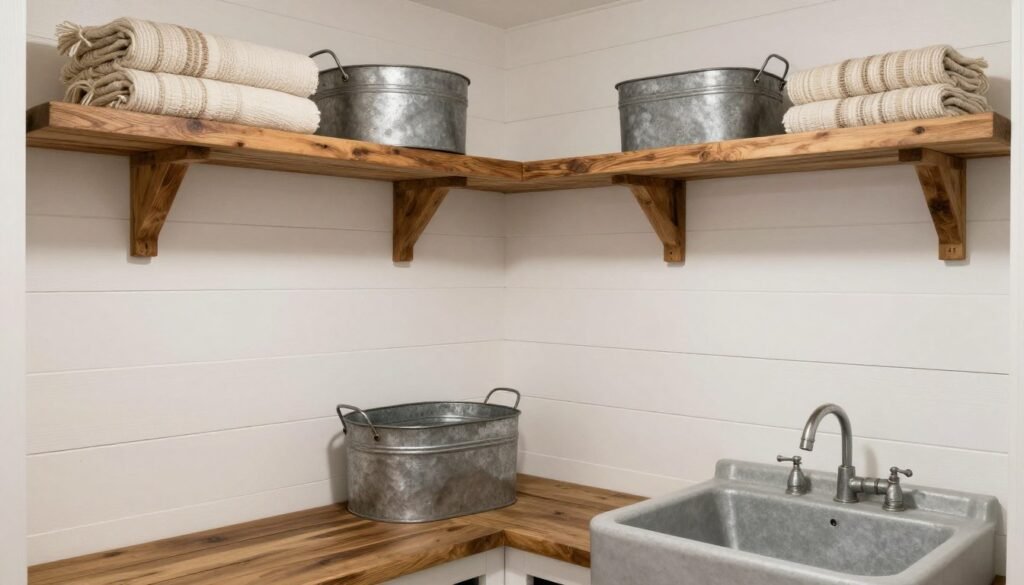
Farmhouse style brings warmth and charm to basement laundry rooms. White shiplap walls, rustic wood shelving, and vintage-inspired accessories create a cozy atmosphere. This look pairs particularly well with budget-friendly DIY projects.
Modern Minimalist Approach
Clean lines and minimal decor define modern laundry spaces. Sleek cabinets hide clutter behind smooth doors. A simple color palette of white, gray, and black creates a sophisticated look that never feels cluttered.
Industrial elements add character to basement settings. Exposed pipes, metal shelving, and concrete floors embrace the basement aesthetic rather than fighting it. This style works especially well in unfinished or partially finished basement spaces.
Adding Personal Touches
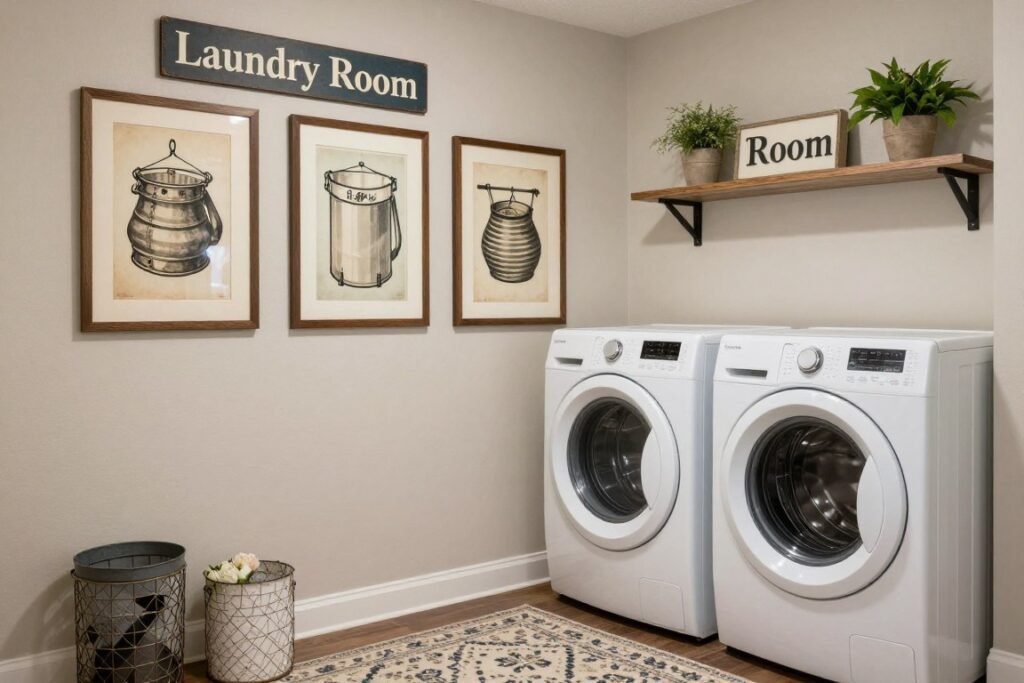
Artwork and decorative items make your laundry room feel welcoming. Frame vintage laundry advertisements or create a gallery wall of family photos. These personal touches remind you that this room is part of your home, not just a workspace.
Creating Your Dream Basement Laundry Space
Your basement laundry room deserves the same attention and care as any other room in your house. With thoughtful planning and the right design choices, this essential space becomes efficient, attractive, and genuinely pleasant to use.
Start with the fundamentals like proper lighting and ventilation. These elements create a healthy, comfortable environment that makes laundry tasks easier. Build on that foundation with smart storage solutions and durable materials suited to basement conditions.
Remember that transforming your laundry space doesn’t require a massive budget or professional help. Many improvements come from simple organizational changes and cosmetic updates you can complete yourself. Focus on solutions that address your specific needs and match your personal style.
The best basement laundry room combines functionality with visual appeal. Every element should serve a purpose while contributing to an overall design that makes you smile. When your laundry space works well and looks great, tackling that pile of clothes becomes a little less daunting.