Living in a small bedroom doesn’t mean sacrificing style or comfort. Your compact space holds incredible potential waiting to be unlocked.
This Website contains affiliate links. That means I may earn a small commission if you purchase through my links, at no extra cost to you.
The right bedroom ideas for small rooms can transform even the tightest quarters into a functional retreat. You deserve a space that feels open and organized.
This guide reveals proven strategies that interior designers use to make small bedrooms feel larger. These practical solutions work in apartments, guest rooms, and children’s bedrooms alike.
Maximize Vertical Wall Space
Your walls offer untapped storage potential in a small bedroom. Looking up instead of out creates functional space without consuming precious floor area.

Tall shelving units draw the eye upward and create the illusion of higher ceilings. These vertical pieces make your small bedroom feel more spacious than traditional wide furniture.
Install Floating Shelves Strategically
Floating shelves above your bed or desk provide storage without blocking light. They keep frequently used items accessible while maintaining an airy feel.
Related Posts:
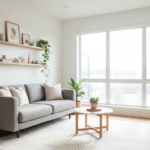






Mount shelves at varying heights to create visual interest. This approach adds personality while serving a practical storage function in your bedroom.
Use Floor-to-Ceiling Storage
Built-in or standalone units that reach the ceiling maximize every inch of wall space. These pieces store seasonal items up high while keeping daily essentials within reach.
Explore tall storage cabinets designed for small bedrooms

These vertical solutions keep your floor space clear. A clutter-free floor makes any small bedroom feel significantly larger and more inviting.
Harness Light Colors and Natural Light
Color choice dramatically impacts how spacious your small bedroom feels. Light hues reflect more light and create an open atmosphere.

White and pale neutral walls make rooms appear larger by bouncing light around the space. These shades also serve as a versatile backdrop for any decor style.
Layer Different Light Sources
Multiple lighting types add depth and functionality to your bedroom. Overhead lights, reading lamps, and accent lighting work together to eliminate dark corners.

Wall-mounted fixtures save valuable bedside table space. These mounted lights provide focused reading light while keeping surfaces clear.
Maximize Window Treatments
Sheer curtains allow natural light to filter through while maintaining privacy. Light fabric panels make windows appear larger and rooms feel airier.
Find sheer curtains that brighten small bedrooms

Mount curtain rods close to the ceiling rather than just above the window. This simple trick makes ceilings appear higher and windows more prominent.
Choose Multi-Functional Furniture Pieces
Every piece of furniture in a small bedroom should earn its place. Multi-functional items maximize utility without consuming extra floor space.

Select Beds with Built-In Storage
Platform beds with drawers underneath eliminate the need for separate dressers. These beds provide substantial storage while maintaining a streamlined appearance.
Platform Beds with Drawers

These beds feature multiple drawers that slide out from the base. You can store clothing, linens, or seasonal items out of sight.
The elevated design also creates visual space beneath the bed frame. This openness prevents the room from feeling bottom-heavy.
Ottoman Storage Solutions

A storage ottoman at the foot of your bed serves multiple purposes. It provides seating, storage, and can function as a surface for folding clothes.
Choose ottomans with lift-top lids for easy access. These pieces hide clutter while adding a polished look to your bedroom.
Wall-Mounted Desks

Fold-down desks attach directly to the wall and tuck away when not needed. These clever pieces create a workspace without permanent floor commitment.
Wall-mounted options work perfectly in guest rooms that occasionally need desk space. They maintain bedroom functionality while offering work-from-home flexibility.
Investing in quality multi-functional furniture reduces the total number of pieces you need. Fewer items mean more open floor space and easier movement throughout your bedroom.
Amplify Space with Strategic Mirror Placement
Mirrors work like magic in a small bedroom by doubling visual space. Proper placement reflects light and creates depth where none existed before.

Position Mirrors Opposite Windows
Placing a mirror across from a window bounces natural light throughout the room. This technique brightens dark corners and makes the entire space feel more open.

The reflected window creates the illusion of an additional light source. Your small bedroom suddenly feels twice as bright and welcoming.
Consider Mirrored Closet Doors
Floor-to-ceiling mirrored closet doors serve double duty in compact bedrooms. They provide a full-length mirror while making the wall appear to recede.

Mirrored doors eliminate the need for a separate standing mirror. This consolidation saves floor space while expanding visual boundaries.
Utilize Every Inch Under Your Bed
The space beneath your bed represents valuable real estate in a small bedroom. Converting this area into organized storage keeps items accessible yet hidden.

Choose Rolling Storage Containers
Bins with wheels slide in and out effortlessly for easy access. These containers protect stored items from dust while keeping them organized by category.

Group similar items together in labeled containers. This system makes finding what you need quick and maintains organization over time.
Vacuum-Sealed Bags for Seasonal Items
Vacuum storage bags compress bulky seasonal clothing and bedding to a fraction of their original size. These bags maximize under-bed capacity while protecting contents.
Find under-bed storage solutions that fit your space

Seasonal rotation keeps current items in your closet while storing off-season pieces under the bed. This approach maintains accessible closet space year-round.
Install Wall-Mounted Nightstands and Surfaces
Traditional nightstands consume floor space that small bedrooms can’t afford. Wall-mounted alternatives provide the same functionality while keeping floors clear.

Floating Nightstand Benefits
These wall-mounted pieces appear to float, creating visual lightness. The open space beneath makes your bedroom feel less crowded and easier to clean.

Mount nightstands at the perfect height for reaching from bed. This customization creates ergonomic comfort impossible with standard furniture.
Narrow Shelf Alternatives
A simple narrow shelf mounted at nightstand height serves the same purpose. This minimal approach works beautifully in extremely tight quarters.

Shop wall-mounted nightstands and shelves
Wall-mounted surfaces maintain functionality while preserving precious floor area. Your small bedroom gains a lighter, more spacious appearance immediately.
Create Storage Within Your Headboard
Your headboard offers untapped storage potential beyond traditional design. Built-in shelving and compartments keep essentials within arm’s reach.

Bookshelf-Style Headboards
These designs incorporate open shelving directly into the headboard structure. Books, alarm clocks, and decorative items find a home without requiring separate furniture.

This vertical storage approach replaces the need for bedside tables entirely. Your small bedroom maintains functionality while gaining square footage.
Hidden Compartment Headboards
Some headboards feature lift-top compartments or pull-down sections. These hidden spaces store items you want accessible but not visible.

Discover headboards with built-in storage
A storage-equipped headboard becomes a focal point that’s both beautiful and functional. This dual purpose makes it an excellent investment for small bedroom spaces.
Optimize Corner Spaces Effectively
Corners often become dead zones in small bedrooms. Intentional corner furniture and storage solutions activate these underutilized areas.

Corner Shelving Units
Tall corner shelves fit perfectly into spaces too small for standard furniture. These vertical units display items while drawing eyes upward.

Corner placement keeps these pieces out of main traffic flow. Your bedroom maintains open pathways while gaining valuable storage.
Corner Desks and Vanities
Triangular corner desks maximize workspace without protruding into the room. These pieces create functional areas in otherwise wasted space.

Browse corner furniture for small bedrooms
Every corner represents an opportunity in a small bedroom. Activating these spaces with purpose-built furniture adds function without sacrificing floor area.
Replace Swing Doors with Sliding Options
Traditional hinged doors require clearance space that small bedrooms can’t spare. Sliding barn doors or pocket doors eliminate this wasted area.

Barn Door Style for Closets
Barn doors slide along the wall surface, requiring zero floor clearance. This style adds architectural interest while solving a practical space problem.

The exposed hardware becomes a design element rather than something to hide. Your small bedroom gains both function and visual appeal.
Pocket Doors for Entryways
Pocket doors slide completely into the wall cavity when open. This disappearing act frees up maximum floor space in cramped bedrooms.

While pocket doors require wall renovation, the space savings prove worthwhile in very tight layouts. You reclaim the area typically needed for door swing.
Use Design Tricks to Heighten Ceilings Visually
Low ceilings can make small bedrooms feel cave-like. Strategic design choices create the illusion of taller ceilings and more vertical space.

Vertical Lines and Patterns
Vertical stripes in wallpaper or paint draw eyes upward. This simple pattern trick makes ceilings appear higher than their actual measurement.

Floor-to-ceiling curtains create unbroken vertical lines. Mounting curtain rods at ceiling level rather than window-top height amplifies this effect.
Paint Ceiling Lighter Than Walls
A ceiling painted slightly lighter than wall color appears to recede upward. This subtle contrast makes the room feel more open and airy.

Avoid dark ceiling colors in small bedrooms, as they visually press downward. Light ceilings expand the sense of vertical space significantly.
Embrace Minimalism for Maximum Impact
Less truly becomes more in a small bedroom. A minimalist approach prioritizes quality pieces over quantity and creates breathing room.

Curate Your Furniture Carefully
Each furniture piece should serve a clear purpose in your bedroom. Eliminate items that don’t contribute to sleep, storage, or daily routines.

Before adding any new item, ask whether it truly earns its space. This intentional approach prevents gradual accumulation and maintains openness.
Limit Decorative Items
Choose a few meaningful decor pieces rather than many small trinkets. Quality art and carefully selected accessories create impact without visual clutter.

Clear surfaces make a small bedroom feel more spacious and restful. Your room becomes a calming retreat rather than a cluttered storage area.
Reorganize Your Closet for Maximum Efficiency
An organized closet reduces bedroom clutter by housing more items in the same space. Smart closet systems multiply storage capacity dramatically.

Double Your Hanging Space
Installing a second rod below the first creates two levels of hanging storage. Short items like shirts and folded pants fit perfectly in this configuration.

This simple modification often doubles closet capacity instantly. More closet storage means fewer dressers needed in your bedroom.
Use Slim Velvet Hangers
Thin velvet hangers take up 50% less space than traditional plastic or wooden versions. Their non-slip surface prevents clothes from sliding off.

Find space-saving hangers for your closet
Uniform hangers create a visually calm closet while fitting more items. This upgrade pays dividends in both function and aesthetics.
Add Drawer Organizers and Dividers
Drawer dividers prevent items from becoming jumbled messes. Organized drawers hold more because everything has a designated spot.

Vertical filing of folded clothes rather than stacking makes everything visible. You’ll use more of what you own when you can actually see it.
Create Depth with Strategic Accent Walls
A single accent wall adds visual interest without overwhelming a small bedroom. This focal point draws the eye and creates perceived depth.

Wallpaper One Wall Only
Bold wallpaper on a single wall makes a statement without closing in the space. Choose the wall behind your bed as the natural focal point.

Patterns with depth or perspective can actually make the wall appear farther away. This visual trick expands your small bedroom space.
Dark Accent Walls Can Work
Contrary to common advice, one dark wall can add drama and depth to a small bedroom. The key is keeping other walls and ceilings light.

Explore removable wallpaper options for accent walls
This contrast creates a sense of layering and dimension. Your bedroom gains character while maintaining an open, spacious feeling.
Position Your Bed for Optimal Flow
Bed placement dramatically affects how spacious your small bedroom feels. Strategic positioning creates natural traffic patterns and maximizes usable floor space.

Center Against the Longest Wall
Positioning your bed against the longest wall typically leaves the most open floor space. This arrangement creates symmetry and balanced proportions.

Equal space on both sides of the bed creates visual calm. This balanced approach makes even tiny bedrooms feel thoughtfully designed.
Corner Placement for Small Spaces
Pushing your bed into a corner frees up maximum floor space in extremely small bedrooms. This layout works particularly well for single or twin beds.

Add throw pillows to make the corner bed feel intentionally styled like a daybed. This approach turns a space-saving necessity into a design feature.
Layer Textures Without Adding Bulk
Visual interest doesn’t require filling your small bedroom with objects. Layered textures create depth and warmth through materials rather than clutter.

Mix Fabric Types on Your Bed
Combine smooth cotton sheets with a textured duvet and knit throw. These layers add visual richness while remaining functional and comfortable.

Stick to a cohesive color palette while varying textures. This approach creates sophistication without visual chaos in your small bedroom.
Add Natural Material Accents
Woven baskets, jute rugs, and wooden elements introduce organic texture. Natural materials add warmth without feeling heavy or cluttered.

These elements create a layered, collected look that feels intentional. Your small bedroom gains personality through thoughtful material choices.
Implement Smart Lighting Layers
Proper lighting transforms how spacious your small bedroom feels. Multiple light sources at different heights create dimension and eliminate dark corners.

Install Dimmer Switches
Dimmers allow you to adjust lighting based on activity and mood. Bright light for getting ready transitions to soft ambiance for relaxation.

This flexibility makes your small bedroom more versatile. One space serves multiple functions with simple lighting adjustments.
Wall-Mounted Reading Lights
Swing-arm wall lamps provide task lighting without consuming nightstand surface area. These fixtures direct light exactly where you need it for reading.

Shop wall-mounted reading lights for bedrooms
Mounted lighting keeps your nightstand clear for essentials. This small change makes a significant difference in how open your bedroom feels.
Create Multipurpose Zones Within Your Bedroom
A small bedroom can serve multiple functions with thoughtful zoning. Defining distinct areas for sleep, work, and dressing maximizes limited square footage.

Corner Workspace Solutions
A compact desk in a bedroom corner creates a dedicated work area. This separation helps maintain sleep hygiene by distinguishing work from rest spaces.

Position your desk so you don’t face the bed while working. This visual separation reinforces the mental distinction between zones.
Reading Nook by the Window
A small chair near a window creates a dedicated reading area. This cozy nook utilizes natural light while defining a distinct purpose for the space.

Even a simple chair transforms unused window space into a functional retreat. Your small bedroom gains perceived square footage through purposeful zoning.
Choose Appropriately Scaled Artwork
Art size dramatically impacts how spacious your small bedroom appears. Strategic artwork choices create focal points without overwhelming the space.

One Large Piece Over Multiple Small
A single large artwork creates more impact than a gallery wall of small pieces. This approach feels less cluttered while making a stronger visual statement.

Large art draws the eye to the wall rather than the room’s dimensions. This psychological trick makes your small bedroom feel more spacious.
Vertical Orientation Emphasizes Height
Tall, narrow artwork emphasizes ceiling height in small bedrooms. Portrait-oriented pieces draw eyes upward and enhance the sense of vertical space.

This orientation particularly suits walls beside dressers or in narrow spaces. The vertical emphasis complements rather than fights your room’s proportions.
Maximize Under-Window Areas
The space beneath bedroom windows often goes unused. Low storage benches and window seats activate this area while providing additional function.

Built-In Window Seat Storage
A window seat with lift-top storage provides both seating and hidden storage. This custom solution makes use of space that standard furniture can’t fill.

Add cushions and throw pillows to create an inviting reading spot. Your small bedroom gains both storage and a charming architectural feature.
Low Dresser Under Windows
A low-profile dresser fits beneath most windows without blocking natural light. This placement utilizes wall space while keeping sight lines open.

Find storage benches perfect for small bedrooms
The dresser top serves as display space for small plants or decor. This dual-purpose approach makes every piece work harder in your small bedroom.
Maintain Color Continuity for Visual Flow
A cohesive color scheme makes a small bedroom feel larger and more intentional. Color continuity creates visual flow that expands perceived space.

Monochromatic Color Schemes
Sticking to variations of one color family creates seamless visual flow. Different shades and tones add depth without the fragmentation of multiple colors.

This approach makes boundaries between walls, furniture, and textiles blur softly. Your small bedroom feels more expansive through visual unity.
Limit Accent Colors
Choose one or two accent colors and use them sparingly. Too many competing colors fragment the space and make it feel smaller and chaotic.

Repeating the same accent color in three places creates intentional design rhythm. This restrained approach feels curated rather than cluttered.
Invest in Flexible, Movable Furniture
Furniture that moves easily allows you to reconfigure your small bedroom as needs change. Lightweight, versatile pieces adapt to different functions and layouts.

Furniture on Casters
Adding wheels to furniture makes rearranging effortless. Rolling pieces allow you to create open floor space for activities like yoga or exercise.

This mobility proves particularly valuable in multi-purpose bedrooms. Transform your space from bedroom to home gym with simple furniture repositioning.
Nesting Tables and Stackable Stools
Furniture pieces that nest or stack store compactly when not needed. Pull them out for guests or specific activities, then tuck them away.

This adaptability means your small bedroom can accommodate occasional needs without permanent space commitment. Flexibility becomes a form of spaciousness.
Make the Ceiling a Design Feature
Looking up reveals often-neglected design opportunities in small bedrooms. A decorated ceiling adds visual interest and can actually make the room feel taller.

Paint the Ceiling a Subtle Color
A ceiling in a pale shade slightly darker than walls adds subtle dimension. This technique makes the ceiling appear to float rather than press down.

The color distinction draws eyes upward and creates architectural interest. Your small bedroom gains a custom, designed feel through this simple change.
Ceiling Wallpaper or Decals
Delicate wallpaper or decals on the ceiling create an unexpected focal point. This design choice adds personality without consuming any floor or wall space.

Keep patterns light and airy to maintain an open feeling. Heavy or dark ceiling treatments can make a small bedroom feel cave-like.
Use Open Shelving Strategically
Open shelving creates storage without the visual weight of closed cabinets. Strategic placement keeps your small bedroom organized while feeling airy.

Keep Open Shelves Organized
Open shelving only works when items remain tidy and intentionally arranged. Treat shelves like curated displays rather than catch-all storage.

Group similar items together and leave some empty space. This breathing room prevents shelves from looking cluttered or overwhelming.
Mix Open and Closed Storage
Combining open shelves with closed cabinets or drawers provides balance. Display beautiful items while hiding less attractive necessities.

Browse floating shelves for bedroom organization
This combination gives you flexibility in what you choose to showcase. Your small bedroom maintains visual interest without descending into chaos.
Create Separation with Lightweight Dividers
Room dividers establish distinct zones in small bedrooms without permanent walls. These flexible solutions provide privacy and separation while maintaining openness.

Folding Screens and Panels
Decorative folding screens move easily and fold flat when not needed. These portable dividers create temporary privacy or visual separation.

Choose designs with open patterns or translucent panels to maintain light flow. Solid dividers can make small bedrooms feel chopped up and smaller.
Curtain Dividers on Ceiling Tracks
Ceiling-mounted curtain tracks allow fabric panels to slide open and closed. This soft division creates privacy when needed while disappearing completely when open.

Sheer or lightweight fabrics maintain an airy feeling even when closed. Your small bedroom gains functional separation without feeling permanently divided.
Transform Your Small Bedroom Starting Today
These bedroom ideas for small rooms prove that limited square footage doesn’t limit your design possibilities. Small bedrooms can feel spacious, organized, and beautiful with the right approach.
Start by implementing one or two strategies that address your biggest pain points. Vertical storage might solve your clutter issues, while better lighting could make your space feel immediately larger.

The most effective small bedroom designs prioritize function and intentionality. Every piece should serve a clear purpose and contribute to the overall sense of space.
Ready to Transform Your Small Bedroom?
Explore space-saving furniture and organizational solutions designed specifically for compact bedrooms. Find pieces that maximize function while maintaining style.
Remember that creating a beautiful small bedroom is a process, not a one-day project. Implement changes gradually and live with each adjustment before adding more.
Your small bedroom holds enormous potential waiting to be unlocked. These ideas provide the roadmap to transform your compact space into a room you genuinely love spending time in.