Outdoor play is essential for children’s development. A thoughtfully designed backyard play area for kids provides a safe space for exploration, imagination, and physical activity right outside your door. Whether you have a spacious yard or a compact outdoor area, this guide will help you transform your backyard into a childhood paradise that grows with your little ones.
This Website contains affiliate links. That means I may earn a small commission if you purchase through my links, at no extra cost to you.
Planning Your Perfect Backyard Play Area
Before purchasing equipment or breaking ground, take time to plan your backyard play area. A thoughtful approach ensures you create a space that’s safe, functional, and delightful for years to come.
Assessing Your Space
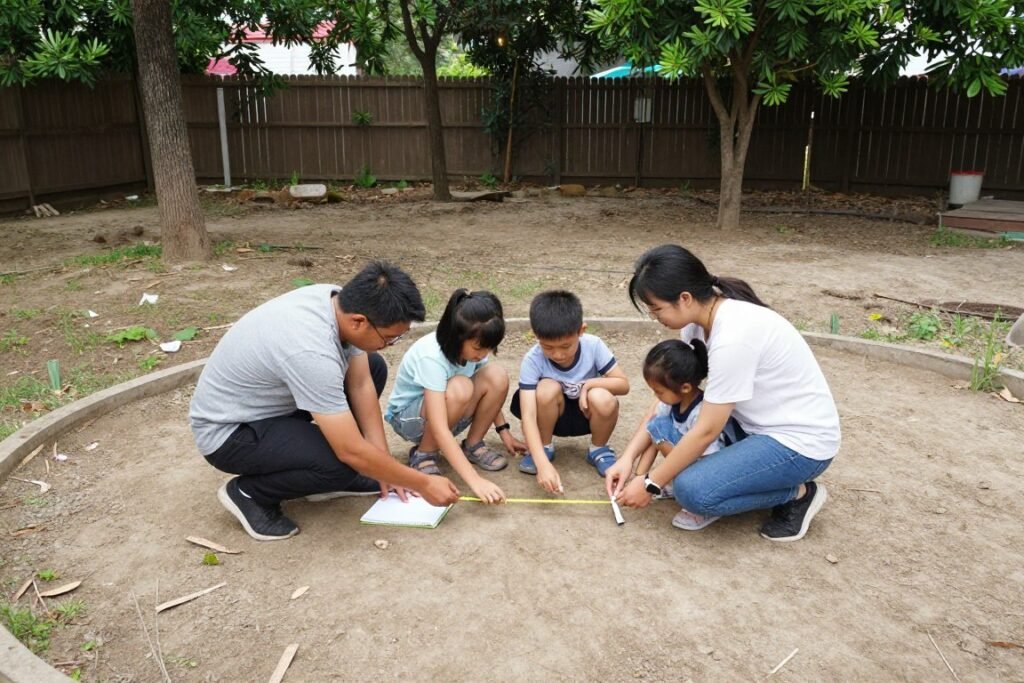
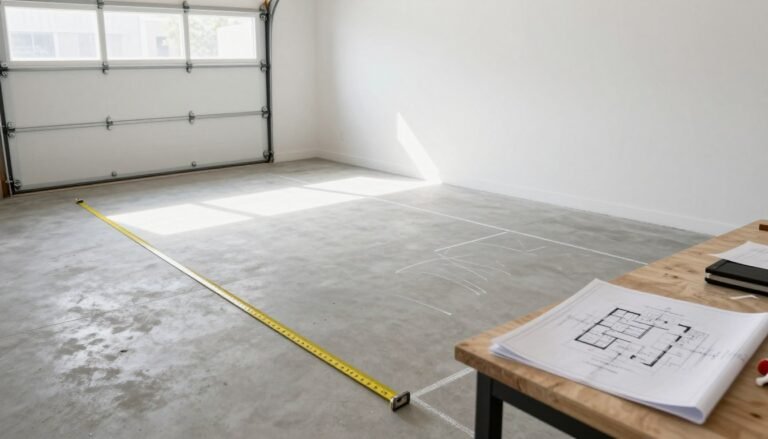
Start by evaluating your available area. Measure the dimensions and note any existing features like trees, slopes, or garden beds that might influence your design. Consider sun patterns throughout the day – you’ll want some shaded areas to protect children from harsh sunlight during peak hours.
Safety Considerations
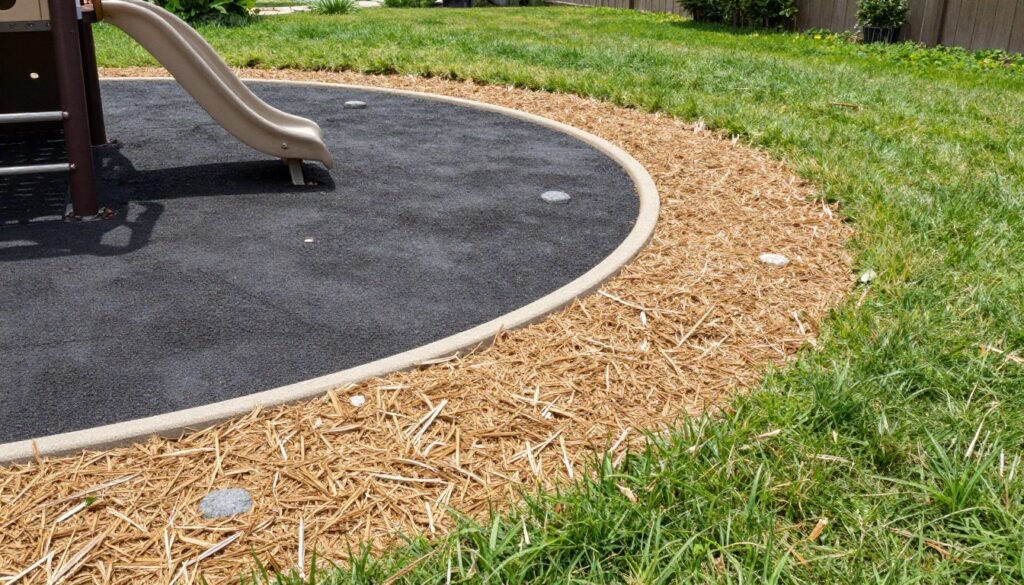
Safety should be your top priority when designing a backyard play area. Ensure equipment has proper clearance zones and that surfaces under climbing structures provide adequate fall protection. Consider using materials like [rubber mulch](https://www.amazon.com/s?k=rubber+mulch+playground&tag=decorlyhome00-20) or [playground-grade wood chips](https://www.amazon.com/s?k=playground+wood+chips&tag=decorlyhome00-20) under play equipment.
Check for overhead hazards like tree branches or power lines
Ensure proper drainage to prevent slippery surfaces
Consider fencing options if your yard isn’t already enclosed
Choose age-appropriate equipment for your children
Regularly inspect play equipment for loose parts or wear
Budget Planning
Play areas can be created on nearly any budget. Determine your spending limits early and prioritize key elements. Remember that many play features can be created with natural materials or upcycled items, saving money while adding unique character to your space.
Get our printable planning worksheet to help map out your perfect backyard play space, including measurement templates, safety checklists, and budget planning tools.
Choosing a theme for your backyard play area can help guide your design decisions and create a cohesive, imaginative space. Here are some popular themes that spark creativity and adventure.
Natural Adventure Zone
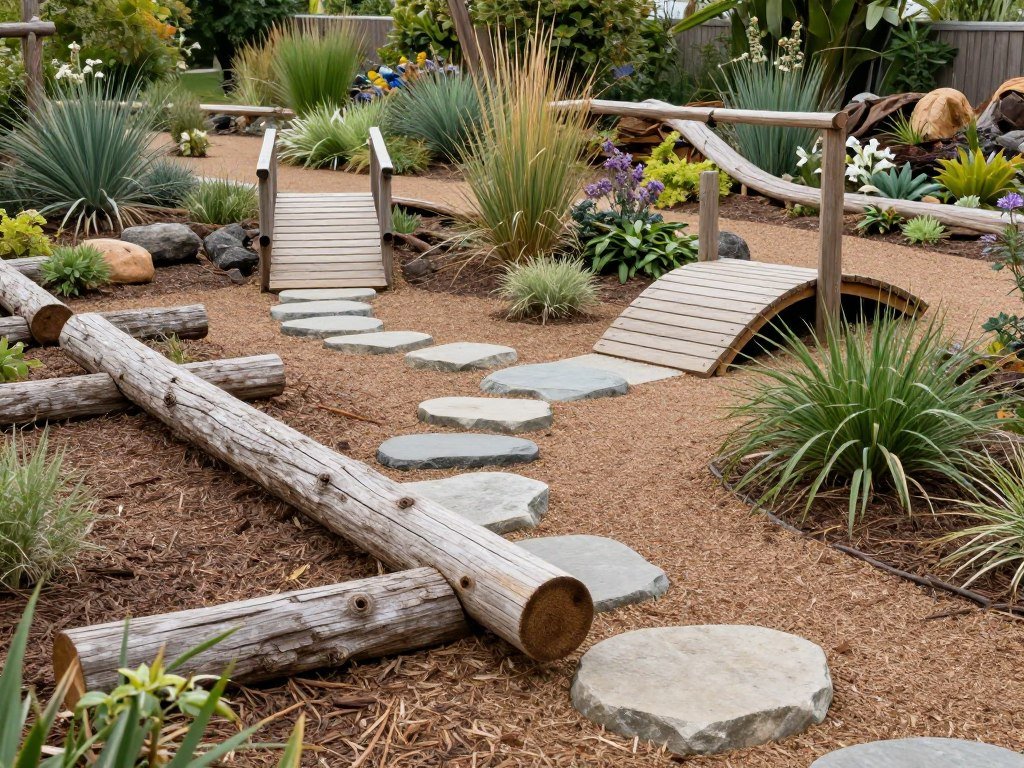
Incorporate natural elements like logs, boulders, and plants to create an organic play space that blends with your landscape. Natural play areas encourage open-ended play and connection with the environment.
Imaginative Play Village
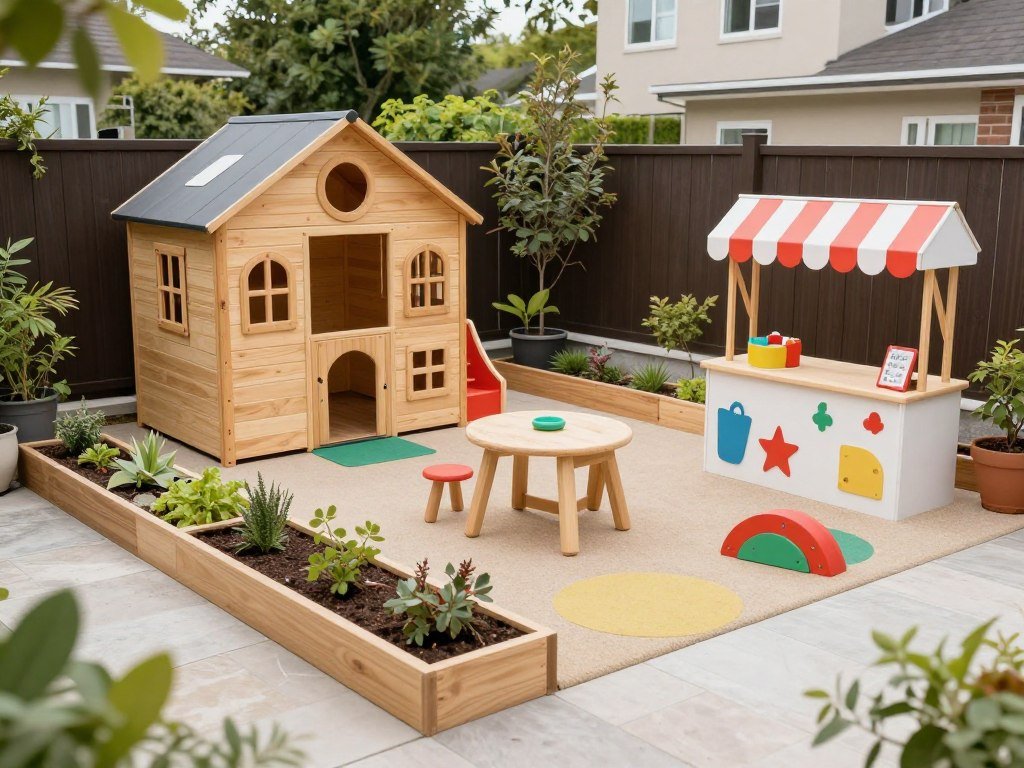
Create a miniature world with playhouses, market stands, and themed zones that encourage role-playing and storytelling. These spaces help develop social skills and creative thinking.
Active Sports Zone
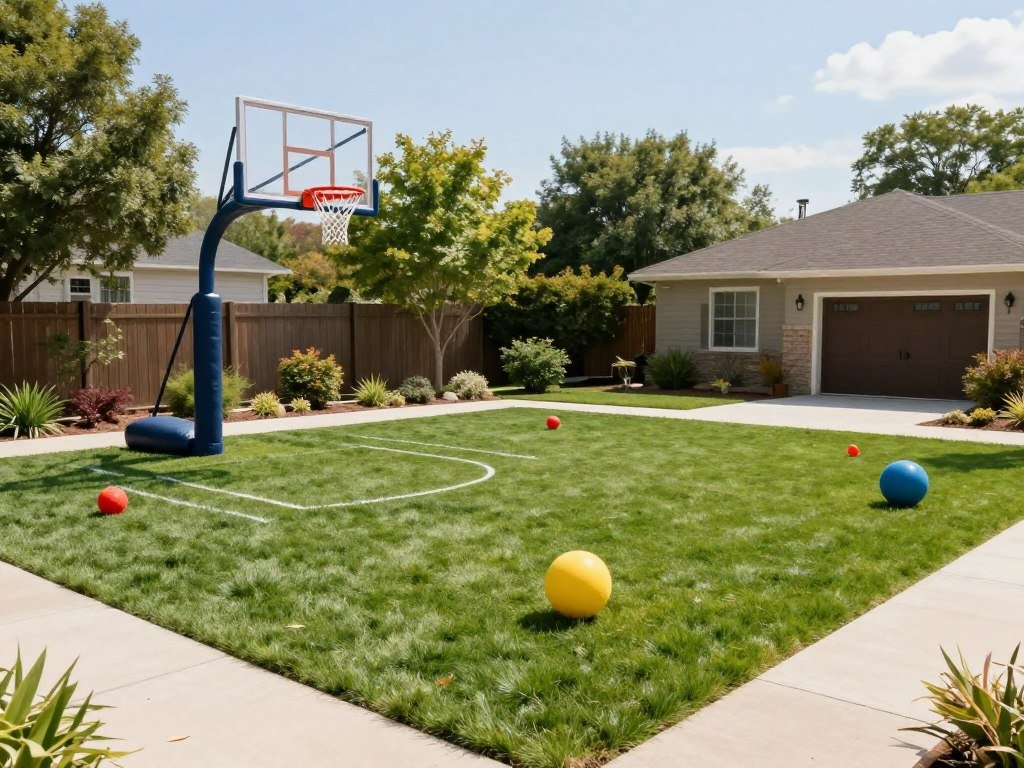
Design an area for physical activity with space for games, sports equipment, and movement. Even small yards can accommodate mini basketball hoops, tetherball, or lawn games that keep kids active.
When selecting a theme, consider your children’s interests and how these might evolve over time. The best play areas often combine elements from multiple themes to provide varied play experiences.
Essential Elements for Your Backyard Play Area
While every backyard play area is unique, certain key elements provide the foundation for engaging outdoor play. Consider incorporating these versatile features that appeal to children of different ages.
Swings and Movement Features
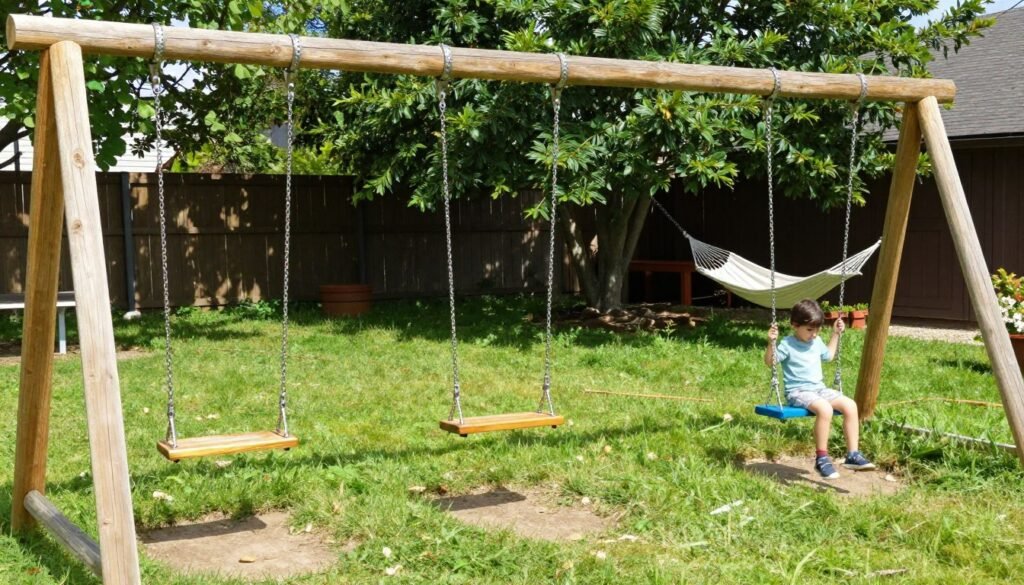
Swings remain one of the most beloved playground features, offering sensory stimulation and hours of enjoyment. Consider [wooden swing sets](https://www.amazon.com/s?k=wooden+swing+sets&tag=decorlyhome00-20) for durability and aesthetic appeal, or explore unique options like disc swings and hammocks that accommodate multiple children.
Climbing and Balancing Challenges
Climbing features develop strength, coordination, and confidence. Options range from traditional climbing domes to natural boulder arrangements and low balance beams. For younger children, ensure climbing heights are appropriate and landing surfaces are soft.
“The best play spaces challenge children physically while allowing them to assess and manage risk in a controlled environment. This builds confidence and body awareness that serves them throughout life.”
– Child Development Expert
Sand and Water Play
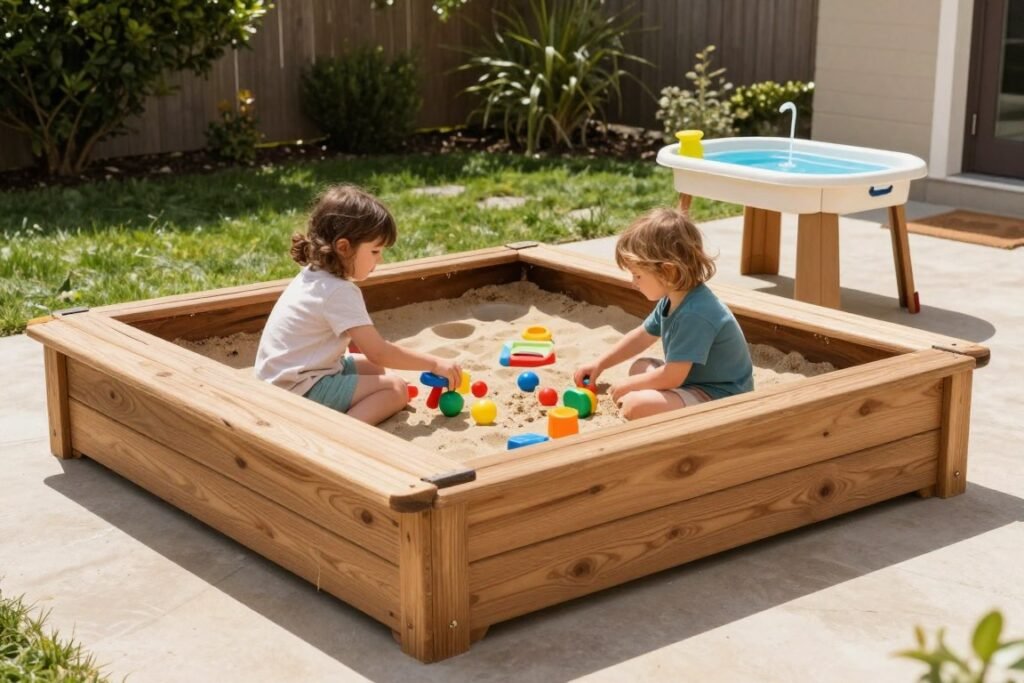
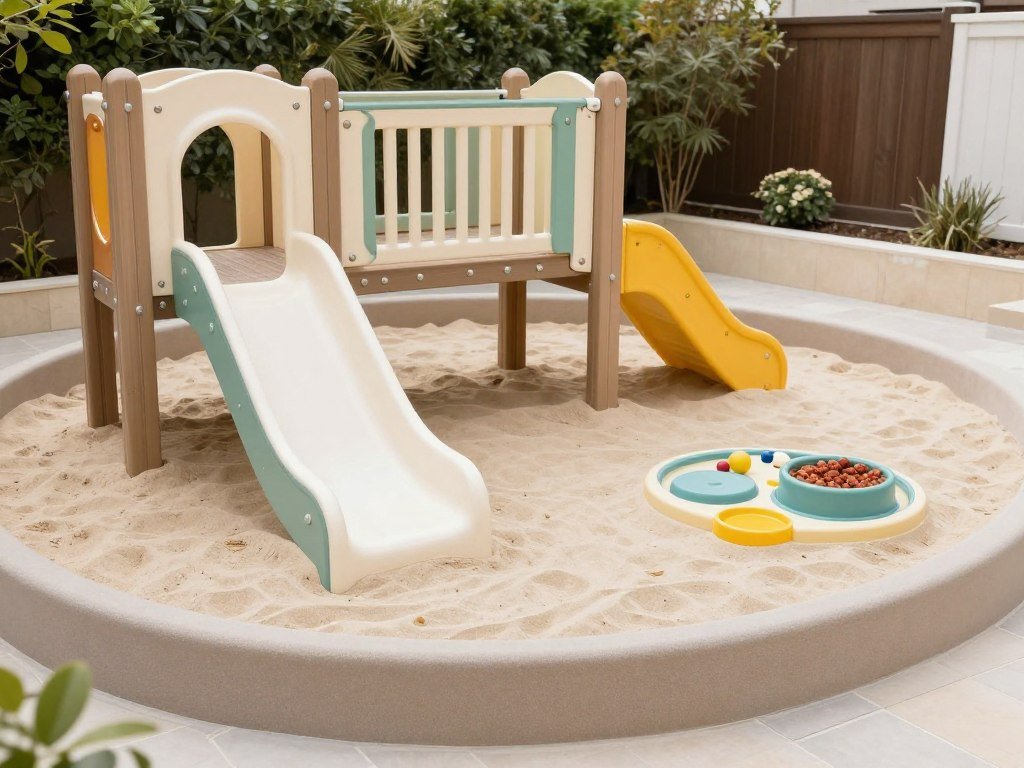
Sensory play with sand and water provides endless opportunities for creativity and experimentation. Consider a [covered sandbox](https://www.amazon.com/s?k=covered+sandbox+for+kids&tag=decorlyhome00-20) to keep neighborhood cats away, or create a simple water table using a shallow basin on a sturdy stand.
Creative Play Spaces
Dedicated areas for art, music, and imaginative play encourage creative expression. Consider an outdoor chalkboard wall, weather-resistant musical instruments, or a simple playhouse that can transform into whatever children imagine.
Inspiration Gallery: Creative Backyard Play Areas
Browse our collection of stunning backyard play spaces from around the world to spark ideas for your own project.
The ground beneath play equipment is just as important as the equipment itself. Proper surfacing prevents injuries and creates comfortable play zones for different activities.
Play Surface Options
Impact-Absorbing Surfaces
For areas under and around climbing equipment, swings, and slides, impact-absorbing surfaces are essential. Options include:
[Engineered wood fiber](https://www.amazon.com/s?k=engineered+wood+fiber+playground&tag=decorlyhome00-20) – Natural appearance and good drainage
[Rubber mulch](https://www.amazon.com/s?k=rubber+mulch+playground&tag=decorlyhome00-20) – Long-lasting and low maintenance
[Pour-in-place rubber](https://www.amazon.com/s?k=pour+in+place+rubber+surfacing&tag=decorlyhome00-20) – Seamless surface, ideal for accessible play areas
Sand – Affordable but requires regular maintenance
Activity Zone Surfaces
Different activities benefit from specific surfaces:
Grass – Perfect for running games and picnic areas
Pavers or concrete – Ideal for chalk art, bike paths, and ball games
Artificial turf – Low-maintenance alternative to grass
Mulch or wood chips – Natural appearance for garden play areas
Boundaries and Enclosures
Creating defined boundaries helps keep children safe while adding structure to your backyard play area. Consider these options:
Low decorative fencing to separate play zones from garden areas
Natural boundaries using shrubs, flower beds, or ornamental grasses
Perimeter fencing with childproof gates for yards near streets or water
Defined pathways that guide movement between play zones
Weather Protection
Extend playtime throughout the year by incorporating weather protection in your backyard play area design. [Shade sails](https://www.amazon.com/s?k=shade+sail+for+playground&tag=decorlyhome00-20) provide UV protection during summer months, while simple rain shelters can make outdoor play possible even on drizzly days.
DIY and Budget-Friendly Ideas
Creating an amazing backyard play area doesn’t require a massive budget. With creativity and some basic DIY skills, you can craft unique play features that children will love.
Upcycled Play Elements
Look around your home for items that can be repurposed for play:
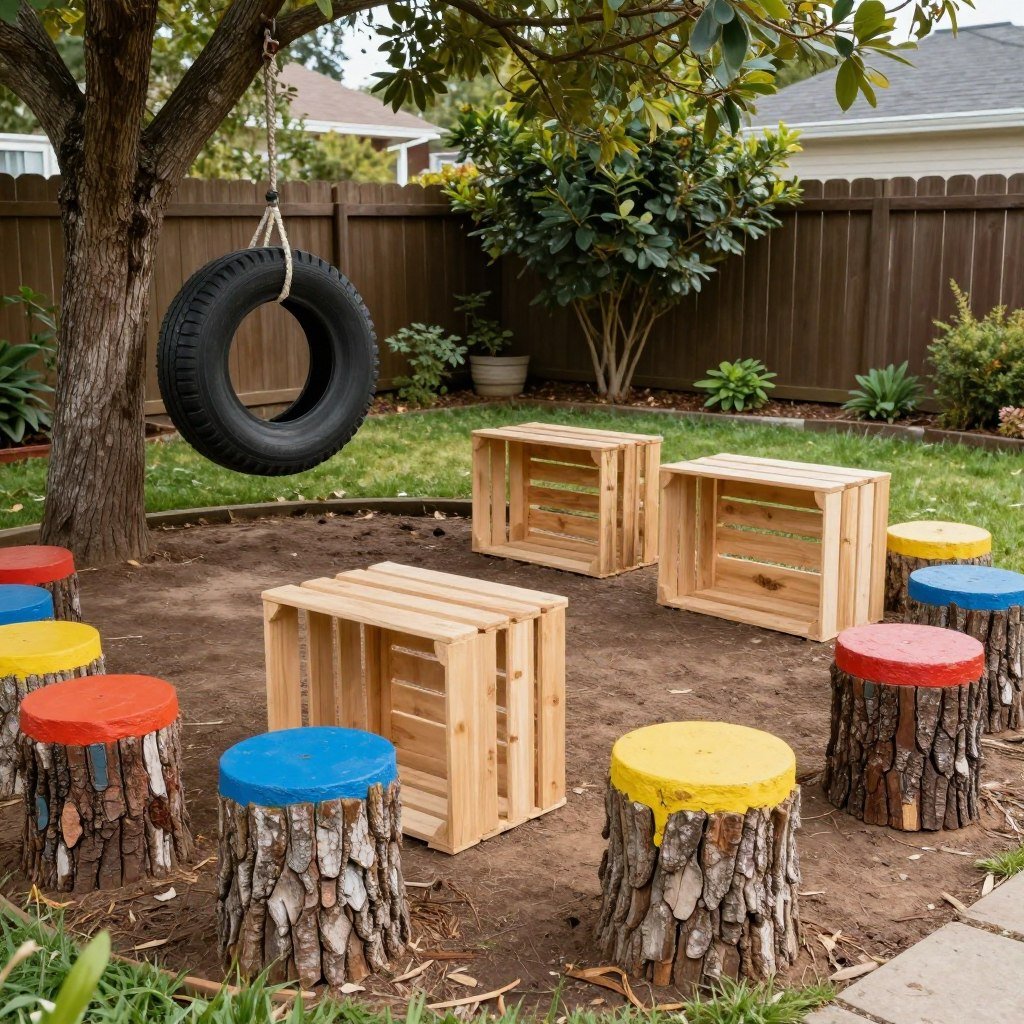
Old tires make excellent swings, planters, or sandbox borders
Wooden pallets can become platforms, playhouses, or mud kitchens
Tree stumps create natural seating or stepping stones
Plastic containers transform into water play stations
Simple DIY Projects
These beginner-friendly projects add play value without breaking the bank:
Balance Beam Path
Create a winding path of low balance beams using landscape timbers secured to the ground. Sand edges smooth and seal with child-safe outdoor stain.
Music Wall
Mount weather-resistant pots, pans, and metal objects on a fence or board to create an outdoor music station that encourages sound exploration.
Mud Kitchen
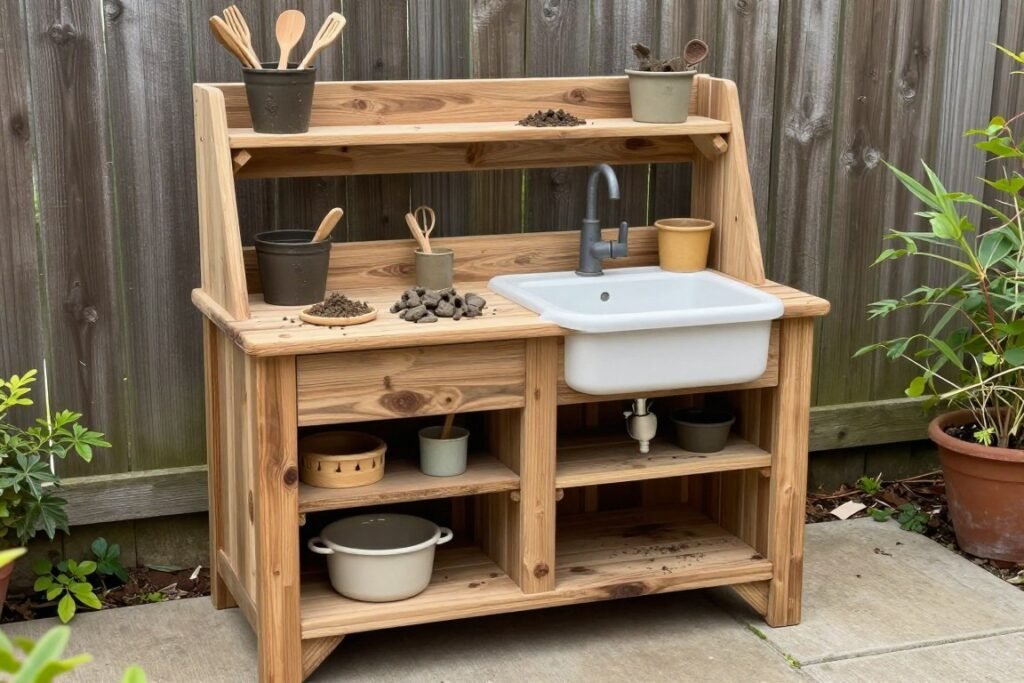
Build a simple outdoor counter with an old sink, shelves for “cooking” tools, and access to dirt and water for hours of messy creative play.
DIY Backyard Play Projects
Get step-by-step instructions for 10 easy weekend projects that add major play value to your backyard.
As children grow, their play needs evolve. Design your backyard play area with features that can adapt to changing abilities and interests.
Toddlers (1-3 years)
Toddlers need safe, contained spaces with sensory exploration opportunities and simple physical challenges:
Low platforms with small slides (12-24 inches high)
Shallow sandboxes with appropriate toys
Push-and-pull toys on smooth surfaces
Simple water play in shallow containers
Soft surfaces for inevitable tumbles
Preschoolers (3-5 years)
Preschoolers enjoy more active play and beginning dramatic play:
Climbing structures with moderate challenges
Playhouses and role-play areas
Tricycle paths with gentle slopes
Balance beams and stepping stones
Art stations with weather-resistant materials
School-Age Children (6-12 years)
Older children seek physical challenges and spaces for social interaction:
Higher climbing elements with appropriate safety features
Swings that accommodate growing bodies
Open spaces for ball games and group activities
Fort-building areas with loose parts
Quiet zones for reading or crafts
The most successful backyard play areas include elements for various ages, allowing siblings to play together while finding appropriate challenges. Consider how features can evolve – a toddler mud kitchen might later become a science station for an older child.
Finishing Touches for Your Backyard Play Area
The details make the difference between a basic play space and a magical childhood destination. These finishing elements enhance comfort, usability, and visual appeal.
Seating and Gathering Spaces
Include comfortable places for adults to supervise and for children to rest or socialize:
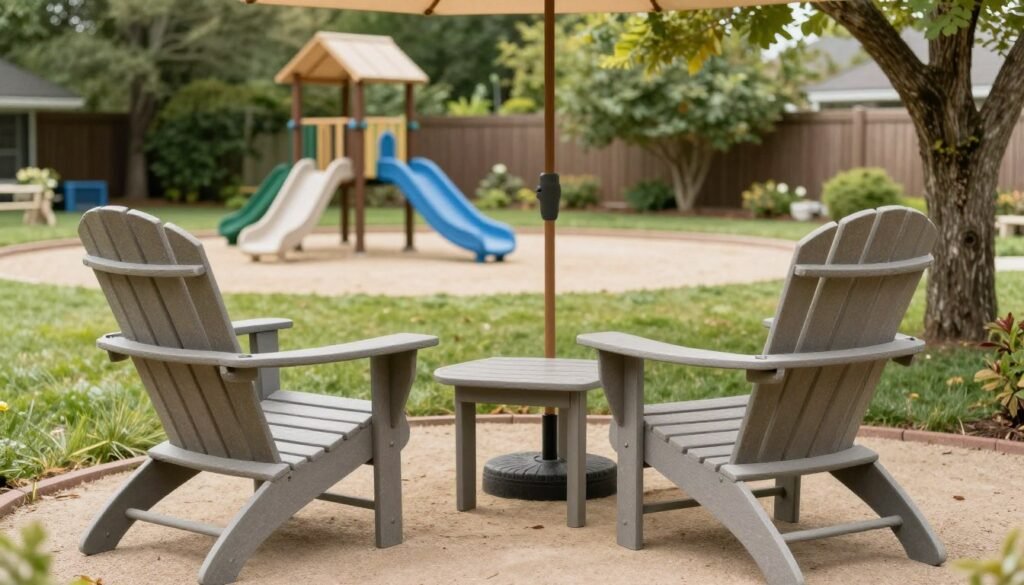
Weather-resistant benches or Adirondack chairs
Picnic tables sized for children
Hammocks or swing seats for relaxation
Stumps or boulders arranged in conversation circles
Landscaping and Natural Elements
Integrate your play area with the surrounding landscape for a cohesive, beautiful outdoor space:
Edible landscaping with berry bushes or dwarf fruit trees
Lighting for Extended Play
Extend outdoor play into the evening hours with thoughtful lighting:
[Solar path lights](https://www.amazon.com/s?k=solar+path+lights+outdoor&tag=decorlyhome00-20) to illuminate walkways
String lights for ambient illumination
Motion-sensor lights for security and safety
Lanterns that children can carry during twilight adventures
Maintenance Tip: Create a seasonal maintenance checklist for your backyard play area. Inspect equipment for wear, refresh mulch or other safety surfacing, and clean water play features regularly to ensure a safe, inviting space year-round.
Creating Memories in Your Backyard Play Area
A thoughtfully designed backyard play area for kids becomes more than just a collection of equipment – it’s a space where childhood memories are made. By balancing safety with adventure, structure with creative freedom, and adult supervision with independent exploration, you create an environment where children can thrive.
Remember that the perfect play area evolves over time. Observe how your children use the space, be open to making adjustments, and allow their growing interests to guide additions or changes. The most valuable feature of any backyard play area is the time spent together enjoying it.
Share Your Backyard Play Area
We’d love to see your backyard play creation! Tag your photos with #BackyardPlayParadise on social media to inspire other families.