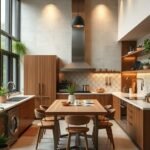
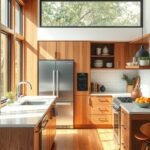
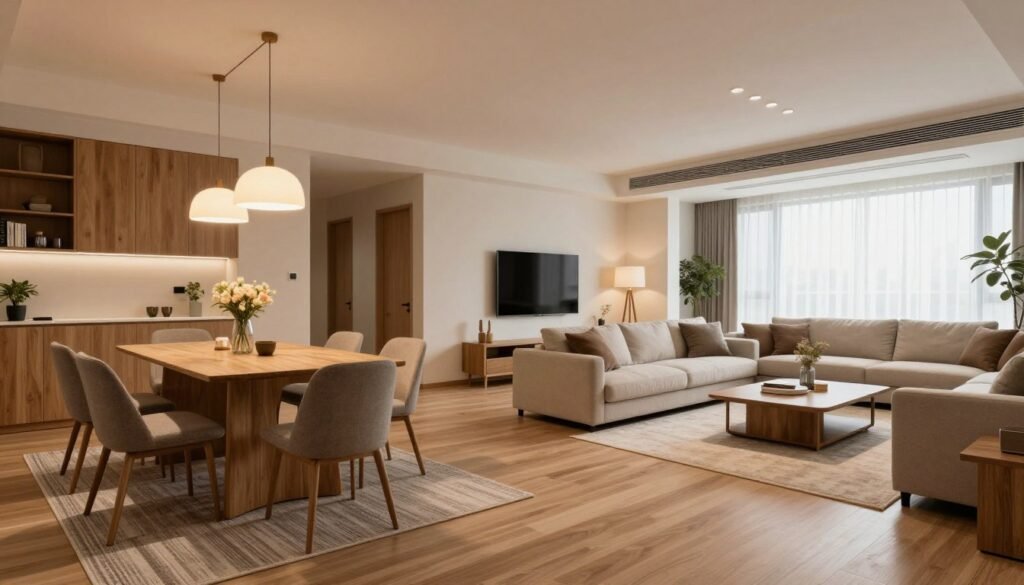
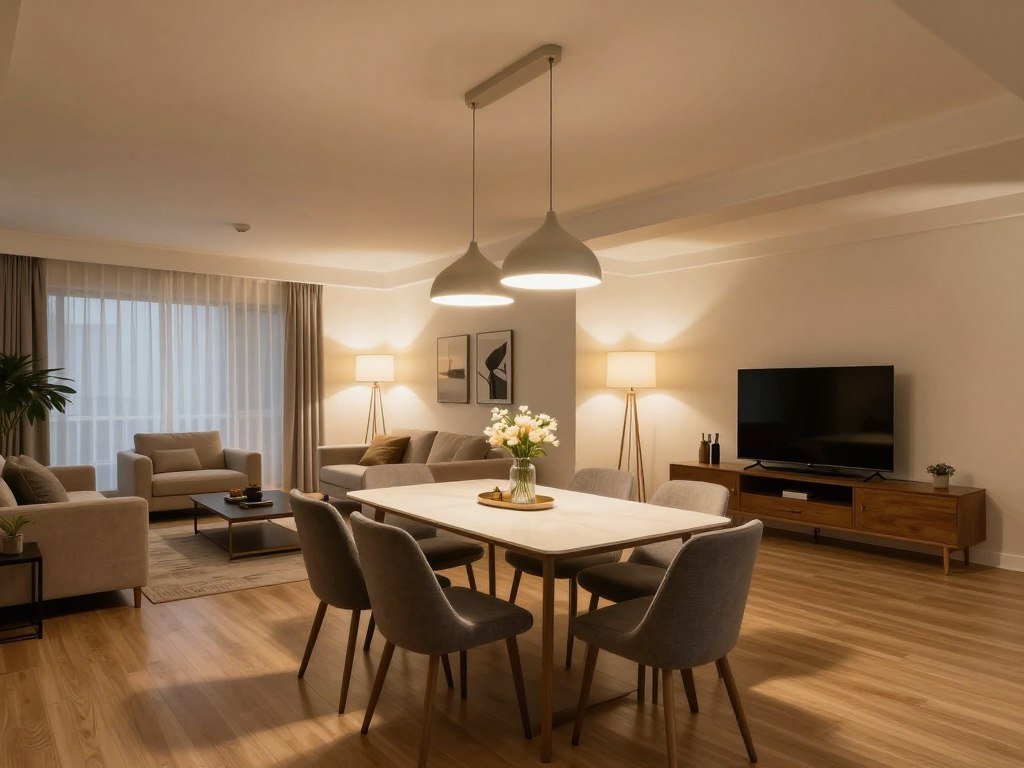
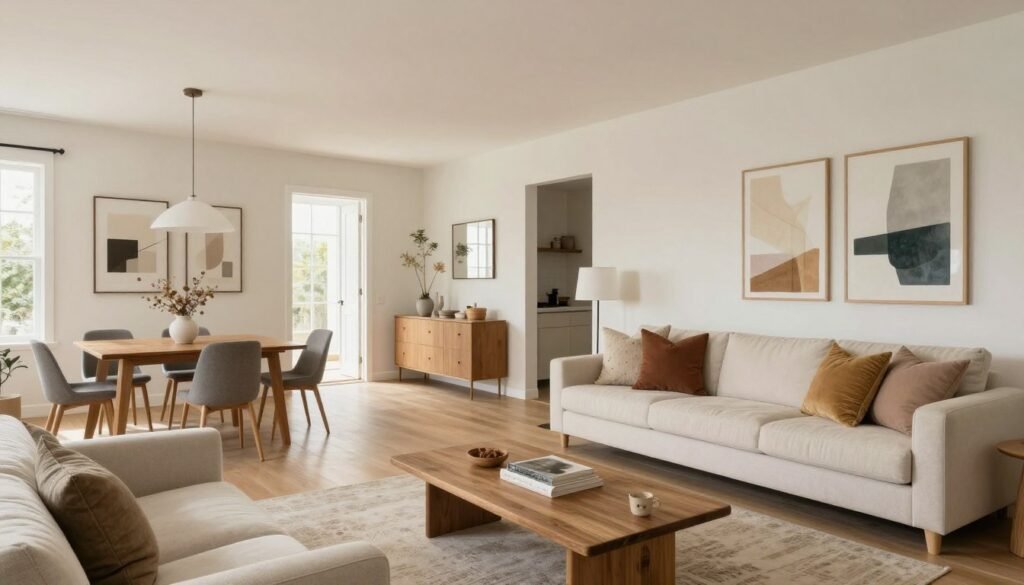
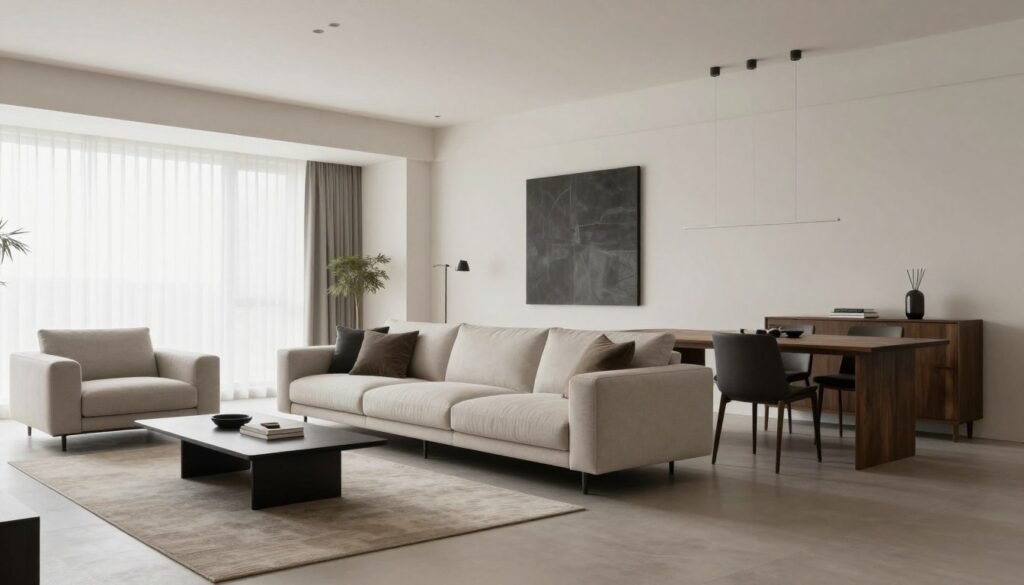
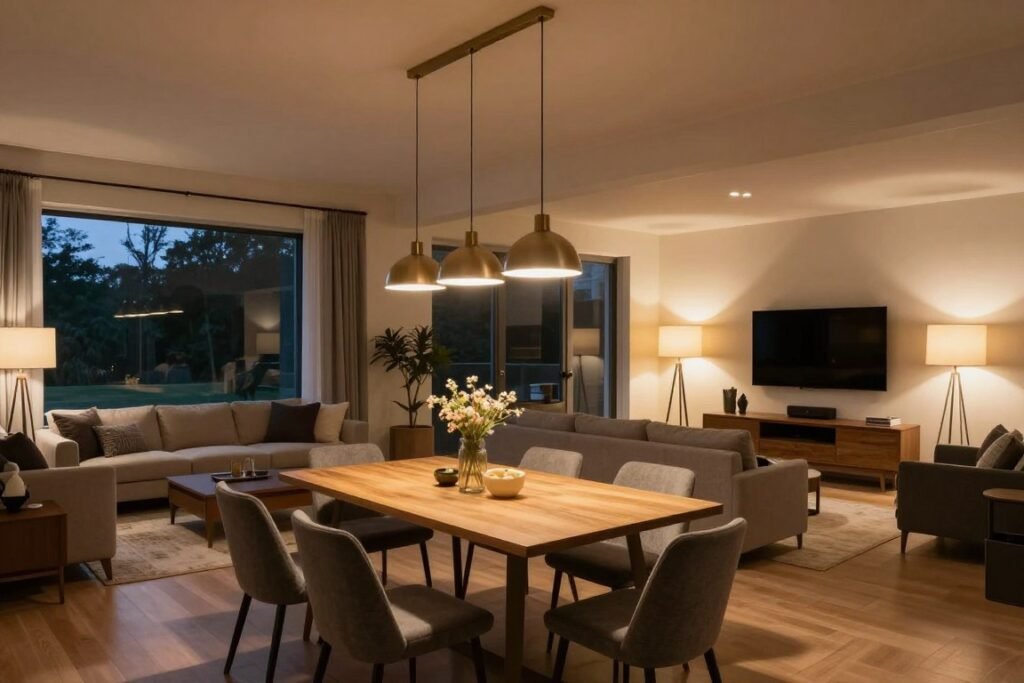
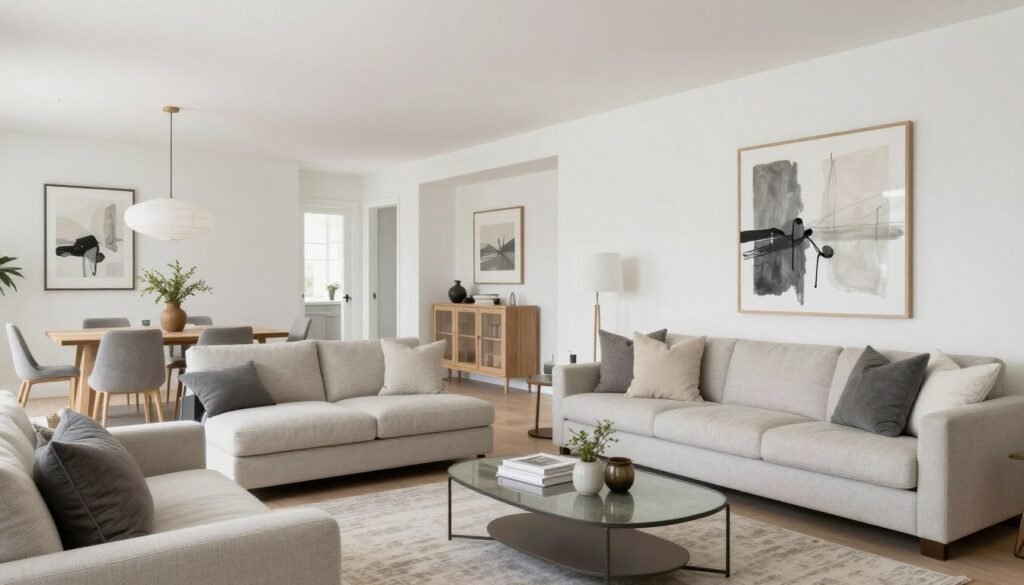
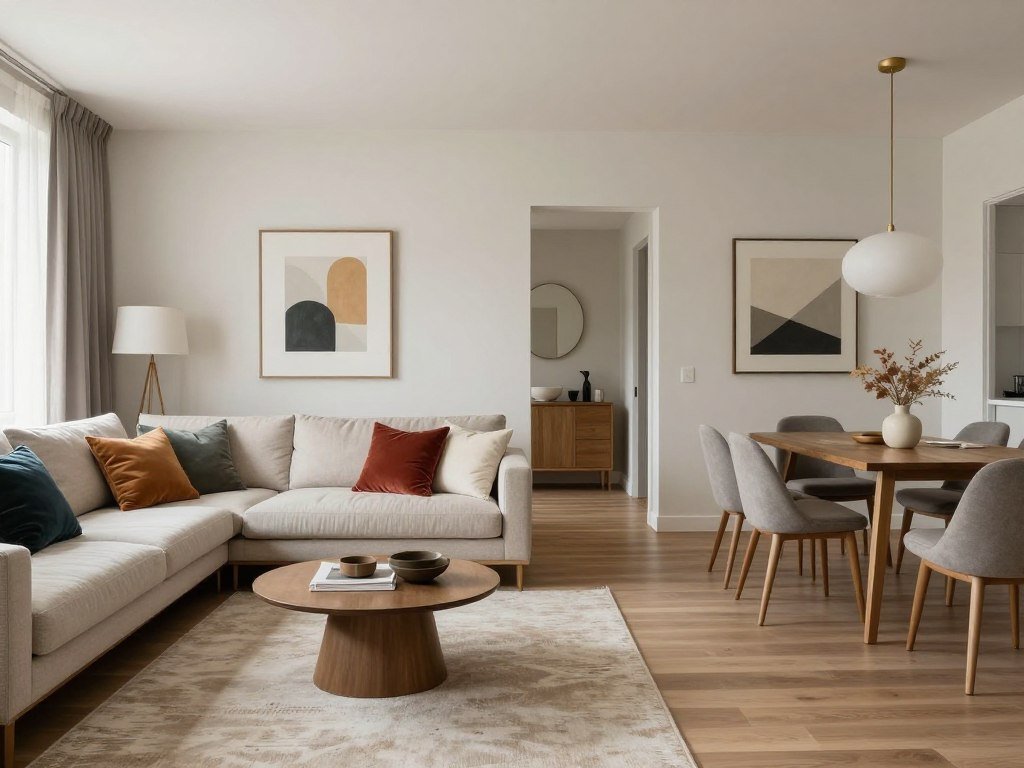
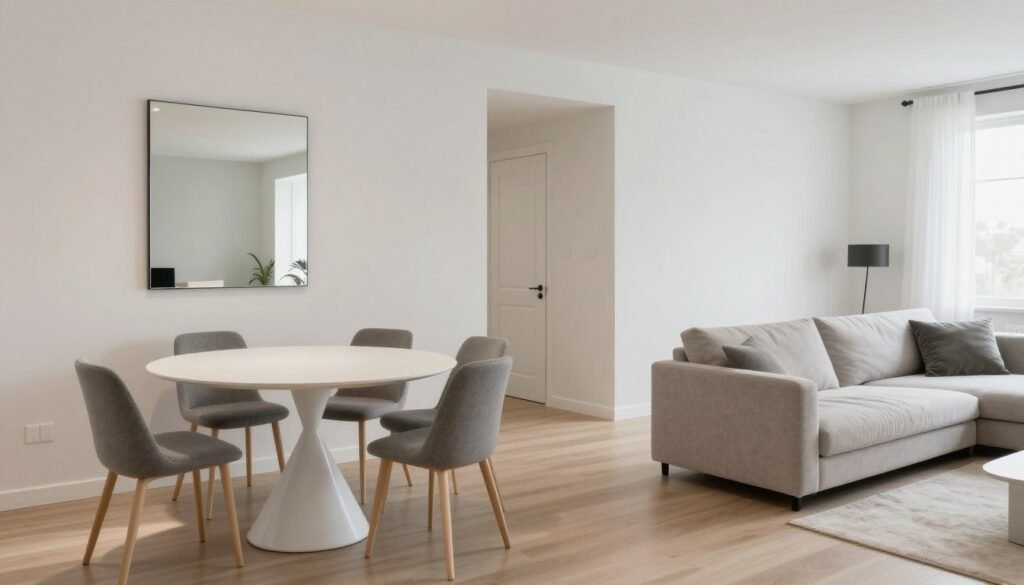
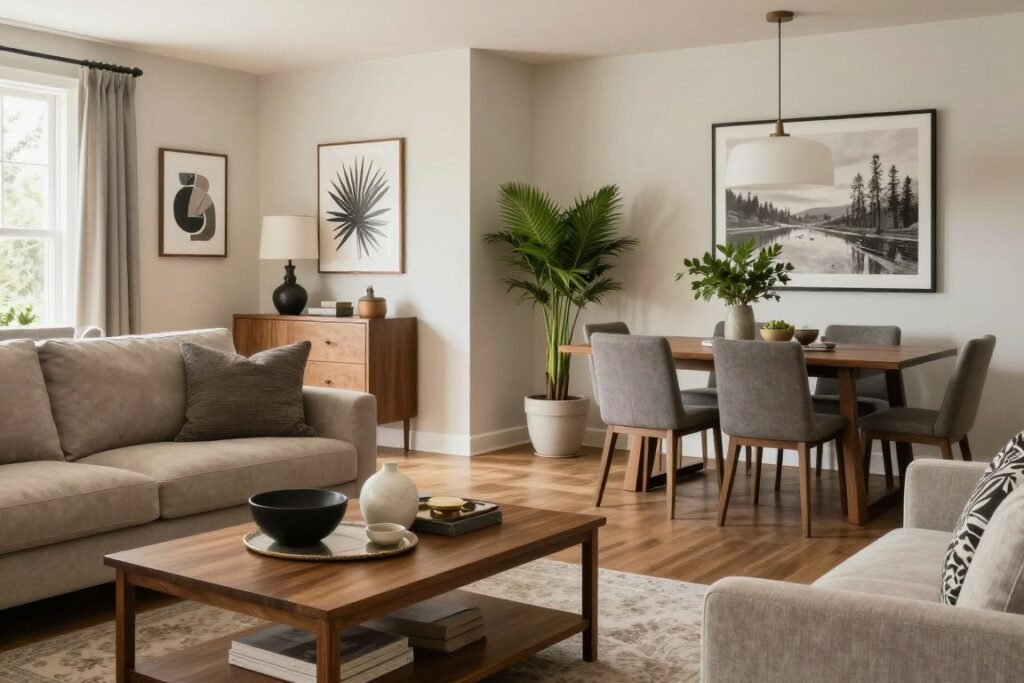
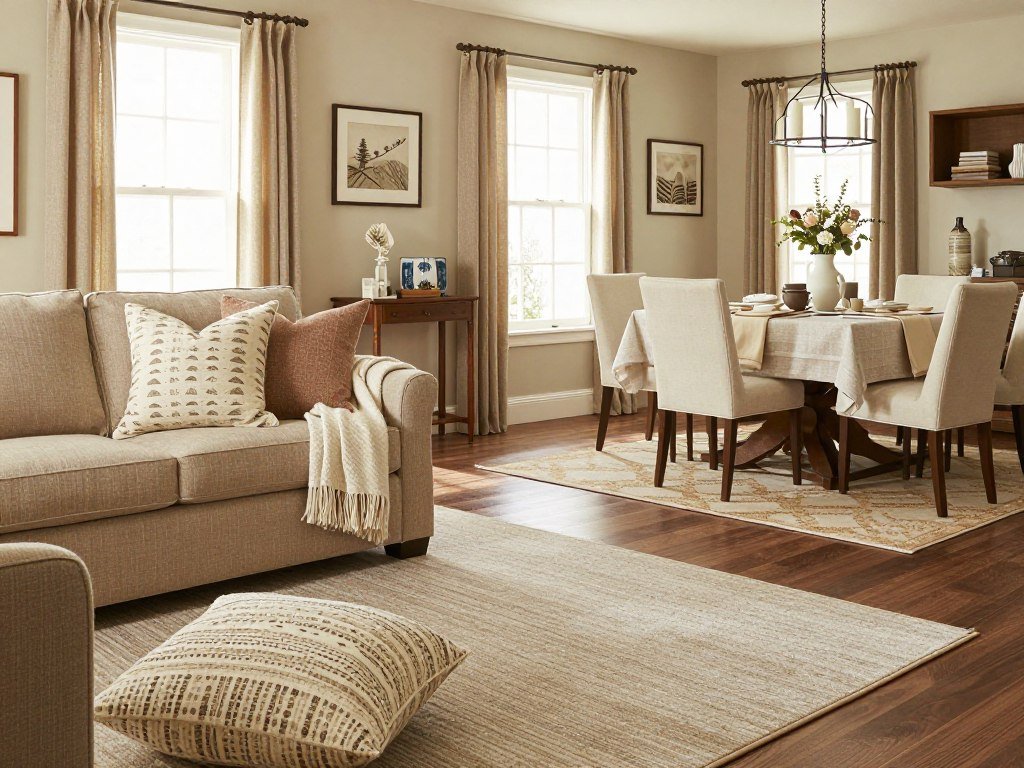
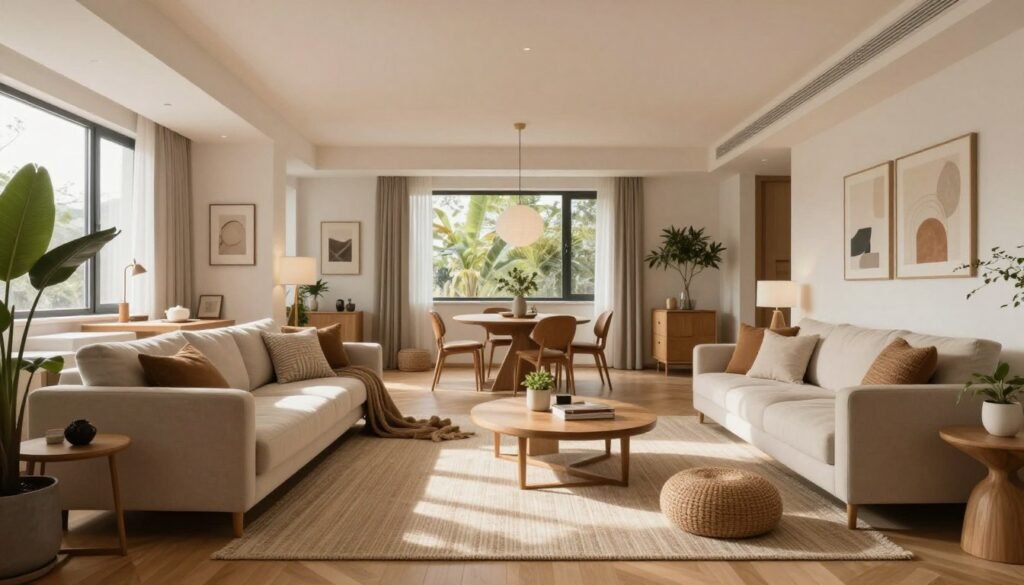
The open layout living room dining room concept has revolutionized modern home design, creating spaces that feel expansive, bright, and perfect for both entertaining and everyday living. But with this openness comes a unique challenge: how do you create distinct, functional areas that flow together seamlessly while maintaining their own identity? This comprehensive guide will walk you through everything you need to know about designing an open concept space that’s both beautiful and practical.
This Website contains affiliate links. That means I may earn a small commission if you purchase through my links, at no extra cost to you.
The Magic of Open Layout Living and Dining Spaces
An open layout living room dining room design offers numerous advantages that have made it a favorite in modern homes. The absence of dividing walls creates a sense of spaciousness that makes even modest-sized homes feel more generous. Natural light flows unobstructed throughout the space, eliminating dark corners and creating a bright, welcoming atmosphere.
Open floor plans also foster connection and togetherness. When cooking in the kitchen or entertaining in the dining area, you remain connected to family and friends relaxing in the living space. Conversations flow easily, and no one feels isolated in a separate room.
For those who love to entertain, an open layout is particularly advantageous. Guests can mingle freely between areas, creating a more dynamic social environment. The host can prepare food or drinks while still participating in conversations happening in the living area.
Ready to transform your open space?
Start with the perfect area rug to define your living zone.
Common Challenges of Open Layout Living Room Dining Room Spaces
While open layouts offer many benefits, they also present unique design challenges. Understanding these hurdles is the first step toward creating a successful space:
Without walls to create natural divisions, it can be tricky to establish where one “room” ends and another begins. This can lead to a space that feels undefined and lacks purpose.
Creating Visual Cohesion
When everything is visible at once, ensuring that different functional areas work together aesthetically becomes crucial. Mismatched styles or competing color schemes can create visual chaos.
Managing Noise
Sound travels freely in open spaces. Without proper planning, conversations, TV noise, or kitchen sounds can become disruptive throughout the entire area.
Balancing Intimacy and Openness
While openness is desirable, too much can make a space feel exposed and lacking in coziness. Finding ways to create intimate moments within the larger space is essential.
Master the Art of Zoning Your Open Layout Living Room Dining Room
The key to a successful open layout living room dining room is creating distinct zones that function independently while still feeling connected. Here are expert strategies to define your spaces:
Area Rugs: The Foundation of Zone Definition
Area rugs are perhaps the most powerful tool for visually separating spaces in an open floor plan. Place a large rug under your living room seating arrangement and another under your dining table to instantly create two distinct “rooms.” The edge of each rug essentially acts as an invisible wall.
For maximum impact, choose rugs that complement each other without matching exactly. This creates cohesion while still giving each zone its own identity. Consider the size carefully—a living room rug should be large enough to accommodate at least the front legs of all seating furniture.
Define Your Spaces
Find the perfect area rugs to create distinct zones in your open layout.
Furniture Arrangement: Creating Boundaries Without Walls
How you position your furniture can clearly define different functional areas. Place your sofa with its back toward the dining area to create a natural division. A console table behind the sofa can further reinforce this boundary while providing additional storage and display space.
For the dining area, consider a rectangular table that echoes the shape of the room, or a round table that creates a sense of intimacy. Position chairs so they face inward toward the table, creating a self-contained conversation area.
Lighting: Illuminating Different Zones
Strategic lighting is crucial for defining separate areas within an open layout. A pendant light or chandelier centered over your dining table instantly establishes that space as distinct from the living area. Similarly, floor lamps, table lamps, or even a statement ceiling fixture can anchor your living room zone.
Consider installing dimmer switches to adjust the mood and function of each area independently. This allows you to brighten the dining space for meals while keeping the living area softly lit for relaxation.
Creating Visual Cohesion in Your Open Layout Space
While defining separate zones is important, ensuring they work together harmoniously is equally crucial. Here’s how to create a cohesive look throughout your open layout living room dining room:
Unified Color Palette: The Thread That Binds
A consistent color palette is the foundation of visual cohesion in an open layout. This doesn’t mean everything must match exactly—rather, choose a core palette of 3-5 colors that repeat throughout both zones. For example, if your living room features navy blue accents, incorporate touches of the same blue in your dining area through chair cushions, artwork, or table linens.
Consider using a 60-30-10 rule: 60% of the space in a dominant neutral color, 30% in a secondary color, and 10% in an accent color. This creates balance while allowing for visual interest.
Repeating Materials: Creating Visual Echoes
Another powerful way to create cohesion is by repeating materials throughout your open space. If your dining table features warm wood tones, echo this in your living room with wooden coffee table legs, picture frames, or decorative objects. Similarly, if you have metal accents in your dining chairs, carry this material into your living space through lamp bases or side tables.
Textiles offer another opportunity for material repetition. Consider using the same or complementary fabrics for dining chair cushions and throw pillows on your sofa. This subtle connection helps tie the spaces together visually.
Tie Your Space Together
Find decorative accents that can create cohesion across your open layout.
Selecting the Right Furniture for Open Layout Living Room Dining Room Spaces
Furniture selection and placement are critical in open concept spaces. Here’s how to choose pieces that will define your zones while maintaining flow:
Scale and Proportion: Finding the Right Balance
In open layouts, furniture scale becomes particularly important. Pieces that are too large can overwhelm the space, while those that are too small may look lost. Consider the proportions of your entire open area, not just individual zones.
For living areas, a sectional sofa can help define the space while providing ample seating. In the dining area, choose a table that’s proportional to both your space and your typical dining needs. Remember that furniture should allow for comfortable traffic flow between zones—aim for pathways at least 36 inches wide.
Multi-Functional Pieces: Smart Solutions for Open Spaces
Furniture that serves multiple purposes is invaluable in open layouts. Consider an extendable dining table that can accommodate larger gatherings when needed but doesn’t dominate the space day-to-day. Storage ottomans can serve as coffee tables, extra seating, and hidden storage for living room items.
Room dividers that double as storage or display units are particularly effective in open layouts. A bookcase, console table, or even a sofa table can create a visual boundary while providing functional storage or display space.
Find Space-Defining Furniture
Discover furniture pieces that help create distinct zones in open layouts.
Lighting Strategies for Open Layout Living Room Dining Room Spaces
Effective lighting is essential in open concept spaces, helping to define zones while creating the right ambiance for different activities. A well-planned lighting scheme includes multiple layers:
Ambient Lighting: The Foundation
Ambient lighting provides overall illumination for your space. In open layouts, recessed ceiling lights are often ideal as they provide even light without visually dividing the ceiling. Consider placing these on dimmer switches to adjust the overall brightness as needed throughout the day.
Task Lighting: Function-Specific Illumination
Each zone in your open layout needs appropriate task lighting for its specific function. In the dining area, a pendant light or chandelier suspended over the table provides focused illumination for meals and gatherings. In the living area, reading lamps beside seating offer targeted light for reading or other activities.
Accent Lighting: Creating Atmosphere
Accent lighting adds depth and character to your open space. Consider wall sconces, picture lights, or LED strips under shelving to highlight architectural features or artwork. These subtle light sources can help reinforce the distinct character of each zone while adding visual interest.
Illuminate Your Space
Find the perfect lighting fixtures to define your open layout zones.
Choosing the Perfect Color Scheme for Your Open Layout
Color plays a crucial role in both defining and unifying spaces within an open layout. Here’s how to develop a color strategy that creates both distinction and harmony:
The Neutral Base: Creating Visual Calm
Start with a neutral foundation throughout your open space. Whites, creams, grays, and taupes work beautifully as base colors for walls and large furniture pieces. This neutral backdrop allows for visual continuity while giving you the freedom to define zones through more colorful accents.
Consider using a single neutral wall color throughout your open layout to create a seamless backdrop. If you want more definition, subtle variations in the same color family can help distinguish zones without creating jarring transitions.
Zone-Specific Accent Colors: Creating Identity
While maintaining your neutral base, introduce specific accent colors to give each zone its own character. Perhaps your living area features accents in blue and copper, while your dining space incorporates the copper with green instead. The shared copper creates cohesion, while the zone-specific colors (blue and green) create distinct identities.
Implement these accent colors through easily changeable elements like throw pillows, artwork, table linens, and decorative objects. This approach allows you to refresh your look seasonally or as your tastes evolve.
Making Open Layout Work in Smaller Spaces
Not all open layouts are sprawling spaces. Many apartments and smaller homes feature open concepts that require thoughtful planning to maximize functionality. Here’s how to make an open layout living room dining room work in compact spaces:
Scale Down Furniture: Right-Sizing for Small Spaces
In smaller open layouts, appropriately scaled furniture is essential. Look for apartment-sized sofas, love seats instead of full sofas, and dining tables with leaves that can expand when needed. Round dining tables often work better than rectangular ones in tight spaces, as they allow for easier circulation.
Consider the visual weight of furniture as well. Pieces with exposed legs create a sense of openness by allowing you to see the floor beneath them. Glass or acrylic elements can also help maintain visual lightness.
Multi-Functional Pieces: Double-Duty Solutions
In small open layouts, every piece should earn its keep. Look for furniture that serves multiple functions: a dining table that doubles as a work surface, an ottoman that provides storage, seating, and coffee table functionality, or a sofa with a pull-out bed for guests.
Wall-mounted solutions can also free up valuable floor space. Consider floating shelves instead of bookcases, wall-mounted lighting instead of floor lamps, or even a wall-mounted drop-leaf table that can be folded away when not in use.
Maximize Your Small Space
Discover space-saving furniture perfect for compact open layouts.
Styling Your Open Layout Living Room Dining Room: The Finishing Touches
The final layer in creating a successful open layout living room dining room is thoughtful styling. These finishing touches help reinforce zone identity while maintaining overall cohesion:
Artwork and Wall Decor: Visual Anchors
Artwork can play a significant role in defining zones within an open layout. Consider creating a gallery wall in your living area, while hanging a single large piece in your dining space. While the style or color palette can connect these elements, their different arrangements help distinguish the zones.
Wall treatments can also help define areas. Perhaps a textured wallpaper in the dining zone contrasts with painted walls in the living area, creating subtle differentiation while maintaining your overall color scheme.
Plants and Natural Elements: Bringing Life to Your Space
Plants are perfect for adding warmth and life to open layouts. Use larger floor plants to subtly mark transitions between zones, or place smaller potted plants on shelves, side tables, and dining tables to add color and texture throughout the space.
Consider how plants can reinforce your zoning strategy—perhaps taller plants frame your living area, while hanging plants add interest above your dining table. The natural elements create continuity while their placement helps define distinct areas.
Textiles and Soft Furnishings: Layers of Comfort
Textiles add warmth, comfort, and visual interest to your open layout. Layer throw pillows and blankets in your living zone to create an inviting seating area. In your dining space, table linens, chair cushions, or upholstered dining chairs add softness and comfort.
While these textiles should work within your overall color scheme, you can use different patterns or textures in each zone to reinforce their distinct identities. Perhaps geometric patterns dominate in the living area, while botanical prints appear in the dining space.
Add the Perfect Finishing Touches
Find stylish decor elements to complete your open layout design.
Bringing It All Together: Your Open Layout Living Room Dining Room
Creating a successful open layout living room dining room is about finding the perfect balance between distinction and cohesion. By thoughtfully implementing the strategies we’ve explored—from zoning with rugs and furniture to creating visual connections through color and materials—you can design an open concept space that’s both functional and beautiful.
Remember that your open layout should reflect your lifestyle and preferences. Consider how you actually use your space day-to-day, and design accordingly. Perhaps you entertain frequently and need a generous dining area, or maybe your family spends most of their time in the living zone and requires ample seating there.
The beauty of open concept living is its flexibility. As your needs change, your space can evolve with you through simple adjustments to furniture arrangement, lighting, and decor. Embrace this adaptability as one of the greatest advantages of your open layout living room dining room.
Ready to Transform Your Open Layout?
Find everything you need to create a stunning open concept space.
Note: All Amazon links are affiliate links. As an Amazon Associate, I earn from qualifying purchases.
Don’t forget to save your favorite ideas from this guide to your Pinterest boards for future inspiration. Creating your dream open layout living room dining room is a journey—enjoy the process of discovering what works best for your unique space and lifestyle!
There’s something undeniably charming about a well-designed dining nook. These intimate spaces transform ordinary corners into inviting retreats where family gatherings,…
There’s something undeniably luxurious about showering outdoors. The feeling of warm water cascading down while gentle breezes and natural light surround…