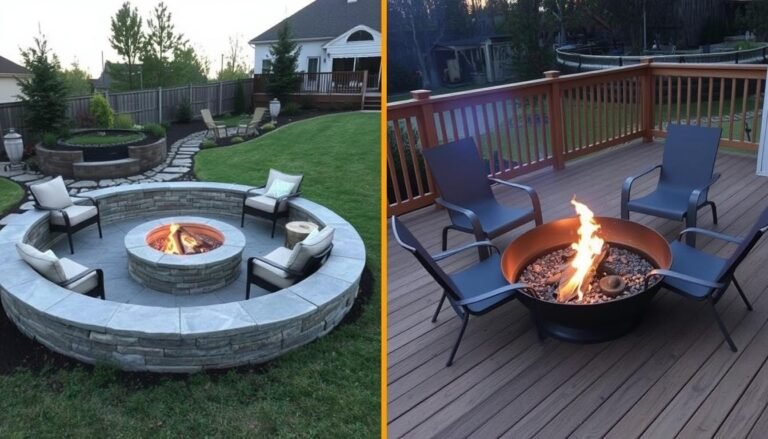
Your backyard patio is more than just an outdoor space—it’s an extension of your home where memories are made, relaxation happens, and nature becomes part of your daily life. The layout of your patio fundamentally shapes how you experience this important area. A thoughtfully designed backyard patio layout transforms an ordinary yard into a functional outdoor living space that reflects your lifestyle and enhances your property’s value.
This Website contains affiliate links. That means I may earn a small commission if you purchase through my links, at no extra cost to you.
Whether you’re starting from scratch or reimagining an existing patio, understanding the principles of effective layout design will help you create a space that feels both purposeful and inviting. From defining functional zones to selecting the right materials and incorporating natural elements, this guide will walk you through everything you need to know about creating a backyard patio design that works perfectly for your needs.
Essential Principles for Backyard Patio Designs Layout
Before diving into specific layouts, it’s important to understand the fundamental principles that make a patio design successful. These concepts will guide your decision-making process regardless of your patio’s size or style.
The fundamental principles of effective patio layout design
Traffic Flow: Creating Natural Pathways
The way people move through your patio is crucial to its functionality. Well-designed traffic patterns allow for easy navigation between different areas without creating bottlenecks or awkward transitions. When planning your backyard patio layout, imagine how people will naturally walk through the space and create clear pathways that are at least 3 feet wide for comfortable movement.
Consider how your patio connects to your home and other areas of your yard. The main entrance to your patio should flow logically from your home’s access point, while secondary pathways can lead to gardens, pools, or other backyard features. Using different materials or subtle borders can help define these pathways without creating physical barriers.
Functional Zoning: Defining Purposeful Areas
A well-designed patio divides the space into distinct zones based on function. Common zones include dining areas, conversation spaces, cooking stations, and relaxation spots. Each zone should have enough space for its intended purpose while maintaining a cohesive relationship with adjacent areas.
When creating your backyard patio designs layout, position zones logically based on their relationship to each other and your home. For example, dining areas work well near outdoor kitchens, while quiet reading nooks might benefit from a more secluded location. The size of each zone should reflect how frequently you’ll use it and how many people it needs to accommodate.
Scale and Proportion: Balancing Elements
The size of your furniture and features should be proportional to your patio’s dimensions. Oversized furniture can make a small patio feel cramped, while tiny pieces can look lost in a large space. Measure your area carefully and plan your layout with appropriately scaled elements.
Remember to leave adequate space around furniture for comfortable movement. Dining chairs need at least 24 inches of clearance when pulled out, and conversation areas should allow for easy entry and exit. Creating a scale drawing or using masking tape to outline furniture placement on your existing patio can help visualize proper proportions.
Focal Points: Creating Visual Interest
Every well-designed patio benefits from a focal point that draws the eye and anchors the space. This could be a fire pit, water feature, outdoor fireplace, distinctive furniture arrangement, or even a spectacular view. Your backyard patio layout should be oriented to highlight this focal point while ensuring it’s visible from key seating areas.
Multiple zones can each have their own focal point, but one should typically dominate as the primary visual interest. This creates a hierarchy that helps organize the space visually and gives your patio a sense of purpose and character.
Popular Backyard Patio Layout Designs
Now that we understand the fundamental principles, let’s explore some of the most effective and popular patio layout configurations. Each of these designs can be adapted to suit different space constraints and personal preferences.
Conversation-Focused Layout
This layout prioritizes face-to-face interaction and is perfect for those who love to entertain or spend quality time with family. The centerpiece is typically a comfortable seating arrangement that encourages conversation.
A conversation-focused patio layout creates an intimate space for gathering
Key features of this backyard patio design layout include:
Seating arranged in a circle, U-shape, or square to facilitate eye contact
A central coffee table or fire pit as a focal point
Comfortable, deep-seated furniture with plenty of cushions
Side tables within reach of each seat for drinks and small items
Optional overhead structure for shade and to create a sense of enclosure
This layout works particularly well for evening gatherings and creates a natural flow of conversation. For maximum comfort, consider adding weather-resistant cushions and pillows to your outdoor furniture. Quality outdoor seating makes a significant difference in how often you’ll use your patio.
Enhance Your Conversation Space
Create the perfect conversation area with comfortable, weather-resistant outdoor furniture that invites relaxation and socializing.
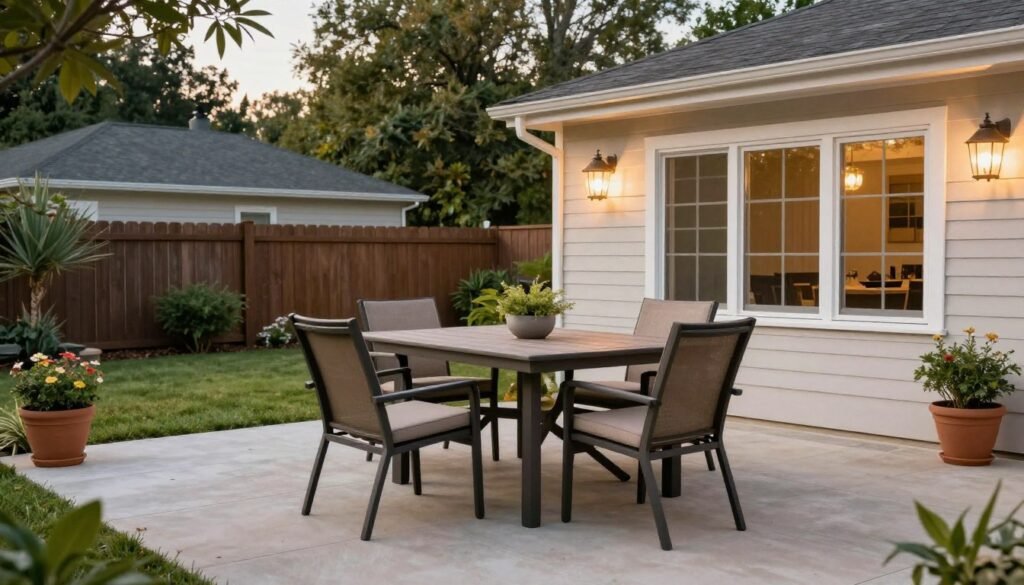
For those who enjoy outdoor meals, a dining-centered layout makes perfect sense. This arrangement focuses on creating a comfortable, functional space for everything from casual family dinners to elaborate entertaining.
A dining-centered patio layout creates the perfect outdoor eating experience
Essential elements of a dining-centered backyard patio layout include:
A properly sized dining table with comfortable seating for your typical gathering size
Adequate clearance around the table (at least 36 inches) for chairs and movement
Proximity to the kitchen or grill area for convenient food service
Overhead covering for shade and protection from light rain
Appropriate lighting for evening meals
When selecting outdoor dining furniture, consider how it will withstand your local weather conditions. Materials like teak, aluminum, and certain synthetic wickers offer excellent durability while maintaining their appearance over time. The right outdoor dining set becomes the heart of your patio experience.
Fire Pit Hub Layout
Few features create as much natural gathering potential as a fire pit. This layout uses the magnetic draw of fire to create a central hub around which other patio elements are arranged.
A fire pit creates a natural gathering point in this patio layout design
Key considerations for a fire pit-centered backyard patio layout:
Positioning the fire pit as the central focal point with adequate safety clearance
Arranging seating in a complete or partial circle around the fire feature
Using materials that can withstand heat and won’t be damaged by sparks
Considering wind patterns to minimize smoke issues
Including adequate space for movement around the seating area
Fire pits come in many styles, from built-in masonry designs to portable metal units. Your choice should complement your overall patio aesthetic while providing the right balance of heat, visibility, and safety. A well-designed fire pit area extends your patio’s usability into cooler evenings and creates a natural conversation space.
Add Warmth and Ambiance
Transform your patio into a year-round gathering space with a stylish fire pit that provides warmth and creates a natural focal point.
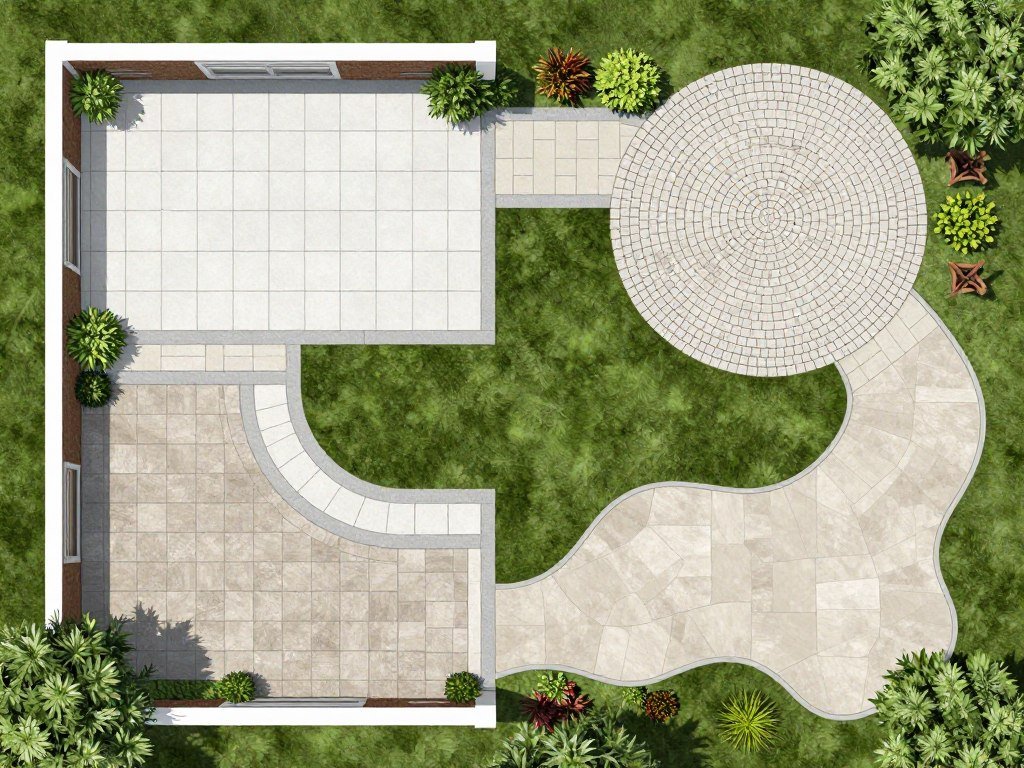
For larger patios or those seeking maximum functionality, a multi-zone layout divides the space into distinct areas for different activities. This approach creates a dynamic outdoor living space that can accommodate various needs simultaneously.
A multi-zone patio layout creates versatile spaces for different activities
Successful multi-zone backyard patio designs typically include:
Clear visual and functional separation between zones
Logical relationships between adjacent areas (cooking near dining, etc.)
Consistent design elements that unify the overall space
Appropriate scaling of each zone based on its importance and frequency of use
Thoughtful transitions between areas using pathways, planters, or subtle level changes
When creating a multi-zone layout, consider how the spaces will be used together and separately. Ensure that busy areas don’t interfere with quiet relaxation zones and that the overall flow feels natural. Using consistent materials with subtle variations can help define zones while maintaining visual cohesion.
Material and Shape Considerations for Patio Layouts
The materials you choose for your patio surface play a crucial role in both aesthetics and functionality. Different materials create different atmospheres and have varying practical implications for your backyard patio design layout.
Different patio materials create distinct aesthetic and functional effects
Patio Surface Materials
Each patio material has unique characteristics that influence your layout possibilities:
Concrete
Versatile and cost-effective, concrete can be poured as a single slab or used in precast pavers. It offers unlimited shape possibilities and can be stamped, stained, or textured to mimic more expensive materials. Concrete works well for contemporary designs and creates a smooth, unified surface that’s ideal for furniture placement.
Natural Stone
Materials like flagstone, slate, and limestone bring organic texture and natural variation to your patio. These materials work beautifully in irregular layouts and curved designs, creating a connection with the surrounding landscape. Stone typically costs more but offers unmatched durability and timeless appeal.
Brick
Classic and durable, brick pavers offer warmth and traditional charm. They can be arranged in various patterns (herringbone, basket weave, running bond) to create visual interest. Brick works well for defined geometric layouts and creates a sense of established elegance.
Wood and Composites
Deck-style patios using wood or composite materials create a different feel than stone or concrete. These materials offer warmth and are often more comfortable underfoot. They work well for raised patios and can create interesting multi-level designs.
When selecting materials for your backyard patio layout, consider how they’ll complement your home’s architecture, withstand your local climate, and support your intended activities. The right material should balance aesthetics, durability, maintenance requirements, and budget.
Patio Shapes and Boundaries
The shape of your patio significantly impacts its visual appeal and functionality. Common shapes include:
Various patio shapes offer different aesthetic and functional advantages
Rectangular/Square: Classic and efficient, these shapes maximize usable space and work well for formal designs. Furniture arrangement is straightforward, making rectangular patios highly functional.
Circular/Oval: These shapes create a sense of gathering and work beautifully for conversation areas or fire pit layouts. They can soften the look of a backyard and create a more organic feel.
L-Shaped: Wrapping around a corner of your home, L-shaped patios create natural zone division and can help connect different areas of your yard.
Freeform: Organic, flowing shapes blend naturally with the landscape and can work around existing features like trees or slopes. These designs feel less formal and more integrated with nature.
The boundaries of your patio also influence its relationship with the surrounding landscape. Consider using:
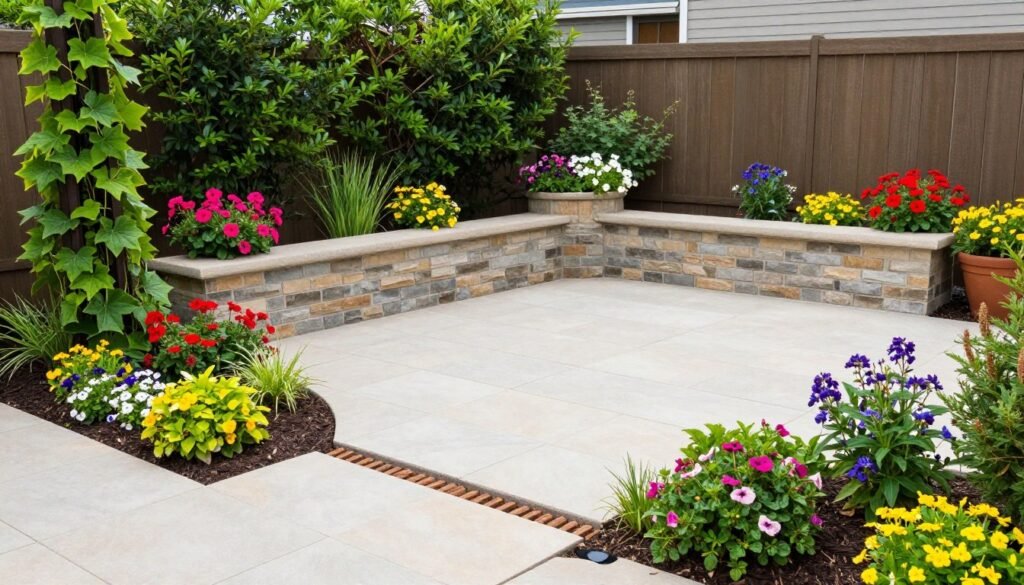
Low walls for seating and spatial definition
Planters to integrate greenery and create soft boundaries
Level changes to create visual separation without barriers
Material changes to define edges while maintaining flow
Your patio shape should respond to both your home’s architecture and your yard’s natural features. Don’t be afraid to combine shapes or create custom forms that serve your specific needs and aesthetic preferences.
Define Your Patio Boundaries
Create beautiful transitions between your patio and landscape with decorative edging and border materials.
A truly successful backyard patio design integrates seamlessly with surrounding landscaping. Plants and natural elements soften hardscapes, provide privacy, create shade, and add sensory richness to your outdoor living space.
Thoughtful landscaping integration enhances patio aesthetics and functionality
Strategic Plant Placement
Plants can be used strategically in your backyard patio layout to:
Create privacy screens using tall grasses, hedges, or trellised vines
Provide shade with strategically placed trees or large shrubs
Define zones and pathways with container gardens or planting beds
Add sensory elements through fragrant herbs, rustling grasses, or colorful blooms
Soften hard edges and create transitions between different materials
When incorporating plants into your patio design, consider their mature size, maintenance needs, and seasonal changes. Choose species that thrive in your climate and complement your patio’s style. Container gardens offer flexibility and can be moved to refresh your layout or accommodate different activities.
Water Features and Natural Elements
Water features add another dimension to your backyard patio layout through sound, movement, and visual interest. Options range from simple tabletop fountains to elaborate ponds or cascading waterfalls.
Water features add sensory richness and create natural focal points
Consider these approaches to incorporating water and natural elements:
Position water features where they can be seen and heard from primary seating areas
Use natural stone or boulders to create organic transitions between patio and landscape
Incorporate driftwood, decorative gravel, or other natural materials as accents
Design built-in planters that echo your patio’s materials for a cohesive look
Consider the sound environment—water features can mask unwanted noise
The most successful patio designs blur the line between built and natural elements. By thoughtfully integrating landscaping into your backyard patio layout, you create a space that feels connected to its environment and offers rich sensory experiences.
Add Tranquility with Water
Enhance your patio with a soothing water feature that creates a peaceful atmosphere and masks unwanted noise.
The way you arrange furniture and decor on your patio significantly impacts both its functionality and aesthetic appeal. Thoughtful placement creates comfortable, inviting spaces that support your intended activities.
Proper furniture arrangement creates comfortable, functional outdoor living spaces
Furniture Arrangement Principles
Follow these guidelines when placing furniture in your backyard patio layout:
Position the largest pieces first (sofas, dining tables) and work outward
Allow adequate clearance for movement (36″ for pathways, 24″ around dining chairs)
Create conversation areas where people can comfortably talk without raising voices (seats should be 4-8 feet apart)
Orient seating to take advantage of views, shade, and focal points
Include side tables within reach of each seat for drinks and personal items
Consider the sun’s path when positioning seating to avoid direct exposure during peak hours
Different furniture arrangements support different activities. A circular arrangement encourages conversation, while rows of chairs facing a view or feature create a more passive experience. Consider how your furniture layout will support your primary patio activities.
Layering Decor and Accessories
The right accessories transform a basic patio into a personalized outdoor living room. Consider these elements to enhance your backyard patio design:
Layered decor elements add comfort, personality, and visual interest
Outdoor Rugs
Define seating areas, add color and pattern, and increase comfort underfoot. Choose weather-resistant materials designed specifically for outdoor use.
Pillows and Throws
Add comfort, color, and seasonal flexibility. Outdoor-rated fabrics resist fading and moisture while providing a soft touch.
Lighting
Extend usability into evening hours with ambient, task, and accent lighting. Options include string lights, lanterns, pathway lights, and uplighting for trees or features.
Shade Elements
Umbrellas, pergolas, shade sails, and canopies increase comfort and extend the hours you can enjoy your patio.
When selecting decor for your patio, choose items that can withstand your local weather conditions. Many manufacturers now offer indoor-quality designs in weather-resistant materials, allowing you to create a truly comfortable outdoor room.
Light Up Your Nights
Create magical evenings on your patio with ambient lighting that enhances atmosphere and extends usability after dark.
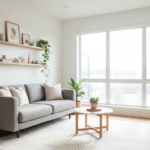
Limited square footage doesn’t mean you can’t create a beautiful and functional patio. With thoughtful planning, even compact areas can become inviting outdoor living spaces that feel spacious and purposeful.
Smart design makes this small patio feel spacious and functional
Space-Maximizing Strategies
Use these techniques to make the most of limited patio space:
Multi-functional furniture: Choose pieces that serve multiple purposes, like storage benches, convertible tables, or nesting side tables
Vertical elements: Utilize walls, fences, and trellises for plants, lighting, and decor to free up floor space
Foldable or stackable furniture: Select pieces that can be easily stored when not in use
Built-in features: Consider permanent benches along walls or corners to maximize seating without bulky furniture
Visual tricks: Use diagonal patterns, light colors, and mirrors to create a sense of spaciousness
When designing a small backyard patio layout, focus on your highest-priority activities. A compact space might not accommodate multiple zones, but it can excel at one or two functions. Determine whether dining, lounging, or entertaining is most important to you and design accordingly.
Small Patio Layout Examples
These compact layouts demonstrate how to maximize limited space:
Three efficient layout options for small patio spaces
Bistro Setup
A small round table with two chairs creates a perfect coffee or dining spot. Position against a wall or railing to maximize open space, and add a vertical garden or wall-mounted planters for greenery without using floor space.
Compact Lounge
A loveseat or small sectional paired with a slim coffee table creates a cozy relaxation zone. Add a small side table and floor lantern for functionality and ambiance. Use an outdoor rug to define the space.
Small patios benefit from careful editing—include only what you’ll truly use and love. Quality matters more than quantity in limited spaces, so invest in fewer, better pieces rather than crowding the area with too many items.
Perfect for Small Spaces
Find space-efficient furniture that maximizes functionality without overwhelming your compact patio.
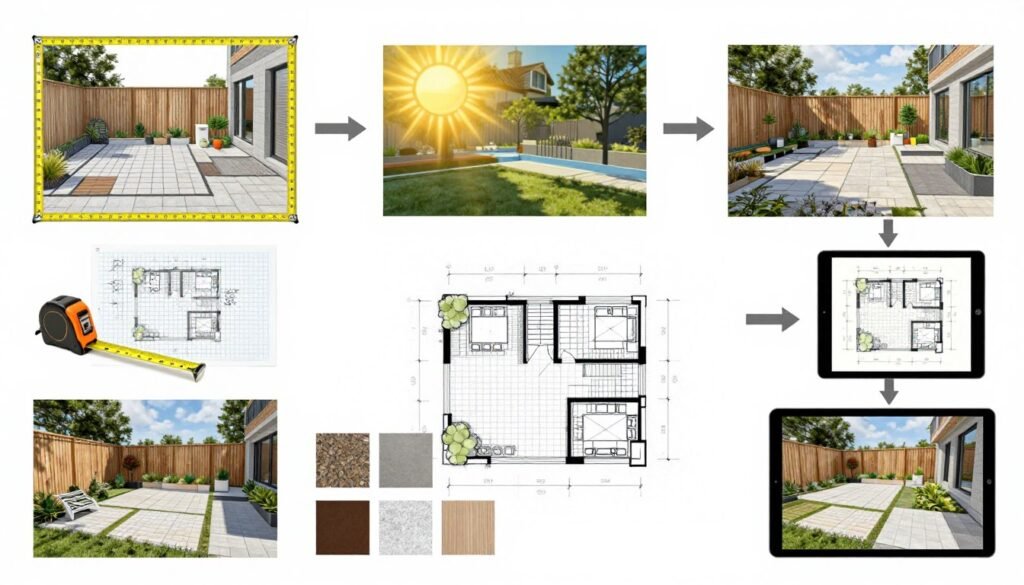
Creating a successful patio layout requires thoughtful planning before any materials are purchased or ground is broken. Follow this process to develop a design that perfectly suits your needs and space.
The patio planning process ensures a successful final design
1. Assess Your Space and Needs
Begin by thoroughly evaluating your yard and clarifying your priorities:
Measure your available space accurately, noting any constraints like trees, utility access, or drainage issues
Observe sun patterns throughout the day to identify natural shade and exposure areas
Consider views—both what you’ll see from the patio and how it will look from your home
List your primary activities and how many people you typically need to accommodate
Determine your budget range for materials, furniture, and possible professional help
Take photos of your space from multiple angles and note existing features you want to work around or highlight. This documentation will be valuable as you develop your design.
2. Create a Preliminary Layout
With your assessment complete, begin sketching potential layouts:
Draw your space to scale on graph paper (1 square = 1 foot works well)
Experiment with different patio shapes and positions
Block out zones for your priority activities
Consider traffic patterns between your home, the patio, and other yard features
Test furniture arrangements using scaled cutouts that you can move around
Don’t rush this phase—try several different approaches before settling on a direction. Consider how your layout will function in different seasons and for various types of gatherings.
3. Refine Materials and Details
Once you have a basic layout, refine your plan with specific materials and details:
Research patio materials that suit your aesthetic, climate, and budget
Consider how different materials will affect the feel and functionality of your space
Plan for drainage, especially if your patio will be adjacent to your home
Decide on borders, steps, or level changes that define your patio
Identify locations for electrical outlets, lighting, and water features
Collect samples of materials you’re considering and view them in your yard at different times of day. This helps ensure colors and textures will work with your home and in your specific lighting conditions.
4. Finalize Your Plan
Create a detailed final plan that includes:
Precise measurements and dimensions
Material specifications and quantities
Furniture placement and clearances
Lighting plan
Planting areas and landscaping integration
Construction details like base preparation and edging
If you’re working with professionals, this detailed plan ensures clear communication. If you’re tackling the project yourself, it serves as your roadmap and helps with accurate material ordering.
Plan Like a Pro
Get the tools you need to accurately measure, plan, and visualize your perfect patio layout.
A thoughtfully designed backyard patio transforms your outdoor space into an extension of your home—a place where memories are made, relaxation happens naturally, and your lifestyle finds expression in the open air. The layout you choose forms the foundation of this experience, determining how you’ll move through, use, and enjoy your outdoor living area.
A well-designed patio layout creates a seamless indoor-outdoor living experience
Remember that the most successful patio designs balance functionality with aesthetics, responding to both your practical needs and your sense of beauty. Whether you’re creating a cozy nook for morning coffee, a generous entertaining space for gatherings, or a multi-functional outdoor living area, the principles we’ve explored will guide you toward a layout that works beautifully for your unique situation.
As you move forward with your backyard patio design, don’t be afraid to personalize your space with elements that reflect your personality and preferences. The most inviting patios tell a story about the people who use them, incorporating meaningful details alongside thoughtful design.
With careful planning, appropriate materials, and attention to how you’ll actually use your space, your patio will become more than just an outdoor area—it will be a destination that draws you outside and enhances your everyday life through all the seasons you can enjoy it.