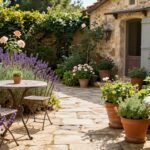
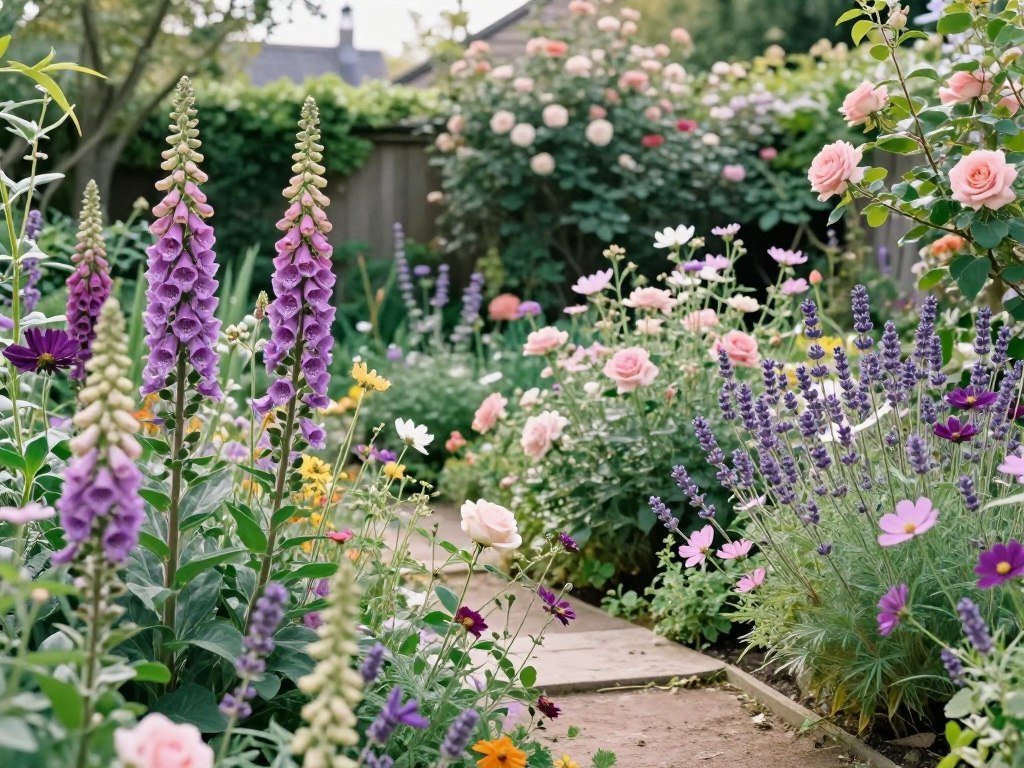
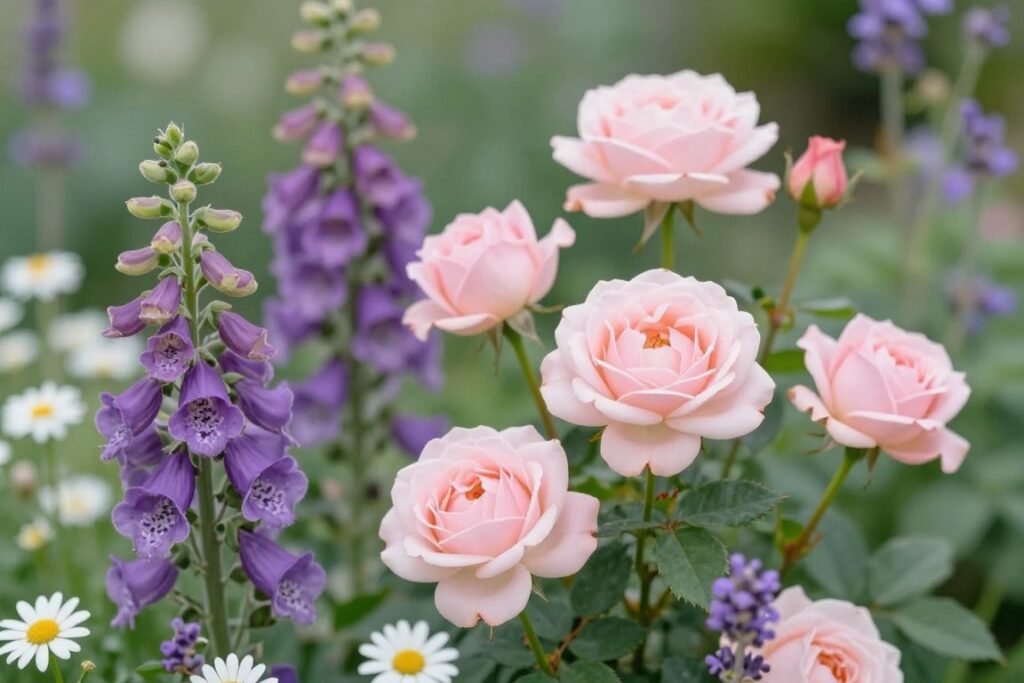
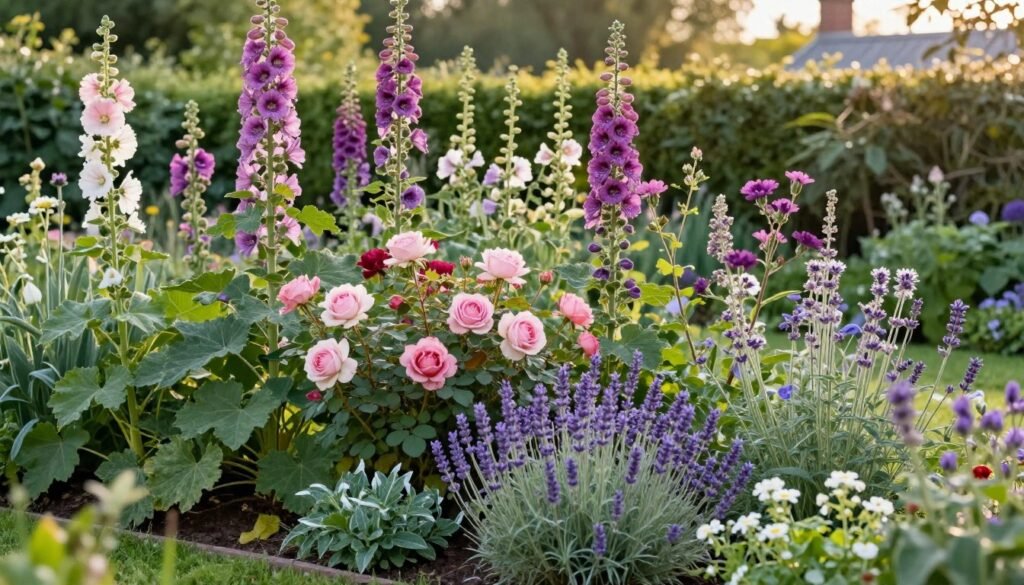
Imagine stepping through your back door into a world where time slows down. Dappled sunlight filters through climbing roses on weathered trellises, bees hum lazily among wildflowers, and the sweet scent of lavender mingles with fresh herbs. This is the essence of a cottage core backyard – a space that celebrates the beauty of imperfection, the charm of bygone days, and the gentle rhythm of nature’s cycles.
This Website contains affiliate links. That means I may earn a small commission if you purchase through my links, at no extra cost to you.
The cottagecore aesthetic has captured hearts with its romantic vision of rural life, blending nostalgia with practical simplicity. In this guide, we’ll explore how to transform your outdoor space into an enchanting retreat that embodies this whimsical style – from planning your layout to selecting the perfect plants and adding those special touches that create magic.
Understanding the Cottage Core Backyard Aesthetic
At its heart, cottagecore celebrates a romanticized interpretation of rural life – a return to simpler times when people lived in harmony with nature. A cottage core backyard isn’t about perfect symmetry or manicured lawns. Instead, it embraces abundance, whimsy, and a touch of beautiful chaos.
The aesthetic draws inspiration from English cottage gardens that historically combined beauty with practicality. These gardens weren’t just ornamental – they provided food, medicine, and cut flowers for the home. This blend of function and charm is what makes cottagecore backyards so appealing today.
Key elements that define the cottage core backyard include:
Abundant, overflowing plantings that appear effortlessly wild
A mix of ornamental flowers, herbs, and edible plants
Vintage or handcrafted elements that tell a story
Soft, romantic color palettes with occasional vibrant accents
Natural materials like wood, stone, and wrought iron
Cozy nooks that invite lingering and contemplation
The beauty of creating a cottage core backyard is that it doesn’t require perfection. In fact, it celebrates the opposite – the charm of handmade imperfections, the gentle aging of materials, and the natural cycles of growth and rest.
Before diving into planting, take time to envision how you’ll use your cottage core backyard. Unlike formal garden designs with rigid structures, cottagecore embraces a more organic approach – but that doesn’t mean planning isn’t important.
Creating Distinct Zones
Even in a seemingly wild garden, creating zones helps make the space both functional and beautiful:
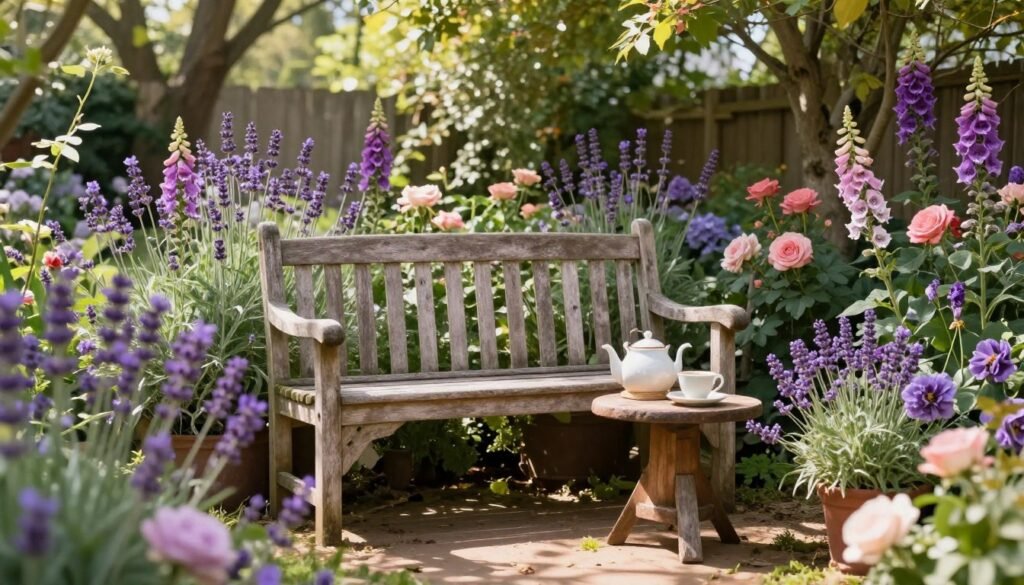
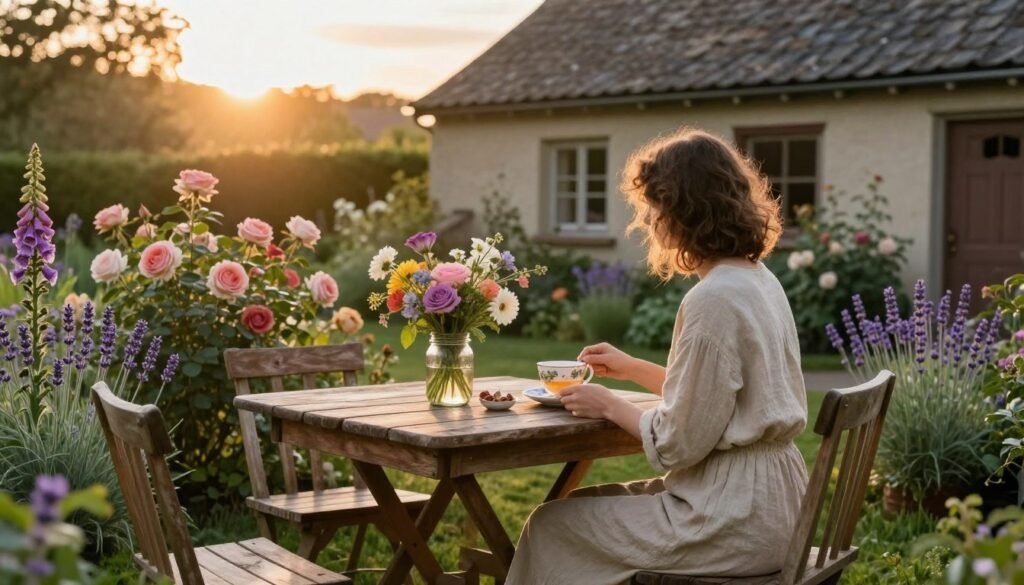
Seating Areas: Create at least one cozy nook where you can sit with a book or cup of tea. Consider placing it where you can enjoy the best views or scents from your garden.
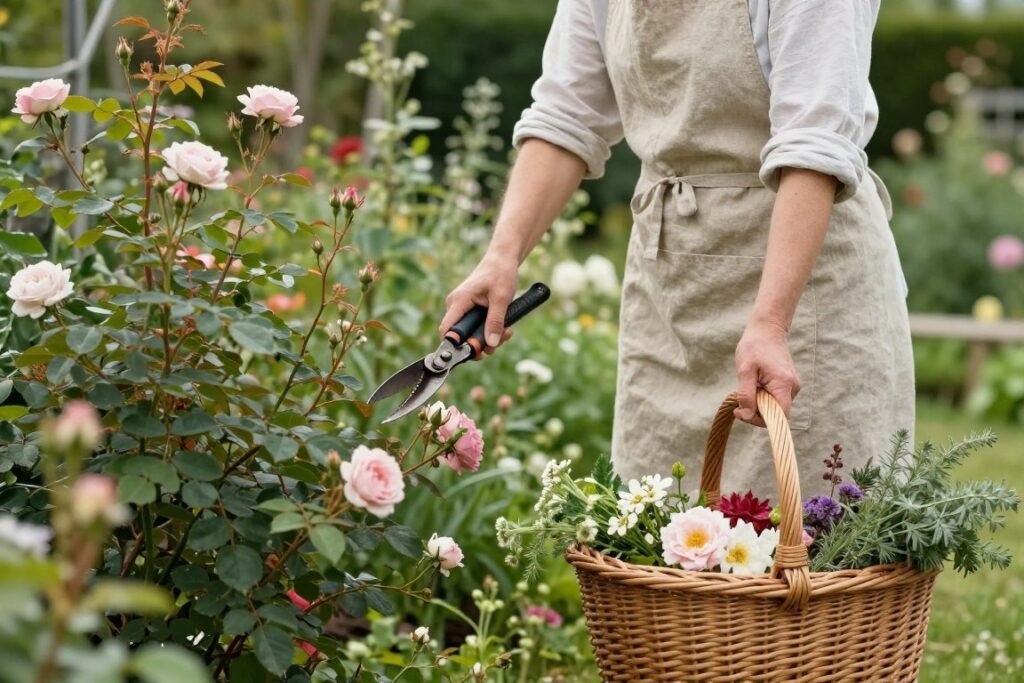
Cutting Garden: Dedicate a section to flowers specifically for bringing indoors. This allows you to enjoy fresh bouquets without depleting your display beds.
Herb Garden: Keep culinary herbs close to your kitchen door for easy access while cooking.
Vegetable Patch: Even a small area for growing vegetables adds authenticity to your cottagecore space.
Wild Area: Leave a section more untamed to attract beneficial insects and wildlife.
Consider how these areas will flow together with winding paths rather than straight lines. Curved pathways create a sense of discovery and make your space feel larger and more intriguing.
Working With What You Have
Embrace the unique features of your existing space rather than fighting against them:
Use slopes to create terraced planting areas with rustic retaining walls
Transform shady spots into woodland-inspired garden areas
Work around existing trees by creating seating or planting areas beneath them
Incorporate existing structures like sheds by adorning them with climbing vines
For those working with limited space, vertical gardening becomes essential. A small patio or balcony can still embrace cottagecore with container gardens, hanging baskets, and wall-mounted planters filled with trailing flowers and herbs.
Essential Planning Tools
Start your cottage core backyard journey with the right planning tools. A quality garden journal helps track your plantings and seasonal changes, while traditional wooden stakes and twine can help map out your spaces naturally.
The heart of any cottage core backyard is its plantings. The goal is to create a space that feels abundant and slightly wild, with plants that seem to have always belonged there. When selecting plants, focus on varieties that offer multiple seasons of interest and create a tapestry of textures and heights.
Foundational Flowers
These classic cottage garden flowers form the backbone of your cottagecore planting scheme:
Roses: Choose old garden varieties or modern shrub roses that mimic their romantic, full-petaled look. David Austin roses offer the perfect blend of old-world charm with modern disease resistance.
Foxgloves: Their tall spires add vertical interest and a fairytale quality to any cottage garden. They’re also excellent self-seeders, establishing themselves naturally over time.
Hollyhocks: These towering beauties create a dramatic backdrop and evoke the classic cottage garden silhouette.
Lavender: Both ornamental and practical, lavender adds structure, fragrance, and attracts beneficial pollinators.
Daisies: Simple, cheerful flowers like Shasta daisies or black-eyed Susans add an unpretentious charm.
Phlox: These provide abundant blooms and delightful fragrance in summer months.
Climbing Vines for Vertical Interest
Climbing plants are essential for creating that romantic, established look in a cottage core backyard:
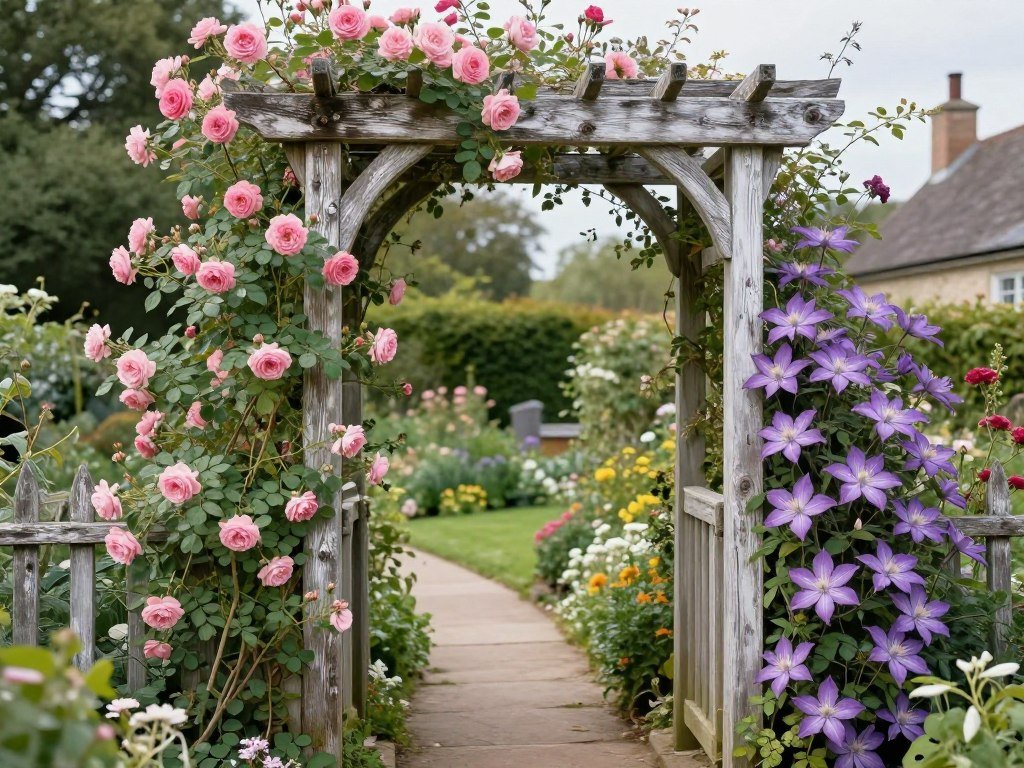
Climbing Roses: Nothing says cottagecore like roses scrambling over an arch or fence.
Clematis: These pair beautifully with roses and offer spectacular blooms in various colors.
Sweet Peas: Annual climbers with incomparable fragrance and delicate blooms perfect for cutting.
Morning Glories: Easy-to-grow annual vines with trumpet-shaped flowers that open fresh each morning.
Honeysuckle: Offers intoxicating fragrance and attracts hummingbirds and butterflies.
Consider installing simple structures like arches, trellises, or obelisks to support these climbing vines. These not only provide necessary support but also add architectural interest to your garden, especially in winter when deciduous plants are dormant.
Create Your Climbing Garden
Support your climbing vines with rustic trellises and arches that enhance your cottage core aesthetic while providing the perfect structure for roses, clematis, and other climbing beauties.
A true cottage core backyard blends ornamental plants with practical ones. Incorporate these edible elements for authenticity and functionality:
Culinary Herbs: Thyme, sage, rosemary, and mint not only provide kitchen ingredients but also offer wonderful textures and scents.
Strawberries: These make excellent ground covers with pretty white flowers followed by sweet fruits.
Berry Bushes: Raspberries, blueberries, or currants add height and provide delicious harvests.
Edible Flowers: Nasturtiums, pansies, and borage add color while being useful in the kitchen.
Heirloom Vegetables: Choose varieties with ornamental qualities like rainbow chard, purple beans, or decorative kale.
Don’t feel the need to segregate edibles from ornamentals – interplanting them creates a charming, authentic cottage garden effect. Let herbs flower to attract pollinators, and allow vegetables like artichokes to develop their spectacular blooms occasionally.
Creating Depth Through Layering
The magic of a cottage core backyard comes from its sense of abundance and depth. This is achieved through thoughtful layering of plants – creating a tapestry of heights, textures, and bloom times that ensures visual interest throughout the seasons.
The Three-Layer Approach
A simple but effective strategy is to think in terms of three layers:
Backdrop Plants (Tall): Hollyhocks, foxgloves, delphiniums, and tall grasses create height and drama at the back of borders.
Middle Layer (Medium): Roses, peonies, salvias, and phlox fill the middle ground with abundant blooms.
Edge Plants (Low): Lavender, catmint, alyssum, and creeping thyme spill over pathways and soften edges.
Allow these layers to blend naturally rather than creating strict lines. The cottagecore aesthetic embraces a certain blurring of boundaries, with plants gently mingling together.
Planting in Drifts
Rather than placing single specimens throughout your garden, plant in generous groups or “drifts” of the same variety. This creates more visual impact and a more naturalistic feel. Odd numbers (3, 5, 7) generally create more pleasing, organic-looking groupings than even numbers.
For smaller spaces, reduce the number of different plant varieties but still use the layering principle. Even a tiny garden can achieve the cottagecore look with thoughtful plant selection and arrangement.
Embracing Self-Seeders
Many cottage garden favorites are prolific self-seeders, naturally filling spaces and creating that abundant, slightly wild look. Plants like foxgloves, columbines, forget-me-nots, and poppies will establish themselves in the perfect spots if allowed to set seed.
This natural spreading creates the impression of a garden that has evolved over time rather than being recently installed. It’s this sense of established permanence that gives cottage core backyards their special charm.
Pathways and Structures
Pathways and structures provide the framework for your cottage core backyard, adding both functionality and charm. Unlike formal gardens with straight lines and symmetrical layouts, cottagecore embraces winding paths and rustic structures that feel as though they’ve always been part of the landscape.
Creating Enchanting Pathways
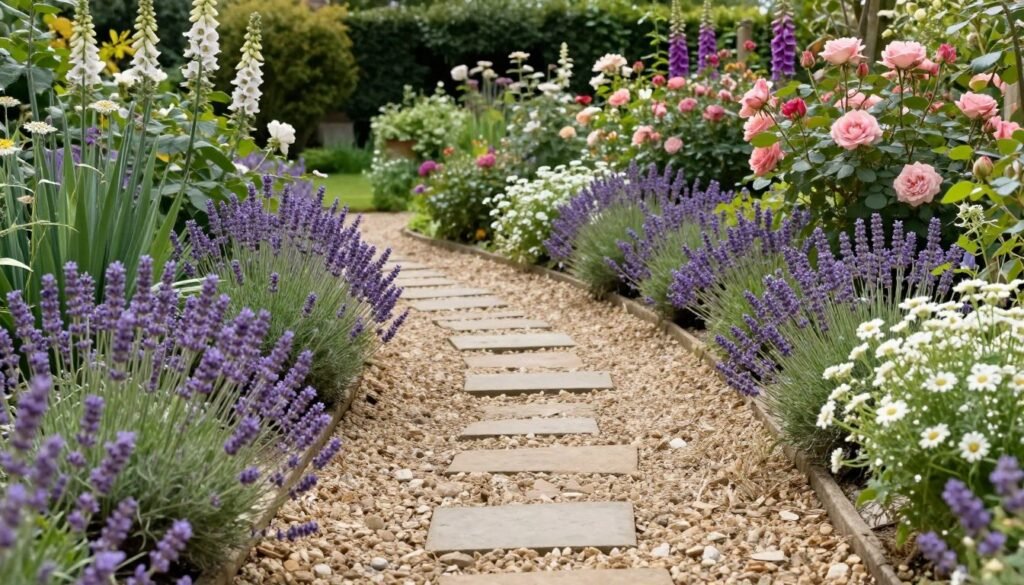
Pathways in a cottage core backyard should invite wandering and discovery. Consider these materials for an authentic look:
Gravel or Crushed Stone: Creates a pleasing crunch underfoot and allows rainwater to drain naturally.
Stepping Stones: Irregular flagstones set in gravel or surrounded by low-growing plants create a whimsical path.
Brick Paths: Reclaimed bricks laid in herringbone or basket weave patterns add warmth and character.
Mulch Paths: For less formal areas, wood chip paths provide a natural look and are inexpensive to create.
Allow plants to spill over slightly onto pathways – this softens edges and creates that characteristic cottagecore look of gentle abundance. Low-growing herbs like thyme or chamomile can be planted between stepping stones to release their fragrance when walked upon.
Create Magical Pathways
Find the perfect stepping stones to create enchanting pathways through your cottage core backyard. Natural, irregular shapes work best for an authentic, established look.
Structures add vertical interest and create focal points in your cottage core backyard:
Arbors and Arches: Perfect supports for climbing roses or clematis while creating enchanting entryways.
Rustic Fences: Picket fences, wattle hurdles, or simple post-and-rail designs add definition without feeling too formal.
Obelisks and Trellises: Provide support for climbing plants while adding architectural interest.
Garden Shed or Tiny Cottage: Even a small structure can become a charming focal point when adorned with climbing plants and surrounded by flowers.
Weathered materials work best for cottagecore structures – either genuinely aged or treated to look that way. New wood can be weathered with special stains or simply left to age naturally. The goal is to create structures that feel like they’ve been part of the garden for generations.
Incorporating Vintage Elements
Vintage and repurposed items add character and authenticity to your cottage core backyard. These elements tell a story and create points of interest throughout your garden. The key is to incorporate them in a way that feels natural rather than contrived.
Finding and Displaying Vintage Treasures
Look for items with history and patina at flea markets, estate sales, or even in your own attic:
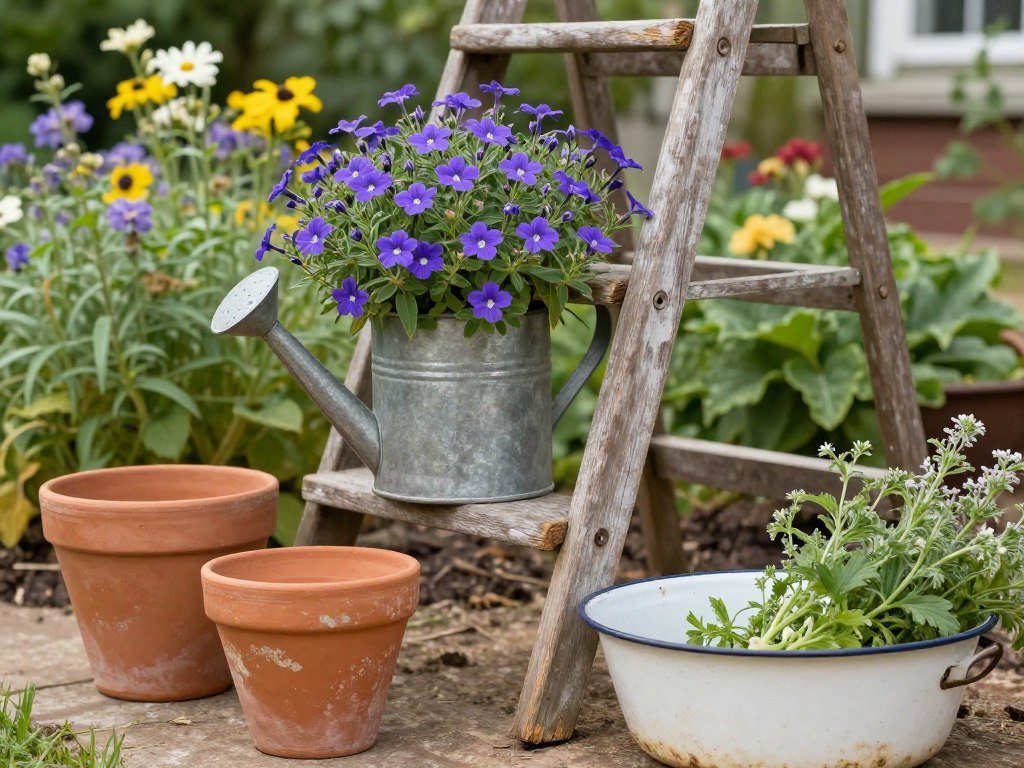
Watering Cans: Old metal watering cans make charming planters or decorative elements.
Wooden Ladders: Vintage ladders can be leaned against walls to display potted plants.
Enamelware: Old enamel basins and buckets make unique containers for herbs or flowers.
Terracotta Pots: Aged pots with moss and patina add instant character.
Vintage Tools: Old garden tools can be displayed as wall art or garden markers.
Antique Furniture: Weather-resistant pieces like iron bedsteads can become whimsical trellises.
Allow these items to weather naturally in your garden – the patina that develops over time only enhances their charm. Position them thoughtfully among plants rather than in stark isolation for a more integrated look.
Add Vintage Charm
Find reproduction vintage garden accessories to add instant character to your cottage core backyard. Look for items with an aged patina or weathered finish for authentic charm.
The cottagecore aesthetic celebrates resourcefulness and creativity. Consider these repurposing ideas:
Transform an old dresser into a potting bench by removing drawers and adding a weatherproof top
Use vintage teacups and teapots as quirky planters for succulents or small herbs
Repurpose an old window frame as a trellis for climbing plants
Turn wooden crates into raised planters for herbs or flowers
Use old bottles as flower vases or candle holders for evening garden gatherings
These repurposed elements add personality while reducing waste – perfectly aligned with the cottagecore values of sustainability and appreciation for handcrafted or vintage items.
Creating Cozy Seating Areas
A true cottage core backyard isn’t just for looking at – it’s meant to be experienced. Creating inviting seating areas allows you to immerse yourself in the sights, scents, and sounds of your garden. These restful spots become destinations within your landscape and encourage mindful moments of connection with nature.
Choosing the Perfect Spots
Consider these factors when deciding where to place seating:
Morning or Evening Sun: Position seating to catch morning sun for breakfast outdoors or evening light for sunset viewing.
Fragrant Plantings: Place benches near lavender, roses, or herbs to enjoy their scents while sitting.
Views: Orient seating toward your garden’s best features or create a vista through strategic planting.
Privacy: Use tall plants, trellises, or arbors to create a sense of enclosure around seating areas.
Shelter: Consider protection from prevailing winds or hot afternoon sun.
Multiple small seating areas work better than one large one in a cottage core backyard. This creates a sense of discovery and provides different experiences as you move through the garden.
Selecting Cottagecore Seating
Choose seating that complements your garden’s aesthetic:
Wooden Benches: Weathered wood benches with simple designs feel authentic and age beautifully.
Vintage Metal Chairs: Old-fashioned metal chairs and tables add charm, especially when painted in soft, faded colors.
Handcrafted Seats: Consider rustic log benches or seats made from natural materials.
Swing Seats: A simple swing hanging from a sturdy tree branch creates a whimsical spot to relax.
Bistro Sets: Small-scale metal bistro sets work well for intimate dining spaces.
Find Your Perfect Garden Seat
Discover the ideal bench or seating set for your cottage core backyard. Look for pieces with character that will weather beautifully over time.
Enhance seating areas with soft cushions in weatherproof fabrics featuring floral prints or muted colors. Add small side tables for holding books, drinks, or garden clippings. Consider how these areas will function in different seasons – perhaps adding outdoor blankets for cooler evenings or shade umbrellas for summer days.
Creating a Wildlife-Friendly Cottage Core Backyard
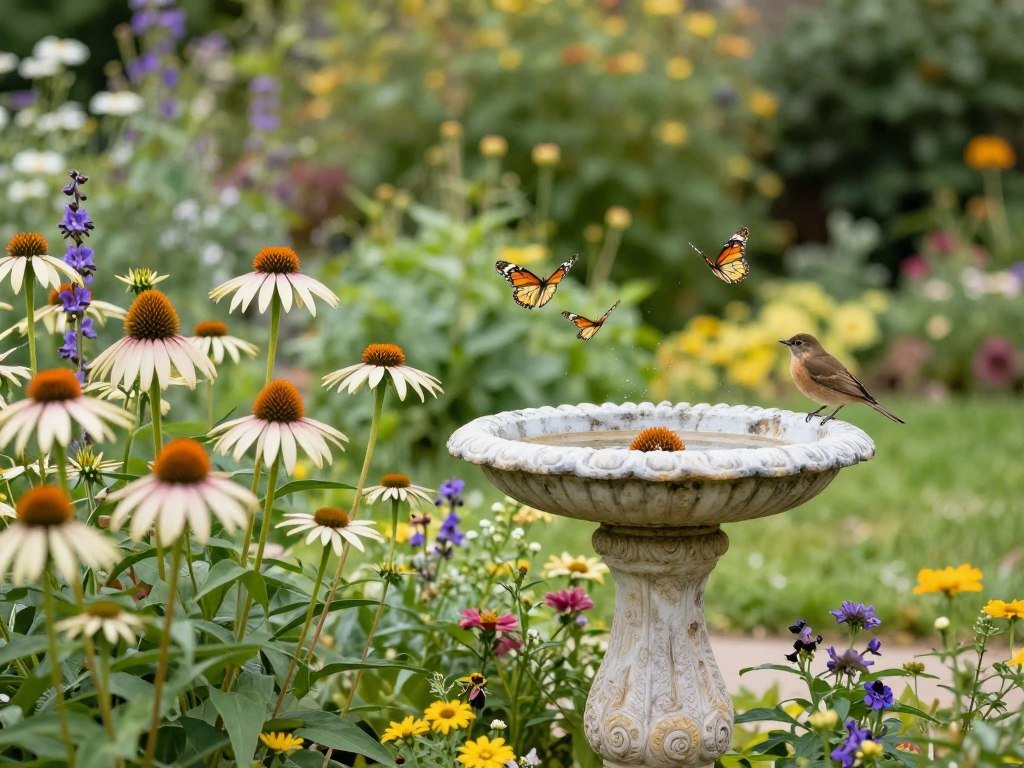
A true cottage core backyard hums with life – butterflies dancing among the flowers, birds singing from nearby shrubs, and bees busily collecting pollen. Creating a garden that welcomes wildlife adds movement, sound, and a deeper connection to the natural world.
Planting for Pollinators
Select plants that provide food and habitat for beneficial insects:
Nectar-Rich Flowers: Lavender, coneflower, bee balm, and salvias attract butterflies and bees.
Host Plants: Include plants like milkweed for monarch butterflies to lay their eggs.
Extended Bloom Season: Plan for continuous flowering from early spring through late fall.
Native Plants: Local native species are often best adapted to support local wildlife.
Avoid Pesticides: Embrace organic gardening practices to protect beneficial insects.
Group pollinator-friendly plants in sunny areas to create “feeding stations” that make it easier for beneficial insects to find them. Include a variety of flower shapes to accommodate different pollinators – tubular flowers for hummingbirds, flat-topped clusters for butterflies, and small florets for tiny beneficial insects.
Welcoming Birds
Birds bring movement, color, and song to your cottage core backyard:
Berry-Producing Shrubs: Elderberry, viburnum, and serviceberry provide natural food sources.
Bird Baths: Provide fresh water for drinking and bathing – essential for attracting birds.
Nesting Sites: Dense shrubs, small trees, or charming birdhouses offer safe places to raise young.
Seed-Bearing Plants: Allow plants like coneflowers and black-eyed Susans to form seedheads for winter bird food.
Attract Feathered Friends
Add vintage-inspired bird baths and feeders to welcome birds to your cottage core backyard. These functional elements also serve as charming decorative features.
Consider creating a small wildlife pond if space allows. Even a container pond made from a large ceramic pot or galvanized tub can attract dragonflies and provide drinking water for birds and beneficial insects. Surround it with moisture-loving plants for a complete mini-ecosystem.
Maintaining Year-Round Interest
A truly successful cottage core backyard offers beauty in every season. While summer may provide the most abundant blooms, thoughtful planning ensures your garden remains a source of joy year-round. This seasonal rhythm is central to the cottagecore aesthetic, which celebrates nature’s cycles.
Spring Awakening
Plan for early spring interest with:
Spring Bulbs: Plant drifts of daffodils, tulips, and grape hyacinths for early color.
Flowering Shrubs: Lilacs, viburnum, and flowering quince offer beautiful blooms and fragrance.
Early Perennials: Hellebores, primroses, and bleeding hearts thrive in the dappled light of early spring.
Summer Abundance
Summer is when your cottage core backyard reaches peak glory:
Succession Planting: Plan for waves of bloom throughout summer with early, mid, and late-season flowers.
Heat-Lovers: Incorporate drought-tolerant plants like yarrow, Russian sage, and coneflowers for late summer interest.
Summer Bulbs: Dahlias, gladiolus, and lilies add dramatic flair to summer borders.
Autumn Glow
Extend your garden’s beauty into fall with:
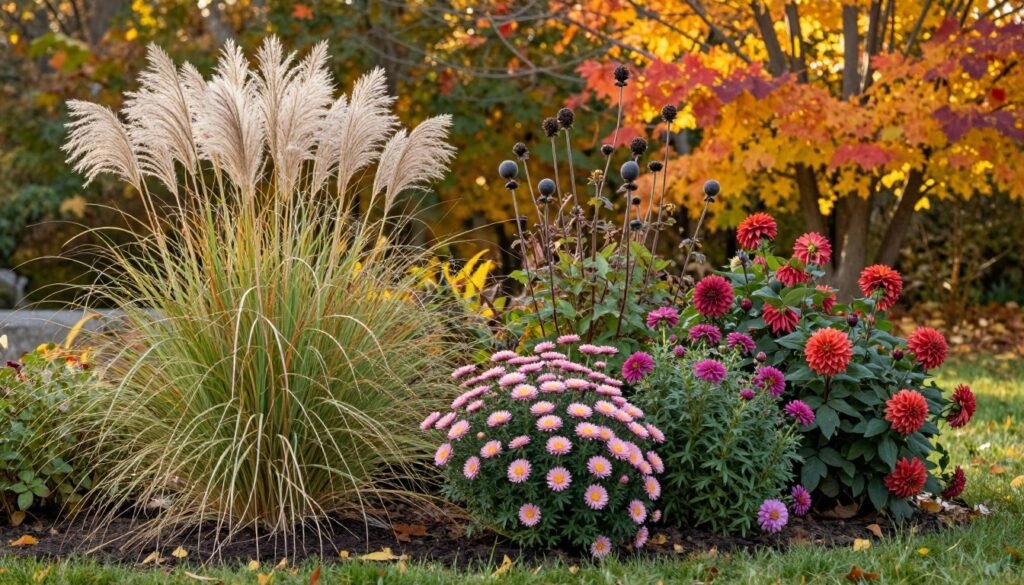
Late Bloomers: Asters, Japanese anemones, and sedum provide autumn flowers.
Ornamental Grasses: These reach their peak in fall with beautiful seedheads and movement.
Foliage Plants: Include shrubs and perennials that offer colorful autumn foliage.
Seedheads: Allow plants like coneflowers and alliums to form decorative seedheads.
Winter Structure
Even in dormancy, your garden can offer beauty:
Evergreen Framework: Include some evergreen shrubs and perennials for winter structure.
Architectural Elements: Obelisks, arches, and garden structures provide visual interest when dusted with snow or frost.
Dried Plant Forms: Leave ornamental grasses and perennials with interesting seedheads standing through winter.
Embrace the beauty of each season rather than fighting against it. The cottagecore aesthetic celebrates the natural cycles of growth, bloom, seed-setting, and dormancy – finding beauty in each phase.
Maintaining Your Cottage Core Backyard
The beauty of a cottage core backyard lies in its slightly untamed appearance – but that doesn’t mean it’s maintenance-free. The goal is to strike a balance between wildness and care, allowing plants to express their natural forms while keeping the garden healthy and accessible.
Embracing Gentle Disorder
Cottagecore gardens celebrate a certain beautiful chaos:
Allow plants to self-seed in unexpected places (editing out excess seedlings as needed)
Let climbing plants ramble naturally rather than training them too formally
Embrace the occasional plant that leans or flops – it adds to the relaxed charm
Permit some mingling between plants rather than maintaining strict divisions
This approach creates a garden that feels evolved rather than installed – a key characteristic of authentic cottage gardens. However, some maintenance is necessary to prevent true chaos from taking over.
Seasonal Tasks
Focus on these essential maintenance activities:
Spring: Cut back dead growth from previous year, divide overcrowded perennials, refresh mulch in beds.
Summer: Deadhead spent flowers to encourage continued blooming, stake tall plants as needed, harvest herbs and vegetables.
Fall: Collect seeds from favorite plants, selectively cut back perennials (leaving some for winter interest), plant spring bulbs.
Winter: Prune roses and shrubs during dormancy, plan for next year’s additions, enjoy the garden’s winter structure.
Garden with Vintage Style
Enhance your cottagecore gardening experience with beautiful, functional tools that look as good displayed on a wall as they do in use.
Use traditional gardening methods where possible – hand pruning rather than power tools, natural fertilizers instead of chemicals, and physical barriers for pest control rather than pesticides. These approaches align with cottagecore values of sustainability and connection to traditional practices.
Remember that perfection is not the goal. A few weeds, some nibbled leaves, or flowers past their prime are all part of a living, breathing garden. This acceptance of natural cycles and imperfection is central to the cottagecore philosophy.
Embracing the Cottage Core Lifestyle in Your Backyard
Creating a cottage core backyard is about more than just planting flowers – it’s about embracing a lifestyle that values slowness, connection to nature, and finding joy in simple pleasures. Your garden becomes not just a beautiful space but a sanctuary where you can practice mindfulness, creativity, and care.
Take time to truly experience your garden – notice the changing light throughout the day, listen to the birds and insects, observe how plants change through the seasons. Harvest flowers for simple arrangements, gather herbs for cooking or tea, and share the abundance with friends and neighbors.
Document your garden’s evolution through photographs or a garden journal. This practice not only helps you track what works well but also deepens your connection to the space and creates a beautiful record of your cottagecore journey.
Remember that gardens evolve over time – yours will continue to develop its own unique character with each passing season. Embrace this evolution, learning from both successes and challenges. The most authentic cottage core backyards are those that reflect their creators’ personalities and grow more beautiful with age.
Whether you’re transforming a large property or creating a cottagecore corner on a tiny balcony, the principles remain the same: celebrate nature’s beauty, embrace imperfection, and create a space that nourishes both body and soul. Your cottage core backyard awaits – not as a picture-perfect display, but as a living expression of a more gentle, connected way of being in the world.