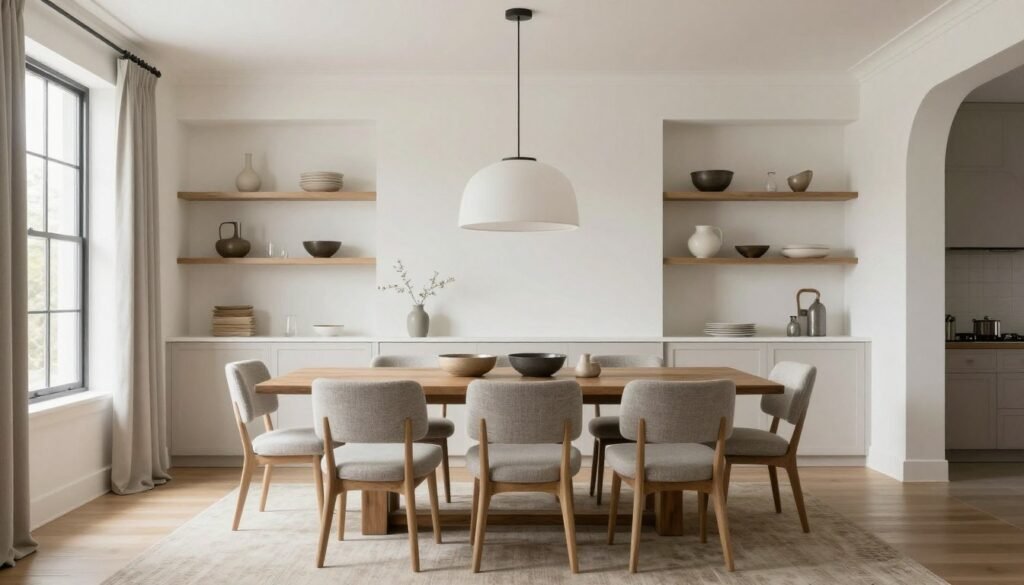
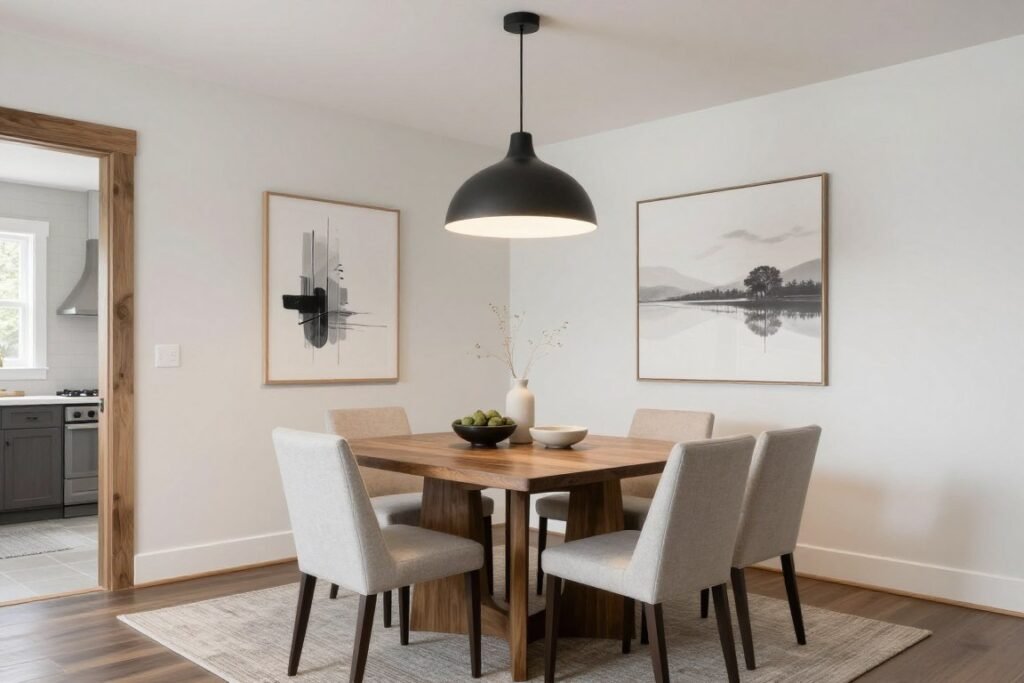
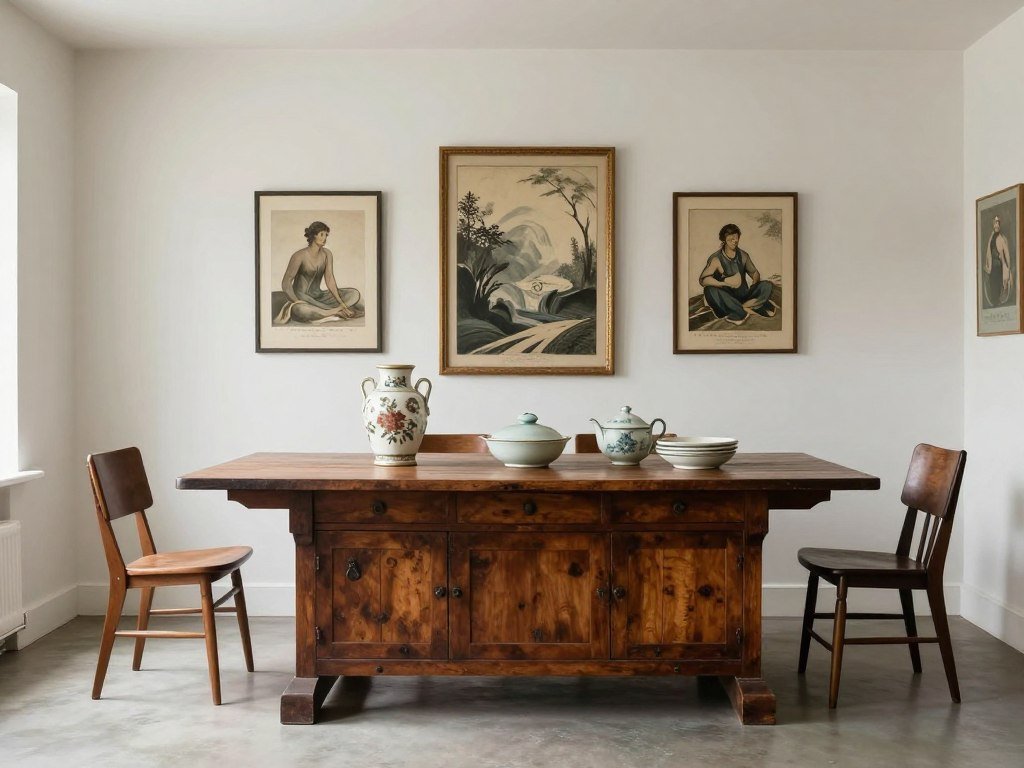
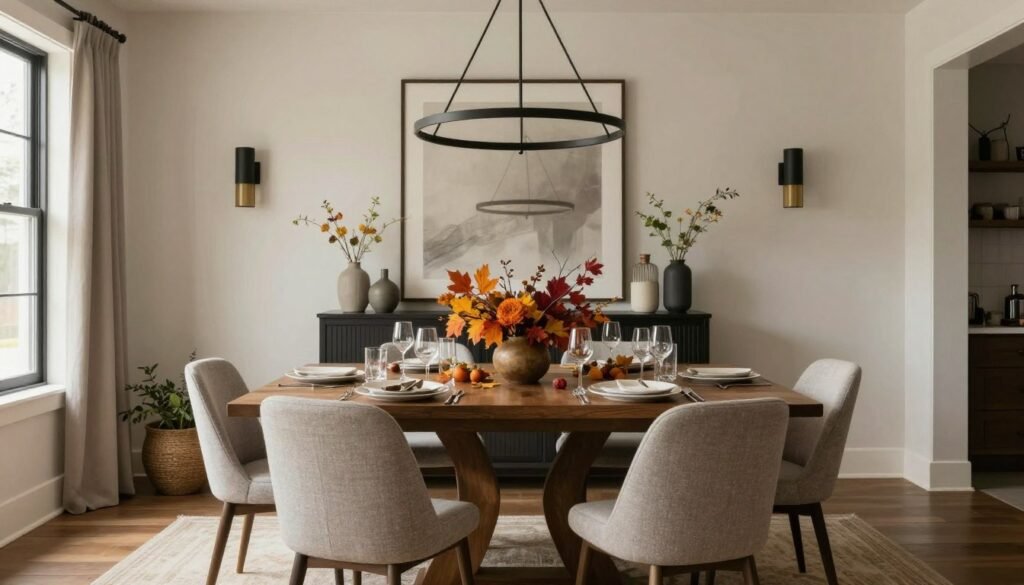
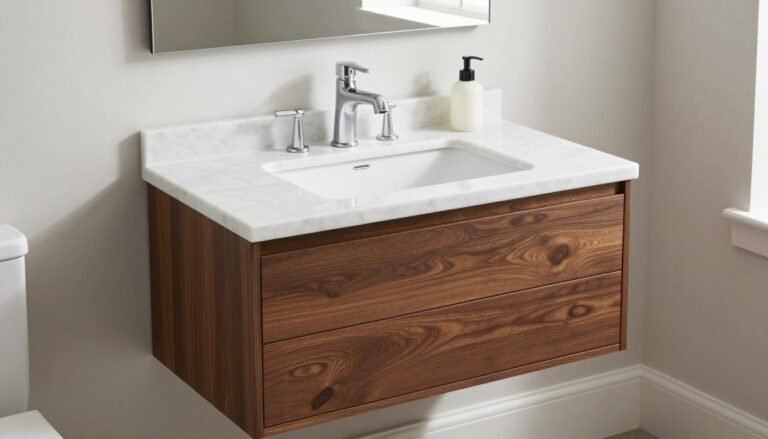
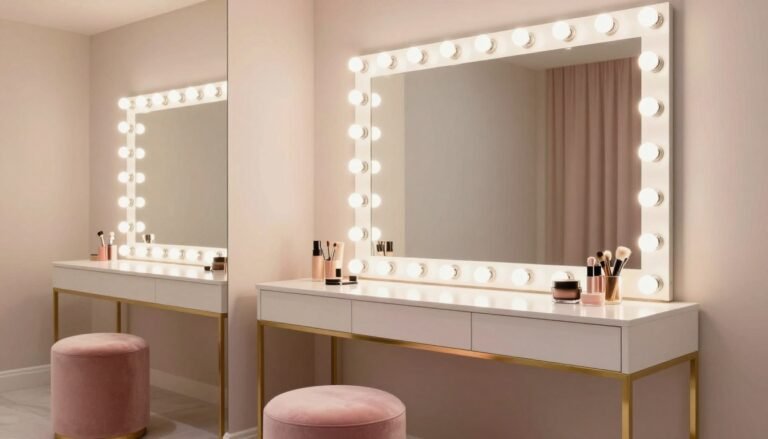
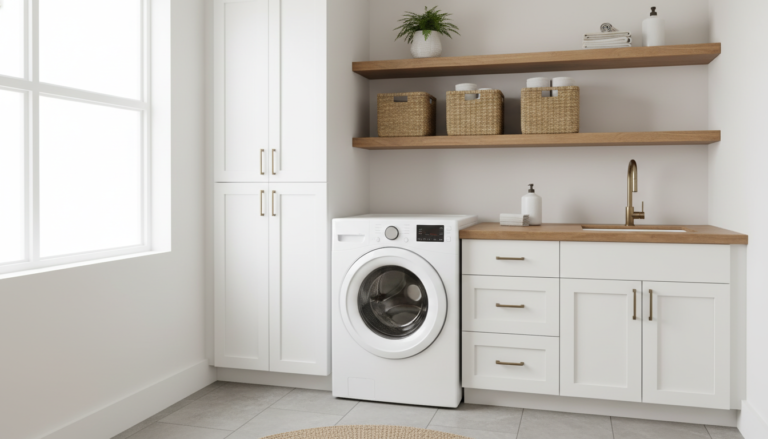
The modern farmhouse dining room has captured hearts with its perfect balance of rustic charm and contemporary elegance. This beloved style creates a space that feels both timeless and fresh—where family gatherings become more meaningful and everyday meals feel special. The beauty lies in its welcoming warmth, natural textures, and the seamless blend of old and new elements that create a space that’s both functional and full of character. Whether you’re starting from scratch or refreshing your current dining area, this guide will walk you through everything you need to create a modern farmhouse dining room that’s both on-trend and timeless.
This Website contains affiliate links. That means I may earn a small commission if you purchase through my links, at no extra cost to you.
The Foundation: Key Elements of Modern Farmhouse Style
At its heart, modern farmhouse style is about creating a space that feels lived-in yet refined. The foundation begins with a neutral color palette—whites, creams, soft grays, and blacks create a clean backdrop that allows textures and materials to shine. Unlike purely rustic spaces, modern farmhouse dining rooms incorporate clean lines and contemporary elements that keep the look fresh rather than dated.
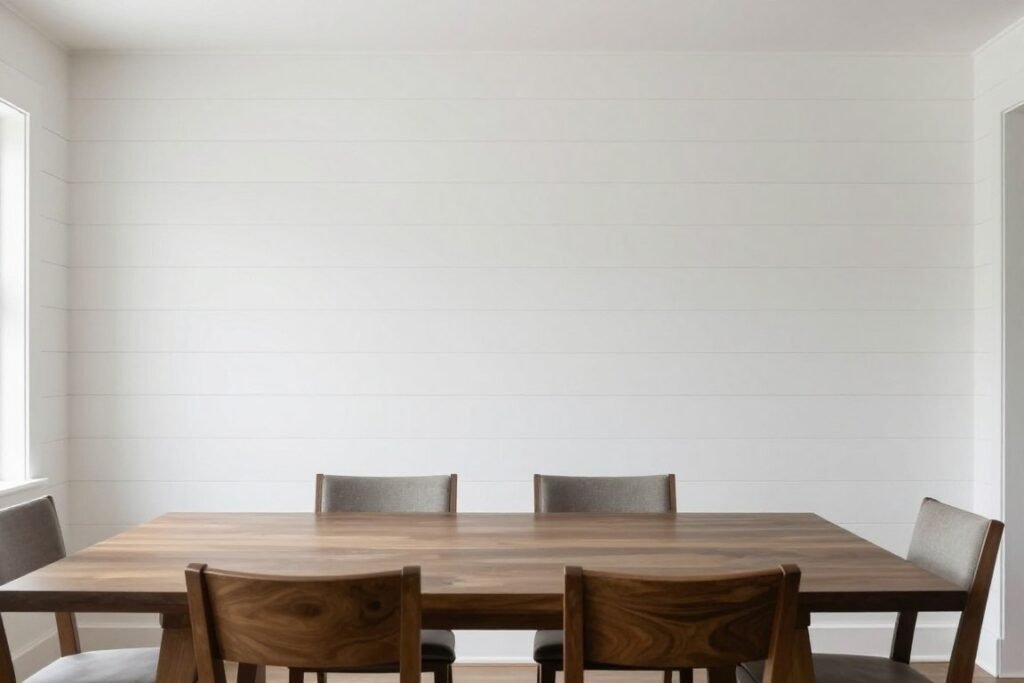
The walls in a modern farmhouse dining room often feature shiplap paneling or board-and-batten details painted in crisp white or soft neutral tones. These architectural elements add texture and character while maintaining a clean aesthetic. Flooring typically showcases natural materials—wide plank hardwood in medium to light tones creates warmth underfoot while maintaining the airy feel essential to this style.
The modern farmhouse aesthetic thrives on contrast—the juxtaposition of rustic and refined, old and new, matte and glossy. This balance prevents the space from feeling too country or too sterile, creating instead a welcoming environment that feels curated rather than themed.
The Heart of the Room: Choosing Your Dining Table
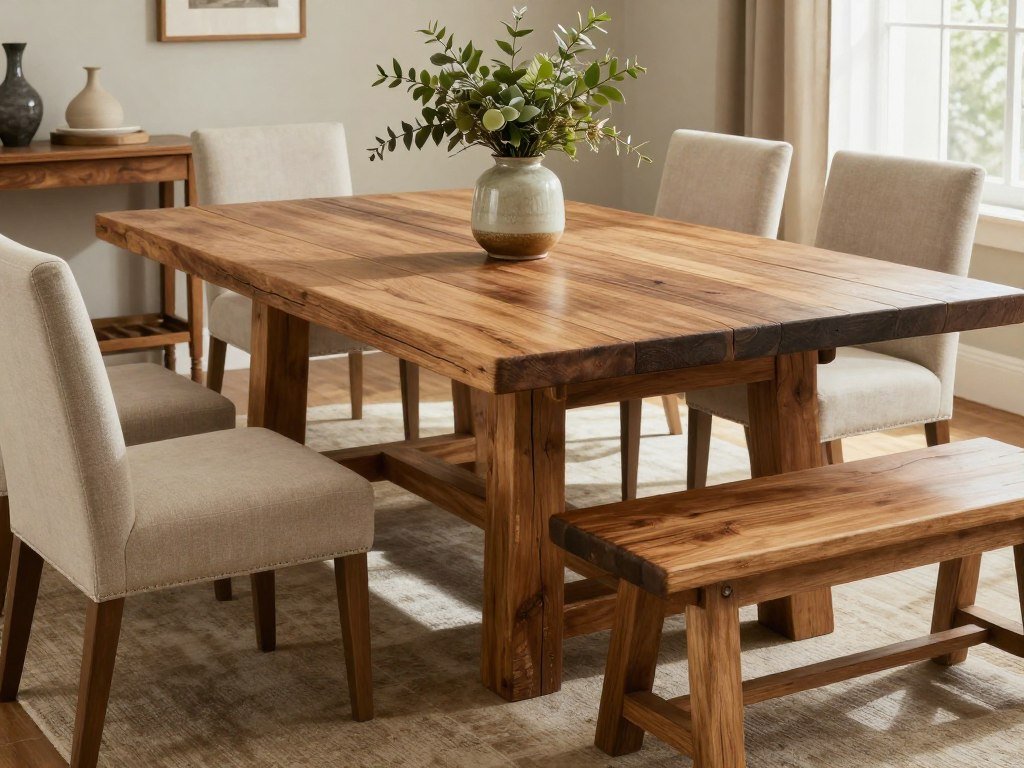
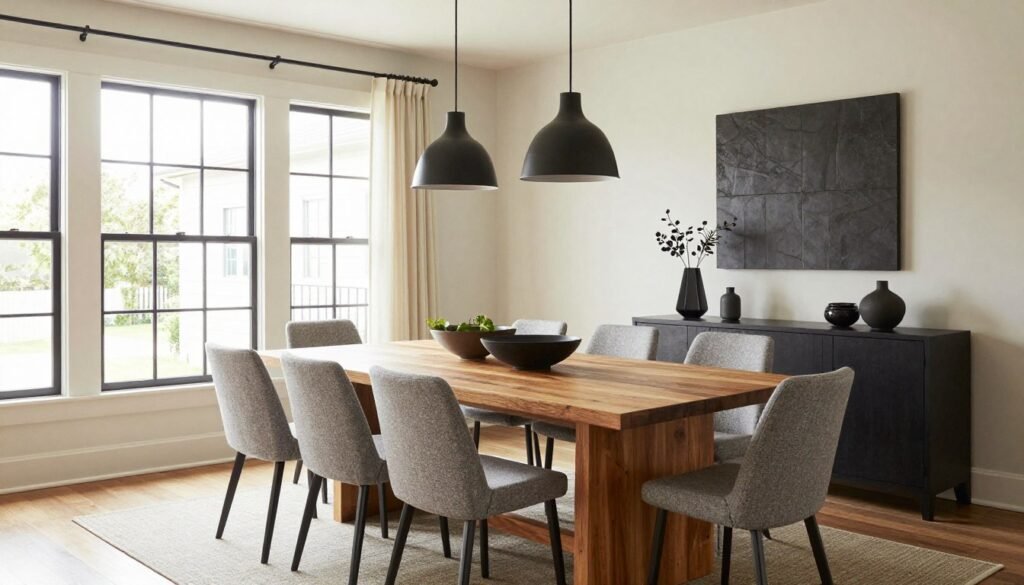
The dining table serves as the centerpiece of your modern farmhouse dining room—it’s where family gathers, meals are shared, and memories are made. A farmhouse dining table with substantial presence sets the tone for the entire space. Look for tables crafted from solid wood with natural finishes that showcase the grain and character of the material.
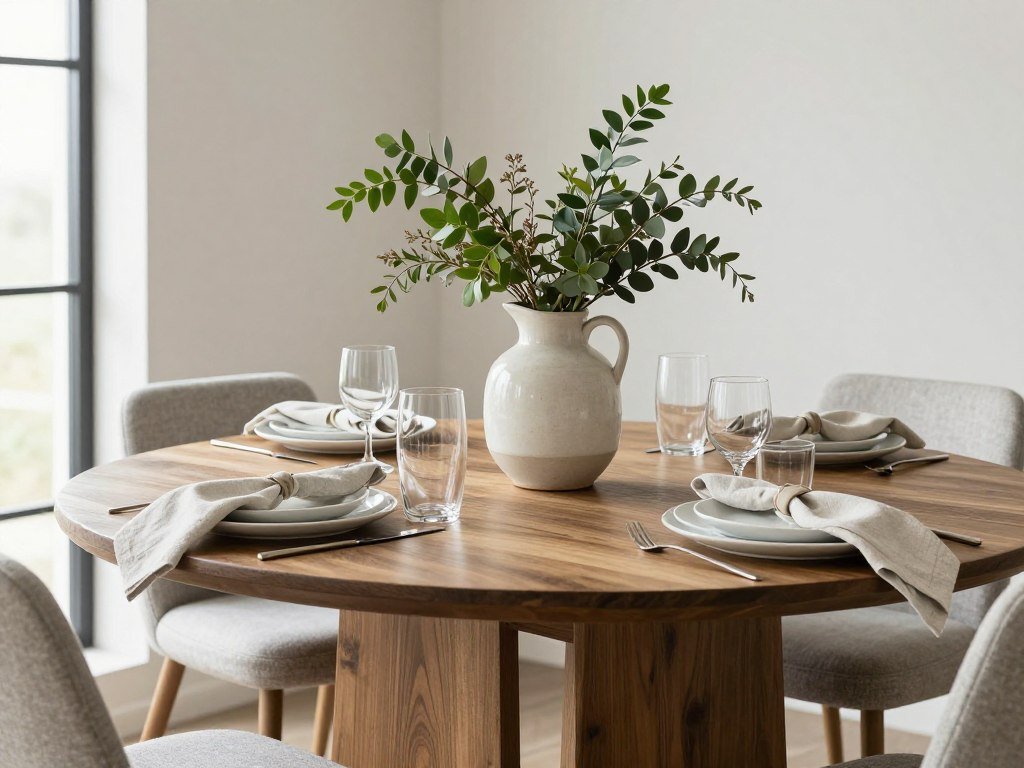
Rectangular tables work beautifully in most modern farmhouse dining rooms, offering ample space for family-style meals and gatherings. The classic trestle or pedestal base provides architectural interest and nods to traditional farmhouse design. For smaller spaces or to encourage conversation, round tables offer a more intimate setting while maintaining the farmhouse aesthetic.
When selecting your table, consider the patina and finish—slightly distressed surfaces or matte finishes often work better than high-gloss options, which can feel too formal for the relaxed farmhouse vibe. The table should feel substantial but not overwhelming for your space. A good rule of thumb is to leave at least 36 inches between the edge of the table and the walls or other furniture to allow for comfortable movement.
Seating with Character: Chairs, Benches, and Beyond
One of the hallmarks of modern farmhouse style is its relaxed, collected-over-time feel, and your seating choices offer the perfect opportunity to embrace this aesthetic. Rather than matching sets, consider mixing complementary styles for a more interesting and personal look.
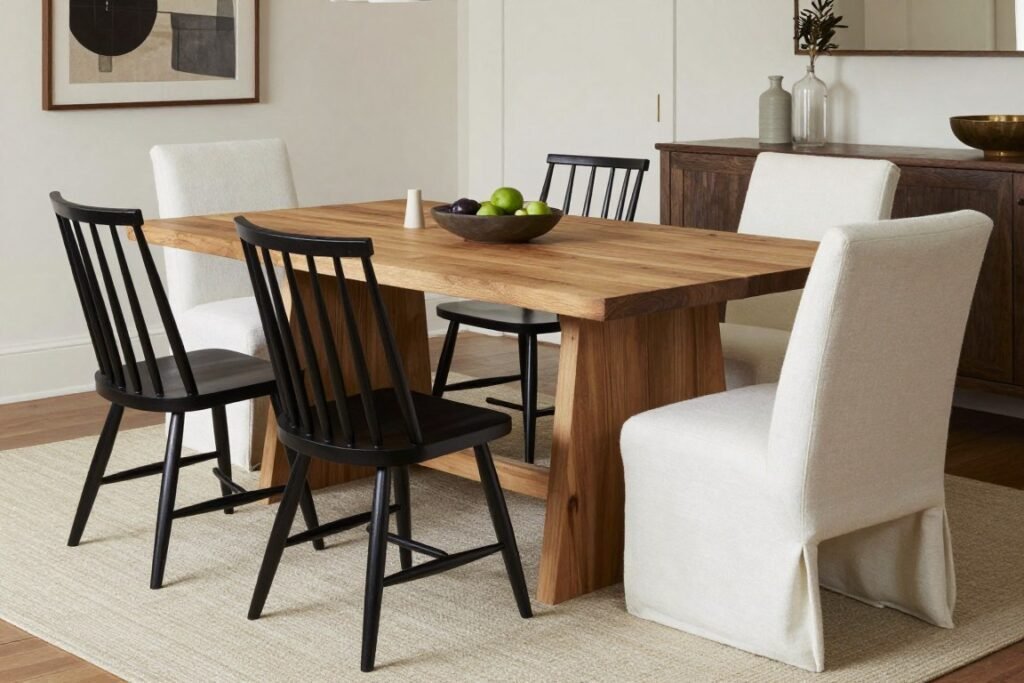
Classic farmhouse dining chairs like Windsor, cross-back, or ladder-back styles in black or natural wood tones create an authentic foundation. For a more contemporary twist, incorporate metal chairs with simple silhouettes—their industrial edge pairs beautifully with the warmth of wood.
To add comfort and softness, consider upholstered options for the head of the table or mix in slipcovered chairs in natural linen or cotton. The slipcovers offer practical benefits for families while adding a relaxed elegance to the space.
A dining bench along one side of the table creates a casual, inviting atmosphere and offers flexible seating for larger gatherings. Look for benches with simple lines in wood or upholstered versions with farmhouse-inspired details like turned legs or tufting.
Lighting is Key: Statement Fixtures That Define the Space
In a modern farmhouse dining room, lighting does double duty—it illuminates your gatherings while serving as a striking design element that anchors the space. The right fixture becomes a focal point that sets the tone for the entire room.
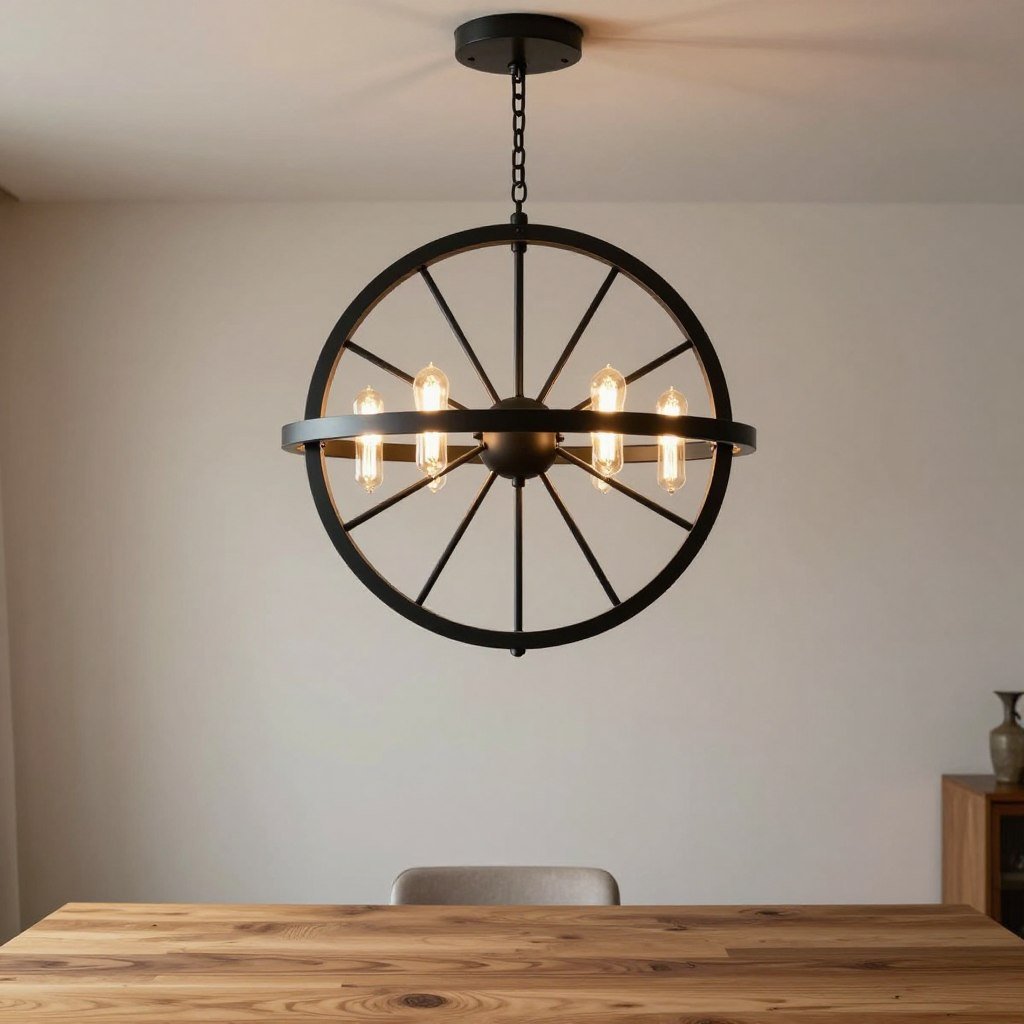
A statement chandelier suspended over the dining table creates instant impact. Look for designs that blend rustic and modern elements—black metal with clean lines, modern interpretations of wagon wheels, or simple candle-style fixtures with industrial details. The scale should be substantial but proportionate to your table—generally about one-half to two-thirds the width of the table.
For a more contemporary take, consider a row of pendant lights or a linear chandelier that spans the length of a rectangular table. These create a more streamlined look while maintaining the modern farmhouse aesthetic through materials like aged brass, black metal, or clear glass combined with Edison bulbs.
The ideal height for hanging your fixture is 30-36 inches above the table surface, creating a cozy atmosphere without obstructing sightlines across the table. For added flexibility, install a dimmer switch to adjust the lighting for different occasions—from bright family dinners to intimate gatherings.
Layers of Texture: Creating Warmth and Depth
Texture is what gives a modern farmhouse dining room its soul and prevents the neutral palette from feeling flat or boring. Layering different materials creates visual interest and tactile appeal that invites people to linger at the table.
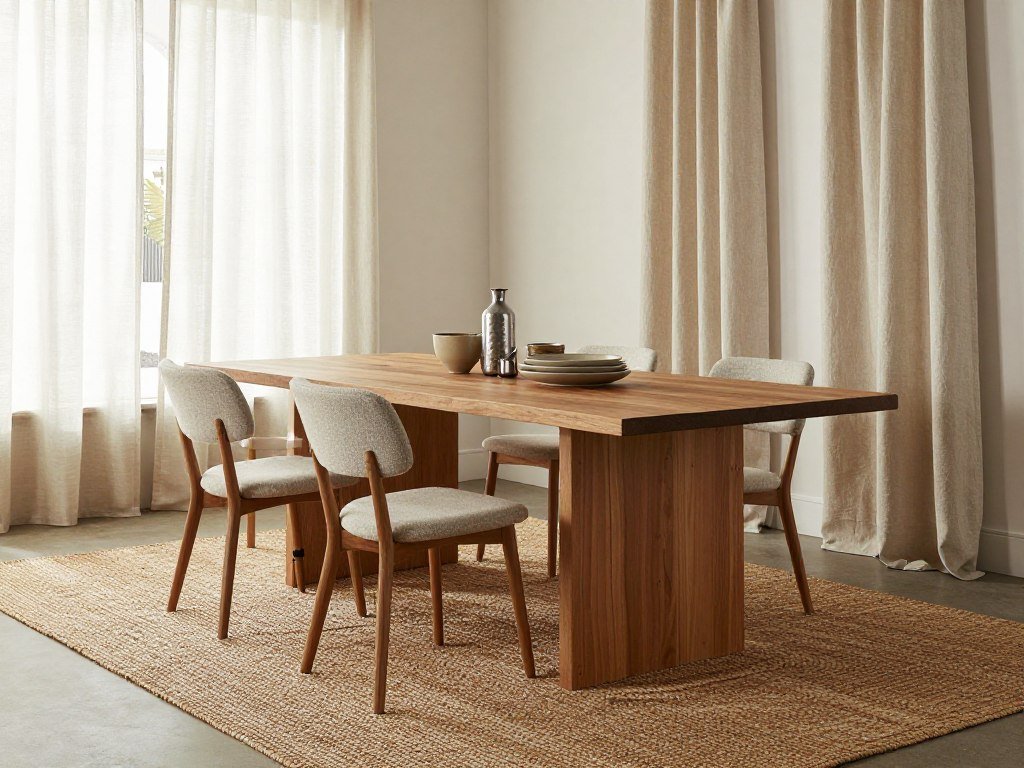
Start from the ground up with a natural fiber rug like jute or sisal. These durable materials add organic texture and warmth while standing up to the traffic of a dining area. For added comfort and pattern, layer a smaller wool or cotton rug over the natural fiber base.
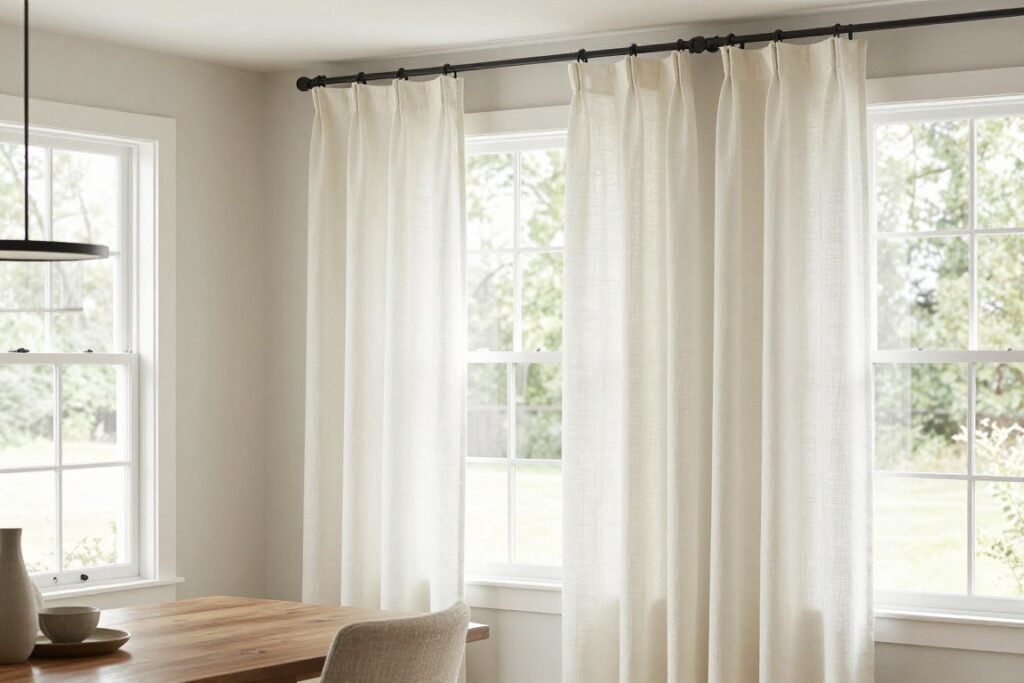
Window treatments offer another opportunity to introduce texture. Consider simple linen curtains that filter light beautifully while adding softness to the space. Woven wood or bamboo shades provide texture and privacy while maintaining the natural aesthetic.
On the table itself, incorporate linens with subtle texture—a runner with fringe details, napkins in chambray or washed linen, or placemats with a simple weave. These elements add layers of interest without overwhelming the clean lines of modern farmhouse style.
Complete the textural story with ceramics, wooden serving pieces, and metal accents that add dimension to the dining experience. The combination of smooth and rough, soft and hard creates a rich sensory environment that feels thoughtfully curated.
Wall Treatments: Creating Character and Backdrop
The walls of your modern farmhouse dining room serve as both backdrop and design feature, setting the stage for the furniture and accessories that bring the space to life. Wall treatments add architectural interest and authentic character that elevates the entire room.
Shiplap—horizontal wooden boards with slight gaps between them—has become synonymous with modern farmhouse style. Painted in crisp white or soft neutral tones, shiplap adds subtle texture and dimension while maintaining a clean, bright feel. For a more contemporary twist, consider installing shiplap vertically or as an accent on a single wall.
Board-and-batten, beadboard, or simple v-groove paneling offer alternatives to shiplap while maintaining the architectural character essential to farmhouse style. These treatments can be installed from floor to ceiling or as wainscoting that extends partially up the wall.
For a more subtle approach, textured wallpaper in neutral tones or with delicate patterns can add interest without overwhelming the space. Look for designs that mimic natural materials like grasscloth or linen for an organic feel that complements the modern farmhouse aesthetic.
Paint colors for modern farmhouse dining rooms typically stay within a neutral palette—whites, creams, soft grays, and greiges create a timeless backdrop. For a more dramatic look, consider deeper tones like charcoal, navy, or forest green on an accent wall or built-in cabinetry.
Storage and Display: Functional Beauty
Storage pieces in a modern farmhouse dining room should blend form and function, providing practical space for dining essentials while contributing to the overall aesthetic. These pieces often become focal points that showcase your personal style and collections.
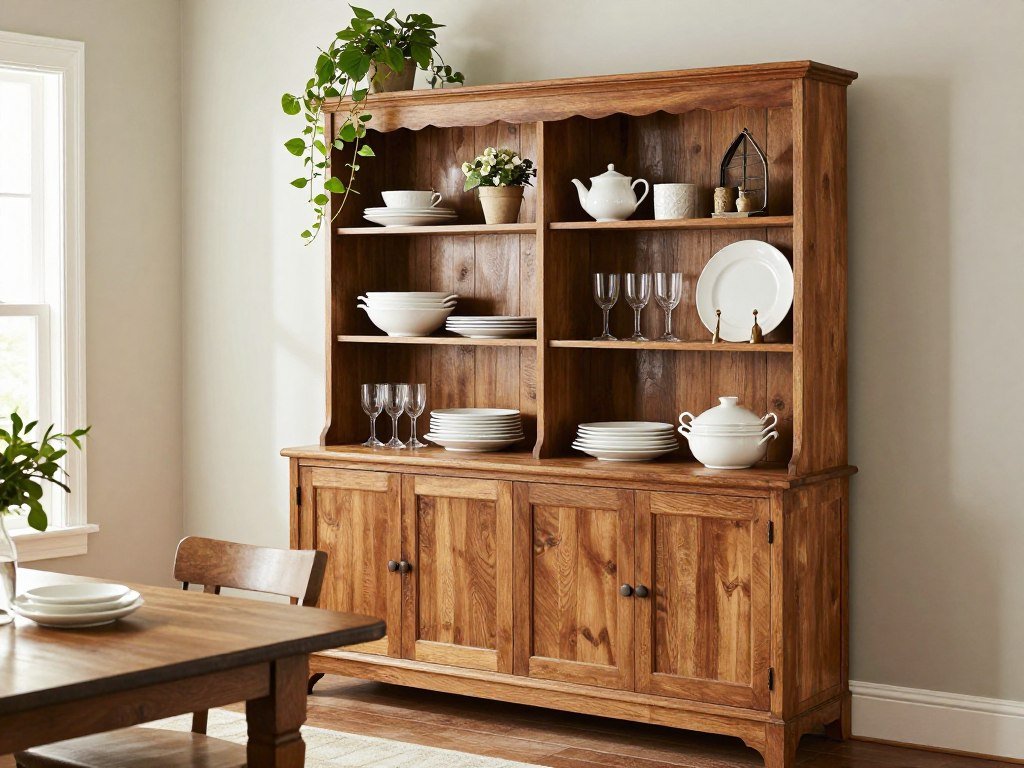
A buffet or sideboard with simple lines and natural wood tones offers valuable storage while providing a surface for serving or displaying decorative items. Look for pieces with a mix of open and closed storage—drawers for linens and flatware, cabinets for dishes and glassware, and perhaps open shelving for display.
For a more substantial statement, consider a hutch or china cabinet that showcases your dishware and special pieces. Modern interpretations feature clean lines and glass-front cabinets that feel fresh rather than fussy. A hutch painted in a contrasting color—like black, navy, or sage green—against white walls creates dramatic interest.
Open shelving installed on walls offers another opportunity for both storage and display. Simple wooden shelves supported by black metal brackets maintain the modern farmhouse aesthetic while providing space for everyday dishes, cookbooks, or decorative objects.
When styling these pieces, embrace the “collected over time” philosophy central to farmhouse style. Mix practical items with decorative pieces, vintage finds with contemporary elements, and maintain breathing room to prevent a cluttered look.
Accessories and Decor: The Finishing Touches
The accessories and decor in your modern farmhouse dining room are what transform it from a functional space to one that feels personal and inviting. These elements add character and warmth while reflecting your unique style.
For the dining table, embrace simplicity with a centerpiece that doesn’t overwhelm conversation. A low arrangement of seasonal greenery in a ceramic pitcher, a collection of pillar candles in varying heights, or a wooden dough bowl filled with natural elements creates an effortless focal point. For everyday use, consider a runner in natural linen or cotton that adds texture without formality.
Wall decor should complement the architectural elements without competing for attention. Consider vintage-inspired wall art with botanical prints, black and white photography, or abstract pieces in neutral tones. A large mirror with a simple wood or metal frame reflects light and makes the space feel larger.
Incorporate natural elements throughout the space—potted herbs on a windowsill, a large floor plant in a woven basket, or a vase of dried grasses or branches. These organic touches connect the indoor space to nature and add life to the room.
Lighting layers beyond the main fixture create ambiance and warmth. Consider adding table lamps on a sideboard, wall sconces that frame a hutch, or simple candles on the table for evening gatherings.
Window Treatments: Framing the View
Windows in a modern farmhouse dining room deserve thoughtful treatment that enhances natural light while adding softness and privacy when needed. The right window coverings frame views and complete the room’s design story.
Simplicity is key for modern farmhouse window treatments. Linen or cotton curtains in white, cream, or natural tones hang elegantly from simple rods in black iron or aged brass. For a more contemporary look, consider curtains with subtle patterns like thin stripes, small checks, or a delicate botanical print that ties into your color scheme.
Roman shades offer a clean, tailored alternative to curtains while maintaining the soft texture essential to farmhouse style. Look for natural materials like linen or cotton in neutral tones, or consider woven wood shades that add organic texture and filter light beautifully.
For a more architectural approach, interior shutters painted white or in natural wood tones offer adjustable privacy and light control while adding permanent character to the windows. These work particularly well in dining rooms that face busy streets or close neighbors.
Whatever style you choose, mount curtain rods close to the ceiling and extend them beyond the window frame to create the illusion of larger windows and allow maximum light when the curtains are open. This approach adds height and airiness to the room—both key elements in modern farmhouse design.
Color Palette: Neutrals with Purpose
The color palette of a modern farmhouse dining room creates the foundation for its serene, welcoming atmosphere. While primarily neutral, these spaces use color with intention to create depth, contrast, and visual interest.
Whites and creams form the backbone of most modern farmhouse color schemes. Far from boring, these hues come in countless variations—from bright, clean whites to warm, creamy off-whites with subtle undertones. White paint on walls, trim, and ceiling creates an airy canvas that highlights architectural details and allows natural light to bounce throughout the space.
Grounding these light tones, deeper neutrals add depth and contrast. Charcoal, black, or navy blue on select elements—like dining chairs, light fixtures, or window frames—creates visual anchors that prevent the space from feeling too ethereal. Natural wood tones in medium to light finishes add warmth and organic character essential to the farmhouse aesthetic.
For subtle color, look to nature for inspiration. Soft sage green, muted blue-gray, or warm terracotta can appear as gentle accents in textiles, accessories, or even cabinetry. These colors connect the space to the outdoors while maintaining the serene quality that makes modern farmhouse style so appealing.
Remember that texture often takes precedence over color in modern farmhouse spaces. The interplay of different materials and finishes creates visual interest even within a limited color palette, resulting in a space that feels rich and layered rather than flat or monochromatic.
Modern Elements: Keeping It Fresh
What distinguishes modern farmhouse from purely rustic or country styles is the intentional incorporation of contemporary elements. These modern touches prevent the space from feeling too themed or dated, creating instead a fresh interpretation of farmhouse style that feels current and livable.
Lighting offers an excellent opportunity to introduce modern flair. While the fixture may reference traditional farmhouse forms—like lanterns or candle styles—look for updated versions with cleaner lines, unexpected materials, or innovative designs. A classic chandelier silhouette rendered in matte black metal or a series of simple globe pendants creates the perfect modern-traditional balance.
Furniture with clean lines and minimal ornamentation brings contemporary sensibility to the space. Consider dining chairs with simple silhouettes in black metal or streamlined upholstered pieces that offer comfort without fussiness. Even the most traditional farmhouse table feels updated when paired with more modern seating.
Accessories and art present another opportunity to incorporate contemporary elements. Abstract artwork in neutral tones, sculptural ceramic pieces, or lighting with geometric forms adds modern sophistication while complementing the rustic elements in the space.
The key is balance—too many modern elements, and you lose the warmth and character of farmhouse style; too few, and the space risks feeling dated or overly rustic. The most successful modern farmhouse dining rooms thoughtfully combine elements from both worlds to create a space that feels both timeless and fresh.
Vintage and Antique Touches: Adding Soul and History
Vintage and antique elements are what give a modern farmhouse dining room its soul and prevent it from feeling like a showroom. These pieces add character, history, and a sense of authenticity that can’t be replicated with all-new items.
Look for vintage pieces with patina and character that tell a story. An antique buffet or sideboard with its original hardware, a weathered wooden bench that shows signs of use, or vintage dining chairs that have been lovingly restored all add layers of history to the space.
Decorative objects with age and character create focal points and conversation starters. Consider displaying collections of vintage ironstone or stoneware, antique cutting boards, or old glass bottles that reference the utilitarian nature of original farmhouses while adding visual interest.
Lighting with vintage inspiration—whether authentic antiques or reproductions—adds character overhead. Look for fixtures with aged brass, blackened metal, or patinated finishes that appear to have weathered over time.
The key to incorporating vintage elements successfully is selectivity. Choose pieces with genuine character that speak to you, rather than filling the space with random old items. A few well-chosen vintage or antique pieces will have more impact than many smaller items, which can create a cluttered look at odds with the clean simplicity of modern farmhouse style.
Seasonal Adaptability: A Dining Room for All Seasons
One of the joys of a well-designed modern farmhouse dining room is its adaptability to different seasons and occasions. The neutral foundation and natural elements create the perfect backdrop for seasonal changes that keep the space feeling fresh throughout the year.
For spring and summer, introduce fresh greenery, wildflowers in simple vessels, and lighter textiles like linen table runners in soft blues or greens. Consider swapping heavier curtains for sheerer options that allow maximum light and breeze. Citrus fruits in a wooden bowl or potted herbs on the windowsill bring the freshness of the garden indoors.
As autumn arrives, transition to warmer tones and cozier textures. Add wool throws over chair backs, display bowls of apples or pears, and incorporate natural elements like dried wheat, branches, or preserved leaves. Candles in amber glass or wooden holders add warmth as the days grow shorter.
Winter calls for maximum coziness—layer in textural elements like chunky knit throws, velvet pillows on window seats, and evergreen branches or pine cones in stone crocks or wooden bowls. Increase the number of candles for ambient light during dark evenings, and consider adding a soft rug under the table for warmth underfoot.
For holidays and special occasions, the neutral backdrop allows festive colors to shine without clashing. Simple additions like special linens, seasonal centerpieces, or meaningful decorations transform the space while honoring its essential character.
Bringing It All Together: Your Personal Modern Farmhouse
Creating your own modern farmhouse dining room isn’t about following a formula—it’s about thoughtfully combining elements that speak to you while honoring the core principles of the style. The most successful spaces feel personal and authentic rather than copied from a catalog.
Start with one element you love—perhaps a beautiful dining table that anchors the space, a statement light fixture that sets the tone, or an architectural feature like shiplap walls that creates character. Build from there, adding layers thoughtfully and allowing the space to evolve over time.
Remember that modern farmhouse style embraces imperfection and authenticity. Pieces don’t need to match perfectly, surfaces can show signs of use, and collections should reflect your personal history and interests rather than trends.
Consider how your dining room functions within your lifestyle. If you entertain frequently, ensure there’s ample seating and serving space. If the room doubles as a work area or homework station, incorporate storage for supplies and adequate lighting for tasks. The best modern farmhouse spaces balance beauty and practicality in equal measure.
Finally, trust your instincts. While design principles provide helpful guidance, your dining room should ultimately reflect your taste and meet your needs. The modern farmhouse aesthetic is wonderfully flexible—it can lean more traditional or more contemporary, more minimalist or more collected, depending on your preference. What matters most is that the space feels welcoming, comfortable, and authentically yours.
Conclusion: A Timeless Space for Gathering
The enduring appeal of modern farmhouse dining rooms lies in their perfect balance of comfort and style, tradition and innovation. These spaces honor the past while embracing the present, creating environments where people naturally want to gather and linger.
As you create your own modern farmhouse dining room, remember that the most important element isn’t the perfect table or light fixture—it’s the atmosphere of warmth and welcome that makes people feel at home. The best dining rooms tell a story about the people who use them, evolving over time as new memories are made and new chapters unfold.
Whether you’re hosting holiday feasts, weekend brunches, or everyday family dinners, your modern farmhouse dining room provides the perfect backdrop for connection and community—a timeless space where style meets soul, and where the simple act of sharing a meal becomes something special.
Ready to Create Your Modern Farmhouse Dining Room?
Start with one element you love and build from there. Whether it’s a substantial wooden table, a statement light fixture, or the perfect set of chairs, let that piece guide your design journey.
Your garage floor endures constant abuse from vehicle traffic, chemical spills, dropped tools, and seasonal temperature changes. Yet this hardworking surface…