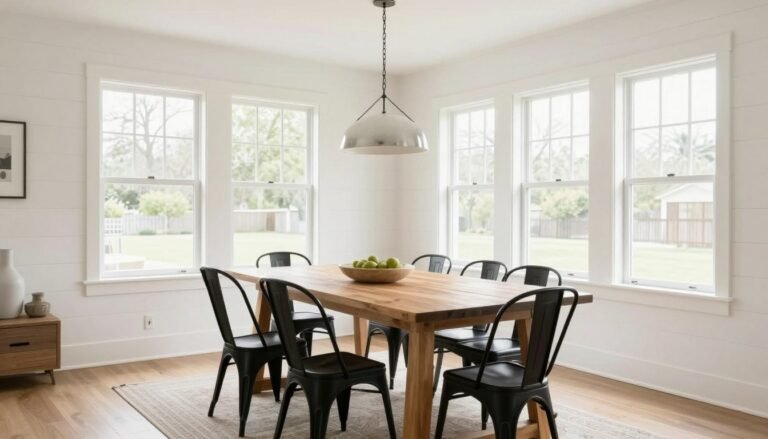
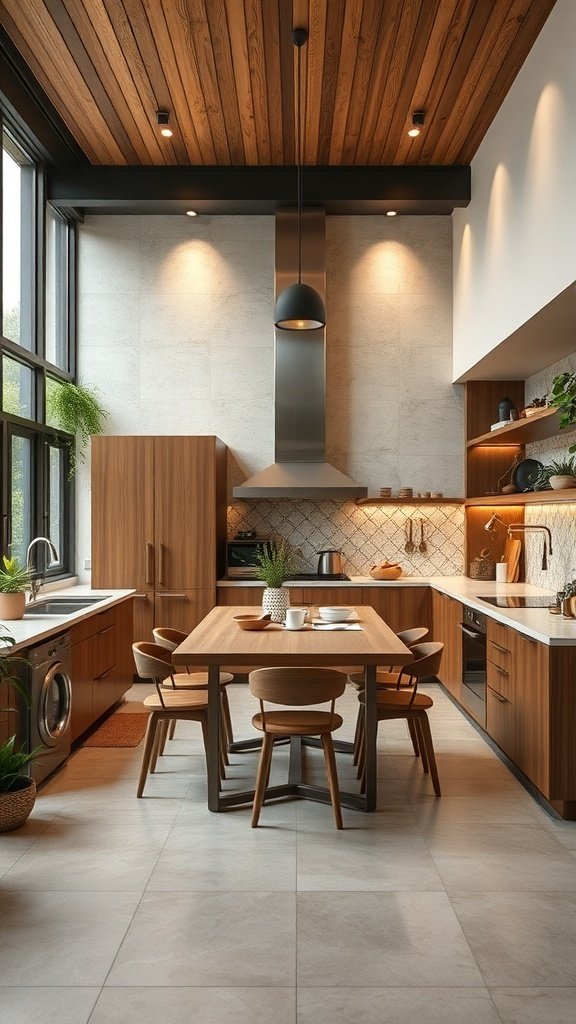
A thoughtfully designed dining room centerpiece transforms an ordinary table into the heart of your home. More than mere decoration, your centerpiece sets the tone for gatherings, expresses your personal style, and creates a welcoming atmosphere for family and guests. Whether you’re hosting a special celebration or simply enjoying everyday meals, the right centerpiece brings warmth, character, and conversation to your dining experience.
This Website contains affiliate links. That means I may earn a small commission if you purchase through my links, at no extra cost to you.
From elegant floral arrangements to rustic natural elements, modern sculptural pieces to seasonal displays, the possibilities for dining table centerpieces are endless. This guide will walk you through inspiring ideas, practical considerations, and creative approaches to help you discover the perfect centerpiece that reflects your unique style and enhances your dining space.
Foundational Centerpiece Styles
Before diving into specific centerpiece ideas, consider which design aesthetic best complements your dining room. The right style creates harmony between your centerpiece and the overall look of your space. Here are four foundational approaches to inspire your centerpiece design:
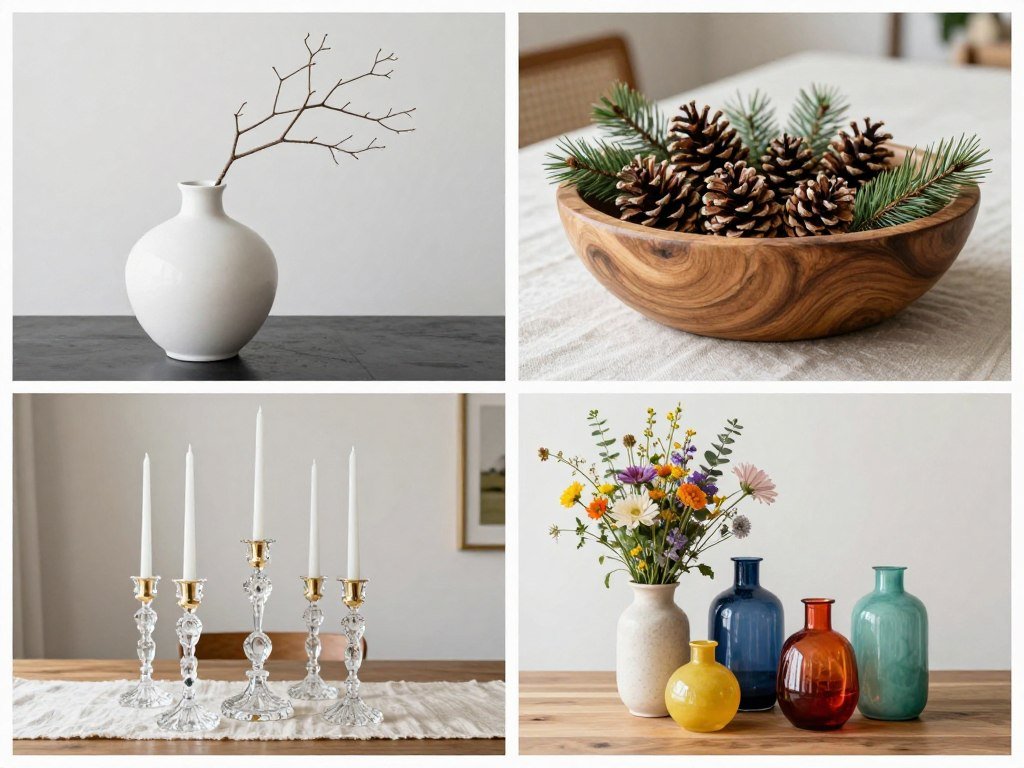
Modern Minimalist
Clean lines, simple forms, and a restrained color palette define the modern minimalist approach. These centerpieces make a statement through their sculptural quality and thoughtful simplicity rather than elaborate details. Consider a single architectural vase in matte black or white ceramic, a cluster of geometric vessels at varying heights, or a low arrangement of succulents in a concrete planter.
For a truly minimalist look, embrace negative space and remember that sometimes less truly is more. A single striking object or a carefully curated grouping of three items can create a sophisticated focal point without overwhelming your table.
Create your own minimalist centerpiece with a sleek, contemporary vessel that makes a statement even without flowers.
Related Posts:






Rustic Farmhouse
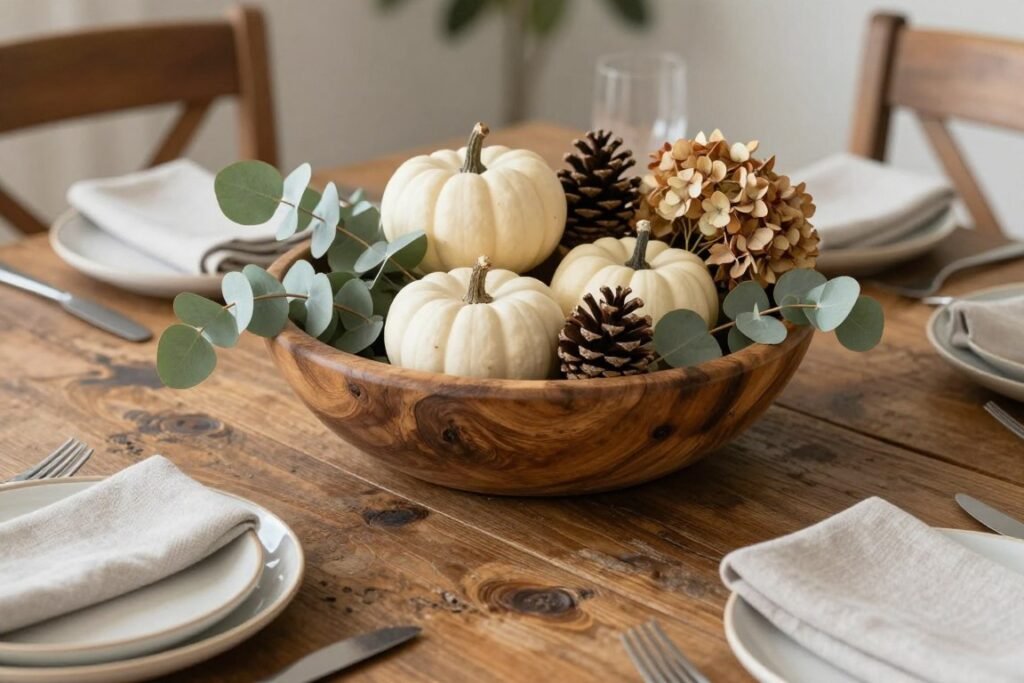
Warm, inviting, and unpretentious, rustic farmhouse centerpieces celebrate natural materials and a lived-in charm. Wooden dough bowls filled with seasonal elements, galvanized metal containers holding wildflowers, or vintage crocks displaying fresh herbs all capture this welcoming aesthetic. The beauty of farmhouse style lies in its approachability and connection to natural elements.
Incorporate textures like rough-hewn wood, woven fibers, and organic materials. Don’t worry about perfection—a slightly asymmetrical arrangement or weathered finish adds to the authentic character that makes farmhouse style so appealing.
Glamorous & Formal
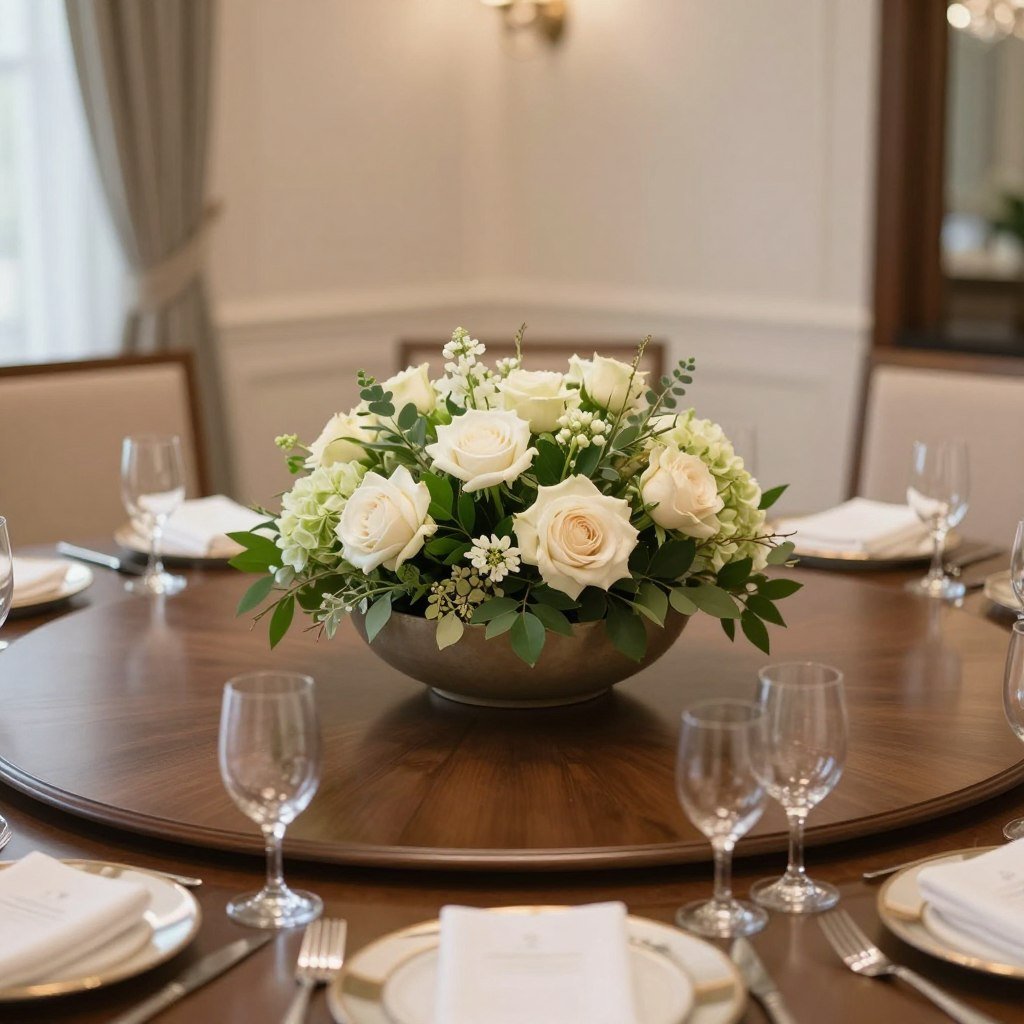
For special occasions or dining rooms with a more luxurious aesthetic, glamorous centerpieces add sophistication and drama. Crystal candlesticks with tall tapers, silver or gold vessels filled with lush blooms, or elegant compote bowls overflowing with seasonal fruit create a sense of occasion. This style embraces symmetry, reflective surfaces, and rich materials.
Height plays an important role in formal centerpieces, but be mindful to keep arrangements low enough for comfortable conversation across the table. Incorporate elements like metallic accents, mirrored surfaces, or crystal details to catch the light and add sparkle to your tablescape.
Elevate your dining table with elegant crystal candlesticks that catch the light and create a sophisticated atmosphere.
Eclectic Bohemian
Playful, personal, and full of character, bohemian centerpieces celebrate individuality and creative expression. Mix vintage finds with global-inspired elements, combine unexpected colors, and layer different textures for a centerpiece that tells your unique story. Think colorful glass bottles as bud vases, collected pottery pieces grouped together, or woven baskets filled with vibrant blooms.
The beauty of bohemian style is its flexibility—there are no strict rules to follow. Let your personality shine through by incorporating meaningful objects, handcrafted elements, or treasures collected during your travels.
Key Components of a Stunning Centerpiece
Creating a balanced, visually appealing centerpiece involves thoughtful consideration of several key elements. Understanding these components helps you build arrangements that feel cohesive and intentional rather than random or cluttered.
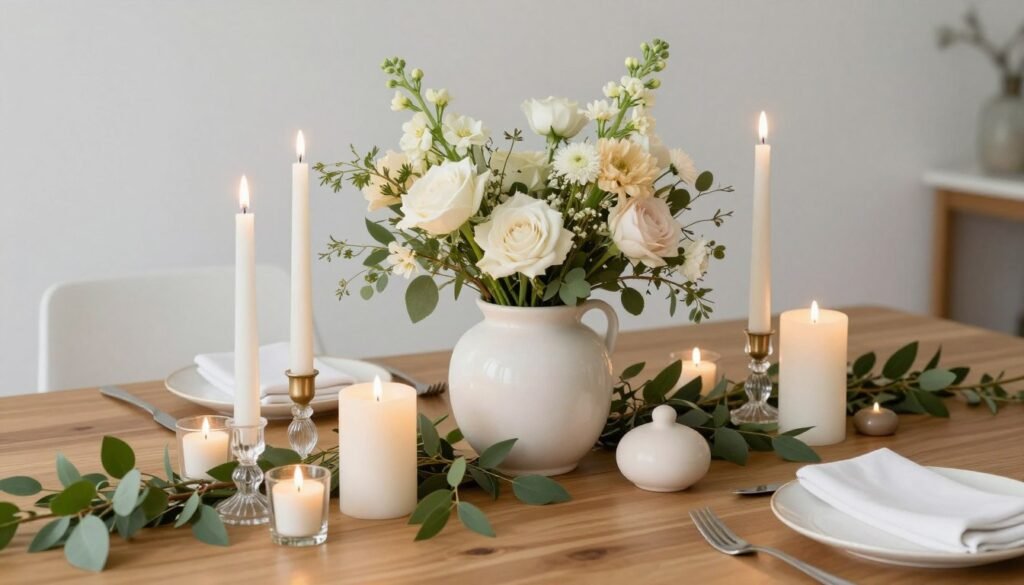
Vessels & Containers
The foundation of most centerpieces is the vessel that holds your arrangement. From classic vases to unexpected containers, your choice sets the tone for the entire display. Consider these options:
- Low, wide bowls for sprawling arrangements that don’t block conversation
- Tall, slender vases for dramatic height in spacious dining rooms
- Vintage pitchers or creamers for a charming, collected look
- Wooden dough bowls for rustic, organic displays
- Glass hurricanes or cloches for candles or seasonal vignettes
- Compote bowls or footed vessels to add elegant elevation
- Trays or boards to anchor groupings of smaller items
When selecting a vessel, consider both its aesthetic appeal and practical function. Make sure it’s stable, appropriately sized for your table, and suitable for what you plan to display.
A versatile wooden dough bowl makes an excellent base for countless centerpiece arrangements throughout the seasons.
Height & Scale
The dimensions of your centerpiece should complement your table’s size and shape while maintaining comfortable sightlines for conversation. A too-small arrangement can look lost on a large table, while an oversized centerpiece might overwhelm a petite dining space.
For round tables, centered arrangements work beautifully. For rectangular or oval tables, consider a linear display or a series of coordinating elements running down the center. Remember that height should allow guests to see each other across the table—aim to keep most elements below eye level when seated, or ensure tall components are slender enough to see through.
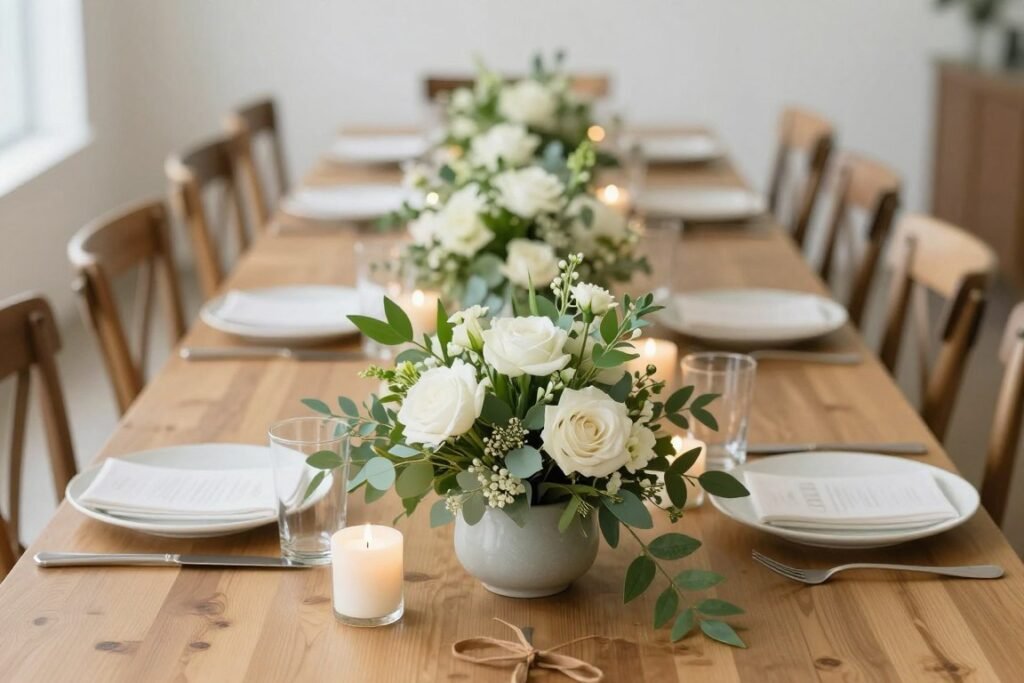
Florals & Greenery
Fresh or faux botanicals bring life, color, and texture to your centerpiece. From lush flower arrangements to simple sprigs of greenery, plants create a connection to nature that enlivens your dining space.
- Fresh cut flowers for special occasions or seasonal celebrations
- Potted plants or herbs for longevity and practical use
- Single stems in bud vases for minimalist elegance
- Dried flowers or preserved eucalyptus for low-maintenance beauty
- Branches or tall grasses for architectural interest
- High-quality faux arrangements for year-round display
- Seasonal foliage like magnolia leaves, pine boughs, or fall branches
When working with fresh flowers, consider their fragrance—subtle scents enhance the dining experience, while overpowering ones might compete with food aromas. For longevity, change water daily and trim stems regularly.
Candles & Lighting
Nothing creates ambiance quite like the warm glow of candlelight. Incorporating candles into your centerpiece adds a magical quality to meals and gatherings, instantly elevating the atmosphere.

Consider these candle options for your centerpiece:
- Tapered candles in elegant candlesticks for traditional elegance
- Pillar candles of varying heights for substantial presence
- Votive candles in small holders for scattered light
- Floating candles in clear glass bowls for a serene effect
- Flameless LED candles for safety and convenience
- Hurricane lanterns to protect flames from drafts
- Colored candles to coordinate with seasonal themes
Create a magical dining atmosphere with elegant taper candles that add height and warm, flattering light.
Natural Elements
Incorporating items from nature adds organic texture and seasonal relevance to your centerpiece. These elements connect your dining experience to the natural world and often provide an economical way to refresh your display.
Consider these natural additions:
- Seasonal fruits like pomegranates, citrus, or apples
- Artichokes, gourds, or other decorative produce
- Pinecones, acorns, or other woodland finds
- River stones, crystals, or geodes
- Driftwood, birch branches, or interesting twigs
- Moss, air plants, or succulents
- Seashells, coral, or beach glass
The beauty of natural elements is their accessibility—many can be foraged from your own garden or collected during outdoor adventures, creating centerpieces with personal meaning and connection.

Decorative Objects
Incorporating decorative objects adds personality and interest to your centerpiece. These items can reflect your style, commemorate special occasions, or simply add visual appeal through their form, color, or texture.
Consider these decorative additions:
- Sculptural objects or figurines that reflect your interests
- Vintage finds or heirloom pieces with sentimental value
- Decorative spheres or orbs in stone, glass, or metal
- Small framed photos for celebratory gatherings
- Architectural fragments or interesting bookends
- Decorative birds, butterflies, or other motifs
- Seasonal decorations that mark holidays or special events
When incorporating decorative objects, edit thoughtfully to avoid a cluttered look. Choose pieces that complement your overall design and have enough presence to contribute meaningfully to the arrangement.
Seasonal & Holiday Centerpiece Ideas
One of the joys of dining table centerpieces is their ability to evolve with the seasons, reflecting the changing world outside and celebrating special occasions. Refreshing your centerpiece seasonally keeps your dining space feeling current and creates a connection to nature’s rhythms.
Spring Renewal
As nature awakens from winter, bring that sense of fresh beginnings to your table with spring-inspired centerpieces:
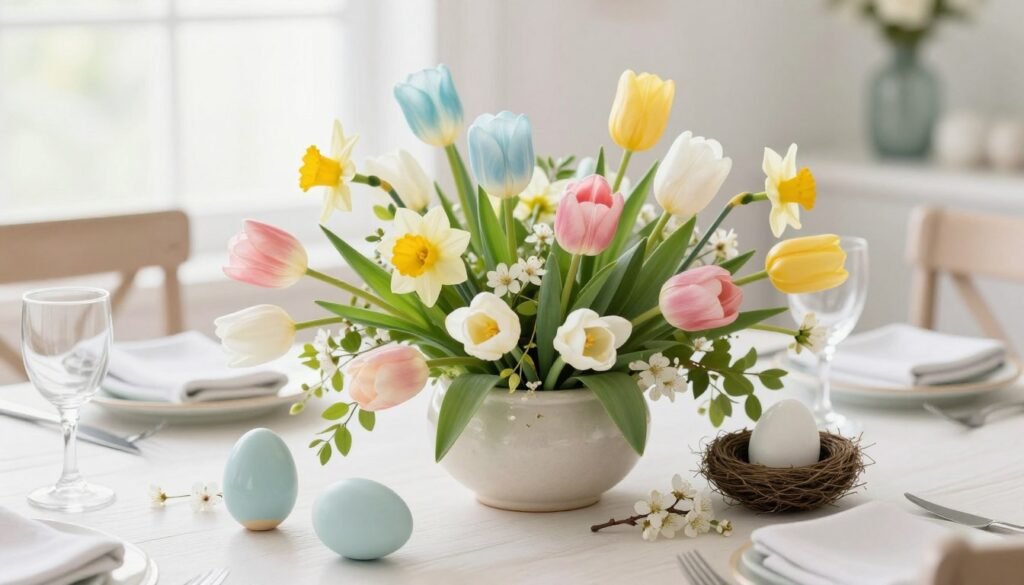
- Tulips, daffodils, or hyacinths in simple glass vases
- Moss-lined baskets with potted primroses or violets
- Flowering branches like cherry blossoms or forsythia
- Nests with decorative eggs for an Easter theme
- Vintage watering cans filled with garden flowers
- Terracotta pots with fresh herbs for both beauty and function
- Pastel-colored candles with light, fresh scents
Spring centerpieces celebrate renewal and growth. Embrace lighter colors, delicate textures, and the first blooms of the season for an arrangement that feels hopeful and fresh.
Create a garden-fresh spring centerpiece with realistic faux tulips that bring color and joy to your table all season long.
Summer Abundance
Summer centerpieces reflect the season’s warmth, vibrancy, and natural abundance:
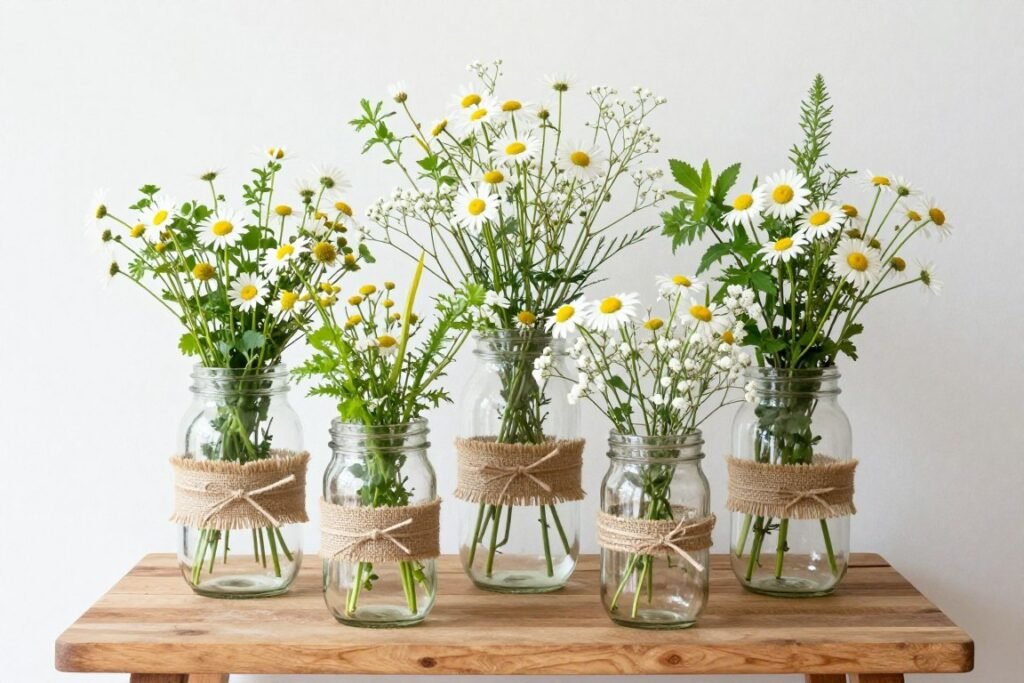
- Mason jars filled with wildflowers or garden roses
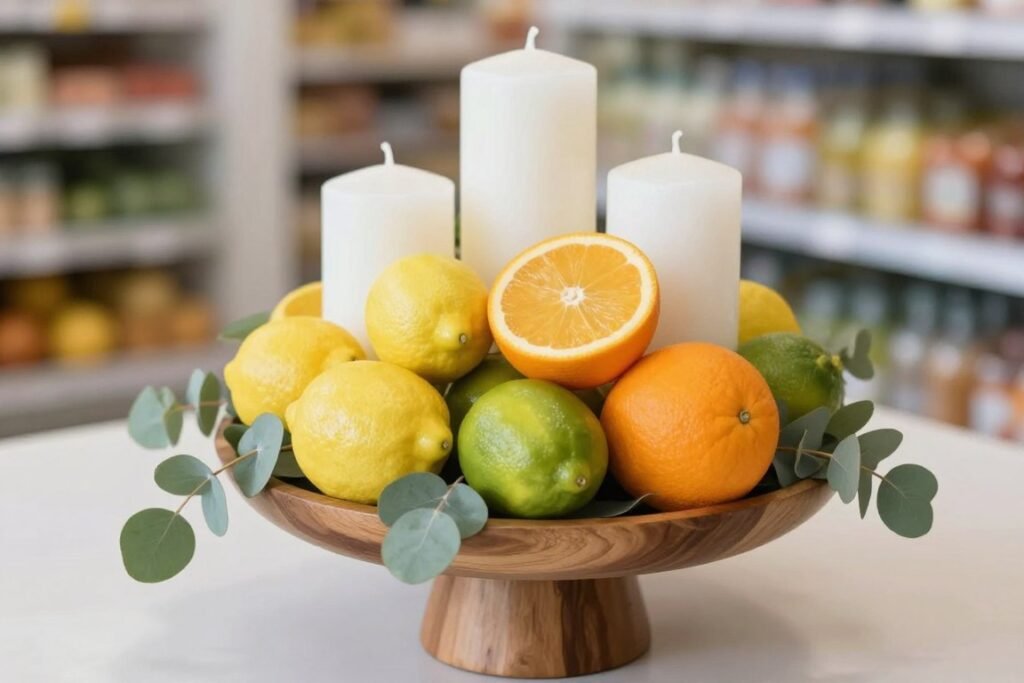
- Citrus fruits piled in a wooden bowl with fresh herbs
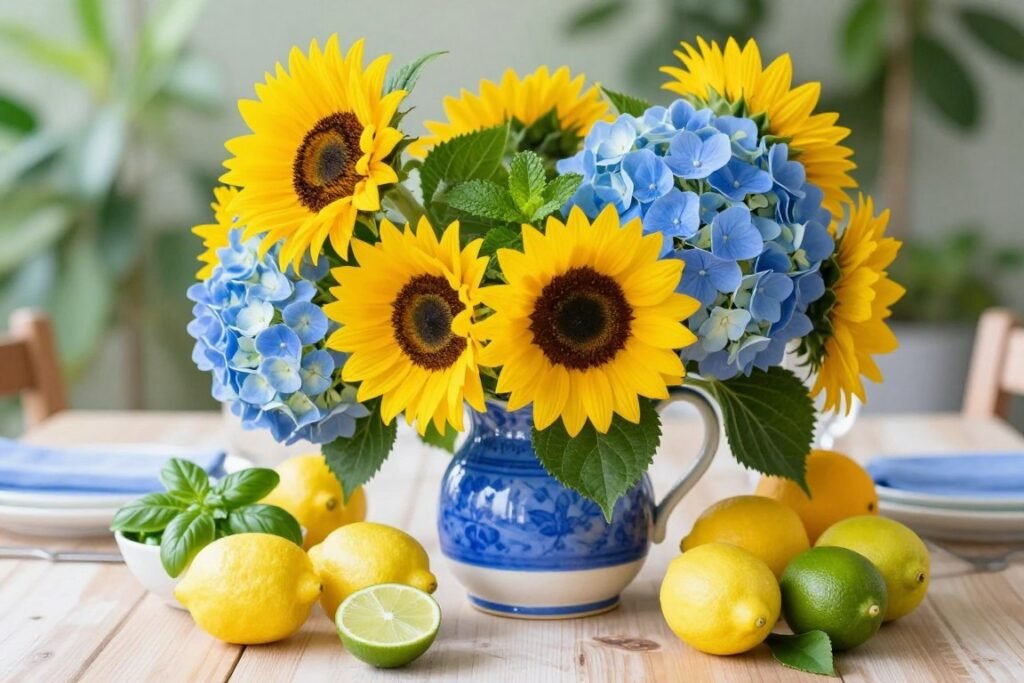
- Blue and white pottery holding hydrangeas or sunflowers
- Driftwood or shells arranged with coastal-inspired elements
- Lanterns with battery-operated candles for outdoor dining
- Pitchers filled with leafy branches and seasonal berries
- Tropical leaves or flowers for an exotic summer feel
Summer centerpieces can be more relaxed and abundant. Don’t be afraid to embrace bright colors, lush arrangements, and elements that reflect summer activities like beach trips or garden harvests.
Autumn Harvest
Fall centerpieces celebrate the harvest season with rich colors and textures:
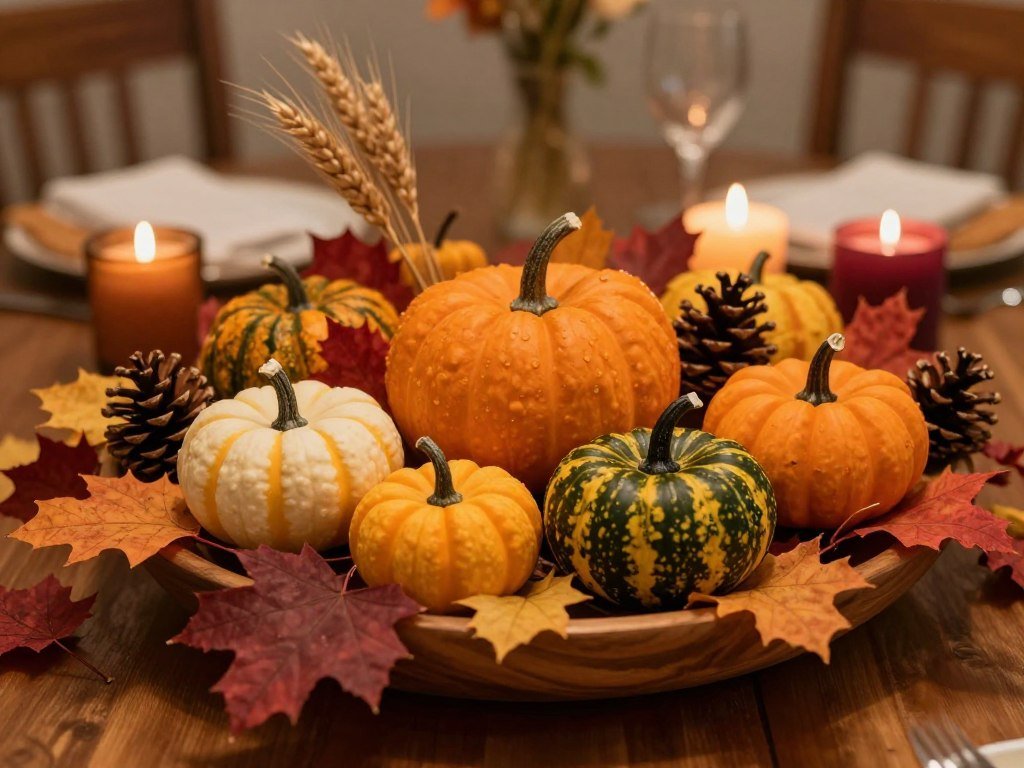
- Wooden dough bowls filled with mini pumpkins and gourds
- Arrangements of dahlias, mums, and autumn leaves
- Pillar candles surrounded by acorns and pinecones
- Vintage copper or brass containers with dried wheat
- Pomegranates, pears, and apples arranged with fall foliage
- Lanterns with amber-colored glass for a warm glow
- Rustic baskets filled with dried hydrangeas and berries
Autumn centerpieces embrace the changing season with warm colors, interesting textures, and elements that reflect the harvest. Incorporate deep reds, oranges, yellows, and browns for a cozy, inviting table.
Create a stunning fall centerpiece with artificial pumpkins and gourds that can be used year after year.
Winter Wonder
Winter centerpieces bring warmth and light to the table during the coldest, darkest months:
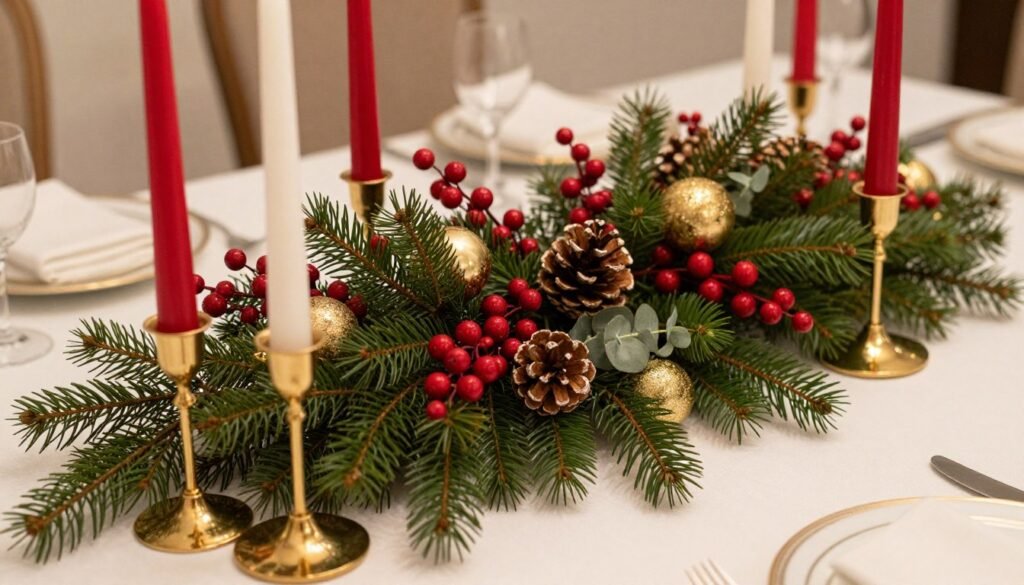
- Evergreen branches with pinecones and berries
- White pillar candles of varying heights on a mirrored tray
- Silver or gold vessels filled with ornaments or fairy lights
- Vintage sleighs or wooden boxes filled with winter greenery
- Amaryllis or paperwhites in simple white containers
- Crystal candlesticks with deep red or forest green tapers
- Birch logs or white-painted branches with hanging elements
Winter centerpieces often emphasize light and sparkle to counter the season’s darkness. Incorporate reflective elements, candles, and rich textures for a centerpiece that feels both festive and cozy.
Holiday Celebrations
Special holiday gatherings call for centerpieces that mark the occasion while creating a festive atmosphere:
For Thanksgiving:
- Cornucopias filled with seasonal produce and flowers
- Arrangements incorporating wheat sheaves and Indian corn
- Pillar candles surrounded by nuts in their shells
- Small pumpkins with guests’ names for place settings
For Christmas:
- Evergreen garlands with red berries and pinecones
- Arrangements of amaryllis, paperwhites, or poinsettias
- Collections of mercury glass trees or ornaments
- Red and white blooms with silver or gold accents
Create a magical holiday centerpiece with battery-operated string lights that add sparkle and warmth to your table.
DIY & Budget-Friendly Centerpiece Ideas
Creating beautiful centerpieces doesn’t require expensive materials or professional design skills. With creativity and resourcefulness, you can craft stunning table displays using items you may already have or can source inexpensively.
Repurposed Containers
Look around your home for items that can be transformed into unique vessels for your centerpiece:
- Vintage teacups or coffee mugs for small flower arrangements
- Mason jars or food jars cleaned and wrapped with ribbon or twine
- Tin cans painted or covered with decorative paper
- Wooden boxes or crates lined with plastic for fresh flowers
- Vintage books stacked as pedestals for candles or small objects
- Teapots, sugar bowls, or creamers from mismatched sets
- Wine bottles with labels removed for single stems
The character of repurposed containers often adds more interest than store-bought vases. Look for interesting shapes, colors, or patterns that complement your dining room’s style.
Foraged & Natural Materials
Nature provides an abundance of free materials for beautiful centerpieces:
- Branches, twigs, or interesting pieces of driftwood
- Pinecones, acorns, or seed pods
- Stones, pebbles, or sea glass
- Leaves, especially those with interesting shapes or colors
- Wildflowers or grasses from your yard (where permitted)
- Herbs from your garden for both beauty and fragrance
- Fruit or vegetables from your kitchen
Foraging connects you to the natural world and brings authentic, seasonal elements to your table. Just be sure to forage responsibly, taking only what you need and avoiding protected areas or species.
Create beautiful arrangements with versatile preserved moss that adds natural texture to any centerpiece.
Simple DIY Projects
Easy crafts can transform basic materials into personalized centerpieces:

- Paint glass jars or bottles in colors that match your decor
- Wrap containers with twine, ribbon, or decorative paper
- Create simple garlands from dried orange slices or paper shapes
- Dip pinecones in white paint for a “frosted” winter look
- Fill clear vases with decorative fillers like coffee beans or colored sand
- Make seasonal wreaths to lay flat as bases for candles
- Create paper flowers for long-lasting arrangements
DIY centerpieces allow for personalization and creativity. Don’t worry about perfection—handmade elements add charm and character to your table.
Grocery Store Transformations
Transform affordable grocery store finds into impressive centerpieces:
- Divide a store-bought bouquet into several small arrangements
- Arrange seasonal fruits in a decorative bowl or on a cake stand
- Place potted herbs in decorative containers for both beauty and function
- Float flower heads or citrus slices in shallow bowls of water
- Wrap inexpensive flower pots in fabric, paper, or ribbon
- Group pillar candles from the home section on a simple tray
- Arrange grocery store greenery like eucalyptus in a simple line down the table
With thoughtful presentation, even the most basic grocery store items can become elegant centerpieces. Focus on fresh, seasonal options and simple, cohesive arrangements.
Scale & Proportion: Choosing the Right Size
The size and shape of your dining table should directly inform your centerpiece design. A well-proportioned centerpiece enhances your table rather than overwhelming it or getting lost in the space.
Round Tables
Round tables work beautifully with centered, symmetrical arrangements:
- Single focal point arrangements that radiate from the center
- Circular or square trays holding grouped items
- Low, round bowls filled with floating candles or flowers
- Cake stands or compotes to add height at the center
- Clustered arrangements of varying heights around a central element
For round tables, aim for centerpieces that take up approximately one-third of the table’s diameter, leaving plenty of room for place settings and serving dishes.
Rectangular Tables
Rectangular tables offer more flexibility for linear or grouped arrangements:
- Runner-style centerpieces that extend down the table’s length
- Series of matching vessels spaced evenly along the center
- Groupings of three or five elements for visual interest
- Long, low troughs or dough bowls filled with seasonal elements
- Alternating tall and low elements for rhythm and movement
For rectangular tables, consider the length when planning your centerpiece. Longer tables may need multiple focal points or a continuous runner of elements to feel balanced.
A table runner provides the perfect foundation for creating a cohesive centerpiece display on rectangular tables.
Small Spaces
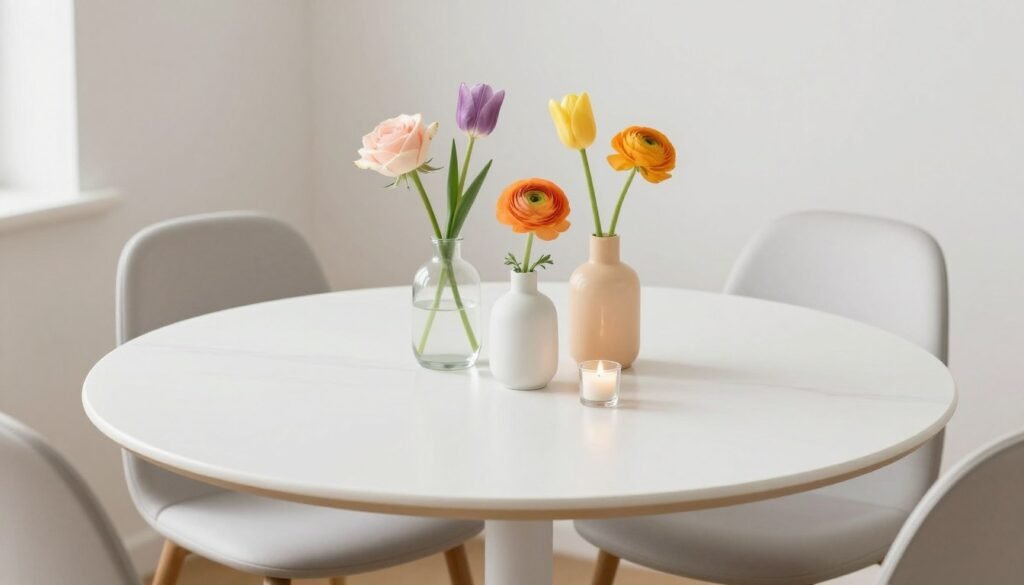
For smaller dining tables, scale down your centerpiece while maintaining impact:
- Single bud vases with one perfect bloom
- Small potted plants or succulents
- Miniature lanterns or votives
- Low bowls that don’t take up much surface area
- Narrow runners with minimal height elements
In small spaces, choose centerpieces that can be easily moved aside when more table space is needed for dining or other activities.
Large Dining Tables
Substantial tables require centerpieces with enough presence to feel proportional:
- Multiple coordinating arrangements spaced along the table
- Larger vessels or bowls with abundant arrangements
- Layered displays with elements at varying heights
- Long garlands or runners that span the table’s length
- Substantial candelabras or groupings of candlesticks
For large tables, consider creating “moments” along the length rather than trying to fill the entire space. This creates visual interest while maintaining a cohesive look.
Practical Considerations for Everyday Centerpieces
While aesthetics are important, the most successful centerpieces also consider the practical aspects of dining and entertaining. These considerations ensure your beautiful arrangement enhances rather than hinders the dining experience.
Conversation-Friendly Height
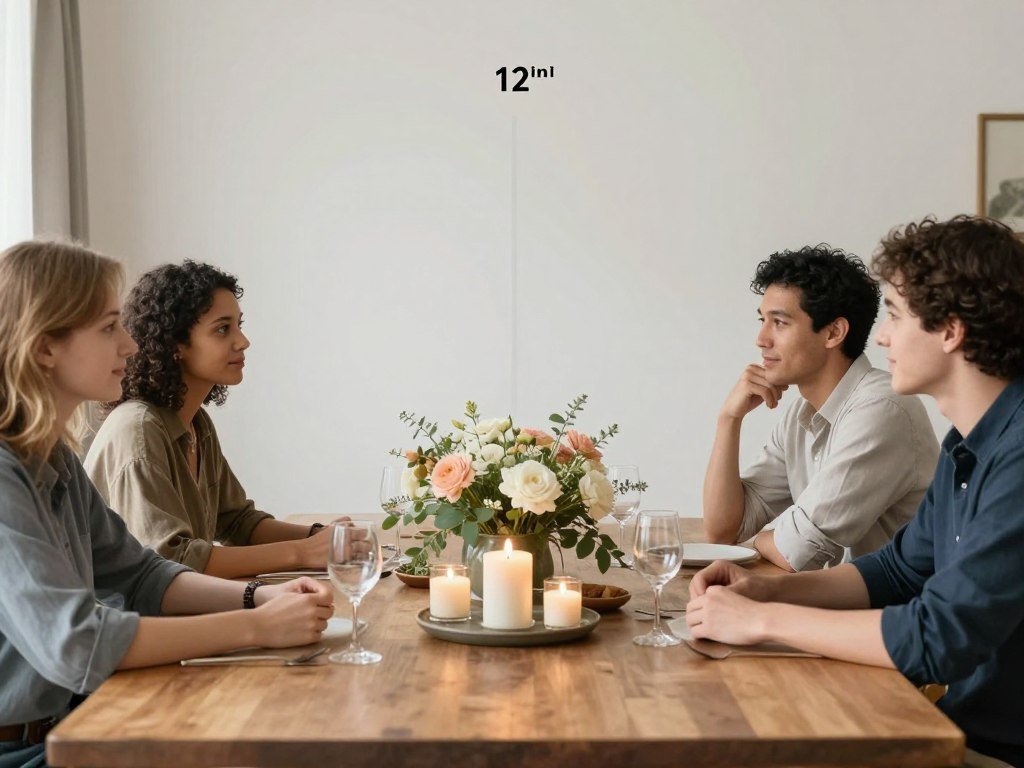
Perhaps the most important practical consideration is keeping sightlines clear across the table. Nothing dampens conversation like having to peer around a towering centerpiece to see the person across from you.
- Keep most elements below 12 inches in height
- If using taller components, ensure they’re slender enough to see through
- Consider arrangements that are very low (under 6 inches) or tall enough to see under (with a clear stem or base)
- Test your centerpiece by sitting at the table and checking views from different seats
Fragrance Considerations
While scented elements can enhance ambiance, they should never compete with the aromas of food:
- Choose unscented candles for dining tables
- Opt for flowers with subtle fragrances rather than overpowering ones
- Consider removing very fragrant flowers (like lilies) from the table during meals
- Use herbs as fragrant elements that complement rather than compete with food
The goal is to create a pleasant atmosphere without distracting from the dining experience or altering how food tastes.
Unscented candles provide beautiful ambiance without competing with the aromas of your delicious meals.
Durability & Maintenance
For everyday centerpieces, consider how much maintenance you’re willing to commit to:
- Fresh flowers require regular water changes and eventual replacement
- Dried or preserved elements last much longer with minimal care
- High-quality faux plants or flowers offer longevity with occasional dusting
- Candles need replacement as they burn down
- Natural elements like fruit may need refreshing as they age
Choose arrangements that match your lifestyle and maintenance preferences. It’s better to have a simple centerpiece that looks fresh than an elaborate one that quickly becomes tired or neglected.
Flexibility for Dining
The most practical centerpieces can adapt to different dining situations:
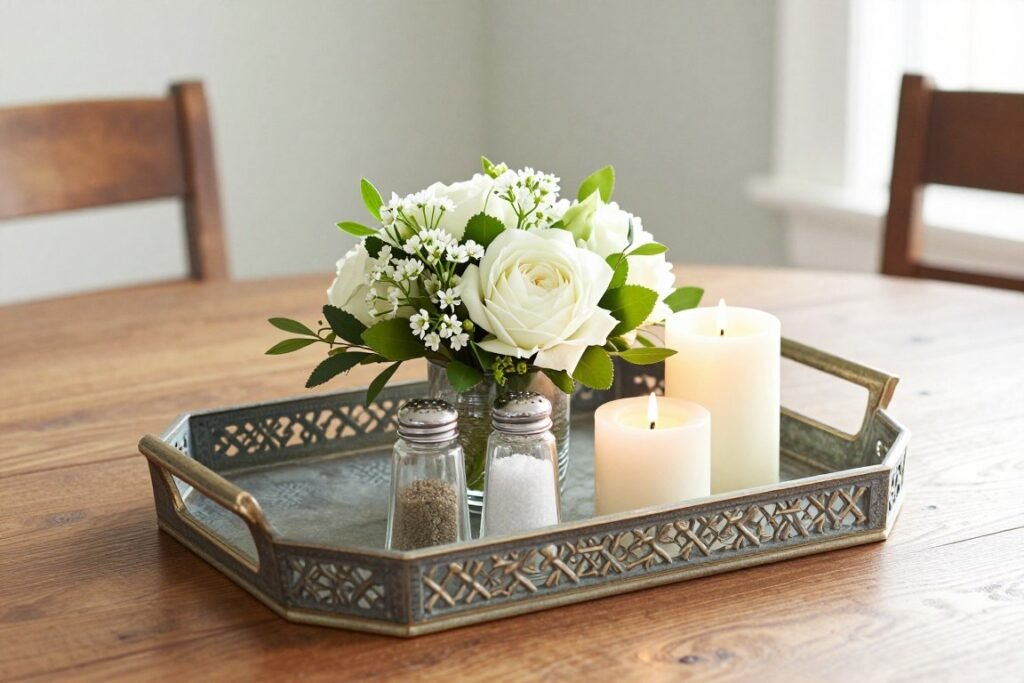
- Use trays or boards that can be easily moved as a single unit
- Create modular arrangements that can be spread out or clustered
- Consider centerpieces that can be adjusted in height or width
- Include functional elements like salt and pepper or serving pieces
- For family-style dining, leave space for serving dishes
The best everyday centerpieces enhance your dining experience rather than complicating it. Think about how your family typically uses the table and design accordingly.
Finding Your Centerpiece Style
Creating the perfect dining room centerpiece is ultimately about expressing your personal style while enhancing your dining experience. Don’t be afraid to experiment with different approaches until you find what works best for your space, lifestyle, and aesthetic preferences.
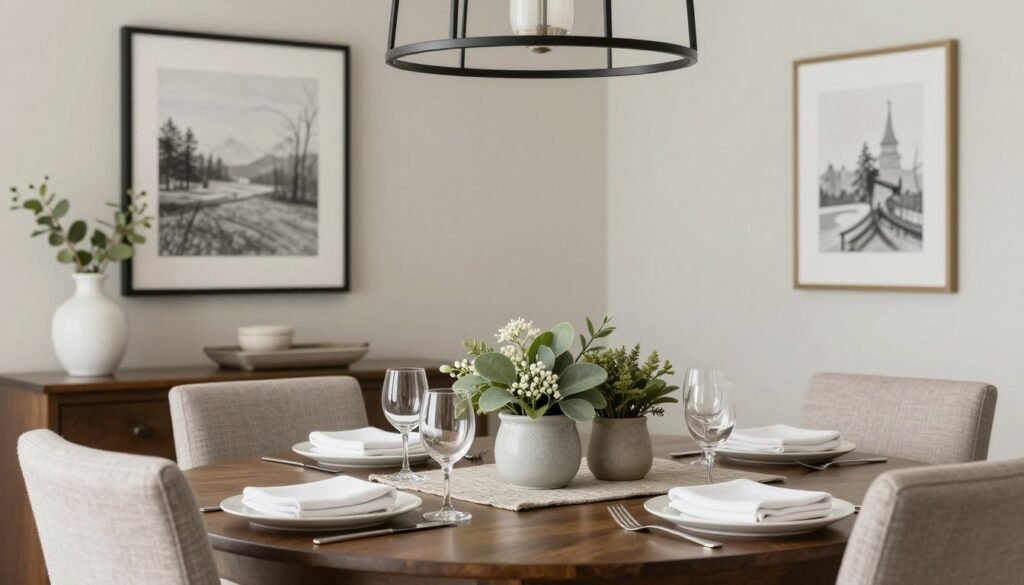
Remember that centerpieces can and should evolve with the seasons, special occasions, and your own changing tastes. They offer an opportunity to refresh your dining space without major renovations or expense. By thoughtfully selecting vessels, natural elements, and decorative objects that speak to you, you’ll create a dining table that feels both beautiful and authentically yours.
Whether you prefer the simplicity of a single stunning object, the abundance of a lush floral arrangement, or the warmth of candles grouped on a favorite tray, your centerpiece sets the stage for meaningful connections around your table. It’s these gatherings—the conversations, celebrations, and everyday moments shared with family and friends—that truly make your dining room the heart of your home.
Ready to create your own stunning centerpiece? Start with quality basics that can be styled differently throughout the seasons.