Transforming your backyard with a DIY patio is one of the most rewarding home projects you can tackle. Not only does it create a beautiful outdoor living space for relaxing and entertaining, but building it yourself can save thousands compared to hiring professionals. Whether you’re dreaming of a simple gravel retreat or an elaborate stone entertainment area, this guide will walk you through everything you need to know to plan, design, and build your perfect patio from scratch.
This Website contains affiliate links. That means I may earn a small commission if you purchase through my links, at no extra cost to you.
Planning Your DIY Patio Project
Before grabbing your shovel, proper planning will save you time, money, and frustration. The success of your DIY patio depends largely on thoughtful preparation and design.
Choosing the Perfect Location
The right location can make or break your patio experience. Consider these factors when deciding where to build:
- Sun exposure throughout the day (morning sun vs. afternoon shade)
- Proximity to your home for convenience
- Views from the patio (and views of the patio from inside)
- Natural drainage patterns to prevent water pooling
- Existing trees, plants, and landscape features
- Privacy from neighbors and street visibility
Take time to observe your yard at different times of day. Mark your proposed patio area with stakes and string to visualize the space before committing.
Determining Size and Shape
Your patio’s dimensions should reflect how you plan to use the space. For a dining area that seats 4-6 people, aim for at least 10’x12′. If you want space for lounging furniture too, consider 16’x18′ or larger. While rectangles and squares are easiest for DIYers, don’t be afraid to incorporate curves or irregular shapes that complement your landscape.
Essential Planning Tools
Get your project started right with quality measuring and marking tools. Proper planning saves time and prevents costly mistakes.
Related Posts:






Choosing the Right Materials for Your DIY Patio
The materials you select will define your patio’s look, durability, and budget. Each option has distinct advantages and challenges for DIY installation.
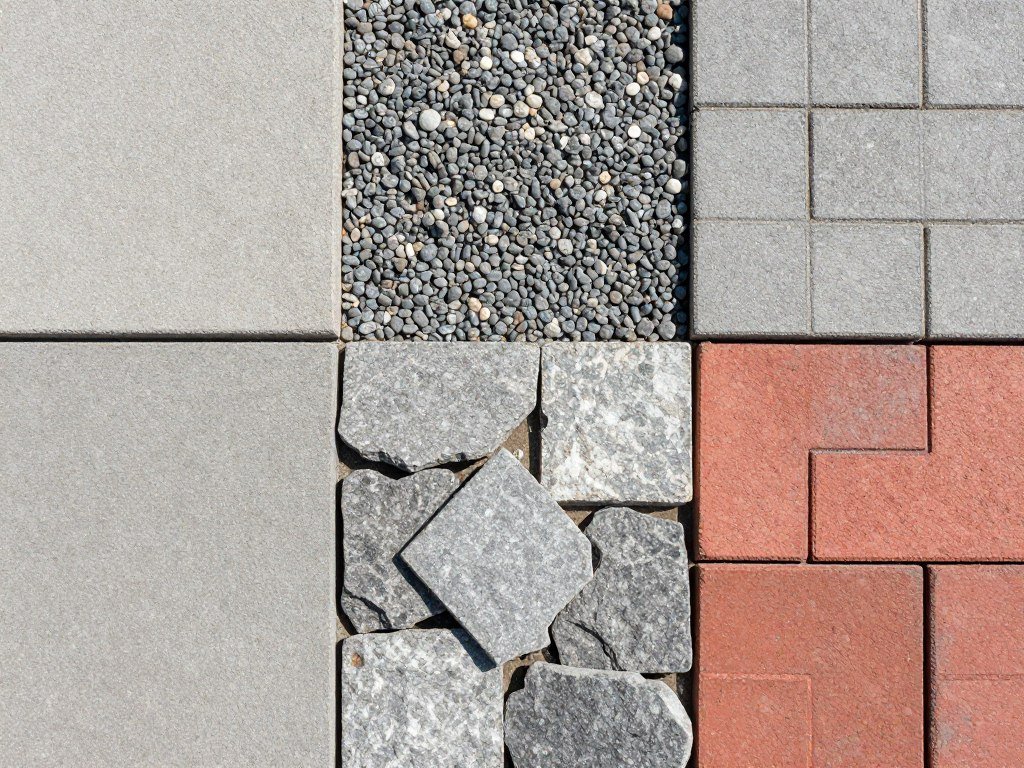
Concrete Pavers
- Affordable and widely available
- Uniform sizes make installation easier
- Many colors and textures available
- Can be removed and repositioned
- Durable in most climates
Natural Stone
- Beautiful, natural appearance
- Extremely durable and long-lasting
- Increases property value
- Irregular shapes require more skill
- Significantly more expensive
Budget-Friendly Options
If you’re working with a tight budget, consider these affordable alternatives that still create beautiful outdoor spaces:
- Pea Gravel: At around $40-60 per ton, gravel creates a charming, informal patio with excellent drainage. One ton typically covers about 80-100 square feet at 2 inches deep.
- Crushed Stone: Similar to gravel but with angular pieces that lock together for a more stable surface. Ideal for base layers and rustic patios.
- Brick Pavers: Often available secondhand from demolition sites or in affordable new options, brick offers classic appeal and durability.
- Concrete Pavers: Factory-made concrete pavers mimic the look of stone at a fraction of the cost, with uniform sizes that simplify installation.
Find Your Perfect Patio Material
Browse a wide selection of DIY-friendly patio materials to match your style and budget.
Essential Tools for Your DIY Patio Project
Having the right tools on hand makes patio construction significantly easier and produces better results. Most of these tools are affordable and will serve you well for future projects too.
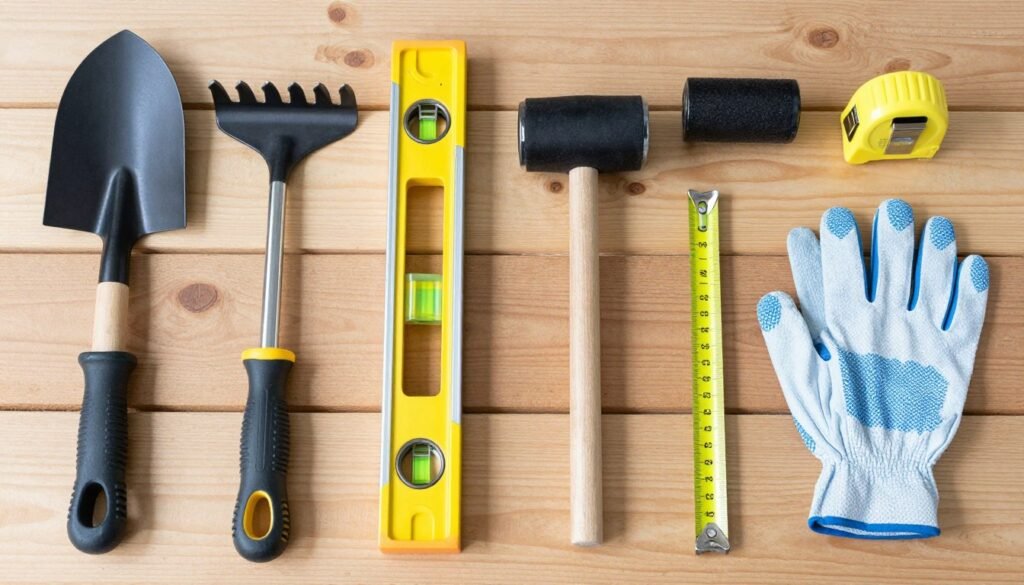
| Tool | Purpose | Rental Option |
| Shovel & Spade | Excavation and material movement | No – Worth purchasing |
| Tamper (Hand or Plate) | Compacting base materials | Yes – Plate compactor |
| Level (2′ and 4′) | Ensuring proper slope and evenness | No – Worth purchasing |
| Rubber Mallet | Setting pavers without damaging them | No – Worth purchasing |
| Metal Rake | Spreading and leveling base materials | No – Worth purchasing |
| String Line & Stakes | Marking boundaries and ensuring straight lines | No – Worth purchasing |
| Wheelbarrow | Transporting materials around the site | Possibly – Depends on future needs |
For larger projects, consider renting a plate compactor instead of using a hand tamper. The time and effort saved is well worth the rental fee of approximately $75-100 per day.
Get Equipped for Success
Quality tools make your DIY patio project easier and ensure professional-looking results.
Preparing the Patio Site
Proper site preparation is the foundation of a successful patio. Taking time during this phase prevents future problems like sinking, shifting, or poor drainage.
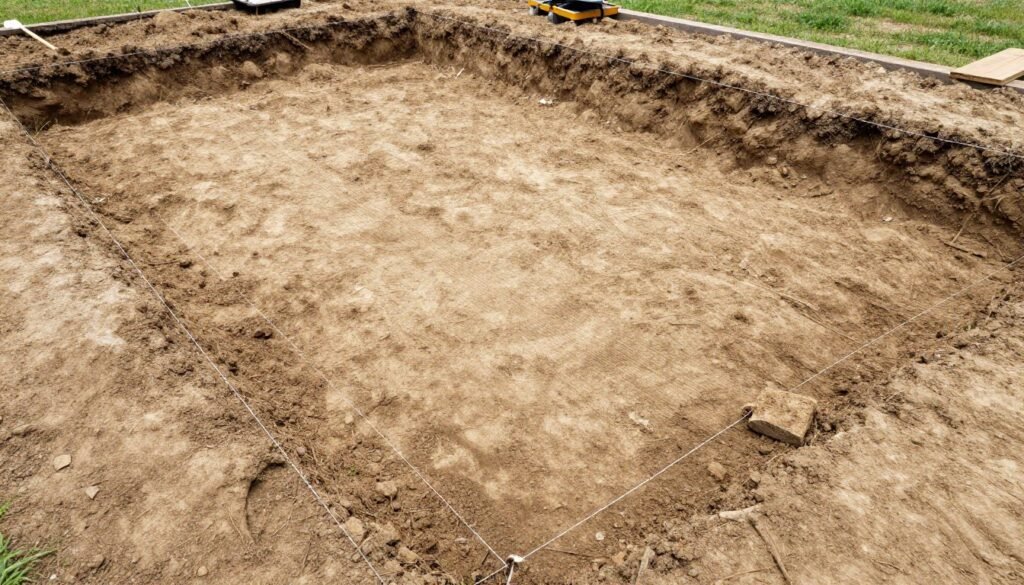
Marking Your Patio Boundaries
Start by clearly marking the patio perimeter using stakes and string. For rectangular patios, ensure corners are square by measuring diagonally from corner to corner – both measurements should be equal. For curved edges, use a garden hose to create smooth lines, then mark with spray paint or flour.
Excavation Depth Guidelines
The required excavation depth depends on your chosen materials:
- Paver Patio: Dig 7-9 inches deep (4″ base + 1″ sand + paver thickness + 1″ for settling)
- Gravel Patio: Dig 4-6 inches deep (3″ base + 2-3″ decorative gravel)
- Flagstone: Dig 6-8 inches deep (4″ base + 1″ sand + stone thickness)
Always dig an additional 6 inches beyond your planned patio edge to accommodate edging materials and prevent edge pavers from shifting.
Creating Proper Drainage
Your patio should slope away from your house at a rate of approximately ¼ inch per foot to ensure proper water runoff. Use a long level with a ¼-inch shim under one end to check your slope as you work. For patios not adjacent to structures, create a slight crown in the middle or slope toward a desired drainage area.
Pro Tip: Before digging, always call your local utility marking service (usually 811 in the US) to have underground utilities marked. This free service helps prevent dangerous and costly utility line damage.
Installing a Paver Patio: Step-by-Step
Concrete pavers offer an excellent balance of affordability, durability, and ease of installation, making them perfect for DIY patio projects. Follow these steps for professional results.

Laying the Base Materials
A solid base is crucial for a long-lasting paver patio. Follow these steps:
- Add 2-3 inches of crushed stone or gravel base material to the excavated area
- Rake the material to create an even layer with the proper slope
- Compact thoroughly using a plate compactor or hand tamper
- Add another 2-3 inches and repeat the process
- Check for proper slope using a long level with a shim
Adding the Sand Layer
The sand layer creates a smooth setting bed for your pavers:
- Lay 1-inch diameter metal pipes parallel across your base, about 6-8 feet apart
- Spread coarse sand between the pipes
- Use a straight board to “screed” (level) the sand by pulling it across the pipes
- Remove the pipes and fill in the gaps with additional sand
- Do not compact the sand layer
Setting the Pavers
With your base prepared, it’s time to lay your pavers:
- Start in one corner, preferably working from your house outward
- Place pavers in your chosen pattern, keeping joints tight
- Use a rubber mallet to gently tap pavers into place
- Check periodically with a level to ensure proper height and slope
- Use a string line to keep rows straight
- Cut edge pavers as needed using a masonry saw or paver splitter
Get Professional-Grade Paver Tools
The right specialty tools make cutting and placing pavers easier and more precise.
Creating a Budget-Friendly Gravel Patio
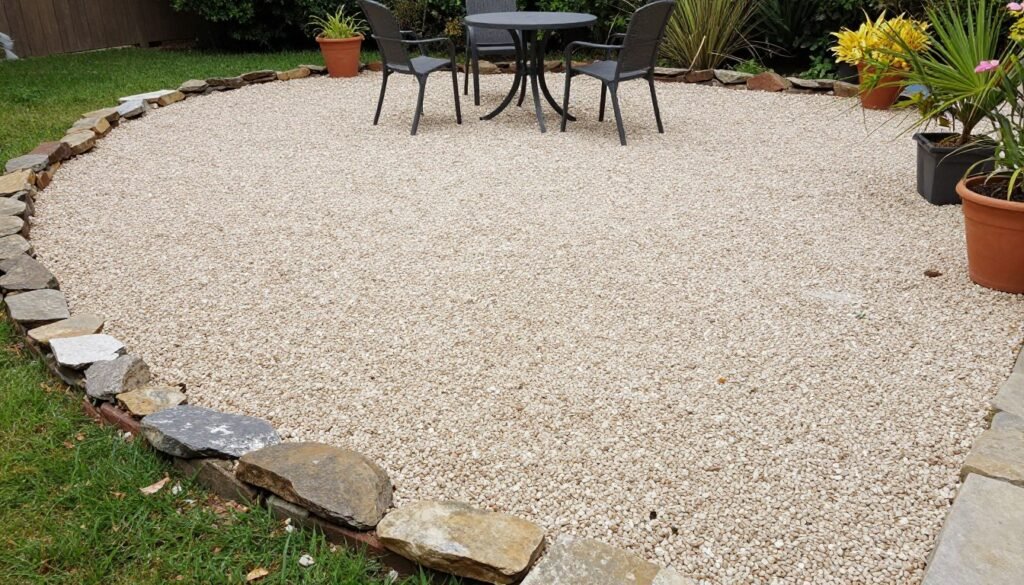
A gravel patio offers rustic charm at a fraction of the cost of pavers or stone. It’s also one of the most DIY-friendly options, requiring fewer specialized tools and less precise leveling.
Materials Needed
For a 12’x12′ gravel patio, you’ll typically need:
- 2 cubic yards of crushed stone or road base for the foundation
- 1-1.5 cubic yards of decorative gravel (pea gravel, crushed granite, etc.)
- Landscape fabric to prevent weed growth
- Edging material (stone, metal, plastic, or wood)
Installation Process
Follow these steps to create your gravel patio:
- Excavate the area to a depth of 4-6 inches
- Compact the soil using a tamper
- Add landscape fabric, overlapping seams by 6 inches and extending beyond your patio edge
- Install edging around the perimeter to contain the gravel
- Add 2-3 inches of crushed stone base and compact thoroughly
- Add 2-3 inches of decorative gravel and rake smooth
Maintenance Tip: Gravel patios require occasional raking to keep the surface level and may need additional gravel every few years as material settles or migrates. Consider using stabilized gravel products that include a binding agent to reduce maintenance.
Create Your Gravel Patio
Find everything you need for a beautiful, low-maintenance gravel patio that fits your budget.
Edging Options for a Professional Finish
Proper edging not only creates clean, defined borders for your patio but also prevents materials from shifting and helps maintain the patio’s structural integrity over time.
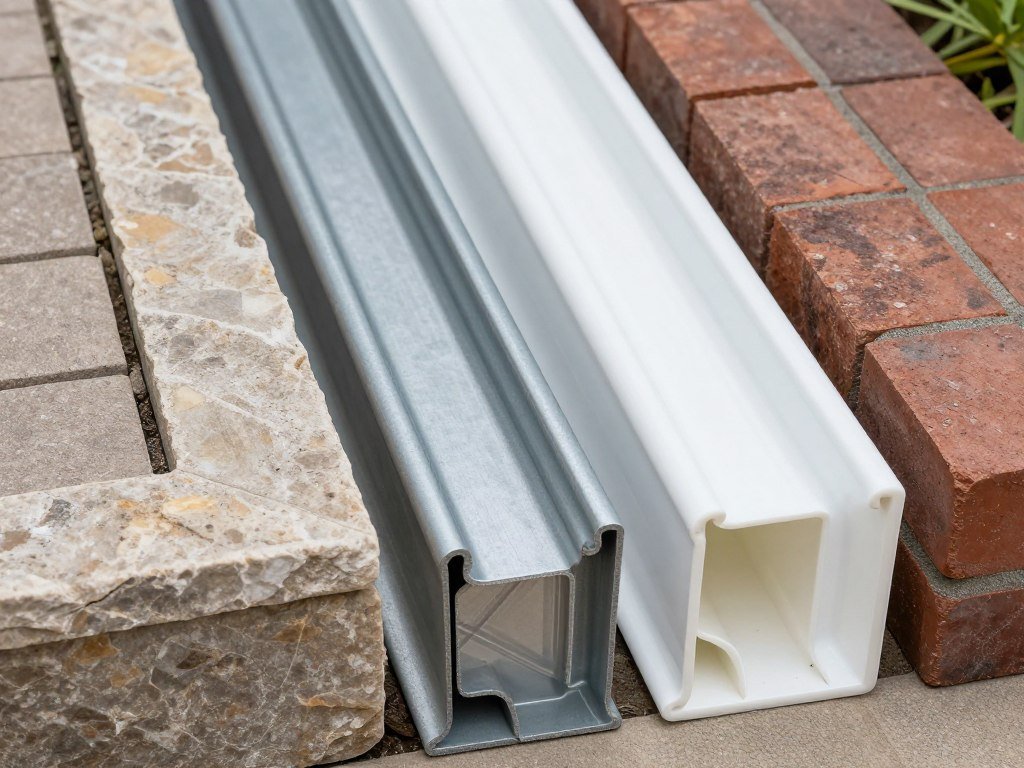
Stone and Brick Edging
Natural stone or brick creates a substantial, attractive border that complements most patio styles. Installation involves:
- Digging a trench slightly wider than your stones
- Creating a level base of crushed stone
- Setting stones tightly together
- Backfilling with soil on the outside edge
While more expensive than other options, stone edging adds significant visual appeal and can double as additional seating when built wider.
Metal and Plastic Edging
For a more budget-friendly approach, metal or plastic edging provides clean lines and effective containment:
- Metal edging offers durability and a modern look
- Plastic edging is affordable and easy to install
- Both types install by staking into the ground
- Can be mostly hidden for a seamless look
These options work particularly well for curved patio designs due to their flexibility.
Concrete Edging
A concrete border creates a permanent, durable edge that’s especially effective for paver patios:
- Dig a small trench along your patio edge
- Mix concrete according to package directions
- Form a triangular concrete “berm” against the outer edge of your pavers
- Smooth with a trowel and allow to cure completely
- Backfill with soil to hide the concrete edge
Find the Perfect Edging
Browse quality edging materials to give your DIY patio a professional, finished look.
Enhancing Your DIY Patio with Special Features
Take your patio to the next level by incorporating special features that add functionality and visual interest. These elements transform a simple patio into a complete outdoor living space.

Building a Simple Fire Pit
A fire pit creates a natural focal point and extends your patio’s usability into cooler months. Here’s how to build a basic fire pit:
- Choose a location at least 10 feet from structures and overhanging trees
- Mark a circle 3-4 feet in diameter
- Excavate 8-12 inches deep within the circle
- Add 2-3 inches of gravel for drainage
- Arrange fire-resistant blocks or stones in a circle
- Consider adding a metal fire ring inside for safety and longevity
Safety First: Always check local regulations regarding outdoor fires before building a fire pit. Some areas require permits or have specific construction requirements.
Outdoor Lighting Solutions
Extend your patio enjoyment into the evening with strategic lighting:
- String Lights: Create a magical ambiance with weatherproof string lights hung overhead
- Solar Path Lights: Line walkways and patio edges with no wiring required
- Recessed Lights: Install small LED lights directly into paver or deck surfaces
- Lanterns and Candles: Add portable, warm lighting with outdoor lanterns
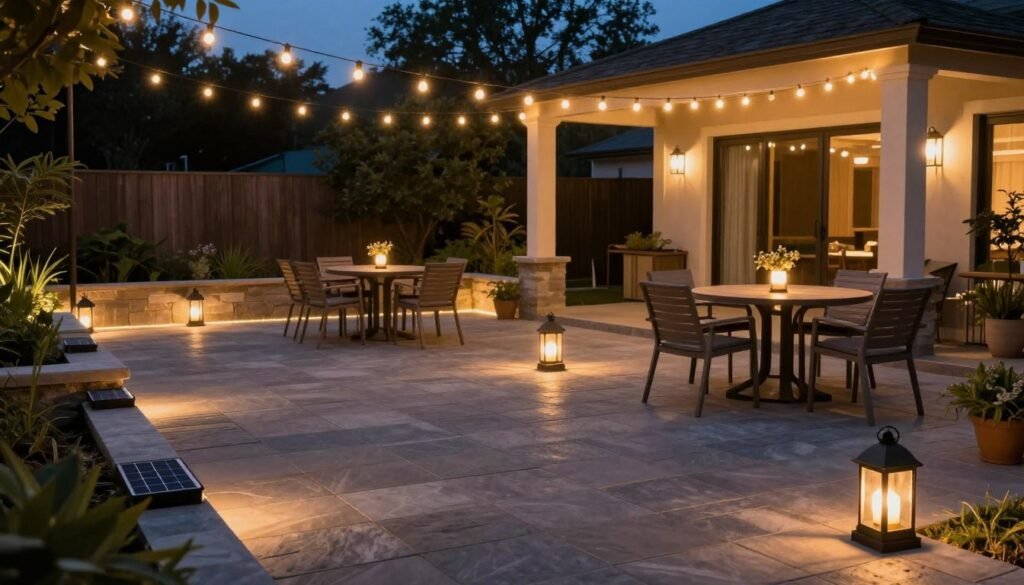
Illuminate Your Outdoor Space
Discover weather-resistant lighting options to extend your patio enjoyment into the evening hours.
Selecting the Perfect Patio Furniture
The right furniture transforms your patio from a simple hardscape into a functional outdoor living space. Consider how you’ll use the area when selecting pieces.
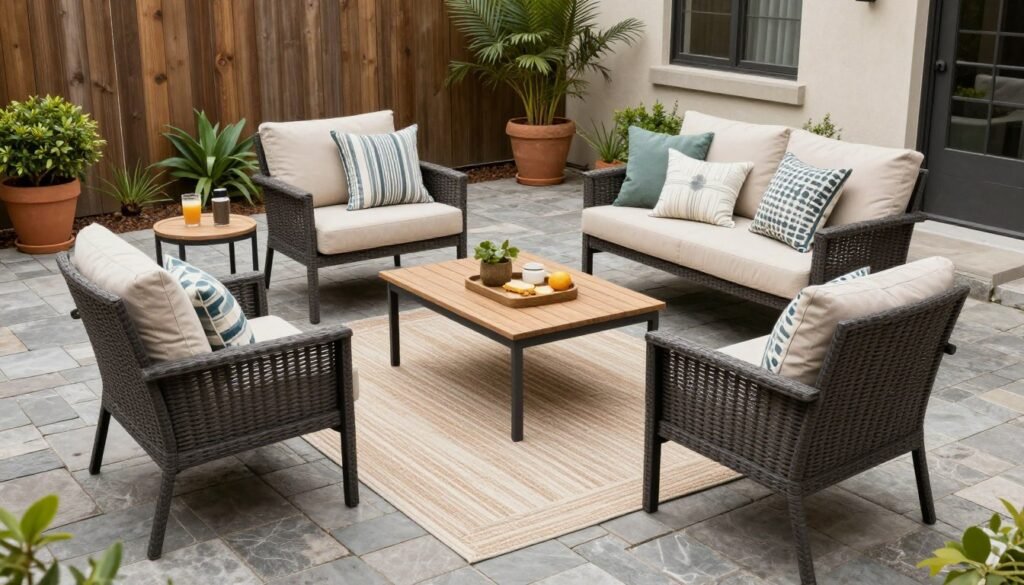
Furniture Materials for Outdoor Durability
Different materials offer varying levels of durability, maintenance requirements, and aesthetics:
| Material | Durability | Maintenance | Cost |
| Teak & Hardwoods | Excellent (20+ years) | Moderate – Annual oiling | High |
| Aluminum | Very Good (15+ years) | Low – Occasional cleaning | Medium |
| Resin/All-Weather Wicker | Good (7-10 years) | Low – Simple cleaning | Medium |
| Steel | Good (10+ years with care) | High – Rust prevention | Medium-Low |
| Plastic | Fair (3-5 years) | Very Low | Low |
Creating Functional Zones
Consider dividing larger patios into distinct functional areas:
- Dining Zone: Table and chairs sized appropriately for your typical gatherings
- Conversation Area: Comfortable seating arranged to facilitate interaction
- Lounging Space: Chaise lounges or daybeds for relaxation
- Cooking Station: Grill, prep space, and serving area
Even on smaller patios, multi-functional furniture like storage benches or extendable tables can maximize your space’s utility.
Furnish Your Outdoor Oasis
Find weather-resistant furniture that perfectly fits your new DIY patio space.
Maintaining Your DIY Patio for Years of Enjoyment
A well-built patio can last decades with proper maintenance. Establish a regular care routine to keep your outdoor space looking its best year after year.

Seasonal Maintenance Schedule
Follow this schedule to keep your patio in top condition:
| Season | Maintenance Tasks |
| Spring |
– Deep clean surfaces with appropriate cleaner – Check for winter damage and make repairs – Apply polymeric sand to paver joints if needed – Inspect and clean drainage areas |
| Summer |
– Remove weeds promptly – Rinse surfaces to remove debris – Check for insect infestations – Clean furniture and fabric items |
| Fall |
– Clear leaves and organic debris – Apply sealer to pavers if needed (every 2-3 years) – Clean and store cushions and accessories – Cover or store furniture for winter |
| Winter |
– Remove snow carefully (avoid metal shovels on pavers) – Use sand instead of salt for ice (salt damages concrete) – Check for heaving or settling – Plan for spring repairs |
Addressing Common Problems
Be prepared to handle these common patio issues:
- Weed Growth: Apply vinegar-based weed killer or boiling water to weeds in joints; consider refreshing polymeric sand
- Settling or Heaving: Remove affected pavers, adjust base material, and reinstall
- Stains: Use appropriate cleaners based on stain type (oil, rust, organic)
- Erosion Around Edges: Reinforce edging and improve drainage to prevent future issues
Keep Your Patio Looking New
Find quality maintenance products to protect your investment and keep your DIY patio beautiful for years.
DIY Patio Inspiration Gallery
Looking for ideas to make your patio unique? Here are some creative approaches to inspire your project.
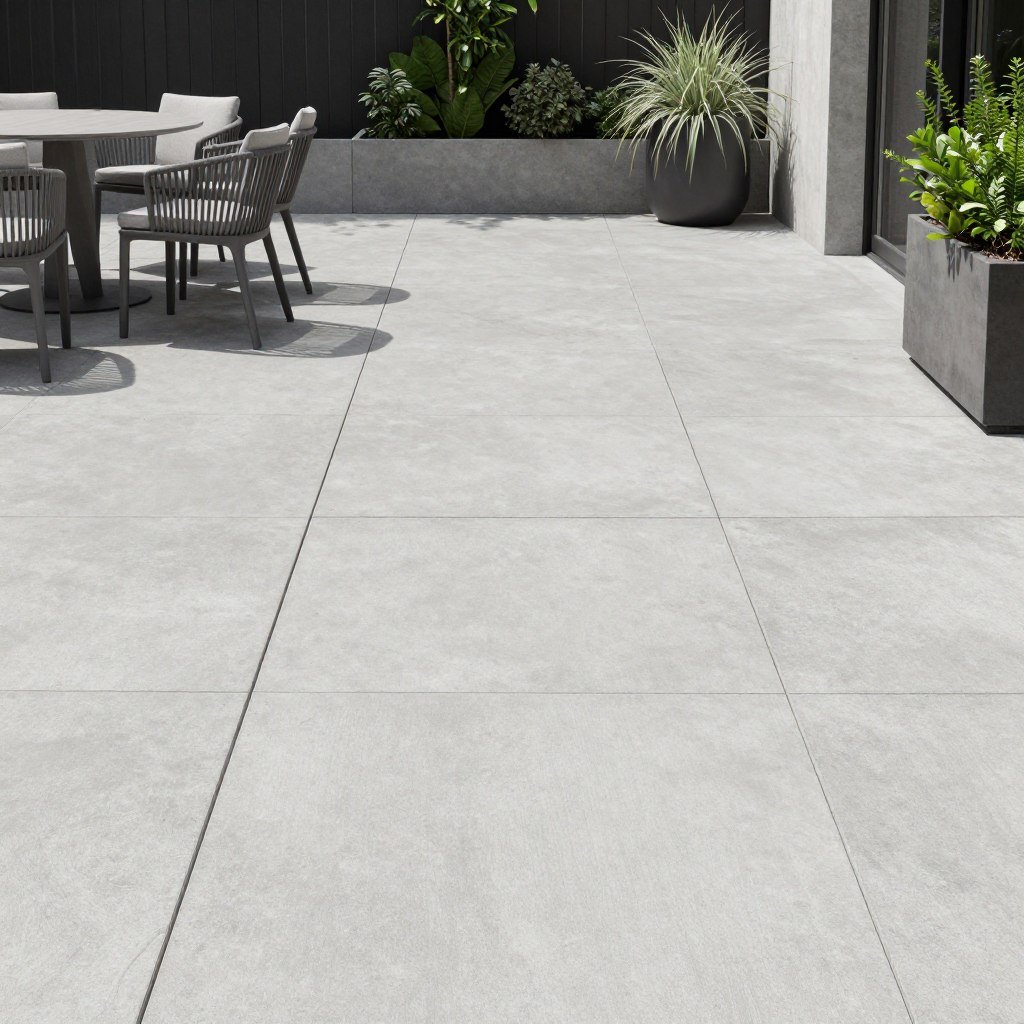
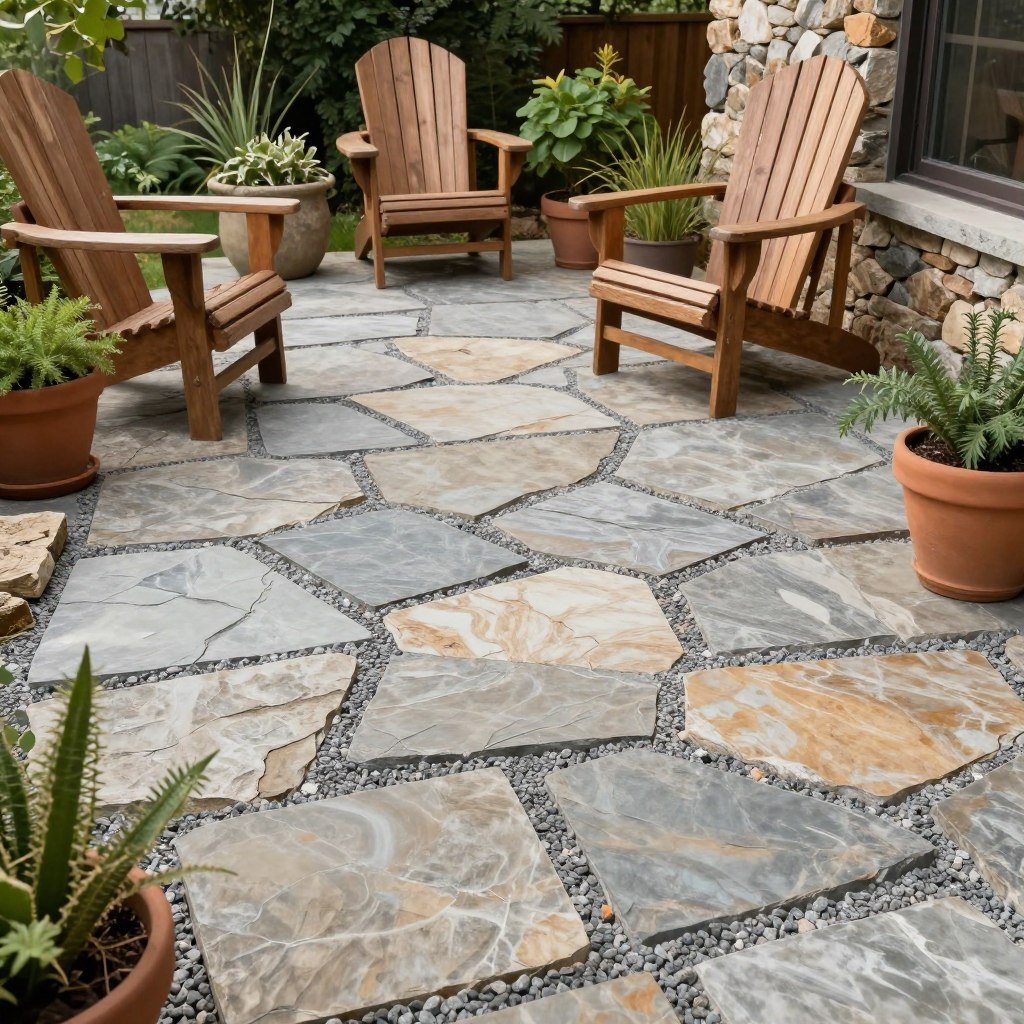
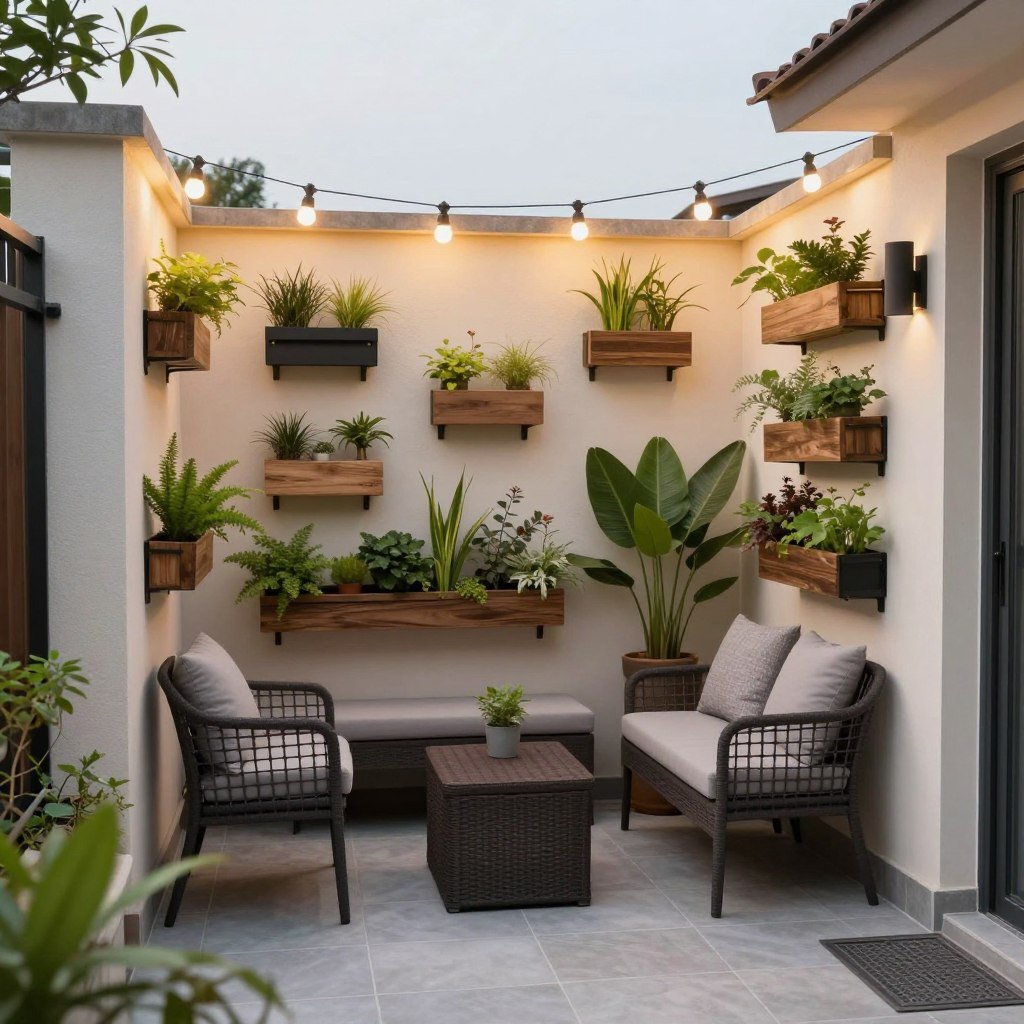
Creative DIY Patio Ideas
Consider these unique approaches to personalize your outdoor space:
- Mixed Materials: Combine different paving materials like stone and brick for visual interest
- Inset Designs: Create decorative inlays with contrasting pavers or mosaic elements
- Level Changes: Build multi-level patios to define different functional areas
- Built-In Planters: Incorporate planting areas directly into your patio design
- Water Features: Add small fountains or water bowls for tranquil sounds
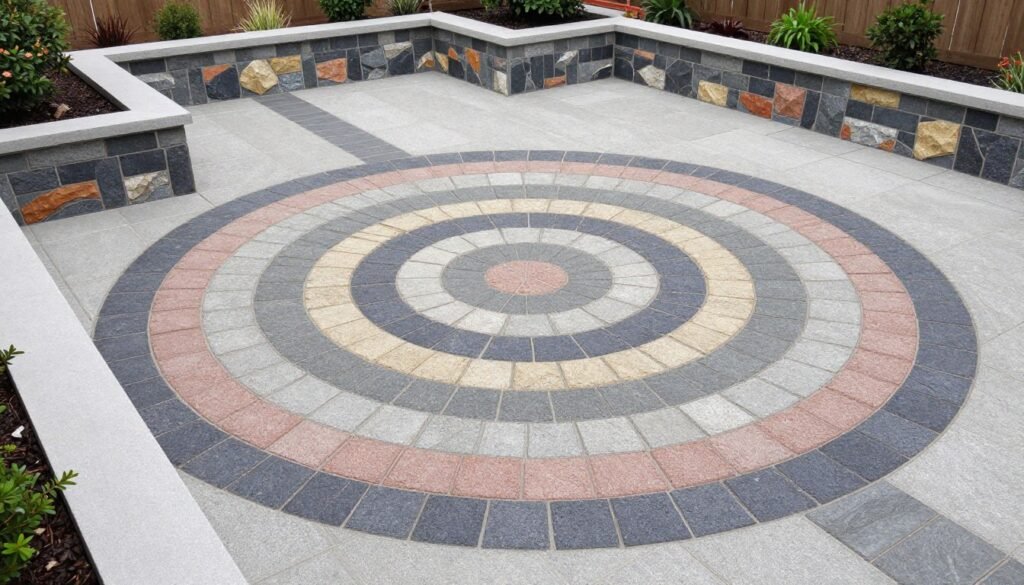
Make Your Patio Unique
Find decorative elements and accessories to personalize your outdoor space.
Your DIY Patio Journey: From Dream to Reality
Building your own patio is a rewarding project that enhances your outdoor living space and adds value to your home. With proper planning, quality materials, and attention to detail, you can create a beautiful, durable patio that will provide enjoyment for years to come.
Remember that patience is key during the construction process. Take time to properly prepare your base, carefully install your chosen materials, and add those finishing touches that make the space uniquely yours. The effort you invest now will pay dividends in countless hours of outdoor enjoyment.
We’d love to see your DIY patio creations! Consider pinning this guide for future reference and sharing photos of your completed project to inspire others in the DIY community. Your outdoor oasis awaits!
Start Your DIY Patio Project Today
Find everything you need to create your perfect outdoor living space.