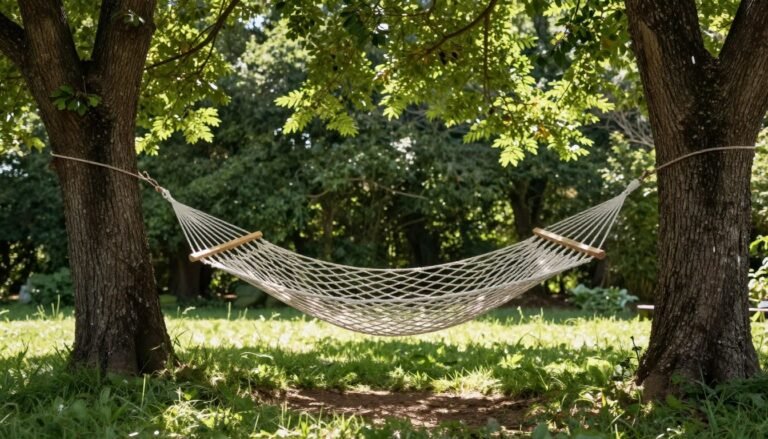
There’s something magical about European backyards that captivates our imagination. Whether it’s the sun-drenched courtyards of the Mediterranean, the manicured elegance of French gardens, or the charming wildness of English cottage spaces, European outdoor design offers timeless appeal that can transform any backyard into a personal retreat. This guide explores distinctive European backyard styles and shows how you can bring that continental charm to your own outdoor space with carefully selected elements and thoughtful design.
This Website contains affiliate links. That means I may earn a small commission if you purchase through my links, at no extra cost to you.
Mediterranean-Inspired Backyard Retreats
Mediterranean backyards evoke images of sun-soaked terraces, terracotta pots, and the gentle rustle of olive trees. This style embraces natural materials, drought-tolerant plants, and outdoor living spaces designed for long, leisurely gatherings.
The warm tones and natural materials create an authentic Mediterranean atmosphere
Key Elements of Mediterranean Backyard Design
- Terracotta pots and planters in various sizes
- Drought-resistant plants like lavender, rosemary, and olive trees
- Natural stone or gravel pathways
- Wrought iron furniture and accents
- Water features like simple stone fountains
- Pergolas covered with climbing vines
Essential Plants for Mediterranean Gardens
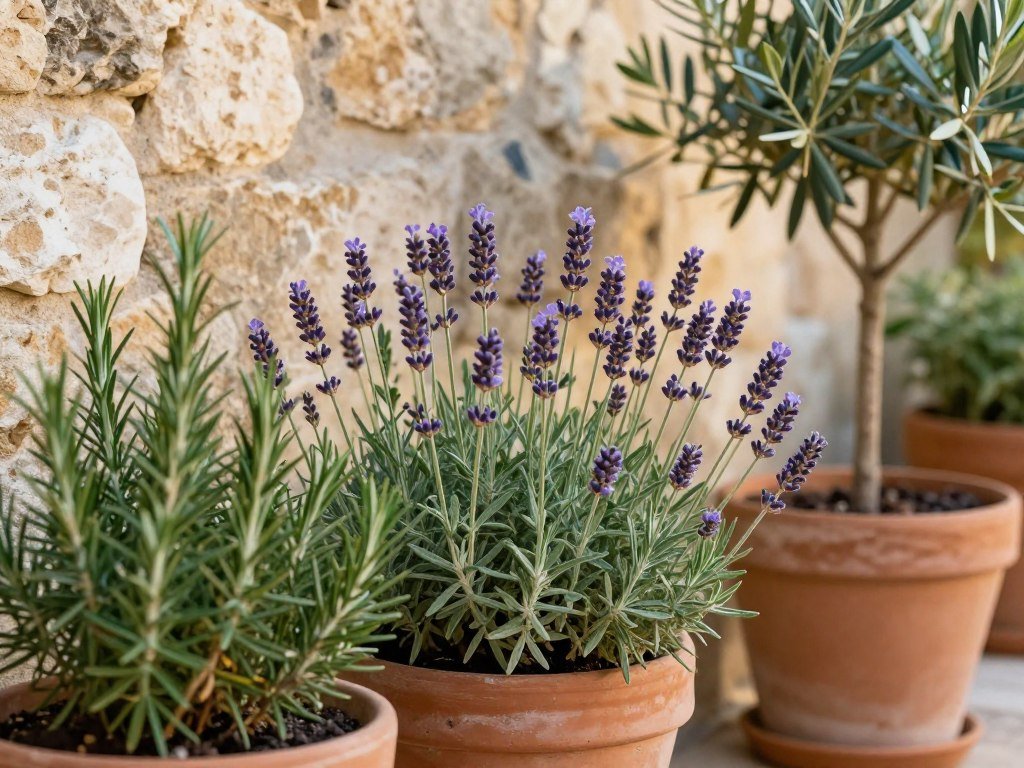
The plant palette for Mediterranean gardens focuses on species that thrive in hot, dry conditions. Olive trees serve as the perfect focal point in these gardens, offering silvery foliage and a timeless European feel. Consider adding small potted olive trees that can be moved as needed or planted directly in the ground in suitable climates.
Lavender creates beautiful purple drifts and releases its signature scent when brushed against. French or Spanish lavender varieties work beautifully in containers or borders. Complement these with rosemary, thyme, and sage for an aromatic herb garden that’s both beautiful and practical.
Related Posts:





Aromatic herbs and silvery foliage create the signature Mediterranean garden look
Creating Mediterranean Hardscaping
The foundation of Mediterranean backyard design lies in its hardscaping elements. Decomposed granite or crushed limestone creates pathways with an aged, European feel. For patios, consider terracotta tiles or natural stone pavers in warm earth tones.
Water features play an important role in Mediterranean gardens, providing cooling effects and gentle ambient sound. A simple wall-mounted stone fountain or a terracotta basin creates an authentic focal point without requiring extensive installation.
French Country Garden Elegance
French country gardens blend formal structure with relaxed plantings, creating spaces that feel both sophisticated and welcoming. This style emphasizes symmetry, gravel pathways, and an abundance of flowering plants arranged in a seemingly casual but actually quite deliberate manner.
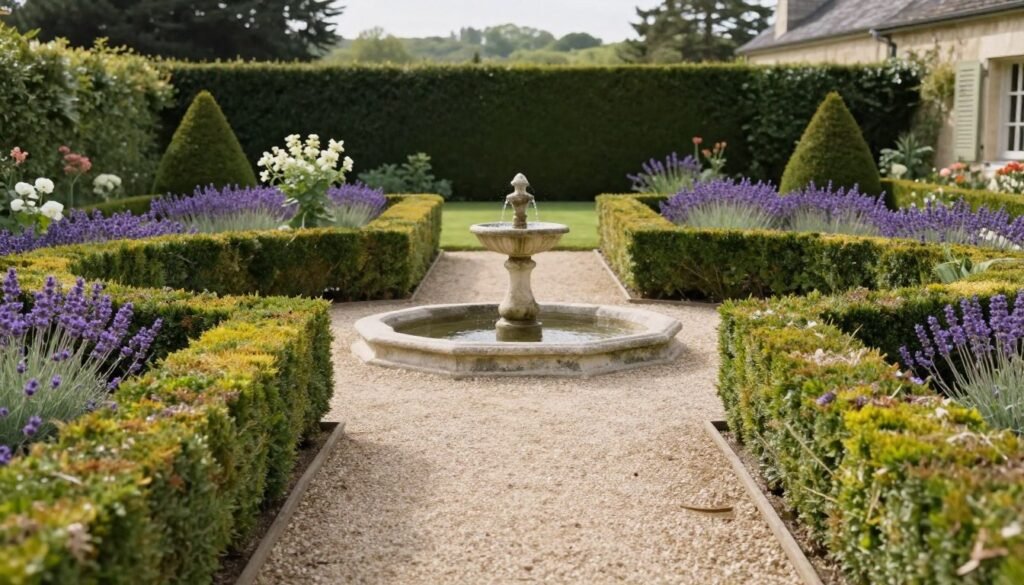
French country gardens balance formal structure with romantic plantings
Key Elements of French Country Gardens
- Symmetrical layouts with central focal points
- Crushed gravel or limestone pathways
- Lavender and boxwood borders
- Simple stone fountains or birdbaths
- Potted citrus trees or topiaries
- Wrought iron or weathered wooden furniture
Creating Structure with Hedges and Borders
The framework of a French country garden comes from its structured hedges and borders. Boxwood shrubs can be used to create low borders that define garden rooms or outline planting beds. For smaller spaces, consider dwarf varieties that provide the same formal look without overwhelming the area.
Gravel pathways are quintessentially French and provide excellent drainage while suppressing weeds. Look for crushed limestone or light-colored gravel to create authentic-looking paths that brighten the garden and provide satisfying crunching sounds underfoot.
French Country Furnishings and Accents
Complete your French country garden with carefully selected furniture and decorative elements. A French bistro set with a small round table and two chairs creates a perfect spot for morning coffee or evening wine. Look for pieces in weathered finishes or classic French blue.
Decorative accents like obelisk trellises add vertical interest and provide support for climbing roses or clematis. Vintage-inspired garden tools and watering cans displayed as decorative elements add authentic charm to potting areas.
English Cottage Garden Charm
English cottage gardens celebrate abundance and informality, with overflowing flower beds, climbing roses, and winding pathways. This style embraces a controlled wildness that feels effortless but actually requires thoughtful plant selection and arrangement.
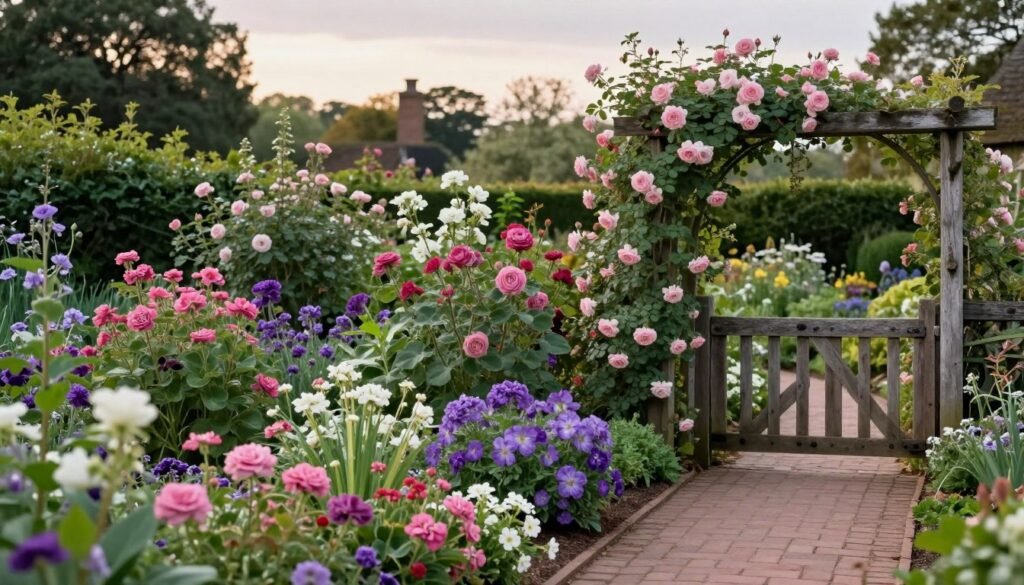
English cottage gardens blend abundant plantings with rustic structural elements
Key Elements of English Cottage Gardens
- Densely planted flower beds with perennials and self-seeding annuals
- Climbing roses and flowering vines on walls, fences, and arches
- Brick or flagstone pathways with plants spilling onto edges
- Rustic wooden elements like gates, benches, and arbors
- Traditional cottage garden plants like foxgloves, hollyhocks, and delphiniums
- Herb gardens integrated with ornamental plantings
Creating Cottage Garden Flower Beds
The heart of an English cottage garden is its abundant flower beds. Create deep borders filled with a mix of perennials, annuals, and flowering shrubs. Traditional cottage garden perennials like delphiniums, foxgloves, and hollyhocks provide vertical interest, while lavender, catmint, and geraniums create middle-height mounds.
Allow plants to self-seed and intertwine for that authentic cottage garden look. Embrace a color palette of soft pinks, purples, blues, and whites for a traditional English feel, or go bolder with oranges and reds for a more contemporary take.
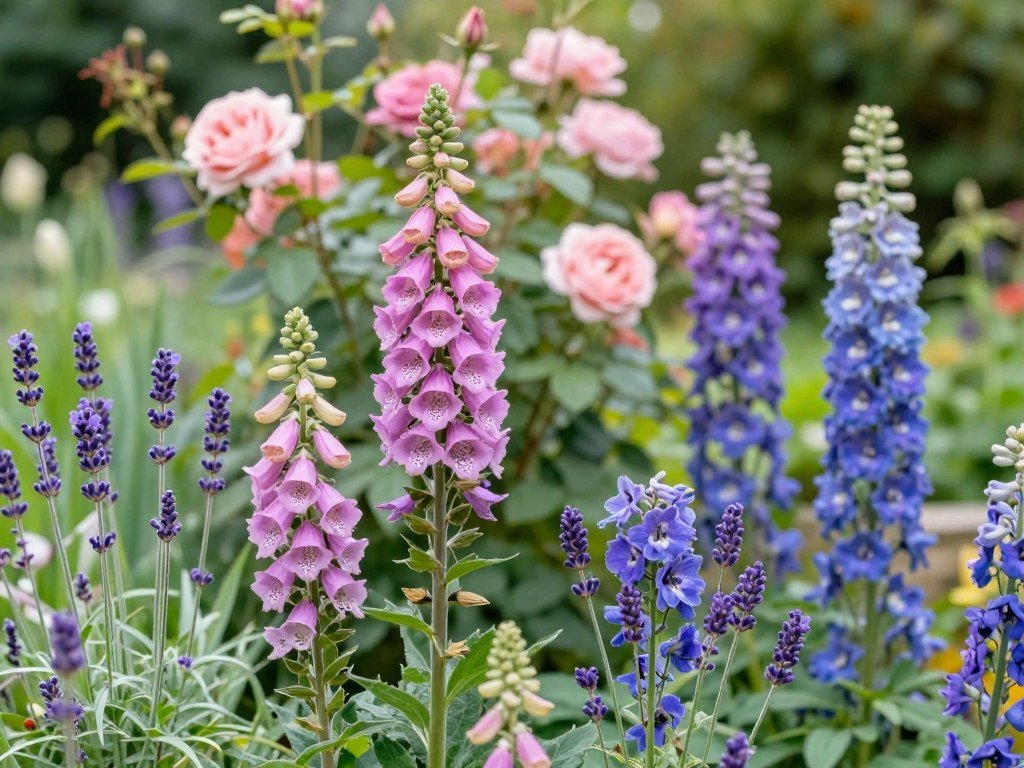
The layered, slightly wild planting style is the signature of English cottage gardens
Cottage Garden Structures and Pathways
Incorporate charming structural elements to enhance your English cottage garden. A wooden arch or arbor covered with climbing roses creates a romantic entryway, while a rustic wooden bench provides a place to sit and enjoy the garden.
Pathways in cottage gardens typically use traditional materials like brick, flagstone, or gravel. Allow plants to spill over onto the edges of paths for that characteristic soft, informal look that blurs the boundaries between path and garden.
Italian Renaissance Garden Grandeur
Italian Renaissance gardens emphasize order, symmetry, and the integration of architecture with nature. While traditionally grand in scale, the principles of Italian garden design can be adapted to create elegant focal points in smaller backyards.
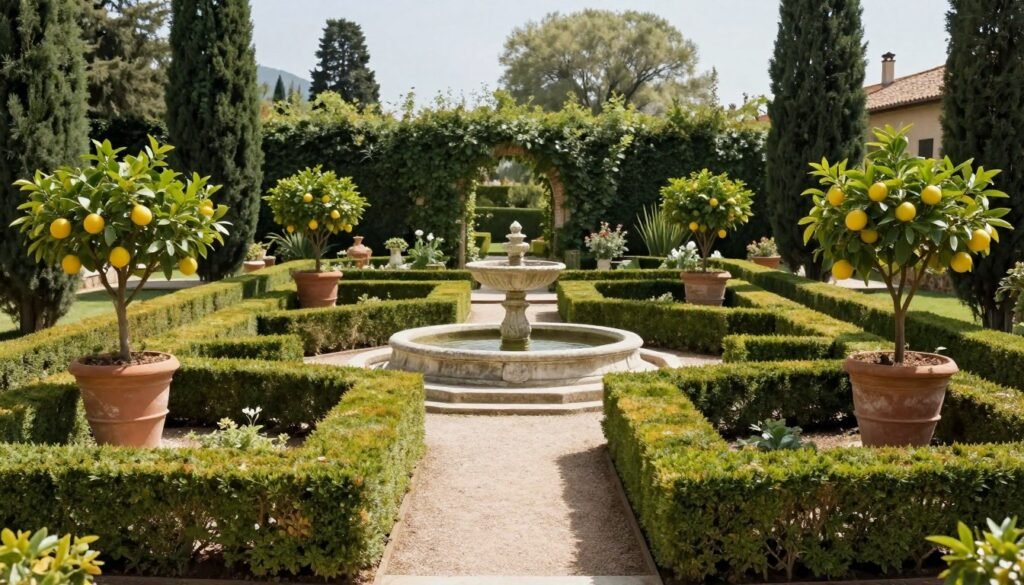
Italian gardens emphasize symmetry, order, and architectural elements
Key Elements of Italian Renaissance Gardens
- Geometric layouts with strong symmetry
- Clipped hedges forming patterns or “rooms”
- Stone fountains as central focal points
- Statuary and decorative urns
- Cypress trees and citrus in containers
- Gravel or stone pathways in geometric patterns
Creating Italian Garden Structure
The foundation of Italian garden design lies in its strong architectural elements and geometric patterns. Create simple parterre designs using dwarf boxwood to form low hedges in geometric patterns. Even in small spaces, a simple knot garden or a pair of symmetrical beds can evoke Italian elegance.
Vertical elements are essential in Italian gardens. Italian cypress trees provide the classic Mediterranean silhouette, while potted citrus trees add both beauty and fragrance. In colder climates, consider using arborvitae or similar columnar evergreens as alternatives.
Italian Garden Water Features and Ornaments
Water features serve as central focal points in Italian gardens. A tiered stone fountain creates an authentic centerpiece, while a simple wall fountain or basin can work in smaller spaces.
Decorative elements like classical statuary, stone urns, and decorative pots enhance the formal atmosphere. Position these elements symmetrically to reinforce the ordered design that characterizes Italian Renaissance gardens.
Greek Island-Inspired Simplicity
Greek island gardens embrace minimalism, focusing on a crisp palette of white and blue against natural stone. This style is perfect for hot, dry climates and creates a serene, Mediterranean atmosphere with relatively few elements.
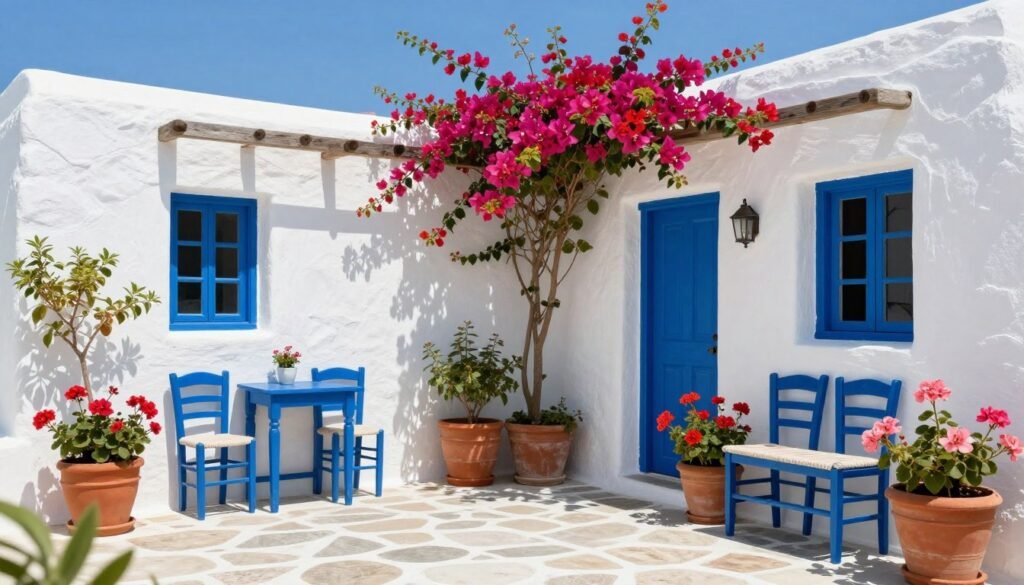
The clean lines and bright colors of Greek island design create a refreshing outdoor space
Key Elements of Greek Island Gardens
- Whitewashed walls and structures
- Blue accents on doors, shutters, or furniture
- Terracotta pots with bright bougainvillea or geraniums
- Natural stone paving in irregular patterns
- Simple wooden or wrought iron furniture
- Drought-tolerant Mediterranean plants
Creating Greek Island Color Schemes
The iconic Greek island color palette centers around brilliant white and vibrant blue. Consider painting garden walls, fences, or structures in white, then adding blue accents through painted furniture, decorative pots, or fabric cushions.
Complement this blue and white foundation with the vibrant colors of flowering plants. Bougainvillea in magenta or purple creates a stunning contrast against white walls, while red geraniums in terracotta pots add classic Mediterranean charm.
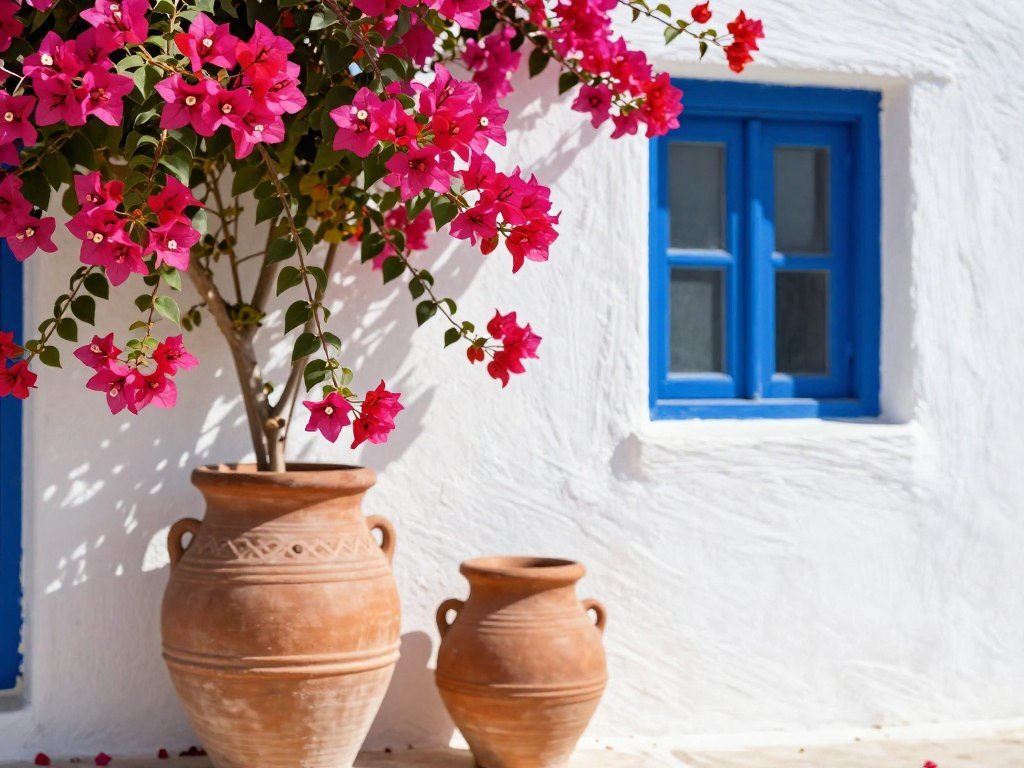
The contrast of bright flowers against whitewashed walls creates the signature Greek island look
Greek Island Paving and Materials
Natural stone is the foundation of Greek island hardscaping. Create patios or pathways using irregular flagstones with thyme or other low-growing herbs planted between them. This creates a natural, aged appearance while allowing fragrant plants to release their scent when walked upon.
For seating areas, choose simple wooden benches or wrought iron furniture with clean lines. Add comfort with cushions in blue and white patterns or solid colors that complement the overall design.
Scandinavian Outdoor Minimalism
Scandinavian outdoor design embraces clean lines, functional spaces, and a connection to nature. This style creates serene, usable outdoor rooms that extend the living space while maintaining a minimalist aesthetic.
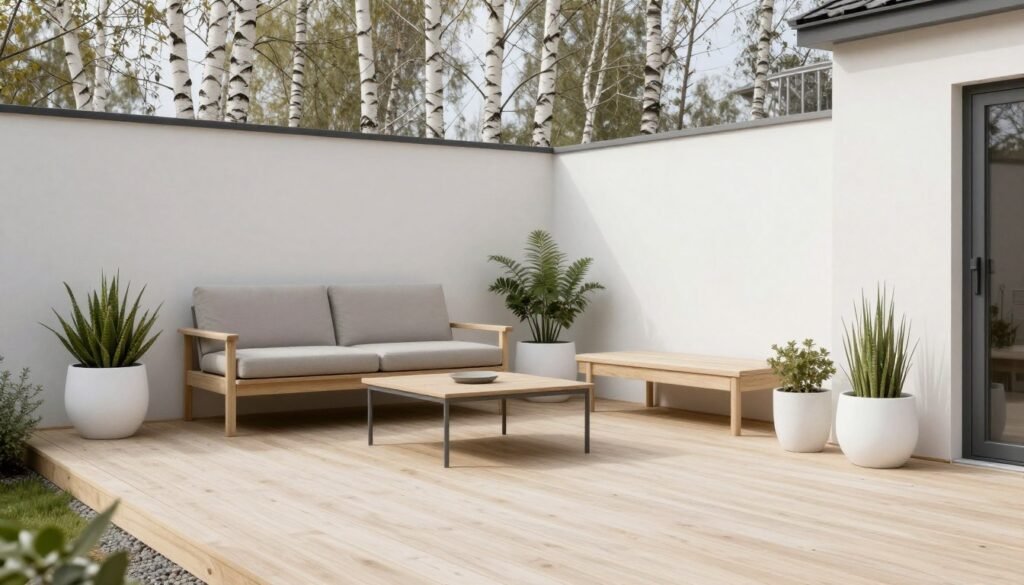
Scandinavian outdoor spaces blend minimalism with natural elements
Key Elements of Scandinavian Outdoor Design
- Clean lines and uncluttered spaces
- Natural wood decking and furniture
- Neutral color palette with occasional bold accents
- Simple container plantings in modern pots
- Functional outdoor living spaces
- Strategic lighting for extended evening use
Creating Scandinavian Outdoor Living Areas
Scandinavian design prioritizes functional outdoor living spaces that can be used for dining, relaxing, and entertaining. Choose minimalist outdoor furniture with clean lines in natural wood or neutral colors. Add comfort with simple cushions in muted tones or occasional bright accents.
Extend the usability of your Scandinavian outdoor space with thoughtful lighting. String lights create a warm ambiance for evening gatherings, while simple lanterns or candle holders add a cozy Nordic touch.
Scandinavian Plant Selection and Containers
Plant selection in Scandinavian gardens tends toward the simple and structural. Choose native grasses, ferns, and evergreens that provide year-round interest with minimal maintenance. Container plantings in modern white or concrete planters add greenery without cluttering the space.
For a touch of seasonal color, incorporate simple flower arrangements in natural containers. Wildflowers or branches displayed in ceramic or glass vessels bring nature into the design while maintaining the clean aesthetic.
Universal European Garden Elements
While each European garden style has its distinctive characteristics, certain elements transcend regional differences and can be incorporated into any European-inspired backyard design.
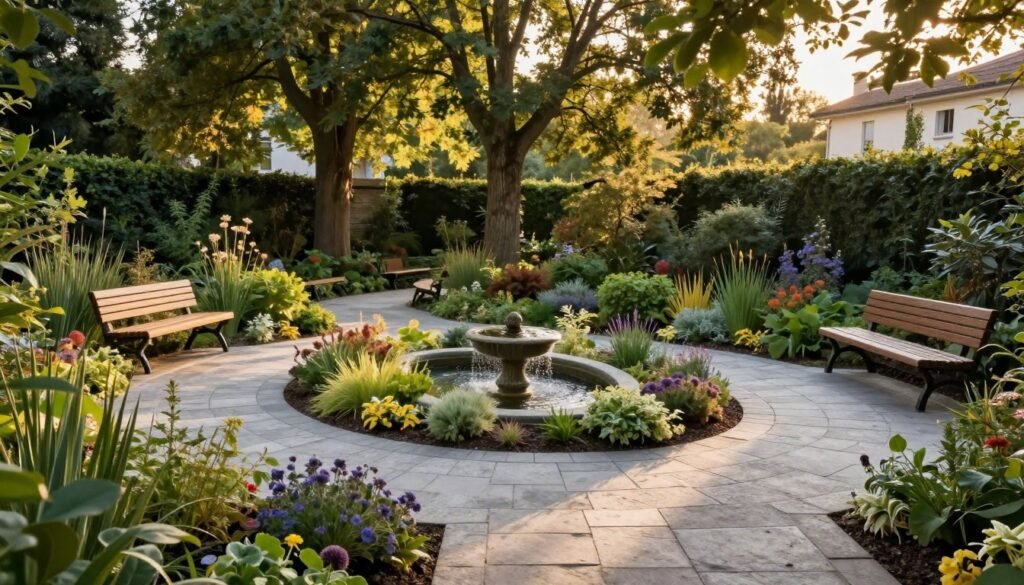
Certain elements like stone pathways and water features appear across European garden styles
Stone and Gravel Elements
Natural stone is a fundamental element in European garden design across all regions. Whether it’s the flagstone patios of English gardens, the gravel paths of French estates, or the stone walls of Mediterranean courtyards, stone hardscaping creates an instant sense of age and permanence.
For an authentic European feel, choose materials with irregular shapes and weathered surfaces rather than perfectly uniform pavers. Allow moss and small plants to grow between stones for a lived-in appearance that suggests the garden has evolved over time.
Water Features as Focal Points
Water features appear in virtually all European garden traditions, from elaborate Italian fountains to simple English bird baths. Adding a water feature creates a natural focal point while providing the soothing sound of moving water.
Scale your water feature appropriately for your space. A small wall fountain or ceramic basin can create the same sensory experience as a grand installation while fitting comfortably in a modest backyard.
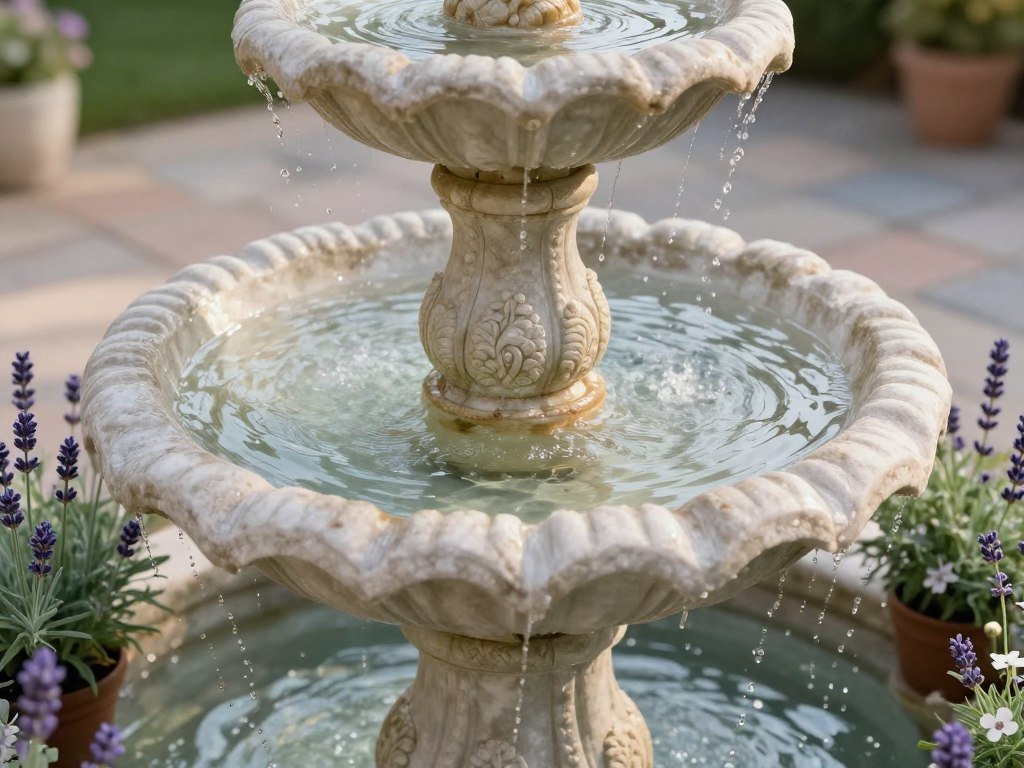
Even small water features create powerful focal points in European garden design
Outdoor Dining Areas
The tradition of outdoor dining is central to European garden design across all regions. Create an inviting dining space with a sturdy outdoor table and comfortable chairs positioned to take advantage of garden views and natural shade.
Enhance your outdoor dining area with ambient lighting for evening use. String lights hung overhead create a magical atmosphere, while candles or lanterns on the table add intimate lighting for alfresco meals.
Climbing Plants and Vertical Elements
Vertical gardening through climbing plants is another universal European garden element. Roses, wisteria, grape vines, and ivy soften hard architectural elements while adding height and romance to the garden.
Support climbing plants with trellises, arbors, or pergolas that complement your chosen European style. These structures not only support plants but also create defined garden rooms and transitional spaces.
Creating Your Own European Backyard Retreat
The beauty of European backyard design lies in its adaptability. Whether you have a spacious yard or a small patio, the principles of European garden design can be scaled to fit your space while maintaining their essential character.
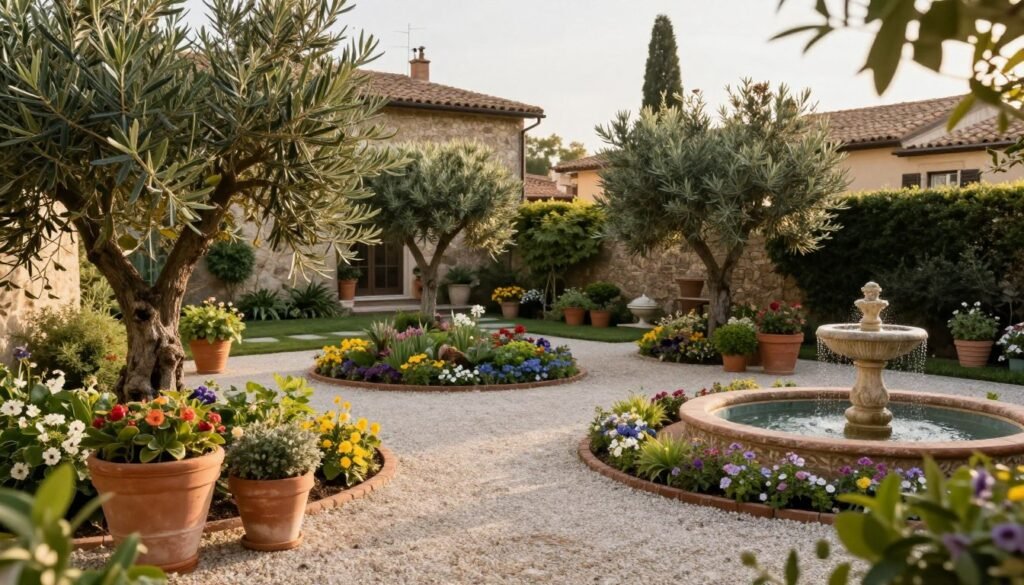
Blending elements from different European traditions creates a unique and personal garden
Don’t be afraid to mix elements from different European traditions to create a space that reflects your personal taste and meets your practical needs. A Mediterranean-inspired dining area might connect to an English cottage garden, or Scandinavian minimalist furniture might sit alongside Italian-inspired geometric plantings.
Begin with hardscaping elements that establish the basic structure, then add plants and decorative features that bring your chosen style to life. Remember that European gardens evolve over time, developing character and charm as they mature. Embrace this process and allow your European-inspired backyard to grow more beautiful with each passing season.
Ready to Create Your European Backyard?
Start transforming your outdoor space with quality materials and plants that bring European charm to your home.