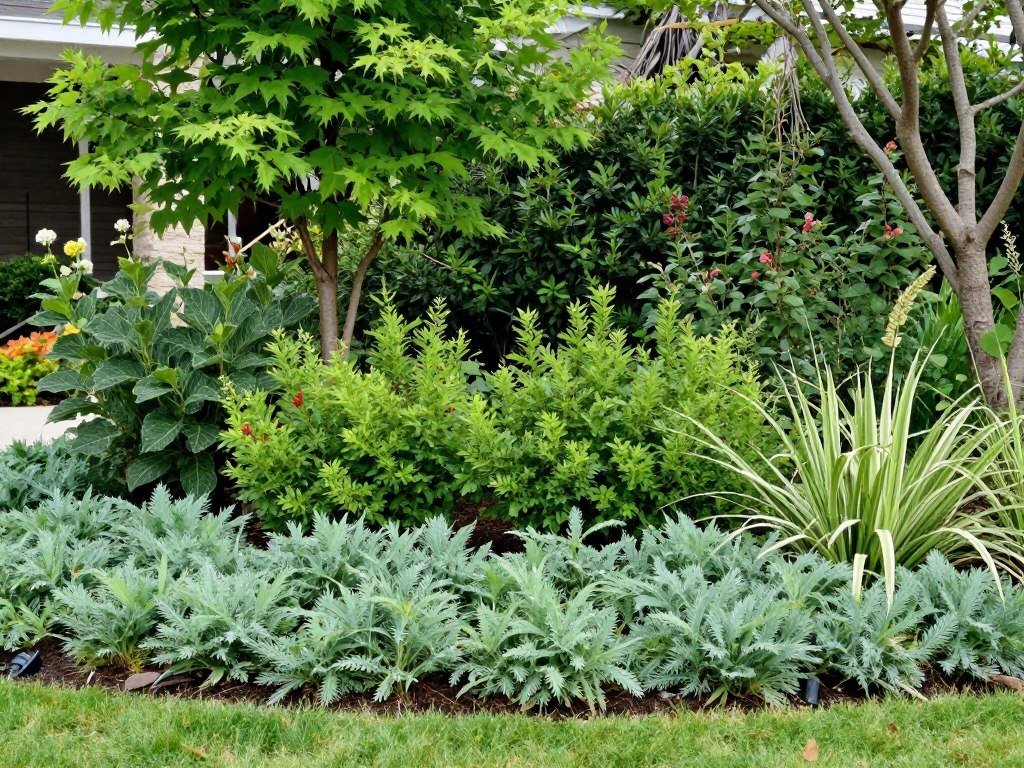
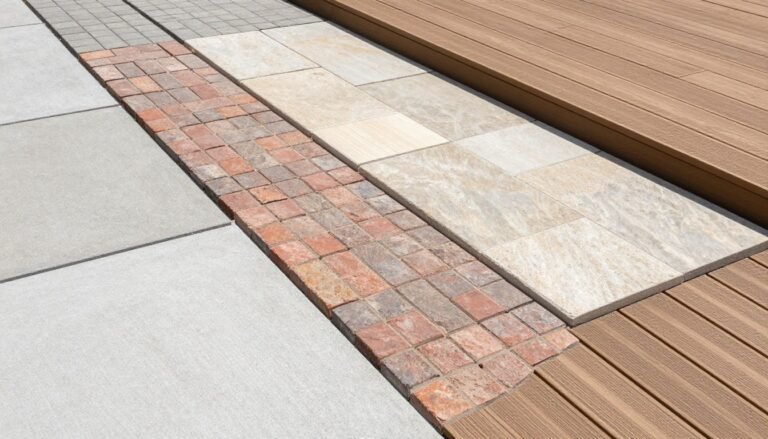
Your front yard is the first thing visitors and passersby notice about your home. A thoughtfully designed landscape not only enhances curb appeal but also creates a welcoming atmosphere that reflects your personal style. Whether you’re looking to completely transform your outdoor space or make simple improvements, front yard landscaping design offers endless possibilities to turn an ordinary yard into an extraordinary one.
This Website contains affiliate links. That means I may earn a small commission if you purchase through my links, at no extra cost to you.
In this guide, we’ll explore various landscaping styles, design principles, and practical ideas to help you create a front yard that makes a lasting impression. From selecting the right plants to incorporating hardscape elements, you’ll discover how to design a front yard that’s both beautiful and functional.
Popular Front Yard Landscaping Styles
Before diving into specific design elements, it’s helpful to consider which overall style resonates with your home’s architecture and your personal preferences. Each landscaping style has distinct characteristics that create different atmospheres and require varying levels of maintenance.
Modern Minimalist
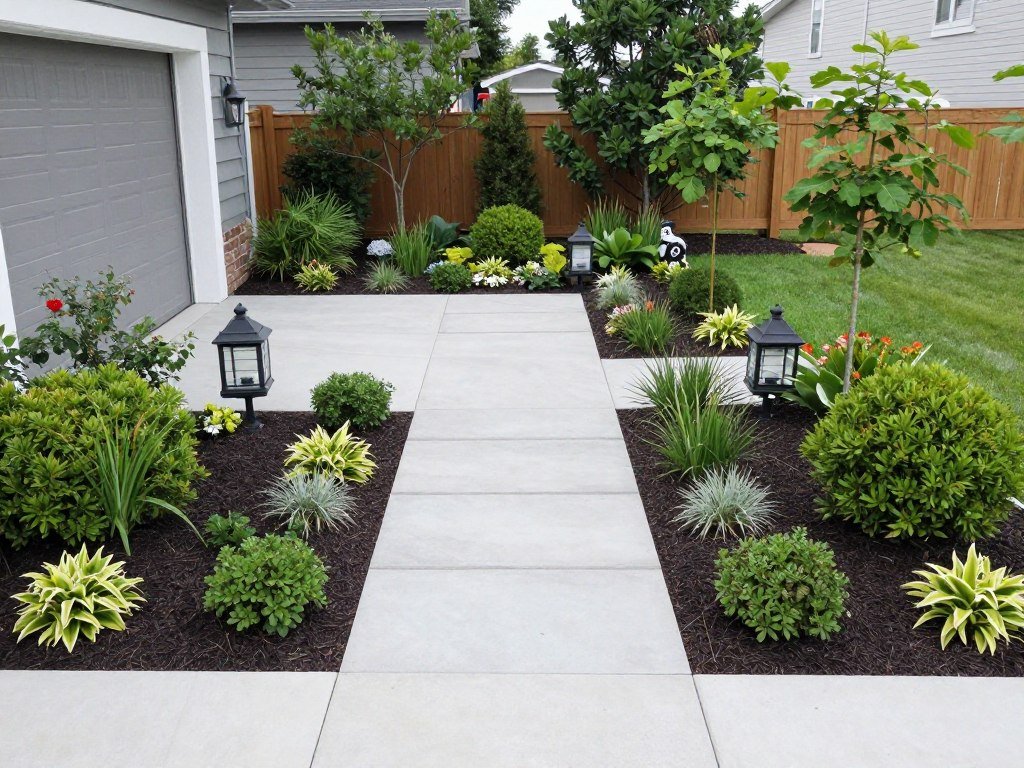
Modern front yard designs embrace clean lines, geometric patterns, and a minimalist approach to plantings. This style often features architectural plants with strong forms, carefully placed hardscape elements, and a limited color palette. Materials like concrete, metal, and glass complement contemporary home architecture while creating a sophisticated outdoor space.
For a modern look, consider incorporating these elements:
Angular garden beds with defined edges
Geometric pavers or stepping stones
Architectural plants like agave, yucca, or ornamental grasses
Gravel or crushed stone ground cover
Strategic lighting to highlight focal points
Modern designs typically require less maintenance than more plant-heavy styles, making them perfect for busy homeowners. For sleek, contemporary landscape lighting options, explore designs that complement this aesthetic.
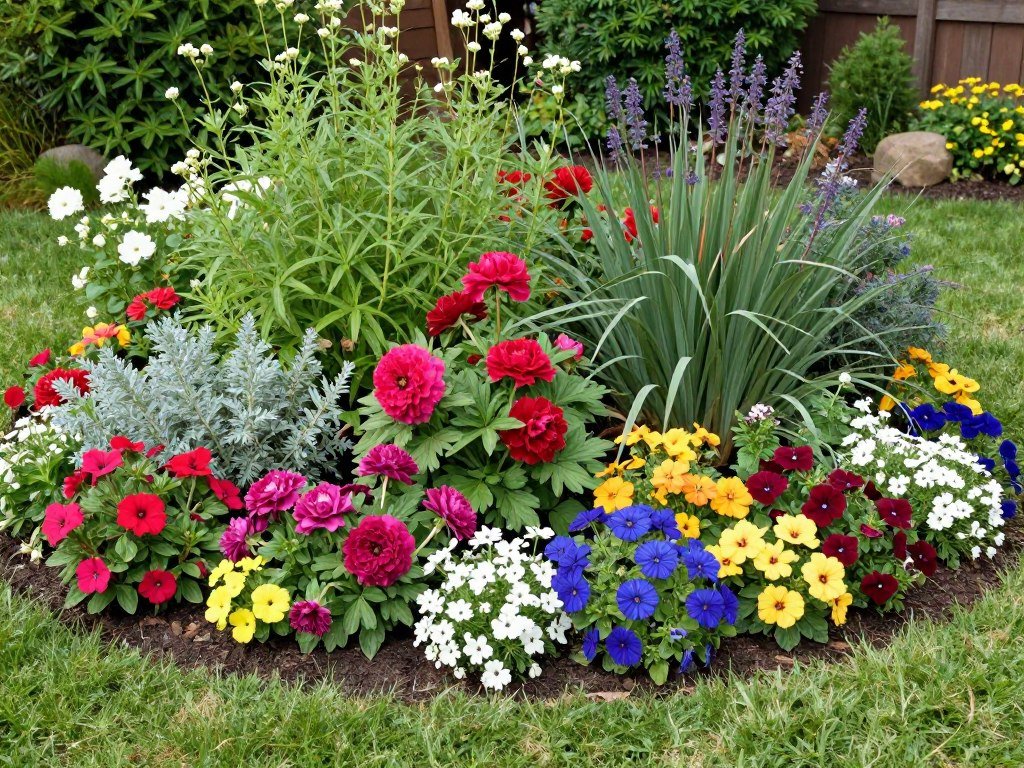
Cottage gardens evoke a sense of charm and nostalgia with their informal, abundant plantings and romantic atmosphere. This style embraces a seemingly casual arrangement of flowering perennials, shrubs, and vines that create a lush, colorful landscape throughout the growing season.
Key elements of cottage garden style include:
Dense, layered plantings with a mix of heights and textures
Curved pathways made of natural materials like flagstone or brick
Traditional elements like picket fences or arbors
Self-seeding annuals and perennials for a natural look
Climbing plants on trellises or along fences
While cottage gardens appear effortless, they do require regular maintenance to prevent them from becoming overgrown. Find quality cottage garden perennials to create this timeless look.
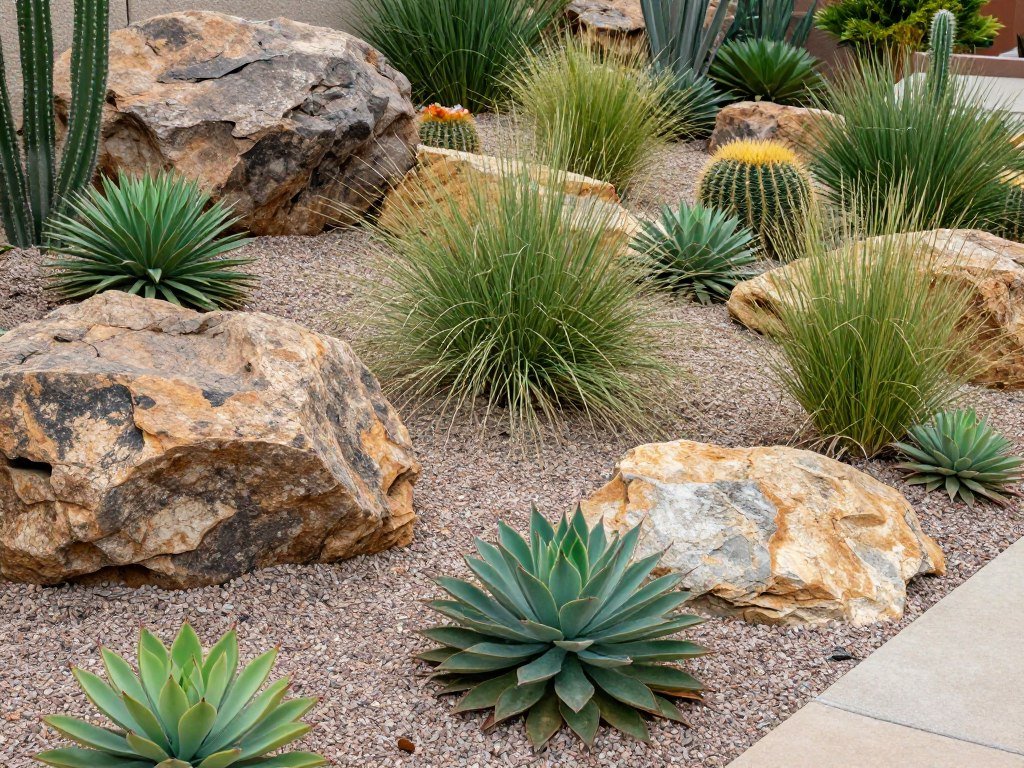
Xeriscape Desert Garden
Xeriscape landscaping focuses on water conservation through smart plant selection and design principles. Particularly popular in arid regions, this style uses drought-tolerant plants, efficient irrigation, and strategic hardscaping to create beautiful landscapes that require minimal water.
Essential components of xeriscape design include:
Native and drought-resistant plants adapted to local conditions
Decorative rock mulch to retain soil moisture and reduce evaporation
Efficient drip irrigation systems that target plant roots
Strategic grouping of plants with similar water needs
Limited turf areas or alternative ground covers
Xeriscaping not only conserves water but also typically requires less maintenance than traditional landscapes. Explore drought-resistant plants to create a sustainable and beautiful yard.
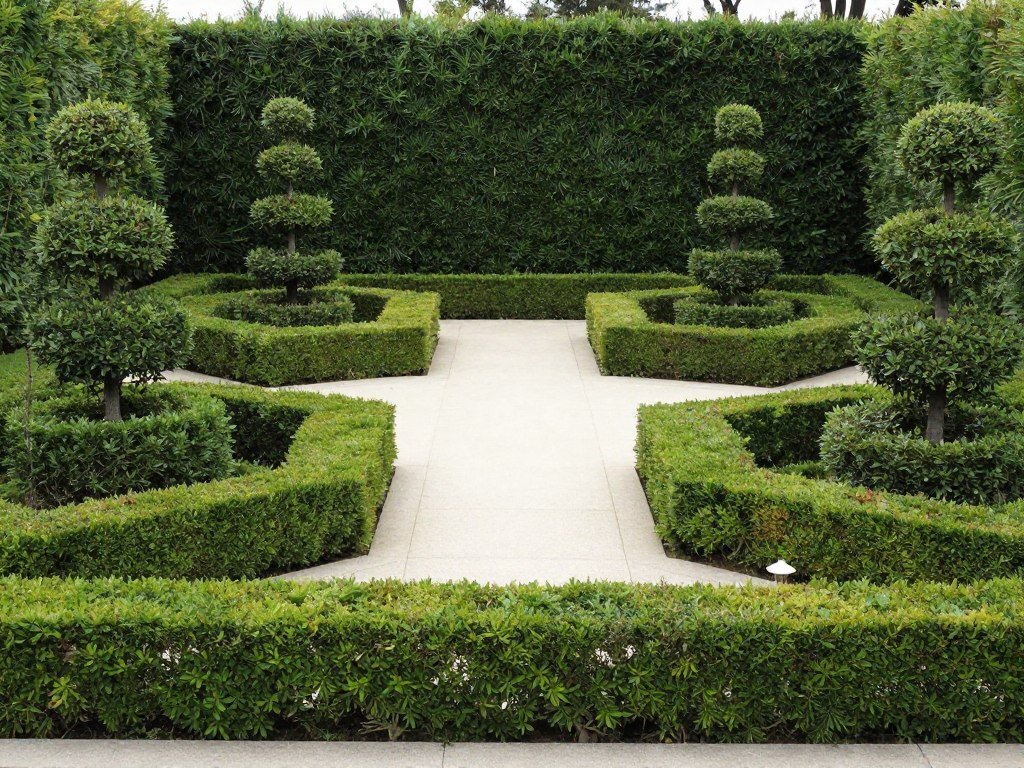
Classic Formal Garden
Formal gardens draw inspiration from European design traditions, emphasizing symmetry, order, and geometric patterns. This style features carefully manicured plants, defined borders, and classic architectural elements that create a sense of elegance and timelessness.
Characteristics of formal garden design include:
Symmetrical layout with a central axis
Clipped hedges and topiaries
Geometric patterns in planting beds
Classical elements like fountains or statuary
Limited color palette with emphasis on green foliage
While beautiful, formal gardens require regular maintenance to maintain their structured appearance. Quality hedge trimming tools are essential for keeping this style looking its best.
Key Front Yard Landscaping Design Principles
Regardless of which style you choose, understanding fundamental design principles will help you create a cohesive and visually appealing landscape. These concepts guide the arrangement of elements to create balance, flow, and visual interest throughout your front yard.
Balance and Proportion
Balance refers to the visual weight of landscape elements and how they’re distributed throughout your yard. A well-balanced front yard feels harmonious rather than lopsided or chaotic. Proportion ensures that all elements—from plants to hardscaping—are appropriately sized in relation to your home and each other.
Consider these tips for achieving balance and proportion:
Match the scale of plants to your home (larger homes need larger plants)
Create symmetry along walkways or entrances for a formal look
Use asymmetrical balance for a more natural, casual appearance
Consider the mature size of plants when planning their placement
Ensure hardscape elements like walkways are proportional to your home’s entrance
Creating Focal Points
Focal points draw the eye and create visual interest in your landscape. They can be architectural features, specimen plants, or decorative elements that stand out from the surrounding area. Strategic placement of focal points guides visitors through your landscape and creates memorable moments.
Effective focal points might include:
A specimen tree with unique form or foliage
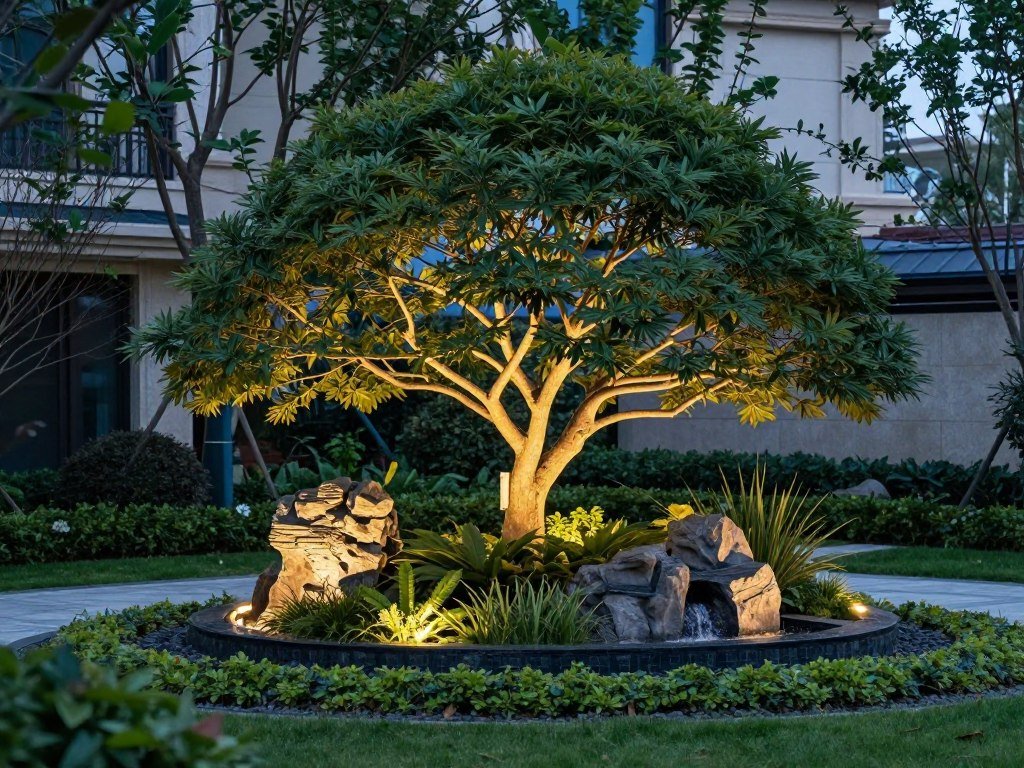
A water feature like a fountain or small pond
Decorative garden structures such as an arbor or trellis
Sculptural elements or garden art
A colorful garden bed or container arrangement
When selecting garden focal point elements, choose pieces that complement your overall design style while providing visual interest.
Layering and Depth
Layering creates visual depth by arranging plants of different heights, textures, and colors from the foreground to the background. This technique adds dimension to your landscape and makes even small spaces feel larger and more dynamic.
To create effective layering:
Place taller plants and trees at the back or as a backdrop
Position medium-height shrubs in the middle ground
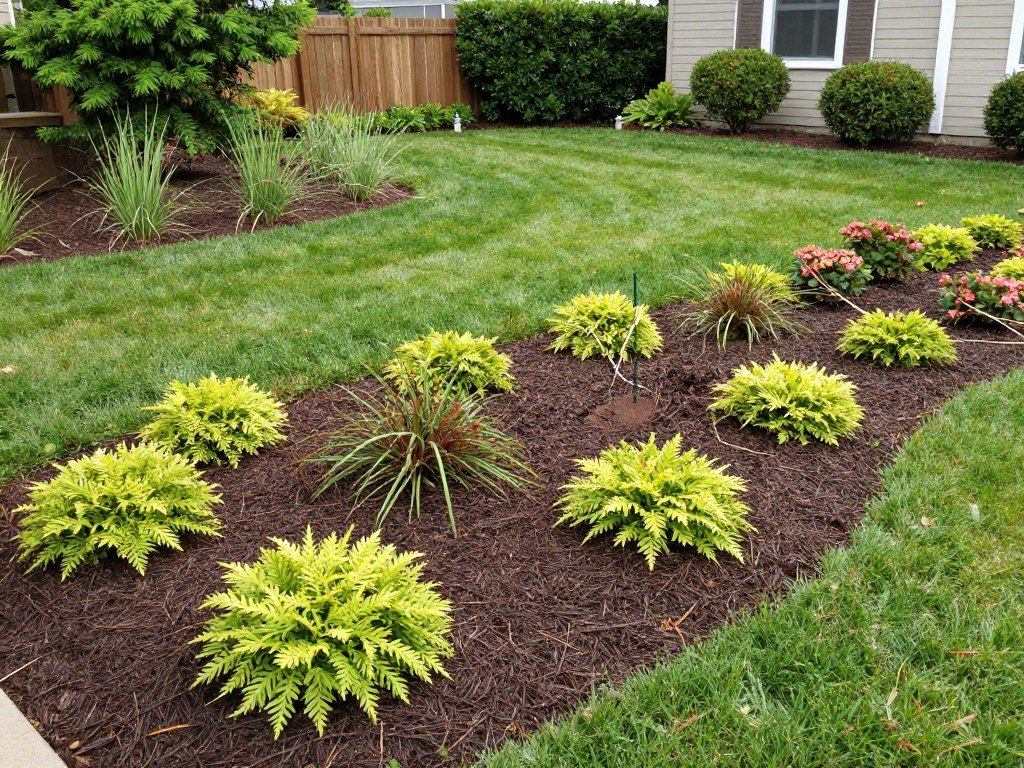
Use low-growing perennials and ground covers in the foreground
Incorporate plants with contrasting textures within each layer
Consider seasonal interest when selecting plants for each layer
Hardscaping vs. Softscaping
A successful landscape integrates both hardscape (non-living elements like pathways, walls, and structures) and softscape (plants and organic elements). Finding the right balance between these components creates a functional and visually appealing front yard.
Hardscape elements provide structure and functionality:
Walkways and paths guide movement through the space
Retaining walls manage elevation changes and create planting areas
Edging materials define borders between different areas
Decorative rocks add texture and visual interest
Structures like arbors or pergolas create vertical dimension
Quality landscape edging materials help define the boundaries between hardscape and softscape elements for a clean, professional look.
Pathways and Lighting: Functional Beauty
Pathways and lighting serve both practical and aesthetic purposes in front yard landscaping design. They guide visitors to your entrance, enhance safety, and highlight key features of your landscape after dark.
Designing Inviting Pathways
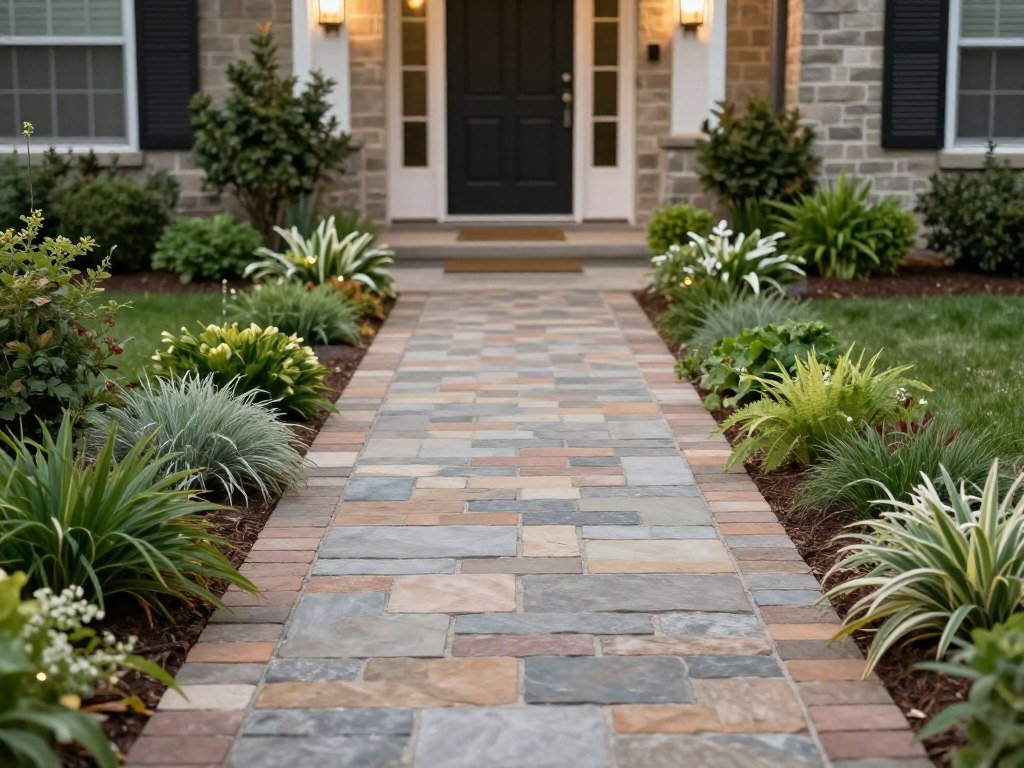
A well-designed pathway does more than connect points A and B—it creates an experience and guides the eye through your landscape. The materials, width, and shape of your pathway should complement your home’s architecture and overall landscape style.
Consider these pathway design tips:
Choose materials that complement your home (brick, stone, concrete pavers, gravel)
Make primary walkways at least 4 feet wide for comfortable passage
Use curves to create visual interest in informal landscapes
Keep paths straight and symmetrical for formal designs
Border pathways with low plantings to soften edges and guide movement
Explore pathway materials that match your design aesthetic while providing durability and slip resistance.
Strategic Landscape Lighting
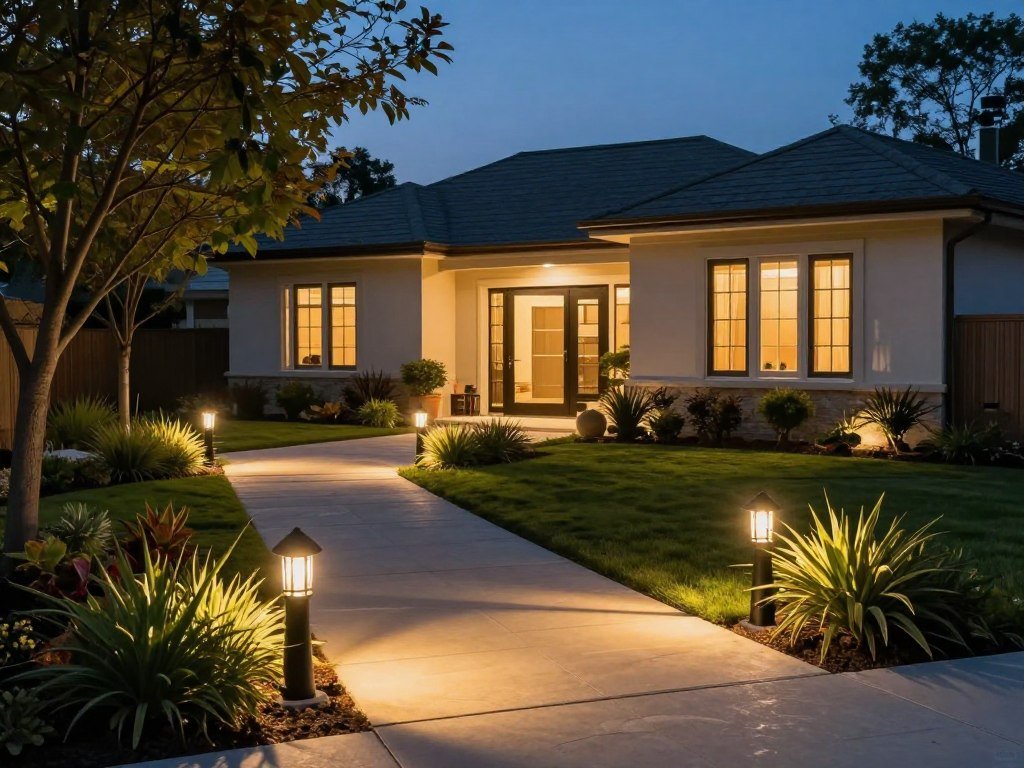
Landscape lighting extends the enjoyment of your front yard into the evening hours while enhancing safety and security. A thoughtful lighting plan highlights architectural features, illuminates pathways, and creates a warm, welcoming atmosphere.
Effective landscape lighting includes:
Path lights to safely guide visitors to your entrance
Uplighting to highlight trees, architectural elements, or garden art
Spotlights to showcase focal points or specimen plants
Step lights for safety on stairs or elevation changes
Ambient lighting to create mood and atmosphere
Solar-powered options make installation easier and reduce energy costs. Browse solar landscape lighting for eco-friendly illumination solutions.
Smart Plant Selection for Front Yard Success
Choosing the right plants is crucial for creating a front yard that looks beautiful year-round with minimal maintenance. Consider your climate, soil conditions, and the amount of sunlight your yard receives when selecting plants.
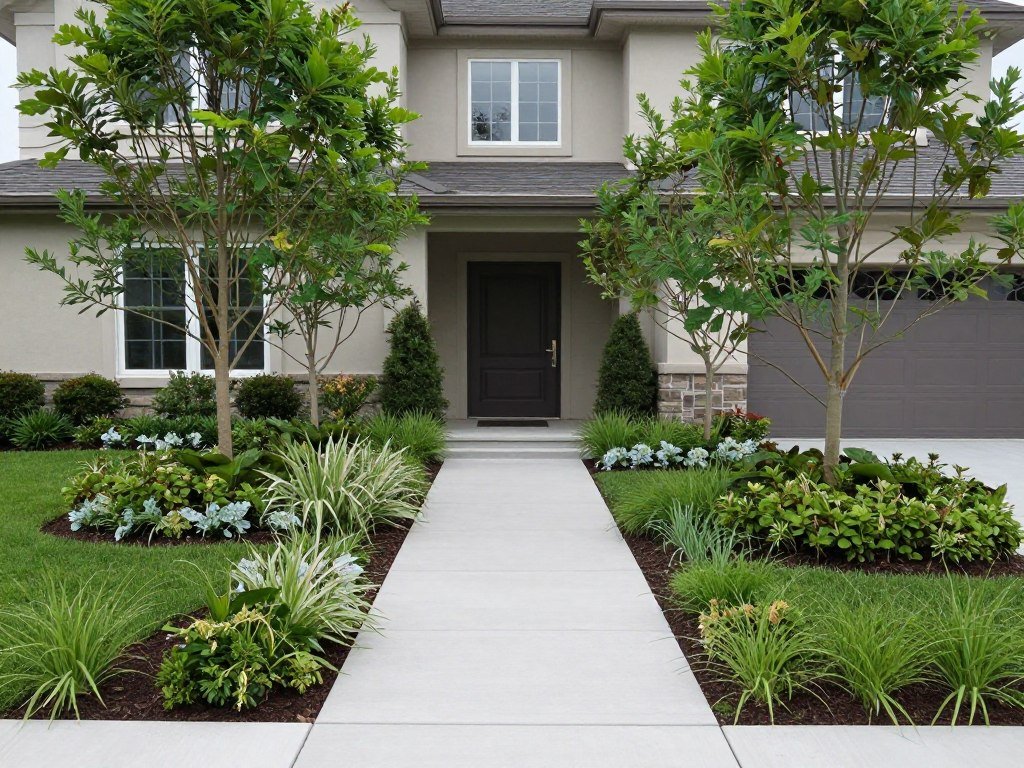
Foundation Plantings
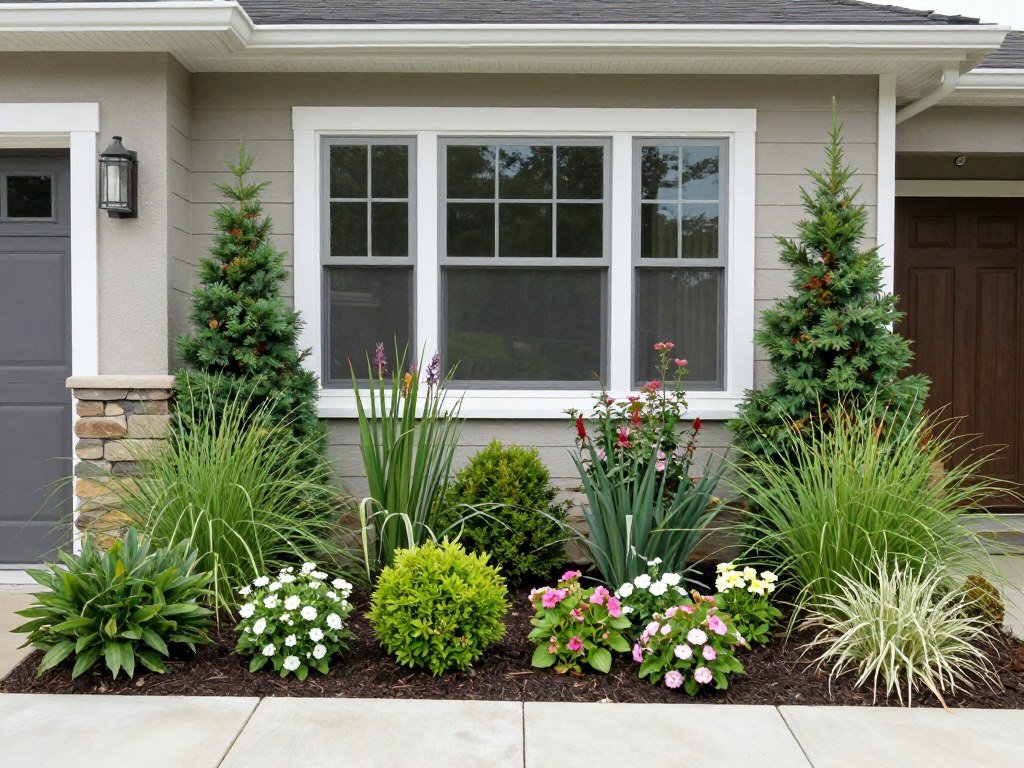
Foundation plantings frame your home, softening the transition between the building and the landscape. These plants should enhance your home’s architectural features while providing year-round structure and seasonal interest.
Tips for successful foundation plantings:
Use evergreen shrubs as the backbone for year-round structure
Place taller plants at corners and between windows
Keep plants below window sills to maintain views
Allow adequate space between plants and your home’s foundation (at least 2-3 feet)
Layer with flowering perennials or annuals for seasonal color
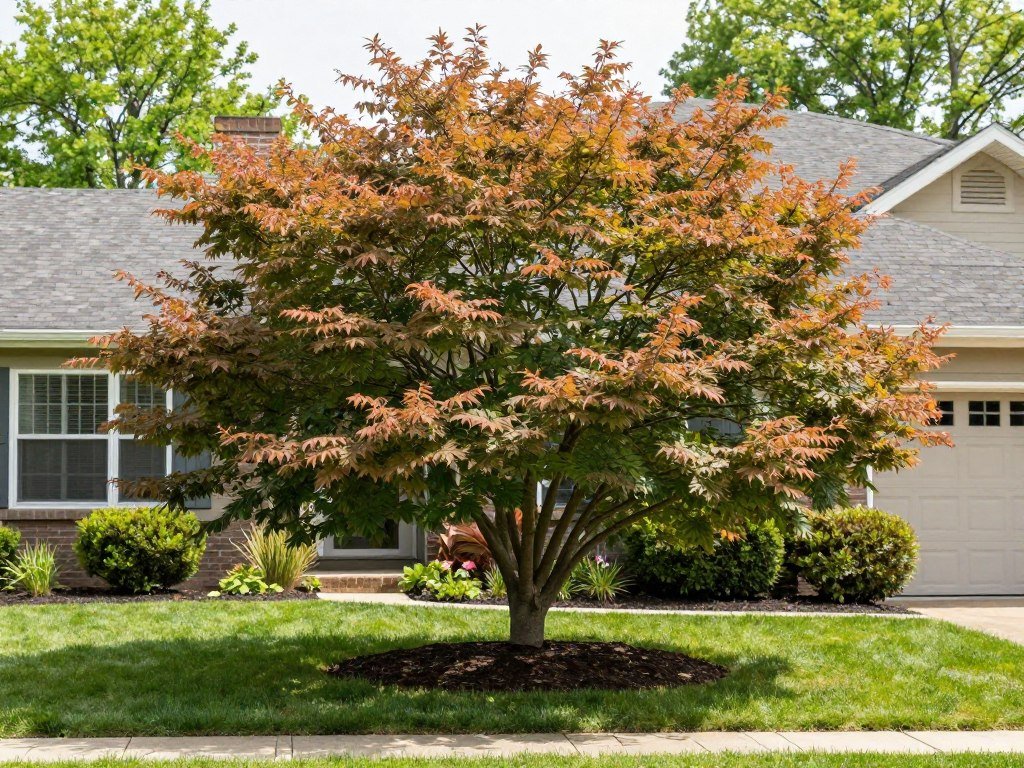
Trees add vertical dimension, provide shade, and create a sense of permanence in your landscape. A well-placed specimen tree can serve as a focal point, while smaller ornamental trees add seasonal interest with flowers, foliage, or bark.
When selecting trees for your front yard:
Consider mature size to ensure proper placement away from structures
Choose species with multiple seasons of interest (flowers, fall color, interesting bark)
Select varieties that won’t drop messy fruits or seeds on walkways
Plant deciduous trees on the south or west side for summer shade and winter sun
Use ornamental trees to frame views or create focal points
Explore ornamental trees that provide beauty and structure without outgrowing your space.
Colorful Perennials and Annuals
Flowering plants add color, texture, and seasonal interest to your front yard landscape. Perennials return year after year, while annuals provide the opportunity to change your color scheme each season.
For impactful flower displays:
Group plants in odd numbers (3, 5, 7) for a natural look
Choose a color scheme that complements your home’s exterior
Select varieties with staggered bloom times for continuous color
Incorporate plants with interesting foliage for texture when flowers aren’t blooming
Consider maintenance requirements when selecting flowering plants
Traditional lawns require significant water, fertilizer, and maintenance. Ground covers and lawn alternatives can provide green space with less environmental impact and reduced maintenance needs.
Popular lawn alternatives include:
Clover or microclover for a green carpet that requires little mowing
Creeping thyme or sedum for drought-tolerant, flowering ground cover
Ornamental grasses for texture and movement
Native meadow mixes for a naturalistic look that supports pollinators
Moss for shady areas where grass struggles to grow
Beyond plants and hardscaping, decorative elements add personality and charm to your front yard landscape. These finishing touches reflect your style and create memorable moments throughout your outdoor space.
Water Features
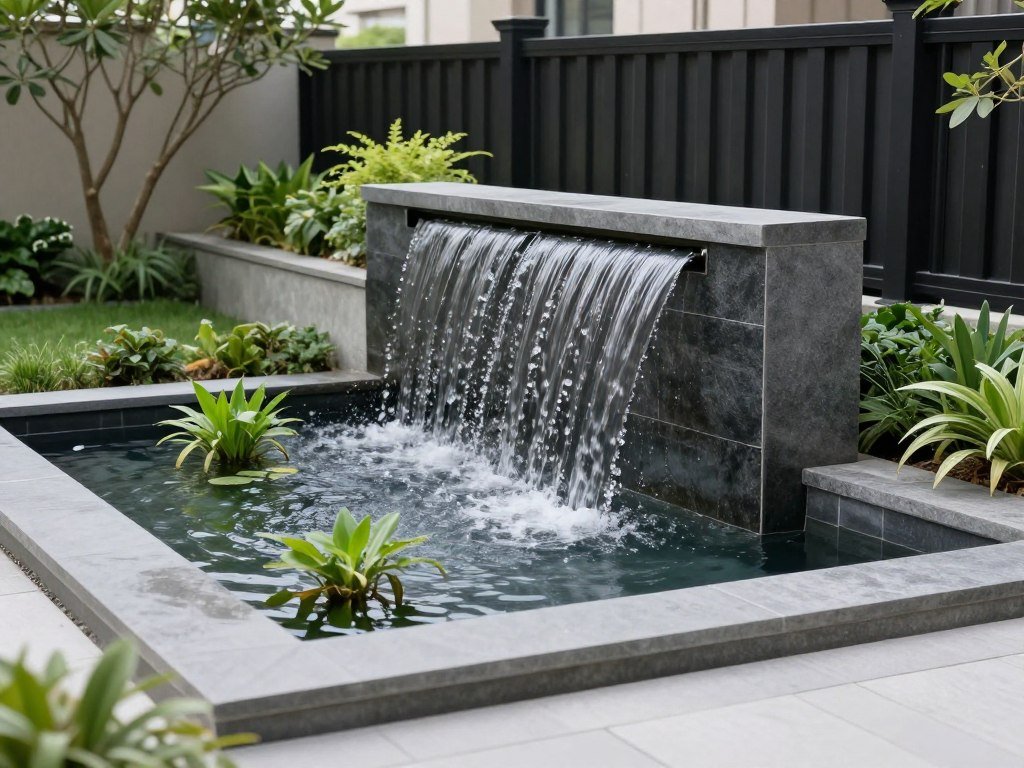
Water features add a sensory dimension to your landscape with the soothing sound of moving water. From simple bubbling fountains to more elaborate ponds, water elements create focal points and attract birds and beneficial wildlife to your yard.
Consider these water feature options:
Freestanding fountains that require minimal installation
Wall fountains that take up little space
Bubbling rock features that combine stone and water
Small ponds with water plants and possibly fish
Pondless waterfalls for the sound without the maintenance of a pond
Explore outdoor water fountains that can be easily incorporated into your front yard design.
Garden Art and Sculptures
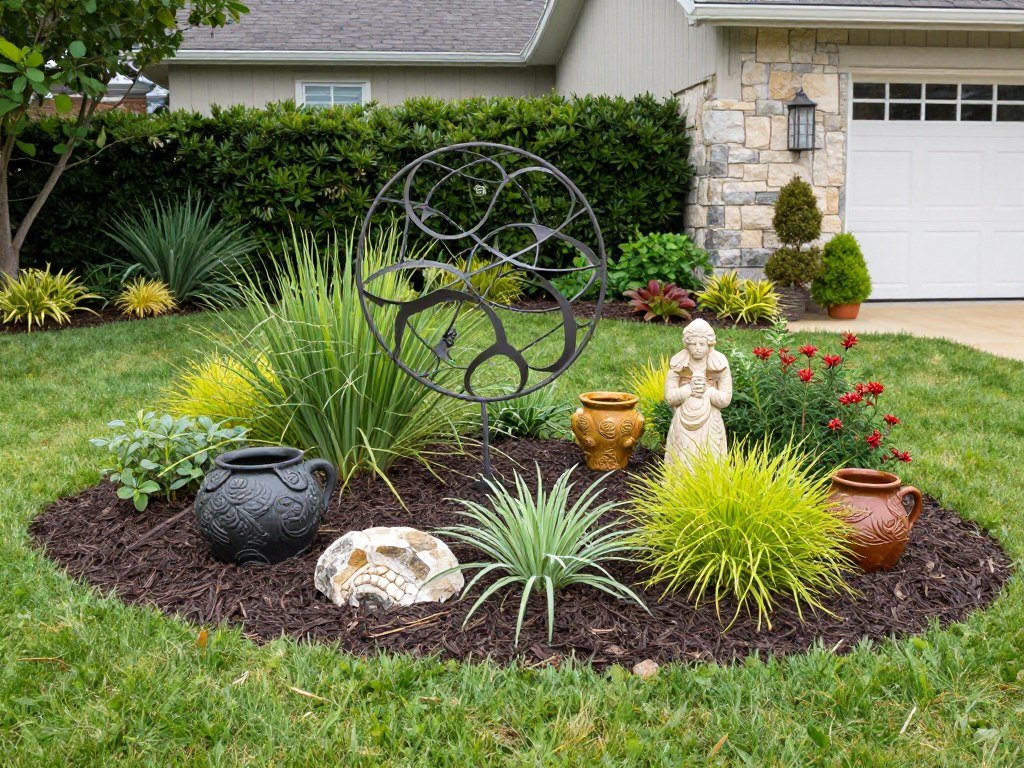
Garden art expresses your personality and creates points of interest throughout your landscape. From classical statuary to contemporary sculptures, these elements add character and can serve as focal points in your design.
Tips for incorporating garden art:
Choose pieces that complement your landscape style and home architecture
Consider scale—art should be proportional to its surroundings
Position sculptures where they can be appreciated from multiple viewpoints
Use art to draw attention to specific areas or create visual surprises
Select weather-resistant materials suitable for your climate
Find outdoor garden art that reflects your personal style while enhancing your landscape design.
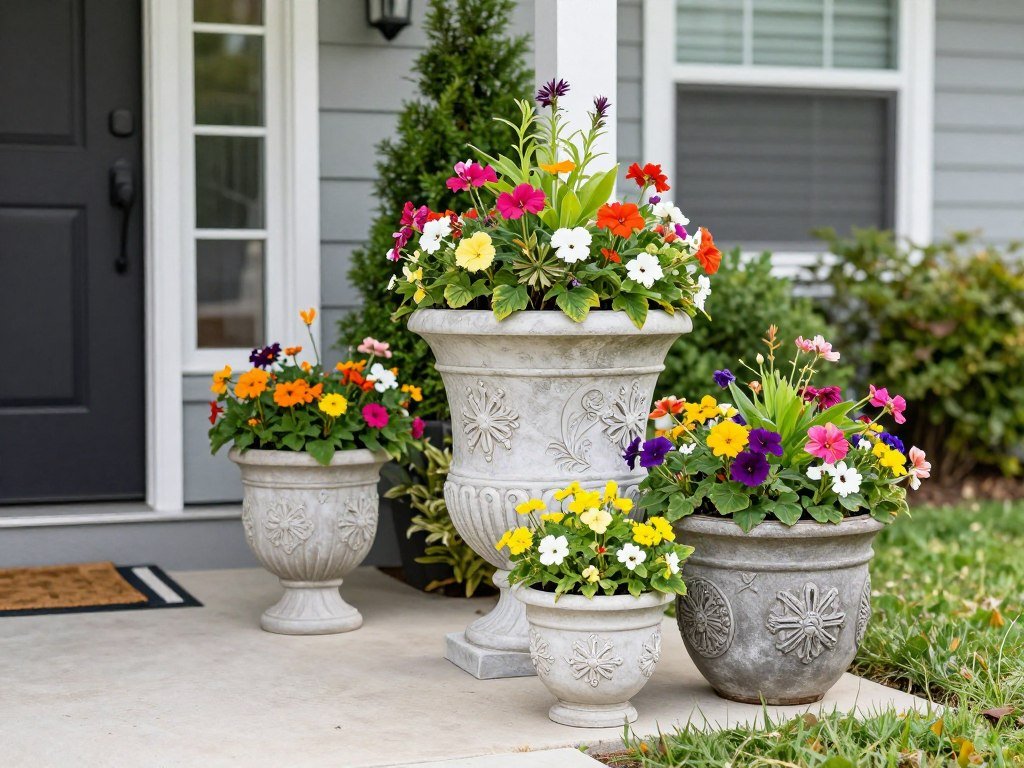
Decorative Containers and Planters
Containers and planters add color and flexibility to your front yard landscape. They’re perfect for highlighting entryways, adding seasonal color, and growing plants in areas where in-ground planting isn’t possible.
Make the most of container gardening:
Use containers that complement your home’s style and color palette
Create groupings of different-sized pots for greater impact
Position containers near entryways to welcome visitors
Change out seasonal plantings for year-round interest
Consider self-watering containers to reduce maintenance
A successful front yard landscape starts with thoughtful planning and continues with appropriate maintenance. These practical considerations will help ensure your landscape thrives for years to come.
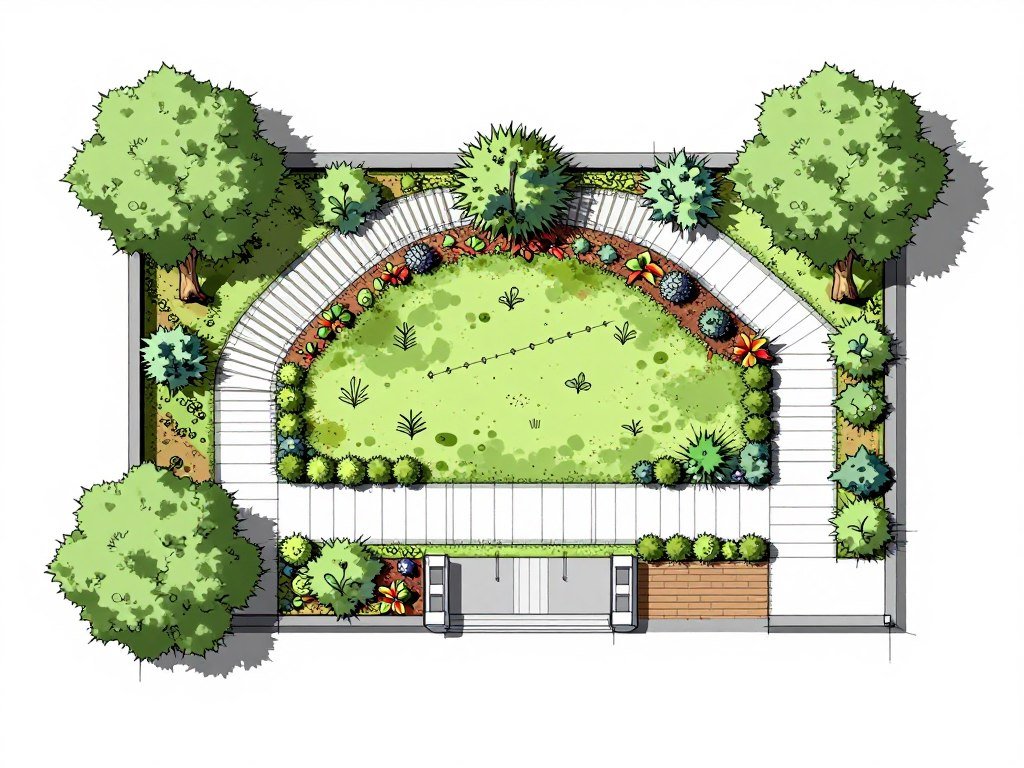
Creating a Landscape Plan
Before breaking ground or purchasing plants, create a comprehensive plan for your front yard landscape. This helps you visualize the final result, make informed decisions about materials and plants, and implement your design in logical phases.
Steps for effective landscape planning:
Measure your yard and create a scale drawing of the space
Note existing features to keep (trees, structures) and areas that need improvement
Consider traffic patterns, views from inside your home, and utility locations
Research plants suitable for your climate and site conditions
Create a realistic budget and timeline for implementation
Regular maintenance keeps your landscape looking its best and prevents small issues from becoming major problems. Creating a seasonal maintenance calendar helps you stay on track with essential tasks throughout the year.
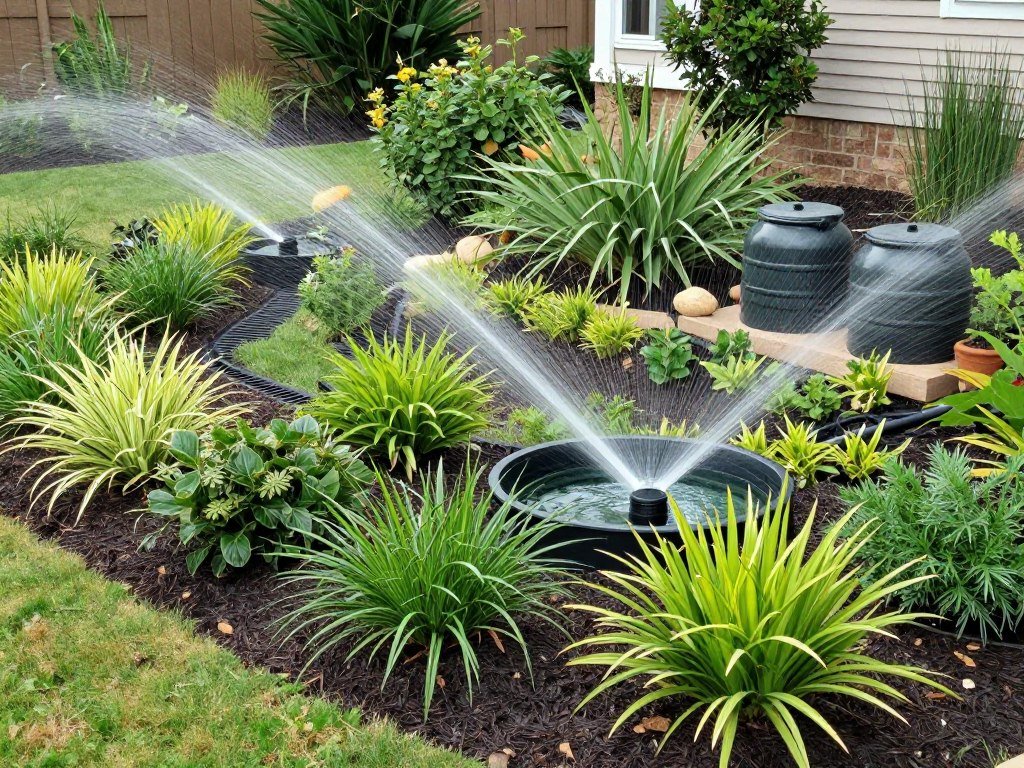
Water conservation is increasingly important in landscape design. Water-wise practices reduce consumption while maintaining a beautiful yard, saving money and protecting this valuable resource.
Strategies for water-efficient landscaping:
Group plants with similar water needs together (hydrozoning)
Install drip irrigation systems that deliver water directly to plant roots
Apply 2-3 inches of mulch to retain soil moisture and suppress weeds
Collect rainwater in barrels for irrigation during dry periods
Choose native and drought-tolerant plants adapted to your local climate
Transforming your front yard into a beautiful landscape is a rewarding journey that enhances your home’s curb appeal and creates a welcoming environment for family and visitors. Whether you implement your design all at once or in phases over time, the result will be a personalized outdoor space that reflects your style and meets your needs.
Remember that landscapes evolve over time as plants grow and mature. Embrace this process and be willing to make adjustments as needed. With thoughtful planning, appropriate plant selection, and regular maintenance, your front yard will continue to improve and provide enjoyment for years to come.
Ready to start your front yard transformation? Begin by assessing your space, gathering inspiration, and creating a plan that works with your site conditions and personal preferences. The perfect front yard landscaping design is one that brings you joy every time you arrive home.
Start Your Front Yard Transformation Today
Explore quality landscaping supplies and tools to bring your front yard vision to life. From plants to decorative elements, the right materials make all the difference.
Remodeling a small bathroom presents unique challenges, but it also offers exciting opportunities to maximize every square inch. Whether you’re dealing…
A well-designed backyard patio creates an inviting extension of your home, offering a personal retreat for relaxation, entertainment, and connection with…