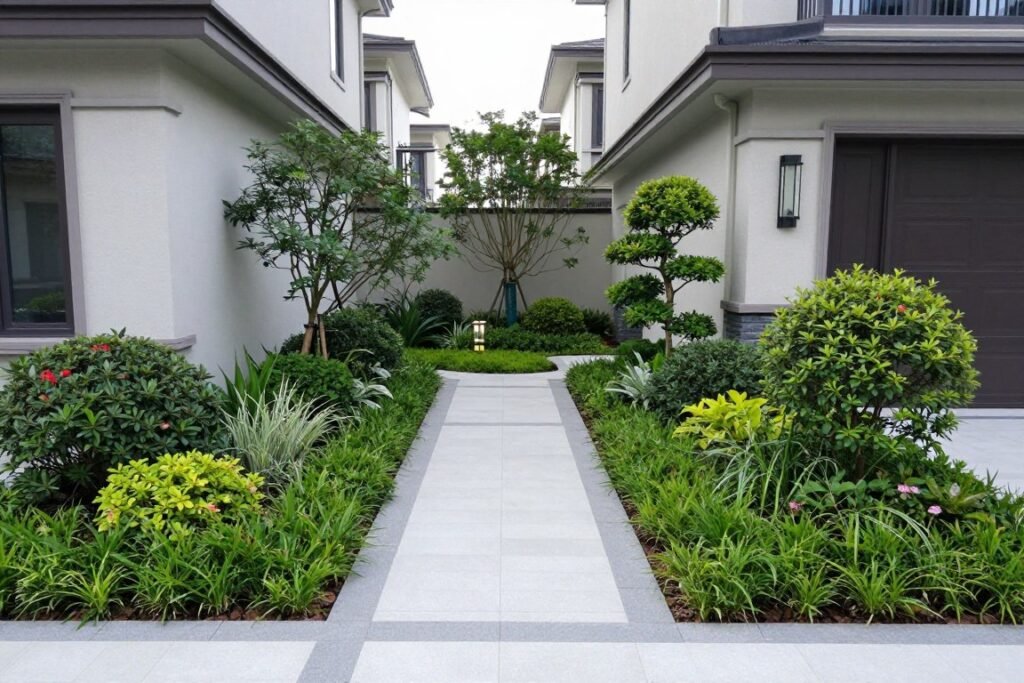
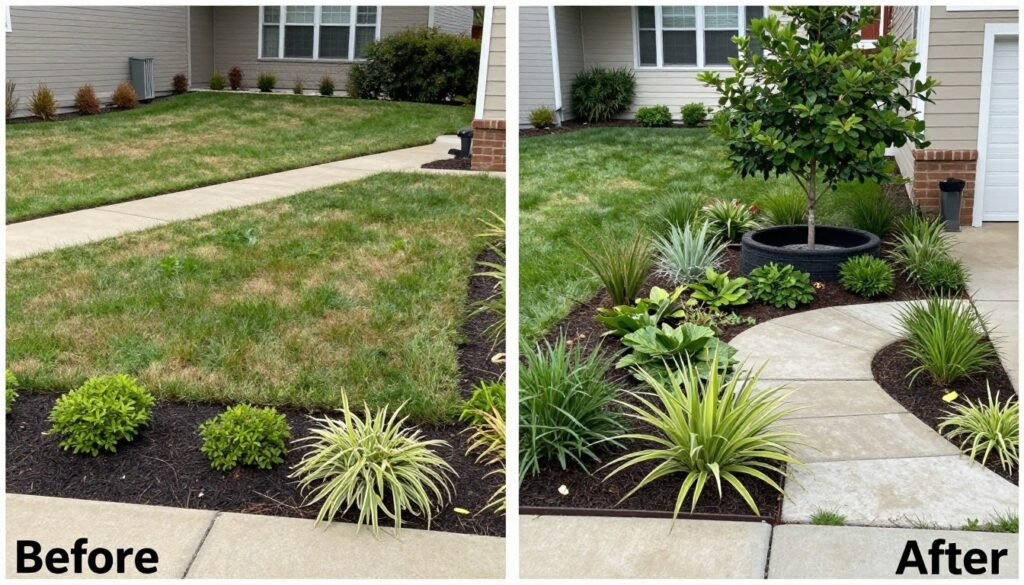
Your front yard is the first impression visitors have of your home. A thoughtfully designed front yard landscaping layout not only enhances curb appeal but also creates a welcoming atmosphere that reflects your personal style. Whether you’re starting from scratch or refreshing an existing landscape, the right design approach can transform your outdoor space into a beautiful extension of your home that you’ll enjoy for years to come.
This Website contains affiliate links. That means I may earn a small commission if you purchase through my links, at no extra cost to you.
Why Your Front Yard Landscaping Design Layout Matters
A well-planned front yard does more than just look pretty—it serves multiple important functions. It creates a transition between the public street and your private home, guides visitors to your entrance, and can even increase your property value. The right front yard landscaping design layout balances aesthetics with practicality, ensuring your outdoor space is both beautiful and functional.
Before diving into specific design ideas, it’s important to understand the fundamental principles that make a front yard landscape successful. These principles will help you create a cohesive design that works with your home’s architecture and meets your practical needs.
Essential Front Yard Design Principles
Balance and Scale
Balance in your front yard landscaping design layout refers to the visual weight of elements. Symmetrical balance uses identical elements on either side of a central axis, creating a formal look. Asymmetrical balance uses different elements that have equal visual weight, creating a more casual feel. Scale ensures all elements are proportioned appropriately to your home and lot size.
Unity and Flow
A cohesive front yard landscape has a sense of unity—elements that work together rather than competing for attention. This can be achieved through consistent use of materials, a cohesive color palette, or repeated plant varieties. Good flow means the eye moves naturally through the space, and physical movement through the yard feels intuitive.
Focal Points
Every front yard landscaping design layout benefits from one or more focal points—elements that draw the eye and create visual interest. This might be a specimen tree, an architectural feature of your home, a water feature, or a beautiful planting bed. Focal points give the eye a place to rest and can help organize the overall design.
Planning Your Front Yard Landscaping Design Layout
Assess Your Space
Begin by evaluating what you’re working with. Take measurements of your yard, note the location of existing features like trees or utility boxes, and identify areas of sun and shade throughout the day. Consider your climate zone, soil type, and any drainage issues. This information forms the foundation of your design decisions.
Define Your Goals
What do you want from your front yard? Common goals include enhancing curb appeal, creating outdoor living space, improving functionality, reducing maintenance, or addressing privacy concerns. Be clear about your priorities before you start designing.
Create a Basic Layout
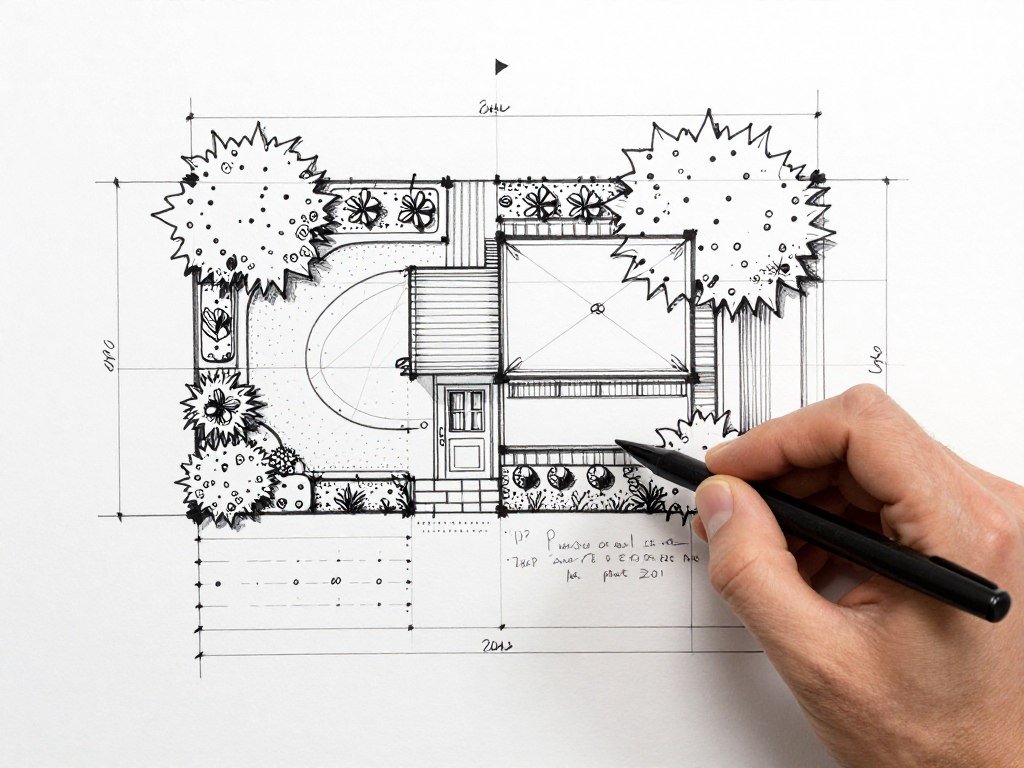
Sketch a simple plan of your yard, including your home, driveway, walkways, and existing features you plan to keep. Then begin blocking out areas for different functions: planting beds, lawn areas, seating spaces, etc. This doesn’t need to be artistic—just a basic diagram to organize your thoughts.
Consider Traffic Flow
How will people move through your yard? The path from the street or driveway to your front door should be clear and inviting. Secondary paths might connect other areas or provide maintenance access. Walkways should be wide enough for comfortable passage—at least 3-4 feet for main paths.
Popular Front Yard Landscaping Design Layout Styles
Formal Symmetrical
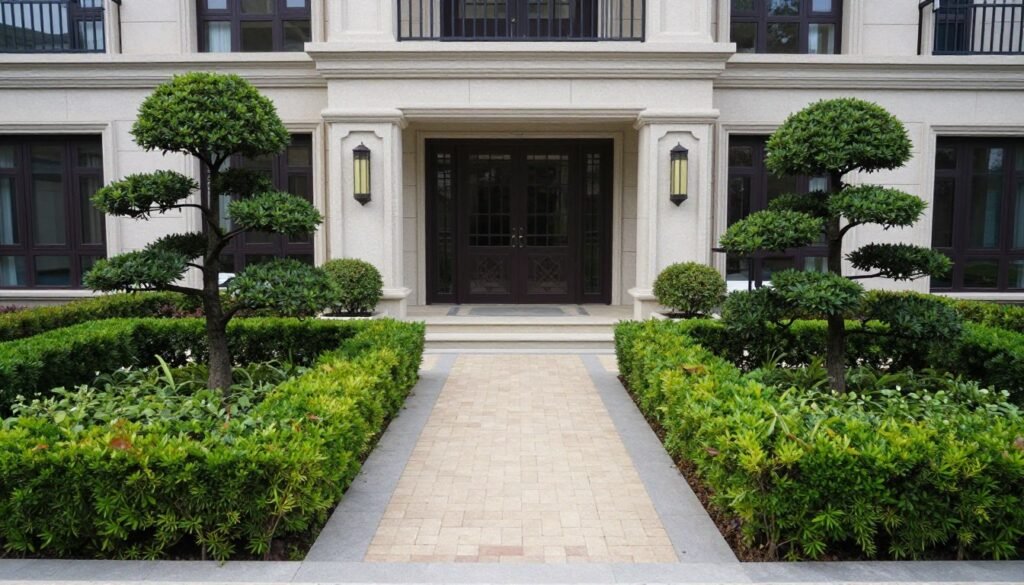
Characterized by geometric shapes, straight lines, and balanced, mirror-image plantings, formal designs complement traditional architecture. This style often features manicured hedges, topiaries, and classical elements like fountains or statuary. For this look, consider investing in quality hedge trimming tools to maintain those crisp lines.
Cottage Garden
Informal and romantic, cottage gardens feature abundant plantings with a seemingly casual arrangement. This style embraces a mix of flowering perennials, roses, herbs, and ornamental grasses for a lush, colorful look. Picket fences, arbors, and winding pathways enhance the charm. Create this look with a variety of cottage garden perennials that provide blooms throughout the seasons.
Modern Minimalist
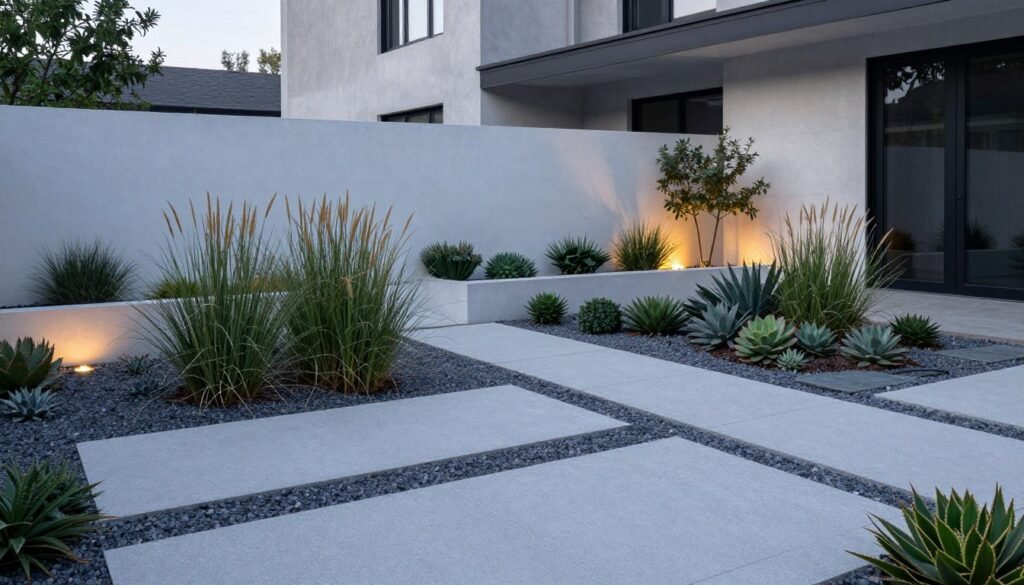
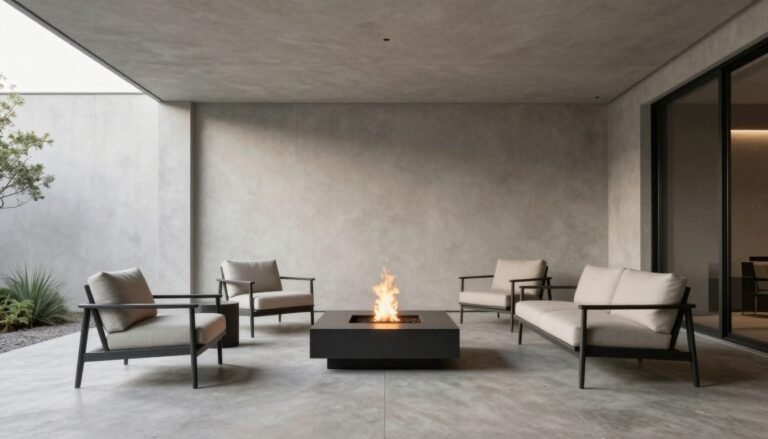
Clean lines, simple plant palettes, and architectural elements define modern landscape designs. This style often incorporates concrete, steel, and gravel alongside carefully selected specimen plants. The focus is on form, texture, and spatial relationships rather than abundant flowers. Modern designs pair well with contemporary architecture and can be enhanced with sleek landscape lighting to highlight key features.
Naturalistic
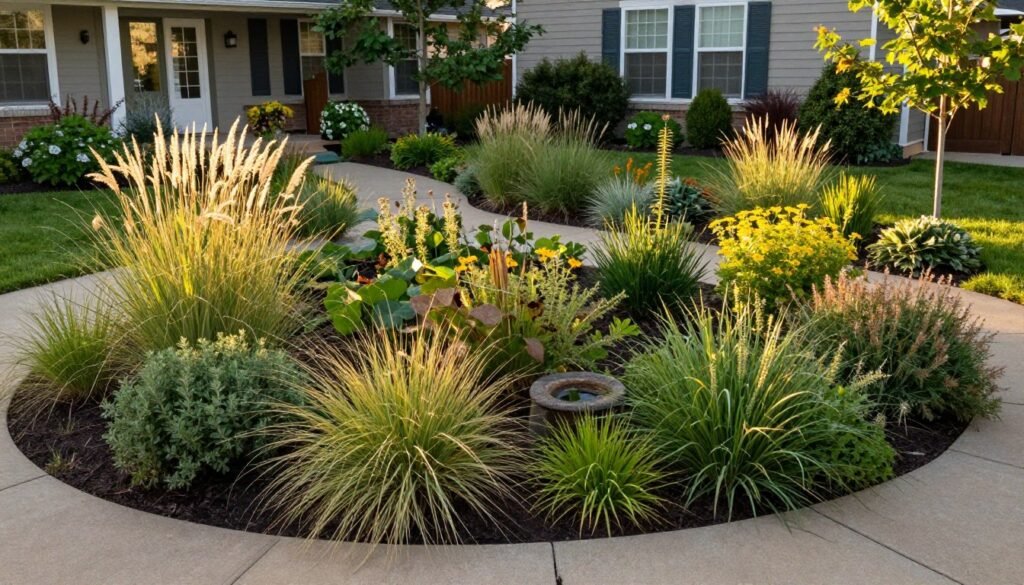
Inspired by natural ecosystems, this style incorporates native plants arranged in ways that mimic how they grow in nature. Curved lines, informal groupings, and a focus on habitat value characterize naturalistic designs. This approach is not only beautiful but also environmentally friendly and typically requires less maintenance once established. Start your native garden with native plant seeds appropriate for your region.
Xeriscape
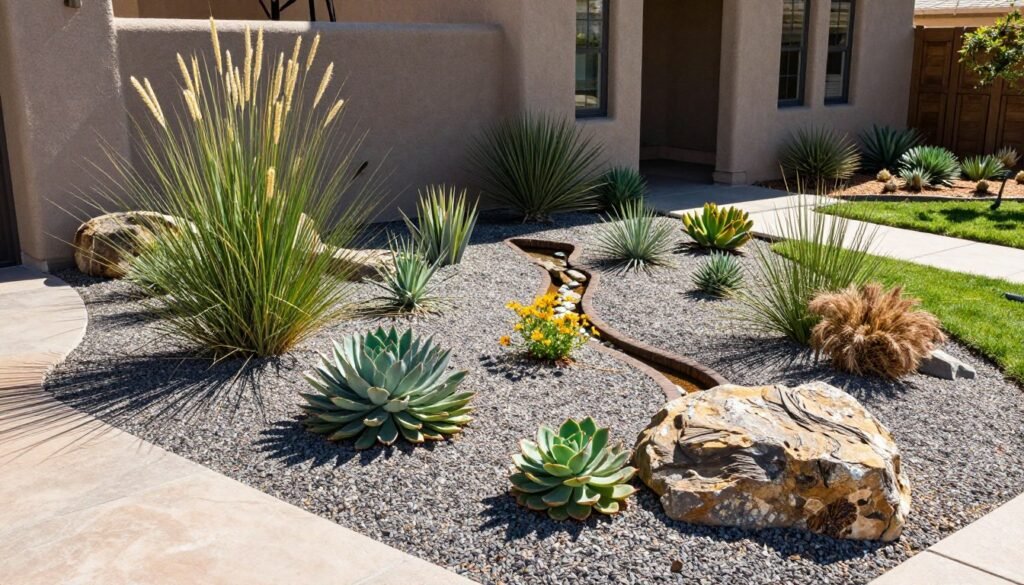
Perfect for dry climates, xeriscaping focuses on water conservation through drought-tolerant plants, efficient irrigation, and reduced lawn areas. This style often incorporates gravel, decomposed granite, and decorative rocks alongside carefully selected plants that thrive with minimal water. Despite its practical origins, xeriscaping can be stunningly beautiful with the right design approach. Create a water-wise garden with drought-tolerant plants suited to your climate.
Zoning Your Front Yard Landscaping Design Layout
Entryway Zone
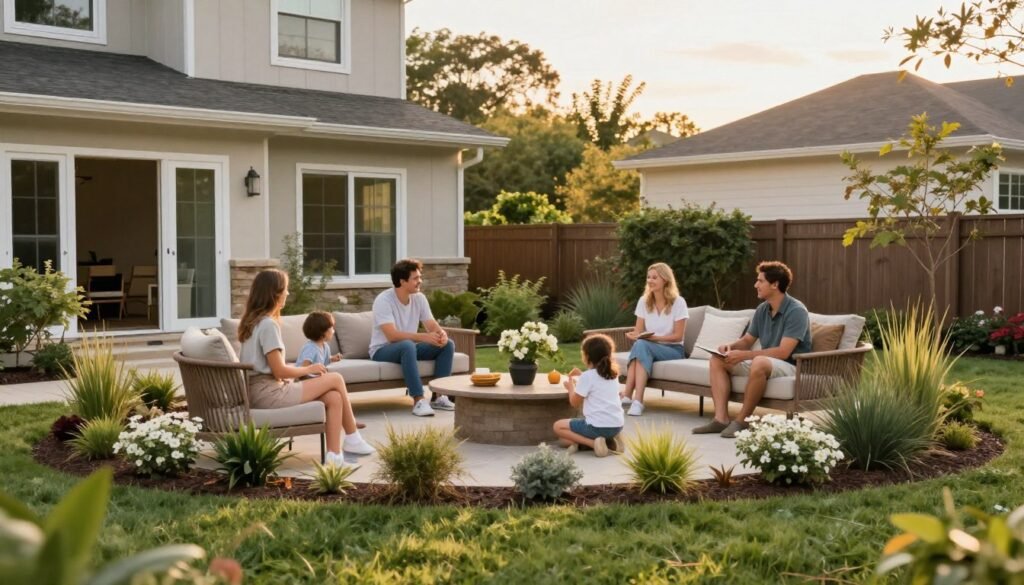
The area around your front door deserves special attention as it’s the focal point of your home’s exterior. Create a welcoming entrance with container plantings, a small seating area if space allows, and lighting to guide visitors. Consider decorative planters that complement your home’s architecture.
Foundation Planting Zone
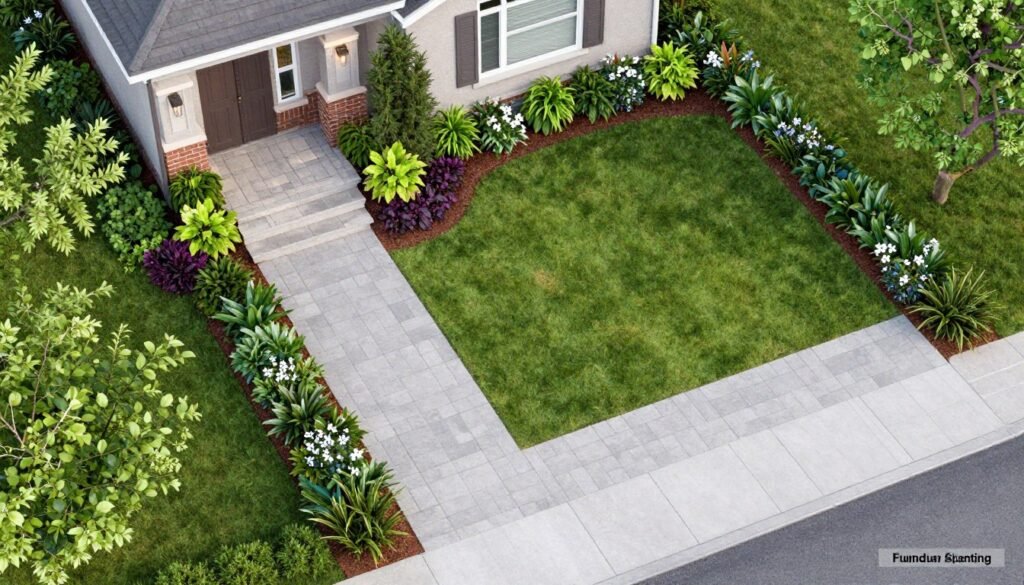
Plants along the base of your home soften the transition between building and landscape. Choose plants that won’t outgrow their space or damage your foundation. Consider the mature height and width of plants, and keep them at least 2-3 feet from your home’s foundation to prevent moisture problems.
Lawn Area
If you choose to include a lawn in your front yard landscaping design layout, consider its shape and purpose. A well-defined lawn area with interesting contours is more visually appealing than a plain rectangle. For a lush, healthy lawn, invest in quality lawn care tools and appropriate grass seed for your climate.
Border Plantings
The edges of your property provide opportunities for creating privacy, screening views, or establishing boundaries. Layered plantings of trees, shrubs, and perennials create depth and interest while serving practical functions.
Driveway and Walkway Borders
The areas alongside driveways and walkways can be enhanced with plantings that soften hard edges and add visual interest. Low-growing plants that won’t obstruct sightlines or pathways are ideal for these areas.
Hardscaping Elements in Front Yard Design
Walkways and Paths
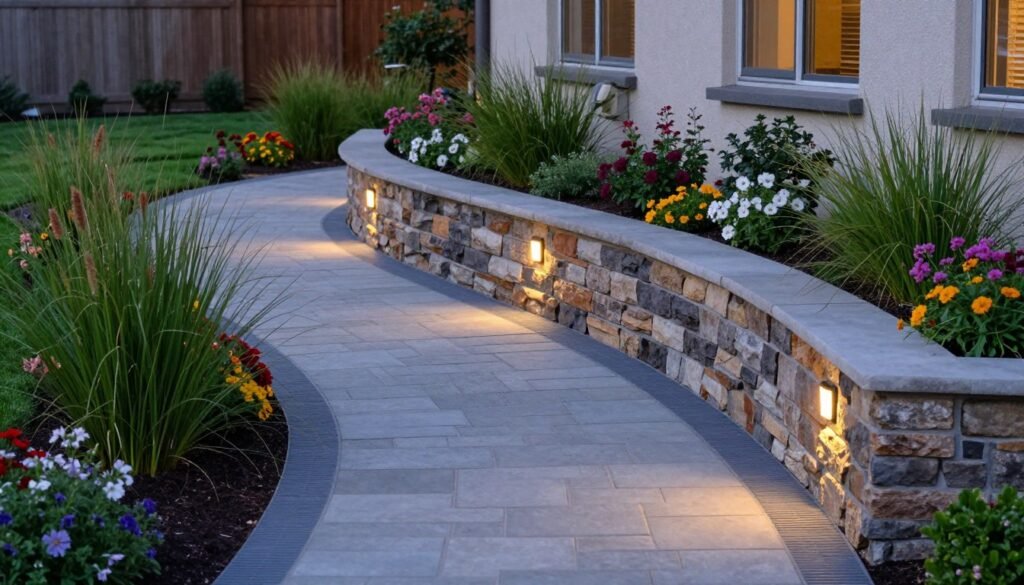
Pathways not only provide functional access but also guide the eye through your landscape. Materials range from formal (brick, cut stone) to casual (gravel, stepping stones). The style should complement your home and overall design aesthetic. For a polished look, consider quality landscape edging to define path boundaries.
Driveways
Your driveway occupies significant visual space in your front yard. Beyond standard asphalt or concrete, consider permeable pavers, decorative concrete, or ribbon driveways (two strips with planting between) for more visual interest and better environmental performance.
Retaining Walls and Terraces
If your property has slopes, retaining walls can create level areas for planting or seating while adding architectural interest. Materials should complement your home and other hardscape elements for a cohesive look.
Decorative Features
Elements like boulders, sculpture, water features, or decorative fencing can serve as focal points in your front yard landscaping design layout. Choose features that reflect your personal style while complementing the overall design theme.
Selecting Plants for Your Front Yard Landscape
Layering Principles
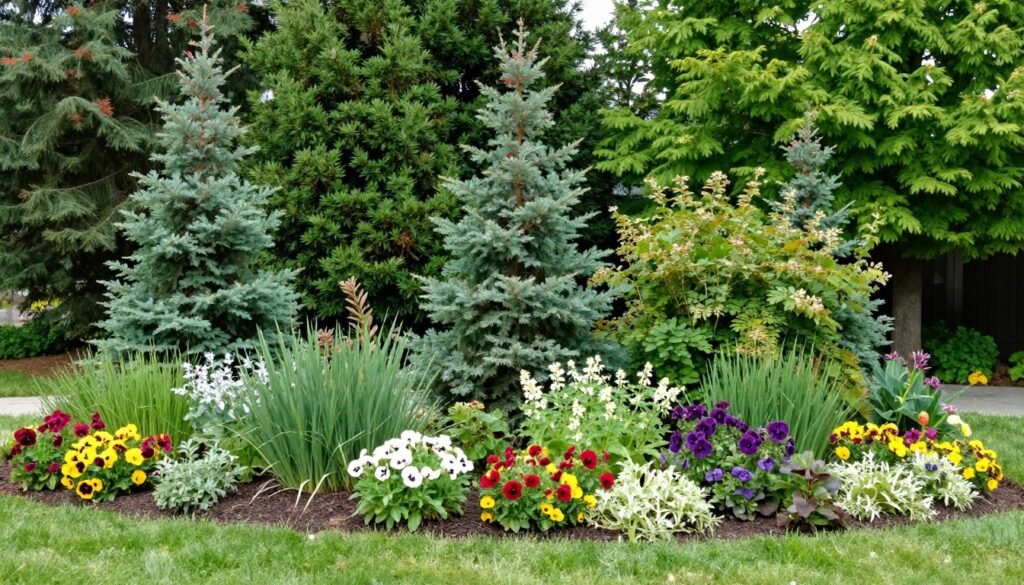
Create depth and interest by layering plants of different heights: trees in the background, shrubs in the middle, and perennials or groundcovers in the foreground. This approach mimics natural plant communities and creates a more sophisticated look than random placement.
Year-Round Interest
Select plants that provide visual appeal in different seasons through flowers, foliage color, berries, bark, or structure. A well-designed landscape looks good even in winter when many plants are dormant. Consider adding evergreen shrubs as the backbone of your design.
Climate-Appropriate Choices
Plants adapted to your local climate will thrive with less maintenance and fewer resources. Consider native species that support local wildlife and are naturally suited to your region’s conditions.
Texture and Color
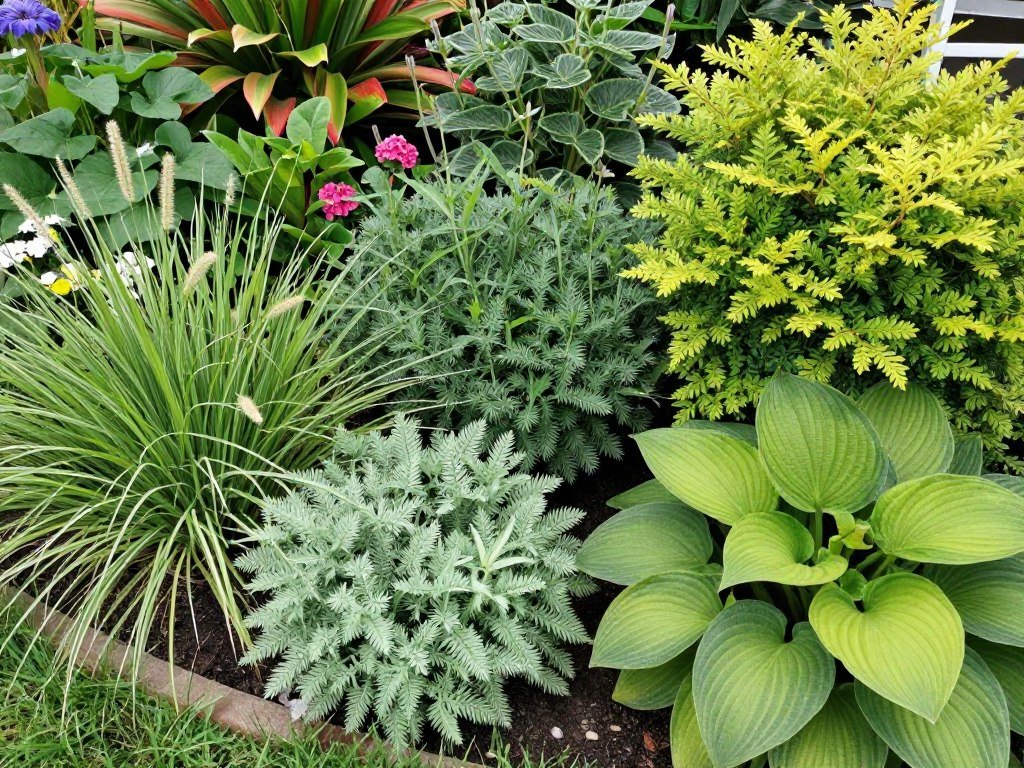
Combine plants with different textures (fine, medium, coarse) and forms (upright, mounding, spreading) for visual interest. Develop a color palette that complements your home’s exterior and creates the mood you want, whether energetic and vibrant or calm and sophisticated.
Maintenance Considerations
Be honest about how much time you want to spend maintaining your landscape. Some plants require regular pruning, deadheading, or division, while others need minimal care once established. Choose accordingly to create a landscape you can realistically maintain.
Creating Focal Points in Your Front Yard
Specimen Trees
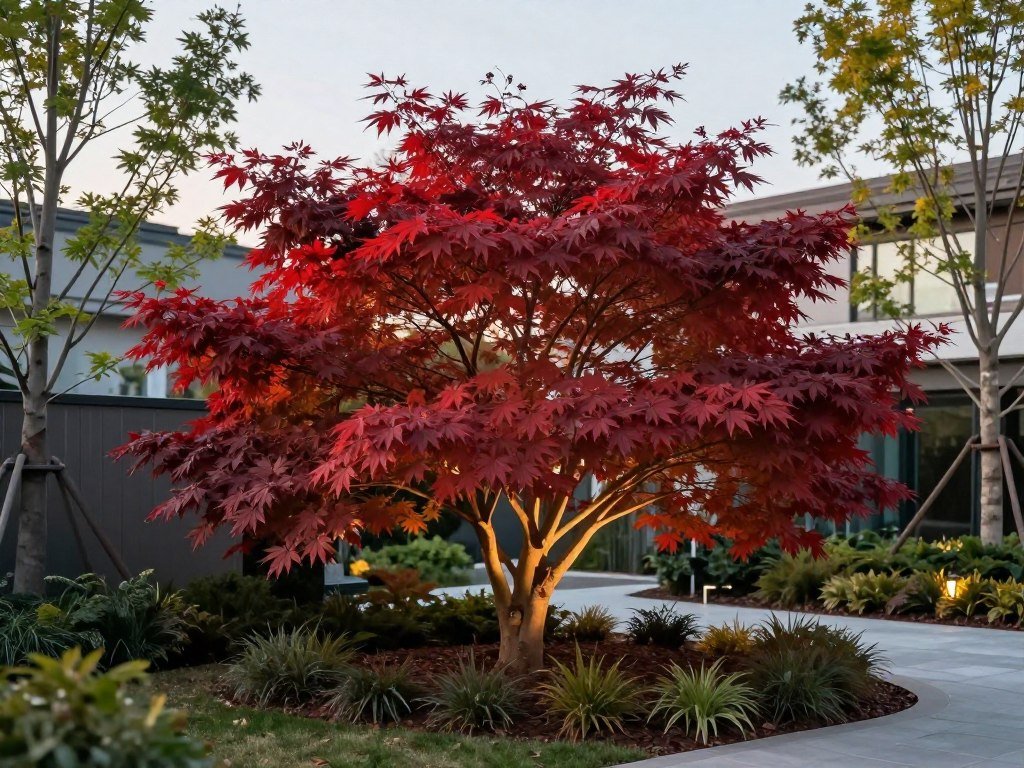
A single outstanding tree can anchor your entire front yard design. Choose something with special characteristics like unusual bark, spectacular seasonal color, or distinctive form. Japanese maples, flowering dogwoods, or weeping cherries make excellent specimen trees for many landscapes. Find the perfect ornamental tree to serve as your landscape’s centerpiece.
Water Features
The sound and movement of water adds a special dimension to any landscape. Options range from formal fountains to naturalistic ponds or streams. Even small water features can make a big impact when properly placed and integrated into the overall design.
Garden Art and Structures
Sculptures, arbors, decorative gates, or unique containers can serve as focal points that express your personal style. Choose pieces that complement your landscape style and are appropriately scaled to your space.
Specialty Gardens
A dedicated space for roses, native plants, or ornamental grasses can create a distinctive focal area in your front yard. These specialty gardens add character and often become conversation starters with visitors and neighbors.
Practical Considerations for Front Yard Landscaping
Drainage and Water Management
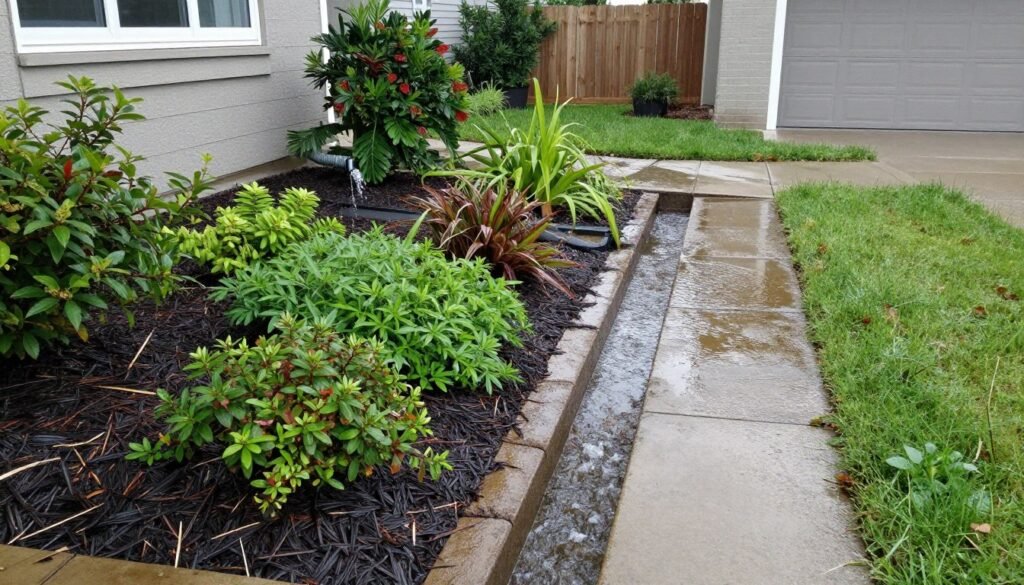
Proper drainage is essential for any successful landscape. Water should flow away from your home’s foundation, and areas that collect water should be addressed through grading, drainage systems, or rain gardens. Consider installing rain garden components to manage water sustainably while adding beauty to your yard.
Lighting
Outdoor lighting enhances safety and extends the enjoyment of your landscape into the evening hours. Path lights, uplights on trees or architectural features, and entry lighting are common elements of a comprehensive lighting plan. Solar options make installation easier and reduce energy costs.
Maintenance Requirements
Design with maintenance in mind. Group plants with similar water and care needs together. Consider how your landscape will be maintained—will you do it yourself or hire professionals? Design accordingly to create a landscape that stays looking good with the level of care you can provide.
Budget Planning
Landscaping can be implemented in phases if budget constraints exist. Focus first on hardscape elements and larger trees that form the backbone of your design, then add shrubs and perennials as budget allows. Quality materials may cost more initially but often save money in the long run through durability and reduced maintenance.
DIY vs. Professional Design
When to DIY
If you have a good sense of design, enjoy gardening, and have time to research and implement your ideas, a DIY approach can be rewarding. Start with a solid plan, educate yourself about plants and materials, and be prepared to learn from mistakes. Many homeowners successfully create beautiful landscapes through trial and error combined with research.
When to Hire a Professional
Consider professional help for complex sites with drainage issues, significant grade changes, or large properties. Professionals bring expertise in plant selection, spatial design, and technical aspects of landscaping. They can help you avoid costly mistakes and create a comprehensive plan even if you implement it in phases.
Collaborative Approaches
Many homeowners opt for a middle ground—hiring a designer to create a master plan, then implementing it themselves over time. This approach provides professional guidance while allowing for personal involvement and budget flexibility.
Step-by-Step Front Yard Landscaping Design Layout Process
Document existing conditions – Measure your yard and note existing features, utilities, and microclimates (areas of sun/shade).
Establish goals and priorities – Determine what you want to achieve with your landscape redesign.
Develop a concept – Choose a style and overall approach that suits your home and preferences.
Create a base plan – Draw your property to scale, showing the house footprint, property lines, and existing features to keep.
Design hardscape elements – Plan walkways, driveways, patios, and other structural elements.
Plan planting areas – Designate areas for trees, shrubs, perennial beds, and lawn.
Select specific plants – Choose plants appropriate for each area based on conditions and design goals.
Add finishing touches – Incorporate lighting, irrigation, and decorative elements.
Develop a phasing plan – If implementing over time, determine logical phases for installation.
Implement your design – Install hardscape elements first, followed by larger plants, then smaller ones.
Seasonal Maintenance for Your Front Yard
Spring Tasks
Spring is the time for cleanup, pruning winter-damaged branches, dividing overgrown perennials, applying mulch, and planting new additions. It’s also the time to address lawn care with spring lawn treatments appropriate for your grass type.
Summer Tasks
Summer maintenance focuses on watering, deadheading spent flowers, monitoring for pests and diseases, and keeping edges neat. Regular attention prevents small issues from becoming major problems.
Fall Tasks
Fall is ideal for planting trees and shrubs, dividing spring-blooming perennials, and cleaning up declining plants. It’s also the time to protect sensitive plants before winter and plant spring-flowering bulbs.
Winter Tasks
Winter is a time for planning and appreciating the structural elements of your landscape. It’s also when you should protect plants from harsh conditions and heavy snow loads if needed in your climate.
Bringing Your Front Yard Landscaping Design Layout to Life
Creating your ideal front yard landscape is a journey that combines creativity, planning, and patience. Remember that landscapes evolve over time—plants grow, mature, and change with the seasons. Embrace this evolution and be willing to make adjustments as your landscape develops.
Whether you’re implementing a complete redesign or making gradual improvements to your existing landscape, focus on creating a front yard that welcomes visitors, enhances your home’s architecture, and brings you joy every time you arrive home. With thoughtful planning and the right plant choices, your front yard can become a beautiful, functional space that expresses your personal style and connects your home to the surrounding environment.
Start with a solid plan, be realistic about maintenance, and don’t be afraid to experiment. Your perfect front yard landscaping design layout is within reach—and the results will enhance your home’s value and your quality of life for years to come.
There’s something undeniably refreshing about showering outdoors – the gentle breeze, natural light, and connection with nature create a uniquely invigorating…