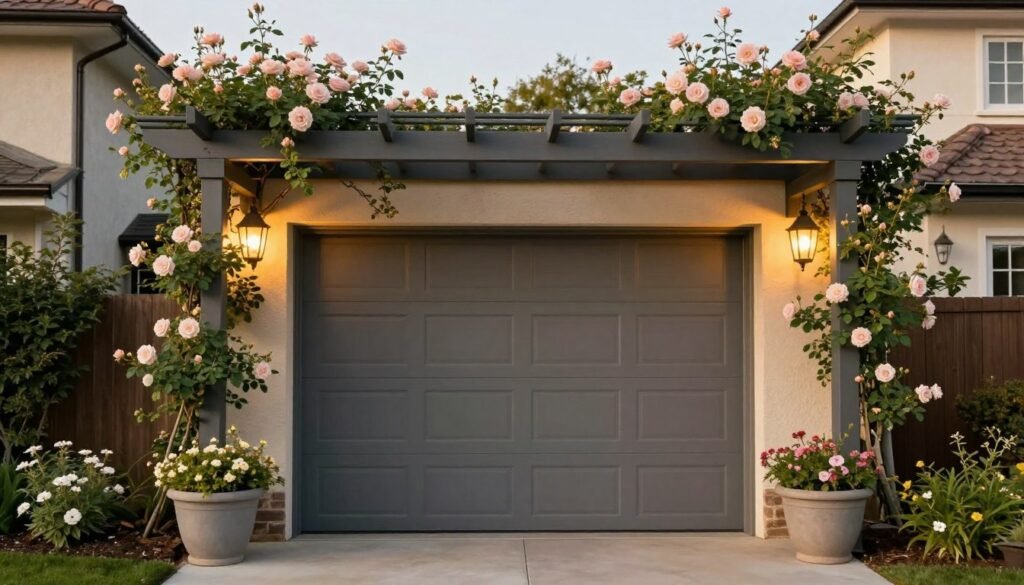
A garage pergola is one of those magical home improvements that transforms the ordinary into something extraordinary. This architectural feature adds instant character, creates visual interest, and can dramatically boost your home’s curb appeal—all while being surprisingly achievable as a DIY project. Whether you’re looking to enhance a plain garage door, create a more inviting entryway, or add that perfect finishing touch to your home’s exterior, a well-designed pergola might be exactly what you need.
This Website contains affiliate links. That means I may earn a small commission if you purchase through my links, at no extra cost to you.
In this comprehensive guide, we’ll walk through everything you need to know about garage pergolas—from design inspiration and material selection to step-by-step building instructions and styling tips that will make your project absolutely Pinterest-worthy. Get ready to create a stunning transformation that will have neighbors stopping to admire your handiwork!
Why Your Garage Needs a Pergola
Before diving into the how-to, let’s talk about why garage pergolas have become so popular among homeowners and Pinterest enthusiasts alike. These architectural elements do far more than just look pretty—they serve multiple practical and aesthetic purposes:
Aesthetic Benefits
Adds architectural interest and dimension to flat facades
Creates a focal point that draws the eye
Softens the utilitarian look of garage doors
Provides a framework for climbing plants and vines
Complements various home styles from modern to cottage
Practical Advantages
Provides partial shade without blocking light
Creates a defined transition space
Can increase property value and marketability
Offers a relatively low-cost way to transform your home’s exterior
Serves as a support structure for outdoor lighting
Perhaps the most compelling reason to add a pergola to your garage is the dramatic before-and-after effect. Homeowners are often amazed at how this single architectural element can completely transform the character of their home, taking it from ordinary to extraordinary with just a weekend’s worth of work.
Garage Pergola Design Inspiration
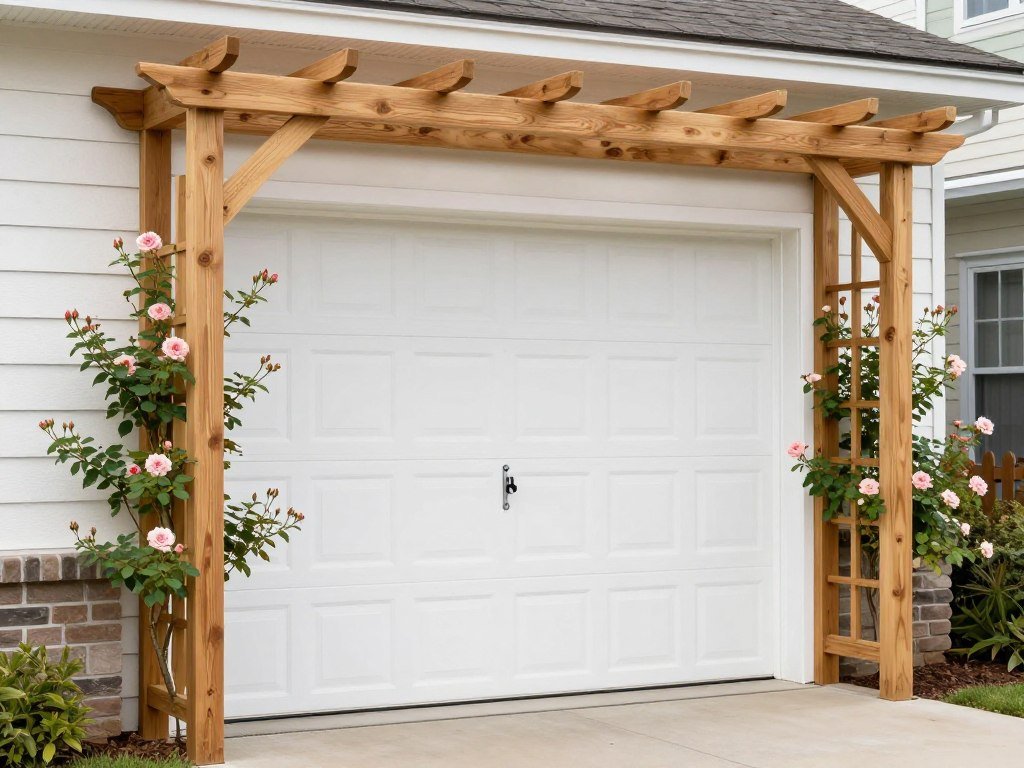
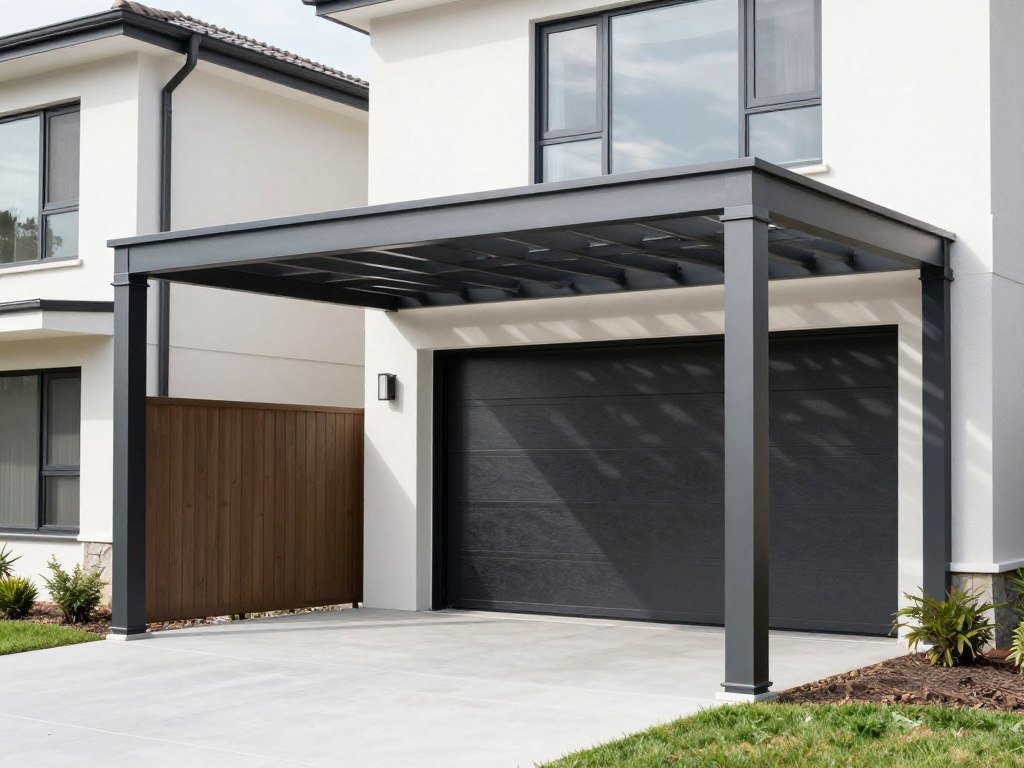
Before grabbing your tools, take some time to explore different design options. The right pergola style should complement your home’s architecture while reflecting your personal aesthetic. Here are some popular garage pergola styles to consider:
Width: Typically extends 6-12 inches beyond garage door on each side
Depth: Usually projects 24-36 inches from the wall
Height: Positioned 8-12 inches above the garage door
Spacing: Rafters typically spaced 8-12 inches apart
Decorative Details
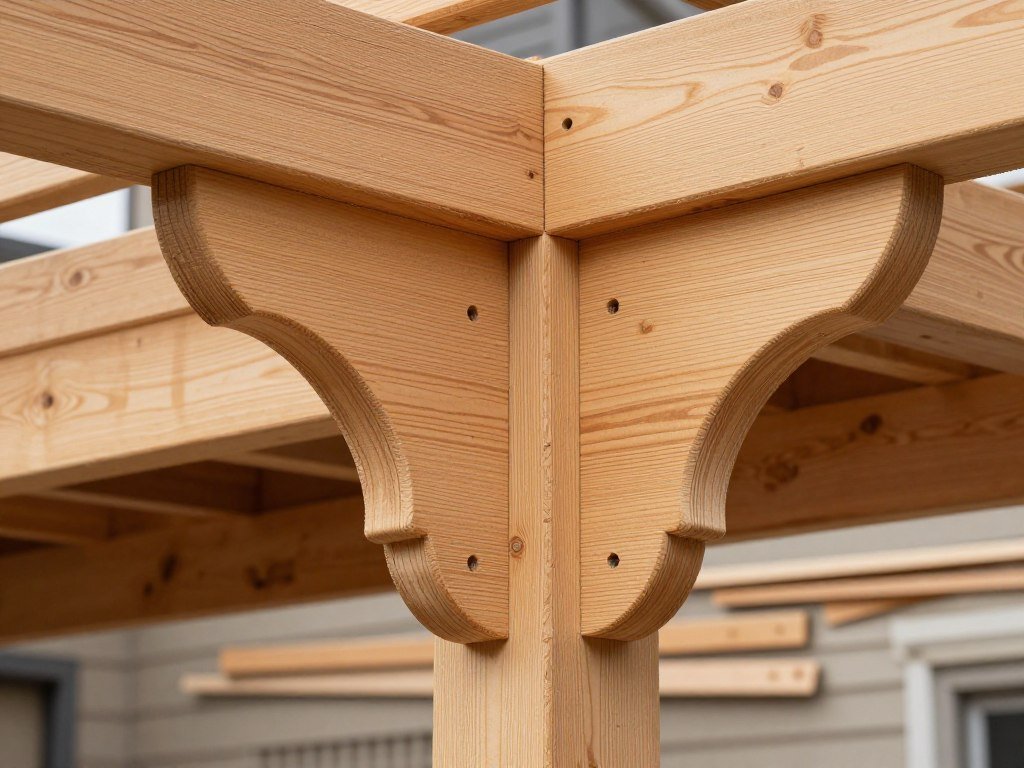
Bracket styles: Straight, curved, or ornate
End cuts: Square, angled, curved, or decorative
Post options: Simple square, tapered, or column-style
Finish: Natural, stained, painted, or distressed
Need More Design Inspiration?
Browse hundreds of garage pergola ideas to find the perfect style for your home. From rustic to modern, there’s a design that will complement your home’s architecture.
Choosing the Right Materials for Your Garage Pergola
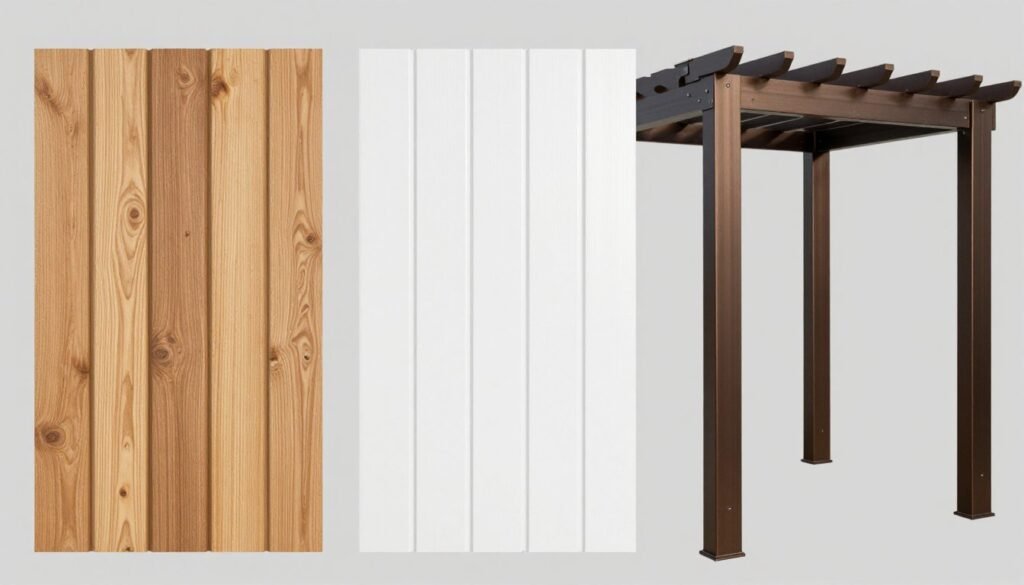
The materials you select will impact not only the appearance of your pergola but also its durability, maintenance requirements, and overall cost. Here’s a breakdown of the most popular options:
Material
Pros
Cons
Cost Range
Lifespan
Wood (Pressure-Treated Pine)
Affordable, natural look, easy to work with
Requires regular maintenance, can warp or rot
$200-400 DIY
10-15 years with maintenance
Cedar or Redwood
Naturally resistant to rot, beautiful grain, aromatic
More expensive, still requires some maintenance
$400-700 DIY
15-25 years with maintenance
Vinyl/PVC
No maintenance, won’t rot or warp, clean look
Limited color options, can look artificial
$500-900 DIY kit
20+ years
Aluminum
Extremely durable, no maintenance, won’t rust
Most expensive option, requires special tools
$700-1,200 DIY kit
30+ years
For most DIY enthusiasts, pressure-treated pine offers the best balance of affordability, workability, and appearance. With proper sealing and maintenance, it can last for many years while providing that classic pergola look that’s so popular on Pinterest.
Ready to Gather Your Materials?
Find everything you need for your garage pergola project in one place. From lumber to hardware, get quality materials delivered right to your door.
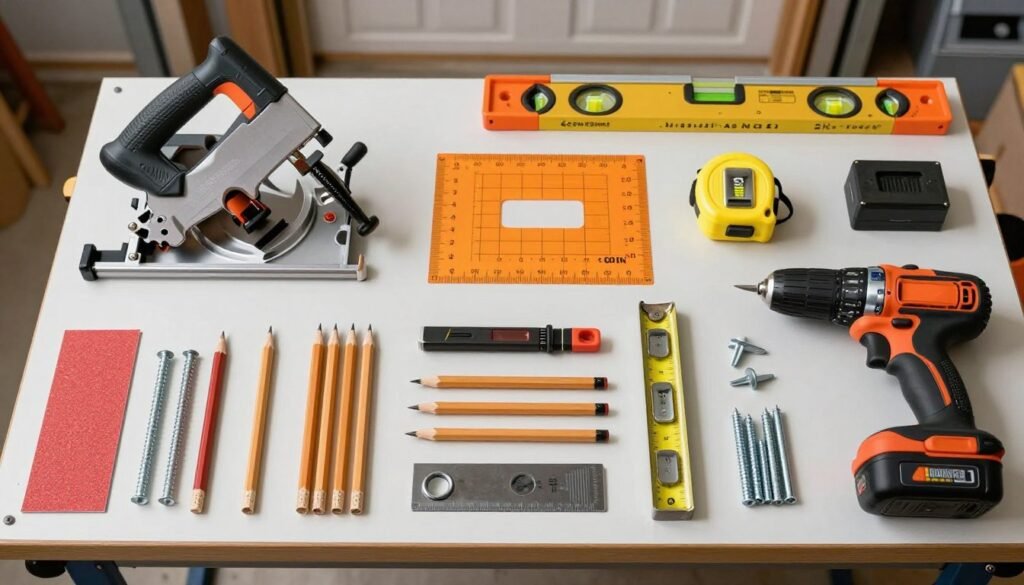
One of the best things about a garage pergola project is that it doesn’t require an extensive workshop. With just a few key tools, you can create a professional-looking structure that will transform your home’s exterior.
Must-Have Tools
Cutting & Measuring
Miter saw
Measuring tape
Speed square
Level (2′ and 4′)
Pencil and marking tools
Drilling & Fastening
Cordless drill/driver
Impact driver
Drill bit set
Countersink bit
Hammer
Finishing & Safety
Orbital sander
Paintbrushes/rollers
Safety glasses
Work gloves
Dust mask
Optional but Helpful Tools
While not essential, these additional tools can make your project easier and allow for more decorative details:
Jigsaw (for cutting curves in brackets)
Router (for decorative edges)
Nail gun (speeds up assembly)
Hammer drill (if mounting to masonry)
Sawhorses or workbench
Need to Upgrade Your Tool Collection?
Quality tools make DIY projects easier and more enjoyable. Invest in tools that will serve you well for this project and many more to come.
Step-by-Step Guide to Building Your Garage Pergola
Now for the exciting part—turning your vision into reality! This step-by-step guide breaks down the process into manageable tasks that even a beginner DIYer can tackle with confidence.
Phase 1: Planning and Preparation
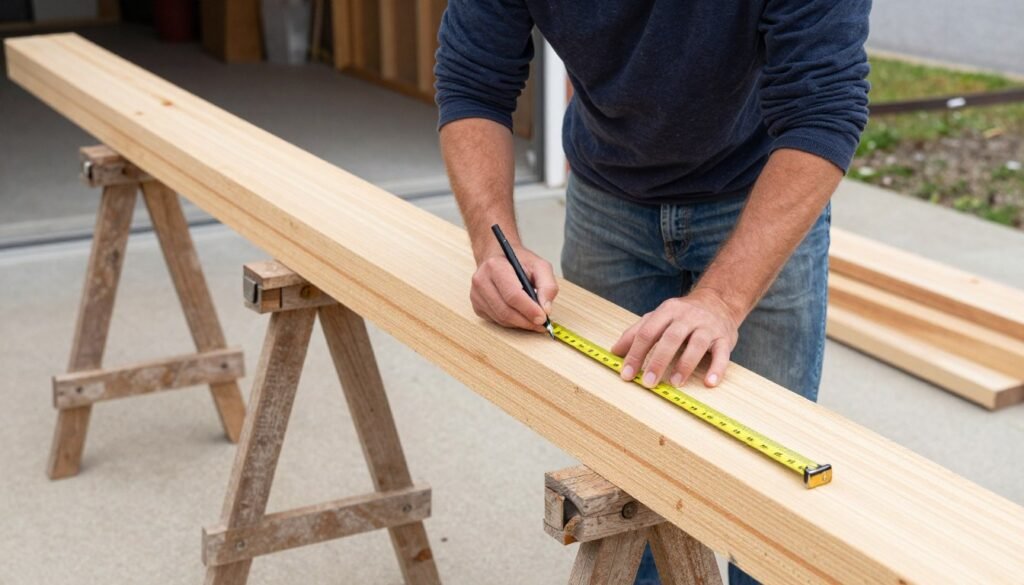
Measure your garage door opening
Measure the width of your garage door and add 12-18 inches on each side to determine the overall width of your pergola. For height, measure from the top of the garage door to where you want the pergola to start (typically 8-12 inches above the door).
Create a detailed materials list
Based on your measurements, calculate the lumber needed for brackets, rafters, and purlins (the small slats that go across the top). Don’t forget to include hardware like lag bolts, wood screws, and anchors.
Check for utilities and obstructions
Before drilling into your home’s exterior, make sure there are no electrical wires, pipes, or other utilities in the area where you’ll be attaching the pergola.
Prepare your work area
Set up sawhorses or a workbench in a well-ventilated area. Organize your tools and materials for easy access during the building process.
Phase 2: Building the Brackets
Cut the bracket pieces
For each bracket, cut a back piece (that attaches to the wall), a support arm, and a decorative diagonal brace. Typically, 2×6 lumber works well for brackets.
Add decorative details (optional)
Use a jigsaw to cut curves or decorative ends on your bracket pieces. This step adds character but can be skipped for a more modern, clean-lined look.
Sand all pieces
Sand all cut edges and surfaces with 80-120 grit sandpaper to remove splinters and create a smooth finish.
Assemble the brackets
Attach the support arm to the back piece using lag bolts or heavy-duty wood screws. Then attach the diagonal brace, making sure everything is square and level.
Phase 3: Installing the Structure
Mark bracket positions
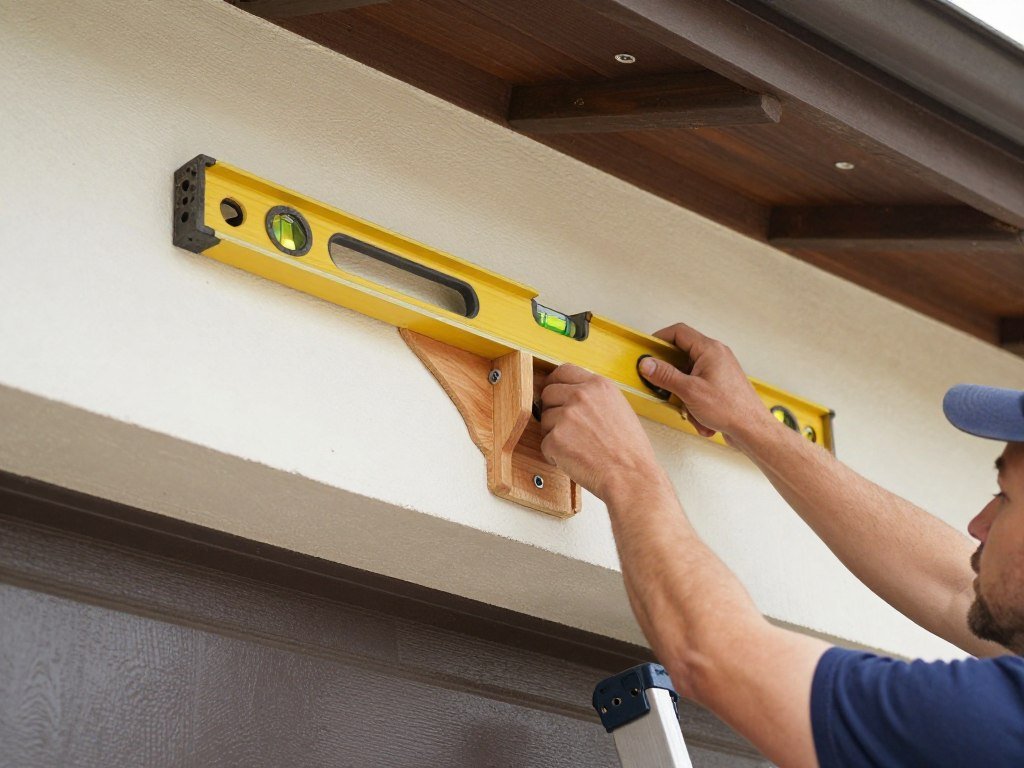
Measure and mark where each bracket will be installed. Typically, you’ll need at least two brackets on each side of the garage door, positioned to align with wall studs for secure attachment.
Attach brackets to the wall
Using a level to ensure they’re straight, attach each bracket to the wall with lag bolts driven into studs. For brick or masonry walls, use appropriate anchors and a hammer drill.
Install the rafters
Cut 2×4 or 2×6 lumber to span across the brackets. These rafters should extend beyond the brackets by 6-12 inches on each end. Notch the rafters to sit securely on the brackets, then attach with screws.
Add the purlins (top slats)
Cut 2×2 lumber into equal lengths for the purlins. Space them evenly across the rafters (typically 6-8 inches apart) and attach with screws from above.
Phase 4: Finishing Touches
Fill screw holes
Use exterior wood filler to cover any visible screw holes or imperfections in the wood.
Sand finished structure
Once the wood filler is dry, sand the entire structure to ensure a smooth finish.
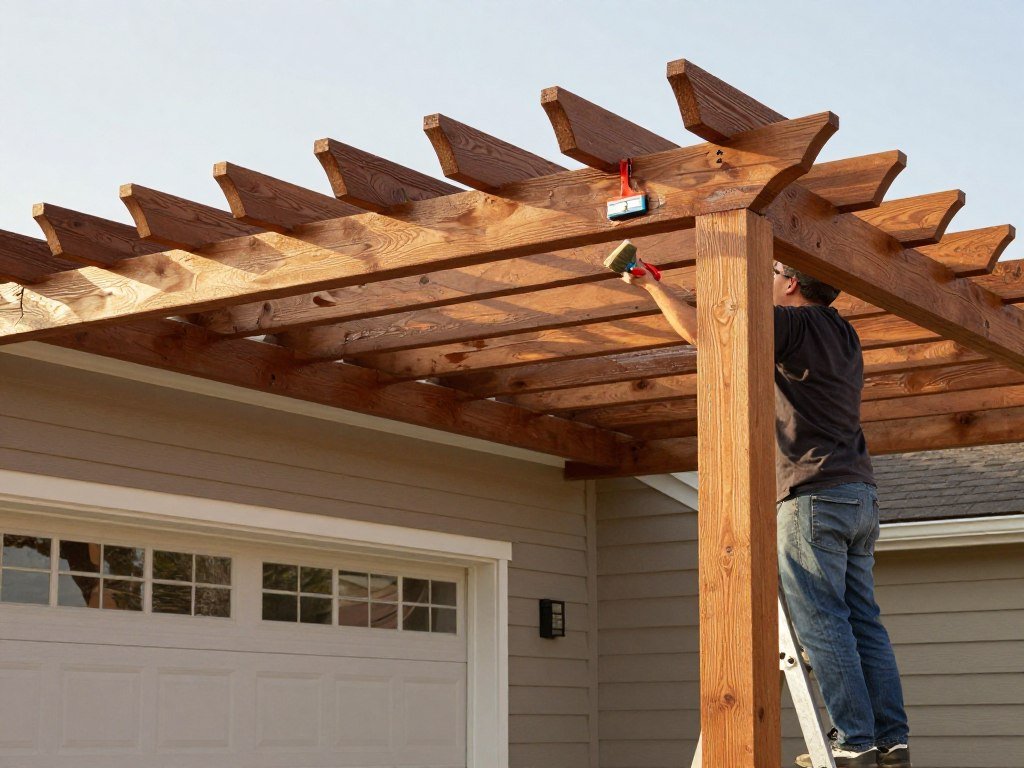
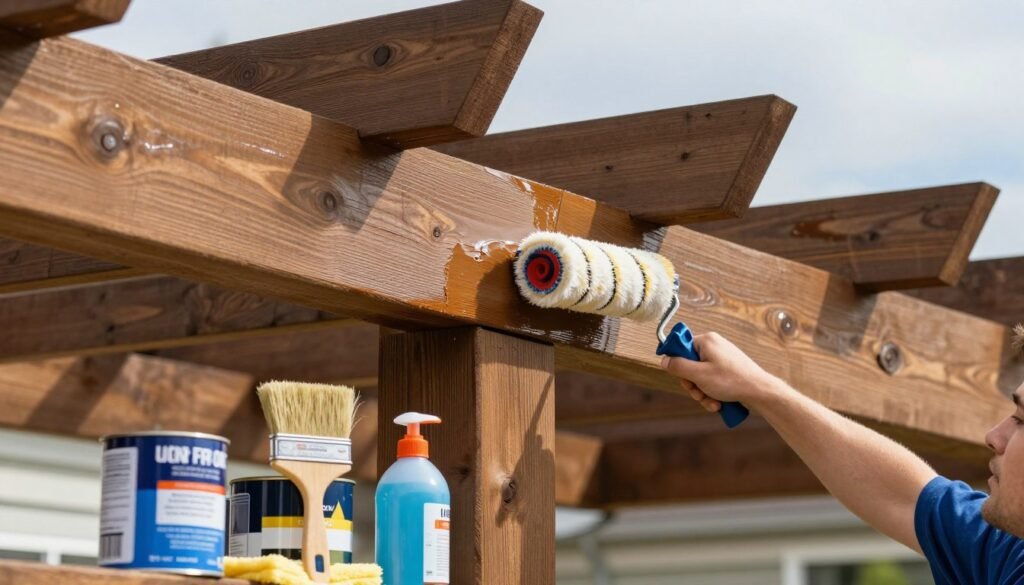
Apply finish
Stain or paint your pergola to protect it from the elements and enhance its appearance. For natural wood, apply a clear sealer or semi-transparent stain. For a more polished look, prime and paint with exterior-grade paint.
Add optional enhancements
Consider adding climbing plants, string lights, or decorative hardware to complete the look of your garage pergola.
“The most important part of building a garage pergola isn’t the tools or even the materials—it’s taking your time with the measurements and making sure everything is level. Get those two things right, and the rest will fall into place beautifully.”
— Experienced DIYer
Styling Your Garage Pergola for Pinterest-Worthy Photos
Once your pergola is built, it’s time for the fun part—styling it to create that perfect Pinterest-worthy look that will make your home the envy of the neighborhood.
Plant Selection for Pergolas
One of the most popular ways to enhance a garage pergola is with climbing plants that will eventually create a living canopy. Here are some excellent options:
Fast-Growing Climbers
Morning Glory (annual)
Clematis (perennial)
Honeysuckle (perennial)
Jasmine (perennial in warm climates)
Grape Vine (edible bonus!)
Flowering Favorites
Climbing Roses
Wisteria (needs strong support)
Bougainvillea (warm climates)
Trumpet Vine
Passion Flower
Evergreen Options
English Ivy
Confederate Jasmine
Climbing Hydrangea
Creeping Fig
Carolina Jessamine
Decorative Accessories
Beyond plants, these decorative elements can take your garage pergola to the next level:
Lighting Options
String lights woven through the rafters
Solar-powered lanterns hanging from hooks
Sconce lights mounted on brackets
Recessed spotlights for dramatic effect
Candle lanterns for special occasions
Decorative Elements
Decorative planters on either side of the garage
Hanging baskets suspended from rafters
Decorative brackets or corbels
House number or family name sign
Seasonal wreaths or garlands
Ready to Style Your Pergola?
Find beautiful accessories to enhance your new garage pergola and create that perfect Pinterest-worthy look.
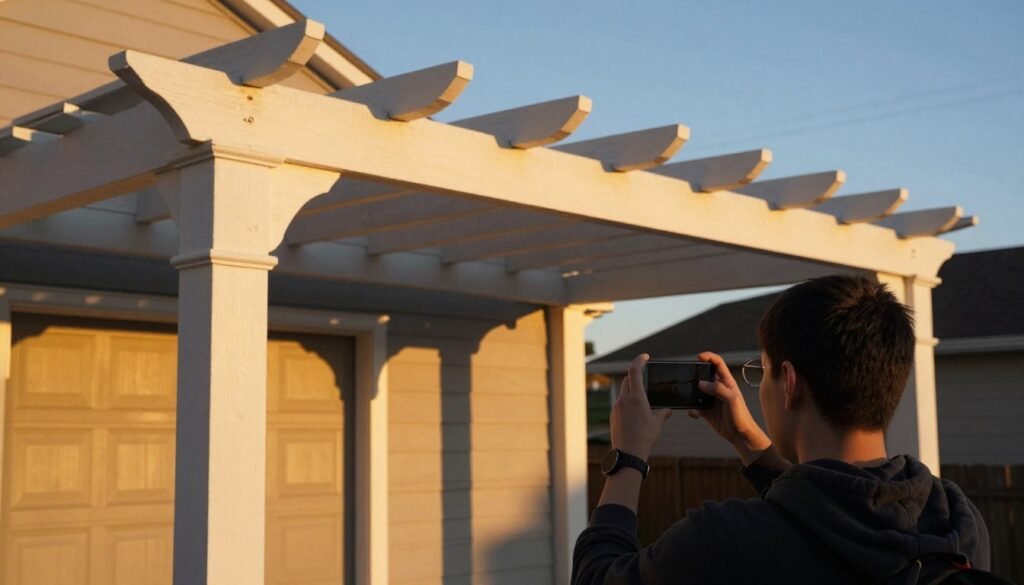
Your beautiful new garage pergola deserves to be showcased on Pinterest! Here are some tips for capturing stunning photos that will inspire others and document your amazing transformation.
Best Times to Photograph
Golden Hour: Shortly after sunrise or before sunset for warm, flattering light
After Rain: Wet surfaces can add richness to wood tones
Evening: If you’ve added lighting, capture the magical glow
Seasonal Changes: Document how your pergola looks throughout the year
Photography Tips
Shoot Wide: Capture the entire structure and its relationship to your home
Get Close: Detail shots of joinery, plants, and decorative elements
Before/After: Create side-by-side comparisons to showcase the transformation
Different Angles: Shoot from below, straight-on, and from the sides
Edit Thoughtfully: Enhance colors and contrast without overdoing it
Pinterest-Specific Tips
To maximize the impact of your garage pergola photos on Pinterest:
Use vertical (portrait) orientation for most photos as they perform better on Pinterest
Create pin-worthy collages showing different angles or before/after views
Include seasonal variations to appeal to different pinners
Consider adding text overlays to images after uploading to Pinterest (not on the original photos)
Use relevant hashtags when pinning: #garagepergola #curbappeal #exteriordesign
Maintaining Your Garage Pergola for Years of Beauty
A well-maintained pergola will continue to enhance your home’s appearance for many years. Here’s how to keep your garage pergola looking its best through the seasons.
Seasonal Maintenance Checklist
Season
Maintenance Tasks
Materials Needed
Spring
Inspect for winter damage
Clean with mild soap solution
Check and tighten hardware
Trim back overgrown plants
Mild detergent
Soft brush
Garden hose
Screwdriver/wrench
Summer
Check for insect damage
Guide climbing plants
Touch up finish as needed
Inspect for loose components
Plant ties
Touch-up stain/paint
Wood preservative
Insect repellent (if needed)
Fall
Remove fallen leaves
Prune back plants for winter
Check for water damage
Clean gutters above pergola
Leaf blower/rake
Pruning shears
Moisture meter (optional)
Ladder
Winter
Remove snow accumulation
Check for ice damage
Plan spring repairs/upgrades
Remove holiday decorations
Soft broom
Camera for documentation
Notes for spring projects
Storage containers
Long-Term Care
For wooden pergolas, plan on these maintenance milestones:
Every 1-2 years: Clean thoroughly and inspect for damage
Every 2-3 years: Apply fresh sealer or stain to maintain protection
Every 5-7 years: Sand and refinish completely
Every 10+ years: Replace any deteriorated components
Pro Tip: Take photos of your pergola each year to track subtle changes in appearance. This visual record helps you spot when maintenance is needed before serious problems develop.
Transform Your Home with a Garage Pergola
A garage pergola is more than just an architectural feature—it’s a statement about your home and your personal style. Whether you’re looking to boost curb appeal, create a more inviting entrance, or simply add character to your home’s exterior, a well-designed and properly built pergola delivers impressive results for a relatively modest investment of time and money.
By following the steps in this guide, you’ve learned how to design, build, style, and maintain a beautiful garage pergola that will enhance your home for years to come. The best part? You can proudly say “I built that myself” whenever you receive compliments from neighbors and visitors.
We’d love to see your garage pergola creations! Consider sharing your before-and-after photos on Pinterest to inspire others on their home improvement journeys. And remember, the perfect pergola is the one that makes you smile every time you pull into your driveway.
Ready to Start Your Garage Pergola Project?
Get inspired with more design ideas, tips, and exclusive content delivered straight to your inbox.