A dining room rug is more than just a decorative element—it’s the foundation that ties your entire dining space together. The right rug anchors your dining table, defines the eating area, and transforms a simple room into an inviting gathering place where memories are made. Whether you’re starting from scratch or refreshing your current dining space, finding that perfect rug can be the design decision that elevates your entire home.
This Website contains affiliate links. That means I may earn a small commission if you purchase through my links, at no extra cost to you.
Why Your Dining Room Needs a Rug
A thoughtfully chosen dining room rug does more than just look beautiful—it serves multiple practical purposes that enhance both the function and feel of your dining space.
Functional Benefits
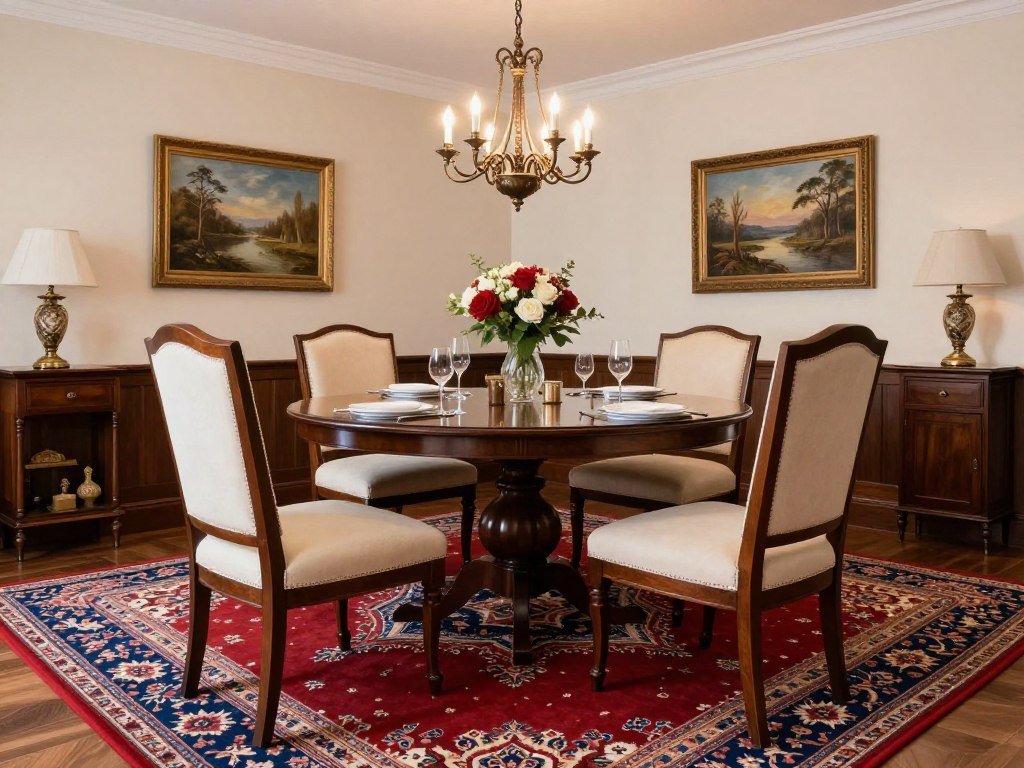
Defines and anchors your dining space, especially in open floor plans
Protects your flooring from scratches caused by chair movement
Absorbs sound, creating a more intimate dining experience
Adds comfort underfoot, making the space more inviting
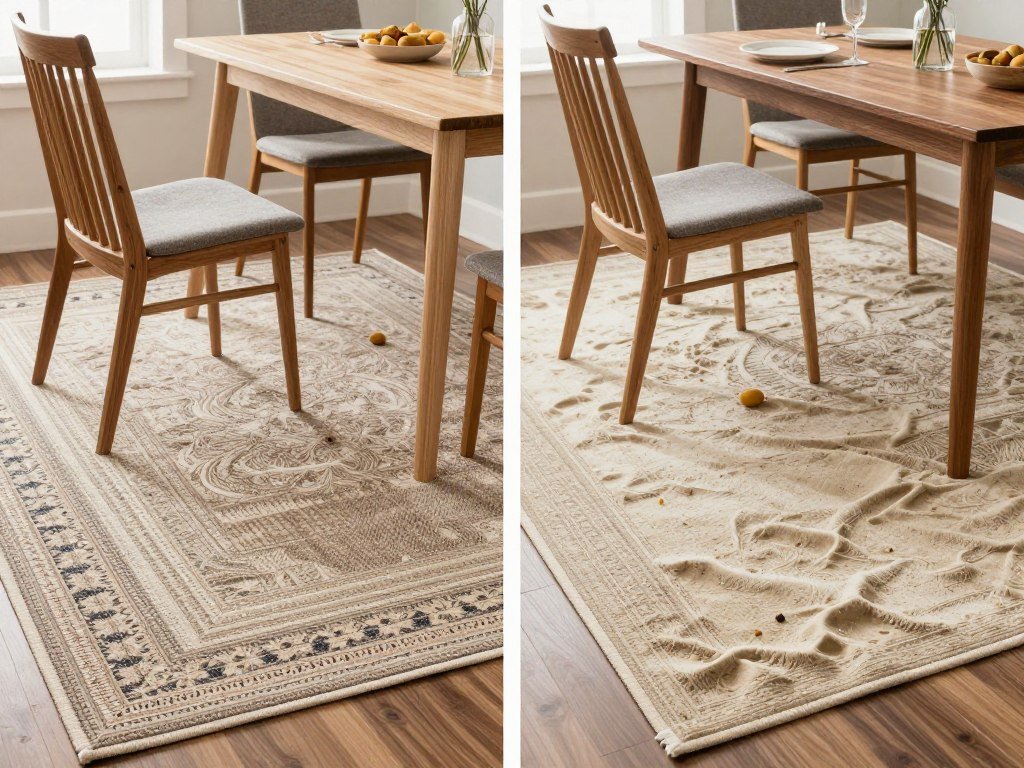
Catches spills and crumbs, protecting your floors during meals
Aesthetic Benefits
Adds color, pattern, and texture to your dining area
Creates visual harmony by connecting different design elements
Softens the hard edges of dining furniture
Establishes the mood and style of your dining space
Provides an opportunity to express your personal style
Key Considerations When Choosing a Dining Room Rug
Consideration
Why It Matters
Recommendation
Size
Ensures chairs remain on the rug when pulled out and creates proper visual balance
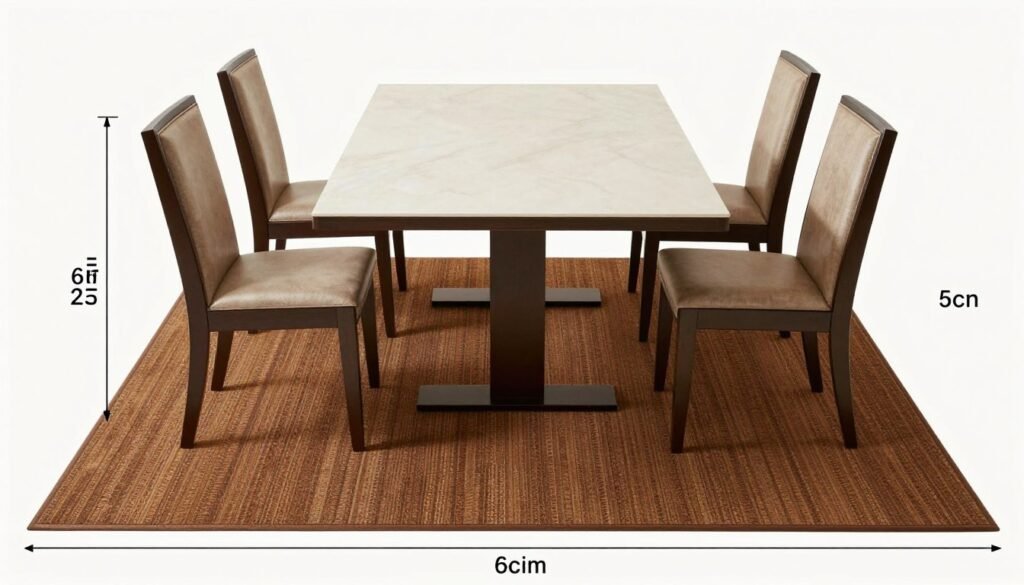
Add 24-36 inches to each side of your table dimensions
Material
Affects durability, cleanability, and comfort
Wool, polypropylene, or indoor/outdoor materials for dining areas
Pile Height
Impacts chair movement and ease of cleaning
Low pile or flat weave for dining spaces
Color/Pattern
Hides stains and complements your decor
Darker colors or patterns that camouflage spills
Shape
Should complement your table shape
Match rug shape to table shape (rectangular, round, etc.)
Finding the Right Size: The Golden Rule of Dining Room Rugs
The most common mistake people make when selecting a dining room rug is choosing one that’s too small. A properly sized rug allows chairs to remain fully on the rug even when pulled out for seating.
Size Guide by Table Dimensions
Table Size
Recommended Rug Size
Room Size
4-person rectangular (3′ x 5′)
5′ x 8′ or 6′ x 9′
Small dining area
6-person rectangular (3′ x 6′)
8′ x 10′
Medium dining room
8-person rectangular (4′ x 8′)
9′ x 12′
Large dining room
4-person round (4′ diameter)
6′ round or 6′ x 6′ square
Small dining area
6-person round (5′ diameter)
8′ round or 8′ x 8′ square
Medium dining room
Pro Tip: When in doubt, go larger rather than smaller. A rug that’s too small creates a floating effect and can become a tripping hazard when chairs catch on the edges.
Best Materials for Dining Room Rugs
The dining room presents unique challenges for rugs—frequent chair movement, potential spills, and regular cleaning needs. Choosing the right material is crucial for longevity and maintenance.
Wool
Pros: Naturally stain-resistant, durable, soft underfoot, hides dirt well
Cons: Higher price point, requires professional cleaning for deep stains
Best for: Formal dining rooms, homes without young children
Polypropylene
Pros: Highly stain-resistant, affordable, easy to clean, durable
Cons: Not as eco-friendly, can flatten over time
Best for: Family dining rooms, homes with children and pets
Indoor/Outdoor
Pros: Extremely durable, easy to clean (can be hosed off), fade-resistant
The pile height of your dining room rug significantly impacts both functionality and maintenance. In dining spaces, practicality often outweighs plushness.
Low Pile Advantages
Chairs move easily without catching on the rug
Crumbs and spills stay on the surface for easier cleaning
Vacuum cleaners can effectively remove debris
More stable surface for dining chairs
Less likely to show chair indentations over time
“For dining rooms, always prioritize function over plushness. A low pile or flatweave rug will make your dining experience more enjoyable and maintenance significantly easier.”
Style Guide: Matching Your Dining Room Rug to Your Decor
Your dining room rug should complement your existing decor while making a statement that reflects your personal style. Here’s how to choose a rug that enhances different interior design styles:
The shape of your dining room rug should generally complement your table shape for a harmonious look. However, you can create interesting visual effects by mixing shapes intentionally.
Shape Pairings
Rectangular table: Rectangular rug (most common and versatile)
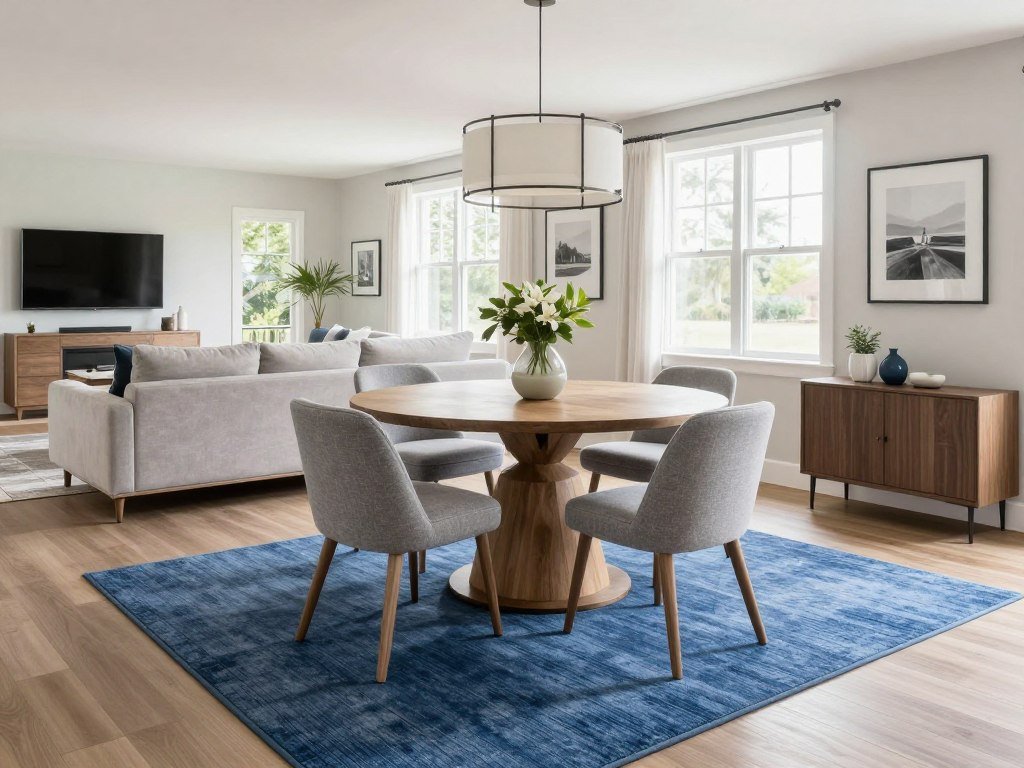
Round table: Round rug (creates a pleasing visual echo)
Oval table: Oval or rectangular rug (follows the table’s lines)
Designer Tip: For an unexpected twist, try placing a round rug under a square table, or vice versa. This creates visual interest and can help soften the lines of angular furniture.
Color and Pattern: Practical Considerations for Dining Spaces
When choosing colors and patterns for your dining room rug, balance aesthetics with practicality. The dining room is prone to spills and stains, so consider how your rug will handle these inevitable accidents.
Color Considerations
Dark colors: Hide stains and crumbs better than light colors
Medium tones: Good balance between showing dirt and feeling too dark
Light colors: Beautiful but challenging to maintain in dining spaces
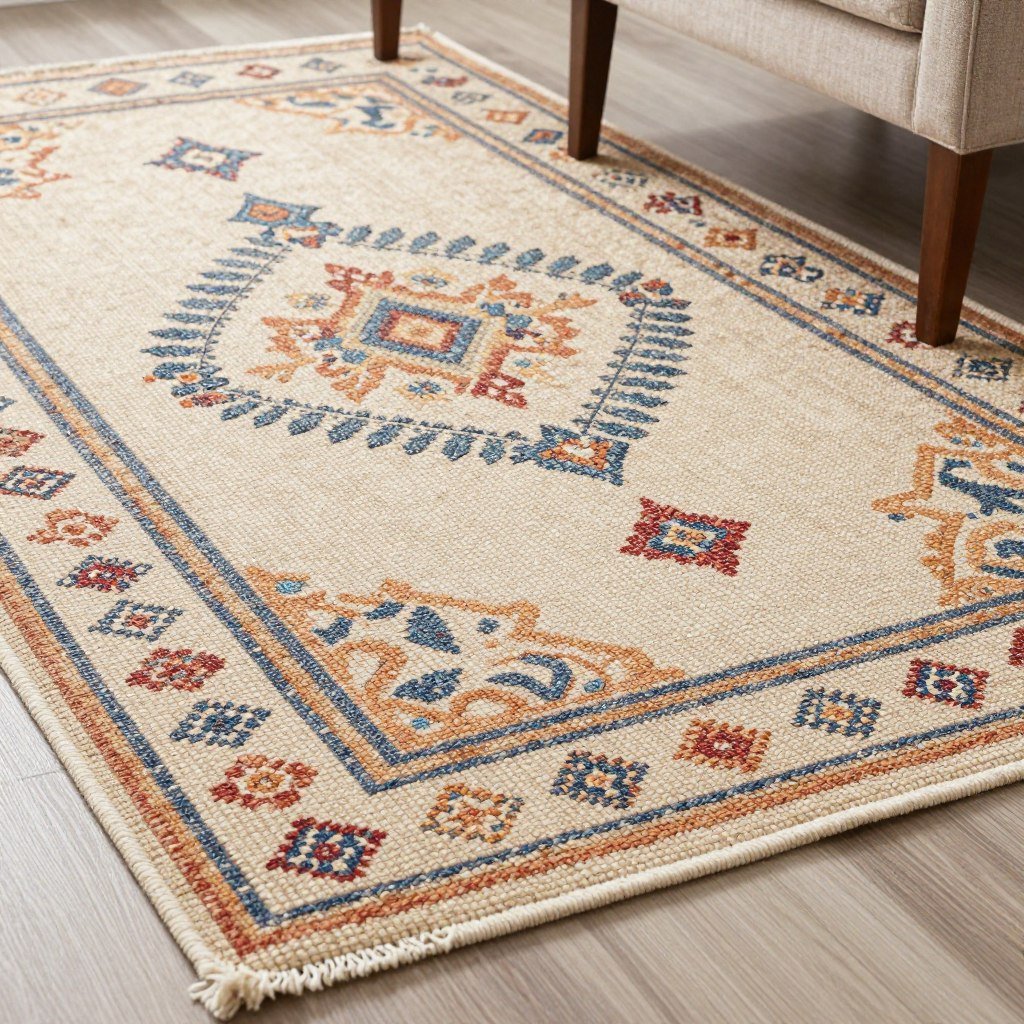
Multi-colored: Excellent for camouflaging various stains
Pattern Benefits
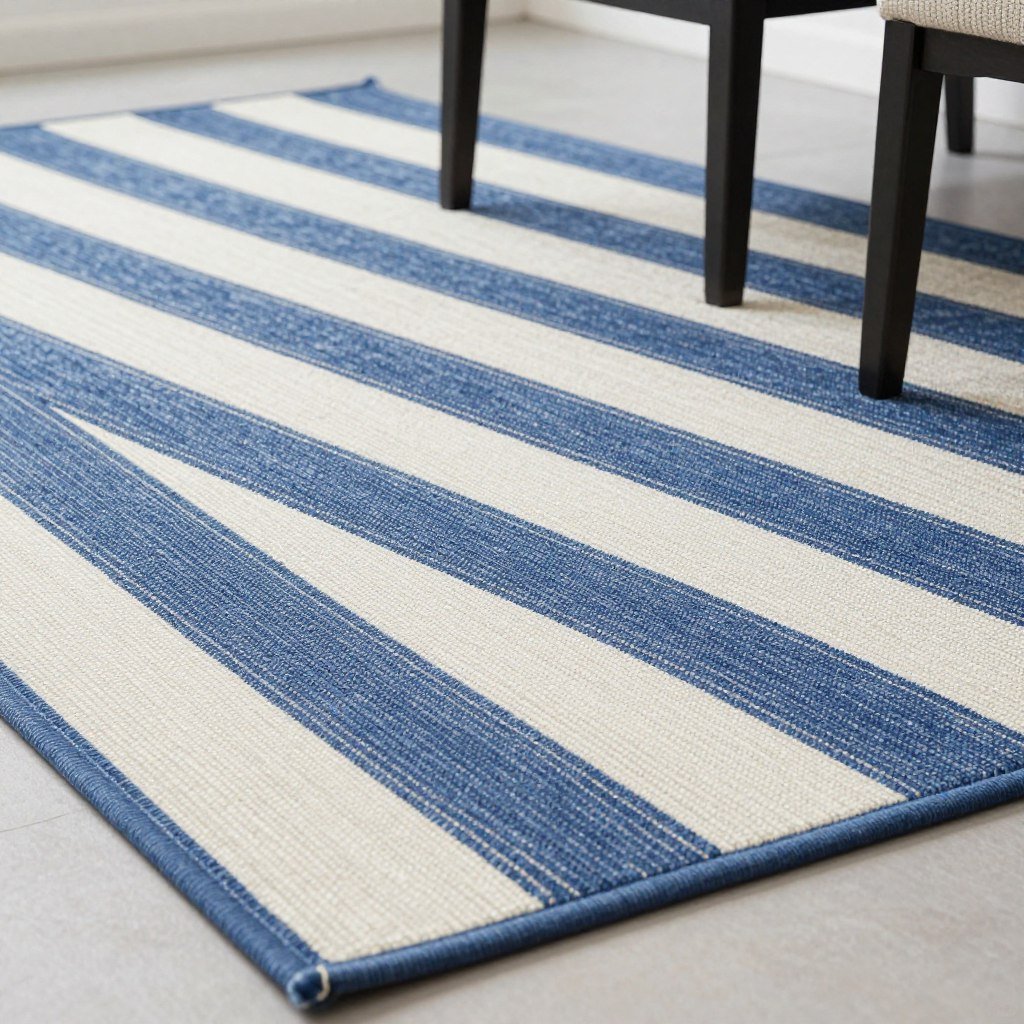
Disguises spills and stains more effectively than solid colors
Adds visual interest and personality to your dining space
Can hide wear patterns from chair movement
Creates a focal point in simple dining rooms
Can tie together various colors from your dining decor
Find Stain-Hiding Dining Room Rugs
Discover rugs that combine beauty with practicality:
A dining room rug faces unique challenges with food spills, drink stains, and constant chair movement. Proper maintenance will extend its life and keep it looking beautiful.
Regular Maintenance
Vacuum at least once weekly to remove crumbs and debris
Rotate the rug every 3-6 months to ensure even wear
Use a rug pad underneath to prevent slipping and provide cushioning
Consider professional cleaning once yearly for deep-set stains
Stain Removal Tips
Stain Type
Immediate Action
Cleaning Solution
Red wine
Blot (don’t rub) with clean cloth
Club soda or wine-specific stain remover
Grease/oil
Absorb excess with paper towel
Dish soap diluted with water
Tomato sauce
Remove solids, blot liquid
Cold water and mild detergent
Coffee/tea
Blot immediately with clean cloth
Vinegar and water solution (1:2 ratio)
Always check the manufacturer’s cleaning instructions before applying any cleaning solution to your rug. Test any cleaning product on an inconspicuous area first to ensure it won’t damage the fibers or cause discoloration.
Where to Shop for Dining Room Rugs
Online Shopping Tips
Read customer reviews, especially those mentioning dining room use
Check return policies before purchasing
Order samples when possible to test colors and textures
Look for detailed specifications on pile height and material
Use visualization tools if available to see the rug in a room setting
A quality rug pad prevents slipping, adds cushioning, protects your flooring, and extends the life of your rug. Choose a pad specifically designed for your floor type and cut it slightly smaller than your rug.
2. Consider Washable Options for Family Dining
If you have young children or frequently entertain, consider investing in a machine-washable dining room rug. These innovative rugs can be removed and cleaned in a standard washing machine, making maintenance significantly easier.
3. Test Chair Movement Before Committing
If possible, test how easily chairs move on the rug you’re considering. Chairs should glide smoothly without catching on the pile. This is especially important for frequently used dining spaces.
4. Protect High-Traffic Paths
If your dining room serves as a walkway to another room, position your table and rug to create a clear path that doesn’t cross the rug if possible. This prevents premature wear patterns from foot traffic.
5. Consider Seasonal Rotation
For those who love variety, consider having two dining room rugs that you rotate seasonally. A lighter, brighter rug for spring/summer and a richer, warmer rug for fall/winter can refresh your space twice yearly.
Transform Your Dining Space Today
A thoughtfully chosen dining room rug does more than just protect your floors—it transforms your dining experience by creating a defined, comfortable, and visually appealing space for gathering with family and friends. By considering size, material, pile height, color, and pattern, you can find a rug that perfectly balances beauty and practicality.
Start your search for the perfect dining room rug today and create a dining space that’s not only functional but also a true reflection of your personal style. Whether you prefer the timeless elegance of a traditional pattern, the bold statement of a contemporary design, or the natural warmth of a textured weave, the right rug awaits to anchor your dining room and elevate your home.