Your master bathroom is more than just a functional space—it’s a personal sanctuary where you begin and end each day. A thoughtfully designed master bath remodel can transform an outdated or inefficient bathroom into a luxurious retreat that enhances your daily routine and adds significant value to your home. Whether you’re dreaming of a spa-like oasis with a freestanding tub, a sleek modern space with a walk-in shower, or a timeless design that will look beautiful for years to come, this guide will walk you through everything you need to know to create your perfect master bathroom.
This Website contains affiliate links. That means I may earn a small commission if you purchase through my links, at no extra cost to you.
From the latest design trends and material selections to budgeting tips and common pitfalls to avoid, we’ve gathered expert insights to help you navigate your master bathroom renovation with confidence. Let’s explore how to create a bathroom that perfectly balances beauty, functionality, and personal style.
2026 Master Bath Remodel Trends: What’s Hot Now
Today’s master bathroom designs blend functionality with personalized luxury. Understanding current trends can help you create a space that feels both contemporary and timeless. Here are the most influential master bath remodel trends shaping beautiful bathrooms in 2026:
Spa-Inspired Sanctuaries
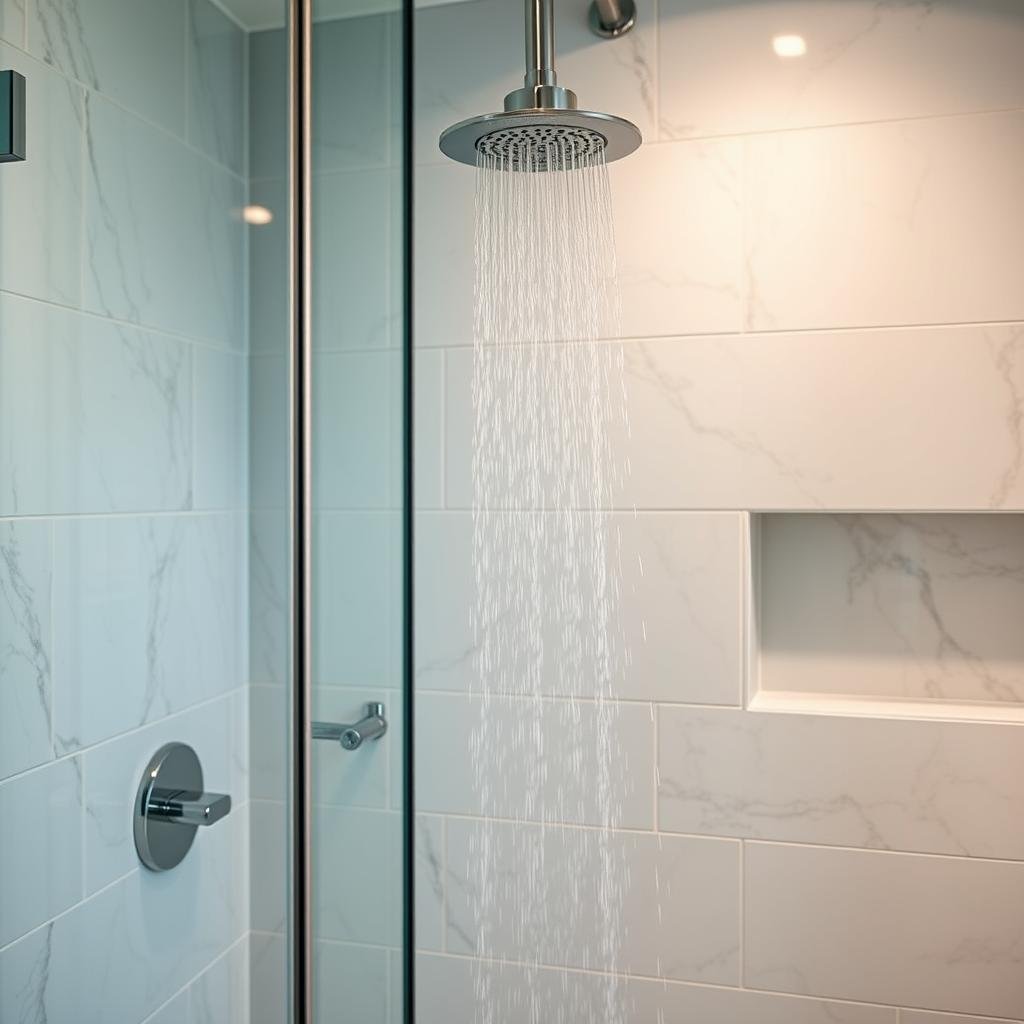
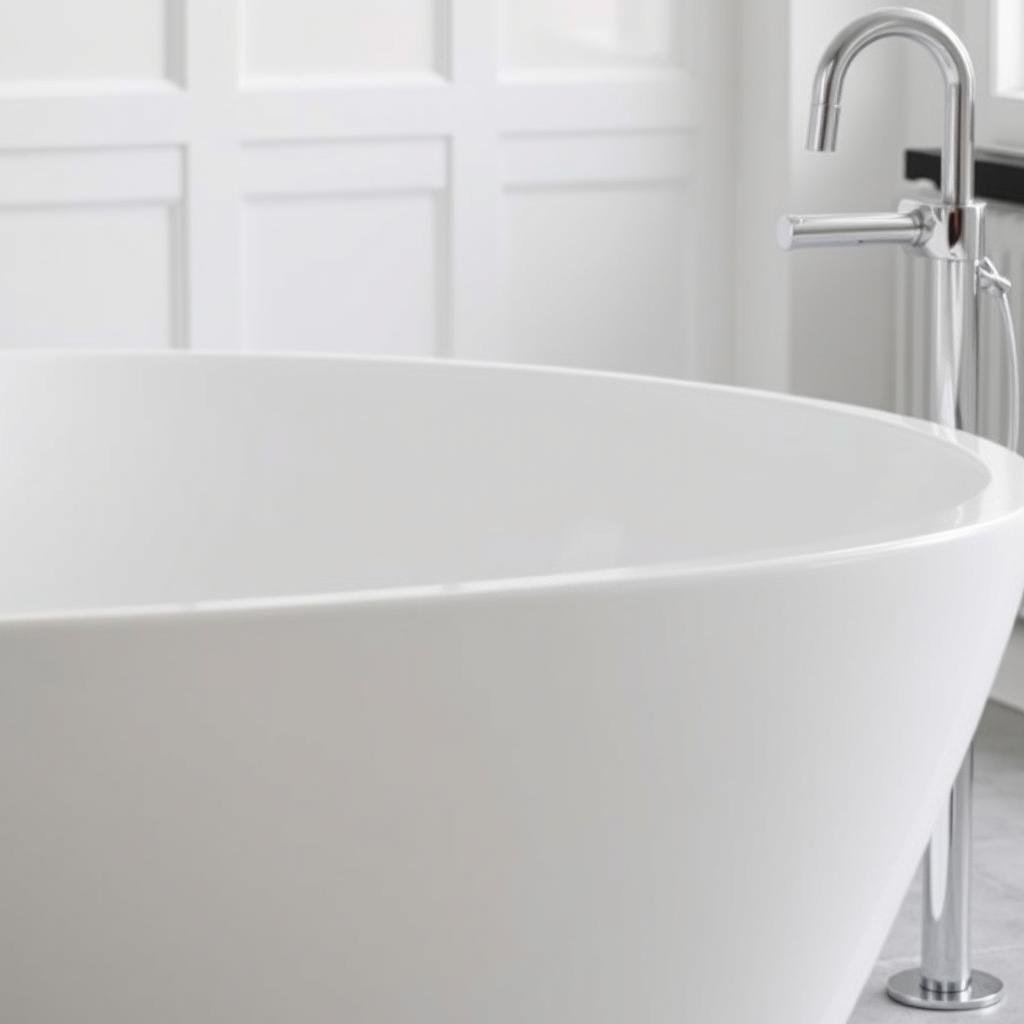
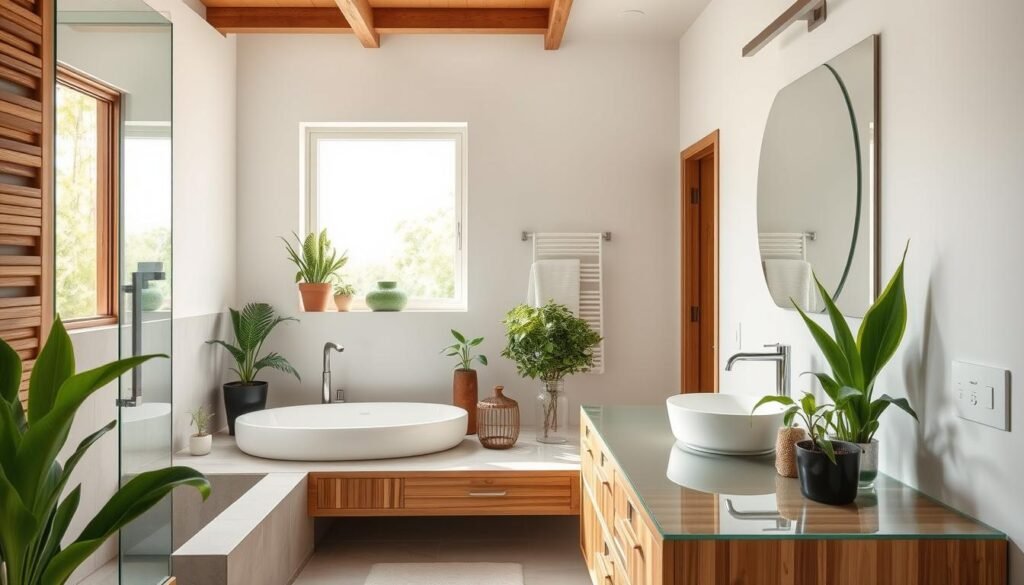
The concept of the bathroom as a home spa continues to dominate master bath remodel projects. Homeowners are incorporating features like steam showers, rainfall showerheads, heated floors, and freestanding soaking tubs to create spaces dedicated to relaxation and wellness. Natural materials and soothing color palettes enhance the tranquil atmosphere.
Statement Lighting Fixtures
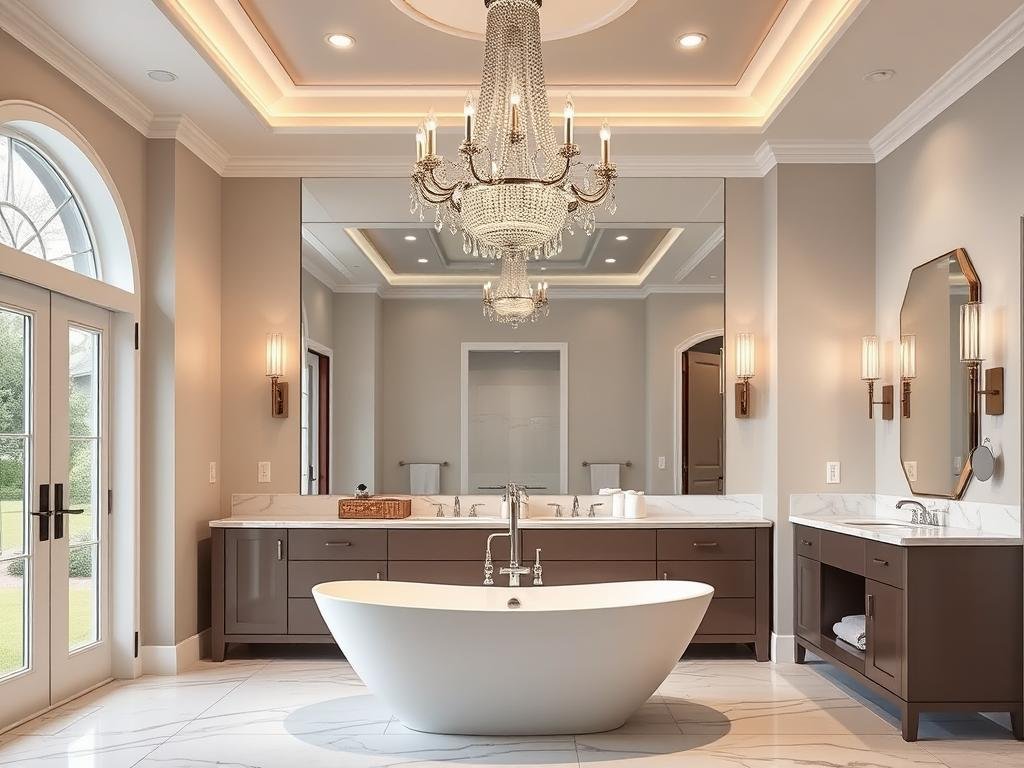
Lighting has evolved from purely functional to becoming a central design element in master bathroom remodels. Dramatic chandeliers over soaking tubs, artistic sconces flanking vanity mirrors, and strategically placed LED lighting create ambiance while serving practical purposes. Layered lighting schemes with dimmers allow for customizable atmospheres.
Mixed Metal Finishes
The strict rule of matching all bathroom fixtures has given way to thoughtfully mixed metal finishes. Combinations like matte black faucets with brass cabinet hardware or brushed nickel lighting with chrome shower fixtures create visual interest and depth. This trend allows for more personalization and creative expression in your master bath remodel.
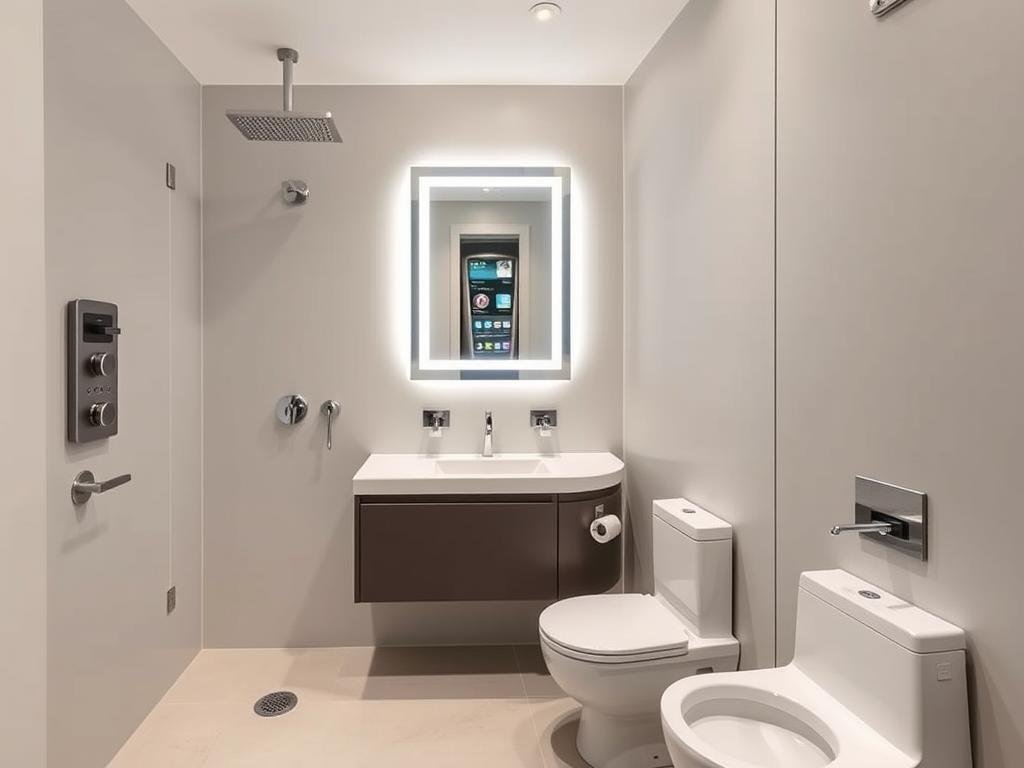
Technology integration continues to advance in master bathroom design. Digital shower controls, smart mirrors with built-in lighting and defoggers, voice-activated fixtures, and programmable heated floors enhance convenience and efficiency. These tech upgrades not only add luxury but can also improve water conservation and energy efficiency.
Warm Wood Vanities
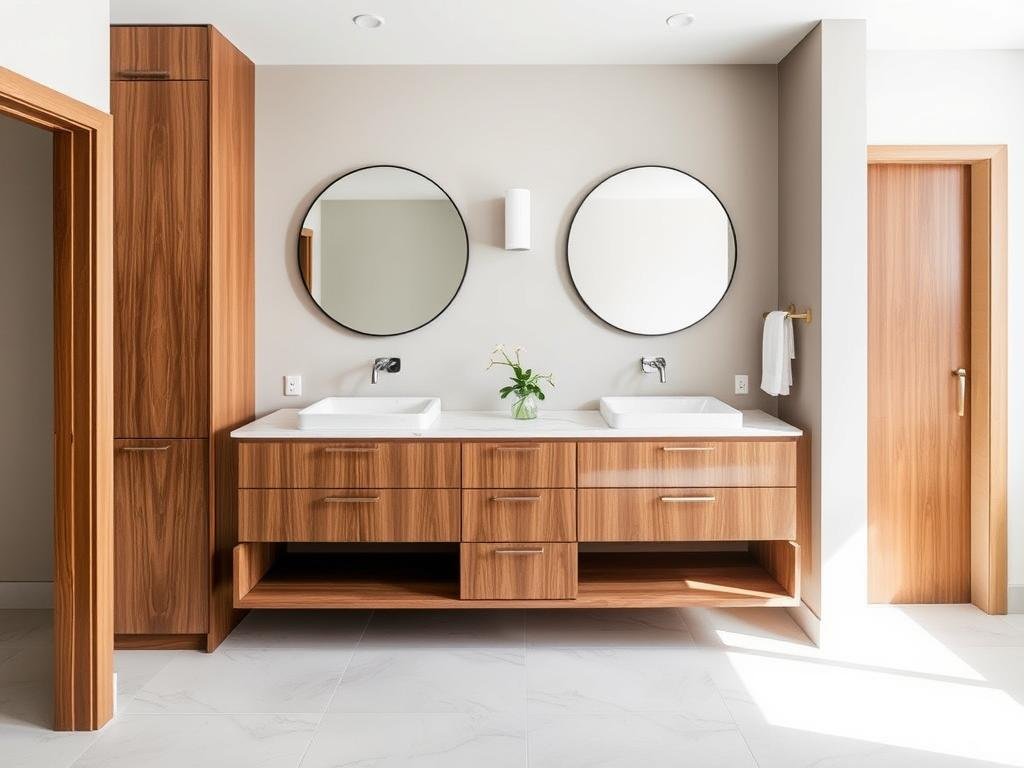
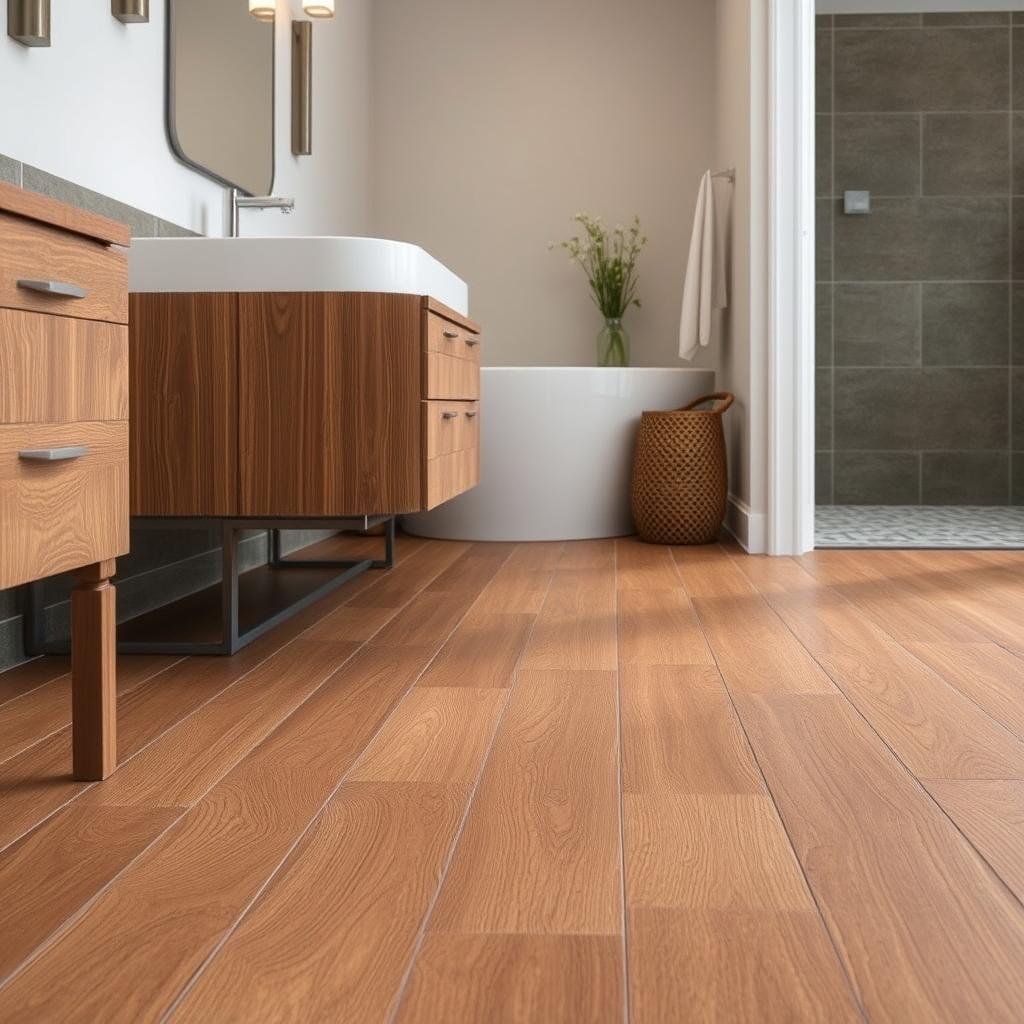
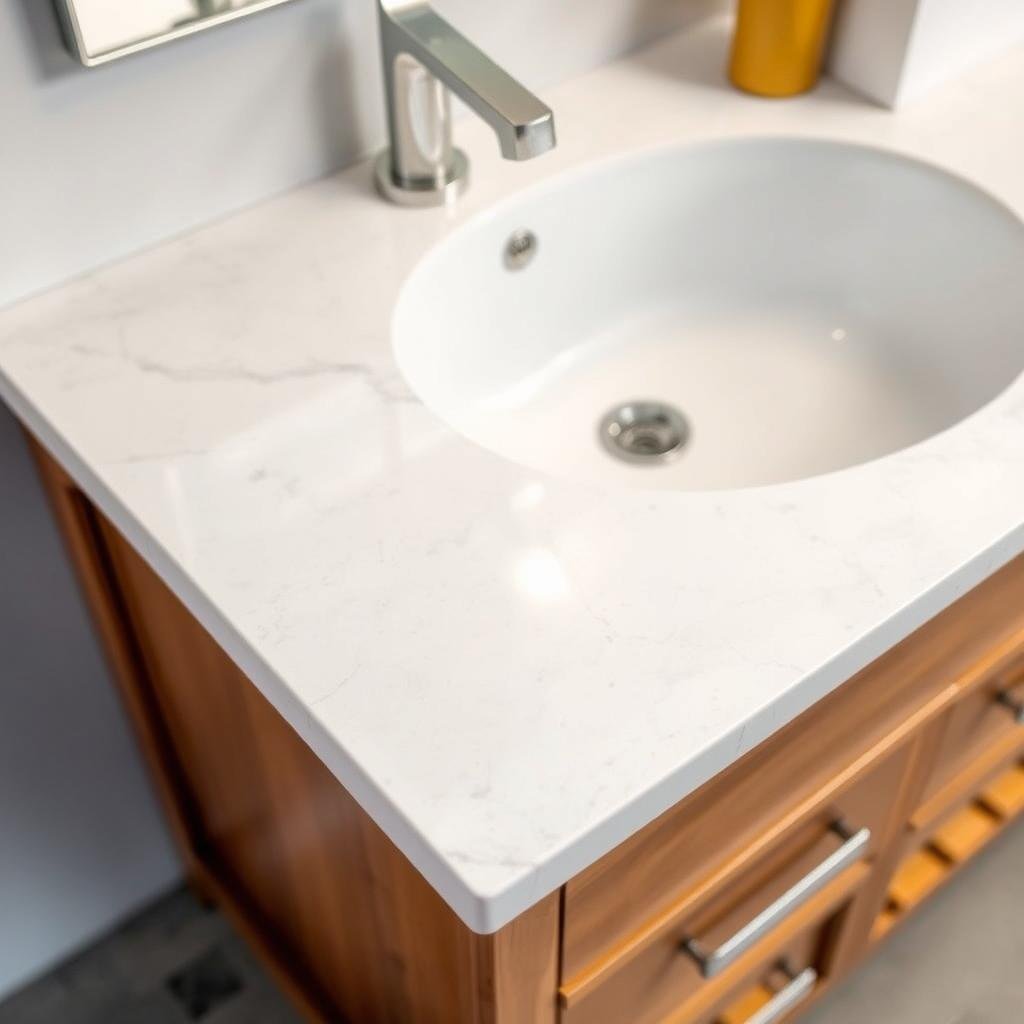
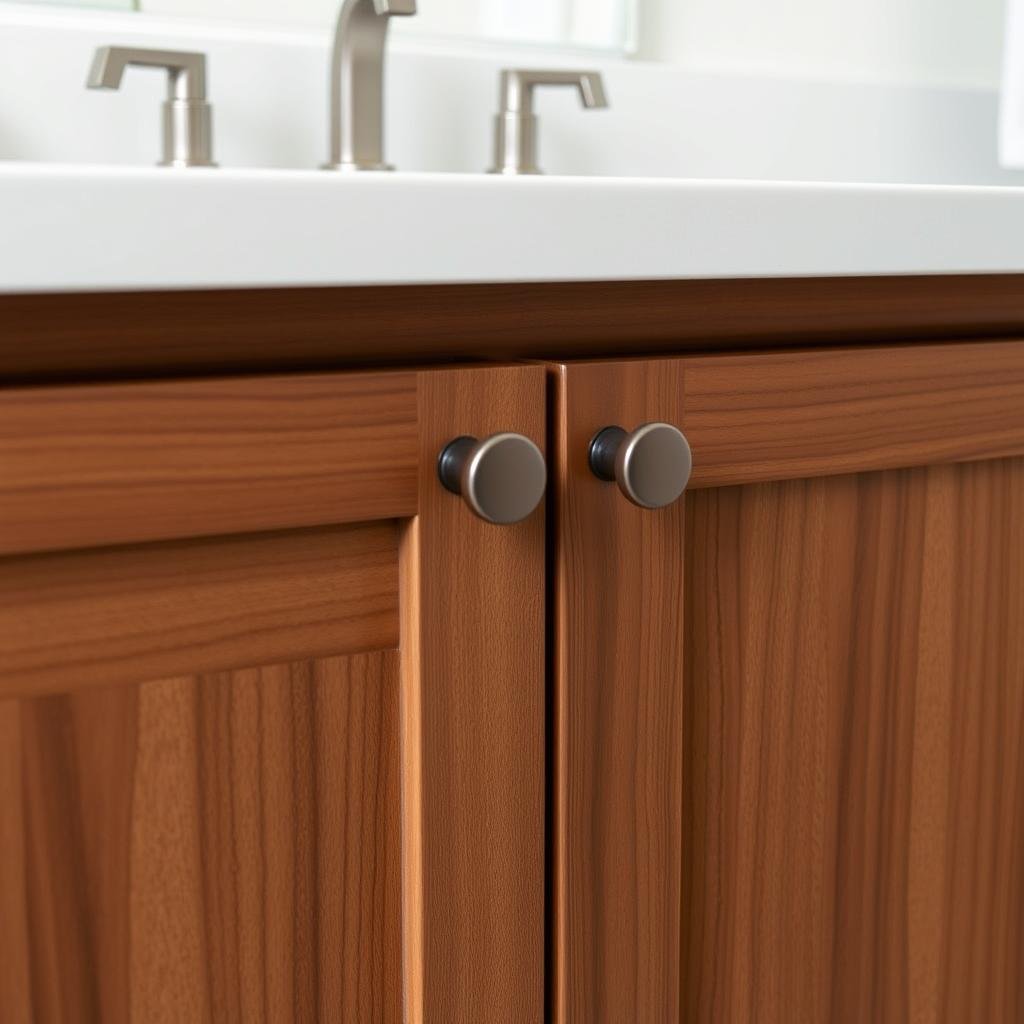
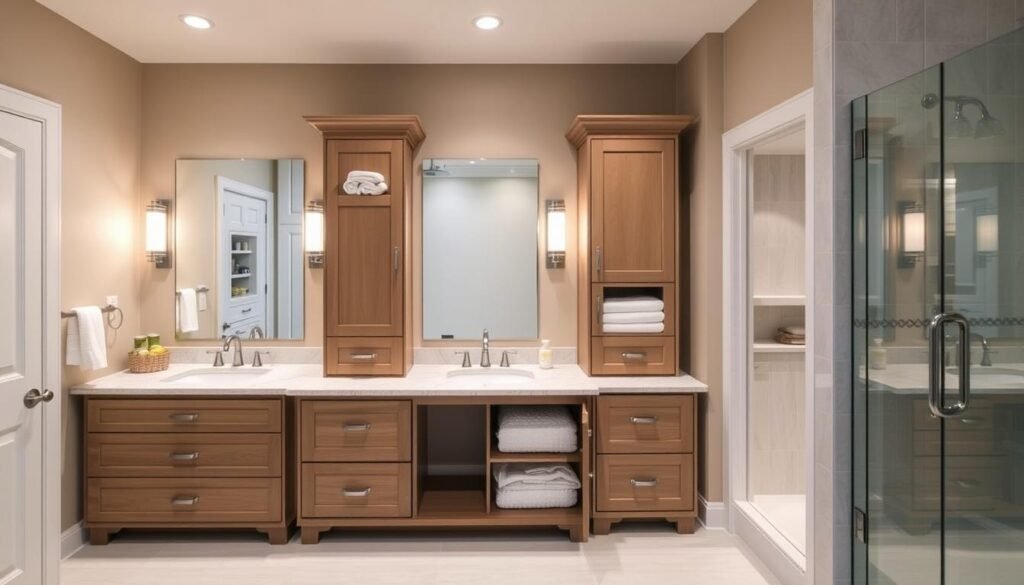
After years of white and gray dominating bathroom design, warm wood tones are making a strong comeback in master bath remodels. Oak, walnut, and teak vanities add natural warmth and texture to bathrooms while complementing other materials like marble, porcelain, and glass. Floating wood vanities with clean lines create a contemporary yet timeless aesthetic.
Bold Tile Statements
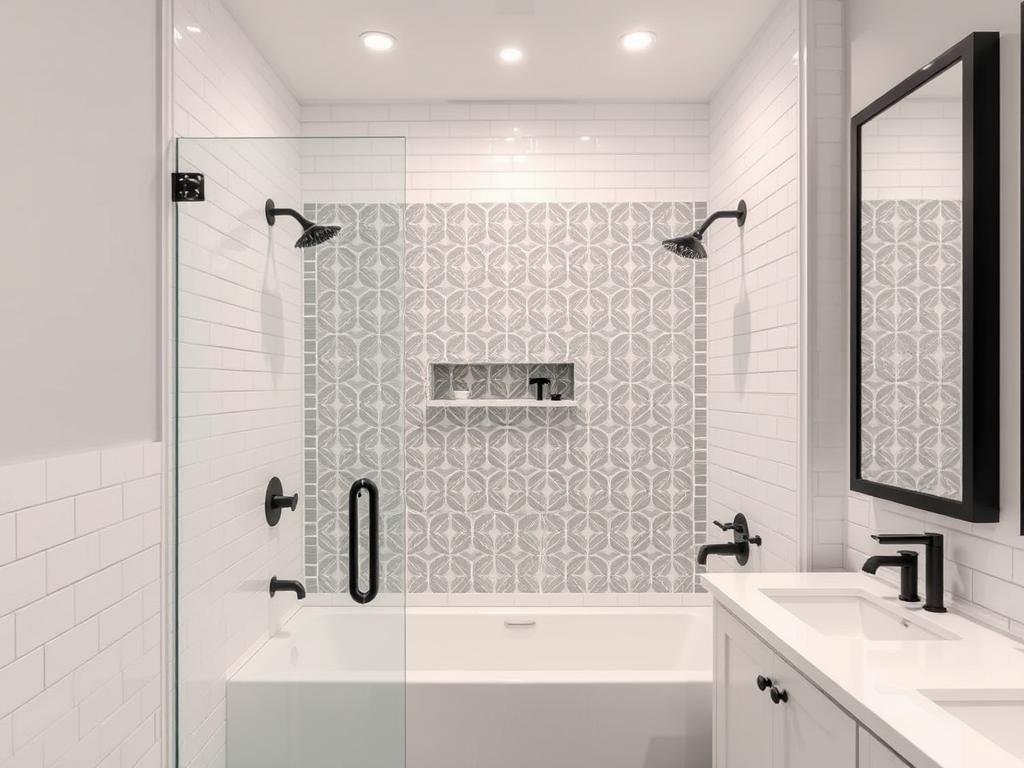
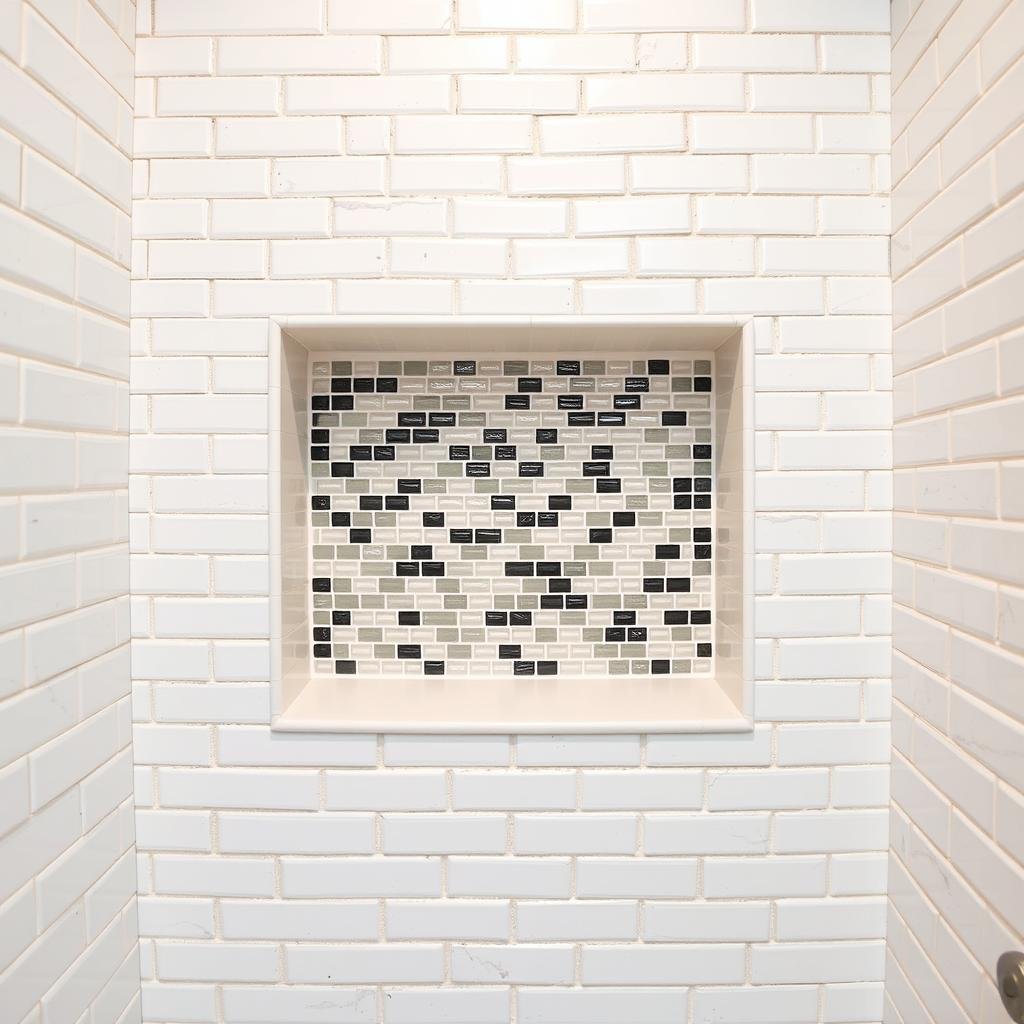
While neutral palettes remain popular, many homeowners are embracing bold tile choices as focal points in their master bath remodel. Geometric patterns, vibrant colors, and high-contrast designs add personality and visual interest. These statement tiles are often used strategically in shower niches, as accent walls, or as floor borders to avoid overwhelming the space.
Ready to explore bathroom vanity options?
Find the perfect vanity to anchor your master bath remodel with styles ranging from modern floating designs to traditional furniture-inspired pieces.
A successful master bathroom renovation begins with thorough planning. This crucial phase lays the foundation for a smooth remodeling process and helps ensure your finished space meets both your aesthetic desires and functional needs.
Step 1: Define Your Vision
Begin by gathering inspiration and identifying what you want from your master bath remodel. Create a Pinterest board with designs you love, noting specific elements that appeal to you. Consider how you use your bathroom daily and what features would enhance your routine. Do you prefer a luxurious shower or a soaking tub? Is double sink vanity essential? Clarifying these preferences early helps guide all subsequent decisions.
Step 2: Establish Your Budget
Determine how much you can realistically invest in your master bathroom renovation. The national average for a master bath remodel ranges from $7,000 to $30,000, with most homeowners spending around $18,500. Be sure to include a 15-20% contingency for unexpected issues. Having a clear budget helps you prioritize where to splurge and where to save throughout the project.
Step 3: Assess Your Space
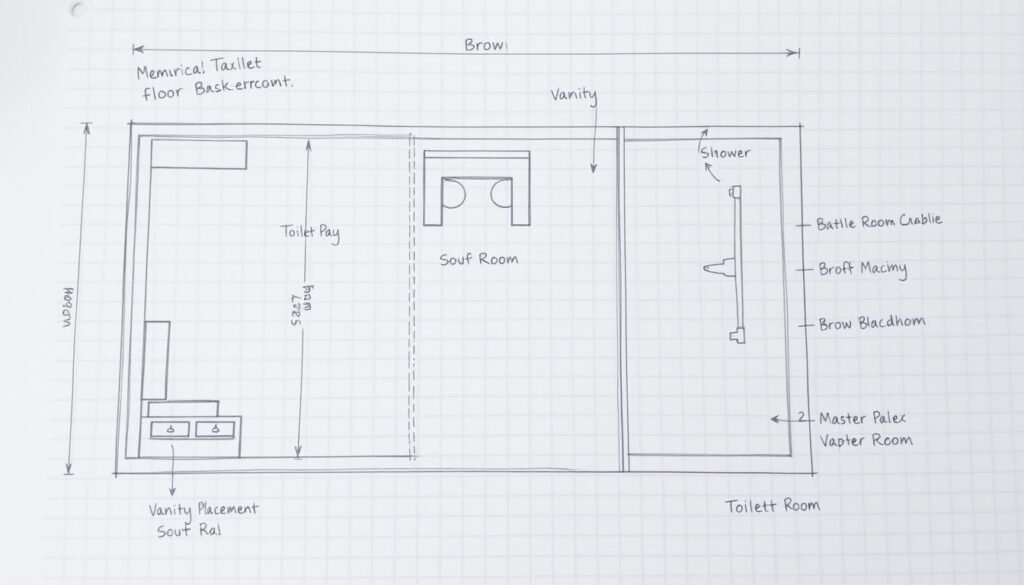
Evaluate your bathroom’s current layout and identify any limitations or opportunities. Measure the room dimensions carefully, noting the location of existing plumbing, electrical, windows, and doors. Consider whether you want to work within the current footprint or if you’re open to moving walls or plumbing fixtures. Understanding these constraints will inform your design possibilities.
Step 4: Hire Professionals
Decide whether you’ll need professional help for your master bath remodel. While some homeowners tackle certain aspects themselves, most bathroom renovations benefit from expert assistance. Consider consulting with a designer for layout and material selection, and research qualified contractors with experience in bathroom remodeling. Request multiple quotes and check references before making your decision.
Step 5: Create a Timeline
Develop a realistic schedule for your master bathroom renovation. A typical master bath remodel takes 4-8 weeks, depending on the scope of work and any custom elements. Factor in lead times for special order materials, which can sometimes take 6-8 weeks to arrive. Having a clear timeline helps manage expectations and coordinate with contractors.
Step 6: Secure Permits
Research what permits your master bath remodel may require. Most substantial bathroom renovations need building permits, especially if you’re changing plumbing, electrical, or moving walls. Your contractor can often handle this process, but understanding the requirements helps avoid delays and ensures your renovation meets local building codes.
“The most successful bathroom renovations are those where homeowners spend adequate time in the planning phase. Taking time to think through your needs, research options, and create a detailed plan will save both money and headaches during the actual construction process.”
Planning your shower upgrade?
Explore modern shower systems with multiple spray options, digital controls, and luxurious features to elevate your daily routine.
Master Bath Remodel Budget: Making Smart Financial Decisions
Understanding the financial aspects of your bathroom renovation is crucial for making informed decisions and avoiding costly surprises. Here’s how to approach budgeting for your master bath remodel with confidence.
What Influences Your Master Bath Remodel Cost
Size and Layout Changes
The square footage of your bathroom and any layout modifications significantly impact your budget. Working within the existing footprint and keeping plumbing fixtures in their current locations can save thousands. Moving a toilet or shower requires new plumbing lines, which adds considerable expense to your master bath remodel.
Quality of Materials
The materials you select create the most variable cost factor in your bathroom renovation. For example, ceramic tile might cost $2-5 per square foot, while natural stone can range from $10-50 per square foot. Similarly, bathroom vanities can range from $500 for basic models to $3,000+ for custom designs. Deciding where to invest in premium materials and where to economize is key to managing your master bath remodel budget.
Labor Costs
Professional labor typically accounts for 40-60% of your total master bathroom renovation budget. These costs vary significantly by location, with metropolitan areas commanding higher rates than rural regions. Specialized work like custom tile installation or electrical upgrades will increase labor expenses. Getting multiple detailed quotes helps ensure you’re paying fair market rates.
Unexpected Issues
Almost every master bath remodel uncovers some surprises once demolition begins. Water damage, outdated wiring, or structural issues are common discoveries that require immediate attention. Setting aside 15-20% of your total budget as a contingency fund provides financial protection against these unexpected expenses.
Cost Breakdown: Where Your Money Goes
Bathroom Element
Typical Cost Range
Percentage of Budget
Shower/Tub
$1,800 – $5,500
20-30%
Vanity & Countertop
$750 – $3,500
15-20%
Flooring
$800 – $2,500
10-15%
Fixtures & Hardware
$500 – $2,000
10-15%
Lighting
$500 – $1,500
5-10%
Toilet
$200 – $800
3-5%
Labor
$4,000 – $12,000
40-60%
Smart Ways to Save on Your Master Bath Remodel
Keep the same layout – Working with existing plumbing locations can save $1,000-$3,000 in plumbing costs.
Mix high and low materials – Splurge on focal points like vanity tops or shower tile, while choosing more budget-friendly options for less noticeable areas.
Refinish rather than replace – Consider refinishing an existing tub or reglazing tile if they’re in good structural condition.
Shop floor models and remnants – Check for discounted floor models for fixtures and remnant pieces of stone for smaller countertops.
Phase your renovation – If budget is tight, consider completing your master bath remodel in phases, focusing on the most important elements first.
DIY selectively – Handle simpler tasks like painting, hardware installation, or demolition yourself while leaving specialized work to professionals.
Looking for beautiful floor tile options?
Discover durable, stylish floor tiles that can transform your master bathroom while staying within your budget.
The materials you choose for your master bathroom renovation define both its aesthetic appeal and long-term durability. Here’s a comprehensive guide to selecting the right materials for each element of your bathroom.
Flooring Options
Porcelain Tile
Pros: Extremely durable, water-resistant, available in countless styles including wood-look options, easy to maintain
Cons: Hard surface, can be cold underfoot without radiant heating, professional installation recommended
Cost: $3-$10 per square foot
Natural Stone
Pros: Luxurious appearance, unique natural patterns, adds significant home value
Cons: Requires regular sealing, more porous than porcelain, higher cost, can be slippery when wet
Considerations: Frameless offers the most elegant look but costs more; thicker glass (3/8″ to 1/2″) provides better durability and premium feel
Cost: $700-$2,200 for glass enclosures
Bathtubs
Options: Acrylic, cast iron, fiberglass, stone resin, natural stone
Considerations: Freestanding tubs create a focal point; built-in tubs maximize space; acrylic offers good value while cast iron provides classic durability
Cost: $500-$3,000+ depending on material and style
Considerations: Larger tiles mean fewer grout lines to clean; porcelain offers durability and water resistance; consider slip resistance for shower floors
Cost: $2-$50 per square foot depending on material
Considerations: Quartz offers durability without sealing; marble provides classic luxury but requires maintenance; solid surface allows seamless integration with sinks
Cost: $40-$200 per square foot installed
Vanity Cabinets
Options: Solid wood, plywood with veneer, MDF, thermofoil
Considerations: Solid wood offers durability and timeless appeal; floating vanities create a sense of space; consider moisture resistance for long-term durability
Cost: $500-$3,500+ depending on size and materials
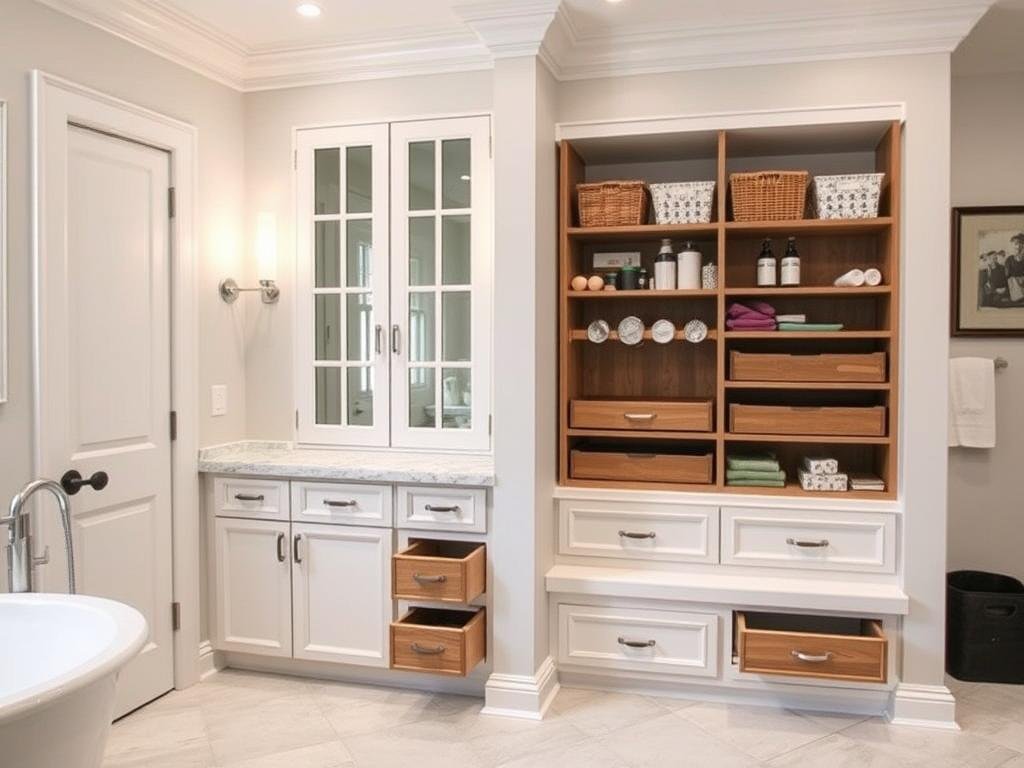
Smart Storage Solutions for Your Master Bath Remodel
Effective storage is essential for maintaining a clean, organized master bathroom. Thoughtful storage solutions not only keep necessities accessible but also contribute to the room’s overall aesthetic. Here are innovative ways to maximize storage in your master bath remodel.
Vanity Storage Innovations
The bathroom vanity serves as your primary storage hub. Modern vanity designs offer specialized storage features that maximize functionality:
Drawer dividers for organizing smaller items like makeup and grooming tools
Pull-out hampers integrated into vanity cabinets to keep dirty laundry out of sight
Electrical outlets inside drawers for charging electric toothbrushes and razors while keeping countertops clear
Vertical dividers for storing hair styling tools and keeping cords managed
Toe-kick drawers that utilize otherwise wasted space beneath cabinets
Wall-Mounted Storage Options
Utilizing wall space effectively can dramatically increase your bathroom’s storage capacity without sacrificing floor space:
Recessed medicine cabinets that provide storage without protruding into the room
Floating shelves for displaying decorative items and storing frequently used products
Wall niches in non-shower walls for additional display and storage space
Towel warmers that serve dual purposes of storage and luxury
Magnetic strips mounted inside cabinets for holding metal grooming tools
Shower and Tub Area Storage
Thoughtful storage solutions in your shower and tub area keep essential bathing products organized and accessible:
Built-in shower niches sized appropriately for your tallest bottles
Corner shelves that utilize otherwise wasted shower space
Shower benches with hidden storage compartments
Tub surrounds with integrated storage for bath products
Waterproof cabinet near the tub for storing bath salts and oils
Space-Saving Solutions for Smaller Bathrooms
Wall-mounted toilets free up floor space and create a more open feel
Pocket doors eliminate the swing space required by traditional doors
Floating vanities create the illusion of more floor space while providing storage
Over-toilet shelving or cabinets utilize vertical space in an often overlooked area
Tension rod shelving systems that can be installed between walls without permanent fixtures
Mirrored cabinets that serve dual purposes of reflection and storage
Towel hooks instead of bars to maximize wall space usage
Narrow rolling carts that fit in tight spaces between fixtures
Custom Storage Solutions Worth Considering
Built-in linen cabinets for storing towels, toilet paper, and extra supplies
Hidden storage behind mirrors that swing open or slide to reveal shelving
Custom vanities designed to fit your specific space and storage needs
Pull-out shelving in narrow spaces between fixtures
Bench seating with hinged tops for hidden storage
Organize your bathroom with smart storage solutions
Discover clever organizers and storage systems to keep your master bathroom tidy and functional.
Creating a sustainable master bathroom not only reduces your environmental footprint but can also lower utility bills and create a healthier living space. Here are the best eco-friendly options to consider for your master bath remodel.
Water Conservation
The bathroom is typically the highest water-consuming area in a home. These water-saving fixtures can dramatically reduce usage without sacrificing performance:
Low-flow showerheads (1.5-2.0 GPM) that maintain pressure while using less water
Dual-flush toilets offering different flush volumes for liquid and solid waste
WaterSense-certified faucets with aerators that reduce flow while maintaining pressure
Smart shower systems with pause features and temperature memory
Greywater systems that recycle sink water for toilet flushing
Energy Efficiency
Reducing energy consumption in your master bathroom saves money and reduces your carbon footprint:
LED lighting that uses a fraction of the energy of traditional bulbs
Motion-sensor switches that prevent lights from being left on unnecessarily
Energy-efficient ventilation fans with humidity sensors
Tankless water heaters that heat water on demand
Properly insulated exterior walls to maintain temperature
Energy Star-rated bathroom appliances and fixtures
Sustainable Materials
Choosing environmentally responsible materials reduces the ecological impact of your master bath remodel:
Reclaimed wood for vanities and shelving
Recycled glass countertops and tile
Rapidly renewable materials like bamboo and cork
Low-VOC paints and finishes that improve indoor air quality
Locally sourced stone to reduce transportation emissions
Salvaged fixtures that can be restored and reused
Healthy Home Features
Creating a non-toxic bathroom environment promotes better health for you and your family:
Proper ventilation systems to prevent mold and mildew growth
Non-toxic grout and sealants free from harmful chemicals
Formaldehyde-free cabinetry that doesn’t off-gas
Natural cleaning products storage area to encourage eco-friendly maintenance
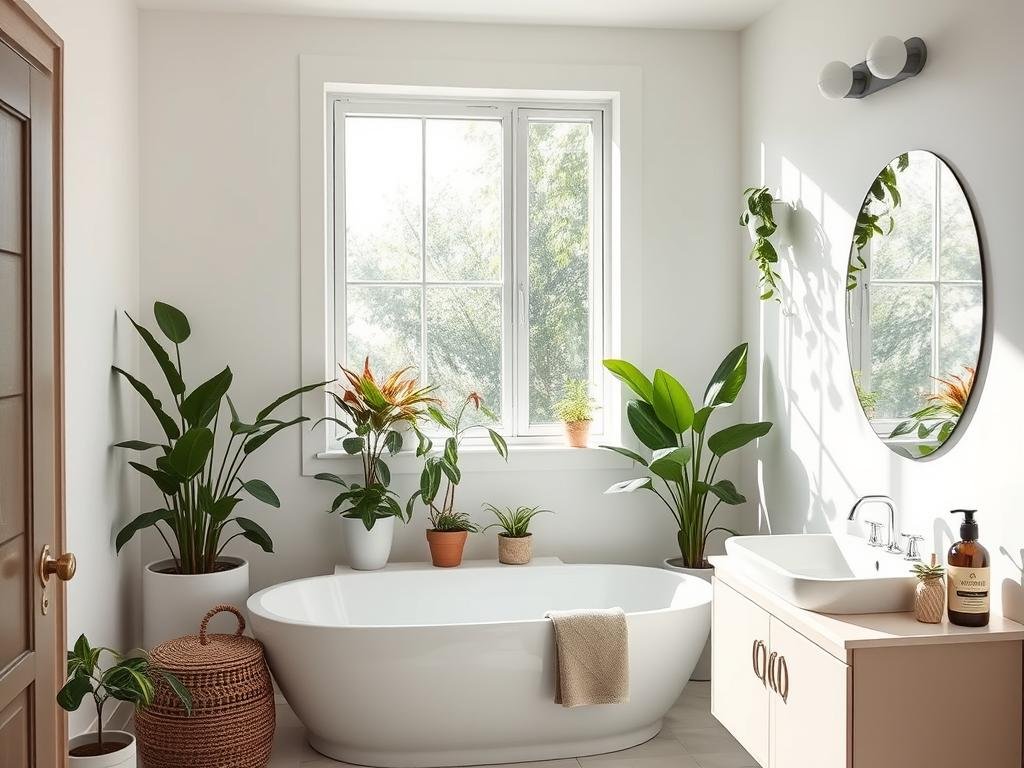
Air-purifying plants that thrive in bathroom environments
Natural light optimization to reduce artificial lighting needs and improve wellbeing
Eco-Friendly Certification Programs
Look for these certifications when selecting products for your sustainable master bath remodel:
WaterSense: EPA program certifying water-efficient products
Energy Star: Government-backed symbol for energy efficiency
GREENGUARD: Certification for low chemical emissions
FSC (Forest Stewardship Council): Certification for responsibly sourced wood products
Cradle to Cradle: Recognition for products made with safe materials that can be recycled
Find the perfect mirror for your eco-friendly bathroom
Explore stylish, energy-efficient LED mirrors and classic designs to complete your master bath remodel.
Common Mistakes to Avoid in Your Master Bath Remodel
Even with careful planning, certain pitfalls can compromise the success of your bathroom renovation. Being aware of these common mistakes can help you achieve better results in your master bath remodel.
Planning & Design Mistakes
Inadequate lighting: Relying on a single ceiling fixture creates shadows and insufficient task lighting. Instead, incorporate layered lighting with ambient, task, and accent sources.
Poor ventilation: Undersized fans lead to moisture problems and mold. Choose a fan rated for your bathroom’s square footage and consider humidity-sensing models.
Ignoring storage needs: Failing to plan sufficient storage leads to cluttered countertops. Inventory your items before designing to ensure adequate space.
Cramped layouts: Trying to fit too many features in limited space creates an uncomfortable bathroom. Prioritize what matters most to you rather than including everything.
Overlooking electrical needs: Not planning for enough outlets or proper placement creates daily frustration. Include outlets near the vanity and consider in-drawer charging stations.
Material & Installation Mistakes
Improper waterproofing: Skimping on shower waterproofing leads to leaks and expensive damage. Invest in quality waterproofing systems and proper installation.
Using inappropriate materials: Choosing porous, non-bathroom-friendly materials leads to premature deterioration. Select materials specifically rated for high-moisture environments.
Insufficient floor support: Adding heavy elements like stone without proper structural support can cause floor damage. Consult a structural engineer when adding substantial weight.
Poor tile installation: Improper substrate preparation or amateur installation leads to cracked tiles and grout issues. Hire experienced tile professionals for best results.
Mismatched fixture quality: Mixing high-end and budget fixtures creates an inconsistent look and potential functionality issues. Maintain consistent quality across all fixtures.
Budget and Project Management Pitfalls
Unrealistic budgeting: Failing to account for contingencies leads to financial stress or cut corners. Always add 15-20% to your estimated budget for unexpected issues.
Prioritizing trends over timelessness: Choosing ultra-trendy designs may lead to a dated look within a few years. Balance current trends with classic elements for longevity.
Rushing the planning phase: Inadequate planning leads to costly changes mid-project. Take time to thoroughly plan every aspect before demolition begins.
DIYing beyond your skill level: Taking on complex tasks without proper experience can result in costly mistakes. Be honest about your abilities and hire professionals for specialized work.
Changing plans mid-project: Making significant changes after work has begun causes delays and budget overruns. Finalize all decisions before construction starts.
Neglecting permits and codes: Skipping required permits can result in fines and forced removal of non-compliant work. Research local requirements and obtain necessary approvals.
Hiring contractors without vetting: Choosing contractors based solely on price often leads to quality issues. Check references, verify licenses, and review previous work before hiring.
Overlooking long-term maintenance: Selecting high-maintenance materials without considering upkeep requirements creates future headaches. Consider cleaning and maintenance needs when choosing materials.
“The most expensive mistake in a bathroom remodel is having to do things twice. Taking time to plan properly, hire the right professionals, and select appropriate materials will save money and frustration in the long run.”
Upgrade your bathroom fixtures
Find quality faucets and fixtures that combine style with durability for your master bath remodel.
DIY vs. Professional Help: Making the Right Choice for Your Master Bath Remodel
Deciding which aspects of your bathroom renovation to tackle yourself and which to leave to professionals is crucial for a successful project. This guide will help you make informed decisions about where your skills can save money and where professional expertise is worth the investment.
Tasks Suitable for DIY
Demolition – Removing old fixtures, tile, and drywall can be a manageable DIY task with proper safety precautions and disposal planning.
Painting – With proper preparation and moisture-resistant paint, this is one of the most accessible DIY tasks.
Installing hardware – Towel bars, toilet paper holders, and cabinet pulls are relatively simple to install.
Simple tile backsplashes – Small, straightforward tile projects with minimal cutting can be DIY-friendly.
Vanity assembly and installation – Pre-made vanities with straightforward plumbing connections can be installed by experienced DIYers.
Toilet replacement – Swapping an old toilet for a new one in the same location is manageable for many homeowners.
Caulking and grout sealing – These finishing touches require patience but minimal specialized skills.
Tasks Best Left to Professionals
Plumbing relocations – Moving fixtures requires knowledge of plumbing codes and proper techniques to prevent leaks.
Electrical work – Safety concerns and code requirements make this an area where professional expertise is crucial.
Shower waterproofing – Proper waterproofing is essential to prevent costly water damage and requires specialized knowledge.
Complex tile work – Large-format tiles, intricate patterns, and shower floors require precision and experience.
Structural modifications – Any changes to walls, especially load-bearing ones, should be handled by professionals.
Ventilation installation – Proper bathroom ventilation is critical and often requires work in difficult-to-access areas.
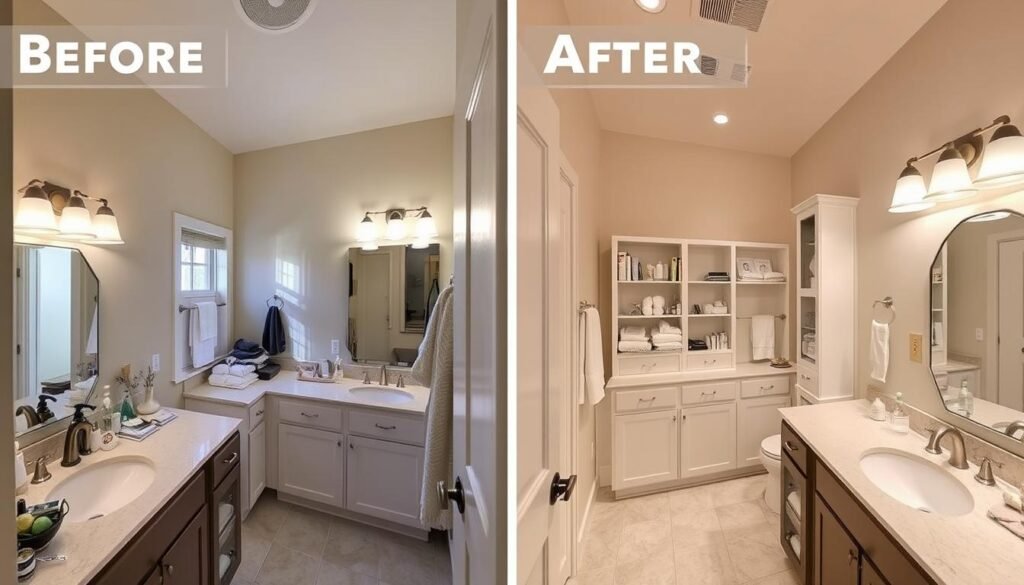
Before and After: Master Bath Remodel Transformations
Nothing inspires a bathroom renovation like seeing dramatic transformations. These before and after examples showcase the incredible potential of master bath remodels across different styles, budgets, and spaces.
Spa-Inspired Retreat Transformation
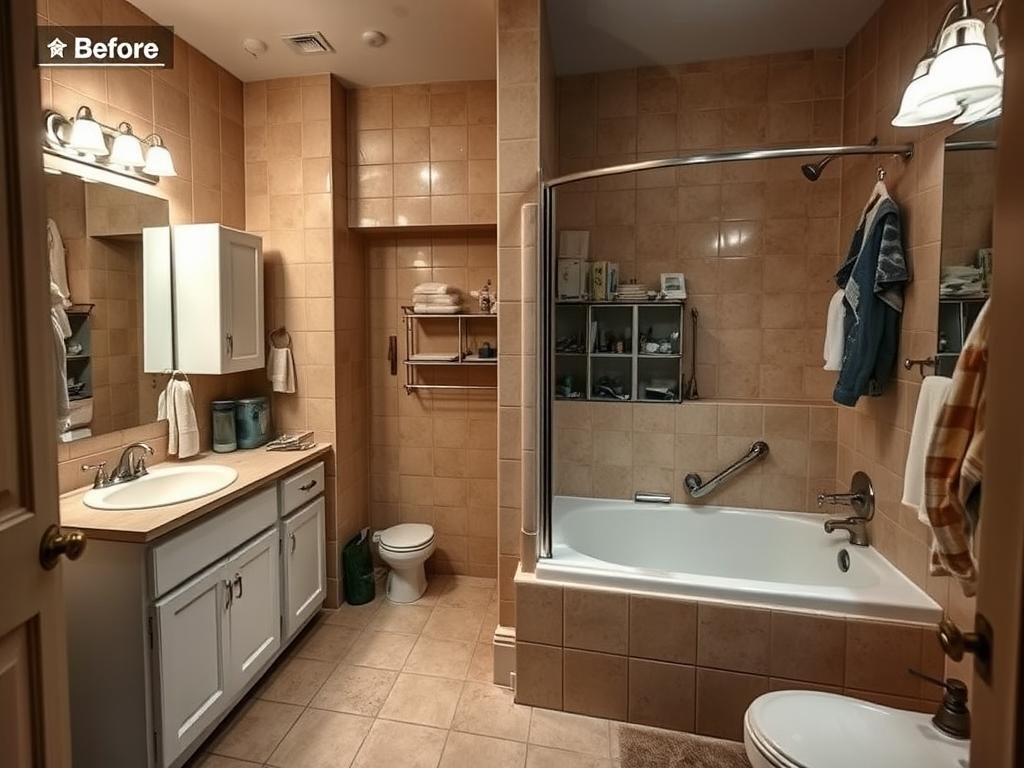
Before:
This master bathroom suffered from outdated beige tile, a cramped shower/tub combo, poor lighting, and limited storage. The space felt closed-in and lacked personality or luxury features.
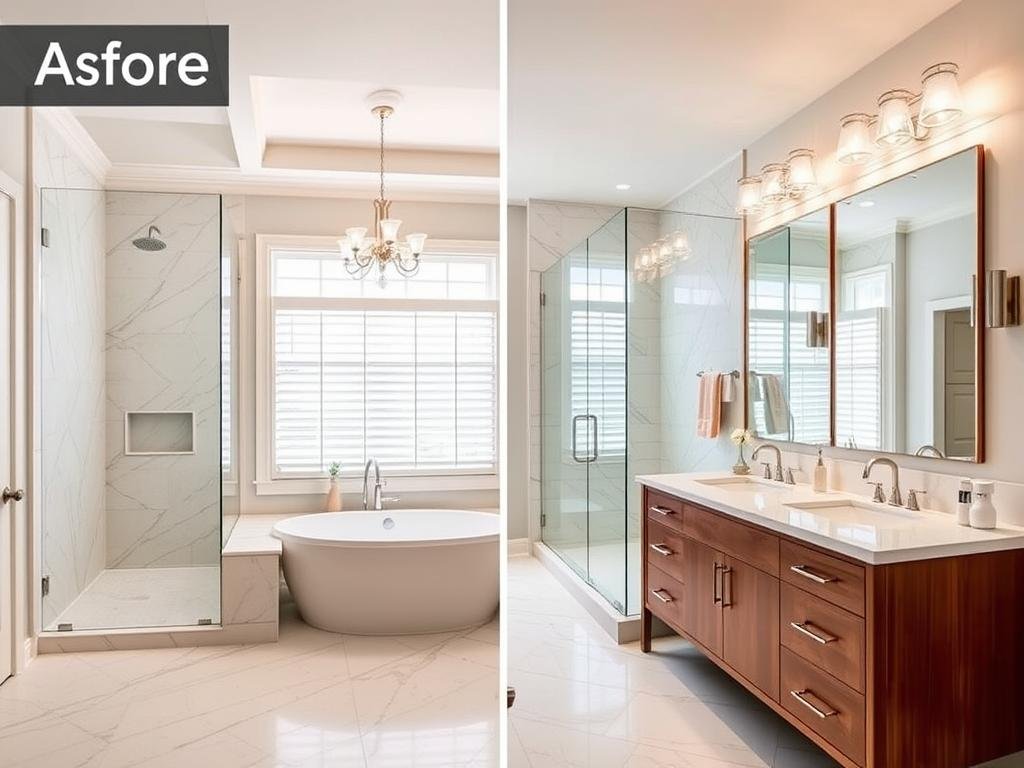
After:
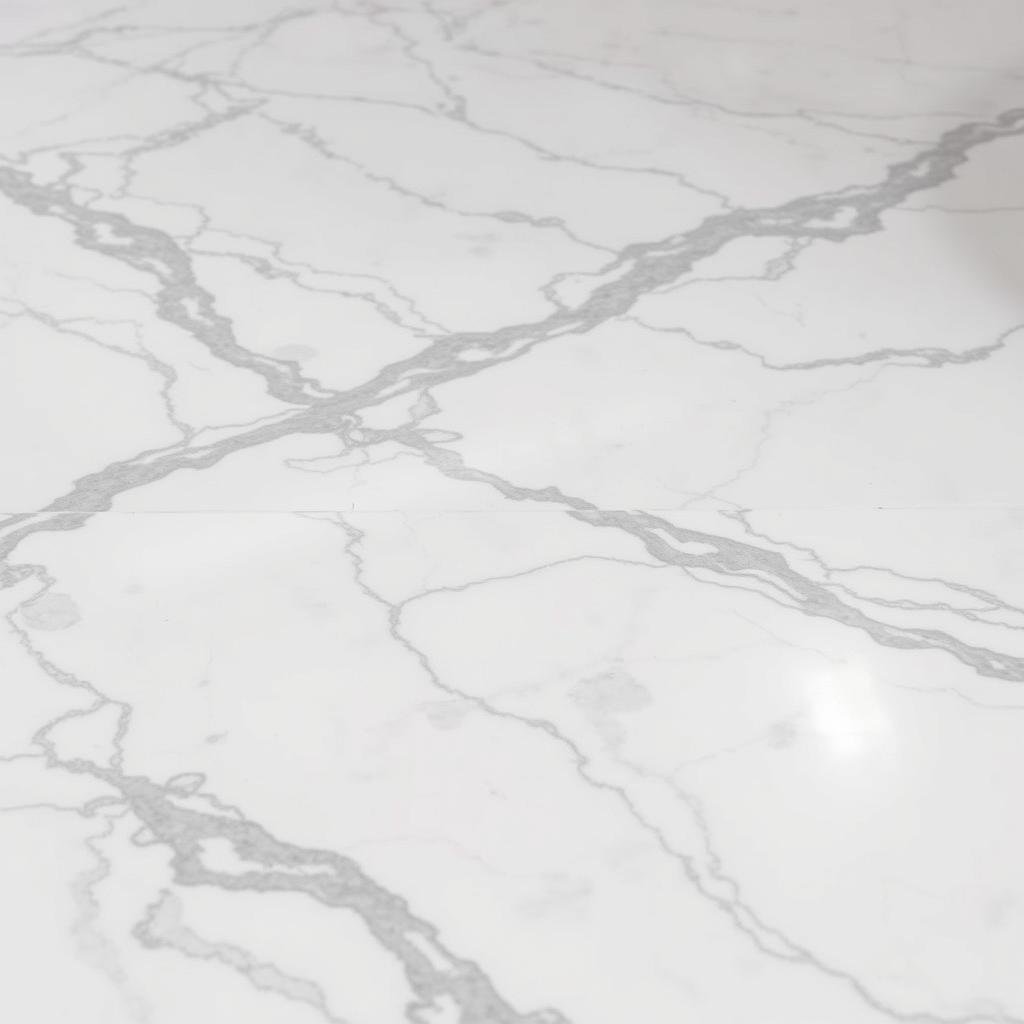
The renovation created a spa-inspired retreat with a freestanding soaking tub, spacious walk-in shower with rainfall head, floating wood vanity with ample storage, and marble-look porcelain tile. Improved lighting and a cohesive design transformed the space into a luxurious sanctuary.
Small Space Maximization
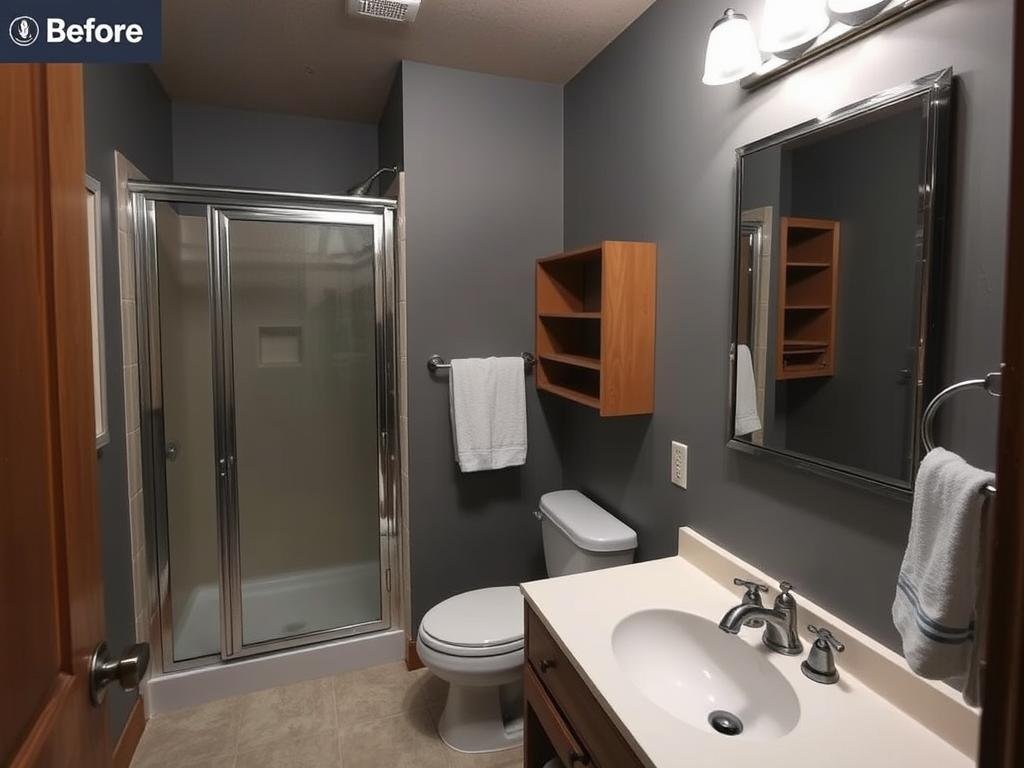
Before:
This compact master bathroom suffered from an inefficient layout, limited storage, and dated fixtures. The standard-height vanity, basic shower, and poor lighting made the small space feel even more cramped.
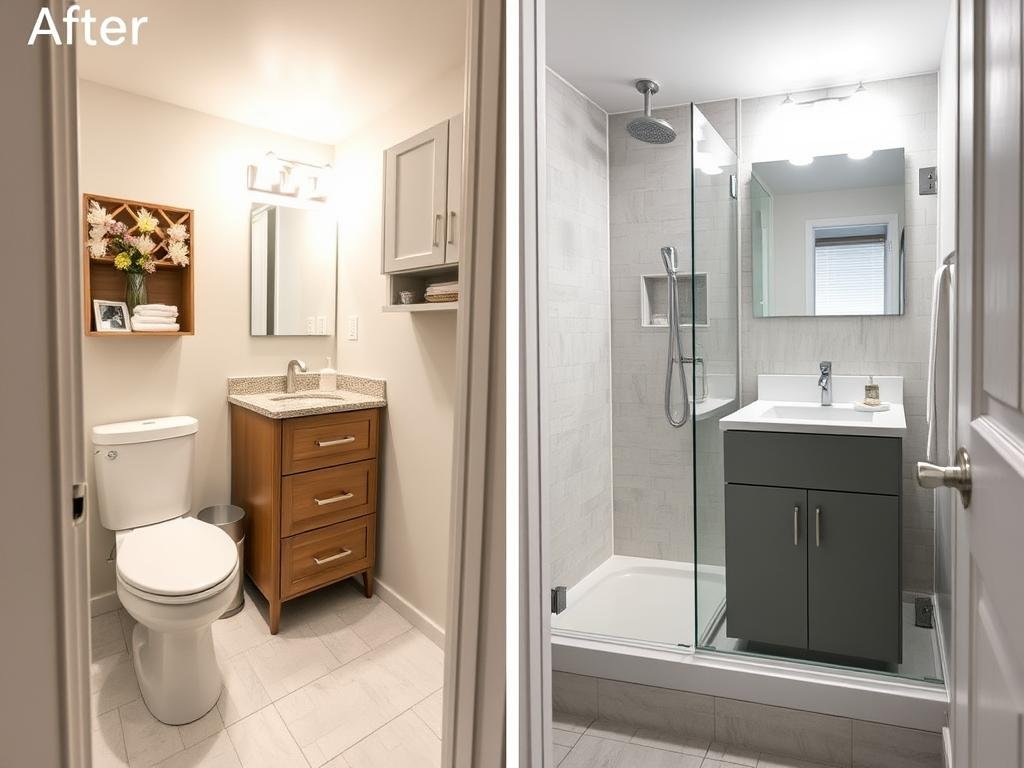
After:
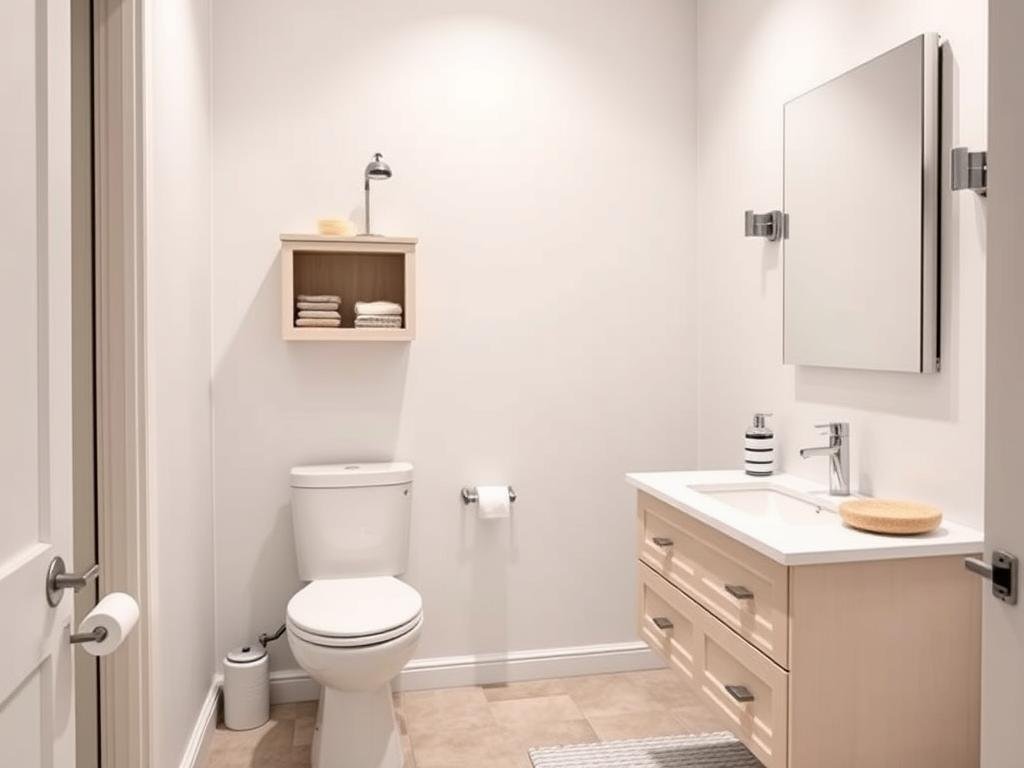
The renovation maximized every inch through smart design choices: a wall-mounted toilet, floating vanity with drawers, frameless glass shower enclosure, and recessed medicine cabinet. Light colors, strategic lighting, and large-format tiles with minimal grout lines create an illusion of space.
Classic Elegance Update
Before:
This bathroom featured dated traditional elements including heavy oak cabinetry, a built-in jetted tub with tile deck, busy wallpaper, and gold-tone fixtures. The space felt dark and visually cluttered despite its generous size.
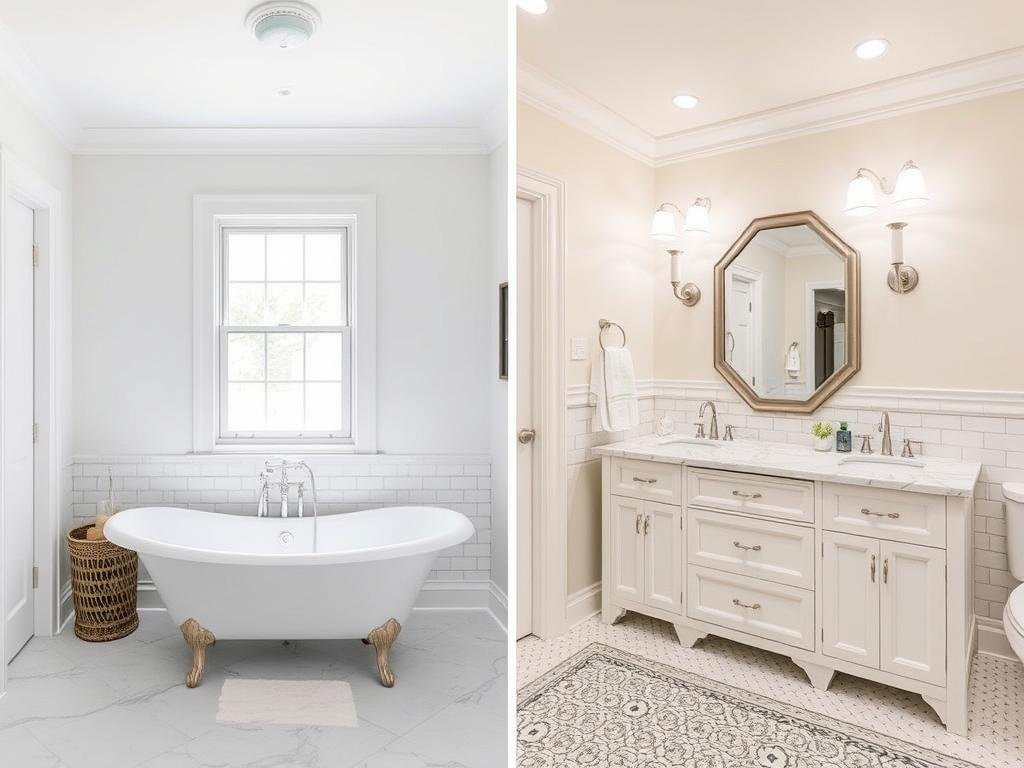
After:
The renovation embraced timeless design with refined traditional elements: a freestanding clawfoot tub, furniture-style vanity with marble top, classic subway tile with accent border, and polished nickel fixtures. The result is an elegant, bright space that honors traditional style while feeling fresh and current.
“The most successful bathroom transformations aren’t just about aesthetics—they improve functionality, address the homeowners’ specific needs, and create spaces that enhance daily routines while adding significant value to the home.”
Ready to start your master bath remodel?
Browse our curated selection of bathroom vanity sets to find the perfect foundation for your dream bathroom.
A master bathroom renovation represents one of the most rewarding home improvement projects you can undertake. Beyond creating a beautiful space, a thoughtfully designed master bath remodel enhances your daily routine, provides a personal retreat, and adds significant value to your home.
As you embark on your bathroom transformation journey, remember that successful renovations balance inspiration with practical considerations. Take time to research and plan thoroughly, establish a realistic budget with contingency funds, and decide thoughtfully where to invest for maximum impact and where to economize.
Whether you’re creating a luxurious spa retreat, maximizing a compact space, or updating to a timeless design that will serve you for years to come, your master bath remodel should reflect your personal style while addressing your specific needs and lifestyle.
With the insights, tips, and inspiration shared in this guide, you’re well-equipped to navigate the renovation process with confidence. Your dream bathroom awaits—it’s time to transform that vision into your daily reality.
Florida’s unique climate offers both challenges and incredible opportunities for creating stunning outdoor spaces. With year-round warmth, abundant sunshine, and occasional…