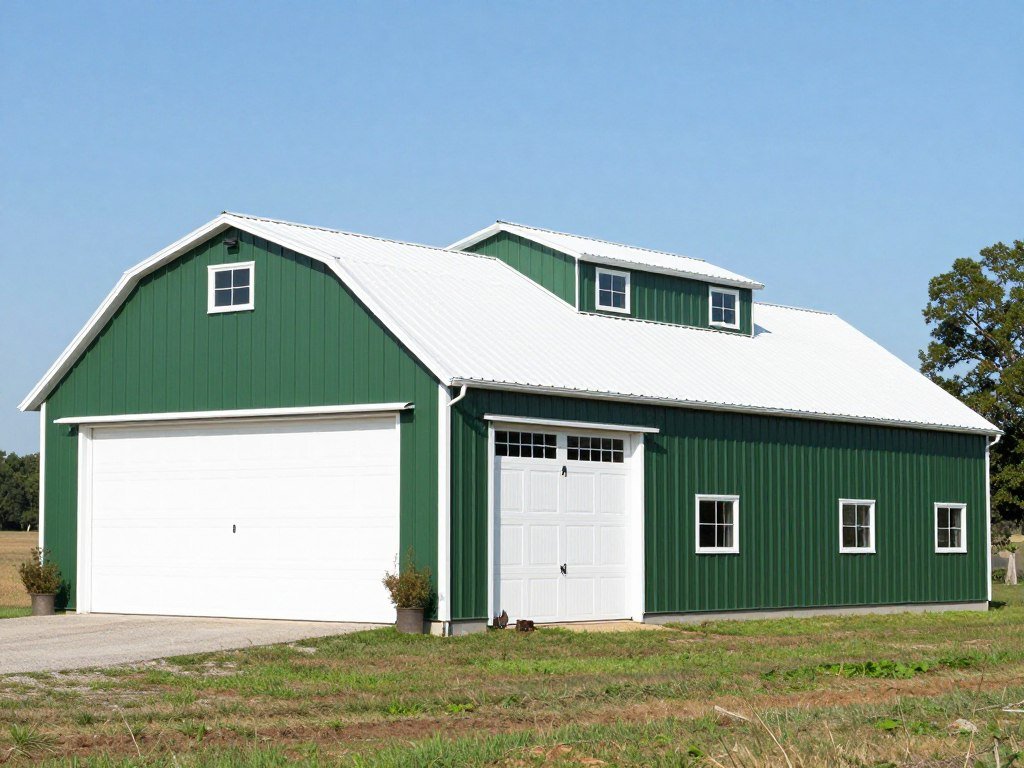
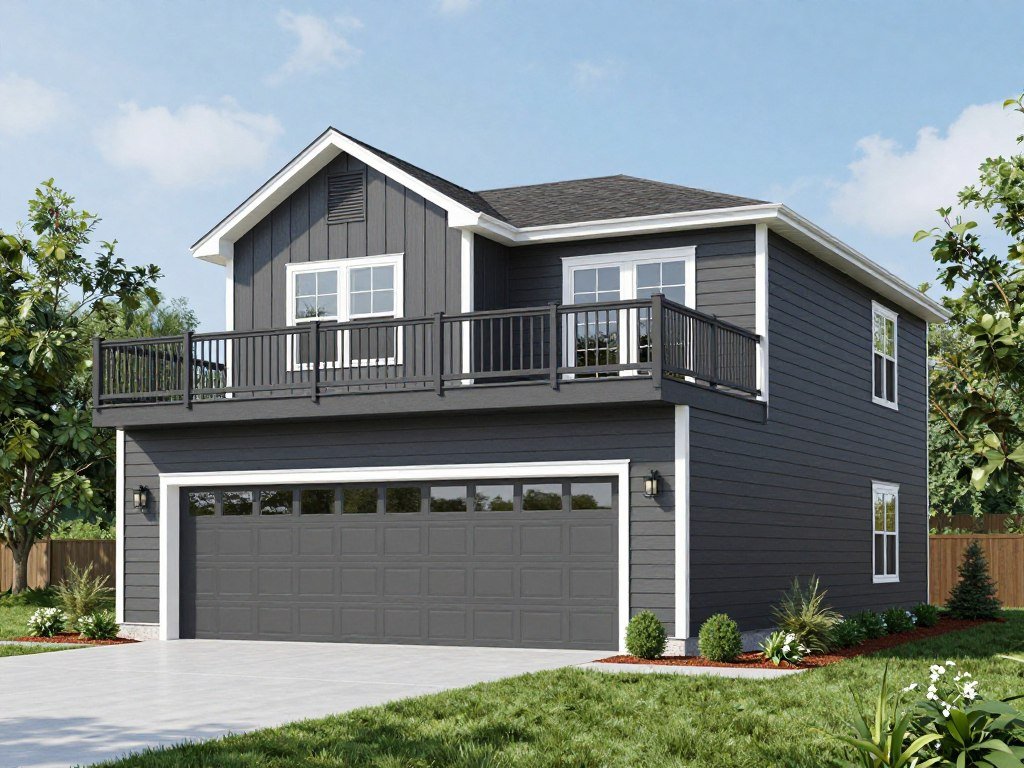
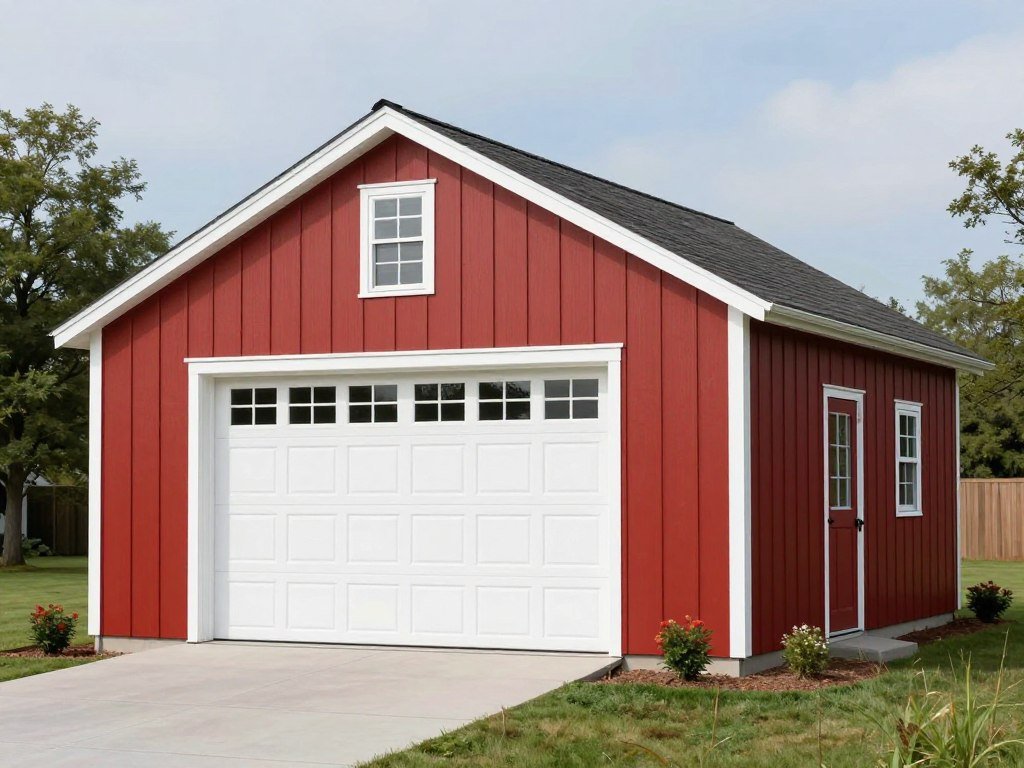
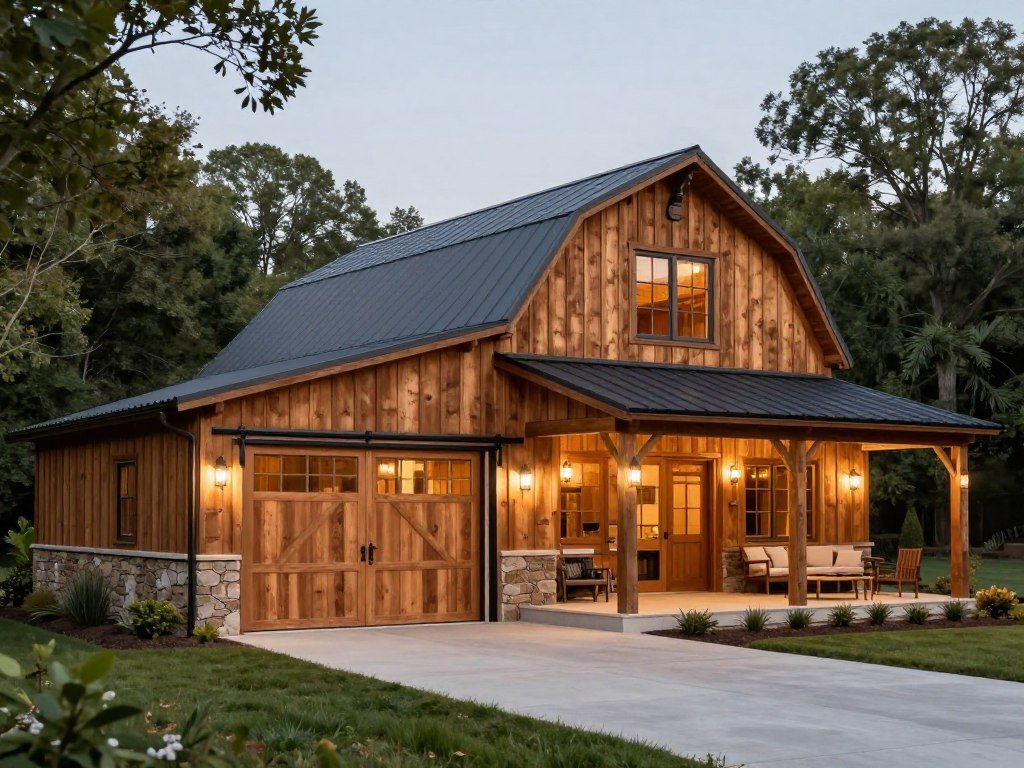
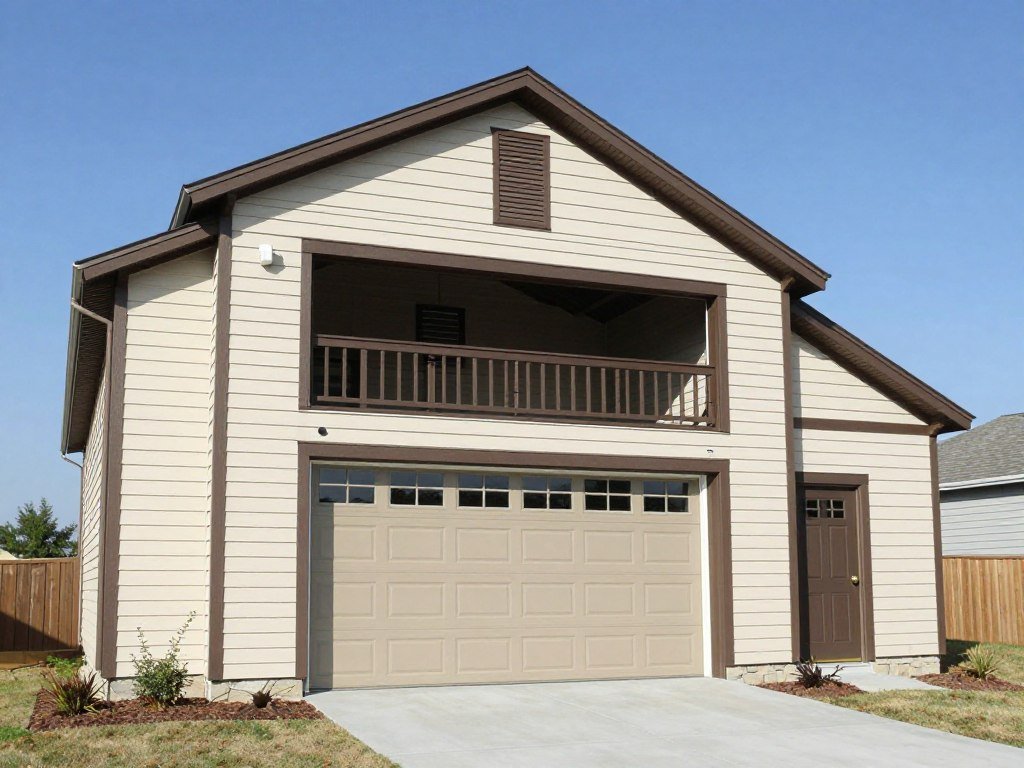
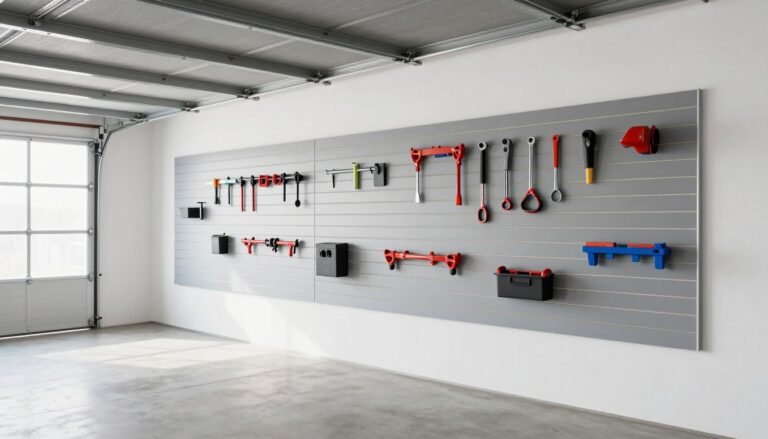
Combining rustic charm with practical functionality, pole barn garages have become the go-to solution for homeowners seeking versatile, cost-effective building options. Whether you’re looking to create a spacious workshop, store vehicles, or establish a multipurpose space that reflects your personal style, pole barn construction offers unmatched flexibility and value. In this comprehensive guide, we’ll explore everything you need to know about designing, building, and customizing your dream pole barn garage—from fundamental concepts to finishing touches that make the space uniquely yours.
This Website contains affiliate links. That means I may earn a small commission if you purchase through my links, at no extra cost to you.
What Is a Pole Barn Garage?
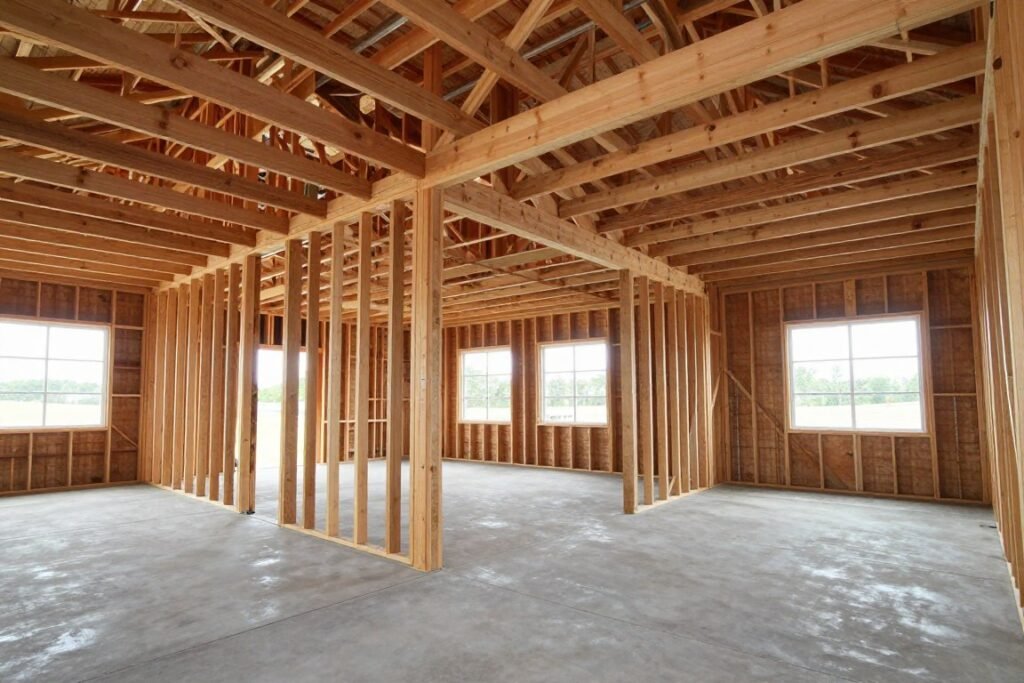
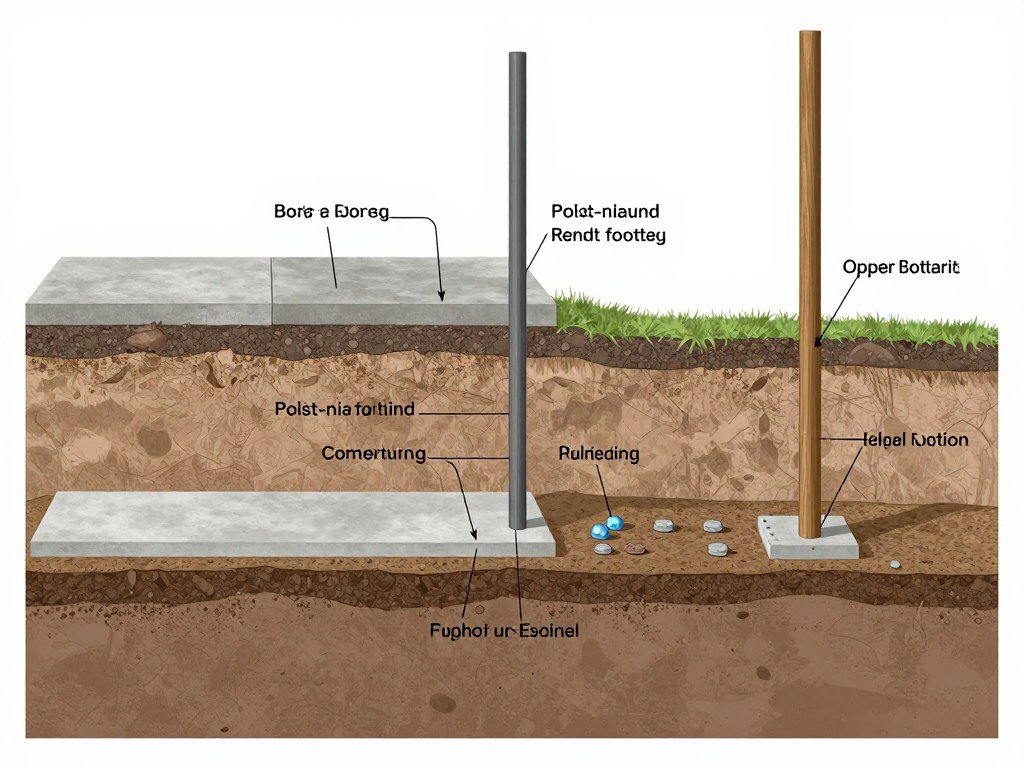
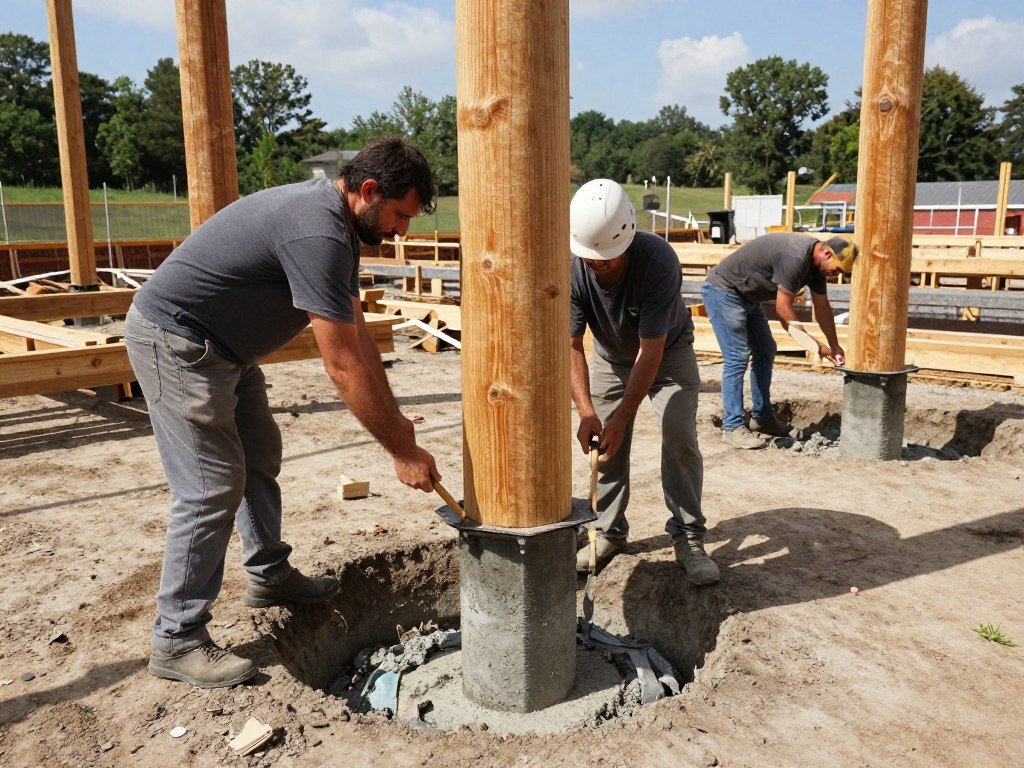
A pole barn garage is a post-frame building that uses large, pressure-treated wooden posts (poles) embedded in the ground or secured to a concrete foundation to provide the main structural support. Unlike traditional construction methods that rely on studs placed close together, pole barns feature widely spaced posts that create an open, flexible interior space.
This construction method originated in the agricultural sector but has evolved into a popular choice for residential garages due to its cost-effectiveness, quick construction time, and versatility. Modern pole barn garages can be customized with various siding materials, roofing options, and interior finishes to create anything from a simple storage space to a fully finished workshop or even a part-time living area.
Key Features of Pole Barn Garages
Post-frame construction with widely spaced support posts
Flexible design options with customizable dimensions
Cost-effective building method compared to traditional construction
Faster construction timeline (often 30-50% quicker)
Open interior space without load-bearing walls
Ability to withstand harsh weather conditions
Versatile use cases from vehicle storage to workshops
Benefits of Choosing a Pole Barn Garage
Advantages
Cost-effective construction (typically 30% less than conventional building)
Faster build time with simpler foundation requirements
Versatile interior space with fewer support columns
Excellent durability in various weather conditions
Energy-efficient design with easy insulation options
Highly customizable to match your specific needs
DIY-friendly for those with basic construction skills
Lower maintenance requirements than traditional structures
Considerations
May have height limitations compared to steel-frame buildings
Some HOAs or municipalities have restrictions on pole buildings
Requires proper site preparation for drainage
Wood posts need proper treatment to prevent deterioration
May require professional help for electrical and plumbing
Resale value considerations in some neighborhoods
The versatility of pole barn garages makes them suitable for various applications beyond just vehicle storage. Many homeowners use these structures as workshops, hobby spaces, equipment storage, or even as multipurpose buildings that combine several functions under one roof.
Planning Your Pole Barn Garage: Size and Design Considerations
Before breaking ground on your pole barn garage, careful planning is essential to ensure your building meets your needs both now and in the future. Consider these key factors when designing your structure:
Determining the Right Size
Garage Type
Typical Dimensions
Ideal Uses
Approximate Cost Range
Small Garage
24′ x 24′ to 24′ x 36′
2-3 vehicles, small workshop
$7,000 – $18,000
Medium Garage
30′ x 40′ to 36′ x 48′
3-4 vehicles, workshop, storage
$18,000 – $40,000
Large Garage
40′ x 60′ or larger
Multiple vehicles, RV, workshop, storage
$36,000 – $88,000+
Pro Tip: When planning your pole barn garage, always size up if your budget allows. Most property owners report wishing they had built larger rather than smaller, as needs tend to expand over time.
Design Elements to Consider
Roof Style
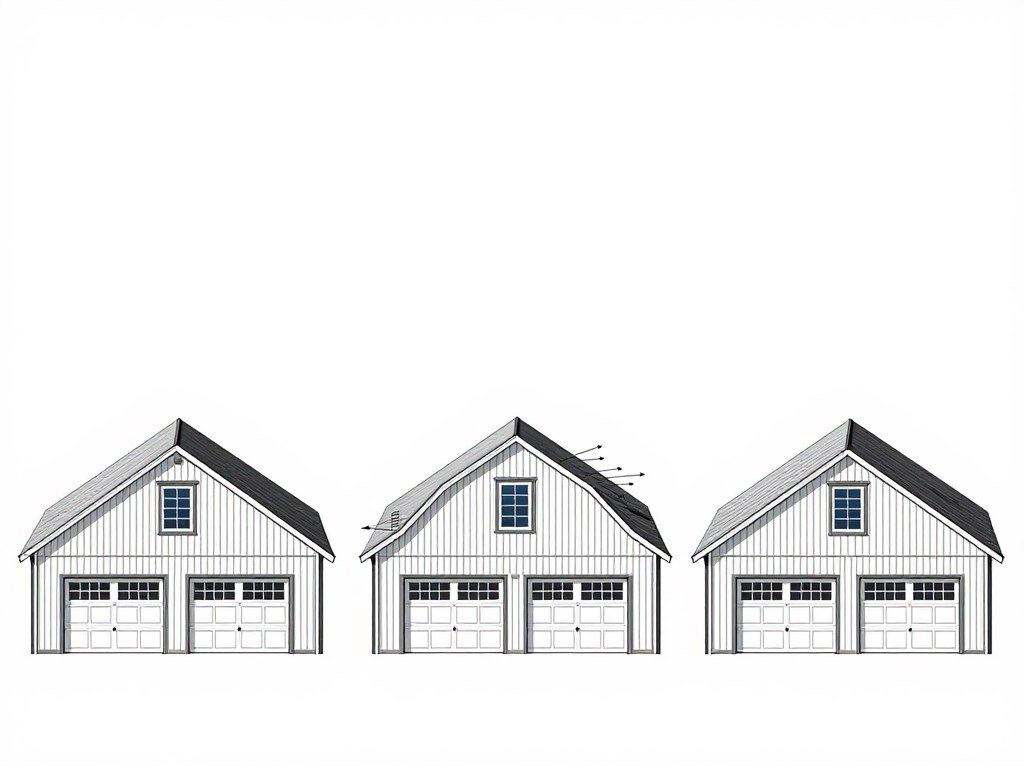
Choose between gable, gambrel, or monitor roof styles based on your aesthetic preferences, snow load requirements, and whether you want loft space.
Door Placement
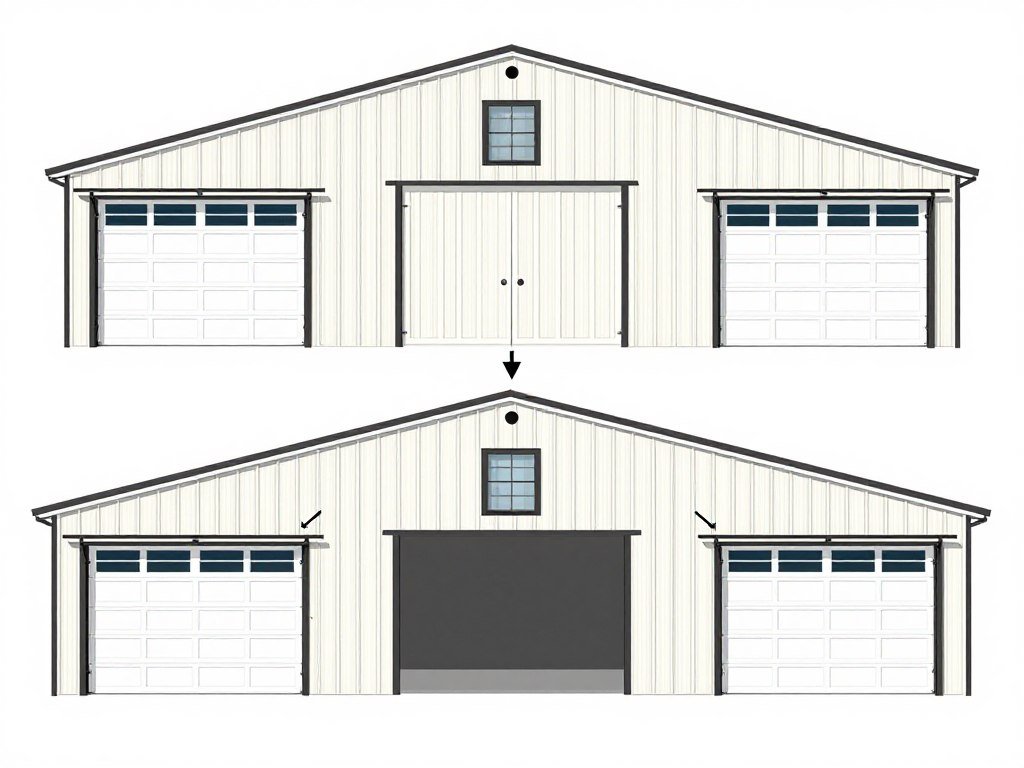
Strategic placement of overhead doors, entry doors, and windows affects functionality, natural light, and traffic flow within your garage.
Foundation Options
Choose between concrete slab, post-in-ground with concrete footings, or perimeter foundation based on your site and budget.
Customization Options
One of the greatest advantages of pole barn garages is their customizability. Consider these popular options to enhance your building:
Loft or second floor for additional storage or workspace
Lean-to extensions for covered outdoor storage or workspace
Cupolas and weathervanes for aesthetic appeal and ventilation
Wainscoting for visual interest and durability at the base
Porches or overhangs for protected entryways
Window placement for natural light and ventilation
Interior partition walls to create separate functional areas
Insulation packages for year-round comfort
Custom door configurations for specific equipment needs
Exterior finishes to match your home or property aesthetic
Ready to Start Planning Your Pole Barn Garage?
Explore essential building materials and tools to bring your vision to life:
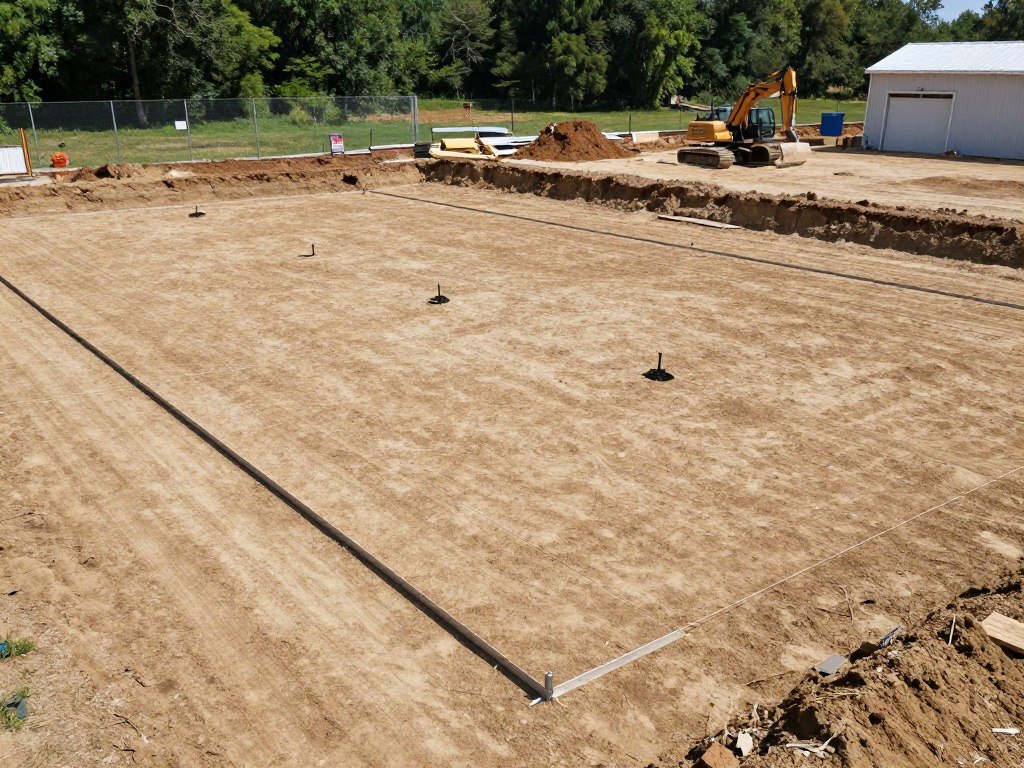
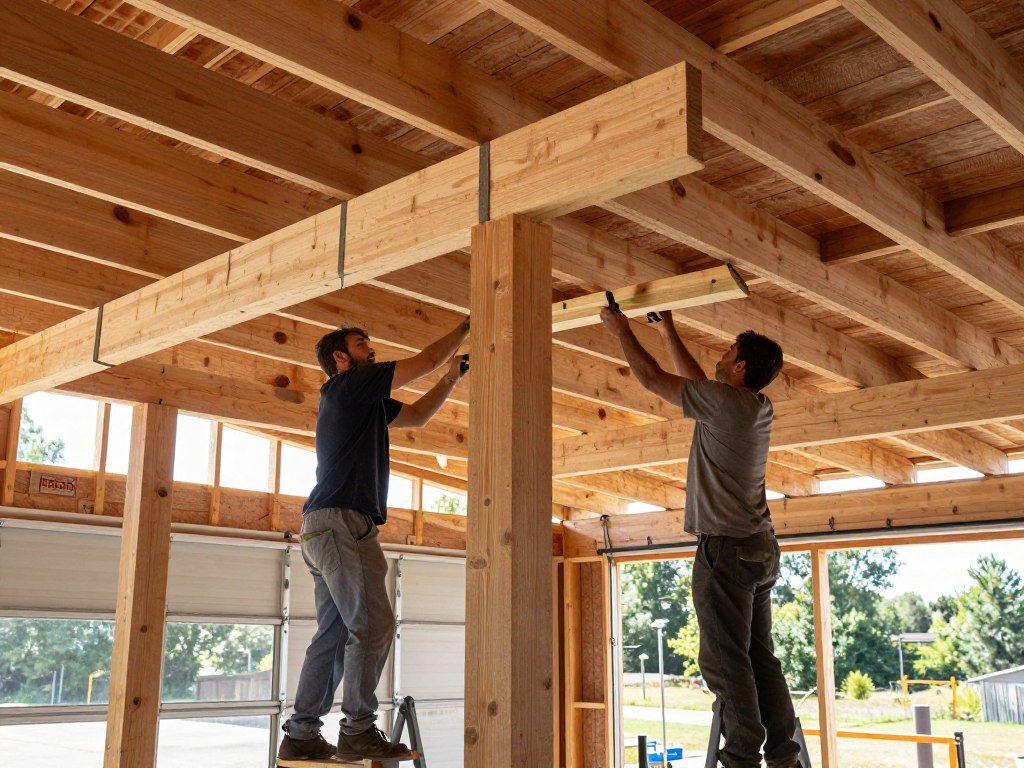
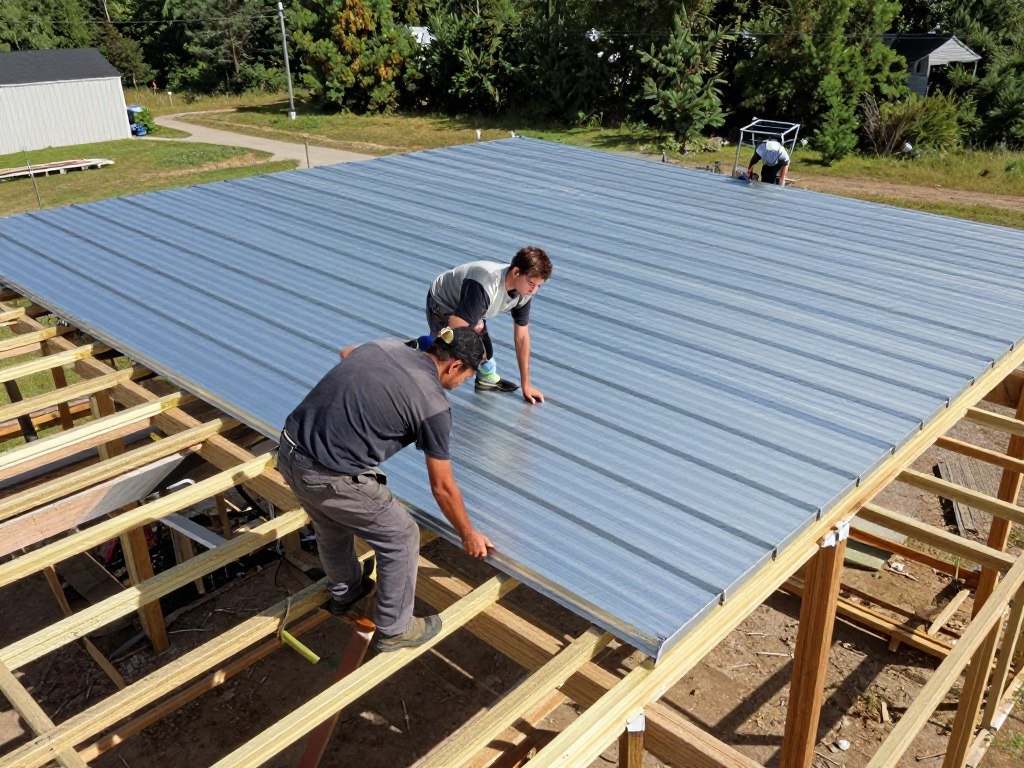
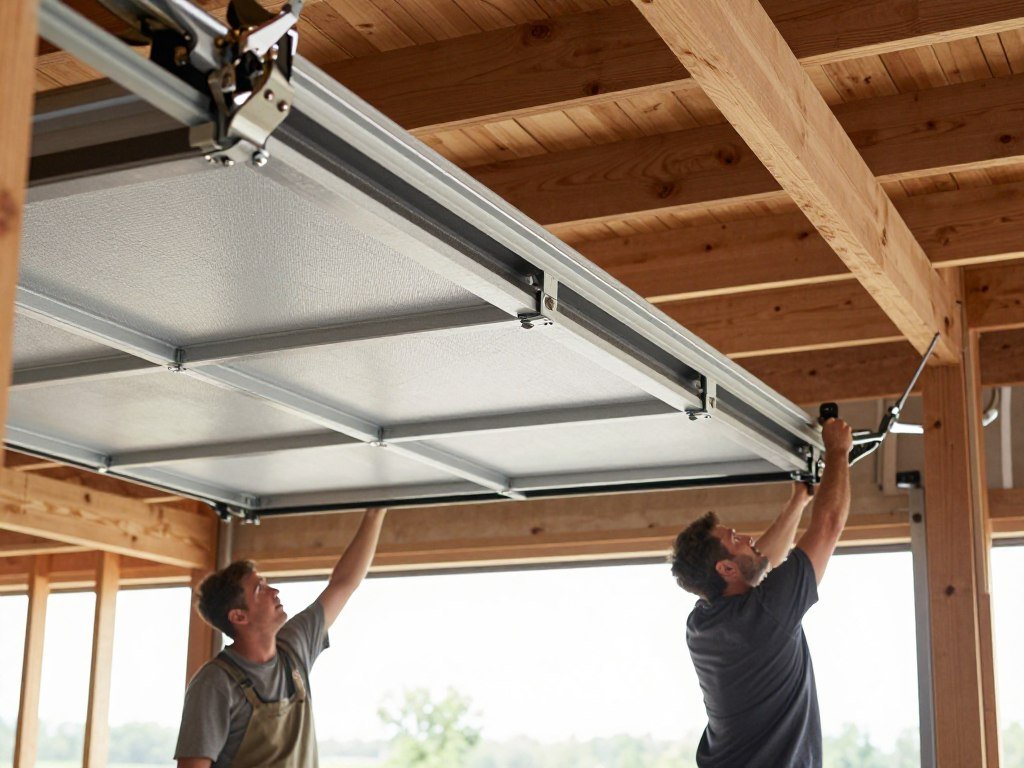
Understanding the fundamental construction process helps whether you’re planning a DIY project or working with contractors. Here’s an overview of the key construction phases:
1. Site preparation and layout
2. Setting the poles
3. Installing trusses and purlins
4. Roofing installation
5. Siding application
6. Door and window installation
Materials Comparison
Component
Common Options
Pros
Cons
Siding
Metal, wood, vinyl
Metal: Durable, low maintenance Wood: Traditional look Vinyl: Affordable, various colors
Metal: Can dent Wood: Requires maintenance Vinyl: Less durable in extreme weather
Roofing
Metal, asphalt shingles
Metal: Long-lasting, snow shedding Asphalt: Familiar look, matches homes
Overhead: Convenient, insulated options Sliding: Large openings, no ceiling tracks Hydraulic: Full clearance when open
Overhead: Requires ceiling space Sliding: Manual operation Hydraulic: Most expensive
Insulation
Spray foam, rigid foam, batt, reflective
Spray foam: Highest R-value Rigid: Moisture resistant Batt: Affordable Reflective: Good for hot climates
Spray foam: Expensive Rigid: Installation complexity Batt: Can sag over time Reflective: Lower R-value
Building Code Considerations: Always check local building codes and permit requirements before starting construction. Many jurisdictions have specific requirements for pole buildings regarding snow loads, wind resistance, and foundation specifications.
Essential Construction Tools
Find the right tools for your pole barn garage project:
Interior Design and Organization for Your Pole Barn Garage
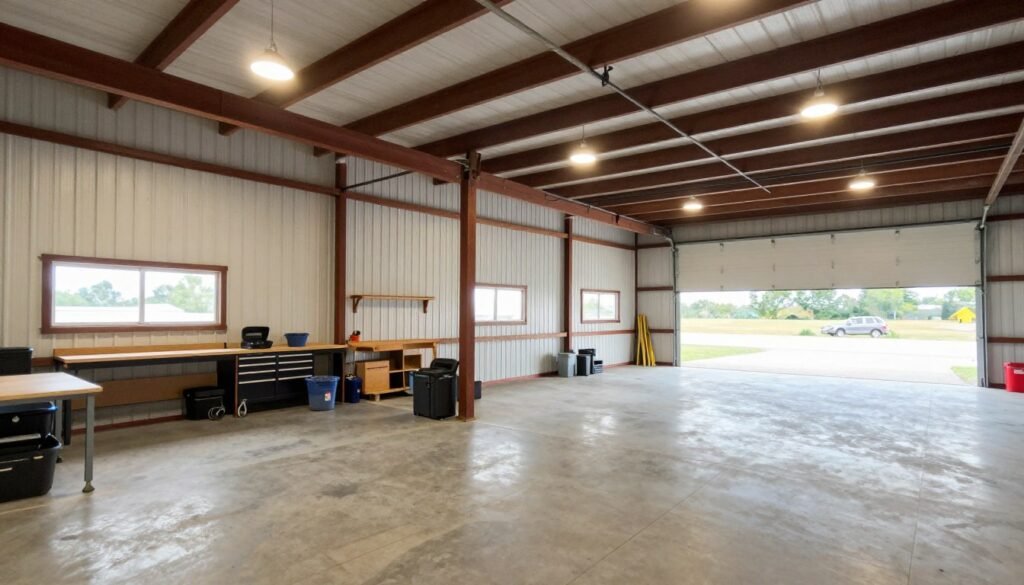
The interior of your pole barn garage is where functionality meets personal style. With thoughtful planning, you can create a space that’s not only practical but also enjoyable to spend time in.
Popular Layout Options
Vehicle-Focused
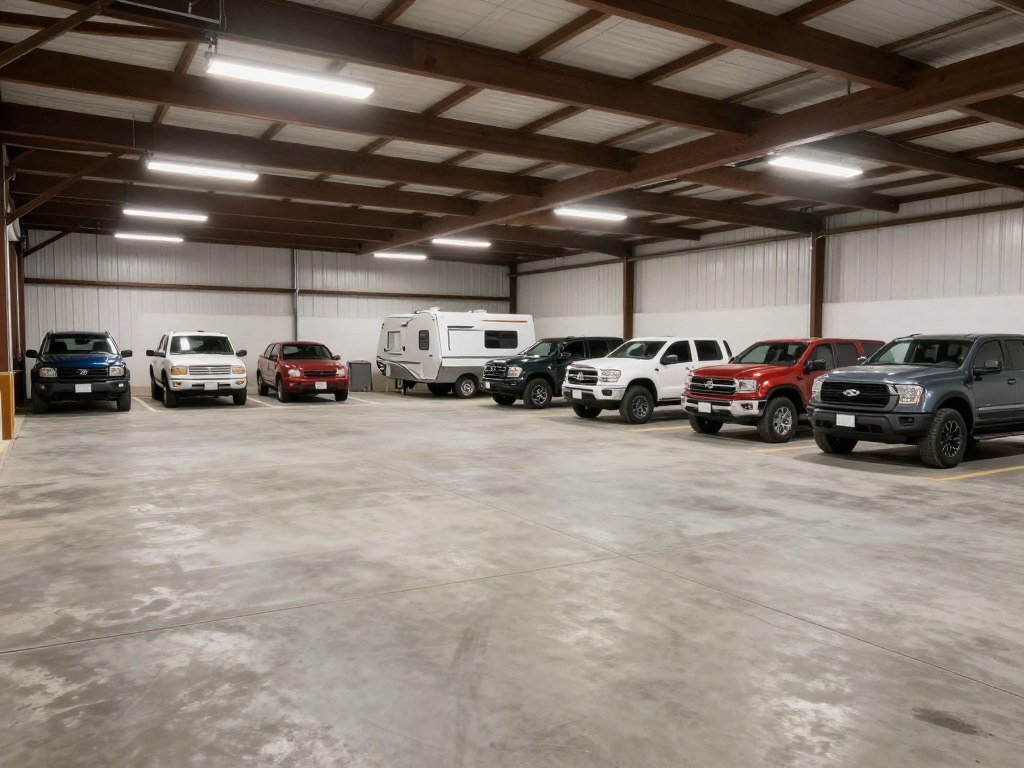
Maximizes space for cars, trucks, RVs, or equipment with wide bays, tall ceilings, and durable flooring.
Workshop-Centric
Prioritizes work areas with benches, tool storage, task lighting, and specialized zones for different activities.
Multi-Purpose
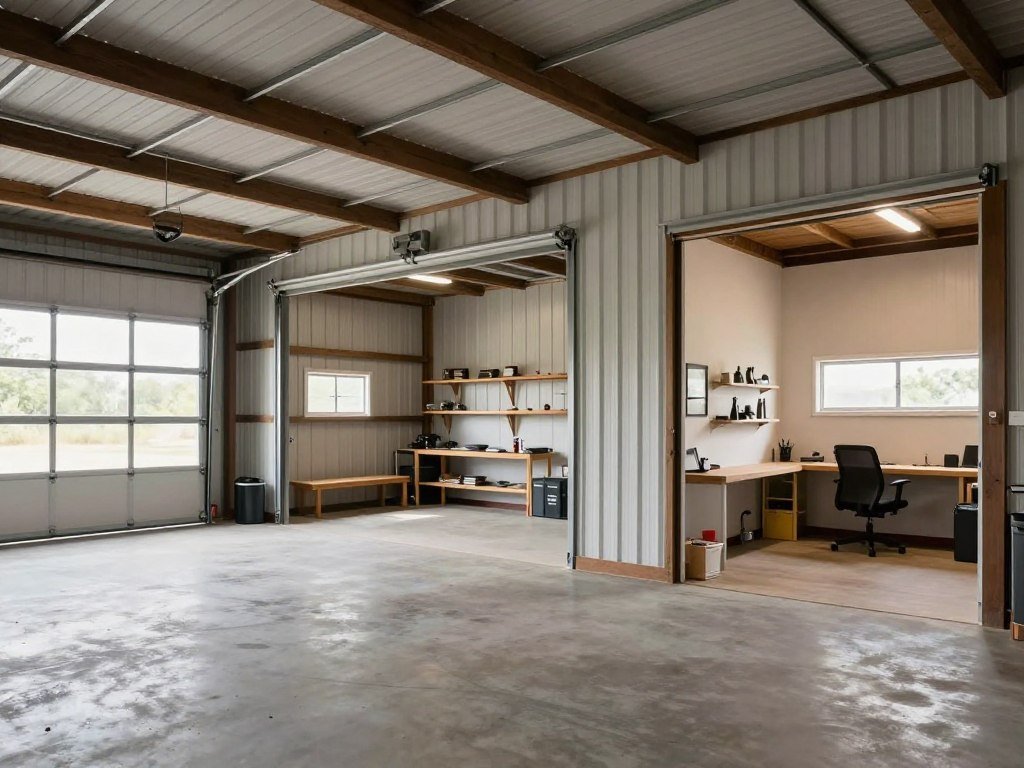
Divides space into functional zones for vehicles, projects, storage, and even recreational or office areas.
Flooring Options
Your choice of flooring impacts both the functionality and maintenance requirements of your pole barn garage:
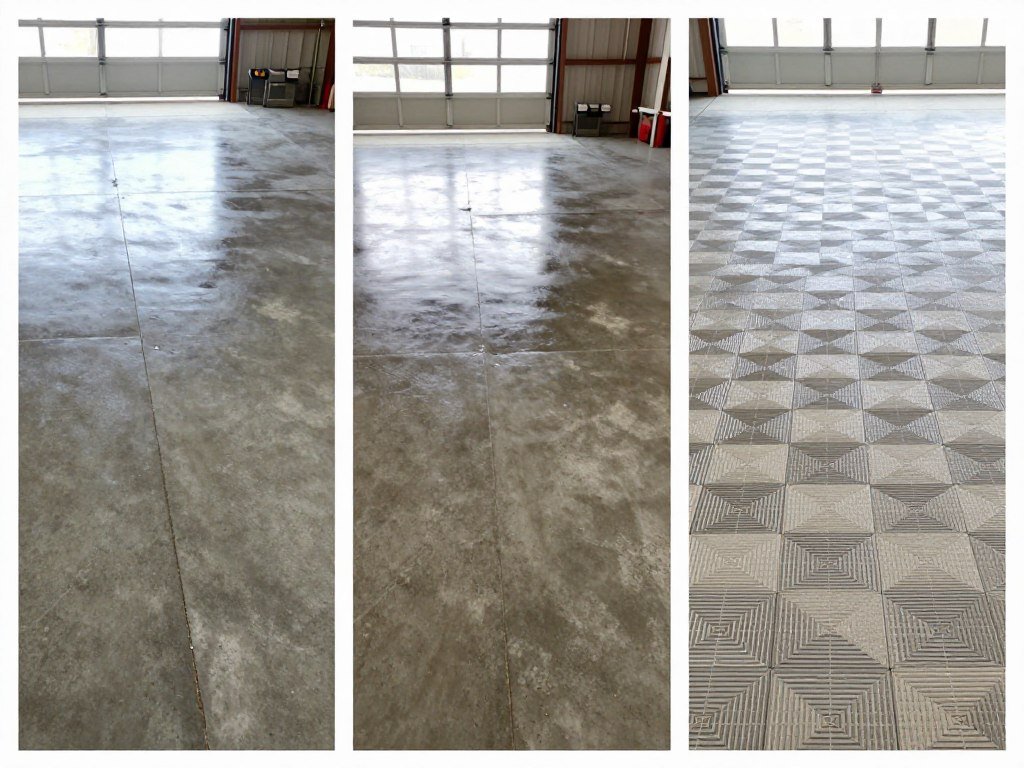
Concrete slab – Most common choice, durable and cost-effective. Consider adding control joints to prevent cracking.
Epoxy coating – Applied over concrete for enhanced durability, stain resistance, and aesthetic appeal. Available in various colors and finishes.
Polished concrete – Grinding and polishing concrete creates a smooth, low-maintenance surface with an industrial-chic look.
Modular tiles – Interlocking plastic tiles offer comfort, drainage, and easy installation over existing concrete.
Gravel or crushed stone – Budget-friendly option for non-heated spaces, provides good drainage but creates dust.
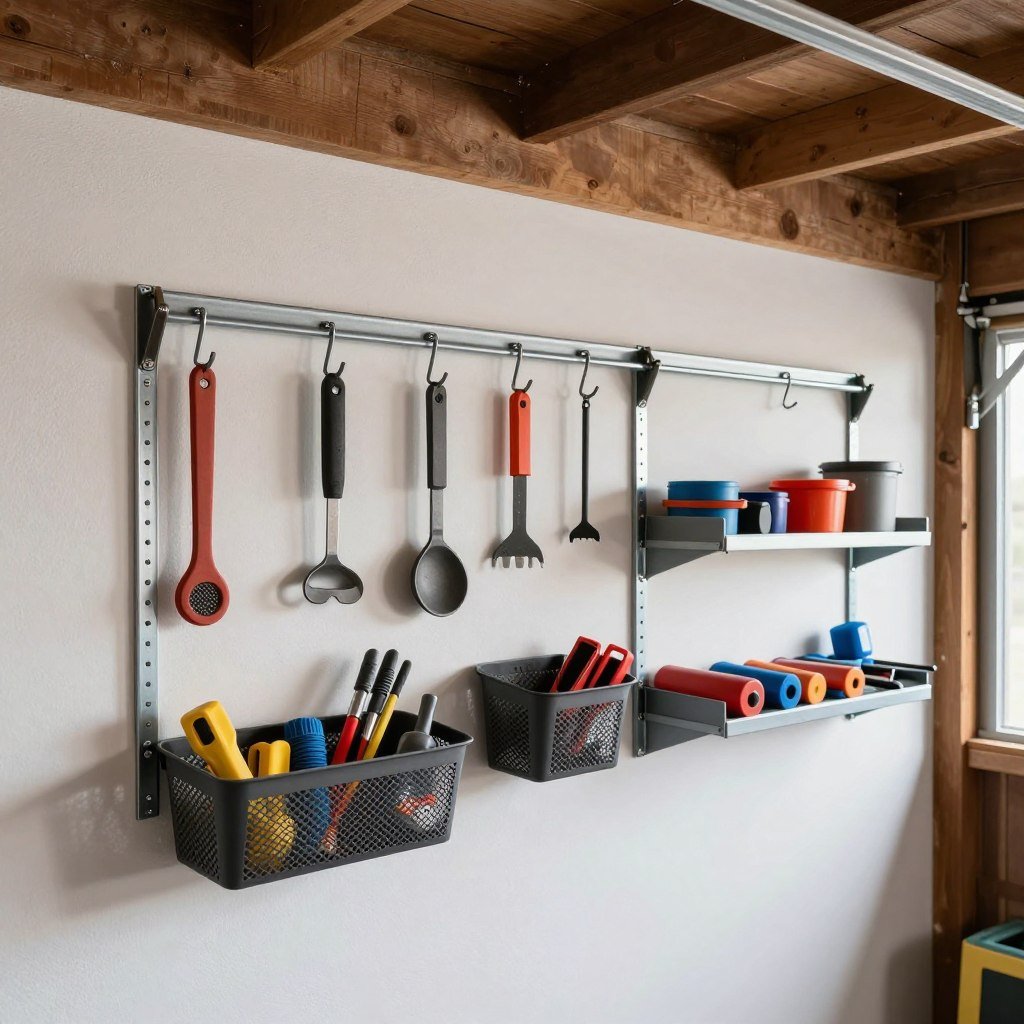
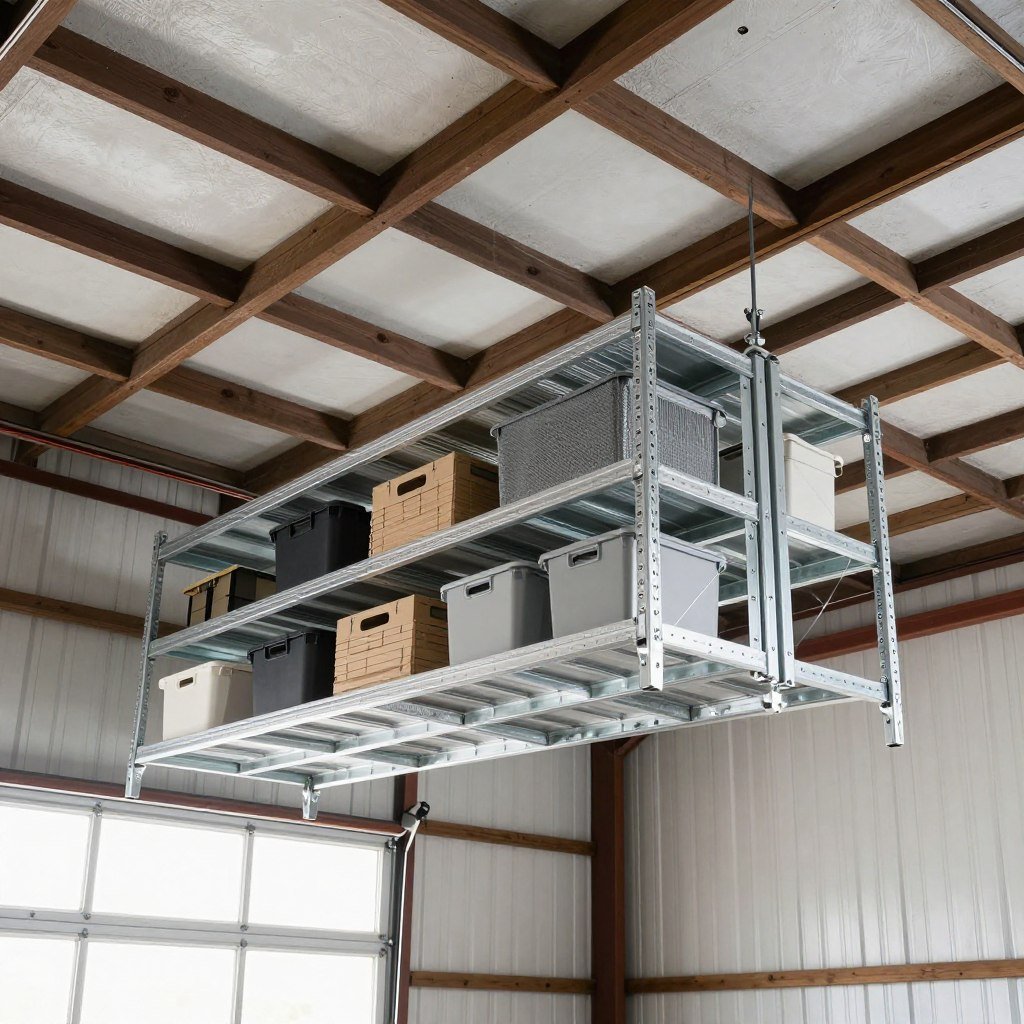
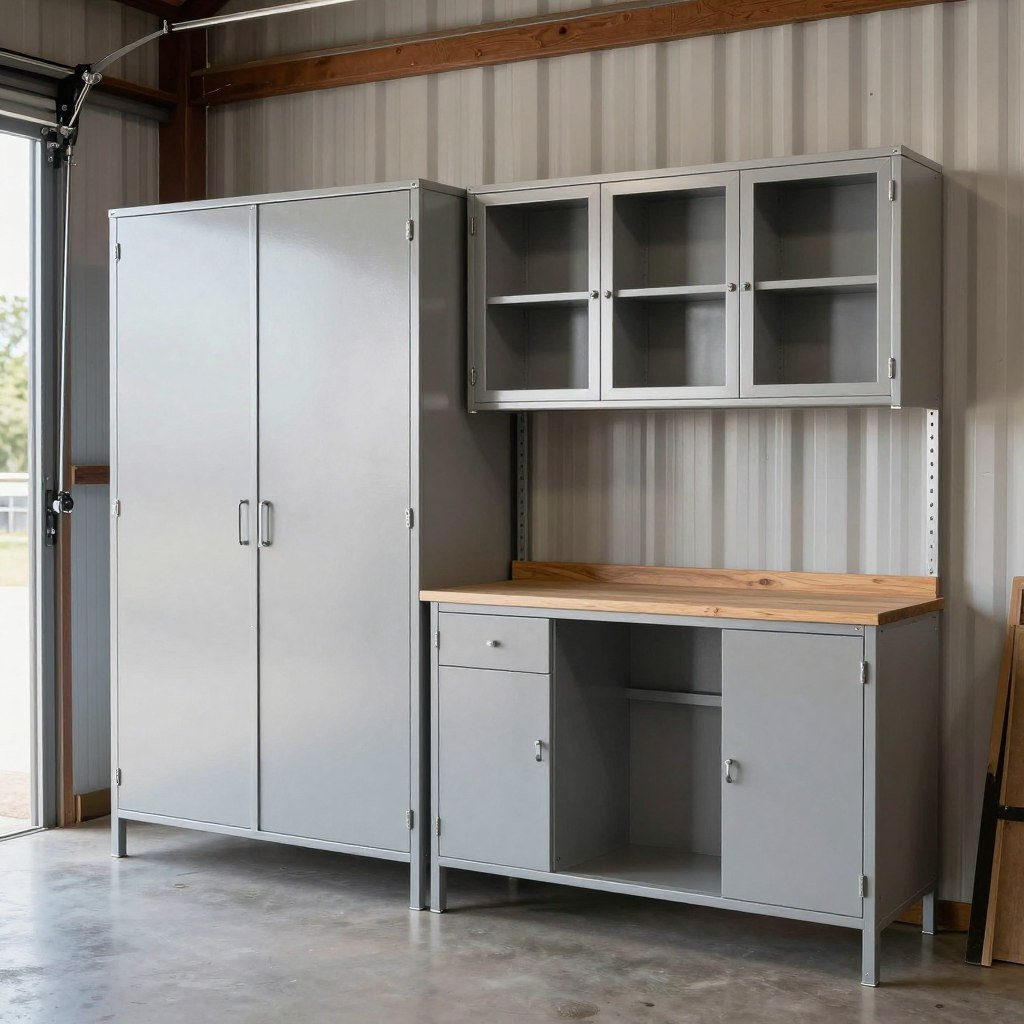
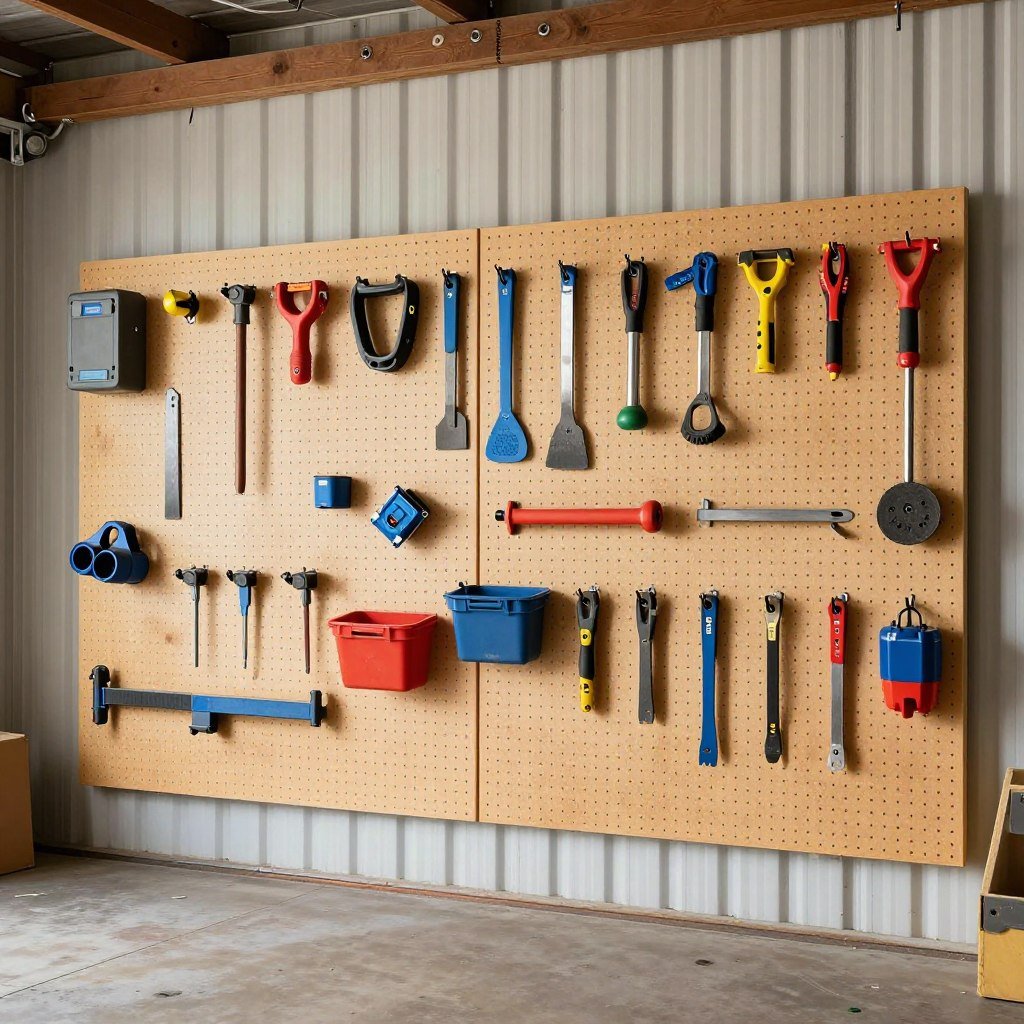
Storage Solutions
Effective storage systems keep your pole barn garage organized and maximize usable space:
Wall-mounted systems
Overhead racks
Modular cabinets
Pegboard systems
Organize Your Pole Barn Garage
Discover storage solutions to maximize your space:
Creating a comfortable, functional environment in your pole barn garage requires thoughtful planning for electrical systems, lighting, and climate control.
Electrical Planning
When designing the electrical system for your pole barn garage, consider both current and future needs:
Service panel sizing – 100-200 amp service depending on equipment needs
Circuit planning – Dedicated circuits for major tools and appliances
Outlet placement – Abundant outlets at workbench height and around the perimeter
220V outlets – For larger equipment like air compressors or welders
Conduit vs. cable – Exposed conduit offers flexibility for future changes
Subpanel considerations – If connecting to existing home electrical
Safety First: Unless you have professional electrical experience, hire a licensed electrician for your pole barn garage wiring. Improper electrical work creates fire hazards and may violate building codes.
Lighting Solutions
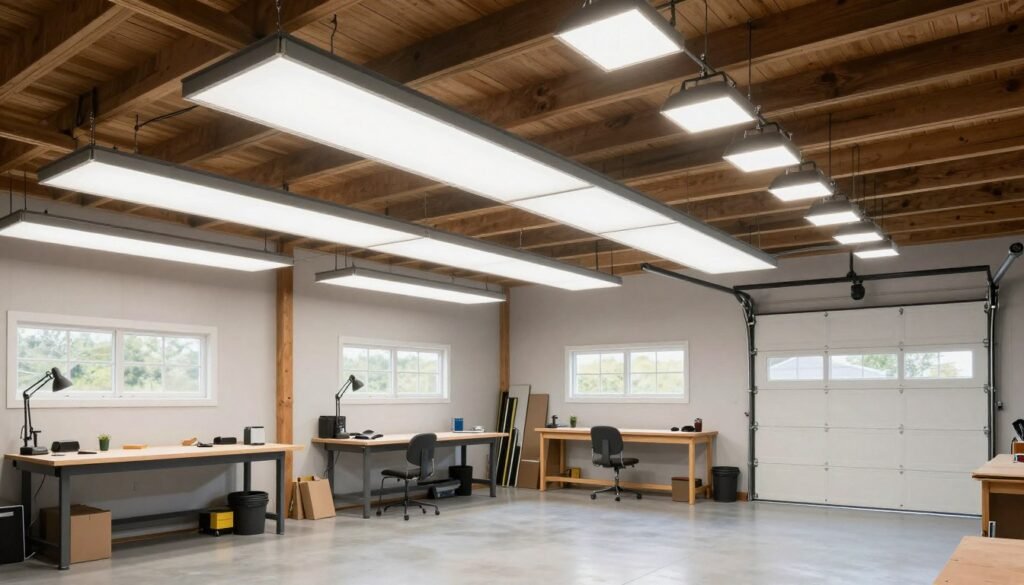
General Illumination
LED shop lights (4000-5000K color temperature)
High-bay fixtures for tall ceilings
Adjustable light positioning for different tasks
Motion sensors for convenience and energy savings
Task Lighting
Under-cabinet lighting for workbenches
Adjustable arm lamps for detail work
Portable work lights for flexibility
Directional lighting for specific work areas
Climate Control Options
Maintaining a comfortable temperature in your pole barn garage extends its usability throughout the year:
Heating Option
Best For
Installation Complexity
Operating Cost
Radiant In-Floor Heating
Year-round use, comfortable workspace
High (must install during construction)
Low to moderate
Forced Air Furnace
Quick heating, can include AC
Moderate
Moderate to high
Mini-Split Heat Pump
Heating and cooling, zoned control
Moderate
Low to moderate
Infrared Heaters
Spot heating, intermittent use
Low
Moderate
Wood Stove
Rural settings, ambiance
Moderate (requires proper venting)
Low (if wood is available)
Light Up Your Workspace
Find the perfect lighting solutions for your pole barn garage:
Draw inspiration from these popular pole barn garage styles to create a structure that complements your property and reflects your personal taste:
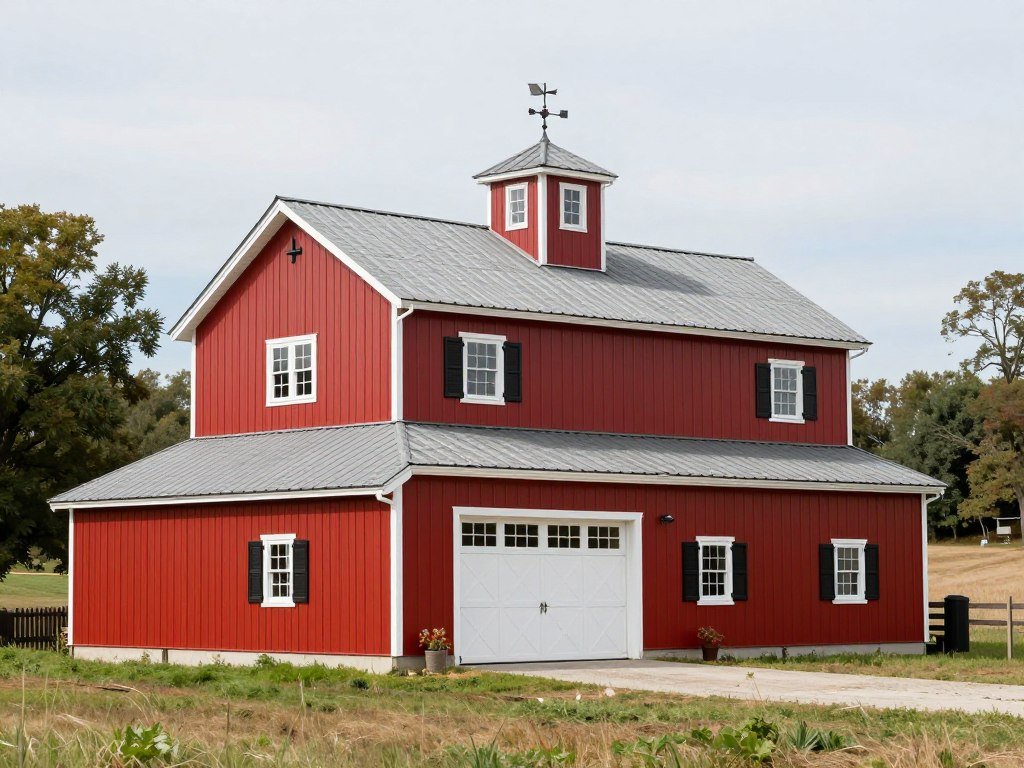
Classic Farmhouse
Characterized by traditional colors like red with white trim, cupolas, weathervanes, and classic barn-inspired elements. Perfect for rural properties and those seeking timeless appeal.
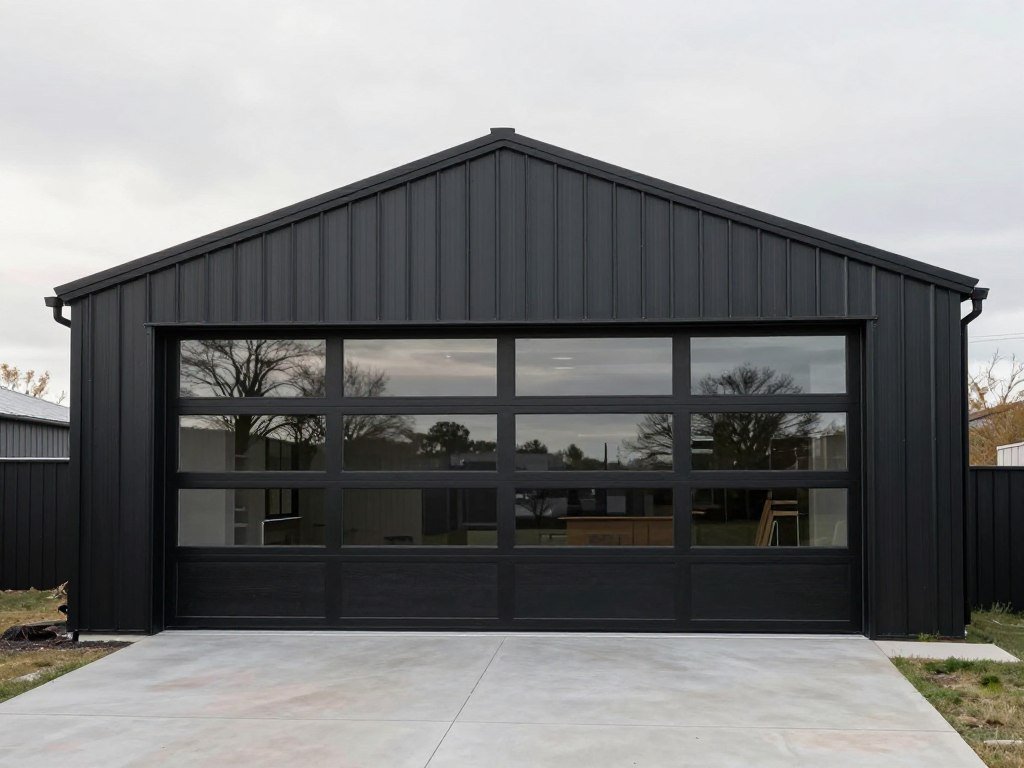
Modern Minimalist
Features sleek lines, dark exteriors (often black or charcoal), minimal ornamentation, and larger windows. Ideal for contemporary properties or creating a striking contrast.
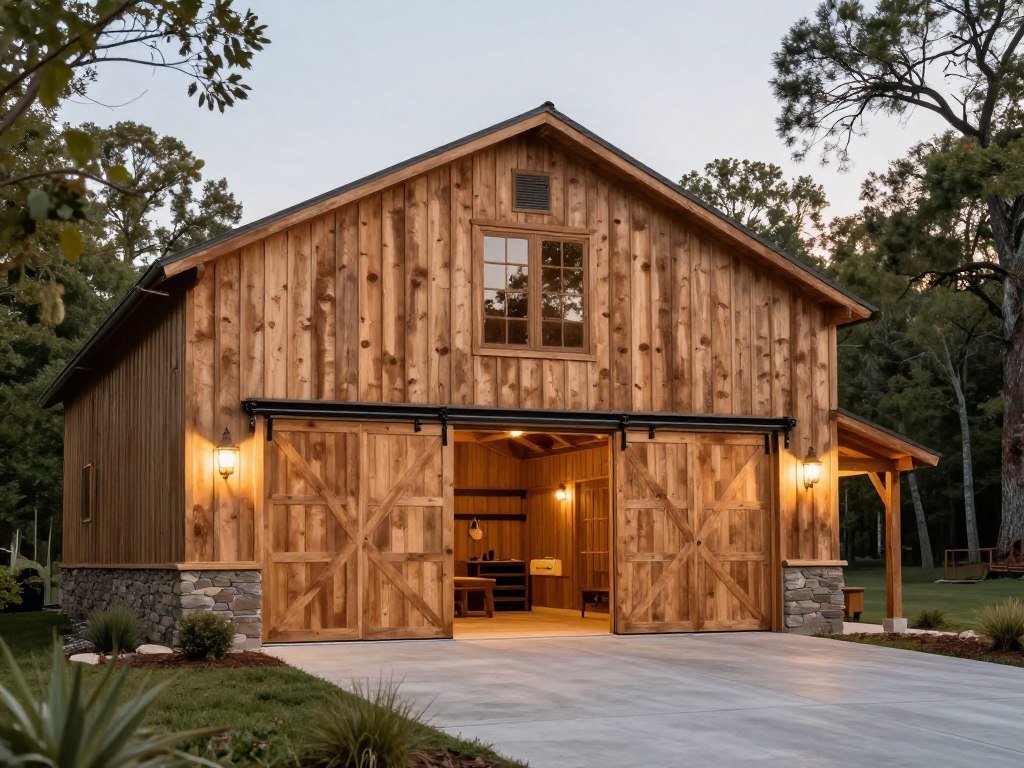
Rustic Workshop
Incorporates natural materials like wood siding, stone accents, and warm tones. Often includes sliding barn doors and rustic hardware for an authentic feel.
Residential Match
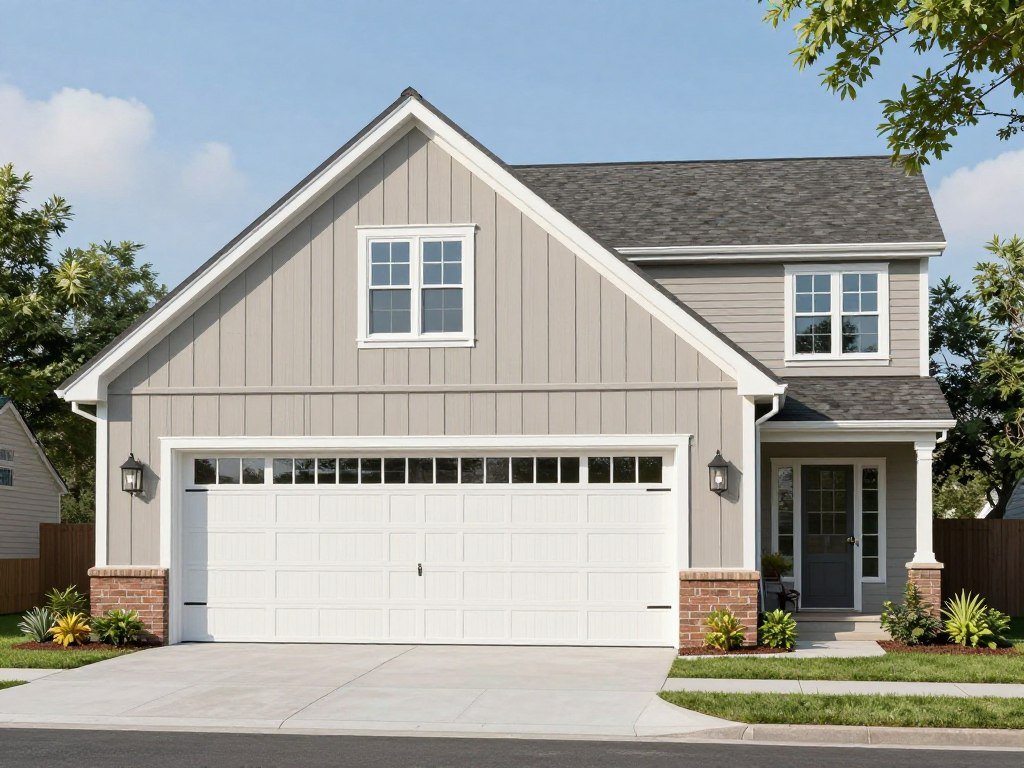
Designed to complement your home’s architecture with matching siding, rooflines, and trim details. Creates a cohesive look across your property.
Industrial Chic
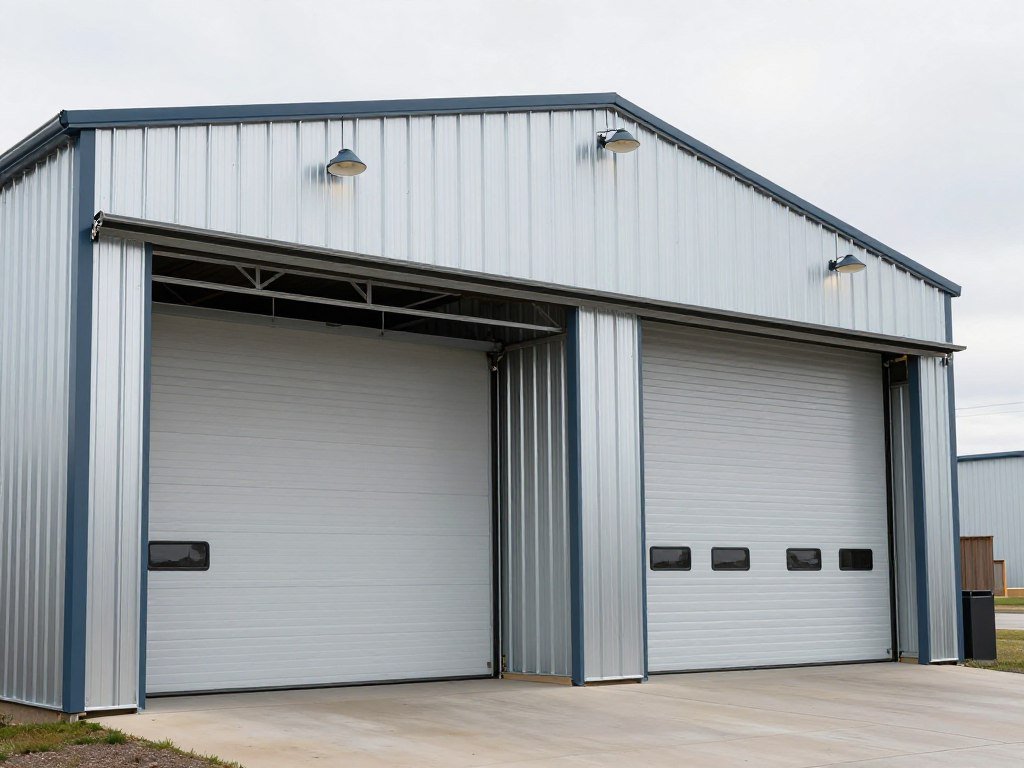
Embraces a utilitarian aesthetic with exposed metal, structural elements, and functional design. Often features galvanized finishes and industrial lighting.
Hybrid Living Space
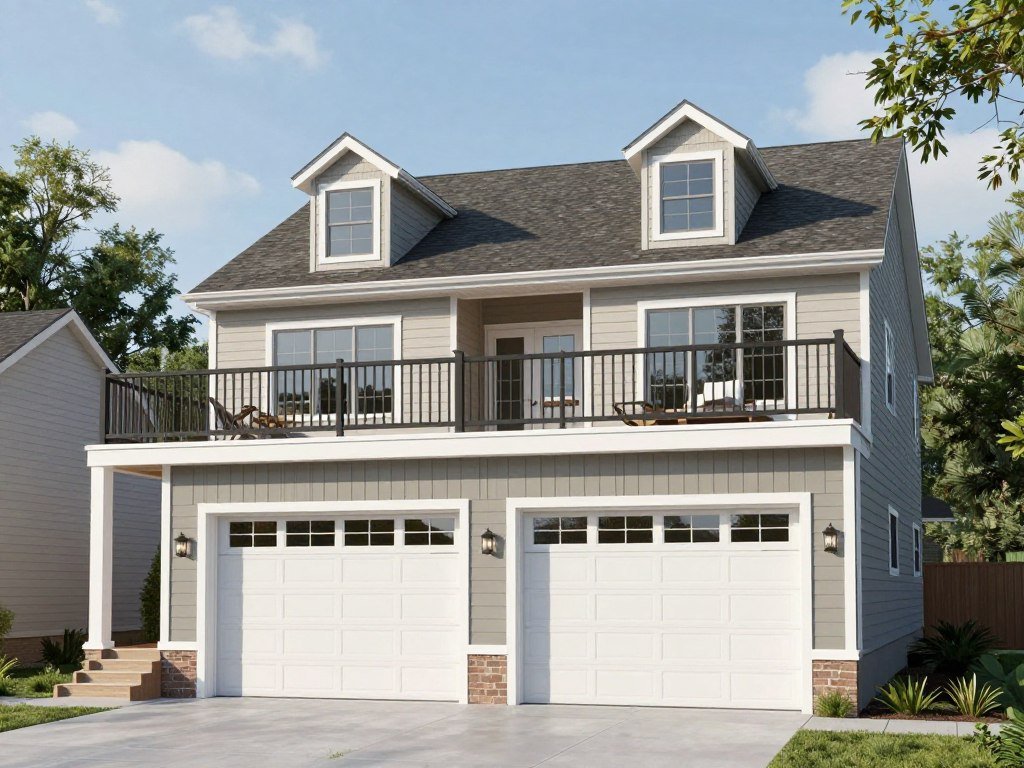
Combines garage functionality with living quarters or finished loft space. Often includes more windows, dormers, and residential features.
“The beauty of pole barn construction is its flexibility. You can create almost any aesthetic you want while maintaining the structural and cost advantages of post-frame building.”
— Professional Pole Barn Builder with 25+ years experience
Create Your Dream Aesthetic
Find inspiration and save ideas for your pole barn garage:
Understanding the factors that influence pole barn garage costs helps you create a realistic budget and make informed decisions throughout the planning process.
Cost Breakdown
Average Cost Factors
Percentage of total project budget
Materials (kit or components)
50%
Foundation and site work
15%
Labor (if not DIY)
20%
Electrical and utilities
8%
Permits and engineering
7%
Cost-Saving Strategies
DIY construction – Save on labor costs if you have the skills
Phased building approach – Complete the shell now, finish interior later
Simplified design – Rectangular buildings are more economical than complex shapes
Standard sizes – Use standard material dimensions to minimize waste
Careful material selection – Choose materials based on long-term value, not just initial cost
Compare kit providers – Get multiple quotes for comparable specifications
Seasonal timing – Some builders offer discounts during slower seasons
Prioritize essentials – Focus budget on structural elements and weatherproofing
Repurpose materials – Consider quality used materials for non-structural elements
Plan for expansion – Design with future additions in mind to avoid costly retrofits
Hidden Costs to Consider: Don’t forget to budget for site preparation, drainage solutions, utility connections, permits, and potential engineering requirements. These often-overlooked expenses can significantly impact your total project cost.
Financing Options
Several financing paths are available for pole barn garage projects:
Home equity loans or lines of credit – Often offer favorable rates using your home as collateral
Construction loans – Short-term financing specifically for building projects
Personal loans – Unsecured options with higher interest rates but simpler qualification
Manufacturer financing – Some pole barn kit providers offer financing programs
Cash savings – The most economical approach, avoiding interest costs
Start Your Budget Planning
Compare options and find the best value for your project:
With proper care, your pole barn garage can last for decades. Implementing a regular maintenance routine protects your investment and prevents costly repairs.
Seasonal Maintenance Checklist
Spring
Inspect roof for winter damage
Check gutters and downspouts
Examine foundation for frost heaving
Inspect door hardware and lubricate
Check for pest intrusion
Summer
Clean exterior siding
Touch up paint or finishes
Check ventilation systems
Inspect for insect activity
Trim vegetation away from structure
Fall
Clear gutters of debris
Inspect roof before winter
Check weather sealing around doors/windows
Test heating systems
Secure items that could freeze
Winter
Remove snow from roof if excessive
Check for ice dams
Monitor for proper drainage
Inspect interior for condensation issues
Maintain safe access paths
Long-Term Preservation
These strategies help extend the life of your pole barn garage:
Protect wood components – Regularly check exposed wood for signs of rot, insect damage, or moisture issues
Maintain proper drainage – Ensure water flows away from the building to prevent foundation issues
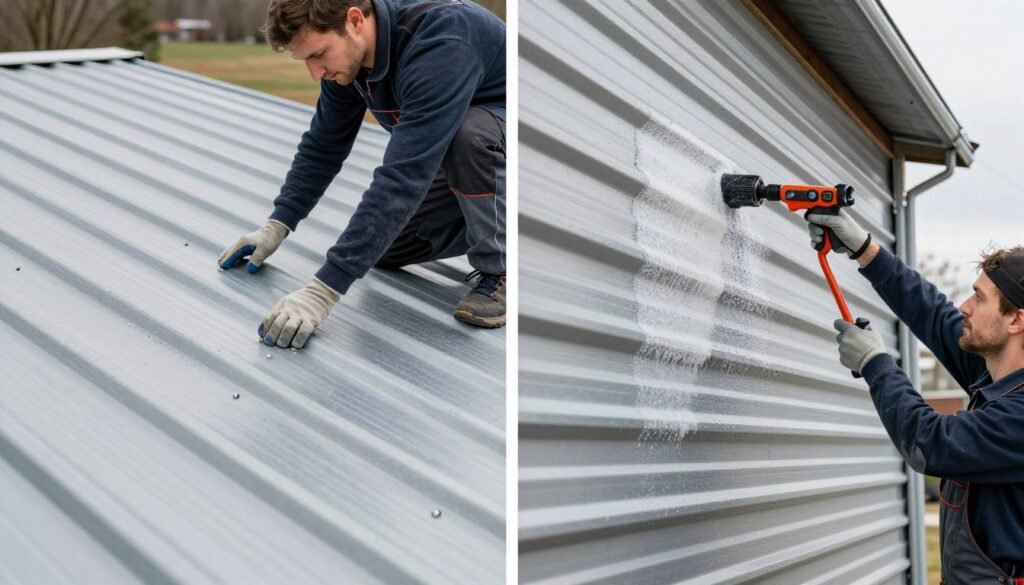
Address metal panel concerns – Check and tighten fasteners that may loosen due to thermal expansion/contraction
Monitor for condensation – Proper ventilation prevents moisture buildup that can damage materials
Inspect structural elements – Look for signs of stress or movement in posts, trusses, and connections
Keep documentation – Maintain records of materials, treatments, and repairs for future reference
Maintenance Warning: Never ignore small issues like loose fasteners, minor leaks, or small cracks. These seemingly minor problems can quickly escalate into major structural concerns if left unaddressed.
Protect Your Investment
Find quality maintenance products for your pole barn garage:
Drawing inspiration from completed projects helps visualize possibilities for your own pole barn garage. Here are some real-world examples showcasing different sizes, styles, and functions:
Two-car garage with workshop (24’x36′)
Agricultural equipment storage (40’x60′)
Garage with living quarters (36’x48′)
Compact single-car garage (20’x24′)
Rustic workshop design (30’x40′)
RV storage with tall doors (30’x50′)
What makes these pole barn garages successful?
The most successful pole barn garage projects share several key characteristics:
Thoughtful planning – Careful consideration of current and future needs
Proper sizing – Adequate space for intended uses with room to grow
Quality materials – Investment in durable components for longevity
Attention to details – Careful execution of critical elements like drainage and sealing
Personalization – Customization to match specific requirements and aesthetic preferences
Share Your Pole Barn Garage Ideas
Create a Pinterest board to collect and organize your favorite designs:
A pole barn garage represents more than just a building—it’s an investment in functionality, property value, and personal enjoyment. Whether you’re creating a space to protect vehicles, pursue hobbies, or establish a workshop for your business, the versatility of pole barn construction offers nearly limitless possibilities.
As you move forward with your project, remember that careful planning, quality materials, and attention to detail will yield the best results. Consider not just your immediate needs but how your pole barn garage might serve you in the years to come. With thoughtful design and proper maintenance, your pole barn garage can provide decades of reliable service while enhancing your property’s functionality and appeal.
We hope this guide has provided valuable insights and inspiration for your pole barn garage project. As you begin collecting ideas and planning your build, consider creating a dedicated Pinterest board to organize your favorite designs, features, and materials. This visual reference will prove invaluable as you work with suppliers, contractors, or tackle the project yourself.
Ready to Start Your Pole Barn Garage Project?
Explore essential building materials and find inspiration: