There’s something deeply appealing about rustic landscaping that draws us in with its weathered textures, natural materials, and informal design. It creates spaces that feel both comforting and connected to nature, as if they’ve been there for generations. Whether you have a sprawling country property or a modest urban yard, rustic landscaping principles can transform your outdoor area into a charming retreat that celebrates the beauty of imperfection and the passage of time.
This Website contains affiliate links. That means I may earn a small commission if you purchase through my links, at no extra cost to you.
What Defines Rustic Landscaping?
Rustic landscaping embraces the natural world in its most authentic form. Unlike formal gardens with their precise symmetry and manicured appearance, rustic landscapes celebrate organic shapes, weathered materials, and a slightly untamed aesthetic. This approach to outdoor design creates spaces that feel established, comfortable, and in harmony with their surroundings.
Key Elements of Rustic Landscaping
- Natural Materials: Stone, wood, gravel, and other elements sourced directly from nature form the foundation of rustic design.
- Weathered Textures: Aged wood, moss-covered stones, and patinated metal add character and a sense of history.
- Informal Design: Asymmetrical layouts and winding pathways create a sense of discovery and natural evolution.
- Native Plants: Indigenous flora that thrives naturally in your region reinforces the authentic, low-maintenance appeal.
- Repurposed Items: Old farm equipment, wooden crates, or vintage containers given new life as garden features.
- Earthy Color Palette: Browns, greens, grays, and other natural tones that blend with the landscape.
- Handcrafted Elements: Features that show the mark of human craftsmanship rather than mass production.
- Wildlife-Friendly Features: Bird baths, insect hotels, and other elements that welcome nature’s creatures.
Embracing Natural Materials in Rustic Landscaping
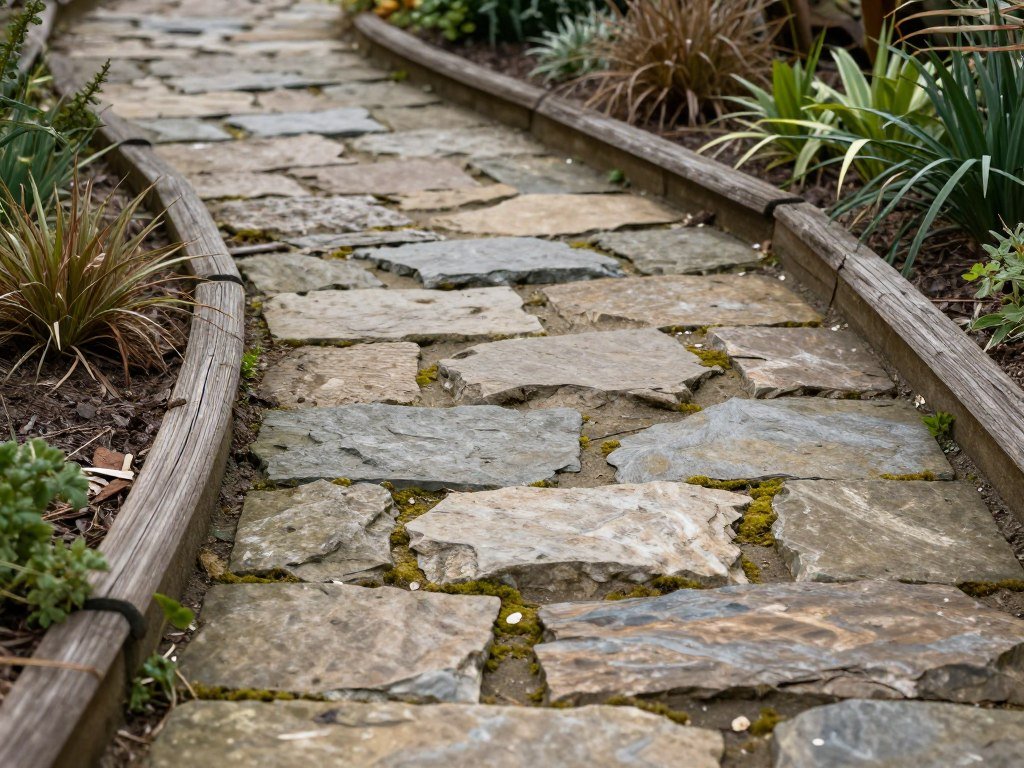
The heart of rustic landscaping lies in its use of natural materials. These elements not only create visual appeal but also connect your space to the broader natural world and local history. When selecting materials for your rustic landscape, prioritize those that weather beautifully and develop character over time.
Stone Elements
Stone brings permanence and a sense of timelessness to rustic landscapes. Consider incorporating these stone features:
- Dry-Stack Stone Walls: These freestanding structures use carefully placed stones without mortar, creating drainage spaces that make them perfect for sloped areas.
- Flagstone Pathways: Irregular stone pieces laid with gaps for groundcover plants create charming walkways that look as if they’ve been there for centuries.
- Boulder Accents: Large stones strategically placed can serve as focal points or natural seating areas in your garden.
- Gravel Surfaces: Crushed stone or pea gravel provides permeable, low-maintenance areas for patios or transitional spaces. Find decorative landscape gravel options to match your design vision.
Wood Elements
Wood adds warmth and organic texture to rustic landscapes. As it ages, it develops a silver-gray patina that enhances its rustic appeal.
Related Posts:





- Split-Rail Fencing: This traditional fence style offers rustic charm while defining boundaries without feeling restrictive.
- Reclaimed Timber: Old barn wood, railway ties, or driftwood can be repurposed for raised beds, steps, or decorative features.
- Log Sections: Cross-cut logs make natural stepping stones or casual seating areas.
- Wooden Arbors: A simple wooden structure covered with climbing plants creates a charming garden entrance or focal point. Browse rustic wooden arbors for inspiration.
Rustic Garden Structures and Features
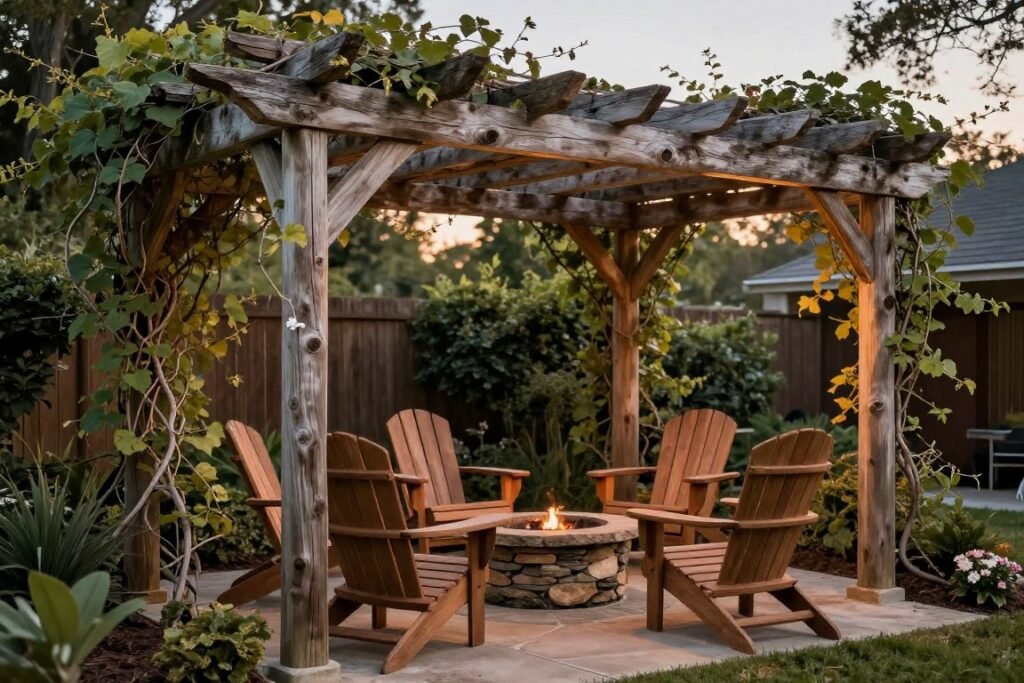
Structures and features provide both function and visual interest in rustic landscapes. They create destinations within your garden and opportunities for rest, reflection, and gathering.
Pergolas and Arbors
These overhead structures add vertical interest while supporting climbing plants. For a truly rustic look, choose designs with:
- Rough-hewn timber posts rather than smooth, machined lumber
- Simple joinery that showcases traditional craftsmanship
- Natural wood finishes or weathered patinas instead of bright paint
- Climbing roses, wisteria, or grape vines to soften the structure
Fire Features
Few elements create a more inviting rustic atmosphere than fire. Consider adding:
- Stone Fire Pits: A circle of natural stones containing a simple fire area creates a primitive yet comfortable gathering spot.
- Rustic Outdoor Fireplaces: For a more substantial feature, a stone fireplace with a weathered wooden mantel becomes a focal point.
- Iron Fire Bowls: Metal fire features with a patina finish offer rustic charm with modern convenience. Explore rustic fire pit options for your garden.
Water Features
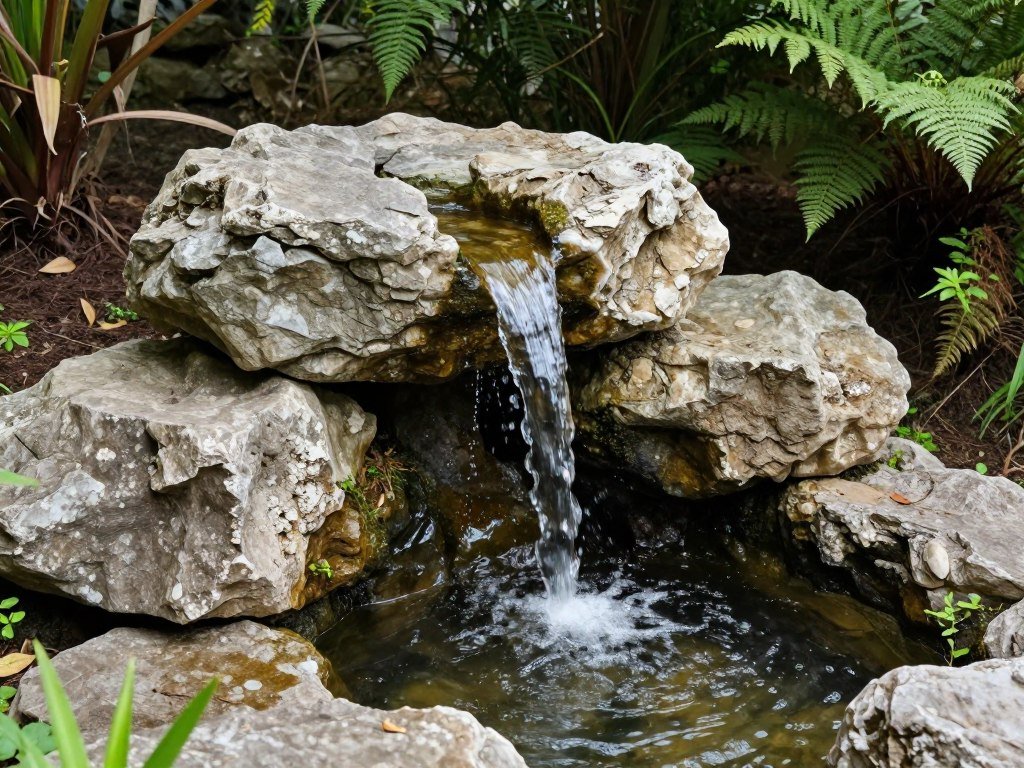
Water brings life, movement, and tranquility to rustic landscapes:
- Stone Fountains: Natural stone basins or stacked rock formations with water gently flowing create soothing sounds.
- Rustic Ponds: Small water features with irregular shapes, lined with stones and planted with native aquatic plants feel like natural springs.
- Repurposed Containers: Old wooden barrels, stone troughs, or metal washtubs can become charming water features.
Plant Selection for Rustic Landscapes

The plant palette for rustic landscaping should feel authentic to your region and have a slightly untamed quality. Rather than rigid rows or formal arrangements, rustic plantings mimic natural growth patterns with drifts and clusters.
Native and Adaptive Plants
Native plants are the backbone of rustic landscapes, offering authentic regional character and wildlife support:
- Research which plants naturally grow in your region’s ecosystems
- Include plants that provide food and habitat for local wildlife
- Group plants according to their natural associations and requirements
- Consider how plants will change through seasons for year-round interest
Wildflower Meadows
Few elements capture rustic charm better than a wildflower meadow. These naturalistic plantings:
- Create spectacular seasonal displays with minimal maintenance
- Support pollinators and beneficial insects
- Reduce the need for mowing, watering, and fertilizing
- Provide cut flowers for rustic indoor arrangements
To start your own wildflower area, consider a native wildflower seed mix appropriate for your region.
Ornamental Grasses
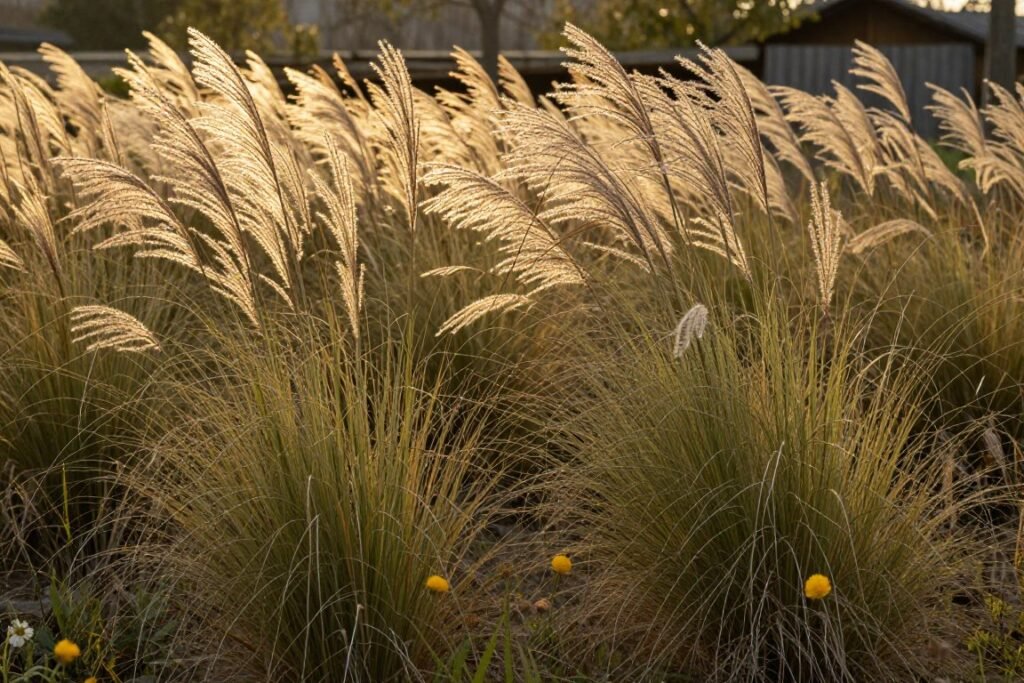
Grasses add movement, texture, and year-round structure to rustic landscapes:
- Choose varieties that offer interesting seed heads and winter presence
- Mix different heights and textures for natural-looking groupings
- Consider native grass species that would have historically grown in your area
- Use grasses as transitions between different garden areas
Rustic Landscaping for Small Spaces

You don’t need acres of land to create a rustic landscape. Even small urban yards, patios, or balconies can embrace rustic charm through thoughtful design choices.
Container Gardening with Rustic Flair
Containers offer flexibility and impact in limited spaces:
- Weathered Containers: Old wooden crates, galvanized metal tubs, terracotta pots with patina, or stone troughs
- Vertical Gardening: Repurposed wooden pallets or ladder plant stands to maximize growing space
- Grouping Strategy: Cluster containers of varying heights and materials for a collected-over-time appearance
- Plant Selection: Herbs, native perennials, and small shrubs that spill over edges for a natural look
Find rustic planters and containers to start your small-space rustic garden.
Intimate Seating Areas
Create a cozy rustic retreat with these elements:
- Simple wooden bench or Adirondack chairs with weathered finish
- Small gravel “patio” defined with reclaimed brick or stone edging
- Overhead string lights or lanterns for evening ambiance
- Potted fragrant herbs and flowers to engage the senses
Rustic Front Yard Landscaping Ideas
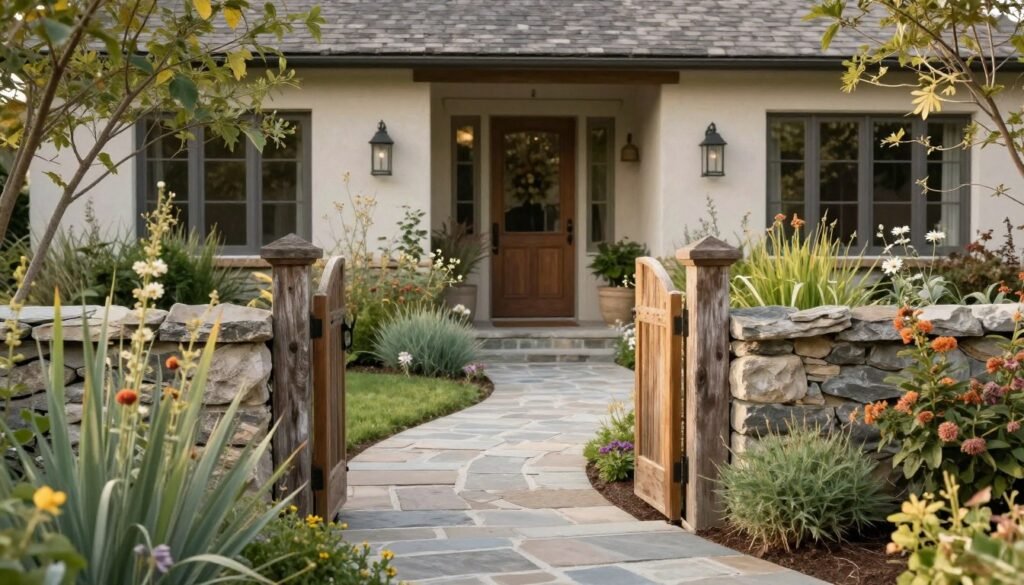
Your front yard creates the first impression of your home. A rustic approach can make it feel welcoming, established, and in harmony with its surroundings.
Welcoming Entryways
Create an inviting approach to your home with:
- Natural Stone Pathways: Irregular flagstones with thyme or moss growing between them
- Rustic Gates or Arbors: Weathered wood structures that frame the entrance to your property
- Vintage Signage: Hand-painted house numbers or name signs on reclaimed wood
- Lantern Lighting: Iron or copper lanterns that develop a beautiful patina over time. Shop rustic outdoor lanterns for your entryway.
Natural Front Yard Landscaping
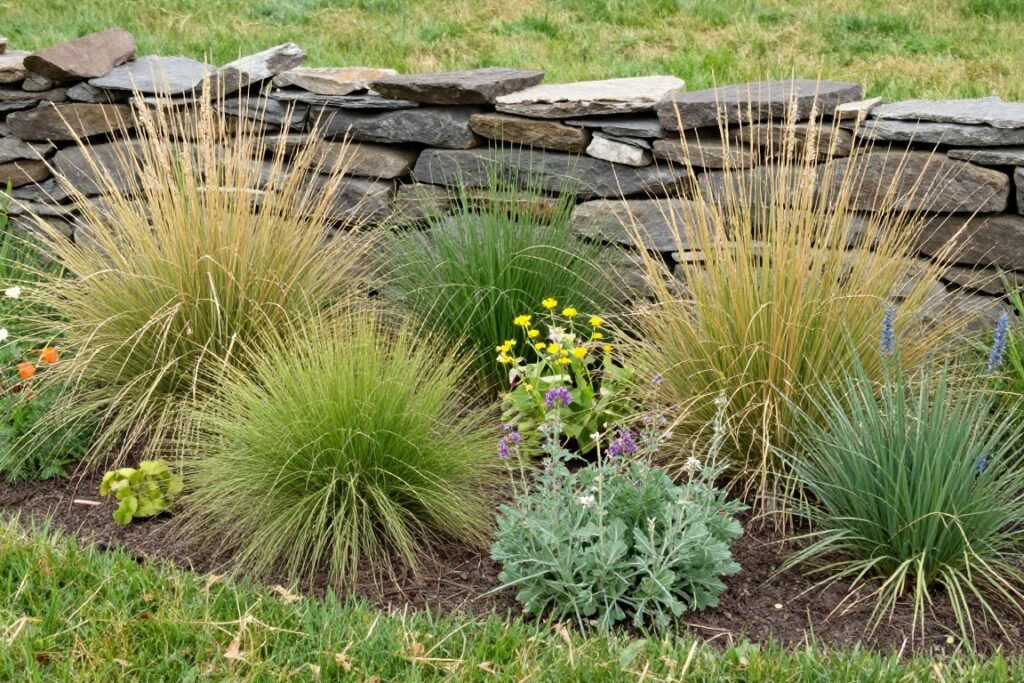
Replace traditional lawns with more interesting and ecological alternatives:
- Meadow-Style Plantings: Native grasses and wildflowers in natural drifts
- Dry Creek Beds: Decorative drainage solutions with river rocks and appropriate plantings
- Rustic Borders: Informal mixed plantings contained by log edging or stone borders
- Specimen Trees: Character trees with interesting bark, form, or seasonal features
DIY Rustic Landscaping Projects

Creating your own rustic landscape features adds personal connection and authentic character to your outdoor space. These approachable projects can be completed over weekends with basic tools and materials.
Reclaimed Wood Projects
Give new life to old wood with these rustic DIY ideas:
- Raised Planting Beds: Weathered timber or barn wood assembled into simple rectangular forms
- Rustic Garden Bench: A straightforward design using reclaimed boards and log sections
- Branch Trellises: Gathered branches lashed together to support climbing plants
- Log Path Edging: Half-buried log sections to define garden paths and planting areas
Get started with the right tools – explore basic woodworking tools for your rustic projects.
Stone Features
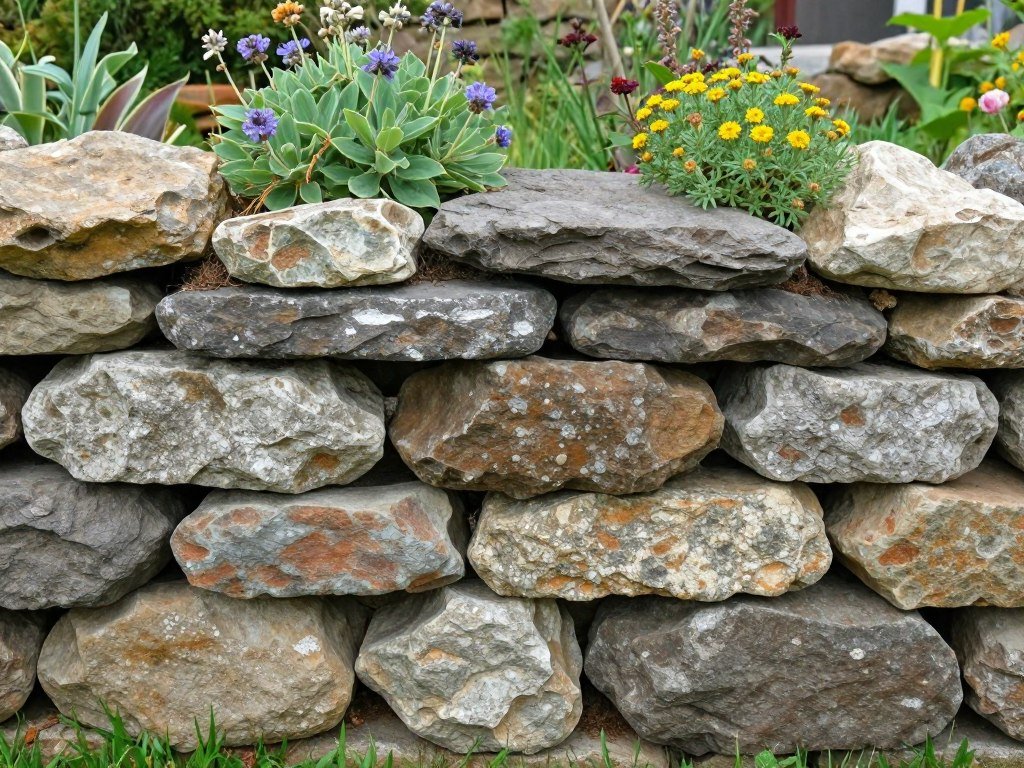
Working with stone creates enduring rustic elements:
- Simple Stone Fire Pit: A circle of fieldstones containing a safe fire area
- Stepping Stone Path: Flat stones set into gravel or ground cover plants
- Rock Garden: Arranged stones with pockets of soil for alpine and drought-tolerant plants
- Stone Cairns: Balanced stone stacks that serve as meditative garden art
Seasonal Aspects of Rustic Landscaping
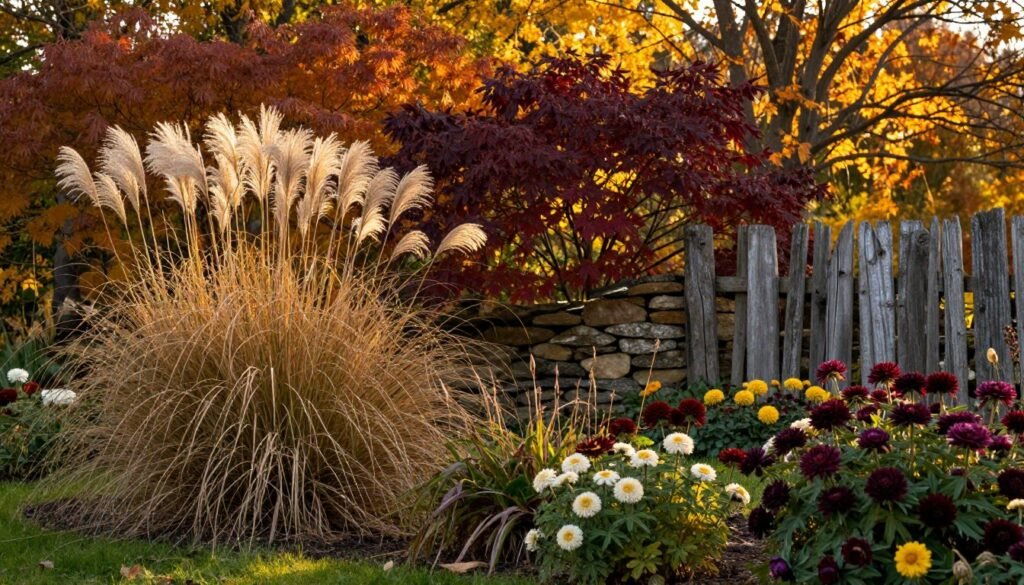
True rustic landscapes shine throughout the year, embracing seasonal changes rather than fighting against them. Planning for year-round interest ensures your outdoor space remains engaging even in dormant seasons.
Winter Interest
Rustic gardens can be particularly magical in winter when:
- Ornamental grasses catch frost and snow on their seed heads
- Evergreen shrubs provide structure and color against bare branches
- Berry-producing plants offer food for birds and visual interest
- Stone features and weathered wood stand out against the simplified landscape
Seasonal Transitions
Embrace the changing seasons with these approaches:
- Allow seed heads and dried flowers to remain for winter texture and wildlife value
- Incorporate early spring bulbs that naturalize and multiply over time
- Choose trees and shrubs with multiple seasons of interest (spring flowers, fall color, winter bark)
- Use rustic containers that can be replanted seasonally while maintaining consistent style
Embracing the Timeless Appeal of Rustic Landscaping
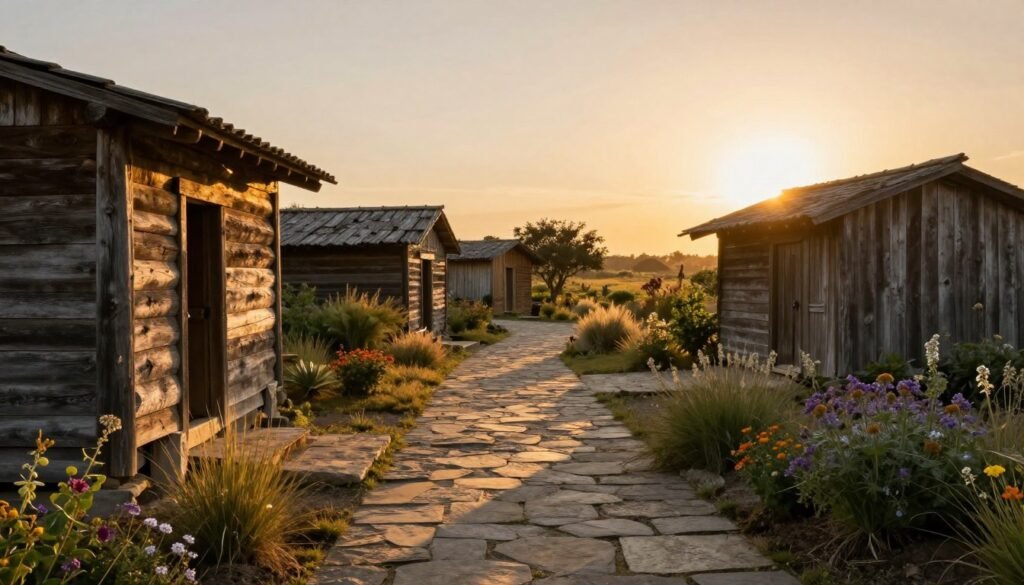
Rustic landscaping offers more than aesthetic appeal—it creates spaces that feel authentic, connected to nature, and imbued with a sense of history. By embracing natural materials, informal design, and plants that belong in your environment, you create a landscape that improves with age rather than requiring constant maintenance to maintain an artificial perfection.
Whether you’re transforming a large property or adding rustic touches to a small urban space, the principles remain the same: work with nature rather than against it, celebrate the beauty of weathering and patina, and create spaces that invite both relaxation and connection with the natural world. Your rustic landscape will evolve over time, developing character and charm that can’t be instantly created—and that’s precisely what makes this approach so enduringly appealing.
Begin your rustic landscaping journey by observing what naturally thrives in your area, collecting materials with character and history, and planning spaces that reflect your personal connection to the land. The result will be an outdoor environment that feels both timeless and deeply personal—a true extension of home that welcomes both human visitors and wildlife with its authentic charm.