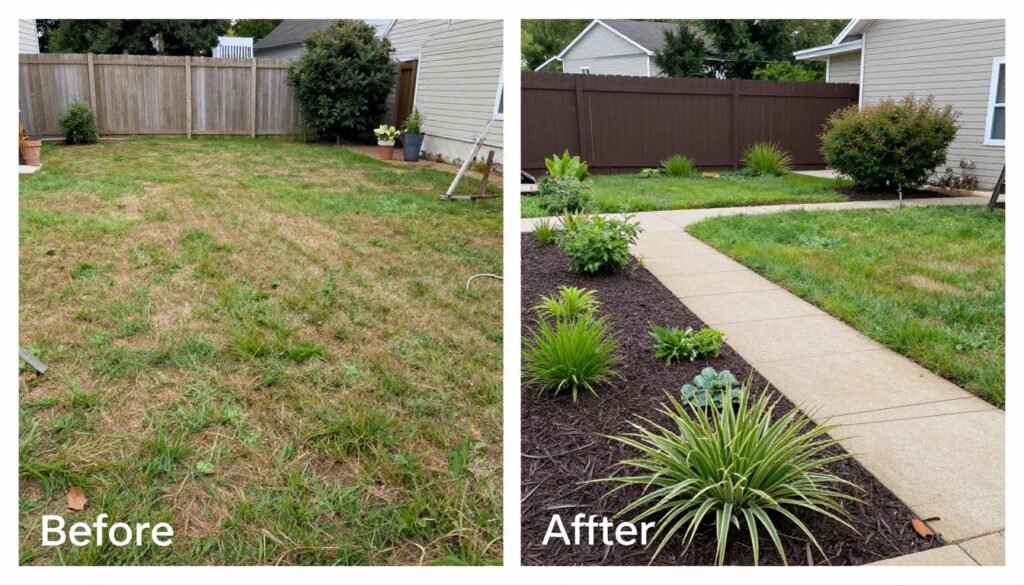
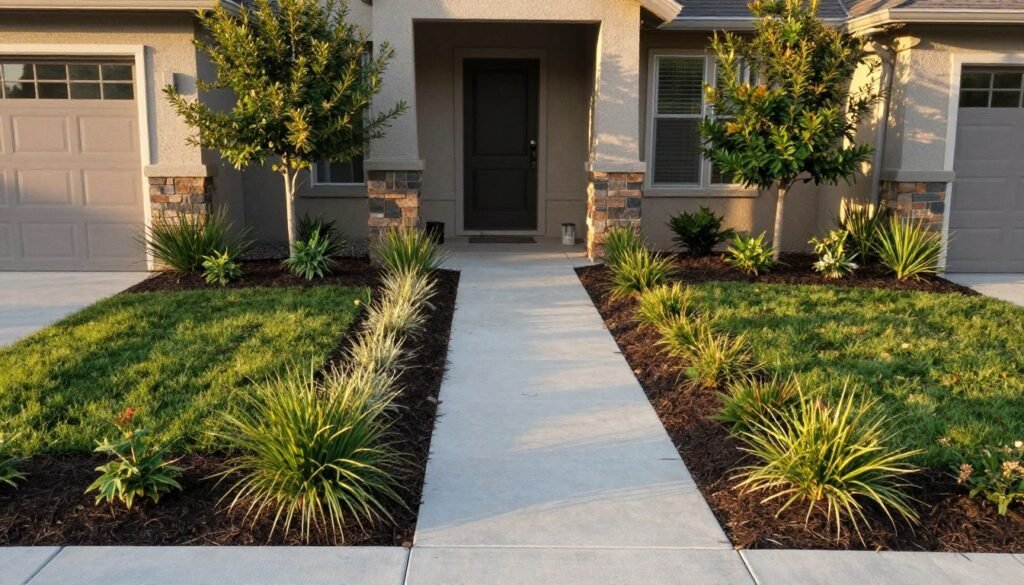
Creating a welcoming front yard doesn’t have to involve complicated designs or endless maintenance. Simple landscaping for your front yard can dramatically boost your home’s curb appeal while keeping upkeep manageable. Whether you’re preparing to sell your home or simply want to enjoy a more attractive entrance, these straightforward ideas will help transform your outdoor space into something special without requiring a landscape architect or constant attention.
This Website contains affiliate links. That means I may earn a small commission if you purchase through my links, at no extra cost to you.
In this guide, we’ll explore low-maintenance plants, easy hardscaping options, and design principles that make front yard landscaping accessible for any homeowner. You’ll discover how to create a beautiful outdoor space that enhances your home’s appearance while fitting your lifestyle and budget.
Planning Your Simple Front Yard Landscape
Before grabbing your shovel, take time to plan your front yard landscape. A thoughtful approach saves time, money, and prevents costly mistakes. Start by assessing your space and considering how you want it to function.
Assess Your Space and Needs
Walk around your front yard and note its characteristics: sun exposure, soil type, drainage patterns, and existing features worth keeping. Consider your climate zone, as this determines which plants will thrive. Think about how much maintenance you’re willing to commit to and what impression you want your front yard to make.
Create a Simple Layout
Sketch a basic layout of your front yard. Include your house, driveway, walkways, and any existing trees or features you plan to keep. Then, mark areas for new elements like garden beds, borders, or focal points. Keep the design clean and uncluttered – simplicity is key to both visual appeal and easy maintenance.
Set a Realistic Budget
Simple landscaping doesn’t have to be expensive. Determine how much you can spend and prioritize elements that make the biggest impact. Consider tackling your project in phases if budget is limited. Quality tools will make your work easier and last longer – you can find reliable gardening tools for your project on Amazon.
Effective simple landscaping follows a few key principles that create visual harmony while keeping maintenance low.
Define Spaces Clearly
Create distinct areas in your front yard with clear boundaries. Use edging to separate lawn from garden beds, and walkways to guide movement. This organization makes the yard look intentional and well-maintained with minimal effort.
Embrace Balanced Asymmetry
Perfect symmetry requires perfect maintenance. Instead, aim for balanced asymmetry – different elements on either side of your yard that still feel harmonious. This approach is more forgiving and often looks more natural than strict symmetry.
Focus on Scale and Proportion
Choose plants and features that are appropriately sized for your space. Avoid overwhelming small yards with large elements, and don’t let tiny features get lost in expansive spaces. Proper scale creates visual harmony without constant pruning and maintenance.
Limit Your Color Palette
A simple color scheme creates cohesion and visual calm. Choose 2-3 main colors for your plants and hardscaping materials. This restraint makes your yard look professionally designed while being easier to maintain than a rainbow of different colors.
Simple Hardscaping Elements for Structure
Hardscaping provides the backbone of your landscape design. These non-living elements create structure, reduce maintenance, and add year-round visual interest.
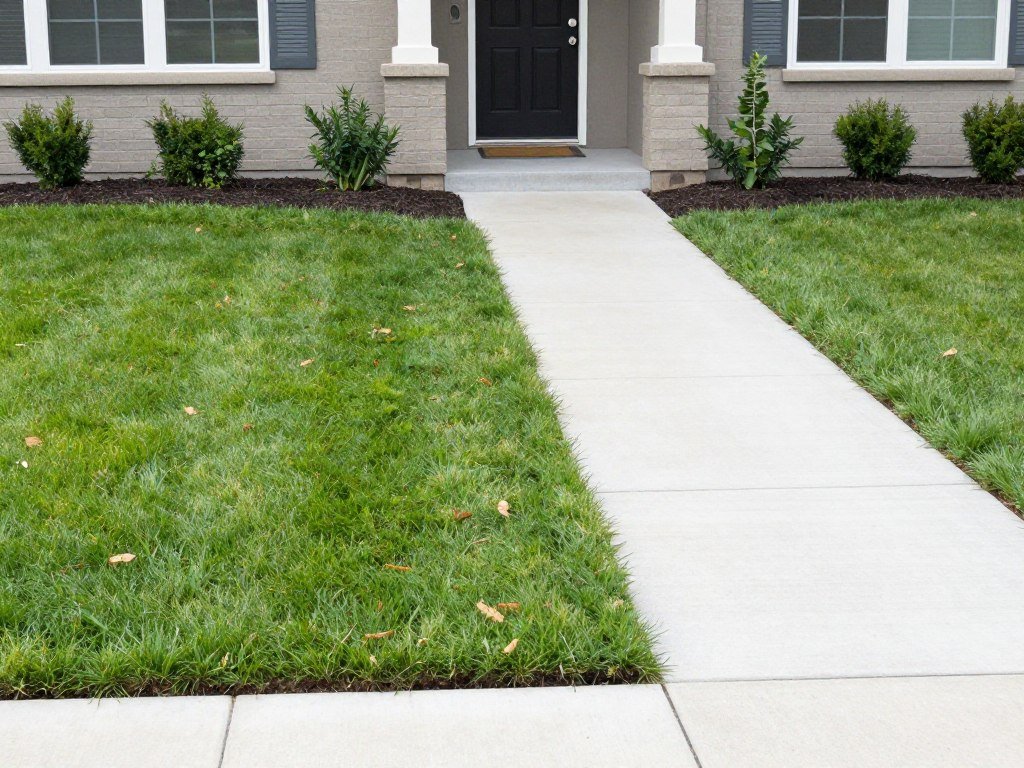
Create a Welcoming Walkway
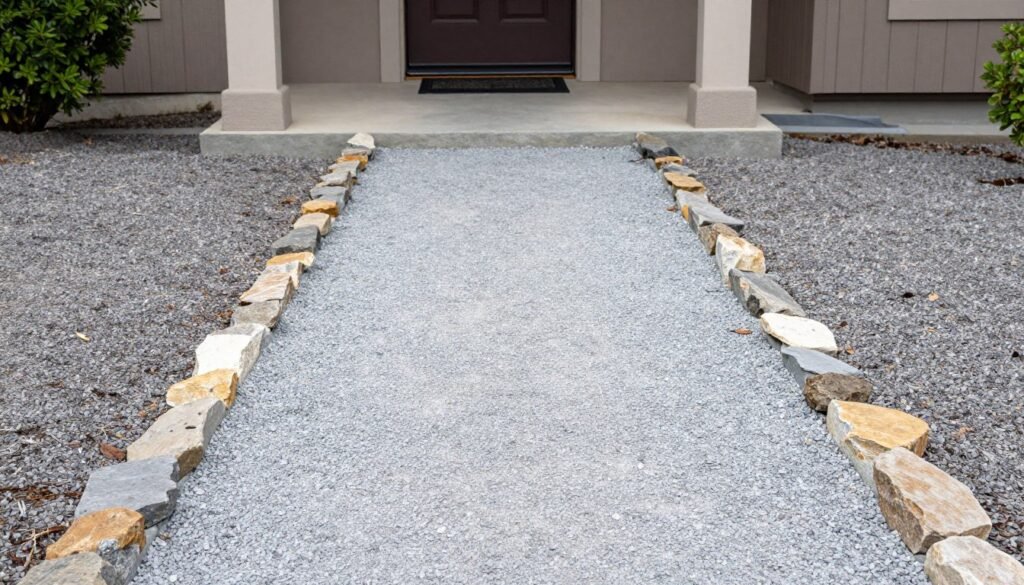
A well-defined path to your front door instantly improves curb appeal while being practical. Simple materials like gravel, stepping stones, or pavers create attractive walkways without requiring professional installation. For a budget-friendly option, consider using pre-made stepping stones placed in a pattern that complements your home’s style.
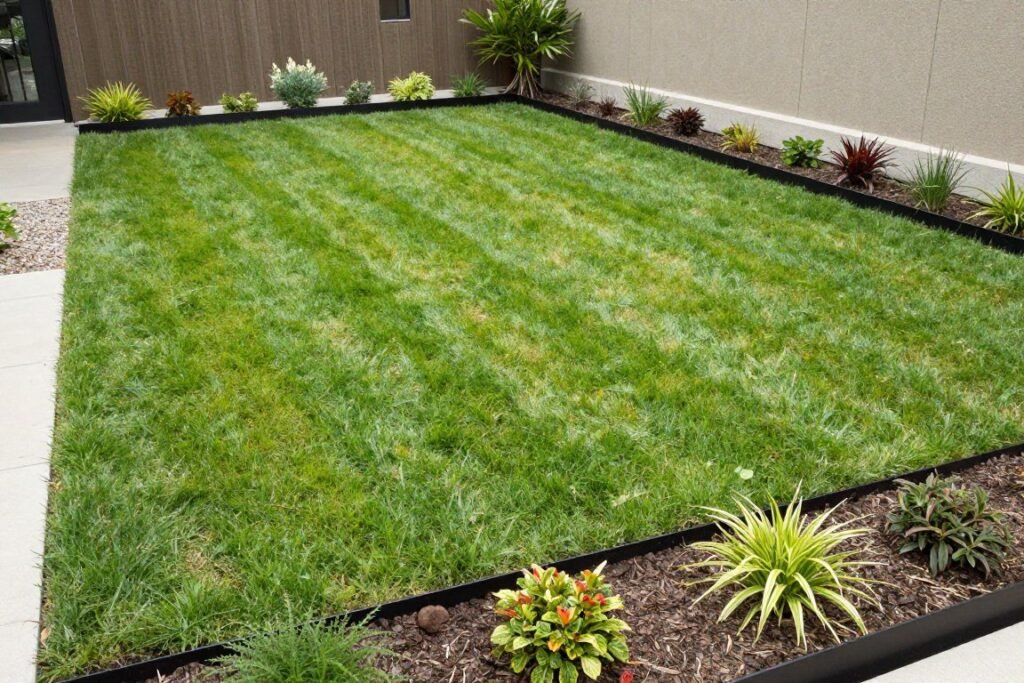
Define Borders with Edging
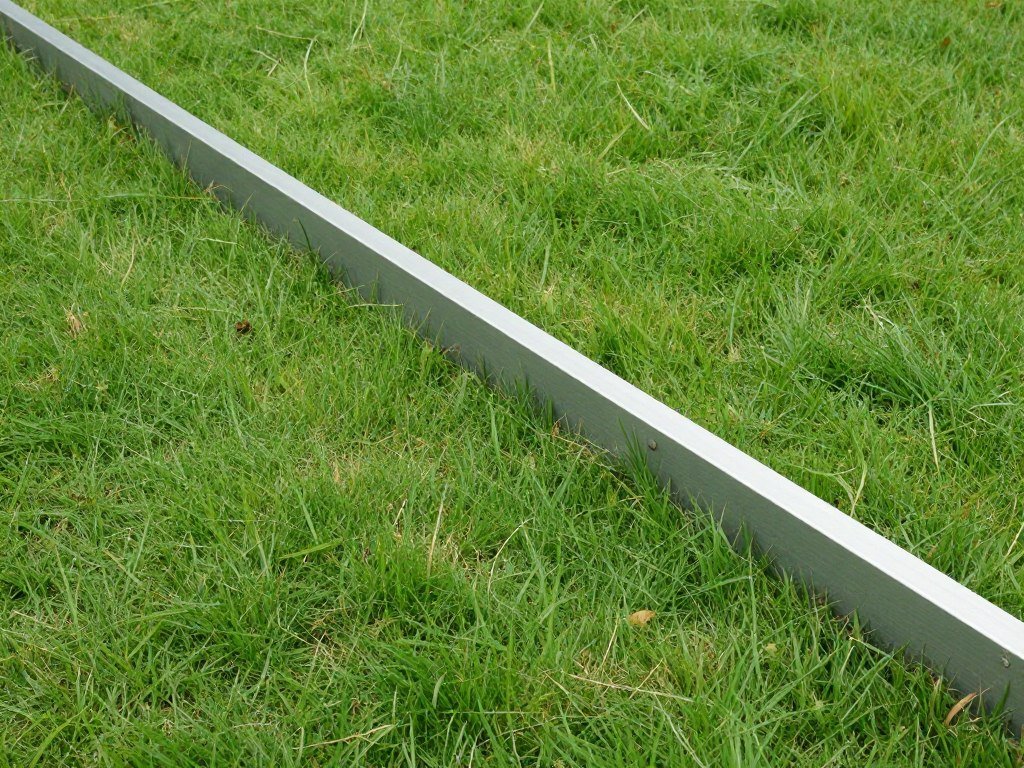
Edging creates clean lines between different areas of your yard, preventing grass from invading garden beds and keeping mulch in place. Metal, stone, or plastic edging options offer different aesthetics and price points. Quality edging is a worthwhile investment that reduces ongoing maintenance and instantly makes your landscape look more polished.
Add a Simple Focal Point
Every front yard benefits from a focal point that draws the eye. This could be a specimen tree, a decorative boulder, a water feature, or even a stylish mailbox. Keep it proportional to your yard size and let it stand out by keeping surrounding elements simpler. A beautiful small fountain can create a striking focal point with the added benefit of pleasant sounds.
Low-Maintenance Plants for Simple Front Yard Landscaping
The right plants make all the difference in creating a front yard that’s both beautiful and easy to maintain. Focus on these low-effort options that provide maximum visual impact.
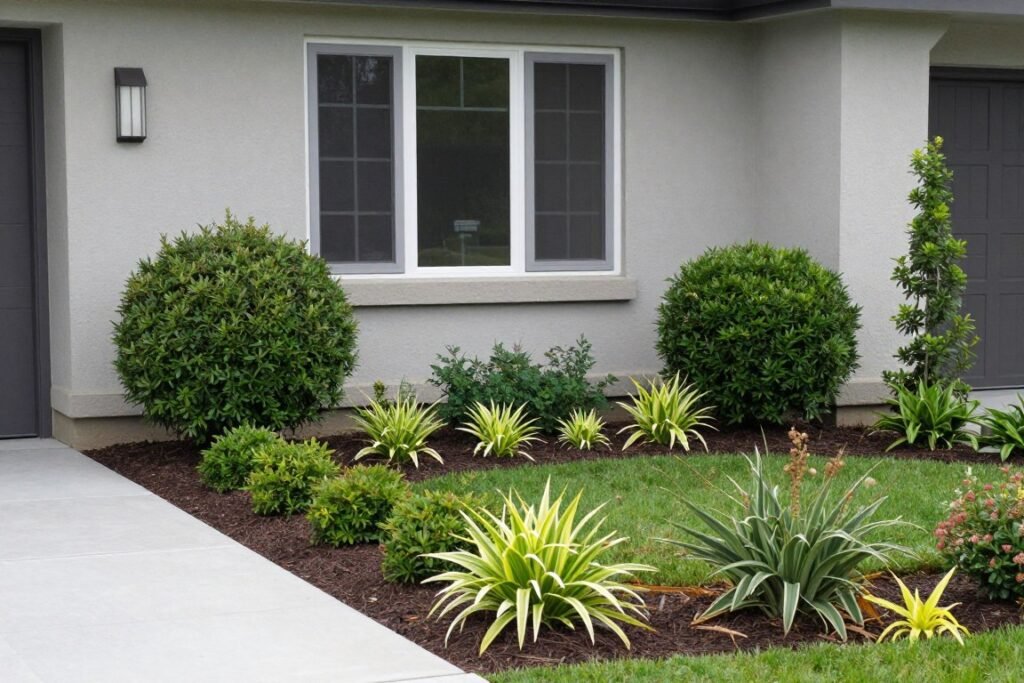
Evergreen Foundation Shrubs
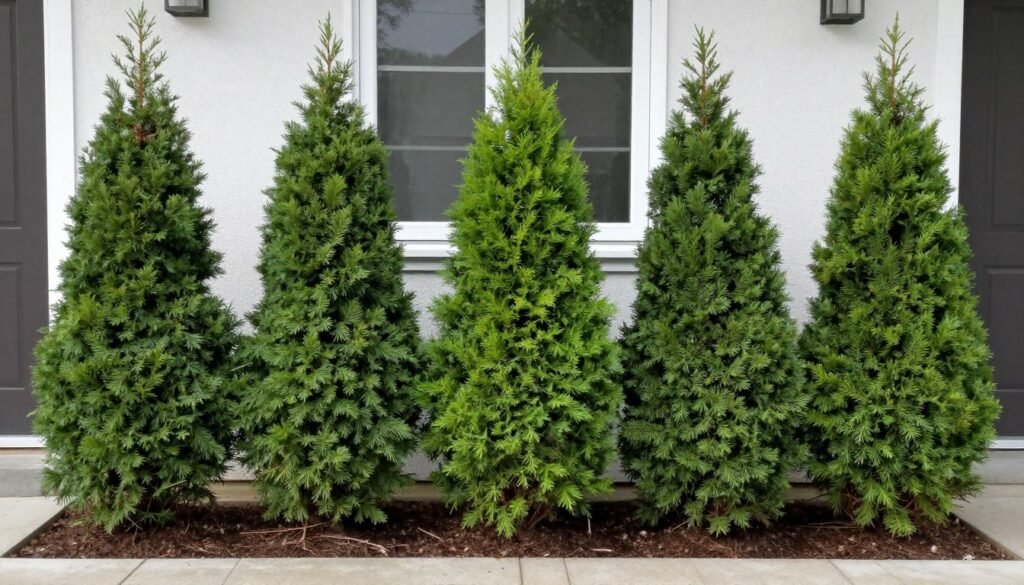
Evergreen shrubs provide year-round structure and color with minimal maintenance. Place them along your home’s foundation to anchor your landscape design. Varieties like boxwood, juniper, and yew only need occasional pruning and look good in all seasons. For areas with limited space, consider dwarf evergreen varieties that won’t outgrow their space.
Ornamental Grasses for Movement and Texture
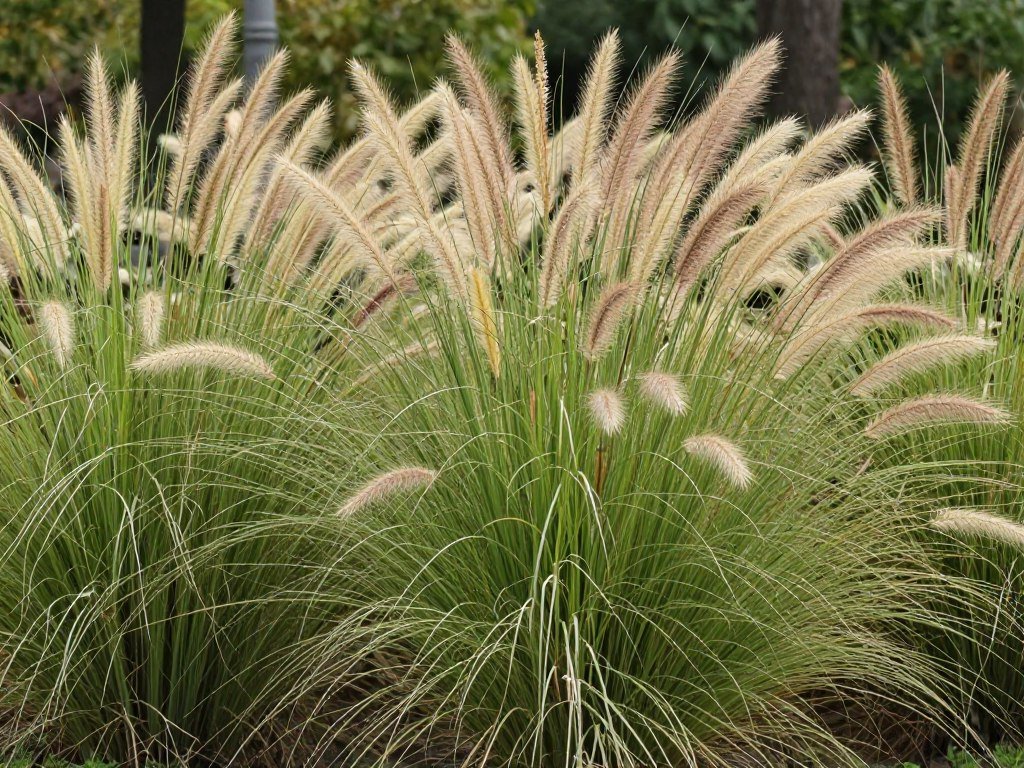
Ornamental grasses add movement, texture, and seasonal interest with almost no maintenance. Most only need cutting back once a year. Varieties like feather reed grass, blue fescue, and maiden grass work well in different yard sizes and sun conditions. Their graceful movement in the breeze adds life to your landscape.
Drought-Tolerant Perennials
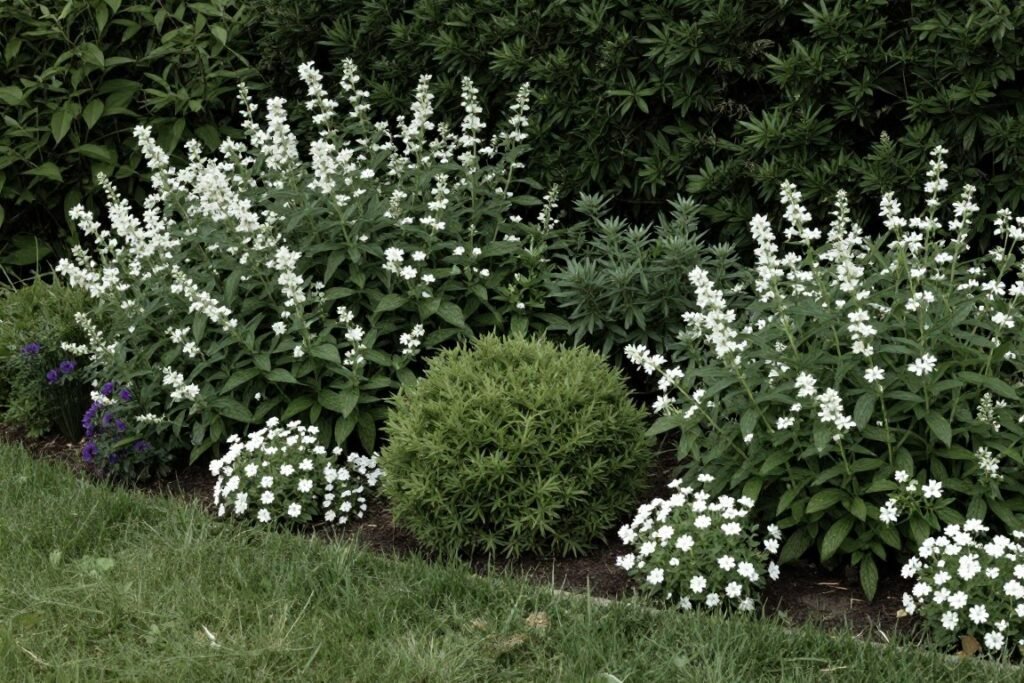
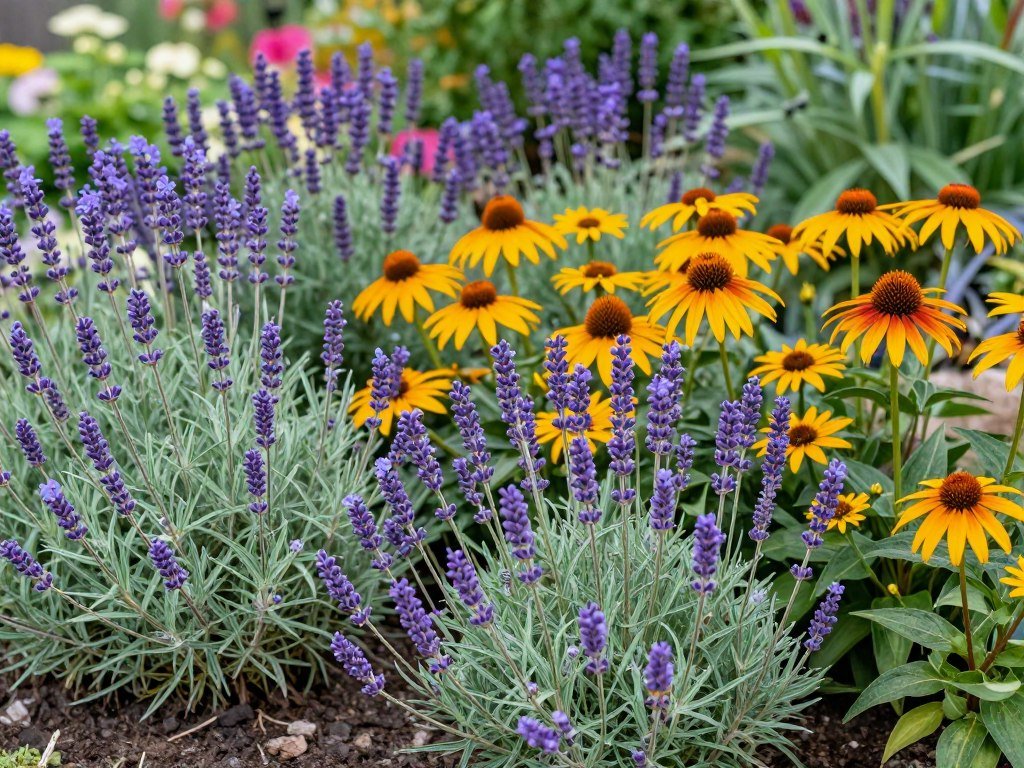
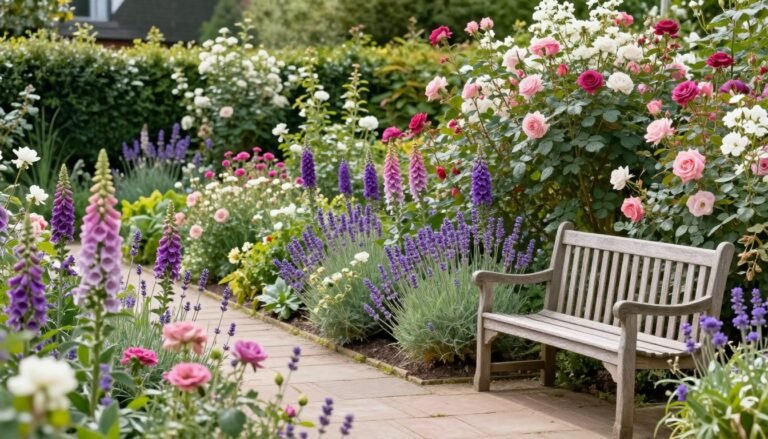
Choose perennials that come back year after year without replanting. Drought-tolerant varieties like lavender, salvia, sedum, and coneflowers provide color and attract pollinators while requiring minimal watering once established. Group plants with similar water needs together for efficient irrigation. Consider adding some drought-resistant flowering perennials for seasonal color that won’t drain your water bill.
Ground Covers Instead of Mulch
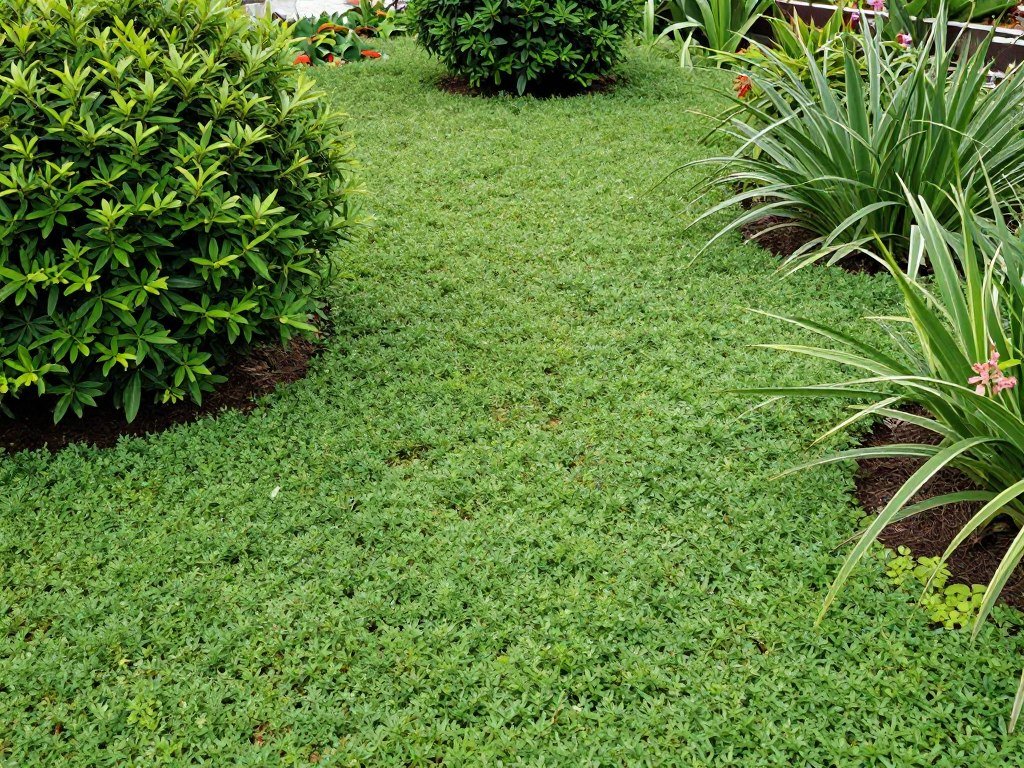
Living ground covers can replace mulch in garden beds, suppressing weeds while adding texture and sometimes flowers. Low-growing options like creeping thyme, sedum, or ajuga spread to fill spaces between larger plants. Once established, they require less maintenance than constantly refreshing mulch.
Lawn Reduction and Alternatives
A large lawn often demands the most maintenance in a front yard. Reducing grass areas can dramatically decrease your workload while creating more visual interest.
Expand Garden Beds
Enlarging existing garden beds reduces lawn area while creating more space for interesting plants. Use flowing, curved edges for a natural look that’s also easier to mow around. Fill expanded beds with low-maintenance shrubs, perennials, and ground covers for a landscape that needs less mowing, watering, and fertilizing.
Install a Gravel Garden
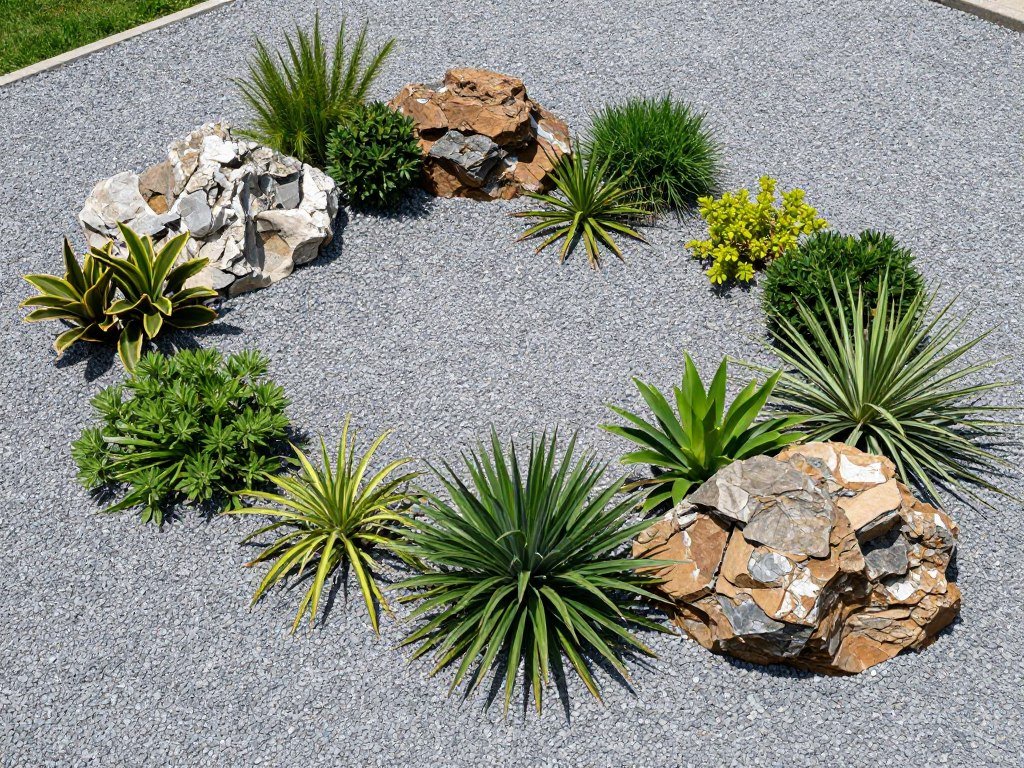
Gravel gardens offer a sophisticated, low-maintenance alternative to lawn. After installing landscape fabric to prevent weeds, add a layer of decorative gravel or crushed stone. Plant drought-tolerant specimens throughout for color and texture. The result is an attractive landscape that needs almost no watering or mowing. Quality landscape fabric is essential for preventing weeds from growing through your gravel.
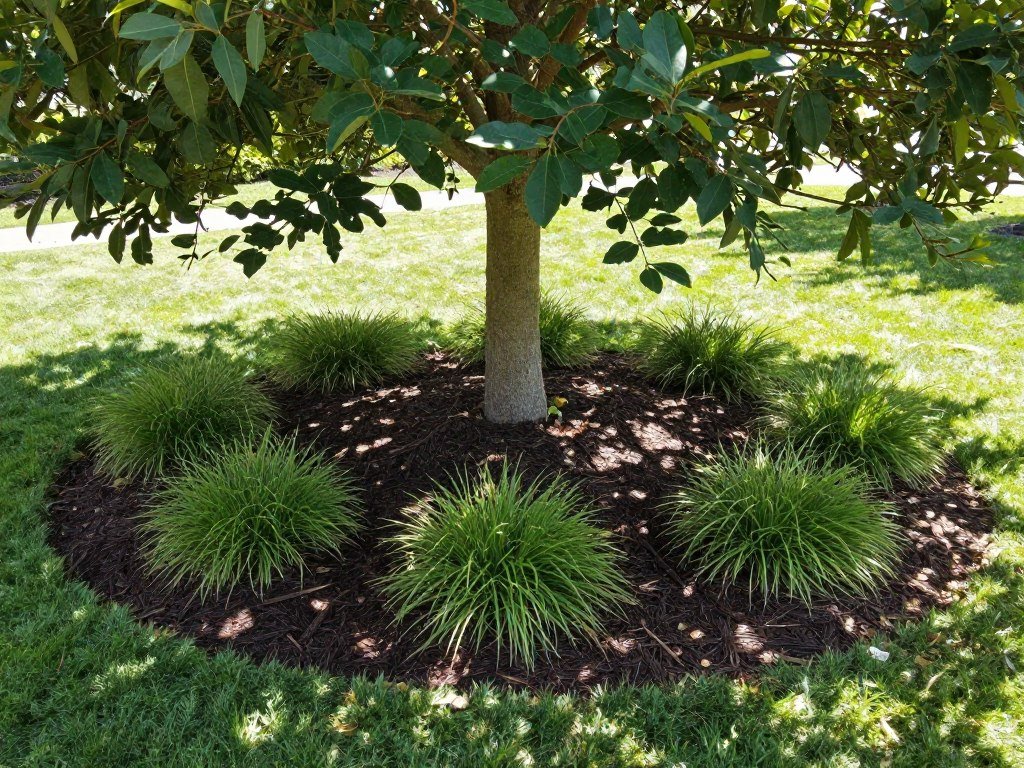
Create a Mulched Tree Island
Transform the area around trees into mulched islands with shade-loving plants. This eliminates difficult-to-mow spots while creating new planting opportunities. The tree’s roots benefit from the mulch, and you’ll have less lawn to maintain. Add a curved border of stones or edging for a finished look.
Creating Year-Round Interest with Minimal Effort
A truly successful simple landscape looks good in all seasons without requiring constant changes or additions.
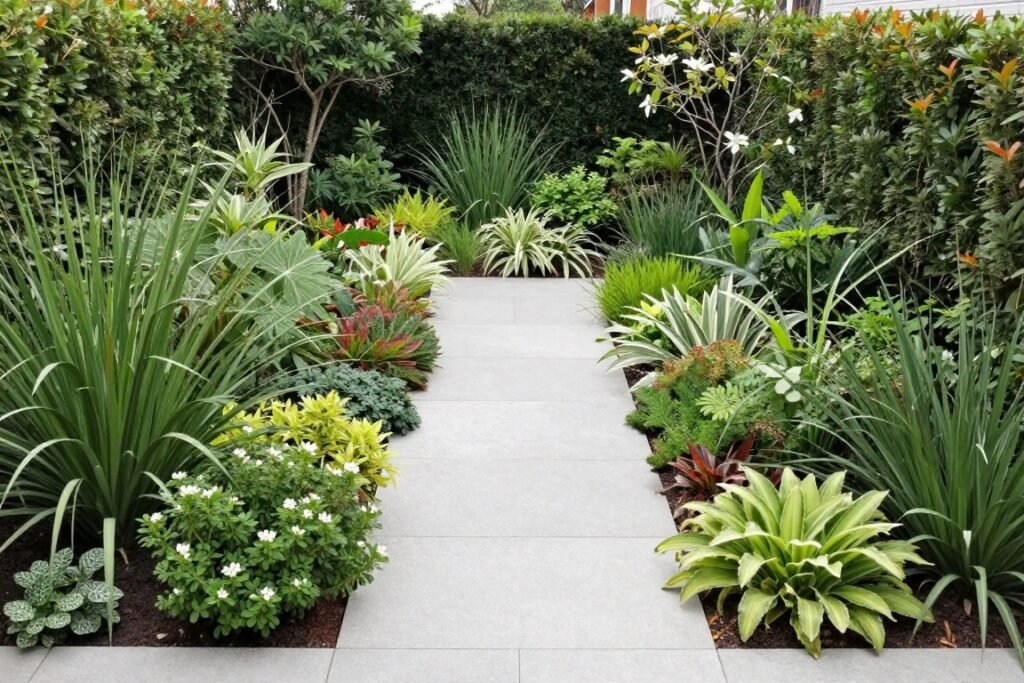
Focus on Foliage, Not Just Flowers
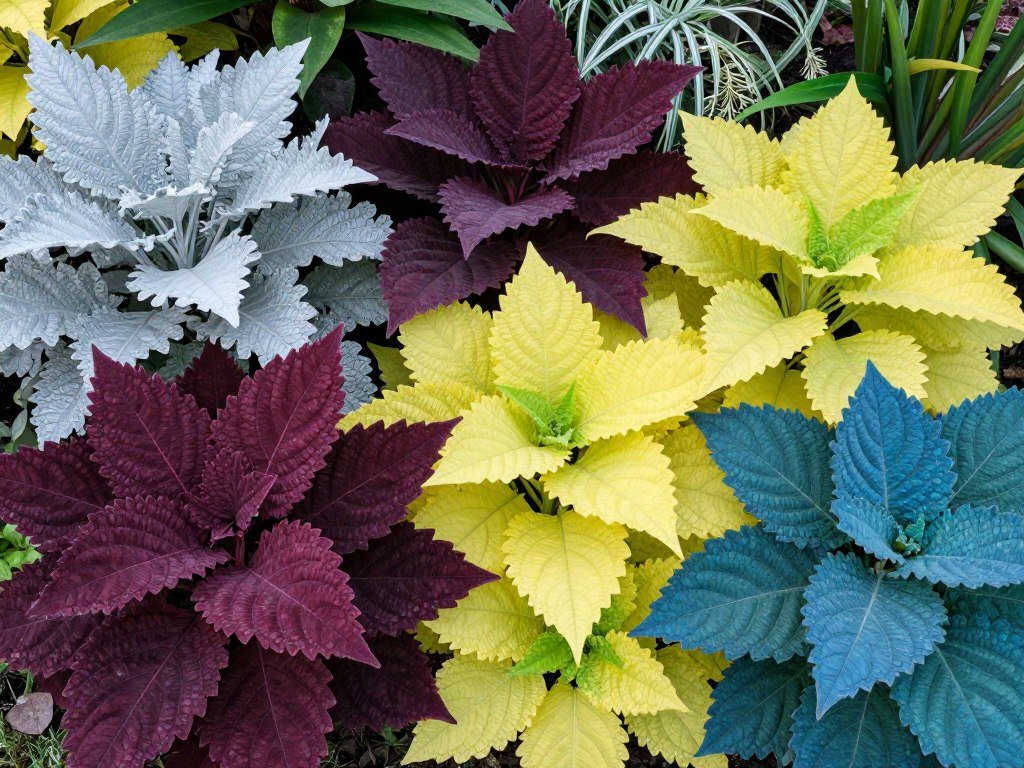
Plants with interesting foliage provide visual appeal long after flowers have faded. Look for varieties with colorful or variegated leaves, interesting textures, or distinctive shapes. Combining plants with silver, burgundy, chartreuse, and blue-green foliage creates a landscape that’s interesting even without a single bloom.
Include Plants with Multiple Seasons of Interest
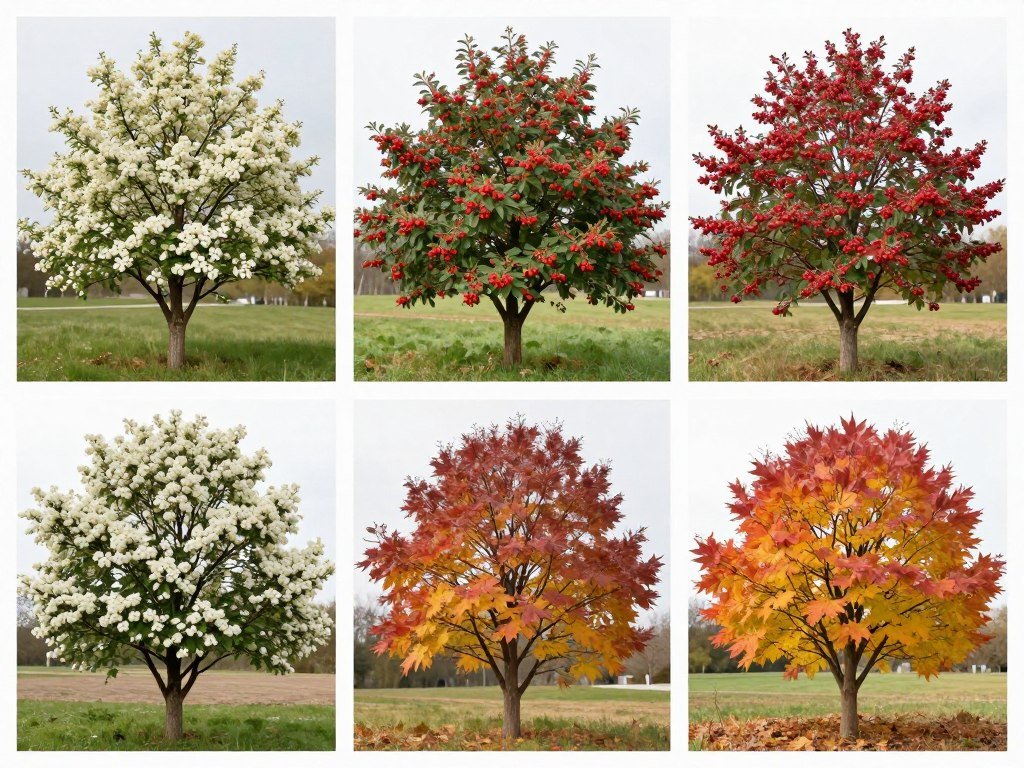
Some plants offer visual appeal in multiple seasons. Serviceberry trees feature spring flowers, summer berries, and fall color. Hydrangeas provide summer blooms that dry beautifully for winter interest. By selecting plants that perform in different seasons, you can create a landscape that changes throughout the year without any effort on your part.
Add Simple Lighting
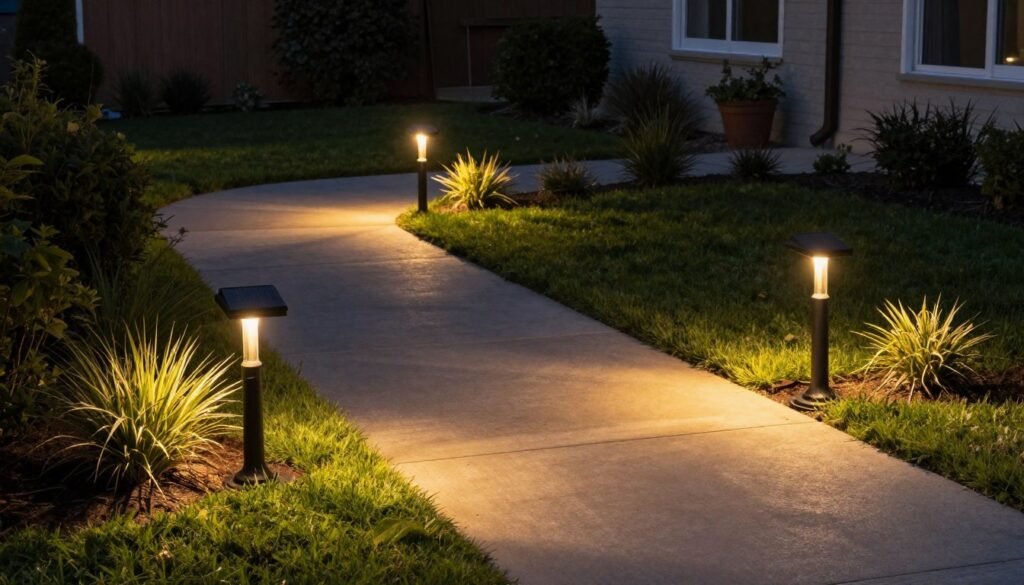
Solar landscape lighting extends the enjoyment of your front yard into the evening hours while improving safety and security. Simple path lights along walkways or uplights on key plants or features create dramatic effects with minimal installation effort. Solar options eliminate the need for wiring or electrical work. Consider adding some solar path lights for an instant upgrade to your front yard’s evening appearance.
Simple Implementation Steps
Follow these steps to transform your front yard with minimal stress and maximum impact.
Start with a clean slate – Remove unwanted plants, debris, and define your lawn edges.
Install hardscaping elements – Add walkways, edging, and any structural features first.
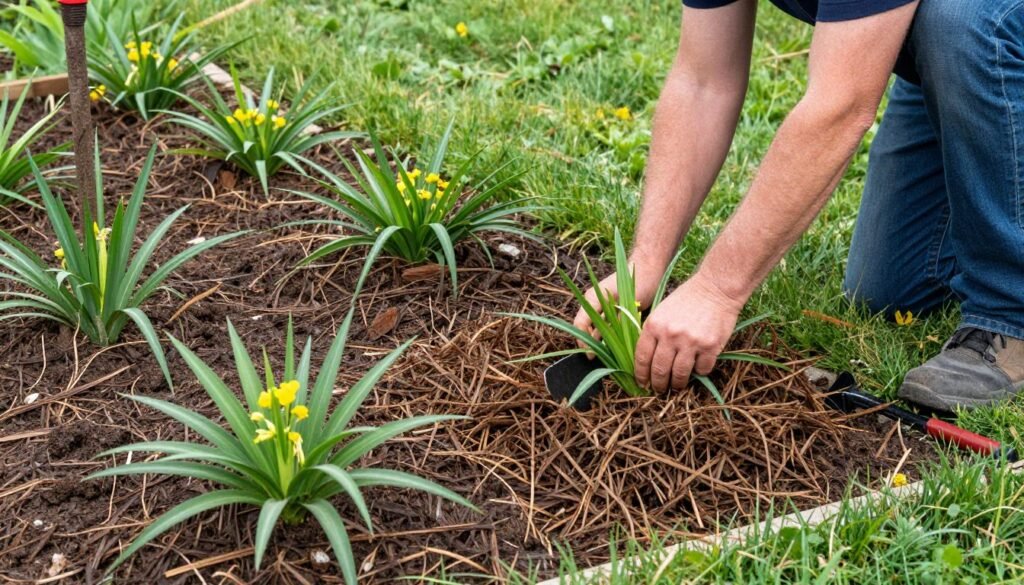
Prepare the soil – Amend garden beds with compost before planting.
Plant from large to small – Begin with trees, then shrubs, perennials, and finally ground covers.
Add mulch – Apply a 2-3 inch layer to suppress weeds and retain moisture.
Install simple irrigation – Consider drip systems or soaker hoses for efficient watering.
Add finishing touches – Place decorative elements, lighting, and any focal points.
Weekend Warrior Approach
If tackling the entire yard seems overwhelming, break the project into manageable weekend tasks. Start with the most visible areas first, like the entry walkway or the area directly in front of your house. Complete one section before moving to the next, and you’ll see progress without burnout.
Ready to Start Your Front Yard Transformation?
Having the right tools makes any landscaping project easier. From quality pruners to durable gloves, the proper equipment helps you work efficiently and achieve professional-looking results.
Even low-maintenance landscapes need some care. These simple routines keep your front yard looking its best with minimal effort.
Seasonal Maintenance Schedule
Create a simple seasonal checklist to stay on top of basic maintenance tasks:
Spring: Cut back dead growth, apply pre-emergent weed control, refresh mulch
Summer: Deadhead spent flowers, monitor for pests, deep water during dry spells
Fall: Plant new perennials and shrubs, remove fallen leaves from lawn
Winter: Prune deciduous trees and shrubs, protect sensitive plants
Work Smarter, Not Harder
Implement these strategies to reduce ongoing maintenance:
Install drip irrigation or soaker hoses on timers
Use thick mulch (3-4 inches) to suppress weeds
Group plants with similar water needs together
Choose slow-growing varieties that need less pruning
Apply corn gluten meal in spring as a natural weed preventer
Embrace the Beauty of Simplicity
Simple front yard landscaping isn’t about cutting corners—it’s about making smart choices that create maximum impact with minimum effort. By focusing on good design principles, appropriate plant selection, and strategic hardscaping, you can create a front yard that enhances your home’s curb appeal while fitting your lifestyle.
Remember that the best landscapes evolve over time. Start with the basic structure, then add and adjust as you learn what works best in your specific conditions. The joy of gardening comes not just from the result but from the process of creating and nurturing your outdoor space.
With these simple landscaping ideas, your front yard can become a source of pride and enjoyment rather than a source of endless work. The most successful landscapes are those that reflect your personal style while respecting the natural conditions of your site. By embracing simplicity, you’ll create a front yard that welcomes both visitors and pollinators while giving you more time to actually enjoy it.
Modern backyard landscaping combines clean lines, geometric shapes, and minimalist elements to create outdoor spaces that are both functional and visually…
A well-organized garage workshop is the foundation of productive DIY projects. Whether you’re a weekend woodworker or a serious craftsperson, transforming…
There’s something undeniably magical about entertaining outdoors. The gentle breeze, the starlit sky, and the relaxed atmosphere create memories that last…