Creating a functional and beautiful bedroom for your child in a limited space feels overwhelming at first. Parents across the country struggle with the same challenge: how to fit a bed, storage, play area, and study space into one small room.
This Website contains affiliate links. That means I may earn a small commission if you purchase through my links, at no extra cost to you.
The good news is that small kids bedroom ideas can transform even the tiniest space into an organized, comfortable haven. With smart furniture choices and creative storage solutions, your child’s bedroom can feel spacious and inviting.
This guide shares proven strategies to maximize every inch of your child’s bedroom. You’ll discover space-saving bed options, clever storage ideas, and design tricks that create the illusion of space.
Understanding Your Space Limitations and Needs

Before purchasing furniture or starting any bedroom makeover, you need to understand your available space. Measure your room’s dimensions carefully, noting the floor space, ceiling height, and any architectural features like windows or closets.
Most small kids rooms range from 80 to 120 square feet. This limited floor space requires thoughtful planning to accommodate all your child’s needs without creating a cramped feeling.
Consider your child’s age and how their needs will change over time. A toddler needs different furniture than a teenager preparing for homework and study sessions. Planning for future needs saves money and prevents frequent room redesigns.
Related Posts:





Think about what activities happen in this room. Does your child need space for homework, arts and crafts, or playing with toys? Identifying these needs helps prioritize furniture and storage solutions.
Maximize Vertical Space: Walls and Ceiling Solutions

Vertical space represents your greatest opportunity in a small kids room. When floor space is limited, looking up reveals valuable storage and design possibilities that most parents overlook.
Wall-mounted shelves extend from floor to ceiling, providing abundant storage without consuming precious floor area. These shelves can hold books, toys, clothing, and decorative items while keeping everything within reach.
Installing High Storage Solutions
Upper wall space often goes unused in children’s bedrooms. Installing shelves near the ceiling creates perfect storage for items your child doesn’t need daily access to, such as seasonal clothing or toys they’ve outgrown but aren’t ready to part with.
Floating shelves offer a clean, modern look while providing practical storage. These shelves create visual interest on walls and give your child space to display favorite items, making the room feel personal and loved.
Corner Shelving Systems
Room corners frequently become dead space in small bedrooms. Corner shelving units transform these overlooked areas into valuable storage zones, maximizing every available inch of your child’s room.
These corner solutions work especially well for displaying collections, storing books, or organizing school supplies. They make space feel larger by drawing the eye upward and around the room.
Smart Bed Options That Create Space
The bed typically consumes the most floor space in any bedroom. Choosing the right bed for a small kids room makes an enormous difference in how functional and spacious the space feels.
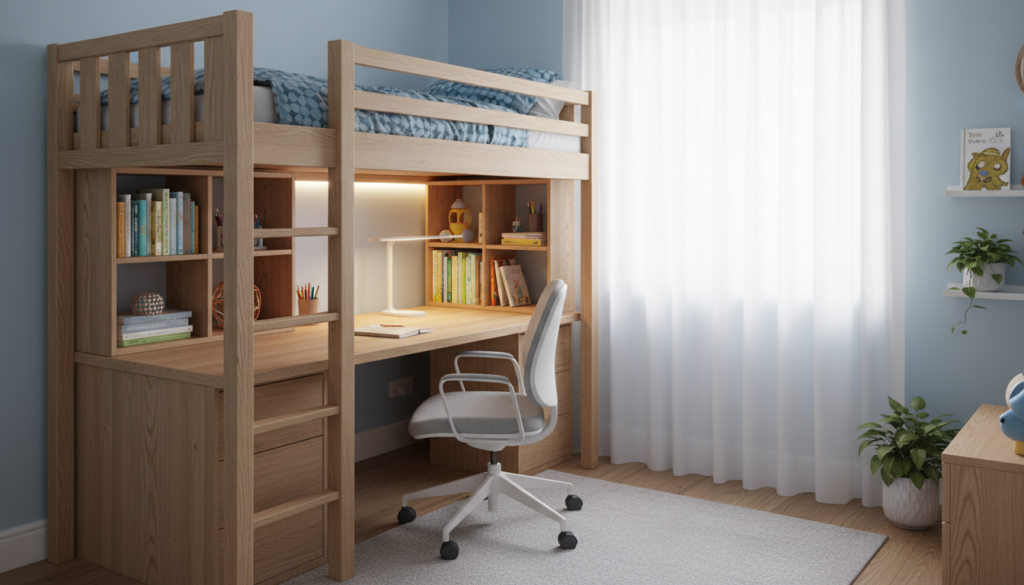
A loft bed elevates the sleeping area, freeing up valuable floor space underneath. This area can become a study zone, play area, or storage space, essentially giving your child two functional spaces in one footprint.
Loft Bed Benefits
Loft beds work beautifully in rooms with adequate ceiling height. The elevated sleeping area creates an exciting retreat for children while the space below serves multiple purposes throughout the day.
Under a loft bed, you can position a desk for homework, create a cozy reading nook, or install storage cubes for toys and clothing. This vertical arrangement transforms how your child uses their bedroom space.
Safety considerations matter with loft beds. Ensure your child is old enough to safely climb up and down, and always use guardrails to prevent falls during sleep.
Bunk Beds for Shared Rooms
When siblings share a small bedroom, bunk beds become essential. These beds stack sleeping areas vertically, freeing floor space for other furniture and activities.
Modern bunk beds come with built-in storage drawers, shelves, and even desk areas. These multi-functional designs eliminate the need for separate furniture pieces, keeping the room organized and spacious.
Bunk bed designs range from traditional twin-over-twin arrangements to more creative L-shaped configurations. Choose a style that fits your room’s layout and your children’s preferences.
Find the Perfect Bed for Your Small Kids Room
Explore space-saving loft beds, bunk beds, and storage beds designed specifically for small children’s bedrooms. Discover options that maximize your vertical space while creating a cozy sleeping area.
Storage Solutions That Conquer Clutter
Effective storage determines whether a small kids bedroom feels organized or chaotic. Every item your child owns needs a designated home to prevent clutter from overwhelming the limited space.
Storage ideas for small kids rooms must be accessible to children themselves. When kids can easily put away their belongings, maintaining organization becomes simpler for everyone in the household.
Under-Bed Storage
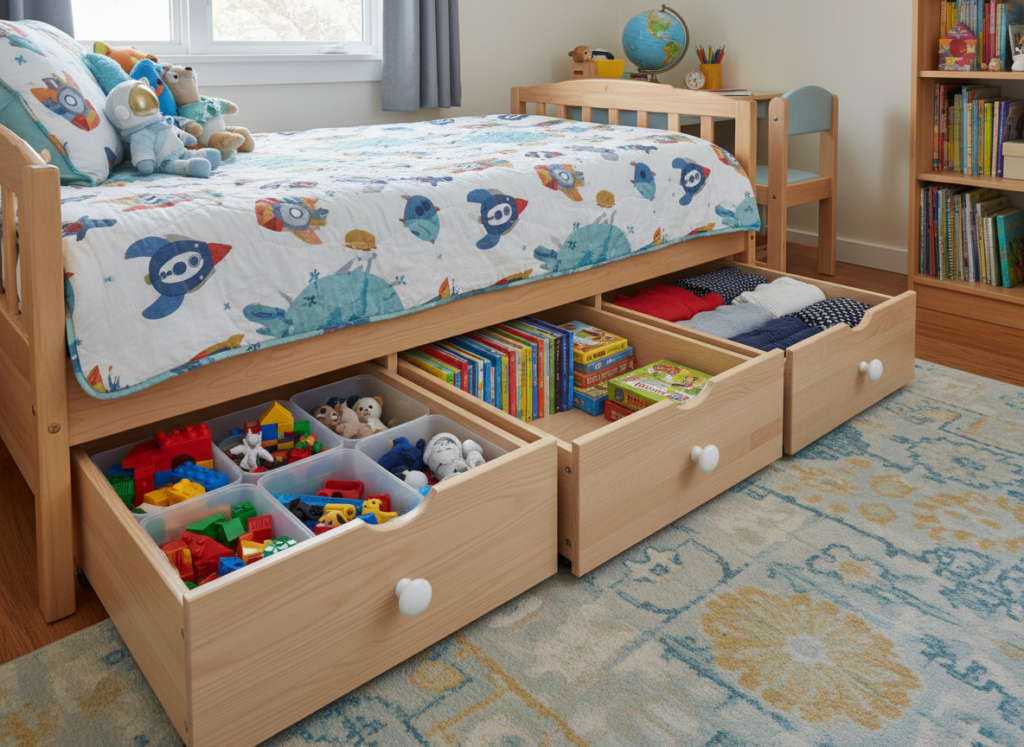
The space beneath your child’s bed offers substantial storage potential. Rolling drawers or bins slide easily under most beds, providing convenient storage for toys, books, extra bedding, or seasonal clothing.
Under-bed storage keeps items dust-free and out of sight while remaining easily accessible. This solution works particularly well for toys that aren’t used daily but that your child wants to keep nearby.
Choose storage containers with wheels for effortless access. Clear bins allow you to see contents at a glance, while labeled containers help children know where everything belongs.
Multi-Functional Furniture
Furniture that serves dual purposes maximizes small spaces brilliantly. Storage ottomans provide seating while hiding toys inside. Beds with built-in drawers eliminate the need for separate dressers.
A desk with shelving above and drawers below consolidates study and storage areas. These combined pieces reduce the total furniture count in the room, freeing precious floor space for movement and play.
Closet Organization Systems
Most children’s closets hold far more than what’s currently stored inside them. Professional closet organization systems with adjustable shelves, hanging rods at multiple heights, and bins transform closets into highly efficient storage areas.
Double hanging rods maximize vertical closet space for children’s clothing. One rod positioned low allows kids to hang up their own clothes, fostering independence and keeping clothing organized.
Closet door organizers add storage for shoes, accessories, or small toys. These over-the-door solutions take advantage of typically unused space.
Color and Design Tricks for the Illusion of Space

Paint color and design choices dramatically affect how spacious a small kids room feels. Light colors reflect more natural and artificial light, making walls appear to recede and creating an open, airy atmosphere.
White, cream, pale blue, soft gray, and pastel shades work beautifully in small spaces. These colors form a neutral backdrop that makes the room feel larger while allowing furniture and décor to stand out.
Strategic Mirror Placement
Mirrors create the illusion of space by reflecting light and views throughout the room. A large mirror on one wall visually doubles the room’s apparent size, making even the smallest bedroom feel more open.
Position mirrors opposite windows to maximize natural light reflection. This placement brightens the entire room and creates depth, fooling the eye into perceiving more space than actually exists.
Consistent Color Schemes
Using one cohesive color palette throughout the bedroom prevents visual fragmentation. Too many competing colors make small spaces feel chaotic and cramped.
Choose two to three complementary colors and use them consistently in bedding, curtains, rugs, and accessories. This unified approach creates harmony and makes the room feel more spacious and intentionally designed.
Minimal Pattern Use
Large, bold patterns can overwhelm small rooms. If your child loves patterns, incorporate them through smaller accessories like throw pillows or artwork rather than large items like bedding or curtains.
Stripes running vertically draw the eye upward, making ceilings appear higher. Horizontal stripes can make narrow rooms seem wider, though use this technique sparingly in already small spaces.
Furniture Arrangement and Layout Tips
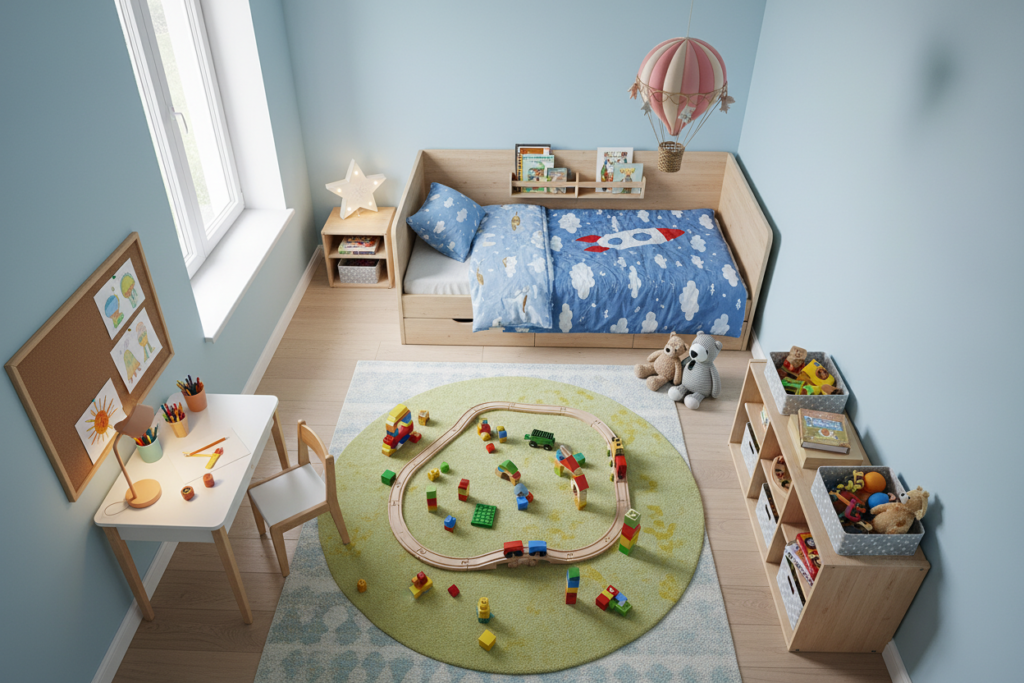
How you arrange furniture in a small kids room matters as much as which furniture you choose. Proper placement maximizes floor space and creates natural traffic flow through the room.
Position the bed against the longest wall to free up space on other walls for furniture like desks or dressers. This arrangement typically creates the most open floor area in the center of the room.
Creating Zones
Even small bedrooms benefit from defined zones for different activities. A sleeping area, study space, and play area help children understand how to use their room effectively.
Use rugs to visually separate zones without walls or dividers. A small rug under a desk defines the study area, while another rug near toys creates a play zone.
Furniture placement naturally creates these zones. Position a desk near a window for homework, keep the bed in a quiet corner, and leave open floor space for playing with toys.
Traffic Flow Considerations
Maintain clear pathways through the room. Children need to move easily from the door to the bed, desk, and closet without navigating an obstacle course of furniture.
Leave at least two feet of space between furniture pieces for comfortable movement. This spacing prevents the room from feeling cramped while ensuring everything remains accessible.
Corner Desk Solutions
Corner desks maximize space efficiency in small bedrooms. These desks fit snugly into corners that might otherwise go unused, providing a dedicated homework and study area without consuming valuable wall space.
Position the desk near a window if possible. Natural light improves focus during homework time and makes the study area more pleasant for your child.
Lighting Strategies to Brighten and Enhance Space

Proper lighting makes small spaces feel significantly larger and more inviting. Dark rooms feel cramped and unwelcoming, while well-lit spaces appear open and cheerful.
Layer different types of lighting throughout the room. Overhead lighting provides general illumination, task lighting helps with homework, and accent lighting creates ambiance for bedtime.
Maximizing Natural Light
Natural light is invaluable in small kids rooms. Keep window treatments light and airy, using sheer curtains or blinds that can be fully opened during the day.
Avoid heavy, dark curtains that block sunlight and make rooms feel smaller. If privacy is a concern, install blinds that can be adjusted to control light while maintaining privacy.
Keep windows clean and unobstructed by furniture when possible. Natural light streaming in creates a connection to the outdoors and makes the room feel less confined.
Task Lighting for Activities
A good desk lamp is essential for homework and reading. Position task lighting to illuminate work areas without creating glare on computer screens or book pages.
Clip-on lamps work beautifully on bunk beds or loft beds, giving children personal reading lights without requiring wall space or nightstand room.
Ceiling Light Upgrades
Replace dim overhead fixtures with brighter options. LED bulbs provide excellent illumination while remaining energy-efficient and cool to the touch.
Flush-mount ceiling lights work better in rooms with low ceilings than hanging fixtures. These lights provide ample illumination without making the ceiling feel lower.
Toy Organization and Management Systems

Toys quickly overwhelm small bedrooms without proper organization systems. Children accumulate toys rapidly, and managing this collection becomes essential in limited space.
Implement a rotation system for toys. Keep some toys accessible while storing others away. Every few weeks, swap which toys are available, making old toys feel new again while reducing clutter.
Categorizing and Containing
Sort toys into categories: building blocks, dolls, cars, art supplies, and so on. Assign each category its own container or shelf space to make cleanup straightforward.
Use clear bins or label containers with pictures for young children who can’t read yet. When children know where toys belong, they’re more likely to put them away independently.
Keep frequently used toys within easy reach and store less popular items higher up or in less accessible locations. This system ensures your child can independently access favorite toys while keeping the room tidy.
Wall-Mounted Toy Storage
Get toys off the floor with wall-mounted storage solutions. Hanging organizers for stuffed animals, pegboards for toy cars, and wall pockets for art supplies all free up valuable floor space.
These vertical storage options keep toys visible and accessible while maintaining open floor area for play. Children can see their entire toy collection at a glance, reducing frustration during playtime.
Create an Organized, Clutter-Free Kids Room
Browse storage solutions designed for small kids bedrooms. Find toy organizers, wall shelves, under-bed storage, and closet systems that keep everything in its place.
Study and Homework Area Setup
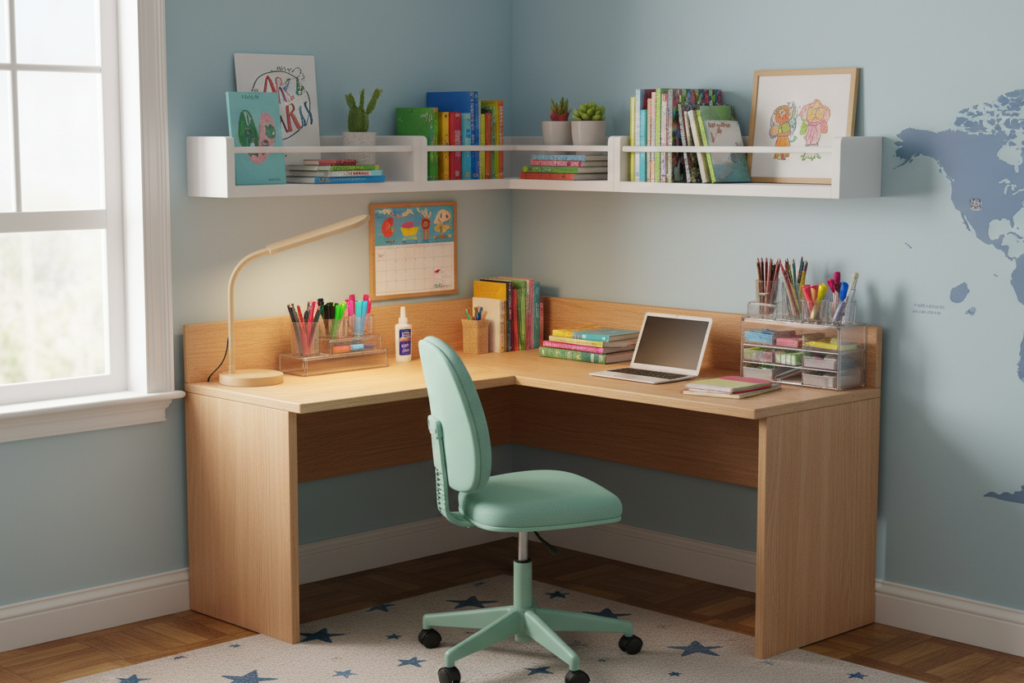
School-age children need dedicated homework space, even in the smallest bedrooms. A proper study area helps children focus on schoolwork and establishes good homework habits.
A desk doesn’t have to be large to be functional. Compact desks measuring 30-40 inches wide provide adequate workspace while fitting comfortably in small rooms.
Essential Desk Features
Choose a desk with built-in storage if possible. Drawers and shelves keep school supplies organized and within arm’s reach, eliminating the need for additional storage furniture.
The desk surface should be large enough for a laptop or textbooks plus a notebook. Children need space to spread out materials while studying, even if the overall desk footprint is compact.
Invest in a comfortable, appropriately sized chair. Children spend significant time at their desks, and proper seating prevents discomfort and promotes better posture during homework sessions.
Study Supply Organization
Desktop organizers keep pens, pencils, scissors, and other supplies tidy and accessible. These small containers prevent school supplies from cluttering the desk surface or getting lost.
Wall-mounted organizers above the desk provide additional storage for books, notebooks, and supplies without consuming desk space. These organizers keep frequently used items visible and within easy reach.
Creating Focus
Position the desk to minimize distractions. Facing the desk away from toys or the bed helps children concentrate on homework rather than play.
Good lighting is crucial for study areas. A desk lamp with adjustable brightness helps children work comfortably whether they’re reading, writing, or using a computer.
Clothing Storage and Dresser Alternatives
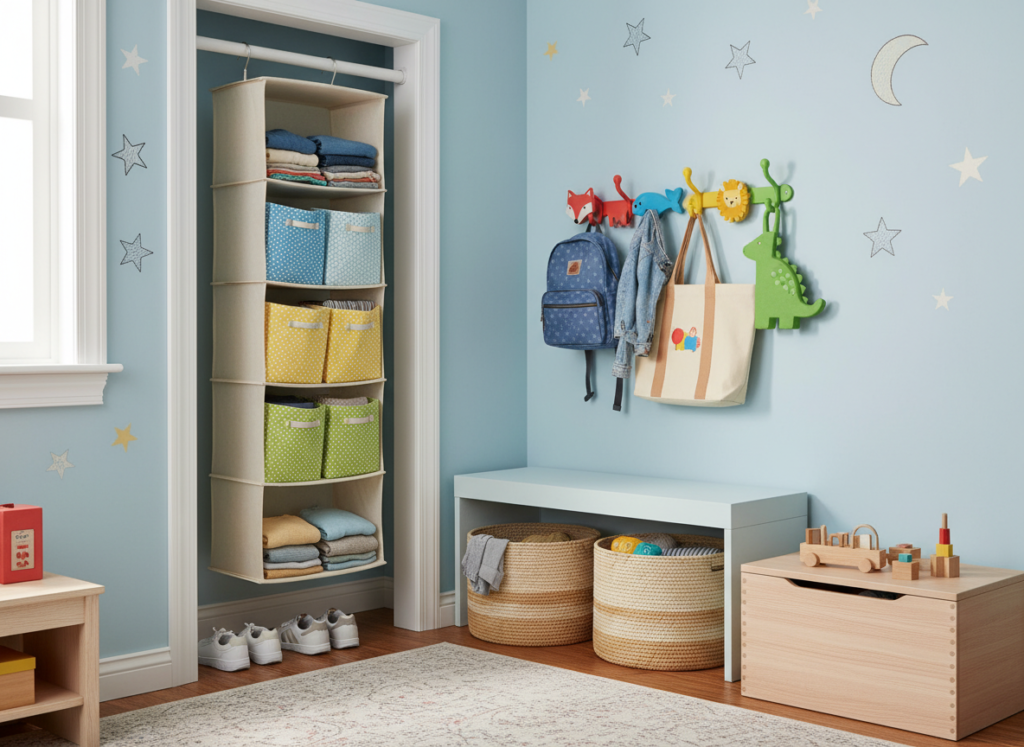
Traditional dressers consume substantial floor space in small bedrooms. Alternative clothing storage solutions can be just as functional while taking up far less room.
Hanging organizers with multiple compartments store folded clothing inside closets, keeping clothes organized without requiring a dresser. These fabric organizers maximize vertical closet space efficiently.
Closet Maximization
Install double hanging rods in the closet to essentially double your hanging space. Children’s clothes are shorter than adult clothing, making double rods practical and highly effective.
Use every inch of closet space, including the floor and the area above the hanging rod. Stackable bins on the closet floor organize shoes or accessories, while shelf dividers keep folded items neat on upper shelves.
Wall Hooks and Pegs
Wall hooks provide convenient storage for frequently worn items like jackets, backpacks, or pajamas. Children find hooks much easier to use than hangers, encouraging independence in keeping clothing organized.
Install hooks at child-appropriate heights so kids can hang up their own belongings. This accessibility teaches responsibility and reduces the likelihood of clothing ending up on the floor.
Seasonal Rotation
Store out-of-season clothing in bins under the bed or on high closet shelves. This rotation strategy ensures only currently wearable clothes occupy prime closet space, reducing clutter and making outfit selection easier.
Vacuum-sealed bags compress bulky winter coats and sweaters, creating even more storage space. These bags protect clothing from dust and moisture while taking up minimal room.
Decorating and Adding Personal Touches
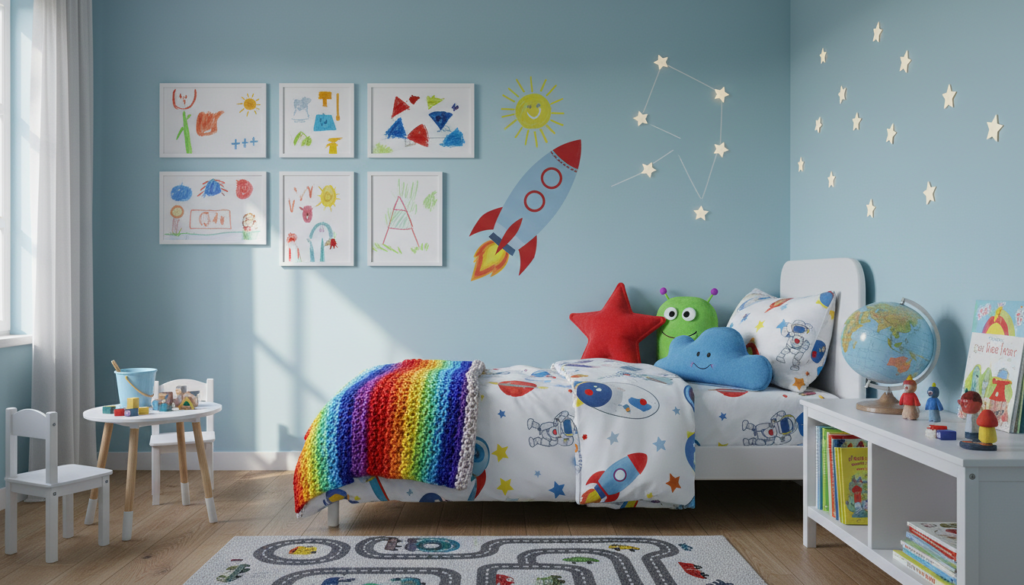
Even small bedrooms should reflect your child’s personality and interests. Thoughtful decoration makes the space feel special and uniquely theirs without creating clutter or overwhelming the room.
Display artwork and favorite items selectively. Rather than covering every surface, choose a few meaningful pieces that showcase your child’s interests and creativity.
Wall Art and Displays
Create a gallery wall with your child’s artwork, photos, and prints. This display adds personality without consuming floor space and can easily be updated as your child’s interests change over time.
Use removable wall decals for easy decoration that won’t damage walls. These decals come in countless designs and can be changed as your child grows and their preferences evolve.
Themed Décor
If your child loves a particular theme, incorporate it through smaller items like bedding, curtains, or a few key accessories. This approach allows the theme to shine without overwhelming the small space.
Themed storage bins and organizers combine functionality with decoration. Bins shaped like animals or featuring favorite characters encourage children to keep their rooms tidy while adding visual interest.
Keeping Décor Minimal
In small spaces, less truly is more. Too many decorative items make rooms feel cluttered and chaotic. Choose meaningful pieces that bring joy without creating visual overwhelm.
Rotate decorative items seasonally or when your child’s interests change. This rotation keeps the room feeling fresh without requiring storage space for unused décor.
Flooring and Rug Considerations

Flooring choices affect both the functionality and perception of space in small kids rooms. Hard flooring like hardwood or laminate makes rooms feel more spacious than carpet and is easier to keep clean.
Area rugs define zones within the room while adding warmth and comfort. A rug under the play area cushions falls and makes floor play more comfortable for children.
Rug Sizing
Choose appropriately sized rugs for small spaces. A rug that’s too large overwhelms the room, while one that’s too small looks awkward and disconnected from the furniture.
The rug should fit comfortably within its designated zone, whether under the bed, in the play area, or beneath a desk. Leave several inches of exposed floor around the rug’s perimeter to maintain visual spaciousness.
Easy-Clean Materials
Select rugs made from easy-to-clean materials. Children inevitably spill drinks, track in dirt, and create messes. Rugs that can be easily vacuumed or spot-cleaned make maintaining a tidy room much simpler.
Low-pile rugs or washable rugs work best in kids’ rooms. High-pile rugs trap more dirt and crumbs, becoming breeding grounds for dust mites and allergens.
Planning for Growth and Changing Needs
Children’s needs evolve rapidly as they grow. A bedroom setup that works perfectly for a five-year-old won’t suit a twelve-year-old. Planning for adaptability saves money and prevents frequent room overhauls.
Choose furniture that can grow with your child when possible. Adjustable-height desks, modular storage systems, and neutral-colored furniture pieces remain useful far longer than trend-specific items.
Flexible Furniture Choices
Invest in quality, timeless pieces rather than character-themed furniture that children will outgrow quickly. A well-made bed frame, desk, or bookshelf serves children for many years, even as their tastes change.
Modular furniture can be reconfigured as needs change. Storage cubes can be stacked differently, shelving units can be rearranged, and multi-functional pieces adapt to various uses over time.
Updating Without Major Changes
Transform the room’s appearance through easily changeable elements like bedding, curtains, artwork, and accessories. These updates refresh the space without requiring new furniture or major renovations.
As children grow, their needs shift from play-focused spaces to study-centered rooms. Anticipating these transitions helps you make furniture and design choices that remain relevant through multiple developmental stages.
Space for Independence
Design the room to encourage your child’s growing independence. Low hooks, accessible storage, and child-height furniture help children manage their own space and belongings as they mature.
As children become more independent, they take greater pride in maintaining their rooms. Spaces designed with accessibility in mind make this independence possible and reduce daily battles over cleanliness.
Safety Considerations in Small Spaces
Safety remains paramount in children’s bedrooms, especially in small spaces where furniture is necessarily close together. Proper attention to safety prevents injuries and gives parents peace of mind.
Anchor all tall furniture to walls to prevent tip-overs. Dressers, bookcases, and other tall pieces can topple if children climb them, causing serious injury or death.
Loft and Bunk Bed Safety
If you choose a loft bed or bunk bed, ensure it meets current safety standards and includes sturdy guardrails. Children under six should not sleep in elevated beds due to fall risks.
Check that the ladder is secure and easy for your child to climb safely. Some children find vertical ladders challenging; angled ladders with wide steps provide safer access.
Maintain adequate ceiling clearance above loft beds. Children need at least 30 inches of space between the mattress and ceiling to sit up comfortably without risk of head injury.
Edge and Corner Protection
In tight quarters, children are more likely to bump into furniture edges and corners. Corner guards and edge bumpers cushion impacts, reducing the severity of inevitable collisions.
Choose furniture with rounded edges when possible. These softer edges pose less danger in compact rooms where children move in close proximity to furniture.
Electrical Safety
Ensure adequate electrical outlets for necessary devices like lamps, computers, and alarm clocks. Using extension cords and power strips creates trip hazards and fire risks in small spaces.
Keep cords organized and out of walkways. Cable management solutions prevent tripping and keep the room looking tidy.
Budget-Friendly Implementation Strategies

Creating a functional small kids bedroom doesn’t require spending thousands of dollars. Many effective solutions cost very little, and some can be implemented using items you already own.
Start with what you have before purchasing new items. Repurpose furniture from other rooms, use existing storage containers, and shop your home before hitting stores.
Prioritizing Purchases
If you need to buy new items, prioritize the bed first, as it’s the room’s most essential and space-consuming piece. A quality bed that suits your space will serve your child for years.
Next, invest in storage solutions. Proper storage prevents clutter from overwhelming the room and makes a bigger difference in daily functionality than purely decorative items.
Save decorative purchases for last. While décor makes rooms feel personal and inviting, functional items should take priority in your budget.
DIY and Repurposing
Many storage solutions can be created inexpensively through DIY projects. Painted wooden crates become charming storage bins. Tension rods installed in closets create additional hanging space. Repainted furniture looks fresh and new.
Thrift stores and online marketplaces offer quality furniture at fraction of retail prices. Many families sell perfectly good children’s furniture as their kids outgrow items.
Gradual Implementation
You don’t need to complete the entire room transformation at once. Implement changes gradually, spreading costs over time while assessing what works best in your specific space.
This phased approach also allows you to observe how your child actually uses their space before investing heavily in particular solutions. What seems perfect in theory may not suit your child’s real habits and preferences.
Maintaining Organization Long-Term
Creating an organized small kids bedroom is one thing; maintaining that organization over time presents a different challenge. Systems and habits determine whether the room stays tidy or quickly returns to chaos.
Involve your child in maintaining their space. Children who participate in organizing decisions feel ownership of their room and take more pride in keeping it tidy.
Daily Routines
Establish simple daily routines for room maintenance. A five-minute cleanup before bed keeps clutter from accumulating and makes mornings less stressful.
Make organization easy enough for your child to manage independently. When cleanup feels overwhelming, children avoid it. Breaking tasks into small, manageable steps encourages consistent maintenance.
Regular Purging
Schedule regular sessions to purge outgrown clothing, broken toys, and items your child no longer uses. Small spaces require constant editing to prevent accumulation from overwhelming storage capacity.
Involve children in deciding what to keep and what to donate. This process teaches valuable lessons about managing belongings and helps children develop decision-making skills.
One In, One Out Rule
Implement a one-in, one-out policy for toys and clothing. When something new comes into the room, something old leaves. This rule maintains balance and prevents belongings from exceeding available storage.
This practice also teaches children about intentional consumption and the value of making thoughtful choices about what they own.
Transform Your Child’s Small Bedroom Today
Ready to create a functional, organized space your child will love? Explore furniture, storage solutions, and décor designed specifically for small kids bedrooms.
Creating Your Perfect Small Kids Bedroom
Designing a functional, beautiful bedroom in a small space requires thoughtful planning and smart choices. By maximizing vertical space, choosing multi-functional furniture, and implementing effective storage solutions, you can create a room that meets all your child’s needs.
Remember that the perfect bedroom grows with your child and adapts to changing needs over time. Flexibility, organization, and creative thinking transform even the tiniest room into a comfortable haven.
Start with one area—perhaps installing a loft bed or organizing the closet—and build from there. Each improvement makes the space more functional and pleasant for your child.
Your child’s bedroom should be a place they love spending time in, whether sleeping, studying, or playing. With these small kids bedroom ideas, you have the tools to create that special space, regardless of square footage limitations.