Living in a small space doesn’t mean sacrificing comfort or style. The right sofa bed can transform your compact living room into a versatile haven that works as hard as you do. Whether you’re furnishing a studio apartment, a tiny guest room, or simply maximizing every square foot of your home, choosing the perfect sofa bed makes all the difference.
This Website contains affiliate links. That means I may earn a small commission if you purchase through my links, at no extra cost to you.
A quality sofa bed serves double duty in small spaces. During the day, it provides comfortable seating for relaxing, working, or entertaining guests. At night, it converts into a proper sleeping surface without taking up permanent bedroom space. This multifunctional approach helps you make the most of limited square footage while maintaining a stylish living environment.
Finding the right piece requires understanding your specific needs, space constraints, and lifestyle requirements. From compact sleeper sofas that fit snugly against walls to innovative designs that maximize storage, today’s market offers solutions for every small space challenge. This comprehensive guide walks you through everything you need to know to select, style, and maintain the perfect sofa bed for your home.
Why Sofa Beds Work Perfectly for Small Spaces
Small spaces demand furniture that earns its place. A sofa bed justifies its footprint by serving multiple essential functions in your home. This dual-purpose design eliminates the need for separate seating and sleeping furniture, freeing up valuable floor space for other activities or simply creating a more open, breathable environment.
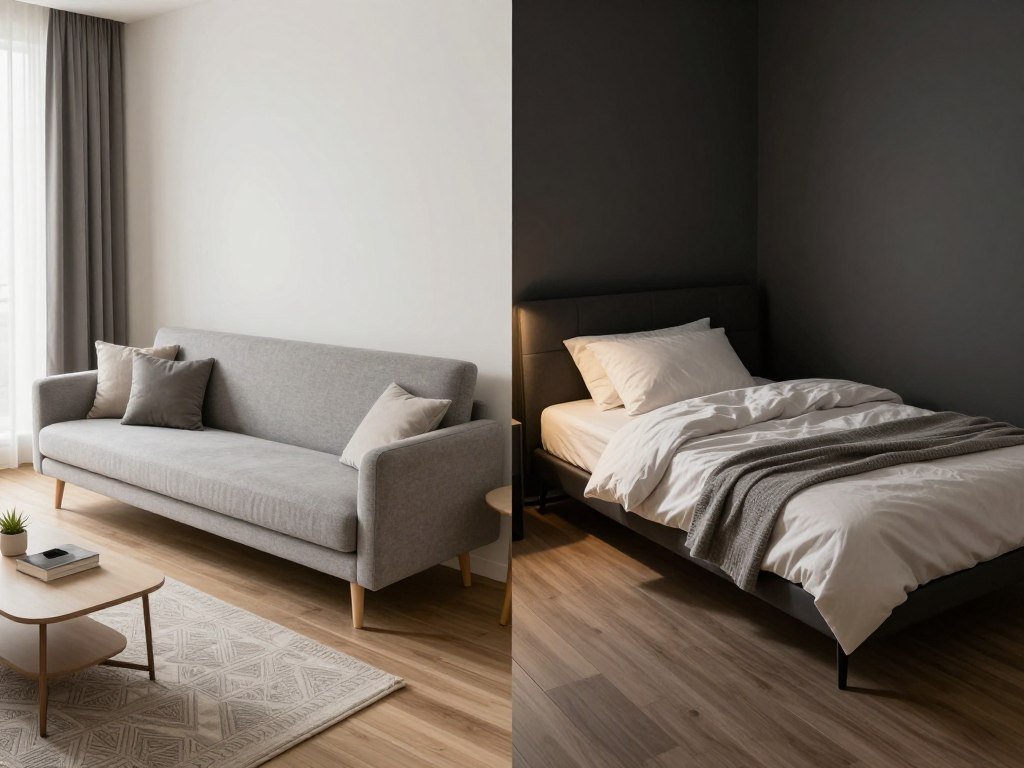
The financial benefit deserves consideration too. Purchasing one quality sofa bed often costs less than buying both a couch and a separate bed. This budget-friendly approach particularly appeals to first-time apartment renters, college students, or anyone setting up a new home with limited resources. The savings extend beyond the initial purchase to include reduced delivery fees and assembly time.
Maximizing Functionality Without Sacrificing Style
Modern sofa beds have evolved far beyond the clunky, uncomfortable options of the past. Today’s designs feature sleek profiles, quality construction, and style options that complement any decor aesthetic. You don’t have to compromise on appearance to gain functionality in your small space.
Related Posts:






Space Efficiency
Every piece of furniture in a small space must justify its footprint through multiple uses and smart design.
- Eliminates need for separate guest bed
- Maintains open floor space during daytime
- Allows flexible room configurations
- Creates more storage opportunities
Guest Accommodation
Hosting overnight visitors becomes possible even in the tiniest apartments with a quality sleeper sofa.
- Provides comfortable sleeping surface for guests
- Maintains privacy without dedicated guest room
- Converts quickly when visitors arrive
- Offers better comfort than air mattresses
Cost Effectiveness
Investing in one multifunctional piece saves money compared to purchasing separate furniture items.
- Lower initial investment than separate pieces
- Reduced delivery and assembly costs
- Less maintenance over time
- Better value for limited budgets
Modern Design Options
Contemporary sofa beds feature stylish designs that enhance rather than detract from your living room aesthetic.
- Wide range of fabric and color choices
- Sleek profiles that fit small spaces
- Quality construction for daily use
- Design styles from modern to traditional
Understanding Your Space Requirements
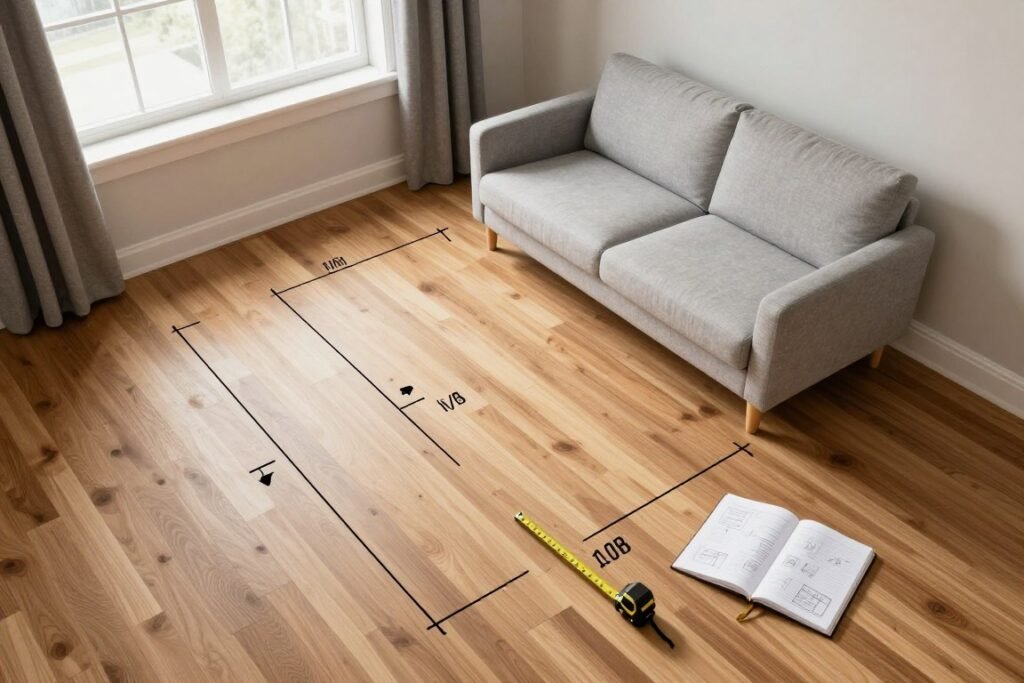
Before shopping for a sofa bed, measure your space carefully. Account not only for the sofa’s footprint when closed but also the clearance needed when the bed extends. Most sleeper sofas require at least three feet of space in front for the bed mechanism to fully deploy. This planning prevents frustrating discoveries after delivery.
Consider traffic flow through your room as well. The sofa bed should allow easy movement around other furniture and through doorways. Sketch a simple floor plan or use painter’s tape to mark the sofa’s dimensions on your floor. This visualization helps you understand how the piece will fit into your daily life.
Types of Sofa Beds Perfect for Small Spaces
Not all sofa beds suit small spaces equally. Understanding the different mechanisms and styles helps you select the option that best fits your room dimensions, usage patterns, and comfort requirements. Each type offers distinct advantages for compact living situations.
Pull-Out Sleeper Sofas
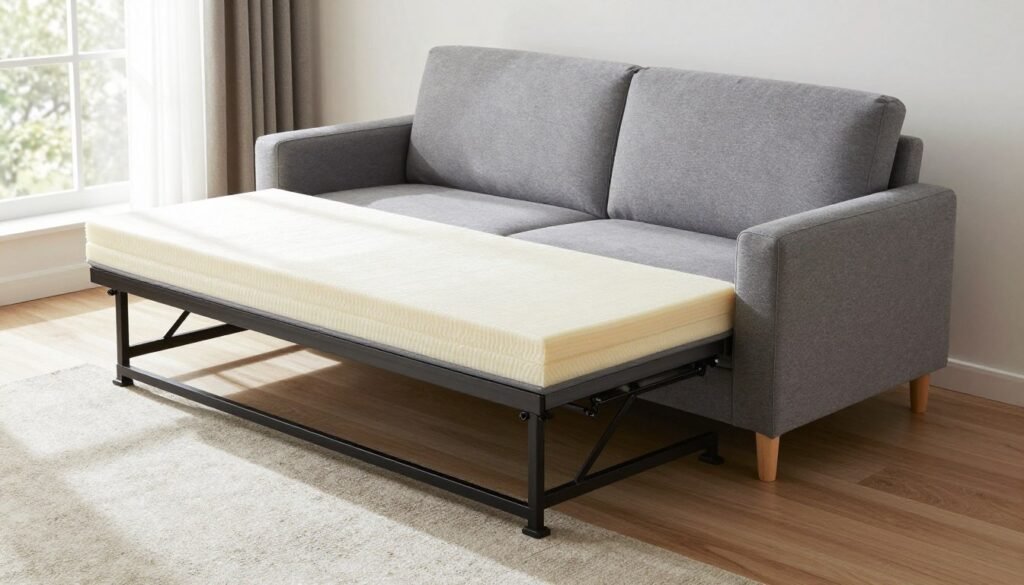
Traditional pull-out sleeper sofas remain popular for good reason. These pieces feature a metal frame and mattress that fold inside the sofa when not in use. The mattress pulls out from underneath the seat cushions, creating a full sleeping surface. This classic design works well in spaces where you can dedicate the front area to bed deployment.
Modern versions feature improved mattresses compared to older models. Many now include memory foam or hybrid mattresses that provide genuine comfort for sleeping. The mechanism has also evolved to operate more smoothly, making conversion easier even for a single person. Look for models with quality construction that will withstand regular opening and closing.
Advantages of Pull-Out Sleepers
- Provides full mattress sleeping surface
- More comfortable for extended guest stays
- Maintains traditional sofa appearance
- Available in various sizes from twin to queen
- Seat cushions remain intact when converted
Considerations for Pull-Out Sleepers
- Requires significant clearance space in front
- Heavier and harder to move
- Mechanism may need maintenance over time
- More expensive than basic convertibles
- Assembly can be complex
Futons and Convertible Sofas
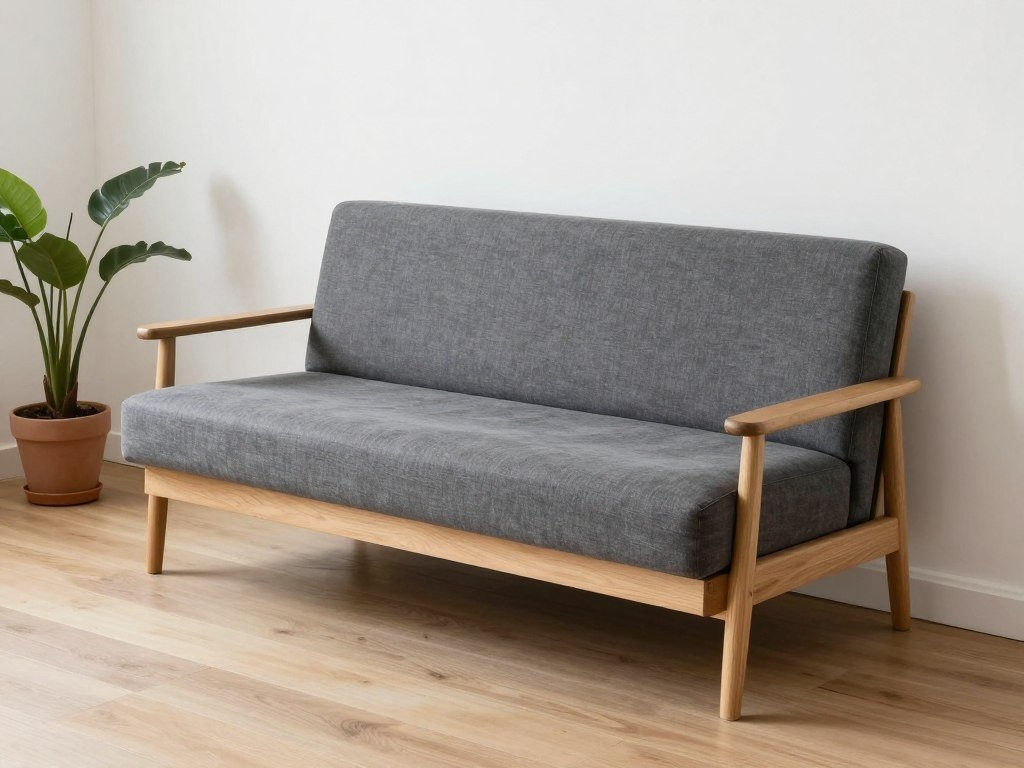
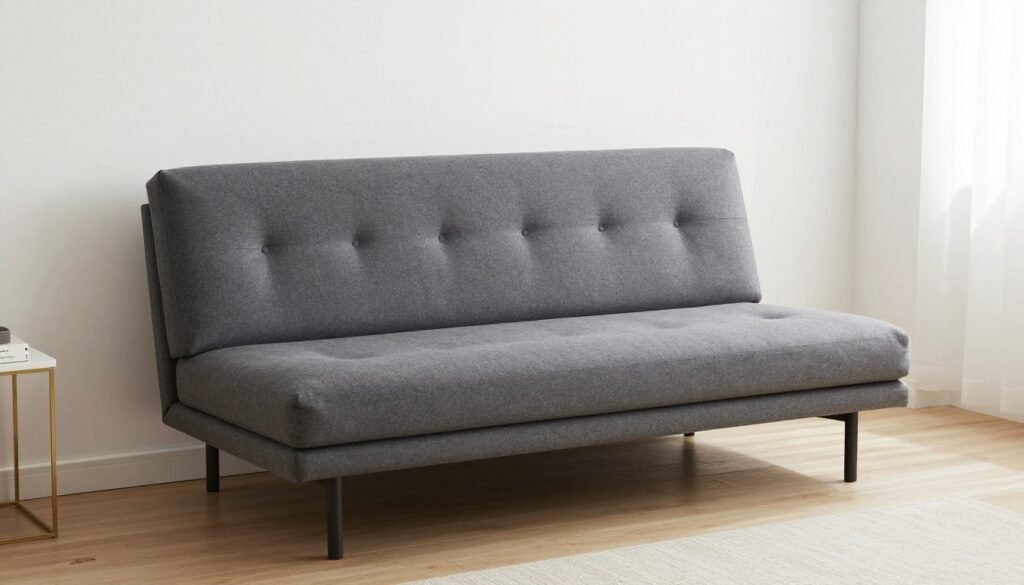
Futons offer a simpler approach to convertible seating. The backrest folds down to create a flat sleeping surface level with the seat. This straightforward mechanism eliminates complex metal frames and makes conversion quick and easy. Modern futons bear little resemblance to the basic college dorm versions, featuring quality construction and stylish designs.
The compact nature of futons makes them ideal for very small spaces. They typically sit closer to the ground and feature a smaller overall footprint than traditional sleeper sofas. This lower profile can make a tiny room feel more spacious while still providing the dual functionality you need. Many contemporary designs incorporate storage drawers underneath the seat for additional utility.
Convertible sofas take the futon concept further with varied reclining positions. Some models offer three or more configurations from upright sitting to flat sleeping, with lounging positions in between. This versatility supports different activities throughout the day, from working on a laptop to watching television to sleeping comfortably at night.
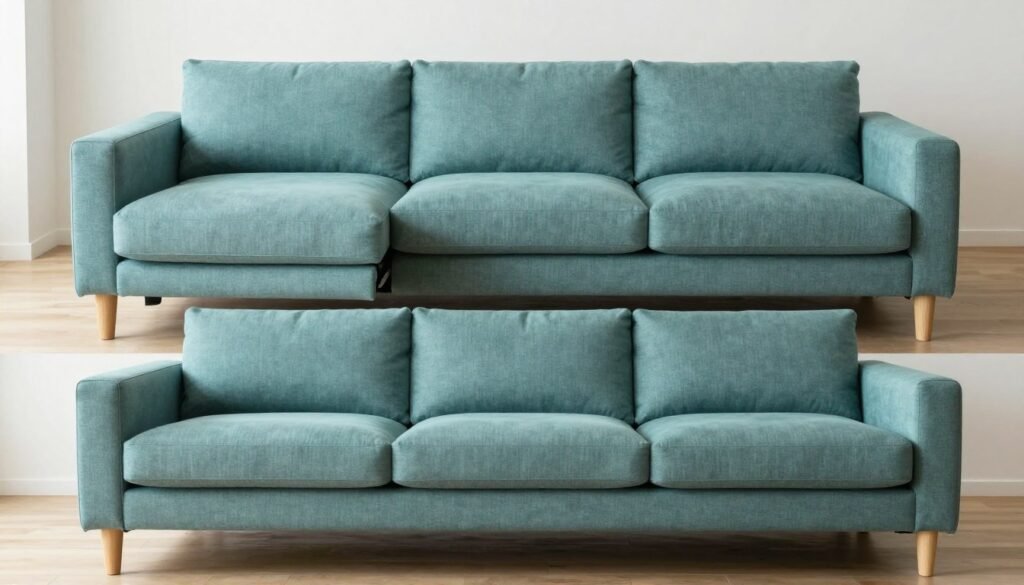
Standard Futon Style
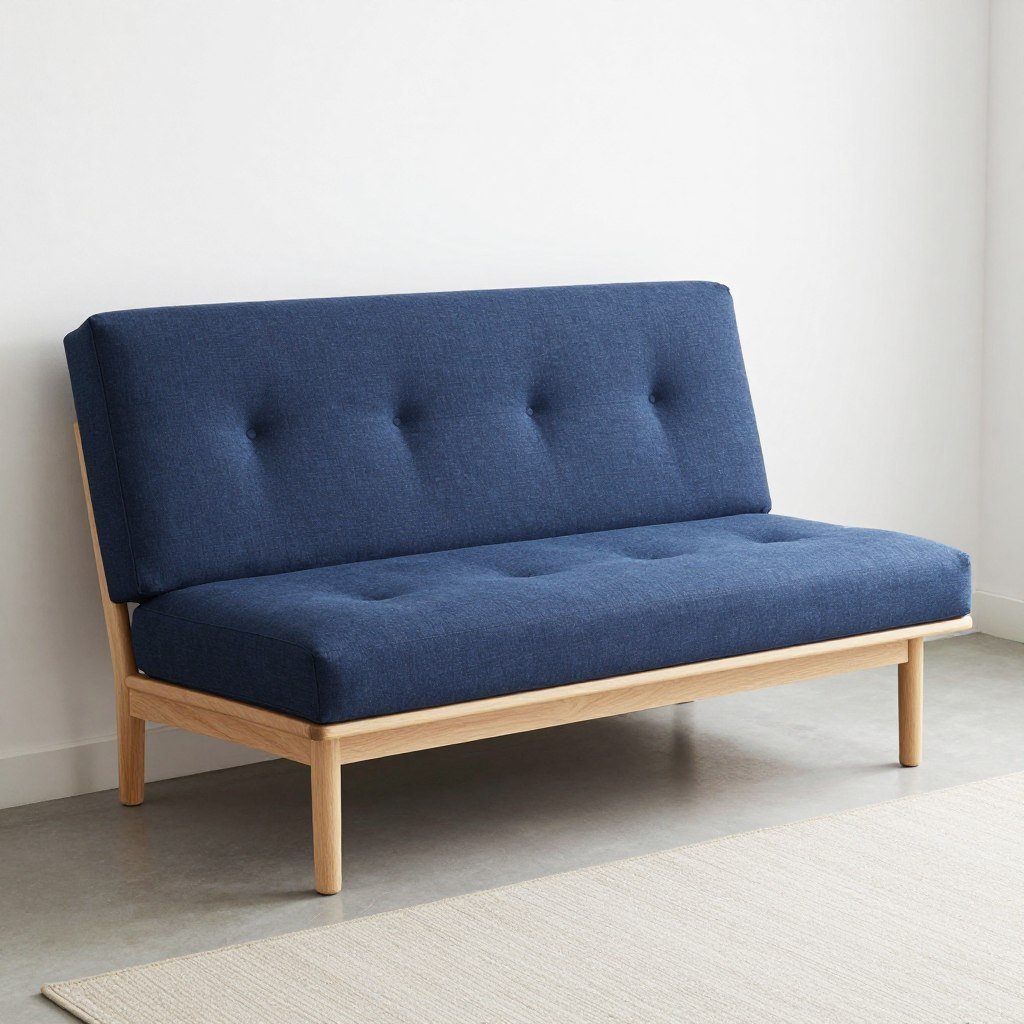
Simple fold-down mechanism with minimal parts. Easy to operate and maintain. Budget-friendly option for tight spaces. Best for occasional overnight guests.
Click-Clack Convertible
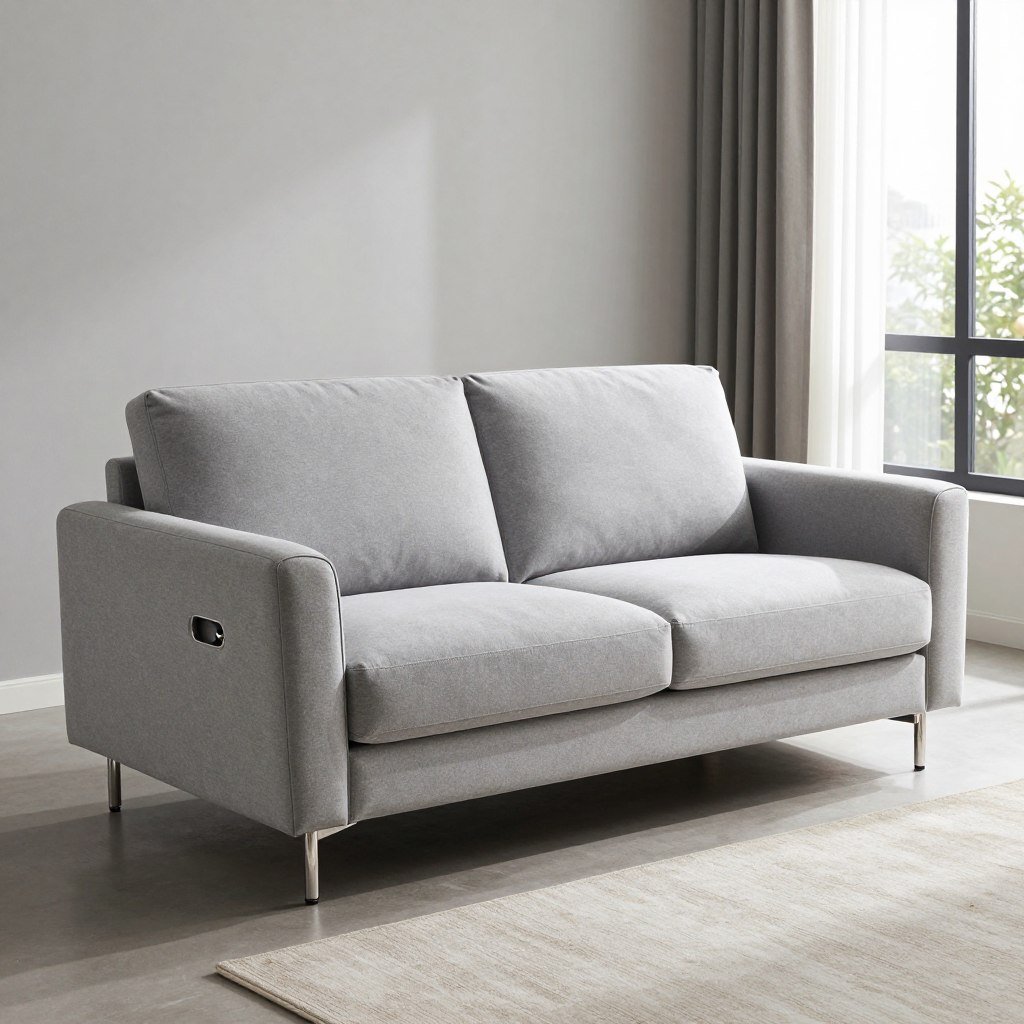
Features multiple reclining positions for versatility. Click mechanism allows easy adjustment. More comfortable than basic futons. Ideal for daily lounging and sleeping.
Split-Back Design
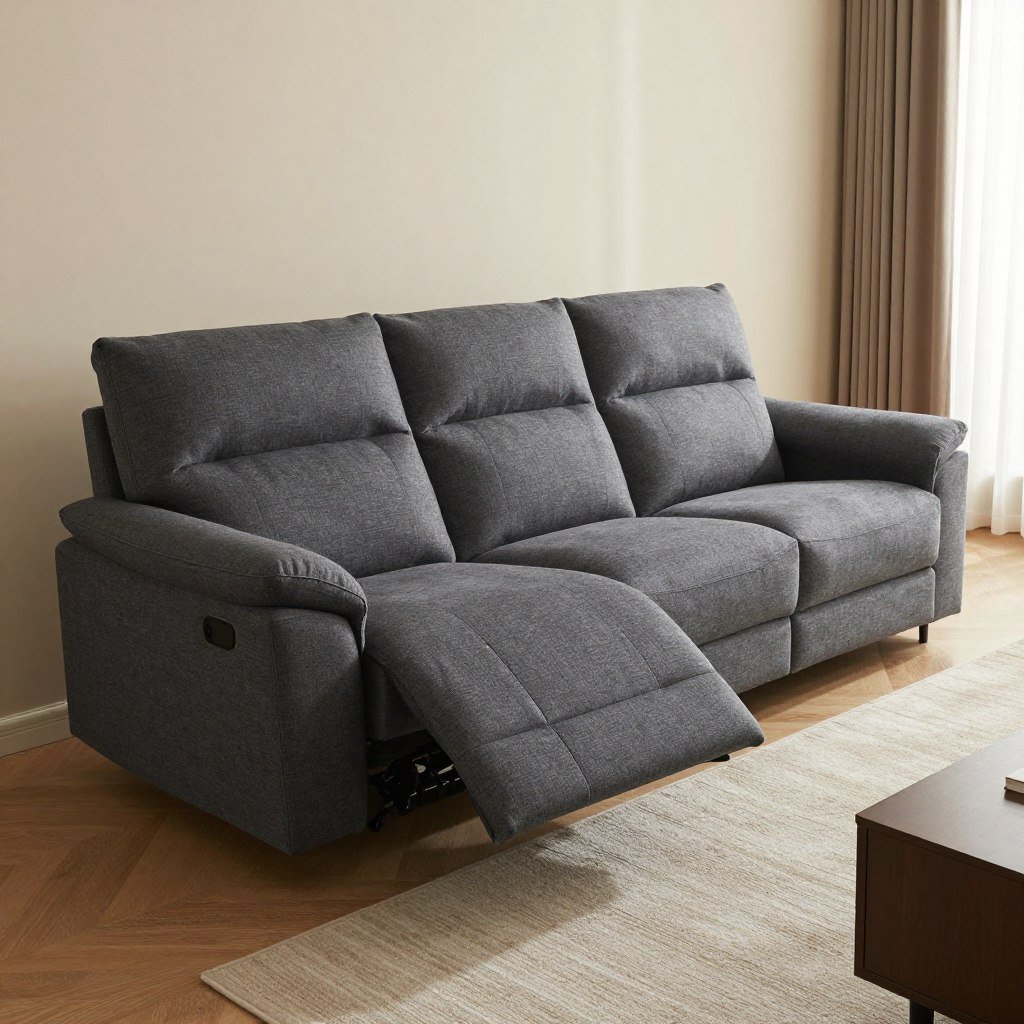
Independent sections adjust separately. Create custom seating and lounging configurations. Perfect for different user preferences. Great for studio apartments and multi-use spaces.
Loveseat Sleepers
Loveseat sleepers provide sleeping accommodations in an even more compact package. These smaller versions of traditional sleeper sofas typically seat two people comfortably when in sofa mode and convert to a twin or small double sleeping surface. The reduced dimensions make them perfect for truly tiny spaces where a full-size sofa simply won’t fit.
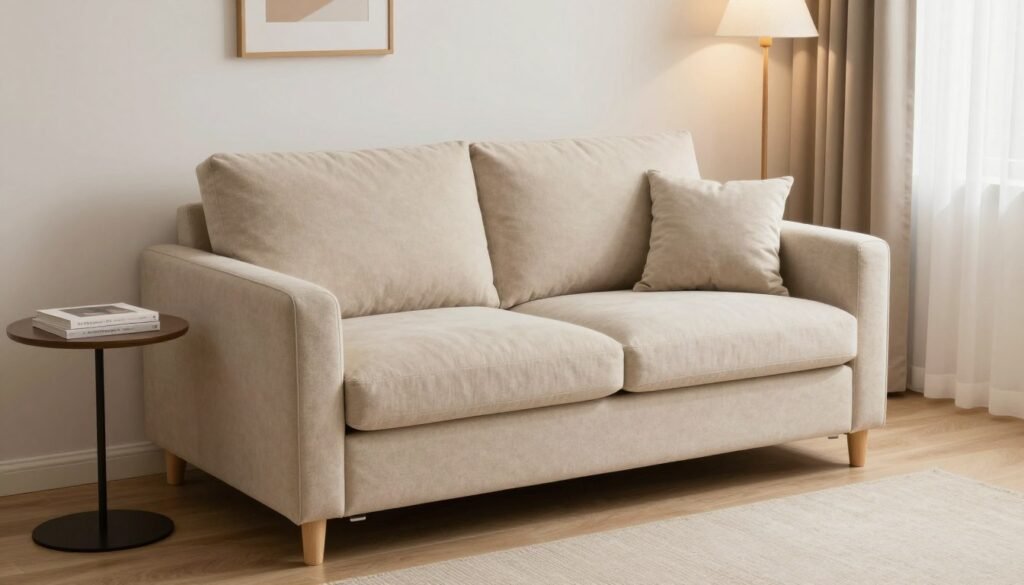
Despite their smaller size, loveseat sleepers don’t necessarily compromise on comfort. Many feature the same quality mechanisms and mattresses as their full-size counterparts. The key difference lies in the sleeping surface dimensions, which work well for single sleepers or couples who don’t mind cozy quarters. This compact option particularly suits studio apartments where every inch counts.
The loveseat size also offers placement flexibility. You can position these pieces in corners, alcoves, or other spaces where a larger sofa wouldn’t work. This versatility helps you maximize your floor plan’s potential while maintaining the guest accommodation capability. Some models even include built-in storage compartments to further enhance their utility in small spaces.
Sectional Sleeper Sofas
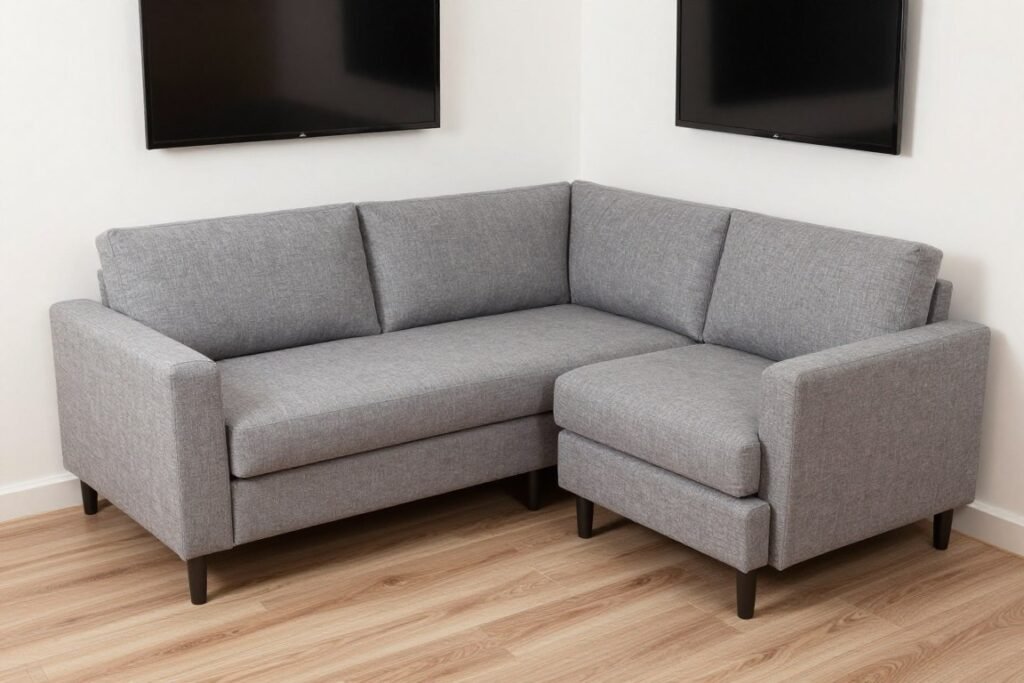
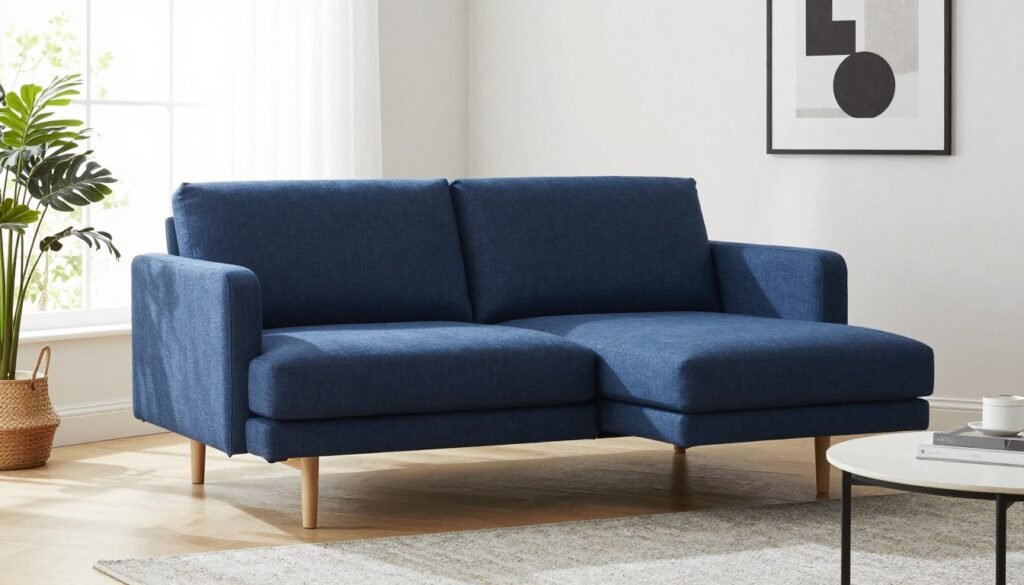
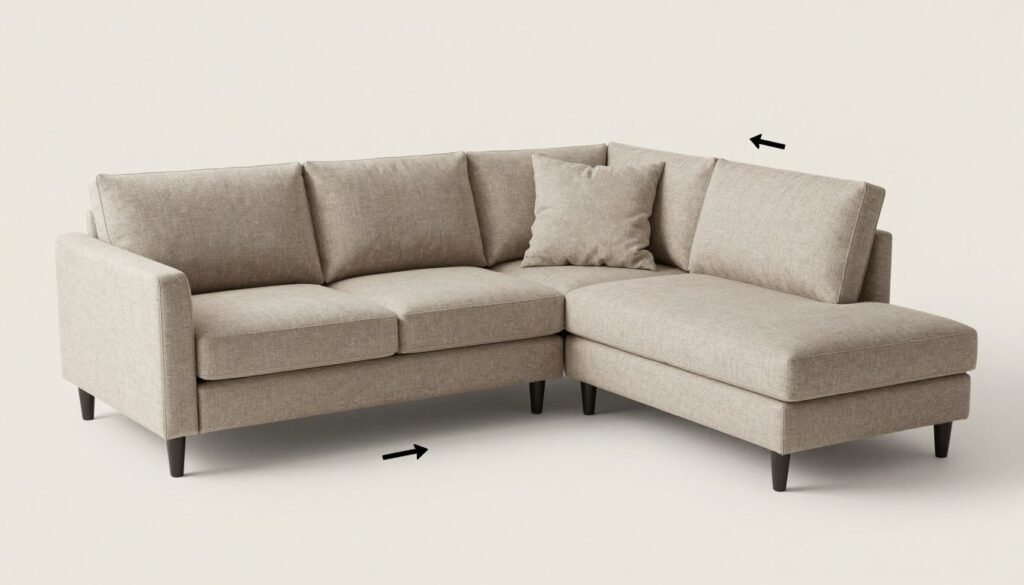
Sectional sleepers might seem counterintuitive for small spaces, but the right compact model can actually work beautifully. These pieces typically feature a main seating section with an attached chaise or ottoman. The chaise often contains the sleeping mechanism, converting into a comfortable bed while the main section remains intact for sitting.
The advantage of sectional sleepers lies in their efficient use of corner space. Rather than leaving room corners empty, a small sectional nestles into the corner and maximizes seating capacity without consuming more floor space than a traditional sofa. The L-shape configuration can also help define different zones in a studio apartment, creating visual separation between living and sleeping areas.
Look for reversible sectional sleepers that allow you to switch the chaise from one side to the other. This flexibility helps you adapt the furniture to different room layouts or accommodate moves to new spaces. Some models also include storage compartments under the chaise, providing a place to tuck away bedding, pillows, or other items you want to keep out of sight.
Ready to Find Your Perfect Sofa Bed?
Explore hundreds of compact sleeper sofas, futons, and convertible options designed specifically for small spaces. Filter by size, style, and price to discover the ideal piece for your home.
Key Features to Consider When Choosing a Sofa Bed
Selecting the right sofa bed involves evaluating multiple factors beyond just size and style. Understanding which features matter most for your specific situation helps narrow the options and ensures you invest in a piece that truly meets your needs. These considerations affect both daily comfort and long-term satisfaction.
Mattress Quality and Comfort
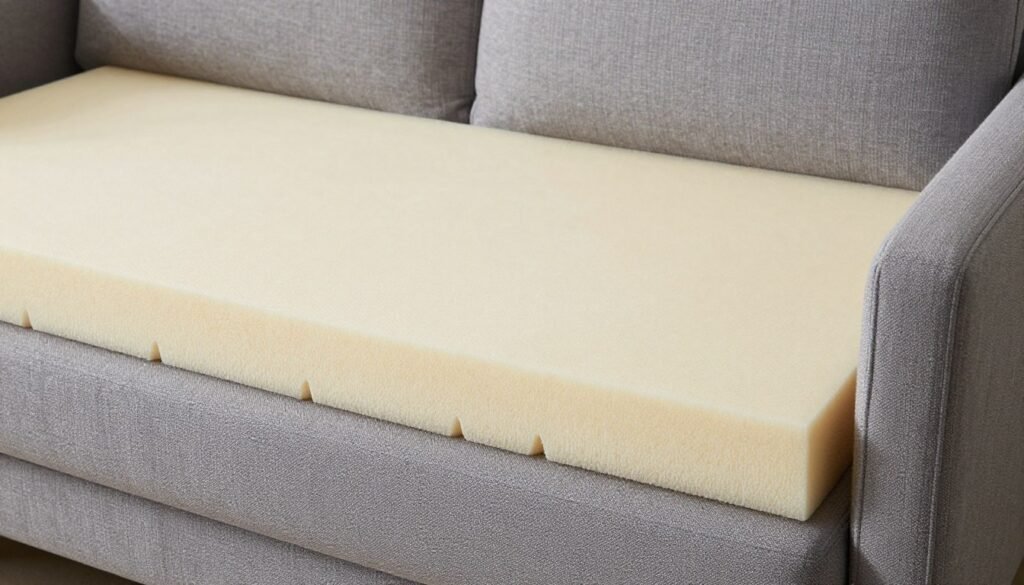
The mattress makes or breaks the sleeping experience. A sofa bed with a poor mattress will leave guests uncomfortable and you feeling guilty about their accommodations. Modern sleeper sofas offer various mattress types including innerspring, memory foam, and hybrid constructions. Memory foam mattresses provide excellent pressure relief and conform to body shapes for comfortable sleep.
Mattress thickness significantly impacts comfort levels. Look for options with at least four inches of quality foam or a proper innerspring construction. Thinner mattresses may work for occasional use, but regular guest accommodations demand better quality. Some premium models feature gel-infused memory foam that helps regulate temperature and prevents the hot sleeping surface common with standard memory foam.
Consider testing the mattress before purchasing if possible. Lie down on the deployed bed in the store to assess comfort firsthand. Pay attention to support levels, firmness, and whether you can feel the metal frame through the mattress. Your guests will appreciate the extra effort you put into ensuring their sleeping comfort.
Dimensions and Space Planning
Accurate measurements prevent costly mistakes. Measure your available space in three key scenarios: when the sofa sits against the wall in closed position, when someone needs to walk past the sofa, and when the bed fully extends. Most sleeper sofas need between 30 and 48 inches of clearance in front to fully open. Account for this space in your planning.
| Sofa Bed Type | Closed Depth | Open Length | Typical Sleep Size | Required Clearance |
| Loveseat Sleeper | 30-36 inches | 72-78 inches | Twin/Full | 30-36 inches |
| Full Sleeper Sofa | 36-40 inches | 75-85 inches | Full/Queen | 36-42 inches |
| Futon | 30-36 inches | 75-80 inches | Full | 12-18 inches |
| Sectional Sleeper | 60-75 inches | 72-80 inches | Twin/Full | 24-30 inches |
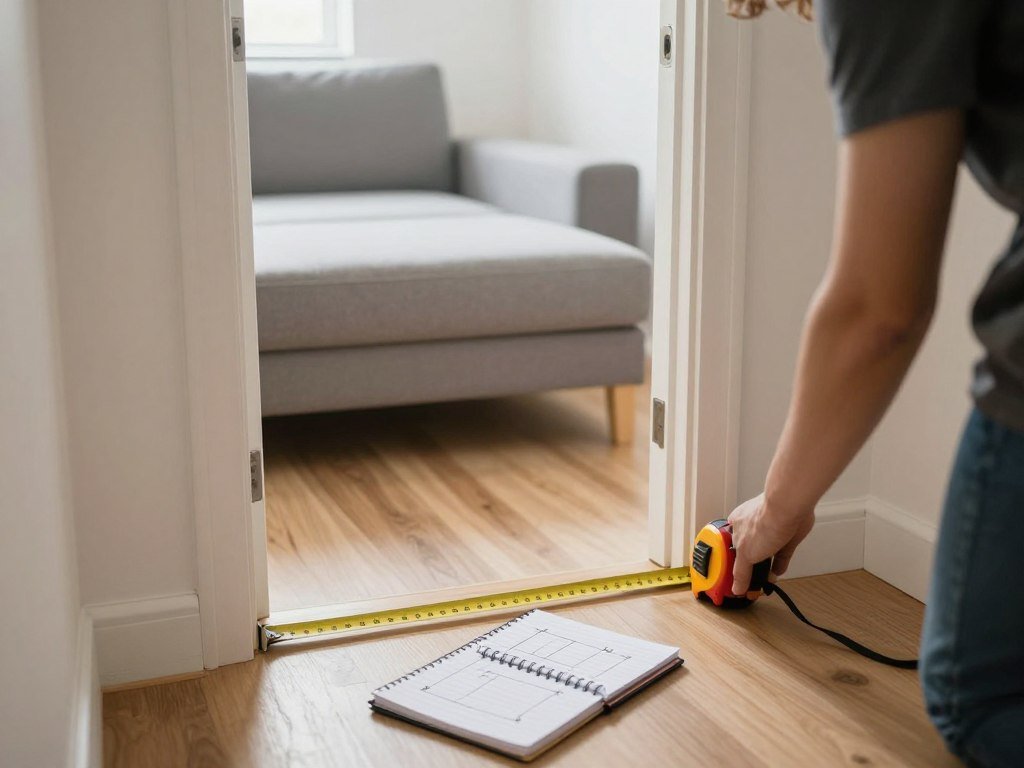
Door and hallway widths matter too. Measure all doorways and passages the sofa must navigate to reach its final destination. Most sofas ship with detachable legs that reduce height during delivery. However, width and length dimensions remain fixed. Consider whether the piece needs to navigate stairs, elevators, or tight corners during delivery.
Frame Construction and Durability
A solid frame ensures your sofa bed withstands regular use over many years. Quality frames use kiln-dried hardwood that resists warping and provides stable support. Avoid frames constructed from particleboard or soft woods that may deteriorate quickly. The frame bears significant stress both when supporting seated occupants and when holding the extended mattress with sleepers.
Examine the sleeper mechanism construction carefully. Metal frames should feature sturdy steel or aluminum construction with welded joints rather than bolted connections. The mechanism should operate smoothly without excessive force or catching. Test the opening and closing process multiple times to ensure reliable operation. A well-constructed mechanism will last for thousands of open-close cycles without failure.
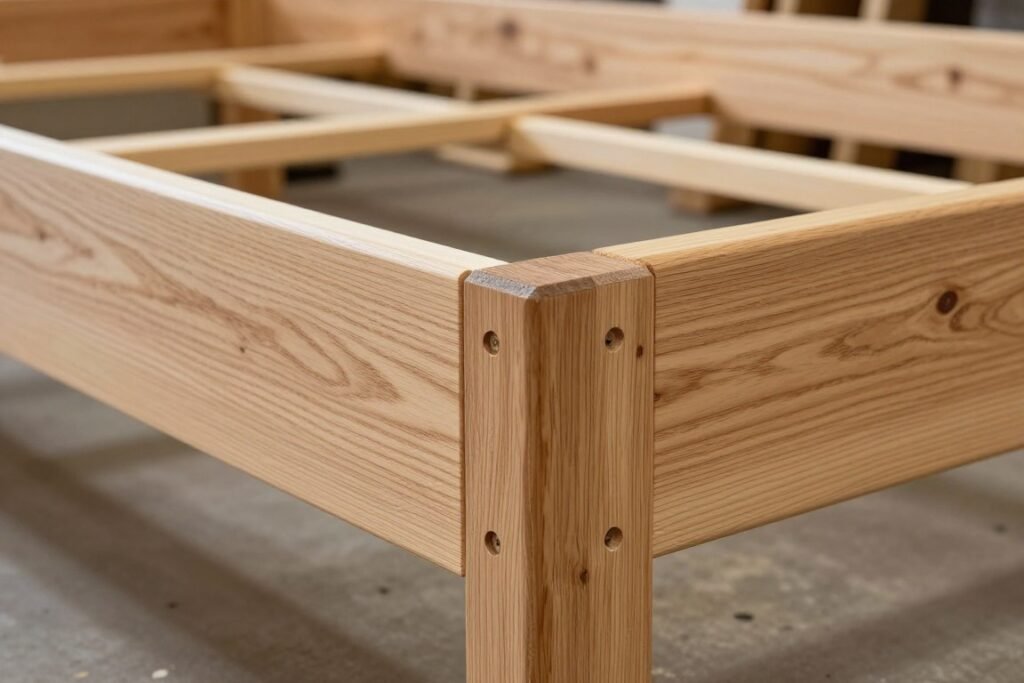
Check the warranty coverage as an indicator of construction quality. Manufacturers confident in their products offer substantial warranties on frames and mechanisms. Look for warranties covering at least five years on frames and two years on mechanisms. This coverage protects your investment and signals the manufacturer’s confidence in their construction standards.
Fabric and Upholstery Choices
Fabric selection impacts both aesthetics and practical maintenance. Durable fabrics withstand regular use and cleaning without showing wear quickly. Synthetic blends often outperform natural fabrics in high-use situations. Look for fabrics with high double-rub counts indicating superior abrasion resistance. A count of 15,000 or higher suggests good durability for residential use.
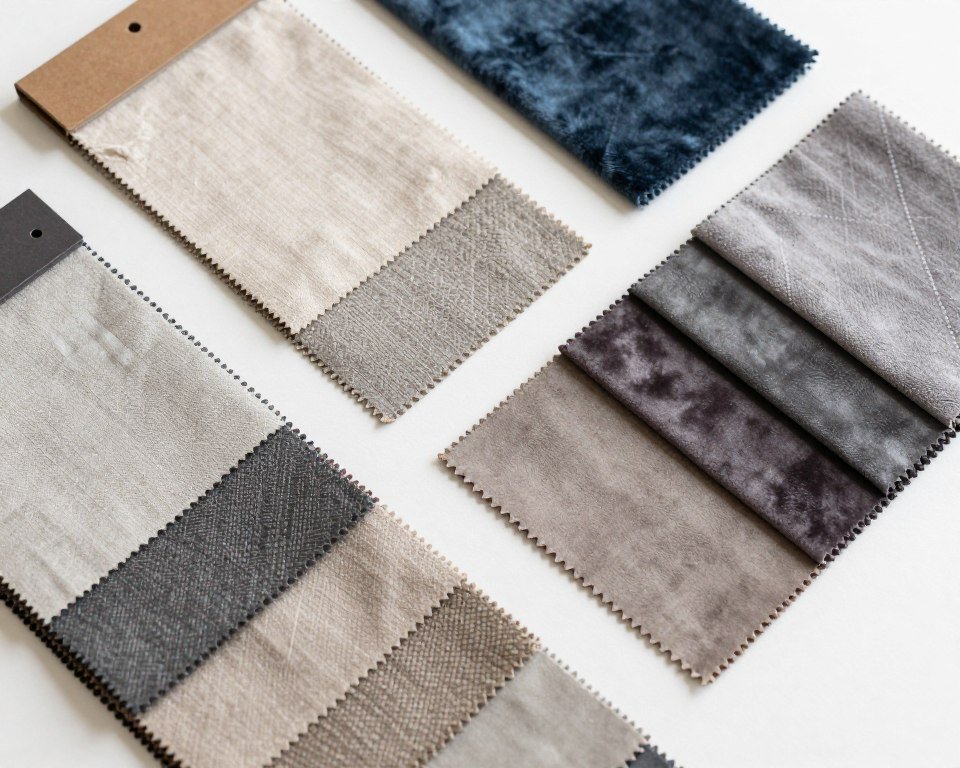
Popular Fabric Options for Small Space Sofas
- Microfiber offers durability and stain resistance perfect for daily use
- Performance fabrics resist spills and clean easily with simple spot treatment
- Linen blends provide natural texture with improved durability from synthetic additions
- Velvet adds luxury and visual interest while modern versions resist crushing
- Leather and faux leather wipe clean easily and develop attractive patina over time
Consider your lifestyle when selecting fabric. Homes with pets or children benefit from darker colors and stain-resistant treatments. Light colors create airy feelings in small spaces but show dirt more readily. Many manufacturers offer stain protection treatments that add a protective barrier to fabric fibers.
Storage Features
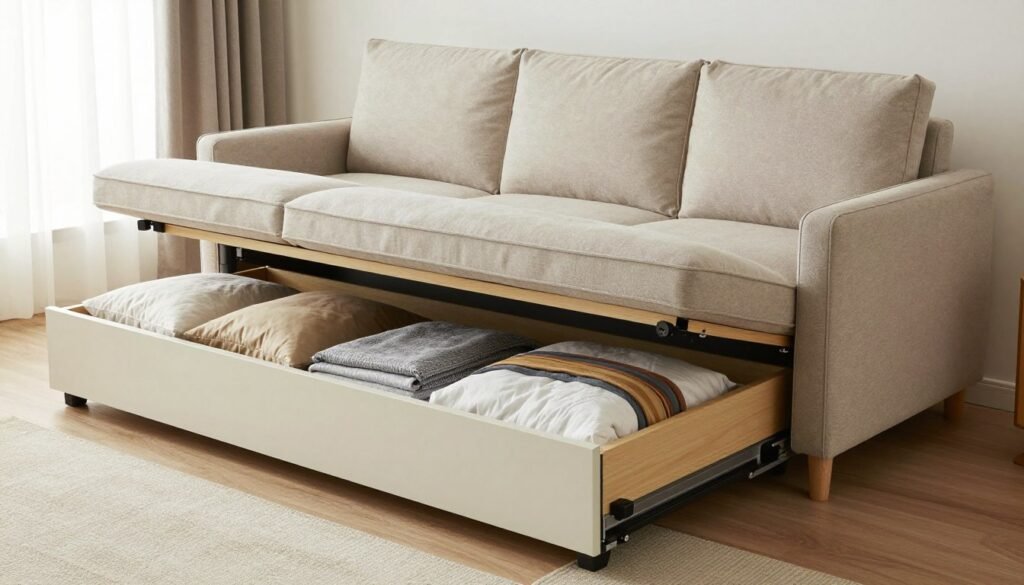
Storage capability adds tremendous value in small spaces. Some sofa beds feature storage compartments under the seat or in the chaise section. These hidden spaces provide perfect spots for storing bedding when not in use, keeping sheets and blankets close at hand but out of sight. The convenience of integrated storage eliminates the need for separate linen closets or storage furniture.
Storage ottomans or side tables that coordinate with your sofa bed extend storage capacity further. These pieces serve multiple purposes by providing extra seating, a surface for drinks or books, and concealed storage inside. The cohesive look of matching pieces creates a pulled-together design aesthetic while maximizing functionality.
Consider what you need to store when evaluating storage features. Deep compartments work well for bulky bedding items like comforters and pillows. Shallower spaces suit folded sheets and blankets. Some designs include small pockets or compartments perfect for remote controls, charging cables, or reading materials. This thoughtful organization helps maintain the uncluttered appearance essential in small spaces.
Design Styles That Work Best in Small Spaces
The visual weight and style of your sofa bed significantly impact how spacious your room feels. Certain design characteristics create the illusion of more space while others can make a small room feel cramped. Understanding these principles helps you select a piece that enhances rather than overwhelms your compact living area.
Mid-Century Modern Sofa Beds
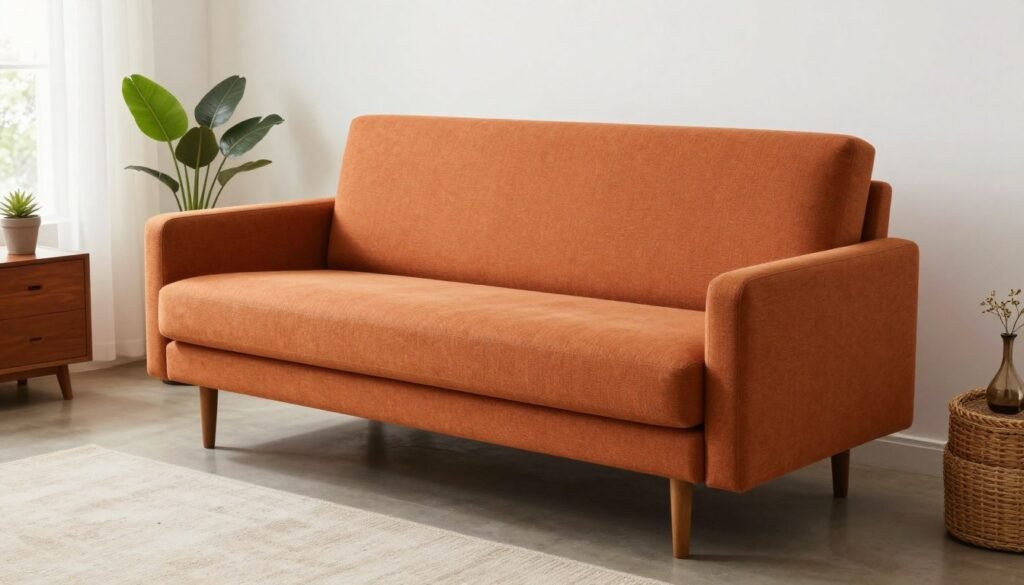
Mid-century modern design naturally suits small spaces through its emphasis on clean lines and functional form. These pieces typically feature slim profiles, tapered legs, and minimal ornamentation that keeps visual clutter to a minimum. The elevated design on visible legs creates a sense of airiness by allowing light to flow underneath the furniture, making rooms appear larger than they actually measure.
The timeless appeal of mid-century modern styling ensures your furniture won’t look dated quickly. These classic designs blend seamlessly with contemporary, traditional, or eclectic decor schemes. The neutral color palettes typical of mid-century pieces provide versatile backdrops that allow you to change accent colors and accessories without replacing major furniture.
Scandinavian Minimalist Designs
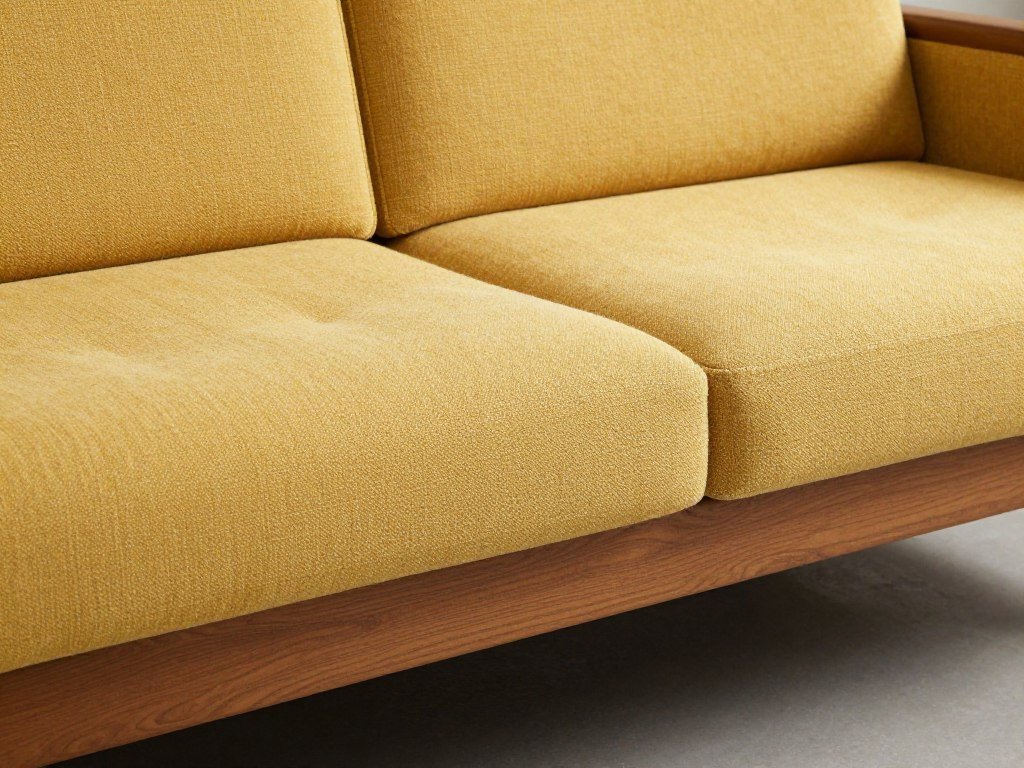
Scandinavian design principles revolve around simplicity, functionality, and light. These characteristics make Scandinavian-style sofa beds perfect choices for small spaces. The minimalist aesthetic eliminates unnecessary details while maintaining comfort and quality. Light wood tones and neutral fabric colors characteristic of Scandi design reflect natural light and create bright, airy atmospheres even in compact rooms.
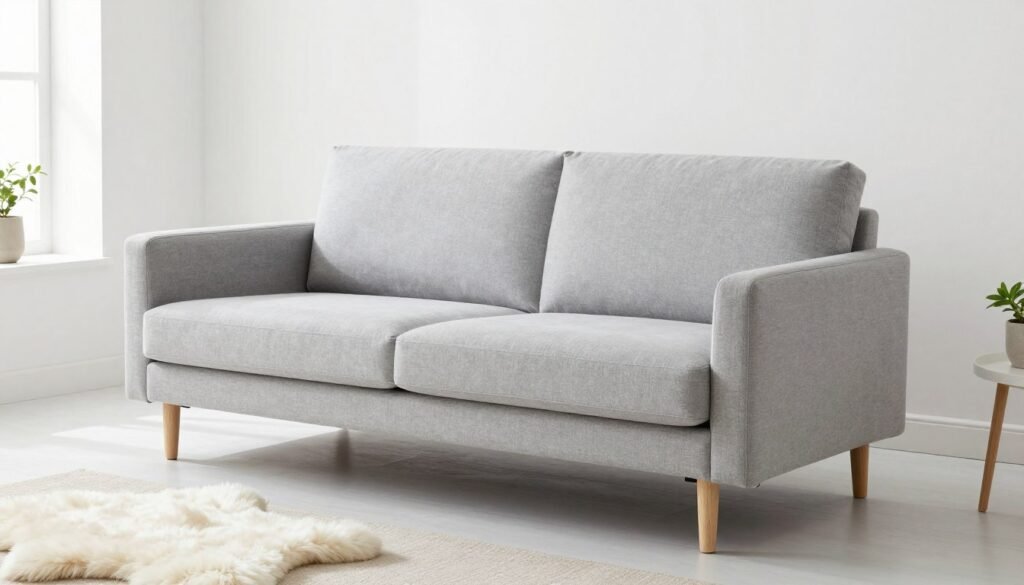
The Scandinavian focus on quality over quantity aligns perfectly with small space living. Rather than filling rooms with multiple pieces, this approach invests in fewer, better-made items that serve multiple purposes. A well-designed Scandinavian sofa bed becomes the anchor piece of your living room, providing comfortable seating, sleeping space, and visual appeal without additional furniture crowding the space.
Contemporary Low-Profile Sofas
Low-profile contemporary designs sit closer to the ground than traditional sofas. This reduced height creates interesting proportions in small rooms by drawing the eye horizontally rather than vertically. The lower seating position can make ceilings appear higher and rooms feel more spacious. These modern designs often incorporate sleek metal frames, thin cushions, and geometric shapes that contribute to a streamlined aesthetic.
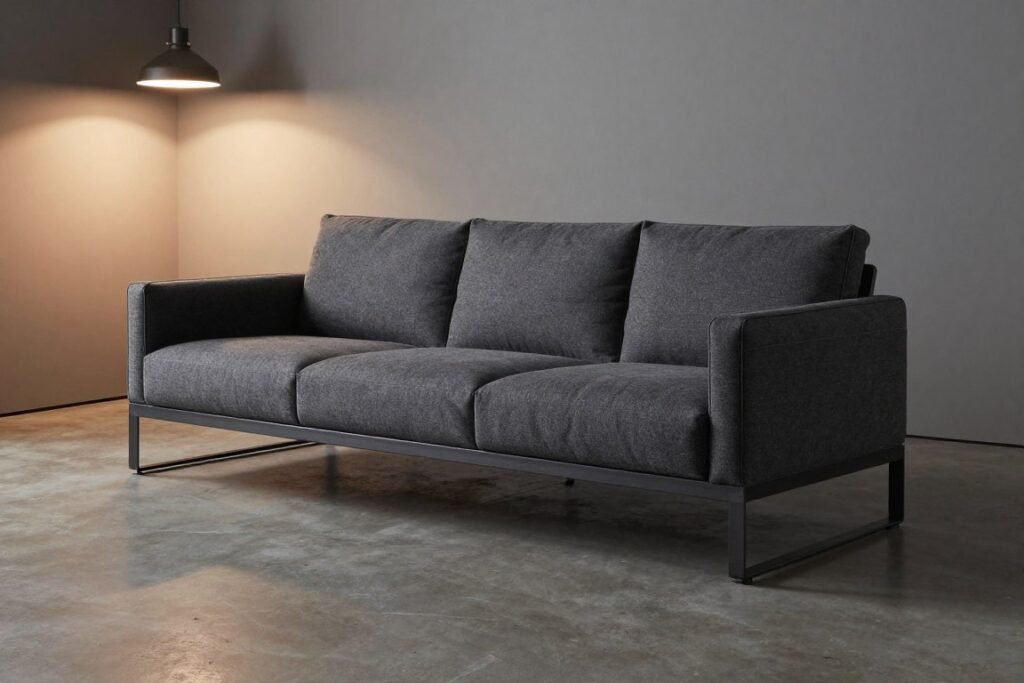
The streamlined appearance of contemporary low-profile pieces prevents visual heaviness in compact spaces. Thin arms or armless designs maximize seating surface while minimizing overall dimensions. Some models feature track arms that create clean lines and save several inches compared to rolled or traditional arm styles. Every saved inch matters when working with limited square footage.
Traditional Styling for Cozy Spaces
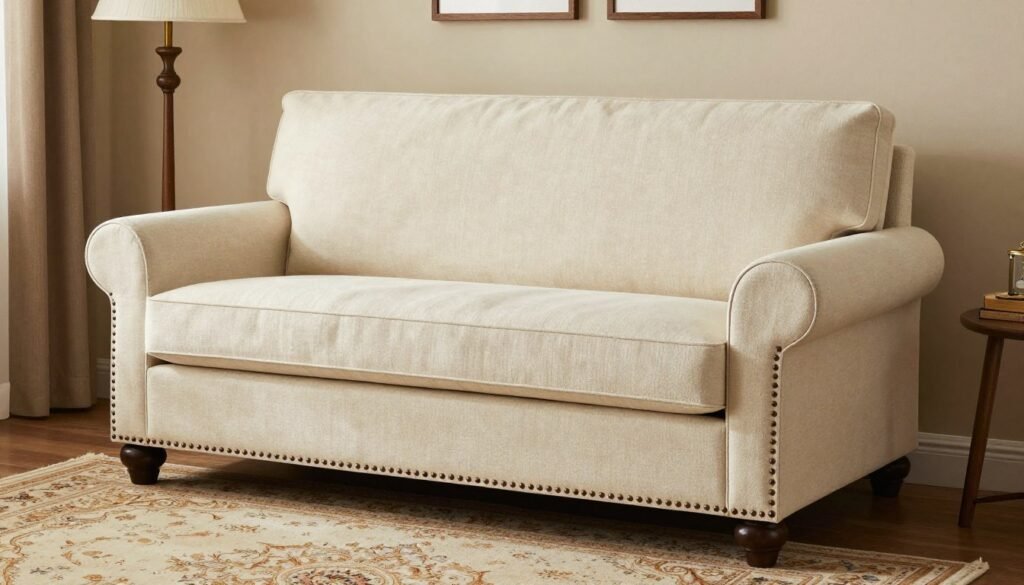
Traditional styling doesn’t necessarily overwhelm small spaces when executed with appropriate scale. Compact traditional sofa beds feature classic details like rolled arms, turned legs, and tufted backs in smaller proportions. These elements provide the warmth and character of traditional design without the bulk of full-size traditional furniture. The key lies in selecting pieces specifically designed for smaller spaces rather than standard-size traditional sofas.
Light-colored traditional fabrics help traditional pieces feel appropriate in compact rooms. Cream, beige, soft gray, or pale blue upholstery creates a lighter visual weight than dark traditional colors. These softer palettes maintain traditional elegance while preventing the heavy appearance that dark furniture can create in limited spaces. Pair traditional sofa beds with streamlined side tables and minimal accessories to balance the classic styling with modern space efficiency.
Tufted Back Sleeper
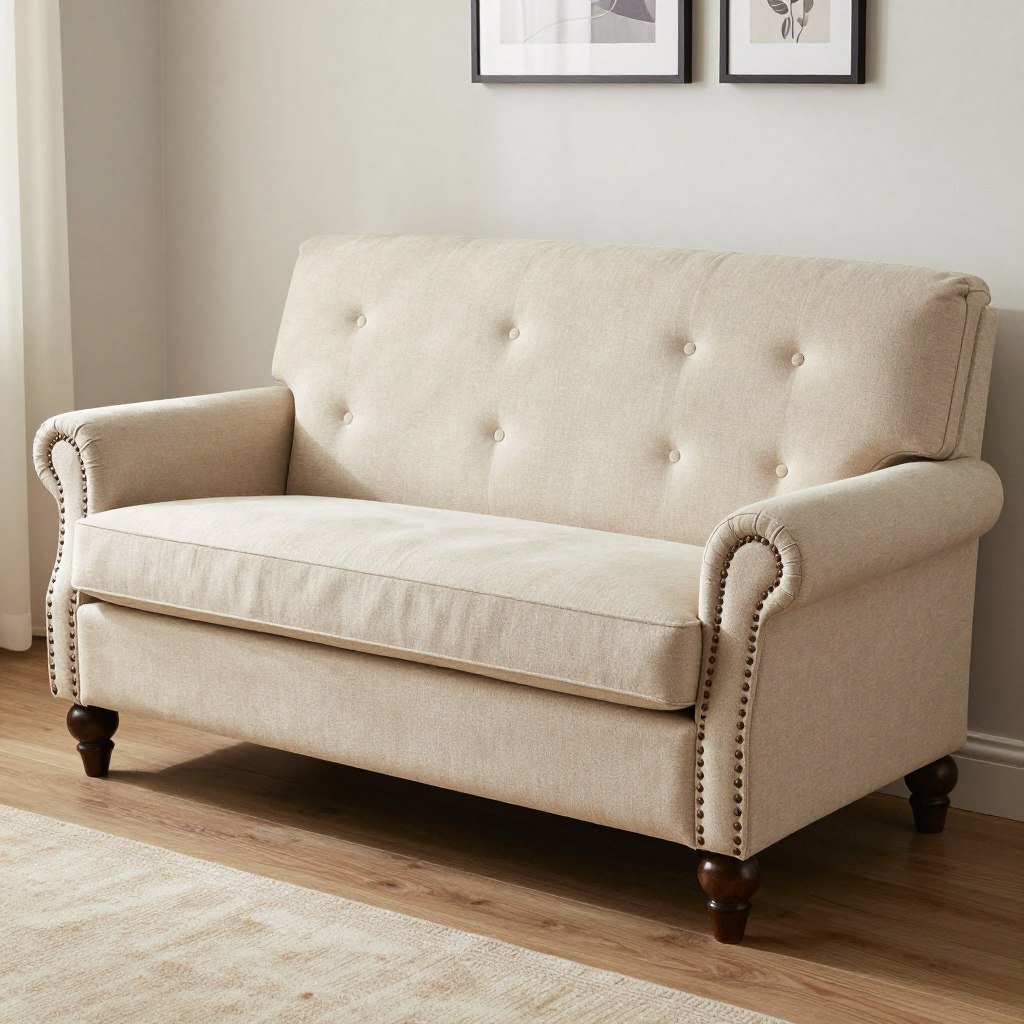
Classic tufting adds texture and visual interest without bulk. Compact proportions maintain traditional elegance in smaller scale. Quality construction ensures lasting durability. Perfect for creating cozy traditional spaces.
English Roll Arm
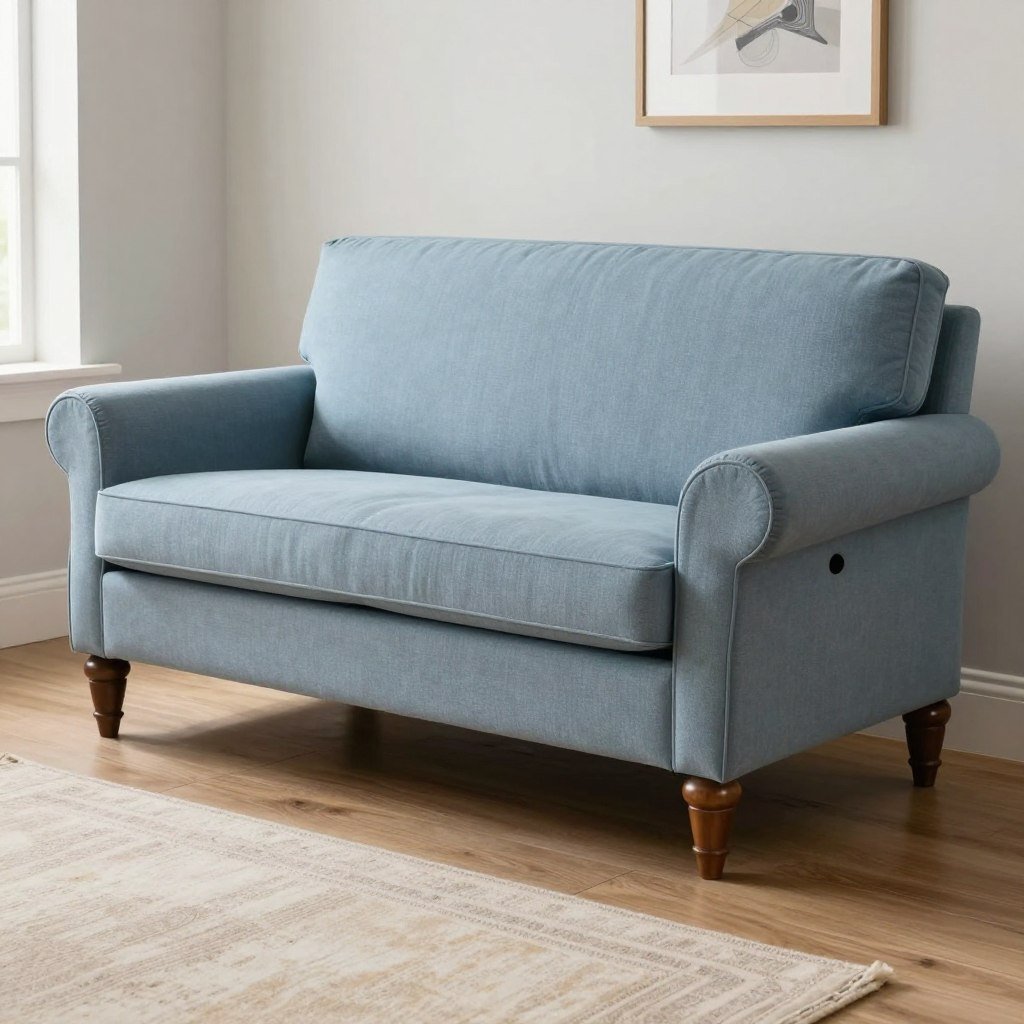
Graceful rolled arms provide classic comfort in compact form. Lower arm height increases visual lightness. Timeless design works with various decor styles. Ideal for traditional small space aesthetics.
Cottage Style Sleeper
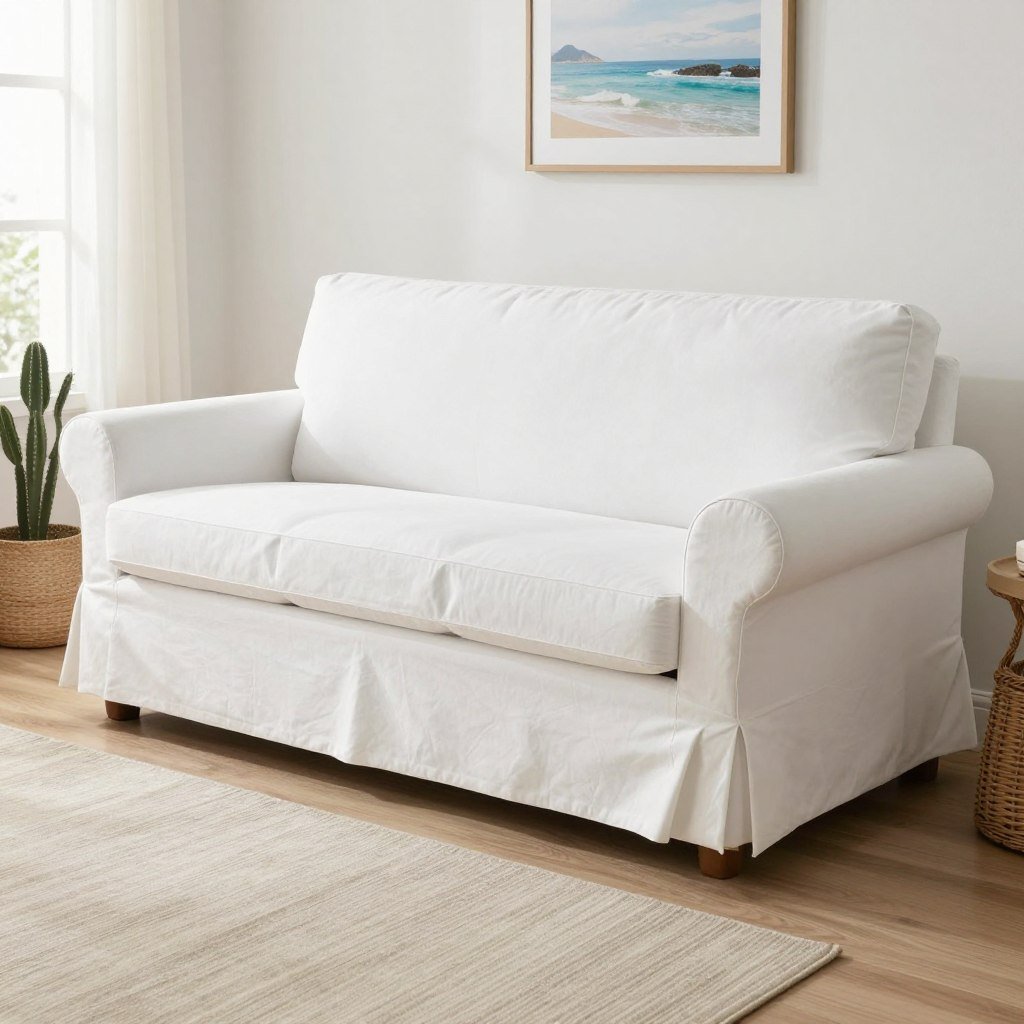
Relaxed cottage styling creates inviting comfort. Slipcover options allow easy cleaning and seasonal changes. Casual aesthetic feels approachable and livable. Great for creating cozy welcoming spaces.
Smart Color Strategies for Small Space Sofa Beds
Color selection profoundly impacts how spacious your room feels. The right color palette can make a compact living area feel open and airy, while poor color choices create cramped, claustrophobic atmospheres. Understanding color psychology and its spatial effects helps you select a sofa bed color that enhances your small space rather than diminishing it.
Light and Neutral Colors
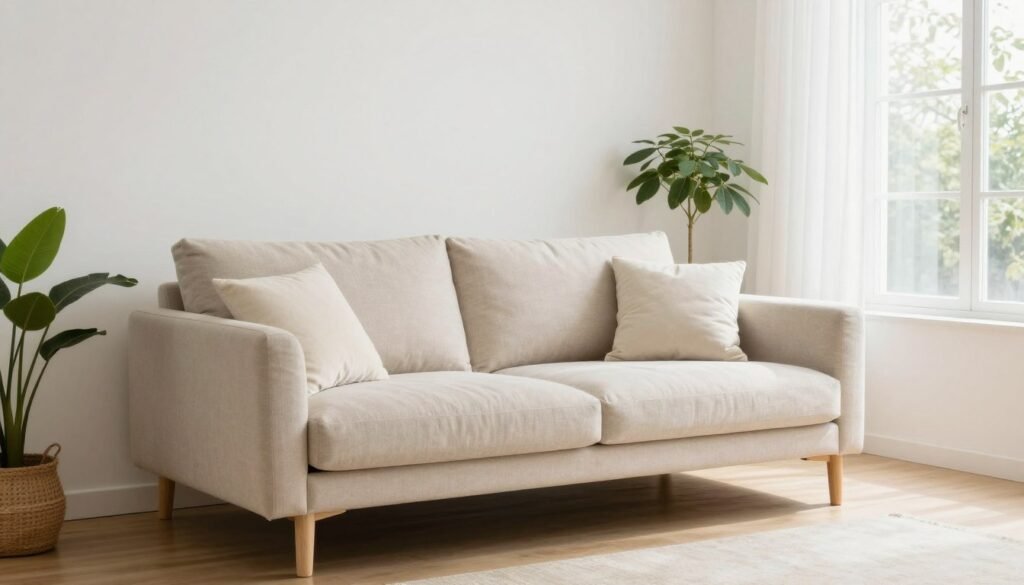
Light colors reflect natural light and create expansive feelings in small spaces. White, cream, beige, light gray, and soft taupe sofa beds virtually disappear into light-colored walls, creating seamless visual flow that makes rooms appear larger. This effect works particularly well in apartments or homes with limited natural light, as light surfaces bounce whatever light enters throughout the space.
Neutral colors offer tremendous versatility for changing decor schemes. When your sofa bed serves as a neutral backdrop, you can easily update your room’s personality through throw pillows, blankets, artwork, and accessories. This flexibility allows seasonal refreshes or complete style changes without replacing major furniture pieces. The investment in a neutral sofa bed pays dividends through years of adaptable styling.
Concerns about light-colored upholstery showing dirt prove less significant than many people fear. Modern stain-resistant fabric treatments protect against spills and soiling. Regular vacuuming and prompt attention to spots keeps light furniture looking fresh. Many manufacturers also offer performance fabrics in light colors specifically designed for high-traffic use. The visual benefits of light colors in small spaces outweigh maintenance concerns for most homeowners.
Strategic Use of Dark Colors
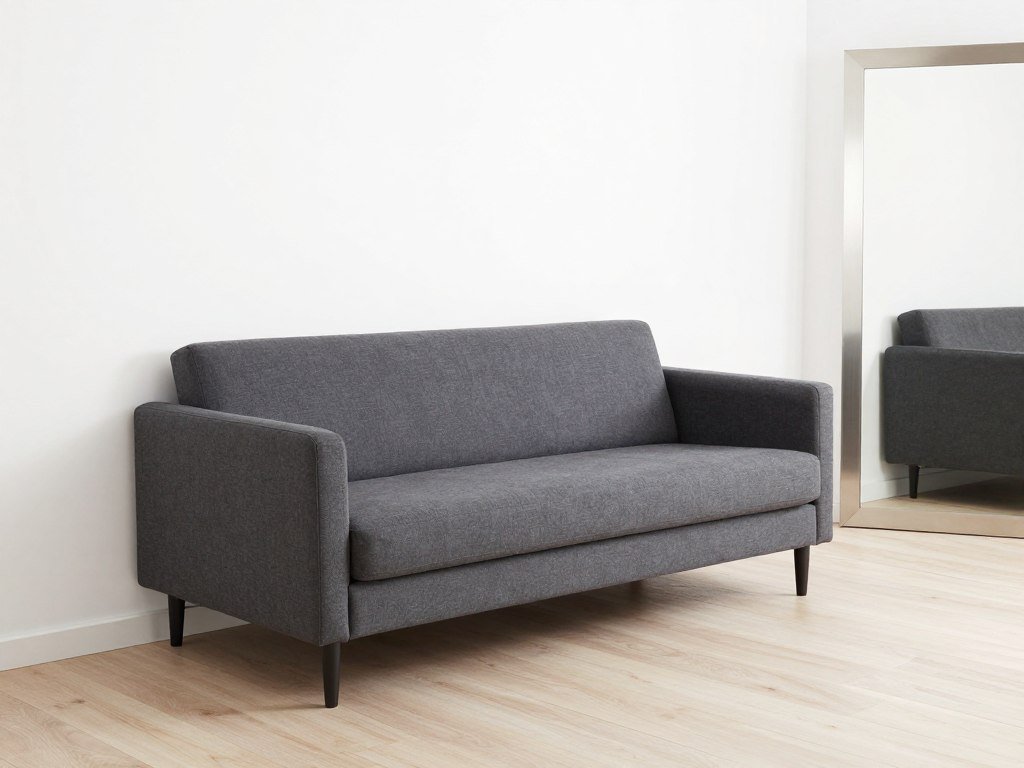
Dark colors can work beautifully in small spaces when used strategically. A charcoal, navy, or black sofa bed creates dramatic contrast against light walls and floors. This intentional contrast adds depth and sophistication to compact rooms. The key lies in maintaining balance by keeping other large surfaces light so the dark sofa becomes a grounding anchor rather than an overwhelming presence.
Dark-colored sofas offer practical advantages too. They hide wear, pet hair, and small stains better than light upholstery. This durability makes dark options ideal for households with children, pets, or high use patterns. The low-maintenance aspect of dark furniture appeals to busy individuals who want stylish spaces without constant cleaning demands.
Bold Accent Colors
A bold-colored sofa bed can inject personality and energy into a small space. Jewel tones like emerald green, sapphire blue, or ruby red create focal points that draw the eye and define the room’s character. This approach works when you commit to making the sofa the room’s star piece, keeping surrounding elements more subdued to prevent visual chaos.
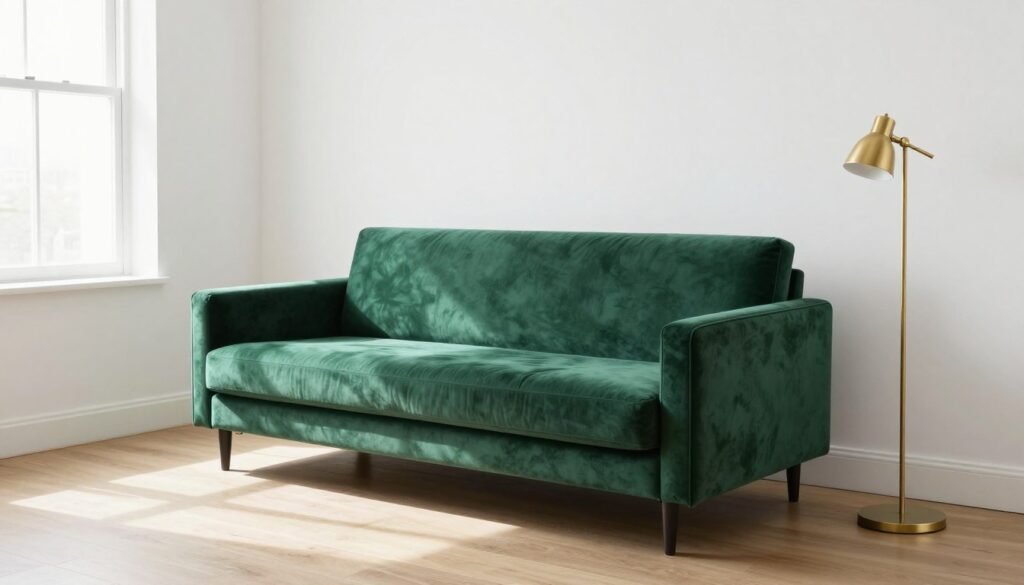
Bold colors work best in rooms with good natural light. Darkness can make saturated colors appear muddy or oppressive. Bright spaces allow bold hues to shine and display their full vibrancy. Consider your room’s lighting situation before committing to a dramatic color choice. North-facing rooms with limited natural light may benefit more from lighter colors that maximize available light.
- Soft white or cream for maximum light reflection
- Light gray for contemporary sophistication
- Beige or taupe for warm neutrality
- Pale blue for calming airiness
- Soft sage for natural freshness
- Blush pink for gentle warmth
Best Colors for Small Spaces
- Very dark colors without light balance
- Multiple bold colors competing for attention
- Heavy patterns that create visual noise
- Bright neon colors that overwhelm
- Very warm reds that advance visually
- Muddy earth tones in dark rooms
Colors to Use Carefully
Smart Arrangement and Placement Tips for Small Spaces
Where and how you position your sofa bed affects both functionality and the perceived spaciousness of your room. Strategic placement maximizes usable space while maintaining comfortable traffic flow. These arrangement principles help you create layouts that work efficiently in compact living areas.
Floating Furniture Layout
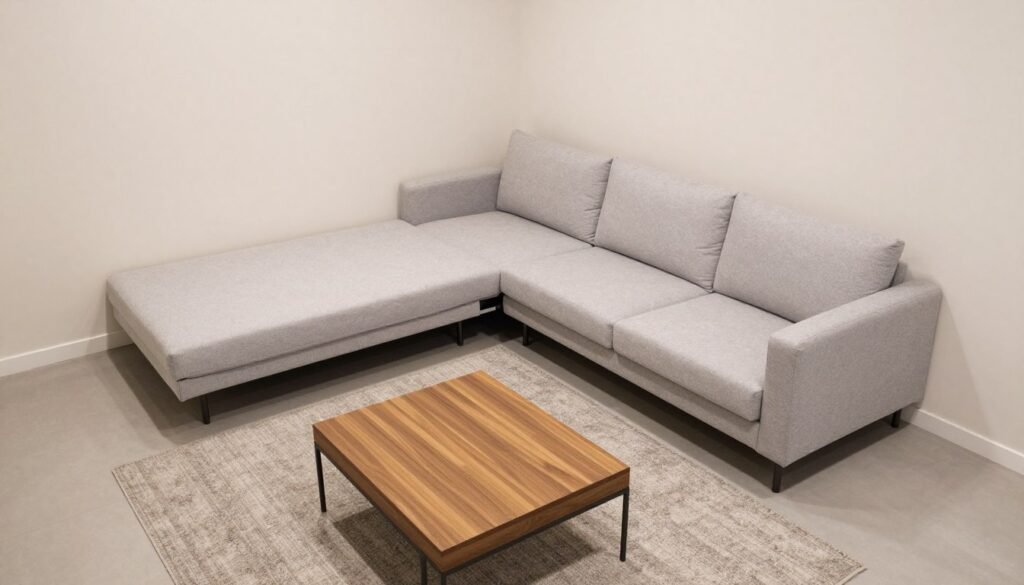
Pulling furniture away from walls might seem counterintuitive in small spaces, but floating arrangements often create better flow and function. A sofa bed positioned slightly away from the wall with a narrow walkway behind can define distinct zones in a studio apartment. This separation creates visual interest and allows access to windows or radiators behind the furniture without constantly moving pieces.
The floating approach works particularly well when you need the sofa bed to separate living and sleeping areas in a studio. Position the sofa to face the main living area with the back toward the bed space. This orientation creates psychological separation between zones while maintaining physical openness. Add a narrow console table behind the sofa for additional surface space without sacrificing floor area.
Corner Placement Strategies
Corner placement maximizes wall space while creating cozy arrangements. Angling a sofa bed across a corner softens the geometry of rectangular rooms and creates interesting sight lines. This diagonal placement works especially well in square rooms where traditional parallel arrangements can feel static. The angled position also naturally accommodates side tables on both sides without blocking pathways.
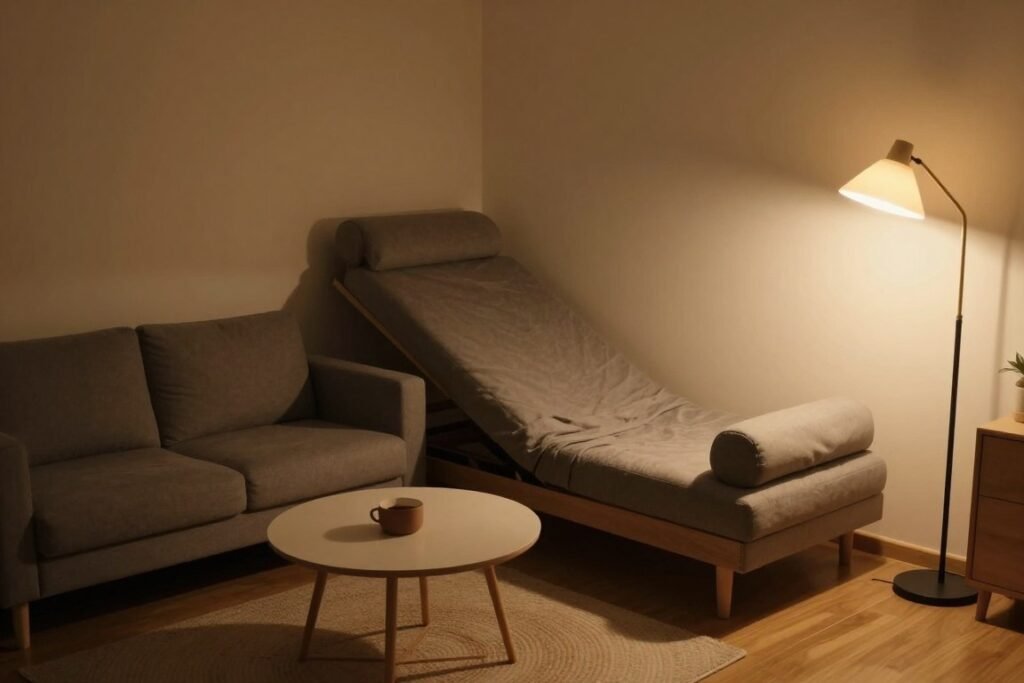
Sectional sleeper sofas naturally suit corner placements. The L-shape configuration nestles into corners efficiently while providing ample seating. This arrangement leaves the center of the room open for traffic flow and other activities. The corner position also creates a defined seating area that feels intentional and designed rather than pushed to the edges out of necessity.
Creating Traffic Flow
Maintain clear pathways through your space even with limited square footage. Traffic paths should measure at least 24 inches wide to allow comfortable passage. The primary walkway through your main living space benefits from 30 to 36 inches of clearance. Plan these pathways before finalizing furniture placement to ensure easy movement throughout the room.
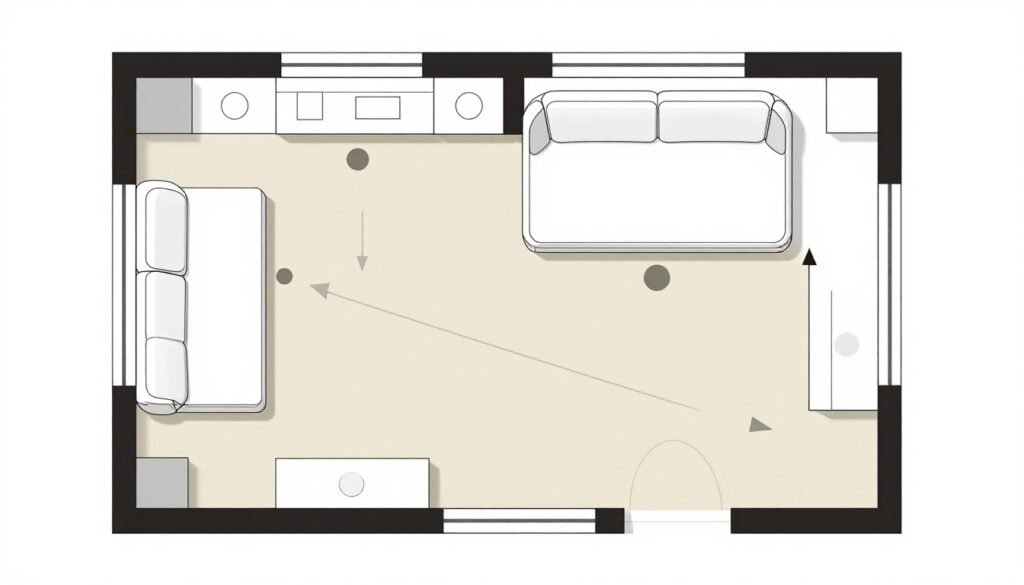
Consider how traffic flows when the sofa bed converts to sleeping position. The extended bed should not completely block access to bathrooms, kitchens, or exit doors. Plan for nighttime movement patterns so guests can access necessary facilities without navigating obstacle courses. This consideration becomes especially important in studio apartments where the sofa bed deployment affects the entire living space.
Balancing Proportions
Scale relationships between furniture pieces create visual harmony or discord. A sofa bed should feel proportionate to other furniture and to the room itself. Avoid pairing an oversized sofa with tiny side tables or placing a small loveseat sleeper with a massive entertainment center. These mismatched scales create awkward visual relationships that make spaces feel uncomfortable.
Right-Sized Furniture Pairings
- Standard sofa bed pairs well with coffee tables 16-18 inches high and two-thirds the sofa length
- Loveseat sleepers work best with round or oval coffee tables 30-40 inches in diameter
- Full-size sleeper sofas balance with side tables 24-26 inches tall to match arm height
- Low-profile contemporary pieces pair with low tables maintaining horizontal emphasis
- Sectional sleepers need larger coffee tables or ottoman groupings for proportion
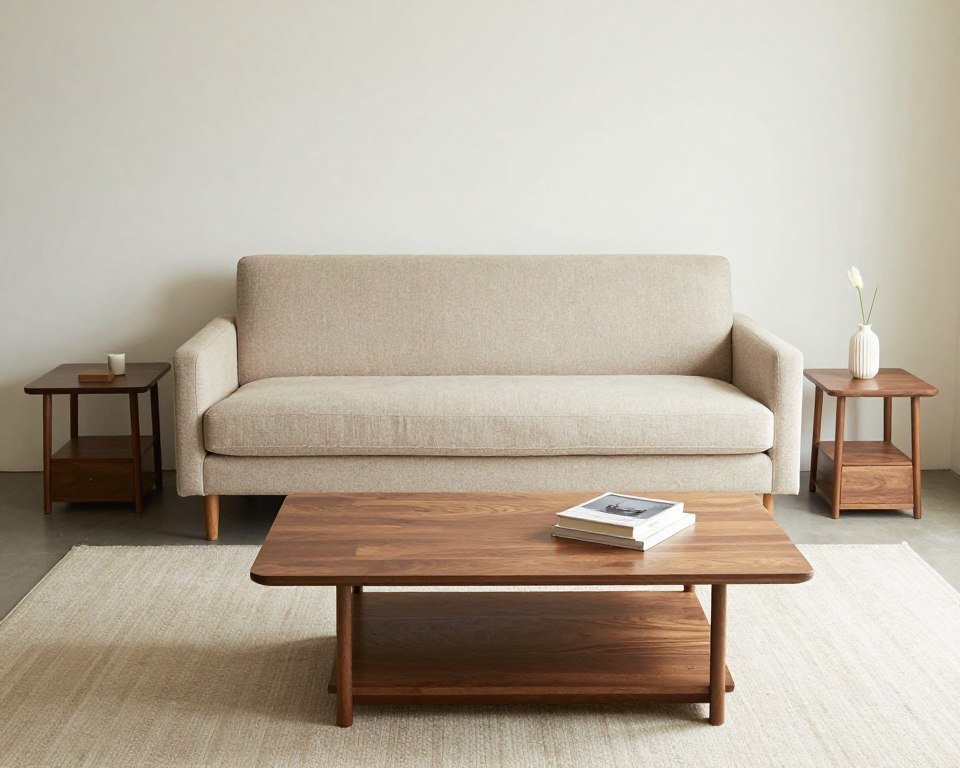
Multi-Functional Furniture Pairings
Complement your sofa bed with other multi-functional pieces to maximize small space efficiency. Storage ottomans provide extra seating, footrest functionality, and concealed storage in single pieces. Nesting tables adapt to different needs by pulling apart for multiple surfaces or tucking together to save space. These flexible pieces support various activities without permanently claiming floor area.
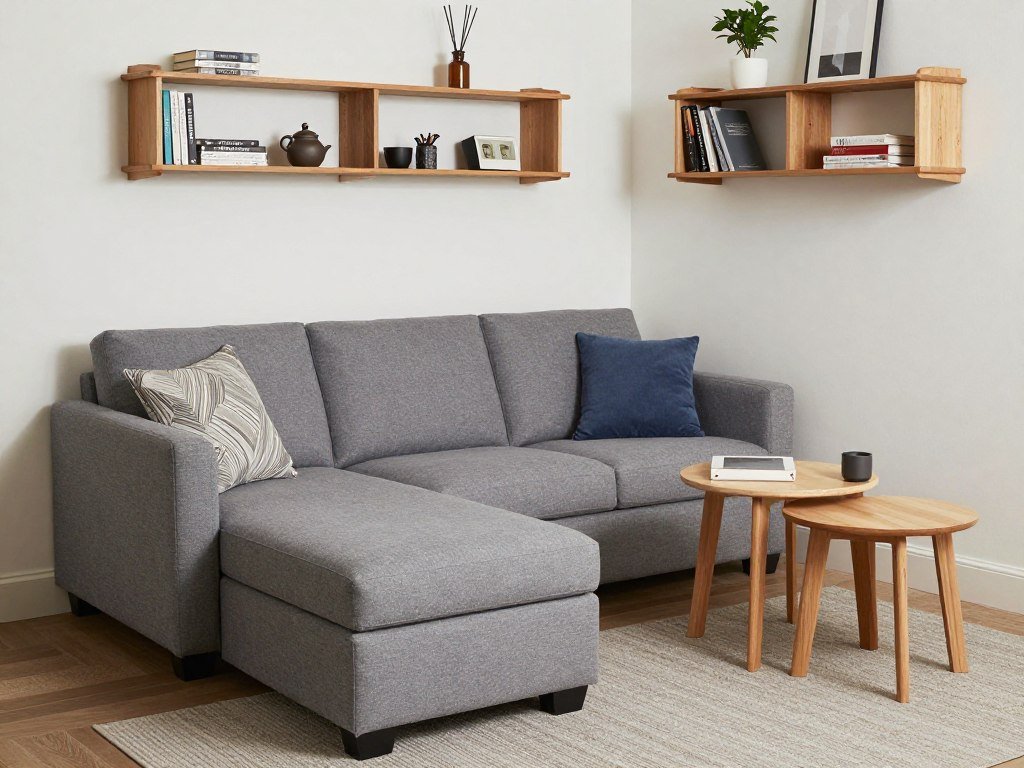
Wall-mounted elements free floor space while providing necessary functionality. Floating shelves replace bulky bookcases, wall-mounted desks create work surfaces that fold away when not needed, and mounted TV units eliminate entertainment centers. These elevated solutions maintain open floor areas that make small spaces feel significantly larger than furniture-crowded equivalents.
Styling and Decoration Ideas for Sofa Beds in Small Spaces
How you dress and accessorize your sofa bed affects both its appearance and functionality. Thoughtful styling transforms a basic furniture piece into a cohesive design element that enhances your entire space. These decoration strategies balance aesthetics with the practical reality of a convertible piece.
Pillow and Cushion Arrangements
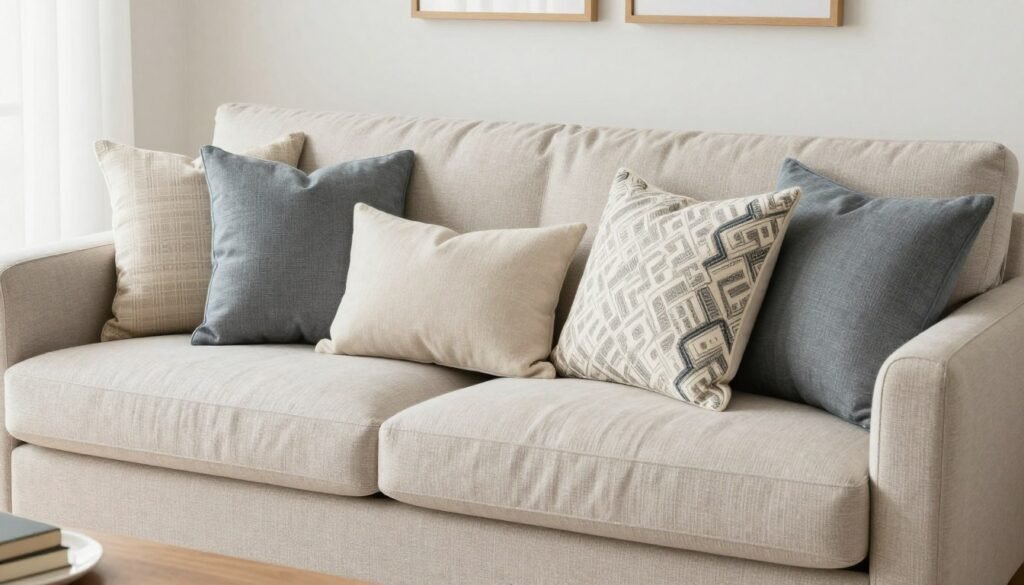
Decorative pillows add personality and comfort to sofa beds. Layer pillows in varying sizes and textures to create visual interest. Start with larger pillows in back corners, add medium-sized pillows in front, and finish with small accent pillows or lumbar pillows. This layered approach creates depth and a professionally designed appearance. Limit yourself to four to six pillows total to avoid overwhelming a compact piece.
Choose pillow fabrics that complement but don’t exactly match your sofa. Mix solid colors with subtle patterns or textures to add visual variety. Consider washable pillow covers that remove easily for cleaning. Since your sofa converts to a bed, you’ll need to remove and store decorative pillows regularly. Select quantities and styles that look attractive but don’t create storage challenges.
Store throw pillows in attractive baskets or bins that blend with your decor. This storage becomes part of the room’s design rather than an eyesore. Some people prefer to place decorative pillows directly on the mattress when the bed deploys, creating a cozy headboard effect. This approach eliminates the need for separate pillow storage while adding comfort to the sleeping arrangement.
Throw Blankets for Style and Function
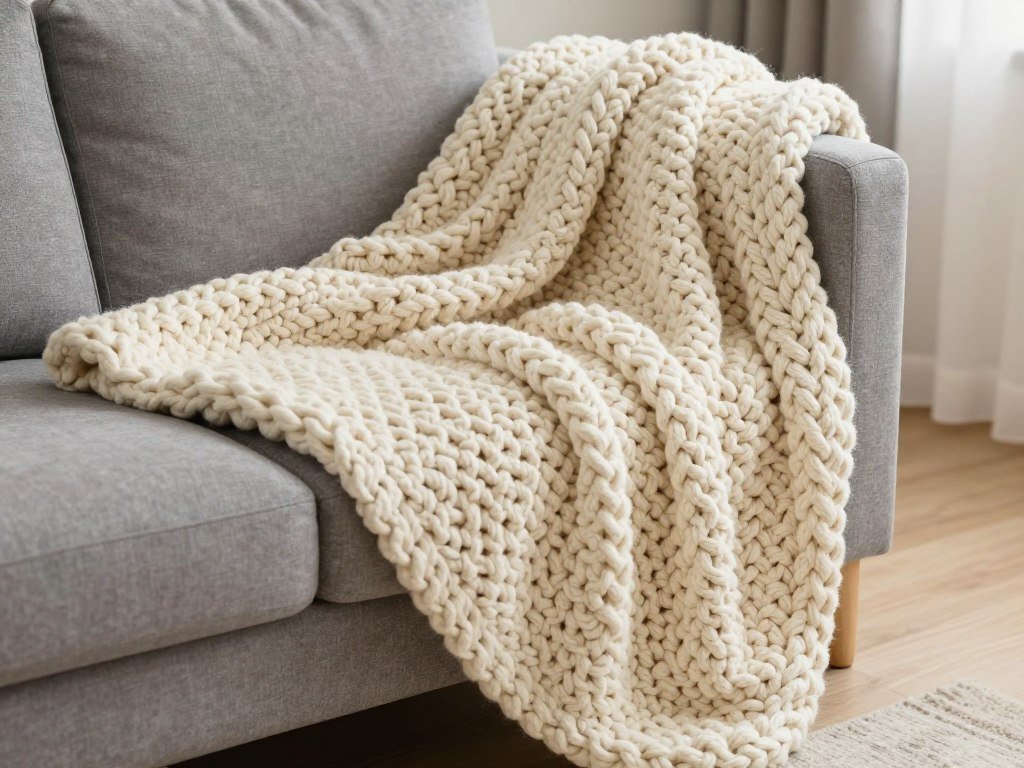
A throw blanket adds warmth, texture, and color to your sofa bed while serving practical purposes. Drape a folded throw over the back or arm of the sofa for an effortlessly styled look. The blanket provides extra warmth for chilly evenings and protects upholstery from pet hair or daily wear. Choose blankets in colors that accent your room’s palette without matching exactly.
Texture variation creates visual interest in small spaces where you might limit color variety. A chunky knit throw on a smooth velvet sofa adds tactile contrast. A smooth cotton throw on textured linen upholstery creates the same effect in reverse. These texture plays add depth to your design without requiring multiple colors or patterns that could overwhelm a compact room.
Area Rugs for Definition
An area rug grounds your seating arrangement and defines the living zone in open spaces. The rug should extend beyond the front legs of your sofa bed with enough additional space to accommodate your coffee table. This sizing creates a cohesive grouping that feels intentional and complete. In very small rooms, consider whether a rug enhances or clutters the space before committing to one.
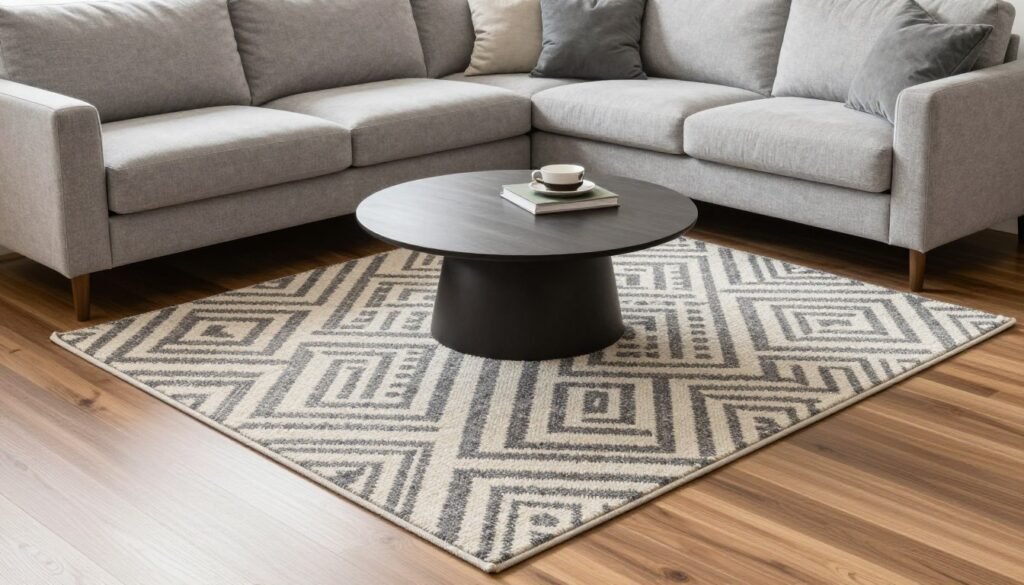
Rug patterns and colors affect spatial perception. Light-colored rugs with subtle patterns maintain open feelings in small rooms. Larger-scale patterns can actually make small spaces feel bigger by reducing visual busyness compared to tiny repeated patterns. Avoid very dark rugs in dim rooms as they can create heavy visual weight that makes spaces feel smaller.
Wall Art and Decor

Art above your sofa bed creates a focal point and completes the room’s design. Hang artwork so the center sits at eye level when standing, typically 57 to 60 inches from the floor. The art should measure roughly two-thirds to three-quarters of the sofa’s width to maintain proper proportion. Alternatively, create a gallery wall with multiple smaller pieces arranged to achieve the same overall dimensions.
In small spaces, fewer larger pieces often work better than numerous small items. A single large-scale artwork makes a bold statement without creating visual clutter. This approach also simplifies decorating decisions and creates clean lines that enhance spacious feelings. Choose art that reflects your personality while complementing your color scheme and overall design aesthetic.
Lighting to Enhance Space
Layered lighting makes small spaces feel larger and more inviting. Combine overhead lighting with task and accent lights to create dimension and flexibility. Floor lamps beside your sofa provide reading light without requiring side tables. Wall sconces save surface space while adding ambient illumination. Table lamps on floating shelves or wall-mounted surfaces provide cozy lighting without consuming precious floor area.
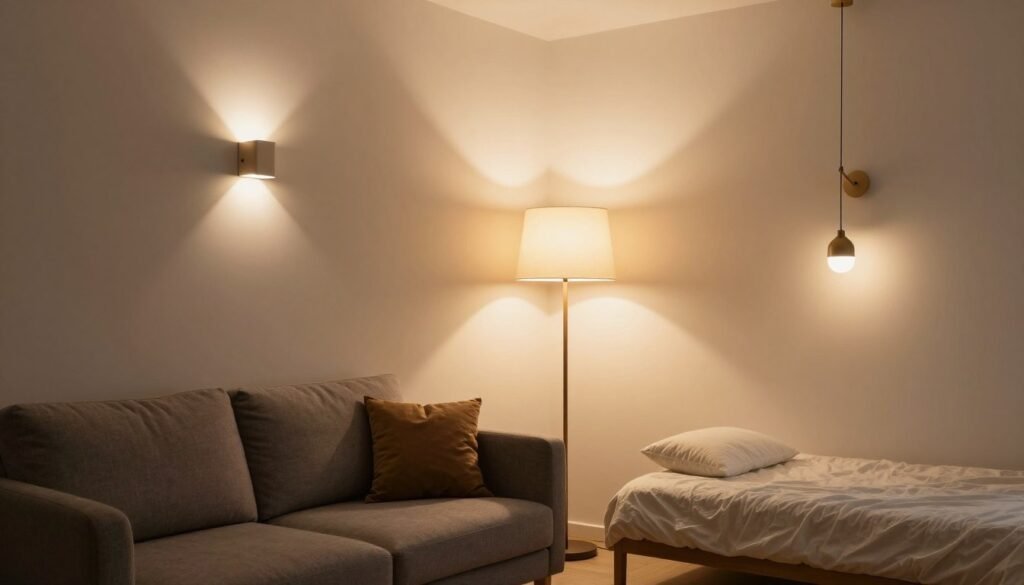
Light-colored lamp shades diffuse light broadly, making rooms feel more spacious. Dark or opaque shades focus light directionally, which works well for reading but doesn’t contribute to overall space illumination. Consider your lighting needs at different times and for various activities when selecting fixtures. Dimmers on overhead lights allow adjustment from bright task lighting to soft ambient glow.
Create Your Perfect Small Space Living Room
Find all the pieces you need to complement your sofa bed including storage ottomans, space-saving tables, lighting solutions, and decor accents designed specifically for compact living.
Shopping Guide and Budget Tips for Sofa Beds
Purchasing a sofa bed represents a significant investment in your home’s functionality and comfort. Understanding where to shop, how to evaluate value, and when to compromise or splurge helps you make smart decisions that balance budget constraints with quality requirements. These strategies guide you toward the best purchase for your specific needs and financial situation.
Understanding Price Ranges
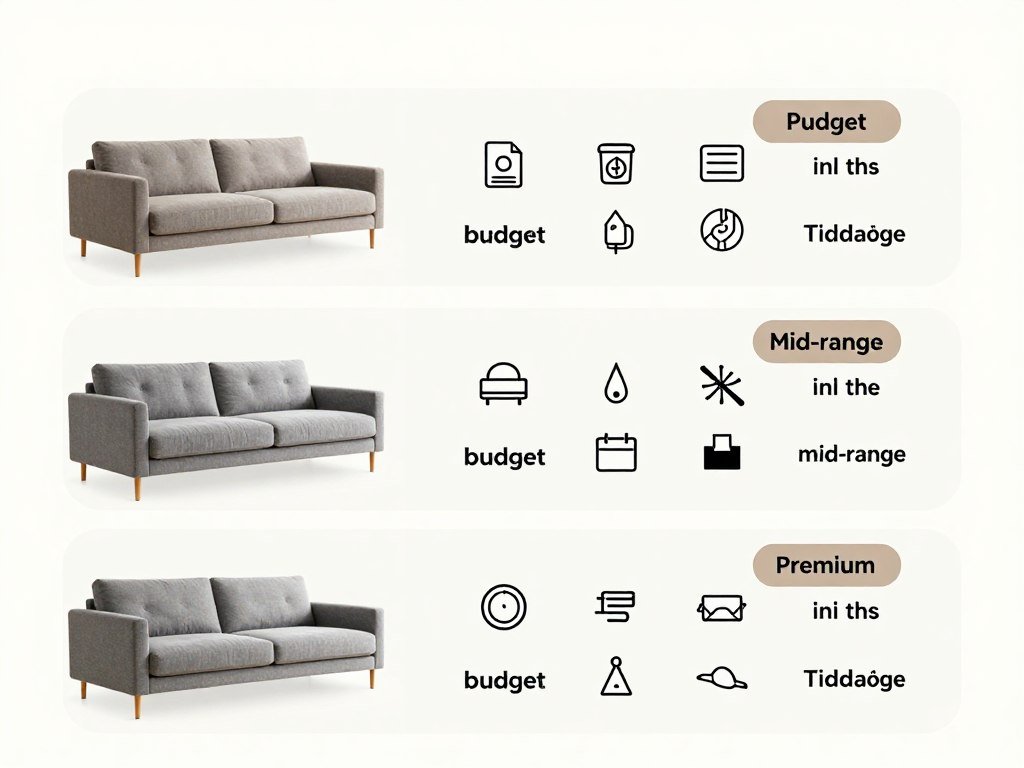
Sofa bed prices span from a few hundred dollars to several thousand depending on construction quality, materials, brand, and features. Budget options starting around three hundred to six hundred dollars typically feature simpler mechanisms, thinner mattresses, and more basic construction. These entry-level pieces work for very occasional use or temporary situations where longevity isn’t the primary concern.
Mid-range sofa beds priced between seven hundred and fifteen hundred dollars offer better quality construction, improved mattresses, and more durable fabrics. These pieces balance affordability with features that support regular use. This price range provides the sweet spot for most homeowners seeking quality furniture that will last several years without breaking the budget.
Premium sofa beds exceeding fifteen hundred dollars feature top-tier construction, luxury fabrics, advanced mechanisms, and superior mattresses. These investment pieces justify their cost through exceptional durability, comfort, and design. Consider premium options when your sofa bed will see daily use or when quality and aesthetics rank as top priorities. The per-use cost over many years often makes premium pieces surprisingly economical.
Where to Shop for Best Value
Online retailers offer convenience and competitive pricing for sofa bed shopping. Browse extensive selections from home and compare prices across multiple sellers easily. Read customer reviews to gain insights into real-world performance and quality. Many online retailers provide detailed specifications, dimensions, and high-quality photos that aid decision-making. Free shipping and generous return policies reduce risk in online furniture purchases.

Traditional furniture stores allow hands-on evaluation before purchasing. Sit on display models to test comfort, examine fabric quality in person, and assess construction details. Salespeople can answer questions and provide insights about different brands and models. Many stores offer delivery and assembly services that simplify the purchase process. Watch for seasonal sales when stores clear floor models at significant discounts.
Warehouse clubs and discount retailers carry limited sofa bed selections at attractive prices. These stores focus on value-oriented options that balance quality with affordability. While selection may be smaller than specialty furniture stores, the prices often undercut other retailers significantly. Membership-based warehouse stores sometimes feature premium brands at prices below typical retail, though selection varies by location and season.
Timing Your Purchase
Furniture sales follow predictable patterns throughout the year. Major holiday weekends including Memorial Day, Fourth of July, and Labor Day typically feature furniture sales as retailers compete for attention during high-traffic shopping periods. End-of-season clearance sales in late summer and late winter offer deep discounts on current inventory as stores make room for new collections.
| Time Period | Savings Potential | Selection Quality | Shopping Tips |
| January-February | 25-50% off | Good | Post-holiday clearance, new models arriving soon, excellent time for deals |
| Memorial Day Weekend | 20-40% off | Excellent | Major sale weekend, competitive pricing, full selection available |
| July-August | 30-50% off | Moderate | Summer clearance, limited selection, best deals on remaining inventory |
| Labor Day Weekend | 20-40% off | Good | End of summer sales, new fall inventory, solid discounts |
| Black Friday | 25-50% off | Excellent | Biggest sale event, competitive deals, but crowds and limited inventory |
Budget-Friendly Alternatives
Futons and basic convertible sofas cost significantly less than traditional sleeper sofas while still providing dual functionality. These simpler designs eliminate expensive pull-out mechanisms in favor of fold-down construction. The straightforward engineering reduces manufacturing costs passed along as savings to consumers. While comfort may not match premium sleepers, budget convertibles serve occasional guests adequately at a fraction of the cost.
Secondhand furniture markets offer significant savings for budget-conscious shoppers. Gently used sofa beds sell for fractions of original retail prices through online marketplaces, consignment stores, and estate sales. Inspect secondhand pieces carefully for structural soundness, mechanism function, and cleanliness before purchasing. Many barely-used pieces become available when people move or redecorate, offering excellent value opportunities.
When to Splurge on Quality
Daily use justifies investment in quality construction and superior comfort features. If your sofa bed serves as primary seating or frequent sleeping accommodation, spending more upfront saves money long-term through extended lifespan and better performance. Premium mattresses, reinforced frames, and quality mechanisms cost more initially but deliver years of reliable service without repairs or replacements.
Small spaces amplify the importance of furniture quality since each piece plays a prominent role in limited square footage. A cheaply made sofa bed that sags, squeaks, or shows wear quickly becomes an eyesore you see constantly. Quality pieces maintain their appearance and function over time, justifying higher initial costs through sustained performance and aesthetic appeal in your daily environment.
Maintenance and Care for Your Sofa Bed
Proper maintenance extends your sofa bed’s lifespan and keeps it looking and functioning like new. Regular care prevents small issues from becoming major problems while protecting your furniture investment. These practical strategies address both upholstery care and mechanical maintenance for optimal performance over many years.
Fabric and Upholstery Care

Vacuum your sofa bed weekly using the upholstery attachment to remove dust, dirt, and debris. This simple habit prevents particles from embedding into fabric fibers where they cause premature wear and discoloration. Pay special attention to crevices where cushions meet the frame and underneath cushions where crumbs accumulate. Regular vacuuming maintains fresh appearance and prevents the need for more aggressive cleaning methods.
Address spills immediately to prevent permanent staining. Blot liquids with clean cloths rather than rubbing, which pushes liquids deeper into fabric and spreads stains. Work from the outside edges of spills toward centers to avoid enlarging affected areas. Use cleaning products appropriate for your specific fabric type, always testing in inconspicuous areas first to ensure colorfastness.
Rotate cushions regularly if your sofa features removable cushions with reversible covers. This practice distributes wear evenly across all surfaces rather than concentrating it in high-use areas. Flip seat cushions monthly and rotate positions every few months. Back cushions benefit from similar rotation to maintain even appearance over time. This simple maintenance significantly extends the life of cushion fills and covers.
Mechanism Maintenance
The opening and closing mechanism requires periodic attention to maintain smooth operation. Apply silicone-based lubricant to metal frame joints and moving parts annually or whenever you notice resistance during deployment. Avoid oil-based products that attract dust and gum up mechanisms over time. Work lubricant into joints by opening and closing the mechanism several times after application.

Inspect the mechanism periodically for loose bolts, worn fabric straps, or bent metal components. Tighten any loose fasteners using appropriate tools. Replace worn straps or fabric supports before they fail completely. Catching these issues early prevents more extensive damage to the mechanism or mattress support system. Most hardware stores carry replacement parts for common sleeper sofa mechanisms.
Mattress Care
Protect your sleeper sofa mattress with a fitted mattress pad or protector. This barrier guards against spills, body oils, and dust mites that deteriorate mattresses over time. Remove and wash the protector monthly or after guest stays to maintain freshness. Waterproof protectors offer additional insurance against accidents that could permanently damage foam or innerspring mattresses.
Air out the mattress when possible by leaving the sofa bed deployed with windows open. This allows moisture from normal use to evaporate, preventing mildew and odors. Vacuum the mattress surface when cleaning the sofa to remove dust and allergens. Spot clean any stains following mattress manufacturer guidelines for your specific mattress type.
Frame and Wood Care
Wooden frame components and legs benefit from regular dusting and occasional furniture polish application. Use microfiber cloths to clean wooden surfaces, working with the wood grain direction. Apply furniture polish or conditioning products every few months to protect wood finishes and prevent drying or cracking. This maintenance preserves the wood’s appearance and structural integrity over years of use.
Check wooden legs and supports for stability periodically. Tighten any loose legs or supports immediately to prevent wobbling that stresses joints and can lead to structural damage. Place felt pads under legs to protect flooring and allow easier movement when cleaning. Replace damaged or worn leg pads promptly to maintain floor protection.
Essential Sofa Bed Maintenance Checklist
- Vacuum upholstery weekly using proper attachments
- Rotate reversible cushions monthly for even wear
- Spot clean spills immediately with appropriate cleaners
- Lubricate mechanisms annually for smooth operation
- Inspect frame components quarterly for loose fasteners
- Use mattress protectors and wash monthly
- Air out mattress periodically to prevent moisture buildup
- Clean and condition wooden components every few months
- Check and tighten leg supports regularly
- Address small issues before they become major repairs
Common Mistakes to Avoid When Choosing Sofa Beds
Understanding potential pitfalls helps you sidestep frustrating mistakes that lead to buyer’s remorse. Many first-time sofa bed purchasers make similar errors that compromise comfort, functionality, or fit. Learning from these common missteps ensures your selection process leads to satisfying results that serve your needs effectively for years.
Ignoring Actual Dimensions
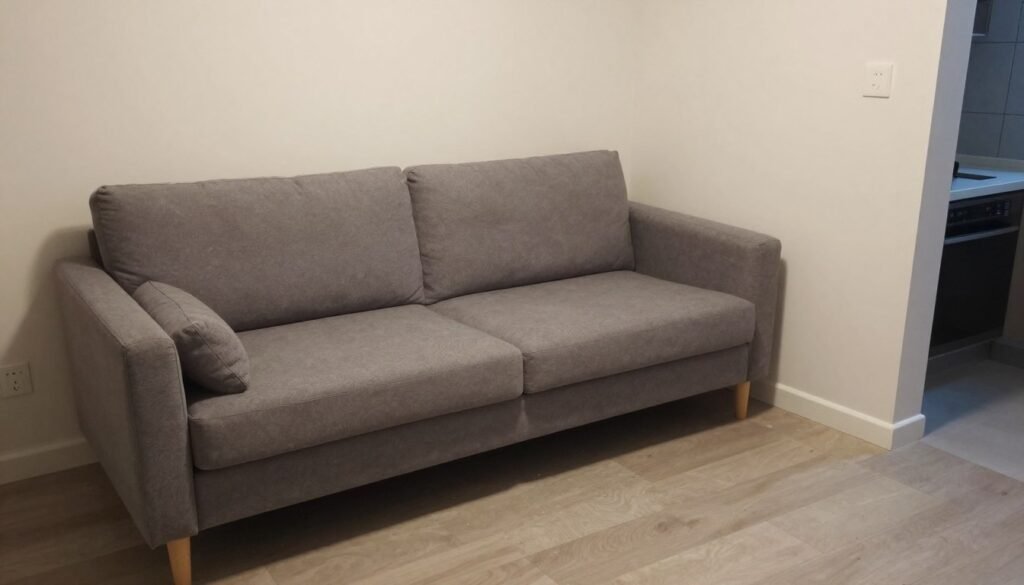
The single most common mistake involves failing to measure thoroughly before purchasing. Buyers often focus only on the sofa’s closed dimensions without accounting for the space needed when the bed extends. This oversight leads to sofa beds that cannot fully deploy or that block critical pathways when opened. Always measure and mark the full extended dimensions on your floor before committing to a purchase.
Doorway dimensions deserve equal attention during the planning process. Many disappointed buyers discover their perfect sofa won’t fit through apartment hallways, stairwells, or doorways after delivery. Measure all passages the sofa must navigate including height, width, and any necessary angles or turns. Factor in several extra inches of clearance beyond the sofa’s dimensions to allow for maneuvering during delivery.
Prioritizing Price Over Quality
Choosing the cheapest available option often results in disappointment and additional expenses. Rock-bottom prices usually indicate corners cut in construction, materials, or comfort features. These budget pieces may seem like bargains initially but quickly reveal their limitations through sagging cushions, uncomfortable mattresses, or failed mechanisms. The cost of replacing a failed cheap sofa bed often exceeds the difference in price compared to a quality mid-range option purchased initially.
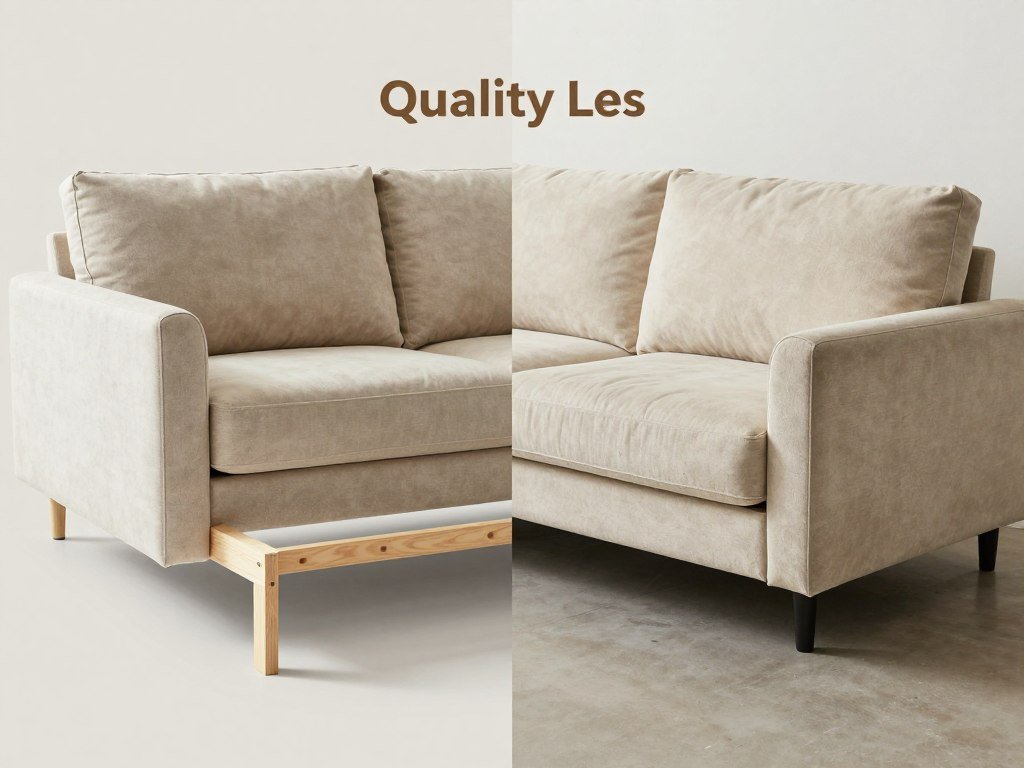
Balance budget constraints with quality requirements rather than making price the sole deciding factor. Identify your must-have features and minimum quality standards, then find the most affordable option meeting those criteria. Sometimes spending an extra two or three hundred dollars elevates you into a significantly better quality tier. This modest additional investment pays dividends through years of reliable performance and maintained appearance.
Overlooking Mattress Comfort
Many buyers focus on the sofa’s appearance and seating comfort while treating the sleeping surface as an afterthought. This mistake becomes painfully apparent when guests spend uncomfortable nights on thin, unsupportive mattresses. Remember that your guests will spend six to eight hours on the mattress compared to perhaps a few hours on the sofa cushions. Prioritize sleeping comfort appropriately.
If possible, lie on the deployed mattress for several minutes in the store. Assess whether the mattress provides adequate support for your sleeping position. Consider your typical guests’ needs as well. Older guests or those with back issues require more supportive mattresses than young people might. A quality mattress makes the difference between guests who leave well-rested and those who wake up sore and uncomfortable.
Neglecting Daily Use Comfort
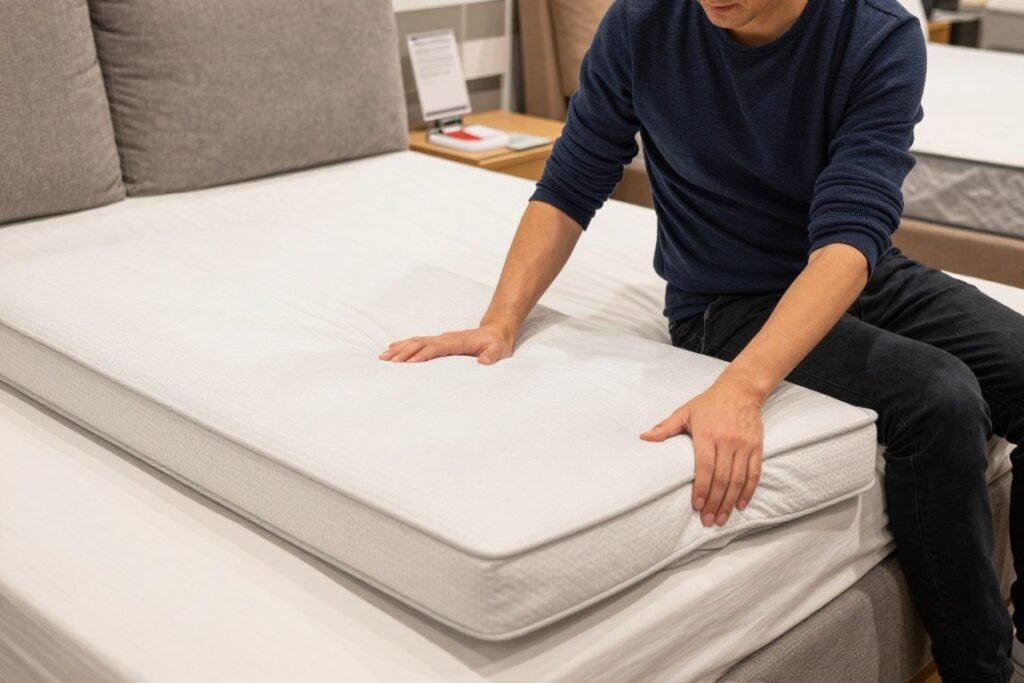
The opposite error involves buyers so focused on sleeping comfort that they neglect daily seating functionality. Remember that your sofa bed spends most of its life in sofa mode. Uncomfortable seating that you avoid using wastes valuable space and money. Test the seating comfort thoroughly, spending at least ten to fifteen minutes sitting in various positions on store display models.
Consider your typical activities on the sofa. If you regularly watch television or read for hours, you need supportive cushions that maintain comfort over extended periods. If you frequently work on a laptop from the sofa, test whether the seat depth and back support accommodate that posture comfortably. Your daily comfort matters just as much as occasional guest sleeping comfort.
Choosing Impractical Fabrics
Selecting beautiful but impractical upholstery fabrics creates ongoing frustration. Very light colors show every speck of dirt in high-traffic areas. Delicate fabrics without stain protection require professional cleaning for even minor spills. Textures that snag easily look worn and shabby quickly. Choose fabrics that align with your lifestyle, especially in households with children or pets where durability and cleanability outweigh delicate aesthetics.
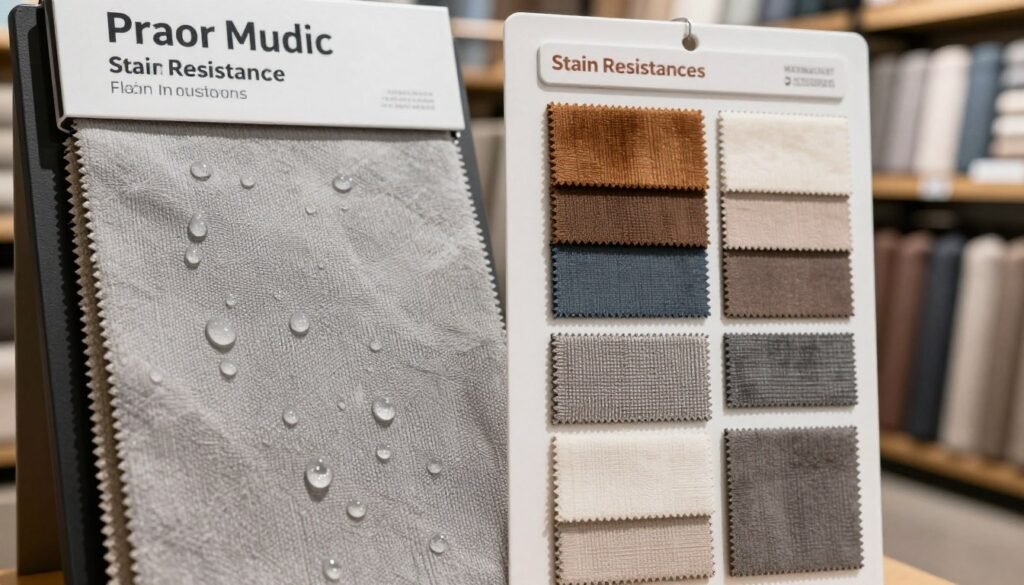
Performance fabrics engineered for durability and stain resistance often look identical to traditional upholstery but perform far better under real-world conditions. These modern textiles resist spills, repel pet hair, and clean easily while maintaining attractive appearances. The slight price premium for performance fabrics proves worthwhile through years of easier maintenance and better appearance retention.
Failing to Plan for Storage
Neglecting to plan where you’ll store bedding and pillows creates clutter problems in small spaces. Sheets, blankets, and pillows require accessible storage so you can set up guest sleeping arrangements quickly. Without designated storage, these items pile up in closets or corners, contributing to disorganized appearances that undermine your small space design efforts.
Solve storage challenges before your sofa bed arrives. Designate specific spots for guest bedding, preferably near the sofa for convenient access. Consider sofa beds with integrated storage compartments that keep bedding immediately accessible. Storage ottomans, under-bed boxes, or dedicated linen cabinets provide organized homes for guest supplies. This advance planning prevents last-minute scrambling when visitors arrive.
Critical Mistakes That Lead to Buyer’s Remorse
- Failing to measure space accurately including deployed bed dimensions
- Not checking doorway and hallway clearances before delivery
- Choosing price as the only purchasing criterion
- Ignoring mattress comfort testing before buying
- Neglecting daily seating comfort evaluation
- Selecting impractical fabrics for your lifestyle
- Forgetting to plan bedding storage solutions
- Not reading customer reviews about real-world performance
- Skipping warranty and return policy review
- Rushing the decision without adequate research
Maximizing Your Small Space Potential Beyond the Sofa Bed
A quality sofa bed forms the foundation of functional small space living, but additional strategies amplify your home’s efficiency. These complementary approaches work alongside your convertible furniture to create spaces that feel larger, more organized, and more livable. Implementing multiple space-maximizing techniques compounds their individual effects for dramatic improvements in how your small space functions.
Vertical Storage Solutions
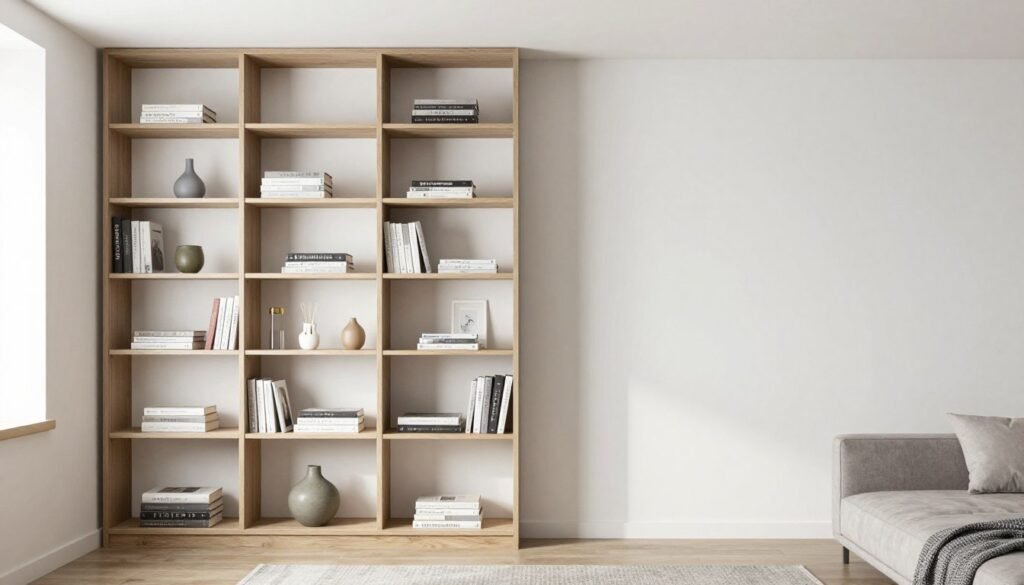
Utilizing wall height through vertical storage frees precious floor space while increasing storage capacity. Floor-to-ceiling bookshelves, wall-mounted cabinets, and stacked storage units draw the eye upward, creating impressions of height and spaciousness. This vertical approach stores more items in less square footage compared to low, wide storage furniture that consumes valuable floor area.
Install floating shelves at varying heights to create visual interest and functional storage without bulky furniture. These mounted shelves hold books, plants, decorative objects, and daily-use items while maintaining open floor space underneath. The floating appearance contributes to airy feelings that make small rooms seem larger. Group shelves in arrangements that balance practical storage with aesthetic appeal.
Multi-Purpose Room Design
Small spaces often require rooms to serve multiple functions. Your living room might also function as dining area, home office, or exercise space. Embrace this multi-purpose nature through furniture and storage that adapt to different activities. Folding tables deploy for meals or work sessions then stow away. Rolling carts organize supplies for various activities while moving easily between storage and use positions.
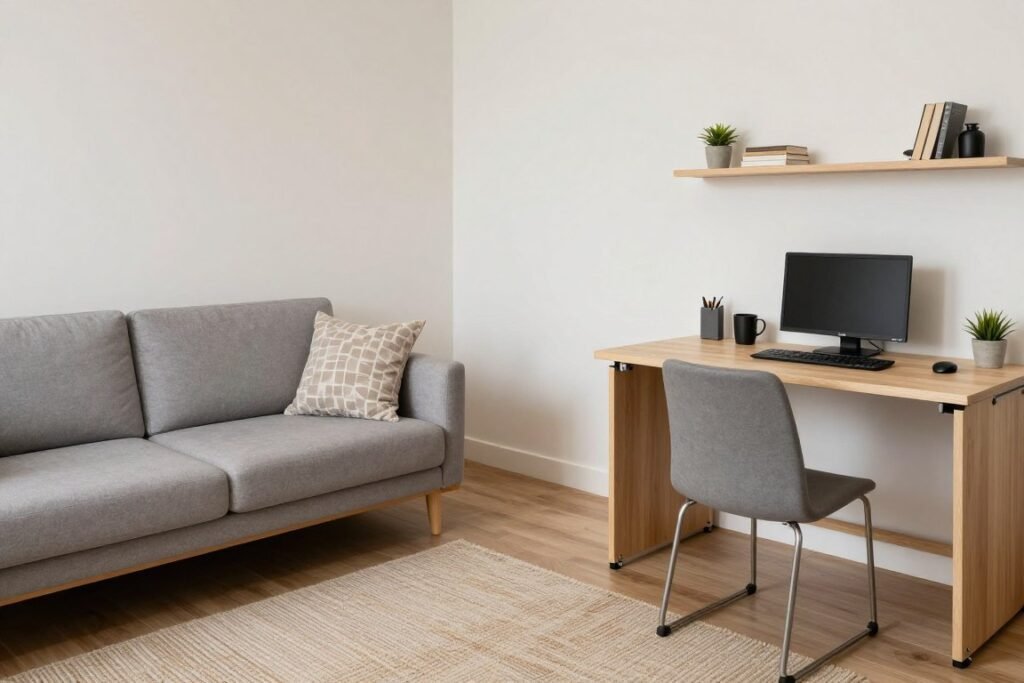
Define zones within multi-purpose rooms using area rugs, lighting differences, or furniture placement. These visual cues establish distinct areas for different activities without requiring physical walls. A rug under your sofa bed defines the living zone. Different lighting over a desk area establishes a workspace. These subtle separations help your brain shift between activities more effectively than completely open spaces where everything blends together.
Light and Color for Spacious Feelings
Maximize natural light through minimal window treatments that allow maximum daylight penetration. Sheer curtains or translucent shades provide privacy while maintaining brightness. Position mirrors strategically to reflect natural light throughout spaces, effectively doubling its illumination impact. Light-colored walls, ceilings, and floors bounce light around rooms, creating brighter, more spacious atmospheres than dark surfaces that absorb light.

Maintain cohesive color schemes throughout small spaces rather than using different colors in adjacent areas. This continuity creates visual flow that makes spaces feel larger than color-blocked designs. Limit your palette to three main colors plus neutral backgrounds. This restrained approach prevents visual chaos that makes small rooms feel cluttered and cramped. Add variety through textures and materials rather than numerous colors.
Decluttering and Organization
Clutter makes any space feel smaller and more chaotic. Regular decluttering maintains the open, organized appearance essential in small spaces. Implement the one-in-one-out rule where you remove one item for every new item brought home. This practice prevents accumulation that gradually consumes available space. Schedule monthly or seasonal decluttering sessions to evaluate possessions and remove items no longer serving useful purposes.
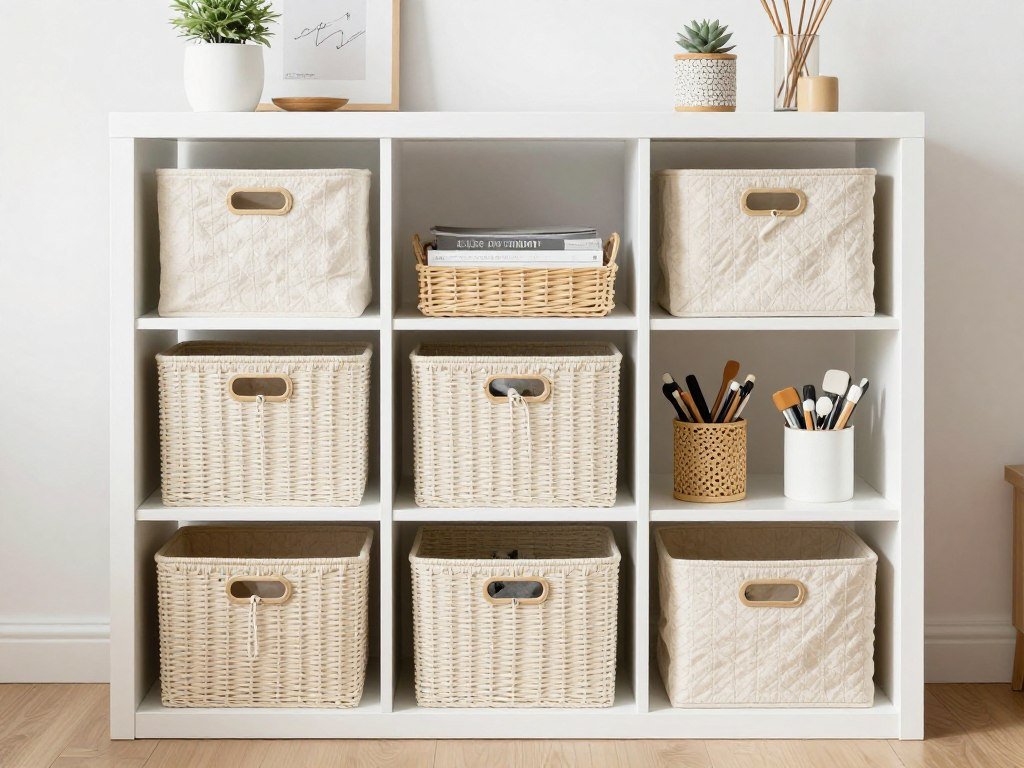
Create designated homes for everyday items so they don’t accumulate on surfaces. Mail, keys, bags, and other daily-use objects need specific storage spots that prevent counter and table clutter. Use attractive baskets, boxes, or trays to corral small items. These organizational tools keep necessities accessible while maintaining neat appearances. The few minutes spent putting items away properly pays dividends through maintained order and reduced cleaning time.
Smart Technology Integration
Modern technology offers space-saving alternatives to bulky traditional equipment. Wall-mounted televisions eliminate entertainment centers that consume significant floor space. Soundbars replace multiple speakers and audio equipment. Streaming devices eliminate DVD collections. E-readers store entire libraries without physical books requiring shelf space. These digital solutions maintain functionality while dramatically reducing physical footprints.
Smart home devices consolidate controls and reduce clutter. Single voice assistants replace separate alarm clocks, radios, and speakers. Smart thermostats eliminate wall-mounted controls. Wireless charging stations reduce cord tangles. These modern conveniences simplify small space living while maintaining cleaner, more organized environments. The initial investment in smart technology pays ongoing dividends through improved functionality and reduced clutter.
Transform Your Small Space Today
Discover the perfect sofa bed and complementary furniture pieces designed specifically for compact living. Browse hundreds of space-saving solutions that combine style, comfort, and functionality to make your small space feel larger and more livable.
Frequently Asked Questions About Sofa Beds for Small Spaces
How much space do I really need for a sofa bed?
Most pull-out sleeper sofas require 36 to 48 inches of clearance in front of the sofa when fully extended. The sofa itself typically measures 30 to 40 inches deep when closed. This means you need roughly 66 to 88 inches of total space from wall to clearance edge. Futons and convertible sofas need less extension space, usually 12 to 24 inches, making them better choices for very tight quarters.
Always measure your specific space and compare it to the manufacturer’s specifications for both closed and open dimensions. Account for the need to walk around the extended bed to access other areas of your room. Consider that you’ll need space to maneuver during the conversion process as well. Creating a floor plan with these measurements marked helps visualize how the sofa bed will function in your actual space.
Are sofa beds comfortable enough for regular sleeping?
Modern quality sofa beds offer comfort approaching that of regular beds, particularly models with memory foam or hybrid mattresses at least four to five inches thick. These improved mattresses support comfortable sleeping for occasional guest stays. However, most sofa bed mattresses don’t match the comfort of dedicated beds for nightly use. The thin profile required to fit inside the sofa mechanism limits cushioning and support.
If someone will sleep on your sofa bed regularly rather than occasionally, invest in the highest quality mattress you can afford. Consider adding a memory foam mattress topper for additional comfort and pressure relief. Some people successfully use quality sofa beds as primary sleeping surfaces in studio apartments, but this approach requires careful selection of premium models with superior mattresses.
What’s the difference between a sofa bed and a sleeper sofa?
The terms sofa bed and sleeper sofa generally refer to the same type of furniture. Both describe sofas that convert into beds. Some people use sleeper sofa specifically for pull-out models with traditional metal frames and mattresses that fold inside the sofa. The term sofa bed sometimes encompasses broader categories including futons and convertible sofas where the backrest folds down to create a sleeping surface.
In practical shopping situations, manufacturers and retailers use these terms interchangeably. Focus on the specific mechanism type, mattress quality, and construction details rather than worrying about technical terminology differences. The conversion method and sleeping surface quality matter much more than whether something is labeled a sofa bed or sleeper sofa.
Can I fit a sofa bed in a studio apartment?
Yes, many sofa beds work beautifully in studio apartments with proper planning and selection. Loveseat sleepers, compact futons, and small-scale convertible sofas specifically designed for studios provide sleeping accommodation without overwhelming limited space. The key involves measuring carefully and selecting a size appropriate for your specific studio dimensions. A sofa bed often proves more practical than separate sofa and bed in studios.
Position the sofa bed strategically to define living and sleeping zones within your studio. Place it facing away from the bed area to create psychological separation even within one room. Consider futons or click-clack convertibles that need less extension space than traditional pull-out mechanisms. These compact options allow you to maintain furniture against walls while still accessing the sleeping function when needed.
How do I clean and maintain a sofa bed?
Regular maintenance starts with weekly vacuuming using upholstery attachments to remove dust and debris from fabric surfaces and crevices. Spot clean spills immediately with appropriate cleaners for your fabric type, always blotting rather than rubbing. Rotate cushions monthly if removable to distribute wear evenly. Lubricate the mechanism annually with silicone-based products to maintain smooth operation.
Use mattress protectors on the sleeping surface and wash them monthly or after guest stays. Air out the mattress periodically by leaving the bed deployed with windows open. Address any loose bolts or worn components promptly before they cause larger problems. Most sofa beds provide years of reliable service with this basic maintenance routine. Professional cleaning every year or two keeps upholstery looking fresh and removes deep-seated dirt.
What size sofa bed should I choose for my small space?
Loveseat sleepers typically convert to twin or small full-size beds and work well in very small spaces or when accommodating single guests. Full-size sleeper sofas convert to full or queen beds, providing more comfortable sleeping for couples or larger individuals while maintaining reasonable proportions for small living rooms. Measure your available space first, then select the largest sofa bed that fits comfortably while leaving adequate clearance.
Consider your typical guest situations when selecting size. If you primarily host single friends or family members, a loveseat sleeper suffices and saves valuable space. If you frequently accommodate couples, investing in a full-size sleeper with queen mattress makes sense despite its larger footprint. Remember that the sleeping surface is what matters most to guests, while the sofa size affects your daily living experience.
Are expensive sofa beds worth the investment?
Premium sofa beds justify higher costs through superior construction, better mattresses, and longer lifespans. Quality frames crafted from kiln-dried hardwood withstand years of regular use without structural issues. Upgraded mechanisms operate more smoothly and reliably than budget versions. High-quality mattresses provide genuine sleeping comfort that guests appreciate. These features combine to deliver significantly better performance over time.
Calculate the per-use cost over the furniture’s expected lifespan rather than focusing only on upfront price. A fifteen-hundred-dollar sofa bed lasting ten years costs just one hundred fifty dollars per year. A five-hundred-dollar piece failing after three years costs nearly as much annually while delivering inferior comfort and aesthetics throughout its shorter life. Premium pieces often prove more economical long-term despite higher initial investments.
Can I customize fabric on sofa beds?
Many furniture manufacturers and retailers offer custom fabric options allowing you to select specific colors, patterns, or material types for your sofa bed. This customization typically adds cost and extends delivery time compared to stock models, but provides the exact aesthetic you want. Custom orders usually require deposits and may not be returnable, so choose carefully and obtain fabric samples before committing.
Some manufacturers provide extensive fabric libraries with hundreds of choices across various price tiers. Performance fabrics usually cost more than standard upholstery but deliver superior stain resistance and durability worth considering for high-use pieces. If customization costs exceed your budget, look for manufacturers offering multiple stock fabric options. Many brands provide six to twelve standard fabrics in each furniture style, increasing the likelihood of finding something suitable without custom ordering.
How long do sofa beds typically last?
Quality sofa beds with proper maintenance typically last seven to fifteen years depending on use frequency and construction quality. Budget models might provide three to five years of service, while premium pieces can exceed fifteen years with regular care. The mechanism often outlasts upholstery if maintained properly. Factors affecting lifespan include frame construction, mechanism quality, fabric durability, and maintenance consistency.
Daily use shortens lifespans compared to occasional deployment for guests. A sofa bed serving as primary seating and frequent sleeping surface experiences more wear than one used occasionally. The quality tier you purchase should reflect your intended use pattern. Invest in premium construction for daily use situations, while mid-range options suffice for occasional guest accommodation. Proper maintenance significantly extends lifespan regardless of initial quality level.
What alternatives exist to traditional sofa beds?
Murphy beds fold into walls or cabinets, freeing floor space during daytime while providing full bed functionality at night. Daybeds function as sofas during the day and beds at night without conversion mechanisms. Trundle beds store under platforms when not needed. Inflatable mattresses offer temporary sleeping solutions stored away completely between uses. Each alternative presents different trade-offs in comfort, convenience, and space efficiency.
Consider your specific needs when evaluating alternatives. Murphy beds work beautifully when you have wall space available but need to completely clear floor area daily. Daybeds suit rooms functioning primarily as home offices or hobby spaces that occasionally accommodate overnight guests. Sofa beds remain the most versatile option for spaces functioning primarily as living rooms where you want substantial seating most of the time with occasional sleeping capability.
Making Your Small Space Work Beautifully With the Right Sofa Bed
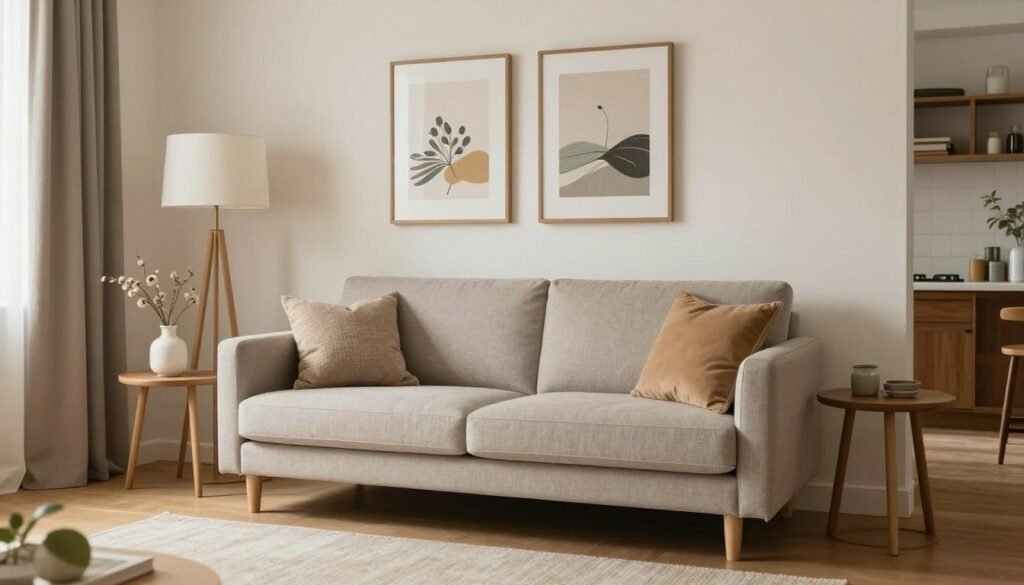
Selecting the perfect sofa bed for your small space transforms how you live and use your home. The right piece provides comfortable daily seating, accommodates overnight guests gracefully, and contributes to a cohesive design aesthetic that makes your compact quarters feel welcoming and spacious. This significant furniture investment deserves careful consideration of all factors from dimensions and comfort to style and maintenance requirements.
Remember that small space living requires strategic thinking about every furniture choice. Your sofa bed serves as the anchor piece around which other design decisions revolve. By choosing wisely based on your specific needs, space constraints, and lifestyle, you create a foundation for comfortable, functional small space living that doesn’t sacrifice style or hospitality.
Take time to measure accurately, test comfort thoroughly, and evaluate construction quality before making your final decision. Consider how the piece will function both in daily use as a sofa and occasional use as a bed. Think about maintenance requirements and long-term durability. These thoughtful considerations lead to purchases you’ll appreciate for years rather than decisions that lead to buyer’s remorse.
Small spaces offer unique opportunities to create cozy, efficient homes that reflect your personality while meeting practical needs. The right sofa bed makes this possible by providing essential functionality without overwhelming limited square footage. Whether you’re furnishing your first studio apartment, downsizing to a smaller home, or simply maximizing a compact guest room, the principles and strategies outlined in this guide help you make informed decisions that result in spaces you love living in every day.