Home landscaping is both an art and a science that transforms ordinary outdoor spaces into personal sanctuaries. Whether you’re starting with a blank canvas at a new construction home or revitalizing an existing yard, thoughtful landscaping enhances your property’s beauty, functionality, and value. This comprehensive guide will walk you through the essential elements of successful home landscaping—from initial planning and design principles to plant selection, hardscaping ideas, and seasonal maintenance strategies. With the right approach, you can create an outdoor environment that reflects your personal style while harmonizing with the natural world around you.
This Website contains affiliate links. That means I may earn a small commission if you purchase through my links, at no extra cost to you.
Planning Your Home Landscaping Project
Successful landscaping begins with thoughtful planning. Before purchasing a single plant or moving any soil, take time to develop a comprehensive landscape plan that will guide your efforts and help you achieve a cohesive result.
Assess Your Space and Needs
Begin by evaluating your property’s existing conditions. Note sun exposure patterns, soil quality, drainage issues, and existing vegetation. Consider how you want to use your outdoor space—entertaining, relaxation, play areas for children, or growing food. Make a list of your priorities and constraints, including budget limitations and maintenance preferences.
Create a Landscape Design Sketch
Sketch your property, including the house footprint, property lines, and existing features you plan to keep. Measure and note dimensions accurately. Indicate areas of sun and shade throughout the day. This baseline drawing will become your canvas for designing your landscape.
What should I include in my landscape design sketch?
Your sketch should include:
Related Posts:






- Property boundaries and house footprint
- Existing trees, shrubs, and hardscape elements you plan to keep
- Sun and shade patterns throughout the day
- Utility lines and easements
- Problem areas (poor drainage, steep slopes)
- Desired functional zones (dining, play areas, garden beds)
- Views you want to highlight or screen
Define Functional Zones
Divide your yard into zones based on how you’ll use each area. Common zones include:
- Entry zone – Creates first impressions and welcomes visitors
- Public zone – The front yard visible to passersby
- Private living zone – Outdoor living spaces for relaxation and entertainment
- Service zone – Utility areas for trash cans, compost, garden sheds
- Buffer zone – Plantings that provide privacy or block unwanted views
- Specialty zones – Gardens, play areas, water features, etc.
Consider Long-Term Growth
When planning your landscape, think about how it will mature over time. Young trees and shrubs will grow significantly, potentially changing sun patterns and spatial relationships. Choose locations for plants based on their mature size, not their appearance when first planted. This foresight prevents overcrowding and the need for major renovations later.
For accurate measurements and professional-quality sketches, consider investing in a professional measuring tape and landscape design sketch materials.
Essential Home Landscaping Design Principles
Understanding basic design principles helps create landscapes that are both beautiful and functional. These principles guide decisions about plant selection, hardscape placement, and overall composition.
Balance and Proportion
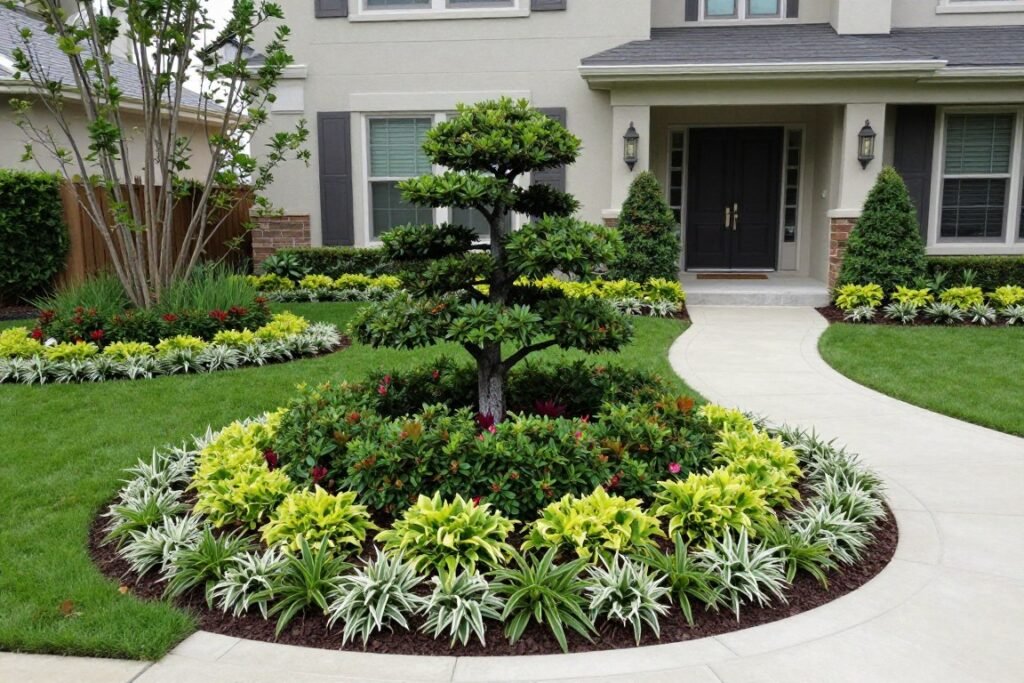
Balance creates visual stability in your landscape. Symmetrical balance uses identical elements on either side of an axis, creating a formal look. Asymmetrical balance uses different elements that have equal visual weight, creating a more casual, natural appearance. Proportion refers to the size relationship between landscape elements and your home.
Unity and Harmony
Unity comes from consistent use of materials, colors, and plant types throughout your landscape. Repeating elements creates rhythm and ties different areas together. Harmony is achieved when all elements work together to create a cohesive whole.
Focal Points
Focal points draw the eye and create visual interest. They might be specimen plants, water features, garden structures, or art pieces. Effective focal points stand out through contrast in form, texture, or color, but still harmonize with the overall design.
Design Tip: The Rule of Thirds
When creating focal points or designing views, use the photographer’s “rule of thirds.” Imagine your landscape divided into a grid of nine equal sections. Place key elements at the intersection points of these grid lines rather than in the center for a more dynamic, interesting composition.
Scale and Layering
Scale refers to the size relationship between different elements. Proper scaling ensures that plants and hardscape features are appropriately sized for their location. Layering involves arranging plants by height—tall plants in the back, medium in the middle, and short in front—creating depth and visual interest.
Flow and Movement
Well-designed landscapes guide the eye and body through the space. Curved pathways create a sense of mystery and invitation. Consider how people will move through your yard and design accordingly, ensuring smooth transitions between different zones.
Selecting the Right Plants for Your Home Landscaping
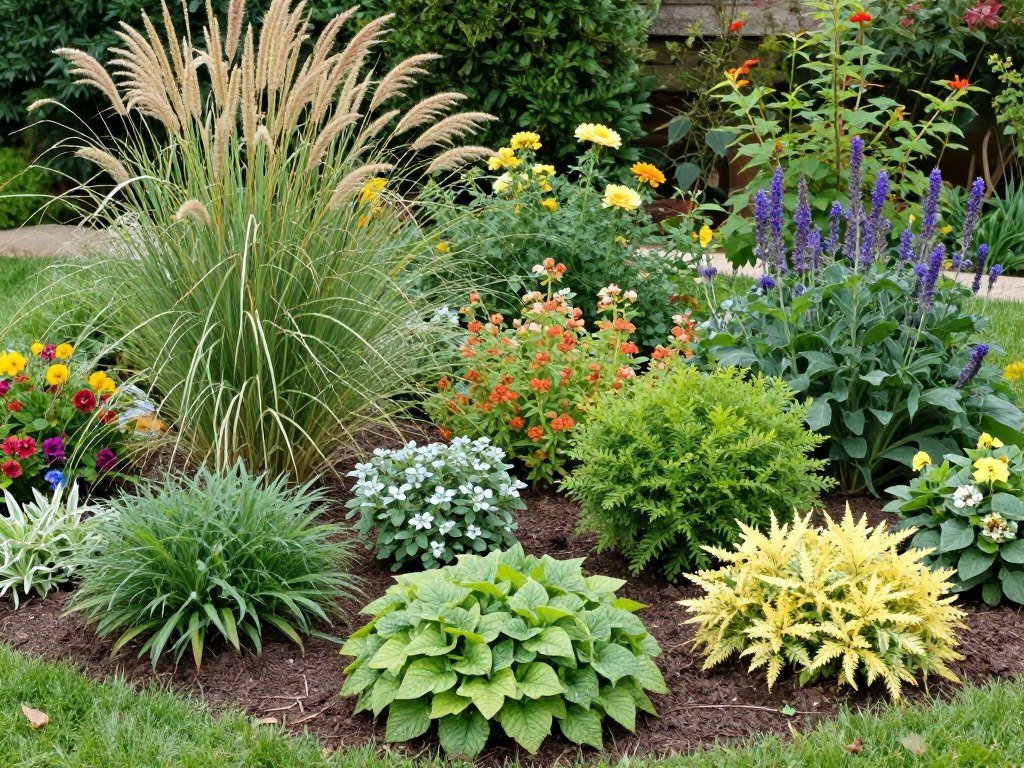
Plants are the living heart of your landscape. Choosing the right plants for your specific conditions ensures a thriving, beautiful yard that meets your aesthetic goals while minimizing maintenance.
Understanding Your Growing Conditions
Before selecting plants, understand your site conditions:
- Hardiness zone – Determines which plants can survive your winter temperatures
- Sun exposure – Full sun (6+ hours direct sun), part sun/shade (3-6 hours), or full shade (less than 3 hours)
- Soil type – Sandy, clay, loam, or somewhere in between
- Soil pH – Acidic, neutral, or alkaline
- Moisture conditions – Well-drained, occasionally wet, or consistently moist
Consider investing in a soil test kit to accurately determine your soil’s composition and pH.
Plant Selection Strategies
Native Plants
Native plants are adapted to your local conditions, requiring less water, fertilizer, and maintenance once established. They also provide habitat for local wildlife and contribute to biodiversity. Research which plants are native to your specific region for best results.
Year-Round Interest
Select plants that provide visual interest in different seasons. Consider spring flowers, summer foliage, fall color, and winter structure. By thoughtfully combining plants with different peak seasons, you can create a landscape that remains attractive throughout the year.
Creating Plant Combinations
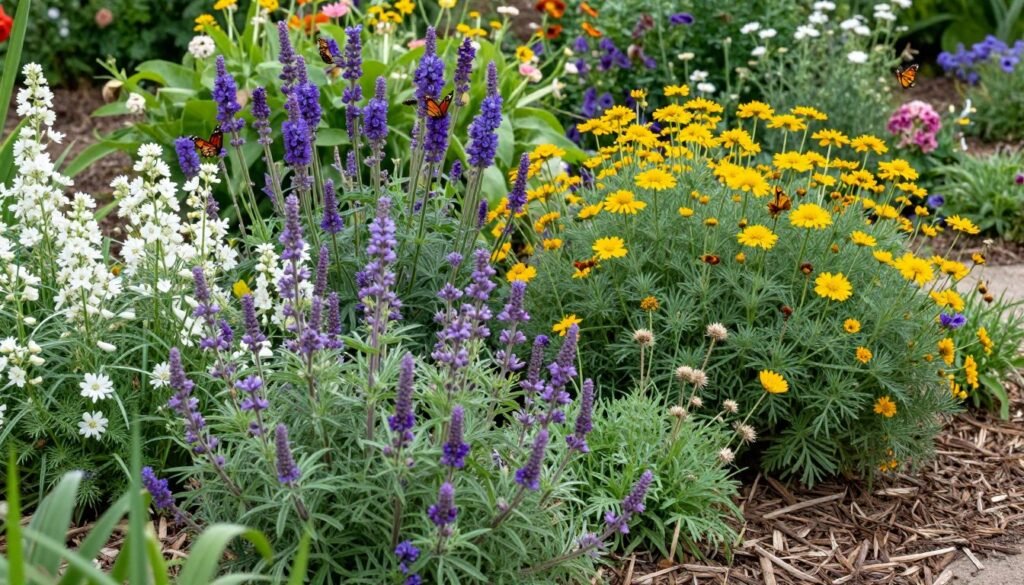
Effective plant groupings consider several factors:
- Form and texture – Combine plants with different leaf shapes and textures
- Color relationships – Use color theory to create harmonious or contrasting combinations
- Growth habits – Pair plants with compatible growth rates and habits
- Maintenance needs – Group plants with similar water and care requirements
Plant Selection Tip: The Right Plant for the Right Place
The most sustainable approach to landscaping is to match plants to your existing conditions rather than trying to change your conditions to suit certain plants. This reduces the need for excessive watering, fertilizing, and other interventions. For areas with challenging conditions, look for plants specifically adapted to those environments.
Hardscaping Elements in Home Landscaping
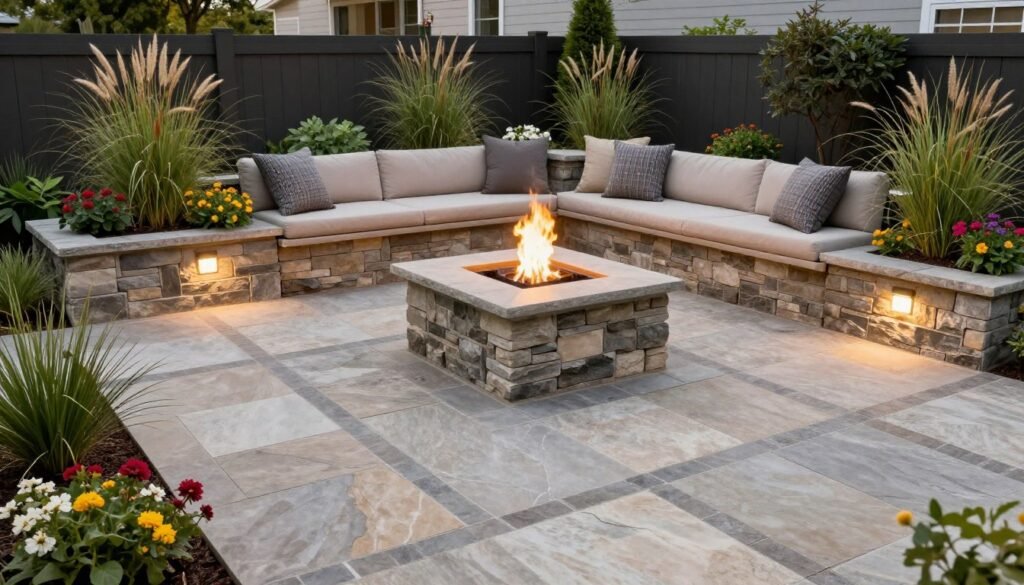
Hardscaping refers to the non-living elements in your landscape—patios, walkways, retaining walls, and other structures. These features provide structure, functionality, and year-round interest in your outdoor space.
Pathways and Walkways
Pathways direct movement through your landscape and connect different areas. Material options include:
Stone Pavers
Durable and available in many styles, stone pavers create formal or casual paths depending on their arrangement. Natural stone offers unique character, while manufactured pavers provide consistent sizing.
Gravel and Decomposed Granite
Affordable and permeable, these materials create informal paths with a natural look. They require edging to contain the material and occasional replenishment as they settle over time.
Stepping Stones
Perfect for casual garden paths, stepping stones can be placed with ground cover plants growing between them. They create a whimsical, natural look while providing practical access through planted areas.
Quality landscape edging helps define the boundaries between hardscaping and planted areas, creating clean lines and preventing material migration.
Patios and Outdoor Living Spaces
Patios extend your living space outdoors, providing areas for dining, entertaining, and relaxation. Consider these factors when designing a patio:
- Size and scale – Ensure adequate space for furniture and movement
- Location – Consider sun/shade patterns, views, and proximity to the house
- Materials – Choose options that complement your home’s architecture
- Drainage – Incorporate slight slopes or permeable materials to prevent water pooling
Retaining Walls and Terraces
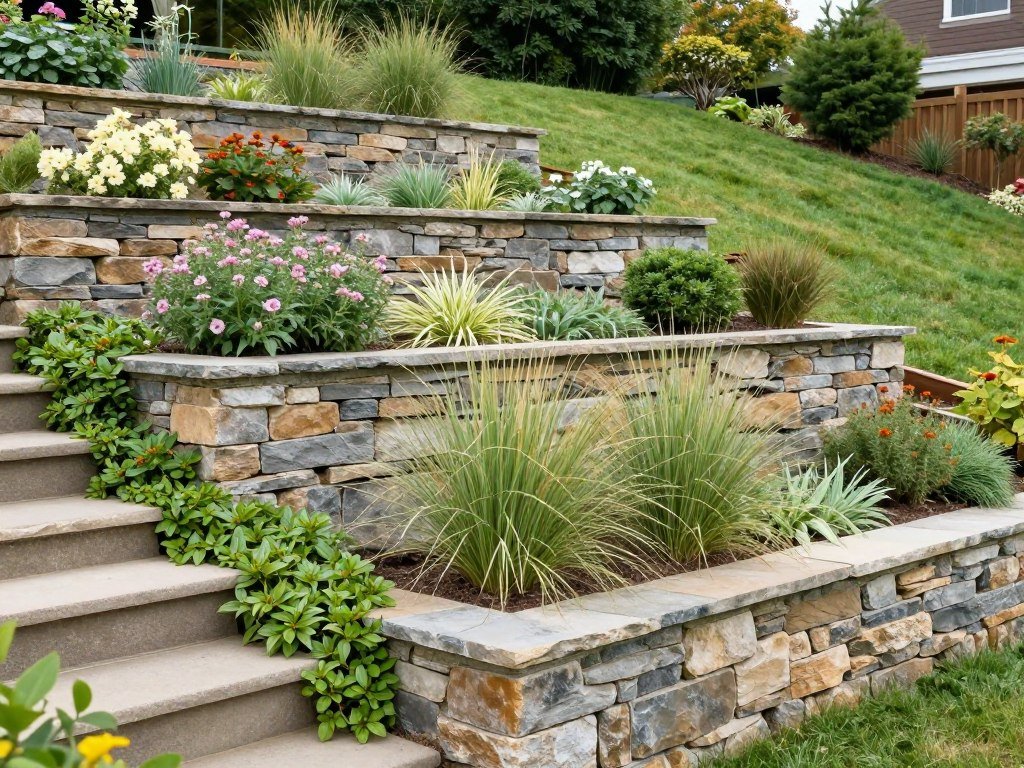
On sloped properties, retaining walls create level areas for planting or living spaces. They can be constructed from various materials, including natural stone, concrete blocks, or timber. Beyond their practical function, well-designed retaining walls add visual interest and architectural elements to your landscape.
Water Features
Water features add sensory dimension to your landscape through sound, movement, and reflection. Options range from simple bird baths to elaborate ponds or waterfalls. When planning a water feature, consider:
- Maintenance requirements and water conservation
- Safety, especially if you have children or pets
- Electrical needs for pumps and lighting
- Winter protection in cold climates
For easy-to-maintain water features, consider self-contained fountains that recirculate water and require minimal upkeep.
Beyond Grass: Lawn Alternatives in Home Landscaping
While traditional lawns have long dominated American landscapes, many homeowners are now exploring alternatives that require less water, fertilizer, and maintenance while offering greater ecological benefits.
Groundcover Plants
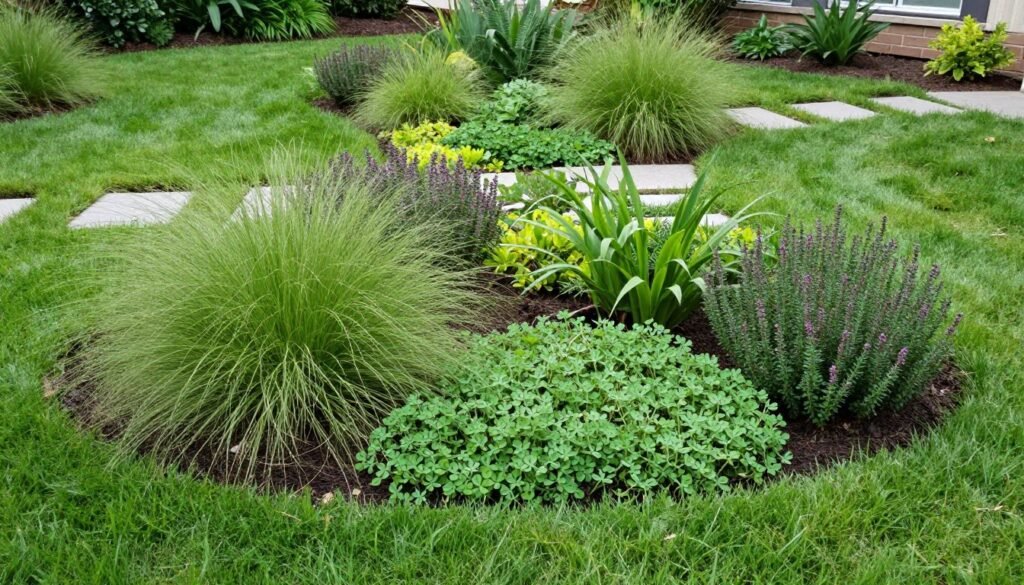
Low-growing plants can replace turf grass in areas where you don’t need to walk frequently. Depending on your climate and conditions, options might include:
- Creeping thyme – Fragrant, drought-tolerant, and can handle light foot traffic
- Clover – Stays green with minimal water and adds nitrogen to soil
- Sedges – Grass-like plants that thrive in various conditions
- Creeping Jenny – Bright green foliage that spreads quickly
- Moss – Perfect for shady, moist areas
- Ornamental grasses – Create movement and texture
Meadow Gardens
Converting lawn areas to meadow plantings creates habitat for pollinators and reduces maintenance. Meadows typically combine native grasses with wildflowers for a naturalistic look. While they require less frequent maintenance than lawns, they do need annual or seasonal cutting to prevent woody plant encroachment.
Start your meadow garden with a quality wildflower seed mix appropriate for your region.
Hardscape and Mulch
In some areas, especially in arid regions, replacing lawn with hardscape elements and mulched planting beds makes ecological sense. Permeable materials like gravel allow rainwater to penetrate while eliminating the need for irrigation.
Lawn Alternative Tip: Start Small
If you’re hesitant to eliminate your entire lawn, start by converting a small section to an alternative planting. Border areas, steep slopes, and shady spots where grass struggles are perfect candidates for initial conversion. As you gain confidence and see the benefits, you can gradually expand to other areas.
Integrating Edibles into Your Home Landscaping
Edible landscaping combines ornamental and food-producing plants, allowing you to grow fresh food while maintaining an attractive yard. This approach maximizes your space and creates a landscape that engages all the senses.
Ornamental Edibles
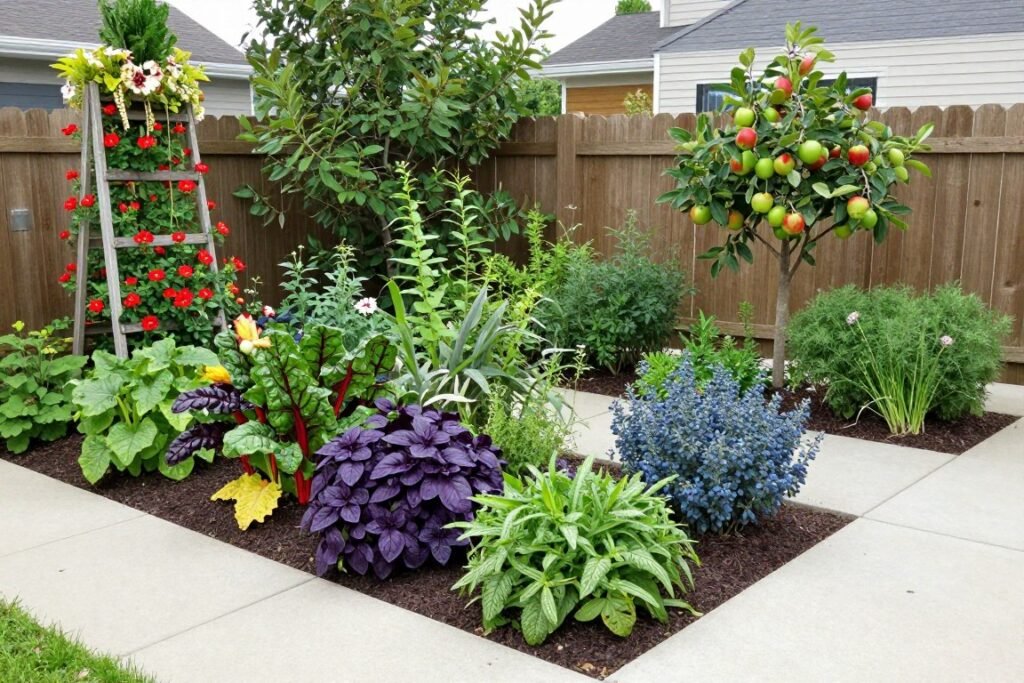
Many food plants are naturally attractive and can be incorporated into ornamental beds:
- Rainbow chard – Colorful stems in red, yellow, and pink
- Purple basil – Deep color contrasts beautifully with green plants
- Blueberry bushes – Offer spring flowers, summer fruit, and fall color
- Scarlet runner beans – Produce bright flowers followed by edible pods
- Artichokes – Architectural plants with striking purple flowers if left unharvested
Fruit Trees and Shrubs
Fruit-bearing trees and shrubs can serve as focal points or screening elements in your landscape. Dwarf varieties work well in smaller yards. Consider:
- Dwarf apple or pear trees
- Fig trees (in appropriate climates)
- Serviceberry (edible berries and ornamental features)
- Currants and gooseberries
- Elderberry
- Compact raspberry varieties
Herb Gardens
Herbs are perfect for edible landscaping—they’re attractive, fragrant, and useful. Many herbs thrive in poor soil and require minimal water once established. Create dedicated herb gardens near your kitchen or integrate herbs throughout your landscape as ground covers, border plants, or container specimens.
Start your herb garden with quality herb plants or seeds suited to your growing conditions.
Raised Beds and Garden Structures
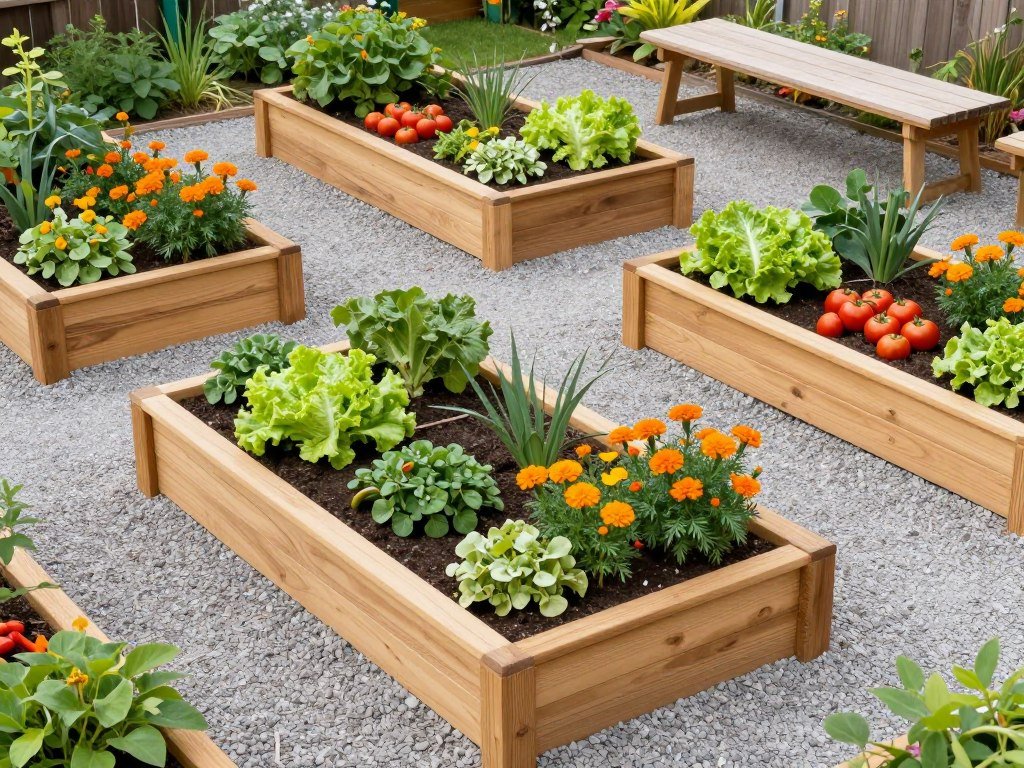
Well-designed raised beds and garden structures add architectural interest while providing optimal growing conditions for edibles. Consider these options:
- Decorative raised beds in materials that complement your home
- Attractive trellises for climbing vegetables like peas and cucumbers
- Arbors that support grape vines or kiwi
- Espaliered fruit trees trained against walls or fences
Seasonal Maintenance for Beautiful Home Landscaping
A successful landscape requires ongoing care throughout the year. Understanding seasonal maintenance tasks helps you keep your outdoor space healthy and attractive with efficient use of your time and resources.
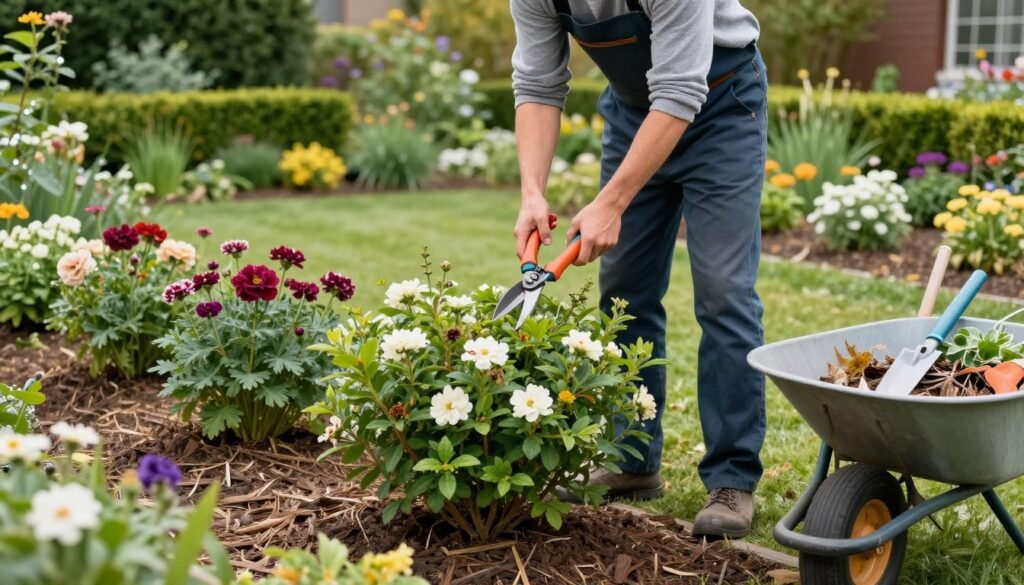
Spring Tasks
Spring is a time of renewal and preparation for the growing season:
- Clean up winter debris and prune dead branches
- Cut back ornamental grasses and perennials before new growth emerges
- Apply fresh mulch to beds (2-3 inches deep, kept away from plant stems)
- Divide overcrowded perennials
- Test soil and amend as needed
- Edge beds to create clean lines between lawn and planting areas
Quality pruning shears and hand tools make spring cleanup more efficient and effective.
Summer Tasks
Summer maintenance focuses on keeping plants healthy during the growing season:
- Water deeply but infrequently to encourage deep root growth
- Monitor for pests and diseases, addressing issues promptly
- Deadhead spent flowers to encourage continued blooming
- Prune spring-flowering shrubs after they finish blooming
- Maintain lawn at appropriate height for your grass type
Fall Tasks
Fall is an ideal time for many landscape activities:
- Plant trees, shrubs, and spring-flowering bulbs
- Divide and transplant perennials
- Clean up fallen leaves (compost them or use as mulch)
- Cut back perennials that don’t provide winter interest
- Apply compost to beds
- Aerate and overseed lawns
Winter Tasks
Even in dormant seasons, there are important maintenance activities:
- Prune deciduous trees and summer-flowering shrubs while dormant
- Protect sensitive plants from frost and harsh conditions
- Check and maintain hardscape elements
- Plan and design for next year’s projects
- Clean and sharpen tools
Maintenance Tip: Create a Calendar
Develop a personalized maintenance calendar based on your specific plants and local climate. Note when particular plants need pruning, when to divide perennials, and when to apply fertilizers or treatments. This planning prevents overlooking important tasks and helps distribute the workload throughout the year.
Sustainable Home Landscaping Practices
Environmentally conscious landscaping creates beautiful outdoor spaces while conserving resources and supporting local ecosystems. These sustainable practices benefit both your property and the broader environment.
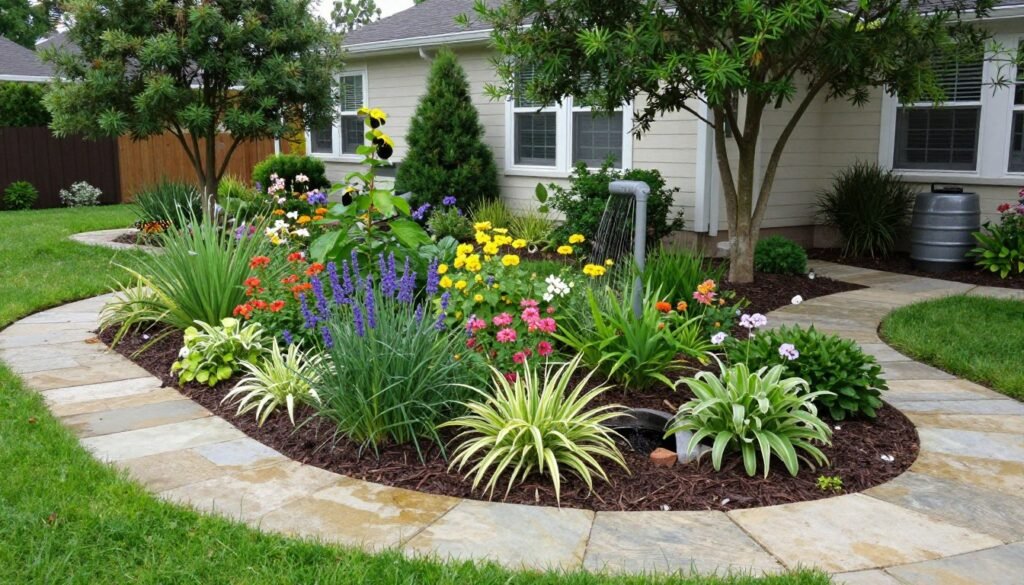
Water Conservation
Efficient water use is central to sustainable landscaping:
- Hydrozoning – Group plants with similar water needs together
- Drip irrigation – Delivers water directly to plant roots with minimal waste
- Rain gardens – Capture and filter runoff from roofs and hardscapes
- Rain barrels – Collect rainwater for garden use
- Drought-tolerant plants – Require minimal supplemental irrigation once established
Invest in a drip irrigation system to maximize water efficiency in your garden beds.
Soil Health
Healthy soil is the foundation of a sustainable landscape:
- Add organic matter through compost and mulch
- Minimize soil disturbance to protect soil structure
- Avoid synthetic fertilizers that can harm soil microorganisms
- Use cover crops in vegetable gardens to prevent erosion and add nutrients
Wildlife Habitat
Landscapes that support wildlife create dynamic, balanced ecosystems:
- Plant native species that provide food and shelter
- Include plants that flower at different times to support pollinators throughout the season
- Create water sources like bird baths or small ponds
- Install bird houses, bat boxes, or insect hotels
- Leave some areas of the garden less manicured
- Avoid pesticides that harm beneficial insects
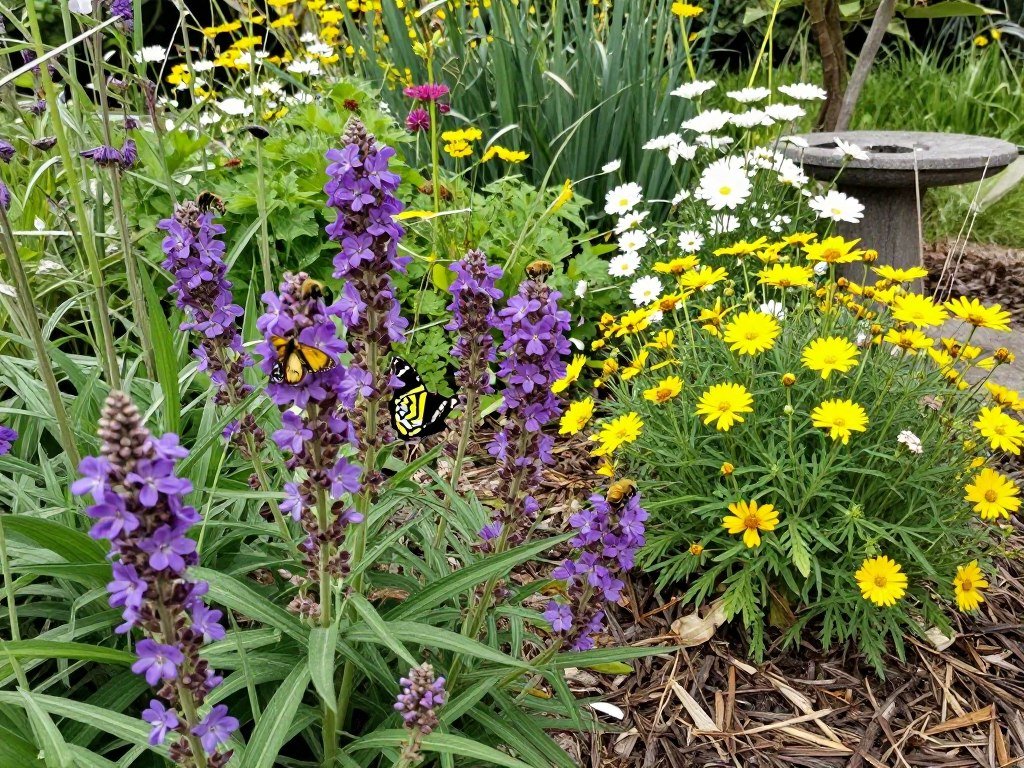
Reduced Chemical Use
Minimizing chemical inputs protects soil, water, and wildlife:
- Use integrated pest management (IPM) strategies
- Choose disease-resistant plant varieties
- Accept some level of imperfection in your landscape
- Use organic alternatives when intervention is necessary
Sustainability Tip: Start With Your Soil
The single most important step toward a sustainable landscape is building healthy soil. Rich, living soil reduces the need for fertilizers, helps plants resist pests and diseases, and improves water retention. Regularly adding compost and using organic mulch are simple ways to build soil health over time.
DIY Home Landscaping Projects
Hands-on projects allow you to personalize your landscape while developing new skills. These accessible DIY ideas can be completed over a weekend and add unique character to your outdoor space.
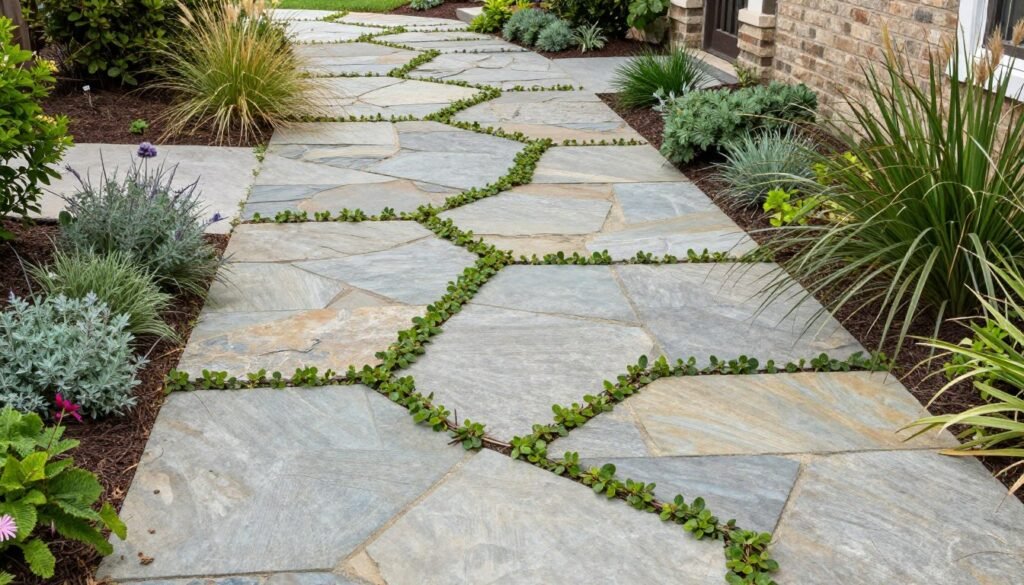
Simple Stone Path
Create a welcoming garden path with these steps:
- Mark the path route with stakes and string
- Remove grass and dig 4-6 inches deep
- Add landscape fabric to prevent weed growth
- Add 2-3 inches of sand or crushed stone as a base
- Arrange stepping stones or pavers in your desired pattern
- Fill gaps with pea gravel or plant ground covers between stones
- Tamp everything firmly in place
Quality landscape fabric prevents weeds while allowing water to penetrate to the soil below.
Raised Planter Beds
Build simple raised beds for vegetables, herbs, or flowers:
- Use cedar, redwood, or composite lumber for longevity
- Create beds 8-12 inches deep for most plants
- Keep widths to 4 feet or less for easy access from all sides
- Fill with quality soil mixed with compost
- Consider adding drip irrigation for efficient watering
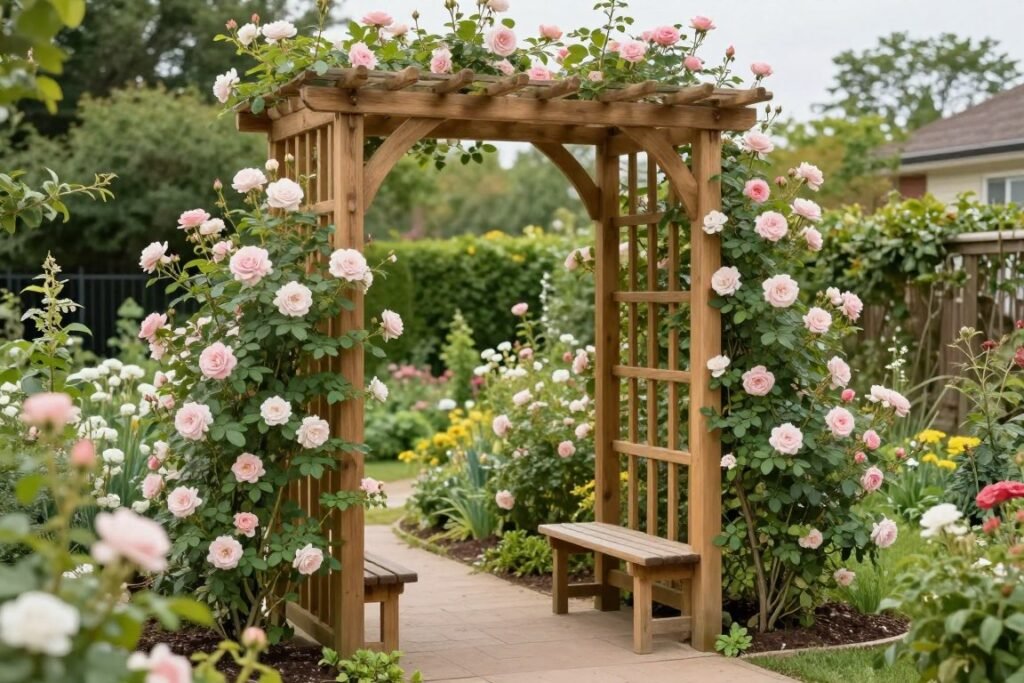
Garden Arbor or Trellis
Support climbing plants and create vertical interest:
- Purchase a kit or build from cedar or pressure-treated lumber
- Ensure the structure is firmly anchored in the ground
- Choose appropriate climbing plants like clematis, roses, or jasmine
- Train young plants to grow on the structure
Landscape Lighting
Extend enjoyment of your landscape into evening hours:
- Use solar-powered lights for easy installation
- Highlight focal points like trees or garden structures
- Illuminate pathways for safety and ambiance
- Consider uplighting for dramatic effects on trees and architecture
- Use warm white light for a natural, inviting glow
Solar landscape lighting provides ambiance without increasing your energy bills.
DIY Tip: Start Small and Build Skills
If you’re new to DIY landscaping, begin with smaller projects to build your confidence and skills. A simple container garden or small planting bed requires minimal investment and provides immediate satisfaction. As you gain experience, you can tackle more complex projects like patios or water features.
Bringing Your Home Landscaping Vision to Life
Creating a beautiful landscape is a journey that unfolds over seasons and years. By applying the principles and practices outlined in this guide, you can transform your outdoor space into a personalized sanctuary that reflects your style while harmonizing with the natural world.
Remember that successful landscaping balances aesthetics with functionality, ecological considerations with personal preferences. Whether you’re working with a blank slate or renovating an existing landscape, thoughtful planning and design lay the foundation for outdoor spaces that bring joy and connection to nature.
Start with a clear vision, implement changes in manageable phases, and allow your landscape to evolve as you learn what works best in your unique conditions. With patience and care, your home landscaping efforts will yield a living environment that enhances your property and enriches your daily life for years to come.

Ready to Transform Your Outdoor Space?
Start your home landscaping journey with quality tools and materials that will help bring your vision to life. From planning resources to essential gardening tools, the right supplies make all the difference in creating a beautiful, sustainable landscape.