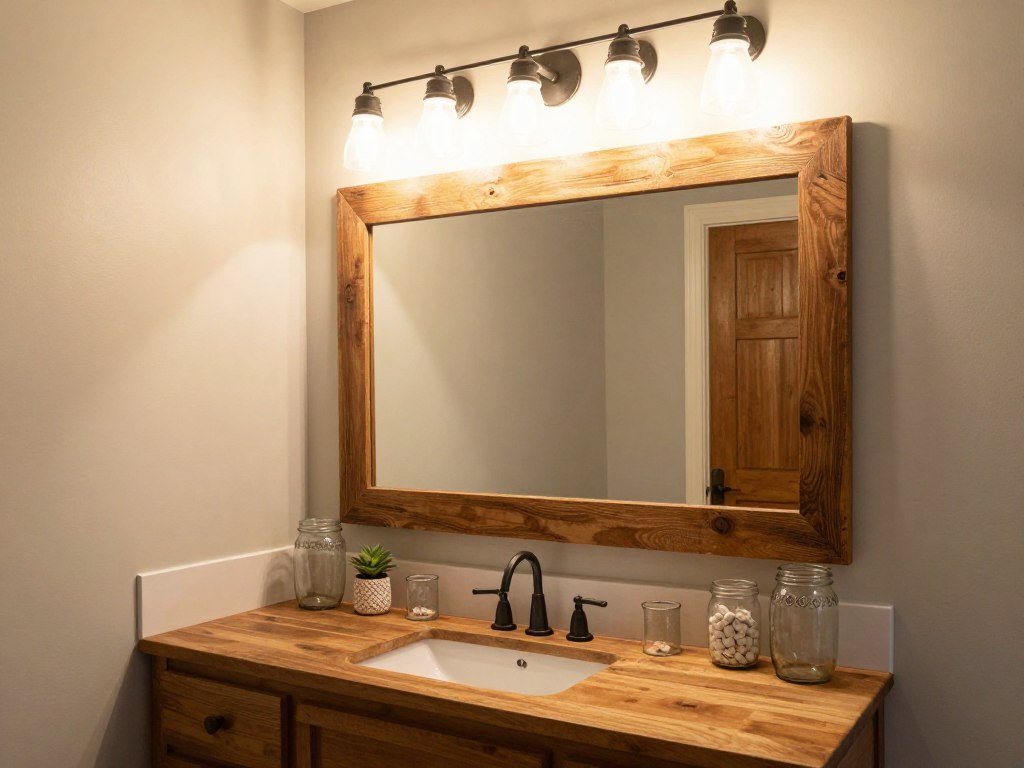
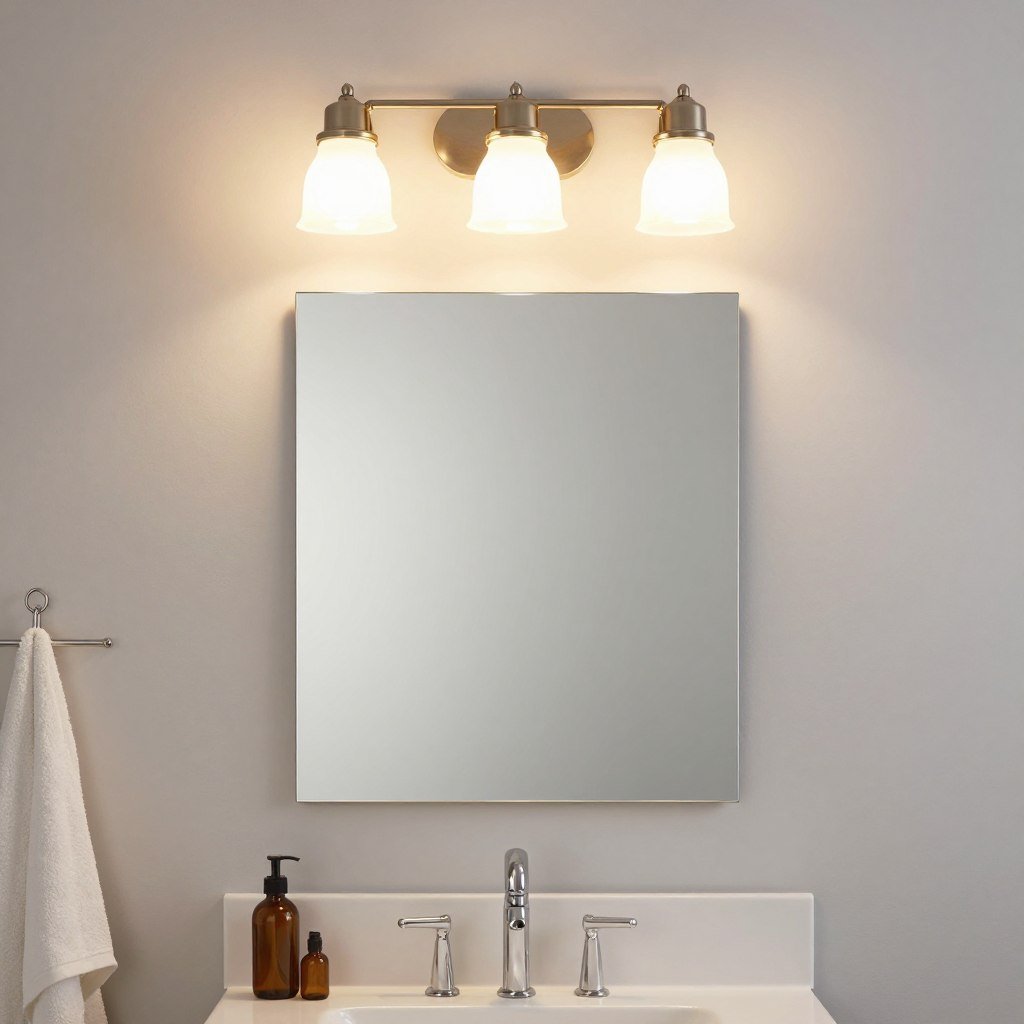
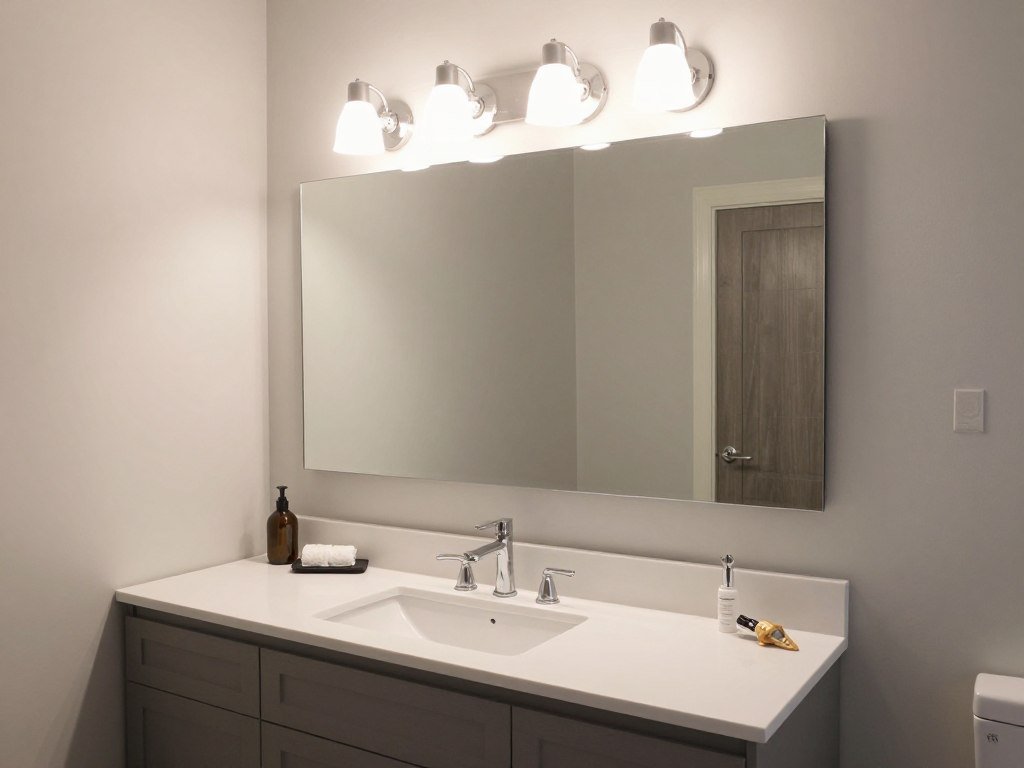
The right bathroom vanity lighting over mirror can transform your daily routine and elevate your bathroom’s design. Beyond simply illuminating your space, thoughtfully chosen lighting creates the perfect ambiance while providing the functional light needed for grooming tasks. Whether you’re planning a complete bathroom renovation or simply updating your existing space, this comprehensive guide will help you navigate the world of vanity lighting to find the perfect fixture for your needs, style, and budget.
This Website contains affiliate links. That means I may earn a small commission if you purchase through my links, at no extra cost to you.
Why Bathroom Vanity Lighting Over Mirror Matters
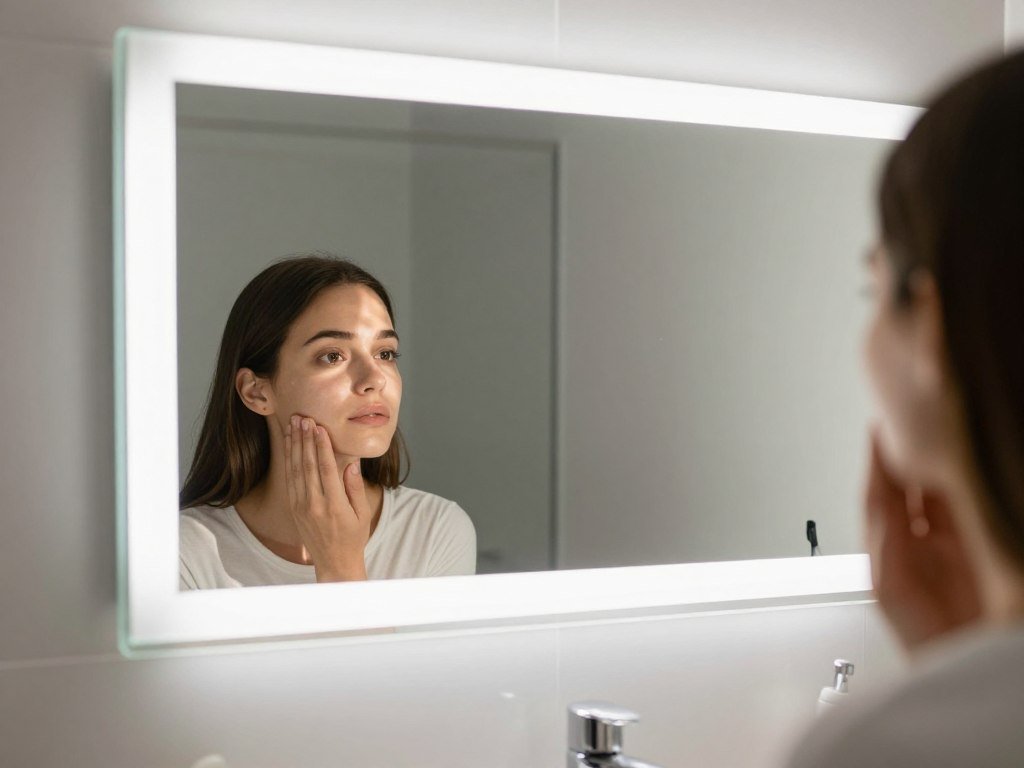
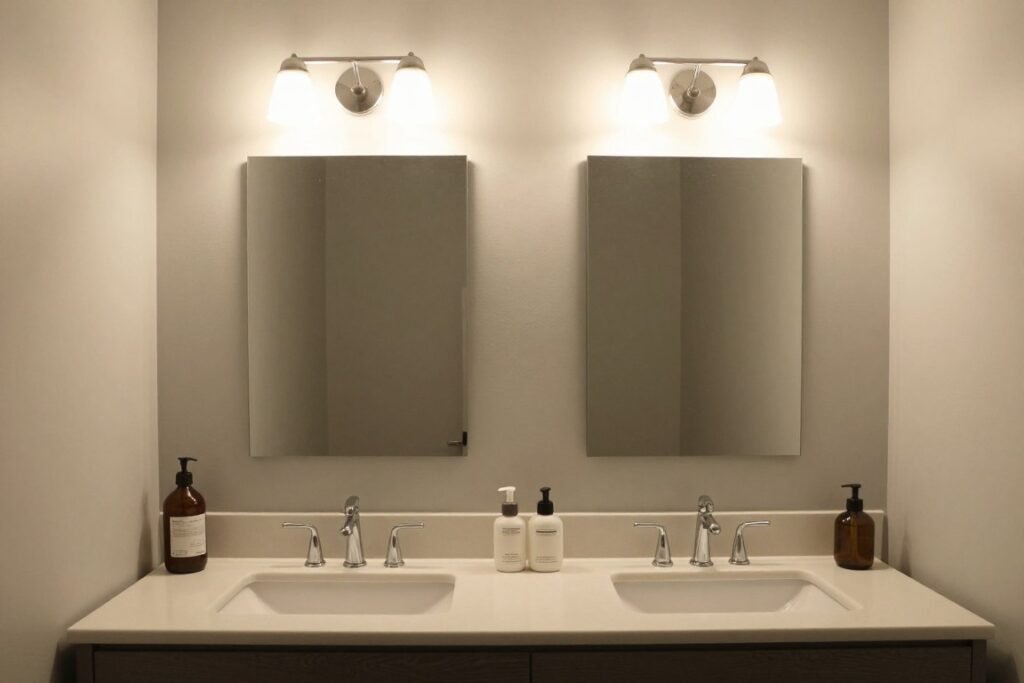
The lighting above your bathroom mirror serves two critical purposes. First, it provides essential task lighting for daily grooming activities like applying makeup, shaving, or styling hair. Second, it contributes significantly to your bathroom’s overall aesthetic and ambiance. Poorly chosen lighting can create unflattering shadows, misrepresent colors, and diminish the impact of your bathroom design.
When positioned correctly over your mirror, vanity lighting eliminates shadows on your face, provides even illumination, and helps you see details clearly. This functional aspect is crucial for a space where precision matters. Beyond function, your lighting fixture also serves as a design statement that can complement your bathroom’s style, whether modern, traditional, farmhouse, or something entirely unique.
Designer Tip: The best bathroom vanity lighting over mirror creates even, shadow-free illumination while complementing your overall design aesthetic. Consider both function and style when making your selection.
There are several distinct types of lighting fixtures designed specifically for installation above bathroom mirrors. Each offers unique benefits and aesthetic qualities to consider.
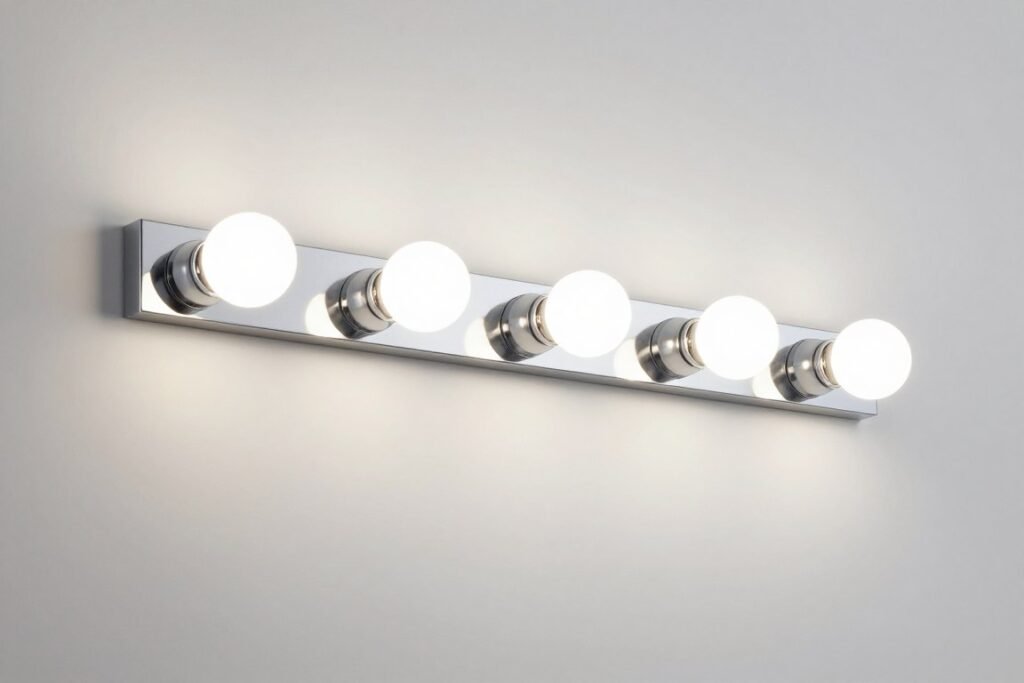
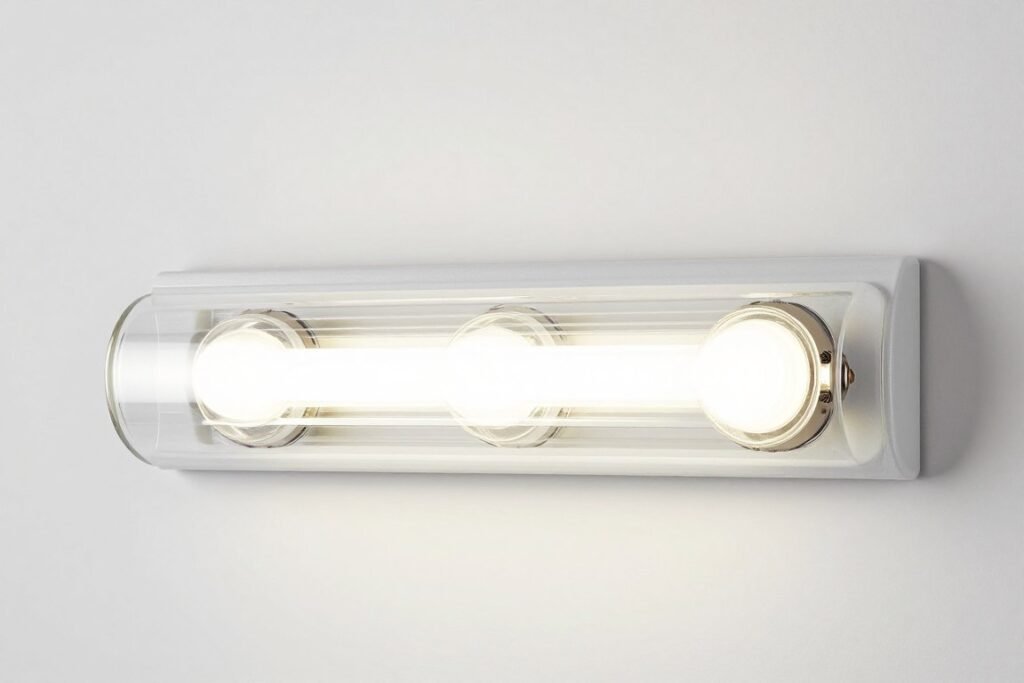
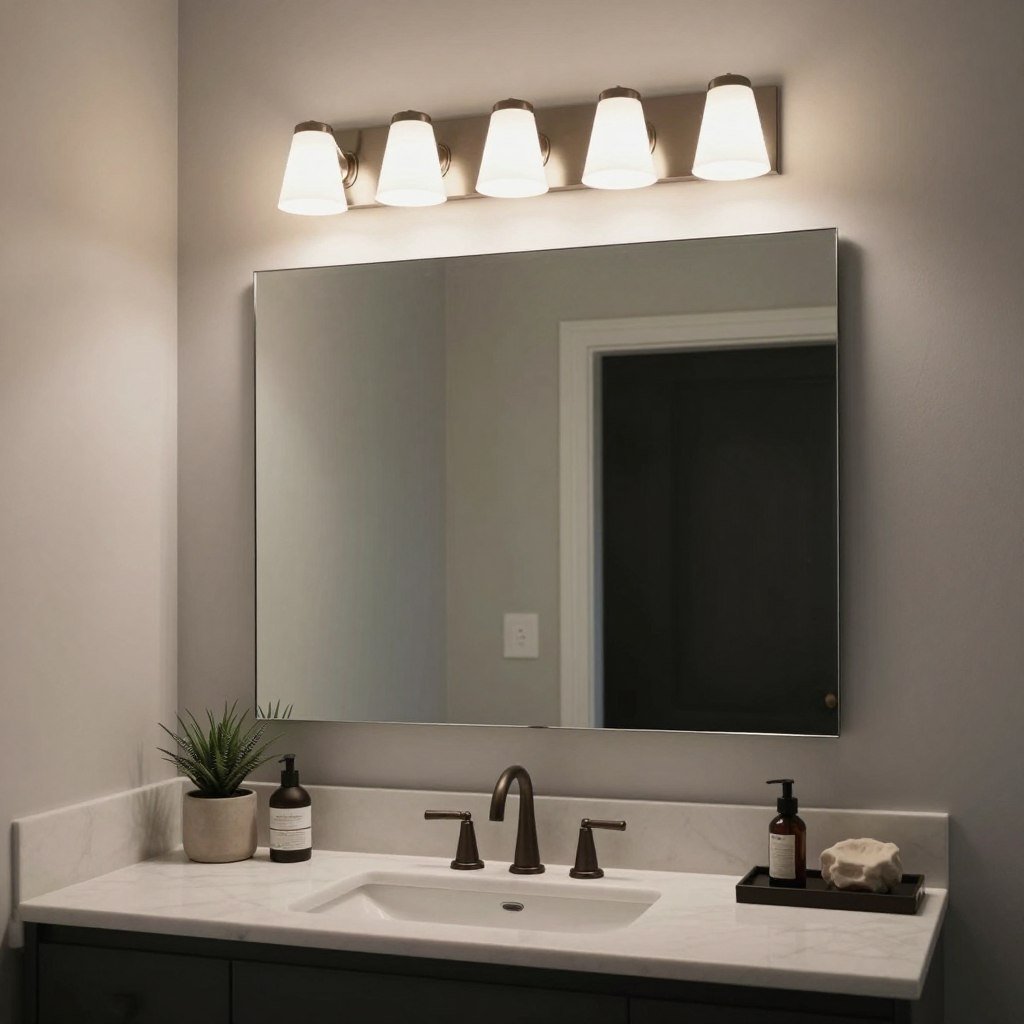
Vanity Light Bars
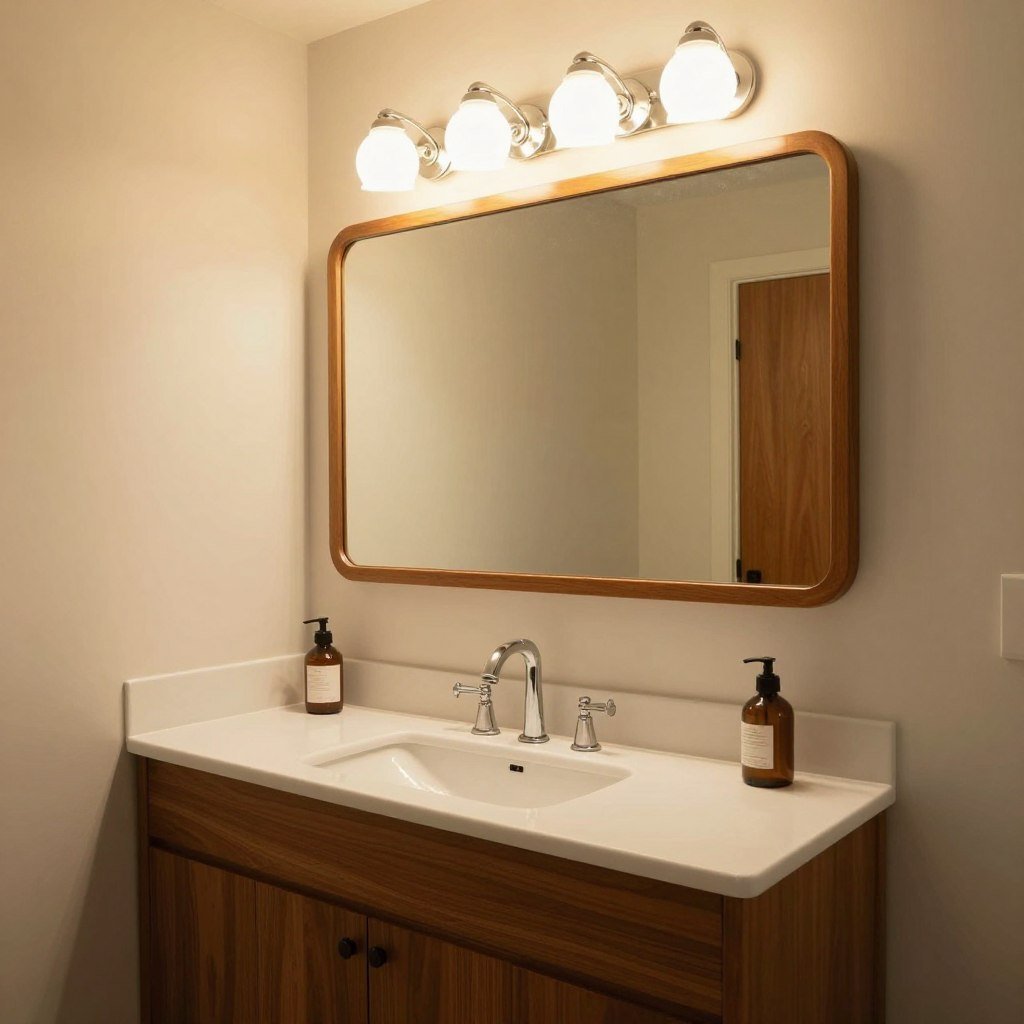
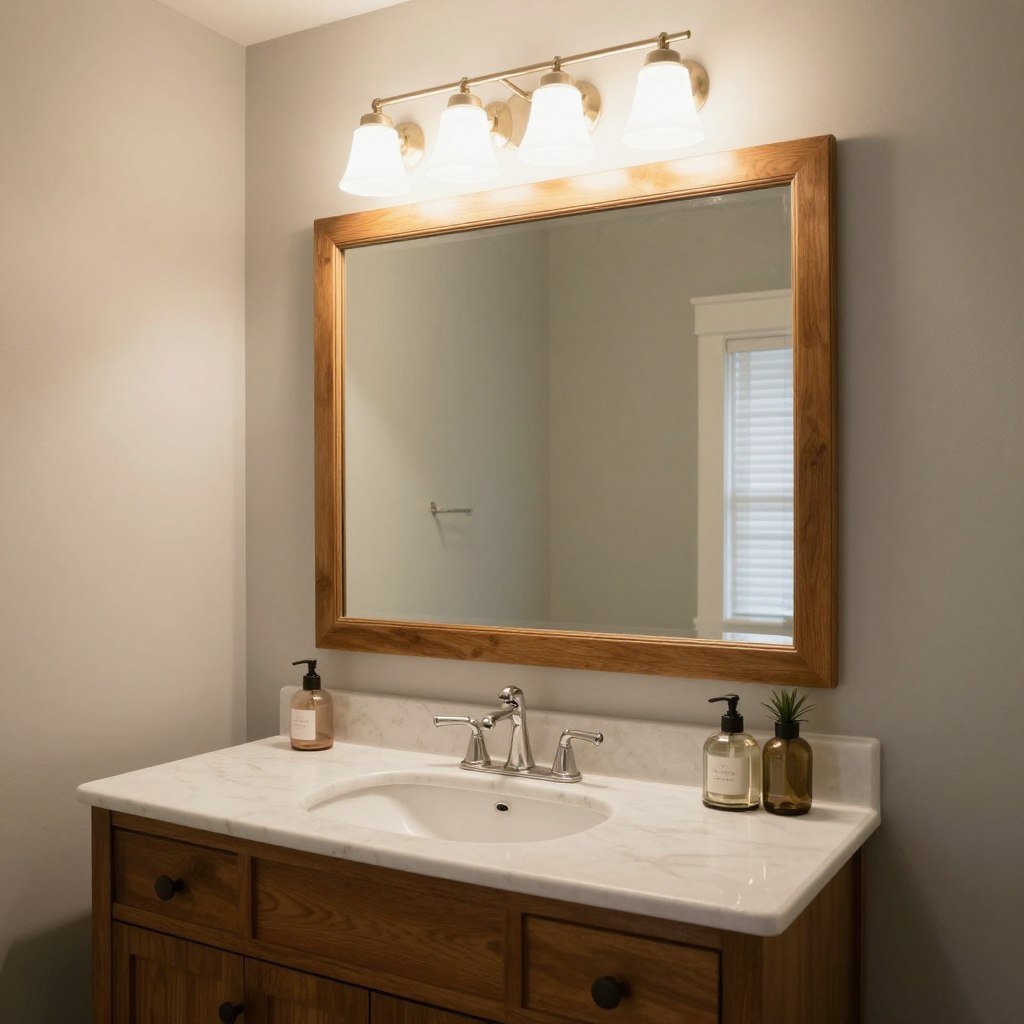
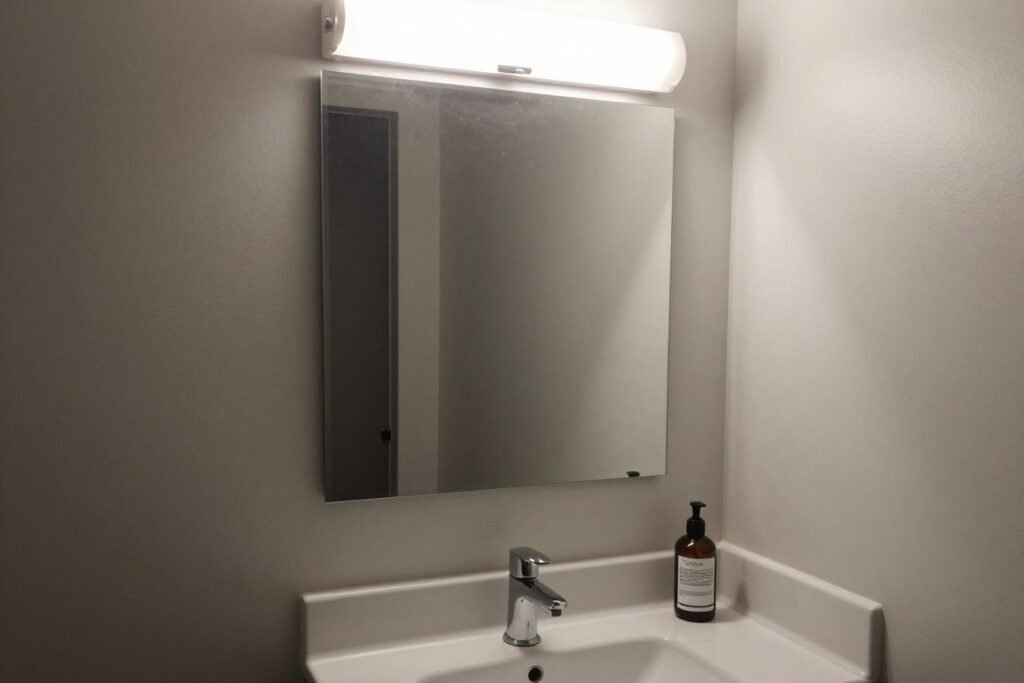
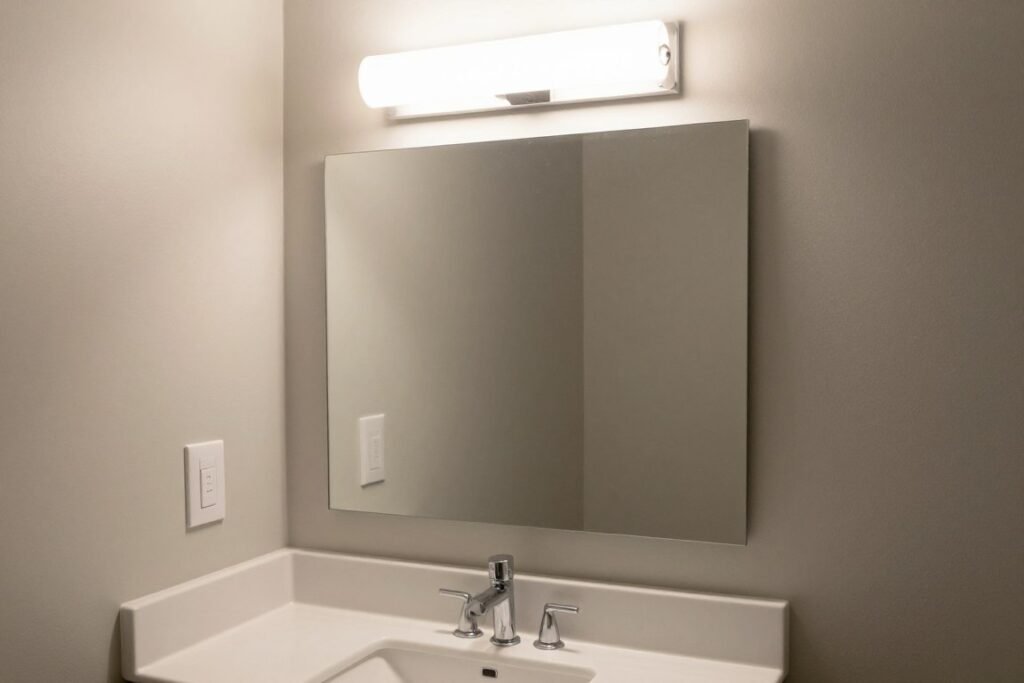
These horizontal fixtures typically feature multiple bulbs in a row and mount directly to the wall above your mirror. They provide wide, even coverage and come in countless styles from sleek modern to classic traditional.
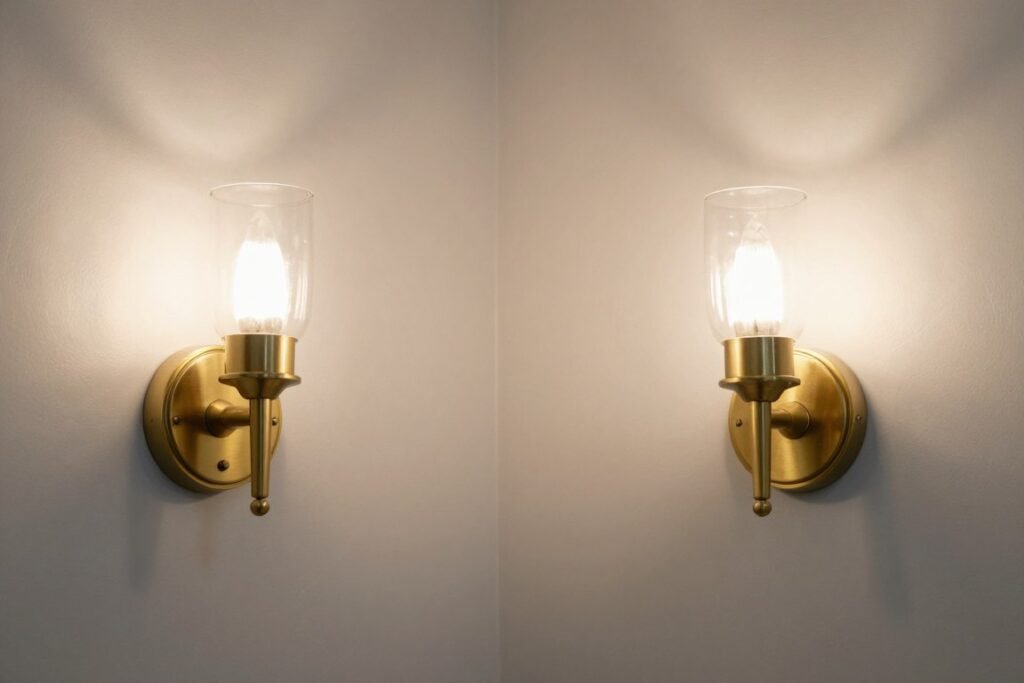
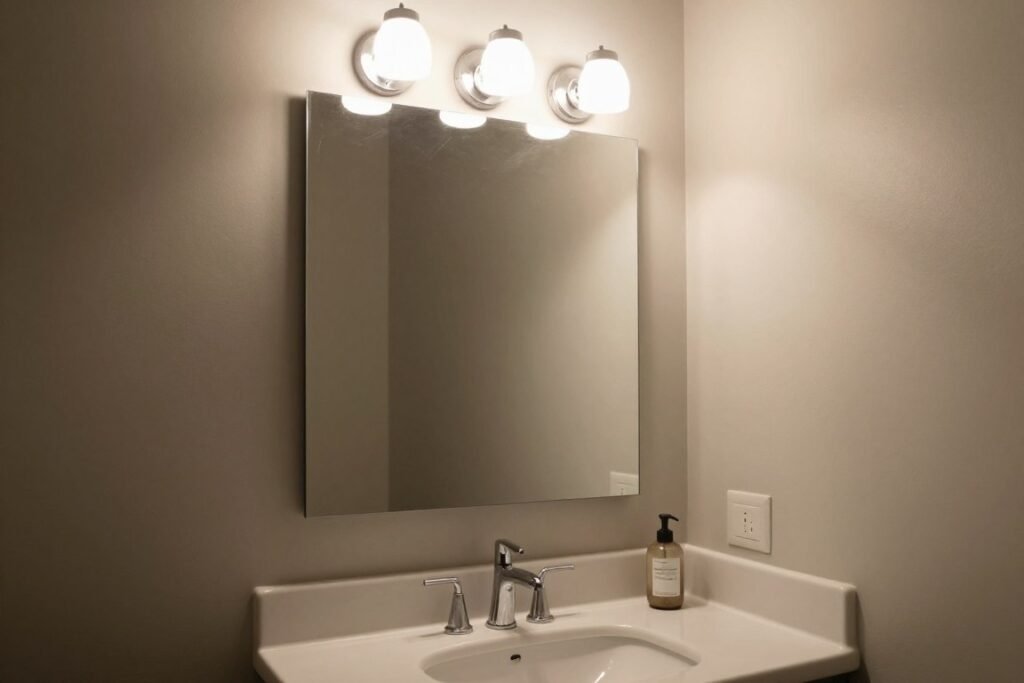
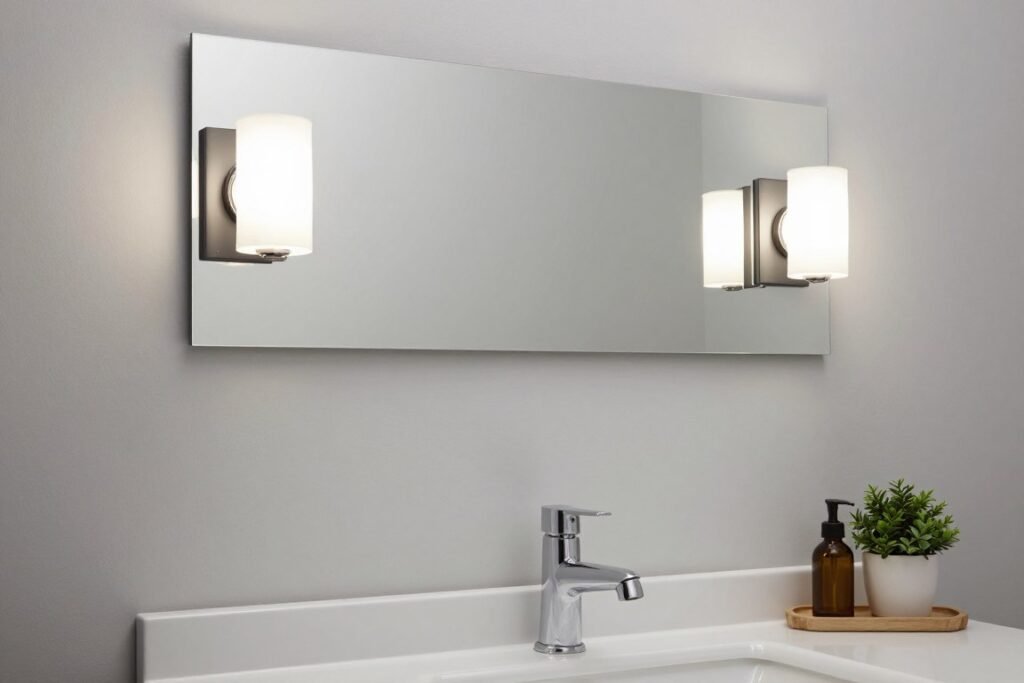
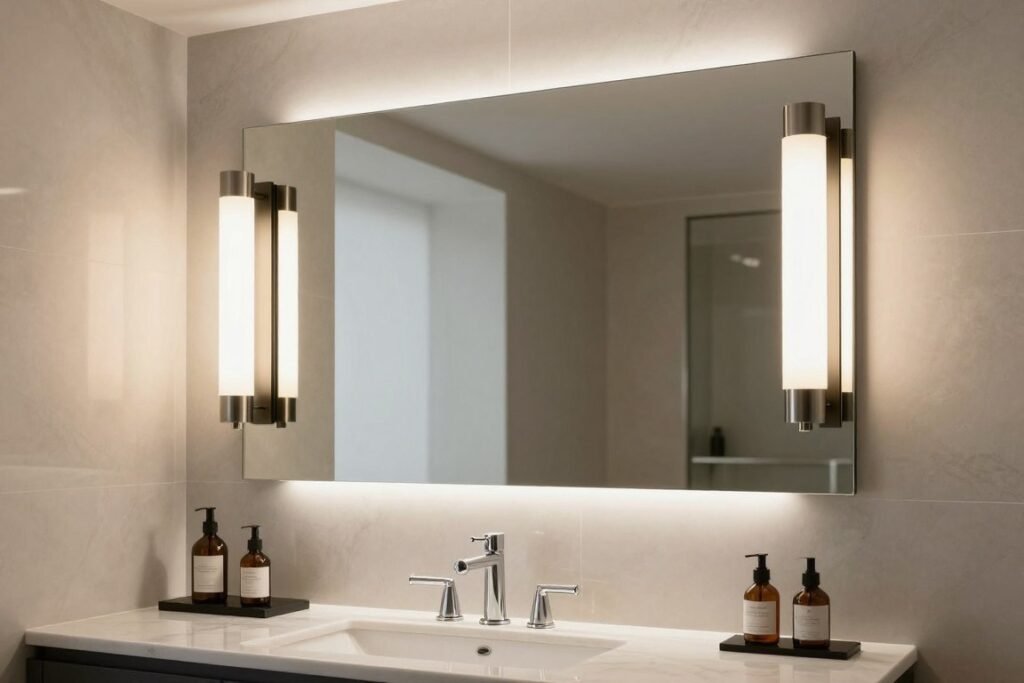
While traditionally placed on either side of a mirror, sconces can also be mounted above. They offer a more decorative approach and can create interesting lighting effects depending on their design and bulb type.
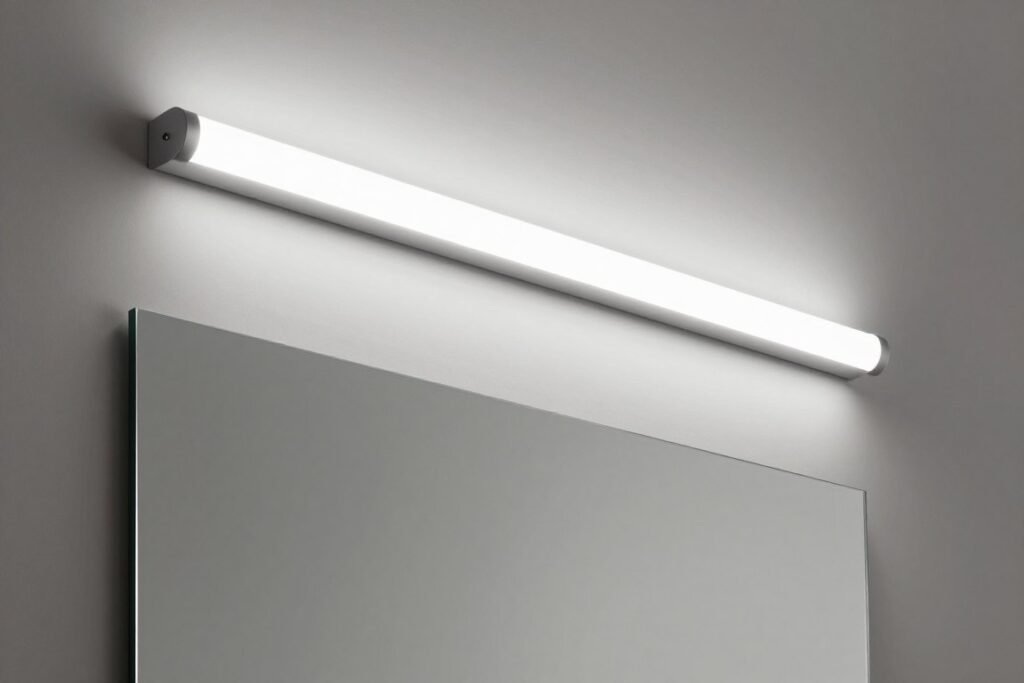
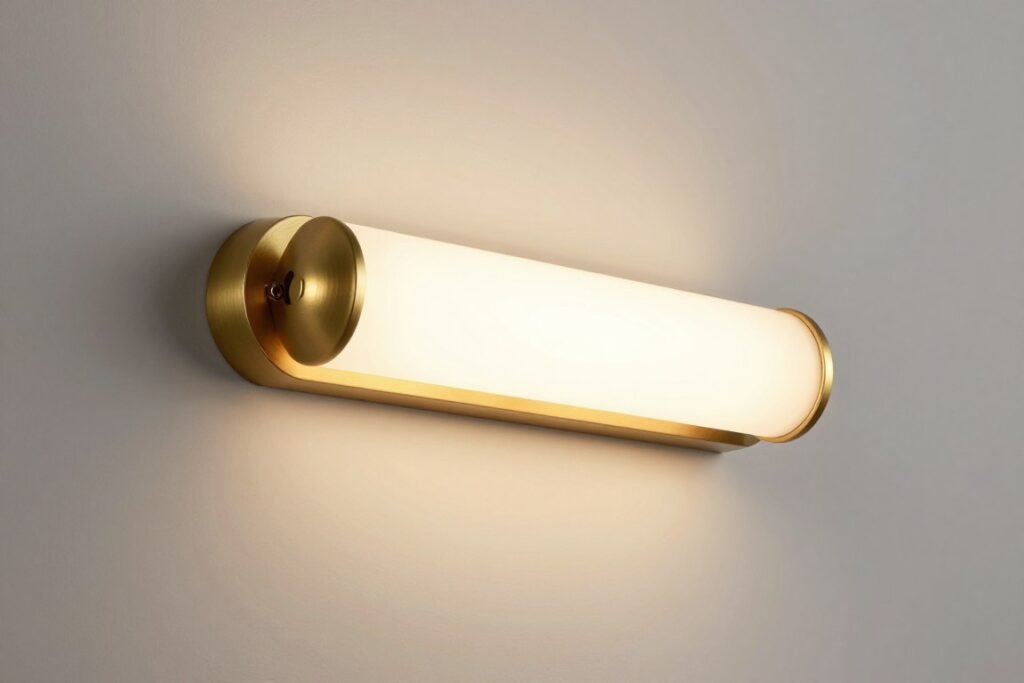
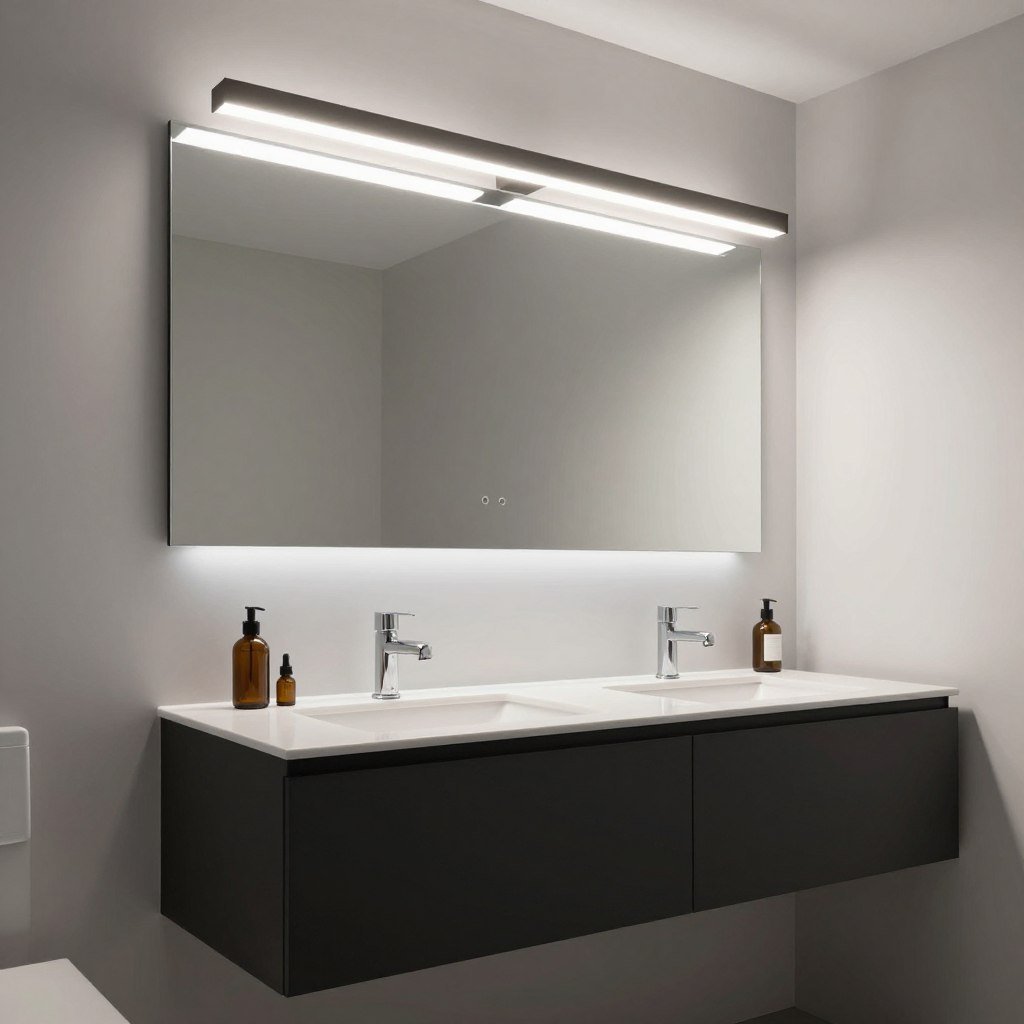
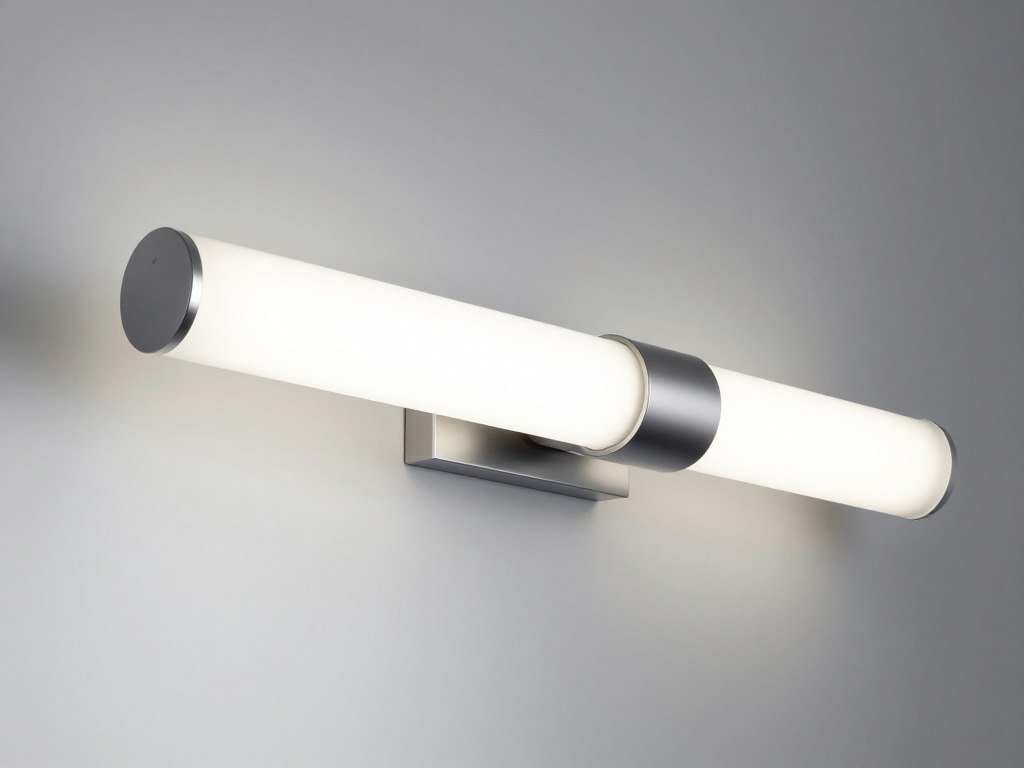
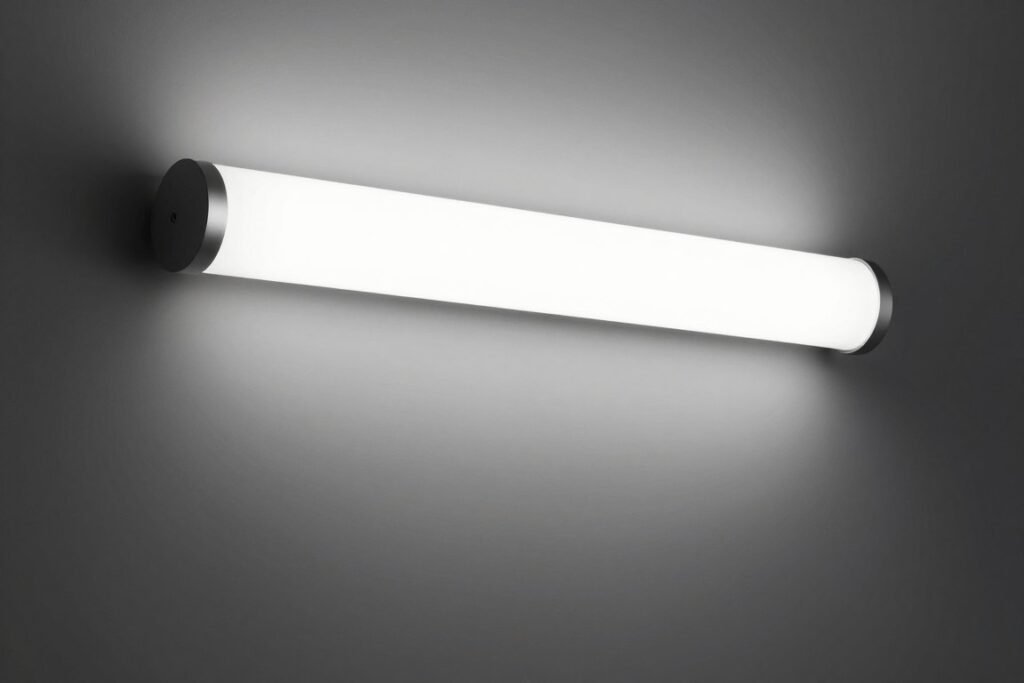
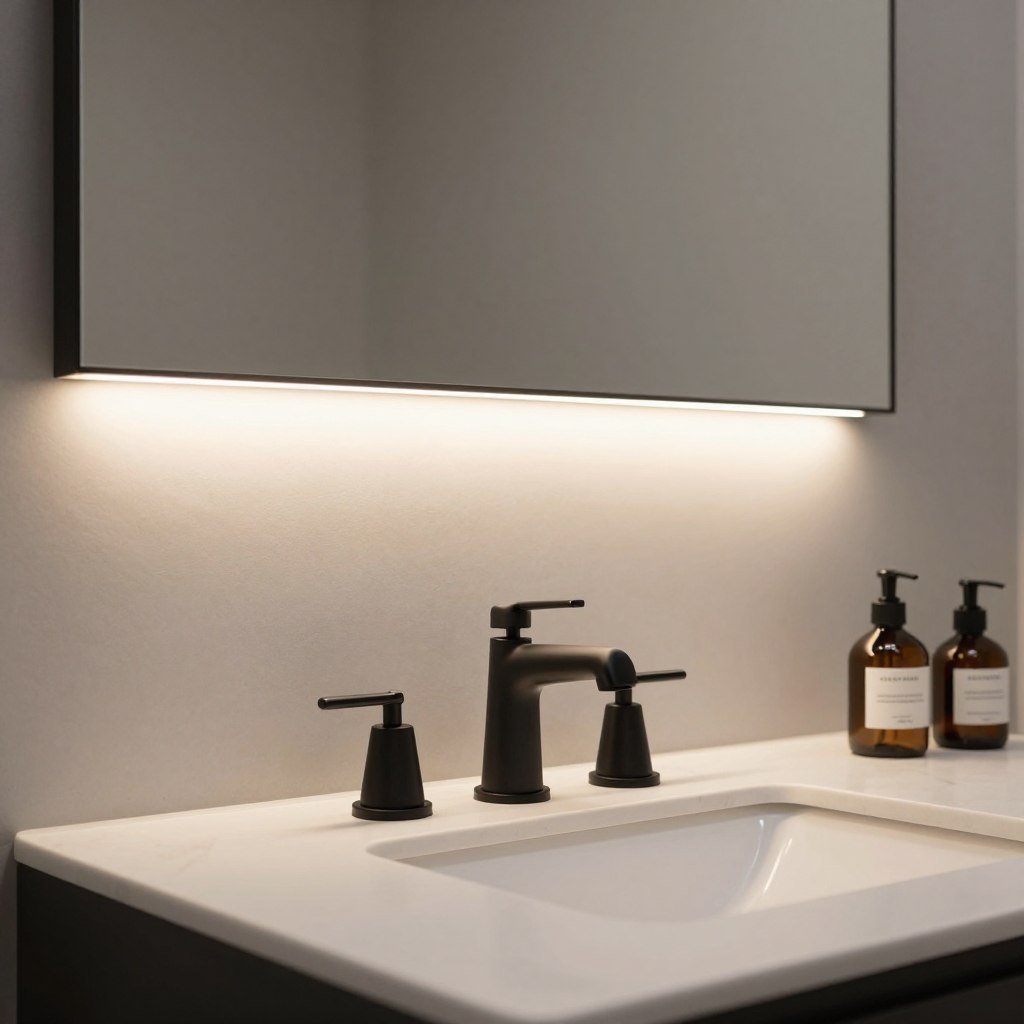
For a modern, minimalist look, LED strips provide even, energy-efficient lighting with a slim profile. These can be installed directly above or even built into the mirror for a seamless appearance.
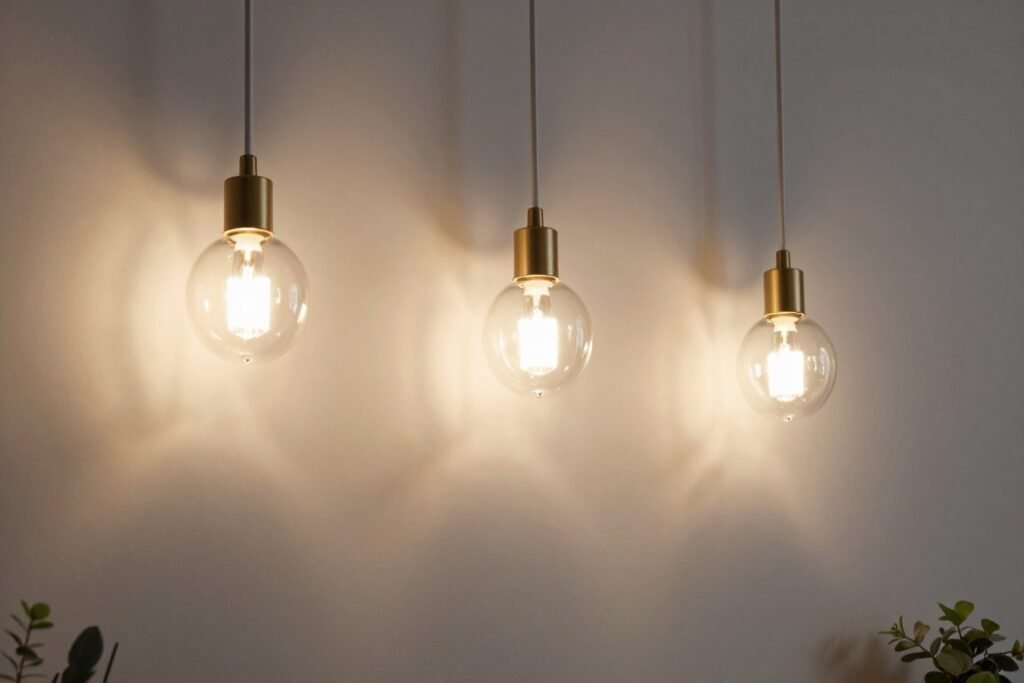
For a unique approach, pendant lights can be hung above a mirror to provide both task lighting and visual interest. This works particularly well in bathrooms with higher ceilings.
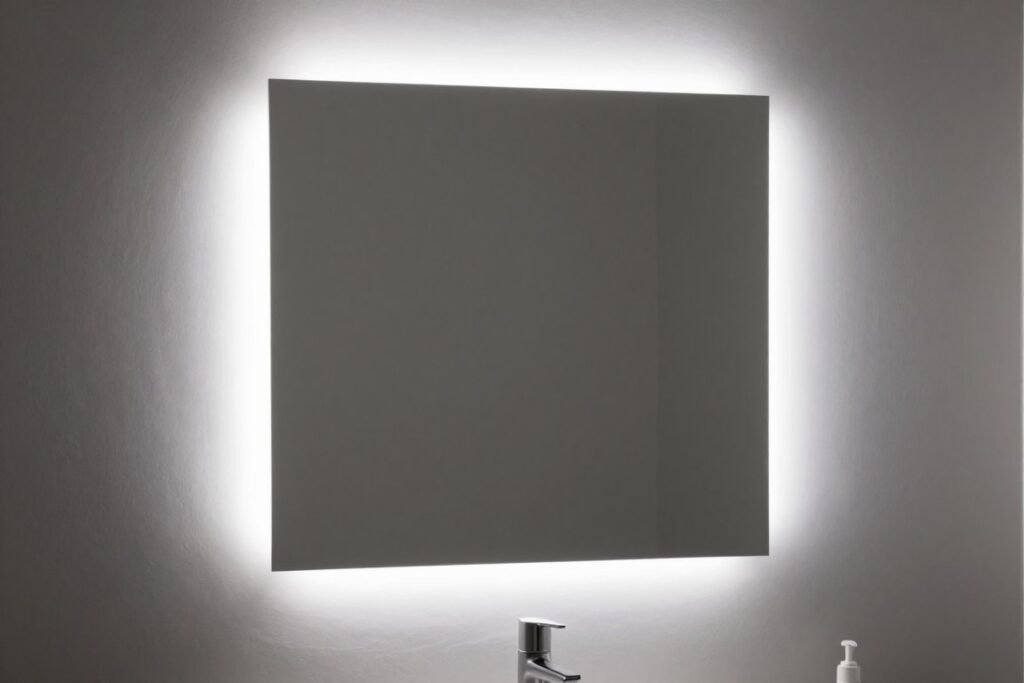
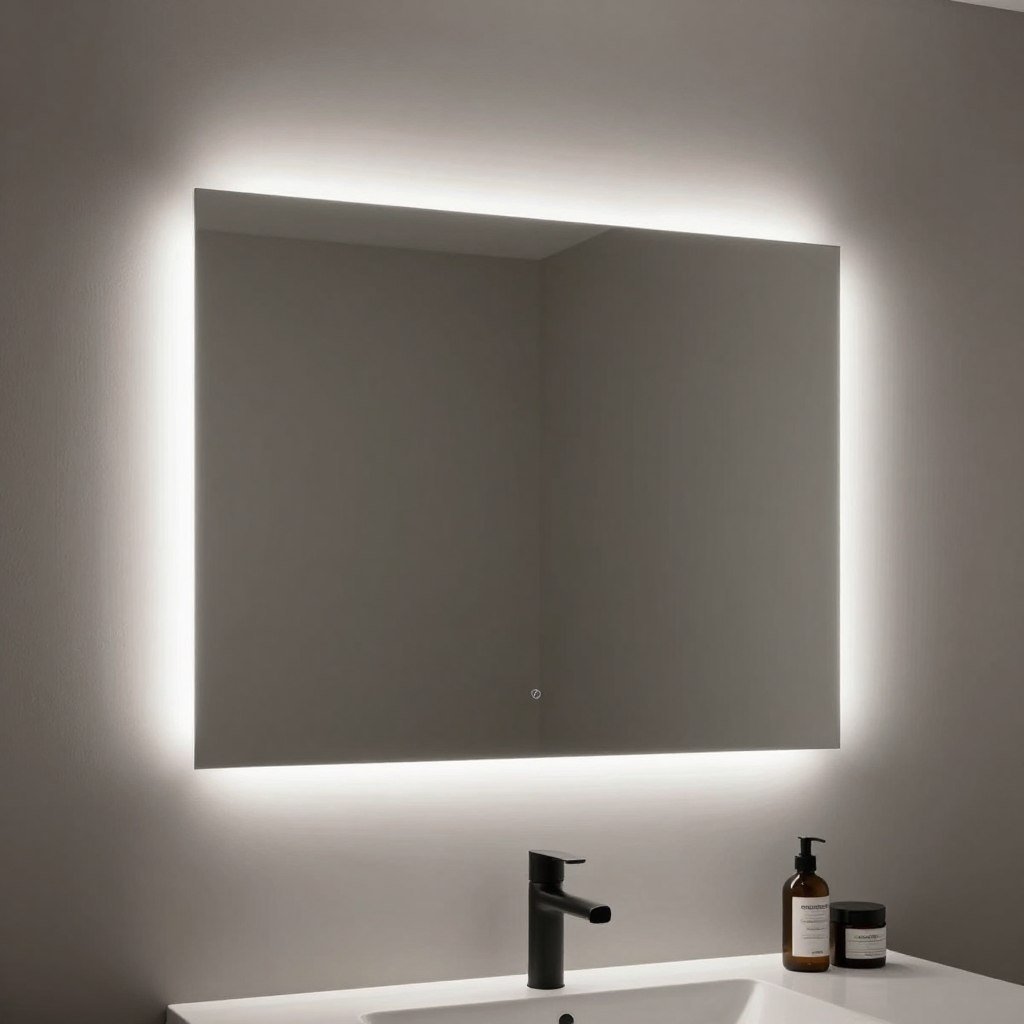
Many modern mirrors come with built-in lighting around the perimeter or behind the glass. These provide even illumination and a sleek, contemporary look without requiring separate fixtures.
Traditionally used to illuminate artwork, picture lights can be repurposed above a bathroom mirror for a distinctive look that provides both function and style, especially in more traditional spaces.
“The right vanity lighting should flatter your reflection while complementing your bathroom’s design. It’s the perfect marriage of function and aesthetics.”
— Interior Design Expert
Placement Guide for Bathroom Vanity Lighting Over Mirror
Optimal Height and Positioning
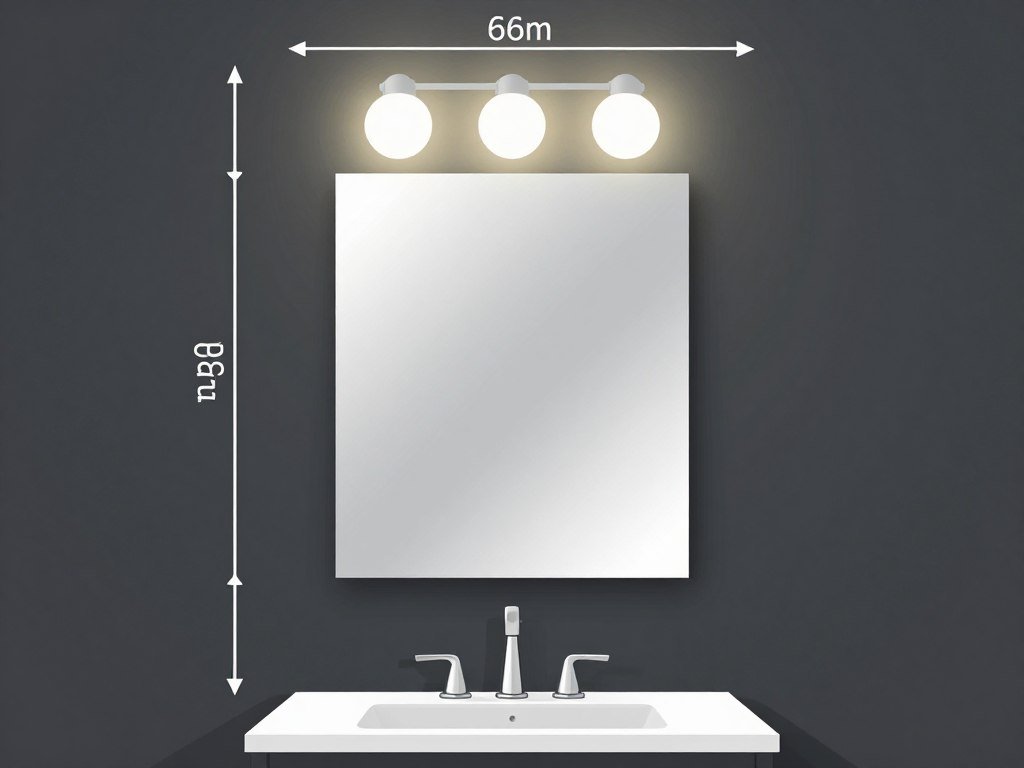
Proper placement is crucial for effective bathroom vanity lighting over mirror. The ideal height depends on your mirror size and ceiling height, but generally, fixtures should be mounted 75-80 inches from the floor. This places the light at approximately eye level for most adults, minimizing shadows on the face.
For wide mirrors, choose a fixture that spans at least 75% of the mirror’s width to ensure even illumination across the entire surface. Center the fixture above the mirror, leaving equal space on either side if possible.
Key Placement Considerations:
Mount fixtures 75-80 inches from the floor
Choose a fixture width that’s 75-90% of your mirror width
For larger vanities (over 60 inches), consider using multiple fixtures
Allow 2-3 inches of space between the bottom of the fixture and the top of the mirror
Ensure the fixture doesn’t extend beyond the width of the vanity below
Pro Tip: If you’re installing a medicine cabinet, make sure your lighting fixture doesn’t interfere with the cabinet’s opening. Measure carefully and consider the depth of both the cabinet and the light fixture.
Popular Bathroom Vanity Lighting Styles
Your choice of bathroom vanity lighting over mirror should complement your overall bathroom design. Here are some popular styles to consider:
Modern Minimalist
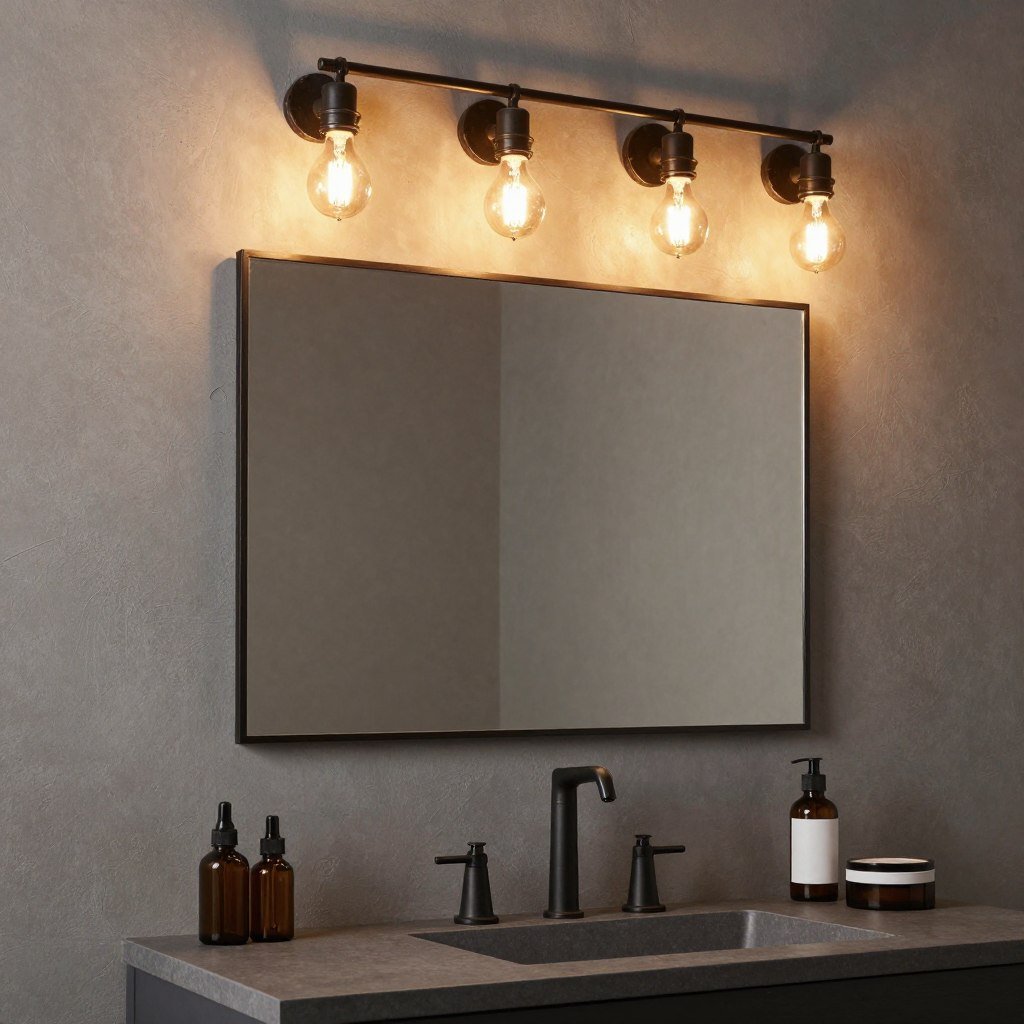
Industrial
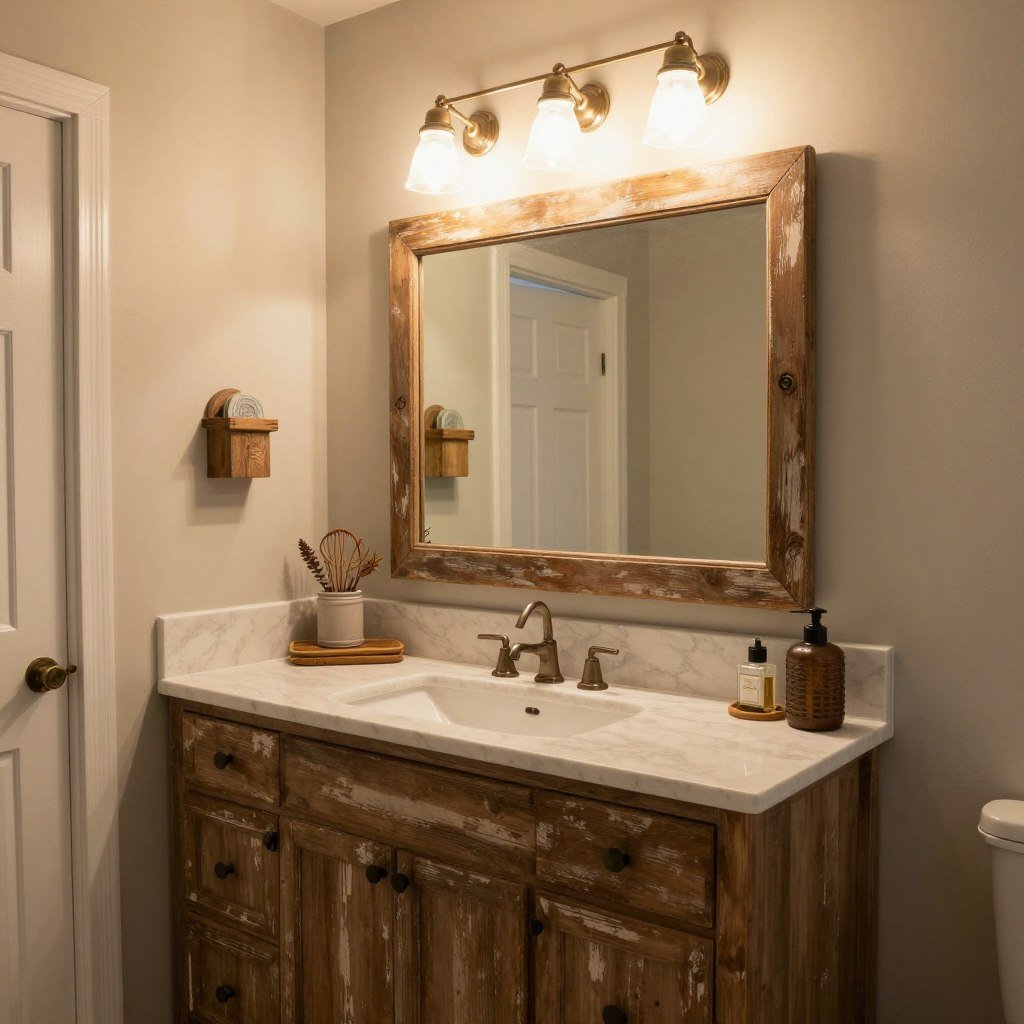
Farmhouse
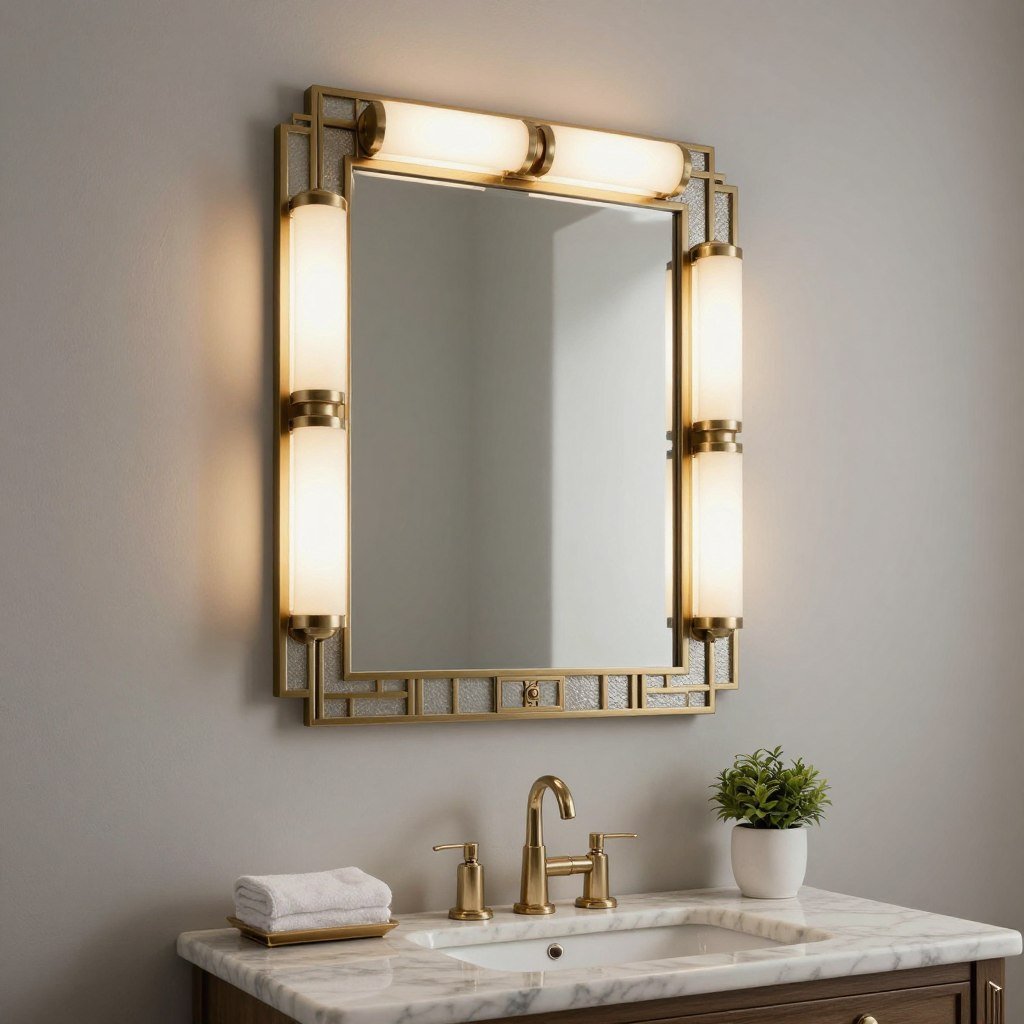
Art Deco
Mid-Century Modern
Traditional
Modern Minimalist
Clean lines, simple shapes, and minimal ornamentation characterize modern bathroom vanity lighting. These fixtures often feature chrome, brushed nickel, or matte black finishes with clear or frosted glass. LED options are particularly popular in modern designs, offering energy efficiency and sleek profiles.
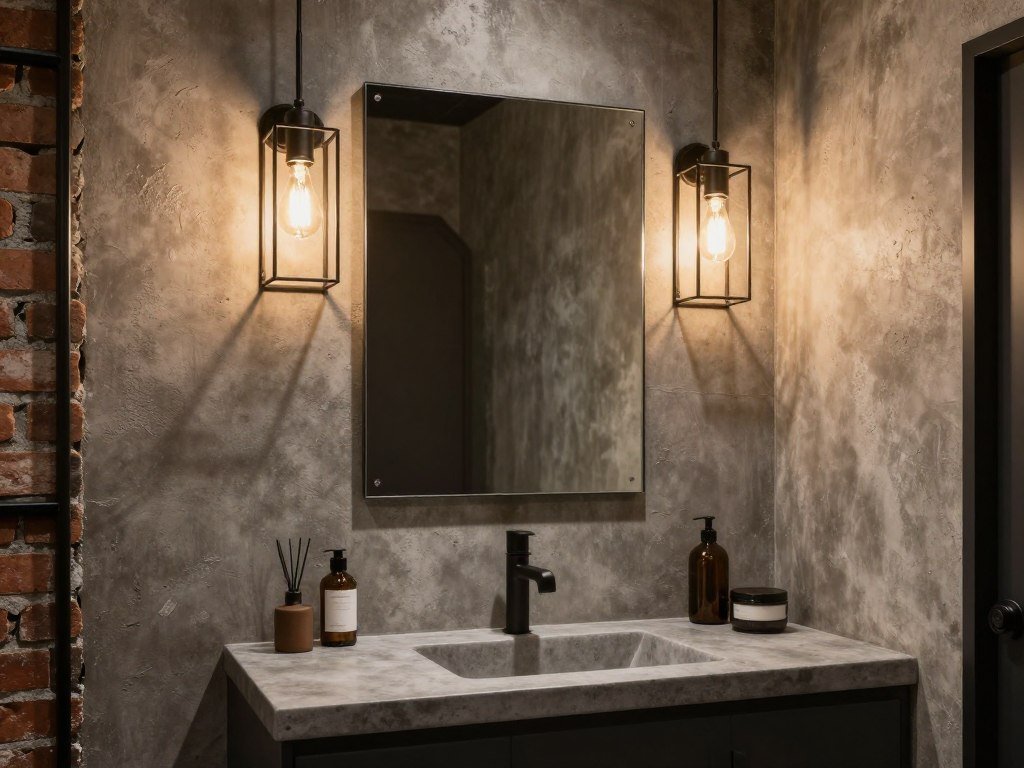
Industrial bathroom lighting often features exposed bulbs, metal cages, and pipe-like elements. Black, bronze, and brass finishes are common, creating a raw, urban aesthetic. These fixtures pair beautifully with concrete countertops, vessel sinks, and other industrial elements.
Farmhouse bathroom vanity lighting typically features rustic materials, warm finishes, and simple, functional designs. Look for fixtures with distressed wood, oil-rubbed bronze, or antique brass elements. Mason jar lights and lantern-inspired designs are popular choices for this cozy, homey aesthetic.
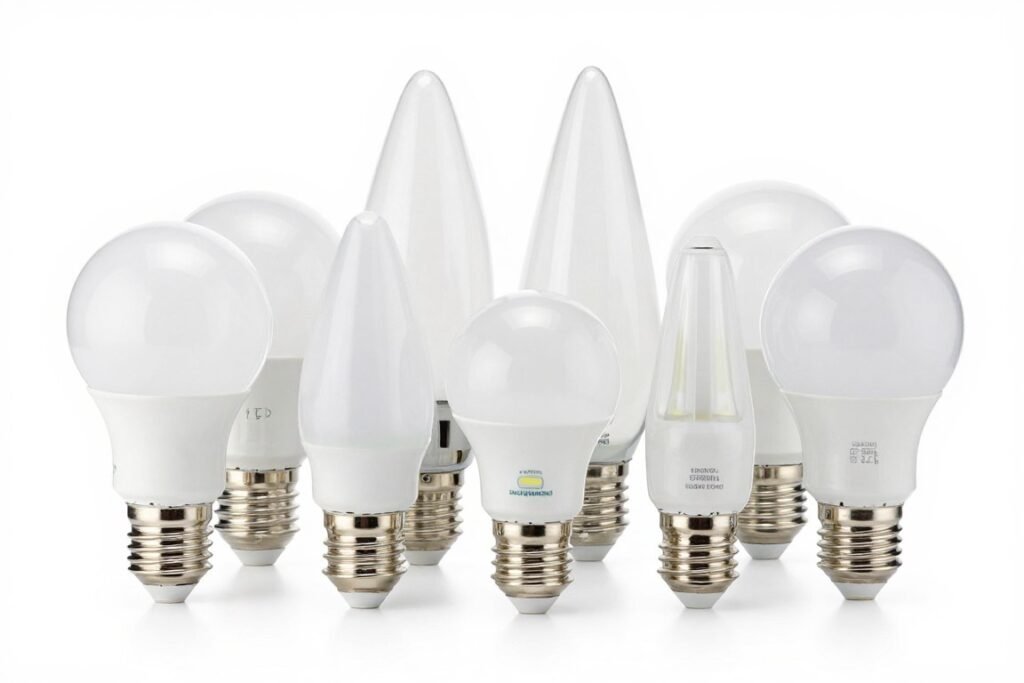
The type of bulbs you choose for your bathroom vanity lighting over mirror significantly impacts both functionality and ambiance. Here are the key factors to consider:
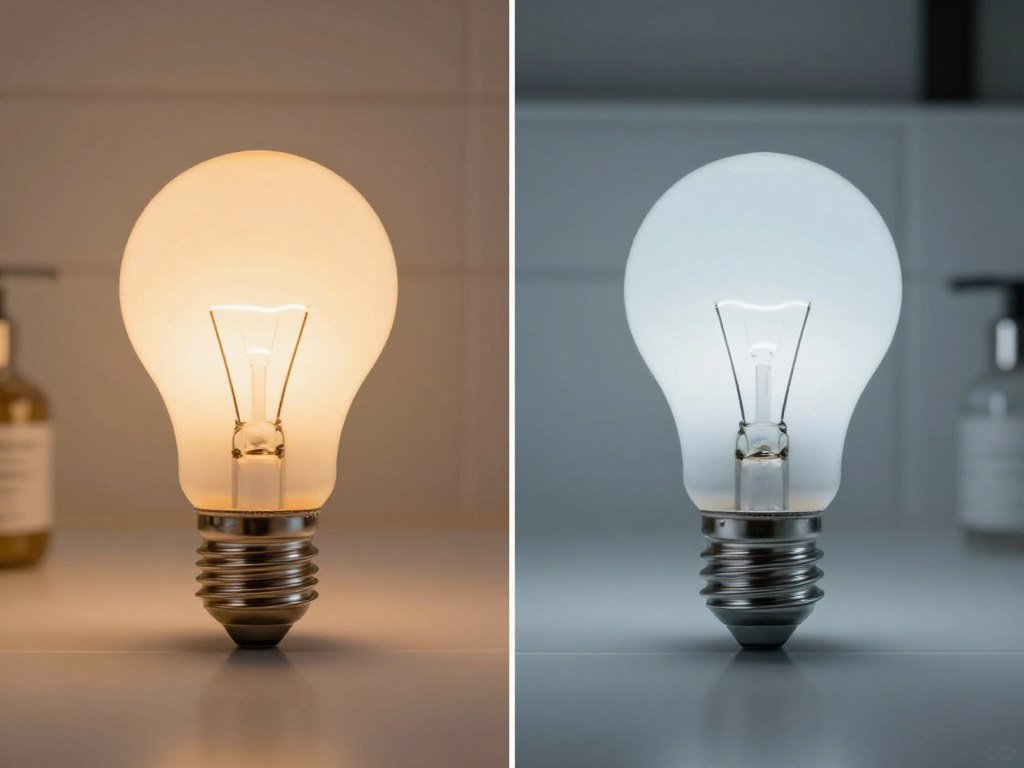
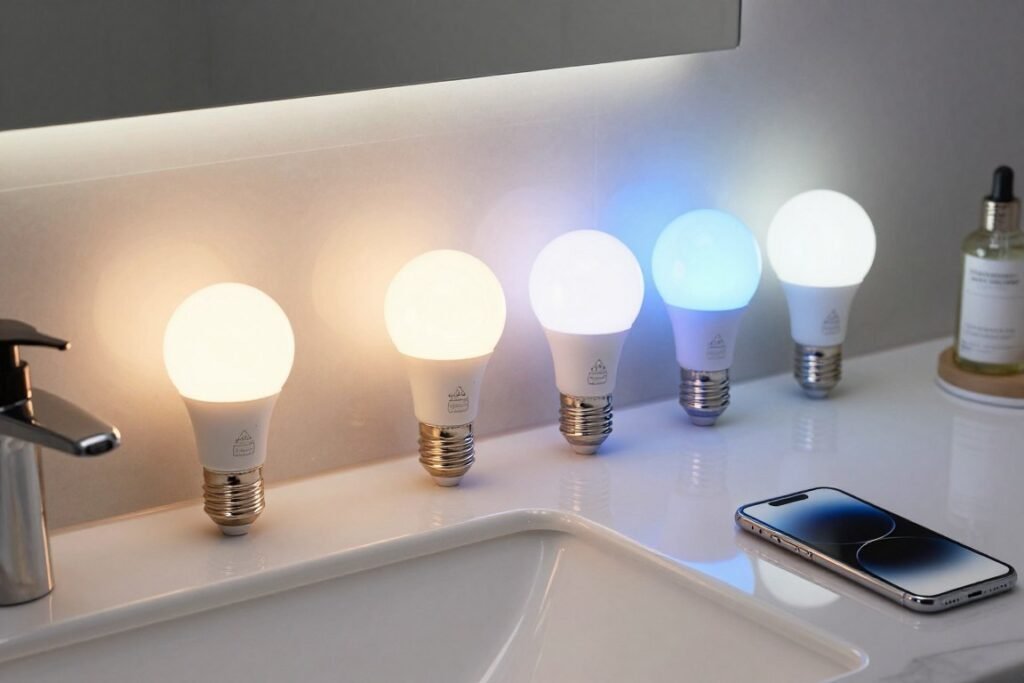
Color Temperature
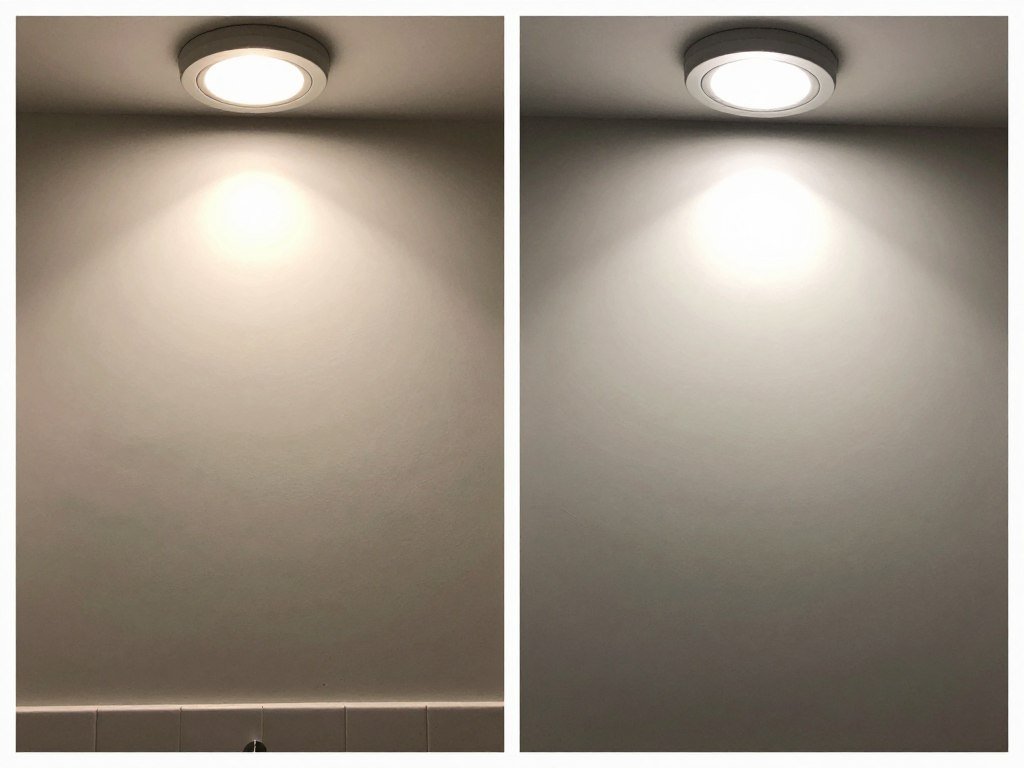
Measured in Kelvins (K), color temperature determines how warm or cool your light appears:
2700K-3000K: Warm white light that creates a cozy, flattering glow
3500K-4000K: Neutral white light that provides balanced illumination
5000K+: Cool white light that mimics daylight, best for detailed tasks
For most bathrooms, a color temperature between 2700K and 3500K provides the most flattering light while still being bright enough for grooming tasks.
Brightness (Lumens)
For bathroom vanity lighting, aim for approximately:
1400-1800 lumens total for small bathrooms
1800-3000 lumens total for medium to large bathrooms
If your fixture has multiple bulbs, divide the total lumens needed by the number of bulbs to determine the brightness per bulb.
LED Bulbs
Energy-efficient, long-lasting, and available in various color temperatures. Most modern fixtures are designed for LED bulbs, which provide excellent light quality while using less energy.
Produce bright, white light that’s excellent for grooming tasks. They’re more energy-efficient than incandescent bulbs but not as efficient as LEDs. They also generate more heat.
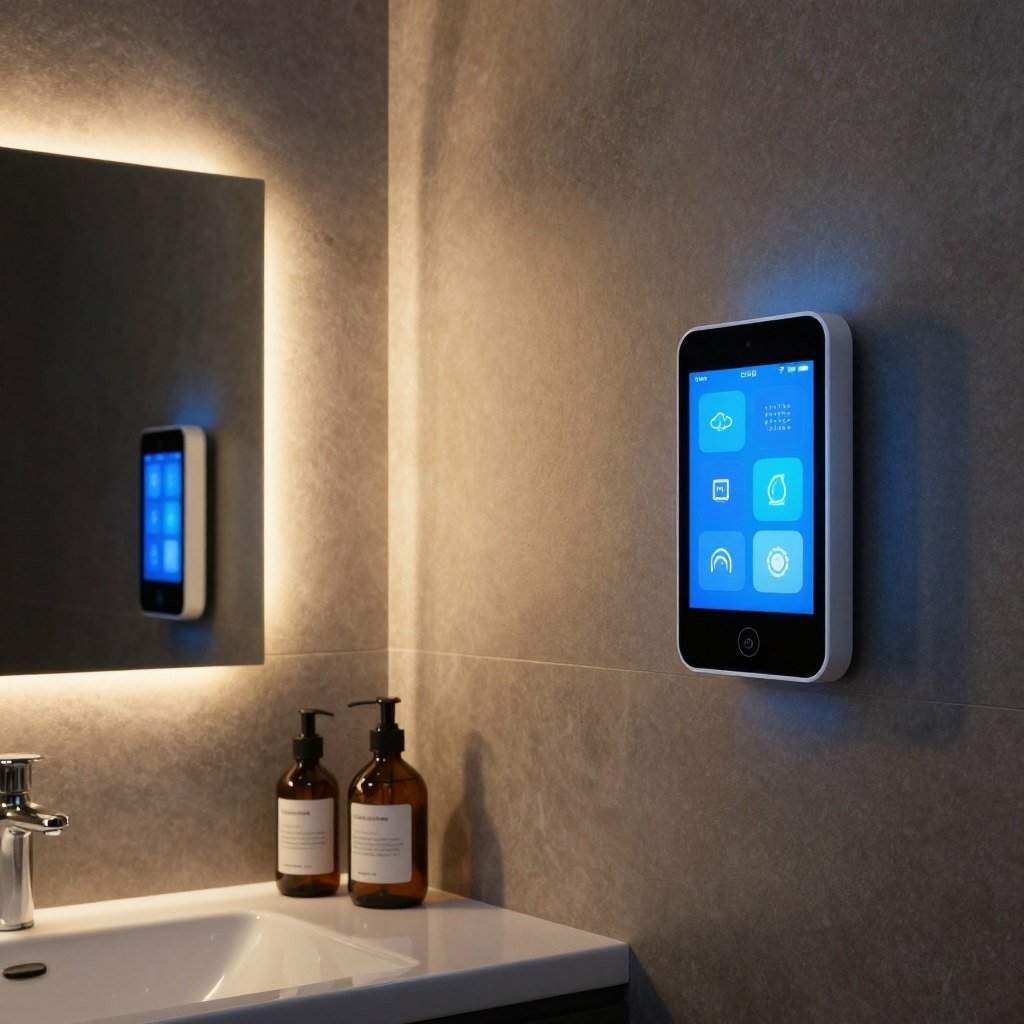
Allow you to adjust brightness and color temperature using your smartphone or voice commands. Perfect for creating different lighting scenes for various activities.
Important: Always check your fixture’s specifications for compatible bulb types, wattage limitations, and base sizes before purchasing bulbs. Using incompatible bulbs can damage your fixture or create safety hazards.
Installation Considerations
DIY vs. Professional Installation
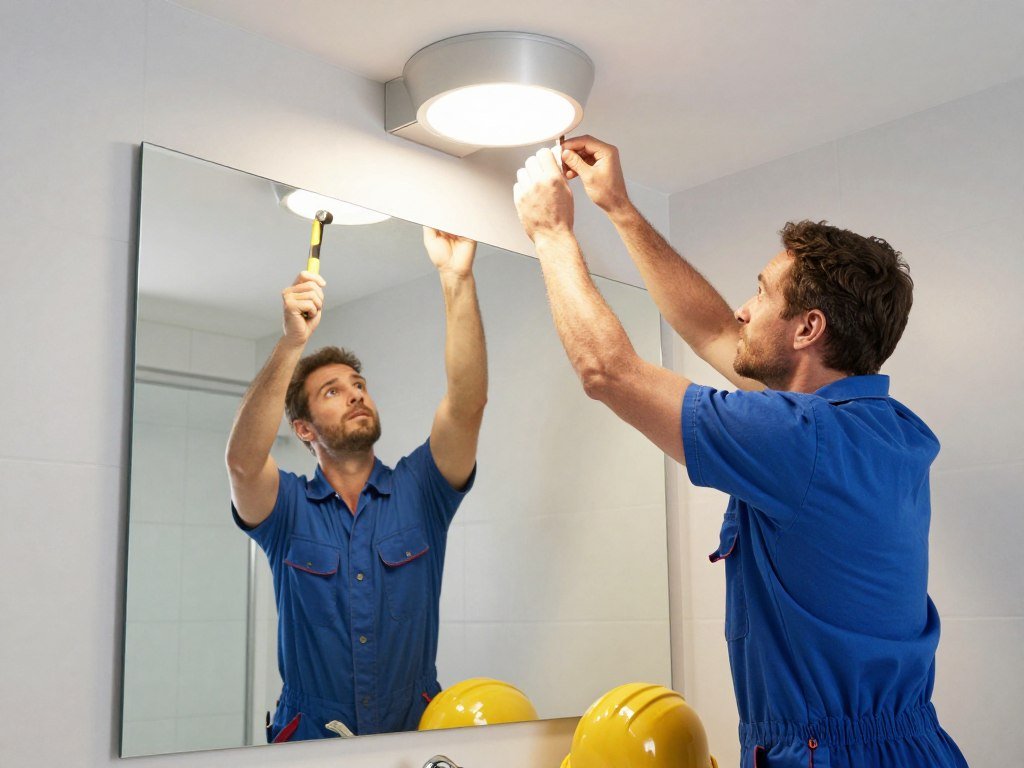
While replacing an existing bathroom vanity light fixture is often within the capabilities of a handy homeowner, new installations that require additional wiring should typically be handled by a licensed electrician. Here’s a quick guide to help you decide:
DIY-Friendly Scenarios
Replacing an existing fixture with a similar one
Installing battery-operated or plug-in lighting
Adding peel-and-stick LED light strips
Changing light bulbs to improve lighting quality
Call a Professional When
Installing new wiring where none existed
Working with complex electrical systems
Adding new junction boxes
Installing fixtures in wet areas (inside shower)
Upgrading electrical panels or circuits
Safety Ratings for Bathroom Fixtures
Bathrooms are high-moisture environments, so it’s essential to choose fixtures with appropriate safety ratings:
Dry-rated fixtures: Only suitable for areas that never come in contact with water or excessive humidity
Damp-rated fixtures: Appropriate for most bathroom areas where condensation may occur but direct water contact is unlikely
Wet-rated fixtures: Required for areas with direct water exposure, such as above a shower
For vanity lighting installed above a mirror, damp-rated fixtures are typically sufficient unless the fixture is very close to a shower or bathtub.
“When in doubt about electrical work, especially in moisture-prone areas like bathrooms, it’s always better to consult with a professional. The safety of your home and family is worth the investment.”
— Master Electrician
Common Mistakes to Avoid
Insufficient Lighting
One of the most common mistakes is choosing fixtures that don’t provide enough light for daily grooming tasks. This can result in shadows and difficulty seeing details clearly.
Solution: Ensure your fixtures provide adequate lumens for your bathroom size and choose fixtures with multiple bulbs or high-output LEDs.
Poor Positioning
Mounting fixtures too high or too low can create unflattering shadows on your face. Similarly, fixtures that are too narrow for your mirror won’t provide even illumination.
Solution: Follow the placement guidelines mentioned earlier, ensuring fixtures are at eye level and span at least 75% of your mirror’s width.
Wrong Color Temperature
Light that’s too cool (bluish) can make the bathroom feel clinical and unflattering, while light that’s too warm (yellow) can distort colors when applying makeup.
Solution: Choose bulbs with a color temperature between 2700K and 3500K for the most flattering, natural-looking light.
Mismatched Style
Choosing a fixture that doesn’t complement your bathroom’s overall design can create a disjointed look and diminish the impact of your space.
Solution: Select lighting that coordinates with your bathroom’s existing fixtures, hardware finishes, and overall design aesthetic.
No Dimming Capability
Fixed-brightness fixtures don’t allow you to adjust lighting levels for different activities or times of day, limiting the functionality of your bathroom.
Solution: Install dimmer switches or choose fixtures with built-in dimming capabilities to create versatile lighting scenes.
Incorrect Scaling
A fixture that’s too small or too large for your mirror and vanity can look awkward and affect both functionality and aesthetics.
Solution: Choose fixtures that are proportional to your mirror and vanity size, generally spanning 75-90% of your mirror’s width.
Budget-Friendly to Luxury Options
Bathroom vanity lighting over mirror comes in a wide range of price points. Here’s what to expect at different budget levels:
Budget-Friendly ($30-$100)
At this price point, you’ll find simple vanity bars, basic sconces, and functional fixtures that provide adequate lighting without breaking the bank. Materials typically include painted metal and simple glass shades.
Mid-range fixtures offer better quality materials, more design options, and improved functionality. You’ll find fixtures with dimmable capabilities, higher-quality finishes, and more distinctive designs.
Luxury fixtures feature premium materials, exceptional craftsmanship, and distinctive designs. At this level, you’ll find custom options, artisan-made fixtures, and statement pieces that serve as the focal point of your bathroom.
Value Tip: If you’re on a tight budget, focus your investment on quality bulbs rather than expensive fixtures. The right bulbs can significantly improve lighting quality even with a basic fixture.
DIY Vanity Lighting Upgrade Ideas
If you’re not ready for a complete fixture replacement, consider these DIY upgrades to improve your existing bathroom vanity lighting over mirror:
Replace Bulbs: Simply switching to better quality bulbs with the right color temperature can dramatically improve your lighting quality.
Add a Dimmer Switch: Installing a dimmer switch is relatively simple for most DIYers and allows you to adjust lighting levels for different activities.
Clean Fixtures: Dust and grime can significantly reduce light output. Thoroughly clean your existing fixtures (when turned off and cooled) to maximize brightness.
Add Supplemental Lighting: Consider adding plug-in or battery-operated lighting to complement your existing fixtures without requiring new wiring.
Update Shades: For some fixtures, you can purchase replacement shades to refresh the look without replacing the entire unit.
Quick Fix: If your current vanity light is centered above your mirror but you need more even facial lighting, consider adding adhesive LED strip lights to the sides of your mirror for improved illumination.
The world of bathroom vanity lighting is constantly evolving. Here are some current trends to consider for your space:
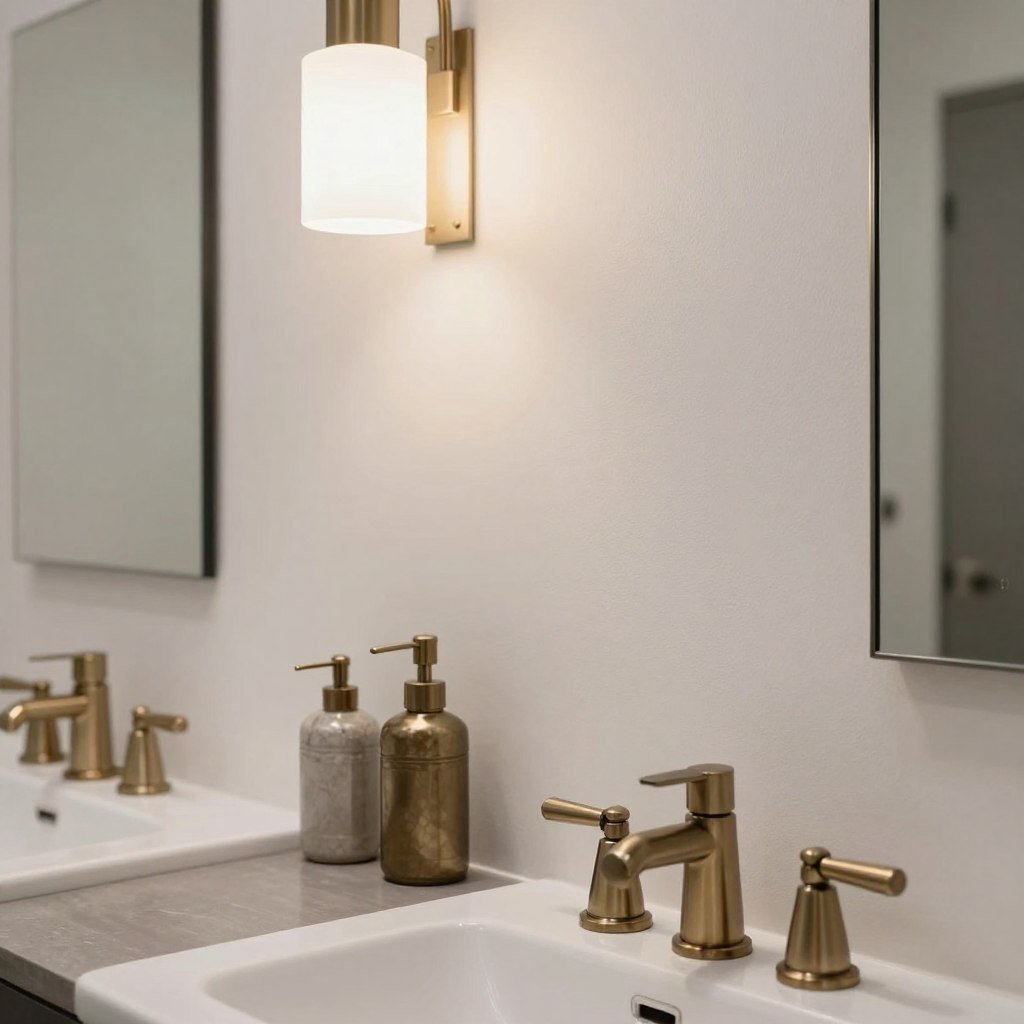
Mixed Metals
Gone are the days when all bathroom fixtures had to match. Today’s trend embraces mixing metal finishes like brass, chrome, and matte black for a layered, collected look.
Choosing the right bathroom vanity lighting over mirror involves balancing functionality, aesthetics, and practical considerations. By understanding the different types of fixtures, proper placement techniques, and design options available, you can create a bathroom lighting scheme that enhances both your daily routine and your space’s overall design.
Remember that the best lighting solution for your bathroom depends on your specific needs, preferences, and existing design elements. Don’t be afraid to mix different lighting types for a layered approach that provides both task lighting and ambiance.
Find Your Perfect Bathroom Vanity Lighting
Browse our curated selection of bathroom vanity lighting options to transform your space.
We hope this guide has illuminated the path to finding your perfect bathroom vanity lighting. If you found this article helpful, please save it to your Pinterest boards to reference later and share with others who might be planning their bathroom lighting projects!
Frequently Asked Questions
How many lumens do I need for bathroom vanity lighting?
For effective bathroom vanity lighting, aim for approximately 1400-1800 lumens total for small bathrooms and 1800-3000 lumens for medium to large bathrooms. This translates to roughly 75-100 lumens per square foot. If your fixture has multiple bulbs, divide the total lumens needed by the number of bulbs.
Should bathroom vanity lights be above the mirror or on the sides?
Both positions have advantages. Lights above the mirror provide good overall illumination and are the most common placement, especially in smaller bathrooms. Side lighting eliminates shadows on the face, making it ideal for applying makeup or shaving. The best solution, if space allows, is a combination of both for the most even, shadow-free lighting.
What color temperature is best for bathroom vanity lighting?
For most bathrooms, a color temperature between 2700K and 3500K provides the most flattering light while still being bright enough for grooming tasks. Warm white (2700K-3000K) creates a cozy, inviting atmosphere, while neutral white (3500K) provides slightly crisper light that’s still flattering for skin tones.
How wide should my vanity light be compared to my mirror?
As a general rule, your vanity light should be about 75-90% of the width of your mirror. This ensures even illumination across the entire mirror surface without extending beyond the vanity area. For very large mirrors, consider using multiple fixtures to maintain proper proportion.
Can I install bathroom vanity lighting myself?
If you’re replacing an existing fixture with a similar one, this is often a DIY-friendly project for those comfortable with basic electrical work. Always turn off power at the breaker box before beginning. However, if you’re installing new wiring where none existed before, adding new junction boxes, or are uncomfortable working with electrical components, it’s best to hire a licensed electrician.