The dining room is more than just a place to eat—it’s where conversations flow, memories are made, and connections deepen. At the heart of this special space is lighting that not only illuminates your meals but sets the entire mood of the room. The right dining room light fixtures transform ordinary dinners into extraordinary experiences, casting a warm glow that makes food more appetizing and faces more animated. Whether you’re hosting a holiday gathering or enjoying a quiet family meal, thoughtfully chosen lighting creates an atmosphere that enhances every moment spent around your table.
This Website contains affiliate links. That means I may earn a small commission if you purchase through my links, at no extra cost to you.
Exploring Different Types of Dining Room Light Fixtures
The fixture you choose becomes the centerpiece of your dining space, influencing everything from the room’s style to the quality of light that bathes your table. Let’s explore the most popular options that can elevate your dining experience.
Chandeliers: Timeless Elegance Above Your Table
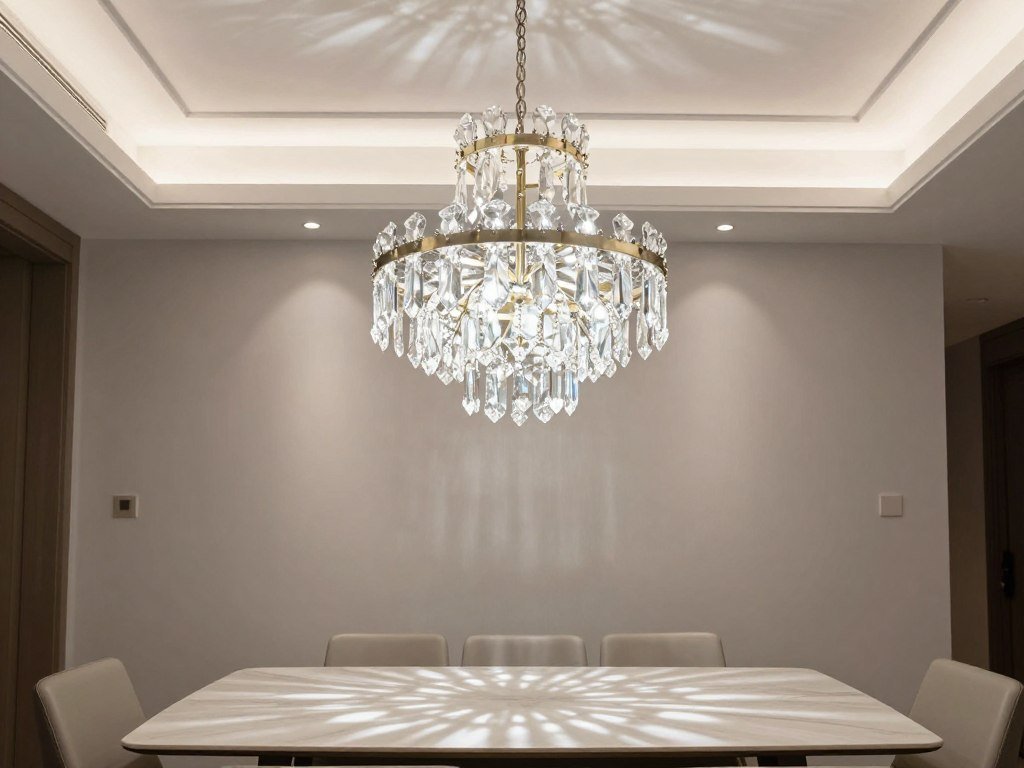
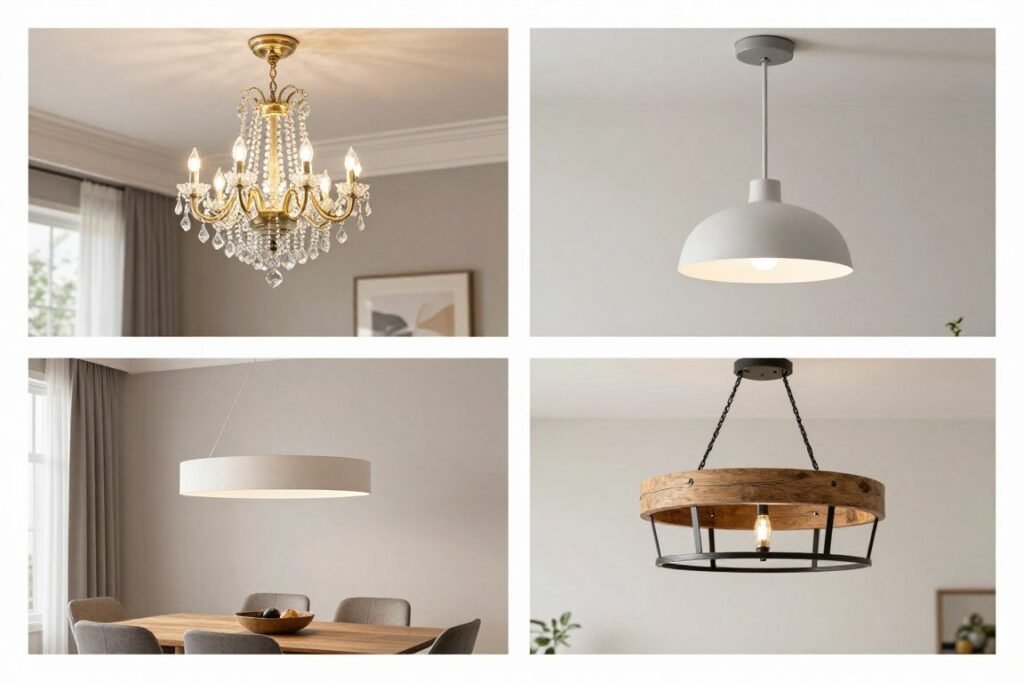
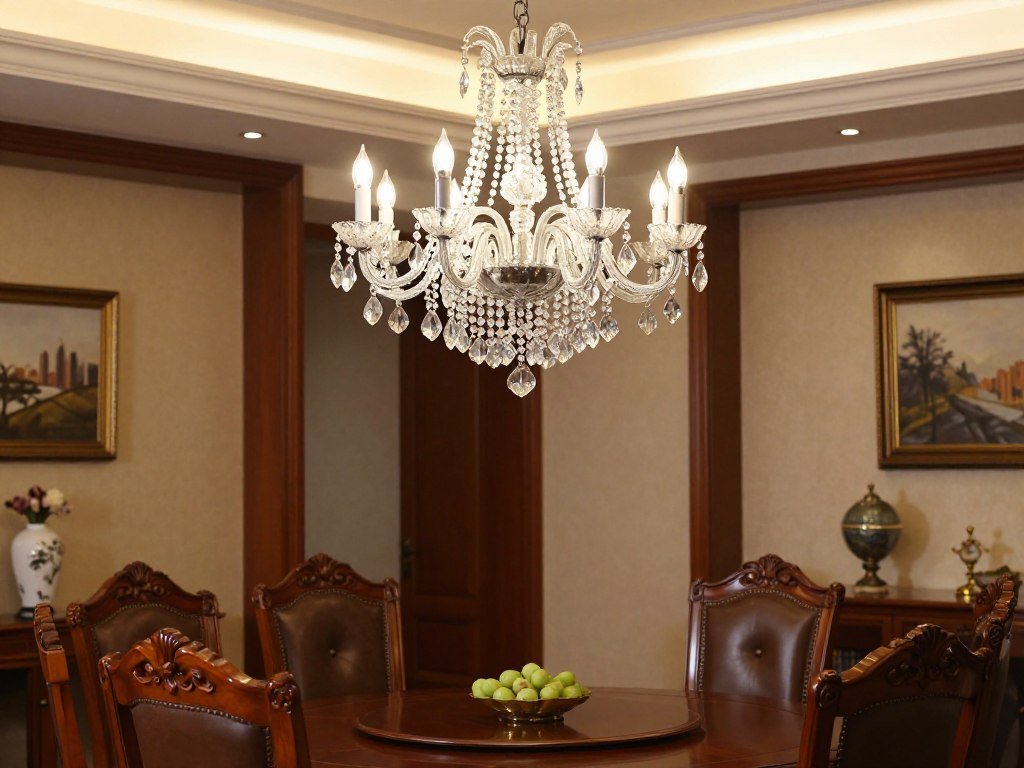
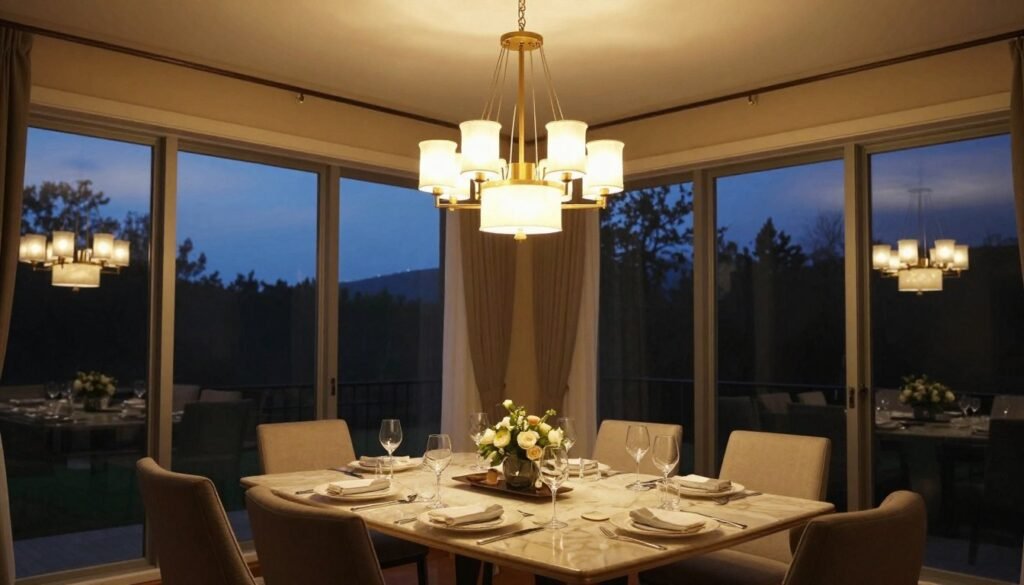
Chandeliers remain the classic choice for dining rooms, offering a perfect blend of form and function. These statement pieces draw the eye upward and create a focal point that anchors your dining area. From traditional crystal designs that refract light in dazzling patterns to modern, sculptural pieces that serve as artistic installations, chandeliers bring undeniable presence to your space.
For traditional dining rooms, consider a traditional crystal chandelier with multiple tiers that creates a sense of luxury. Contemporary spaces benefit from sleek, geometric designs that make a bold statement without overwhelming the room. The right chandelier should be proportional to your table—generally about one-half to two-thirds the width of your dining surface.
Pendant Lights: Versatile and Focused Illumination
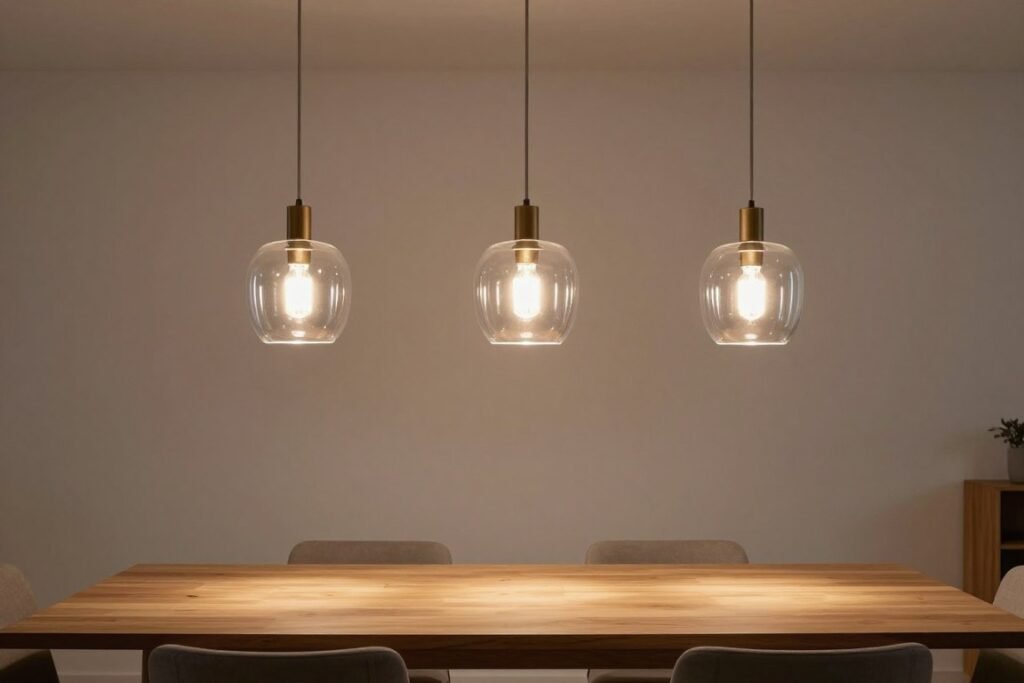
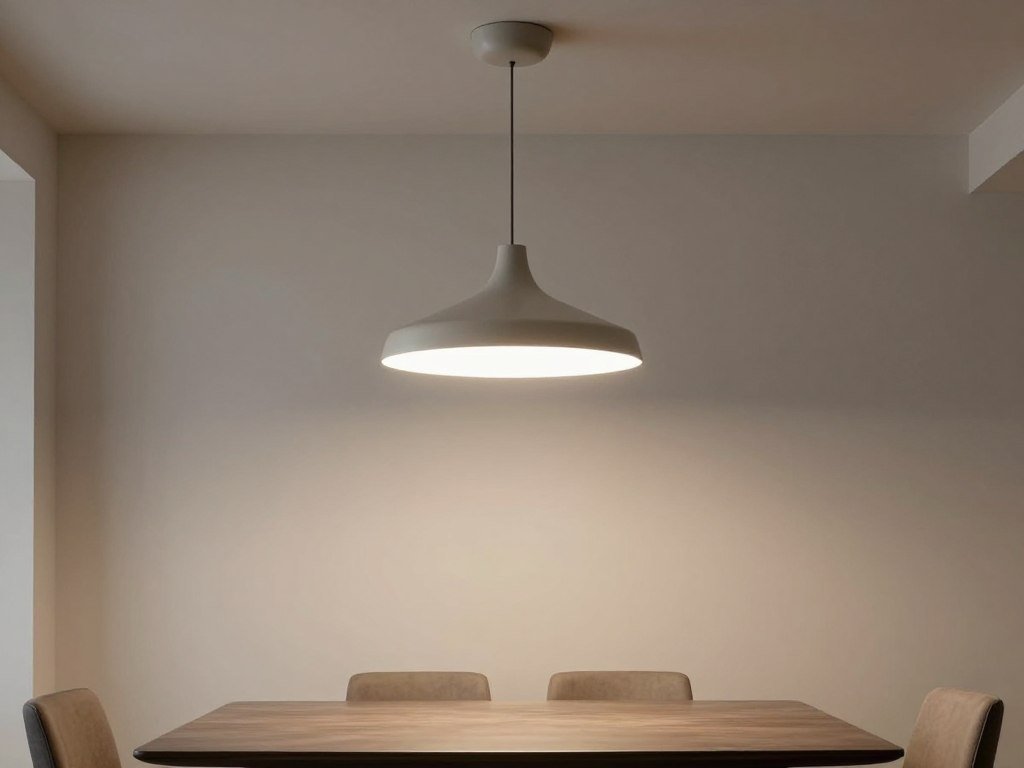
Pendant lights offer incredible versatility for dining spaces of all sizes. These fixtures hang from the ceiling on a cord, chain, or rod, directing light downward onto your table. Their concentrated illumination creates an intimate dining experience while highlighting food and place settings beautifully.
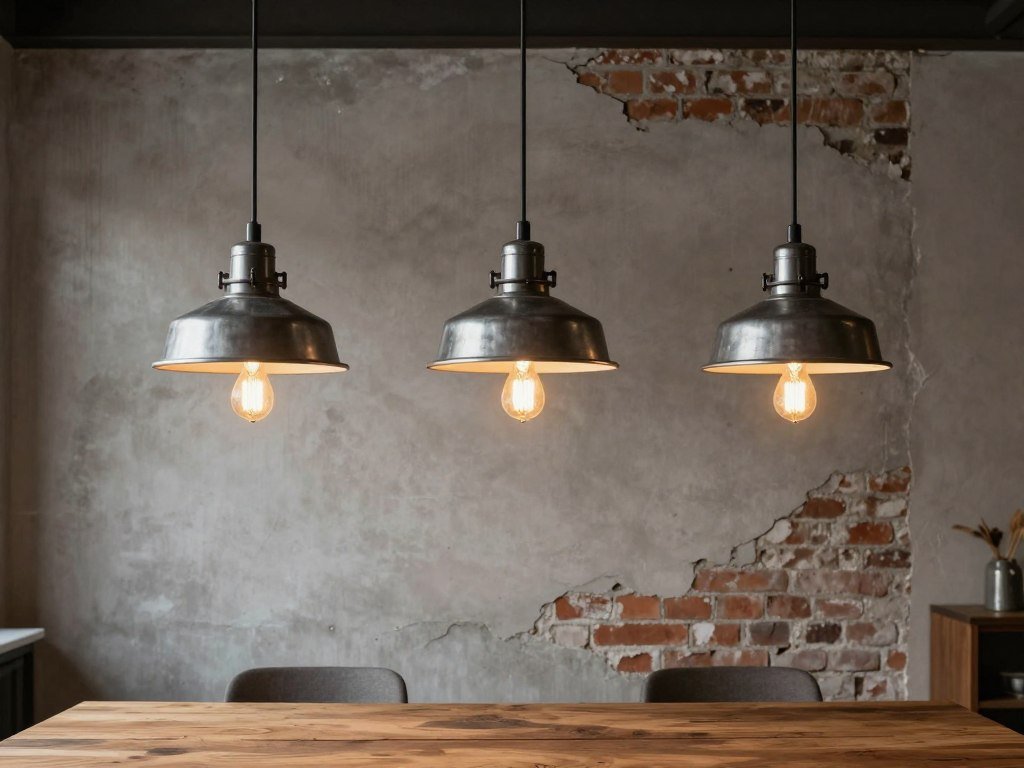
Single large pendants work wonderfully over round tables, while a series of smaller pendants creates rhythm and balance above rectangular tables. The beauty of pendants lies in their adaptability—they come in countless styles, from industrial metal to delicate glass, allowing you to express your personal aesthetic. Explore pendant lights for dining tables in various finishes to find the perfect match for your space.
Linear Suspensions: Perfect for Rectangular Tables
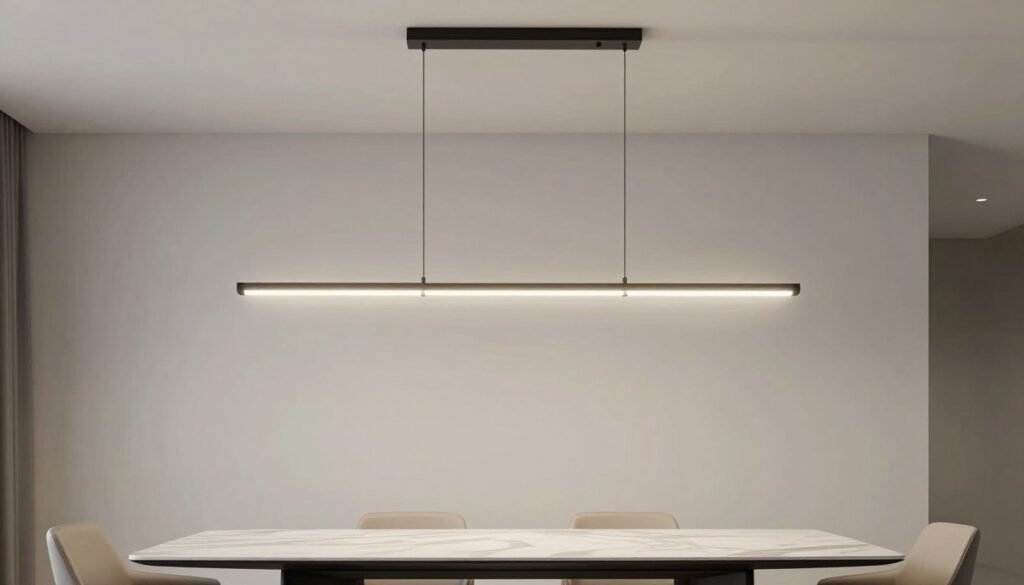
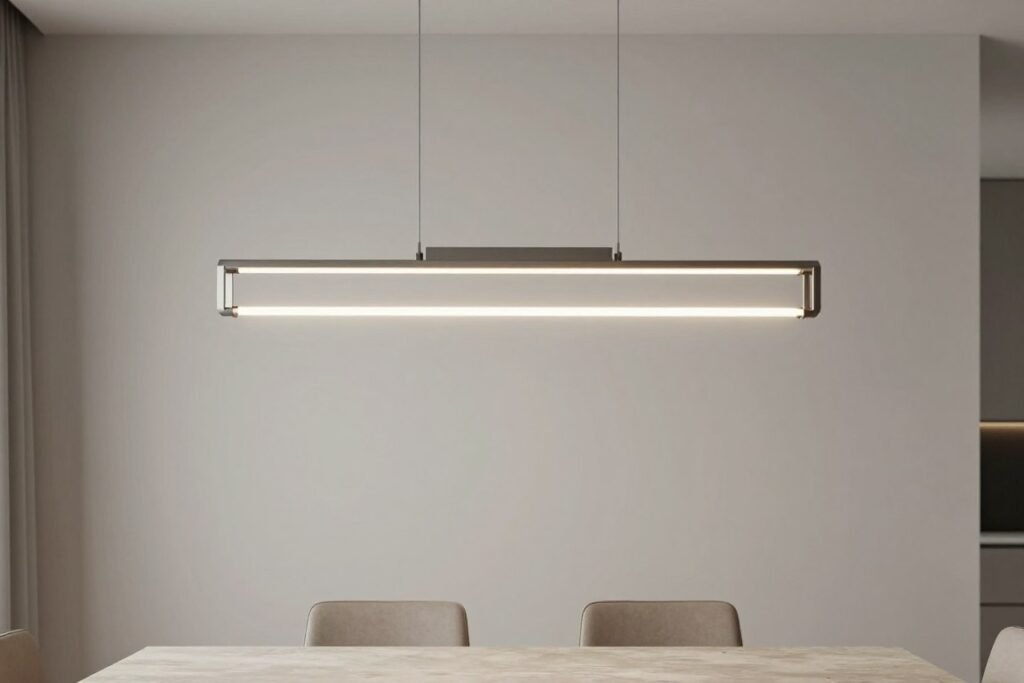
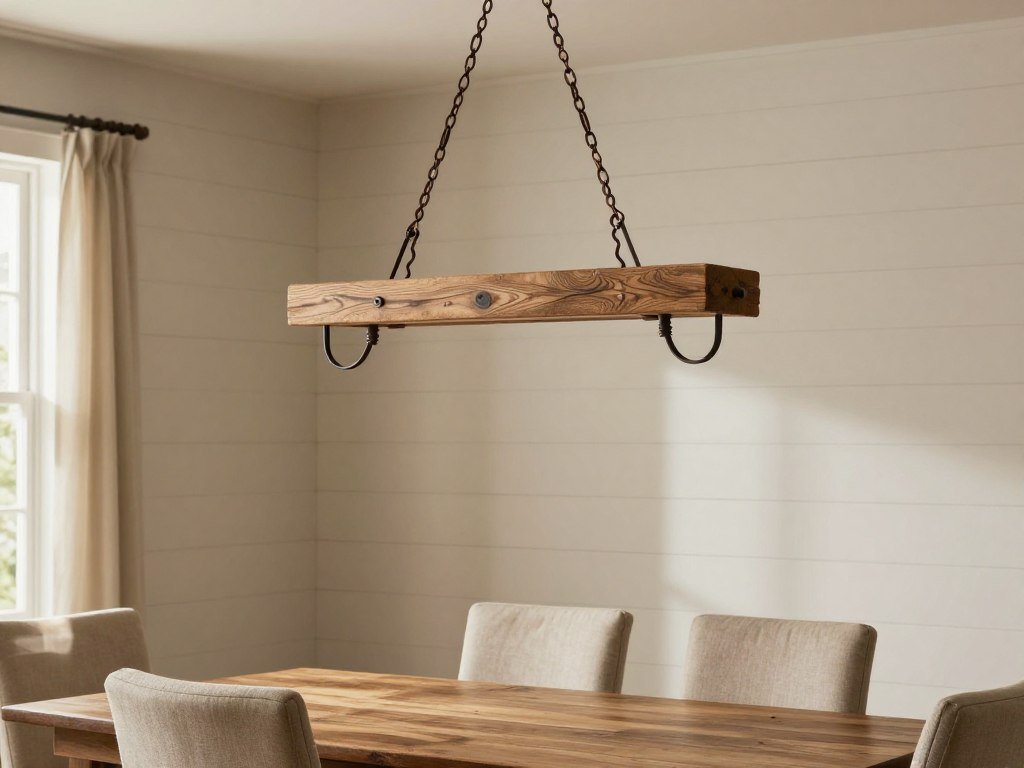
Linear suspension lights are designed specifically for rectangular or oval dining tables. These horizontal fixtures distribute light evenly along the length of your table, ensuring everyone seated enjoys the same quality of illumination. Their elongated form creates visual harmony with the table shape below.
From minimalist bars with integrated LED lighting to more elaborate designs featuring multiple glass globes, linear fixtures offer both functionality and style. They’re particularly effective in contemporary and transitional spaces where clean lines are valued. Consider a modern linear chandelier to create a cohesive look in your dining area.
Flush and Semi-Flush Mounts: Solutions for Lower Ceilings
Not every dining room has soaring ceilings that can accommodate hanging fixtures. For spaces with lower ceilings (typically under 8 feet), flush and semi-flush mount fixtures provide elegant lighting without sacrificing headroom. These options sit close to the ceiling while still offering decorative appeal.
Semi-flush mounts hang down slightly, creating more visual interest than completely flush fixtures while still maintaining necessary clearance. Many designs incorporate beautiful glass shades or decorative metalwork that casts interesting shadows and patterns. These fixtures work particularly well in breakfast nooks or smaller dining areas where space is at a premium.
How to Choose the Perfect Dining Room Light Fixture
Selecting the ideal lighting for your dining space involves several key considerations. The right fixture should balance form and function while complementing your existing décor. Here’s how to make the best choice for your home.
Size and Scale: Finding the Perfect Proportions
The size of your light fixture should be in proportion to both your table and the room itself. A fixture that’s too small will look insignificant and fail to provide adequate lighting, while one that’s too large can overwhelm the space.
For diameter: Measure your table’s width (or diameter for round tables) and subtract 12 inches. This gives you the ideal diameter for your fixture. For example, a 48-inch round table works best with a 36-inch diameter chandelier.
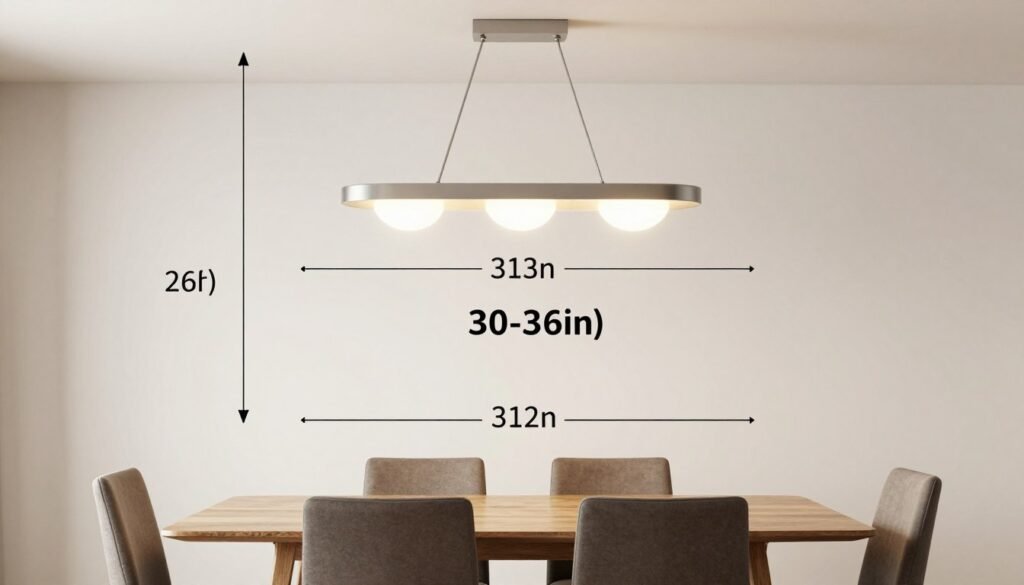
For rectangular tables, consider the length as well. Linear fixtures should be approximately 1/2 to 2/3 the length of your table. The bottom of your fixture should hang approximately 30-36 inches above the table surface, allowing for clear sightlines across the table while providing optimal illumination.
Light Output and Bulb Selection
The quality of light is just as important as the fixture itself. Dining rooms benefit from warm lighting (2700-3000K color temperature) that flatters skin tones and creates a cozy atmosphere. Consider fixtures that accommodate dimmable bulbs, allowing you to adjust brightness for different occasions—brighter for family dinners and homework sessions, softer for intimate gatherings.
Lighting Tip: For optimal dining room illumination, aim for a total of 200-400 watts equivalent (using LED bulbs), depending on room size. This provides enough light for dining while maintaining an inviting atmosphere.
LED bulbs are the most energy-efficient option and come in various color temperatures. Look for high CRI (Color Rendering Index) bulbs that accurately represent food colors and make your meals look appetizing. Explore dimmable LED bulbs to enhance your dining experience.
Style Compatibility: Matching Your Décor
Your light fixture should complement your dining room’s existing style while making its own statement. Consider the architectural elements, furniture, and overall aesthetic when making your selection.
Traditional Spaces
Opt for chandeliers with crystal or glass elements, candle-style lights, and ornate metalwork. Bronze, brass, or gold finishes enhance traditional décor and create a sense of timeless elegance.
Modern and Contemporary Rooms
Look for fixtures with clean lines, geometric shapes, and minimal ornamentation. Matte black, brushed nickel, or chrome finishes complement modern aesthetics and create a sleek, sophisticated look.
Transitional Designs
Blend elements of both traditional and contemporary styles with fixtures that feature simplified traditional forms. Mixed metals and neutral finishes work well in transitional spaces.
Farmhouse and Rustic Interiors
Embrace fixtures with natural materials like wood and wrought iron. Farmhouse chandeliers with distressed finishes and simple silhouettes enhance rustic charm.
Perfect Placement: Installation Height and Positioning
The height at which you hang your dining room light fixture significantly impacts both its functionality and visual appeal. Proper positioning ensures comfortable dining while creating the right aesthetic balance in your space.
Ideal Height Above the Table
The standard recommendation is to hang your fixture 30-36 inches above your dining table surface. This height provides adequate illumination while keeping the fixture out of diners’ sightlines. For higher ceilings (over 8 feet), you can add 3 inches of height for each additional foot of ceiling height to maintain visual proportion.
Quick Formula: For ceilings higher than 8 feet, use this calculation: 30″ + (3″ × [ceiling height in feet – 8])
Example: For a 10-foot ceiling, the ideal height would be: 30″ + (3″ × 2) = 36″ above the table
Remember that these are guidelines rather than strict rules. The size of your fixture, the formality of your space, and your personal preference should all factor into your decision. Larger, more dramatic fixtures may look better when hung slightly higher.
Centering Over the Table vs. Room
Always center your light fixture over the dining table rather than in the center of the room (unless they happen to be the same point). Your lighting should illuminate the functional area—the table—regardless of the room’s architectural center.
If your dining table is frequently moved (for example, pushed against a wall when not in use), consider track lighting or multiple pendants that provide flexibility in where light is directed. This ensures your space remains well-lit regardless of table placement.
Multiple Fixtures and Spacing
When using multiple pendants or a linear arrangement over a rectangular table, proper spacing is crucial for balanced illumination and visual harmony.
For pendant lights, space them 24-30 inches apart (measuring from center to center)
Ensure equal distance from each end of the table (at least 12 inches from the edge)
Align multiple fixtures at the same height for a clean, intentional look
Consider the visual weight—larger pendants need more breathing room than smaller ones
For round tables, a single centered fixture typically works best. However, for very large round tables (over 60 inches in diameter), consider a larger chandelier or a cluster of pendants to provide adequate coverage.
Creating Depth: Layering Light in Your Dining Room
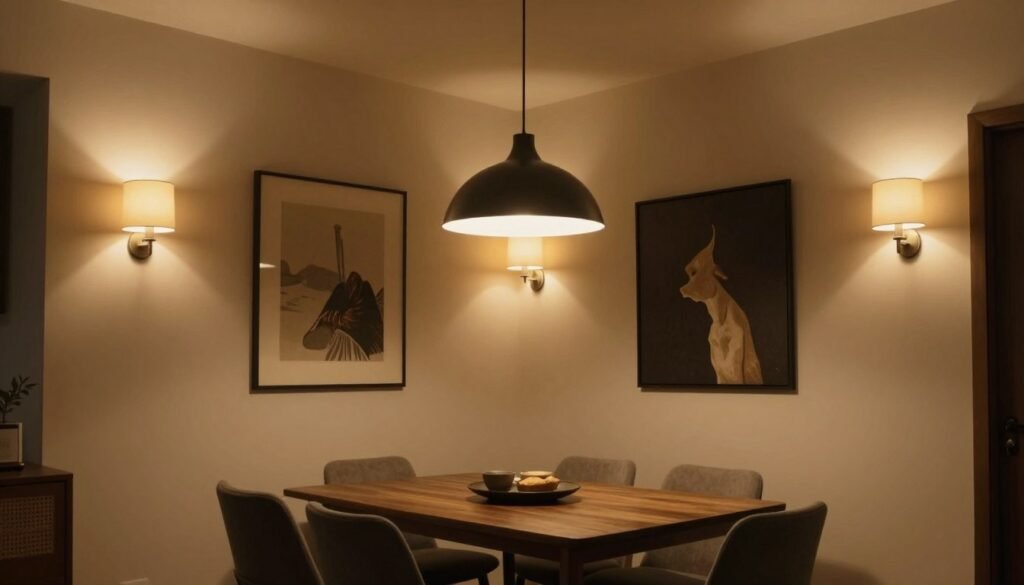
While your main dining fixture provides essential task lighting for the table, a truly well-designed space incorporates multiple light sources at different levels. This layered approach creates depth, eliminates harsh shadows, and allows for flexibility in setting the mood.
Ambient, Task, and Accent Lighting
A complete lighting plan includes three key types of illumination:
Ambient Lighting
This provides overall illumination for the entire room. Recessed ceiling lights, flush mounts, or wall sconces contribute to ambient lighting that helps people navigate the space safely.
Task Lighting
Your main dining fixture serves as task lighting, providing focused illumination for eating, reading, or other activities at the table. This should be the brightest layer in your dining space.
Accent Lighting
This highlights architectural features, artwork, or decorative elements in your dining room. Wall sconces, picture lights, or buffet lamps add visual interest and create a sophisticated atmosphere.
The Power of Dimmers
Installing dimmer switches gives you ultimate control over your dining room’s atmosphere. Dimmers allow you to adjust light levels for different occasions—bright illumination for family dinners and homework sessions, subdued lighting for intimate gatherings or dinner parties.
“Lighting is the jewelry of the home. Dimmers are like adjusting the clasp on a necklace—they allow you to customize how your lighting ‘accessory’ enhances your space for any occasion.”
Modern smart dimmer switches can be controlled via smartphone apps or voice assistants, allowing you to create and save lighting “scenes” for different activities. This technology makes it easier than ever to transform your dining space with the perfect lighting for any moment.
Complementary Light Sources
Consider these additional lighting elements to enhance your dining room’s ambiance:
Wall Sconces: Installed on either side of a sideboard or buffet, sconces provide gentle illumination that complements your main fixture
Buffet Lamps: Placed on a sideboard, these provide additional light while adding decorative elements to your space
Cove Lighting: Hidden LED strips along ceiling edges or architectural features create a soft glow that adds dimension
Candles: Though not permanent fixtures, candles add a warm, flickering light that creates unmatched ambiance for special occasions
By thoughtfully combining these light sources, you create a dining room that can transition seamlessly from practical family meals to elegant entertaining. The key is flexibility—different light levels and sources for different needs and moods.
Style Guide: Matching Fixtures to Your Dining Room Aesthetic
Your dining room light fixture should complement your overall interior design while making its own statement. Here’s how to select lighting that enhances different design styles.
Modern and Contemporary Spaces
Modern dining rooms embrace clean lines, minimal ornamentation, and often feature a mix of materials and textures. The right lighting enhances these qualities while adding visual interest.
Look for fixtures with geometric shapes, innovative materials, and architectural elements. Matte black, brushed nickel, and chrome finishes complement modern aesthetics. Consider geometric pendant lights or sleek linear chandeliers that make a bold statement without visual clutter.
Traditional and Classic Interiors
Traditional dining rooms exude timeless elegance with rich woods, detailed millwork, and classic furniture silhouettes. Lighting should enhance this sense of refinement and heritage.
Crystal chandeliers, brass fixtures with candle-style lights, and designs with ornate detailing complement traditional spaces beautifully. Look for warm metallic finishes like antique brass or bronze that add a sense of history and patina. These fixtures often become heirloom pieces that anchor your dining tradition for years to come.
Farmhouse and Rustic Charm
Farmhouse dining rooms celebrate simplicity, natural materials, and a connection to rural traditions. The right lighting enhances this unpretentious, welcoming atmosphere.
Embrace fixtures that incorporate natural elements like wood, wrought iron, or rope. Wagon wheel chandeliers, lantern-style pendants, and simple cage designs all enhance farmhouse charm. Look for distressed or weathered finishes that suggest age and character rather than perfection.
Transitional Balance
Transitional dining rooms bridge traditional and contemporary elements, creating spaces that feel current yet timeless. Lighting should reflect this balanced approach.
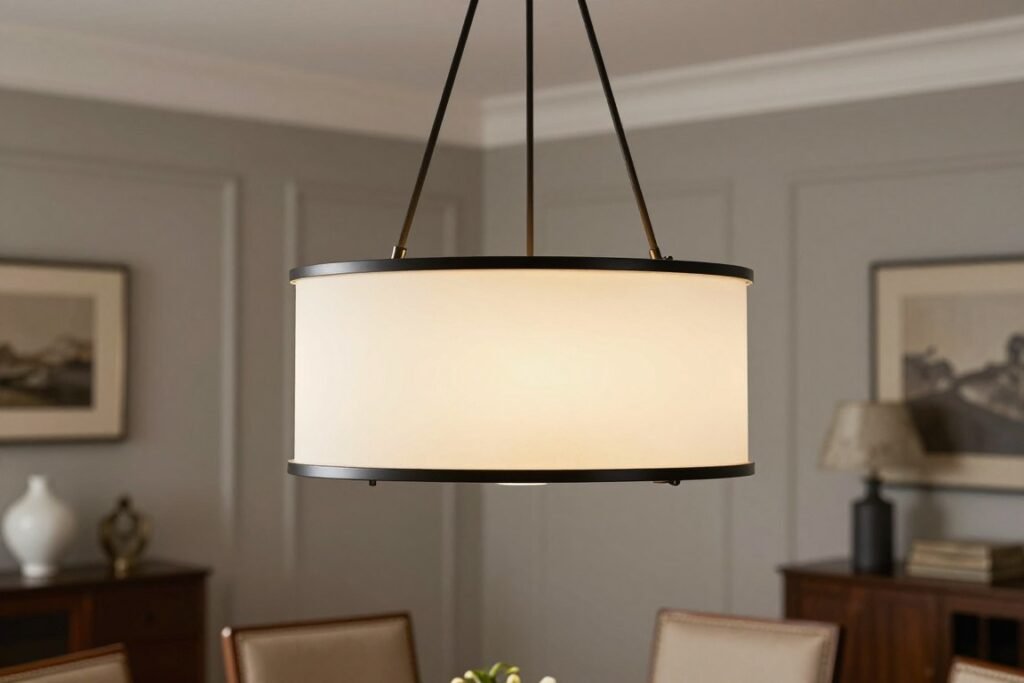
Look for fixtures that simplify traditional forms—like drum pendants, updated chandeliers with cleaner lines, or lanterns with contemporary finishes. Mixed materials and neutral metallic finishes work particularly well in transitional spaces, offering versatility that complements evolving décor.
Industrial Edge
Industrial dining spaces celebrate raw materials, utilitarian design, and a connection to manufacturing heritage. Lighting should enhance these qualities while providing practical illumination.
Embrace fixtures with exposed bulbs, metal cages, pulley systems, or factory-inspired details. Black iron, brass, and copper finishes complement industrial aesthetics beautifully. Consider industrial pendant lights with metal shades or Edison-style bulbs that celebrate the beauty of functional design.
Practical Considerations: Beyond Aesthetics
While style is important, practical considerations ensure your dining room light fixture functions effectively for years to come. These technical aspects deserve careful attention during your selection process.
Installation and Electrical Requirements
Before falling in love with a fixture, consider the electrical infrastructure in your dining room. Most dining fixtures require a ceiling junction box that can support their weight. Heavier chandeliers may need additional bracing or a ceiling medallion to distribute weight properly.
Safety Note: Always hire a qualified electrician for installation, especially for heavy fixtures or if you need to relocate a junction box. Proper installation ensures both safety and optimal performance.
If you’re replacing an existing fixture, note its location. Moving a junction box requires opening the ceiling and potentially dealing with joists and wiring, which adds complexity and cost to your project. Sometimes, a swag kit can allow you to center a fixture over your table without moving the electrical box.
Maintenance and Cleaning
Different fixtures require different levels of maintenance. Consider how easy it will be to clean your chosen fixture and replace bulbs when needed.
Crystal Chandeliers: Require regular dusting and occasional deep cleaning to maintain sparkle
Glass Pendants: Show fingerprints and dust, needing regular wiping to look their best
Metal Fixtures: Generally easier to maintain with simple dusting
Fabric Shades: May yellow over time and can be difficult to clean thoroughly
Consider the height of your ceiling and whether you’ll need a ladder or special tools to change bulbs or clean the fixture. Fixtures with easy-access designs or those that can be lowered for maintenance offer practical advantages for long-term use.
Energy Efficiency and Sustainability
Modern dining room fixtures increasingly incorporate energy-efficient technology that reduces electricity consumption while providing beautiful illumination.
LED technology has revolutionized lighting design, allowing for innovative forms that weren’t possible with traditional incandescent bulbs, all while using a fraction of the energy.
Look for fixtures that are compatible with LED bulbs or that have integrated LED elements. While these may cost more initially, they save significantly on energy costs over time and require far fewer bulb changes. Many energy-efficient chandeliers now offer the same warm light quality as traditional fixtures.
Consider the environmental impact of materials as well. Fixtures made from sustainable materials or those manufactured with eco-friendly processes offer benefits beyond your dining room.
Future-Proofing Your Lighting
As smart home technology advances, lighting continues to evolve. Consider whether compatibility with smart systems is important for your household.
Smart bulbs can be retrofitted to many existing fixtures, allowing for color temperature adjustments and remote control
Smart switches can make any fixture dimmable and programmable
Some newer fixtures include integrated smart technology that works with home automation systems
Future-ready fixtures may cost more initially but offer greater flexibility as technology evolves
Even if you’re not ready for smart technology now, choosing fixtures that can accommodate these options in the future gives you flexibility as your needs change.
Illuminating Your Dining Experience: Final Thoughts
The perfect dining room light fixture does more than simply illuminate your space—it creates an atmosphere where memories are made. From intimate family dinners to festive holiday gatherings, your lighting sets the stage for these important moments.
Remember that the best fixture for your home balances form and function, complementing your décor while providing the right quality and quantity of light. Take time to consider all aspects—size, style, height, and light output—before making your final decision.
Ready to Transform Your Dining Space?
Explore a world of possibilities for your dining room lighting. From elegant chandeliers to modern pendants, the perfect fixture awaits to elevate your dining experience.
Whether you choose a statement chandelier that becomes a conversation piece or a series of simple pendants that provide perfect illumination, your dining room light fixture is an investment in both the function and beauty of your home. Select wisely, and enjoy the warm glow of perfect lighting for years to come.
Pinterest Image Ideas
Image Idea 1: A dramatic before/after split image showing the same dining room with different lighting fixtures—one basic builder-grade light and one statement chandelier—demonstrating how lighting transforms the entire space.
Image Idea 2: Overhead flat lay of a beautifully set dining table with a stunning pendant light centered above, captured from directly above to show the relationship between table setting and lighting design.
Image Idea 3: Side-by-side comparison of three dining rooms with different lighting styles (modern, traditional, farmhouse) but similar furniture, illustrating how light fixtures define the room’s character.
Image Idea 4: Close-up detail shot of light playing through crystal or glass elements of a chandelier, creating rainbow prisms on a dining table set with white dishes and linens.
Frequently Asked Questions About Dining Room Light Fixtures
How big should my dining room light fixture be?
For round tables, your fixture’s diameter should be approximately 1/2 to 2/3 the diameter of your table. For rectangular tables, choose a fixture that’s about 1/3 the width of your table and approximately 1/2 to 2/3 the length. Another method is to add the room dimensions together (in feet) to determine the fixture diameter in inches. For example, a 10′ × 14′ room would work well with a 24″ diameter fixture.
How high should I hang my dining room light?
The bottom of your fixture should hang approximately 30-36 inches above your dining table surface. For higher ceilings (over 8 feet), you can add 3 inches for each additional foot of ceiling height. Always ensure the fixture doesn’t obstruct sightlines across the table.
Can I install a dimmer switch for my dining room light?
Yes, and it’s highly recommended! A dimmer switch gives you flexibility to adjust lighting levels for different occasions. Most modern fixtures are compatible with dimmers, but verify that both your fixture and bulbs are dimmable before installation. LED bulbs require specific dimmer switches designed for LED technology.
Should my dining room light match my kitchen lighting?
Your dining and kitchen lighting don’t need to match exactly, but they should coordinate harmoniously, especially in open floor plans. Consider fixtures from the same collection or with similar finishes, materials, or design elements. The goal is a cohesive look that allows each space to maintain its own character.
What’s the best bulb color temperature for dining rooms?
Warm white (2700K-3000K) is ideal for dining spaces. This color temperature creates a cozy, inviting atmosphere that flatters skin tones and food presentation. Cooler temperatures (above 3500K) can feel clinical and less relaxing. Look for bulbs with high CRI (Color Rendering Index) of 90+ for the most accurate color representation.