Your dining table is more than just a place to enjoy meals—it’s the heart of your dining space and a canvas for your creative expression. Whether you’re hosting a formal dinner party, setting up for a holiday gathering, or simply want to elevate your everyday dining experience, thoughtful styling can transform an ordinary table into a stunning focal point. In this comprehensive guide, we’ll explore everything from foundational elements to seasonal inspirations that will help you create dining table arrangements worthy of your Pinterest boards.
This Website contains affiliate links. That means I may earn a small commission if you purchase through my links, at no extra cost to you.
Foundation Elements: Building Your Tablescape
Before diving into specific styling ideas, let’s explore the essential elements that form the foundation of any well-styled dining table. These components create the base layer upon which you’ll build your unique tablescape.
Tablecloths, Runners, and Placemats
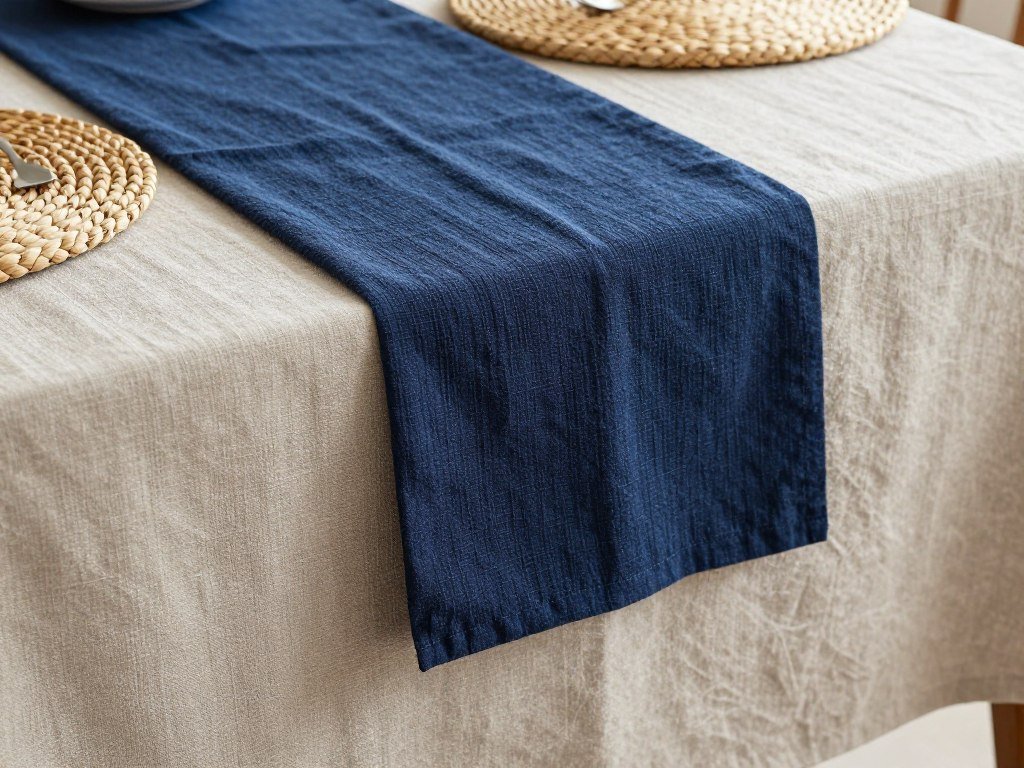
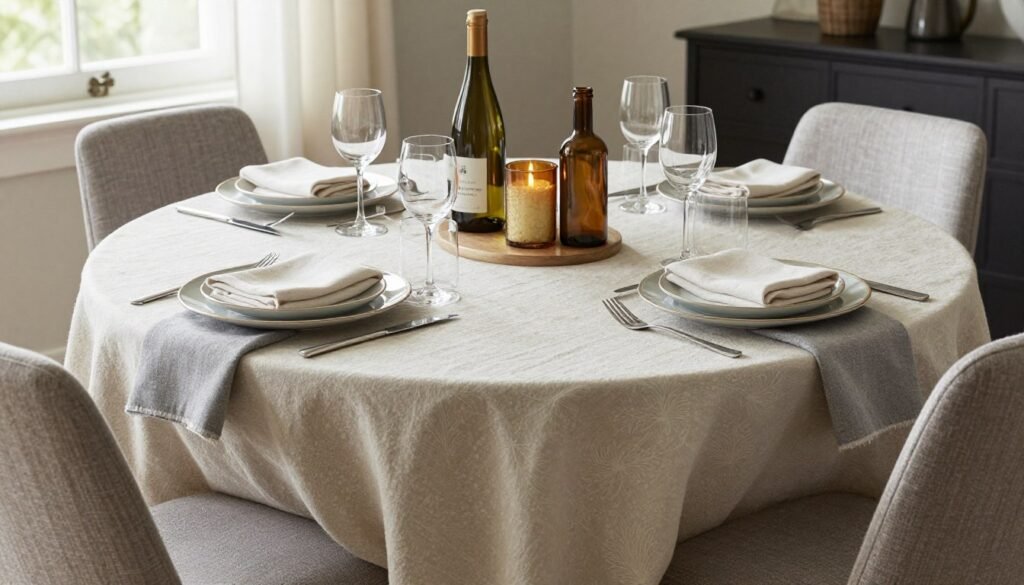
The first decision in dining table styling is whether to use a tablecloth, runner, placemats, or a combination. Each option creates a different aesthetic and serves various practical purposes. A full tablecloth offers protection and formality, while a table runner adds a touch of elegance without covering the entire table surface. Placemats define individual settings and can introduce texture and color.
For a refined look, consider layering these elements. A neutral tablecloth paired with a contrasting runner creates visual interest, while coordinated placemats add definition to each place setting. Look for quality linen table runners that add texture while maintaining an elegant appearance.
Chargers and Base Plates
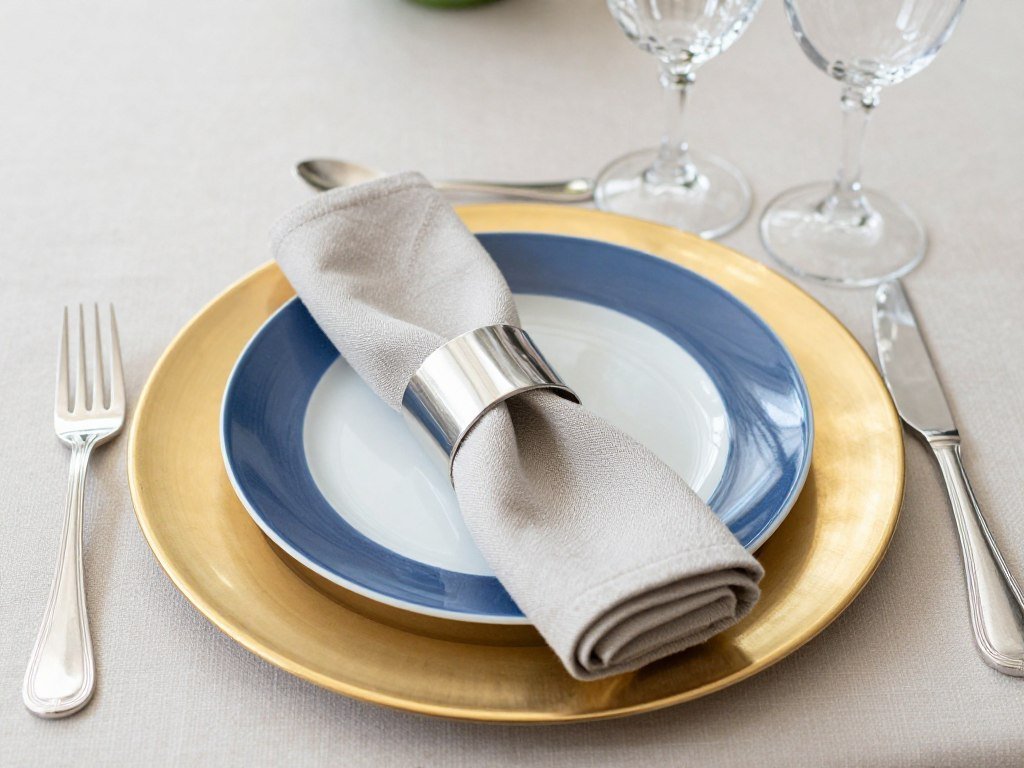
Charger plates are the unsung heroes of table styling. These decorative base plates sit beneath your dining plates and add a layer of sophistication to your table setting. They frame your dinnerware and can introduce complementary colors, textures, or metallic accents to your tablescape.
When selecting chargers, consider how they’ll interact with both your table linens and dinnerware. Metallic chargers add glamour to formal settings, while woven rattan chargers bring warmth and texture to casual arrangements. For a cohesive look, choose chargers that complement your overall color scheme while providing enough contrast to stand out.
A well-designed centerpiece anchors your tablescape and sets the tone for your entire dining experience. The right centerpiece balances beauty with practicality, enhancing your table without impeding conversation or dining comfort.
Floral Arrangements
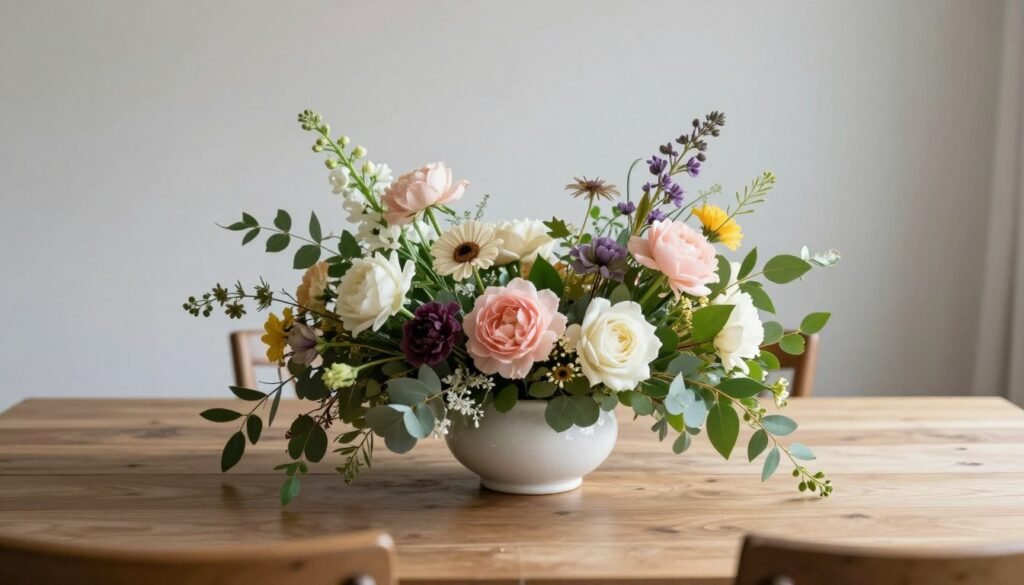
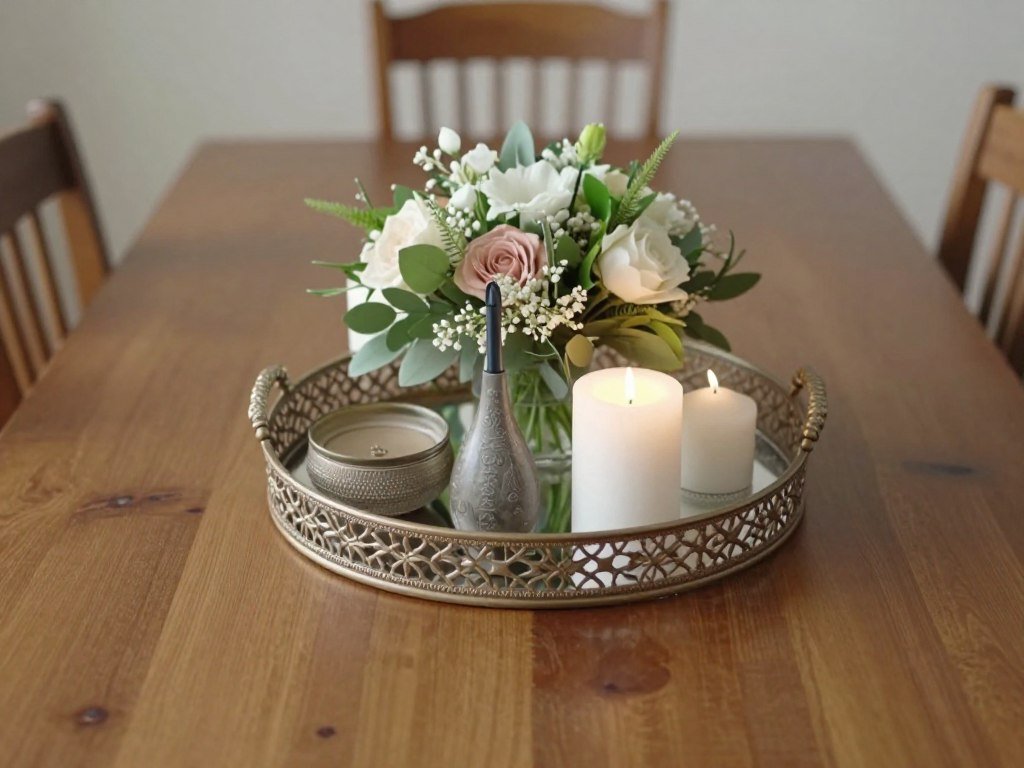
Fresh flowers instantly breathe life into any dining table. When creating floral centerpieces, consider both height and width. Low arrangements allow for easy conversation across the table, while taller displays create drama but should be reserved for special occasions when dining is secondary to the visual impact.
For everyday elegance, a simple arrangement of seasonal blooms in a beautiful ceramic vase makes a lovely statement. Consider the shape of your table when selecting your container—round tables pair beautifully with round or square vases, while rectangular tables can accommodate longer, more linear arrangements.
Candle Displays
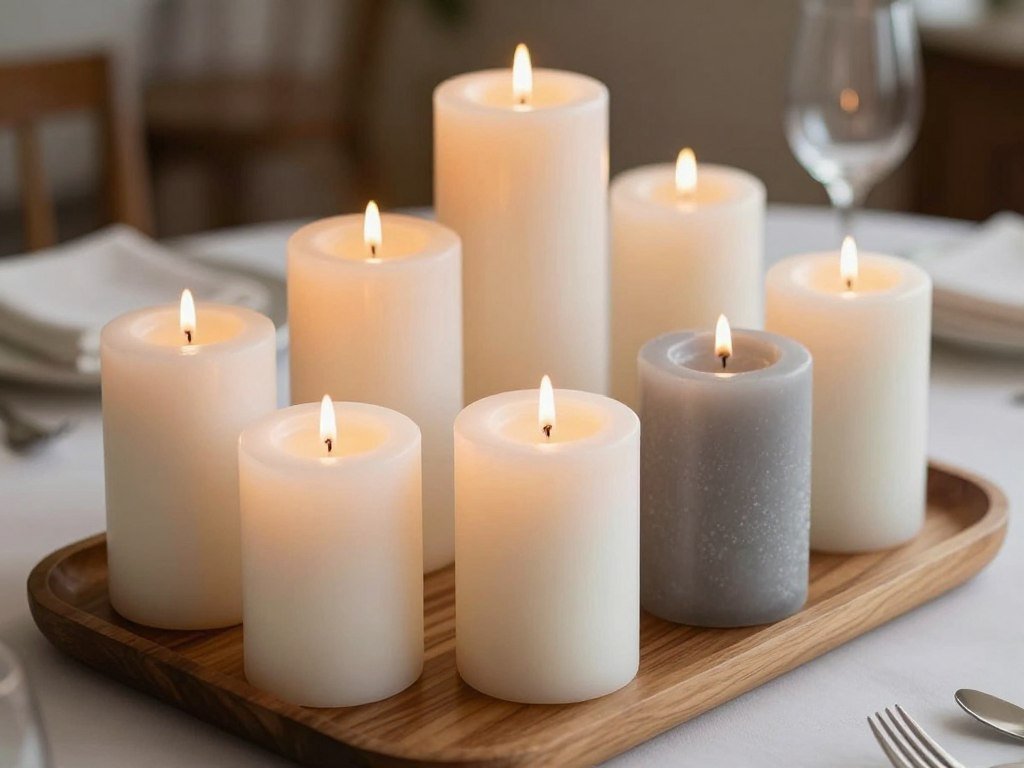
Candles create ambiance and add a warm, inviting glow to your dining space. Group candles of varying heights for visual interest, or arrange them symmetrically for a more formal look. Taper candles in elegant holders bring traditional sophistication, while pillar candles offer a more substantial presence.
Safety and practicality are important considerations with candle centerpieces. Always use appropriate holders, and consider high-quality flameless candles for worry-free ambiance, especially for households with children or for extended gatherings where candles might burn too low.
Seasonal Objects and Natural Elements
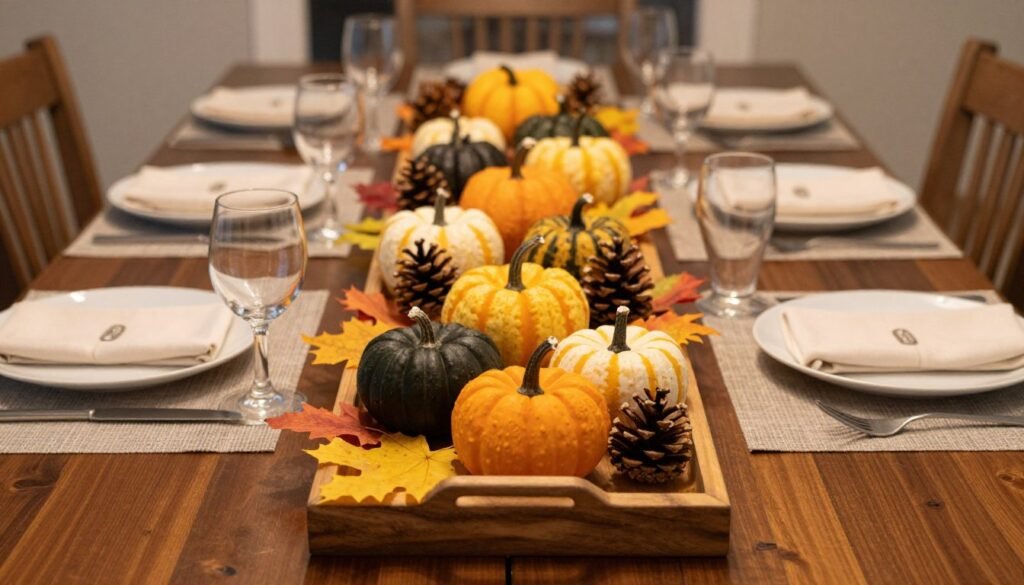
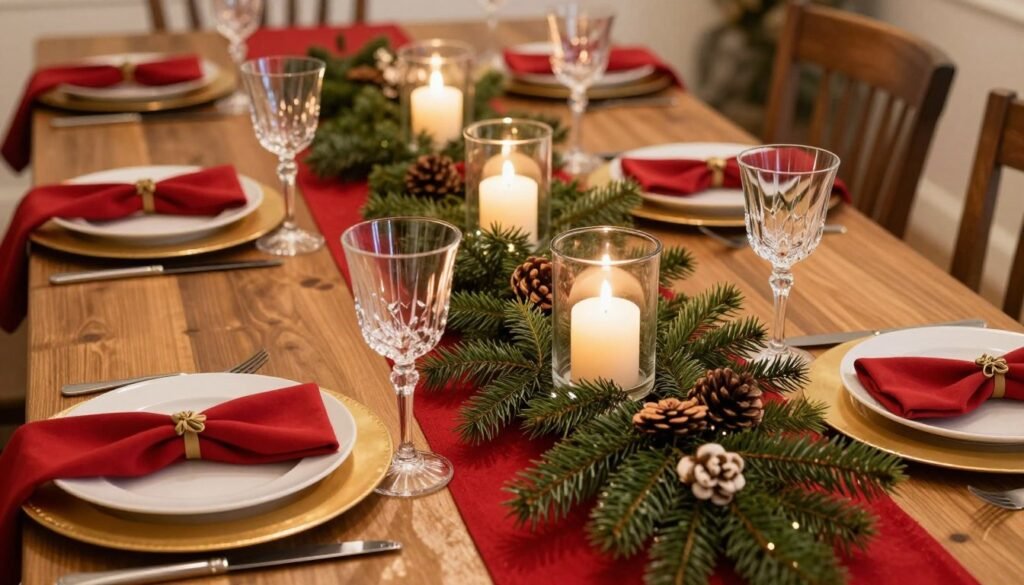
Incorporating seasonal elements keeps your dining table fresh and relevant throughout the year. In autumn, a runner of colorful leaves, mini pumpkins, and pinecones creates a harvest-inspired centerpiece. Winter tables might feature evergreen sprigs, berries, and metallic accents, while spring calls for fresh blooms and pastel colors.
Natural elements add organic texture and interest to your table. Consider incorporating driftwood, shells, river rocks, or even fruit for an unexpected touch. These elements can be arranged on a decorative tray to create a cohesive display that’s easy to move when needed.
Perfecting Place Settings: The Art of Layering
Well-designed place settings enhance the dining experience while contributing to your table’s overall aesthetic. The key to impressive place settings lies in thoughtful layering and attention to detail.
Dinnerware Layering
Creating depth through layered dinnerware elevates even the simplest table setting. Start with a charger as your base, followed by a dinner plate, and then a salad plate or bowl. This layering creates visual interest and allows you to introduce complementary colors and textures.
Don’t be afraid to mix and match your dinnerware for a collected, personalized look. Pair patterned salad plates with solid dinner plates, or introduce mixed material dinnerware like stoneware and porcelain for added dimension. Just ensure there’s a common element—color, pattern, or style—that ties everything together.
Napkin Styling
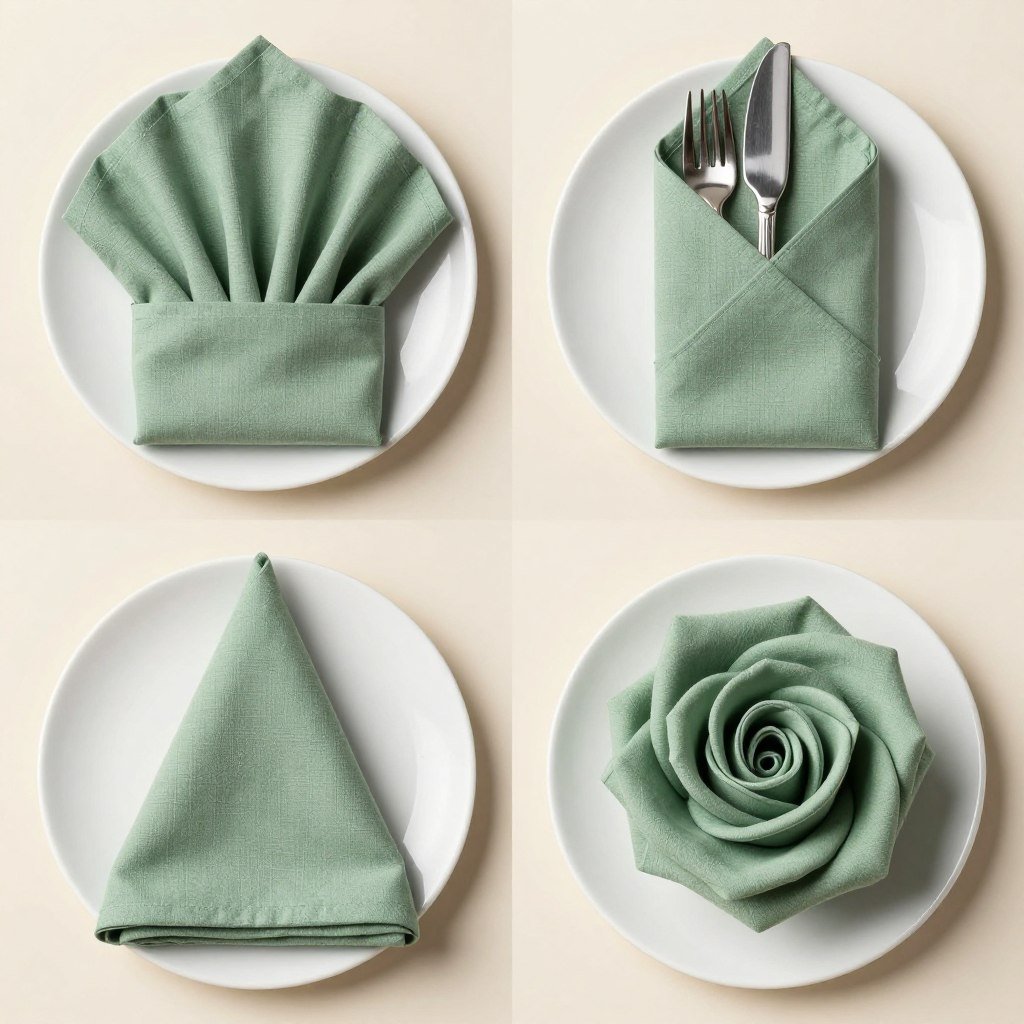
Napkins offer both functionality and decorative opportunity. The way you fold and present napkins can significantly impact your table’s appearance. Simple folds placed under forks or to the left of the place setting create a classic look, while more elaborate folds or the use of napkin rings add flair.
Quality matters when it comes to napkins. Invest in good linen napkins in versatile colors that can transition between everyday use and special occasions. These will elevate your table setting while being practical and sustainable alternatives to paper napkins.
Glassware Arrangement
Properly arranged glassware adds polish to your table setting. For formal settings, include water goblets, wine glasses, and any other specialty glasses the meal requires. Position them in order of use, with water goblets at the front and additional glasses arranged to the right and slightly forward.
For casual dining, simplify your glassware selection while maintaining quality. Consider versatile stemless wine glasses that work for multiple beverages, or invest in colored glassware that adds a pop of color to your table.
Themed Table Styling: From Everyday to Special Occasions
Different occasions call for different approaches to table styling. Adapting your tablescape to suit the event creates the right atmosphere and shows thoughtful attention to detail.
Everyday Elegance
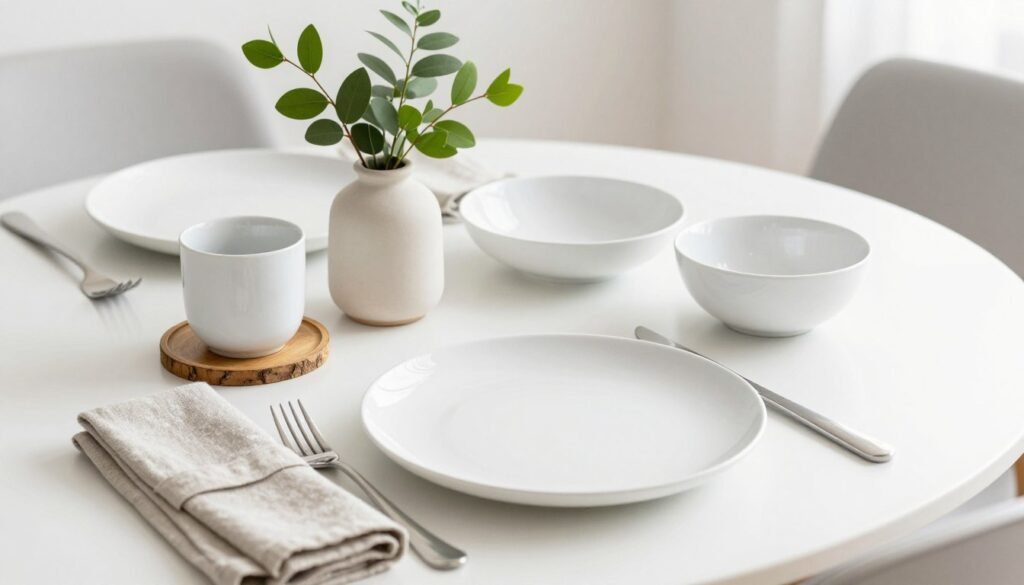
Your daily dining table should be both beautiful and functional. For everyday settings, opt for durable, versatile pieces that can be easily maintained. A simple runner with a low maintenance centerpiece, like a bowl of fruit or a small potted plant, adds life without requiring daily attention.
Consider using placemats rather than a full tablecloth for easy cleaning, and keep centerpieces compact to leave plenty of room for serving dishes. Easy-care placemats in neutral tones provide a foundation that can be accessorized seasonally with different napkins and small decorative elements.
Formal Dinner Parties
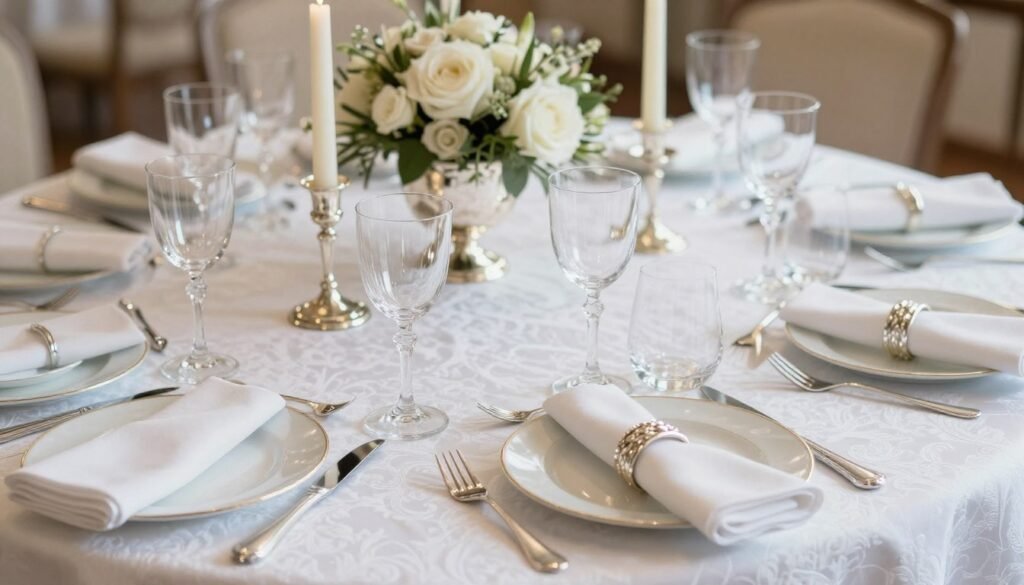
Formal occasions call for elevated table settings that signal the special nature of the gathering. Pull out your finest dinnerware, crystal, and silver for these events. A crisp tablecloth provides the foundation, while carefully considered centerpieces and place settings add refinement.
Attention to detail matters for formal settings. Consider adding elegant place card holders to guide seating, and ensure your centerpiece allows for conversation while creating a sophisticated focal point. Proper placement of multiple utensils and glasses according to traditional etiquette completes the formal setting.
Seasonal and Holiday Tables
Seasonal styling keeps your dining space fresh and celebrates the changing year. Each season offers unique colors, textures, and motifs to incorporate into your table design. Holiday tables can embrace traditional elements while reflecting your personal style.
For holiday tables, consider creating a cohesive color scheme that references traditional motifs while maintaining elegance. Festive table runners provide a foundation for seasonal decor without overwhelming the space. Remember that even themed tables should maintain balance and allow for comfortable dining.
Advanced Styling Techniques: Texture, Color, and Pattern
Mastering the interplay of texture, color, and pattern elevates your table styling from basic to extraordinary. These elements create visual interest and reflect your personal aesthetic.
Mixing Textures
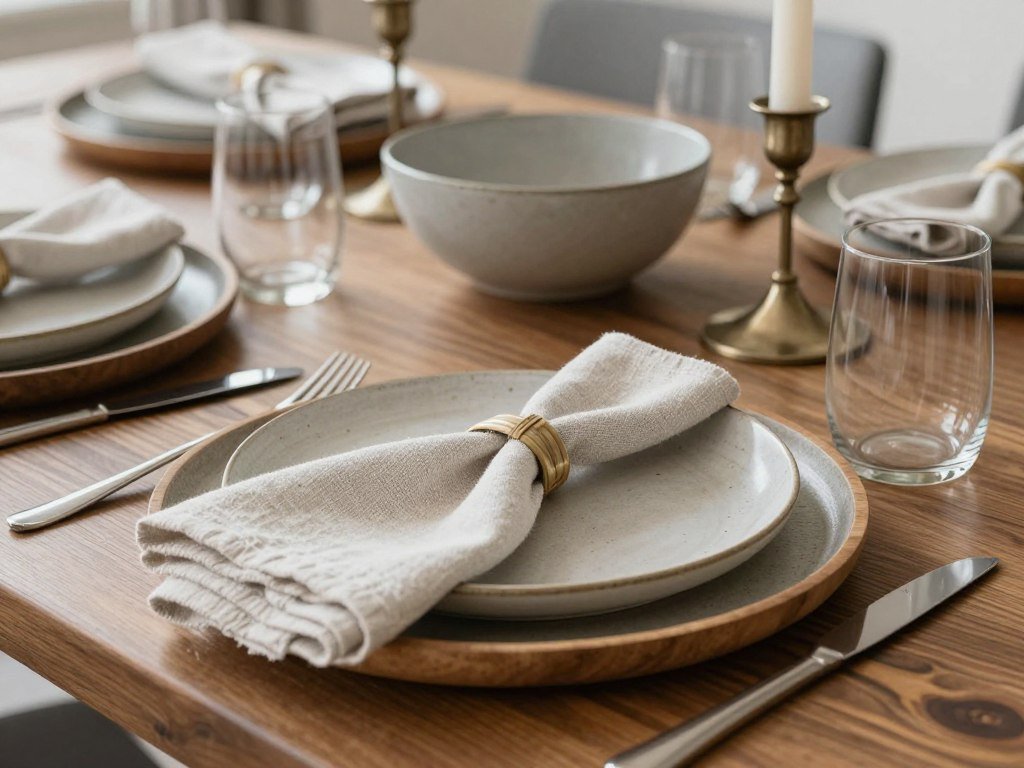
Incorporating varied textures creates depth and visual interest in your tablescape. Combine smooth ceramics with rough-hewn wood, sleek metal with soft textiles, or glossy glass with matte finishes. This textural interplay engages the senses and adds sophistication to your table.
When mixing textures, maintain balance by limiting your palette to ensure cohesion. Textured table linens like slubbed linen or embroidered cotton provide a foundation for layering additional textural elements.
Color Theory for Table Styling
Strategic use of color can transform your dining table. Consider using color theory principles to create harmonious combinations—complementary colors for vibrant energy, analogous colors for serene elegance, or monochromatic schemes for sophisticated minimalism.
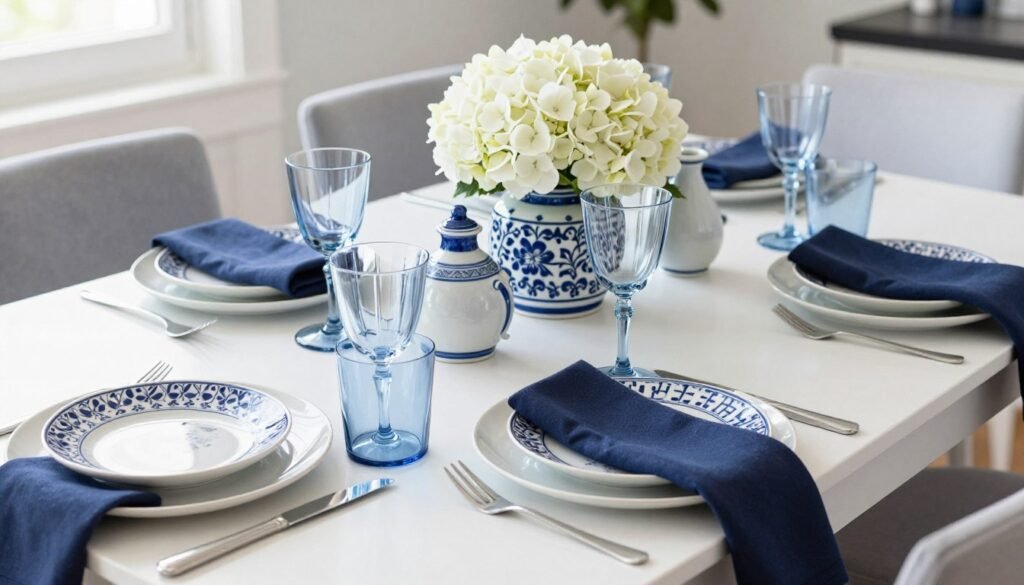
For a foolproof approach, adopt the 60-30-10 rule: use your dominant color for 60% of the table elements, a secondary color for 30%, and an accent color for the remaining 10%. Colored glass accessories offer an easy way to introduce accent colors that can be changed seasonally.
Pattern Play
Mixing patterns adds personality and visual interest to your table. The key to successful pattern mixing lies in varying the scale while maintaining a cohesive color palette. Pair large-scale patterns with medium and small-scale designs for balance.
Start with a single patterned element as your inspiration, then build around it with complementary patterns. For example, a floral patterned salad plate might be paired with striped napkins and solid dinner plates, all sharing a common color. Patterned cloth napkins are an accessible way to introduce pattern without committing to patterned dinnerware.
Creating Ambiance: Lighting and Surrounding Elements
The atmosphere around your dining table significantly impacts the dining experience. Thoughtful lighting and complementary surrounding elements enhance your tablescape and create a cohesive dining environment.
Lighting Considerations
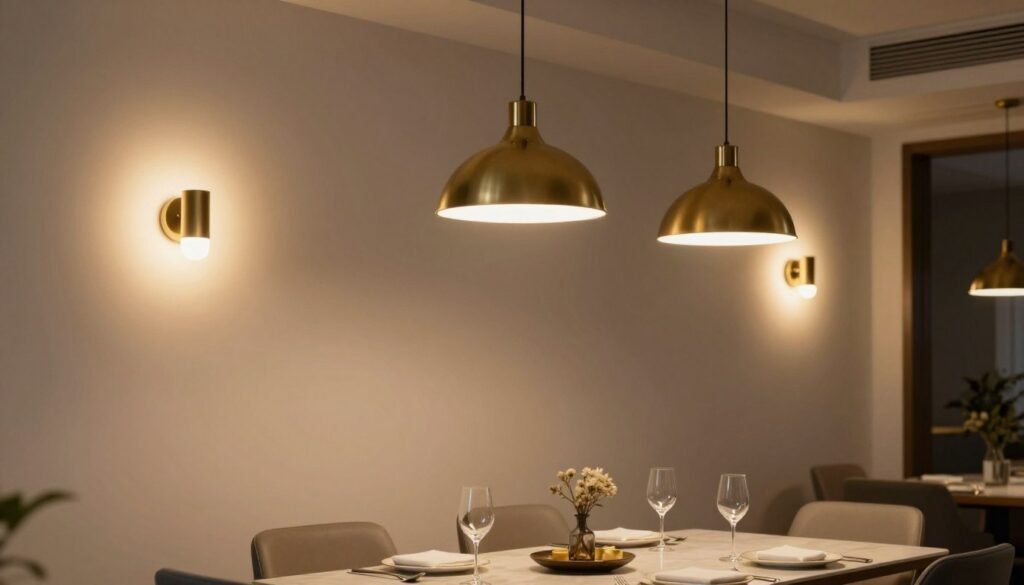
Proper lighting sets the mood for dining and highlights your carefully styled table. Overhead lighting should be adjustable, ideally with a dimmer switch to control intensity. Pendant lights or chandeliers centered above the table provide focused illumination while serving as decorative elements themselves.
Layer your lighting with additional sources like wall sconces, buffet lamps, or candles to create depth and eliminate harsh shadows. Dimmable pendant fixtures offer flexibility for different dining occasions, from bright family breakfasts to intimate dinner parties.
Surrounding Decor Elements
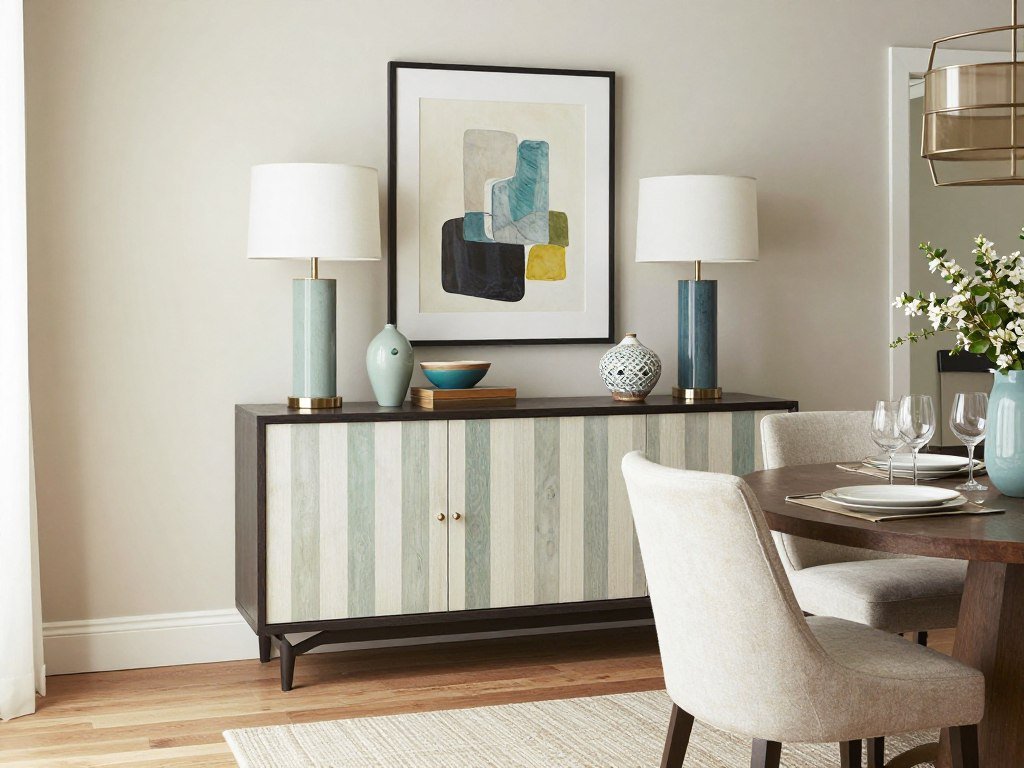
The decor surrounding your dining table should complement your tablescape while enhancing the overall dining space. Consider how sideboards, wall art, window treatments, and floor coverings interact with your table styling to create a cohesive environment.
A well-styled sideboard or buffet can extend your table’s aesthetic while providing functional service space. Echo elements from your table—colors, materials, or themes—in your sideboard styling to create visual connection. Coordinating buffet accessories like serving pieces, candle holders, or decorative objects help unify the space.
Practical Styling Tips for Real Life
Beautiful table styling should enhance, not hinder, the dining experience. These practical considerations ensure your tablescape remains functional while looking fantastic.
Flexibility and Functionality
Design your tablescape with real-life dining in mind. Centerpieces should be easy to move or compact enough to allow space for serving dishes. Consider arranging decorative elements on trays that can be quickly relocated when more table space is needed.
For everyday tables, choose low-maintenance styling that can withstand regular use. Decorative serving trays not only look beautiful but also allow you to quickly transform your table from styled to functional.
Storage Solutions
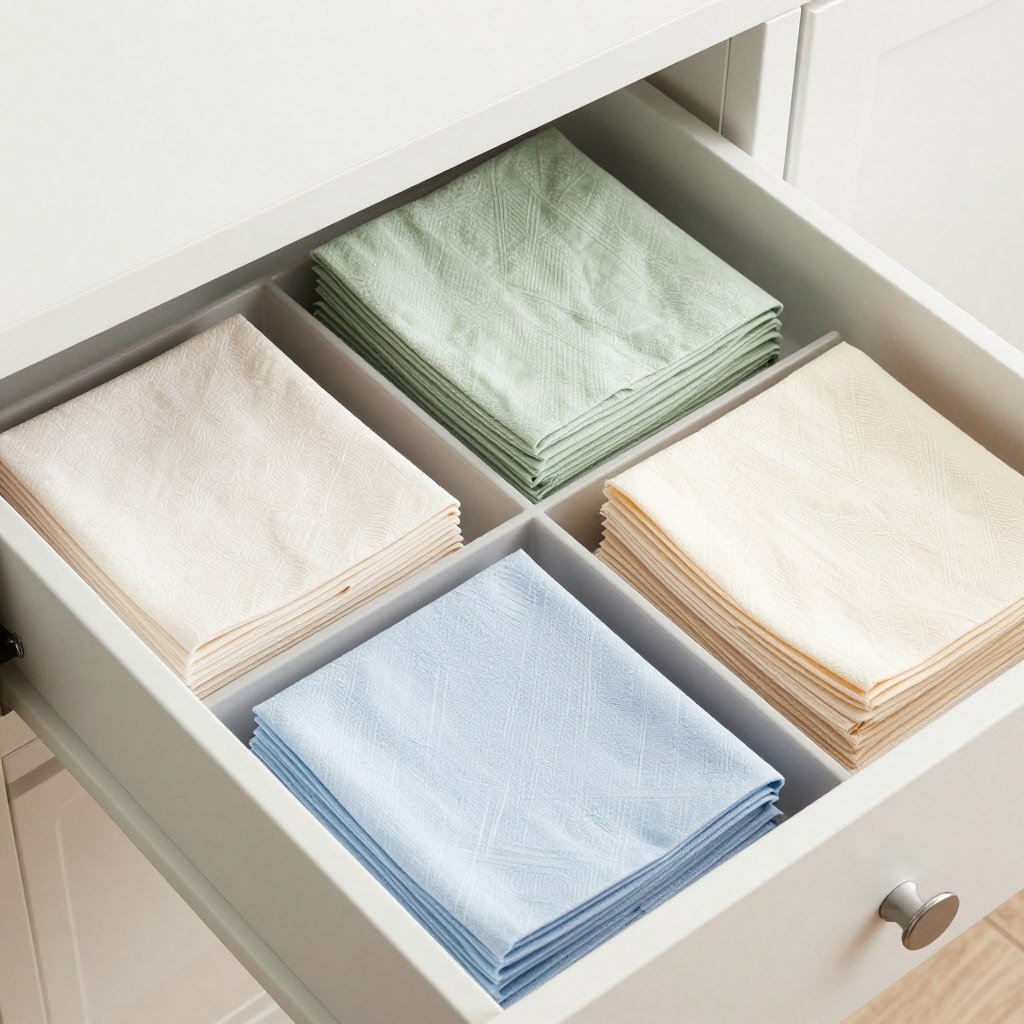
Maintaining a variety of table styling elements requires thoughtful storage. Develop systems for organizing your table linens, seasonal decor, and special occasion pieces so they remain in good condition and are easily accessible when needed.
Consider dedicated storage solutions like linen storage organizers that prevent creasing and keep items dust-free. For seasonal items, clear storage containers with labels ensure you can quickly find what you need when the seasons change.
Bringing It All Together: Your Personal Table Style
The most beautiful dining tables reflect the personality and lifestyle of the home they grace. As you experiment with different styling techniques, you’ll develop your unique approach that balances aesthetics with practicality.
Remember that table styling is both an art and a practice. Don’t be afraid to experiment with different combinations of elements, and adapt your approach based on the occasion, season, and your evolving taste. The most successful tablescapes often break conventional rules while maintaining balance and functionality.
Whether you’re styling for everyday enjoyment or special celebrations, your dining table offers endless opportunities for creative expression. With the foundation of knowledge provided in this guide, you’re well-equipped to create stunning tablescapes that enhance your dining experience and reflect your personal style. Happy styling!
Ready to Transform Your Dining Table?
Explore our curated collection of table styling essentials to create your own Pinterest-worthy dining space.