A double sink bathroom vanity isn’t just a practical addition to your home—it’s a relationship saver. Those morning battles over sink space become a thing of the past when you have dedicated zones for each person. Beyond the practical benefits, these vanities add significant value to your home while creating a luxurious, spa-like atmosphere in your bathroom.
This Website contains affiliate links. That means I may earn a small commission if you purchase through my links, at no extra cost to you.
Whether you’re renovating a master bathroom, updating a shared kids’ bathroom, or building a new home, choosing the right double vanity can transform your daily routine and elevate your space. This comprehensive guide will walk you through everything you need to know about selecting the perfect double sink vanity for your needs.
Why Choose a Double Sink Bathroom Vanity?
The popularity of double sink bathroom vanities continues to grow, and for good reason. These practical fixtures offer numerous advantages that make them worth considering for your bathroom renovation:
Shared Morning Routines Made Simple
Perhaps the most obvious benefit is the ability for two people to use the bathroom simultaneously. No more waiting for your partner to finish brushing their teeth or washing their face—everyone gets their own dedicated space.
Increased Counter Space
Double vanities typically offer significantly more countertop space than single vanities. This extra room provides ample space for toiletries, cosmetics, and other bathroom essentials without creating clutter.
Enhanced Storage Options
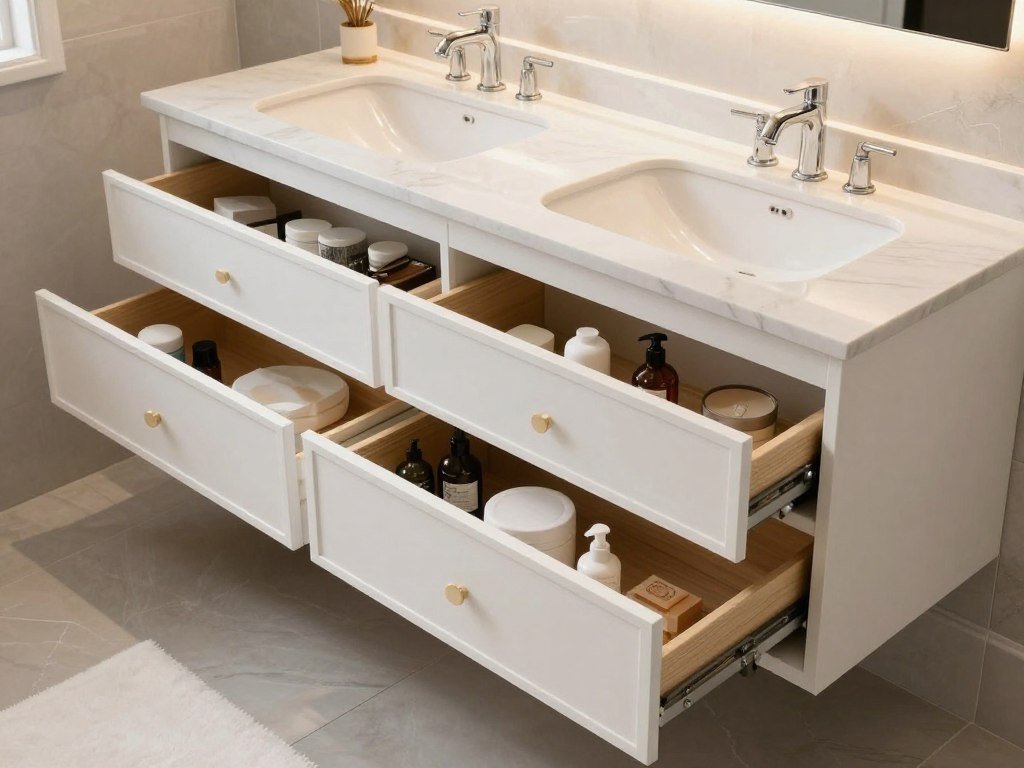
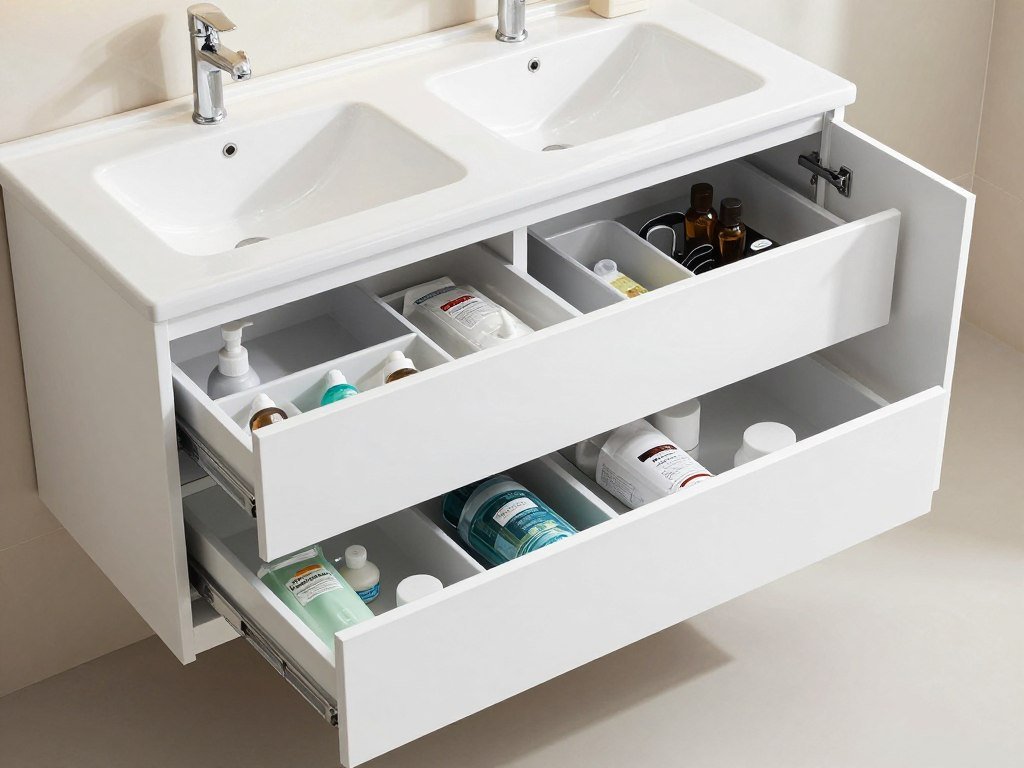
With double the cabinet space beneath the sinks, you’ll have plenty of room to store towels, cleaning supplies, and personal care items. Many modern designs include specialized storage solutions like drawer dividers and pull-out organizers.
Real estate experts consistently rank double vanities as a desirable feature for potential homebuyers. Installing one can increase your home’s resale value and make it more attractive on the market.
Personal Space and Organization
Having designated sides allows each person to organize their items according to their preferences. This separation can reduce conflict and keep the bathroom more organized overall.
Sizing and Space Planning for Your Double Vanity
Before falling in love with a specific style, it’s crucial to understand the space requirements for a double sink vanity. Proper measurements will ensure your new fixture fits perfectly in your bathroom.
Standard Double Vanity Dimensions
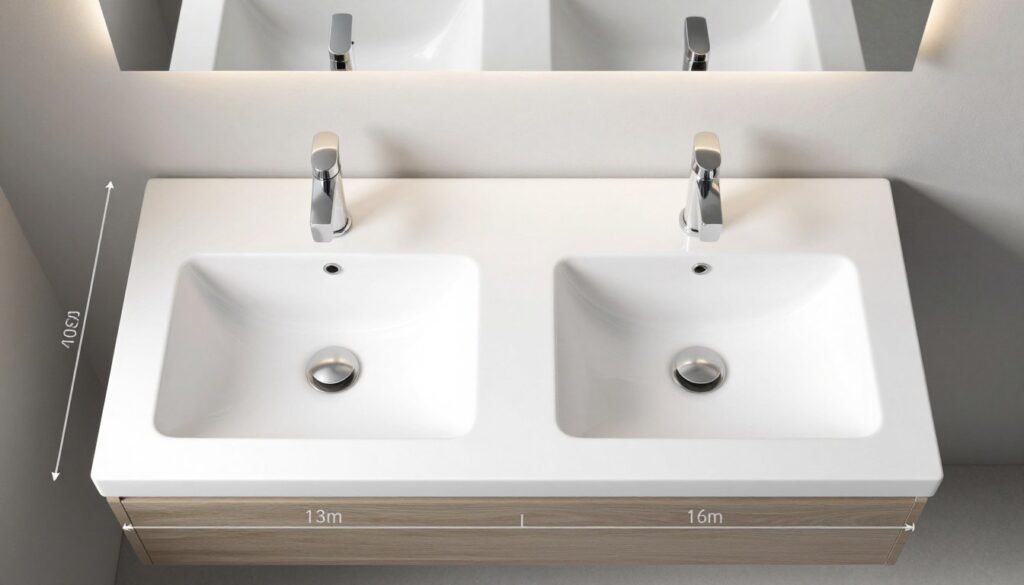
Double vanities typically range from 48 to 84 inches in width, with the most common sizes being:
48-inch: The minimum width for a comfortable double vanity
60-inch: A popular mid-range option that works in most bathrooms
72-inch: Provides generous space between sinks and ample counter area
84-inch and larger: Luxury options for spacious master bathrooms
Standard depths range from 19 to 22 inches, while heights typically fall between 32 and 36 inches. Consider your family members’ heights when choosing the ideal height for comfortable daily use.
If you’re working with limited space but still want the functionality of two sinks, consider these space-saving options:
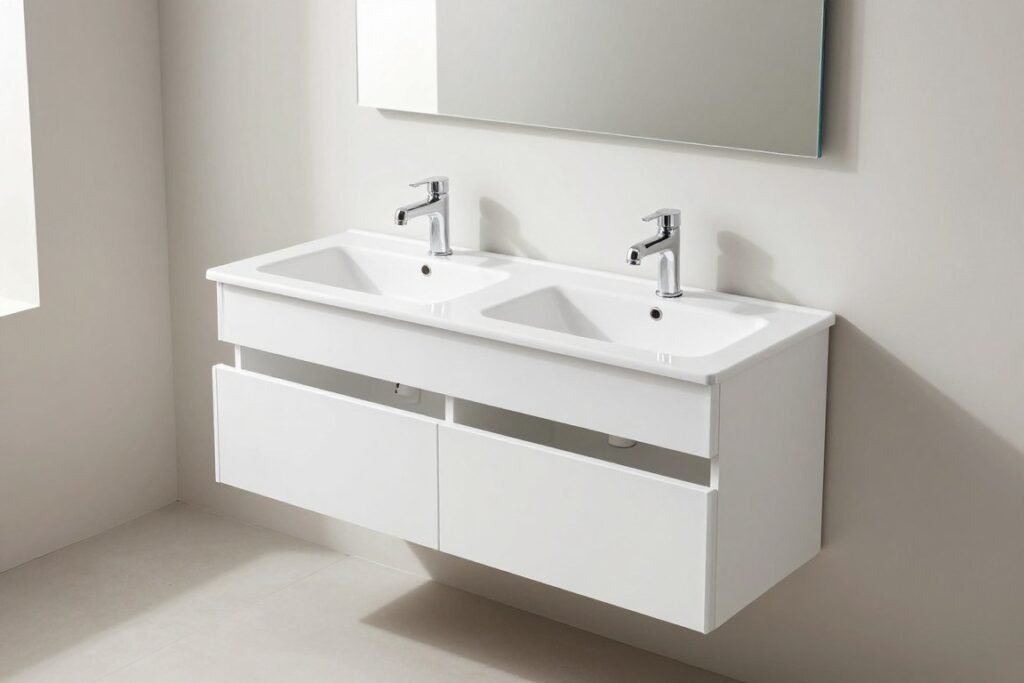
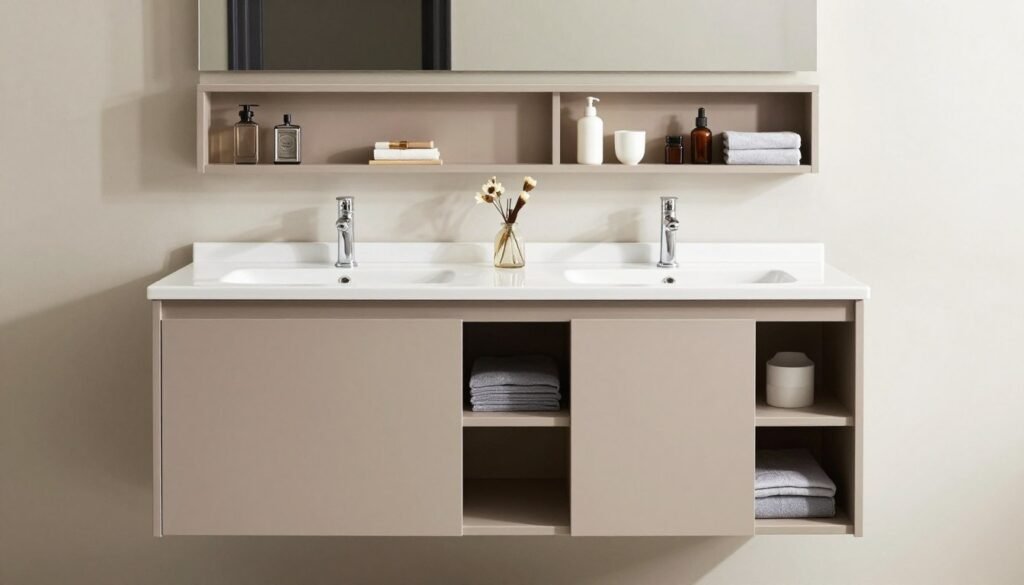
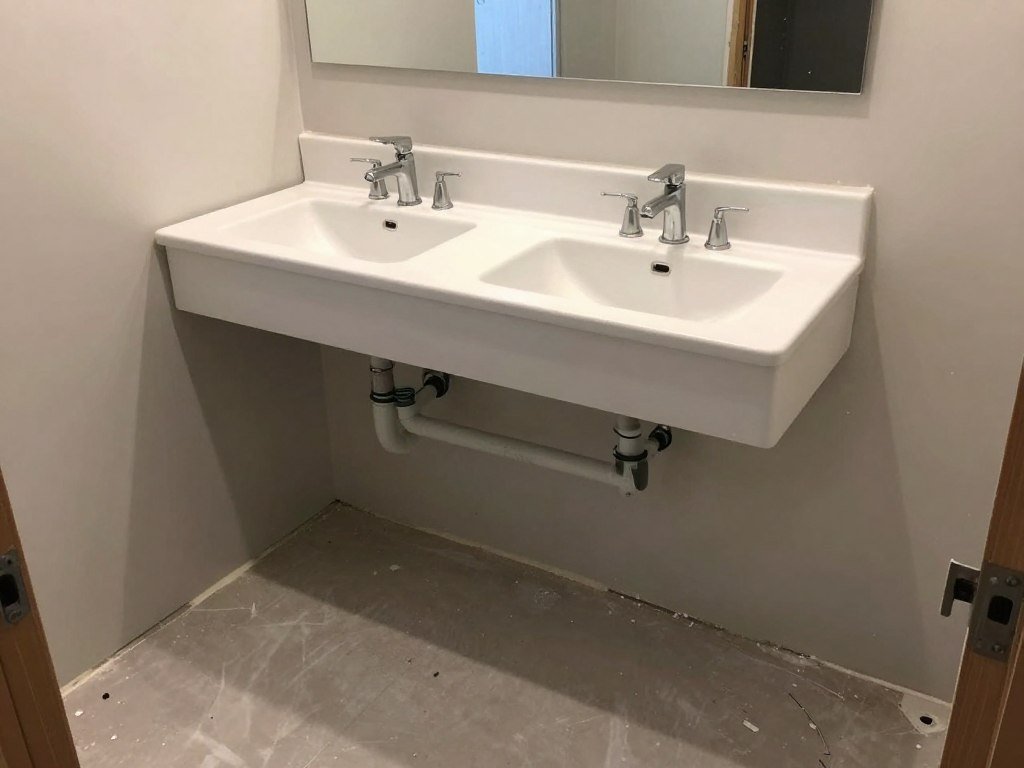
Wall-mounted (floating) vanities that create the illusion of more floor space
Shallower depth models (18-19 inches instead of the standard 21-22 inches)
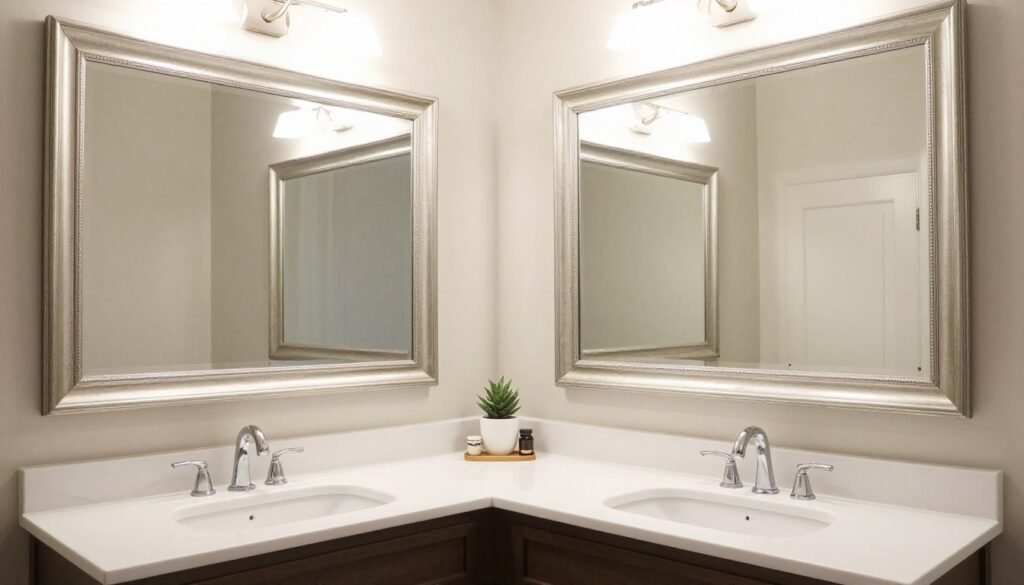
Corner double vanity designs that maximize awkward spaces
Undermount or integrated sinks that maximize counter space
Popular Double Sink Bathroom Vanity Styles
The style of your vanity sets the tone for your entire bathroom. Here are some of the most popular design aesthetics to consider:
Modern and Contemporary
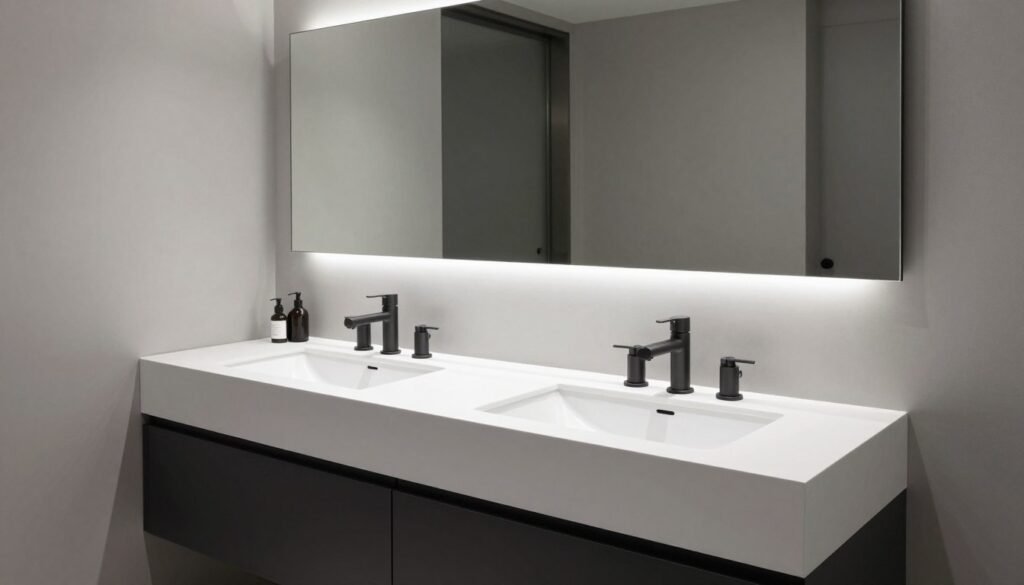
Modern vanities feature clean lines, minimal ornamentation, and often incorporate materials like glass, metal, and engineered wood. These modern double sink vanities typically have flat-panel doors, integrated handles or minimal hardware, and floating designs that create a sense of spaciousness.
Traditional and Classic
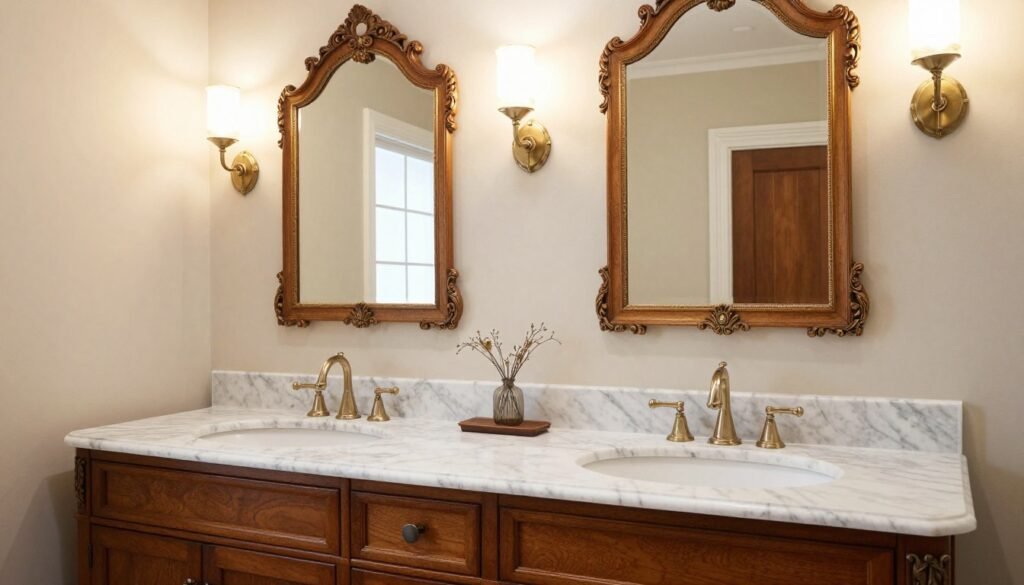
Traditional vanities embrace timeless design elements like raised panel doors, decorative moldings, and furniture-style details. Often crafted from solid wood with rich finishes, these vanities pair beautifully with materials like marble and granite for an elegant, classic look.
Farmhouse and Rustic
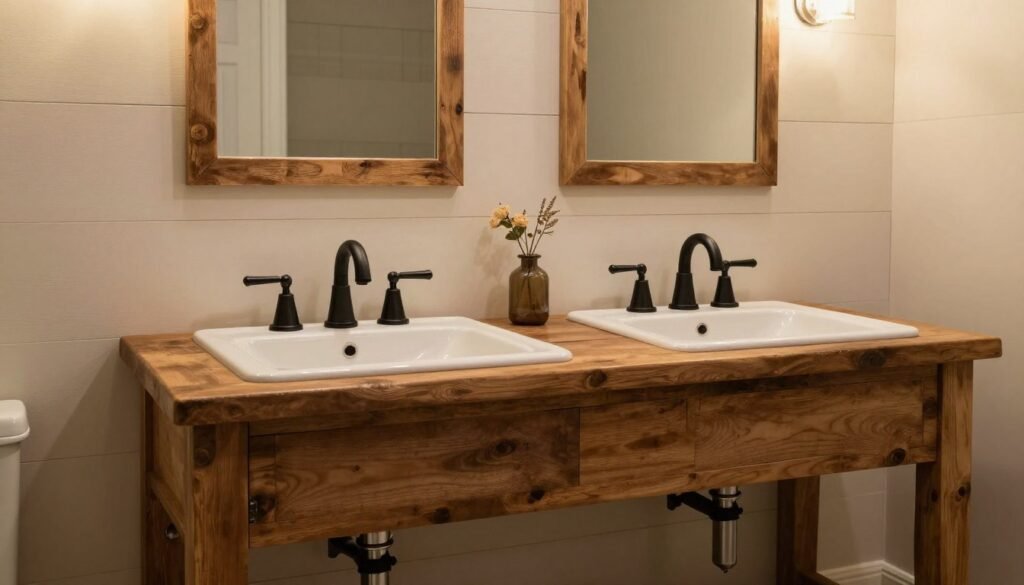
Farmhouse vanities bring warmth and character to bathrooms with their weathered finishes, reclaimed wood, and vintage-inspired hardware. These farmhouse double sink vanities often feature open shelving, apron-front sinks, and a lived-in charm that creates an inviting atmosphere.
Transitional
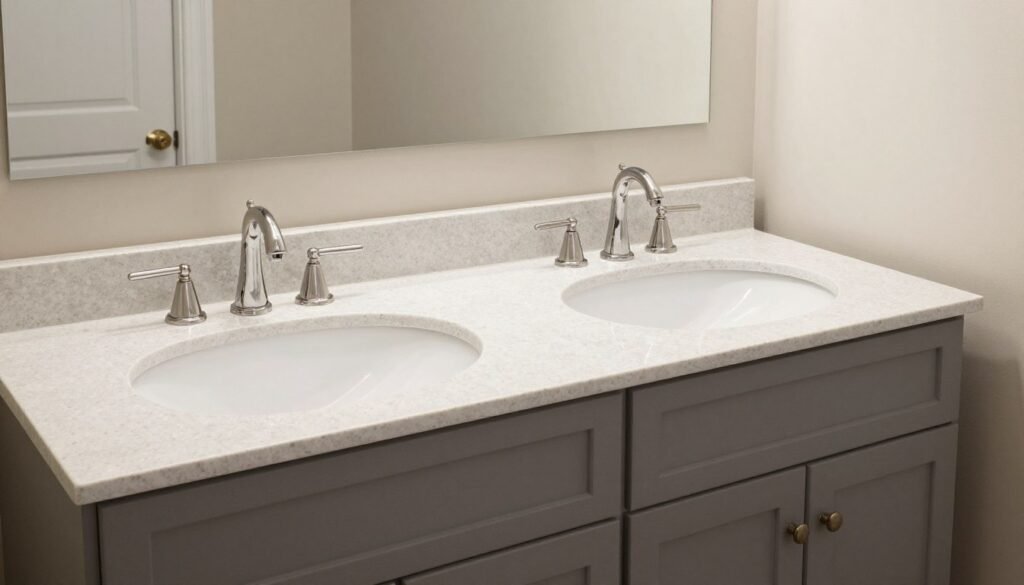
Transitional vanities bridge the gap between traditional and contemporary styles, offering the best of both worlds. These versatile pieces typically feature clean lines with subtle decorative elements, making them adaptable to various bathroom designs.
Industrial
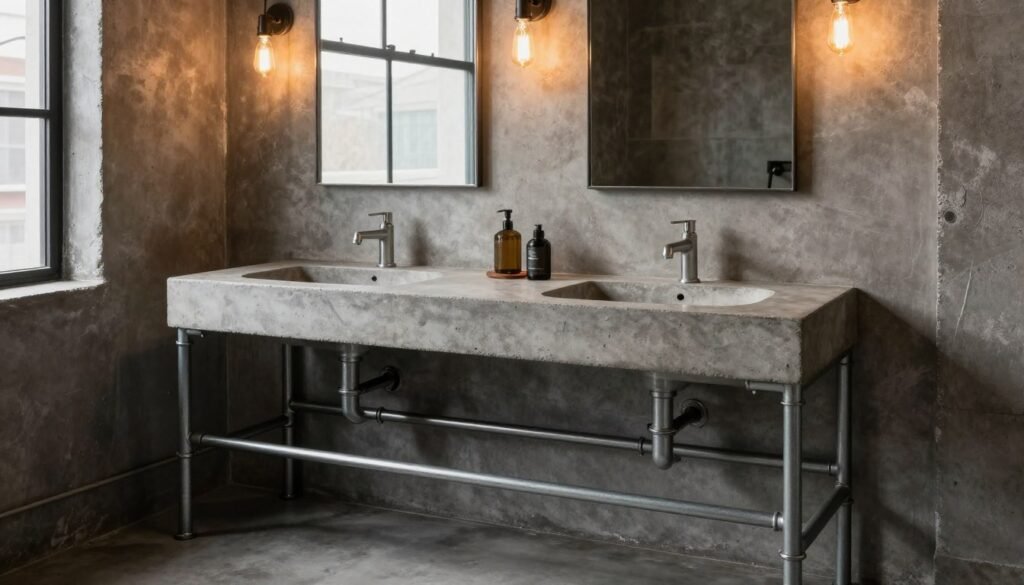
Industrial vanities embrace raw materials like metal, concrete, and unfinished wood. These statement pieces often feature exposed hardware, pipe-style legs, and a rugged aesthetic that adds character to contemporary bathrooms.
Materials and Construction Quality
The materials used in your double sink vanity will determine its durability, maintenance requirements, and overall appearance. Here’s what you need to know about common vanity materials:
Vanity Base Materials
Solid Wood
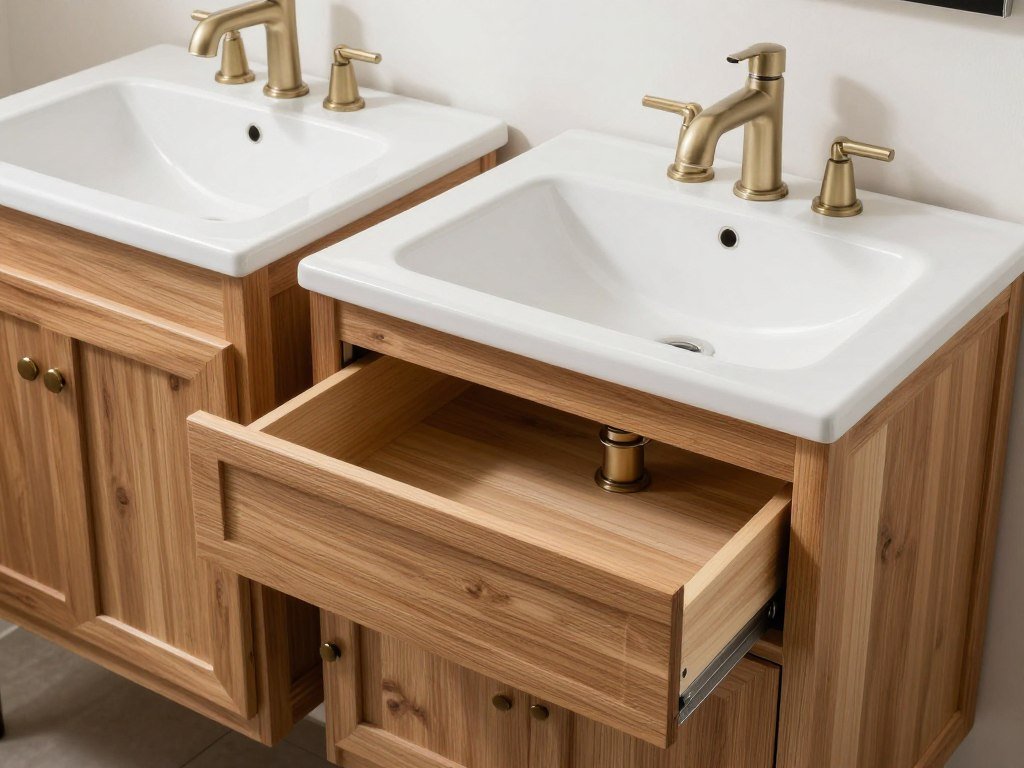
Solid wood vanities offer exceptional durability and a premium look. Oak, maple, walnut, and teak are popular choices for their strength and distinctive grain patterns. While these solid wood double sink vanities come at a higher price point, they can last for decades with proper care.
MDF (Medium-Density Fiberboard)
MDF provides a smooth, consistent surface that’s ideal for painted finishes. It’s more affordable than solid wood and resistant to warping, though it may be more susceptible to water damage if not properly sealed.
Plywood
High-quality plywood offers a good balance of durability and cost-effectiveness. It resists warping better than solid wood and provides structural stability for larger vanities.
Particle Board
The most budget-friendly option, particle board works well for vanities with laminate finishes. However, it’s more vulnerable to moisture damage and may not hold up as well over time.
Countertop Materials
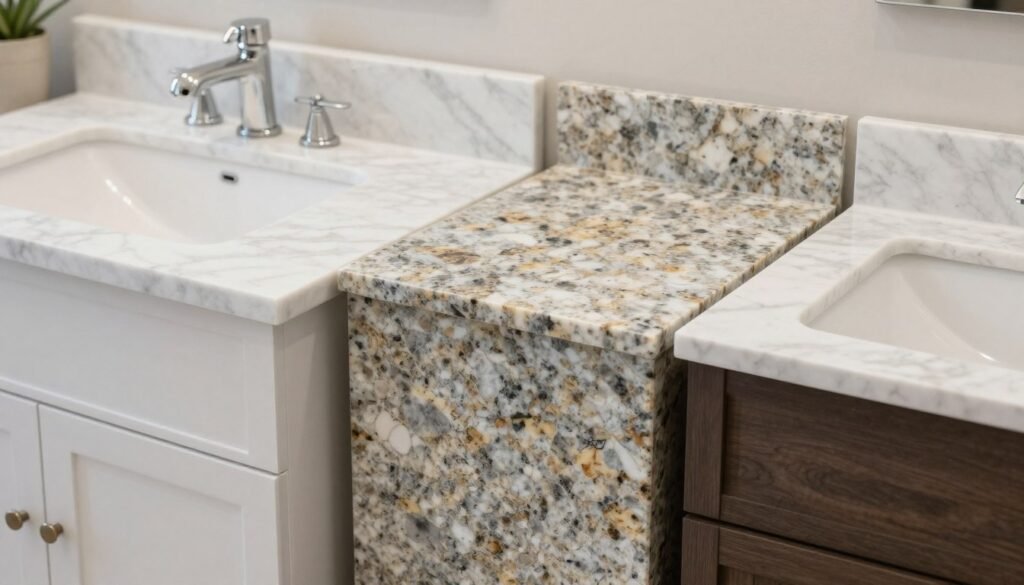
Quartz
Engineered quartz combines natural stone with resins to create a non-porous, highly durable surface. It resists staining, doesn’t require sealing, and comes in a wide range of consistent patterns and colors. These quartz top double sink vanities offer excellent longevity with minimal maintenance.
Marble
With its luxurious veining and timeless appeal, marble creates a sophisticated look. However, it’s more porous than other stone options, requiring regular sealing and careful maintenance to prevent staining.
Granite
Natural granite provides unique patterns and excellent durability. It resists heat and scratches well but needs periodic sealing to maintain its resistance to stains and bacteria.
Solid Surface
Materials like Corian offer seamless integration with sinks and backsplashes. These non-porous surfaces are easy to clean and repair if damaged, though they may be more susceptible to heat damage than stone.
Find Premium Materials
Discover high-quality double vanities made from durable materials that will stand the test of time.
The type of sink and faucet you choose can dramatically impact both the functionality and aesthetic of your double vanity.
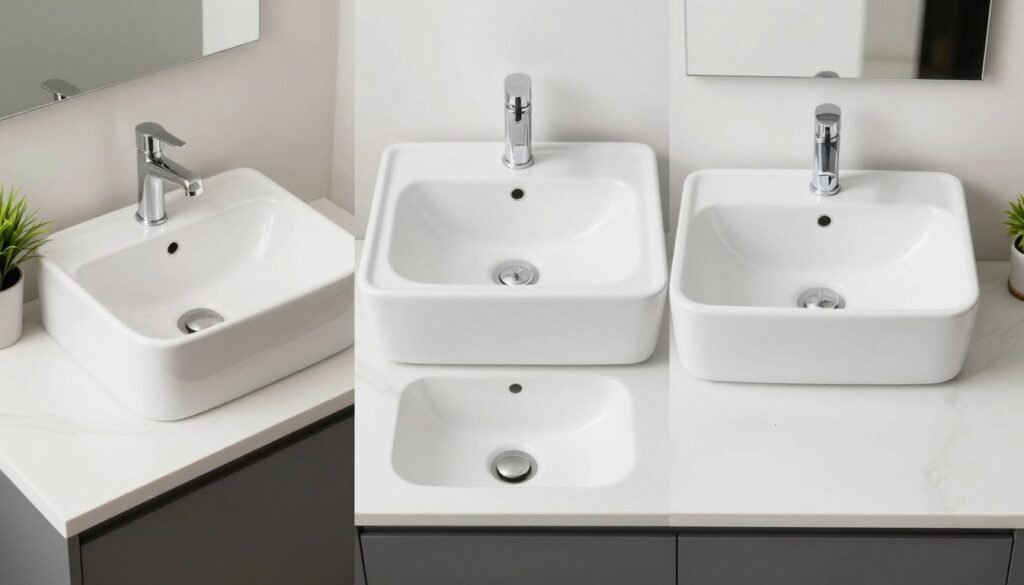
Popular Sink Types
Undermount Sinks
Undermount sinks are installed beneath the countertop, creating a seamless look and making counter cleanup easier since there’s no rim to catch debris. They work beautifully with stone countertops and create a clean, contemporary appearance.
Vessel Sinks
Sitting on top of the counter like a bowl, vessel sinks make a bold design statement. They come in various materials including glass, ceramic, and stone, allowing for creative expression in your bathroom design.
Drop-In Sinks
Also called self-rimming sinks, these are installed from above with a visible rim that sits on the countertop. They’re typically the most affordable and easiest to install or replace.
Integrated Sinks
These sinks are formed as part of the countertop material, creating a seamless, easy-to-clean surface. They’re particularly popular with solid surface materials like Corian.
Full-extension drawers that allow access to items at the back
Soft-close mechanisms that prevent slamming
Specialized compartments for hair tools and electrical items
Pull-out organizers for smaller toiletries
Tip-out trays beneath the sink for small items
Vertical dividers for storing hair styling tools
Open Shelving vs. Closed Storage
Closed Cabinets
Traditional closed cabinets keep items hidden from view, creating a clean, uncluttered appearance. They’re ideal for storing less attractive necessities like cleaning supplies and extra toiletries.
Open Shelving
Open shelves add visual interest and provide easy access to frequently used items. They work well for displaying decorative items like rolled towels, pretty containers, and plants.
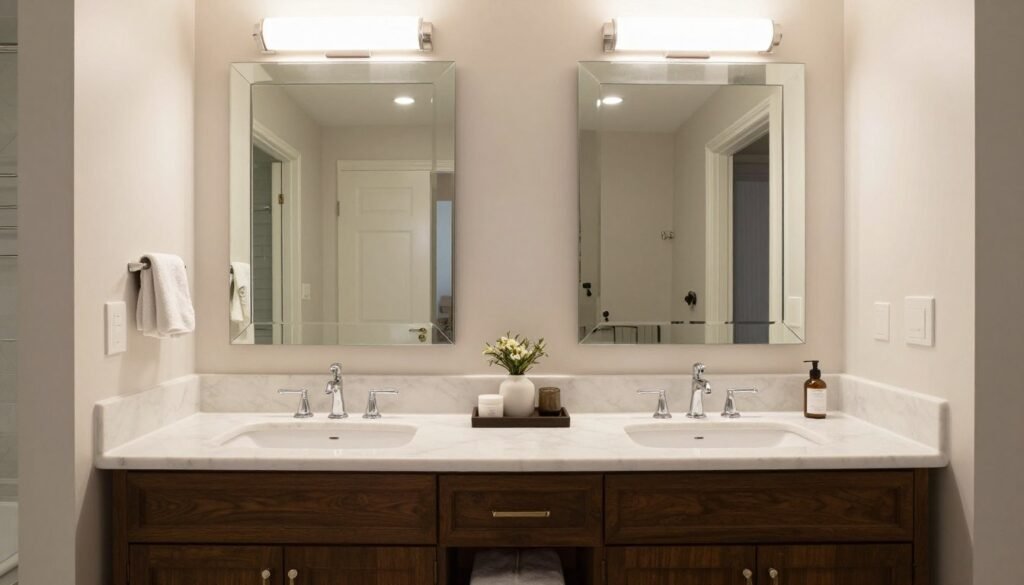
Two individual mirrors, one centered above each sink
One large mirror spanning the entire vanity
Individual mirrors create defined spaces for each person and can add architectural interest. A single large mirror can make the room appear more spacious and allows for more flexible use of the counter space.
Lighting Considerations
Proper lighting is essential for daily grooming tasks. Consider these bathroom vanity lighting options:
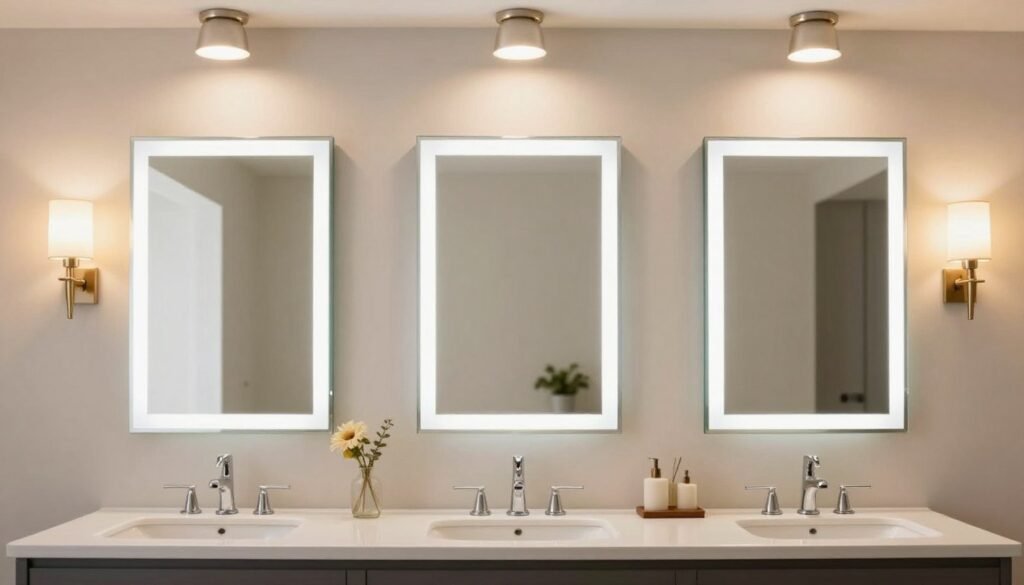
Sconces mounted on either side of each mirror provide even, shadow-free lighting
Overhead vanity lights work well with a single large mirror
Backlit or LED-integrated mirrors combine two elements in one
Recessed ceiling lights can provide ambient illumination
Hardware and Fixtures
Create a cohesive look by coordinating these elements:
Cabinet hardware (knobs and pulls)
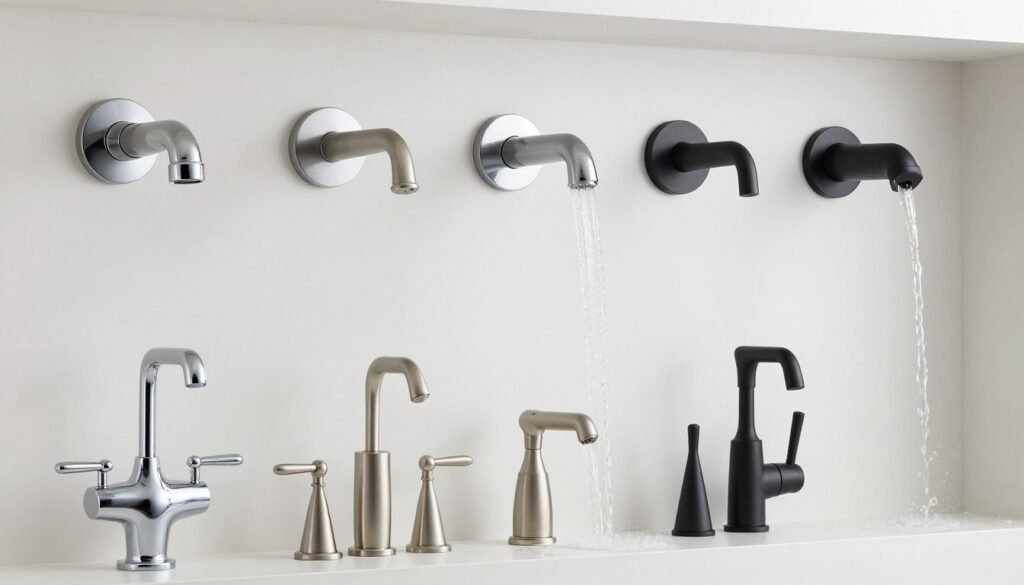
Faucets and drain finishes
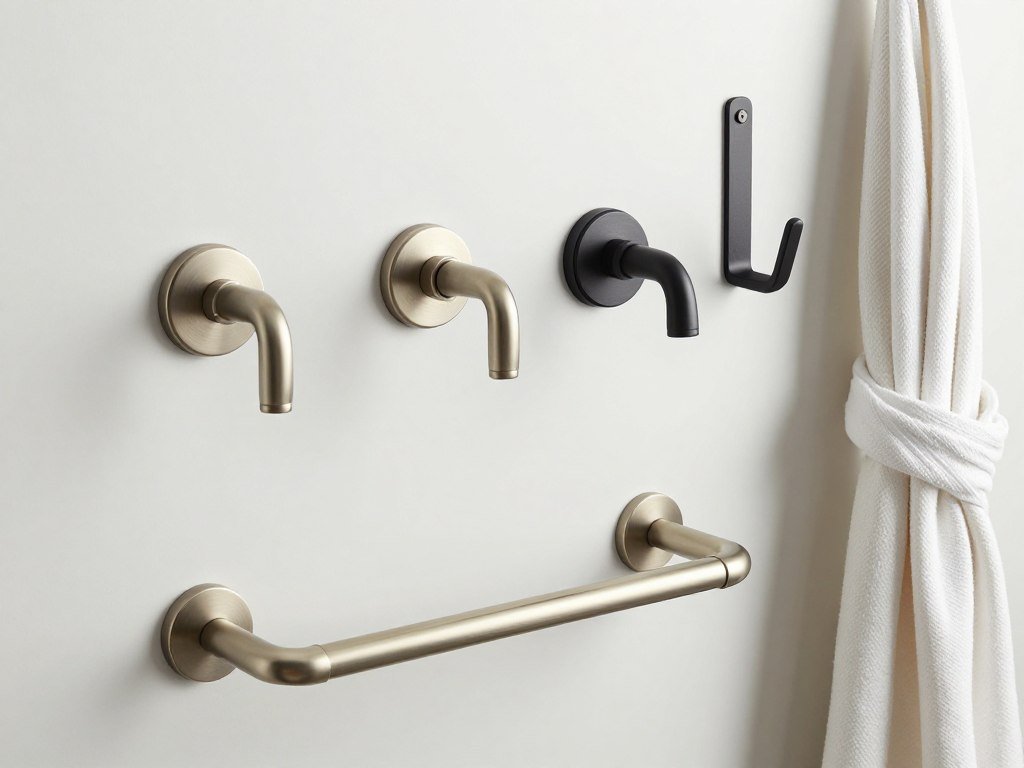
Towel bars and robe hooks
Shower fixtures
Toilet paper holders and other accessories
While perfect matching isn’t necessary, choosing complementary finishes (like brushed nickel, matte black, or champagne bronze) creates a pulled-together appearance.
Making Your Final Decision
Choosing the perfect double sink bathroom vanity involves balancing practical considerations with aesthetic preferences. Consider these final tips as you make your decision:
Prioritize quality construction and materials for a vanity that will stand the test of time
Choose a style that complements your overall home design for a cohesive look
Consider your daily routines and storage needs when selecting features
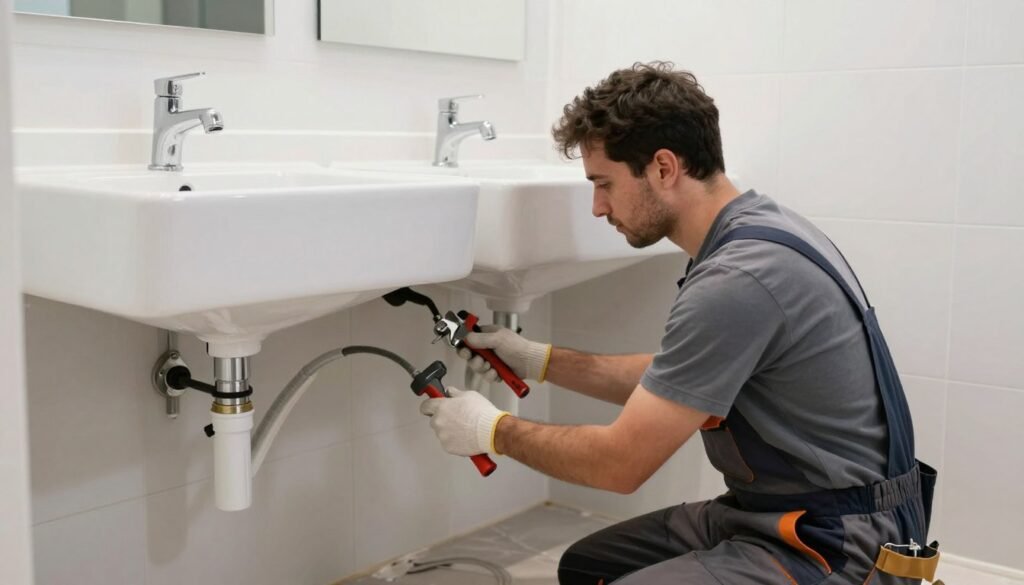
Remember that plumbing requirements may influence your options
Set a realistic budget that includes installation costs
A well-chosen double sink vanity transforms not just the look of your bathroom but also how you use the space every day. By taking the time to research your options and consider both practical and aesthetic factors, you’ll select a vanity that brings beauty, functionality, and value to your home for years to come.
Find Your Perfect Double Sink Vanity
Explore a wide selection of styles, sizes, and materials to discover the ideal double sink vanity for your bathroom.